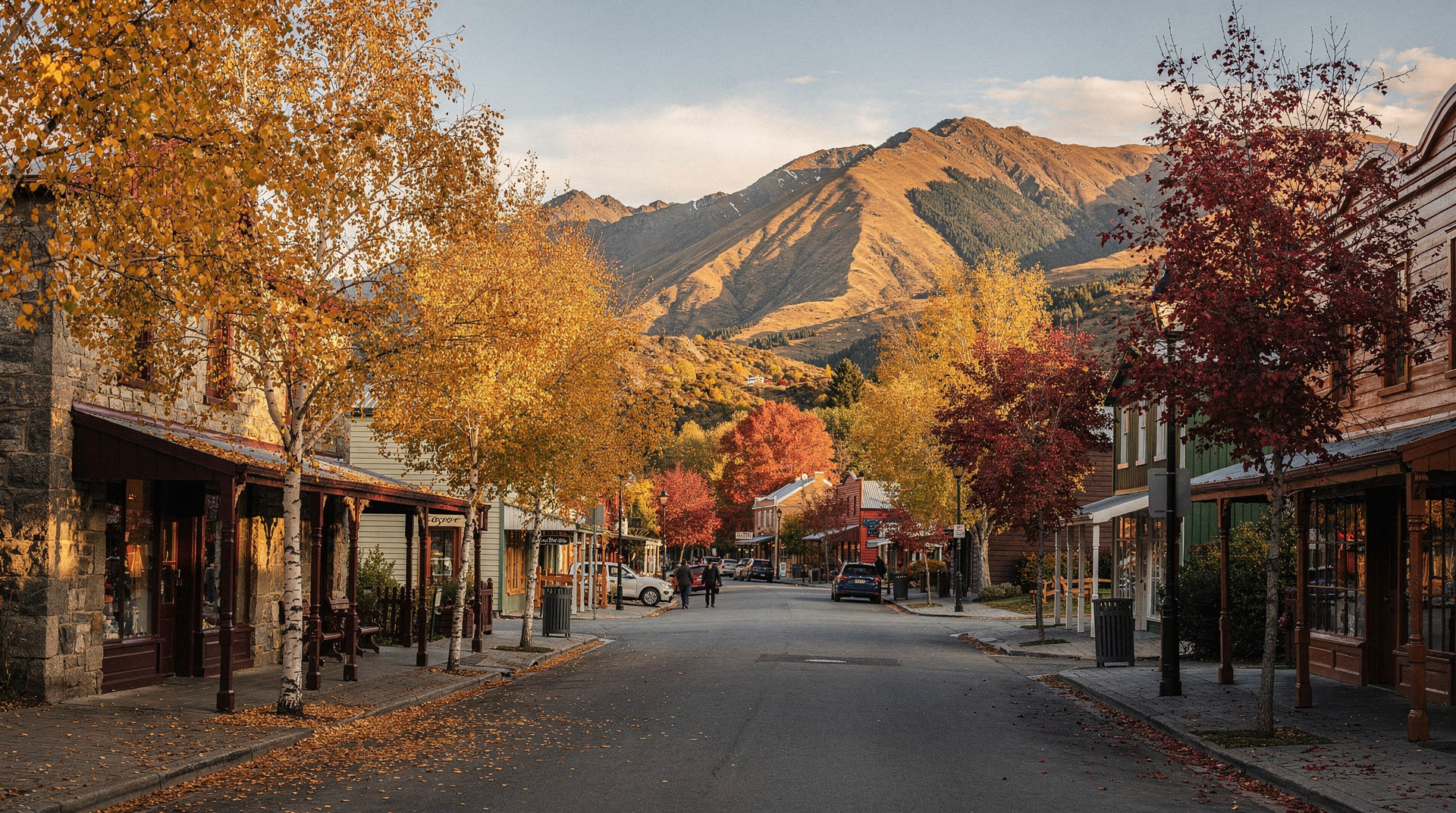
Arrowtown
Arrowtown: the best-preserved gold rush town in New Zealand, extraordinary autumn foliage, and Central Otago Pinot Noir. Half-day from Queenstown. NZD/USD/EUR.
Quick facts
- Distance from Queenstown
- 21 km, 25 minutes
- Population
- ~2,400 permanent residents
- Currency
- NZ$ — USD ~$0.60 / EUR ~$0.55
- Best for autumn
- April is New Zealand's most famous autumn foliage location
- Heritage
- Gold rush 1862 — the original settlement is almost entirely preserved
New Zealand’s most intact gold rush village
Arrowtown was founded in 1862 following the discovery of gold in the Arrow River. Within a year, nearly 1,500 people had arrived. The township that was built in the 1860s and 1870s — the main street, the miners’ cottages, the Chinese settlement at the edge of town — is still substantially intact, which is unusual for a New Zealand town of this age and makes Arrowtown visually distinctive in a way that most heritage sites in New Zealand are not.
The main street (Buckingham Street) has managed to maintain its character while absorbing the tourism economy — there are good cafes, restaurants, and independent galleries alongside the heritage buildings, and the commercial activity has not overwhelmed the residential quality of the surrounding lanes and the Lakes District Museum.
The other thing Arrowtown is famous for is autumn. In April, the exotic trees planted by the early settlers — poplars, oaks, liquid ambers — turn amber, orange, and yellow, producing a concentration of autumnal colour that is rare in New Zealand (which has limited native deciduous trees) and is photographed so extensively that the images have become shorthand for Central Otago. The foliage in April is genuinely outstanding and worth timing your visit around.
| Where | Otago, 21 km / 25 minutes from Queenstown |
| Getting there | Self-drive, cycle trail, or a Queenstown half-day tour |
| Time needed | Half a day; a full day if combining cycling and wine |
| Cost | Around NZD 8 museum entry, NZD 30-50 for bike rental |
| Best time | Mid-April for autumn foliage; December-February for a lively village |
What to do in Arrowtown
Buckingham Street walk: The main street and its side lanes constitute the core of the Arrowtown heritage experience. The Lakes District Museum (NZD 8 / USD 4.80 / EUR 4.40) covers the gold rush history in detail with artefacts and photography. The Chinese Settlement at the edge of town — a cluster of stone huts occupied by Chinese miners who arrived in the 1860s — is the best-preserved example of a Chinese goldfields settlement in New Zealand.
Gold panning on the Arrow River: Gold is still present in the Arrow River in small quantities, and most visitors to Arrowtown at least briefly pan for gold with a hire pan from the museum. Rental NZD 5 / USD 3 / EUR 2.75. You are unlikely to find anything significant, but children find it genuinely engaging.
Self-guided cycling to Gibbston Valley: The Arrow River Bridges Trail is a 12 km cycle path following the Arrow River gorge to the Gibbston Valley wineries. Bikes available from multiple Arrowtown rental operators; NZD 30–50 / USD 18–30 / EUR 16.50–28 for a half-day. The From Queenstown: “Valley of the Vines” Wine and Bike Tour (Arrowtown) combines the cycling and wine tasting; NZD 95–130 / USD 57–78 / EUR 52–72.
Arrowtown to Queenstown bike trail: The 20 km trail connects Arrowtown to the Queenstown waterfront via the Arrow River, Lake Hayes, and Frankton Arm. Queenstown: Arrowtown to Queenstown Biking Adventure provides the bike and shuttle; NZD 75–95 / USD 45–57 / EUR 41–52.
Queenstown half-day tour including Arrowtown: Queenstown: See the Best Sights of Queenstown Half-Day Tour includes Arrowtown and Gibbston Valley with a guide; NZD 90–120 / USD 54–72 / EUR 50–66.
Lake Hayes: 3 km from Arrowtown, Lake Hayes is a small, calm lake (no motorised boats) that gives another famous Central Otago reflection — particularly good in autumn. The 8 km walking circuit takes 2–2.5 hours and is mostly flat.
Gibbston Valley wineries: The Gibbston Valley, 15 km from Arrowtown via the gorge road, is New Zealand’s highest-altitude wine region (at 350–450 metres) and arguably its most distinctive. The area produces exceptional Pinot Noir and Riesling from a unique schist-soil terroir. Amisfield, Gibbston Valley Winery, and Peregrine are the main cellar doors. Wine tasting fees NZD 10–20 / USD 6–12 / EUR 5.50–11 per person.
Day trip from Queenstown
Arrowtown is the most popular day trip from Queenstown — 21 km, 25 minutes. The village and the cycling trail to Gibbston Valley fills a comfortable half-day. Combined with a morning Queenstown activity (jet boat, gondola, or bungee), it makes a full Queenstown day.
Most Queenstown-based tours include Arrowtown as a stop on scenic afternoon tours. The independent drive via Lake Hayes adds very little time and gives a superb lake reflection on the approach.
Where to stay in Arrowtown
Many visitors stay in Queenstown and day-trip to Arrowtown; however, staying in Arrowtown itself gives a qualitatively different experience — quieter evenings, morning light on the heritage streetscape without the day-tripper crowds.
Arrowtown Village Inn: Heritage-style boutique hotel at the edge of the main street. NZD 220–340 / USD 132–204 / EUR 121–187.
The Stables Lodge: Self-contained stone-walled cottage accommodation; excellent atmosphere. NZD 200–300 / USD 120–180 / EUR 110–165.
Arrowtown Holiday Park: Campervan-friendly, central location. Power sites NZD 42–58 / USD 25–35 / EUR 23–32.
What to eat and drink
Provisions: A deli-cafe that is justifiably one of the most celebrated small food operations in Central Otago — exceptional produce, thoughtful cooking, and a beautiful garden courtyard. Lunch NZD 20–30 / USD 12–18 / EUR 11–16.50. Often busy; arrive by 11:30am.
Arrowtown Bakery: One of the better bakeries in Otago; good for a morning pastry and coffee before the lakes walk. Open from 6:30am.
Saffron: The most celebrated restaurant in Arrowtown for evening dining — good Central Otago Pinot Noir list, locally sourced lamb and game. Mains NZD 34–50 / USD 20–30 / EUR 18–28.
The Fork and Tap: Good pub food and Central Otago craft beers in a relaxed setting. Mains NZD 22–32 / USD 13–19 / EUR 12–18.
Skip / worth it / splurge
- Skip: Arrowtown if autumn is not the season — the heritage is enjoyable year-round but the autumn foliage is what makes it exceptional, and without it the town is pleasant rather than extraordinary
- Worth it: Lakes District Museum (NZD 8 / USD 4.80 / EUR 4.40) — better than expected gold rush history
- Worth it: Cycling to Gibbston Valley (NZD 30–50 / USD 18–30 / EUR 16.50–28 bike rental) — the gorge route is beautiful and the winery destination is real value
- Splurge: Dinner at Saffron during April foliage season (NZD 80–130 / USD 48–78 / EUR 44–72 per person with wine) — the combination of autumn light, heritage setting, and excellent Pinot Noir is worth the occasion
How to fit Arrowtown into your itinerary
Arrowtown appears in most Queenstown-based itineraries as a half-day excursion. It pairs naturally with a morning adventure activity in Queenstown, or as an afternoon addition to a Glenorchy half-day (the two are 45 km apart, making a full-day Queenstown excursion combining both).
On the 21-day New Zealand itinerary, Arrowtown gets a morning during the Queenstown segment. On the 7-day South Island itinerary, Arrowtown is typically a half-day stop rather than overnight.
Frequently asked questions about Arrowtown
When exactly is the best time to see the autumn foliage?
The peak of the Arrowtown autumn foliage is typically mid-April, though it varies by year depending on the temperature pattern. The poplars and liquid ambers tend to peak slightly different days — watch the Central Otago weather and aim for a week between 15 and 30 April for best odds. The Lakes District Museum posts updates on the foliage status.
Is Arrowtown worth visiting outside autumn?
Yes, but with diminished impact. The heritage streetscape and cycling trails are good year-round. Summer (December-February) brings the busiest visitor numbers and the most activities. Winter (June-August) is cold, some cafes close, and the village is quiet — worth considering if you are doing the Queenstown ski season and want a different afternoon.
Can I walk from Arrowtown to Queenstown?
There is a cycle path (20 km) but no direct footpath. The Arrow River Gorge road is narrow with some traffic. Bike is the appropriate mode; the Queenstown Trail network connects the two towns well.
How does Arrowtown compare to a straight Queenstown day?
If you only have one day in the Queenstown area and want variety beyond the adrenaline activities, Arrowtown is the best half-day add-on — heritage streetscape, an easy cycle, and Gibbston Valley wine within reach. Our day trips from Queenstown guide ranks it against Glenorchy and other options, and the Central Otago wine tour guide covers Gibbston Valley in more depth. If you’re weighing Arrowtown-as-a-base against staying in Wanaka instead, see Queenstown vs Wanaka for the fuller comparison.
Top experiences: arrowtown New Zealand
See all →Related guides
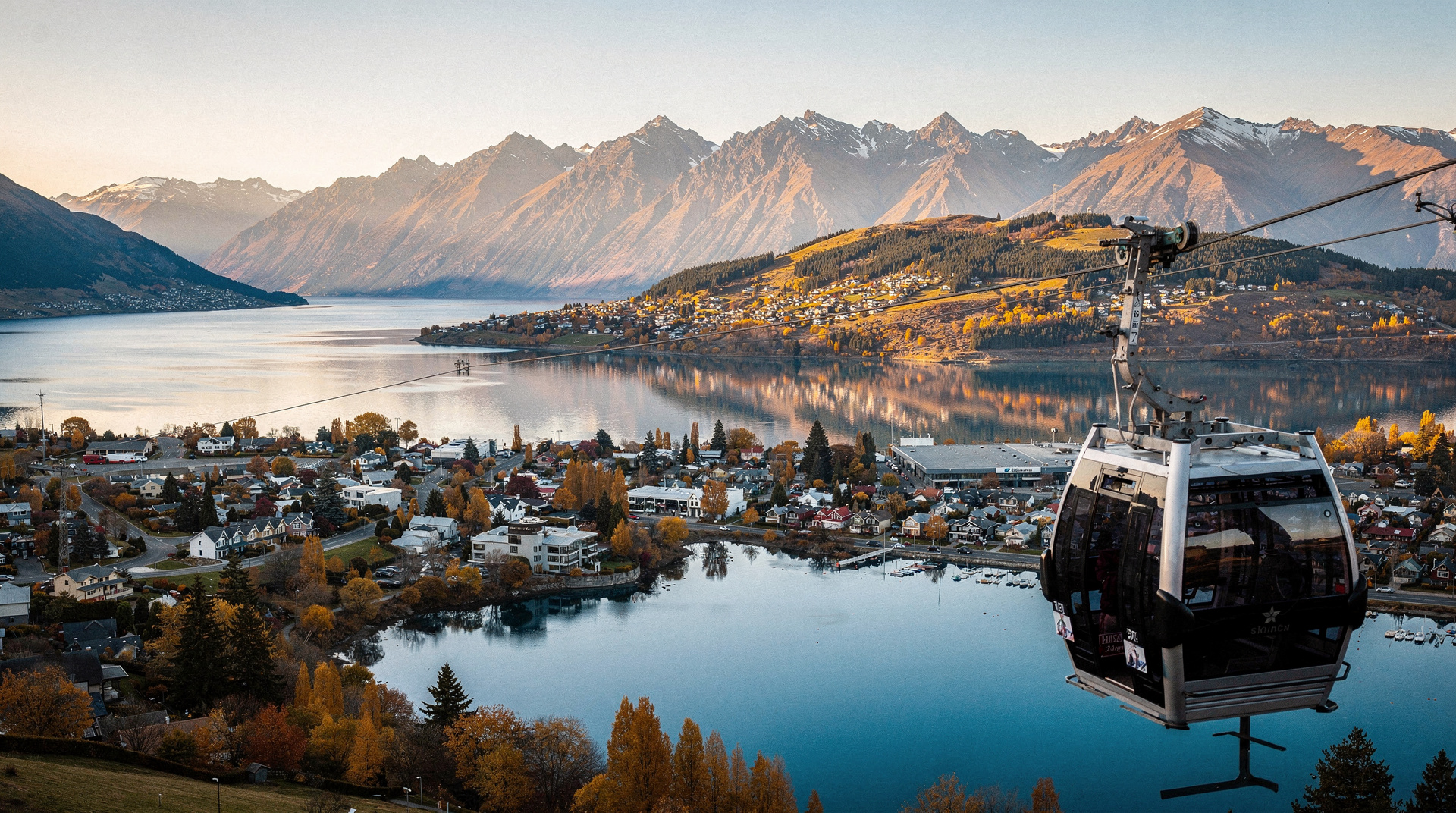
Queenstown
The honest Queenstown planner: bungy, jet boat, ski, scenic flights — real prices in NZD/USD/EUR, what to skip and what's worth your money.
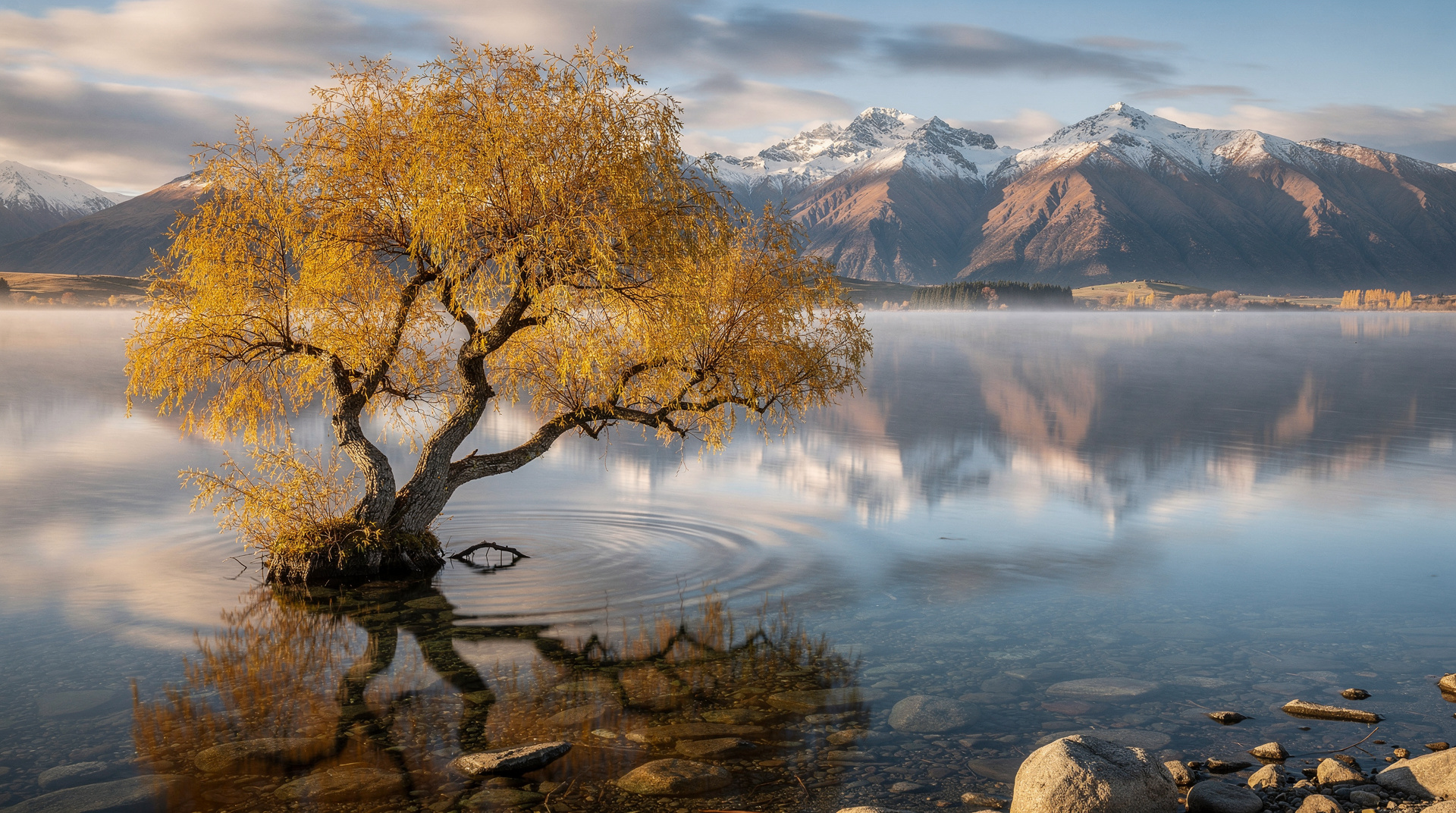
Wanaka
Honest Wanaka guide: Roy's Peak, Cardrona ski, lake kayaking — real NZD/USD/EUR costs and the honest Queenstown vs Wanaka verdict.
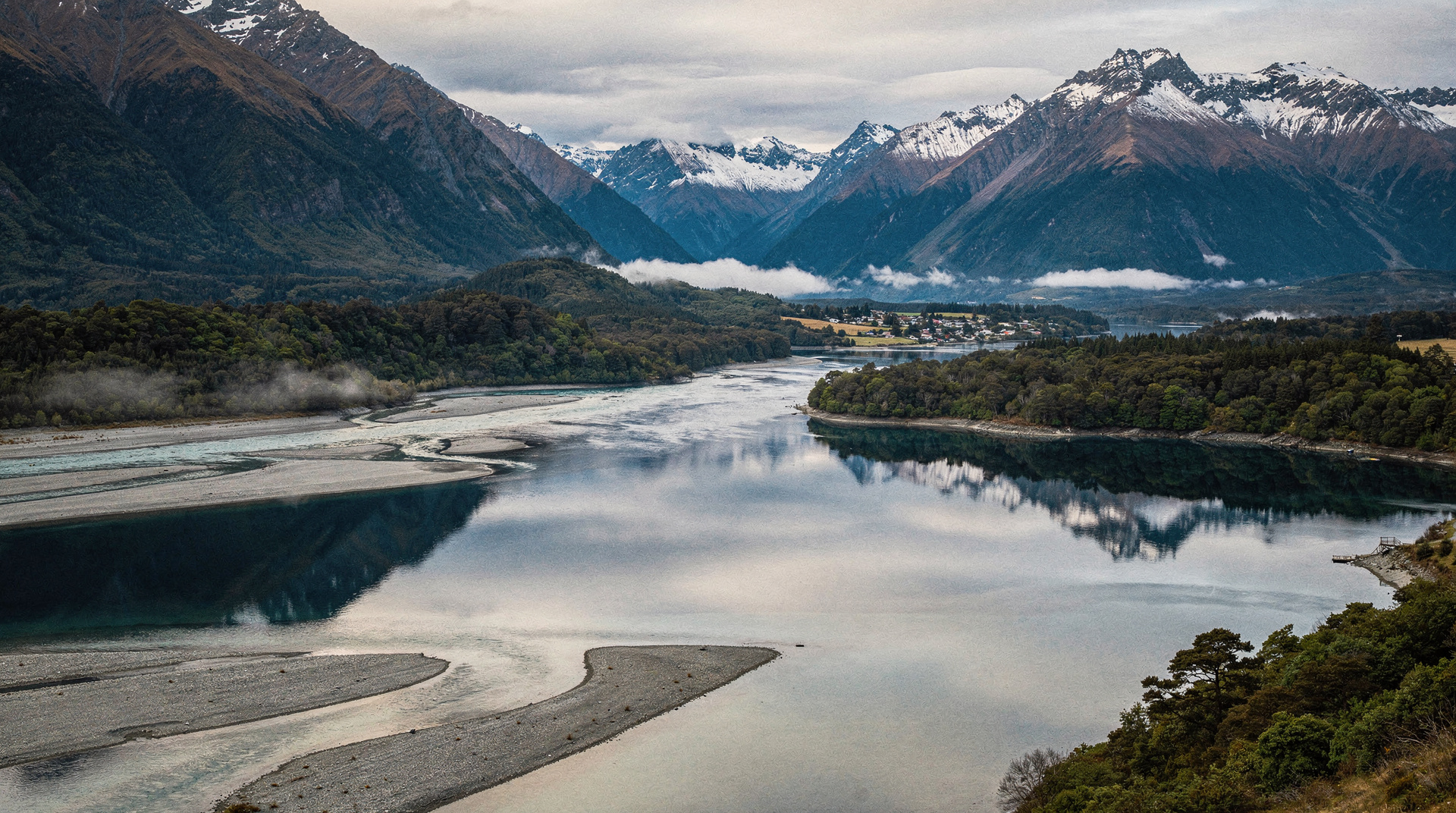
Glenorchy
Glenorchy: Isengard and Lothlórien filming country, Routeburn trailhead, Dart River jet boats, the quiet end of Lake Wakatipu. Real prices.
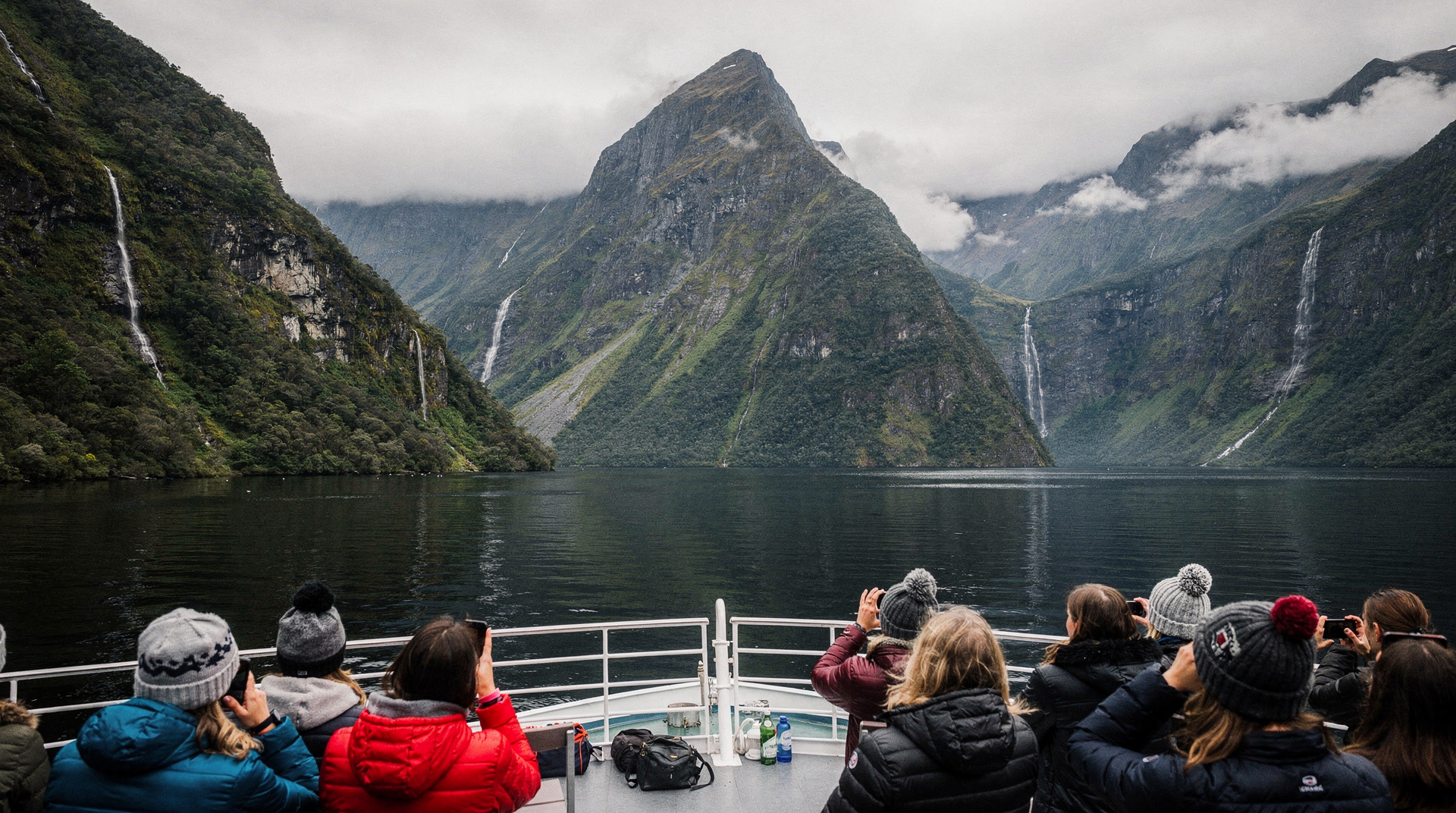
Best day trips from Queenstown
Day trips from Queenstown: Milford Sound (13h bus — honest), Glenorchy (45min), Wanaka (1h), Doubtful Sound, Dart River jet boat.
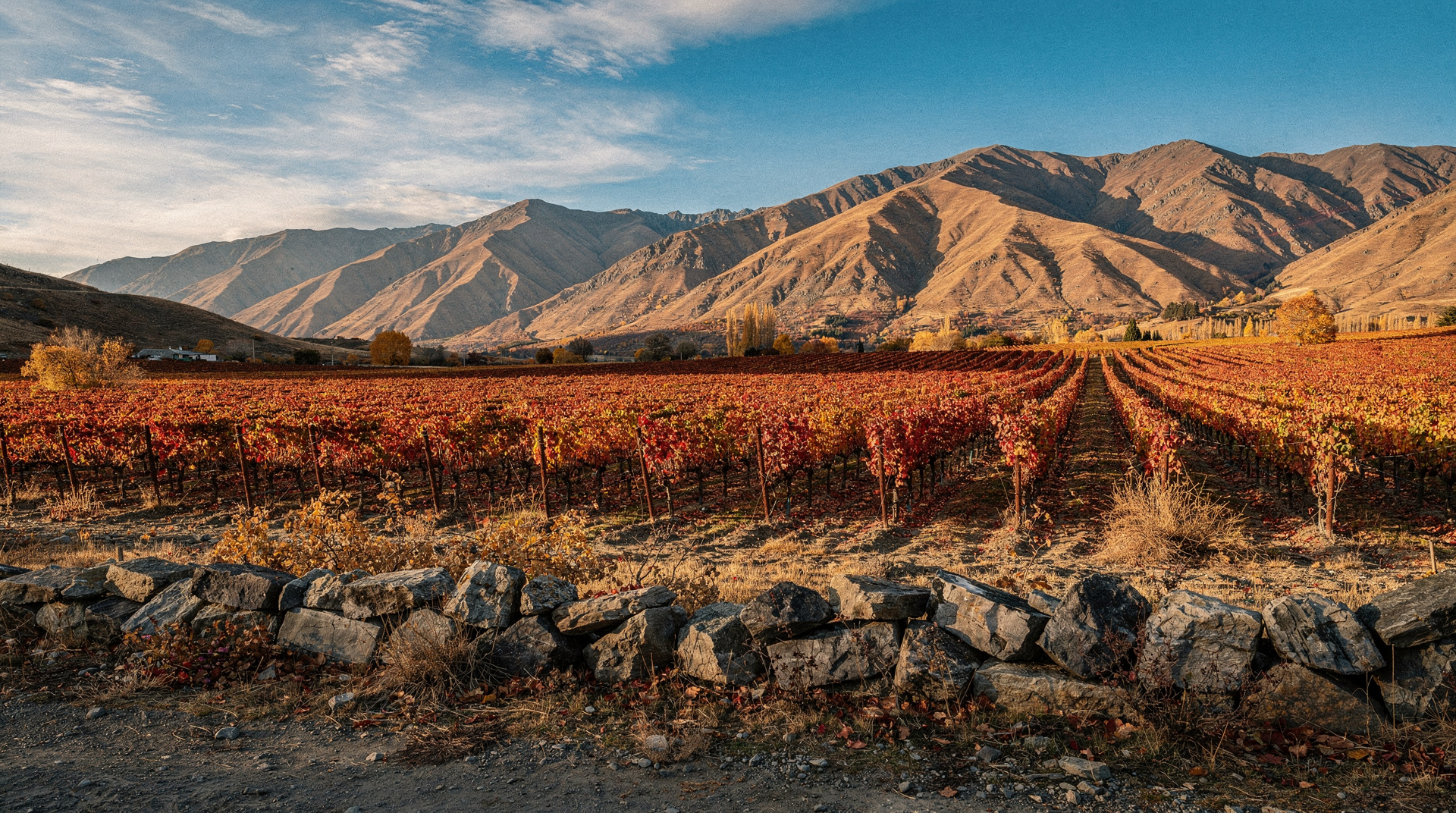
Central Otago wine tour guide
Central Otago is the world's southernmost wine region and NZ's pinot noir capital. Cromwell Basin, Bannockburn, Gibbston — tours and prices NZD/USD/EUR.
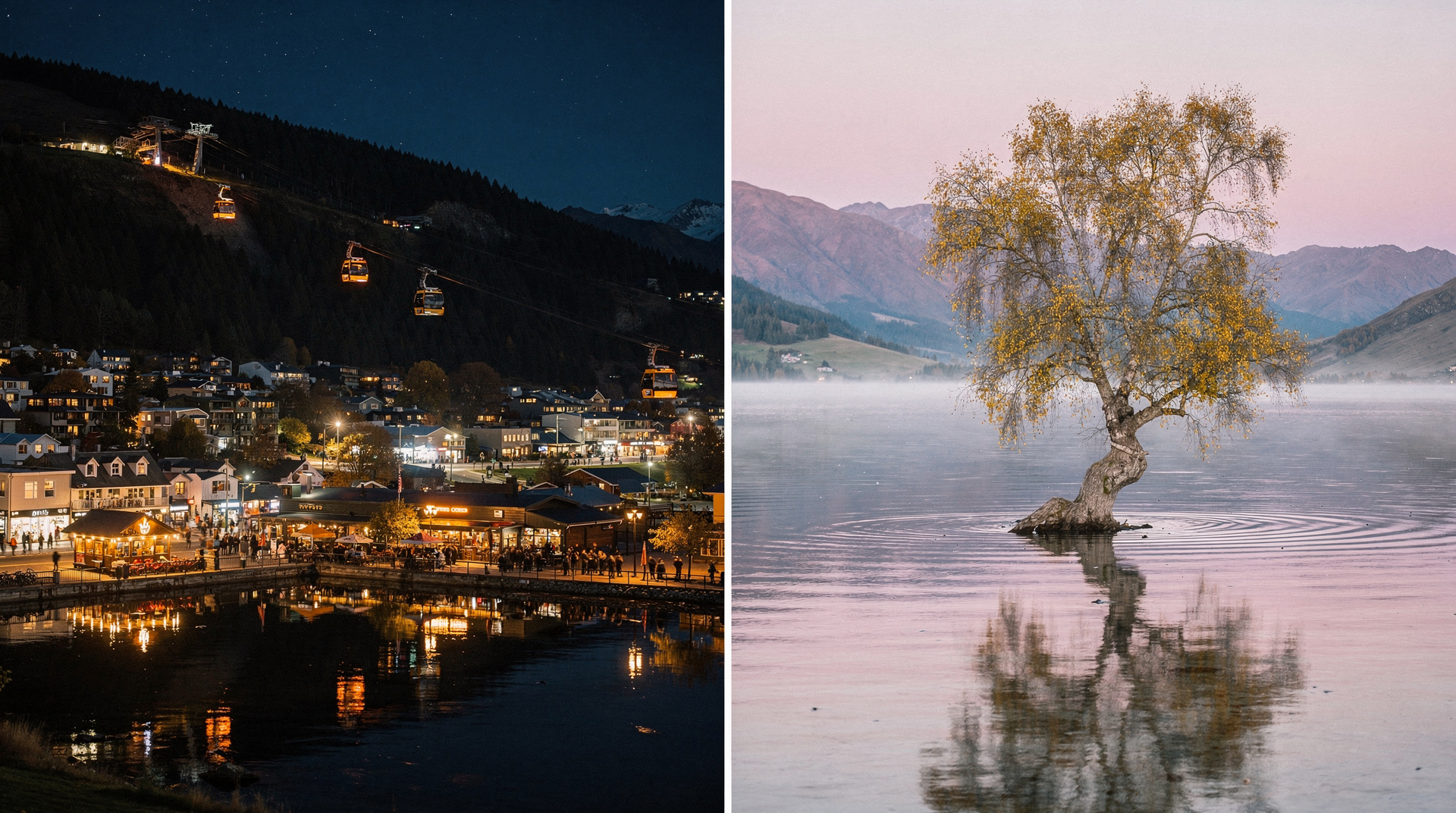
Queenstown vs Wanaka
The honest Queenstown vs Wanaka comparison: prices, crowds, ski, hikes, vibe — with a clear verdict for adventure, families, couples and budget travelers.
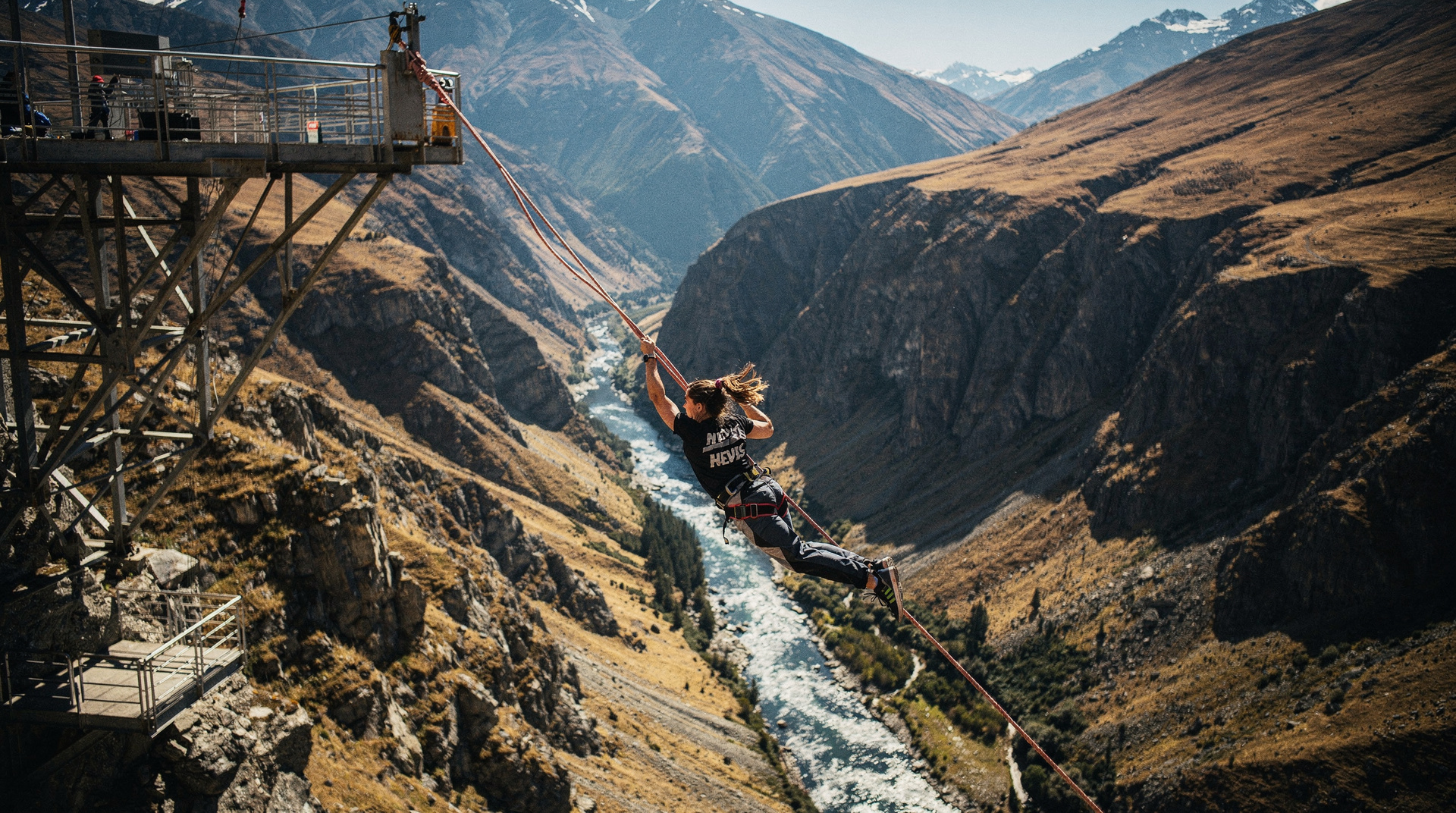
New Zealand adventure itinerary — 14 days for thrill-seekers
14-day NZ adventure itinerary for 20–40 year olds: bungy, Tongariro Crossing, Abel Tasman kayaking, Shotover Jet, skydiving, and Milford Sound. Real costs.
Is Queenstown overcrowded? A real answer
Queenstown gets accused of being over-touristed. Here's an honest answer: when it's genuinely crowded, when it's fine, and what to do instead.
Last reviewed: