Auckland
Honest Auckland planner: harbour, Sky Tower, Waiheke wineries, day-trips to Hobbiton, real prices NZD/USD/EUR, and what's actually worth your time.
Quick facts
- Population
- 1.7 million — largest city in NZ
- Airport
- Auckland Airport (AKL) — main international gateway
- Currency
- NZ$ — USD ~$0.60 / EUR ~€0.55
- Best for
- First/last-night base, Waiheke wines, harbour activities, day-trips
- Skip if
- Limited time and want pure nature — fly direct to Queenstown instead
Auckland in one minute
Popular experiences here
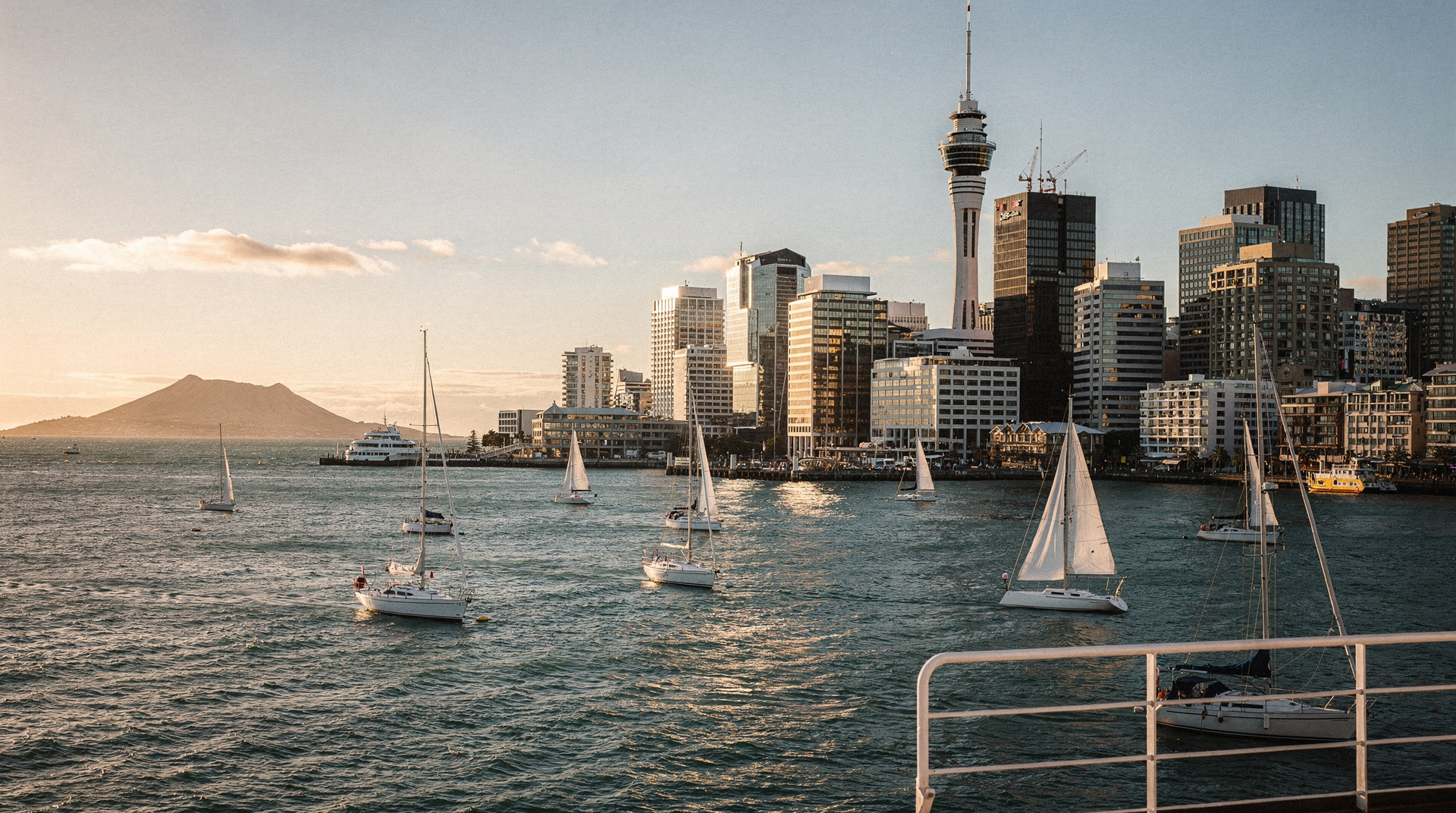
Auckland is New Zealand’s largest city and likely your first port of call. It’s built on a narrow isthmus between two harbours, dotted with dormant volcanic cones, and home to a vibrant Polynesian and Asian food scene that punches above its weight. Be honest about expectations, though: Auckland is not a world-class metropolis, and visitors expecting a Sydney-scale city may feel slightly underwhelmed. What it does well is serve as an excellent base — within three hours you can reach Hobbiton, the Waitomo glowworm caves, Rotorua’s geothermal fields, or the Bay of Islands.
| Where | North Island, isthmus between Waitemata and Manukau harbours |
| Getting there | Auckland Airport (AKL), main international gateway |
| Time needed | 2-3 nights, plus extra for Waiheke or day trips south |
| Cost | Around NZD 250-380/night mid-range CBD hotel |
| Best time | November-April for warm weather; December-February is peak |
Why Auckland is worth a stop (or two)
The city sits on an extraordinary natural platform. Waitemata Harbour opens to the Hauraki Gulf, a sheltered inland sea scattered with islands. From the summit of any volcanic cone — One Tree Hill (Maungakiekie), Mount Eden (Maungawhau), or North Head — you get panoramic views over a city that feels genuinely embedded in its landscape rather than imposed upon it.
The downtown waterfront has been substantially redeveloped. Wynyard Quarter now hosts breweries, restaurants, and a working fishing fleet. Britomart, the transit hub, is surrounded by excellent cafes and boutiques. The Sky Tower dominates the skyline and remains useful as a navigation landmark even if the paid experience is skippable for most visitors.
Auckland’s cultural identity is distinctly Pacific. Around one in four Aucklanders identifies as Pasifika or Maori, and this shapes the food, music, and community events in ways that visitors from European cities find genuinely different. The Auckland Museum on the Domain holds one of the world’s finest collections of Maori and Pacific taonga (treasures) — this is worth at least two hours of your time.
For most international visitors, Auckland makes sense for two nights at the start and possibly one night at the end of the trip. Three nights is appropriate if you intend to do a day-trip to Waiheke Island and want time in the city itself. Spending more than three nights without specific purpose is difficult to justify given what the rest of New Zealand offers.
What to do in Auckland
Auckland Museum is the undisputed highlight of any city visit. The volcanic Domain park setting is beautiful, and the collections — Maori taonga, Pacific artefacts, natural history, Gallipoli exhibition — are world-class. Allow two to three hours. Entry (NZD 28 / USD 17 / EUR 15 for international adults) includes a Maori cultural performance mid-morning and early afternoon.
Maori Cultural Experience & Auckland Museum Admission
Combined Maori cultural performance and Auckland Museum admission — guaranteed performance slot, the only way to avoid the standby queue.
From NZD 56 / USD 34 / EUR 31
Waiheke Island is a 35-minute ferry from the downtown Ferry Building and deserves its own day. See the Waiheke Island section below and the dedicated Waiheke Island guide.
Harbour activities are genuinely enjoyable and under-utilised by visitors who focus on the Sky Tower. A sailing cruise of the inner harbour and Hauraki Gulf costs NZD 89–140 / USD 53–84 / EUR 49–77. The Auckland Harbour 1.5-hour sailing cruise is the best value option for most travellers. For something more special, the Auckland harbour sailing cruise with 3-course dinner transforms the harbour experience into an evening out — a moving meal on the inner harbour as the city lights come up, with the Waitemata sparkling on either side.
Good option for a final night in Auckland. For a shorter, non-committed introduction to the harbour, the scenic harbour sightseeing cruise covers the waterfront, the Harbour Bridge, and the Gulf islands without requiring a full evening commitment. The longer whale and dolphin eco-cruise (half-day) is excellent if wildlife is a priority — the Hauraki Gulf supports orca, Bryde’s whales, and common dolphins year-round.
Mount Eden (Maungawhau) is the highest of Auckland’s volcanic cones and a free, easy visit. The summit offers a dramatic crater and 360-degree views. Arrive early morning or late afternoon to avoid tour buses. The surrounding suburb of Mount Eden (Maungawhau) village has excellent cafes for breakfast.
Sky Tower as a viewing platform is reasonable (NZD 32 / USD 19 / EUR 17 via general admission ticket ) but skip the SkyJump and SkyWalk unless you are specifically chasing the experience — see the verdicts section below.
Kelly Tarlton’s Sea Life Aquarium is well-suited to families with children under 12. The penguin colony, stingray tunnel, and shark tank are the highlights. NZD 45–52 / USD 27–31 / EUR 25–29 depending on booking timing — book ahead via Kelly Tarlton’s general admission .
For a well-rounded city introduction, the Auckland city top spots half-day small group tour covers the volcanic cones, Wynyard Quarter, and key viewpoints efficiently. Good for first-time visitors who want context rather than wandering.
Day trips from Auckland
Auckland’s position at the top of the North Island makes it an ideal base for day trips, though distances are longer than they look on a map — always add 30% to Google Maps estimates.
Waiheke Island (35-min ferry): Wine, beaches, art galleries, and the distinctive laid-back energy of an island community. A full day is warranted. Full details in the Waiheke Island guide.
Hobbiton (2 hours driving): The Shire movie set near Matamata is on almost every visitor’s list. A day-trip from Auckland is feasible, but consider combining it with Waitomo to get the most out of the drive south.
Hobbiton & Waitomo Caves Day Trip with Lunch (from Auckland)
Hobbiton movie set and Waitomo glowworm caves in one day from Auckland, with lunch included — the most efficient way to cover both without a rental car.
From NZD 259 / USD 155 / EUR 142
Full review at the Hobbiton guide.
Waitomo Glowworm Caves (2.5 hours driving): Best combined with Hobbiton. The glowworm cave boat tour is 45 minutes and genuinely magical; black-water rafting is for adventurers. See the Waitomo guide.
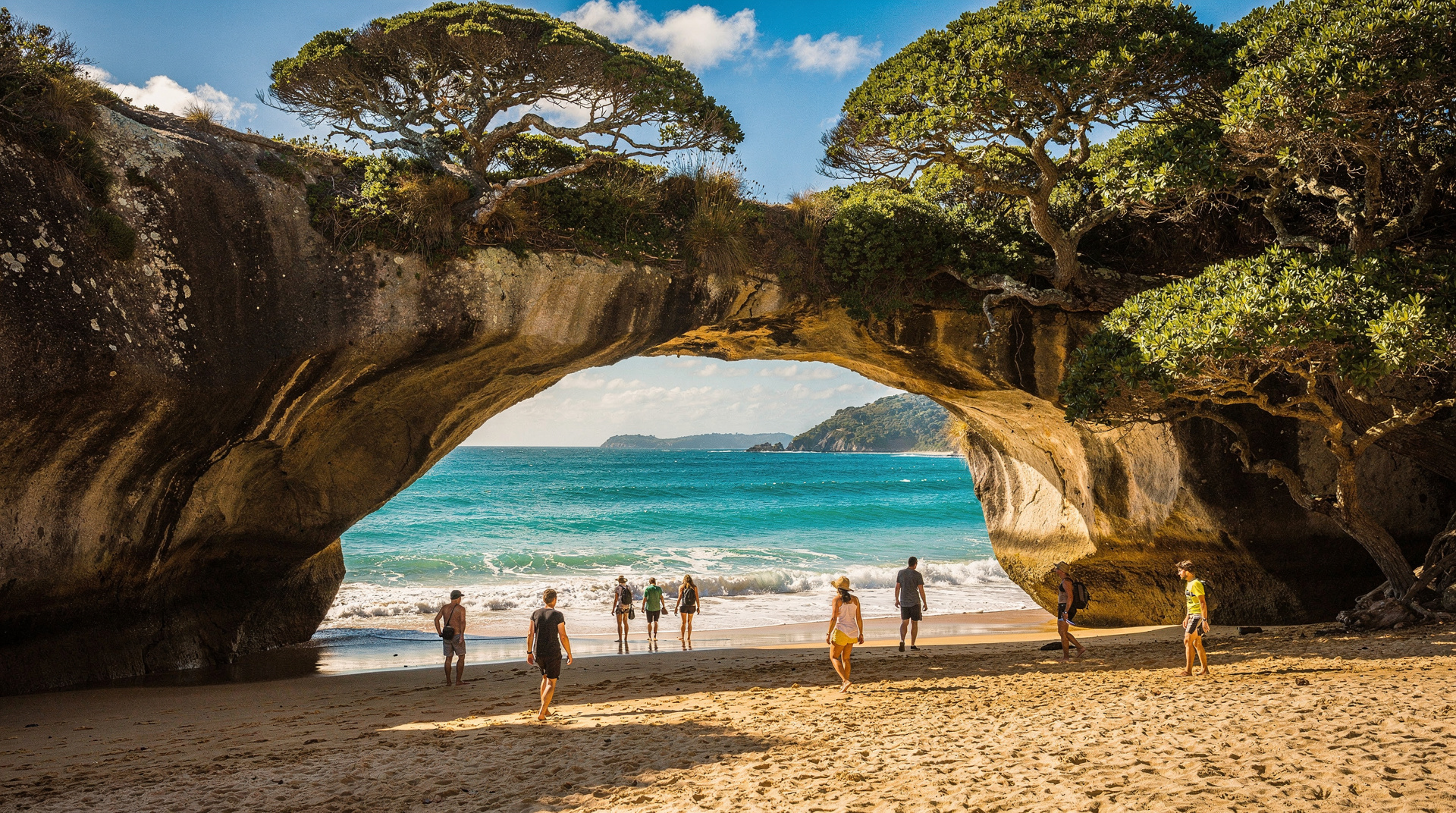
Coromandel Peninsula (2 hours driving): Cathedral Cove sea arch and the natural Hot Water Beach are doable as a long day-trip from Auckland. Spectacular coastline but roads are slow and winding.
Bay of Islands (3.5–4 hours driving): Too far for a comfortable day trip. Treat it as a 2-night destination in its own right — see the Bay of Islands guide.
Rotorua (2.5 hours driving): Possible as a long day trip, but better as an overnight. The Auckland to Waitomo and Rotorua day tour works if you only have one day for the region.
Cost breakdown
Two-day Auckland trip, per person, NZD / USD / EUR
| Item | NZD | USD | EUR | Verdict |
|---|---|---|---|---|
| Mid-range hotel (Britomart CBD) | 250-380/night | 150-228 | 138-209 | ✓ Worth it |
| Sky Tower observation deck Mount Eden is free with the same view | 32 | 19 | 17 | ✕ Skip |
| Auckland Museum + Maori cultural performance | 56 | 34 | 31 | ✓ Worth it |
| Waiheke ferry + winery tour | 120-185 | 72-111 | 66-102 | ★ Splurge |
| Hobbiton + Waitomo day trip with lunch | 259 | 155 | 142 | ✓ Worth it |
| Harbour sailing cruise (1.5 hr) | 89-140 | 53-84 | 49-77 | ✓ Worth it |
| Auckland Harbour Bridge Climb Save the money for Waiheke wine | 195 | 117 | 107 | ✕ Skip |
Where to stay (with named places, real pricing)
Britomart / CBD waterfront is the best base for most visitors: walkable to the ferry terminal, good restaurants, central for day trips. Mid-range options such as SO/ Auckland or The Sebel Quay West run NZD 250–380 / USD 150–228 / EUR 138–209 per night. Budget options cluster in the CBD at NZD 100–180 / USD 60–108 / EUR 55–99.
Ponsonby (10-minute Uber from CBD) is the neighbourhood for foodies and those who want a more local feel. Grey Lynn and Herne Bay extend west and are quieter. Boutique accommodation here runs NZD 180–280 / USD 108–168 / EUR 99–154.
Devonport (12-minute ferry from downtown) offers a historic, quieter waterfront village feel with Victorian architecture. It’s genuinely charming for those who want the sea without the city noise.
Visitors who want to explore Devonport’s waterfront, Victorian streetscapes, and North Head fortifications with a guide rather than wandering can book the Devonport waterfront Segway tour — an unusual format that covers more ground per hour than walking and makes the North Head tunnels and gun emplacements an organised rather than an impromptu find. The Peace & Plenty Inn is a well-regarded boutique option at NZD 280–420 / USD 168–252 / EUR 154–231. Note you’ll be dependent on the Devonport ferry timetable (frequent until late).
Newmarket / Epsom suits those with a rental car who want cheaper accommodation within 15 minutes of the city centre. Motel options run NZD 130–190 / USD 78–114 / EUR 72–105.
Hostels: Base Auckland and YHA Auckland City are the established backpacker options in the CBD. Dorm beds NZD 35–55 / USD 21–33 / EUR 19–30.
What to eat and drink
Auckland’s food scene is genuinely excellent and underrated internationally. The concentrated Asian food culture reflects Auckland’s demographics: over 150,000 residents of East Asian heritage mean authentic Chinese, Korean, Japanese, Vietnamese, and Indian dining at every price point.
Dominion Road (Mount Roskill/Eden Terrace) is the arterial route for Asian dining — particularly Chinese regional cuisines, dumplings, and Sichuan. Not glamorous, but some of the best value eating in the country.
Ponsonby Road for brunch culture. Bestie Cafe, Dizengoff, and Rosie are consistently good. Expect NZD 18–28 / USD 11–17 / EUR 10–15 for brunch.
Federal Street (CBD) has Depot Eatery (Al Brown, legendary for oysters and small plates), Cafe Hanoi (outstanding modern Vietnamese), and The Grove (fine dining). Federal Street is Auckland’s highest-concentration restaurant strip.
Auckland: Flavours of the City Walking Food Tour
Auckland Flavours of the City walking food tour — covers Ponsonby, Britomart, and Federal Street with tastings at each stop. Ideal orientation on day one.
From NZD 119 / USD 71 / EUR 65
The craft beer scene centres on Hallertau (Riverhead, 30 min from CBD), 8 Wired, and Sawmill. The wine list at most restaurants emphasises Marlborough Sauvignon Blanc, Hawke’s Bay reds, and Central Otago Pinot Noir — all excellent.
Skip / worth it / splurge
- ✕ Skip : Sky Tower SkyJump (NZD 290 / USD 174 / EUR 160 for 11 seconds in freefall — the Queenstown bungy experience is more memorable at half the price and with real scenery)
- ✕ Skip : Auckland Harbour Bridge Climb as a standalone (NZD 195 / USD 117 / EUR 107 — save the money for Waiheke wine)
- ✓ Worth it : Auckland Museum with Maori cultural performance (NZD 28–50 / USD 17–30 / EUR 15–28 depending on combo)
- ✓ Worth it : Waiheke Island day (ferry + winery tour NZD 120–185 / USD 72–111 / EUR 66–102)
- ◆ Hidden gem : Early morning visit to One Tree Hill or Mount Eden — free, spectacular, and crowd-free before 8am
- ★ Splurge : Helicopter scenic flight over the Hauraki Gulf islands (NZD 350–500 / USD 210–300 / EUR 193–275)
- ★ Splurge : Sailing cruise with dinner in the inner harbour (NZD 140–220 / USD 84–132 / EUR 77–121)
How to fit Auckland in your itinerary
On a 7-day North Island itinerary, Auckland makes sense as your arrival and departure city: two nights at the start (museum, Waiheke or harbour activity, city walk) and one night at the end before flying out. On a 14-day New Zealand itinerary, you have more flexibility — consider using Auckland as the northern anchor and Wellington as the southern, with the Cook Strait ferry crossing linking to the South Island.
If you’re flying Auckland-to-Queenstown rather than driving the full country, keep Auckland to two nights maximum and spend the saved time in Queenstown or Fiordland. Auckland’s appeal for most visitors is transitional — it opens the door to everything else.
For first-time visitors, the North Island highlights in 7 days itinerary remains the most efficient structure: Auckland (2) → Bay of Islands (2) → Rotorua (2) → Wellington (1) → ferry south.
Auckland’s volcanic field
Auckland is built on 53 dormant volcanic cones — the Auckland Volcanic Field, which has been active for approximately 250,000 years. The most recent eruption (Rangitoto Island, forming the distinctive cone visible from the city’s eastern suburbs) occurred only about 600 years ago. In geological terms, the field is very much alive — the likelihood of another eruption is estimated at approximately 1% per century, concentrated in the next new vent location (which cannot be predicted).
This is not a concern for visitors — New Zealand’s GNS Science monitors the field continuously and eruption warning systems are in place. But it does explain the city’s remarkable topography: the numerous cone-shaped hills throughout the suburbs, the two harbour bays (Waitemata to the east, Manukau to the west), and the lava fields visible in Ambury Regional Park and other coastal areas.
The key volcanic landmarks for visitors:
Maungawhau/Mount Eden — the highest cone at 196 metres, closest to the city centre. The crater is intact and 50 metres deep. Best early morning views.
Maungakiekie/One Tree Hill — the largest volcanic cone in the field by volume. The single tree on the summit (an obelisk marks the site of a tree that was felled in 2000 following an act of protest) is gone but the hill remains iconic. Excellent sunset views.
Rangitoto Island — the youngest and most symmetrical cone, rising 259 metres from the Hauraki Gulf 8 km from the city. Accessible by ferry (25 min from downtown) with a bush walk to the summit. Unique tidal lava caves accessible at low tide. Day trip from Auckland.
North Head (Maungauika) — the headland at Devonport with WWI and WWII fortifications built into the volcanic rock. Tunnels and gun emplacements are accessible; great harbour views.
Getting around Auckland
Auckland is New Zealand’s least pedestrian-friendly major city — it was built for cars, and the motorway network reflects that. However, visitors focused on the central city, waterfront, and key attractions can manage well without a rental car.
AT HOP card (available from convenience stores): Covers all Auckland buses, trains, and ferries with a significant discount versus cash fares. Top up as needed. Essential for any visitor spending multiple days.
Ferry network: The Waitemata Harbour and Hauraki Gulf are connected by an excellent ferry network departing from the downtown Ferry Building on Quay Street. Services to Devonport (12 min), Birkenhead (20 min), Waiheke Island (35 min), and seasonal services to Coromandel and Tiritiri Matangi Island.
Trains: Auckland’s rail network (recently expanded with the City Rail Link tunnel through the CBD) connects the city to western suburbs, south Auckland, and the airport. Useful for the airport and Manukau; less useful for central city tourist activities.
Walking: The waterfront from Wynyard Quarter to the Mission Bay suburb (8 km) is walkable via the boardwalk. The central city is flat; most waterfront attractions are within 1.5 km of each other.
Uber/rideshare: Good coverage throughout the city and a reliable option for the cross-harbour bridge access to the North Shore (not served by trains). From the city centre to Devonport (other than by ferry): approximately NZD 25–40 / USD 15–24 / EUR 14–22 depending on traffic.
For a structured tour that covers the key sights efficiently, the Auckland hop-on hop-off explorer bus is a practical day-one orientation tool that stops at 14 locations including the waterfront, Sky Tower, Parnell, the Domain, and Mission Bay.
Frequently asked questions about Auckland
How many days do I need in Auckland?
Two nights is the sweet spot for most international visitors — enough for the museum, a harbour activity or Waiheke day, and a morning exploring the volcanic cones. If you want to do a full Waiheke day and a second day trip (Hobbiton or Waitomo), budget three nights. More than three nights in Auckland risks short-changing the rest of New Zealand.
When is the best time to visit Auckland?
November through April is warm (average 20–26°C / 68–79°F), reliably dry enough for harbour activities, and corresponds with New Zealand’s main tourism season. December through February is peak season with higher prices. March and April offer excellent shoulder-season value — warm, quieter, and still sunny. The Auckland Anniversary Regatta in late January is worth catching if you’re a sailing enthusiast.
How do I get from Auckland Airport to the city?
The City Rail Link now runs directly from Auckland Airport (Puhinui station connection) into the CBD. The journey takes around 50 minutes and costs approximately NZD 6–8 / USD 3.60–4.80 / EUR 3.30–4.40. Taxis and rideshares (Uber, Ola) run NZD 55–80 / USD 33–48 / EUR 30–44 depending on traffic. There is no dedicated airport express bus directly to the CBD — the SkyBus (NZD 18 / USD 11 / EUR 10 one-way) is the shuttle option, stopping at major CBD hotels.
Is Auckland safe for solo travellers?
Yes, Auckland is generally safe by international standards. The CBD around Sky City and the waterfront can be rowdy on Friday and Saturday nights, but not dangerously so. Standard urban precautions apply: keep your wits in poorly lit areas near the casino and watch for pickpockets in crowded markets. Ponsonby and Britomart are safe at all hours.
How do I get to Waiheke Island?
Fullers360 ferries run from the downtown Ferry Building approximately every 30–60 minutes, with journey time around 35 minutes. Return fare is approximately NZD 48 / USD 29 / EUR 26. Book ahead in summer to guarantee a seat, though walk-on is usually possible except on the busiest summer weekends.
Can I do Auckland without a car?
Comfortably, for the city itself and Waiheke Island. Auckland’s AT HOP card (available from most convenience stores) covers buses, trains, and ferries efficiently. For day trips south (Hobbiton, Waitomo, Rotorua), you’ll either need a car or a guided tour — public transport south of the city is limited. If you arrive by plane and plan to drive immediately, pick up the rental at the airport and plan your first night somewhere easy to park (like a city hotel with parking, or Devonport).
What is the best neighbourhood to stay in Auckland?
Britomart (central waterfront) is the most convenient for transport and restaurants. Ponsonby suits foodies and those who want a more neighbourhood feel. Devonport is best for those who want a quieter, more scenic base and don’t mind the ferry dependency. Avoid staying in the Karangahape Road (K Road) corridor if noise sensitivity is a factor — it’s lively until late.
Is the Interislander ferry bookable from Auckland?
The Interislander and Bluebridge ferries depart from Wellington to Picton (South Island). If you’re driving the length of New Zealand, book your Cook Strait ferry crossing well in advance, especially if you have a campervan. See the Cook Strait ferry guide for full details and comparison of operators.
Top experiences: Auckland New Zealand
See all →Guides for Auckland
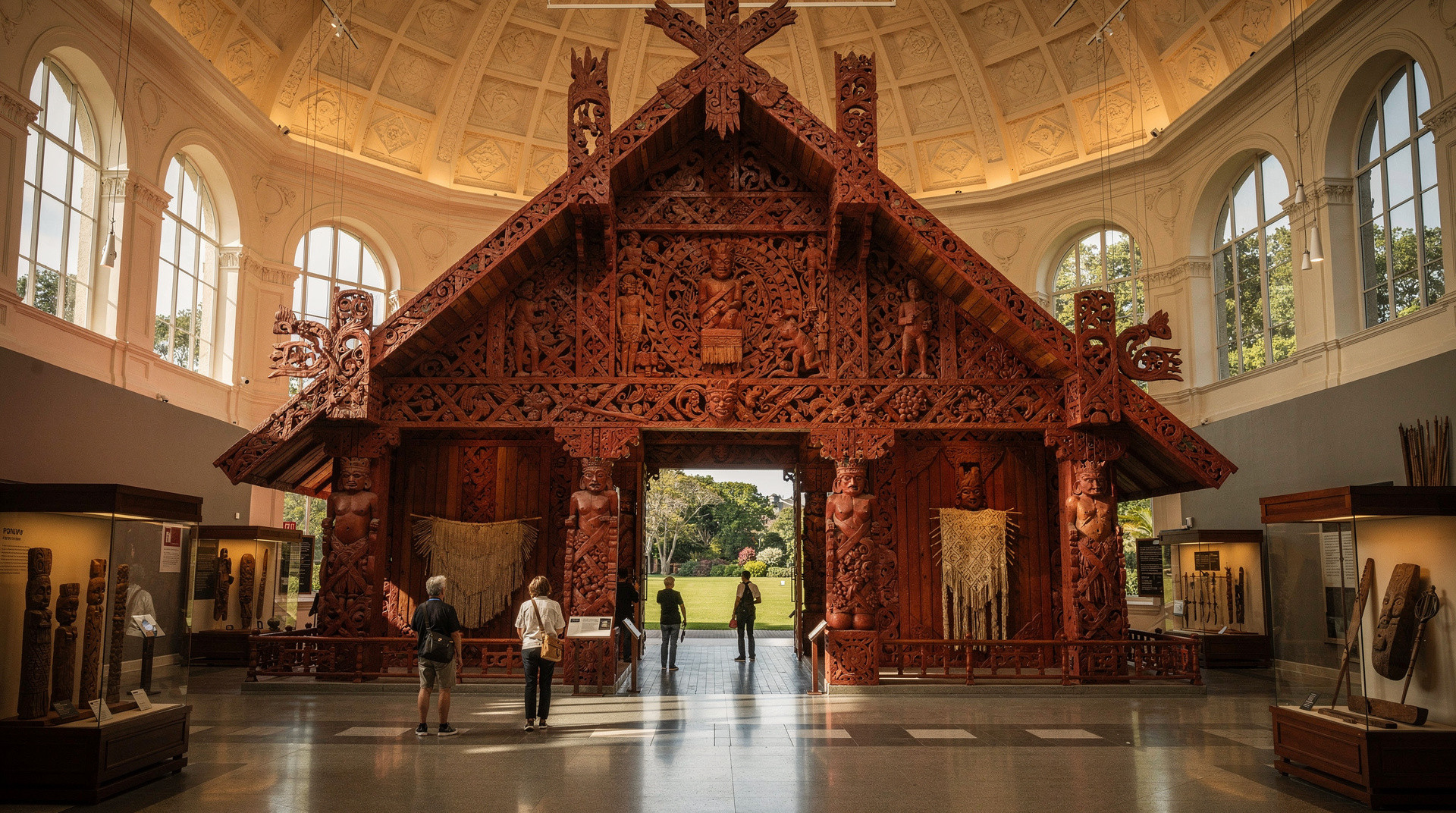
Auckland Museum — visitor guide to Tamaki Paenga Hira
Complete Auckland Museum guide: Maori taonga, natural history, war memorial, daily cultural performance, ticket prices (NZD/USD/EUR), and what not to miss.
Auckland Museum + Maori cultural performance review
Auckland Museum + Maori cultural performance combo review — NZD 56 well-spent or skip the show? Honest verdict by traveller type.
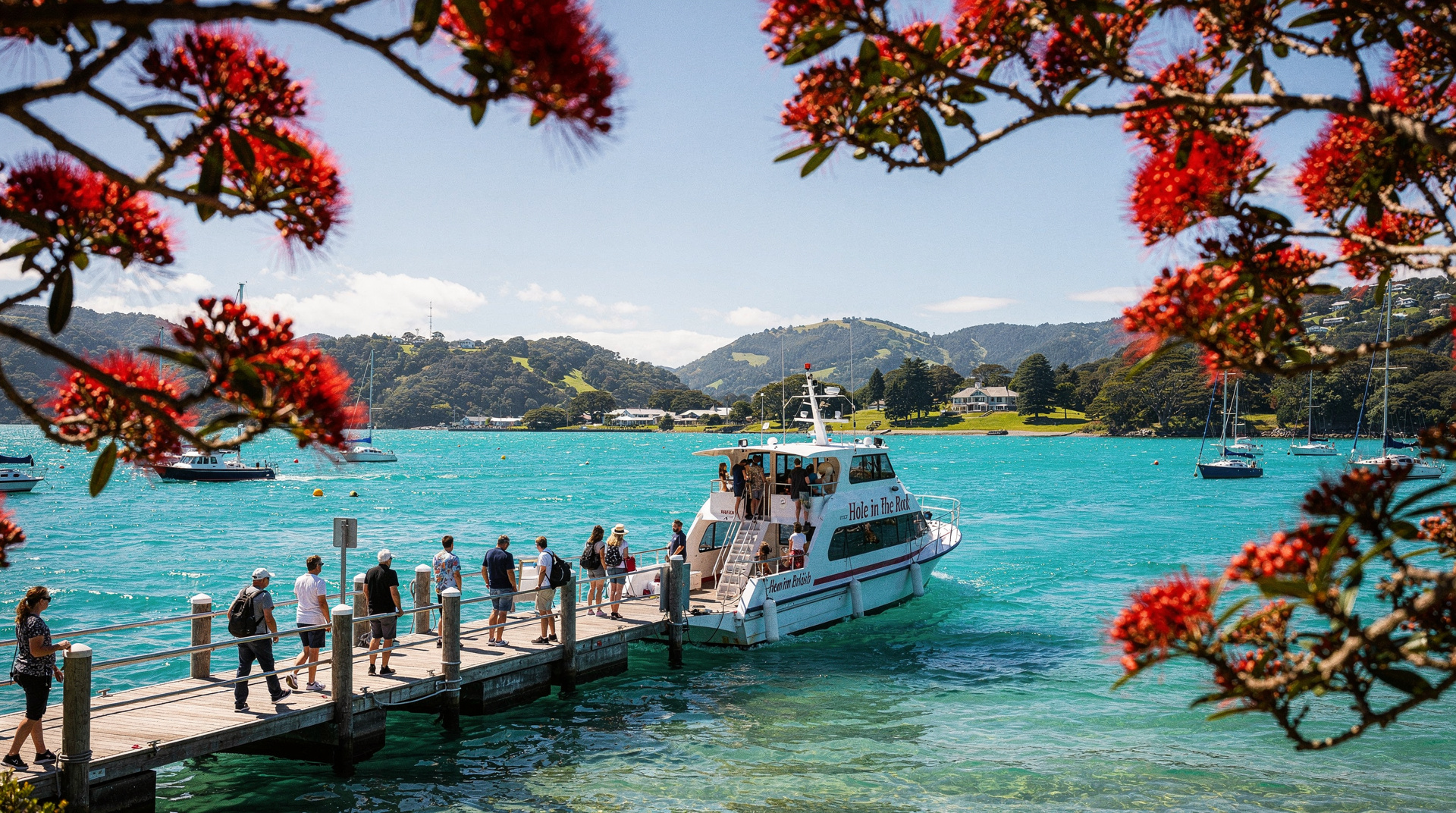
Bay of Islands day trip from Auckland — honest advice
Honest guide to a Bay of Islands day trip from Auckland: 3.5-4 hour drive each way, what you can realistically see, and why 2 nights is the right call.
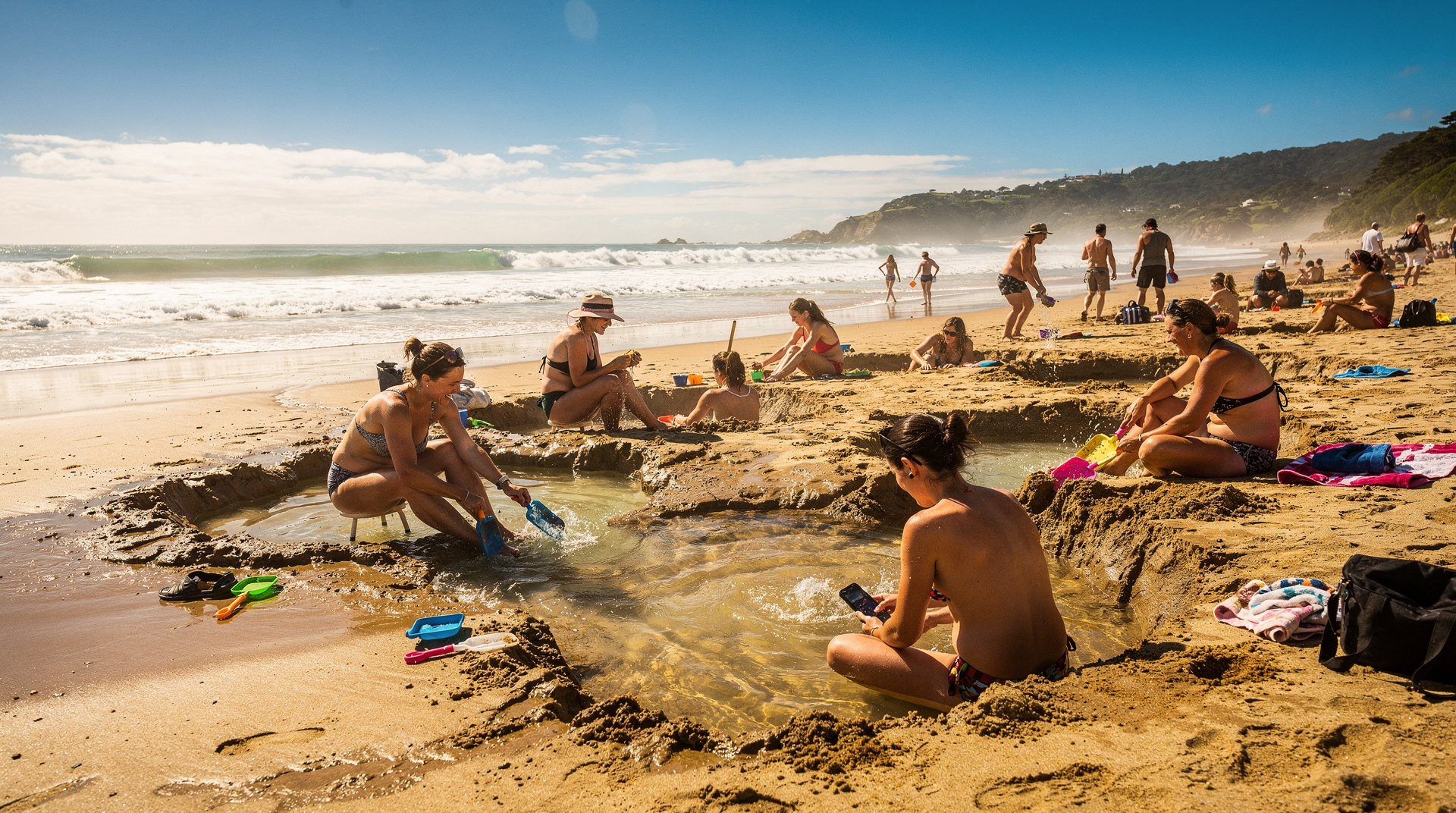
Coromandel day trip from Auckland
How to do a Coromandel day trip from Auckland: Cathedral Cove, Hot Water Beach, tide timing, drive times, and cost in NZD/USD/EUR.
Best day trips from Auckland
Six great day trips from Auckland: Waiheke, Hobbiton, Waitomo, Coromandel, Rotorua and more — with drive times, GYG tours, and honest advice.
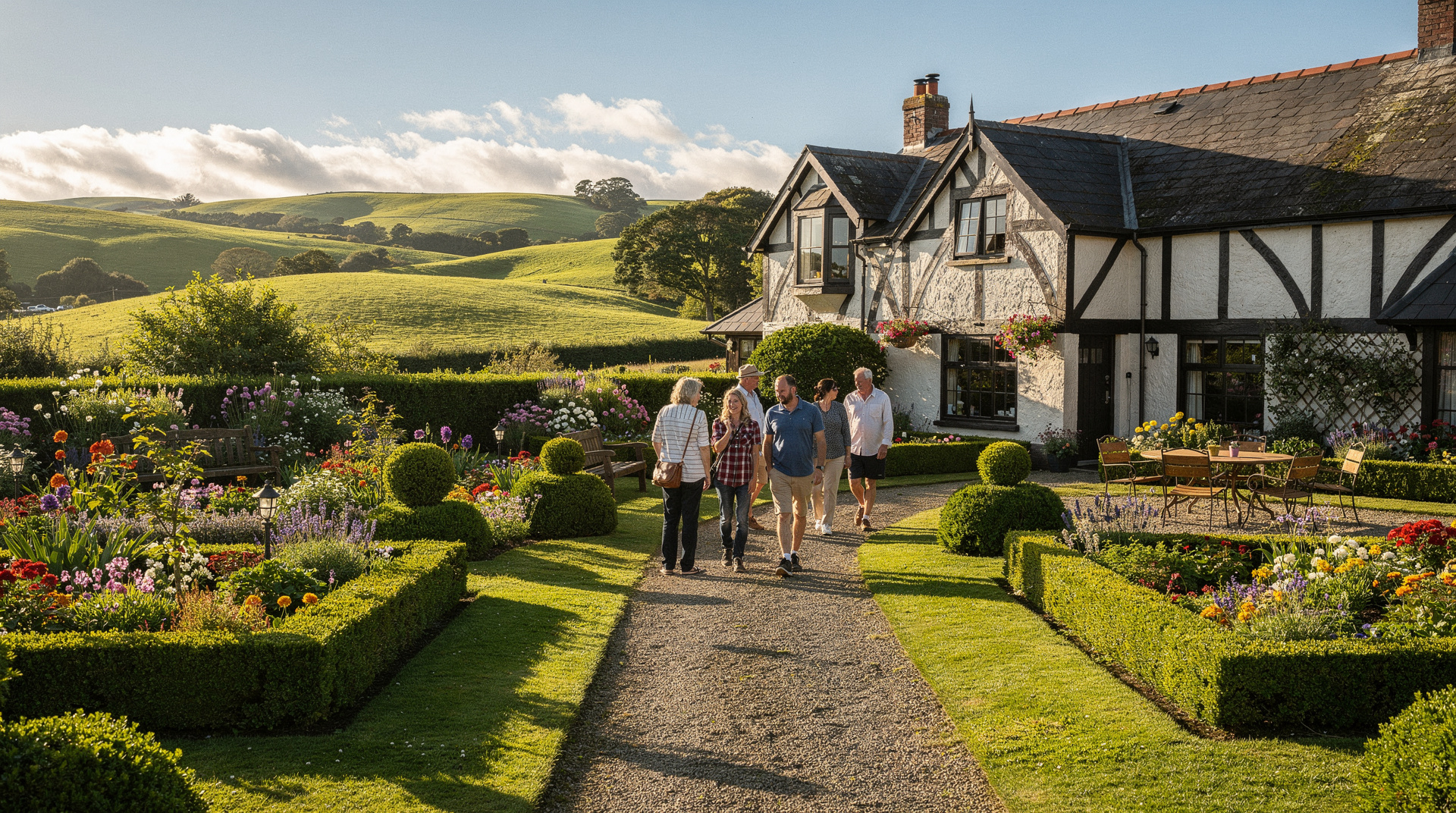
Hobbiton day trip from Auckland
How to do a Hobbiton day trip from Auckland: drive yourself or book a tour, total cost in NZD/USD/EUR, what to expect, and whether it's worth the long day.
Related guides
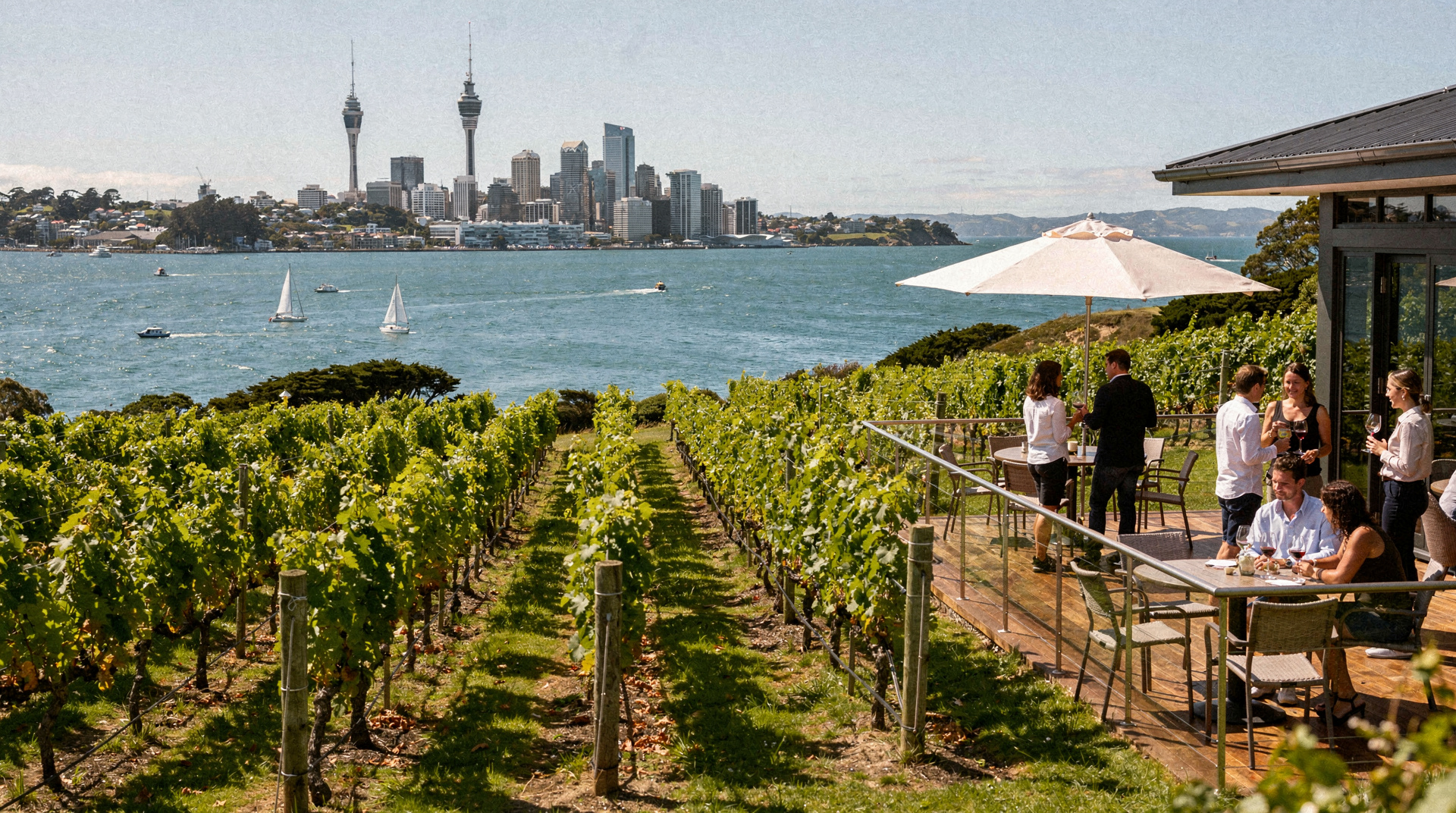
Waiheke Island
Waiheke Island honest guide: best wineries, beaches, ferry logistics, real costs NZD/USD/EUR, and how to spend one perfect day from Auckland.
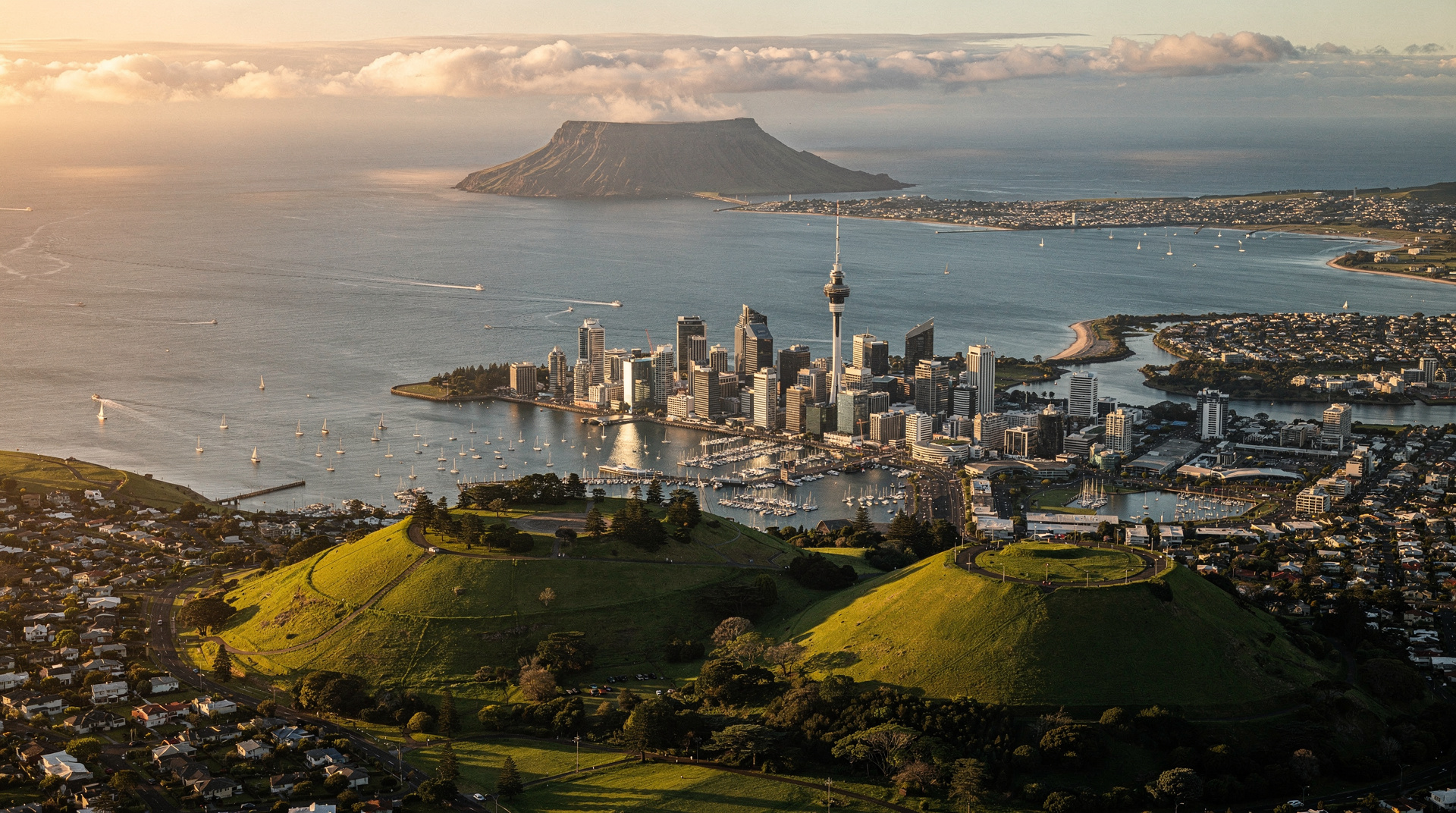
Auckland region
Auckland region beyond the city: Waiheke wine island, Piha surf, Tiritiri Matangi wildlife. NZD/USD/EUR prices, day trips, and what's truly worth your time.
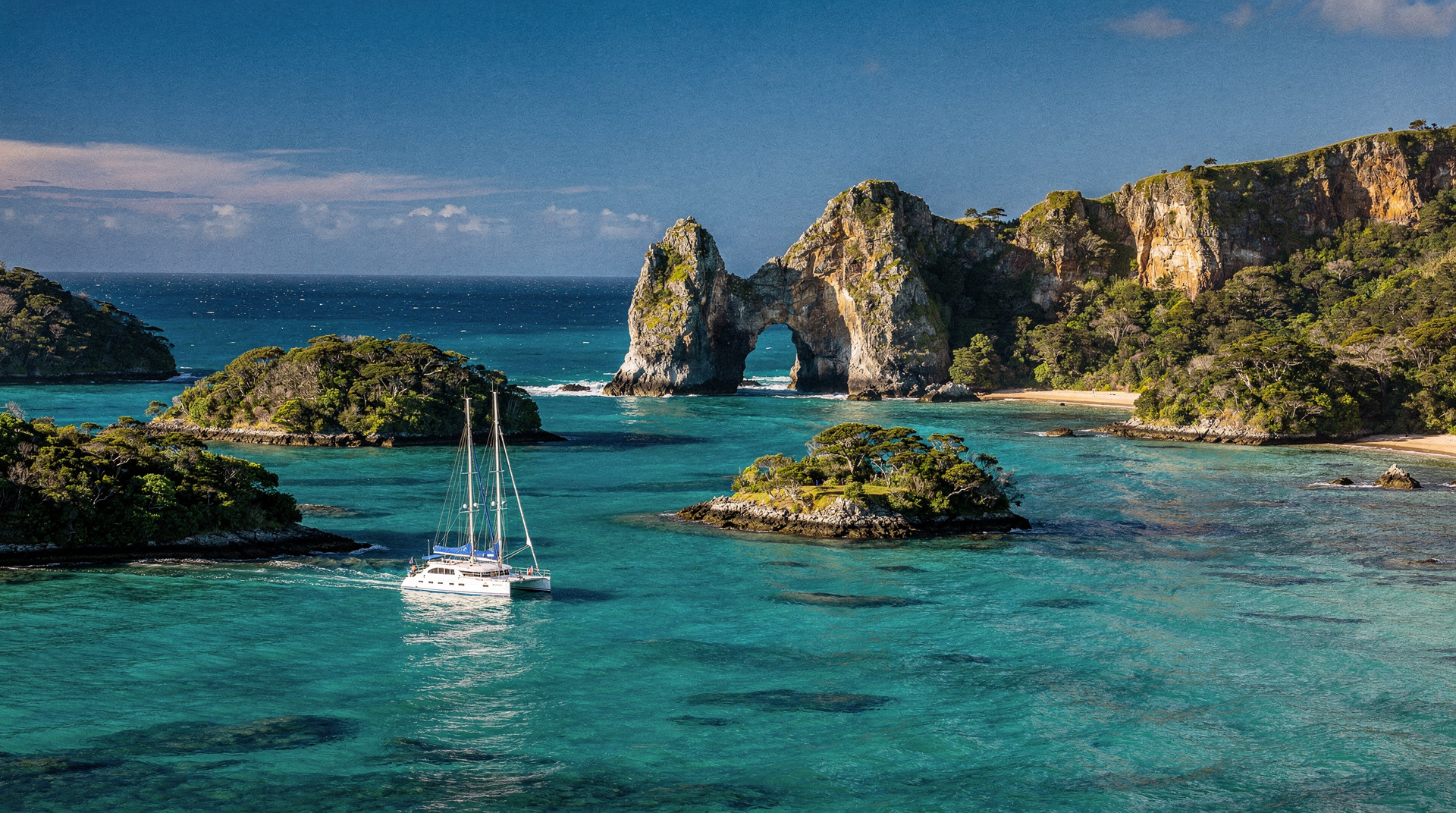
Bay of Islands
Honest Bay of Islands guide: Hole in the Rock cruise, dolphin swimming, Waitangi Treaty Grounds, Cape Reinga, real costs NZD/USD/EUR.
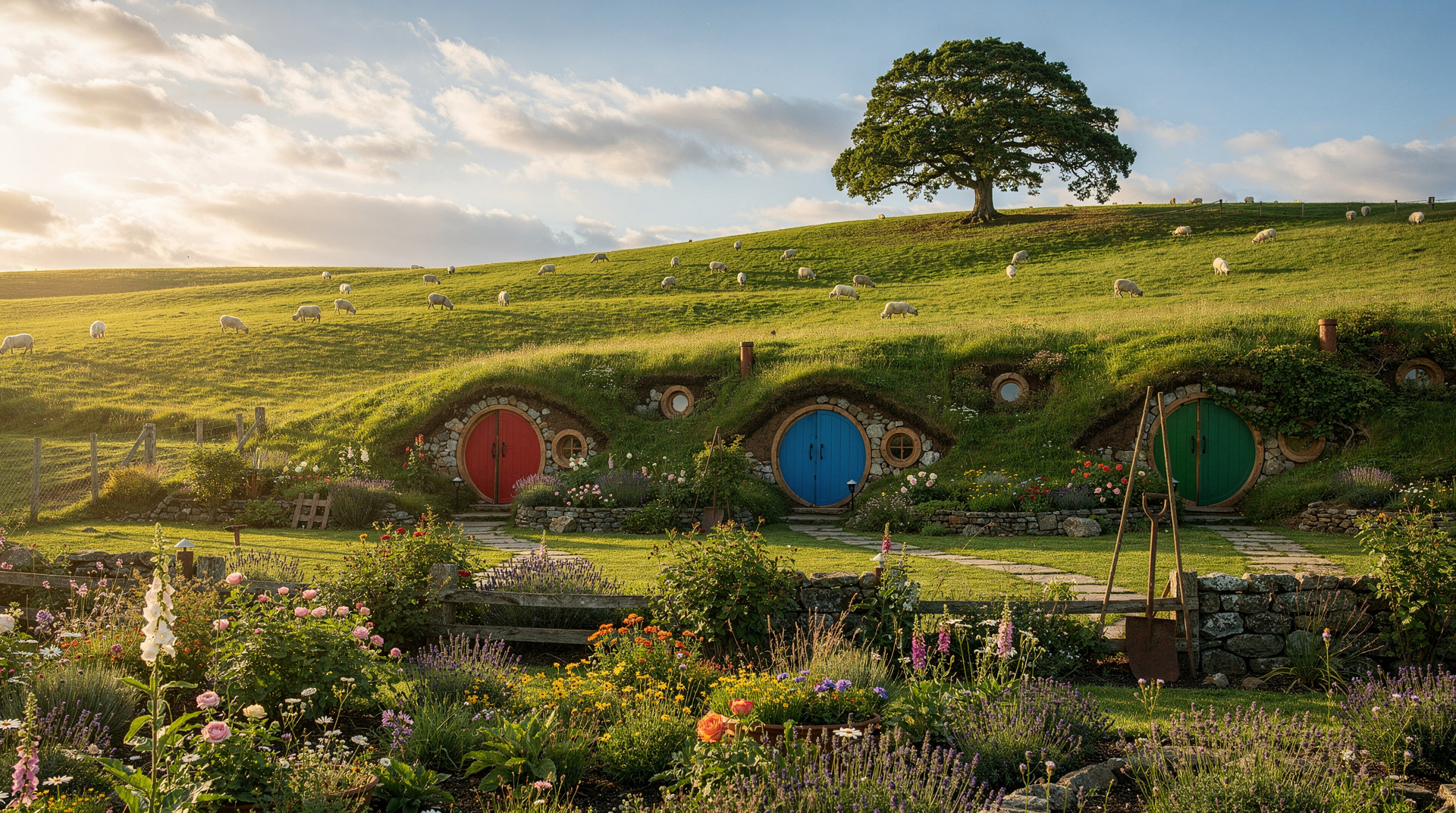
Hobbiton
Honest Hobbiton guide: what to expect on the movie set tour, real ticket prices NZD/USD/EUR, best time to visit, and whether it's worth the cost.
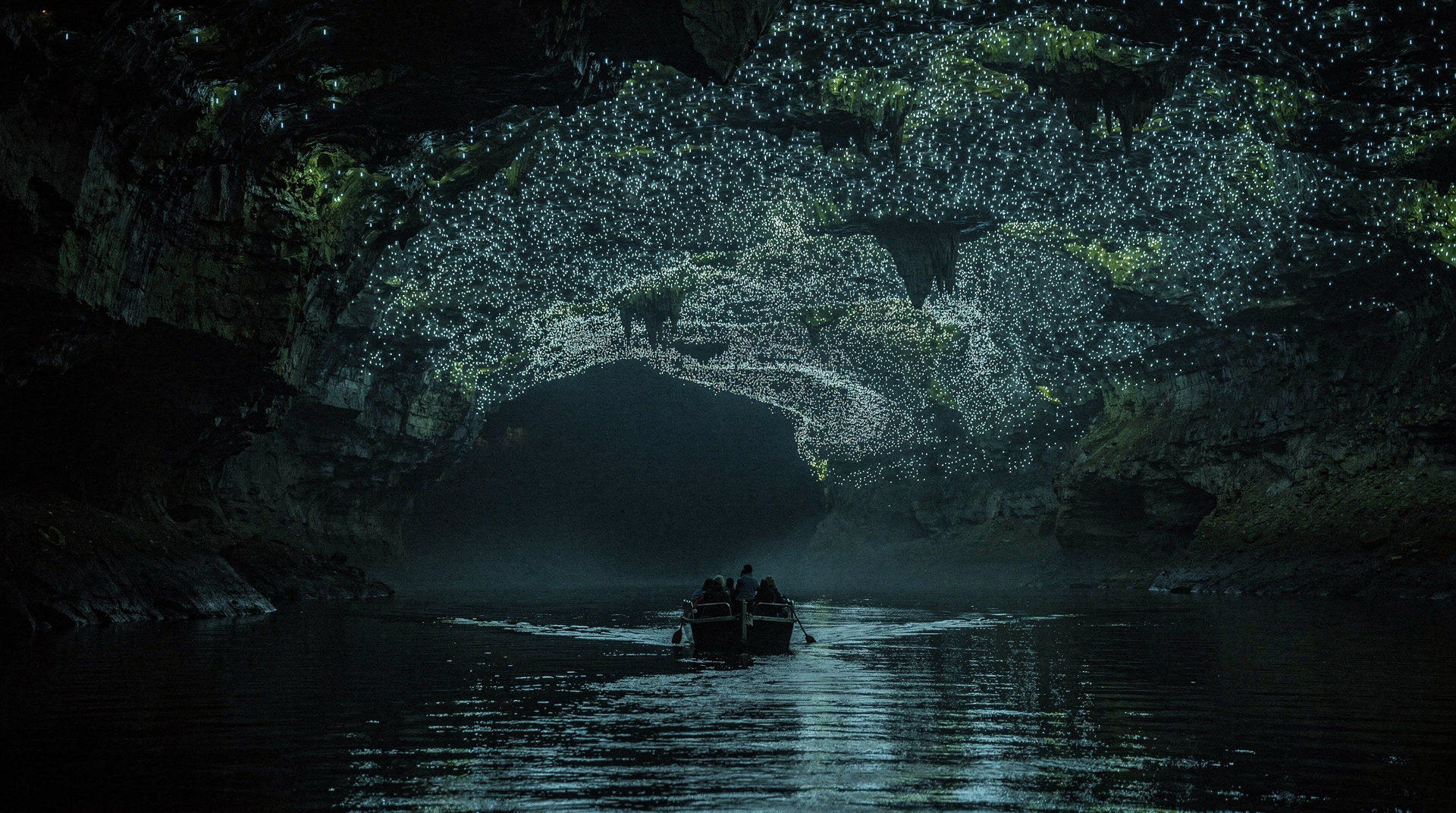
Waitomo
Honest Waitomo guide: glowworm cave boat tour, black water rafting, Lost World abseil, real prices NZD/USD/EUR, and how to combine with Hobbiton.
Auckland Museum — visitor guide to Tamaki Paenga Hira
Complete Auckland Museum guide: Maori taonga, natural history, war memorial, daily cultural performance, ticket prices (NZD/USD/EUR), and what not to miss.
Hobbiton day trip from Auckland
How to do a Hobbiton day trip from Auckland: drive yourself or book a tour, total cost in NZD/USD/EUR, what to expect, and whether it's worth the long day.
Best day trips from Auckland
Six great day trips from Auckland: Waiheke, Hobbiton, Waitomo, Coromandel, Rotorua and more — with drive times, GYG tours, and honest advice.
10-day New Zealand itinerary — both islands by air
Auckland → Rotorua → Wellington → fly to Queenstown → Milford Sound. Compact 10-day NZ loop with real costs in NZD, USD, and EUR.
Why New Zealand is worth the flight
After three trips to New Zealand from Europe, here's the honest cost-benefit: when 24 hours in transit pays off, and when it doesn't.
Last reviewed: