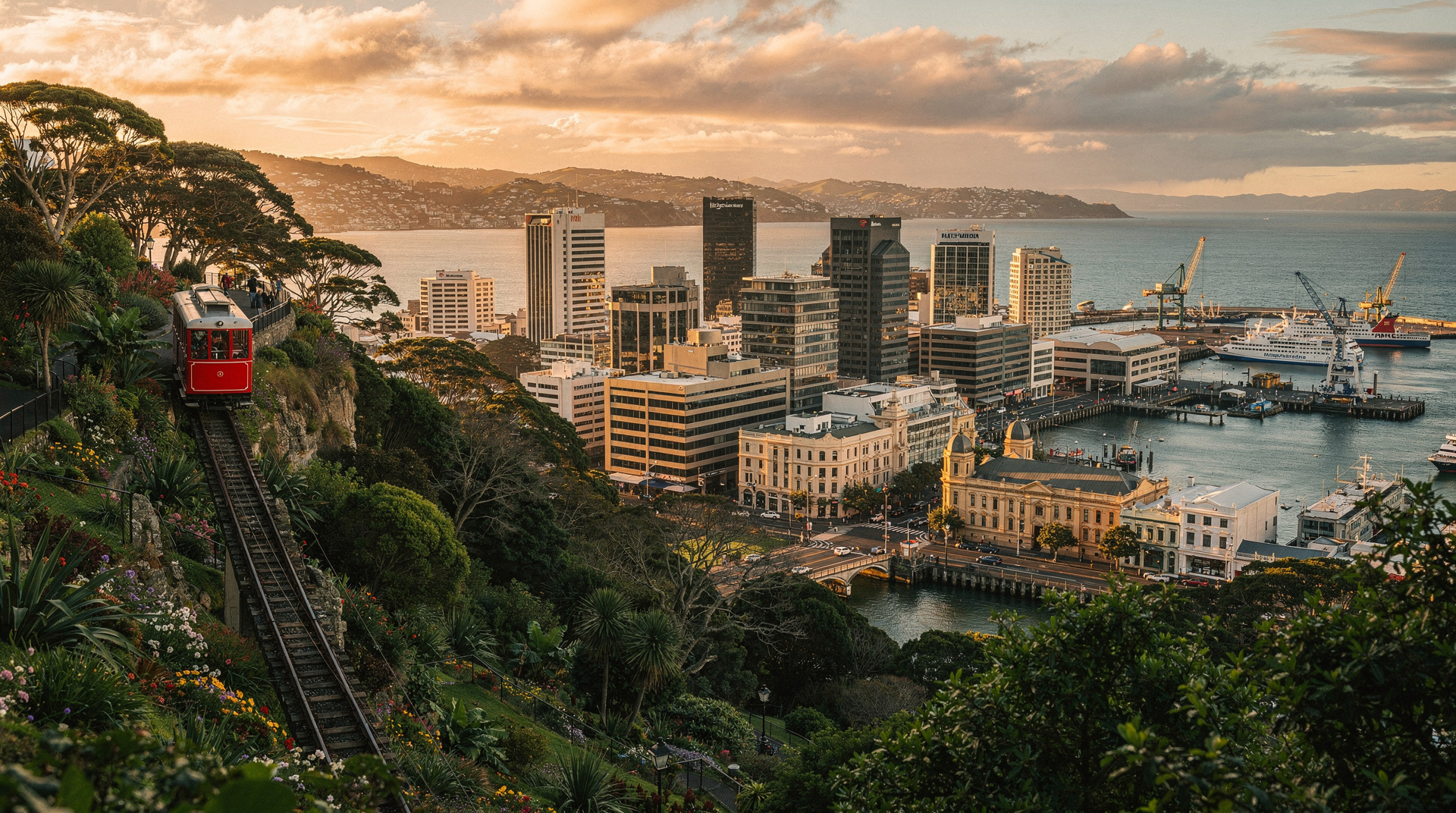
Wellington
Honest Wellington guide: Te Papa museum, Weta Workshop LOTR tours, Zealandia, Cuba Street, ferry to South Island, real prices NZD/USD/EUR.
Quick facts
- Population
- 215,000 — New Zealand's capital
- Airport
- Wellington Airport (WLG) — domestic and limited international
- Currency
- NZ$ — USD ~$0.60 / EUR ~€0.55
- Best for
- Te Papa museum, Weta Workshop, Zealandia, ferry to South Island, food and coffee
- Skip if
- You're flying Auckland-Queenstown direct — Wellington is off-route for air travellers
Wellington in one minute
Popular experiences here
Wellington is New Zealand’s capital and, by most measures, its most liveable city. A compact harbour city at the southern tip of the North Island, Wellington punches far above its size in culture, food, coffee, and character. Te Papa Tongarewa — the national museum — is free entry and genuinely world-class. Weta Workshop, responsible for the physical props and costumes for the Lord of the Rings and dozens of other major productions, runs excellent guided tours from its Miramar studio.
Zealandia, a fenced wildlife sanctuary a kilometre from the city centre, offers the best chance in New Zealand to see kiwi, tuatara, and endemic birds outside a zoo. And Wellington’s Cuba Street precinct is the most interesting urban street in New Zealand for food, bars, and independent shops. Wellington rewards two full days.
| Where | Southern tip of the North Island |
| Cost | Te Papa is free; budget around NZD 40–50 for Weta Workshop |
| Time needed | 2 days minimum, 3 for Weta Workshop, Zealandia and a day trip |
| Getting there | Domestic flights, or the ferry/road link south from the rest of the North Island |
| Best time | November–April; check wind forecasts year-round |
Why Wellington is more than a transit hub
Wellington is frequently visited primarily as the departure point for the Cook Strait ferry to Picton on the South Island, and this is a mistake. The city has legitimate depth — an active arts and culture scene driven by government employment stability, a restaurant-to-population ratio competitive with any city in Australasia, and a coffee culture that New Zealanders universally acknowledge as the country’s best.
The wind is real. Wellington is legitimately windy — regularly gusting over 100 km/h in storms, with sustained winds above 50 km/h common in spring and autumn. The locals have a complex pride about this. Visitors who plan outdoor activities (harbour kayaking, Zealandia birding) should check the wind forecast.
The harbour is compact and walkable. The waterfront from Te Papa to the Frank Kitts Park area is excellent for walking. Cable car, botanical garden, Mount Victoria lookout, Oriental Parade — Wellington’s geography rewards exploration on foot.
For North Island travellers driving south, Wellington is the endpoint before the ferry crossing. For air travellers flying Auckland-Queenstown, Wellington is off-route and a separate decision.
What to do in Wellington
Te Papa Tongarewa (Museum of New Zealand) is the best free attraction in New Zealand. The national museum covers Maori culture and history, the natural history of Aotearoa, Pacific art and artefacts, New Zealand’s colonial and modern history, and the extraordinary Gallipoli exhibition created in partnership with Weta Workshop. Allow 3–4 hours. The museum is consistently a highlight for every type of visitor.
The museum runs several guided experiences that deepen the experience: the Wellington Museum of NZ guided tour and general admission provides structured interpretation across the major collections at NZD 30–40 / USD 18–24 / EUR 16–22. For Maori cultural focus, the Te Papa Tongarewa Mana Maori tour provides deep iwi-specific context for the taonga collections at NZD 30–45 / USD 18–27 / EUR 16–25. The after-hours Twilight Express tour is a special evening experience for adults at NZD 45–55 / USD 27–33 / EUR 25–30.
Weta Workshop in Miramar (10 minutes from the city centre) is the world’s most decorated physical effects studio — multiple Academy Award winner for its work on Lord of the Rings, King Kong, Avatar, and dozens more productions. The guided tour covers prop-making, costume creation, and the studio’s techniques.
Wellington: Weta Workshop Guided Tour Ticket
Weta Workshop guided studio tour — 45 minutes behind the scenes of the world's most awarded physical effects studio. Covers LOTR, Avatar, and current productions. Book ahead; tours sell out.
From NZD 40-49 / USD 24-29 / EUR 22-27
For a deeper LOTR experience, the Wellington original LOTR half-day experience with Weta combines the studio tour with location visits around the Wellington region. NZD 120–155 / USD 72–93 / EUR 66–85. The full-day version with lunch ( Wellington original LOTR full-day tour with Weta and lunch ) is for dedicated fans willing to commit an entire day. NZD 195–240 / USD 117–144 / EUR 108–132.
Zealandia is a 225-hectare ecosanctuary enclosed by a predator-proof fence, situated in the Karori Valley. Within the sanctuary, native species that had been eliminated from the mainland — tuatara, kaka, little spotted kiwi, rifleman, hihi, and many more — have been reintroduced and are flourishing. The day tour is excellent but the night tour is exceptional: nocturnal kiwi are regularly seen by torch light, and tuatara are visible on the trails. The Zealandia by Day tour runs approximately 3 hours (NZD 35–45 / USD 21–27 / EUR 19–25).
Zealandia by Night Tour (Exhibit + Sanctuary)
Zealandia by Night — guided 2.5-hour nocturnal tour through the ecosanctuary. Kiwi regularly spotted by torchlight; tuatara visible on trails. Best kiwi encounter in the North Island.
From NZD 90-110 / USD 54-66 / EUR 50-60
Cable car to Kelburn is a Wellington institution — the red cable car from Lambton Quay to the botanical gardens runs every 10 minutes and provides an excellent city panorama. NZD 5 / USD 3 / EUR 2.75 one way; walk down through the botanical gardens for free. The return cable car ticket is available via the Wellington return cable car ticket at NZD 9.50 / USD 5.70 / EUR 5.25.
Cuba Street precinct is Wellington’s most distinctive urban area — a long pedestrianised and semi-pedestrianised street from Courtenay Place to the inner suburbs, lined with independent cafes, bars, record shops, vintage stores, and the reliably excellent Havana Coffee Works (arguably New Zealand’s best coffee roaster). Allow a morning or afternoon to wander.
Mount Victoria lookout is a 10-minute drive or 30-minute walk from the city centre and provides panoramic views over Wellington Harbour, the Hutt Valley, and on clear days across to the Marlborough Sounds. Sunrise and sunset are both worthwhile. For visitors who want a structured introduction covering the lookout, the cable car, the waterfront, and the Te Papa precinct in one efficient sweep, the Wellington 3-hour city sights and coastline tour is a good half-day orientation — particularly useful if Wellington is a one-night stop before the Picton ferry and time is genuinely short.
Food and coffee
Wellington’s food scene is disproportionately strong for a city of 215,000. New Zealand broadly credits Wellington with establishing the country’s espresso coffee culture in the 1990s (through the influence of the now-defunct Caffe L’affare), and the standard remains high.
Coffee: Havana Coffee Works (Cuba Street) is a pilgrimage site for coffee enthusiasts. Loretta (Cuba Street), Mojo (multiple locations), Flight Coffee (Tory Street) — all consistently excellent. Expect NZD 5–6.50 / USD 3–4 / EUR 2.75–3.60 for espresso drinks.
Dinner: Logan Brown (Kent Terrace) has been one of Wellington’s flagship fine-dining restaurants for 25 years. Ortega Fish Shack is the city’s best seafood restaurant. The Larder in Chaffers Marina is a casual but excellent option on the waterfront.
Cuba Street: The street itself functions as a food and bar corridor. Midnight Espresso, Floriditas, and Charley Noble are all recommended. The William Pickard pub at the top is the best all-round pub option.
For guided food exploration, the Wellington 3-hour walking food tour covers the key food corridors with context. NZD 115–135 / USD 69–81 / EUR 63–74. The Wellington all-inclusive craft beer brewery tour is the best option for beer enthusiasts — Wellington’s craft beer scene includes Garage Project, Three Sisters Brewing, and Panhead Custom Ales. NZD 105–125 / USD 63–75 / EUR 58–69.
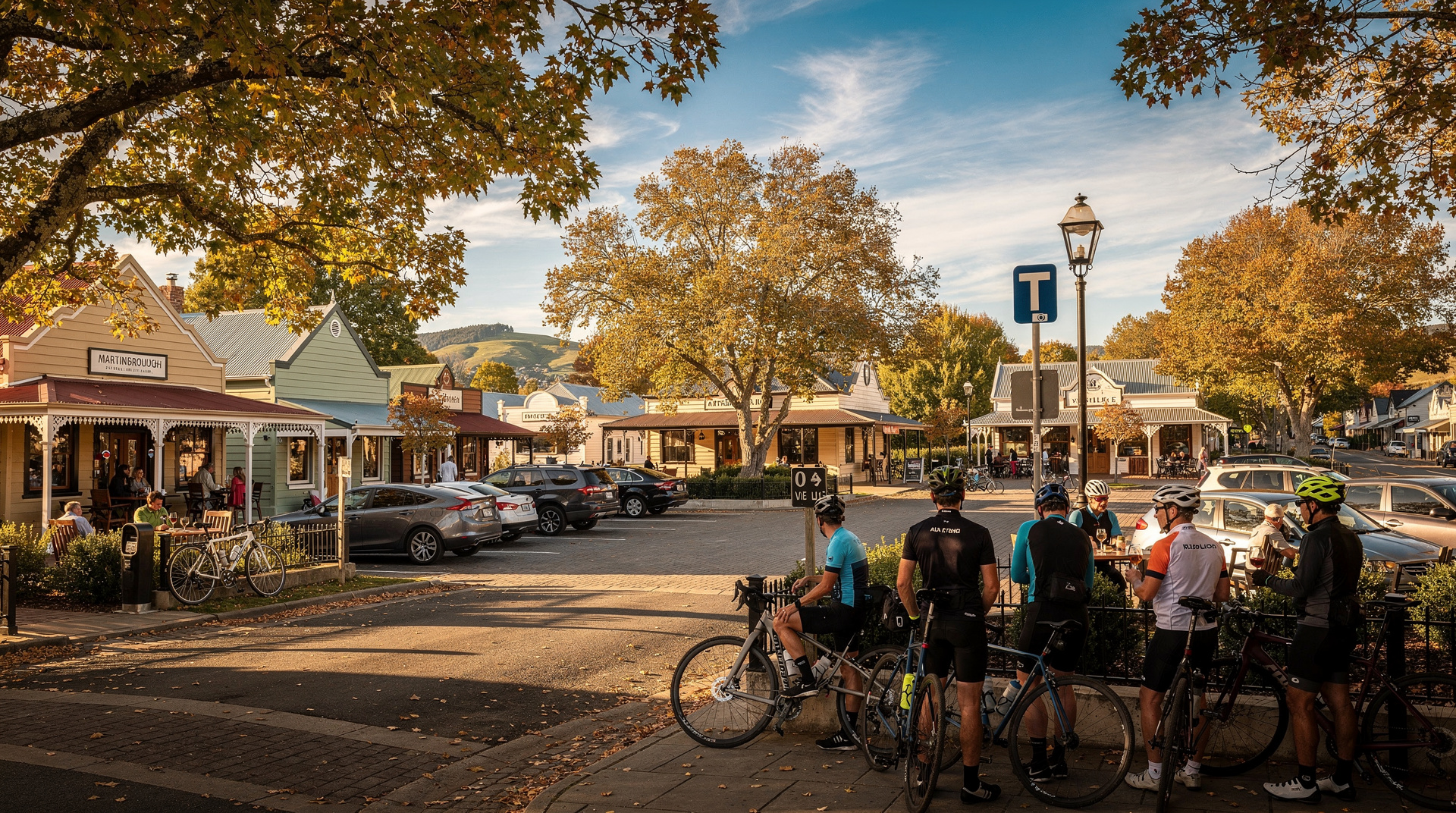
Wine: Wellington is close to Martinborough wine country (1 hour east). The Martinborough wine tasting tour from Wellington covers the Pinot Noir and Riesling specialists of the Wairarapa valley. NZD 120–155 / USD 72–93 / EUR 66–85. For the fuller picture on Martinborough itself, including which wineries are worth prioritising if you go independently, see the Martinborough wine tour guide and the broader Wellington region overview.
Craft beer: Wellington’s brewing scene has grown substantially — Garage Project (Aro Valley) is the best-known name internationally and worth a visit for the small-batch, frequently-changing taplist alone. Panhead Custom Ales and Fork & Brewer round out a solid crawl if beer interests you more than wine.
The Cook Strait ferry
The Interislander and Bluebridge ferries between Wellington and Picton are the primary land connection between the North and South Islands. The crossing takes approximately 3.5 hours in good conditions. The scenery through the Marlborough Sounds at the Picton end is excellent — potentially the most scenic ferry crossing in Australasia.
Book the ferry well in advance, especially for summer and school holidays. Campervans particularly need advance booking — vehicle spaces fill significantly faster than passenger spaces. See the Cook Strait ferry guide for operator comparison and booking advice.
Wellington and Picton: Interislander Ferry (Cook Strait, one-way)
Wellington to Picton Interislander ferry — 3.5 hours through the Marlborough Sounds. Book ahead in summer; vehicle spaces fill months in advance. Foot passenger ticket confirmed via GYG.
From NZD 55-85 / USD 33-51 / EUR 30-47
Cost breakdown
2-day Wellington trip, per person, NZD / USD / EUR
| Item | NZD | USD | EUR | Verdict |
|---|---|---|---|---|
| Mid-range hotel (CBD waterfront) | 280-420/night | 168-252 | 154-231 | ✓ Worth it |
| Te Papa museum (general admission) Free — non-negotiable for any visitor | 0 | 0 | 0 | ✓ Worth it |
| Weta Workshop guided tour | 40-49 | 24-29 | 22-27 | ✓ Worth it |
| Zealandia by Night (kiwi spotting) | 90-110 | 54-66 | 50-60 | ★ Splurge |
| Wellington to Picton ferry (foot passenger) | 55-85 | 33-51 | 30-47 | ✓ Worth it |
| Walking food tour (3 hr) | 115-135 | 69-81 | 63-74 | ✓ Worth it |
| Weta Cave (gift shop only) Walk past, then book the full guided tour instead | 0 | 0 | 0 | ✕ Skip |
Where to stay in Wellington
Wellington CBD / Waterfront: The Sofitel Wellington (NZD 320–520 / USD 192–312 / EUR 176–286) is the flagship luxury option on the waterfront. InterContinental Wellington (NZD 280–420 / USD 168–252 / EUR 154–231) is well-positioned for Te Papa and the ferry terminal. Both are excellent bases.
Cuba Street / Te Aro: More affordable mid-range options, closer to the restaurant and bar scene. Bolton Hotel (NZD 190–290 / USD 114–174 / EUR 105–160) is good value for the area.
Thorndon (near Parliament): Quieter residential neighbourhood, good for longer stays. Several good B&Bs at NZD 150–220 / USD 90–132 / EUR 83–121.
Miramar (near Weta Workshop and airport): Primarily for those doing Weta Workshop early morning or catching an early flight. Limited character but practical. NZD 130–190 / USD 78–114 / EUR 72–105.
Hostels: Wellington YHA on Wakefield Street is the established option, with dorm beds from NZD 38–55 / USD 23–33 / EUR 21–30. The Base Wellington is larger and livelier.
Skip / worth it / splurge
- ✕ Skip : A quick walk past Weta Cave (the gift shop, free) instead of the Weta Workshop guided tour — the gift shop gives nothing of the behind-the-scenes experience that makes the tour worthwhile
- ✕ Skip : Wellington on a Sunday morning before 10am if you want coffee (many places are closed until 9am; nothing resembling a busy city materialises until later)
- ✓ Worth it : Te Papa museum — this is non-negotiable for any culturally interested visitor. Spend 3+ hours here
- ✓ Worth it : Zealandia night tour — the best kiwi encounter most North Island visitors will have
- ★ Splurge : Logan Brown dinner — Wellington’s most consistently excellent fine-dining restaurant, worth the NZD 90–130 / USD 54–78 / EUR 50–71 for mains
How Wellington fits in your itinerary
Wellington is the natural end-point of any North Island road trip and the departure point for the South Island ferry crossing. On a 7-day North Island itinerary, Wellington is typically nights 6–7: arrive from Taupo or Tongariro, spend two days (Te Papa, Weta Workshop or Zealandia, Cuba Street), then either fly south or take the ferry.
On a 14-day New Zealand itinerary, Wellington transitions between the North and South Islands and deserves two full days — the museum alone justifies one of them.
For visitors coming south from Napier, Wellington is 3.5 hours via SH2 through the Wairarapa.
A practical two-day Wellington itinerary
For visitors who want a structured plan rather than picking from the list above, this sequence covers the essentials without feeling rushed.
| Day | Morning | Afternoon | Evening |
|---|---|---|---|
| Day 1 | Te Papa (3–4 hrs) | Cable car to Kelburn, walk down through the Botanic Garden | Dinner and drinks on Cuba Street |
| Day 2 | Weta Workshop guided tour (45 min–2 hrs depending on option) | Mount Victoria lookout or a Cuba Street food tour | Zealandia by Night for kiwi spotting |
Travellers with a third day should use it for a Martinborough wine day trip or the Kapiti Island wildlife excursion — both require a full day and, for Kapiti, advance booking. This plan assumes you’re staying centrally (CBD, Te Aro, or Cuba Street) so the walking distances between stops stay manageable; from Miramar or the airport area, add 15–20 minutes each way for Weta Workshop.
Wellington’s geography and the wind
Wellington sits at the southern tip of the North Island on a hillside harbour, with the Remutaka Range to the northeast and Cook Strait immediately to the south. The strait — 22 km wide at its narrowest — is a natural wind funnel. When the atmospheric pressure gradient creates a northerly or southerly flow, that wind is accelerated through the gap between the two islands and hits Wellington with particular force.
The city has recorded sustained winds above 100 km/h on dozens of occasions. The highest gust on record at Wellington Airport is 248 km/h. The average annual wind speed of 27 km/h makes Wellington genuinely the windiest capital city in the world by that metric.
For visitors, this creates a variable experience. A calm, clear day in Wellington is one of the most beautiful urban settings in the Southern Hemisphere — the harbour sparkles, the hills are vivid green, and the city has a bracing, Mediterranean-ish clarity. A windy day is challenging: outdoor dining is uncomfortable, the harbour can be choppy, and the city feels exposed. Check the Weather Watch forecast before planning an outdoor itinerary.
The wind also means Wellington has excellent kite and windsurfing conditions; Lyall Bay (adjacent to the airport) has an active watersports scene that takes advantage of this.
Wellington Airport’s short runway, squeezed between the hills and Lyall Bay, is also notorious among aviation enthusiasts for its crosswind landings in strong southerlies — some of the more dramatic landing footage circulating online is filmed here. It’s a genuine curiosity rather than a safety concern for passengers; pilots are trained specifically for the conditions, and diversions are rare. If your flight is delayed on a windy day, this is usually why.
The arts and culture scene
Wellington has a disproportionately strong arts scene for its size, driven partly by government employment stability and partly by a university-educated, culturally engaged population.
The New Zealand International Arts Festival (held in even years in late February/early March) is the country’s most significant arts event — a three-week programme of theatre, dance, music, visual art, and circus from New Zealand and internationally. Tickets sell quickly for headline events.
Te Papa special exhibitions rotate annually and include major international touring exhibitions. The permanent collection is free; special exhibitions are ticketed at NZD 20–35 / USD 12–21 / EUR 11–19.
Museum of Wellington City and Sea (on the waterfront) covers Wellington’s maritime history, earthquake preparedness, and harbour history in a well-presented small museum. The Wahine Memorial (the 1968 ferry disaster that killed 51 people in Wellington Harbour) is a significant local history exhibition. Free entry.
Verb Wellington Writers Festival (annual, May): New Zealand’s most significant literary event, with New Zealand and international writers in conversation over 5 days. Ticketed events from NZD 15–30 / USD 9–18 / EUR 8–16.
Wellington Jazz Festival (June): The city’s jazz programming has grown significantly; the June festival is now a substantial fixture on the New Zealand music calendar.
Day trips from Wellington
Wellington is a useful base for day trips within the Wellington region:
Martinborough wine country (1 hour east via the Remutaka Hill Road): The Wairarapa wine region, centred on the small town of Martinborough, specialises in Pinot Noir and Riesling. Ata Rangi, Palliser Estate, and Escarpment Vineyard are the headline producers. The Martinborough winery tour from Wellington handles the driving so you can drink. NZD 115–145 / USD 69–87 / EUR 63–80.
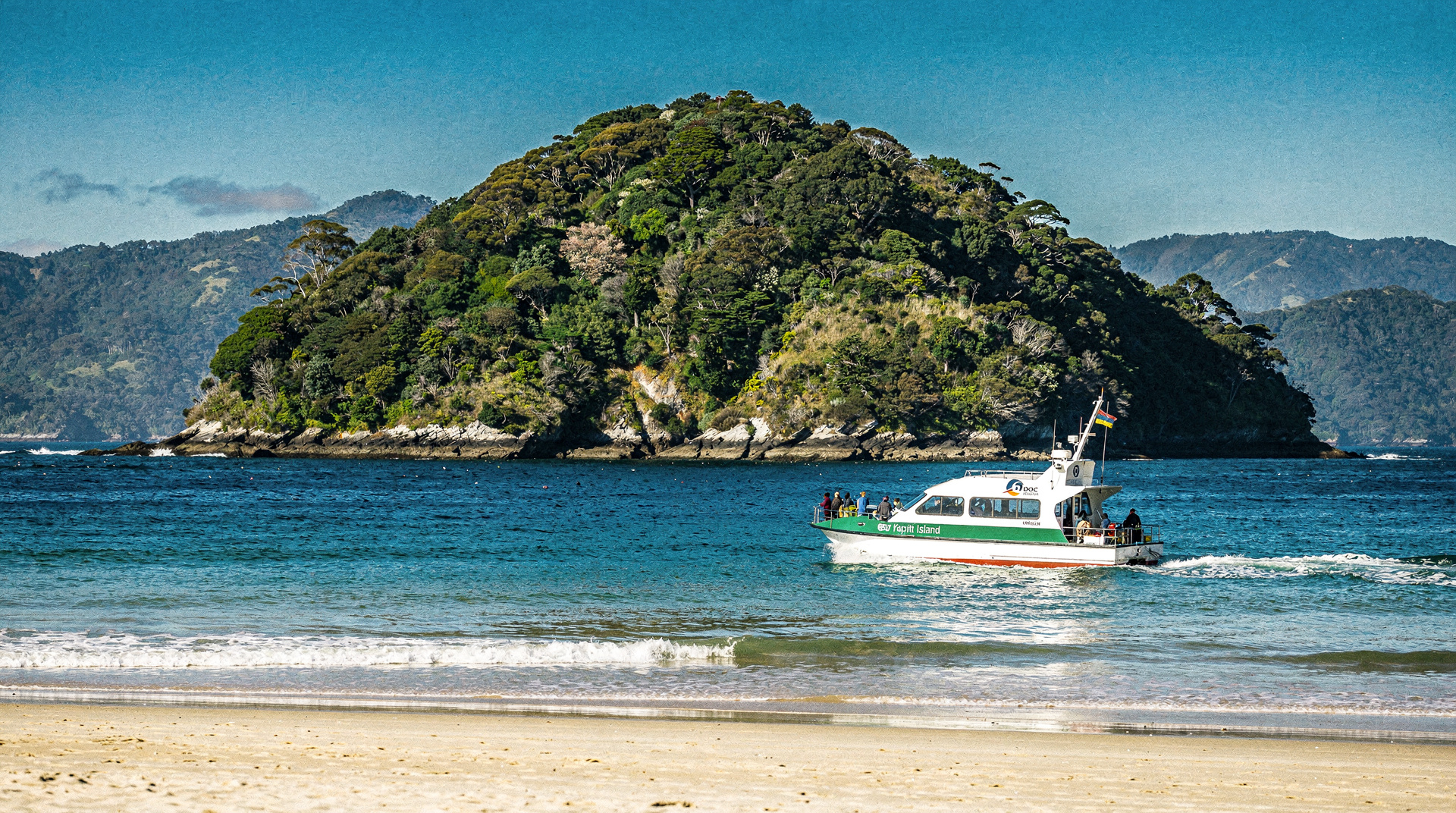
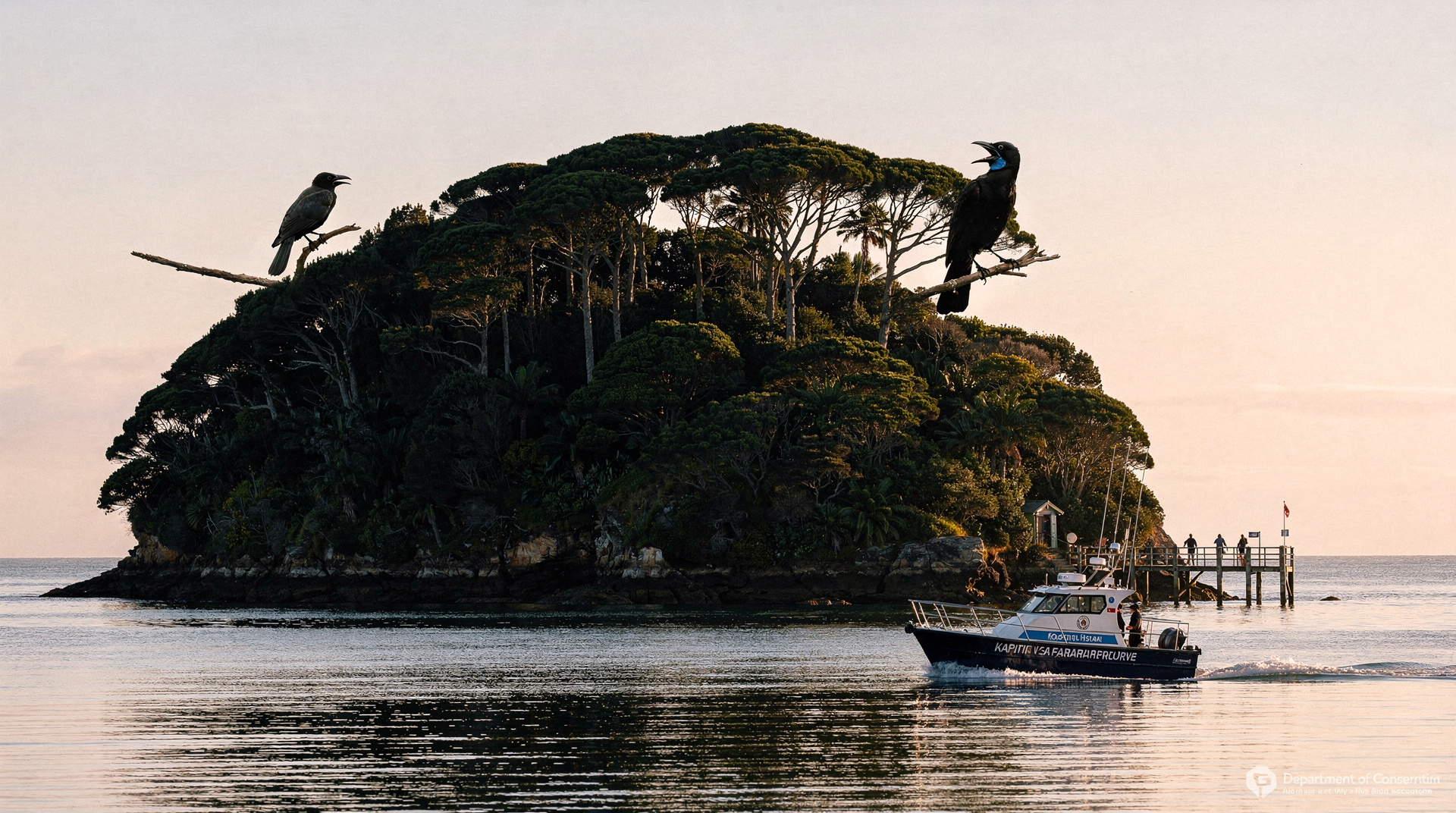
Kapiti Island (1.5 hours by bus and ferry from Wellington): A predator-free bird sanctuary 5 km offshore from Paraparaumu. Advance permits required from DOC; ferry operators manage bookings. Highly rewarding for birdwatchers — little spotted kiwi (the rarest kiwi subspecies), kakapo, and many other endangered species have been successfully reintroduced. NZD 60–75 / USD 36–45 / EUR 33–41 for ferry and permit.
Cape Palliser (2 hours): The southernmost point of the North Island, with a long beach seal colony, a historic lighthouse (253 steps to the top), and a dramatic exposed coastline. No formal tours — self-drive only.
Kaitoke Regional Park (45 min north): The forested stream valleys and waterfall here were used as Rivendell filming locations in the LOTR extended edition. A pleasant half-day walk.
The Northern Explorer: scenic train from Wellington
The Northern Explorer is KiwiRail’s scenic train between Wellington and Auckland, running on Mondays and Thursdays (southbound) and Fridays and Sundays (northbound). The 12-hour journey (NZD 179–219 / USD 107–131 / EUR 98–120 one way in economy, somewhat more in “scenic seats”) passes through the central North Island — the Manawatu Gorge, the Rangitikei viaducts, the volcanic plateau, and the Waikato. The train does not go through Rotorua or the Bay of Islands; it is a scenic route rather than a point-to-point transport option for most visitor destinations. Worth considering if you want to transition from Wellington to Auckland without flying. See the scenic trains guide for details.
Two days vs three days in Wellington
Deciding how long to stay is the most common planning question for Wellington, and the honest answer depends on what you’d trade it for elsewhere in New Zealand.
| 2 days | 3 days | |
|---|---|---|
| Te Papa | Yes, 3–4 hrs | Yes, 3–4 hrs |
| Weta Workshop or Zealandia | One of the two | Both |
| Cuba Street / food scene | Brief | Properly explored |
| Day trip (Martinborough or Kapiti) | No | Yes, if time allows |
| Best suited to | Ferry-transit travellers, tight itineraries | First-time visitors, culture-focused trips |
Two days is enough to leave satisfied rather than rushed, provided you pick one of Weta Workshop or Zealandia rather than trying to force both in. Three days is the version most first-time visitors are glad they booked.
Frequently asked questions about Wellington
How many days do I need in Wellington?
Two days is the minimum to do Te Papa justice and see one other highlight (Weta Workshop or Zealandia). Three days allows both Weta Workshop and Zealandia, plus time for Cuba Street, a cable car excursion, and a day trip to Martinborough wine country. One day is a rushed version that skips too much.
Is Wellington really the world’s windiest capital city?
Wellington regularly claims this title based on average wind speed data. The wind is real and can be impressive. However, it is not constant — calm, beautiful harbour days also occur regularly. The Wellington wind meme has perhaps overtaken the reality; plan for wind but don’t be surprised if you get perfect still days.
How do I get from Wellington Airport to the city?
Airport flyer buses (NZD 12 / USD 7.20 / EUR 6.60) run every 20–30 minutes to the CBD, taking approximately 25 minutes. Taxis and Ubers run NZD 25–40 / USD 15–24 / EUR 14–22. There is no direct rail link to the airport.
Is Te Papa really free?
Yes — general admission to Te Papa Tongarewa is free for New Zealand residents and visitors. Some special exhibitions carry a separate charge. The guided tours are ticketed (NZD 30–55 depending on type), but the main collections are free to access.
What is the best way to see the Cook Strait crossing scenery?
The Marlborough Sounds section as the ferry approaches Picton is the most scenic — book a window seat on the port (left when facing forward toward Picton) side of the ferry. Alternatively, stand on deck as the ferry navigates the Sounds. The Wellington departure is pleasant but less dramatic than the arrival into Picton.
Is Wellington good for solo travellers?
Excellent — Wellington’s compact size, good public transport, walkable waterfront, and lively bar and café scene make it one of the best solo travel destinations in New Zealand. The city is safe and social, with genuine hostel and bar culture that makes meeting other travellers straightforward.
What is the Weta Cave?
The Weta Cave is Weta Workshop’s free public exhibition space in Miramar — a gift shop with displays of props, costumes, and behind-the-scenes information. It’s free to enter but gives only a surface-level view of what the studio does. The paid guided tour of the workshop itself is where the real experience lies. Both are worth visiting if you’re in Miramar.
Should I stay in Wellington city or make it a day trip from elsewhere?
Stay in the city if you can — Wellington’s highlights (Te Papa, Weta Workshop, Zealandia’s night tour, the Cuba Street food scene) work best across an unhurried two days rather than a single rushed visit. A day trip from Napier or the wider Wellington region is possible but compresses too much into too little time, especially if the Cook Strait ferry is also part of your plans.
Is Wellington worth it if I’ve already been to Auckland?
Yes — the two cities are genuinely different experiences rather than variations on the same thing. Auckland is larger, harbour-and-islands focused, and more internationally connected; Wellington is smaller, hillier, museum- and food-focused, and widely considered more walkable. See the Auckland vs Wellington guide for a fuller comparison if you’re deciding how to split limited North Island time.
Top experiences: Wellington New Zealand
See all →Guides for Wellington

New Zealand craft beer trail
New Zealand has a world-class craft beer scene led by Wellington. Brewery tours, best taprooms, NZ hops, and how to explore the trail — prices (NZD/USD/EUR).
Best day trips from Wellington
Best day trips from Wellington: Martinborough wine (1h), Wairarapa coast (1.5h), Kapiti Island (permit required). Drive times and honest verdicts.
Kapiti Island day trip from Wellington
Everything about a Kapiti Island day trip from Wellington: DOC permits, ferry crossing, rare birds to see, guided vs self-guided, costs in NZD/USD/EUR.
Martinborough day trip from Wellington
Martinborough day trip from Wellington: 1-hour drive, best pinot noir wineries, cycling between cellar doors, vineyard lunch, costs in NZD/USD/EUR.
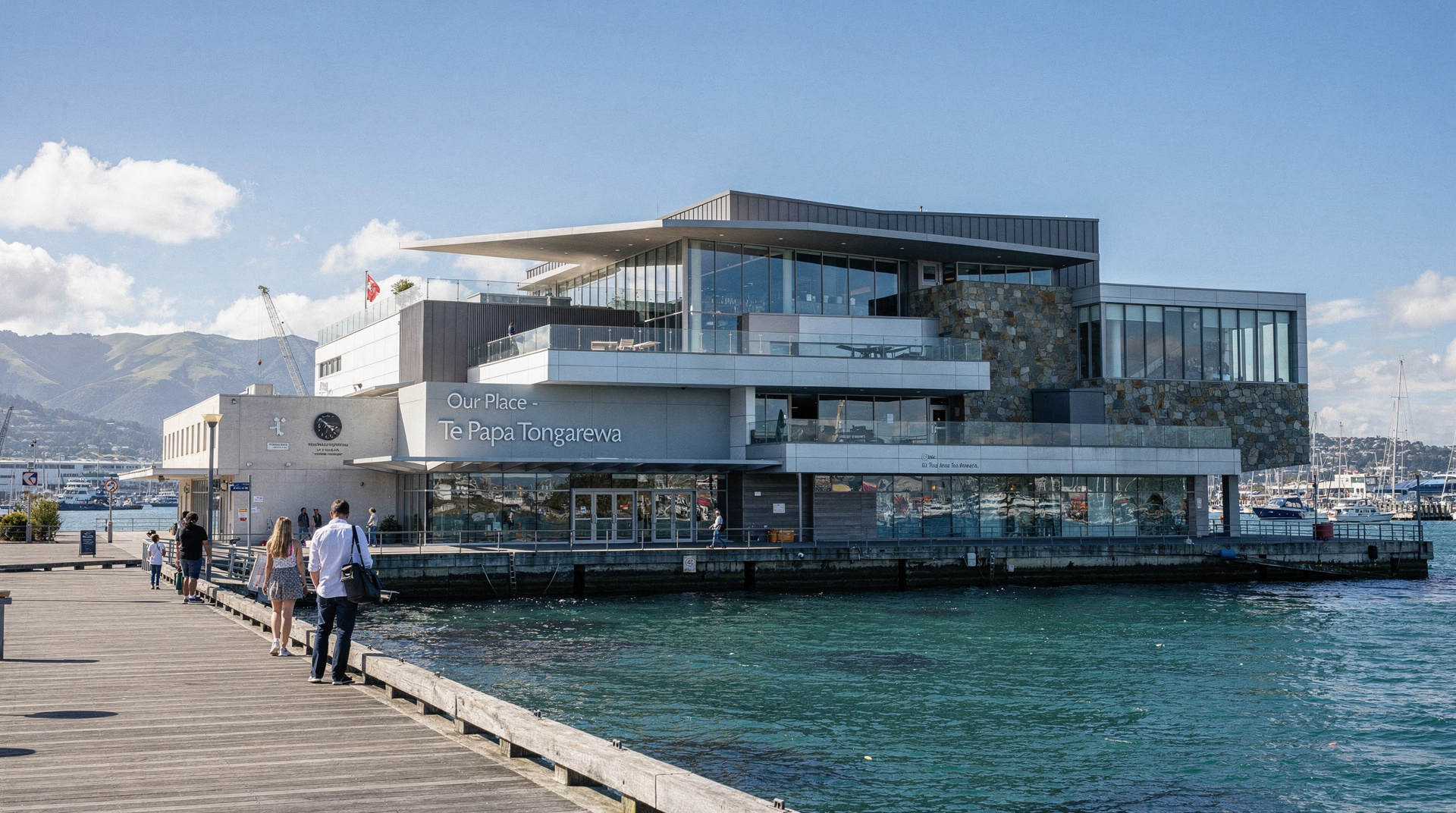
Te Papa museum Wellington — complete visitor guide
Complete guide to Te Papa Tongarewa in Wellington: must-see exhibits, Maori galleries, free admission, guided tours, and honest tips for your visit.
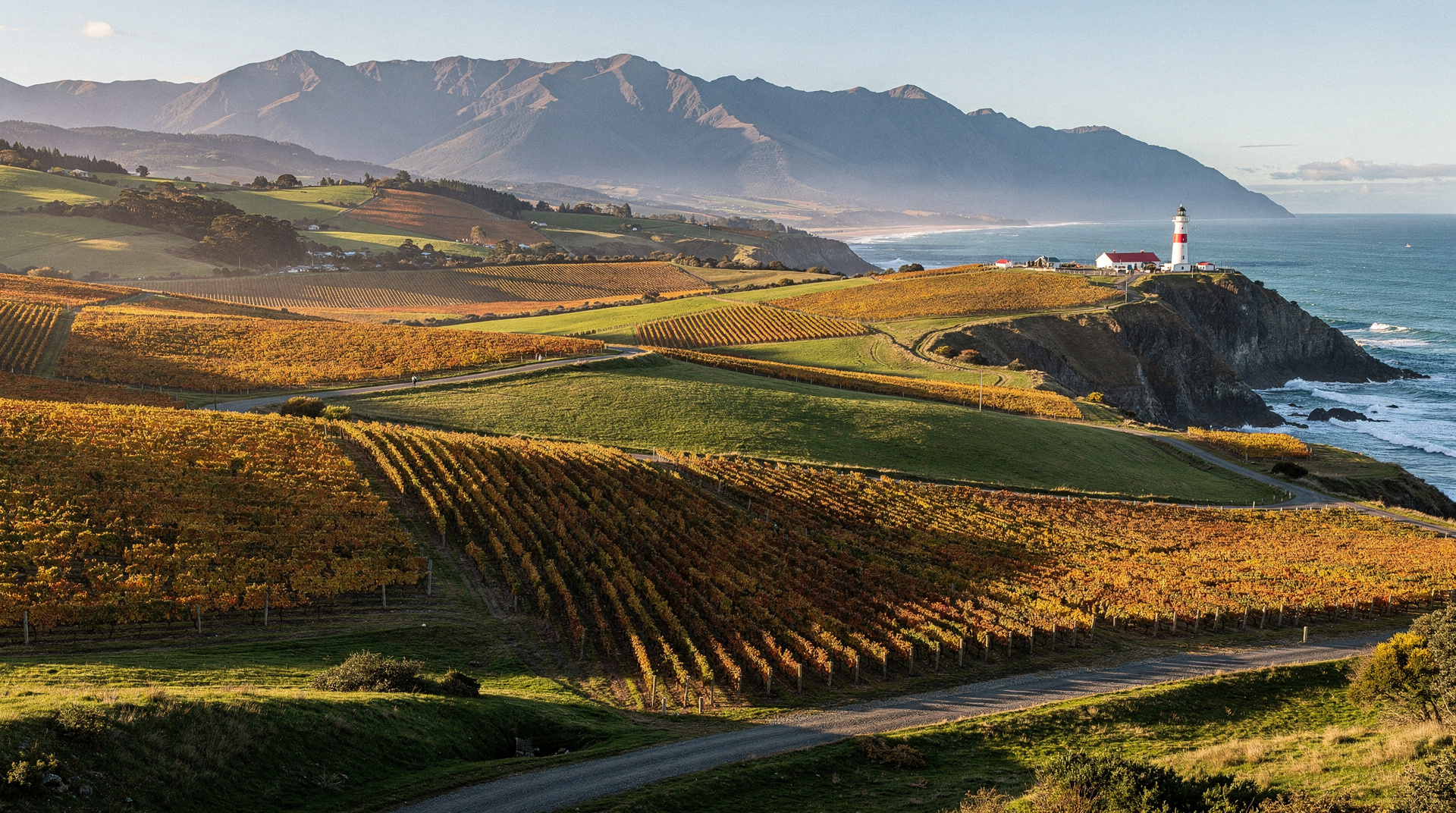
Wairarapa day trip from Wellington
How to do a Wairarapa day trip from Wellington: Cape Palliser fur seals and lighthouse, Castlepoint, coastal scenery, and drive times in NZD/USD/EUR.
Related guides
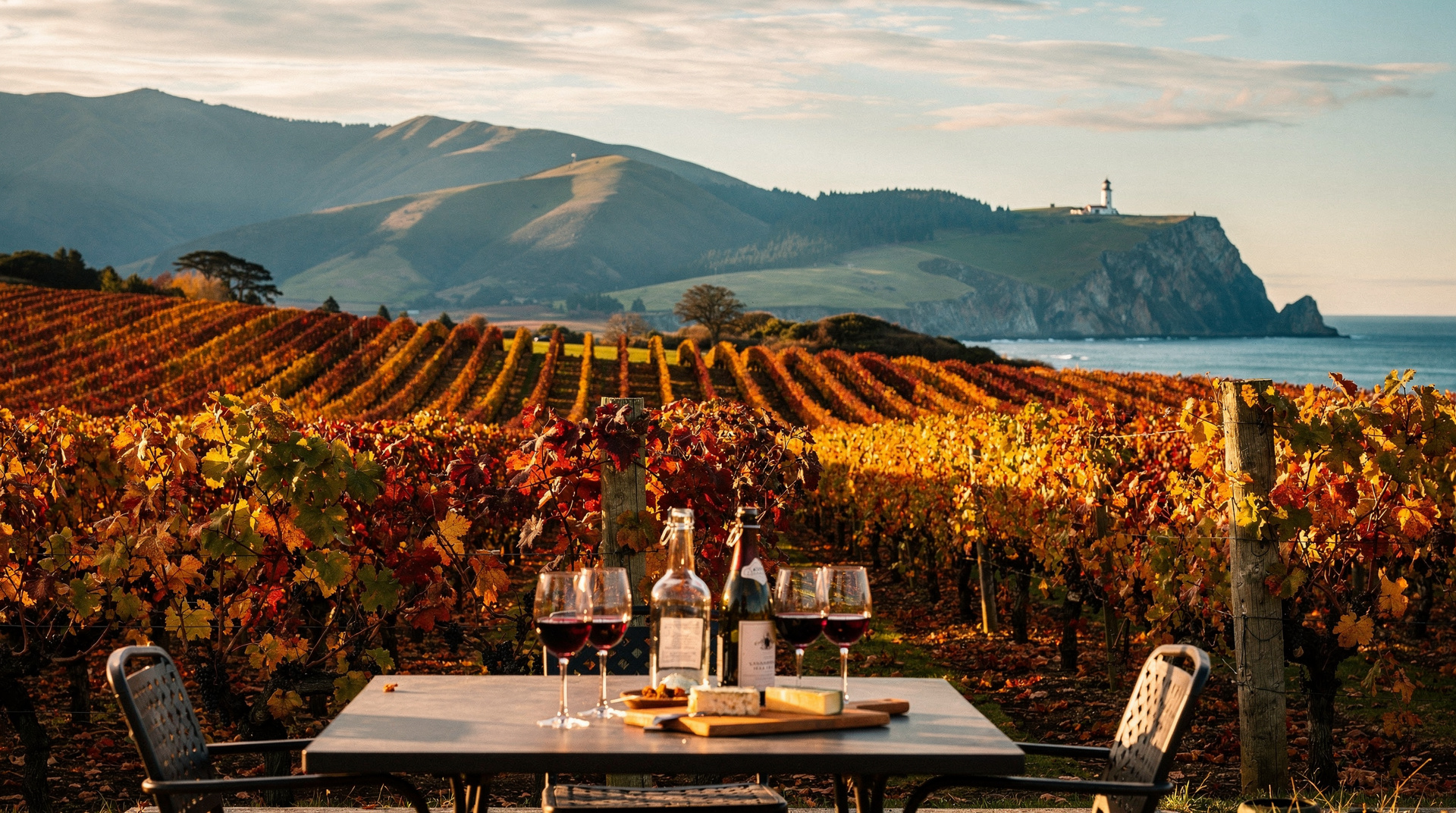
Wairarapa
Wairarapa: Martinborough Pinot Noir, Cape Palliser fur seals and lighthouse, Castlepoint — Wellington day trip or overnight. NZD/USD/EUR.
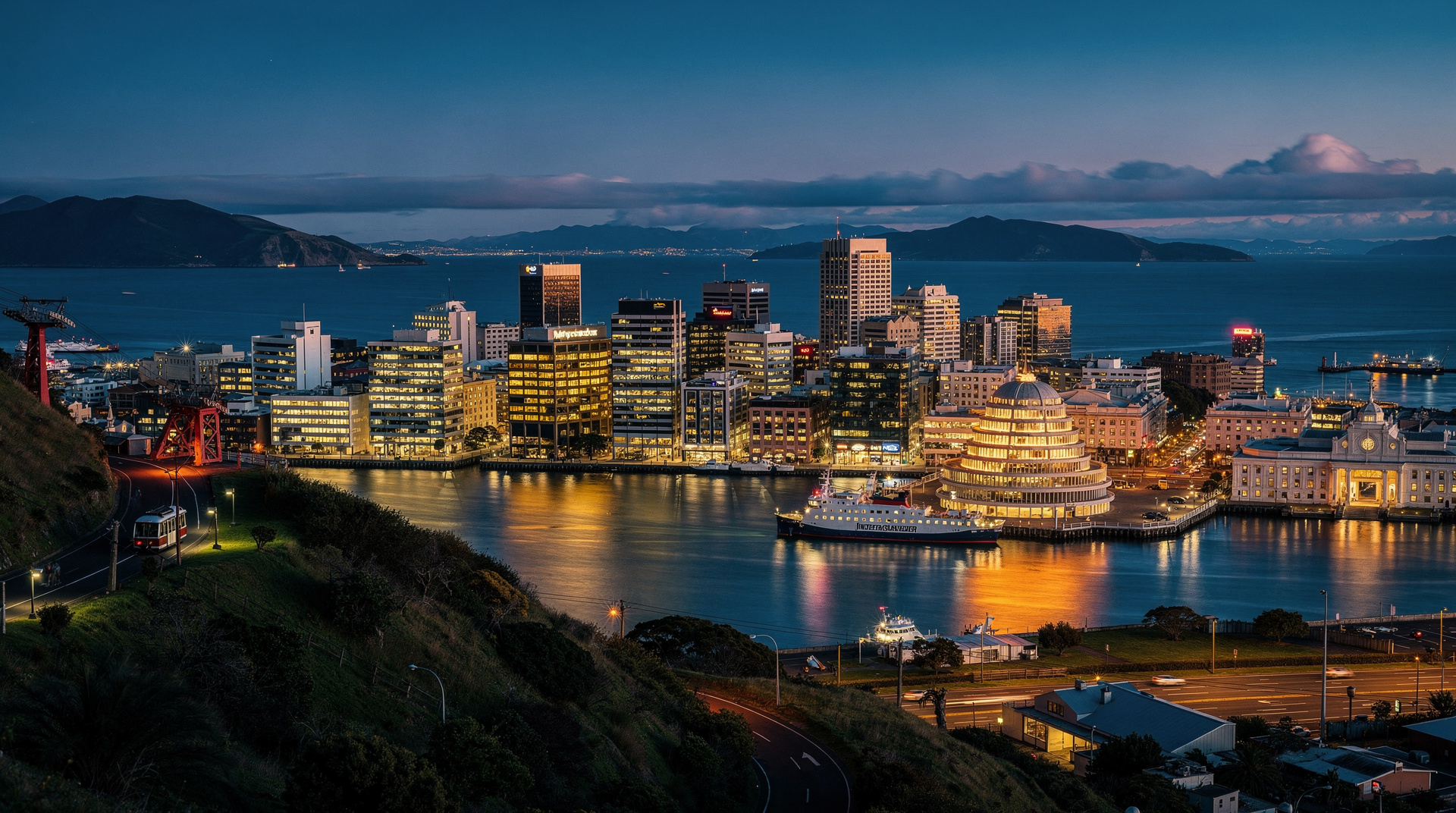
Wellington region
Honest Wellington region planner: city highlights, Te Papa, Weta Workshop, Wairarapa wine, Kapiti Island. Real NZD/USD/EUR costs and practical logistics.
Nelson
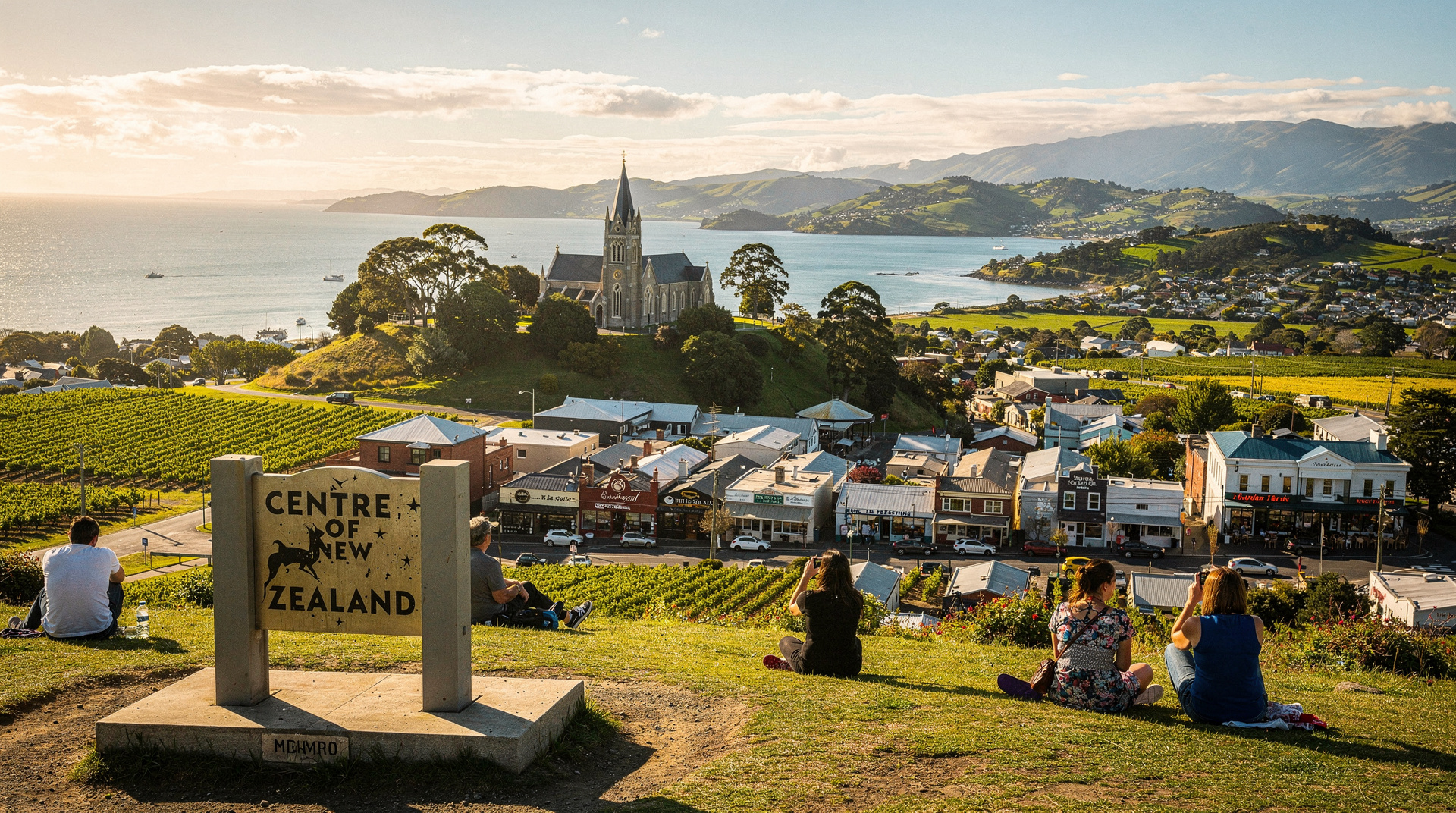
Nelson: New Zealand's sunniest city, gateway to Abel Tasman, with a strong arts scene, wine and craft beer, and real costs NZD/USD/EUR.
Te Papa museum Wellington — complete visitor guide
Complete guide to Te Papa Tongarewa in Wellington: must-see exhibits, Maori galleries, free admission, guided tours, and honest tips for your visit.
Wellington food and drink — the honest guide
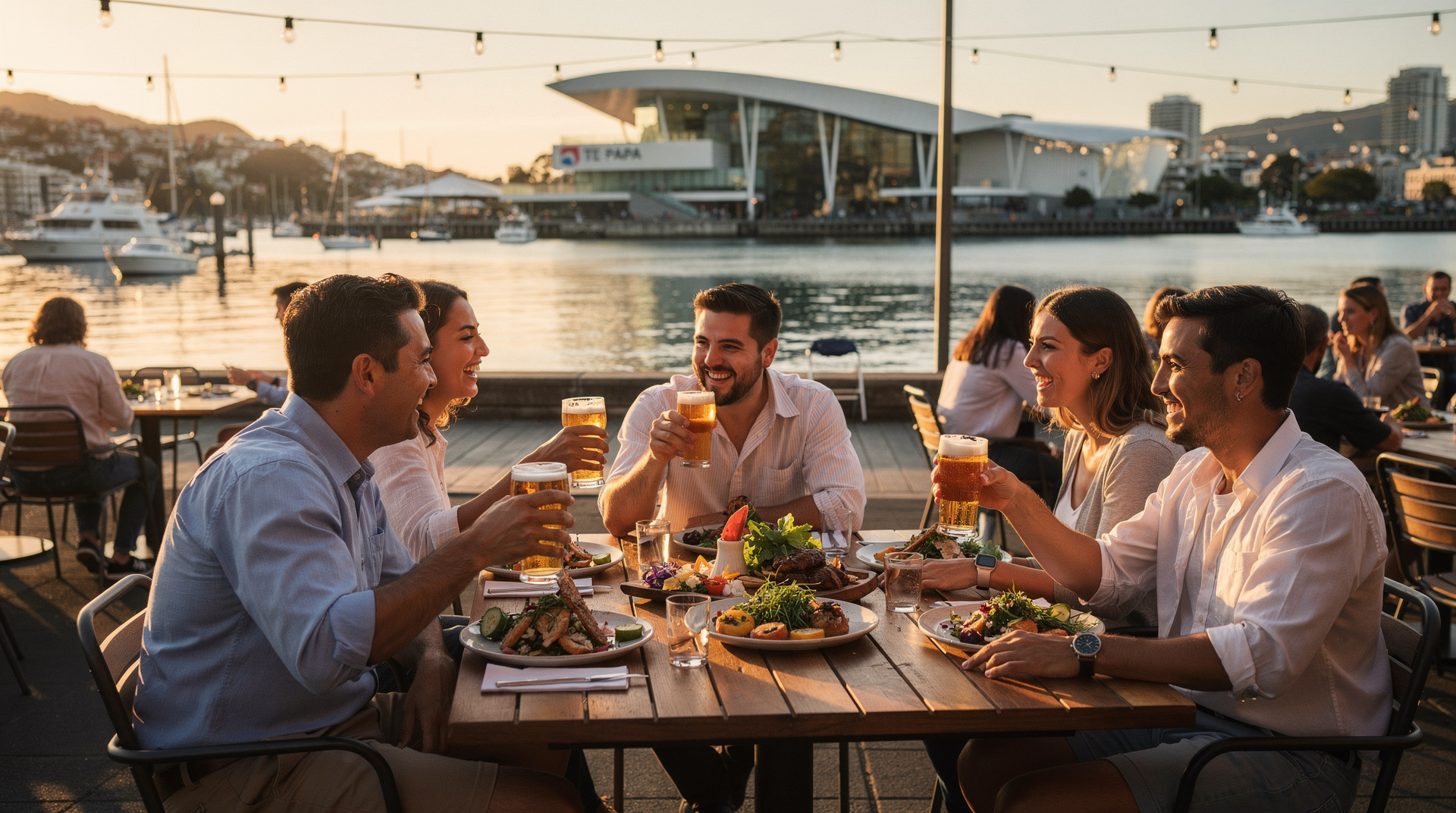
Wellington food scene: Logan Brown, Hiakai, Ortega Fish Shack, Cuba Quarter, Garage Project craft beer, Flight Coffee, Wellington on a Plate. Real costs.
Best day trips from Wellington
Best day trips from Wellington: Martinborough wine (1h), Wairarapa coast (1.5h), Kapiti Island (permit required). Drive times and honest verdicts.
10-day New Zealand itinerary — both islands by air
Auckland → Rotorua → Wellington → fly to Queenstown → Milford Sound. Compact 10-day NZ loop with real costs in NZD, USD, and EUR.
Wellington's craft beer scene in 2026 — the honest guide
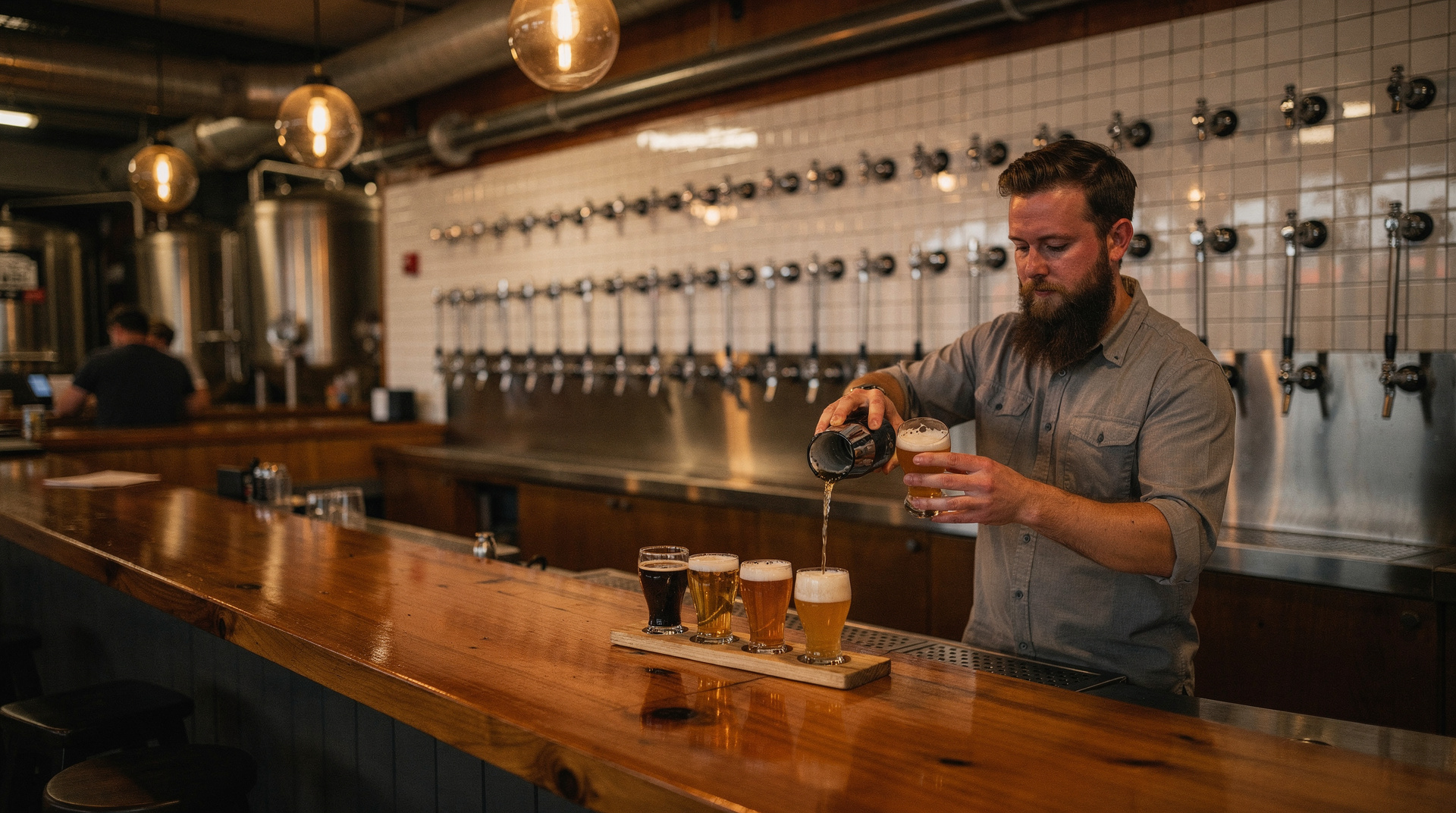
Wellington has more craft breweries per capita than almost any city its size. The honest 2026 guide: what's good, what's changed, and where to go.
Last reviewed: