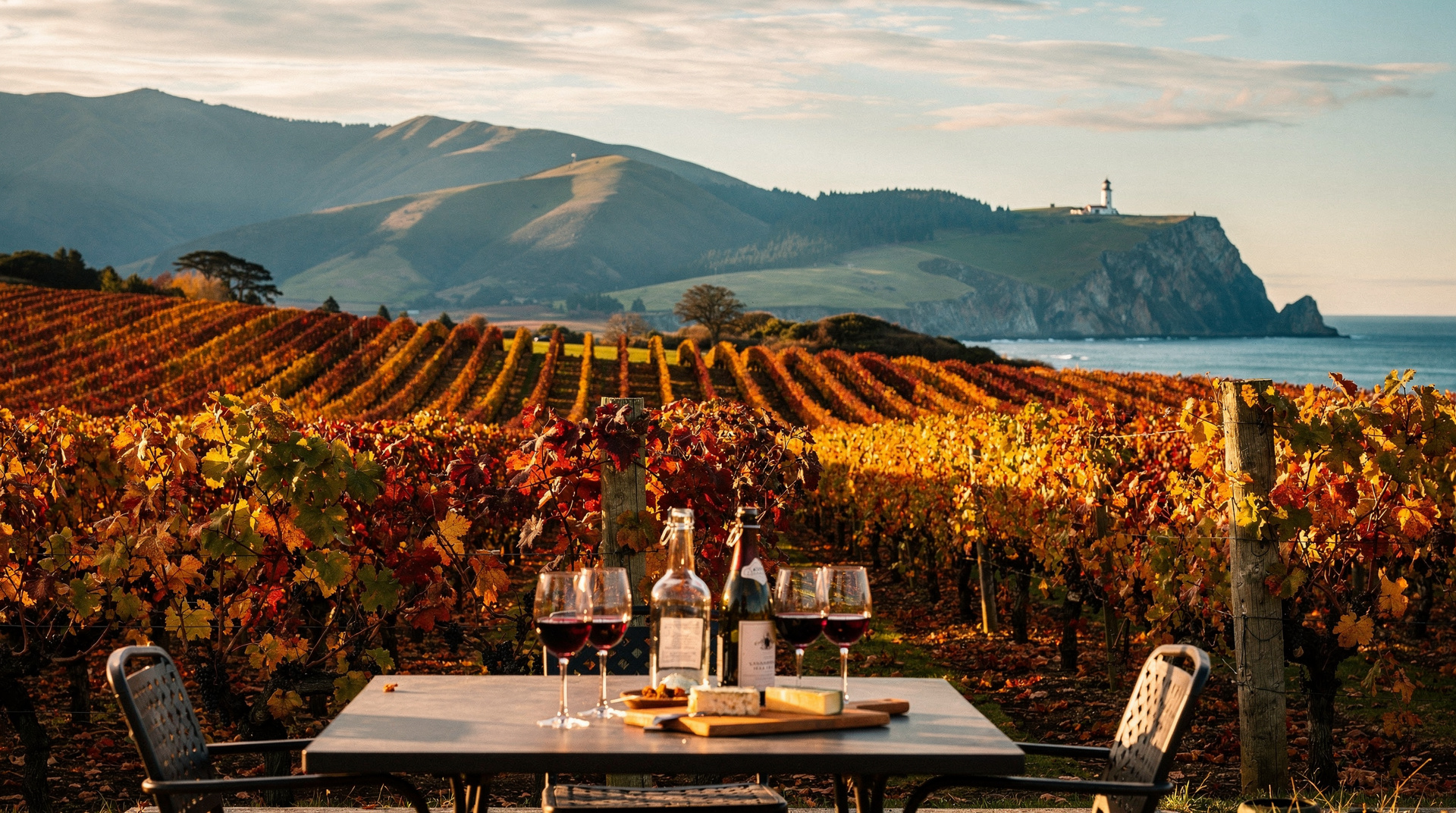
Wairarapa
Wairarapa: Martinborough Pinot Noir, Cape Palliser fur seals and lighthouse, Castlepoint — Wellington day trip or overnight. NZD/USD/EUR.
Quick facts
- Distance from Wellington
- 80 km via the Remutaka Pass, 1.5 hours
- Wine focus
- Martinborough Pinot Noir — one of New Zealand's most acclaimed wine regions
- Currency
- NZ$ — USD ~$0.60 / EUR ~$0.55
- Cape Palliser
- The southernmost point of the North Island — fur seals, lighthouse, pinnacles
- Character
- Genuinely rural; sheep stations, wine villages, real country New Zealand
Wine, seals, and the south end of everything
The Wairarapa is the region that Wellingtonians go to when they want to feel that they have gone somewhere without going very far. An hour and a half over the Remutaka Pass (previously and also known as the Rimutaka Range), the landscape changes completely: the choppy harbour and wind-scoured hills give way to a broad, sunny agricultural plain bounded by the Tararua Ranges on the west and the rugged coast of Palliser Bay on the south.
The wine comes first, as it usually does in any Wairarapa introduction. Martinborough is a small town (population ~1,300) at the southern end of the Wairarapa plain, established in 1881 and now sitting at the centre of one of New Zealand’s most celebrated wine regions. The soils and climate — free-draining alluvial gravels, warm days, cool nights — produce Pinot Noir of genuine international standing. Ata Rangi, Craggy Range, Martinborough Vineyard, Dry River, and Palliser Estate are the established names; there are at least 20 additional producers on the 8 km wine trail that circles the town.
Beyond wine, the Wairarapa offers Cape Palliser — the southernmost point of the North Island — with its fur seal nursery, dramatic rock pinnacles, and a lighthouse accessible on foot. Castlepoint, on the east coast, has a dramatic lagoon and reef formation.
| Where | South of Wellington, over the Remutaka Pass |
| Getting there | 1.5 hours from Wellington via SH2, or Tranz Metro train to Masterton |
| Time needed | Day trip for wine; overnight for Cape Palliser and Castlepoint too |
| Cost | Tastings NZD 5-20 each; guided wine tours NZD 140-350 |
| Best time | November-April for wine country and Cape Palliser wildlife |
What to do in the Wairarapa
Martinborough wine trail: The wine trail connects approximately 26 wineries within cycling distance of the Martinborough town centre. Most are open Wednesday to Sunday; some weekdays-only operations require appointments. Bike rental from toast Martinborough (the town’s bike hire operator) provides a half-day or full-day circuit access. Tastings typically NZD 5–20 / USD 3–12 / EUR 2.75–11 per tasting, often refundable with purchase.
The best cellar door experiences: Ata Rangi (small, family-run, benchmark Pinot Noir; appointment recommended), Craggy Range (the most visually impressive winery, with views to the Tararua Ranges), and Martinborough Vineyard (the estate that started the region’s international reputation in the 1980s).
Guided wine tour from Wellington: The From Wellington: Martinborough Wine Tasting Tour covers 3–4 wineries with transport from Wellington; NZD 140–185 / USD 84–111 / EUR 77–102. The Chefs Private Martinborough Wine Tour with Gourmet Lunch is the premium version with matching food; NZD 250–350 / USD 150–210 / EUR 138–193. Both include return transport from Wellington.
Martinborough wine and wild coast combo: The Martinborough Winery and South Wairarapa Wild Coast Tour adds Cape Palliser to the standard wine tour, visiting the southern coast as well as the wineries; NZD 185–240 / USD 111–144 / EUR 102–132. For a longer, more immersive cellar-door circuit, the 5-hour Martinborough winery tour from Wellington allows more unhurried time at each stop; NZD 155–195 / USD 93–117 / EUR 85–107.
Cape Palliser: 50 km from Martinborough along a coastal road that follows Palliser Bay, Cape Palliser is the southernmost point of the North Island. The visit has three components: the New Zealand fur seal colony (approximately 1,000 seals on the rocks below the road, year-round; pups in spring and summer), the Putangirua Pinnacles (eroded badland formations that were the filming location for the Army of the Dead sequence in The Return of the King), and the Cape Palliser Lighthouse (250 steps from the road to the lighthouse itself — the view south across Cook Strait is on clear days remarkable). The drive from Martinborough takes 1.5 hours. Free entry.
Castlepoint: On the east coast of the Wairarapa, 60 km from Masterton, Castlepoint’s unusual geography — a natural causeway, a lagoon, and a reef — makes for excellent swimming (the lagoon is sheltered) and walking. The lighthouse is accessible on a 30-minute return walk. The surfing at the reef can be excellent after a northeast swell.
Greytown and Featherston: The colonial towns along SH2 between Wellington and Masterton are among the best-preserved Victorian streetscapes in the North Island. Greytown (established 1854) is particularly good — Main Street has continuous 19th-century commercial buildings, now housing excellent cafes and boutiques. The Cobblestones Museum in Greytown covers provincial colonial history. Featherston was the site of the only prisoner of war camp in New Zealand during WWI, where 49 Japanese POWs were killed in 1943.
Remutaka Rail Trail: The 115 km walking and cycling trail along the former Remutaka railway line (the steep incline railway that crossed the ranges before the Remutaka Tunnel was built in 1955) passes through original railway infrastructure including the famous Fell engine display at Featherston. The summit section is the most interesting — walk or bike the 10 km section from Cross Creek to Summit for the incline railway history. Free.
Wairarapa Wine Festival (Toast Martinborough): Held annually on the third Sunday of November, Toast Martinborough is one of New Zealand’s best regional wine festivals — intimate (limited ticketing), held in the vineyard grounds rather than a separate venue, and genuinely focused on the wines. Tickets sell out months in advance; NZD 130–165 / USD 78–99 / EUR 72–91.
Maori history of the Wairarapa
The Wairarapa plain and coast are the territory of Ngati Kahungunu ki Wairarapa, part of the wider Kahungunu iwi grouping that extends along much of the North Island’s east coast from Wairarapa to Hawke’s Bay. The name Wairarapa itself — commonly translated as “glistening waters” — is said to derive from the sight of Lake Wairarapa shimmering, as observed by an early Maori explorer named Haunui-a-Nanaia while searching for his runaway wife; the lake and its wetlands were, and remain, a significant mahinga kai (food-gathering) resource, particularly for tuna (eels) and waterfowl.
European settlement from the 1840s progressively alienated much of the Wairarapa’s fertile plain land from Maori ownership through a mix of purchase and, in some cases, disputed transactions — a pattern common across the lower North Island in this period. Contemporary Ngati Kahungunu ki Wairarapa remains active in resource management and cultural matters across the region, including ongoing work around Lake Wairarapa’s wetland ecology. The Aratoi Wairarapa Museum of Art and History in Masterton has a good regional collection covering this history alongside the area’s colonial and wine-industry story.
Where to stay in the Wairarapa
Martinborough Hotel: The heritage hotel on Martinborough’s town square — beautiful Victorian building, genuinely atmospheric. NZD 220–360 / USD 132–216 / EUR 121–198.
Tirohana Estate: Luxury lodge accommodation in a vineyard setting; one of the few true lodge experiences within 90 minutes of Wellington. NZD 420–650 / USD 252–390 / EUR 231–358.
Claremont Country Estate: Self-contained cottage accommodation on a Martinborough vineyard. NZD 180–280 / USD 108–168 / EUR 99–154.
Featherston Retreat: Good budget-to-mid-range accommodation in the gateway town. NZD 120–180 / USD 72–108 / EUR 66–99.
What to eat and drink
The French Baker, Greytown: One of the most-praised artisan bakeries in New Zealand; excellent croissants, bread, and coffee. Queue expected on weekends. Open from 7am.
Village Restaurant, Greytown: For dinner, one of the better restaurant experiences in the Wairarapa outside Martinborough.
Cellar Door meals: Several Martinborough wineries serve food. Craggy Range and Ata Rangi have good food operations. Craggy Range’s restaurant is particularly strong (NZD 30–50 / USD 18–30 / EUR 16.50–28 for mains).
Martini Restaurant, Martinborough: The town’s best casual restaurant; good for a long wine-focused lunch. Mains NZD 26–38 / USD 16–23 / EUR 14–21.
Skip / worth it / splurge
- Skip: Wairarapa if you are specifically a beer drinker rather than a wine person — the wine is the primary attraction and the region serves it well; everything else is secondary
- Worth it: The Cape Palliser drive and fur seal colony (free) — one of the most dramatic coastal drives accessible from Wellington
- Worth it: Self-guided wine trail on a hire bike (NZD 30–50 / USD 18–30 / EUR 16.50–28 for the bike) — the landscape between the wineries is genuinely pleasant
- Splurge: Toast Martinborough wine festival day (NZD 130–165 / USD 78–99 / EUR 72–91 ticket; add transport and accommodation) — one of New Zealand’s best single-day food and wine events
Pukaha National Wildlife Centre
North of Masterton on SH2 (about 20 minutes past the town, roughly 1 hour 45 minutes from Wellington), Pukaha National Wildlife Centre sits within a remnant of the once-vast Seventy Mile Bush and combines a native forest reserve with a conservation breeding centre. Kiwi are held in a nocturnal house (guaranteed sightings, unlike the wild), and kaka — the forest parrot related to the alpine kea — fly freely around the visitor area at daily feeding times, often landing within arm’s reach.
Entry NZD 20 / USD 12 / EUR 11. Allow 2 hours. It’s a worthwhile detour for wildlife-focused visitors doing a longer Wairarapa loop or continuing north toward Hawke’s Bay via SH2, rather than a stop most day-trippers from Wellington will fit in alongside Martinborough and Cape Palliser on the same day.
How to fit the Wairarapa into your itinerary
The Wairarapa is most naturally a Wellington extension: 1–2 nights over the Remutaka Pass before returning to Wellington, or as the final stop before the Cook Strait ferry. The structure: Wellington → Wairarapa (1–2 nights, wine + Cape Palliser) → Wellington (overnight) → Interislander to Picton.
For those driving from Napier or Hawke’s Bay south to Wellington, the Wairarapa route (via Masterton, SH2, and the Wairarapa plain) adds 30 minutes to the journey but passes through the wine country and is more scenic than the faster inland route. Wine enthusiasts weighing up New Zealand’s regions should also see our Martinborough wine tour guide and the Wairarapa day trip from Wellington guide for logistics specific to a single-day visit.
The Wellington guide covers the ferry crossing and Wellington logistics in full.
Frequently asked questions about the Wairarapa
Is Martinborough Pinot Noir as good as its reputation?
Yes, by the judgment of most serious New Zealand wine observers. Martinborough Pinot Noir — particularly from Ata Rangi, Dry River, and the Palliser Estate — has been compared favorably to good Burgundy in repeated blind tastings. The region’s terroir (deep alluvial gravel soils, significant diurnal temperature range) produces wines with structural elegance and complexity that Marlborough, despite its volume, does not match in Pinot Noir.
Can I get to the Wairarapa without a car?
The Tranz Metro train runs Wellington to Masterton (1.5 hours; NZD 15–22 / USD 9–13 / EUR 8–12 one-way). From Masterton, a taxi or rental car is needed to reach Martinborough (25 km) or Cape Palliser (75 km). Some wine tour operators provide transport from the Masterton train station. Cycling between Greytown and Martinborough (20 km) is entirely feasible on a hire bike.
Is Cape Palliser safe to visit with children?
The fur seal colony is on the rocks immediately below the road — park safely and keep children at a clear distance from the seals (2–3 metres minimum; seals can move fast and bite). The lighthouse stairs (250 steps) are manageable for children over 8 with good coordination. The drive itself is on a narrow coastal road requiring care; allow extra time.
Is Pukaha Wildlife Centre worth the extra driving?
For wildlife-focused visitors, yes — it’s one of the more reliable places in the lower North Island to see kiwi (in a nocturnal house) and kaka up close, and the surrounding remnant forest is genuinely worth the 2-hour visit. For a standard one-day Wairarapa trip focused on wine and Cape Palliser, it’s a reasonable one to skip given the extra driving time north of Masterton — better suited to a longer loop or a stop on the way to Hawke’s Bay.
Can I do the Wairarapa as a day trip from Wellington?
Yes, comfortably, if you focus on either Martinborough wine or Cape Palliser rather than both. Combining wine tasting, the Cape Palliser drive, and Castlepoint in a single day is unrealistic given the driving distances involved. A well-planned day trip covering Martinborough’s wine trail and a shorter Cape Palliser visit is achievable with an early start; an overnight makes the pace far more comfortable.
Top experiences: wairarapa New Zealand
See all →Related guides
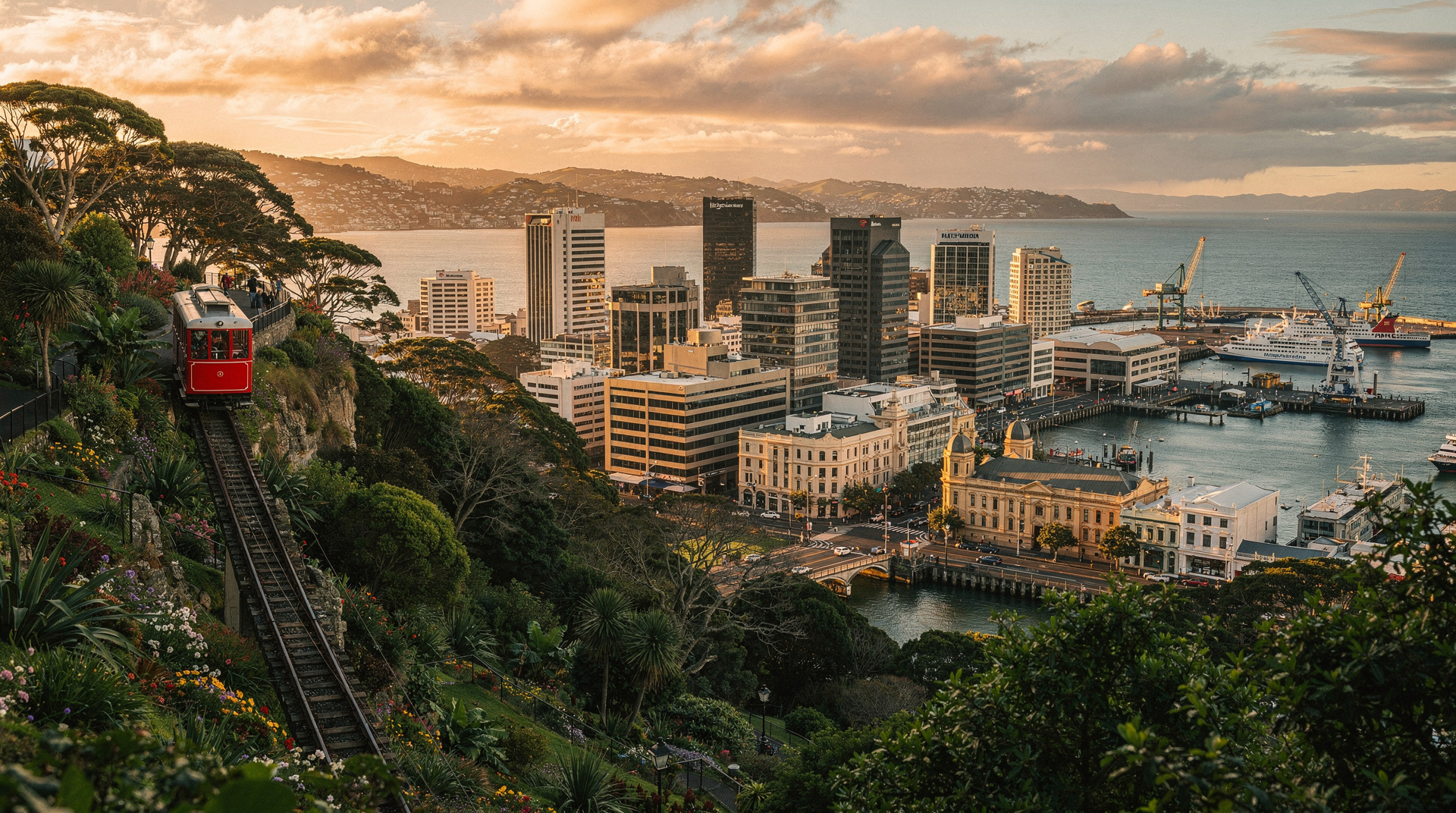
Wellington
Honest Wellington guide: Te Papa museum, Weta Workshop LOTR tours, Zealandia, Cuba Street, ferry to South Island, real prices NZD/USD/EUR.
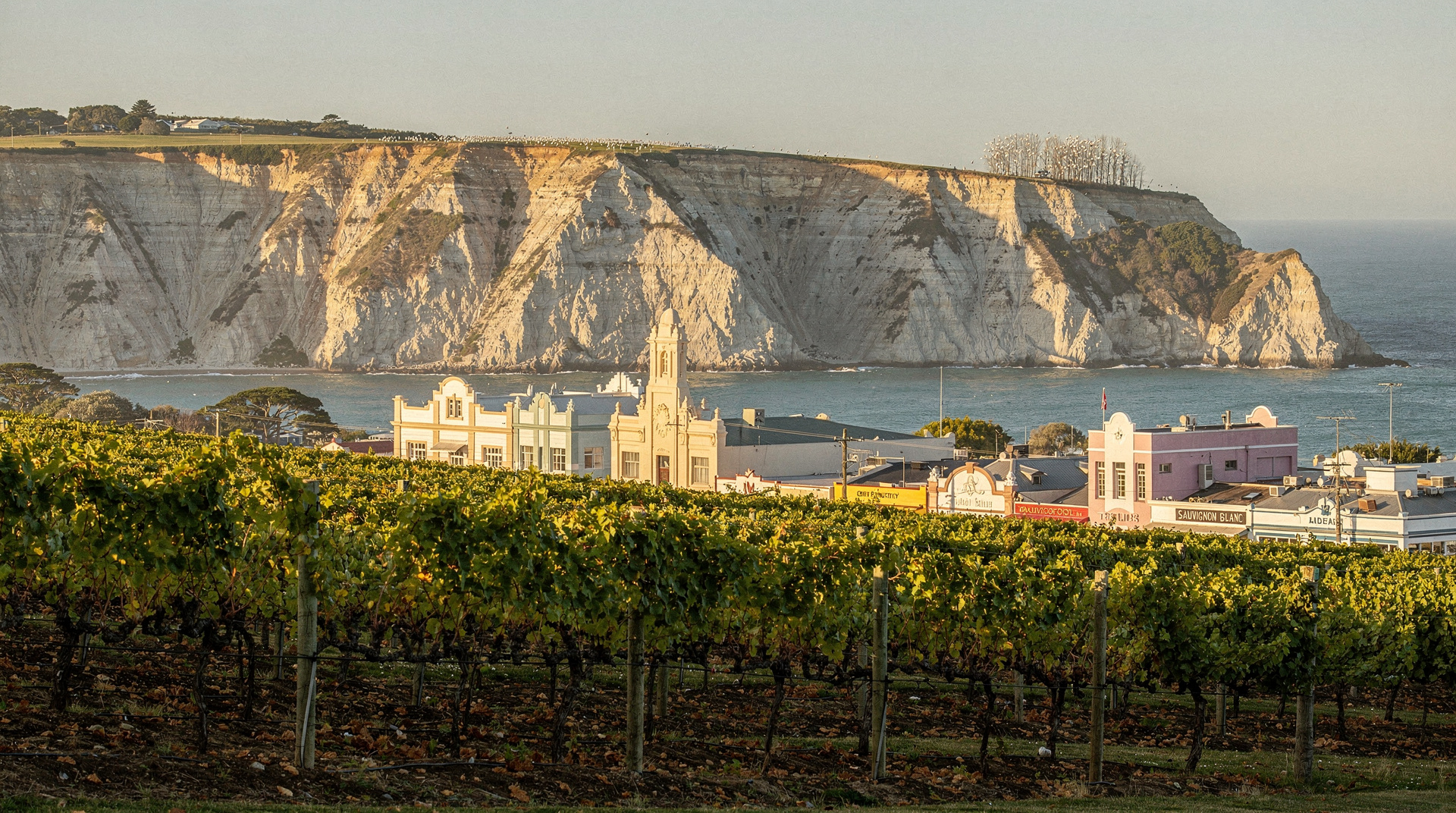
Hawke's Bay
Honest Hawke's Bay guide: Napier Art Deco, Marlborough-rivalling wines, Cape Kidnappers gannets, real NZD/USD/EUR costs. Best time to visit and what to skip.
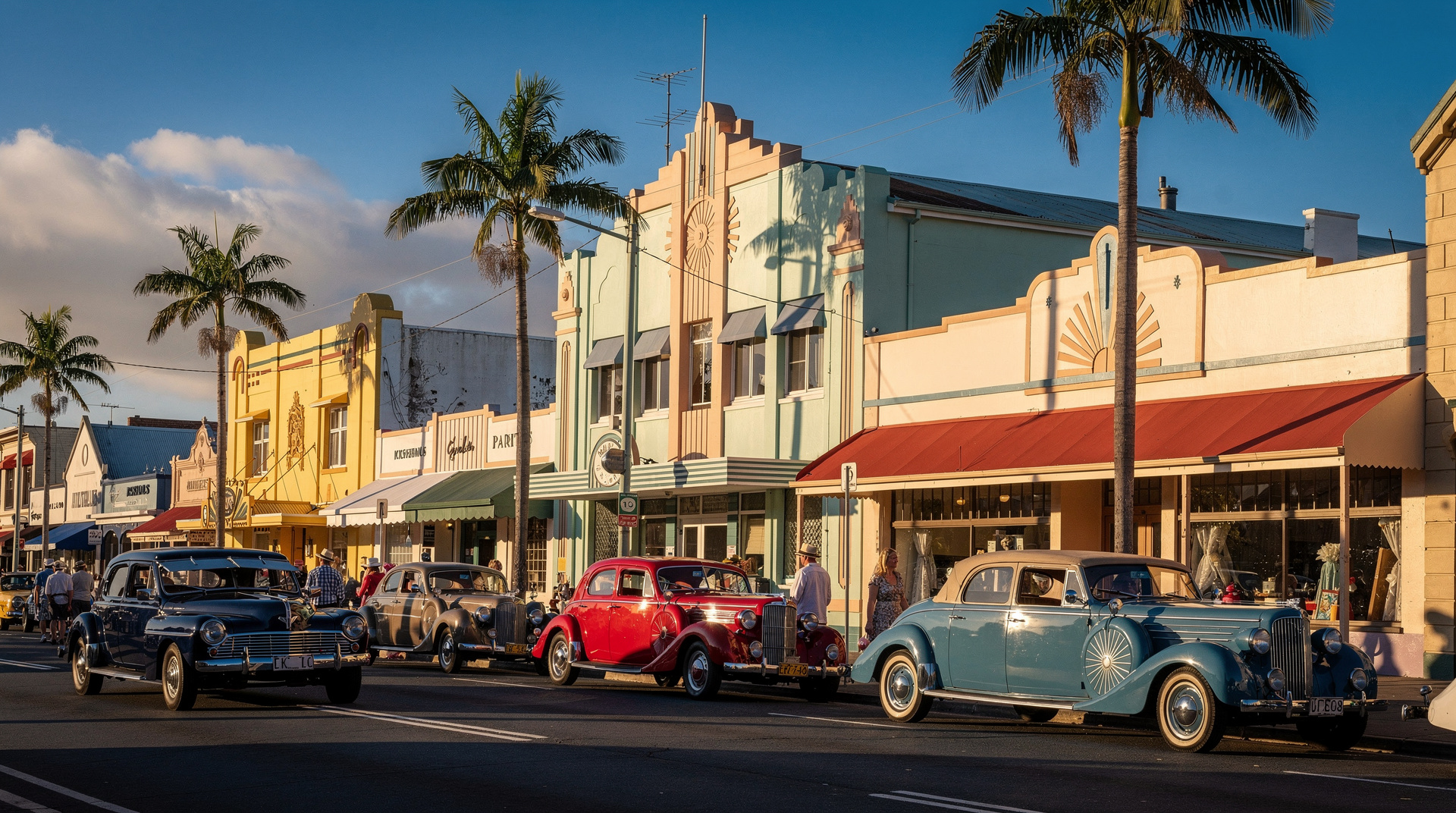
Napier
Honest Napier guide: Art Deco architecture, Hawke's Bay wine tours, Cape Kidnappers gannets, real prices NZD/USD/EUR, and how long to stay.
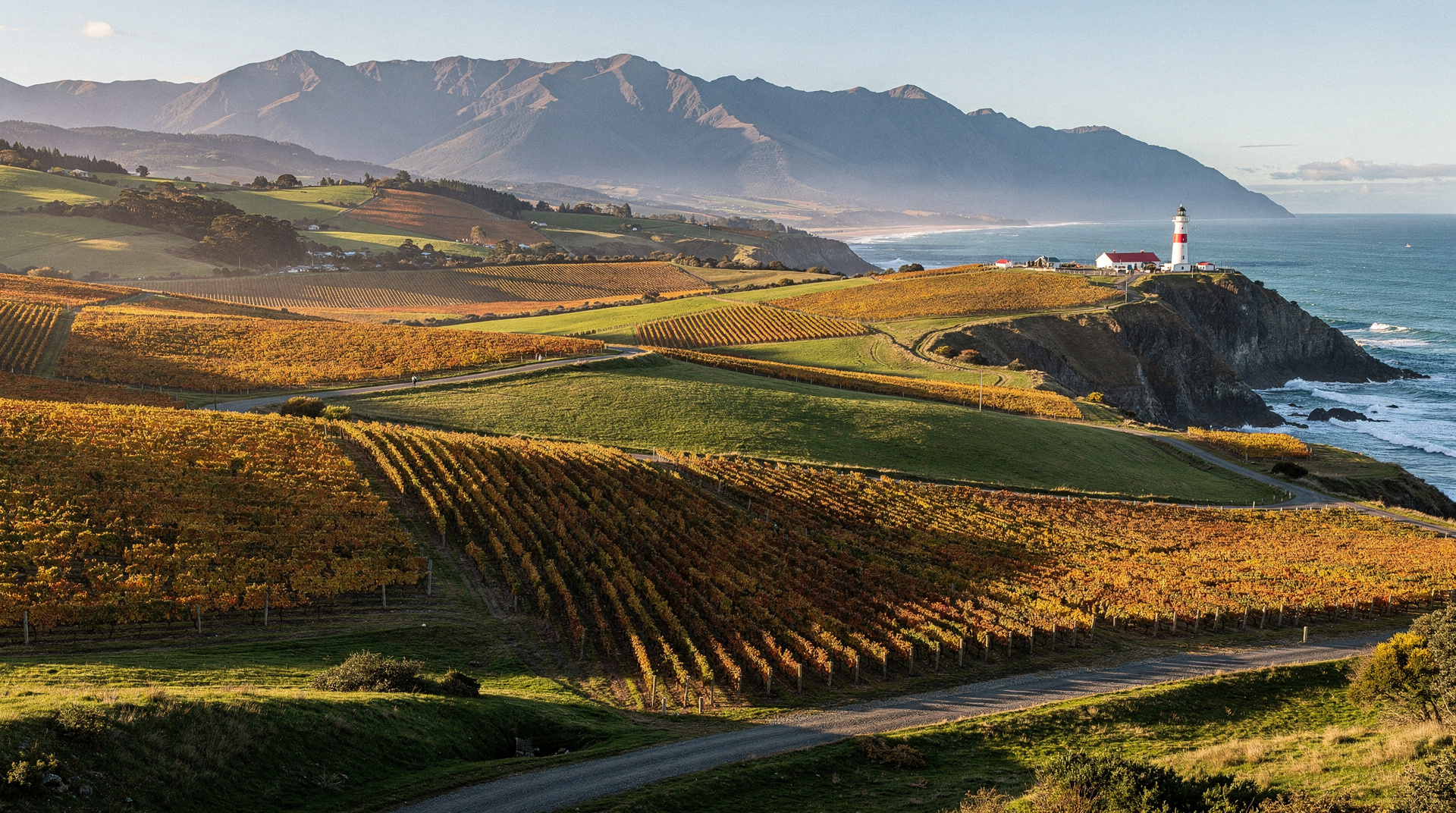
Wairarapa day trip from Wellington
How to do a Wairarapa day trip from Wellington: Cape Palliser fur seals and lighthouse, Castlepoint, coastal scenery, and drive times in NZD/USD/EUR.
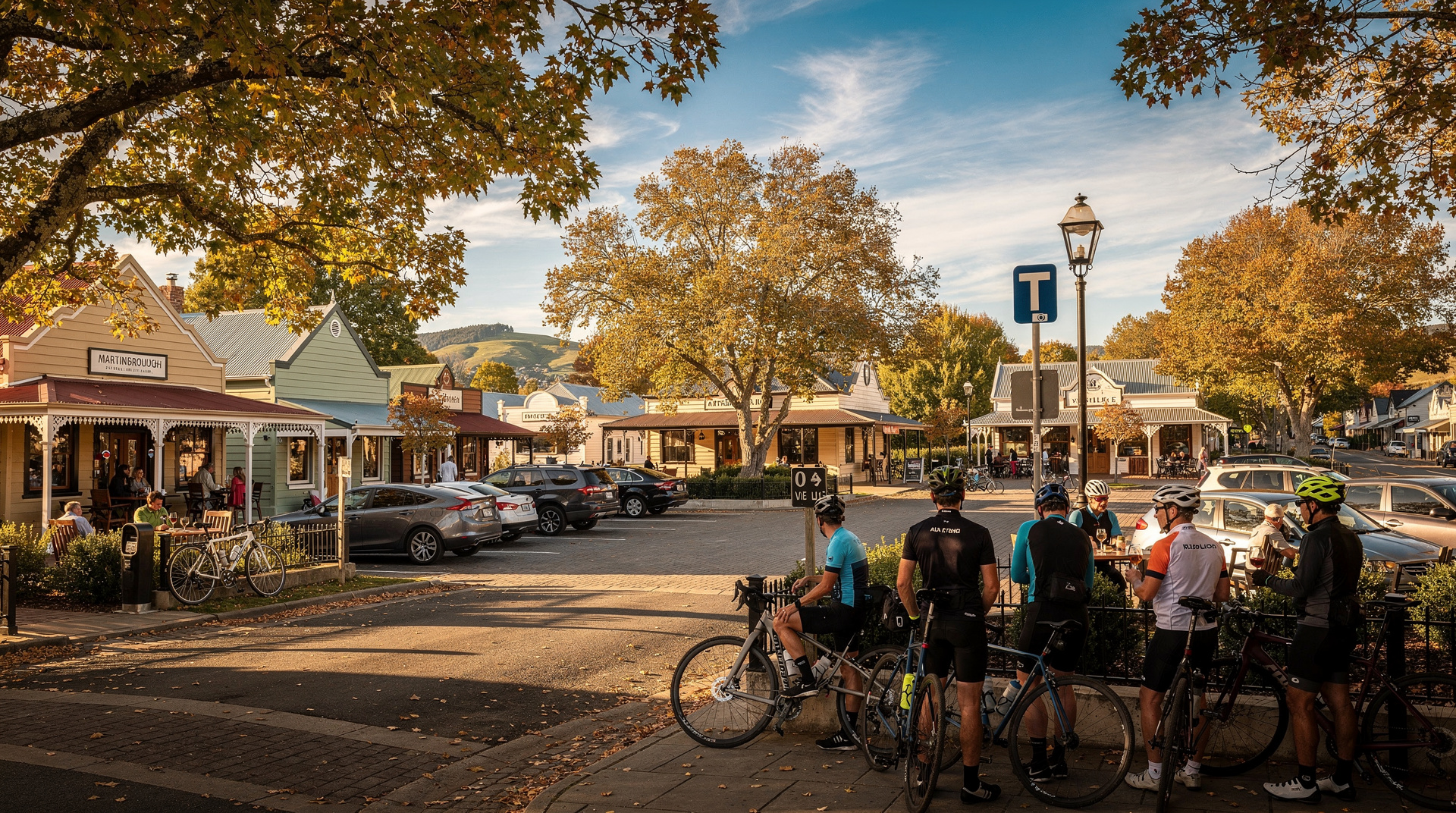
Martinborough day trip from Wellington
Martinborough day trip from Wellington: 1-hour drive, best pinot noir wineries, cycling between cellar doors, vineyard lunch, costs in NZD/USD/EUR.
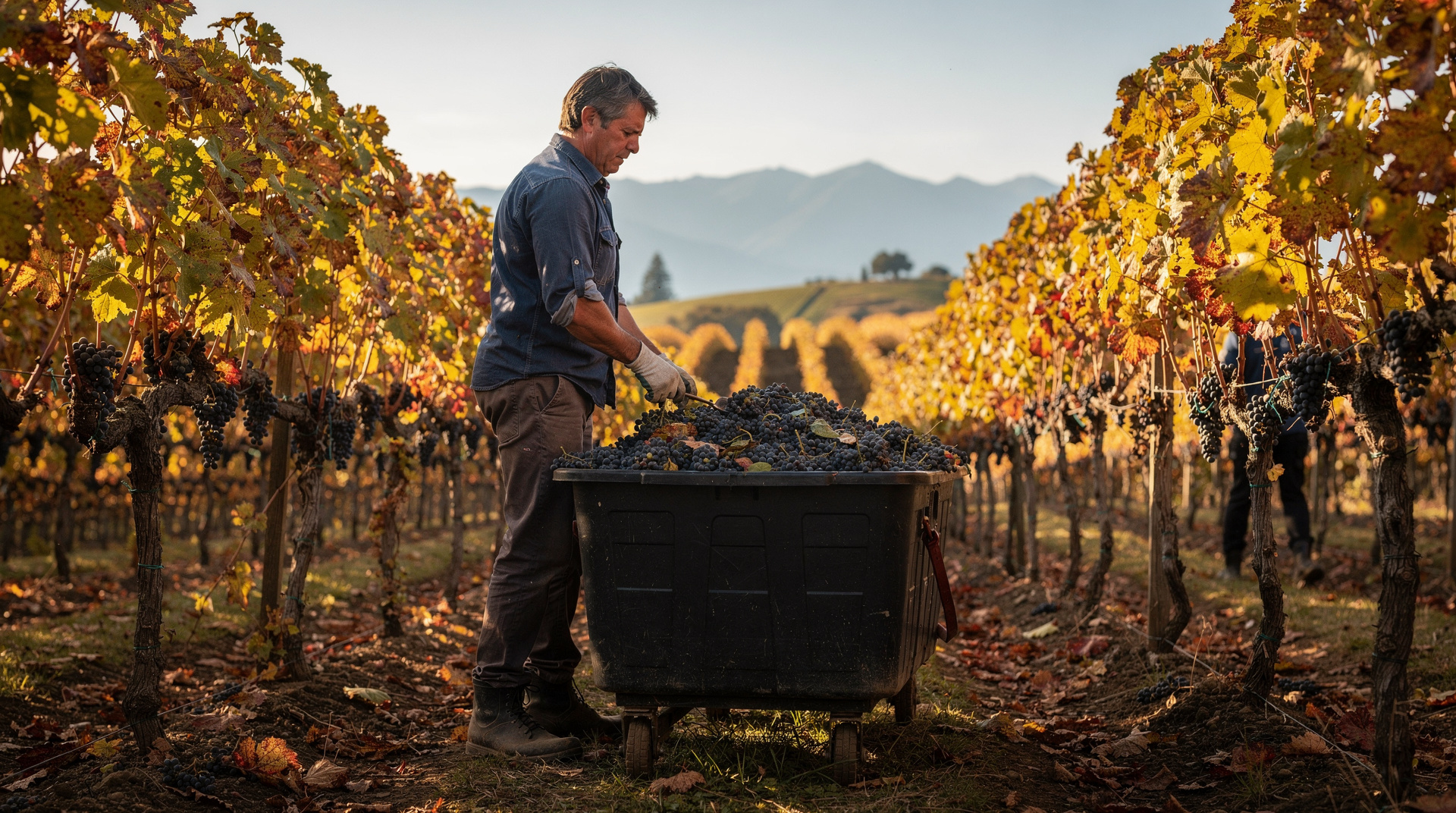
Martinborough wine tour guide
Martinborough is Wellington's boutique wine region — 30+ wineries, acclaimed pinot noir, walkable village. Tours, cycling, prices NZD/USD/EUR.
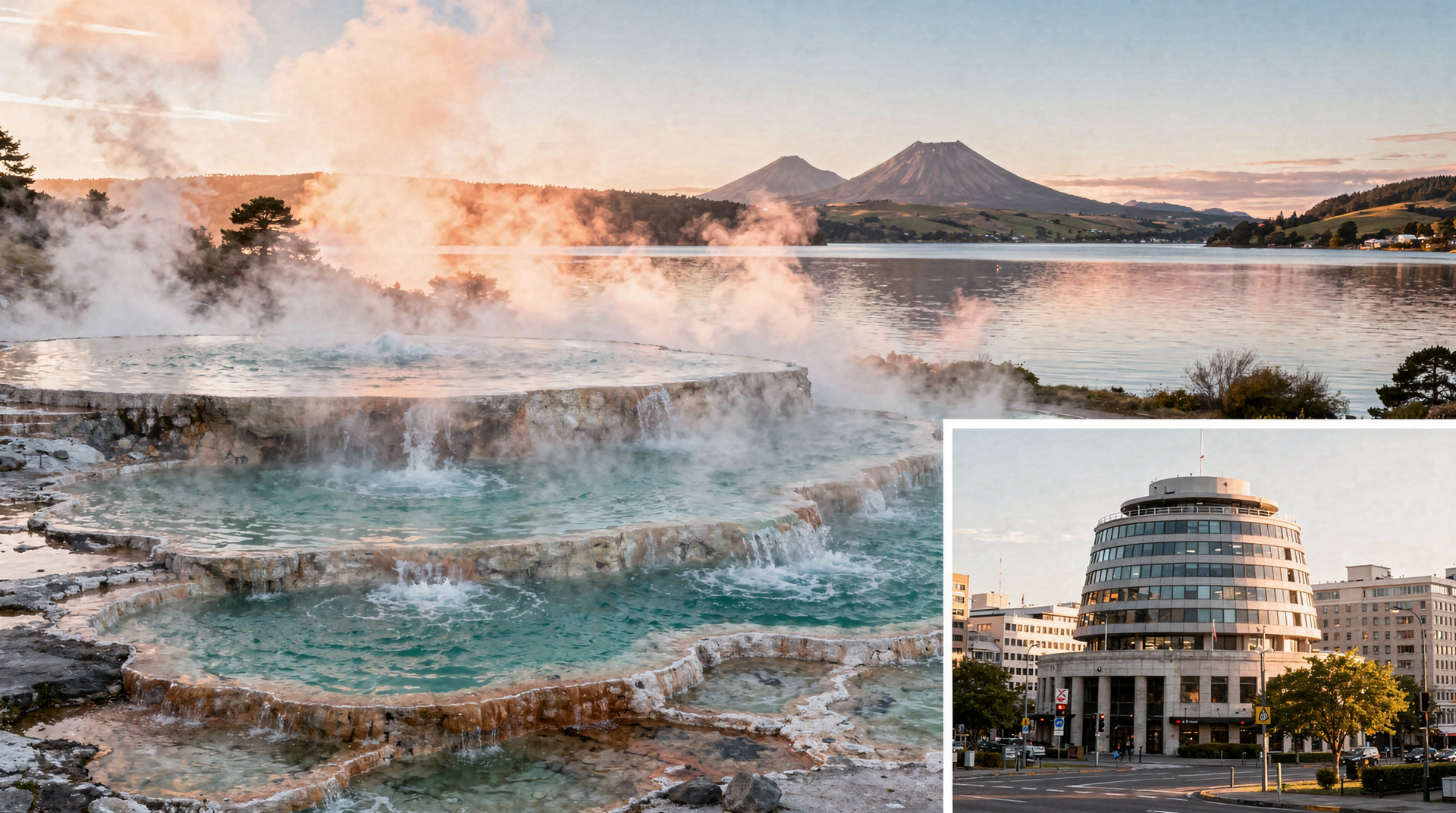
7-day North Island itinerary — the essential highlights
Auckland → Bay of Islands → Hobbiton → Waitomo → Rotorua → Taupo → Tongariro → Wellington. 7 days, both car and costs covered honestly.
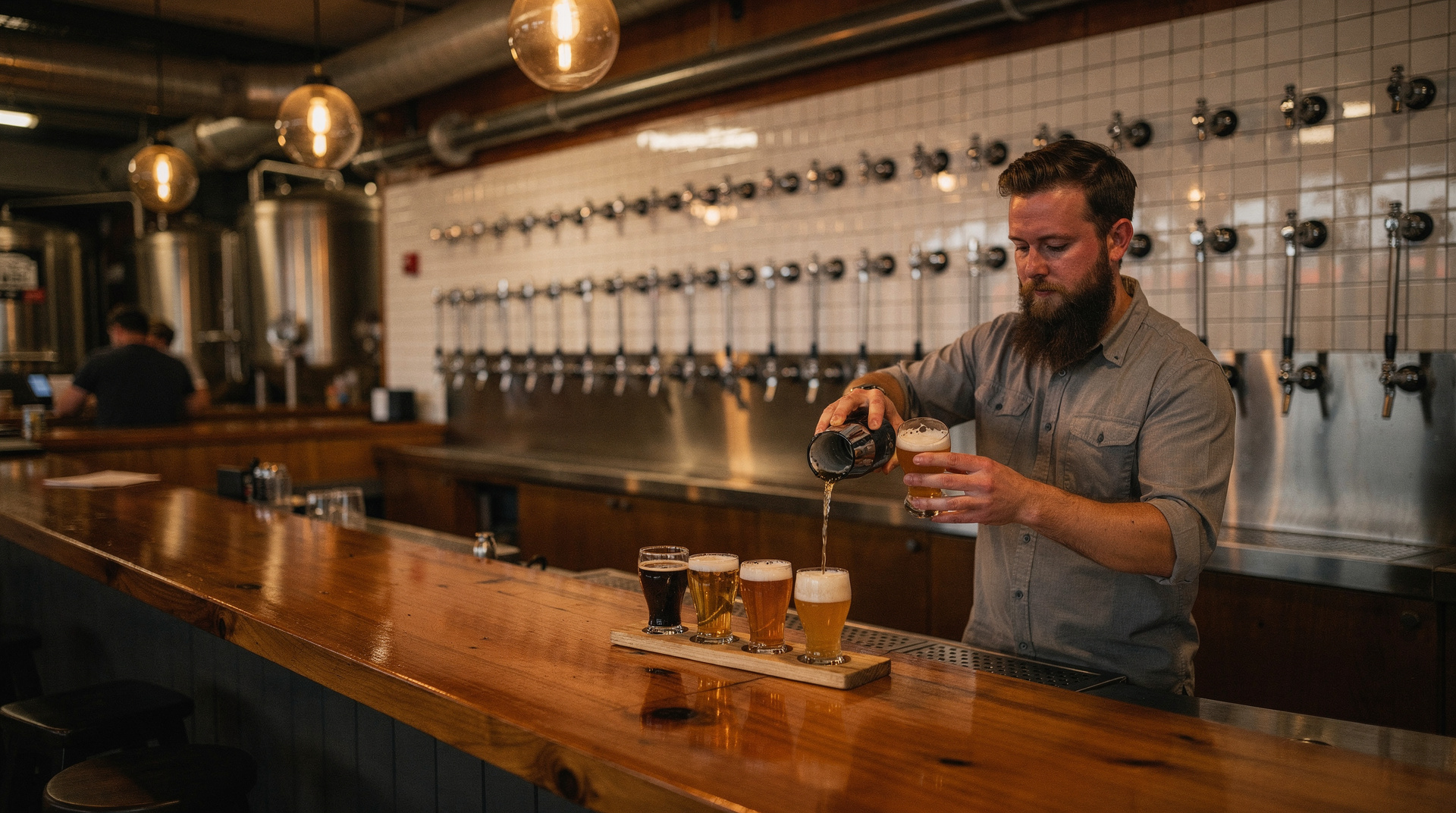
Wellington's craft beer scene in 2026 — the honest guide
Wellington has more craft breweries per capita than almost any city its size. The honest 2026 guide: what's good, what's changed, and where to go.
Last reviewed: