Agrodome Rotorua — the sheep show and farm experience guide
Is the Agrodome sheep show in Rotorua worth visiting?
Yes — genuinely. The 45-minute sheep show with 19 breeds, sheepdog demonstration, and lamb feeding is well-staged and more engaging than the concept suggests. It is Rotorua's best family-value attraction and one of the few New Zealand tourist experiences that is as good as its reputation. Adults pay NZD 40; children NZD 19.
The Agrodome: an honest introduction
The Agrodome in Rotorua is one of those New Zealand institutions that sounds deeply un-cool in the abstract — a sheep show, for tourists — and is then reliably more engaging than the skeptical visitor expected. Decades of visitor feedback have driven the performance to a genuinely high level: informative, humorous, visually varied, and well-paced for the 45-minute format.
The setting is a working farm on Ngongotaha Road, north of Rotorua city (10 minutes’ drive). The core attraction — the sheep show in a purpose-built theatre holding 300+ people — runs three times daily. Around it, the farm has added: sheepdog demonstrations in the paddock, organic farm tours by tractor, jet boat rides on the adjacent river, and a café with farm products.
New Zealand’s farm economy is central to national identity in a way that visitors from European cities often do not immediately grasp. New Zealand has approximately 5 million people and 6 million sheep (down from a peak of 70 million in the 1980s). Wool and meat were the economic foundations of the country for a century. The Agrodome’s sheep show, for all its theatrical staging, is also a genuine agricultural education.
| Where | Ngongotaha Road, 10 min north of Rotorua |
| Cost | Around NZD 40/adult, NZD 19/child (show only) |
| Time needed | 2 hours (show + sheepdog demo); 2.5-3 hours with farm tour |
| Best for | Families with children aged 5-12 |
| Show times | 9:30am, 11am, 2:30pm daily |
The sheep show: what happens
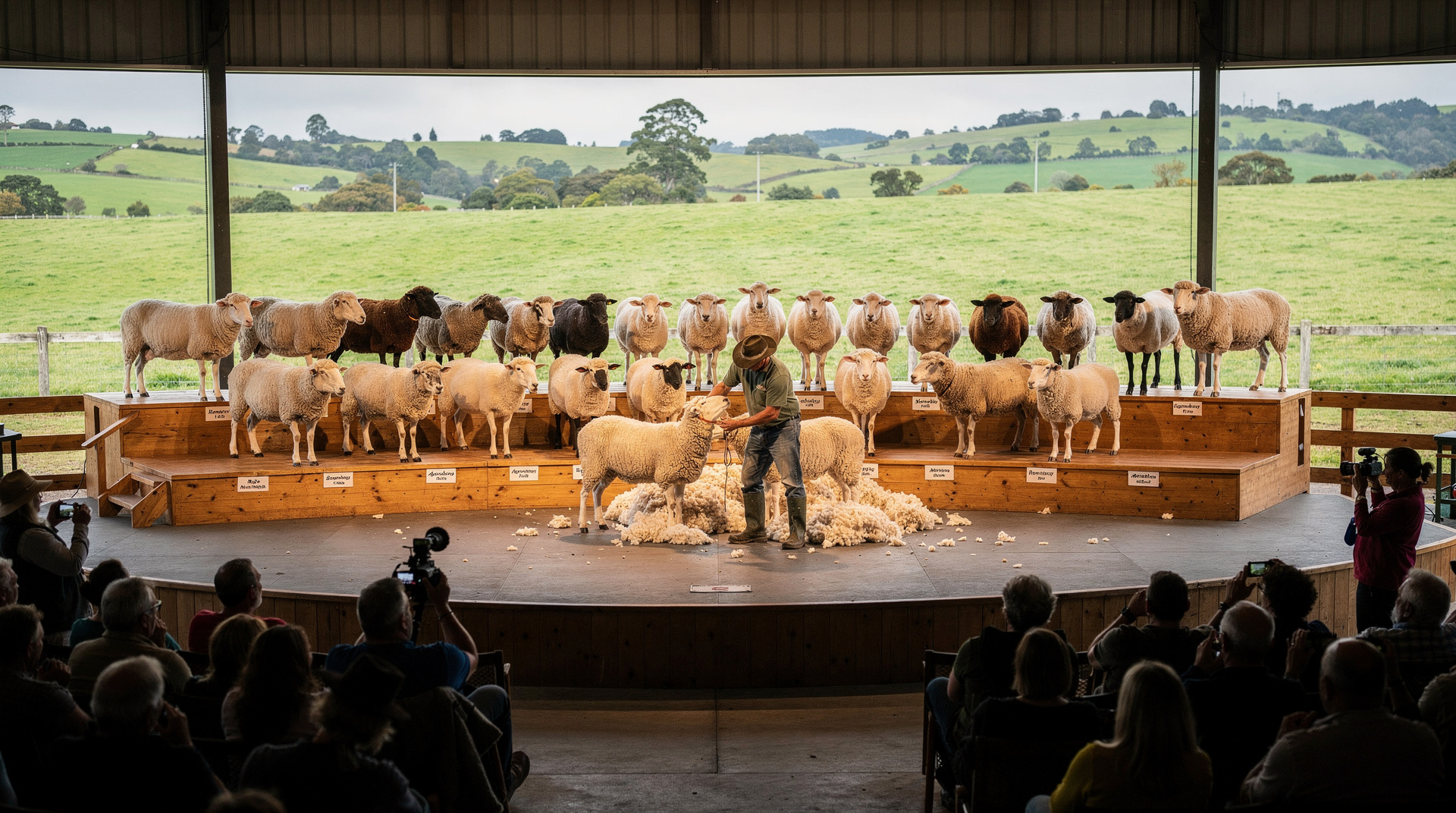
The sheep show is performed in a tiered indoor theatre built like a farm shed — hay bales, corrugated iron, that kind of aesthetic. The stage has tiered platforms where 19 sheep of different breeds enter one by one, take their place, and are introduced by the host.
The 19 breeds: This is the core content. Each breed is introduced by name with its characteristics: Suffolk (dark face, fast-growing, good for meat), Merino (extremely fine wool, high-altitude adapted, the origin of New Zealand’s premium wool industry), Romney (the backbone of New Zealand farming — medium wool, good maternal instincts, hardy), Corriedale, Border Leicester, Texel, and 13 others. By the end of the show, most visitors are surprised by how distinctive each breed looks.
The sheepdog: After the breed introductions, a working sheepdog (Border Collie) is released to herd the sheep off the stage — the dog operates entirely on whistle commands from the handler, moving the 19 sheep with precise direction despite the indoor, unfamiliar environment. This segment is the showstopper: the collie’s intensity, focus, and responsiveness to barely audible whistle signals reveals a depth of training and instinct that consistently surprises visitors.
Shearing demonstration: One sheep is shorn on stage using both traditional blade shearing and electric clippers. A skilled shearer removes a full fleece in under 2 minutes; the audience is shown the quality of the wool and, in many sessions, invited to feel the difference between raw fleece and commercial wool.
Lamb feeding: At the conclusion, several orphan lambs are brought forward for audience members (especially children) to hand-feed from bottles. This segment is particularly effective for children aged 2-8 — a bottle-feeding lamb is a straightforwardly delightful experience.
Host and commentary: The show host delivers the commentary with an appropriate blend of agricultural information and tourist-accessible humour. The pacing is well-calibrated — enough content to be educational, enough levity to prevent it feeling like a lecture.
Duration: 45 minutes. Well-managed — short enough not to exhaust attention, long enough to deliver real content.
Sheepdog demonstration (paddock)
The outdoor sheepdog demonstration runs after the indoor show for visitors who want to see the dogs working on a full paddock rather than the confined indoor environment. This is worth staying for: the collie’s ability to move a flock of 50+ sheep across a hillside in response to distant whistle signals is visually spectacular and makes the indoor demonstration look like a rehearsal.
The working sheepdog (particularly the New Zealand Huntaway breed — a uniquely New Zealand development bred for droving over long distances with a loud bark, used in rough hill country) is one of New Zealand farming culture’s most distinctive elements.
Farm tour (optional)
The tractor-drawn farm tour (approximately 40 minutes, included in some packages) travels through the working farm to see: cattle (Angus, Hereford), deer (red deer, farmed for venison), and in some sessions, new lambs. The tour also visits the orchard and vegetable garden sections of the farm.
The farm tour is worth adding if visiting with children under 10 who have not been on a working farm before. For families who have already done the Agrodome show, the tour adds variety but is not essential.
Price (farm tour): Adults NZD 20 extra / USD 12 / EUR 11. Children NZD 10 / USD 6 / EUR 5.5.
The jet boat
The Agrodome operates jet boat rides on the adjacent Ngongotaha River. The Agrojet is a standard Rotorua-style jet boat experience (not as dramatic as the Shotover Canyon jet boat in Queenstown, but significantly cheaper and with no age minimum beyond the operator’s safety discretion).
Price: Adults NZD 60 / USD 36 / EUR 33. Children (5-14) NZD 35 / USD 21 / EUR 19.
Practical information
Location: 141 Western Road, Ngongotaha, Rotorua — approximately 10 minutes by car from central Rotorua, adjacent to Rainbow Springs (combination visits make sense geographically).
Show times: 9:30am, 11am, and 2:30pm daily. The 9:30am show is least crowded; the 11am show is the most popular (coach groups often attend) and busiest.
Prices:
| Ticket type | NZD | USD | EUR |
|---|---|---|---|
| Adult (show only) | 40 | 24 | 22 |
| Child 5-15 (show only) | 19 | 11 | 10.5 |
| Family (2+2, show only) | 95 | 57 | 52 |
| Adult (show + farm tour) | 59 | 35 | 32 |
| Child 5-15 (show + farm tour) | 28 | 17 | 15 |
Booking: Online booking available and recommended for the 11am show (which can sell out during school holidays and January-February). The 9:30am show is walk-in friendly year-round.
Café: The Agrodome café serves farm-produced food — lamb pies, fresh scones, coffee from a properly set-up machine. Worth factoring in as a morning or lunch stop.
Accessibility: The theatre is fully accessible. The farm tour tractor ride has steps; contact in advance for mobility assistance.
The Agrodome in context: what it means for New Zealand
The Agrodome is 50+ years old — it opened in 1971 as New Zealand was beginning to build its tourism infrastructure in Rotorua. The fact that it is still operating, still well-reviewed, and still full of genuine content in 2026 reflects something about its fundamental offering: it is educational tourism done right, at an appropriate price, with consistent quality.
For international visitors, particularly those from Europe or urban North America with no agricultural background, the Agrodome provides a genuine window into New Zealand’s farming culture — the merino wool trade that connects Central Otago to European fashion brands, the debate about land use and water quality from intensive dairy farming, the skill of working dog training, and the seasonal rhythms of a lamb-based agricultural economy. These are not merely interesting facts; they are the economic and cultural context of the landscapes visitors drive through in New Zealand.
For children, the Agrodome is reliably successful in a way that sophisticated cultural attractions sometimes are not: lambs are reliably delightful, sheepdogs are reliably fascinating, and the show is reliably well-paced. It is the rare tourist attraction that delivers exactly what it promises.
Verdict: Worth it. For families, one of Rotorua’s best half-morning activities. For adults without children, genuinely informative rather than merely quaint. The price is appropriate.
Combining the Agrodome with other Rotorua activities
Agrodome + Rainbow Springs: Both are on the same road (Fairy Springs Road / Western Road), 5 minutes apart, and can be combined in a single morning (Agrodome 9:30am show finished by 10:30am; Rainbow Springs 11am-1pm). This is the standard family morning circuit in North Rotorua.
Agrodome + OGO zorbing: OGO is also on Ngongotaha Road, 2 minutes from the Agrodome. A morning sheep show followed by zorbing (book OGO for 12:30pm) makes a satisfying active family morning.
Agrodome + Skyline: The Skyline Gondola and luge (on Fairy Springs Road) is 7 minutes from the Agrodome. Good afternoon combination after the 9:30am show.
Rotorua OGO zorbing — book alongside a morning Agrodome visitFor families building a full Rotorua day rather than just a morning, see kid-friendly activities in Rotorua for how the Agrodome slots in alongside the geothermal parks and cultural experiences that dominate most itineraries. If you’re driving yourself from Auckland or elsewhere on the North Island, driving in New Zealand has the practical detail on the Rotorua approach roads. And because most first-time visitors underestimate how much a Rotorua day can hold, first time in New Zealand is worth reading before you lock in a single-day itinerary.
Frequently asked questions
Is the sheep show appropriate for vegetarians or animal rights advocates?
The show involves live handling of animals (shearing, bottle feeding), not slaughter or anything confronting. Shearing is not painful for sheep and is a necessary welfare practice for wool breeds (unsheared sheep overheat and can develop health problems). The lambs on show are orphaned animals receiving genuine care, not staged props.
How long should I allow for the full Agrodome visit?
The sheep show is 45 minutes. With pre-show arrival (recommended 10-15 minutes early), the outdoor sheepdog demonstration (20 minutes), and a café stop, allow 2 hours for the full experience. With the farm tour, 2.5-3 hours.
Is the Agrodome good for teenage children?
Teenagers who are enthusiastic about farms, animals, or New Zealand culture will enjoy it; teenagers who are unenthusiastic tend to find 45 minutes of a sheep show long. The age range most consistently enthusiastic is 5-12. That said, the sheepdog segment in particular has broad appeal and is genuinely impressive even for the most resistant audience.
Can I bring an infant?
Yes. Infants are welcome at the show (quiet baby-carrying is ideal; prams can be parked at the theatre entrance). The bottle-feeding lamb segment is appropriate from about 18 months, when children can hold the bottle with guidance.
Related guides
Kid-friendly activities in Rotorua — best things to do with children
Best kid-friendly activities in Rotorua: Te Puia geysers, zorbing, Agrodome, Rainbow Springs, gondola luge, and Polynesian Spa family pools. NZD/USD/EUR prices.
New Zealand with kids — family travel
Honest family travel guide to NZ: best activities for kids by age, avoiding long drives with under-7s, best bases, costs, and what actually works for families.
Rotorua
Honest Rotorua guide: Te Puia, Wai-O-Tapu, Polynesian Spa, Maori hangi, real prices NZD/USD/EUR, tourist traps to avoid, and best 2 days.
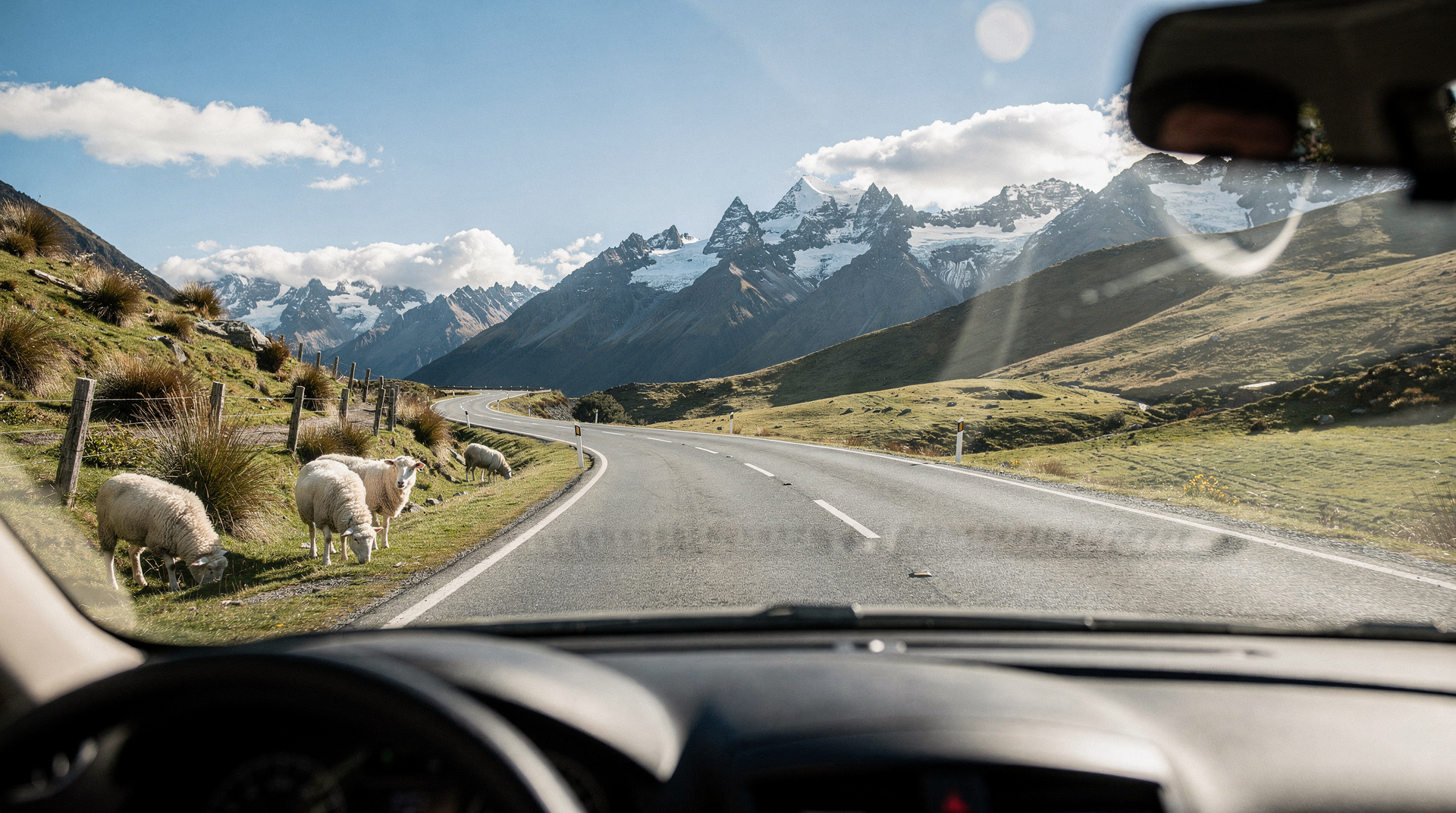
Driving in New Zealand
Honest driving guide for NZ: left-side rules, gravel road etiquette, why GPS lies, fuel costs, one-lane bridges, and what rental companies don't tell you.
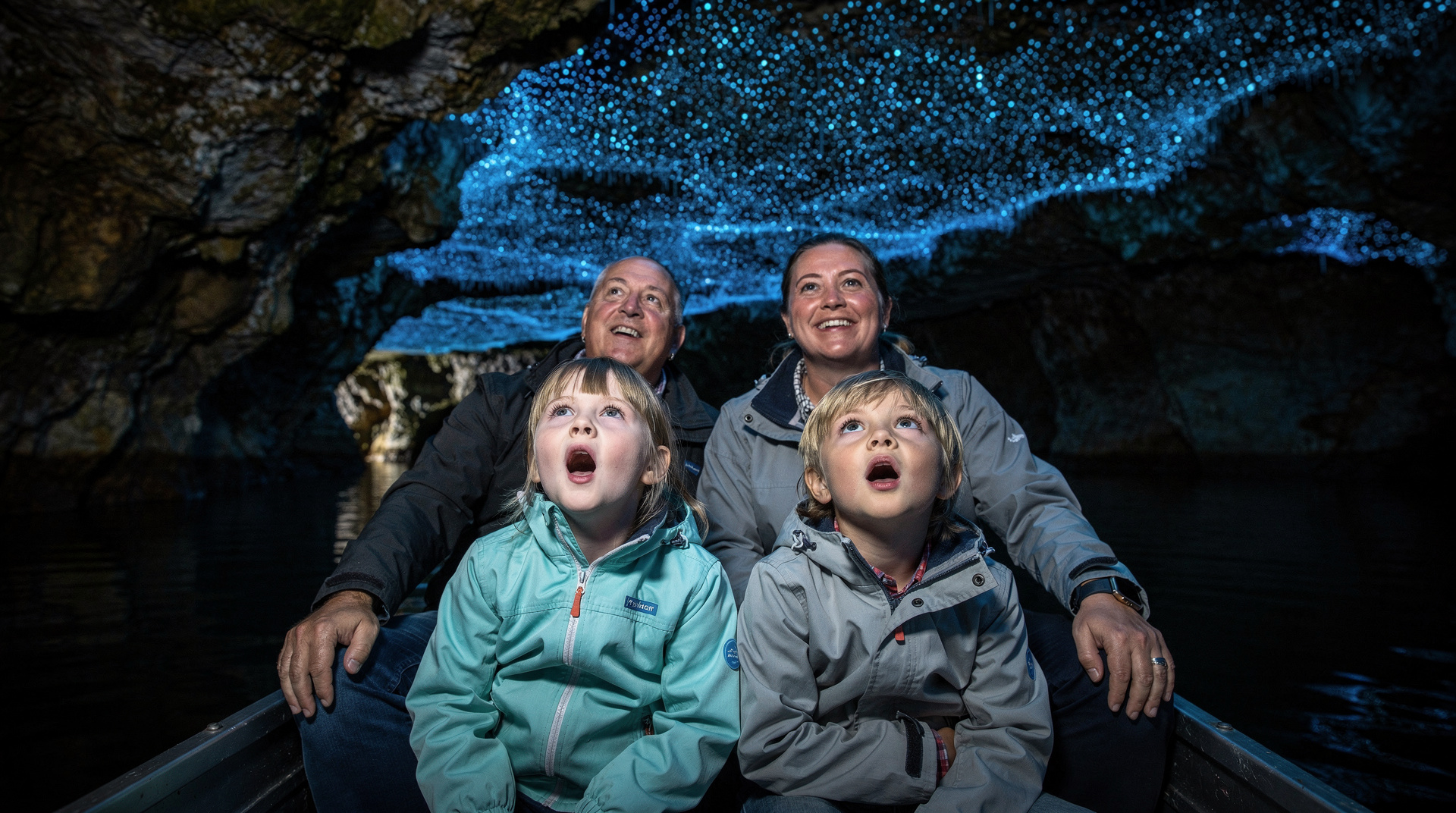
Family itinerary tips for New Zealand — planning a trip with children
Family NZ trip planning: best regions, driving times, budgets NZD/USD/EUR, age-appropriate activities, and 10-day and 14-day sample itineraries with children.

First time in New Zealand
Complete first-timer's guide to NZ: costs, logistics, Maori culture, what to book early, and how to structure 7–21 days.
Last reviewed: