Dunedin Scottish heritage — a guide to the Edinburgh of the South
Why is Dunedin called the Edinburgh of the South?
Dunedin was founded in 1848 by Scottish Free Church settlers, and its Maori name 'Otepoti' was largely replaced by the Old Gaelic name for Edinburgh ('Dùn Èideann'). The settlers built stone churches, a university, and a civic infrastructure that mirrored Scottish institutional culture — the result is a city with a distinctly Scottish architectural and cultural character unlike anywhere else in New Zealand.
Scotland in the Southern Hemisphere
Dunedin is the most Scottish city outside Scotland. This is not mere marketing — it is the product of a specific, deliberate founding vision and the institutional and architectural legacy it produced.
| Where | Otago, South Island, 3 hours from Queenstown |
| How long to allow | 2 nights minimum |
| Highlights | Railway Station, Olveston, Larnach Castle, Otago Peninsula |
| Cost level | Notably cheaper than Auckland, Wellington, Queenstown |
| Best time | February (Fringe), June–July (term time), October (wildlife) |
In 1846, the Lay Association of the Free Church of Scotland — formed by the conservative faction that had split from the established Church of Scotland in the Disruption of 1843 — decided to establish a Scottish settlement in New Zealand. The settlers who arrived in the John Wickliffe and Philip Laing in 1848 were overwhelmingly Scottish in origin, Calvinist in religion, and committed to recreating in the southern Pacific the social and educational institutions they valued most.
The settlement they built on the shores of Otago Harbour was named Dunedin — the anglicisation of Dùn Èideann, the Old Gaelic name for Edinburgh. They built a university within 17 years of arrival (the University of Otago, 1869, New Zealand’s first). They built stone churches and civic buildings modelled on Scottish Victorian Gothic. They created a banking and commercial culture that, during the 1860s Otago gold rush, made Dunedin briefly the wealthiest and most populous city in New Zealand.
The gold petered out, the population moved north, and Wellington became the capital. Dunedin never regained its brief commercial dominance — which is, paradoxically, why it is so interesting today. The Victorian and Edwardian buildings that the gold rush funded were never demolished; the city that declined instead of sprawling preserved a 19th-century built environment that is extraordinary by Pacific Basin standards.
The architecture: walking the Victorian city
Dunedin’s central city is a working Victorian streetscape. Not a preserved museum district — actual streets where students, businesses, and residents move through buildings that would be heritage-listed in London.
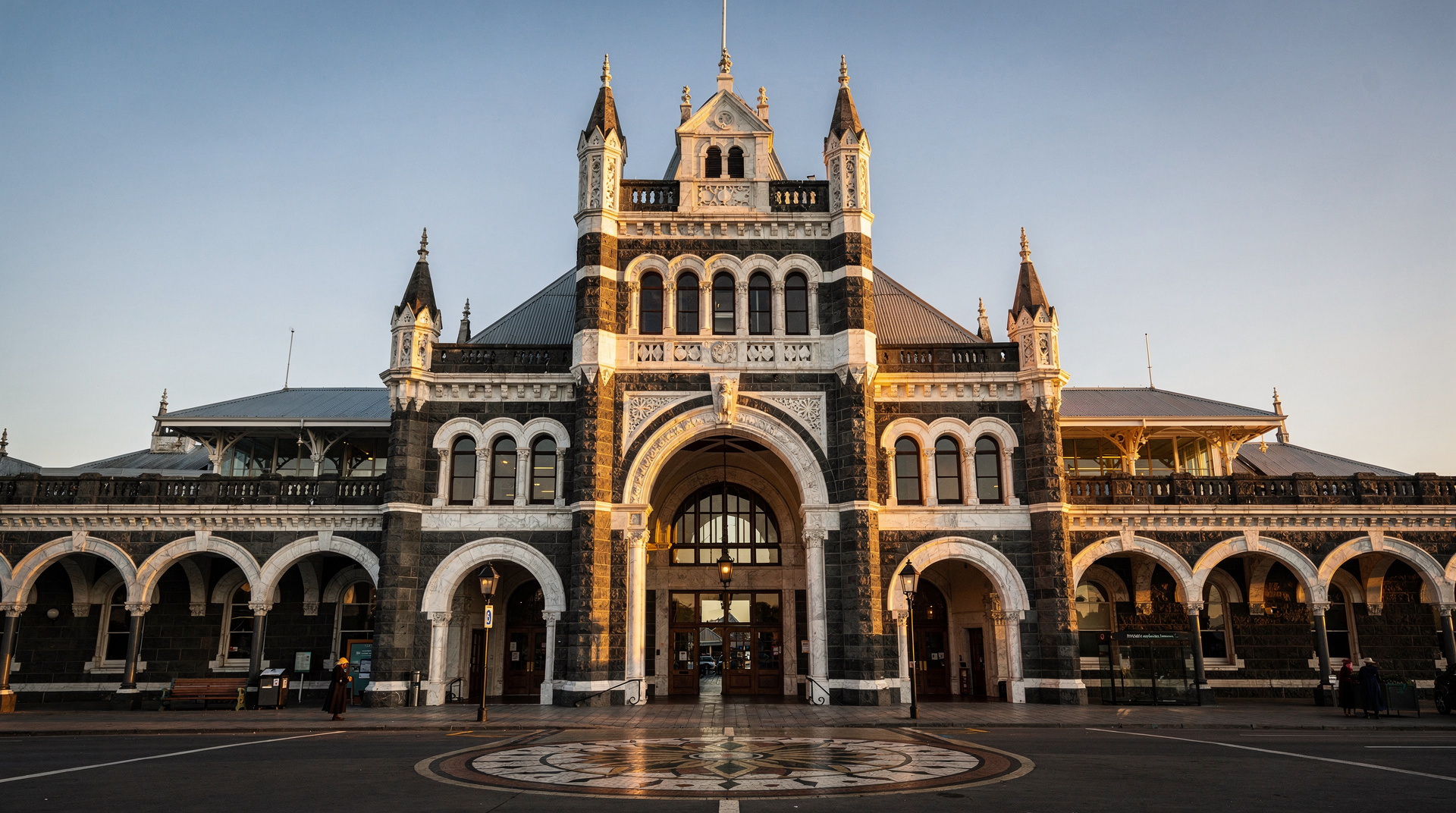
The Railway Station (1906): John Salmond’s Flemish Renaissance confection — black and white Oamaru stone facade, mosaic tile floor, stained glass windows, and a scale that announces this was a city that expected greatness — is the most photographed building in Dunedin and one of the finest railway stations in the Southern Hemisphere. It now functions partly as a heritage building with art galleries and the New Zealand Sports Hall of Fame inside. Take the 20 minutes to walk through the interior.
Larnach Castle (1871): New Zealand’s only castle — a term used loosely for a Victorian merchant’s mansion with Gothic Revival baronial styling, 10km out on the Otago Peninsula. The original owner, William Larnach, built the great hall and billiard room as status symbols of his banking wealth; the estate is now privately owned and open to visitors. The garden alone is worth the trip.
First Church of Otago (1873): Robert Lawson’s Gothic Revival masterpiece on Moray Place — octagonal spire, stone buttresses, large rose window — is the architectural statement of the Free Church founding settlement. Interior open to visitors. The organ is one of the finest in New Zealand.
University of Otago clock tower (1879): The original stone building on the Leith River is classic Scottish Victorian Gothic — appropriate for New Zealand’s oldest university. The campus as a whole has maintained a residential, stone-built character that distinguishes it from every other New Zealand university.
Olveston House (1906): A complete Edwardian merchant’s house, preserved intact with original furnishings, decorative arts, and the personal effects of the Theomin family who lived there until 1966. This is the best time-capsule domestic interior in New Zealand — the guided tours (NZD 20 / USD 12 / EUR 11) are worth every dollar.
Dunedin city highlights and Otago Peninsula day tourThe whisky connection
Scotland and whisky are inseparable, and Dunedin’s Scottish heritage inevitably extended to distilling. The Speyside-inspired Oamaru bluestone architecture found a willing environment in the cool, damp Otago climate.
New Zealand Whisky Collection / Willowbank distillery legacy: The original Willowbank distillery at Dunedin (1974-1997) produced New Zealand whisky for two decades before closing. The aged stocks have since been released through the New Zealand Whisky Collection under expressions including “The Oamaruvian,” “The Doublewood,” and “The 1988 18-year-old.” These are genuine collector-quality whiskies, not tourist souvenirs.
Harrington’s Brewery: Not Scotch, but the Scottish commitment to good beer found expression in Dunedin’s craft brewing scene. Speight’s (founded 1876, now part of Lion) has been part of Otago identity for 150 years; the Speight’s Ale House on Rattray Street is a tourist institution. More interesting is the newer craft scene centred around Emerson’s Brewery (established 1992 by the pioneers of New Zealand craft brewing) and the evolving strip of smaller producers.
Stewart Island Rakiura and Otago gin: The native botanicals of southern New Zealand — horopito (native pepper), kawakawa, manuka, rewarewa honey — have attracted a wave of gin distilleries. Dunedin Craft Spirits and Mt Difficulty are worth seeking out.
Dunedin’s student city character
The University of Otago brings approximately 20,000 students to a city of 130,000 — a proportion that fundamentally shapes the city’s character. Dunedin has a live music scene, cheap food culture, and a tolerance for eccentricity that other New Zealand cities lack.
The area around George Street (the main student strip) and the Octagon (the central plaza) is where the student and Scottish heritage characters intersect. The Octagon has an excellent statue of Robert Burns (New Zealand’s first statue of Burns, 1887). Independent bookshops, record shops, and craft beer bars persist here that have disappeared from every other New Zealand city of this size.
Castle Street: Not an actual castle street but the somewhat mythologised address of generations of student flat parties. The geography of student Dunedin — Baldwin Street (the world’s steepest residential street, now measured at a 35% gradient), the Leith riverbank, and the flats of North Dunedin — has its own subcultural geography familiar to every New Zealand university graduate.
Otago Peninsula: wildlife and landscape
The Scottish-heritage Dunedin experience connects naturally to the Otago Peninsula — a 24km finger of land enclosing Otago Harbour to the east of the city. The peninsula holds the only mainland Royal Albatross colony in the Southern Hemisphere (Taiaroa Head), yellow-eyed penguins (among the world’s rarest penguins), little blue penguins, New Zealand fur seals, and sea lions.
This wildlife access — a 20-minute drive from central Dunedin — is extraordinary. Visiting a Royal Albatross colony is not a zoo or an aquarium experience; these are wild birds on a headland above a working lighthouse, observed from hides at respectful distances. See the Royal Albatross Otago guide for viewing seasons and the yellow-eyed penguins guide for the peninsula’s rarest resident. Further north up the coast, Oamaru’s blue penguin colony makes a good half-day addition if you have a car and an extra afternoon.
Dunedin and Royal Albatross centre Otago Peninsula tour Dunedin city, Larnach Castle, and Otago Peninsula cruise dayBeyond the city: Otago’s wider Scottish and rural heritage
Dunedin’s Scottish character extends into the surrounding Otago countryside. The Otago Central Rail Trail, New Zealand’s original and best-known cycle trail, runs through the former gold-rush hinterland — small towns like Ranfurly, Naseby, and Middlemarch retain a strong Scots-settler and gold-era architecture in miniature, without Dunedin’s scale. See the Otago Central Rail Trail guide if a day or multi-day cycle through this landscape appeals.
For a comparison against New Zealand’s other major South Island heritage city, the Christchurch vs Dunedin guide sets out how the two cities differ in character, cost, and things to do — useful if you are deciding which deserves more of your itinerary. If you have less than a full two nights, the day trips from Dunedin guide lists the shorter options, including the Otago Peninsula on a tighter schedule.
The Caledonian connection today
Dunedin’s Scottish heritage is not merely architectural nostalgia. The city maintains active Scottish cultural institutions:
Dunedin Scottish Society: Organises Burns Night celebrations (25 January), Highland Games, and cultural events.
Pipe bands: Dunedin has some of New Zealand’s finest pipe bands — you may encounter them at the Railway Station or Domain on weekends.
Dunedin Museum / Otago Museum: The museum on Great King Street (free entry) has a strong Otago and Scottish settler collection, including early photographs of the gold rush era and colonial domestic life. The natural history section is also excellent.
Where to eat and drink in Dunedin
The best of Dunedin’s food scene:
- Etrusco at the Savoy (Italian, in a heritage building, the best restaurant in Dunedin for a decade)
- Plato (seafood on the harbourside in Steamer Basin)
- Vault 21 (bar/restaurant in a converted bank vault — the kind of adaptive reuse Dunedin does well)
- Speight’s Ale House (tourist institution but the beer is fine)
- Ironic Coffee (Otago University campus, best flat white near the Clocktower)
Budget: Dunedin is notably cheaper than Auckland, Wellington, or Queenstown. A good restaurant meal costs NZD 30-50 / USD 18-30 / EUR 16-28 per person with a drink.
Planning a Dunedin visit
How long to allow: Two nights minimum. Day 1: walk the heritage architecture, Railway Station, Olveston, First Church. Day 2: Otago Peninsula (albatross colony, penguins, Larnach Castle).
Getting there: Dunedin Airport (5 scheduled airlines, 20 minutes from city) has direct connections from Auckland, Wellington, and Christchurch. By road from Queenstown, 3 hours via SH6 — a beautiful and manageable drive.
Best time: February (Fringe Festival, good weather), June-July (academic term, strong city character, Matariki events), October (spring, peninsula wildlife active).
Verdict: Dunedin is worth it — genuinely one of New Zealand’s most interesting cities, undervisited relative to its cultural depth. The wildlife, heritage architecture, university atmosphere, and food scene combine in a way that rewards travellers who look beyond Queenstown’s adventure mainstream.
Dunedin to Taieri Gorge scenic railway journeyGetting to Dunedin is straightforward by road from Queenstown or Christchurch — see the driving in New Zealand guide for one-lane bridges and the mountain-pass sections you’ll cross on SH6 or SH1.
Frequently asked questions
Is Dunedin’s Scottish heritage visible in everyday life, or is it just a marketing story?
It is genuinely visible. The stone buildings, the university culture, the pipe bands, the Burns Night celebrations, the Presbyterian church institutions — all of these are living inheritances of the founding settlement. It is not fabricated heritage tourism.
How cold is Dunedin?
Dunedin has the coldest winters of any New Zealand city (frosts, occasional snow in the central suburbs, reliable chill from July-August). Summers are mild rather than warm — think Edinburgh in a good summer. Dress in layers.
Is Baldwin Street worth visiting?
Yes, briefly. The world’s steepest residential street (verified by Guinness records in 2019 before being pipped by a street in Wales) is a 10-minute walk from the city centre. Walk up rather than down (easier on the knees). It is a street, not an attraction — the novelty exhausts in 15 minutes. Do not rearrange your itinerary around it.
What is the Taieri Gorge Railway?
A heritage rail journey from Dunedin through the dramatic Taieri Gorge to Pukerangi or Middlemarch, operated by Dunedin Railways. The gorge section — viaducts, tunnels, and river canyon — is genuinely spectacular. Operated on selected days; check the schedule. NZD 95-120 / USD 57-72 / EUR 52-66 return for the full gorge journey.
Is Dunedin worth visiting if I’m already going to Christchurch?
Yes, if you have the time — the two cities are genuinely different in character. Christchurch has a post-earthquake rebuild energy and easier access to Canterbury day trips; Dunedin has denser, older heritage architecture and closer wildlife access. See the Christchurch vs Dunedin guide for the full comparison if you can only fit in one.
Can I see the Otago Peninsula wildlife without a car?
It’s difficult without one. Public transport to the peninsula is limited, and the albatross colony and penguin viewing points are spread along a 24km road. A guided tour or rental car is the practical option — the driving in New Zealand guide covers the basics if you’re self-driving from elsewhere in Otago.
Related guides
Dunedin
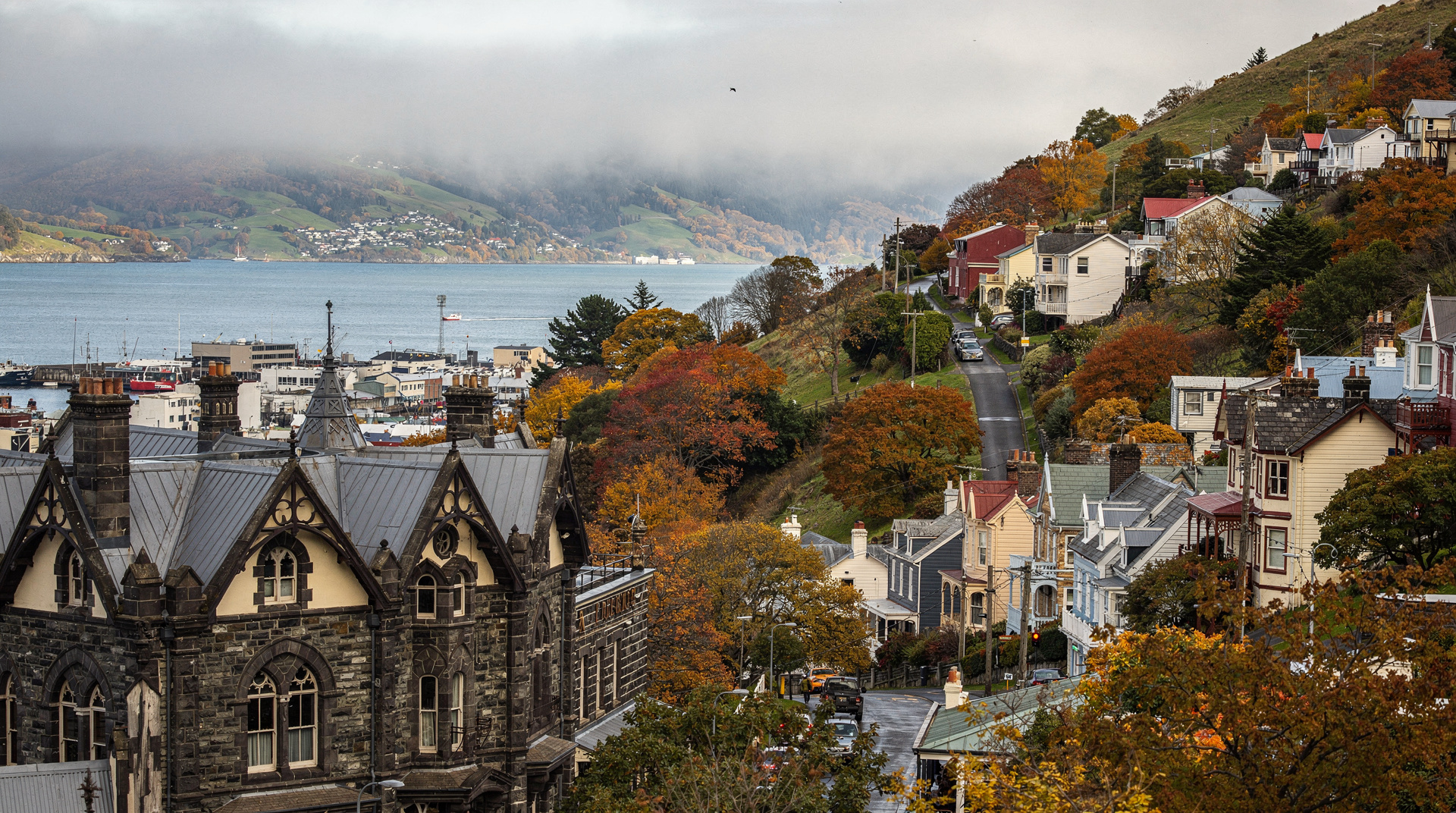
Honest Dunedin guide: Otago Peninsula wildlife, Larnach Castle, Baldwin Street — real NZD/USD/EUR prices and 2 days done right in NZ's Edinburgh.
Christchurch vs Dunedin
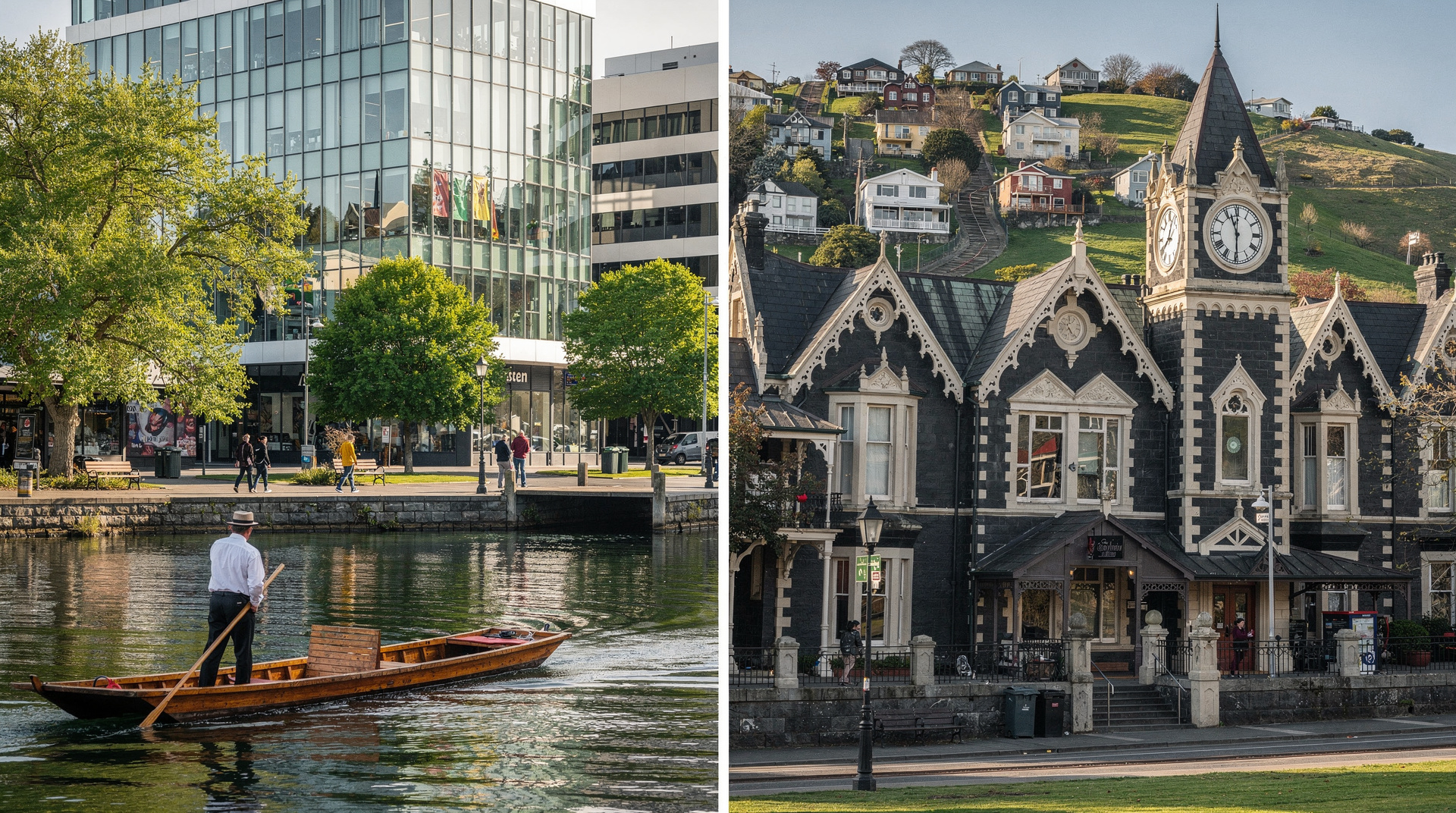
Christchurch vs Dunedin honest comparison: architecture, wildlife, day trips and character. Clear verdict for first-time South Island visitors. NZD/USD/EUR.
Driving in New Zealand
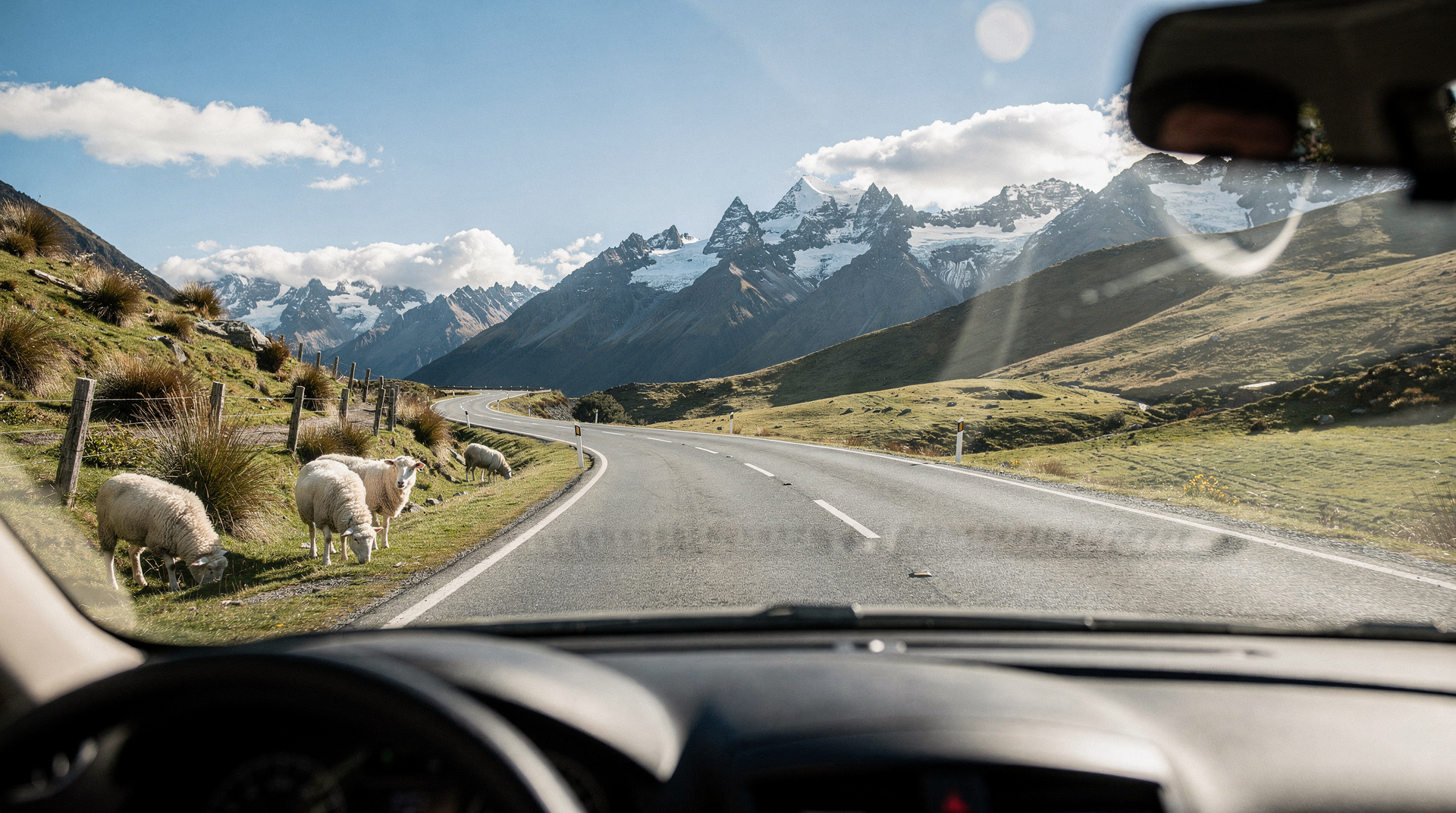
Honest driving guide for NZ: left-side rules, gravel road etiquette, why GPS lies, fuel costs, one-lane bridges, and what rental companies don't tell you.
New Zealand in June
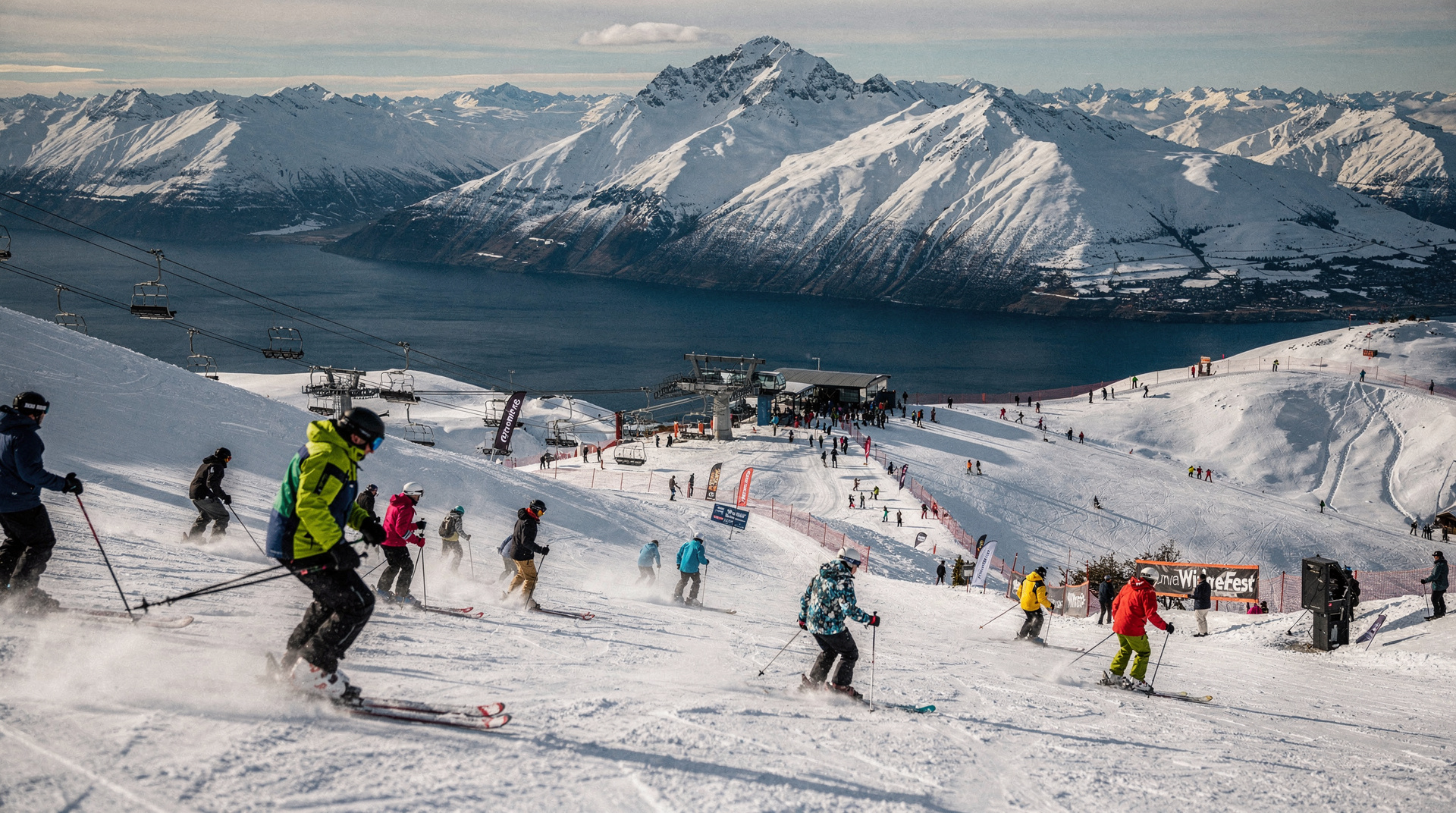
Ski opens in June, Matariki (Maori New Year) is a public holiday, and prices drop sharply. NZD/USD/EUR prices and what still works in winter.
New Zealand in July
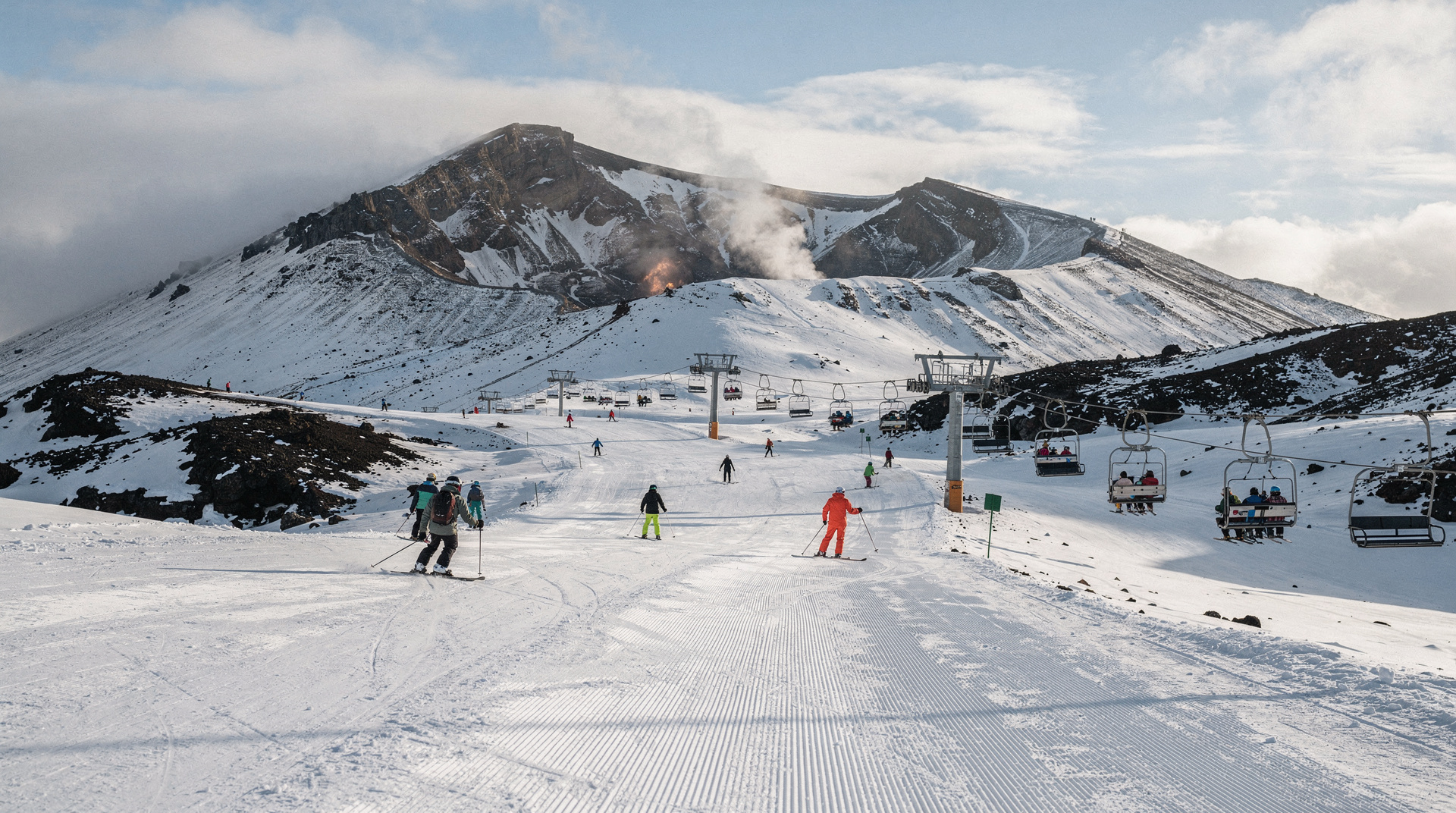
July is peak ski season at Queenstown and Wanaka. Matariki public holiday, Australian school holidays drive prices up. Real NZD/USD/EUR pricing.
North vs South Island — which is right for you
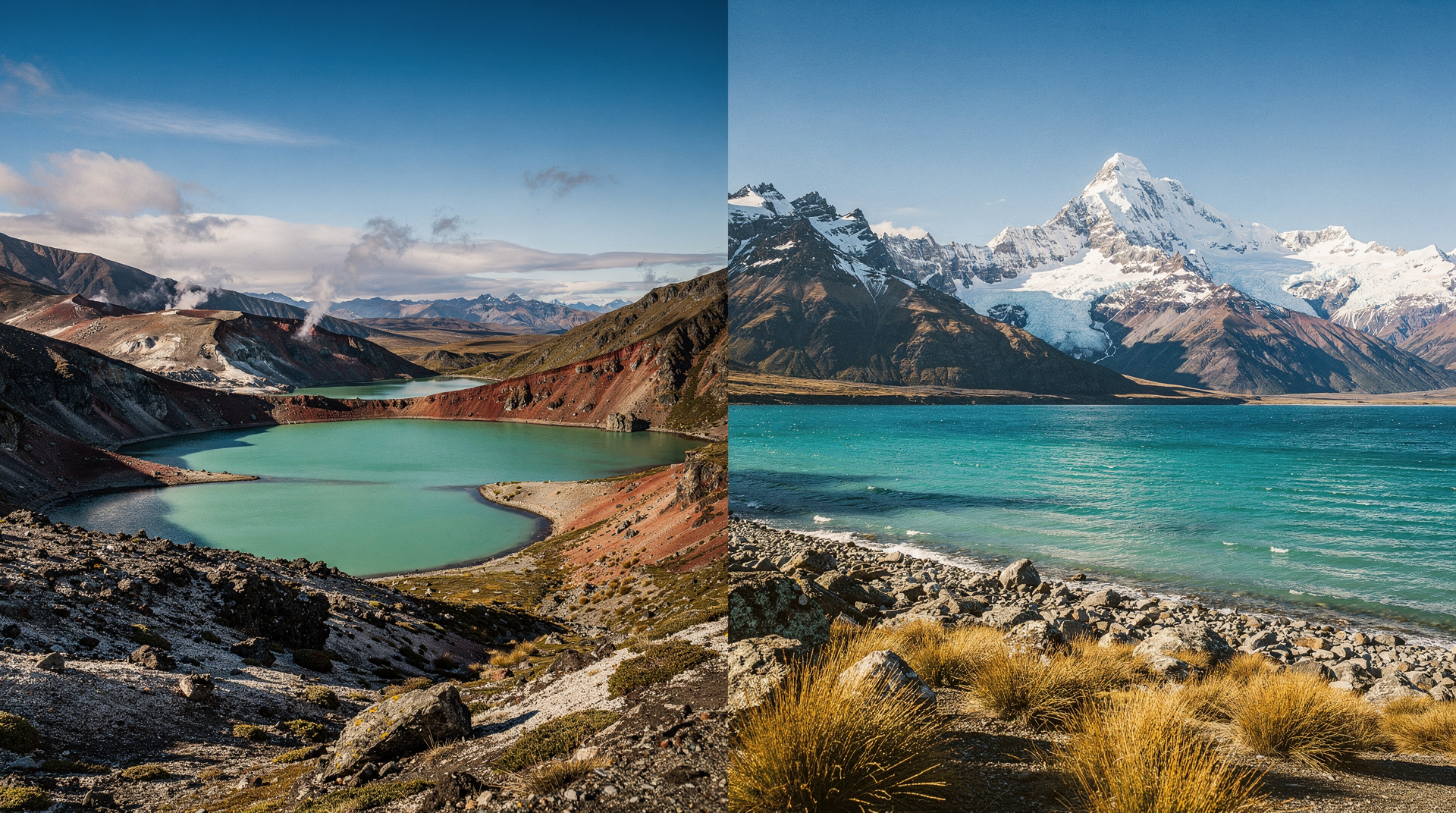
Honest North vs South Island comparison: culture, landscapes, costs and a clear verdict for first-timers, families and short trips.
Last reviewed: