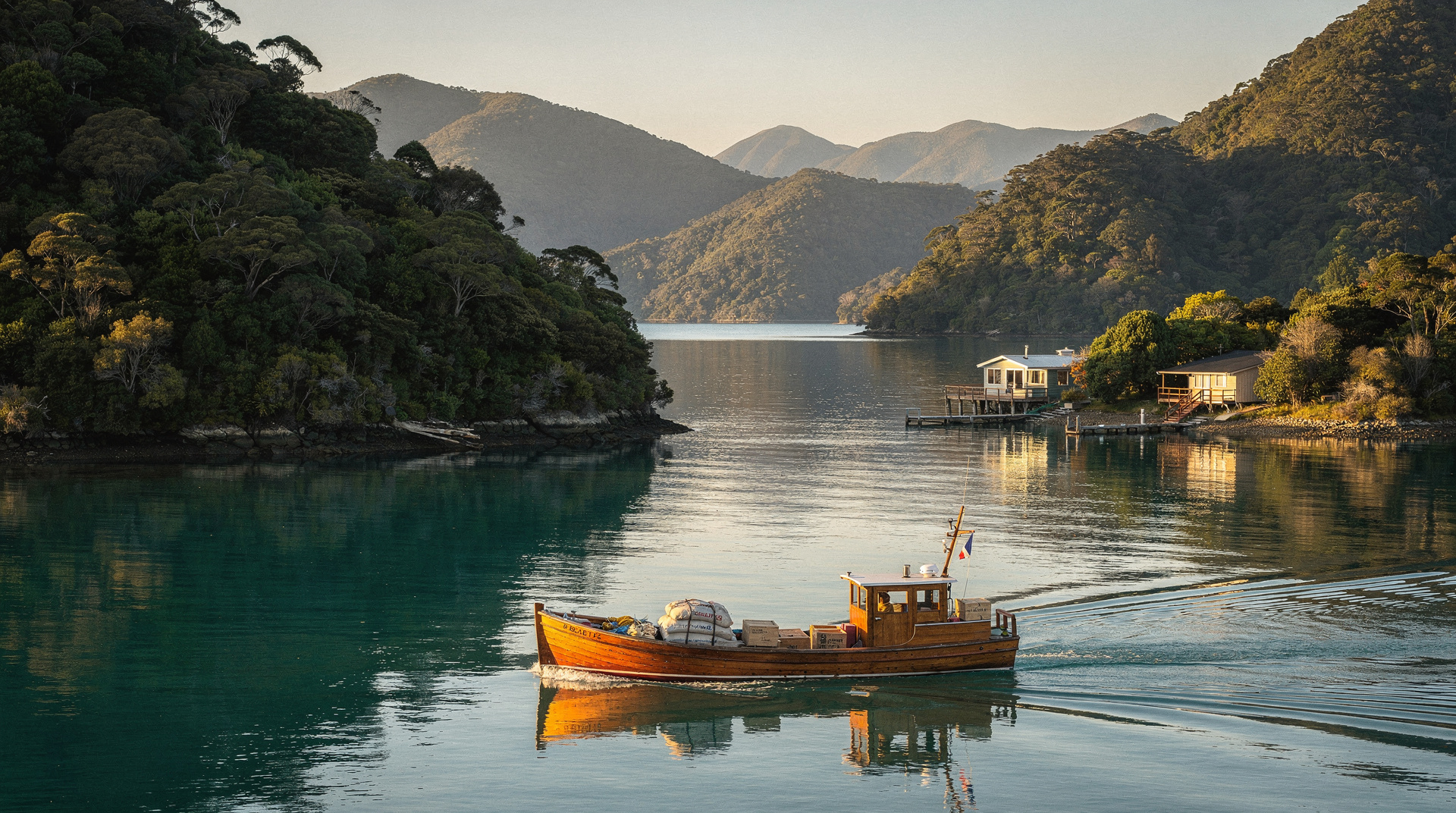
Marlborough Sounds cruise — the drowned valleys of the north
What is the best Marlborough Sounds cruise experience?
The seafood cruise from Picton or Havelock (2-3 hours, NZD 110-150 per adult) combining the Sounds scenery with green-lipped mussel and salmon tasting is the standout for most visitors. For active travellers, the Queen Charlotte Track boat taxi system (access from Picton, NZD 30-50 per leg) is a better way to explore than any single cruise.
| Where | Picton or Havelock, top of the South Island |
| Cost | Around NZD 60-150 depending on cruise type |
| Time needed | 2-3 hours for a standard cruise |
| Getting there | Picton is the Cook Strait ferry terminus from Wellington |
| Best time | Summer (Dec-Mar) for warmth, autumn for quieter crowds |
The Marlborough Sounds: what you are looking at
The Marlborough Sounds are a complex of drowned river valleys at the northern tip of the South Island — the same geological process that created Milford Sound and Doubtful Sound in miniature and in green rather than dark grey. Where Fiordland is glacially carved and austere, the Sounds are river-formed and forested: lower hills (200-700m), densely covered in regenerating native bush (mānuka, kānuka, and coastal podocarps) and pine plantation on some slopes, with numerous coves and inlets between each peninsula.
The Sounds consist of three main waterway systems: Queen Charlotte Sound (Te Hoiere — the most accessible, running from Picton into the heart of the Sounds), Kenepuru Sound (quieter, less visited, narrower), and Pelorus Sound (the largest in area, accessed from Havelock rather than Picton). These three systems connect through an intricate network of channels, and navigating by boat through them is genuinely labyrinthine — the Sounds look completely different on water than on a map.
The Sounds support New Zealand’s most productive marine aquaculture industry: Marlborough Sounds is the source of approximately 90% of New Zealand’s green-lipped mussels and a significant portion of King Salmon. The mussel and salmon farms are visible throughout the Sounds — long lines of floats marking the grow-out sites — and these are not a blight on the landscape but the context for the seafood cruise experiences that are among the region’s highlights.
Getting to the Sounds
Picton: The primary gateway, at the head of Queen Charlotte Sound. Picton is where the Cook Strait ferry from Wellington arrives (Interislander and Bluebridge). Multiple cruise operators depart from the Picton waterfront.
Havelock: 35km west of Picton via SH6, at the head of Pelorus Sound. Smaller than Picton but the centre of the Pelorus Sound mussel industry and the departure point for Pelorus Sound cruises.
Nelson: 116km from Picton via SH6, Nelson-based operators offer day trips into the western Sounds.
The seafood cruise: the recommended baseline
The Marlborough Sounds seafood cruise — typically 2.5-3 hours, combining the Queen Charlotte Sound or Pelorus Sound scenery with a stop at a working mussel or salmon farm for tasting — is the experience that best combines the place’s visual and culinary identity.
What happens: The boat departs Picton or Havelock, navigates through the inner Sounds, stops at a working mussel farm (the guide explains the cultivation process — mussel spat collected on hanging ropes, grown for 12-18 months, harvested mechanically), then serves the mussels steamed fresh on deck with bread and wine. Some versions also stop at a salmon farm. Return to departure point.
The mussels cooked and eaten on the water from which they were grown 20 minutes before — this is the argument for the seafood cruise over any other Marlborough Sounds experience.
Green-lipped mussels (Perna canaliculus): Found only in New Zealand, the green-lipped mussel (named for the green tinge on the lip of the shell) is larger, plumper, and arguably more flavourful than European mussels. The Marlborough Sounds’ cold, clean water produces the best examples. The cultivation process is ecologically benign — mussels filter-feed and improve water quality; mussel farms in the Sounds have minimal environmental footprint relative to land-based agriculture.
Picton Greenshell mussel cruise from Havelock through Pelorus Sound Picton Marlborough Sounds seafood cruiseQueen Charlotte Sound scenic cruise
A pure scenic cruise in Queen Charlotte Sound (without the farm stop) shows the inner Sounds from water level — the forested ridges above the waterline, the historical bays (Ship Cove is where James Cook anchored five times on his Pacific voyages; a memorial marks the site), and the quieter arms of the Sound that the road cannot access.
Ship Cove: The historic anchor point of James Cook’s Resolution and Adventure is accessible only by boat. Cruises that visit Ship Cove provide landing at the DOC reserve, a short forest walk to the memorial, and the view of the Sound from above. It is a genuine historical site — Cook spent a total of 100+ days at Ship Cove across his Pacific voyages, and the botanical specimens collected here were among the first from New Zealand studied by Joseph Banks.
Picton Queen Charlotte Sound and Ship Cove cruiseThe Queen Charlotte Track: boat taxi system
For active visitors, the Queen Charlotte Track — a 73km walking track along the ridgeline of the Sounds, from Ship Cove to Anakiwa — is the most engaging way to experience the Sounds over 3-5 days. Cruise operators provide a boat taxi system that allows walkers to access and exit the track from any of the resorts along the Sound, and to have their pack transferred between accommodations while they walk with a daypack.
The boat taxis run from Picton to various bays (Furneaux Lodge, Torea Bay, Te Mahia, Anakiwa) and are available year-round. They are not scenic cruises per se but they provide the same water-level experience of the Sound while being functional transport — and passing through the same seascapes.
Price per leg: NZD 30-60 / USD 18-36 / EUR 17-33 depending on distance.
Picton Queen Charlotte Track cruise and hike dayWildlife on the water
The Sounds host a genuine variety of marine life beyond the mussel and salmon farms. Dusky dolphins and the occasional orca pod pass through the outer Sounds. King shags — a rare species found only in the Marlborough Sounds and nowhere else in the world — nest on a handful of small rocky islets; some scenic cruises route past their colonies. Little blue penguins nest along the forested shorelines and are occasionally spotted from boats at dusk. None of this is guaranteed on any given cruise, but the biodiversity is a genuine part of the Sounds’ appeal beyond the seafood and scenery, and it’s worth mentioning to your skipper if wildlife-spotting is a priority — some operators know current sighting locations better than others.
Marlborough wine connection
The Marlborough Sounds are physically distinct from the Marlborough wine region (which is on the Wairau Plain, south of Picton and Blenheim), but the two are sometimes combined in a single visit. From Picton, a morning sounds cruise followed by an afternoon winery tour is a practical and excellent day. The wine region is covered in its own guide; the connection worth noting here is that Marlborough’s seafood (mussels, king salmon, Pacific oysters from Nelson Bays) pairs naturally with Marlborough Sauvignon Blanc — the most elegant argument for combining the two.
Costs summary
| Product | NZD (approx) | USD | EUR |
|---|---|---|---|
| Standard scenic cruise (2 hours, Queen Charlotte) | 60-90 | 36-54 | 33-50 |
| Seafood cruise with mussel tasting (2.5-3 hours) | 110-150 | 66-90 | 60-82 |
| Ship Cove lunch cruise (full day) | 150-200 | 90-120 | 82-110 |
| Mail boat cruise (see dedicated guide) | 130-160 | 78-96 | 72-88 |
| Queen Charlotte Track boat taxi (per leg) | 30-60 | 18-36 | 17-33 |
Practical information
Operators: Beachcomber Cruises, Sounds to Sea, and Queen Charlotte Cruise Line are the main Picton operators. Pelorus Sound Seafood runs the Havelock mussel cruise. All operate from the Picton or Havelock waterfront.
Season: The Sounds are year-round but best in summer (December-March) — warmer swimming, longer days, the track at its most walkable. Autumn (March-May) has excellent weather, muted crowds, and the golden light that the surrounding hills produce.
Combining with the Nelson vs Marlborough decision: if you’re choosing which South Island gateway to base yourself in first, the Sounds cruise experience is one factor worth weighing — see that comparison for the fuller picture.
A dedicated mail boat cruise is also available for visitors who want the full-day version, delivering post and supplies to remote Sounds communities while you ride along — a slower, more immersive alternative to the standard 2-3 hour cruise.
Combining with the Cook Strait ferry: Picton is the Cook Strait ferry terminus. The ferry (Wellington to Picton, 3.5 hours) arrives in the early afternoon — timing that allows a 2-3 hour afternoon sounds cruise before driving south to Blenheim or Nelson. This sequencing — ferry arrival + immediate Sounds cruise + evening in the wine region — is one of New Zealand’s most satisfying transit sequences.
Frequently asked questions
Is the Marlborough Sounds accessible without a boat?
Partially. The main ridgeline road (via Kenepuru Road) provides access to some Sound-side communities and bays by road. However, the inner Sounds — the quietest, most scenic, and most historically significant parts — are only accessible by water. The boat is the appropriate vehicle for the Sounds.
How does the Marlborough Sounds compare to Fiordland?
Very different. The Sounds are green, relatively gentle, and historically used (settlements, farms, the Queen Charlotte Track) — they feel inhabited and pastoral. Fiordland is austere, dark, and largely untouched — it feels wilderness. Both are beautiful in completely different ways. The Sounds suit visitors who prefer warmth, accessibility, and the seafood culture; Fiordland suits visitors seeking drama and scale.
Is the mussel cruise suitable for people who dislike seafood?
Mostly — the cruise is still excellent scenery. Some operators can accommodate non-seafood eaters with alternative food. Check when booking. Children who dislike mussels are typically accommodated with crackers and cheese alternatives.
Can I kayak the Marlborough Sounds independently?
Yes — the Sounds are excellent for sea kayaking, and the protected arms (particularly Kenepuru and inner Queen Charlotte) are suitable for intermediate paddlers without a guide. Multiple kayak hire operations in Picton and along the Sound. The Queen Charlotte Track by kayak (combined with the boat taxi for luggage) is a popular multi-day option.
Related guides
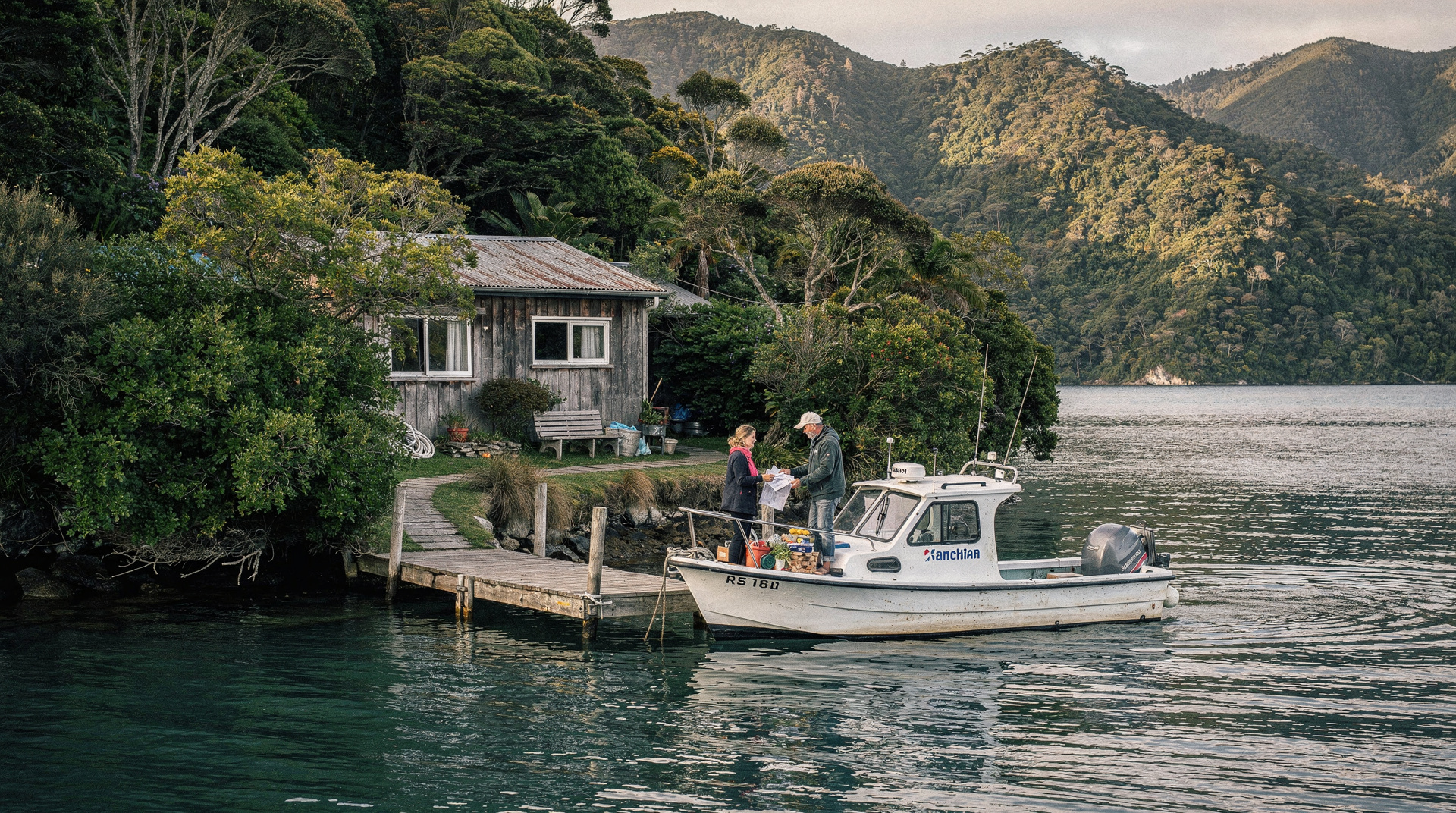
Queen Charlotte mail boat cruise — Marlborough Sounds the working way
The Pelorus Sound mail boat delivers supplies to remote residents. Ride along on a 7-hour working day — one of NZ's most authentic cruises.
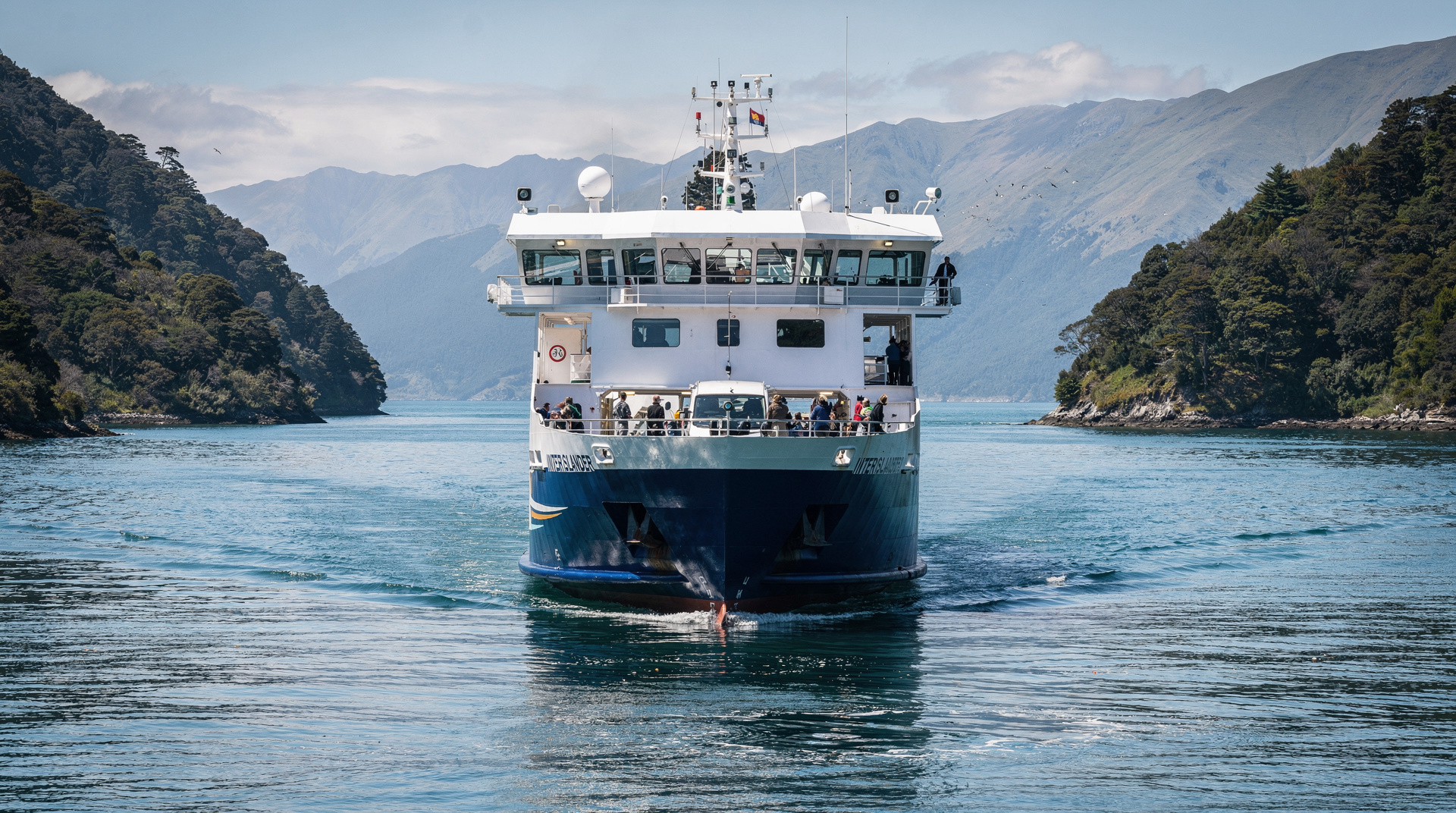
Cook Strait ferry guide
Complete Cook Strait ferry guide: Interislander vs Bluebridge, timetables, costs, booking tips, campervan advice, and the flying alternative.
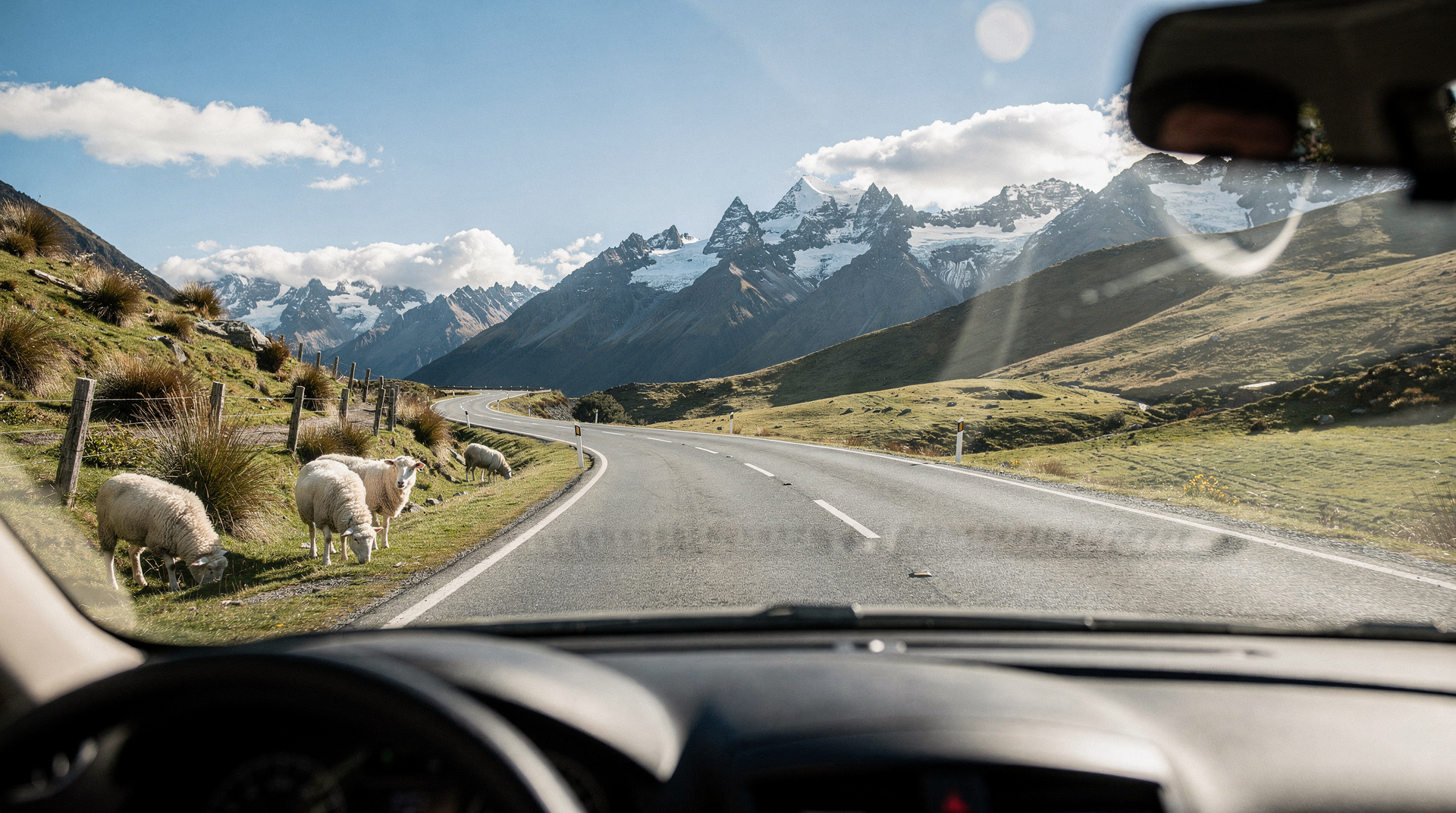
Driving in New Zealand
Honest driving guide for NZ: left-side rules, gravel road etiquette, why GPS lies, fuel costs, one-lane bridges, and what rental companies don't tell you.
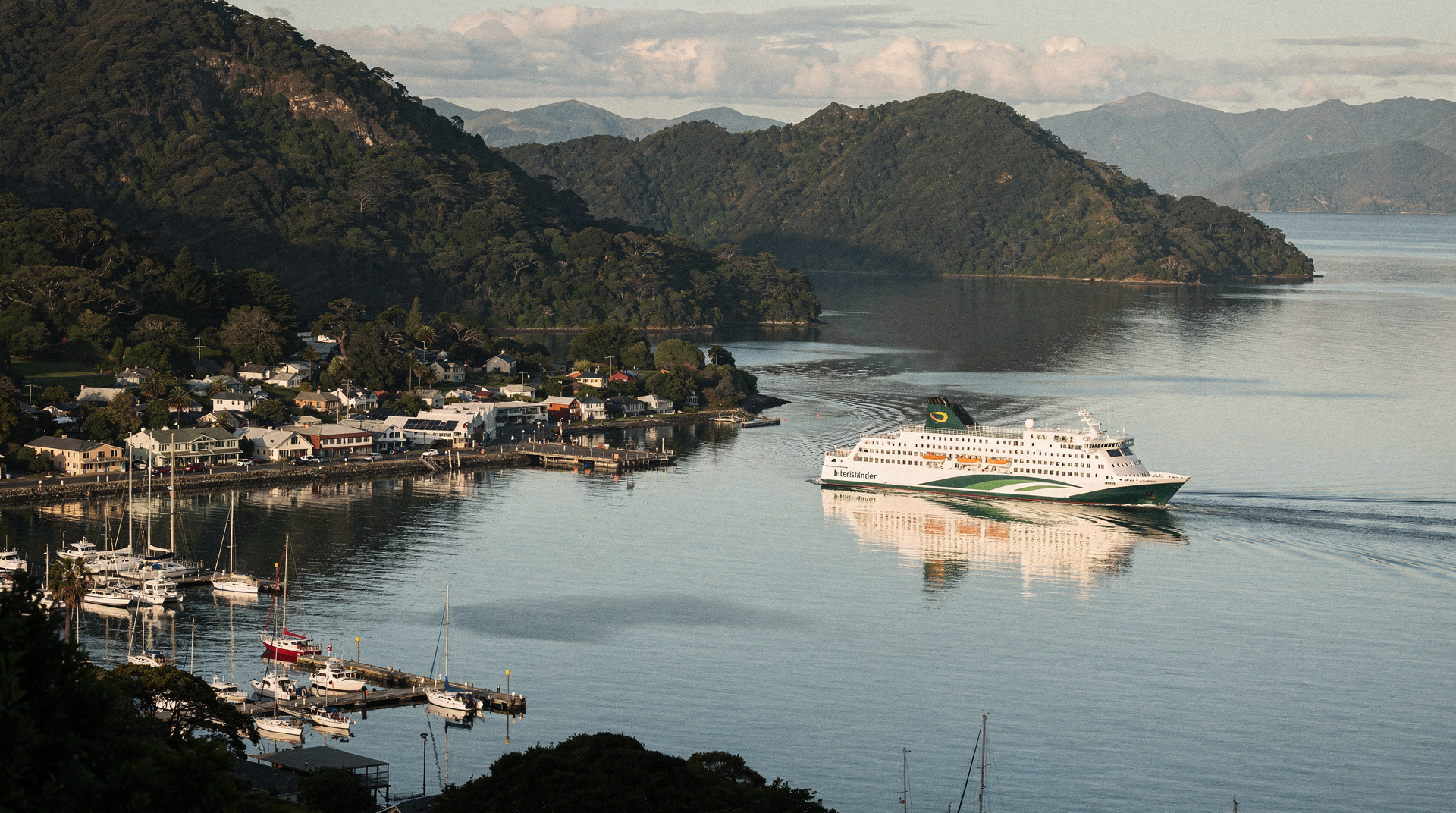
Picton
Picton: your Cook Strait ferry arrival point, gateway to Marlborough Sounds, Queen Charlotte Track, and the wine region. Real costs NZD/USD/EUR.
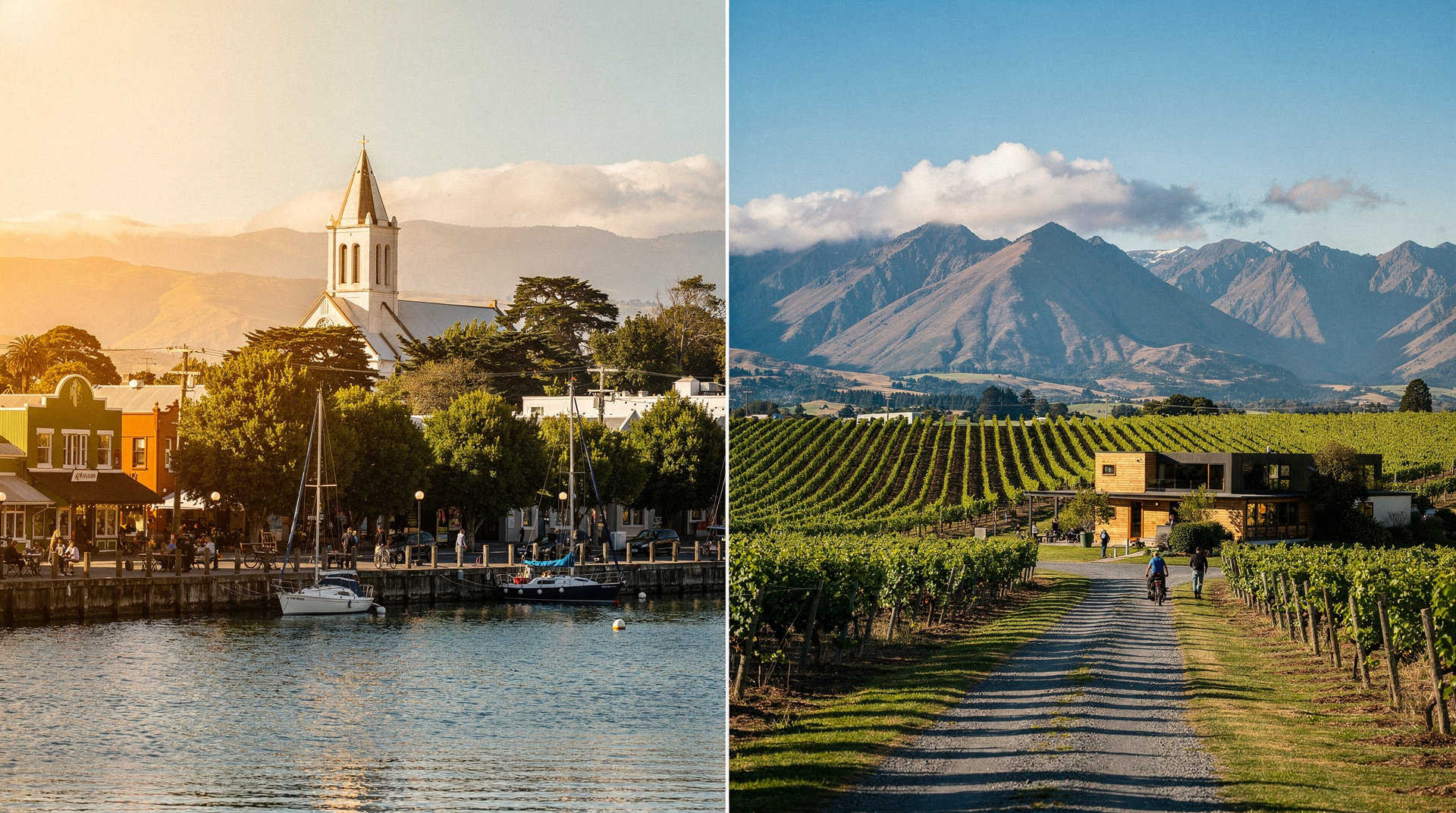
Nelson vs Marlborough
Nelson vs Marlborough honest comparison: wine, national parks, beaches, access and which region to prioritise. Clear verdict with prices in NZD/USD/EUR.
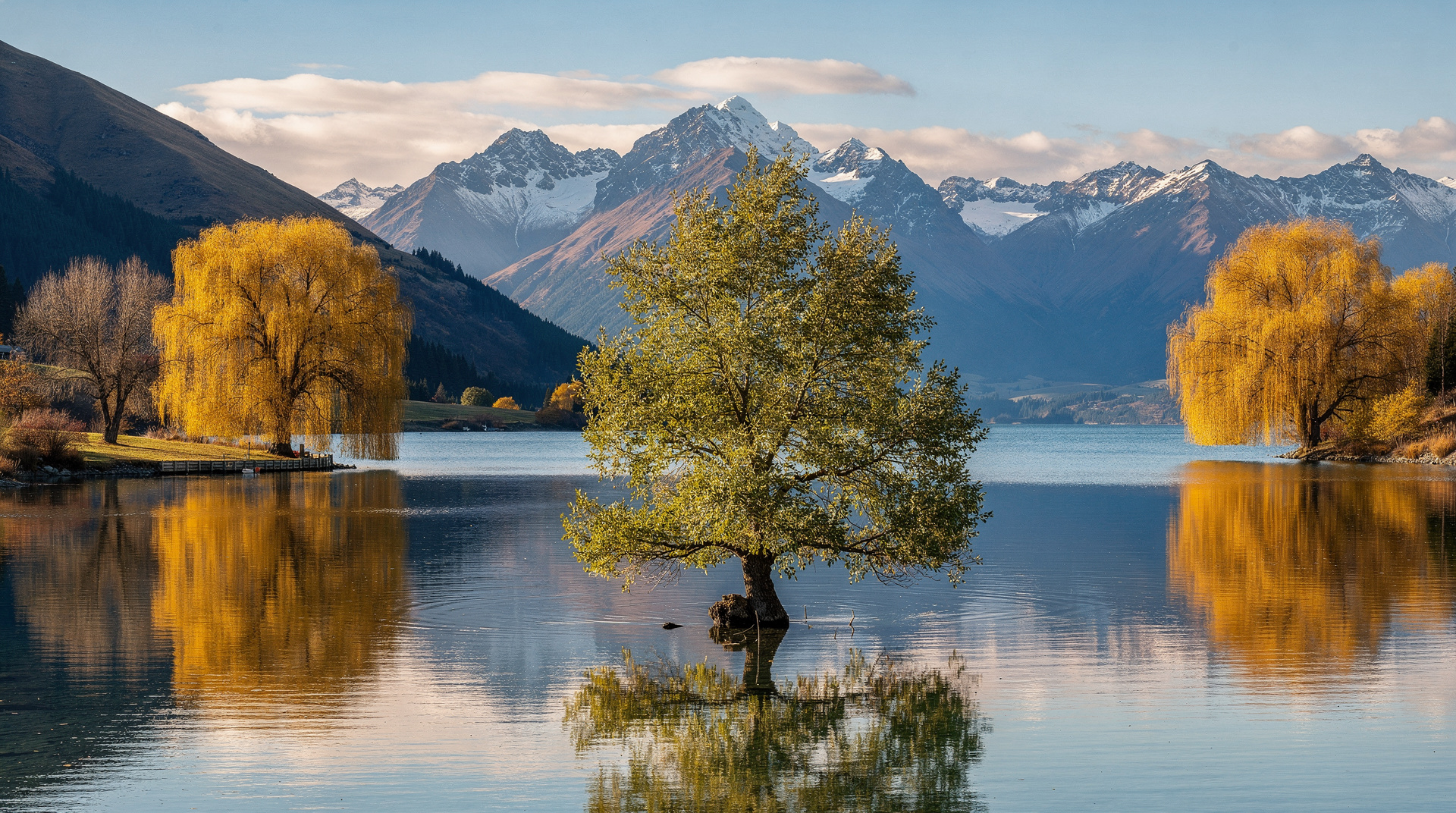
New Zealand in March
Late summer fades into early autumn in March. Fewer crowds, lower prices, autumn colours starting in Central Otago and Arrowtown. NZD/USD/EUR pricing.
Last reviewed: