Aoraki/Mt Cook scenic flights and ski planes — the complete guide
Are Aoraki/Mt Cook scenic flights worth the cost?
The ski plane experience — landing on the Tasman Glacier at 2,300m — is one of the most unique accessible experiences in New Zealand. A 35-45 minute ski plane flight from Mt Cook Village costs NZD 375-420 per adult. The helicopter alternative is slightly different (landing higher, closer to peaks). Both are expensive and both are genuinely outstanding. Worth it if the budget allows.
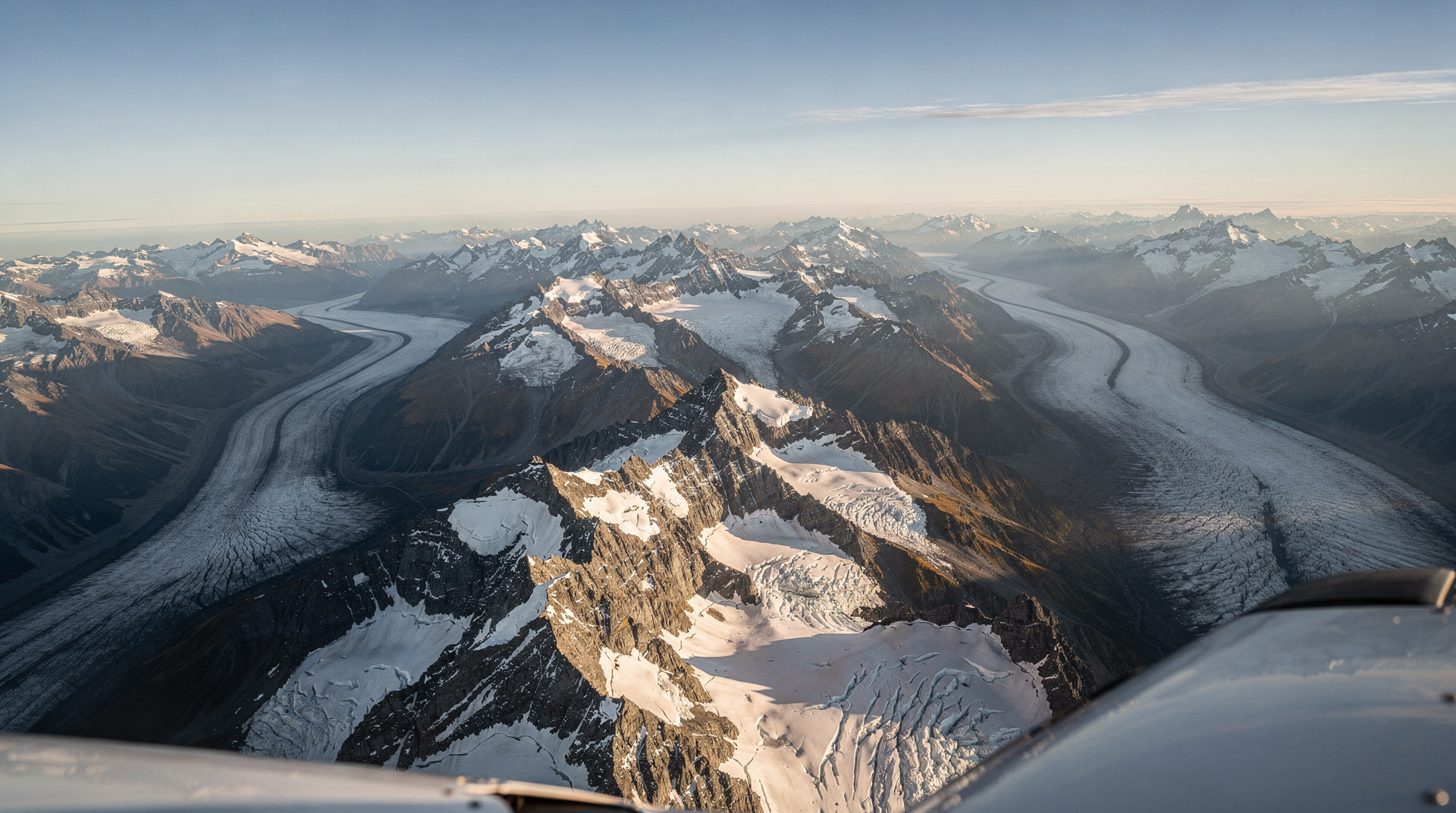
Aoraki/Mt Cook from the air
Aoraki/Mt Cook — the highest point in Australasia at 3,724m — is a dramatically beautiful mountain in any weather. In clear conditions (which the Mackenzie Basin experiences more often than most of New Zealand), the combination of the peak, the surrounding Southern Alps, the Tasman Glacier (New Zealand’s largest glacier, 27km long, flowing northeast from the Main Divide), and the turquoise glacial lake below creates a landscape that belongs to a different visual register from the rest of the country.
Seeing this from the ground — via the Hooker Valley Track to Aoraki’s lower flanks, or from Lake Pukaki’s shore — is outstanding. Seeing it from the air, landing on the glacier itself, is another category of experience.
At a glance
| Where | Mt Cook Village aerodrome, 225km / 3h from Christchurch |
| Ski plane (35min) | around NZD 375–420 |
| Helicopter (20–35min) | around NZD 280–390 |
| Heli-hike (3-4h) | around NZD 550–750 |
| Best season | December–February for reliable weather |
| Booking | First available day of your visit, not your last |
The combination of ski planes (fixed-wing aircraft on retractable skis) and helicopters operating out of Mt Cook Village has made the Tasman Glacier one of the most accessible glacier-landing experiences in the world outside Antarctica. The planes and helicopters take off from the small aerodrome below the village, climb through the glaciated valleys, and land on the broad upper snowfield at approximately 2,300m. Passengers step out onto the glacier — the silence, the scale, and the quality of the light at altitude are immediate.
Ski planes vs helicopters: what is the difference
Both aircraft type land on the glacier. The experience differs in character:
Ski planes (fixed-wing on skis): Land on the lower-to-mid Tasman Glacier snowfield. The sensation of a wheeled/ski aircraft using a glacier as a runway — the soft landing on snow, the crunch of the skis, the view from inside the plane during the approach — is unique. Ski planes fly at a slightly lower altitude trajectory; the views are somewhat different from helicopters. The ski plane experience is specific to this region of the world.
Helicopters: Land higher on the glacier (some options land at 2,500m+), circle peaks that ski planes cannot approach, and hover briefly above features too precipitous for a fixed-wing landing. The rotor sound is constant; the vibration is different from a fixed-wing. For photography of the peaks in close proximity, helicopter landings offer angles that ski planes cannot.
Duration difference: Ski planes typically offer 35-55 minute flights; helicopter flights are 20-50 minutes depending on the package.
Price difference: Ski planes and helicopters are comparably priced in Aoraki/Mt Cook — NZD 350-450 for basic to premium options.
The operators at Mt Cook Village
Two main operators offer glacier flights from Mt Cook Village:
Mount Cook Ski Planes and Helicopters: The principal operator, running both ski planes and helicopter flights. The most experienced team; the longest-running glacier-flight operation in New Zealand. Multiple flight options including the “45-minute Twin Engine” ski plane (the recommended baseline) and helicopter landing packages.
The Helicopter Line / Air Safaris: Also operating from Mt Cook, with a longer-flight high-altitude helicopter option. Air Safaris additionally operates a “Grand Traverse” fixed-wing flight that circles the entire Aoraki/Mt Cook and Franz Josef/Fox glacier area from Tekapo — a 3-hour flight that does not land on the glacier but provides the most comprehensive aerial survey available.
Flight options and prices
| Flight type | Duration | NZD (approx) | USD | EUR |
|---|---|---|---|---|
| Ski plane (basic, 35min) | 35 min | 375 | 225 | 206 |
| Ski plane + glacier landing (50min) | 50 min | 420 | 252 | 231 |
| Helicopter (20min, no landing) | 20 min | 280 | 168 | 154 |
| Helicopter + glacier landing (35min) | 35 min | 390 | 234 | 215 |
| Heli-hike (fly in, guided walk on glacier) | 3-4h | 550-750 | 330-450 | 303-413 |
| Air Safaris Grand Traverse (no landing) | 3 hours | 480 | 288 | 264 |
All prices approximate and subject to operator confirmation. Children typically 25-40% discount depending on operator and minimum weight/age restrictions.
Aoraki/Mt Cook ski plane and helicopter combo experience Mt Cook helicopter flight with alpine glacier landingThe heli-hike option
The Mt Cook heli-hike — fly by helicopter to the glacier, spend 2-3 hours walking on the ice with a guide, fly back — is an extended version of the glacier landing that is among the most memorable physical experiences available in New Zealand.
On the glacier, the guide explains glaciology (the formation of crevasses, seracs, and moulins), the retreat of the Tasman (significant since the 1990s — the lower tongue has retreated several kilometres and thinned dramatically; this is verifiable from historic photographs), and leads the group through accessible ice terrain. Crampons and ice axes are provided.
The heli-hike is not a technical mountaineering experience — it is designed for any reasonably fit visitor with comfortable walking shoes or boots. The glacier surface varies: solid blue ice in some areas, granular firn (compacted snow) in others, with melt channels and crevasse edges (approached carefully under guide supervision) visible throughout.
Price: NZD 550-750 / USD 330-450 / EUR 303-413 depending on operator and package.
Mt Cook heli-hike on the Tasman GlacierWeather and reliability
Aoraki/Mt Cook is in a mountain weather environment where conditions change rapidly. Clear morning weather can give way to cloud within 2-3 hours; incoming fronts from the Tasman Sea often produce rapid weather changes. Both operators are transparent about this: they launch when the weather is appropriate and delay or cancel when it is not.
The practical strategy:
- Book your first available day in the area (not your last) — this allows rebooking if cancelled
- The morning window (before 11am-noon) is statistically clearest; book the earliest available flight
- Operators have a stand-by system: if cancelled, you are automatically transferred to the next available slot
Mt Cook Village averages approximately 200 clear days per year — higher than most of the surrounding region — because the large lake (Pukaki) creates a local thermal effect that stabilises the air in the early morning.
Getting to Aoraki/Mt Cook Village
Mt Cook Village is 225km from Christchurch (3 hours) via Lake Tekapo and the Mackenzie Basin — one of New Zealand’s great scenic drives. See our guide to driving in New Zealand for general road-trip planning. The Lake Pukaki-to-Mt Cook section (State Highway 80, 55km) is among the most spectacular roads in the country: the turquoise lake to the left, the white peaks ahead, the road dead-ending at the village with Aoraki visible directly above.
There is no train to Mt Cook. The InterCity bus connects Christchurch and Queenstown via Mt Cook (longer route); a shuttle service operates from Tekapo. For a full comparison of where to base yourself for the area — Mt Cook Village, Tekapo, or Twizel — see Mt Cook Village vs Lake Tekapo vs Twizel.
Who should do a Mt Cook scenic flight
Worth it if:
- You have not seen a major glacier up close elsewhere (the Tasman Glacier, despite recession, remains a major ice system)
- This is a once-in-a-lifetime New Zealand trip and budget is available
- You are visiting in summer (December-February) when the snowfield is at its most accessible and reliable
- Photography is a priority — the Tasman snowfield provides extraordinary photographic subjects
Consider the alternatives if:
- You are also visiting Franz Josef or Fox Glacier — the Franz Josef helicopter tours offer comparable glacier landings at potentially lower prices (Franz Josef is NZD 250-380 for the helicopter; the terrain is different but similarly spectacular)
- You’re also considering Fiordland — Milford scenic flights are a different landscape (fiords rather than glaciers) but a comparably unique aerial experience
- Weather is not cooperating — do not rush into a marginal-weather flight; the views are the point
If your trip falls in the shoulder season, our New Zealand in February guide covers the month generally considered the most reliable for Mackenzie Basin flying weather.
Verdict: Splurge. This is one of the genuinely unique available experiences in New Zealand.
Frequently asked questions
What is the minimum age or fitness requirement?
No minimum age for the ski plane flights (children are welcome if they meet weight minimums — typically 10kg+ for the seat harness). For the heli-hike, a basic level of walking fitness is required; no specific mountaineering ability. The guide leads the group at the pace of the slowest member.
How is the weight limit managed?
Aircraft weight limits apply. Passengers are weighed at check-in (this is standard for small aircraft safety). Depending on the operator, passengers over a certain weight (typically 120-130kg) may pay a supplementary charge or be required on specific larger aircraft options.
Can I combine Mt Cook scenic flights with a Queenstown base?
Yes — tour operators from Queenstown offer full-day Mt Cook helicopter or ski plane tours that include the scenic drive through the Mackenzie Basin. These are longer days (8-10 hours) but eliminate the need for an overnight at Mt Cook Village.
Queenstown to Mt Cook scenic flight day tourIs the Tasman Glacier shrinking significantly?
Yes. The Tasman Glacier has retreated and thinned dramatically since the 1970s due to climate change. The lower glacier terminus, which previously extended to a proglacial gravel plain, now ends in a growing glacial lake (Lake Tasman). The lake did not exist in the 1970s; it now extends several kilometres. The upper snowfield where ski planes and helicopters land is still substantial, but the long-term trend is clear and ongoing. The glacier remains one of the largest ice masses in New Zealand but is materially smaller than it was 50 years ago.
Should I book from Mt Cook Village or from Queenstown/Tekapo?
Booking directly from Mt Cook Village gives you the shortest flight and the most departure options, since it’s the closest airfield to the glacier. Booking a day tour from Queenstown or Tekapo adds the scenic drive and eliminates the need for an overnight stay near the mountain, but makes for a long day (8-10 hours from Queenstown) with less flexibility if weather forces a delay.
What happens if my flight is cancelled for weather?
Both main operators run a stand-by system: a weathered-out flight is automatically rolled to the next available slot, and if you can’t rebook within your stay, most operators offer a refund. Building at least one buffer day into your Mt Cook itinerary — rather than scheduling the flight for your last possible morning — significantly reduces the chance of missing out entirely.
Related guides
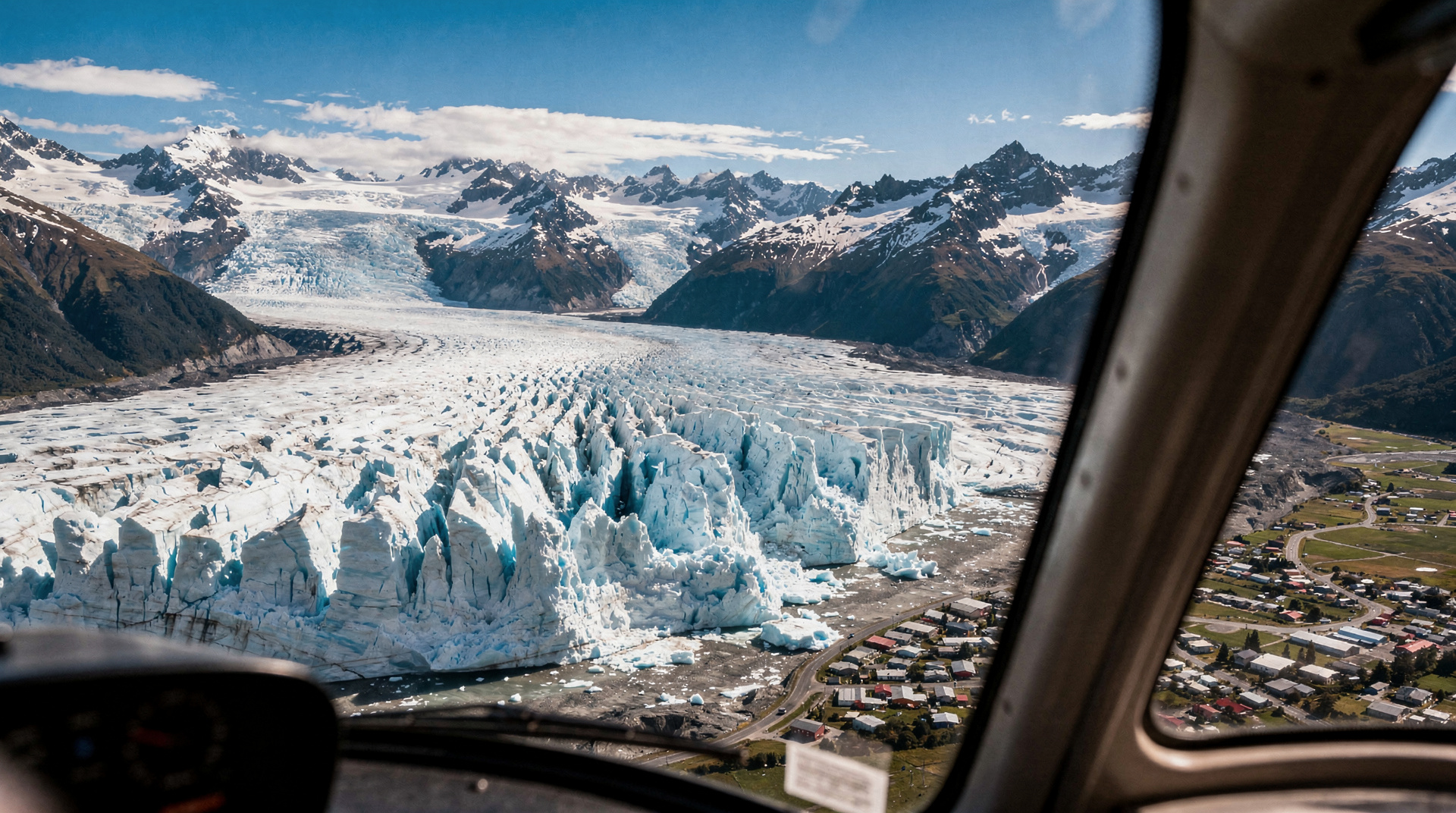
Franz Josef helicopter tours — the glacier from above and on foot
Franz Josef helicopter tours: scenic flights, glacier landings, heli-hike on the ice. Prices NZD/USD/EUR, operators compared, weather tips, and booking advice.
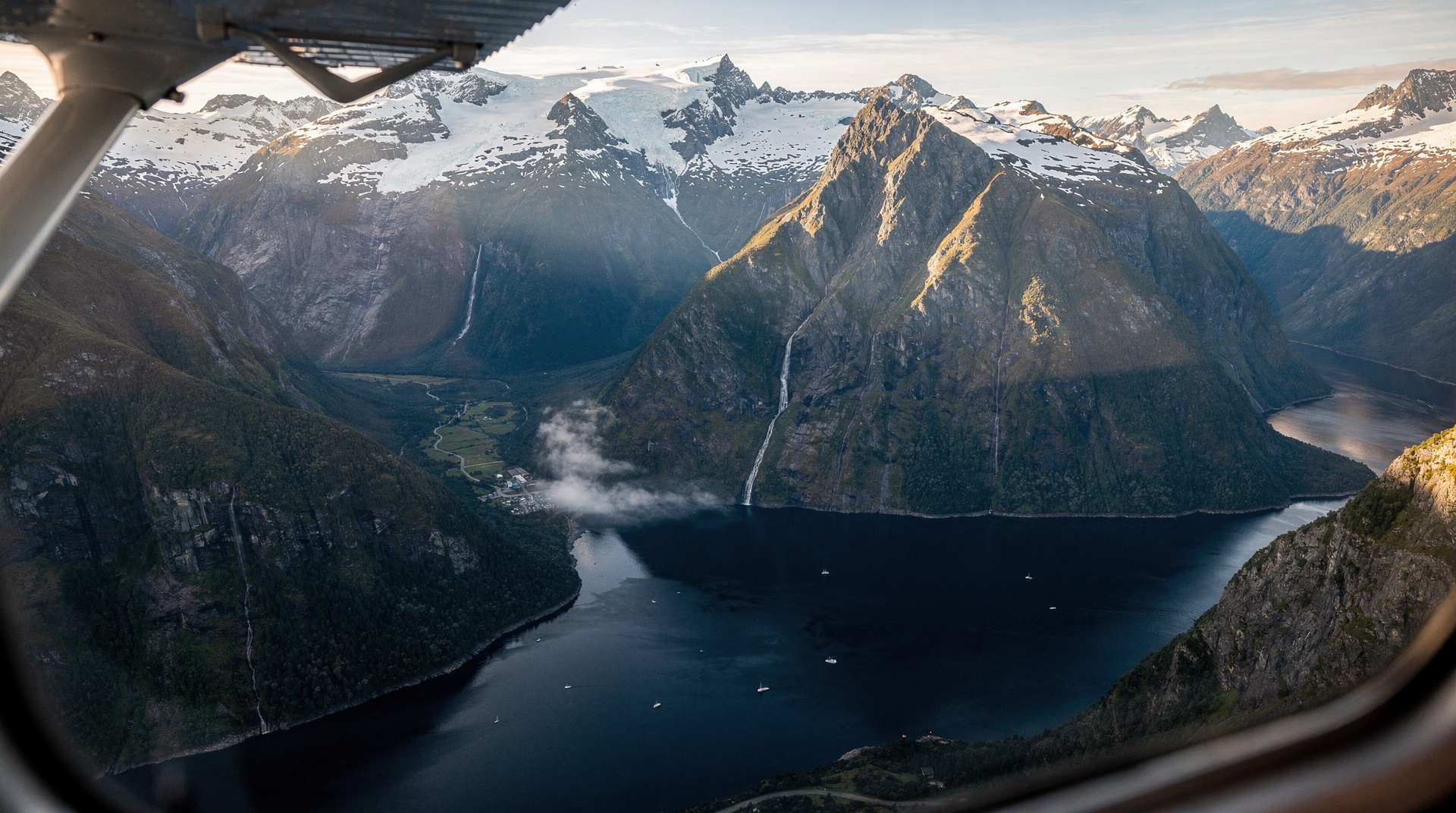
Milford Sound scenic flights — flying in and out of Fiordland
Milford Sound scenic flights: fly-cruise-fly from Queenstown or Te Anau, what you see, prices NZD/USD/EUR, and when flying beats the long coach from Queenstown.
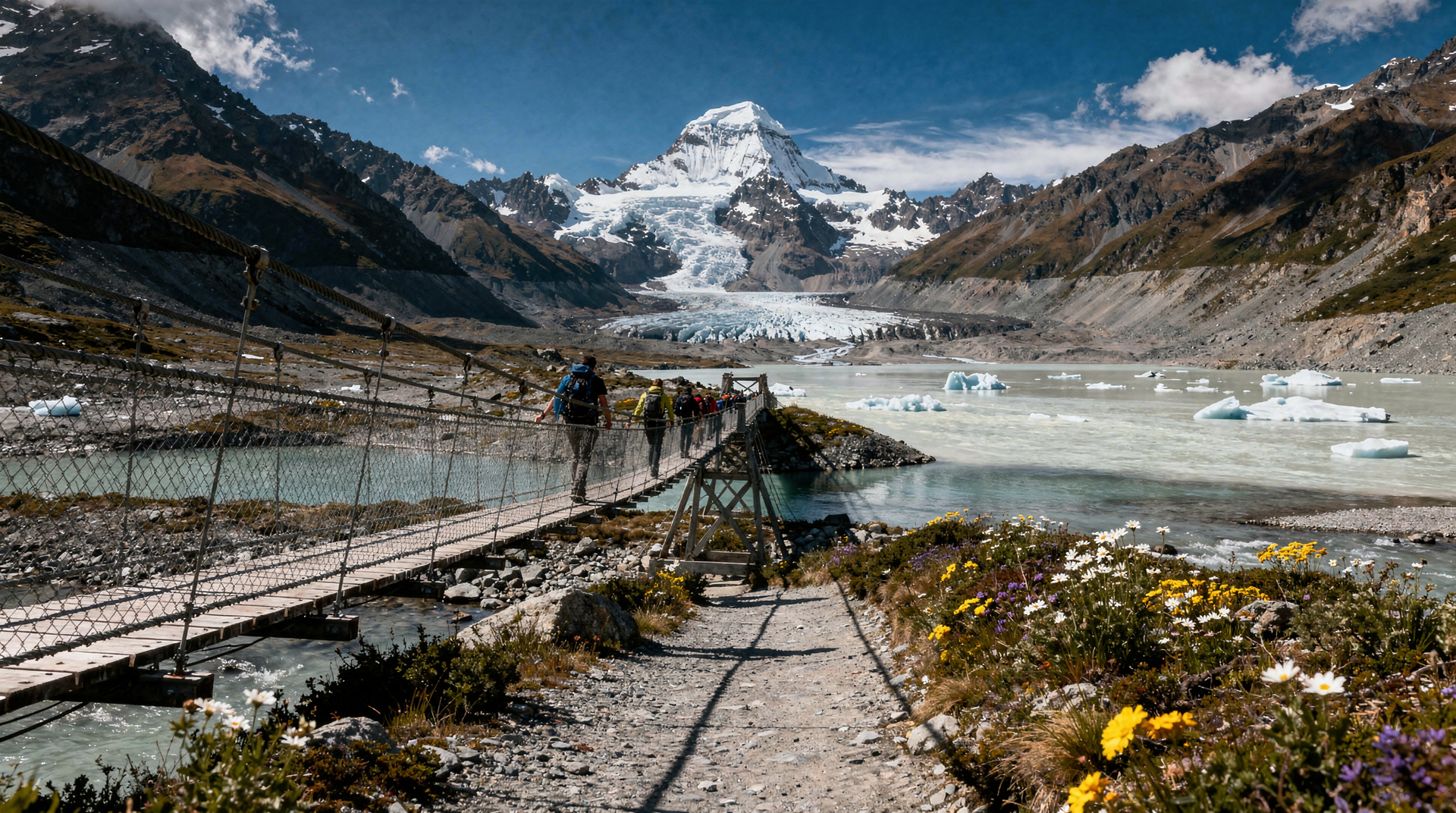
Hooker Valley Track — Aoraki/Mt Cook day walk
Hooker Valley Track: 10km return, easy-moderate, three swing bridges, glacial lake, Aoraki/Mt Cook views. Honest guide with logistics and safety.
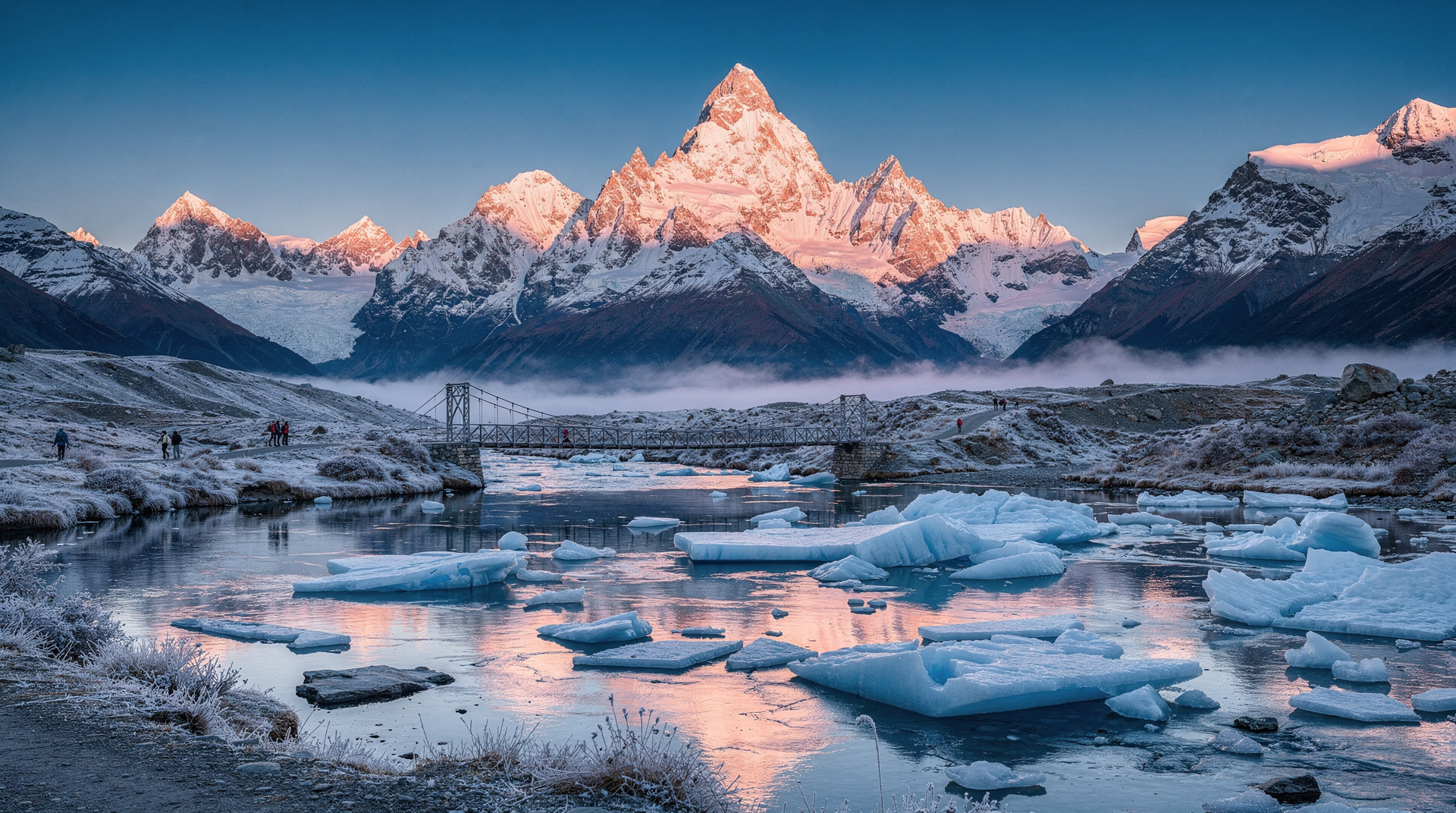
Aoraki / Mount Cook
Honest Aoraki / Mount Cook guide: Hooker Valley Track, Tasman Glacier, scenic flights — real NZD/USD/EUR prices and what to expect in all seasons.
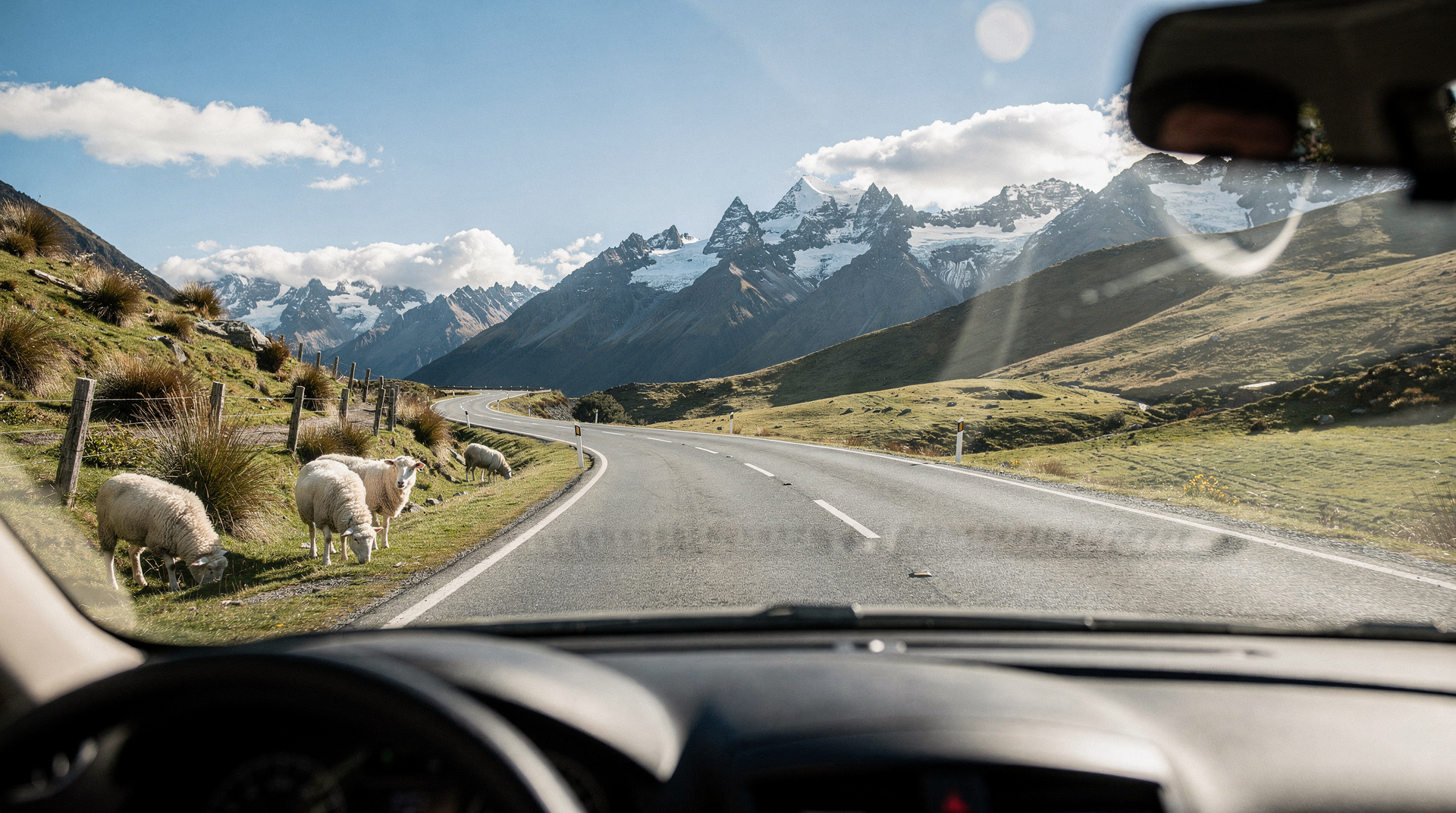
Driving in New Zealand
Honest driving guide for NZ: left-side rules, gravel road etiquette, why GPS lies, fuel costs, one-lane bridges, and what rental companies don't tell you.
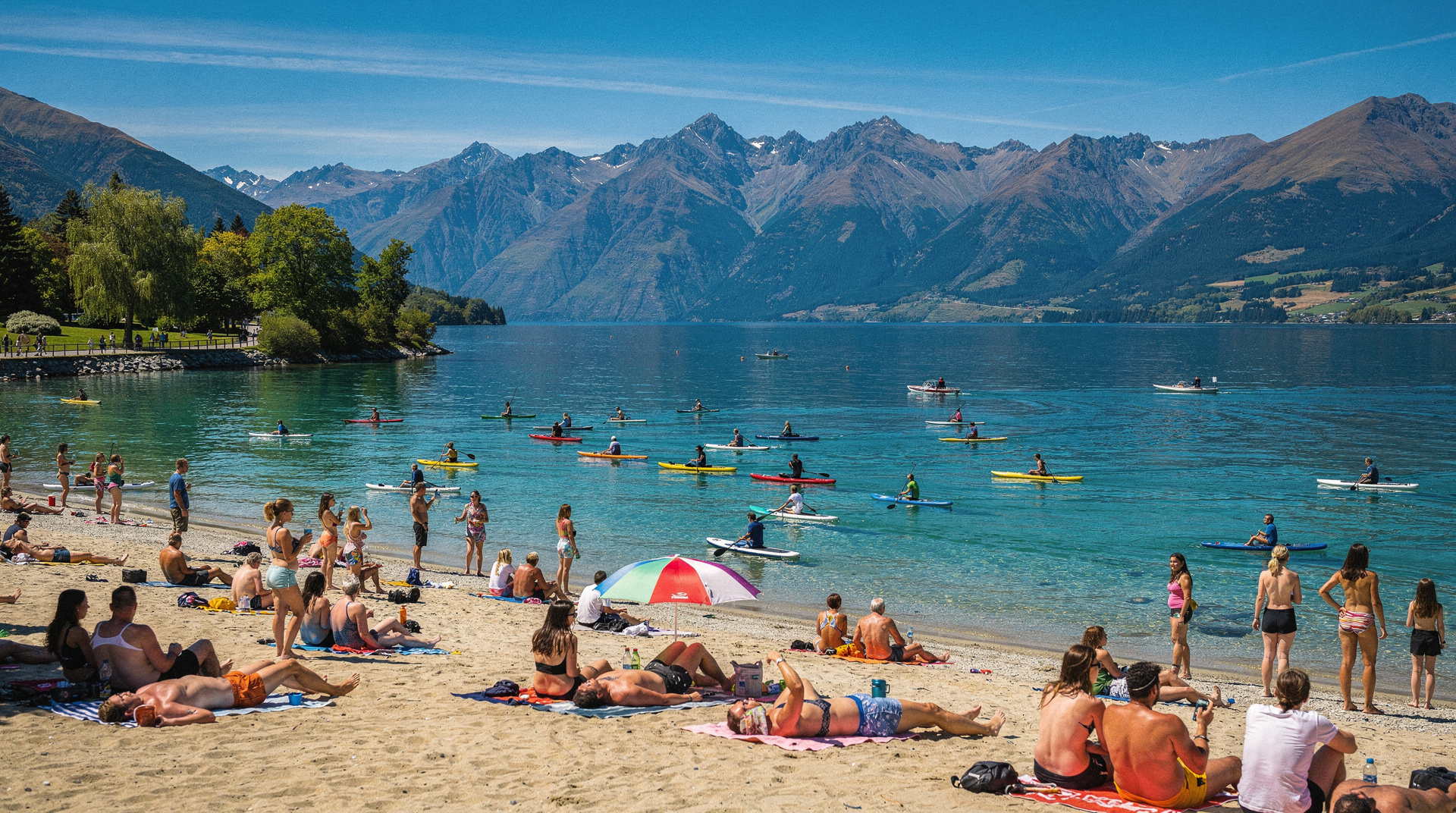
New Zealand in February
February is NZ's best month: warm summer, post-holiday crowds thinning, wine harvest starting. Real prices in NZD/USD/EUR and what to book ahead.
Last reviewed: