Napier art deco — the 1931 earthquake that rebuilt a city
Why does Napier have so much art deco architecture?
Napier was almost entirely destroyed by a magnitude 7.8 earthquake on 3 February 1931, killing 256 people. The city was rebuilt rapidly between 1931 and 1933, predominantly in the art deco and Spanish Mission styles fashionable at the time. The result is one of the world's best-preserved and most concentrated collections of 1930s commercial architecture.
The earthquake that made a city
At 10:47am on 3 February 1931, a magnitude 7.8 earthquake struck near Napier on the Hawke’s Bay coast. The shaking lasted two and a half minutes. It killed 256 people (161 in Napier, 93 in the nearby city of Hastings), destroyed almost every building in central Napier, and lifted 40 square kilometres of the Ahuriri Lagoon out of the sea — land that is now the airport and large areas of the city’s suburbs.
Fires broke out within hours, burning through the rubble for two days. When they were finally extinguished, Napier’s commercial centre was essentially gone.
What followed was one of the most rapid urban rebuilding projects in British Commonwealth history. Within two years, a largely new city had risen from the ruins. The speed of the rebuild, combined with the design fashions of the early 1930s and the pragmatic need for earthquake-resistant reinforced concrete construction, produced a city whose central business district was almost entirely built in the art deco and Spanish Mission styles of that specific historical moment.
No other city in the world was rebuilt so rapidly, so comprehensively, and in a period that produced such a distinctive and coherent architectural style. This accident of catastrophe and calendar has made Napier unique. For general planning around this part of the North Island, see the Napier destination guide and the wider Hawke’s Bay overview.
At a glance
| Where | Napier, Hawke’s Bay, North Island |
| Guided walking tour | around NZD 25, daily 10am, 2 hours |
| Self-guided audio tour | around NZD 12, ~90 minutes, 22 buildings |
| Festival dates | Third weekend of February (19–23 Feb, 2026) |
| Getting there | ~4–4.5h drive from Wellington or Auckland |
| Pair with | Hawke’s Bay wine tasting, Cape Kidnappers gannet colony |
Understanding art deco in Napier
Art deco — the style that dominated fashionable design across Europe, North America, and their colonies from approximately 1925 to 1940 — is characterised by geometric forms, bold ornamentation, stepped facades, sunburst motifs, and decorative use of contrasting materials. It was simultaneously the style of Hollywood glamour and the serious architecture of the machine age.
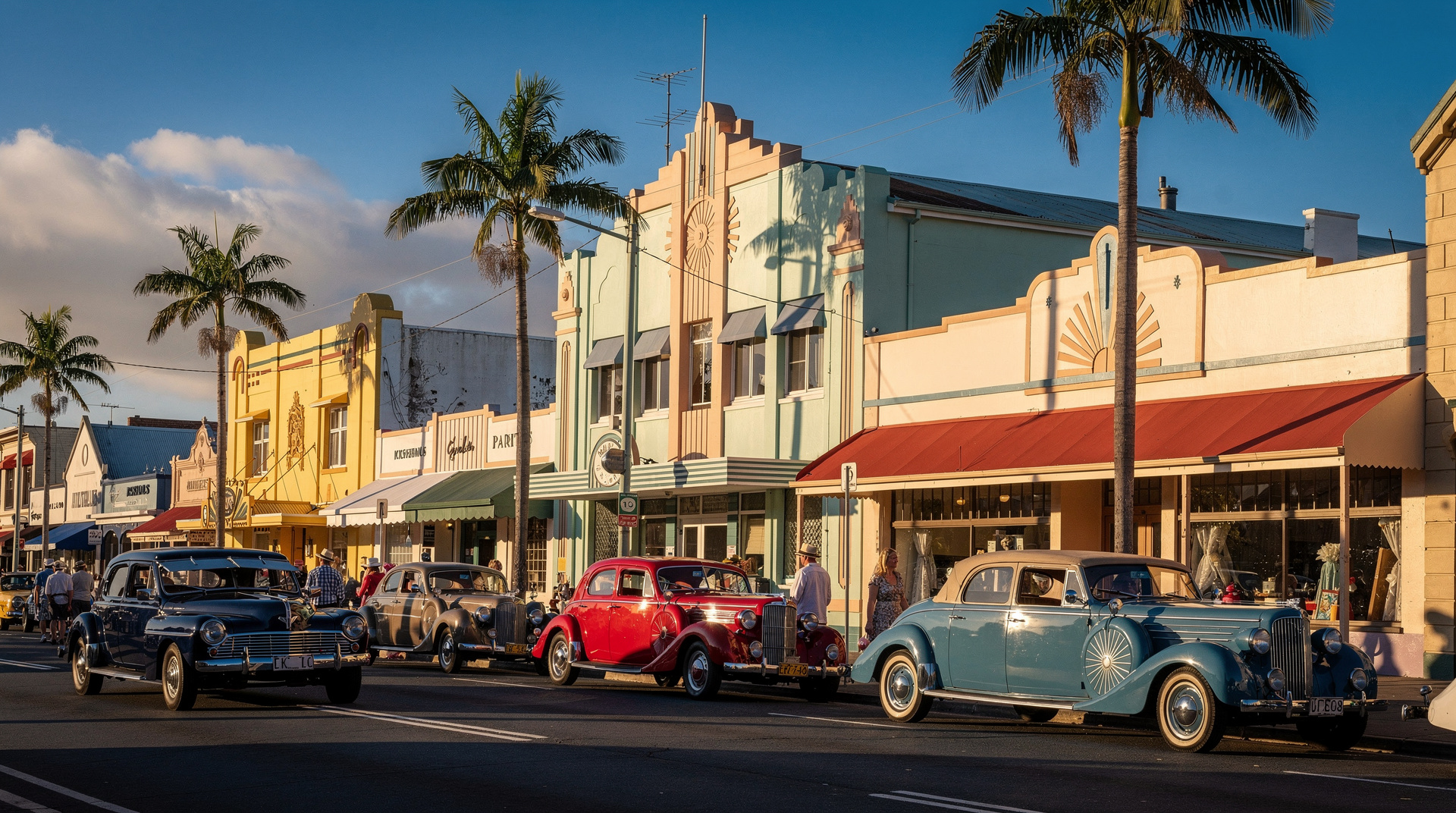
In Napier’s case, art deco came with a regional character. The architects and engineers rebuilding the city (many trained in Wellington and Auckland, working from overseas catalogues) blended pure art deco with the Spanish Mission style — red tile roofs, stucco walls, arched windows — that was popular in California and had spread to Pacific Basin British territories.
The buildings are not large. Napier is not a city of skyscrapers. The scale is human — two and three storey commercial buildings along Emerson Street, Tennyson Street, and Hastings Street — and the ornamentation is richly applied at street level, where it can be read at walking pace.
The colours are not original. Many of Napier’s buildings were painted in the 1980s and 1990s in the kind of cheerful pastels associated with Miami Beach art deco — pinks, peaches, blues. The original buildings were more austere: white or cream stucco, with the decorative elements in relief rather than colour. This matters to architectural purists; for most visitors the contemporary colour scheme is accessible and photogenic.
The best art deco buildings in Napier
Emerson Street: The heart of the art deco precinct. The Counihan building (no. 39), the Mitchell building (no. 41-43), and the National Tobacco Company building (Ahuriri area) are among the finest individual examples. Walk the length of Emerson Street slowly, looking at the upper facades rather than the shop frontages.
The National Tobacco Company building (1933): Located at Ahuriri (5 minutes by car from central Napier), this is arguably the finest single art deco building in New Zealand. The facade is a masterpiece of moulded ornamentation — roses, leaves, and tobacco motifs worked into the concrete in a riot of naturalistic Art Nouveau-influenced detail that is actually more unusual than pure geometric deco. It has been restored by Hawke’s Bay company McGlashen Architects and is now used as commercial offices. You can view the exterior; interior access is limited.
The Daily Telegraph building (1932): On Tennyson Street, the newspaper’s original office building is classic deco: vertical emphasis, stepped parapet, stylised zigzag ornament. Now used as offices.
Municipal Theatre (1938): At Marine Parade and Tennyson Street, the theatre is more Spanish Mission than pure art deco — the arched loggia and painted tiles give a Mediterranean character. The interior has been recently restored and is well worth seeing if a performance is scheduled.
Masonic Hotel (1932): On Tennyson Street and Marine Parade, the Masonic was rebuilt immediately after the earthquake and remained one of Napier’s premier hotels for decades. The hotel still operates; the facade is typical of the transitional art deco of the period.
Marine Parade: The seafront promenade itself was not destroyed by the earthquake — it already existed as a formal public space — but the buildings that line it on the inland side are mostly post-earthquake. The formal gardens, sound shell, and sunken garden are from the 1930s redevelopment, giving Marine Parade a coherent interwar character.
Guided walking tours
The Art Deco Trust runs the official guided tours of the precinct and is the best starting point for any visitor interested in understanding what they are looking at.
The morning guided walk (daily, 10am, 2 hours) departs from the Art Deco Shop at 163 Tennyson Street. Cost approximately NZD 25 / USD 15 / EUR 14 per adult. This is the standard recommended option — a knowledgeable guide provides architectural and social history context that transforms an otherwise pleasant street walk into a genuinely informative experience.
Self-guided audio tour: For visitors who prefer their own pace, the Art Deco Trust provides audio guide equipment for hire (NZD 12 / USD 7 / EUR 7) with a mapped walking route. The audio is professionally produced and the route covers approximately 22 key buildings in 90 minutes.
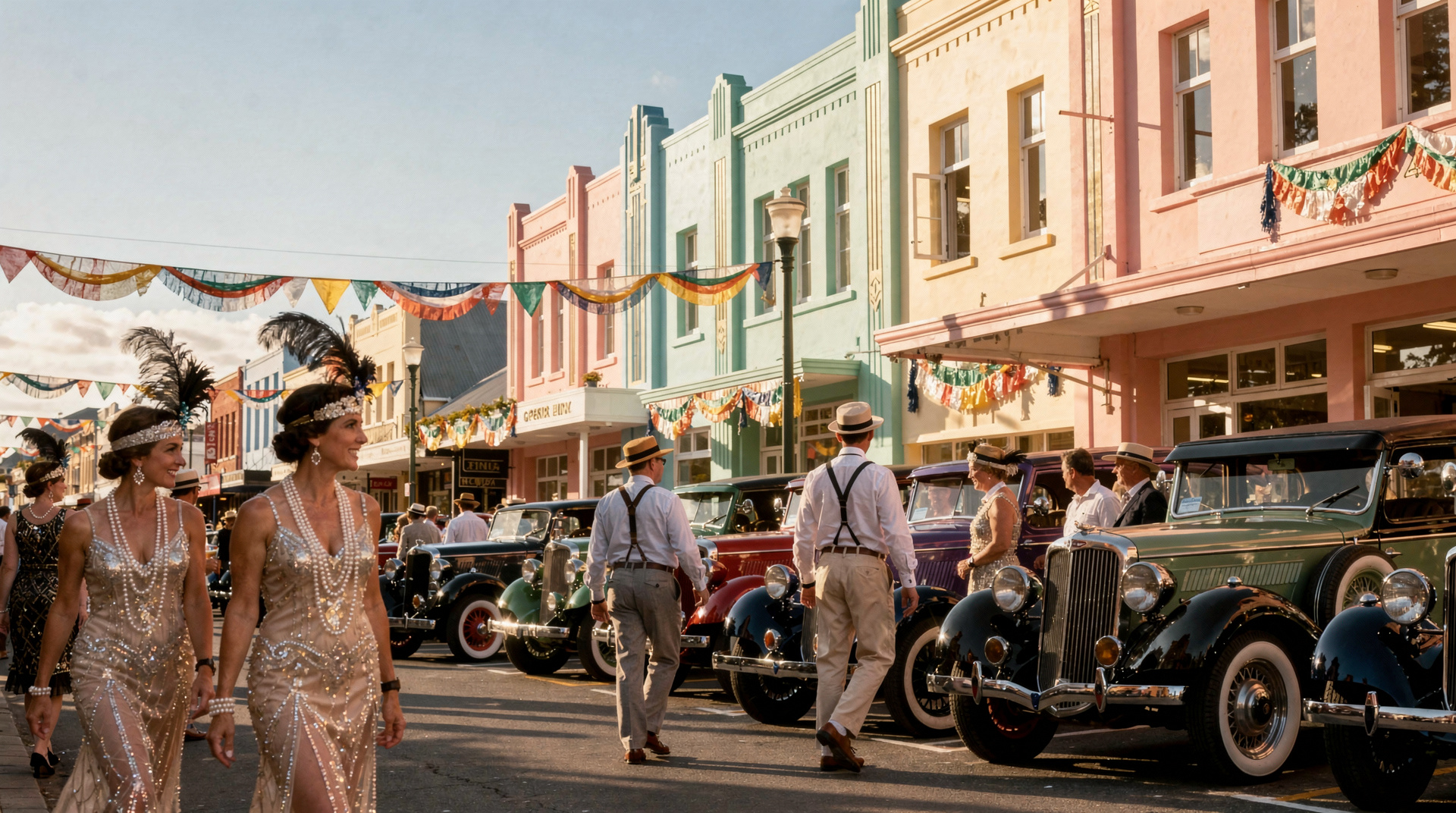
Vintage car tour: A popular option during February’s Art Deco Festival — tour operators run visitors through the precinct in restored 1930s vehicles. Available year-round with some operators, though at a premium (approximately NZD 75-100 / USD 45-60 / EUR 41-55 per person).
Napier art deco guided walking tour — 2 hours Napier art deco self-guided audio tourThe Art Deco Festival (February)
The Napier Art Deco Festival is held annually over the third weekend of February and is New Zealand’s largest themed festival — typically 50,000+ visitors over 5 days. The festival includes: vintage car parades, jazz and big band concerts, guided tours, dress-up events (period costume encouraged), picnics on the Art Deco weekend with hampers and parasols, and the spectacular Gatsby’s Picnic at McLean Park.
If visiting in February, this weekend is extraordinary — the city fills with people in 1930s costume, vintage aircraft fly over Marine Parade, and the combination of summer weather, Hawke’s Bay wine, and genuine historical enthusiasm creates something that is celebratory without being kitsch.
Timing: The festival occupies the third full weekend of February. In 2026, this falls on 19-23 February.
Practical note: Accommodation in Napier and Hastings books out months in advance for festival weekend. Book early if this is your target visit. The rest of February in Napier is peak Hawke’s Bay wine harvest season — vineyards are busy, restaurants are excellent, and the weather is reliably warm.
Napier art deco vintage bus tourHawke’s Bay wine: the natural companion
Napier is the commercial centre of Hawke’s Bay wine country — New Zealand’s second largest wine region after Marlborough, and the country’s most diverse in terms of varietals. While Marlborough built its reputation entirely on Sauvignon Blanc, Hawke’s Bay produces excellent Bordeaux-style reds (Cabernet Sauvignon, Merlot, Malbec), Chardonnay, and Syrah.
The Gimblett Gravels sub-region — a 800-hectare area of free-draining, heat-retentive river gravel near Hastings — produces some of New Zealand’s finest red wines. Visit: Trinity Hill, Te Mata Estate, Craggy Range, Elephant Hill, and Black Barn for a representative cross-section of the region’s quality.
Combining art deco architecture in the morning with a winery lunch and afternoon tasting is the standard and entirely satisfying Napier day. See the Hawke’s Bay wine tour guide for a fuller rundown of the region’s cellar doors beyond the tasting combos below.
Cape Kidnappers, the world’s largest mainland gannet colony 20km south of Napier, is the other essential Hawke’s Bay day-trip pairing — see the gannets at Cape Kidnappers guide for access and tour options.
Napier art deco tour with Te Mata wine and cheese tastingCosts and budget planning
| Item | NZD | USD | EUR |
|---|---|---|---|
| Art Deco Trust guided walk | 25 | 15 | 14 |
| Self-guided audio tour | 12 | 7 | 7 |
| Vintage bus tour | 80-100 | 48-60 | 44-55 |
| Winery lunch (mid-range, Hawke’s Bay) | 60-90 pp | 36-54 | 33-50 |
| Half-day wine tour (from Napier) | 130-180 | 78-108 | 72-99 |
Verdict: Napier as a day trip from Wellington (4.5 hours drive) or as a 2-day stopover on a Hawke’s Bay circuit is worth it — the architecture is genuinely remarkable, the wine region excellent, and the city has a scale and pace that makes it pleasant to walk. It is not, however, a week-long destination: two full days covers the art deco precinct, a winery tour, and Cape Kidnappers (the world’s largest mainland gannet colony, 20km south of Napier).
Frequently asked questions
Is Napier worth visiting if I am not particularly interested in architecture?
Yes — the art deco is the reason to come, but Hawke’s Bay wine, Cape Kidnappers, and the city’s general quality of life make it worthwhile even for visitors who would not normally seek out architectural tourism. The combination is the thing.
How long does it take to drive Napier from Wellington?
Approximately 4–4.5 hours via State Highway 2 through the Wairarapa and Hawke’s Bay. The road is scenic but winding in places — allow extra time and do not drive after dark on the Hawke’s Bay hill sections. From Auckland, it is 4.5–5 hours via Taupo.
What is the best time to visit Napier?
February for the Art Deco Festival; March for the wine harvest and slightly smaller crowds; November-December for good weather without the peak summer prices. Napier has New Zealand’s sunniest climate — even in winter, days are often bright.
Are there good restaurants in Napier?
Yes. The dining scene is better than you might expect for a city of 65,000 people. Napier port area (Te Wharau) has the newest and best restaurants. Hapi, Mister D, and Elephant Hill Estate Restaurant (on the vineyard, 20km south) are the standouts. Bookings recommended for dinner at the good spots.
Can I visit Napier as a day trip from Wellington?
It is possible (long day), but a one-night stay allows a winery visit in the afternoon, dinner at a local restaurant, and the morning Art Deco Trust tour the next day — a much more satisfying pace. If you’re weighing this against other North Island priorities, the first-time New Zealand guide and the North vs South Island guide help place Napier in the context of a wider itinerary.
Should I drive myself or use organised transport to reach Napier?
Self-driving is straightforward and gives the most flexibility for combining art deco, wine and Cape Kidnappers over a couple of days — see the driving in New Zealand guide for general road-trip advice. Without a car, InterCity coach services connect Napier to Wellington and other North Island hubs, though your winery and Cape Kidnappers options become more dependent on organised tours.
Is Napier crowded during the Art Deco Festival?
Yes, significantly — over 50,000 visitors attend across the five days, and central Napier’s cafes, restaurants and accommodation book out. If you want the festival atmosphere without the peak crush, arrive for the earlier weekdays of festival week rather than the headline weekend itself. For quieter art deco viewing outside festival season, March combines good weather with the wine harvest and noticeably smaller crowds.
Related guides
Napier
Honest Napier guide: Art Deco architecture, Hawke's Bay wine tours, Cape Kidnappers gannets, real prices NZD/USD/EUR, and how long to stay.
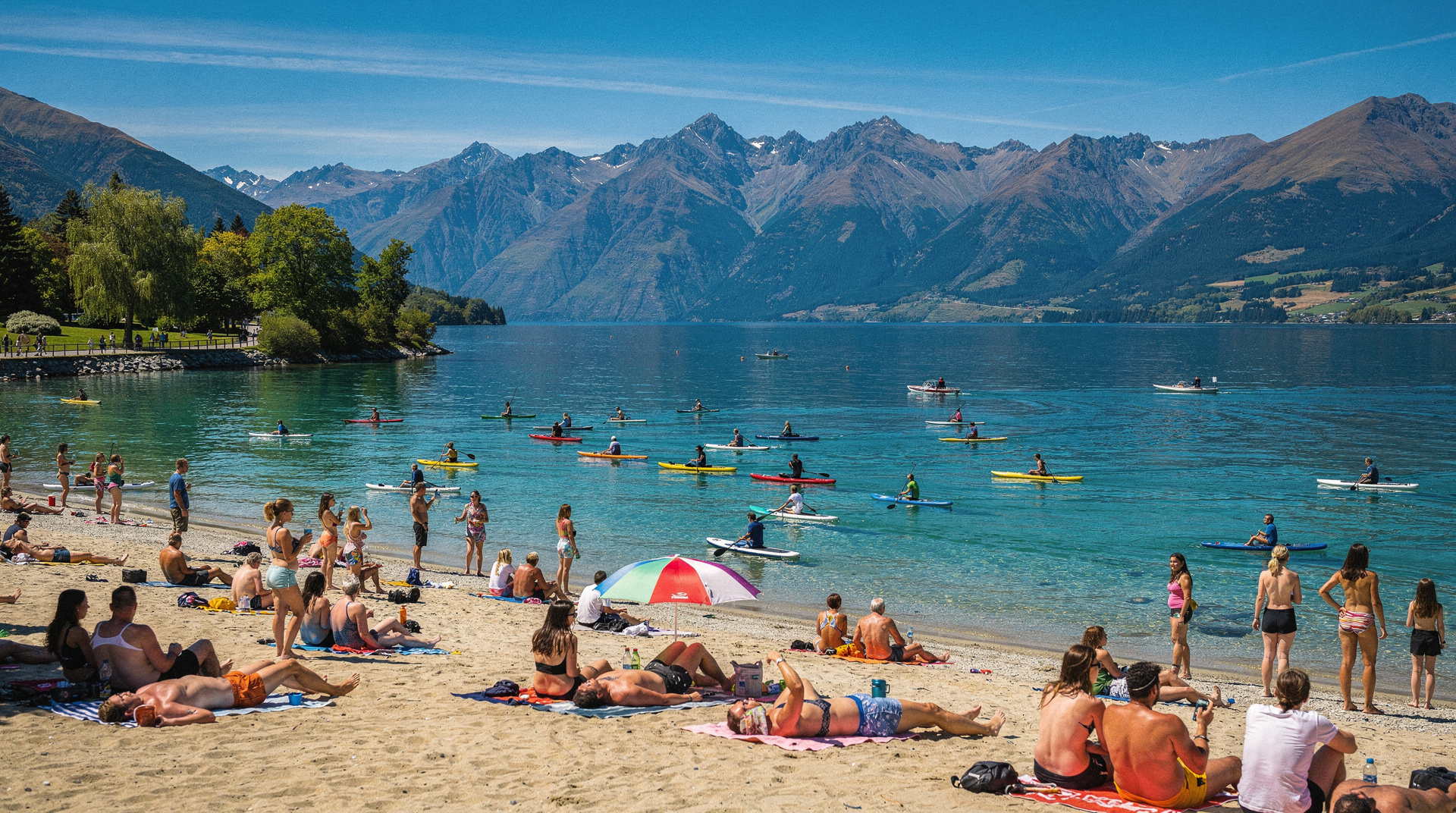
New Zealand in February
February is NZ's best month: warm summer, post-holiday crowds thinning, wine harvest starting. Real prices in NZD/USD/EUR and what to book ahead.
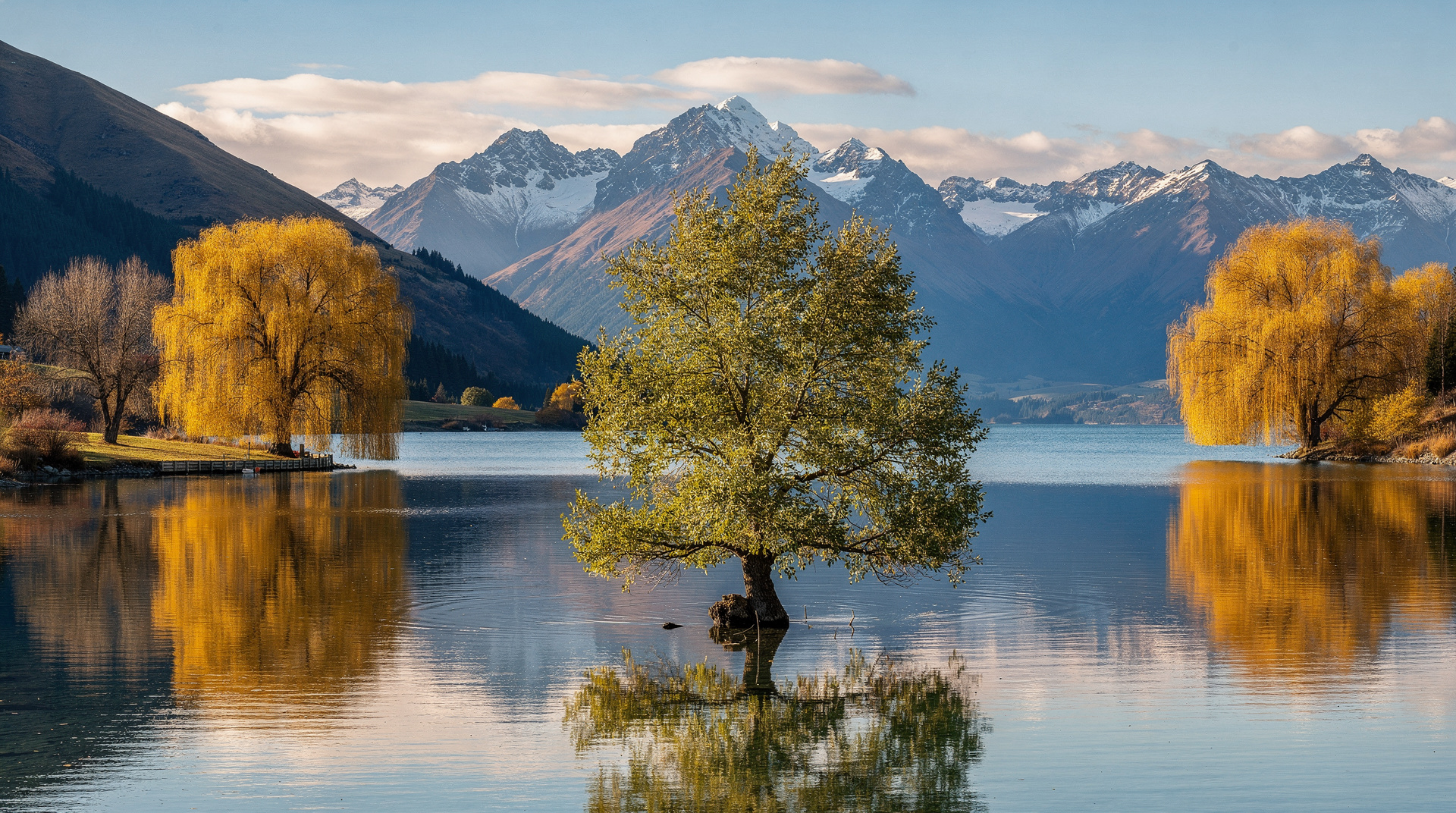
New Zealand in March
Late summer fades into early autumn in March. Fewer crowds, lower prices, autumn colours starting in Central Otago and Arrowtown. NZD/USD/EUR pricing.

First time in New Zealand
Complete first-timer's guide to NZ: costs, logistics, Maori culture, what to book early, and how to structure 7–21 days.
Driving in New Zealand
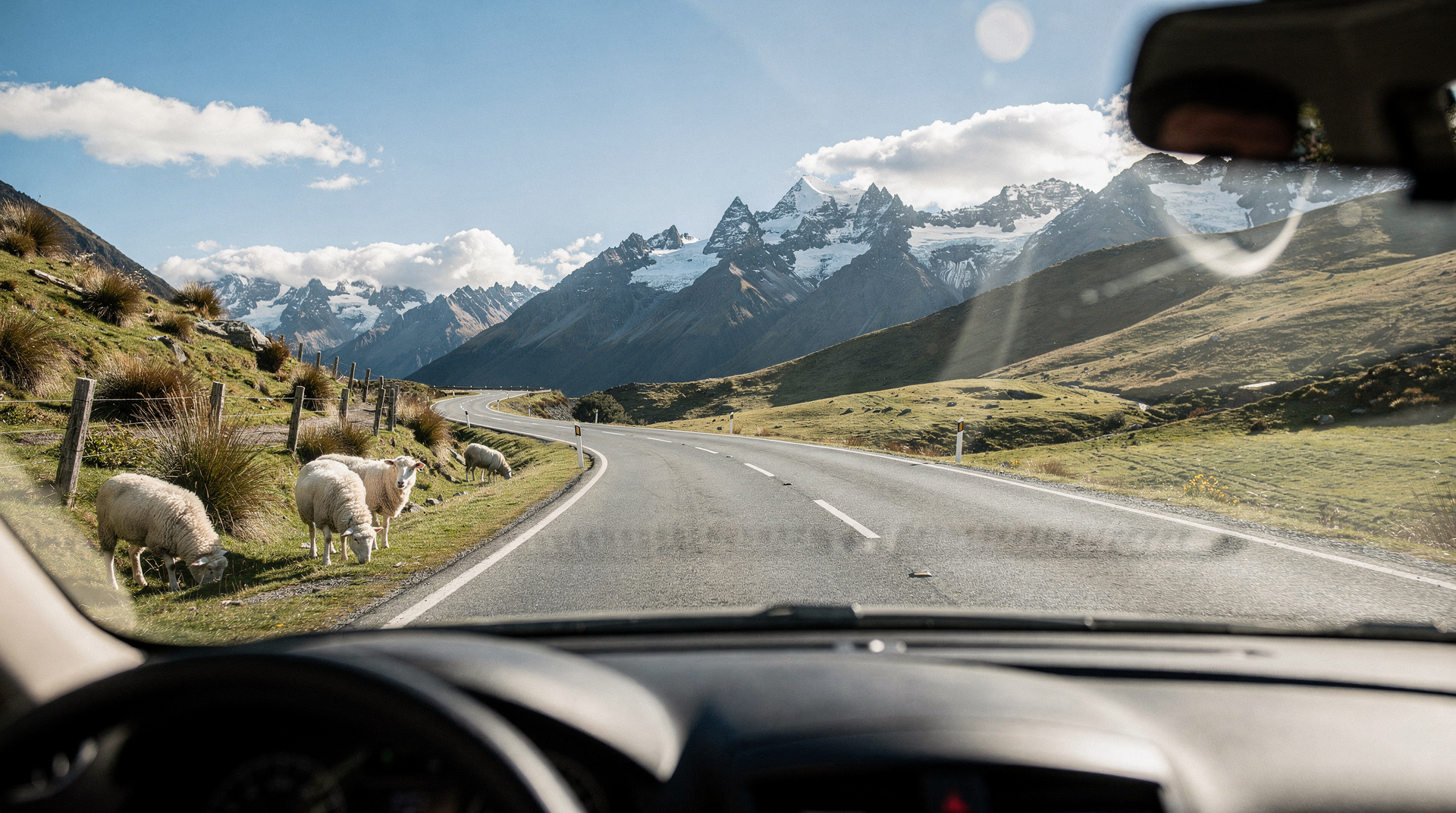
Honest driving guide for NZ: left-side rules, gravel road etiquette, why GPS lies, fuel costs, one-lane bridges, and what rental companies don't tell you.
North vs South Island — which is right for you
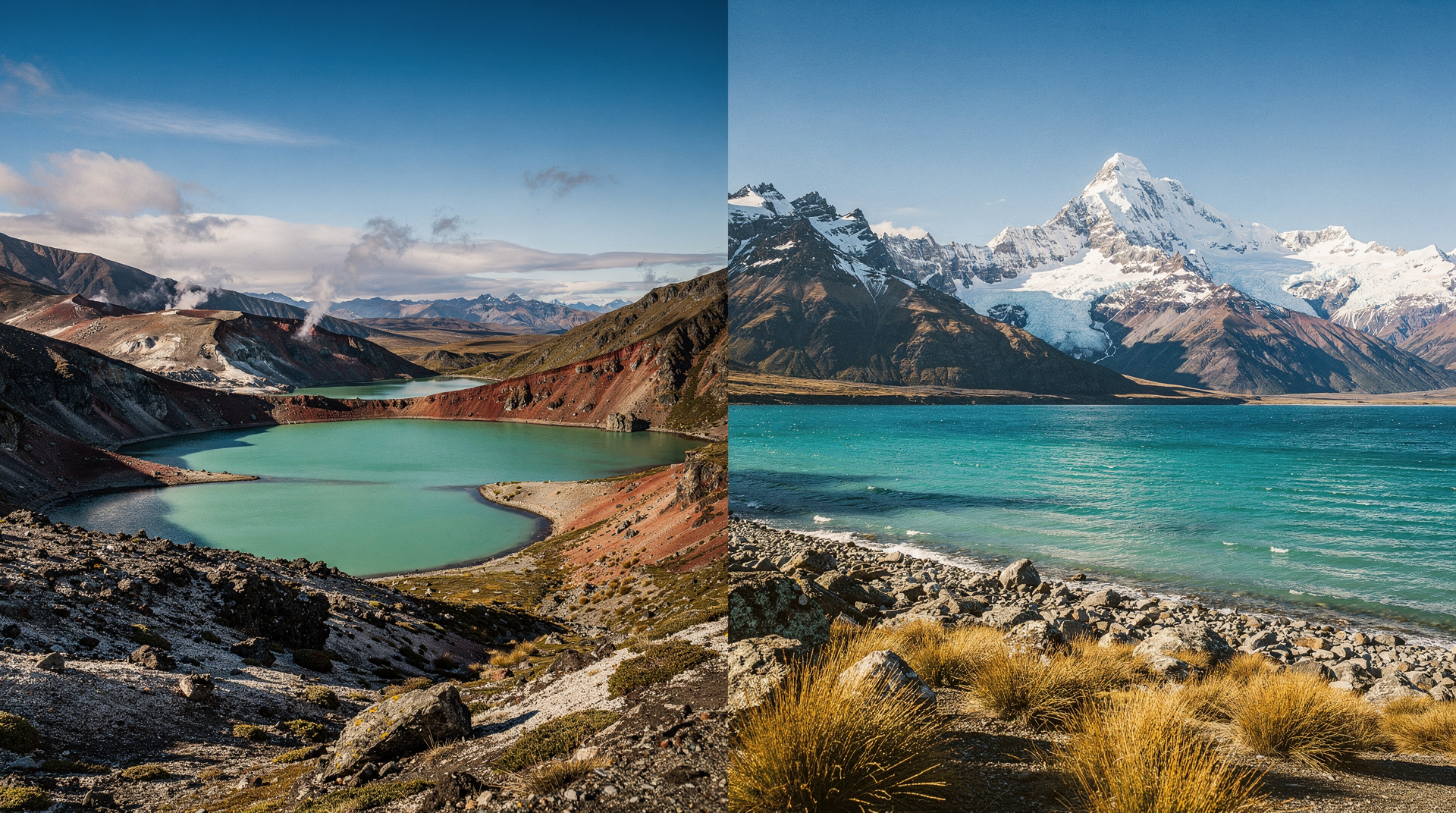
Honest North vs South Island comparison: culture, landscapes, costs and a clear verdict for first-timers, families and short trips.
Last reviewed: