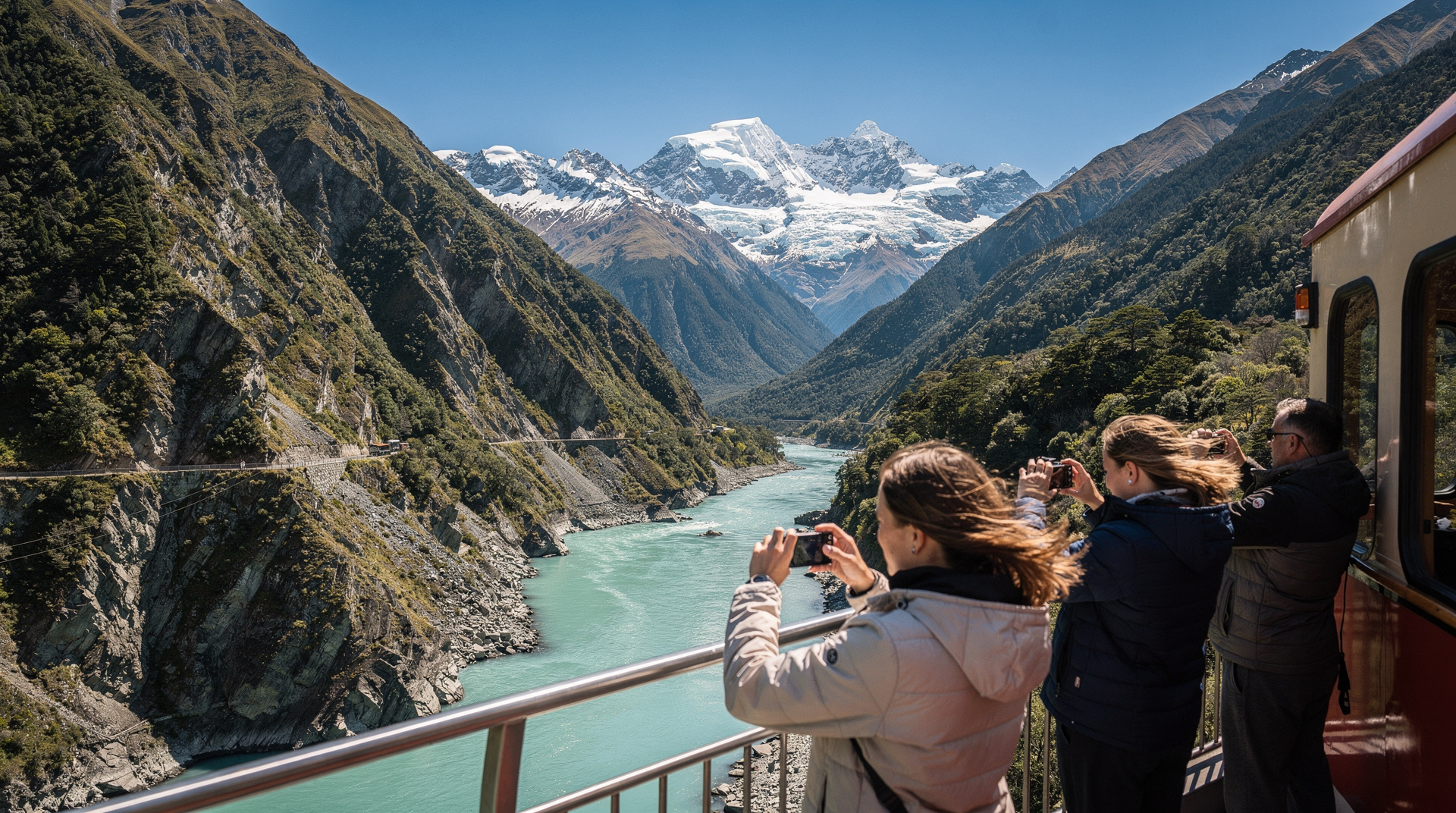
TranzAlpine train — the complete guide to New Zealand's most scenic rail journey
Is the TranzAlpine worth it and what will I see?
Yes — the TranzAlpine is one of the great train journeys in the Southern Hemisphere. The 4h20 ride from Christchurch to Greymouth crosses the Canterbury Plains, climbs through the dramatic Waimakariri Gorge, passes through the Otira Tunnel, and descends through beech forest to the West Coast. Adult tickets from NZD 129 one way; scenic experiences are best from the open-air viewing carriage.
The TranzAlpine: why it matters
The TranzAlpine is not just the best train journey in New Zealand — it is one of the handful of train journeys in the world that genuinely justifies the experience over alternatives. The list of comparable scenic train journeys is short: the Bernina Express in Switzerland, the Flåm Railway in Norway, the Rocky Mountaineer in Canada, the Darjeeling Himalayan Railway in India. The TranzAlpine belongs in this company.
What makes it exceptional is the variety and drama of the landscape it traverses in 4 hours and 20 minutes: from the flat Canterbury Plains (the largest flat expanse in New Zealand), through the narrow Waimakariri Gorge (sheer rock walls, braided glacial river, impossible engineering), over the Main Divide through the Otira Viaduct and into the lush green rainforest of the West Coast. The transition from east to west — dry, golden plains to dense, dripping beech forest — is a genuinely dramatic geological and climatic event that happens in the space of a few kilometres at the alpine divide.
KiwiRail introduced new carriages on the TranzAlpine in 2021. The current rolling stock is comfortable, spacious, and purpose-built for scenic travel — panoramic windows, open-air viewing carriage at the rear, onboard café, and commentary system explaining the landscape as it passes.
| Where | Christchurch to Greymouth, Southern Alps via Arthur’s Pass |
| Time needed | 4h20 one-way |
| Cost | From around NZD 129 one-way, NZD 219 same-day return |
| Getting there | Christchurch Railway Station, 8:15am daily departure |
| Best time | Year-round; book 2–4 weeks ahead in Dec–Feb |
The route in detail
Christchurch departure: The train departs Christchurch Railway Station (daily, 8:15am) from the historic 1960 station building on Clarence Street. The departure is punctual — arrive 15 minutes early to find your seat.
Christchurch to Springfield (60km, approximately 55 minutes): The first section crosses the Canterbury Plains — pancake-flat, grass and grain paddocks receding to distant mountains. At this stage the distant Alps are visible ahead as a white wall; the drama of what lies between you and them is not yet apparent. The train passes through several small rural towns (Darfield, Springfield) that represent Canterbury’s agricultural heartland.
Springfield to Arthur’s Pass (60km, approximately 55 minutes): The character changes rapidly. As the train enters the foothills at Springfield, the braided Waimakariri River appears on the right — wide, grey-blue, shingle-banked, with the characteristic braided pattern of glacially-fed rivers. The Waimakariri is a wild river; in flood, it moves enormous quantities of shingle across the plains. In normal flow, it is beautiful in a spare, sculptural way.
The gorge narrows progressively. By the time the train reaches the entry to the gorge proper, the rock walls are close on both sides and the river is below. The engineering of this section — laid in the late 1890s by the colonial Public Works Department — required bridging the Waimakariri multiple times through the gorge. The bridges are still the original designs, maintained but not replaced.
Arthur’s Pass township (700m altitude): The alpine village of Arthur’s Pass is the pass point. The train stops here for approximately 15 minutes — enough time to photograph the surrounding peaks, use facilities, and purchase a warm drink if needed. In winter, the platform is often snowy. The village has a small visitor centre and several walking tracks; if you are making a day trip to Arthur’s Pass by car, this is where you would begin walking.
Otira Tunnel and Viaduct: The 8.5km Otira Tunnel (opened 1923) takes the train through the Main Divide — the spine of the Southern Alps. This section is not visible from the train (darkness inside the tunnel), but the engineering achievement of its construction is worth understanding: the bore was driven simultaneously from both ends over several years, meeting with a recorded difference of less than a centimetre in alignment.
Immediately before the tunnel, the Otira Viaduct carries the line across a 73-metre gorge. The viaduct view — if you are on the eastern end of the open-air carriage — is one of the most dramatic moments of the journey.
Otira to Greymouth: The western descent through the Otira and Taramakau valleys is as scenically rich as the eastern climb. The vegetation changes abruptly: dry beech scrub gives way to denser, greener podocarp and beech forest as the West Coast’s higher rainfall (Hokitika receives over 3,000mm annually) asserts itself. The Taramakau River, braided like the Waimakariri but surrounded by forest, accompanies the train to the coast.
Greymouth arrival: The train arrives in Greymouth (population approximately 12,000), the largest town on the West Coast, at approximately 12:45pm. The town is small, functional, and has good coffee and lunch options. The train departs Greymouth for the return at 1:45pm (most day-trippers take this back to Christchurch, arriving 6:05pm).
Open-air viewing carriage
The open-air observation carriage at the rear of the train is the most important aspect of practical planning. This is where the photographs happen, where the gorge is most visceral, and where the mountain air is most immediate. The carriage holds approximately 25-30 people standing; in peak season (December-February), competition for space is real.
Strategy: Be in the observation carriage for the gorge section (approximately 90-120 minutes from Christchurch). The plains are fine to observe from your seat window. The gorge requires standing in the open air. Check the position of the gorge on the route map provided onboard.
Wind and cold: In winter (June-September), the observation carriage can be very cold, especially through the alpine section. A windproof layer and gloves are appropriate.
Ticket types and prices
KiwiRail offers three fare classes on the TranzAlpine:
| Class | NZD (from) | USD | EUR |
|---|---|---|---|
| Scenic class (one way) | 129 | 77 | 71 |
| Scenic class (return, same day) | 219 | 131 | 121 |
| Scenic Plus (premium, one way) | 239 | 143 | 132 |
Scenic class is the standard option — good windows, comfortable seats, access to the open-air carriage, onboard café. This is the appropriate choice for most visitors.
Scenic Plus adds reserved priority seating adjacent to the best windows, priority boarding, a free beverage, and dedicated service. It is not dramatically different from Scenic class and is worth the premium mainly if the train is full and window seats are limited.
Children (2-14): 50% of adult fare.
Booking: The TranzAlpine operates daily year-round. Book at least 2-4 weeks in advance in December-February and school holidays. The train can sell out. Book at greatjourneysofnz.co.nz.
Christchurch to Arthur’s Pass via TranzAlpine — day tour with lunchOne way vs return: the options
One-way Christchurch to Greymouth: The most common option for visitors combining the TranzAlpine with a West Coast itinerary (Franz Josef Glacier, Fox Glacier, then back north). After arriving in Greymouth, hire a car and drive south to the glaciers. Total West Coast road: Greymouth to Christchurch via Hokitika, Franz Josef, and the Haast Pass is approximately 750km — a 2-3 day drive.
Same-day return (most popular): Depart Christchurch 8:15am, arrive Greymouth 12:45pm, lunch in Greymouth, return train departs 1:45pm, arrive Christchurch 6:05pm. This is the standard tourist approach — a full day in itself, with 2 hours in Greymouth.
One-way Greymouth to Christchurch: The afternoon return journey is equally scenic but with different light — the West Coast in morning light (Greymouth departure is 1:45pm, arriving Christchurch 6:05pm) catches golden afternoon light on the eastern plains.
Combining TranzAlpine with Arthur’s Pass walks
Several tour operators offer a hybrid approach: take the TranzAlpine to Arthur’s Pass (45 minutes into the journey), spend several hours walking the alpine area (the Avalanche Peak track, the Devil’s Punchbowl Falls walk, the Dobson Nature Walk), and return to Christchurch by car.
This requires a car at the Christchurch end (or joining a guided tour). Arthur’s Pass has one of the densest concentrations of accessible alpine scenery in New Zealand within a day-trip distance of Christchurch.
Honest verdict and who it is for
Worth it for: First-time visitors to New Zealand’s South Island who will pass through Christchurch. Train enthusiasts. Anyone who appreciates landscape travel for its own sake. Families with children who have not experienced alpine rail.
The caveat: The return trip (if you do same-day return) sees most of the same scenery from the other direction — still beautiful, but familiar. Many visitors do the one-way and return to Christchurch by bus from Greymouth (Intercity runs this route, approximately 4 hours, NZD 25-35).
Verdict: Splurge-worthy but not for the luxury — Scenic class is the right ticket. This is one of the world’s great scenic rail journeys and should not be missed if you are in Christchurch.
Frequently asked questions
What side of the train should I sit on for the best views?
Southbound (Christchurch to Greymouth): the right-hand side (west-facing) gives the best Waimakariri Gorge views on the approach. Northbound (return): the left-hand side. The open-air observation carriage is at the rear regardless of direction.
Does the TranzAlpine run in bad weather?
Yes, year-round, including snow. Winter journeys through Arthur’s Pass can be spectacular (snow-covered peaks, frozen waterfalls). The train runs in weather that would close the road. This is one advantage over driving the equivalent route (the Lewis Pass or Arthur’s Pass State Highways are sometimes closed in heavy snow).
Can I take luggage?
One piece of hand luggage per person in the cabin. Larger luggage must be checked at Christchurch or Greymouth stations. No overhead bins — the carriage design prioritizes window views.
Is there food available onboard?
Yes. The onboard café car sells sandwiches, pies, snacks, coffee, and beer/wine. It is functional rather than destination dining; having lunch in Greymouth rather than on the train gives a better experience.
Can I take the TranzAlpine as part of a longer journey?
Yes. Connecting to the Coastal Pacific (Christchurch to Picton) and then the Interislander ferry to Wellington gives a combined rail/ferry journey that covers much of the South Island by rail and sea. This multi-day option requires overnight stops in Christchurch and Picton.
How does the TranzAlpine compare to New Zealand’s other scenic trains?
KiwiRail runs three scenic trains: the TranzAlpine (Christchurch–Greymouth, alpine), the Coastal Pacific (Christchurch–Picton, coastal, seasonal Sep–Apr), and the Northern Explorer (Auckland–Wellington, North Island volcanic plateau). The TranzAlpine is consistently rated the most dramatic of the three for pure scenery — full comparisons are in TranzAlpine vs Coastal Pacific and TranzAlpine vs Northern Explorer.
Making the most of a single crossing
A few habits separate a good TranzAlpine trip from a merely fine one. Arrive at Christchurch Railway Station at least 20 minutes before the 8:15am departure — boarding is efficient but the station car park fills up in summer, and finding a spot with five minutes to spare adds unwanted stress to what should be a relaxed day. Once aboard, resist the urge to camp in the open-air carriage for the entire 4h20 — it’s genuinely cold outside the Waimakariri Gorge and Arthur’s Pass sections, and standing the whole way is tiring. Move between your seat and the observation deck depending on the scenery outside.
If travelling with a rental car plan, decide before boarding whether you’re doing a one-way trip (car waiting in Greymouth, arranged in advance through a rental company with a West Coast depot) or a same-day return (car left in Christchurch). Switching your mind mid-journey isn’t possible, and one-way rental fees from Greymouth back to Christchurch or onward to Queenstown can be significant if not booked ahead. The Christchurch to Arthur’s Pass via TranzAlpine day tour with lunch sidesteps this decision entirely by including a coach return, which suits travellers who want the rail experience without the one-way logistics.
Related guides
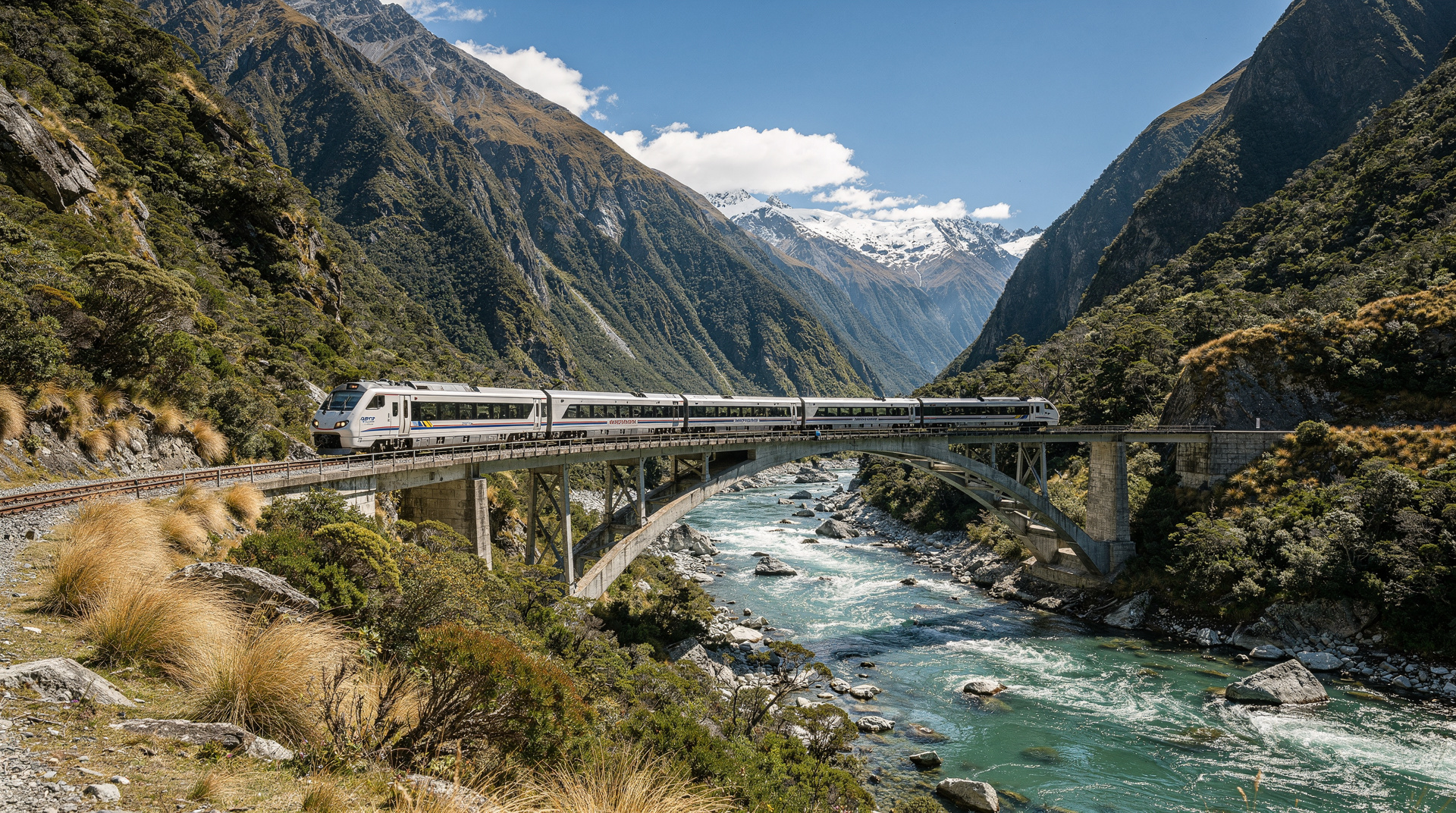
Scenic trains in New Zealand
Complete guide to NZ's three scenic trains: TranzAlpine, Northern Explorer, Coastal Pacific. Routes, costs, booking tips, and honest verdicts on each.
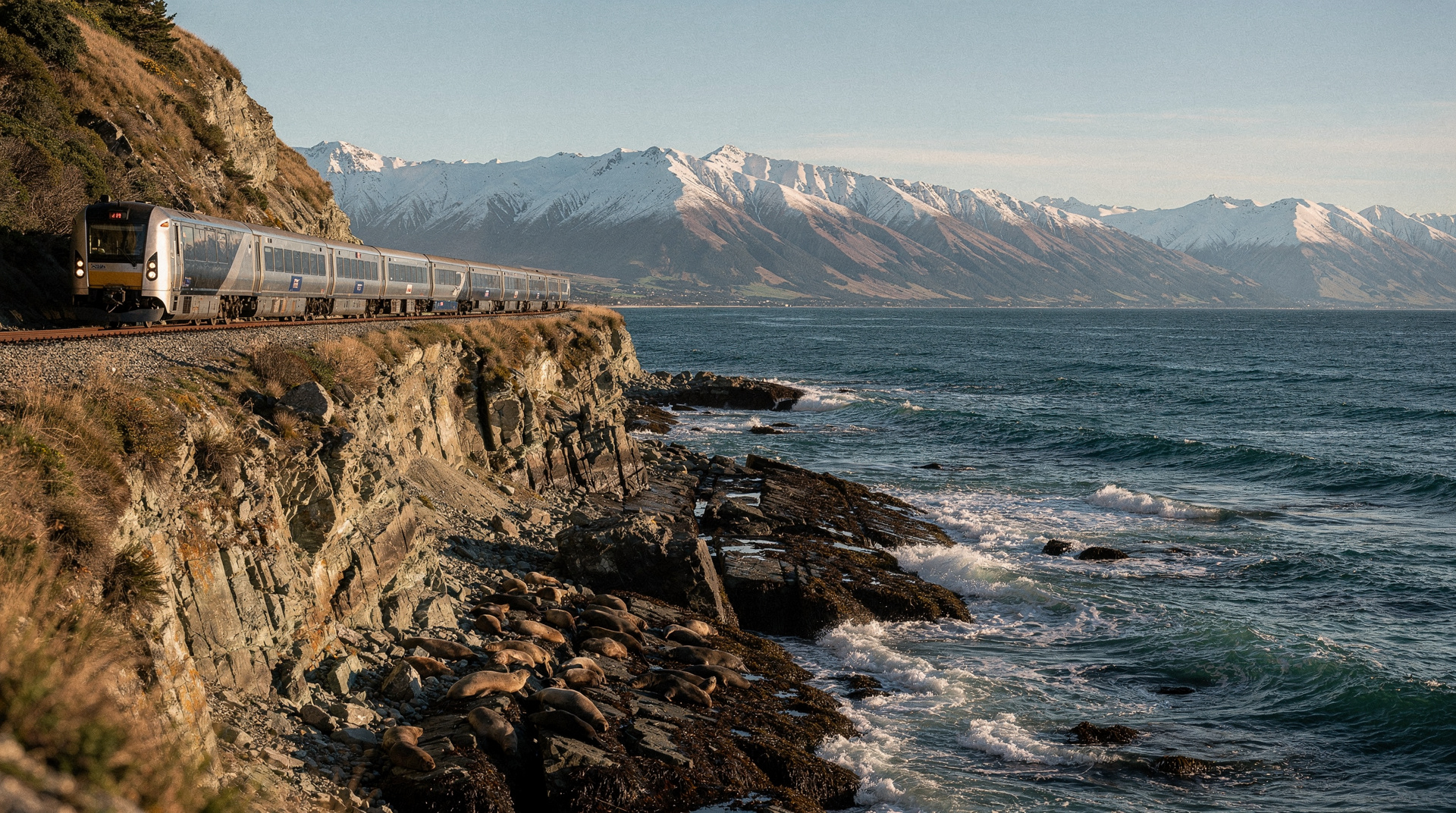
Coastal Pacific train — Christchurch to Picton along the Pacific coast
Coastal Pacific train guide: seasonal Christchurch-Picton route through Kaikoura, when it runs, ticket prices NZD/USD/EUR, and comparison with the TranzAlpine.
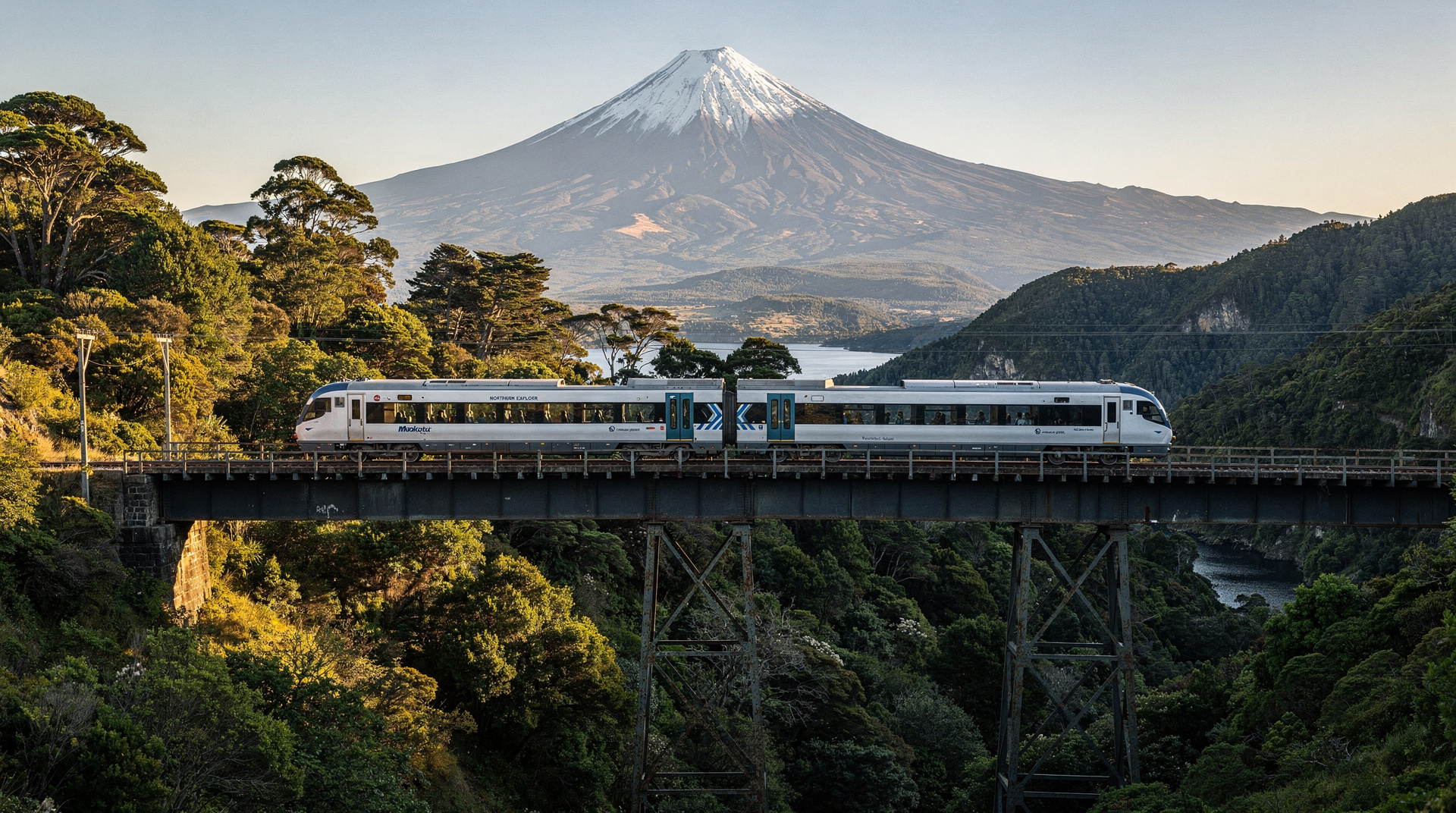
Northern Explorer train — Auckland to Wellington by scenic rail
Northern Explorer train guide: the 12-hour Auckland-Wellington journey, what you see, when it runs, ticket prices NZD/USD/EUR, and honest verdict versus flying.
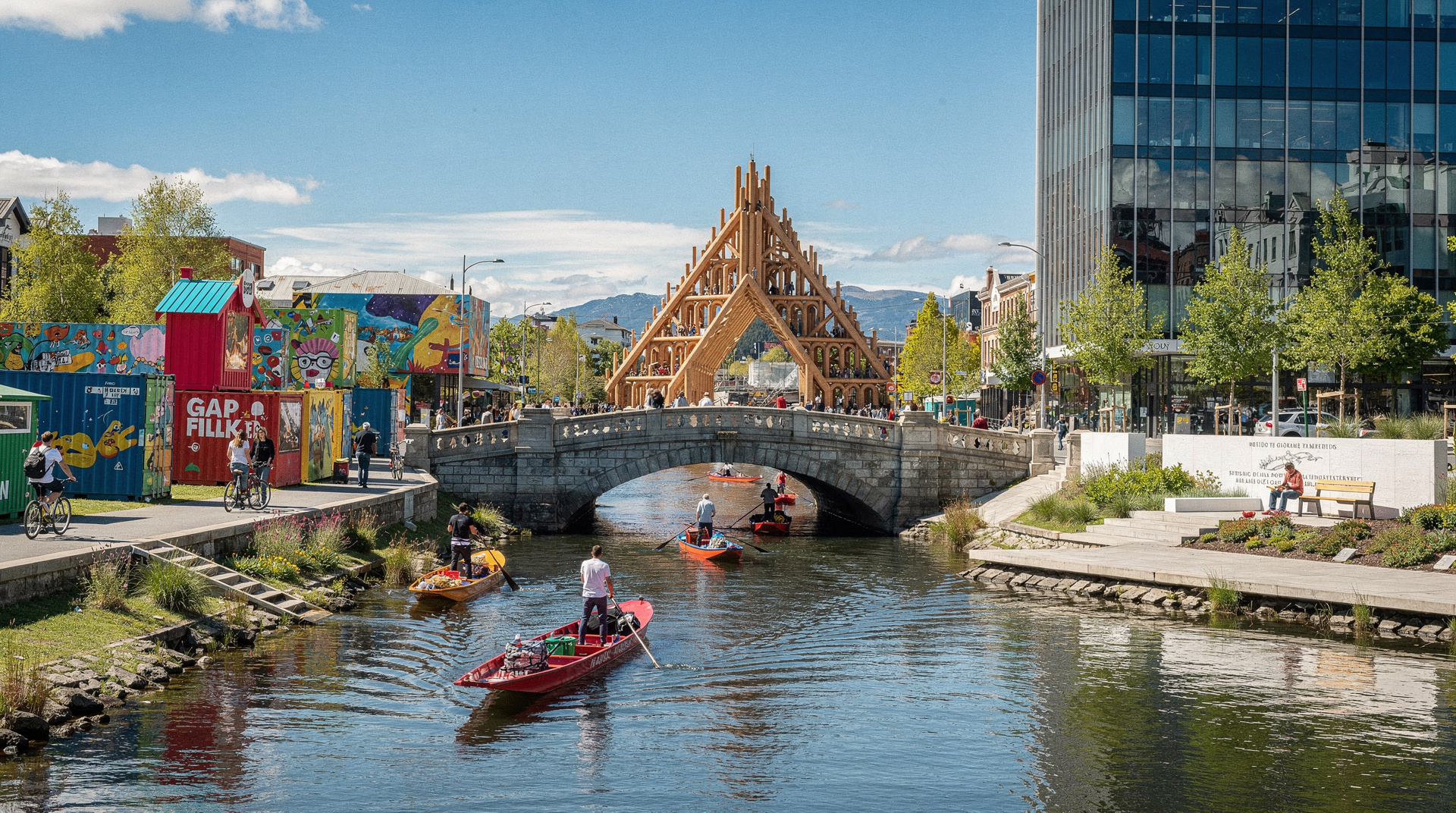
Christchurch rebuild — the city reborn after the 2011 earthquake
The 2011 quake killed 185 and erased Christchurch's centre. The rebuilt city is creative, experimental and one of NZ's most interesting stops.
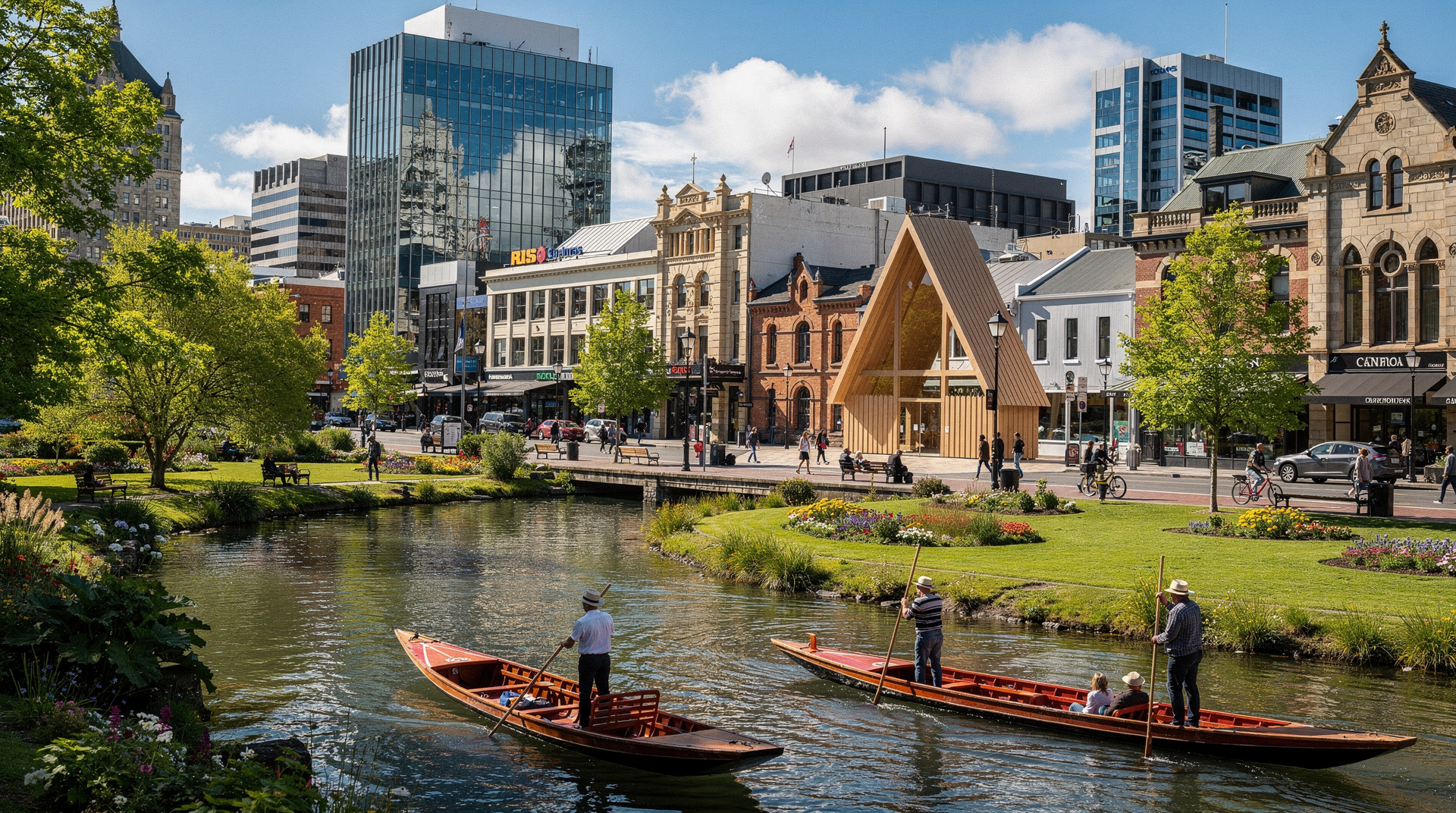
Christchurch
Honest Christchurch guide: the post-earthquake rebuild, best activities, Akaroa day trip — real NZD/USD/EUR prices and what's worth your time.
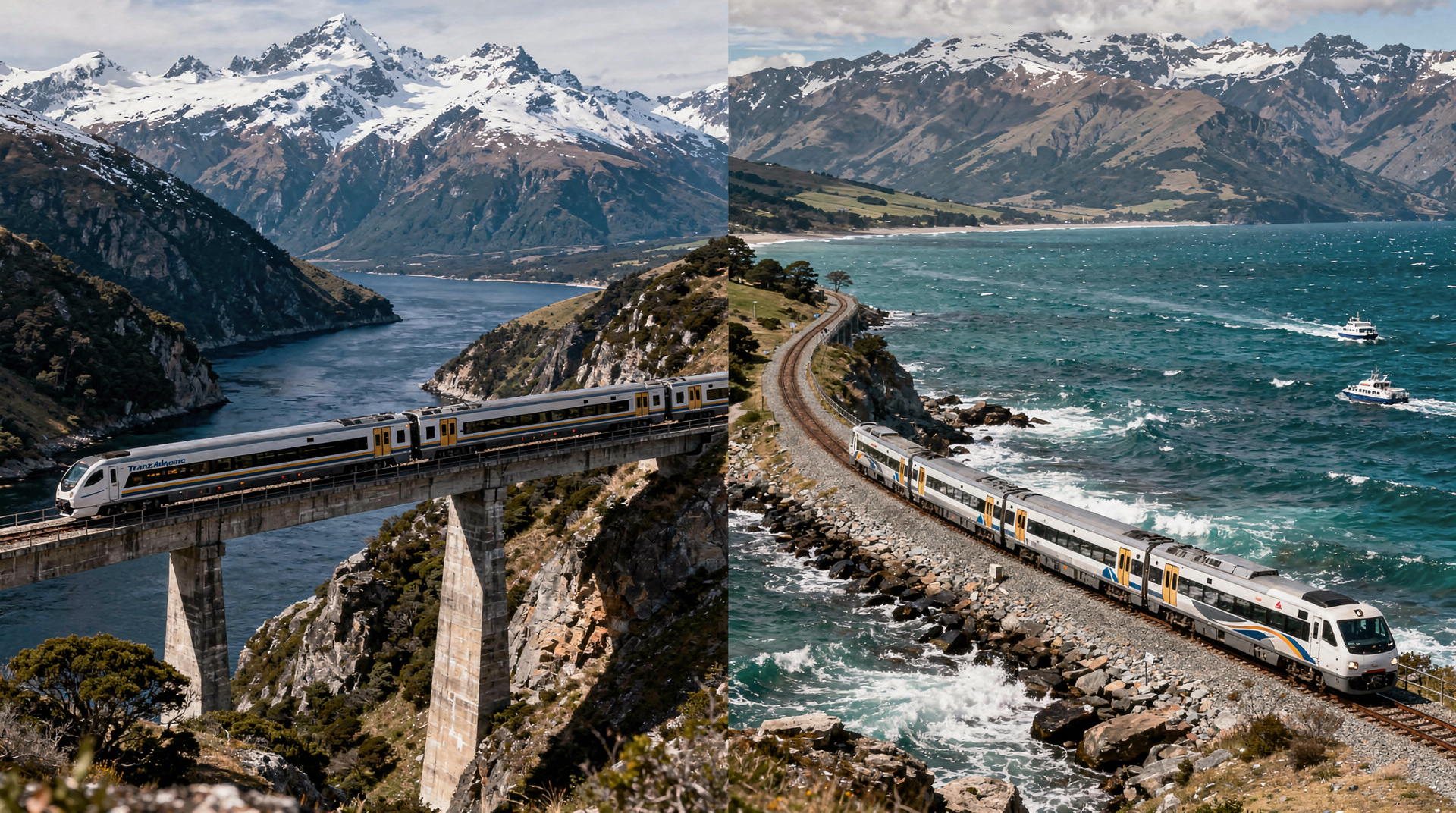
TranzAlpine vs Coastal Pacific scenic train
TranzAlpine vs Coastal Pacific honest comparison: scenery, routes, prices and which NZ scenic train is worth your time. NZD/USD/EUR prices.
Last reviewed: