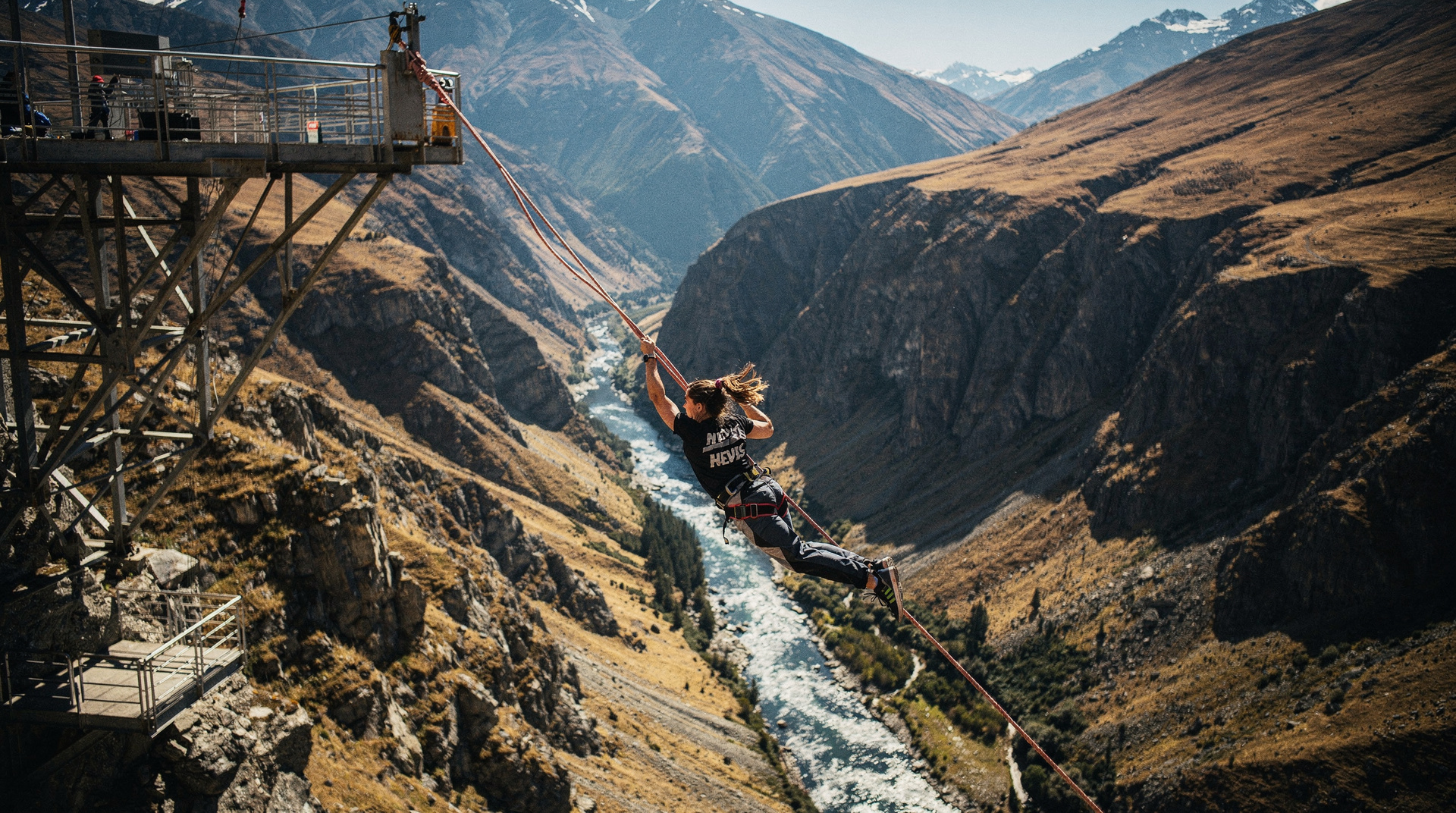
New Zealand adventure itinerary — 14 days for thrill-seekers
The honest adventure ranking for New Zealand
Before building a 14-day adventure itinerary, it helps to rank the options by genuine thrill-per-dollar ratio. Not all New Zealand “adventure” activities are equal: some are genuinely extreme (Nevis Bungy at 134m), some are thrilling-but-safe (Shotover Jet, Abel Tasman kayaking), and some are mostly marketing (many “adventure” food tours are not adventures by any definition).
This itinerary focuses on the activities that justify the marketing: the Tongariro Alpine Crossing when conditions are right, 3 days of Abel Tasman coastal kayaking and camping, the Queenstown adventure hub with its bungy-jet boat-skydive infrastructure, and Milford Sound by kayak rather than by cruise ship. The pacing is honest — you cannot do every adrenaline activity in New Zealand in 14 days without sleeping in vehicles and spending NZD 10,000 on experiences. This route does the best ones.
Fitness requirement: moderate. You need to be comfortable walking 15–20 km in a day, paddling a kayak for 6–8 hours, and spending two nights in tramping huts or tent camping. You do not need technical climbing skills or any specialised outdoor experience.
| Route | Auckland → Waitomo → Rotorua → Taupo → Tongariro → Wellington → ferry → Abel Tasman → Queenstown → Wanaka → Milford |
| Fitness needed | Moderate — 15–20 km hiking days, 6–8 hour kayak days |
| Total cost (mid-range) | Around NZD 6,840 / USD 4,104 / EUR 3,762 per person |
| Best for | 20–40 year olds, solo travellers, groups of friends, active couples |
| Book ahead | Tongariro shuttle, Nevis Bungy, Abel Tasman kayak trip, skydive, ferry |
For a slower-paced version of the same route without the adrenaline focus, see the 14-day New Zealand itinerary; dedicated hikers wanting more track time should look at the Great Walks circuit itinerary instead.
Day-by-day breakdown
Day 1: Auckland — arrival and skywalk
- Land at Auckland Airport. Transfer to city: SkyBus NZD 18.
- If arriving by midday: Auckland Harbour Bridge Climb (NZD 170–195 / USD 102–117 / EUR 93–107) — 1.5-hour guided walk along the bridge arch, 64m above the Waitemata Harbour. A solid first adventure experience with excellent city views. Minimum age 7, no restrictions for healthy adults.
- Evening: Ponsonby Road for dinner and drinks. Auckland’s craft beer scene (Brothers Beer, Liberty Brewing) is genuinely excellent.
- No car yet — pick up tomorrow.
- Cost: NZD 200–300 / USD 120–180 / EUR 110–165.
Day 2: Auckland → Waitomo → Rotorua — black-water rafting day
- Pick up rental car early. Drive south 2.5 hours to Waitomo Caves.
- Black-water rafting at Waitomo: The definitive underground adventure in New Zealand. Float through the Ruakuri Cave system on a rubber tube, rappel through waterfalls, watch the glowworm constellation on the cave ceiling from inside the cave rather than a tourist boat. The Waitomo Black Labyrinth rafting is 3 hours, NZD 155–190 / USD 93–114 / EUR 85–105. Minimum age 12, maximum weight limit applies.
- Black Abyss option (for the committed): 5 hours of abseiling, climbing, glowworm tubing, and a 100m flying fox. NZD 245–290 / USD 147–174 / EUR 135–160. For those who want genuine adventure rather than scenic floating.
- Drive 1 hour east to Rotorua. Check in.
- Evening: Rotorua night life — local bars, Skyline gondola night experience.
- Cost: NZD 250–400 / USD 150–240 / EUR 138–220.
Day 3: Rotorua — white-water rafting and geothermal
- Morning: Kaituna white-water rafting — 7m Tutea Falls is the highest commercially rafted waterfall in the world. The Kaituna Tutea Falls rafting experience is 2.5 hours, NZD 99–120 / USD 59–72 / EUR 54–66. Suitable for beginners — no prior rafting experience required.
- Midday: Wai-O-Tapu Geothermal Wonderland (NZD 39) — fastest efficient geothermal tick on the way out of Rotorua south. Lady Knox Geyser at 10:15am, Champagne Pool, Artist’s Palette.
- Alternatively: Rotorua zipline through the Redwoods forest — the Rotorua canopy tour zipline (3 hours through native forest canopy, NZD 149–175 / USD 89–105 / EUR 82–96).
- Afternoon: Drive south 1 hour to Taupo for tandem skydive. The Lake Taupo tandem skydive from 15,000 feet is the classic New Zealand skydive — 60 seconds of freefall over Lake Taupo, then 5 minutes of canopy with mountain and lake views. NZD 299–349 / USD 179–209 / EUR 164–192.
- Sleep: Taupo. Backpacker hostel NZD 35–50/dorm, mid-range motel NZD 160–240.
- Cost: NZD 400–650 / USD 240–390 / EUR 220–358.
Day 4: Taupo → Tongariro National Park — crossing eve
- Morning: Huka Falls jet boat (NZD 69 / USD 41 / EUR 38) — fast and fun 30-minute warm-up.
- Drive 1 hour south to Tongariro National Park. Check in to National Park Village or Whakapapa accommodation.
- Book the Tongariro Alpine Crossing shuttle immediately: the Tongariro Crossing shuttle is mandatory (road access restricted during peak crossing season). NZD 35–45 per person. Confirm availability for tomorrow.
- Critical: Check MetService weather forecast for the crossing. The crossing is genuinely dangerous in poor conditions — wind on the Red Crater section causes accidents. If tomorrow looks bad, plan to wait a day (book flexibility into your accommodation).
- Afternoon: Walk the Tongariro Highlights trail from Whakapapa Village (2 hours return, spectacular volcanic scenery, good warm-up for tomorrow).
- Gear check: Waterproof jacket, gloves, hat, and solid hiking shoes or boots are mandatory even in summer. Temperatures drop 15°C from the base to the crater rim.
- Sleep: National Park Village. Mid-range lodge NZD 180–260 / USD 108–156 / EUR 99–143.
- Cost: NZD 150–250 / USD 90–150 / EUR 83–138.
Day 5: Tongariro Alpine Crossing
- Wake at 5am. Weather check. Shuttle picks up at 6am from National Park Village.
- The Tongariro Alpine Crossing (19.4 km one-way, 7–8 hours): The volcanic plateau walk past the Red Crater, Emerald Lakes (vivid green from mineral deposits), Blue Lake (held sacred — tapu — by local Maori iwi — do not swim), and the active volcanic terrain of the Te Maari Craters. The descent through forest to the Ketetahi car park is long but manageable.
- Honest pace assessment: Fast hikers complete this in 5–6 hours. Average is 7 hours. Allow 8 hours if carrying a heavy pack or unused to sustained hiking.
- Seasonal note: Open October to April in good conditions. Check DOC website for restrictions. June to August the crossing is frequently closed due to ice.
- After crossing: Drive 3.5 hours south to Wellington. Long day — plan a late dinner arrival.
- Sleep: Wellington. Mid-range hotel NZD 200–300 / USD 120–180 / EUR 110–165.
- Cost: NZD 100–200 / USD 60–120 / EUR 55–110.
Day 6: Wellington — active recovery and ferry day
- Morning: Wellington is New Zealand’s coffee capital. A slow morning at Customs Brew Bar or Peoples Coffee before doing anything athletic is correct.
- Active Wellington option: Zealandia eco-sanctuary mountain bike trails (hire a bike from Mud Cycles, ride the Zealandia valley trails, NZD 60–80 for bike hire).
- Afternoon: Board the Interislander ferry to Picton (3h30m, NZD 65 per person, book with vehicle in advance). The Cook Strait crossing is often rough — a feature, not a bug, for an adventure itinerary.
- Arrive Picton early evening. Drive to Nelson (1.5 hours) or overnight in Picton or Havelock.
- Cost: NZD 200–350 / USD 120–210 / EUR 110–193 (ferry + meals + accommodation).
Day 7: Nelson and Abel Tasman — kayak preparation
- Morning: Drive to Nelson (or continue from Havelock). Nelson is the gateway to Abel Tasman National Park — the base for outfitters, gear hire, and kayak tour operators.
- Arrange Abel Tasman kayaking: Book a guided 3-day kayak trip through the park. The Abel Tasman 3-day kayaking and walking adventure covers the northern section of the coastal track by sea kayak and foot, with nights in the park huts or tent camping. NZD 480–650 / USD 288–390 / EUR 264–358.
- Alternatively: Arrive at Marahau directly and start the kayak trip today, camping the first night in the park (Anchorage or Bark Bay).
- Nelson afternoon: If not starting kayak today, Nelson has excellent cafes (Lambretta, DeVille), the Nelson Saturday market, and the Centre of New Zealand hill walk (30 min, panoramic views).
- Cost: NZD 200–350 / USD 120–210 / EUR 110–193.
Days 8–9: Abel Tasman kayaking (2 nights in the park)
- Two full days paddling the Abel Tasman coastal track by sea kayak. The park’s golden sand beaches, forested headlands, and seal colonies along the coast make this one of the world’s great kayaking environments.
- Day 8: Launch from Marahau, paddle to Anchorage (3–4 hours), explore Torrent Bay and the sandbar, beach camp or park hut overnight.
- Day 9: Bark Bay to Awaroa, the longest bay in the park. Seal colony at Tonga Island (visible from the water). Return by water taxi from Totaranui if doing a one-way trip, or paddle back via the outer coast.
- Wildlife: NZ fur seals are present year-round. Little blue penguins emerge at dusk. Variable oystercatchers and NZ dotterels nest on the beaches. Bottlenose dolphins occasionally come into the bays.
- Seasonal note: Abel Tasman is open year-round, making it one of the best Great Walks for winter. Summer (December–February) is peak season — book huts 6 months ahead through DOC.
- Cost (2 days, including kayak hire and hut fees): NZD 350–550 / USD 210–330 / EUR 193–303.
Day 10: Abel Tasman → Queenstown — domestic flight
- Return from Abel Tasman by water taxi to Marahau. Drive to Nelson Airport (45 min).
- Fly Nelson to Queenstown (Air New Zealand, approx 1 hour, NZD 120–220 one way). This flight saves 6+ hours of driving and gets you to Queenstown by midday.
- Check in to Queenstown. Base Hotel or Nomads for backpacker-budget travellers; Novotel Queenstown Lakeside for mid-range.
- Afternoon: Arrowtown (25 min drive) — the old gold rush town has excellent Pinot Noir options at Arrowtown’s wine bars, and the Arrow River gorge walk (1.5 hours) is excellent for evening light.
- Cost: NZD 250–400 / USD 150–240 / EUR 138–220 (including flight).
Day 11: Queenstown — bungy and jet boat
- This is the full Queenstown adventure day. New Zealand has the world’s finest bungy infrastructure, most of it established by A.J. Hackett.
- Morning: Nevis Bungy (134m, the highest bungy in New Zealand) — the Queenstown Nevis Bungy takes a cable car to a gondola suspended above the Nevis River canyon, with a 134m free-fall. NZD 275 / USD 165 / EUR 152. Or Nevis Swing (300m arc across the Nevis canyon, NZD 225 / USD 135 / EUR 124) if you prefer horizontal acceleration to vertical.
- Afternoon: Shotover Jet through the Shotover Canyon (NZD 169 / USD 101 / EUR 93) — the jet boat spins 360 degrees and misses the canyon walls by centimetres. 25 minutes of continuous adrenaline.
- Alternative afternoon: Queenstown white-water rafting on the Shotover or Kawarau rivers (NZD 149–175 / USD 89–105 / EUR 82–96 for Grade 3–4 rapids).
- Evening: Fergburger, then the lakefront bars on Beach Street.
- Cost: NZD 400–650 / USD 240–390 / EUR 220–358.
Day 12: Wanaka — canyoning and paragliding
- Drive 1 hour to Wanaka over the Crown Range (highest sealed road in NZ at 1,119m).
- Morning: Wanaka canyoning — abseil into and swim through the Blue Pools canyon system in the Haast Pass area. NZD 245–290 / USD 147–174 / EUR 135–160 for a full-day guided experience including wetsuit and technical gear.
- Afternoon: Tandem paragliding from the Treble Cone ridge above Wanaka — the Wanaka tandem paragliding launches from altitude and soars above Lake Wanaka for 20–30 minutes. NZD 250–290 / USD 150–174 / EUR 138–160.
- Lake Wanaka swim or paddleboard afternoon if energy allows.
- Sleep: Wanaka. Mid-range NZD 180–260 / USD 108–156 / EUR 99–143.
- Cost: NZD 400–650 / USD 240–390 / EUR 220–358.
Day 13: Milford Sound — by kayak
- The most adventurous Milford Sound experience is not the cruise ship but the Milford Sound kayak tour — paddle through the fiord at water level, under the waterfalls, past the fur seal colonies, with Mitre Peak rising vertically above. NZD 145–185 / USD 87–111 / EUR 80–102. Half-day guided paddle, suitable for beginners.
- Logistics: Drive from Wanaka to Queenstown (1 hour), then coach to Milford (4 hours including the Homer Tunnel — bring a headlamp, the unlit single-lane tunnel is an adventure in itself). Or take a scenic flight from Queenstown.
- After the kayak: 2-hour nature cruise (NZD 75–95 / USD 45–57 / EUR 41–52) to cover the full length of the fiord that the kayak doesn’t reach.
- Return to Queenstown by coach or fly from Milford Sound.
- Cost: NZD 350–600 / USD 210–360 / EUR 193–330.
Day 14: Queenstown — skydive and farewell
- Final day in Queenstown. The 15,000-foot tandem skydive (NZD 299 / USD 179 / EUR 164) is the last-day activity that’s hard to beat for a finale. The Queenstown viewscape from altitude is extraordinary.
- Or: Routeburn Track day hike (the first section to Routeburn Falls, 3 hours return, free — one of New Zealand’s finest alpine environments).
- Afternoon: Return to Queenstown Airport (ZQN) for international connections via Auckland, or stay one more night for a morning departure.
- Cost: NZD 300–500 / USD 180–300 / EUR 165–275.
Bungy showdown: Nevis vs Kawarau vs Nevis Swing
Queenstown has three signature bungy and swing experiences within a short drive of town, and it’s worth knowing what actually separates them before booking.
| Nevis Bungy | Kawarau Bridge Bungy | Nevis Swing | |
|---|---|---|---|
| Height/distance | 134m free-fall | 43m free-fall | 300m arc swing |
| Sensation | Longest free-fall in New Zealand, several seconds of pure fall | Classic bungy over the river, shorter and less intense | Horizontal acceleration rather than a vertical drop |
| Setting | Suspended gondola above the Nevis River canyon | The original 1988 AJ Hackett site, historic | Same Nevis canyon platform as the bungy |
| Cost | NZD 275 / USD 165 / EUR 152 | NZD 205 / USD 123 / EUR 113 | NZD 225 / USD 135 / EUR 124 |
| Best for | First-timers wanting the definitive New Zealand bungy | Those who want the historic site and a shorter drop | Anyone who prefers acceleration to free-fall |
If doing only one, the Nevis Bungy is the honest choice — see the bungy in Queenstown guide for full logistics, and the Nevis Swing guide if the swing appeals more than the drop.
Total cost breakdown (14 days, per person)
Exchange rates 2026: 1 NZD = USD 0.60 = EUR 0.55.
| Category | Budget | Mid-range | Splurge |
|---|---|---|---|
| Accommodation (14 nights) | NZD 700 (hostels) | NZD 2,000 | NZD 4,500 |
| Food and drink | NZD 700 | NZD 1,200 | NZD 2,000 |
| Activities (rafting, bungy, kayaking, skydive, etc.) | NZD 1,500 | NZD 2,500 | NZD 4,000 |
| Rental car (12 days) + domestic flight | NZD 600 | NZD 900 | NZD 1,400 |
| Fuel (approx 2,200 km) | NZD 175 | NZD 175 | NZD 175 |
| Cook Strait ferry | NZD 65 | NZD 65 | NZD 65 |
| TOTAL per person | NZD 3,740 | NZD 6,840 | NZD 12,140 |
| USD equivalent | USD 2,244 | USD 4,104 | USD 7,284 |
| EUR equivalent | EUR 2,057 | EUR 3,762 | EUR 6,677 |
What to skip — honest verdict
The Tongariro Crossing in poor weather. Skip it. A bad-weather crossing is not just unpleasant — it’s genuinely dangerous, especially on the Red Crater descent with ice. Wait a day or skip it entirely; replace with white-water rafting on the Tongariro River or a Whakapapa Village hike.
Bungy at Kawarau Bridge. The original AJ Hackett bungy site is iconic (43m, over the river), but the Nevis Bungy (134m) is the definitive experience. If you’re only doing one bungy, do the Nevis.
The standard Milford cruise if you’re doing the kayak. The kayak covers the inner fiord beautifully. A budget add-on cruise to see the outer fiord is worthwhile (NZD 75), but the premium cruise ships add nothing that the kayak doesn’t provide better.
Best months for this itinerary
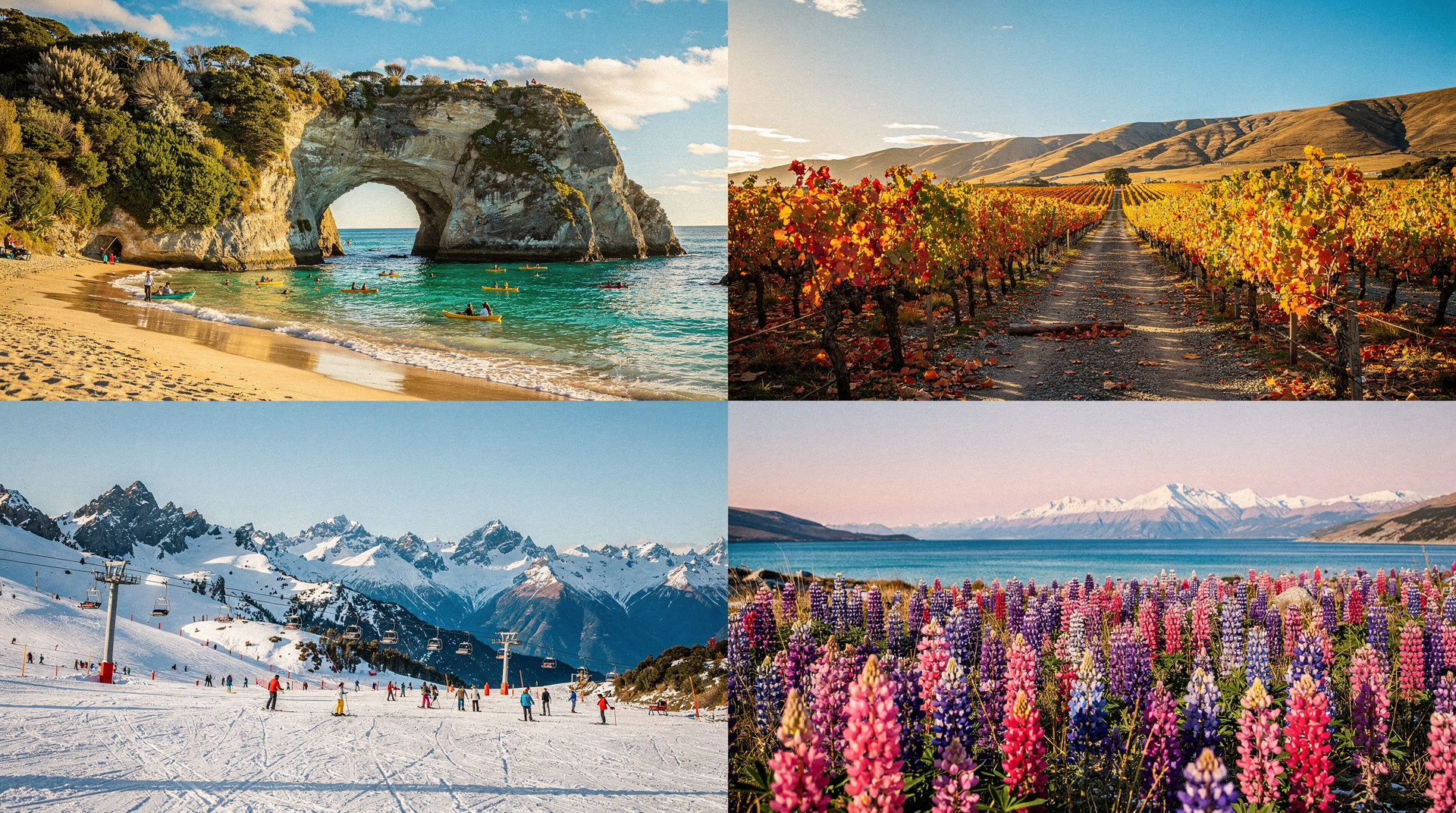
November to March: Tongariro Crossing open, Abel Tasman at its best, long daylight for kayaking. December–February is peak season — activities and accommodation book quickly.
April–May: Shoulder season. Abel Tasman still excellent. Crossing conditions variable in May — check. Queenstown less crowded. 20–30% cheaper.
June to October: Ski season in Queenstown — replace Wanaka canyoning (Day 12) with a ski day at Cardrona or Treble Cone. Tongariro Crossing is often ice-covered and restricted. Abel Tasman is quieter and cooler — still paddleable in good conditions.
Frequently asked questions
Is this itinerary suitable for solo travellers?
Yes, and it’s a popular way to do it — Queenstown, Rotorua and the Abel Tasman kayak trips all run as small-group guided experiences that mix solo travellers together naturally. The main adjustment for solo travel is accommodation cost, since most prices above assume sharing; backpacker hostels throughout the route (Rotorua, Taupo, Queenstown, Wanaka) keep costs down and are genuinely social.
Do we need any prior rafting, kayaking or bungy experience?
No. Every activity on this route — Kaituna rafting, Abel Tasman kayaking, Nevis Bungy, Milford kayaking, tandem skydiving — is designed and guided for first-timers with no prior experience required. The only genuine prerequisite is baseline fitness for the Tongariro Crossing and the Abel Tasman paddling days, not specialised skill.
Can this itinerary be shortened to 10 days by cutting activities rather than places?
It’s better to cut places than to compress activities — trying to do the same 14-day list of adventure activities in 10 days risks exhaustion and injury from insufficient recovery time. If 10 days is all you have, drop the Abel Tasman kayaking (Days 7–9) and fly Wellington to Queenstown instead, similar to the structure in the 10-day New Zealand itinerary, keeping the Tongariro Crossing and Queenstown’s adventure hub intact.
Related guides
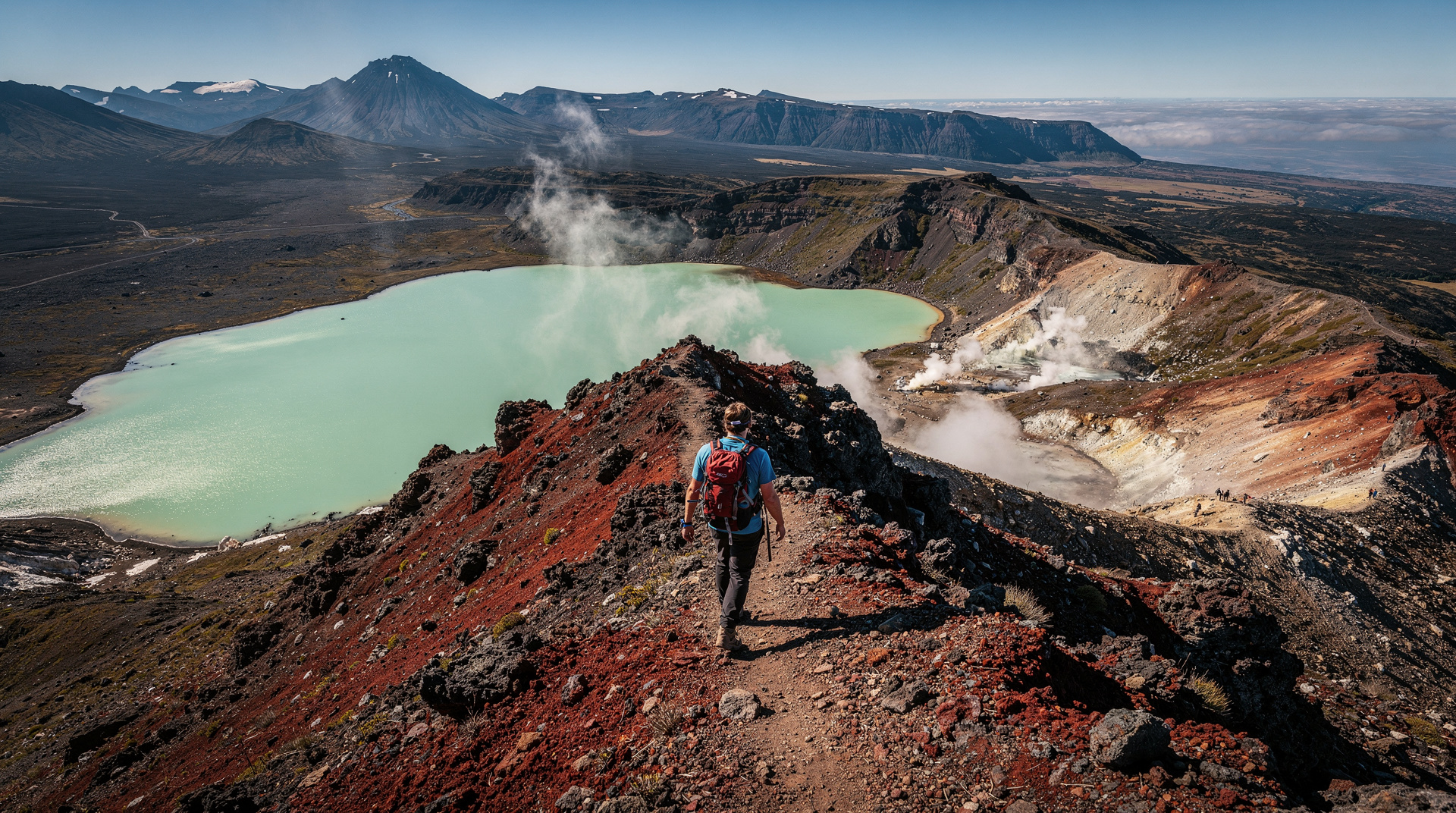
Tongariro Alpine Crossing
Honest Tongariro Crossing guide: 19.4km, 7-9 hours, shuttle logistics, gear, and why winter without a guide has killed people.
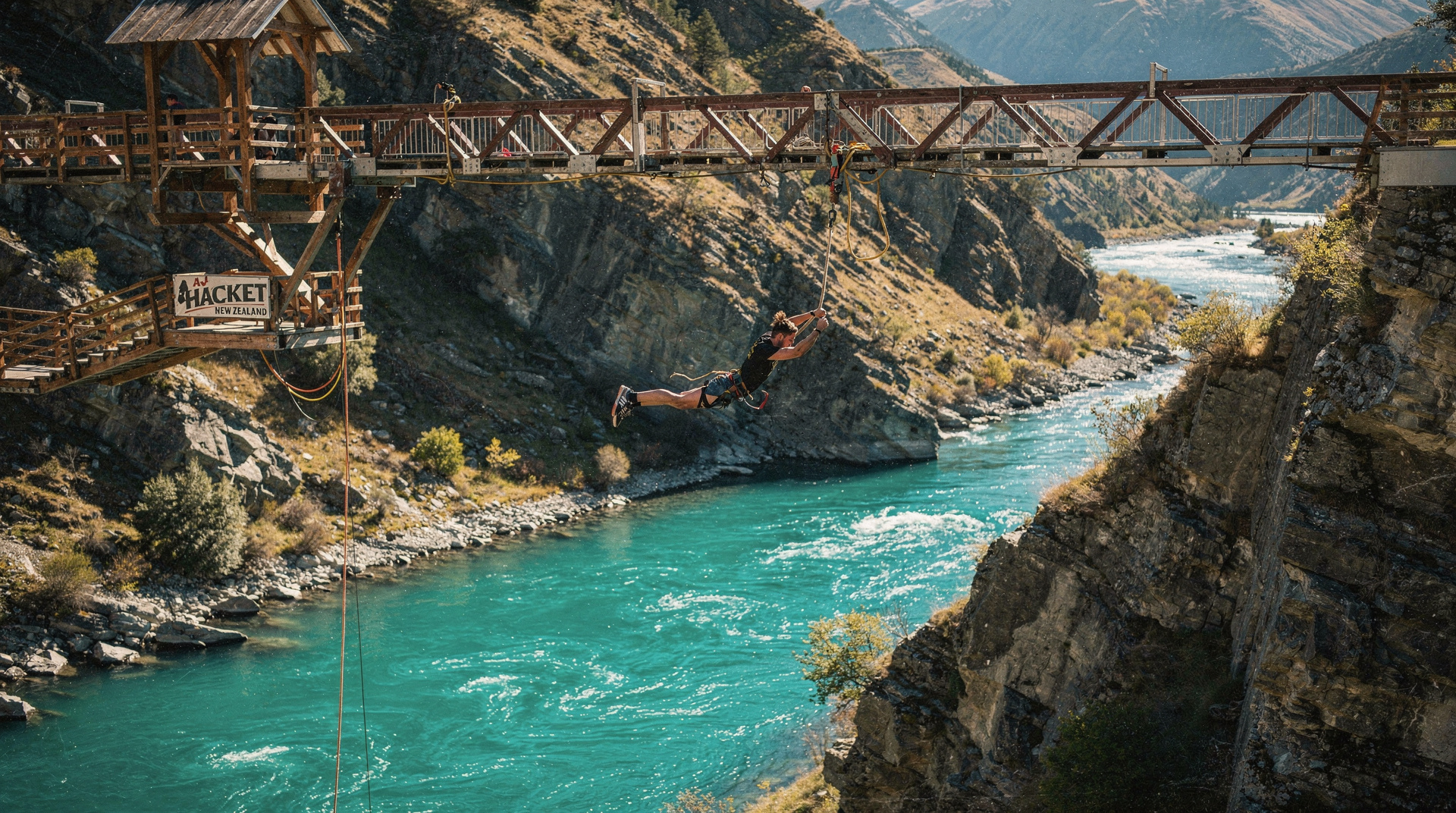
Bungy in Queenstown
Honest Queenstown bungy guide: Kawarau Bridge (the original 1988), the Nevis (134m), the Ledge — costs, age limits, and which is right for you.
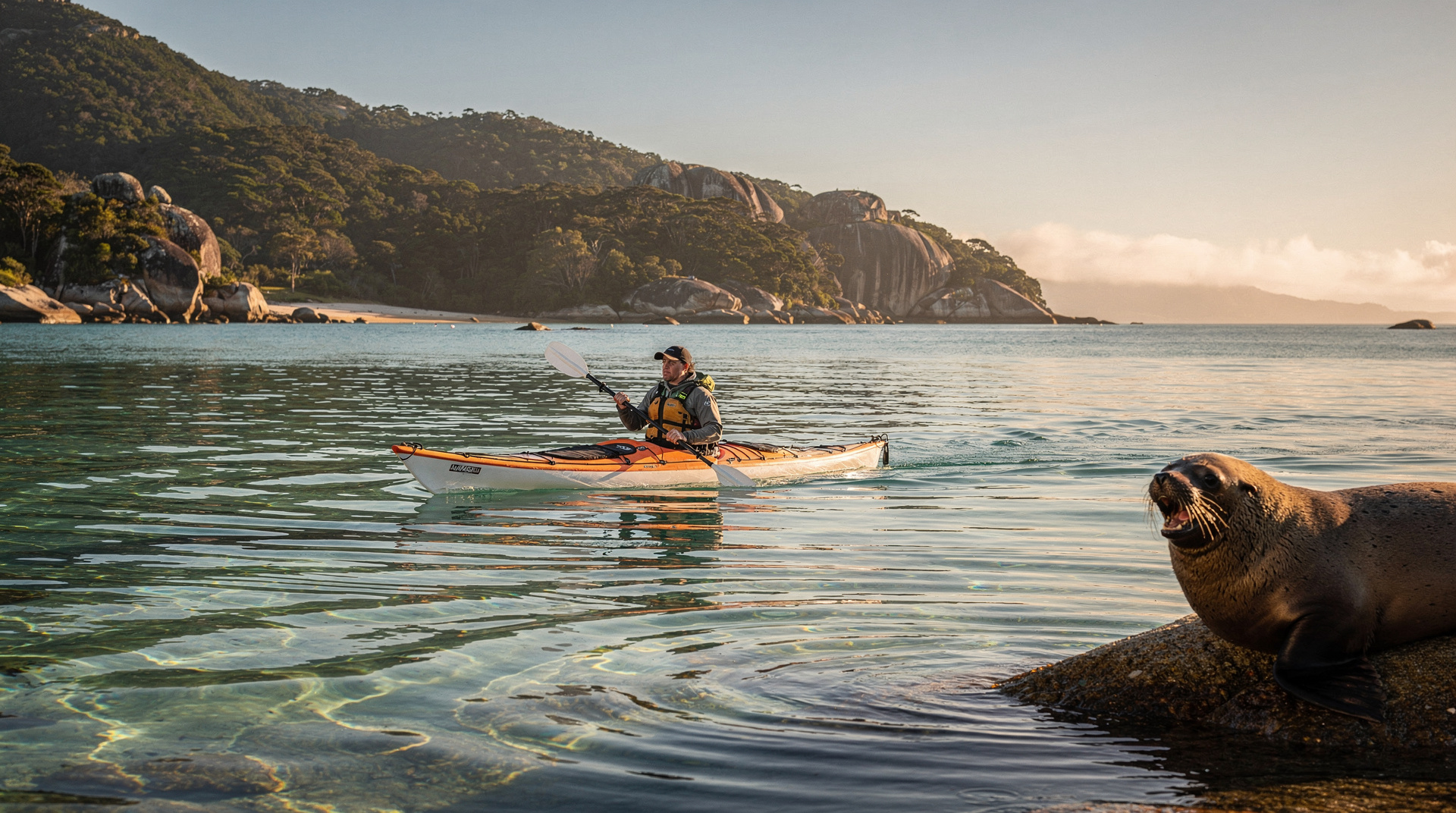
Kayaking in Abel Tasman National Park
Abel Tasman kayaking guide: guided day tours, multi-day freedom kayaking, water taxis, and seal colonies. Prices NZD/USD/EUR and honest operator comparison.
Best time to visit New Zealand
When to visit New Zealand: honest breakdown by season, region, and activity type. Summer is not always best. Spring and autumn often outperform the peak season.
Driving in New Zealand
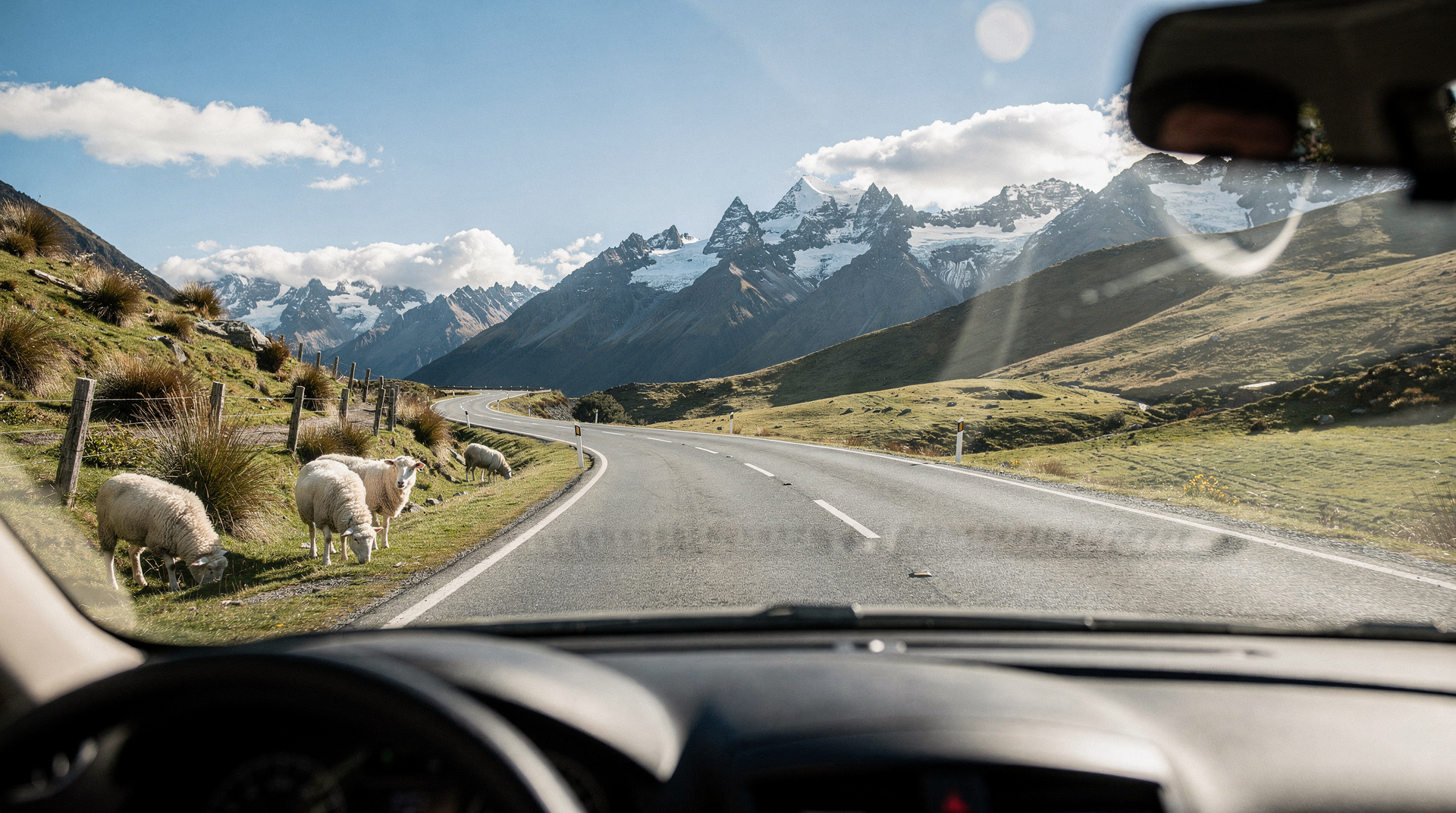
Honest driving guide for NZ: left-side rules, gravel road etiquette, why GPS lies, fuel costs, one-lane bridges, and what rental companies don't tell you.
Last reviewed: