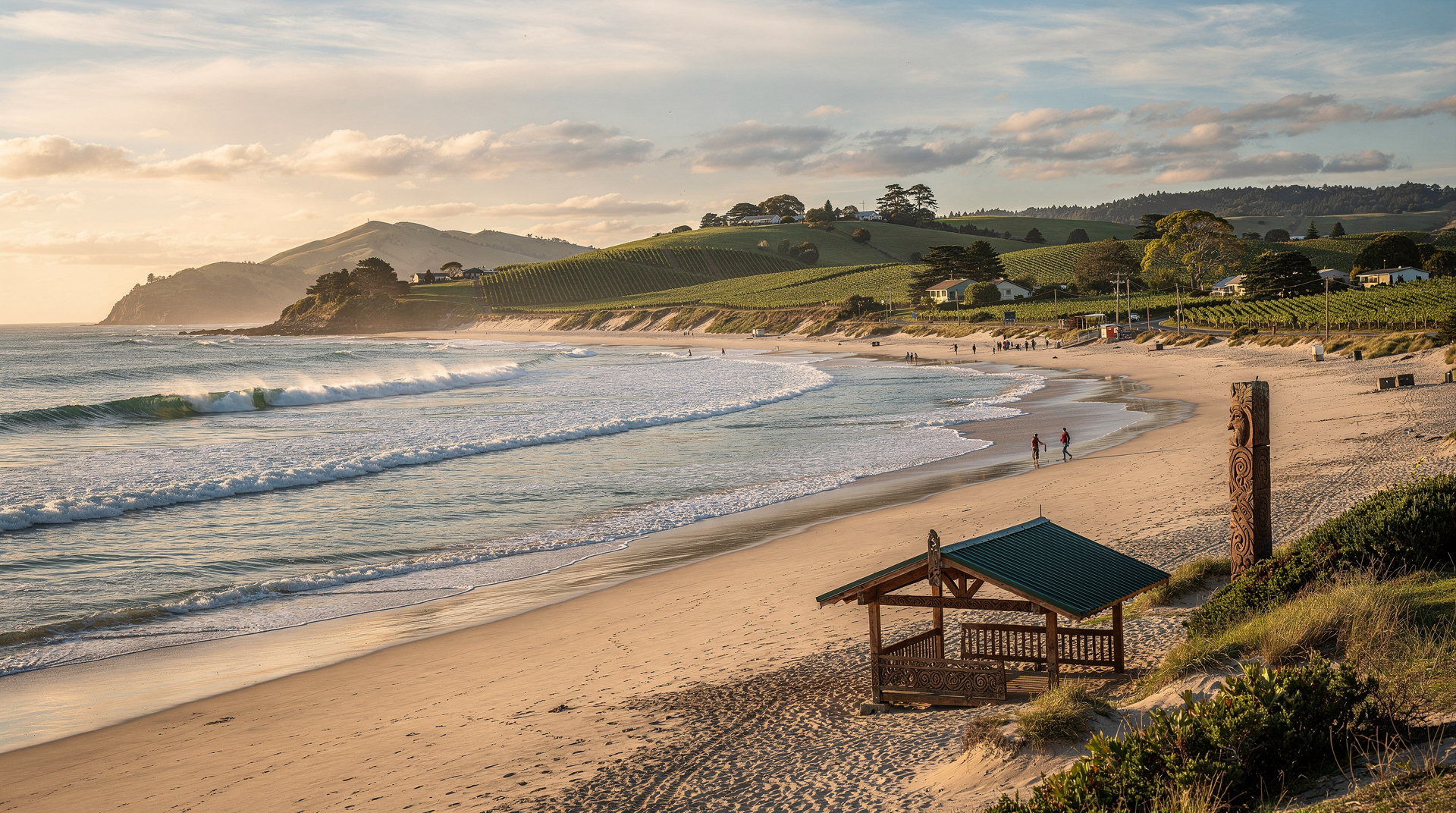
Gisborne
Gisborne: world's first city to see the sun, NZ's surf capital, Chardonnay and Chenin Blanc country — no GYG tours, book direct. Real prices.
Quick facts
- Sunrise claim
- First city in the world to see the sun on a clear day (GMT+13 in summer)
- Surf
- Wainui Beach — the best consistent surf break on the East Coast
- Wine
- Gisborne produces NZ's best Chardonnay and rare Chenin Blanc
- Currency
- NZ$ — USD ~$0.60 / EUR ~$0.55
- GYG tours
- None available — book direct with local operators
The city that sees the sun first
Gisborne occupies an unusual place in the world. It sits at the northeastern corner of the North Island, in a time zone (UTC+12, UTC+13 in daylight saving) that places it ahead of virtually every other inhabited place on Earth. On a clear summer morning, the sun rises over Young Nick’s Head — the promontory that James Cook’s cabin boy Nicholas Young spotted in 1769, the first European sighting of New Zealand’s land — before it has risen anywhere else that has people living in it.
This is either a profound thing or a tourism gimmick, depending on your relationship with sunrises and claims. Gisborne leans into it gently, without the obnoxious exploitation of the fact. The year 2000 millennium celebrations were held here; the region has a certain pride in the solar priority. The first sunrise is real enough.
What is more durably interesting about Gisborne is the rest of it: a genuinely good surf beach (Wainui) within 3 km of the city centre; the best white wine region on the East Coast; a strong and living Maori cultural identity; and an East Cape road that, if you follow it around the peninsula, takes you through some of the least-visited coastal landscape in New Zealand.
Note on tours: There are currently no GetYourGuide tours available for Gisborne. Book all activities directly with local operators — details below.
| Where | Northeast coast, North Island |
| Cost | Around NZD 140–220/night mid-range |
| Time needed | 1–2 days; 2–3 more for the East Cape loop |
| Getting there | Self-drive; no GYG tours, book direct with operators |
| Best time | November to April for surf and beach; March for the wine harvest festival |
Why Gisborne is worth the detour
Gisborne is not on the standard North Island tourist route. Most visitors to the East Coast are on their way to Napier via SH2 through Wairoa, or doing the East Cape loop as a specific road trip. Gisborne as a destination in its own right is underserved by mainstream guides — which is part of why it is interesting.
The surf is the primary draw for active travellers. Wainui Beach is consistent, has reliable swells year-round (best in autumn and winter), and has a surf school infrastructure that is well-established without being overtouristy. The beach itself is wild — large sand, occasional strong surf — and the Poverty Bay coast on the south side of the city offers good viewing at Makarori Point.
The wine is the other draw. Gisborne produces some of New Zealand’s most interesting whites — the Chardonnay is the most acclaimed (Matawhero and The Millton produce wines that compete seriously at the Burgundy comparison level), but the Chenin Blanc and Viognier from smaller producers are arguably more distinctive. The Gisborne Wine Festival (held annually in March) is a well-organised, non-pretentious celebration of the regional varieties.
What to do in Gisborne
Wainui Beach surf: The beach break at Wainui is the primary surf destination. The point at Pipe (Waihīrere) breaks on southerly swells; Makarori, 8 km north, is a better option for consistent surf. Gisborne Surf School (at Wainui) offers lessons for all levels. Lessons approximately NZD 70–90 / USD 42–54 / EUR 39–50 for a 2-hour group session. Surf hire available. Book directly with Gisborne Surf School or Surfing Gisborne.
Winery visits — Matawhero: Matawhero Winery, 8 km from the city, is the most historically significant of the Gisborne wineries — Denis Irwin’s work in the 1970s defined the Gisborne Gewurztraminer and Chardonnay styles. The current cellar door pours a strong range of whites and is worth a 90-minute visit. Tastings approximately NZD 10–15 / USD 6–9 / EUR 5.50–8.25. Book direct with the winery.
The Millton Vineyard and Winery: 20 km south of Gisborne at Manutuke, The Millton is New Zealand’s oldest certified biodynamic vineyard (established 1984). The winemaking is genuinely distinctive — particularly the Te Arai Vineyard Chenin Blanc and the Clos de Ste Anne range. Cellar door open by appointment; book via the winery website. Tastings from NZD 15 / USD 9 / EUR 8.25.
East Cape road trip: The full East Cape loop (SH35 from Gisborne, around the cape, to Opotiki and back via SH2) is 330 km of largely unsealed or narrow coast road, passing through small Maori communities, remote beaches, and forest-clad headlands. It takes a full day to drive comfortably; most travellers do it over 1–2 days with a night at Tolaga Bay or Te Araroa. The East Cape Lighthouse, 20 km from the tip of the cape, is the easternmost lighthouse in New Zealand and accessible on a 45-minute return walk.
Titirangi Reserve (Kaiti Hill): The hill above Gisborne with views over the harbour, Young Nick’s Head across Poverty Bay, and the river mouth. The Maori lookout at the summit (Titirangi) is the historic site from which Maori first observed Cook’s Endeavour in 1769. Free walk, 30–40 minutes from the base.
Tairāwhiti Museum: The regional museum covering East Coast Maori and colonial history, including artefacts from Cook’s 1769 landing. Good collection; free entry.
Eastwood Hill Arboretum: 38 km from Gisborne, this 131-hectare arboretum contains one of the largest collections of northern hemisphere trees in the southern hemisphere. Spectacular in autumn (April-May). Entry NZD 15 / USD 9 / EUR 8.25.
Fly fishing — Waioeka and Motu rivers: Gisborne’s hinterland rivers produce some of the best wild brown trout fishing in the North Island. Contact Gisborne Fly Fishing Guides for half-day and full-day guided trips. Approximately NZD 350–500 / USD 210–300 / EUR 193–275 per day for guided fishing.
Where to stay in Gisborne
Teal Motor Lodge: Reliable mid-range motel close to the city centre and beach. NZD 140–200 / USD 84–120 / EUR 77–110.
Gisborne Hotel: The city’s main hotel; large, well-established, with a good bar. NZD 150–220 / USD 90–132 / EUR 83–121.
Waikanae Beach Holiday Park: Beachfront camping and powered sites. Power sites NZD 40–55 / USD 24–33 / EUR 22–30.
Portside Hotel: The newer hotel option on the waterfront; good facilities. NZD 160–240 / USD 96–144 / EUR 88–132.
East Cape backpacker accommodation: For the East Cape road trip, Tolaga Bay Inn and the Cape Retreat (Te Araroa) provide basic but genuine East Coast accommodation. NZD 30–45 / USD 18–27 / EUR 16.50–25 for dorms; NZD 80–120 / USD 48–72 / EUR 44–66 for privates.
What to eat and drink
Wharf Bar and Restaurant: The most popular waterfront restaurant in Gisborne; good seafood with a strong regional wine list. Mains NZD 28–44 / USD 17–26 / EUR 15–24.
The Wharf on Reads Quay: Brunch and coffee on the inner harbour; excellent. NZD 16–24 / USD 10–14 / EUR 9–13.
Verve Cafe: The best cafe in the city for coffee culture and breakfast. Open from 7am. NZD 14–22 / USD 8–13 / EUR 7.50–12.
Matawhero Winery restaurant: Seasonal and local produce in a genuinely beautiful vineyard setting. The best formal lunch within driving distance of Gisborne. Book direct.
East Coast fish and chips: The chippies along Wainui Beach road deliver excellent blue cod and terakihi in the way that only coastal North Island New Zealand does. NZD 10–16 / USD 6–10 / EUR 5.50–9.
Maori culture on the East Coast
Gisborne and the wider Tairawhiti region have one of the strongest and most visible Maori cultural identities in New Zealand, rooted in the presence of multiple iwi with deep East Coast histories — Ngati Porou, Rongowhakaata, and Te Aitanga-a-Mahaki among them. This is not a performed cultural experience packaged for tourists in the way some North Island regions present it; it’s a living regional identity reflected in marae, place names, and community life.
Visitors interested in genuine Maori cultural context (rather than a scheduled show) should read the Maori culture overview guide before arriving, and treat any marae visit or cultural site with the same respect expected anywhere in the country — ask before photographing, and follow any protocol your host explains.
The Tairawhiti Museum’s East Coast collection gives useful grounding, and the region’s marae — while not typically open for casual tourist visits the way commercial cultural centres are — are a reminder that Gisborne’s Maori history is current and lived, not a historical footnote.
Best time to visit Gisborne
| Season | Conditions | Notes |
|---|---|---|
| Nov–Apr | Warm, best surf and beach weather | Peak season for Wainui Beach |
| March | Wine harvest festival | Best time for wine-focused visits |
| Autumn (Apr–May) | Cooler, good surf swells | Quieter, fewer visitors |
| Winter (Jun–Aug) | Coldest, consistent surf | East Cape road trip less appealing |
If your priority is surf specifically, autumn and winter often deliver more consistent swells than the warmer months, even though summer is more comfortable for beach time generally.
Skip / worth it / splurge
- Skip: The first sunrise gimmick as a sole reason to visit — come for the surf and wine, and treat the sunrise as a bonus
- Worth it: Wainui Beach surf lesson (NZD 70–90 / USD 42–54 / EUR 39–50) — one of the better surf lesson experiences on the North Island
- Worth it: Matawhero or Millton cellar door visit (NZD 10–15 / USD 6–9 / EUR 5.50–8.25) — wines unavailable in most Auckland restaurants
- Splurge: East Cape road trip over two days (accommodation + fuel NZD 200–350 / USD 120–210 / EUR 110–193) — the most remote and least-visited coastal road in the North Island
How to fit Gisborne into your itinerary
Gisborne fits as a 1–2 day extension of a Hawke’s Bay or Taupo itinerary, or as the eastern anchor of an East Cape road trip from Opotiki or Rotorua. The drive from Napier via Wairoa is 210 km and 3 hours; from Rotorua via the East Cape road is 340 km and 5+ hours.
On a 14-day New Zealand itinerary that extends to the East Coast, Gisborne sits between Napier/Hawke’s Bay and the East Cape in a 3-day east coast segment.
Frequently asked questions about Gisborne
Is Gisborne really the first city to see the sunrise?
It depends on definitions. Gisborne (Tūranganui-a-Kiwa) sits in the UTC+13 time zone during daylight saving and is the easternmost substantial city in New Zealand. Technically, some Pacific islands (parts of Kiribati and Tonga) are further east and in the same or adjacent time zones, so the precise claim is contested. Gisborne is certainly the first substantial New Zealand city to see the sun, and the sun rises from the direction of Young Nick’s Head — the promontory Cook’s cabin boy first spotted — which gives the claim cultural as well as geographical weight.
What is the Gisborne wine region known for?
Gisborne produces approximately 8% of New Zealand’s wine by volume, with Chardonnay the dominant variety. The region is warmer and more humid than Marlborough, with clay-based soils that produce fruit-forward, full-bodied whites. The best Gisborne Chardonnay (particularly from Matawhero and The Millton) competes with the finest white Burgundy in blind tastings at comparable price points. The Chenin Blanc and Viognier varieties are rarities in New Zealand and represent the region’s most distinctive individual contribution to the national wine landscape.
Can I combine Gisborne with Hawke’s Bay?
Yes, easily — Hawke’s Bay is 210km south via Wairoa (about 3 hours), and many travellers combine the two as an East Coast wine-and-surf segment on a North Island itinerary. See the Hawke’s Bay wine routes guide for how the two regions’ wine scenes compare.
Does Gisborne have a surf culture?
Very much so. Gisborne is one of New Zealand’s most active surf communities, with competitive surfers training at Wainui and Makarori year-round. The region’s surf schools are well-established, and the town has the infrastructure of a surf community (wetsuits, board hire, surf shops) that the more tourist-oriented North Island surf spots sometimes lack.
Top experiences: gisborne New Zealand
See all →Related guides
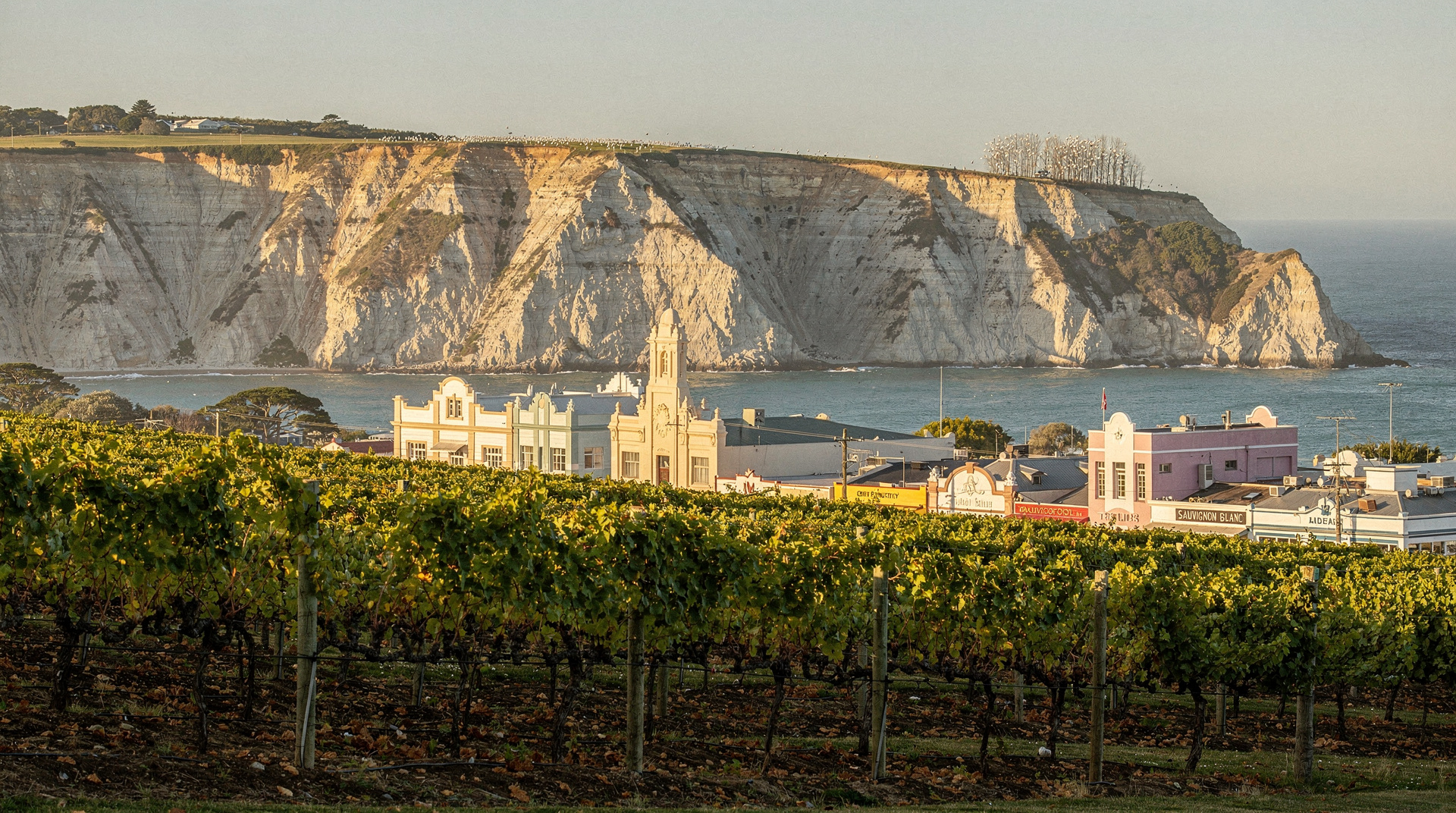
Hawke's Bay
Honest Hawke's Bay guide: Napier Art Deco, Marlborough-rivalling wines, Cape Kidnappers gannets, real NZD/USD/EUR costs. Best time to visit and what to skip.
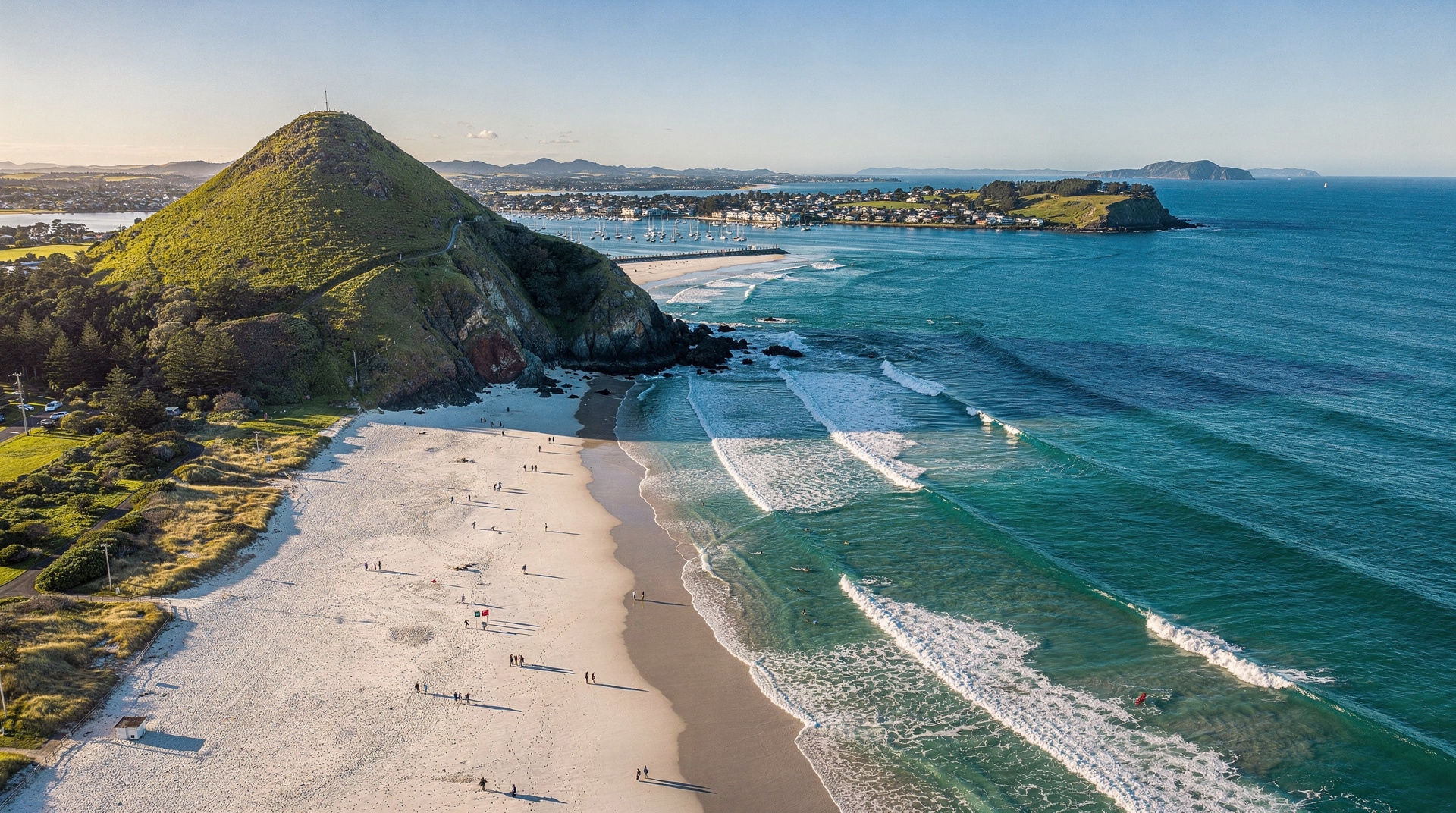
Bay of Plenty
Bay of Plenty region guide: Tauranga, Mount Maunganui surf, Whakatane, Whakaari/White Island eruption facts. Real NZD/USD/EUR costs, honest verdicts.
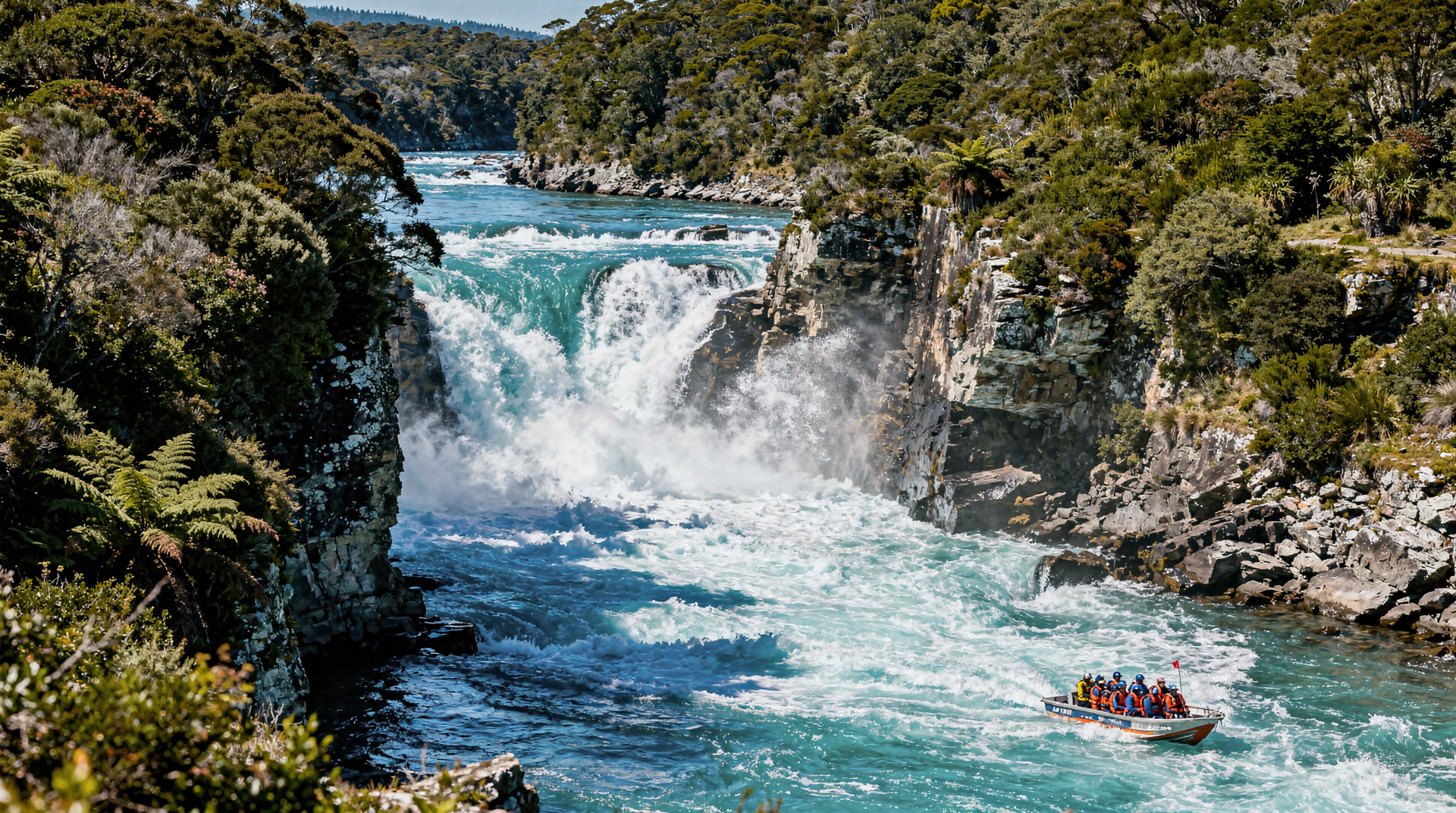
Waikato
Honest Waikato guide: Hobbiton Movie Set, Waitomo glowworm caves, Hamilton Gardens, Raglan surf. Real NZD/USD/EUR prices, what's worth your time.
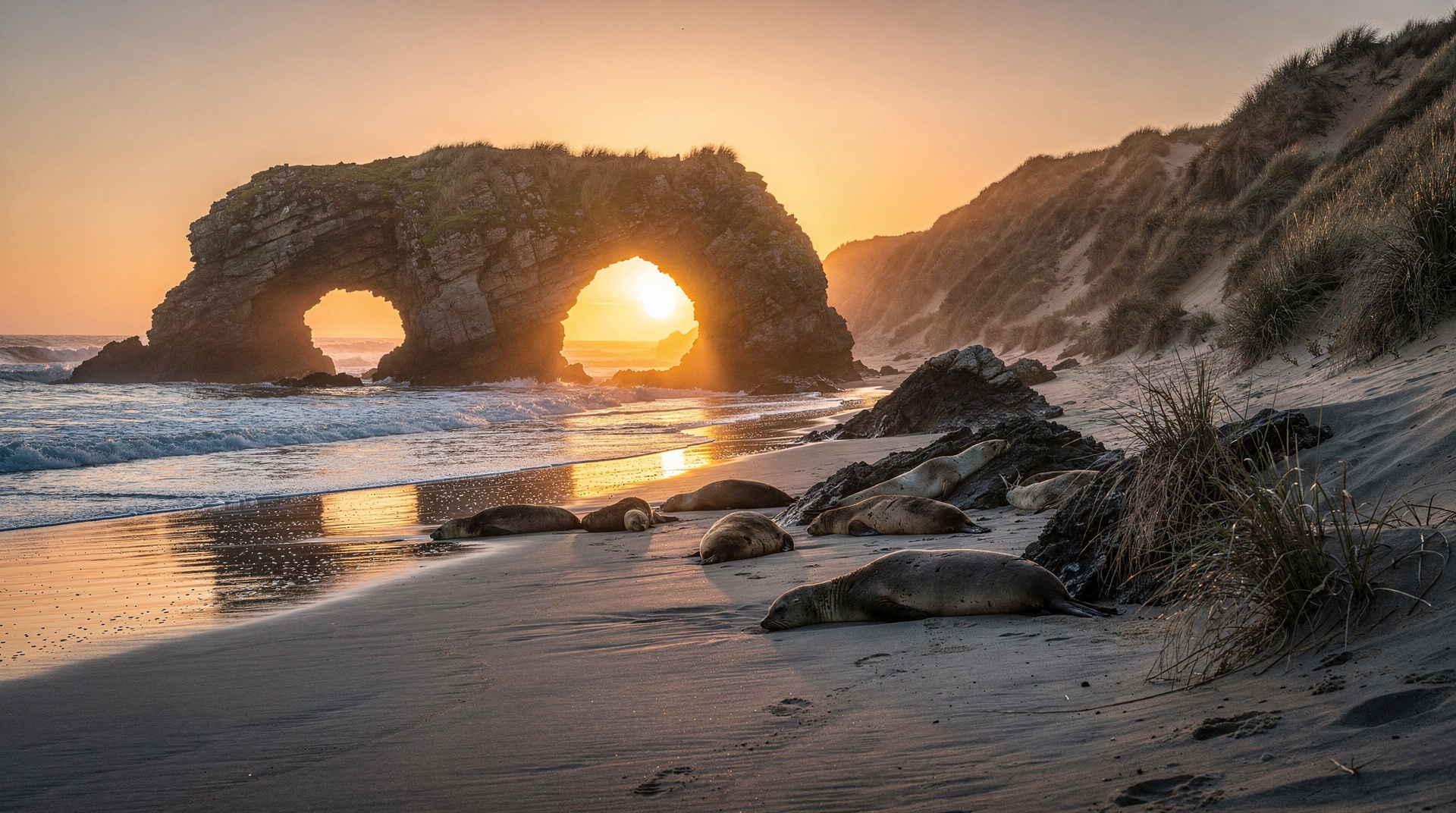
New Zealand beaches guide — best coastal experiences by region
Honest guide to NZ's best beaches: Cathedral Cove, 90 Mile Beach, Piha, Hot Water Beach, Wharariki, Karekare. Best by region, real swim safety info.

Maori culture overview — what every visitor should know
Respectful introduction to Maori culture for visitors: tangata whenua, Te Tiriti, tikanga basics, language, cultural experiences, and how to engage honestly.
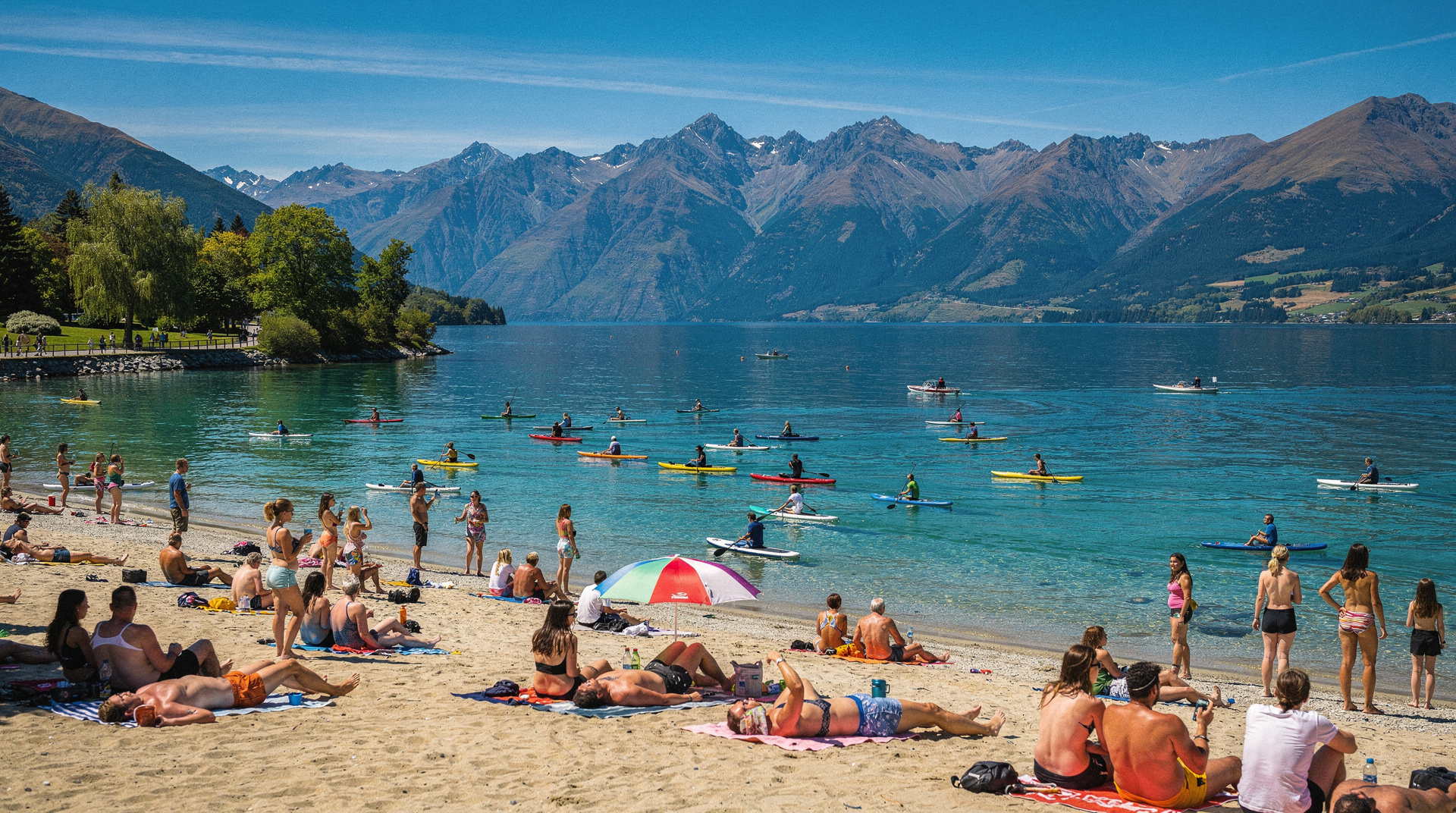
New Zealand in February
February is NZ's best month: warm summer, post-holiday crowds thinning, wine harvest starting. Real prices in NZD/USD/EUR and what to book ahead.
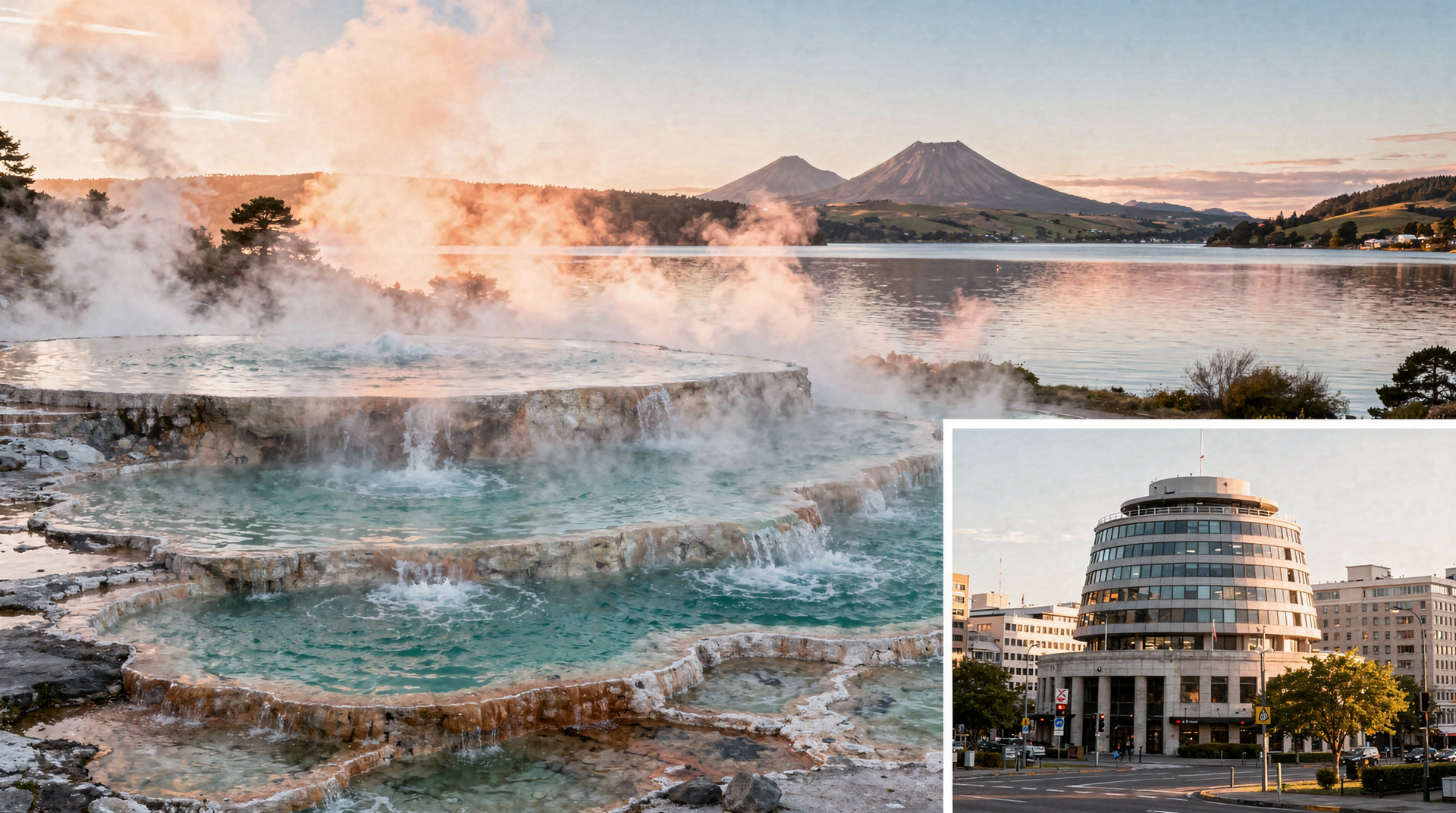
7-day North Island itinerary — the essential highlights
Auckland → Bay of Islands → Hobbiton → Waitomo → Rotorua → Taupo → Tongariro → Wellington. 7 days, both car and costs covered honestly.
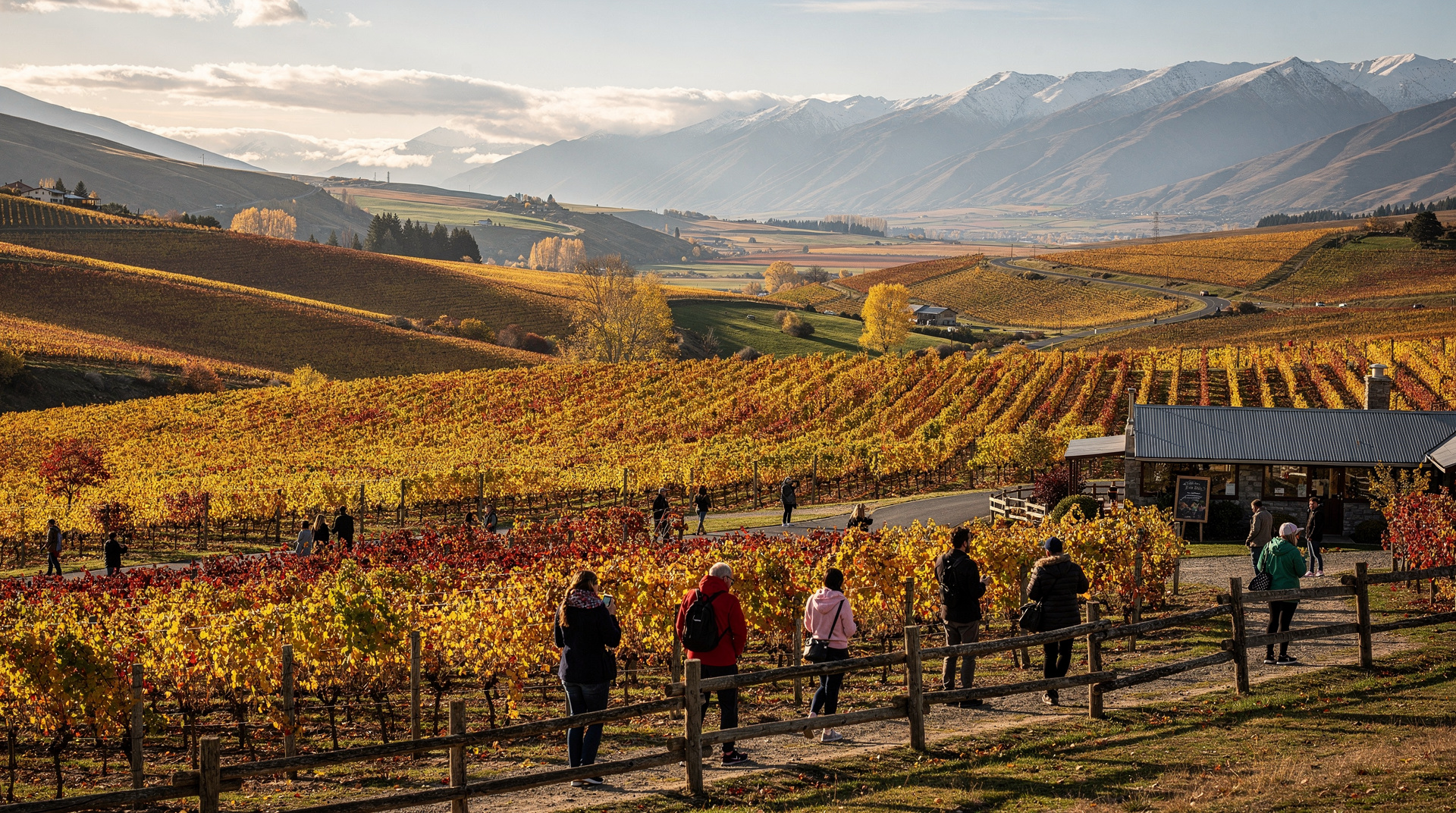
The best shoulder season itinerary for New Zealand — 14 days in autumn
A 14-day New Zealand itinerary designed for March and April: fewer crowds, better light, lower prices, and the same landscapes everyone comes for.
Last reviewed: