Hokitika
Hokitika: pounamu greenstone carving, the electric-blue gorge, a great driftwood beach, and the Wildfoods Festival. West Coast stop. Real costs NZD/USD/EUR.
Quick facts
- Distance from Greymouth
- 40 km south, 40 minutes
- Distance from Franz Josef
- 140 km, 1.5 hours
- Known for
- Pounamu (greenstone jade), Hokitika Gorge, Wildfoods Festival (March)
- Currency
- NZ$ — USD ~$0.60 / EUR ~$0.55
- Beach
- Wild driftwood beach — spectacular but not safe for swimming
Greenstone, glacier water, and driftwood
Hokitika is a small West Coast town with a strong sense of its own identity. It was the wild port town through which West Coast gold rush wealth briefly poured in the 1860s; it remains the centre of New Zealand’s pounamu (greenstone, or nephrite jade) carving industry; and it hosts the Wildfoods Festival every March, an event that manages to be genuinely beloved and genuinely challenging — huhu grubs, earthworm sushi, and wild venison appear alongside excellent whitebait patties and local cheeses.
| Where | West Coast, 40 km south of Greymouth |
| Time needed | 1 day; 2–3 hours if just passing through |
| Getting there | Self-drive on SH6, or TranzAlpine train to Greymouth then road |
| Cost | Gorge and beach free; jade from around NZD 30; treetop walk from NZD 28 |
| Best time | November–March for gorge swimming and warmer weather |
The town sits at the mouth of the Hokitika River, with the Tasman Sea to the west and the Southern Alps visible on clear days to the east. The driftwood beach is large, windswept, and spectacular in the late-afternoon light when the snow-capped Alps appear behind the town. Do not swim here — the surf is powerful, the rip currents unpredictable, and there are no lifeguards on the West Coast.
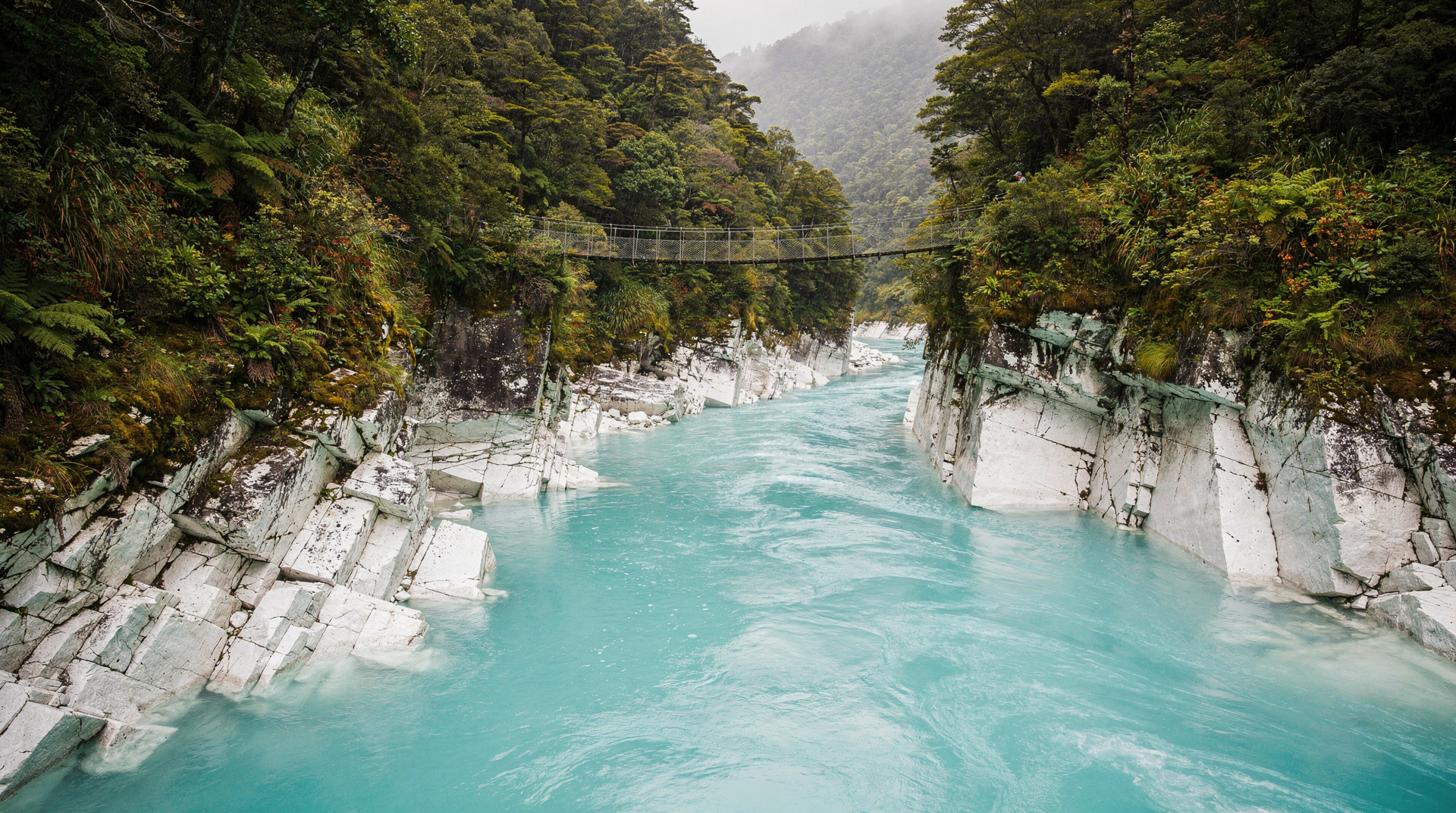
The main draw beyond the town itself is Hokitika Gorge, 25 km inland, where glacial water turns an impossibly vivid turquoise-green against the white bedrock walls of the gorge. In summer, the colour is genuinely striking; the temptation to photograph it is entirely rational.
What to do in Hokitika
Hokitika Gorge: Drive 25 km along the Hokitika River on Hokitika Gorge Road (allow 35 minutes). A short walk (10–15 minutes return) leads to a swing bridge over the gorge with views of the characteristic blue-green water — the colour comes from finely ground glacial rock flour suspended in the water refracting blue light. A second viewpoint upstream requires a further 10 minutes of walking. The gorge is free to visit. In hot summer weather, the gorge pool is swimmable for confident swimmers, but check conditions locally first as water levels and currents vary.
West Coast Treetop Walk and Tower: A 450-metre boardwalk elevated 20 metres above the forest floor gives an unusual perspective on the temperate rainforest canopy. The tower extends to 47 metres with panoramic views of the Alps and coast. The zip-line adds an active element. The West Coast Tree Top Tower Zip Line and Walk includes both the walkway and zip-line; NZD 55–75 / USD 33–45 / EUR 30–41. Treetop walkway only: West Coast Treetop Walkway Entrance Ticket ; NZD 28–35 / USD 17–21 / EUR 15–19.
Pounamu carving and shopping: Hokitika has more greenstone carving studios per capita than anywhere in New Zealand. Pounamu (greenstone/nephrite jade) is found in the rivers of the West Coast and has deep significance in Maori culture — it represents mana (status and authority) and wairua (spirit). The main studio-galleries on Tancred Street and Weld Street include Mountain Jade (the largest operation), Westland Greenstone, and several smaller workshops. Prices range from NZD 30 / USD 18 / EUR 16.50 for small pendants to NZD 500–2,000+ / USD 300–1,200+ / EUR 275–1,100+ for larger carved pieces. Carving workshops are available from 2–3 hours; these are one of the more genuine craft experiences on the West Coast.
Hokitika Museum: Documents the gold rush and greenstone industries with good period photography and artefacts. NZD 6 / USD 3.60 / EUR 3.30. Worth 30–45 minutes.
Glowworm Dell: A small dell at the northern entrance to the town with a resident glowworm population visible after dark. This is a free, quiet alternative to the commercialised glowworm experiences in Waitomo — it is genuinely atmospheric, though the scale is much smaller than Waitomo.
Hokitika Beach at sunset: The driftwood beach at sunset, with the Alps catching the last light, is one of the great free experiences on the West Coast. Walk north from the town centre for 10 minutes.
Greymouth to Franz Josef shuttle: For travellers not driving independently, Greymouth to Franz Josef via Hokitika Small Group Tour makes Hokitika an organised stop on the West Coast route. NZD 95–130 / USD 57–78 / EUR 52–72.
Where to stay in Hokitika
Beachfront Hotel: The most central mid-range option, directly on the beach esplanade. NZD 160–240 / USD 96–144 / EUR 88–132.
Shining Star Beachfront Accommodation: Self-contained chalets on the beachfront; good for families and couples. NZD 140–200 / USD 84–120 / EUR 77–110.
Stumpers Bar and Lodge: Popular backpacker hostel and budget traveller hub in the town centre. Dorms NZD 30–40 / USD 18–24 / EUR 16.50–22; privates NZD 85–120 / USD 51–72 / EUR 47–66.
Hokitika Holiday Park: Good campervan and tent facilities adjacent to the gorge road. Power sites NZD 40–55 / USD 24–33 / EUR 22–30.
What to eat and drink
Fat Pipi Pizzas: The best-known restaurant in Hokitika; wood-fired pizza with local toppings including whitebait, smoked salmon, and wild venison. Pizzas NZD 22–30 / USD 13–18 / EUR 12–16.50.
Stumpers Bar: Casual pub food with good West Coast portions. Useful for budget travellers. Mains NZD 16–24 / USD 10–14 / EUR 9–13.
Hokitika Sandwich Bar: Simple but excellent whitebait sandwiches and filled rolls. West Coast whitebait (a small transparent fish, different from European whitebait) is a seasonal delicacy; Hokitika is one of the better places to eat it in patty form. Whitebait sandwich NZD 12–18 / USD 7–11 / EUR 6.50–10.
Hokitika Craft Gallery Cafe: Good coffee and cabinet food in the Tancred Street arts precinct; useful mid-morning stop while browsing jade galleries.
Skip / worth it / splurge
- Skip: Extensive time on the beach itself (it is beautiful but the surf makes it non-swimmable — look rather than enter)
- Worth it: Hokitika Gorge (free, 35 minutes each way) — the most vivid water colour in the South Island
- Worth it: Glowworm Dell at dusk (free) if you are not going to Waitomo
- Splurge: A pounamu carving workshop (NZD 90–160 / USD 54–96 / EUR 50–88 depending on operator and duration) — a craft that is genuinely culturally embedded in the region
How to fit Hokitika into your itinerary
The standard West Coast route places Hokitika as the first overnight south of Greymouth — arriving after the TranzAlpine train or the Arthur’s Pass drive, spending a day at the gorge and jade galleries, and continuing south to Franz Josef.
On a tight schedule, Hokitika is a viable lunch stop between Greymouth and Franz Josef: the gorge, one jade gallery, and whitebait sandwich fills 2–3 hours before continuing the drive south.
The Wildfoods Festival (second Saturday of March every year) draws 8,000–10,000 people to a town of 3,000 — book accommodation months ahead if visiting then.
On a 21-day New Zealand itinerary or the campervan road trip, Hokitika gets a full day before the glacier towns, allowing time for the gorge, treetop walk, and a proper pounamu shopping stop.
Hokitika vs. going straight to the glaciers
Some travellers on a tight West Coast schedule debate skipping Hokitika entirely and driving straight from Greymouth to Franz Josef or Fox Glacier. That would be a mistake for anyone with even half a day to spare: Hokitika Gorge is a genuinely different kind of West Coast landscape from the glaciers — glacial-flour turquoise water rather than ice — and the pounamu galleries are a cultural experience the glacier towns don’t offer. For a fuller comparison of the two glacier bases further south, see our Franz Josef vs Fox Glacier guide.
Frequently asked questions about Hokitika
What is the Wildfoods Festival?
An annual food festival held in Hokitika every March, celebrating (and provocatively testing) unusual foods from the West Coast and New Zealand’s wild food tradition: huhu grubs (high in protein), earthworm sushi, wild venison, possum pate, whitebait, and various fermented and foraged foods. Tickets sell out months in advance. Not for the faint-hearted, but genuinely funny and hospitable.
What is pounamu and why is it significant?
Pounamu is nephrite jade, found primarily in the riverbeds of the West Coast and as sea-washed boulders on the coast. In Maori culture, pounamu is taonga (a treasure) — it represents the status and mana of the giver and receiver and is traditionally only given, not sold, within Maori society. The Ngai Tahu iwi hold authority over West Coast pounamu under the Ngai Tahu Claims Settlement Act 1998. Commercially carved pounamu sold to tourists is legal and the industry is significant on the West Coast.
Can I swim in the Hokitika Gorge?
In summer, when the water level is lower and the current manageable, local people swim at the gorge. However, the water is very cold year-round (fed by snowmelt) and can rise rapidly after rain in the ranges. There is no lifeguard; assess conditions carefully and do not swim alone.
How much time should I really give Hokitika?
A full day is worth it if you want the gorge, a jade gallery or carving workshop, and the beach at sunset without rushing. If time is genuinely tight, 2–3 hours covers the gorge and a quick jade browse, but you’ll miss the town’s slower, more distinctive character in favour of a checklist visit.
Top experiences: hokitika New Zealand
See all →Related guides
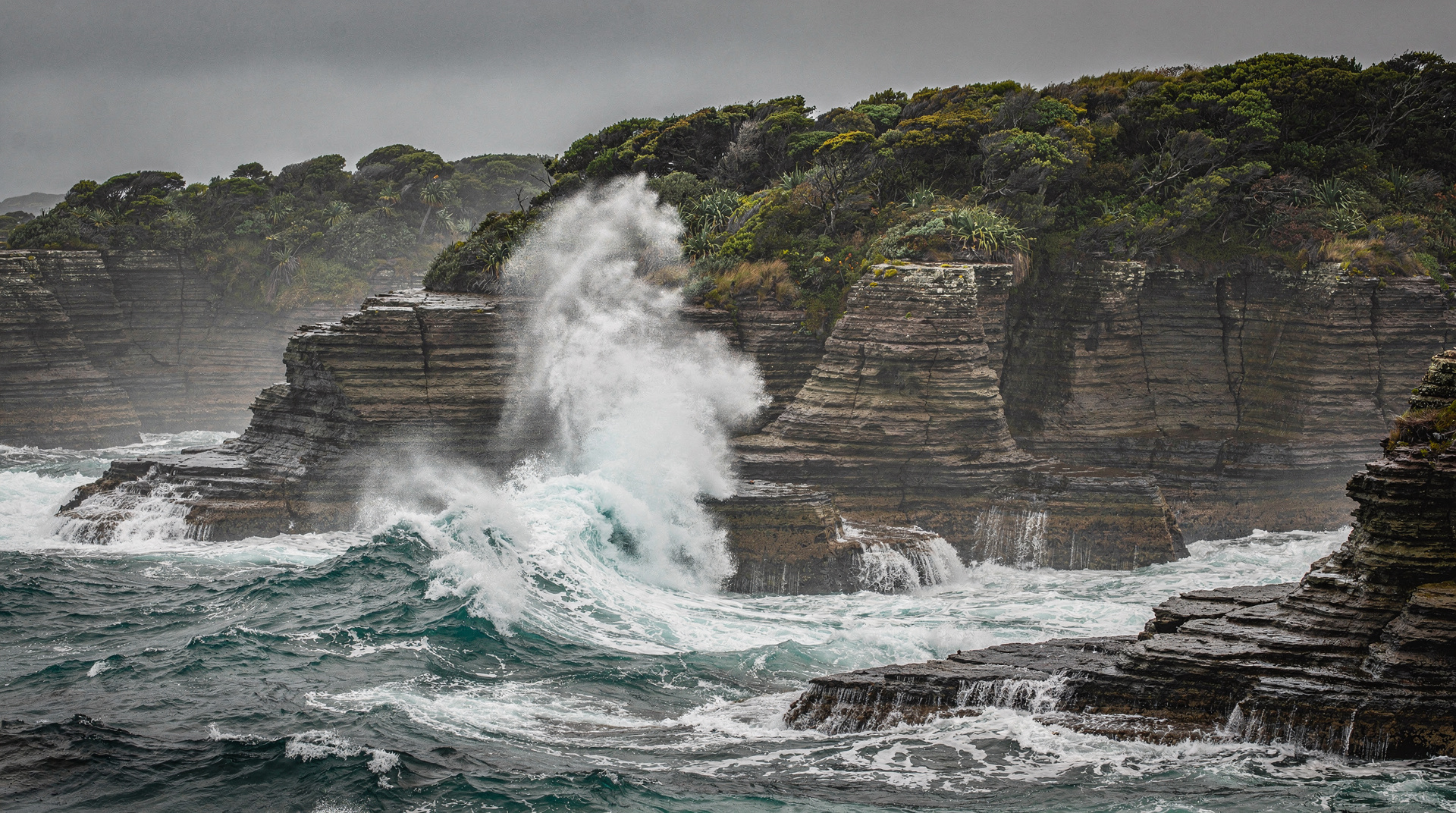
West Coast
Honest West Coast guide: Franz Josef and Fox Glacier heli-hikes, Punakaiki Pancake Rocks, Hokitika, Greymouth. NZD/USD/EUR prices, what's worth it.
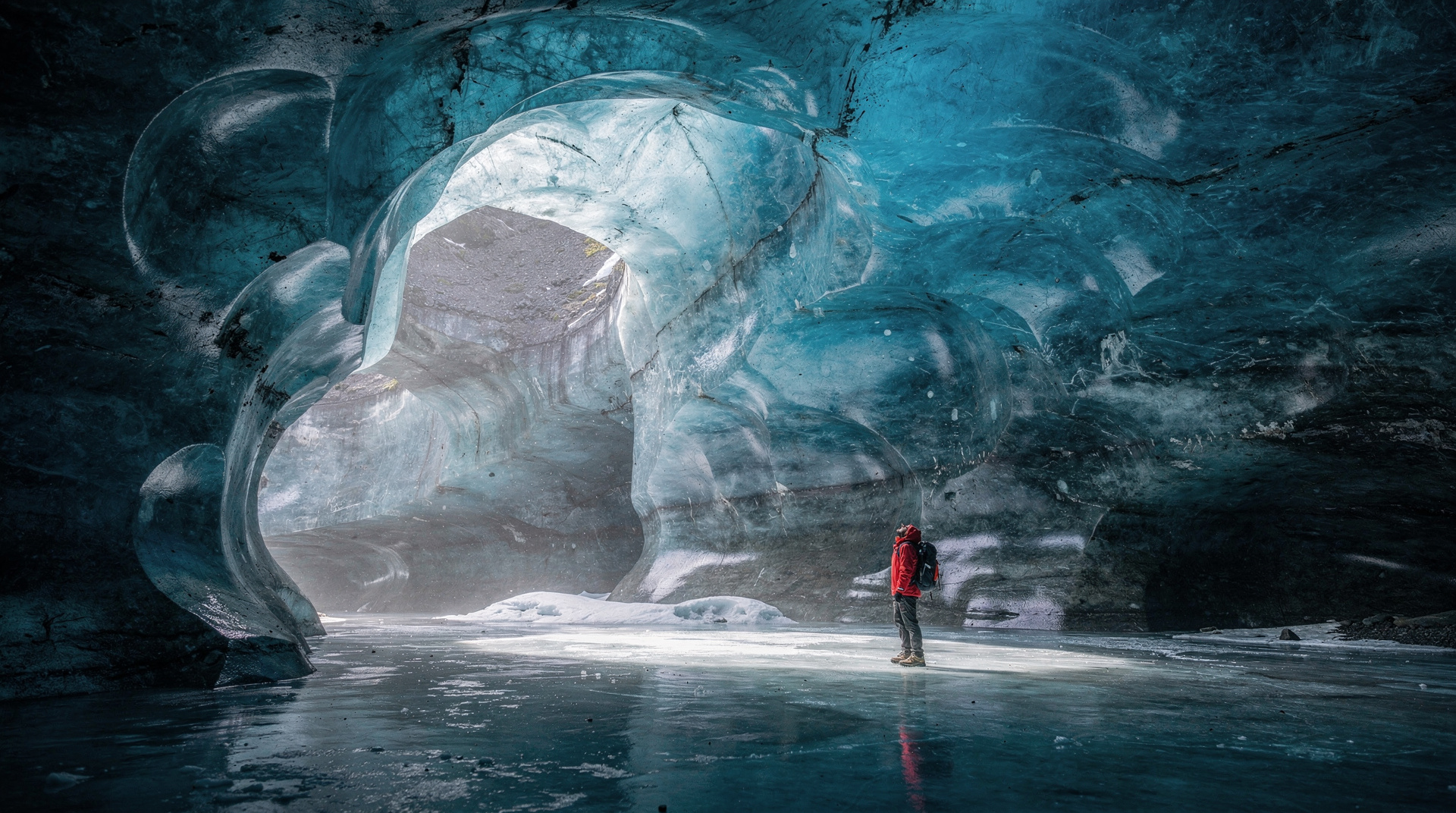
Franz Josef Glacier
Honest Franz Josef guide: heli-hike vs ice walk, glacier retreat reality, real NZD/USD/EUR costs and what's possible after significant ice loss.
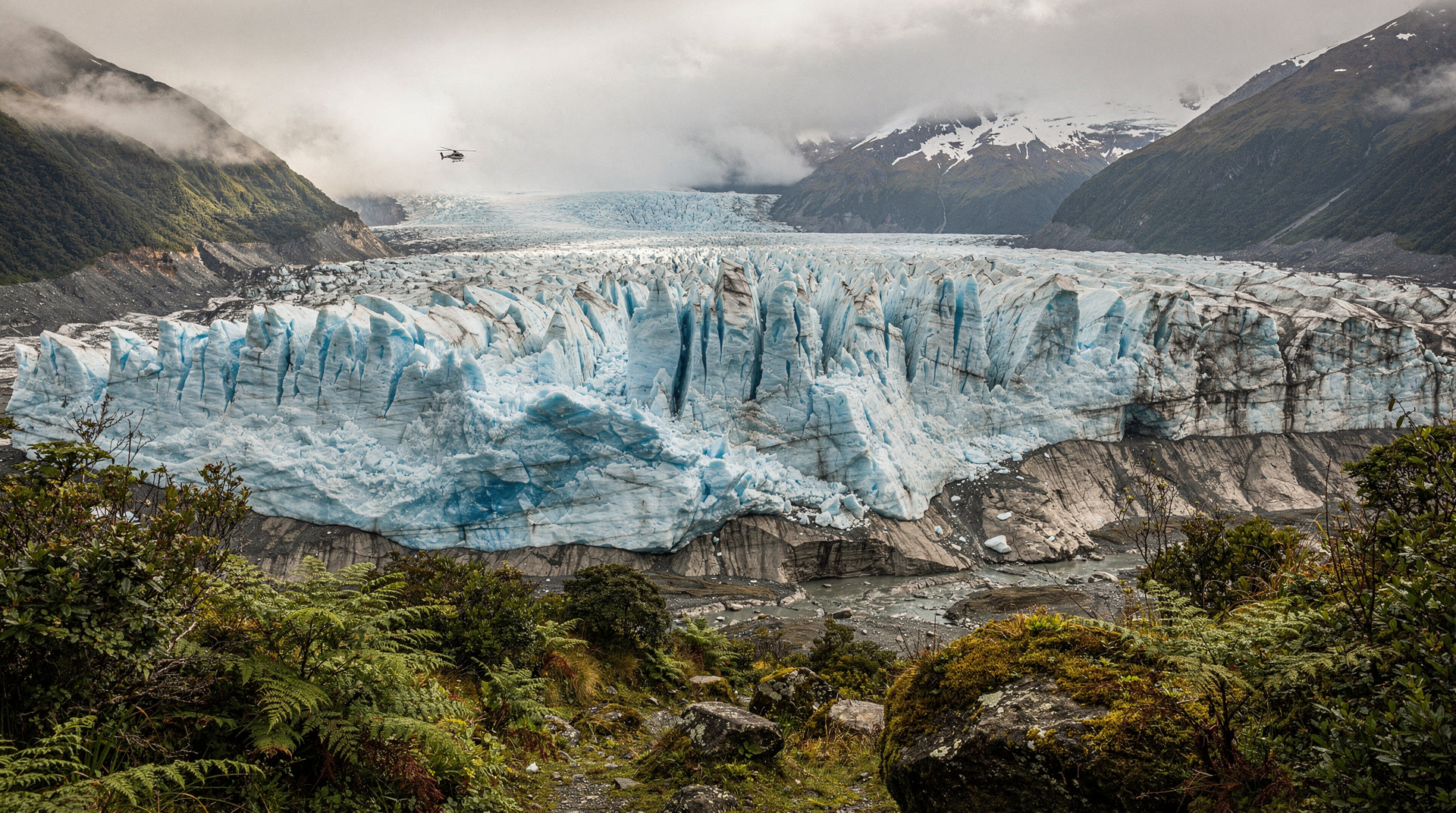
Fox Glacier
Fox Glacier: helicopter hikes on ice, the mirror-lake reflection at Lake Matheson, and a quieter alternative to Franz Josef. Real costs NZD/USD/EUR.
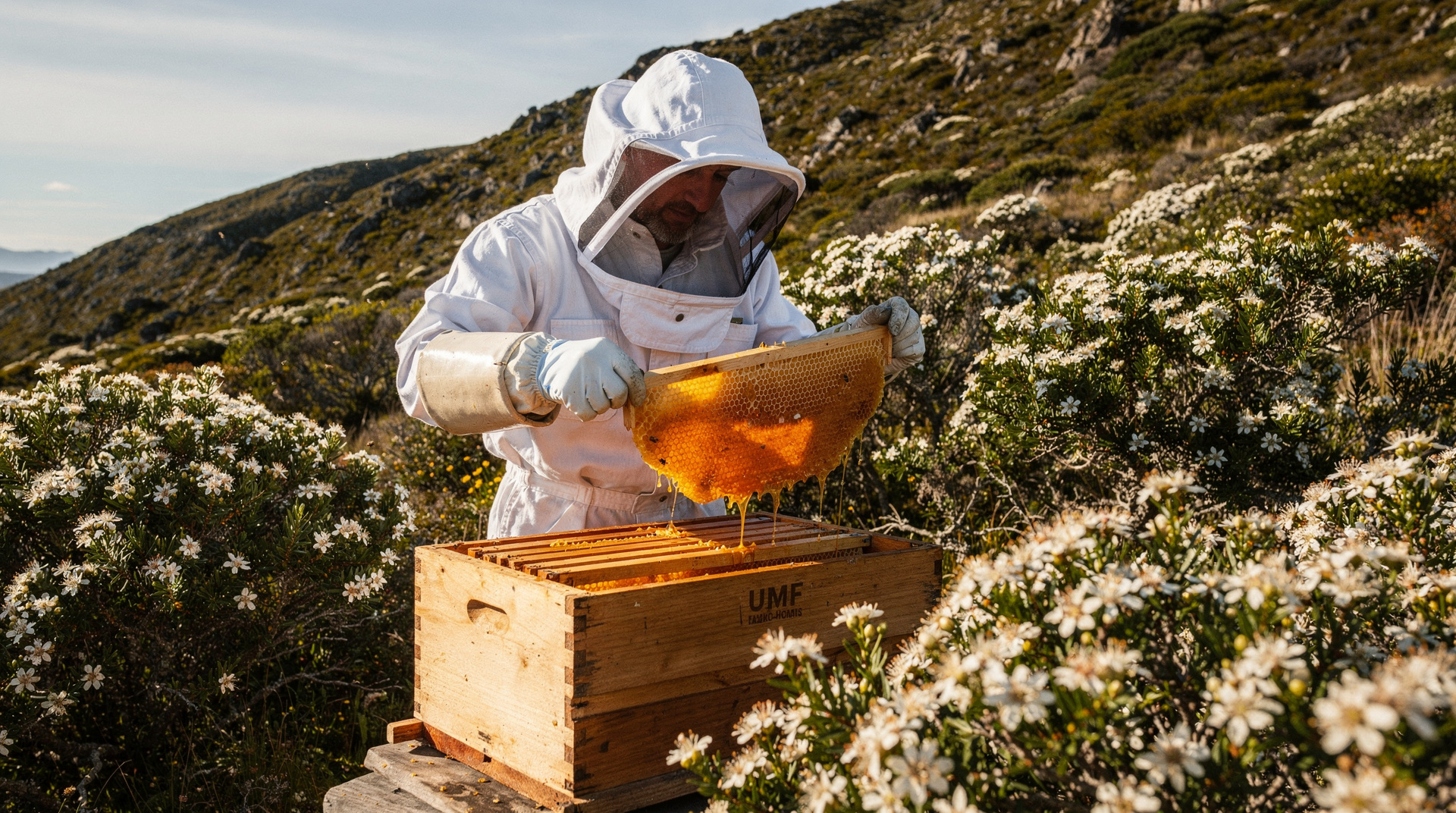
Manuka honey — New Zealand's liquid gold
NZ manuka honey is prized for its UMF antibacterial rating. UMF explained, buying guide, prices NZD/USD/EUR, and how to spot counterfeits.
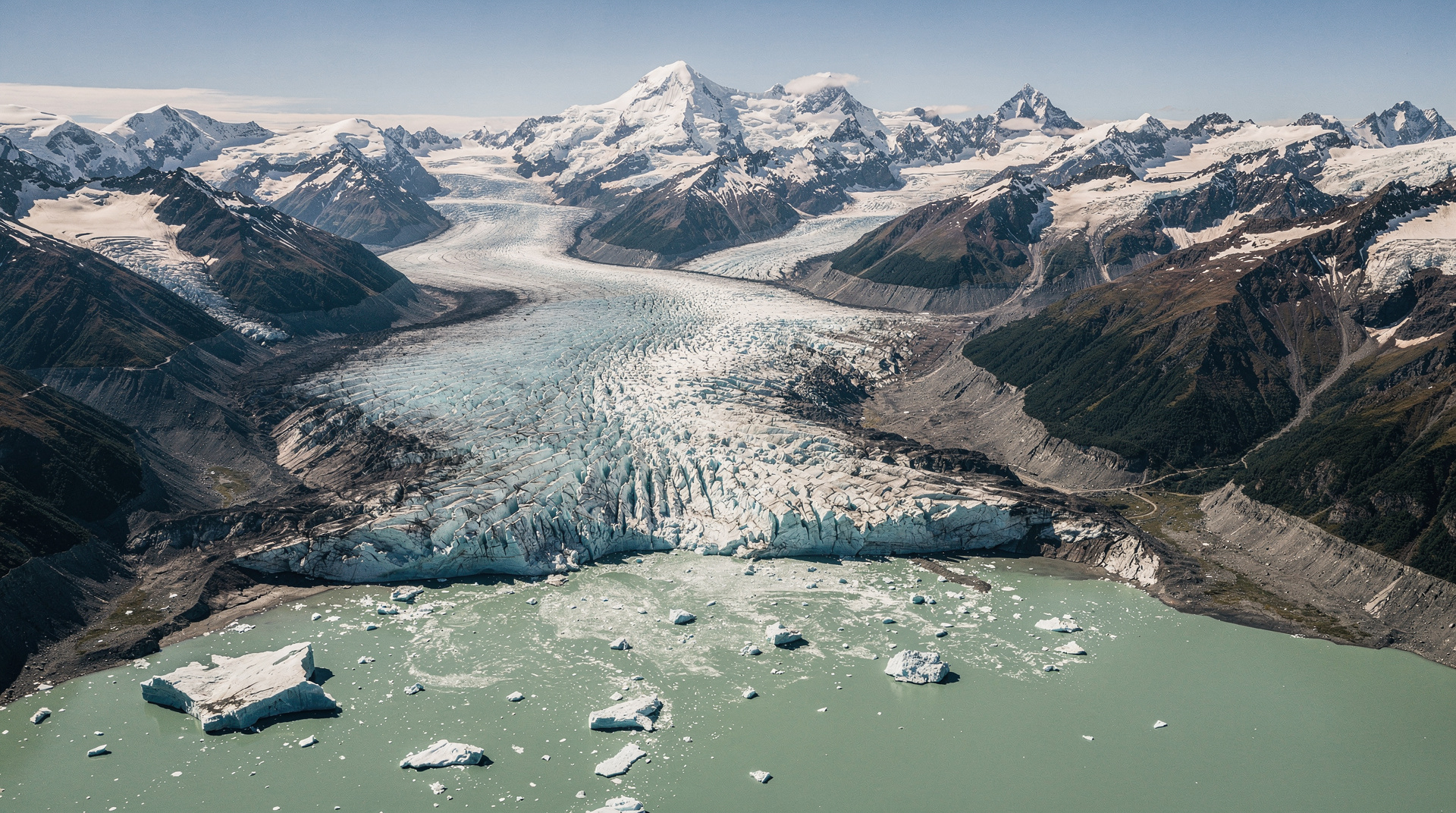
New Zealand glaciers guide — Franz Josef, Fox, and the Tasman
Honest NZ glacier guide: Franz Josef vs Fox vs Tasman Glacier comparison, heli-hike options, glacier retreat reality, what's still accessible in 2026.
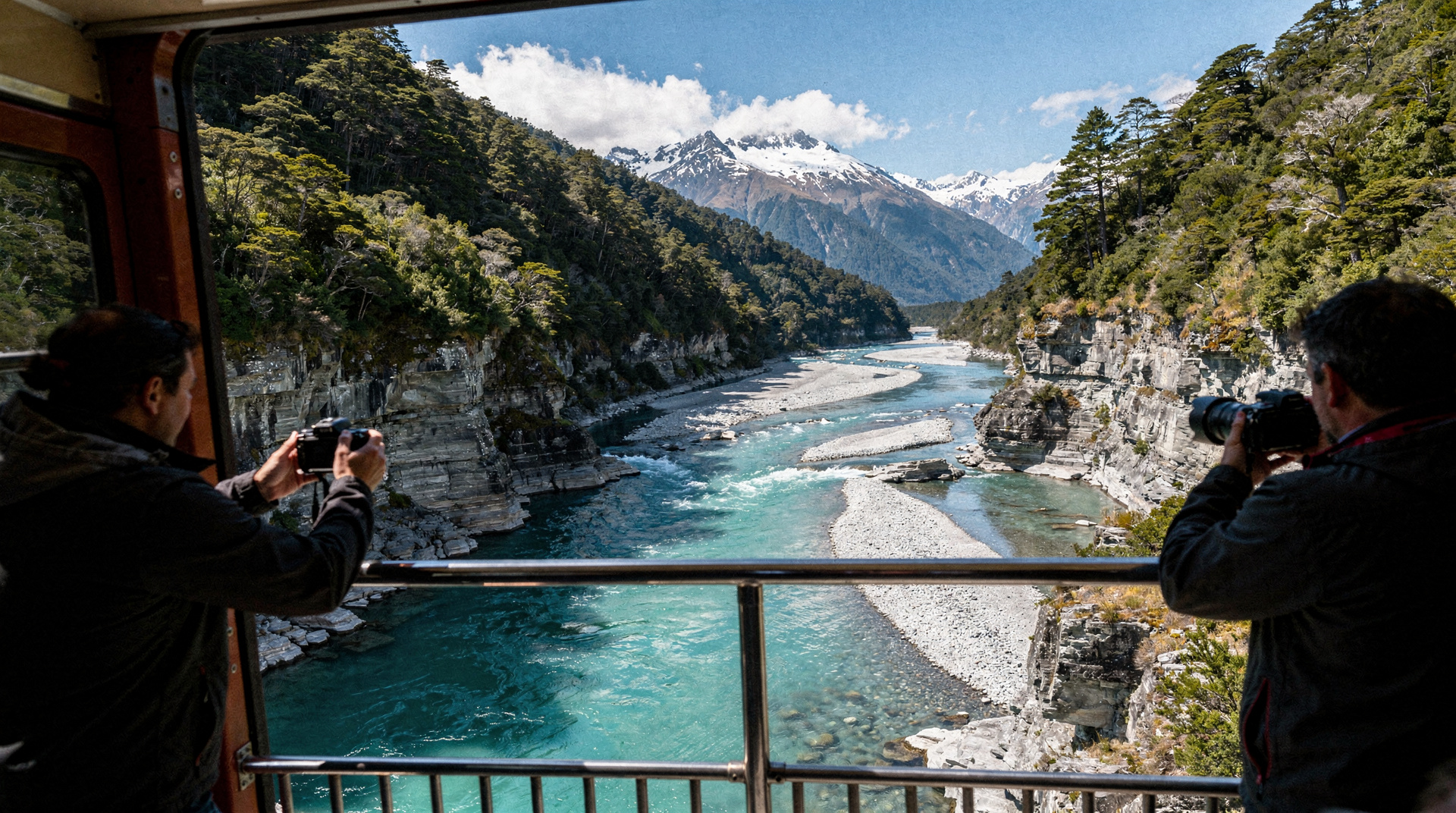
TranzAlpine day trip — Christchurch to Greymouth and back
TranzAlpine day trip guide: Christchurch to Greymouth round trip, Arthur's Pass, what to see from the train, day vs one-way, costs in NZD/USD/EUR.
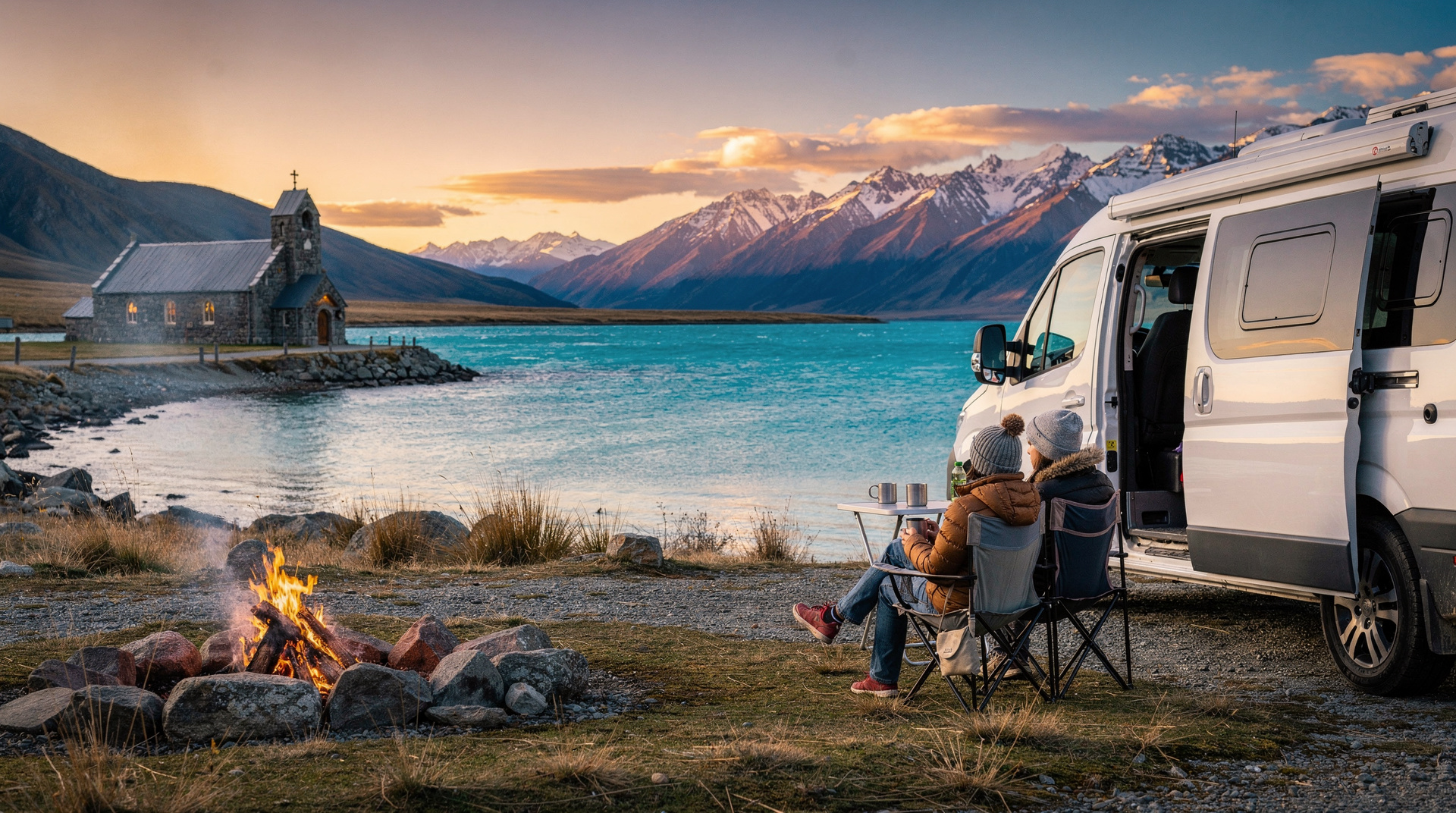
New Zealand campervan road trip — 21 days, both islands
21-day NZ campervan road trip covering both islands: freedom camping rules, dump stations, powered sites, and the best scenic stops. Real NZD/USD/EUR costs.
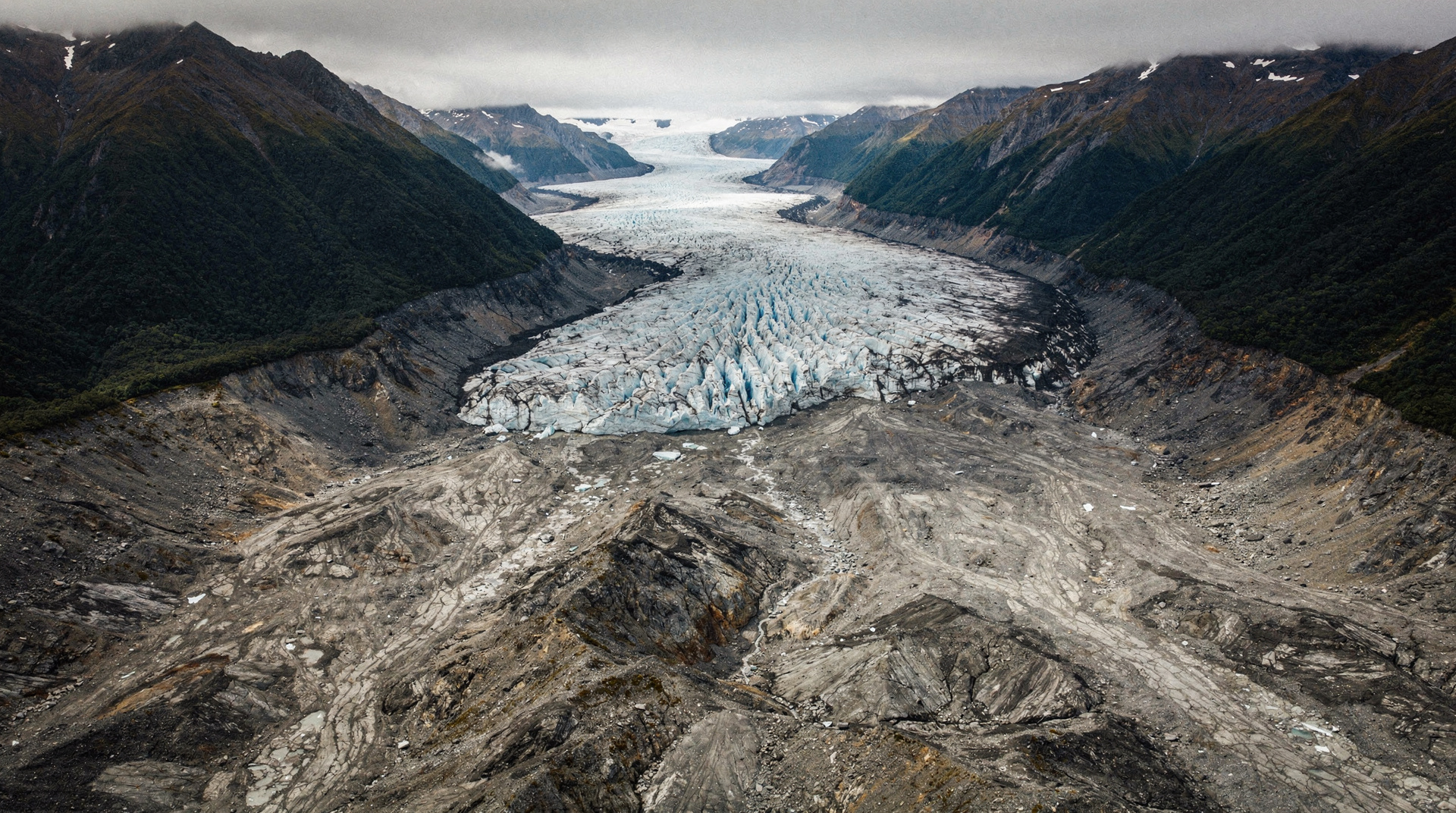
West Coast glaciers retreating — what to see now before the ice changes again
Franz Josef and Fox glaciers have retreated significantly. Here's what the glacier experience actually looks like now, and what's worth your time and money.
Last reviewed: