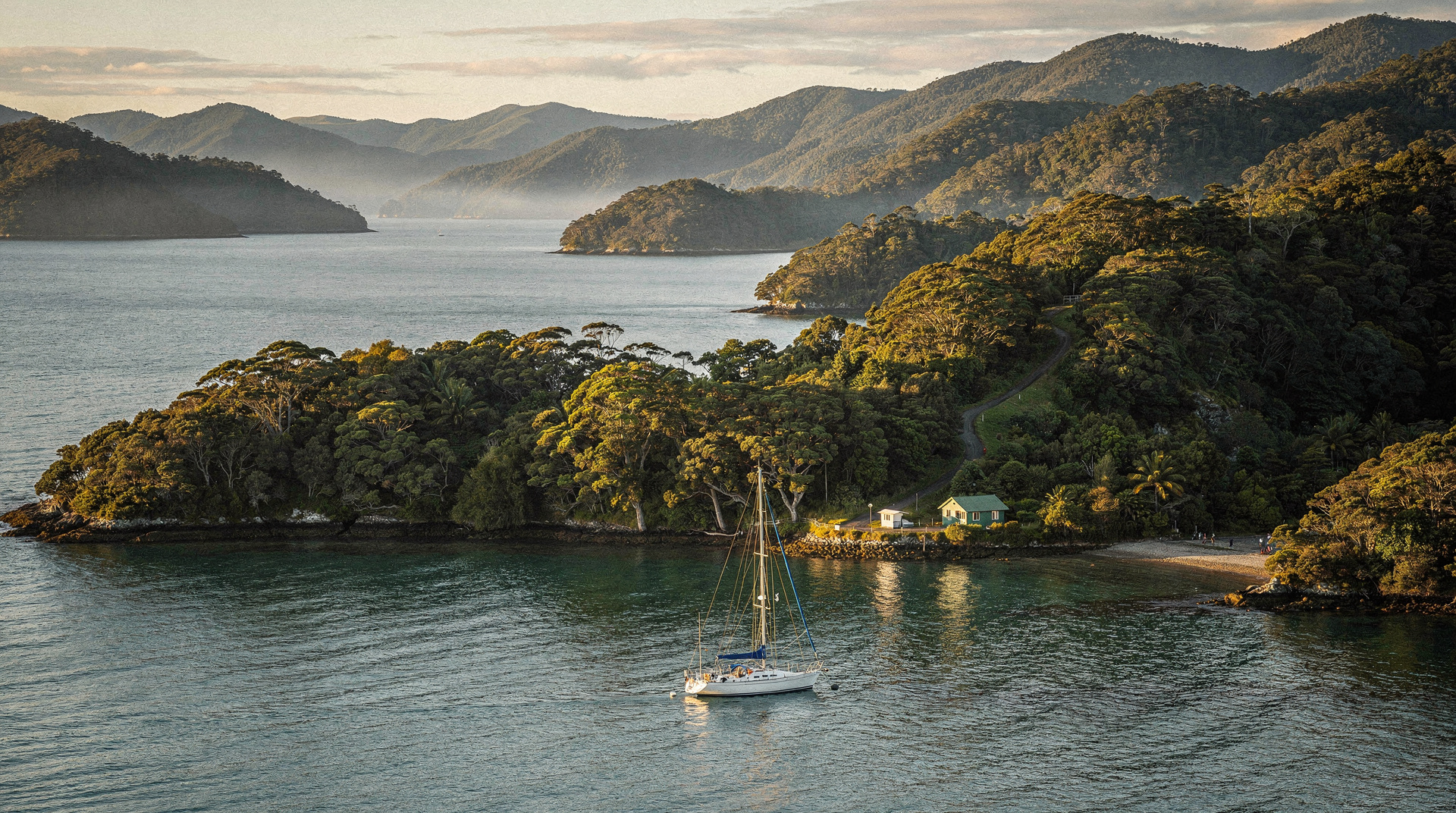
Marlborough Sounds
Marlborough Sounds: drowned valleys, green-lipped mussels, the Queen Charlotte Track, and mail boat cruises. Honest guide with real costs NZD/USD/EUR.
Quick facts
- Coastline
- 1,500+ km of drowned valley coastline
- Access
- By road from Picton or Blenheim; primarily by water within the sounds
- Currency
- NZ$ — USD ~$0.60 / EUR ~$0.55
- Key walking track
- Queen Charlotte Track — 73 km, 3-5 days, water taxi logistics
- Key sound
- Queen Charlotte Sound (Te Hoiere) — most accessible from Picton
Drowned valleys and extraordinarily clear water
The Marlborough Sounds are what you get when a series of river valleys flood to become arms of the sea. The result is a labyrinth of deep, sheltered waterways flanked by native bush and regenerating forest — over 1,500 km of coastline within a relatively compact area at the northern tip of the South Island.
| Where | Northern tip of the South Island, gateway at Picton |
| Time needed | 2–3 days minimum; 3–5 for the full Queen Charlotte Track |
| Cost | Around NZD 80–145 / USD 48–87 / EUR 44–80 per cruise or track day |
| Getting there | Cook Strait ferry to Picton, then water taxi within the sounds |
| Best time | October to April for warm water and full hiking conditions |
There are four main sounds: Queen Charlotte (Te Hoiere), Kenepuru, Pelorus, and Croisilles. Each has a different character. Queen Charlotte is the most accessible, with regular water taxis from Picton, the full length of the Queen Charlotte Track running its ridgeline, and several lodges accessible only by boat. Kenepuru is quieter and less visited, with longer inlets and fewer facilities — better for self-sufficient kayakers. Pelorus, connected to Havelock, is the deepest sound and home to the mussel farming that produces green-lipped mussels for export worldwide.
The sounds are a genuinely distinct New Zealand experience. The water is calm enough for sea kayaking, the native bush holds a remarkable density of bird life (weka, tui, bellbirds, fantails, kingfishers), and the isolation — despite being only an hour from a major highway — is surprising. In high season, boat traffic on Queen Charlotte Sound increases significantly; Kenepuru remains quiet year-round.
Why the Marlborough Sounds deserve 2-3 days
Most visitors arrive via the Cook Strait ferry and treat Picton as a transit point. This is understandable but represents a missed opportunity. The sounds reward at least one proper day of water exploration and ideally a night or two in a sound-side lodge.
The Queen Charlotte Track is one of New Zealand’s most enjoyable multi-day walks — not because it is wild and challenging (it is neither), but because the logistics work beautifully. You can carry only a daypack while a water taxi transports your main bag between lodges each morning. The track switches between ridge-top views over both the sounds and across to the Cook Strait, and valley sections through dense regenerating forest. The total is 73 km over four sections; most people walk three to five days depending on their pace and which sections they choose.
Even without walking, the sounds offer something most of New Zealand cannot: genuine remoteness accessible by water. You can reach bays that have no road access, swim in water with visibility measured in metres, and eat mussels pulled an hour ago from a farm 500 metres away.
What to do in the Marlborough Sounds
Queen Charlotte Track — full or partial walk: The track runs from Ship Cove (accessible only by water taxi, 30 minutes from Picton) to Anakiwa at the southern end of Queen Charlotte Sound. The four sections vary from 12 to 25 km in length. The most popular single day section is Ship Cove to Furneaux Lodge (18.6 km, 6–7 hours). Queen Charlotte Track: Cruise and Self-Guided Hike from Picton includes the water taxi and a guided section, giving first-timers the key logistical pieces pre-arranged.
Ship Cove cruise: For those not walking the full track, a return cruise to Ship Cove from Picton is the most efficient way to experience the sound. James Cook visited Ship Cove five times between 1770 and 1777, making it one of the most historically significant sites in New Zealand. The Marlborough Sounds and Ship Cove Cruise is a solid half-day option departing Picton.
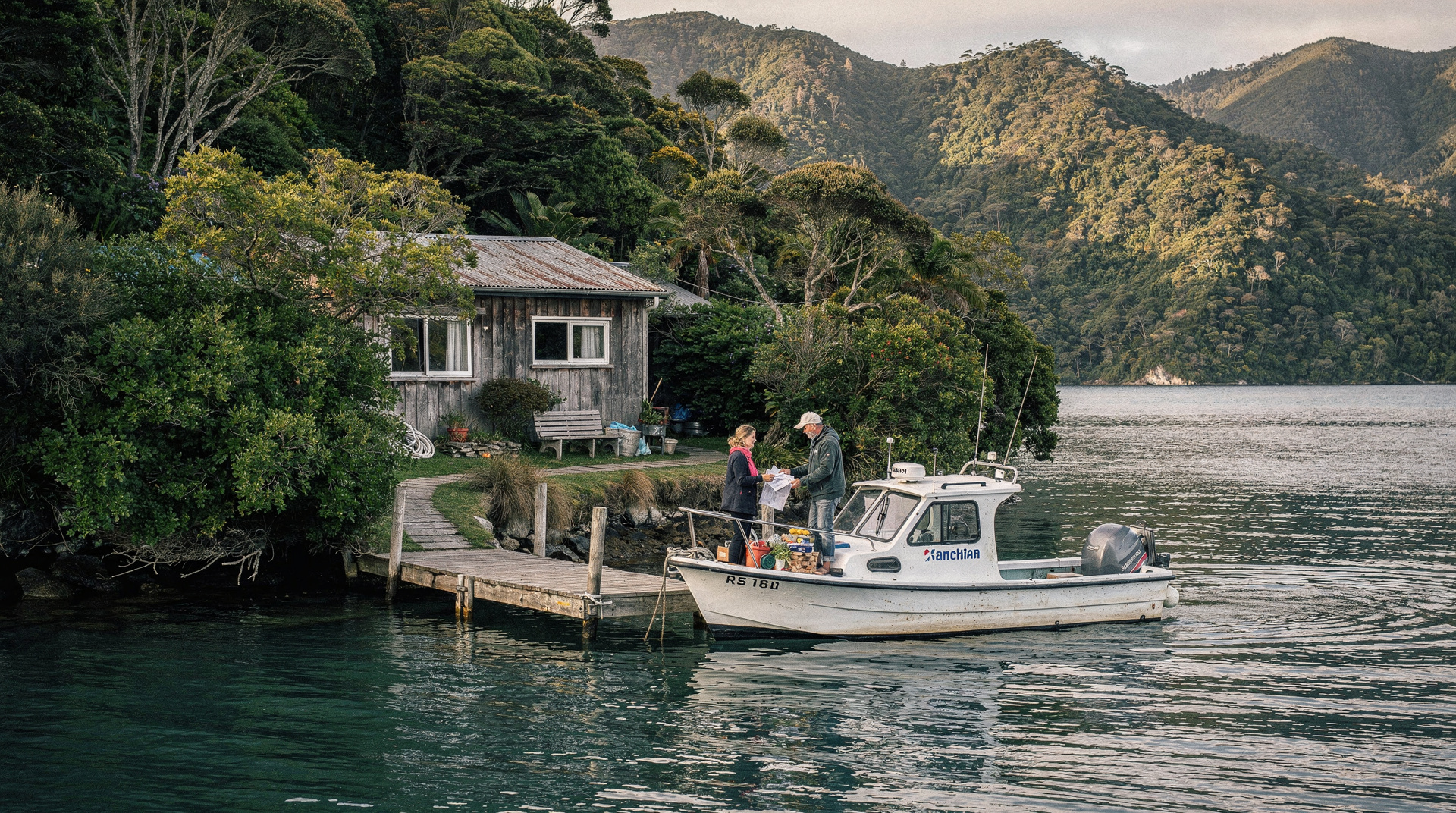
Queen Charlotte Sound mail boat cruise: The Beachcomber cruise runs the mail boat route through the upper Queen Charlotte Sound, delivering mail and supplies to remote settlements and lodges inaccessible by road. It is a functioning postal service that happens to be one of the most intimate ways to see the sounds and the communities that live in them. Half-day to full-day options; Queen Charlotte Sound Mail Boat Cruise from Picton departs Monday to Friday.
Sea kayaking: The sounds offer some of the best sea kayaking in New Zealand — sheltered water, good campsites, a proliferation of islands and coves, and no significant tidal currents in the upper sound. Day rentals are available from Picton; multi-day guided or self-guided expeditions venture into Kenepuru and beyond. For independent kayakers, the Queen Charlotte Sound Freedom Camping areas allow overnight kayak trips with minimum gear.
Greenshell mussel cruise from Havelock: Havelock, 35 km west of Picton at the confluence of the Pelorus and Kenepuru sounds, is the base for the mussel farm cruises. The Greenshell Mussel Cruise from Havelock stops at working mussel farms, explains the aquaculture in detail, and serves freshly harvested mussels on board. One of the better food experiences in New Zealand’s top seafood region.
Pelorus Sound and Rai Valley: The drive from Havelock along the Pelorus Sound is underrated — narrow road, stunning water views, old Pelorus Bridge picnic area with a swimming hole in clear water. The route west to Nelson passes through native podocarp forest at Pelorus Bridge Scenic Reserve.
Lodges and accommodation within the sounds
Staying in the sounds is logistically different from standard hotel accommodation: most lodges are accessible only by water taxi. This is part of the appeal.
Furneaux Lodge: The most accessible lodge on the Queen Charlotte Track, 18.6 km from Ship Cove. Chalets and shared facilities; water taxi access; the social hub for Queen Charlotte Track walkers. Rooms NZD 200–320 / USD 120–192 / EUR 110–176.
Bay of Many Coves Resort: Five-star lodge in a private bay with no road access. Kayaks included, cuisine is genuinely excellent. NZD 650–1,200+ / USD 390–720+ / EUR 358–660+. One of the better splurge options in the South Island.
Portage Resort Hotel: At the narrows between Queen Charlotte and Kenepuru sounds. Road-accessible and good value at NZD 250–420 / USD 150–252 / EUR 138–231. The pool and views over the sounds are excellent.
Picton accommodation: For the majority of visitors, Picton is the base for sound day-trips. See the Picton guide for specifics.
Where to eat
Eating well in the Marlborough Sounds means focusing on seafood — specifically green-lipped mussels, Marlborough king salmon, paua (abalone, though rarely on menus), and the excellent whitebait that runs in autumn.
Furneaux Lodge restaurant: Good for walkers needing a proper meal after a day on the track. Set menu options; book ahead.
Green Man Pub, Havelock: Unpretentious and excellent for mussels — the town’s signature dish. Mussels in half a dozen preparations, local beer on tap. Mains NZD 20–32 / USD 12–19 / EUR 11–18.
Havelock Mussel Pot: A restaurant dedicated almost entirely to green-lipped mussels in various preparations. The mussel pot (a full kilogram, steamed, with bread) is NZD 28 / USD 17 / EUR 15. Worth stopping here on the drive between Picton and Nelson.
The Marlborough wine region produces its best whites within 30 km of the sounds — Sauvignon Blanc, Pinot Gris, and Riesling. The Marlborough wine guides on this site cover the vineyard landscape in more detail.
Freedom camping and self-sufficient exploration
For travellers with a campervan and their own kayak or a hired freedom kayak, the sounds offer some of the best low-cost self-sufficient exploration in the South Island. Several DOC-managed freedom camping sites sit within the Queen Charlotte Sound area, mostly accessible only by water — check current DOC bookings before relying on this, as capacity is limited and rules tighten seasonally. Camping this way strips the trip back to basics: no lodge dinners, no water taxi schedule to work around, just a tent, a stove, and the sound at your doorstep. It suits confident paddlers who are comfortable reading tide and wind conditions rather than first-timers.
The trade-off against staying at a lodge like Furneaux Lodge is obvious: no restaurant, no hot shower most nights, and you carry everything. What you gain is total flexibility — no missed water taxi connection, no dinner sitting, just paddling until you find a bay you like.
Combining the Sounds with Marlborough wine
Because the Marlborough Sounds and the Marlborough wine region share the same 30–40 km radius around Picton and Blenheim, very few visitors do one without the other. The standard pattern: a morning on the water (mail boat or Ship Cove cruise), then an afternoon drive to Blenheim or Renwick for two or three cellar-door tastings before dinner. The Marlborough guide covers the wine trail logistics — which producers to prioritise, how to get between them without driving after tastings, and where the food pairs best with the region’s Sauvignon Blanc.
Travellers coming from Kaikoura to the south or continuing on to Nelson-Tasman to the west both pass within easy reach of Picton, so the Sounds rarely need a dedicated detour — they slot naturally into a South Island loop.
Skip / worth it / splurge
- Skip: Driving the sounds without taking a water taxi or boat — the real experience is on the water, not on the road
- Worth it: Mail boat cruise (NZD 80–120 / USD 48–72 / EUR 44–66) — a genuine piece of living infrastructure in a remarkable setting
- Worth it: Even one section of the Queen Charlotte Track (NZD 110–145 / USD 66–87 / EUR 61–80 with water taxi)
- Splurge: Two nights at Bay of Many Coves Resort (NZD 1,300–2,400 / USD 780–1,440 / EUR 715–1,320 per couple) — the only road-free luxury in the Marlborough Sounds
How to fit the Marlborough Sounds into your itinerary
The sounds work best as a 2-day extension of the Picton ferry arrival. The structure: ferry arrives Picton afternoon → overnight → full day on the sounds (mail boat or Ship Cove cruise) → morning drive to Blenheim wine region or Nelson.
For Queen Charlotte Track walkers, the standard structure is 3–5 days, beginning with a water taxi to Ship Cove and walking south to Anakiwa. Many people combine this with a final night in Picton before driving south.
On a 21-day New Zealand itinerary, the Marlborough Sounds get the time they deserve: two days walking sections of the Queen Charlotte Track plus one day for a mussel cruise from Havelock.
Marlborough Sounds by season
| Months | Water & weather | What it means for you |
|---|---|---|
| Nov–Feb | Warmest water, longest days, most boat traffic | Peak season — book the mail boat and kayaks ahead |
| Mar–Apr | Still warm, thinning crowds, harvest light nearby in Marlborough wine country | Best value window — combine Sounds and wine trail |
| May–Sep | Cooler water, quieter Kenepuru Sound, fewer boats | Track huts easier to book; kayaking still viable in daylight |
| Oct | Water warming, hiking conditions improving | Shoulder start of the main season |
Frequently asked questions
Can I visit the Marlborough Sounds without walking the Queen Charlotte Track?
Absolutely. The mail boat cruise and Ship Cove cruise are both excellent without any walking. You can also rent a kayak for a half-day self-guided paddle directly from Picton. The sounds are accessible and enjoyable without committing to a multi-day walk.
When is the Marlborough Sounds at its best?
October to April gives you warm water for swimming, reliable sunshine, and the full range of activities. November to February is the core summer season with maximum tourism. March to May is the shoulder season — fewer people, beautiful autumn light, and still warm enough for kayaking.
What happens if the weather turns bad in the sounds?
The sounds are sheltered from open sea conditions, so kayaking is viable in most weather. Rain in the sounds does not typically cause the closure of activities; the bush smells extraordinary in the rain and the mist on the ridges is atmospheric. Severe southerly weather occasionally affects the Cook Strait crossing.
Is the Queen Charlotte Track suitable for children?
The easier sections (Torea Bay to Cowshed Bay, and the Anakiwa to Davies Bay section) are suitable for confident older children. The full Ship Cove to Furneaux Lodge section (18.6 km) is too long for most children under 12. Water taxi options allow you to shorten any section.
Can I camp for free in the Marlborough Sounds?
Some DOC-managed freedom camping sites exist within the sounds, mostly water-access only, with limited capacity and seasonal rules that change — check current DOC listings before planning around it. It suits confident, self-sufficient kayakers more than casual campers, since most sites have no facilities beyond a toilet.
How does the Marlborough Sounds compare to Milford Sound or Doubtful Sound?
They’re different landscapes entirely. Milford and Doubtful are glacier-carved fiords in Fiordland with towering cliffs and waterfalls; the Marlborough Sounds are drowned river valleys — gentler, greener, and warm enough to swim in. If you’re choosing one fiord-style experience for a South Island trip, Milford or Doubtful Sound delivers more drama; the Marlborough Sounds deliver more relaxed, multi-day exploration and better food.
Top experiences: marlborough sounds New Zealand
See all →Guides for Marlborough Sounds
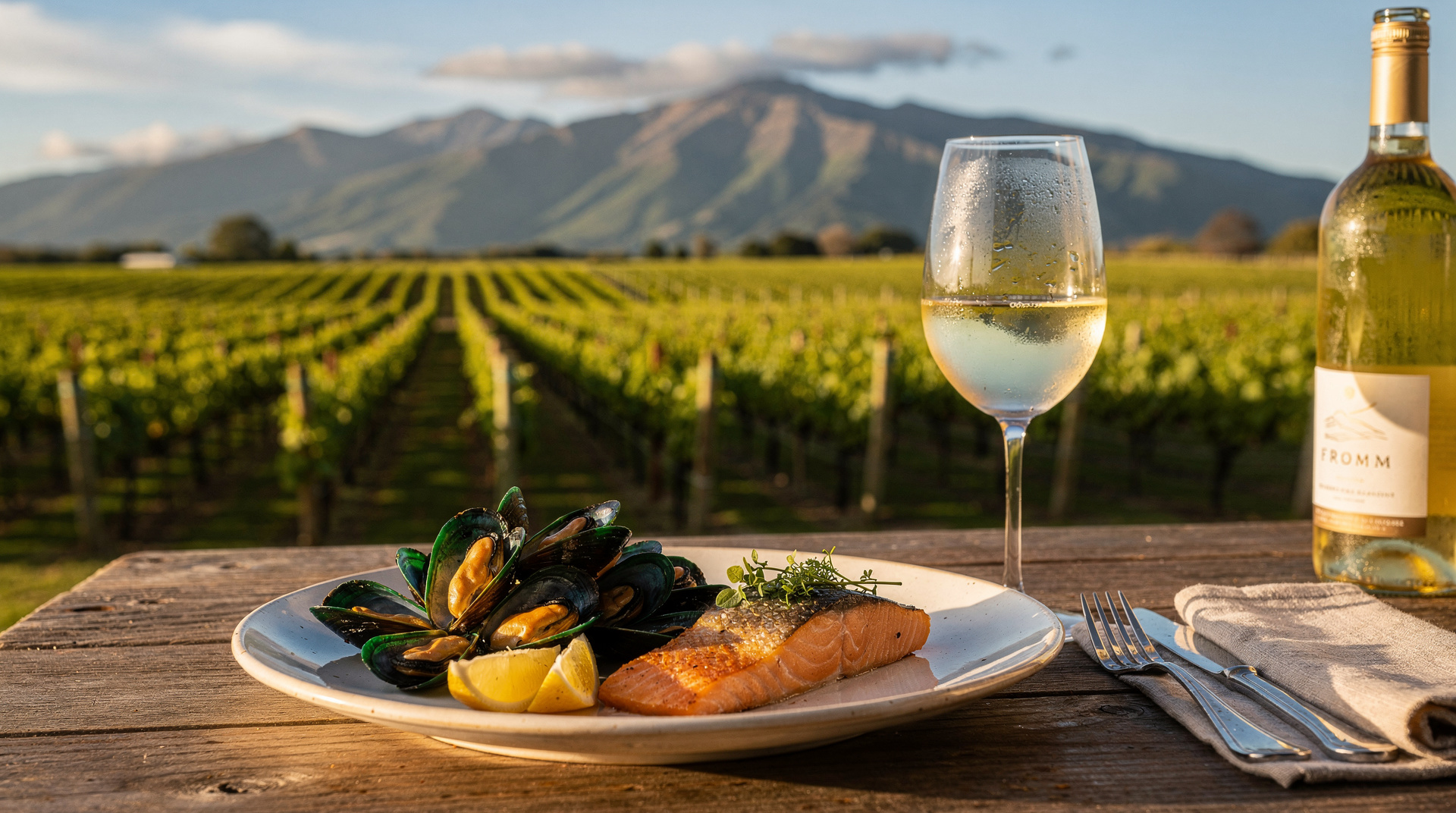
Marlborough wine and food — the honest guide
Marlborough wine explained: Cloudy Bay, Brancott, Saint Clair, Pinot Noir, Chardonnay. Food pairings, salmon farms, mussel cruises, real costs NZD/USD/EUR.
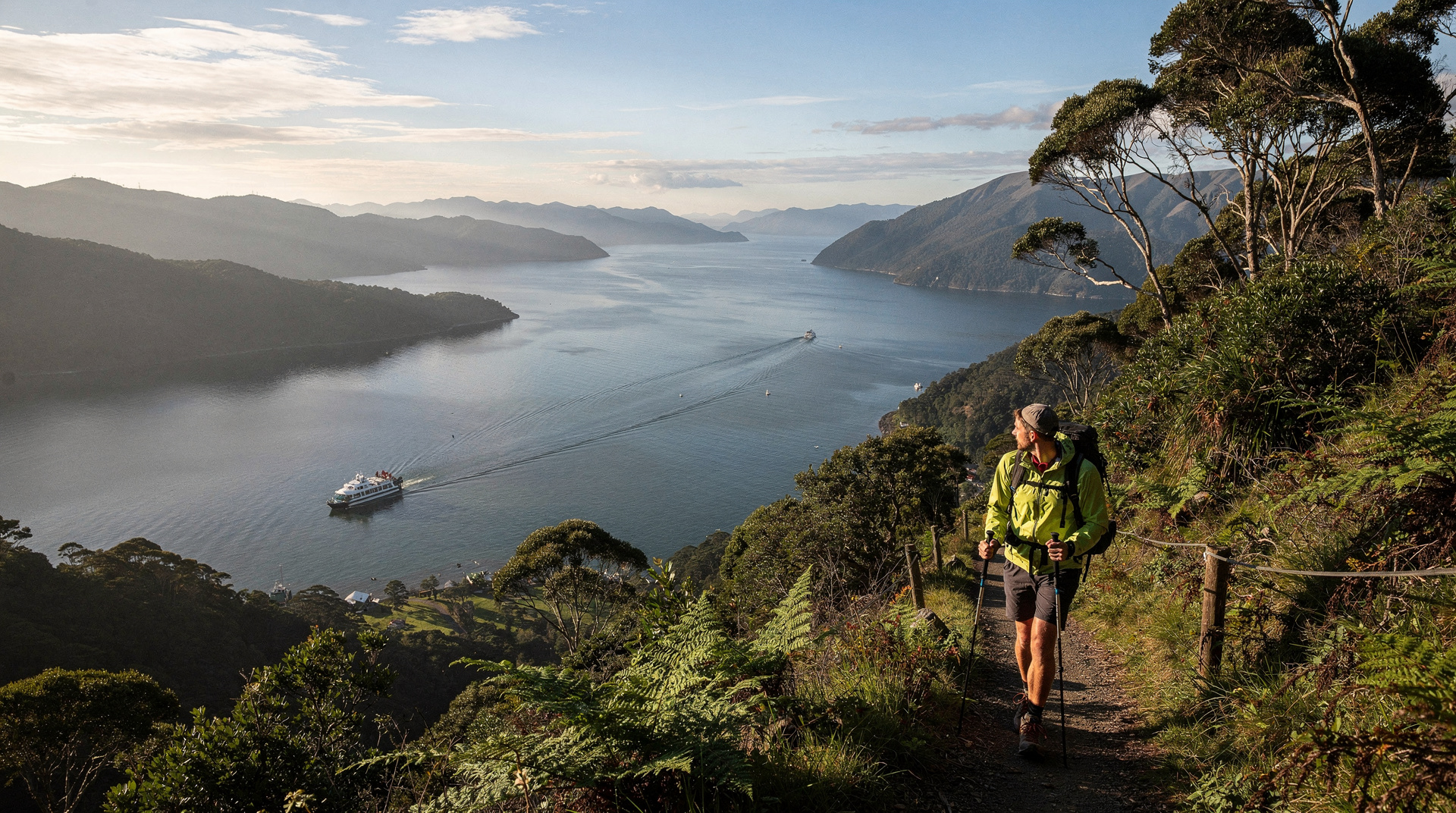
Queen Charlotte Track — Marlborough Sounds multi-day walk
Queen Charlotte Track: 73km, 3-5 days, Marlborough Sounds. Not a DOC Great Walk — private landowner fees apply. Water taxis carry packs. Lodges available.
Related guides
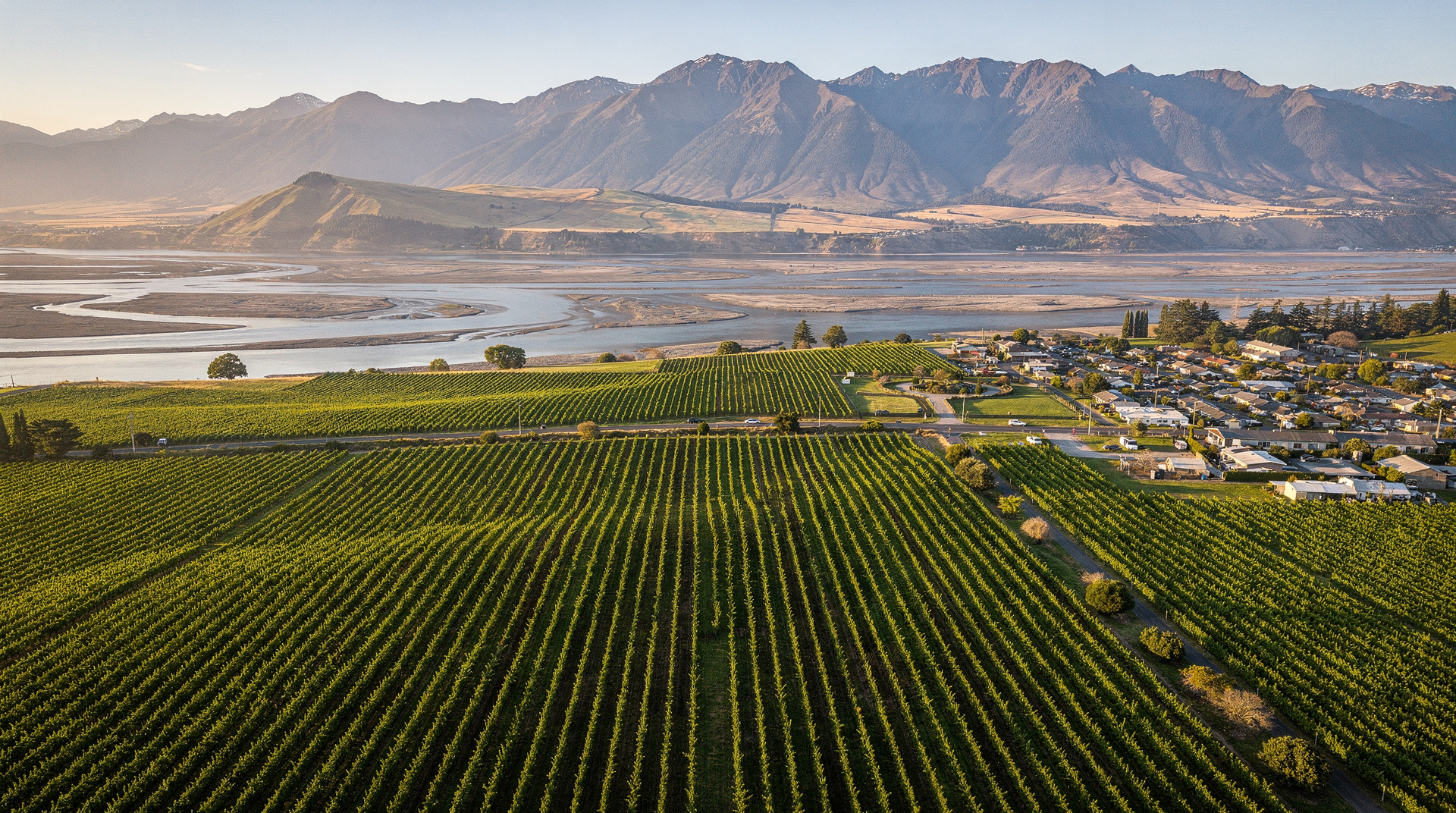
Marlborough
Honest Marlborough guide: Picton ferry gateway, Queen Charlotte Sound, Blenheim wineries, Havelock mussels. Real NZD/USD/EUR prices and practical logistics.
Picton
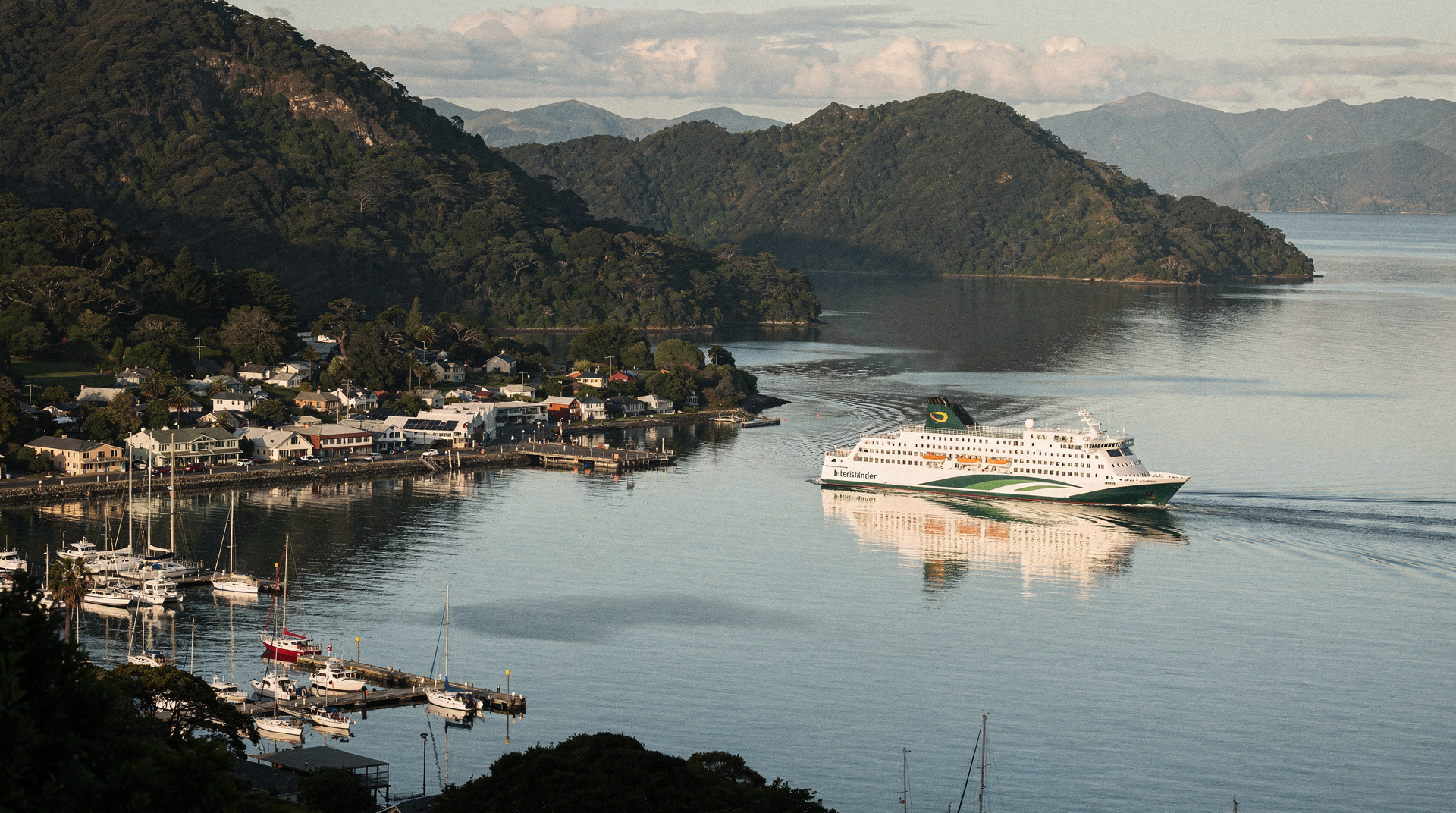
Picton: your Cook Strait ferry arrival point, gateway to Marlborough Sounds, Queen Charlotte Track, and the wine region. Real costs NZD/USD/EUR.
Nelson and Tasman
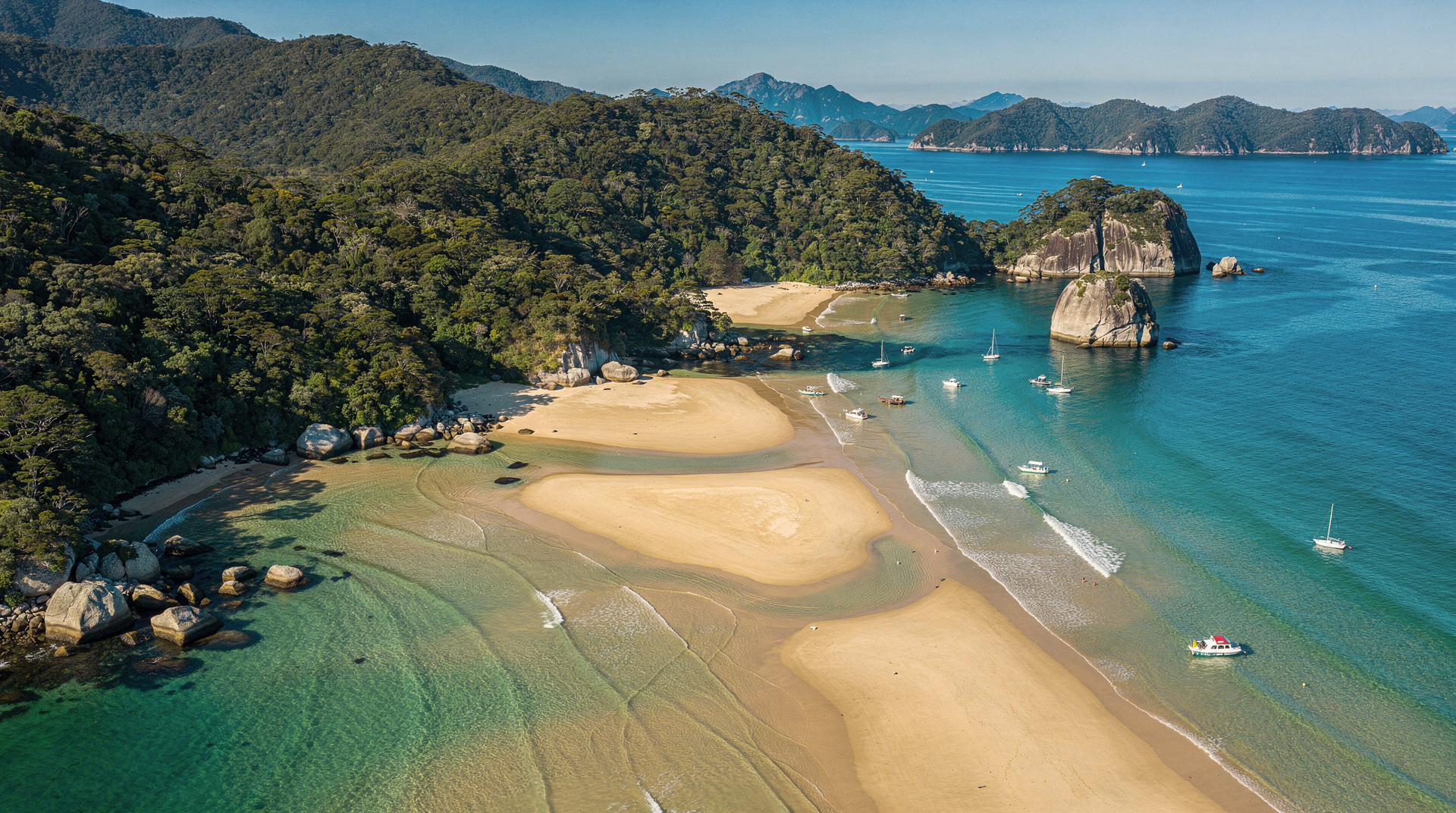
Honest Nelson-Tasman guide: Abel Tasman National Park, Golden Bay, Farewell Spit, Nelson wine. NZD/USD/EUR prices, kayak vs cruise, what to skip.
Queen Charlotte Track — Marlborough Sounds multi-day walk
Queen Charlotte Track: 73km, 3-5 days, Marlborough Sounds. Not a DOC Great Walk — private landowner fees apply. Water taxis carry packs. Lodges available.
Marlborough Sounds cruise — the drowned valleys of the north
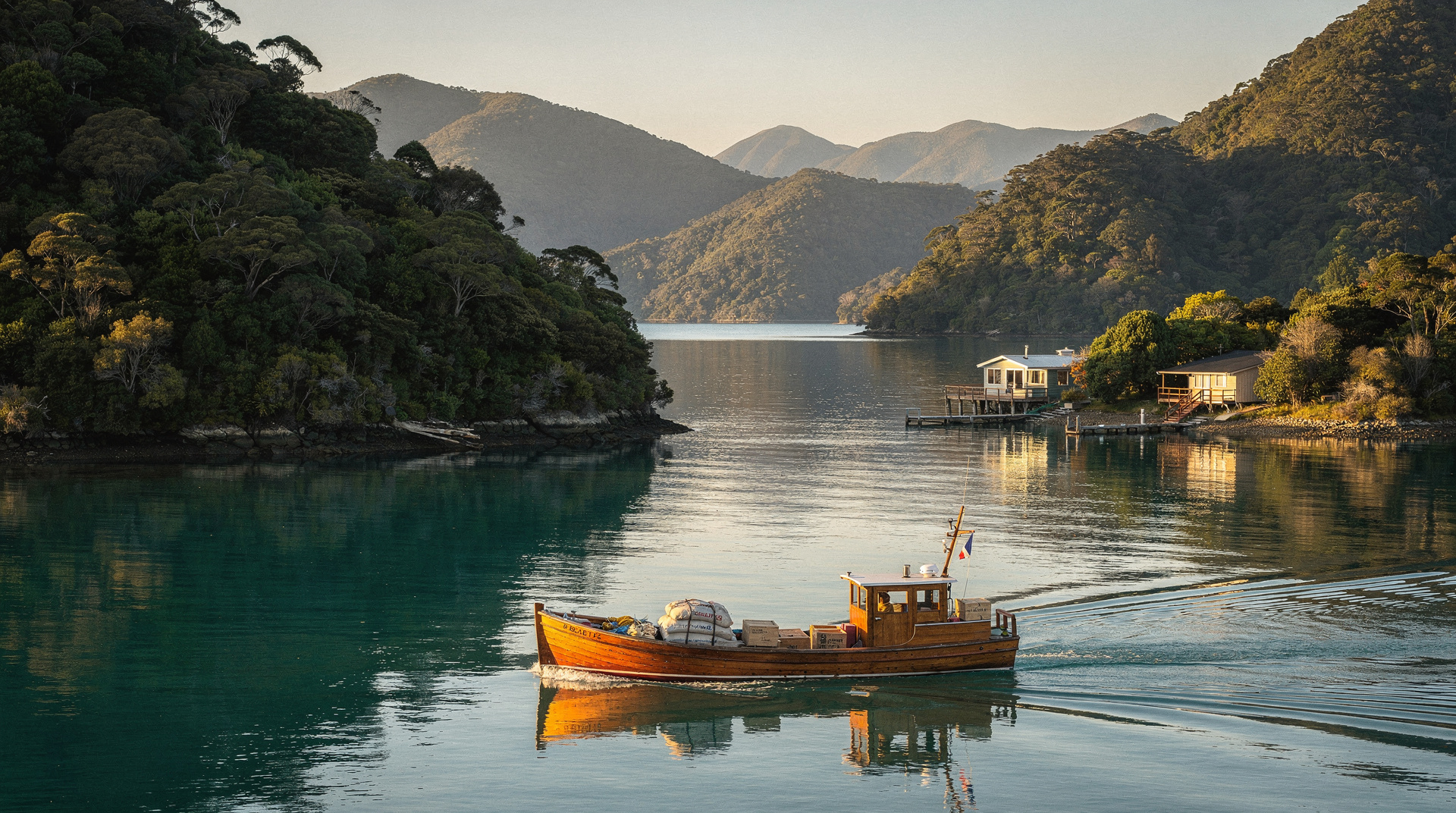
Marlborough Sounds cruise guide: seafood and mussel cruises from Picton or Havelock, Queen Charlotte Sound, mail boat, and Queen Charlotte Track boat access.
Queen Charlotte mail boat cruise — Marlborough Sounds the working way
The Pelorus Sound mail boat delivers supplies to remote residents. Ride along on a 7-hour working day — one of NZ's most authentic cruises.
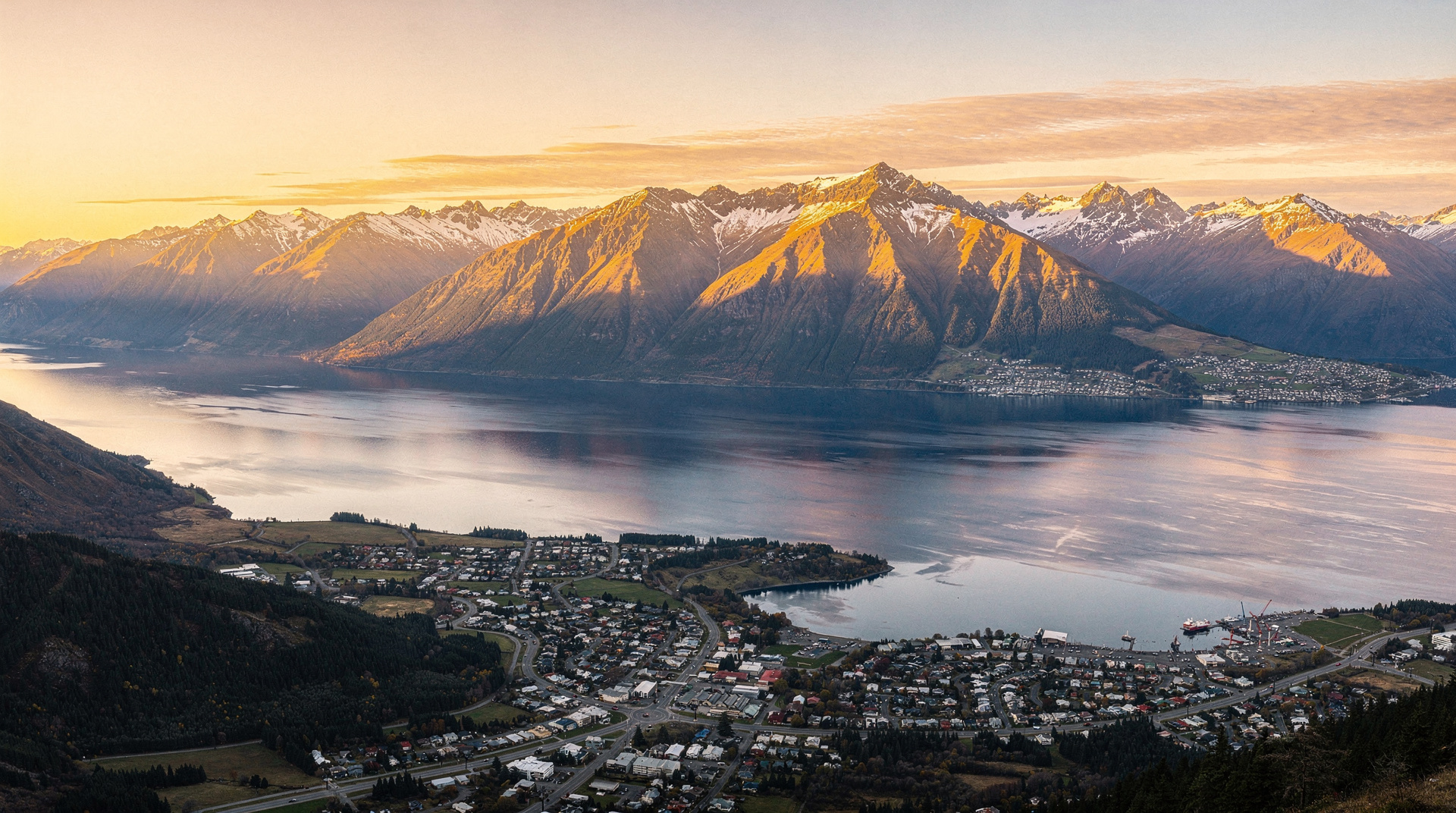
14-day New Zealand itinerary — both islands, grand tour
Honest 14-day NZ grand tour: Auckland, Bay of Islands, Hobbiton, Rotorua, Wellington, ferry, Kaikoura, Christchurch, Queenstown, Milford.
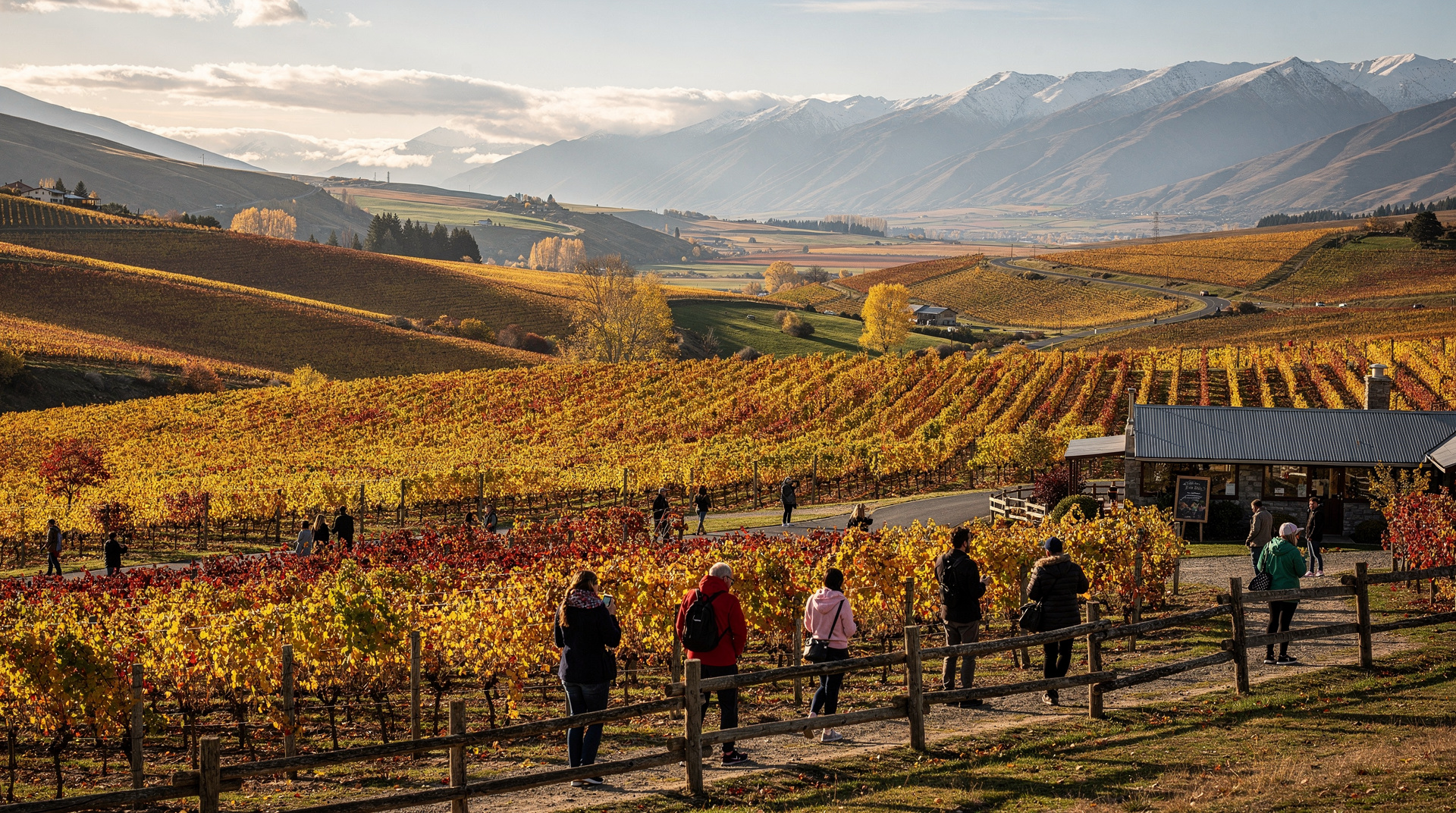
The best shoulder season itinerary for New Zealand — 14 days in autumn
A 14-day New Zealand itinerary designed for March and April: fewer crowds, better light, lower prices, and the same landscapes everyone comes for.
Last reviewed: