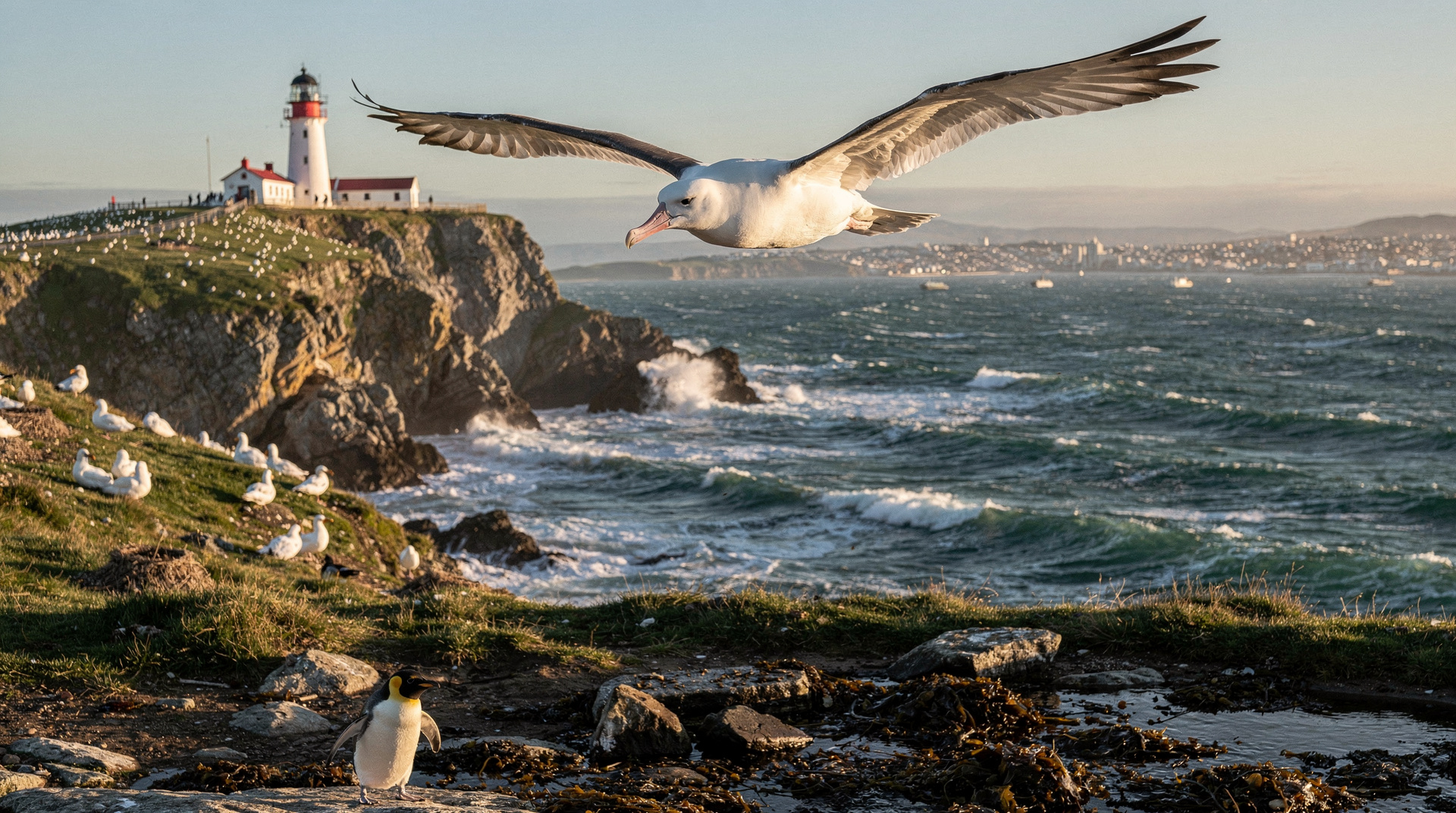
Otago Peninsula
Honest Otago Peninsula guide: albatross colony, yellow-eyed penguins, Larnach Castle — real NZD/USD/EUR prices and the best wildlife timing advice.
Quick facts
- Key wildlife
- Royal albatross (only mainland colony globally), yellow-eyed penguins, little blue penguins, fur seals
- Drive from Dunedin
- 30–45 minutes to Taiaroa Head (end of the peninsula)
- Length
- 30 km long peninsula — accessible by two roads (high road and harbour road)
- Currency
- NZD — 1 NZD ≈ USD 0.60 / EUR 0.55
Otago Peninsula — the best wildlife day trip in the South Island
The Otago Peninsula is a 30 km long volcanic peninsula east of Dunedin, forming the southern shore of the Otago Harbour. It is the most accessible place in the world to observe royal albatross nesting (the only mainland colony exists here), and one of the few places where you can see yellow-eyed penguins (mohua) without a sea voyage or extreme remoteness.
Most visitors do the peninsula as a day trip from Dunedin. A full day is enough to cover the main wildlife sites with time for Larnach Castle and a harbour lunch. Half a day (afternoon) gives you the albatross centre and the penguin timing — the penguins return from sea in the late afternoon, which means an afternoon-focused visit aligns naturally with the biology.
The peninsula has two roads: the Highcliff Road (high road, panoramic views, slower) and the Portobello Road (low road, along the harbour, faster). A full peninsula circuit uses both — head out on the high road, return on the harbour road. Allow 3 hours minimum driving time for the full circuit, not counting stops.
| Where | East of Dunedin, 30–45 minutes to Taiaroa Head |
| Cost | Around NZD 55–225 depending on how many wildlife sites you visit |
| Time needed | Half day (afternoon) for albatross and penguins; full day with Larnach Castle |
| Getting there | Self-drive, organised tour, or limited bus to Portobello |
| Best time | November–February for the most visible wildlife activity |
Royal albatross colony — Taiaroa Head
The Royal Albatross Centre at Taiaroa Head is managed by DOC and Dunedin City Council. It is the only place in the world where royal albatrosses (Diomedea epomophora) breed on a mainland — every other colony is on sub-Antarctic islands. Approximately 25–30 pairs nest here each year.
Albatross facts that matter for visitors: wingspan of 2.5–3m (largest of any flying bird); they breed once every two years; chicks hatch between December and February; fledglings learn to fly and depart March–September. Parents take feeding shifts at sea lasting up to 11 days while the partner incubates. Adults can live to 60+ years.
Visits require a guided tour with a DOC ranger — you enter an enclosed viewing area on the headland and watch albatrosses landing, launching, nesting, and in the breeding season, courtship displays. The tour lasts 45 minutes. Adult albatrosses are visible year-round; chicks are visible December–August; fledglings (large, fluffy, occasionally flapping practice) are the highlight November–February.
The Larnach Castle, city, and Otago Peninsula harbour cruise combination covers multiple peninsula highlights in one organised day. NZD 195–265 / USD 117–159 / EUR 108–146.
For a pure wildlife focus: the Otago Peninsula full nature day tour covers the albatross centre, yellow-eyed penguin hide, little blue penguin colony, and a harbour stop with fur seals. This is the most comprehensive single-day wildlife experience available from Dunedin. NZD 175–225 / USD 105–135 / EUR 97–124. Book well ahead in summer.
Yellow-eyed penguins (mohua)
The yellow-eyed penguin is one of the rarest penguin species in the world (population approximately 4,000 birds total), and the Otago Peninsula has a significant breeding population. They nest inland in coastal forest, returning from the sea each afternoon to feed their chicks.
Viewing takes place from hides (covered wooden shelters with viewing slots) on private land managed by wildlife conservation trusts. You wait (typically 30–90 minutes) for penguins to emerge from the sea and walk up the beach toward their nests. The experience is unhurried and genuinely moving — you’re watching a critically endangered bird do exactly what it has done for thousands of years, in terrain that feels completely wild despite being 20 minutes from a city.
The Moeraki Boulders and Otago Peninsula wildlife day combines the peninsula yellow-eyed penguin hides with a stop at the Moeraki Boulders (a naturally formed geological oddity 80 km north of Dunedin). NZD 185–245 / USD 111–147 / EUR 102–135. Good for those who want to combine the peninsula with the coastal route north toward Christchurch.
Arrival timing for yellow-eyed penguins: 3pm–6pm is the typical window, peaking around 4–5pm. On cloudy days they sometimes arrive earlier. Tours are timed to match this.
Little blue penguins (kororaa)
Smaller than the yellow-eyed penguin, little blue penguins (the world’s smallest penguin species at 30–40 cm height) return from the sea at or after sunset, creating the “penguin parade” spectacle that Oamaru (50 km north) has made famous. On the Otago Peninsula, little blue penguins nest at Taiaroa Head (near the albatross centre) and at several points along the harbour’s north shore.
The best organised viewing is at the Royal Albatross Centre’s evening penguin viewing area — timed to align with the penguin return at dusk. NZD 28–38 / USD 17–23 / EUR 15–21. Genuinely entertaining for children and adults; hundreds of penguins returning from sea in a stream past your viewing position.
Fur seals and harbour wildlife
New Zealand fur seals (kekeno) haul out at several points on the outer peninsula, particularly at the rocky headlands near Taiaroa Head and at Pilot’s Beach. The Otago Harbour itself has significant birdlife including spotted shags, little black shags, and various waders. The harbour road (Portobello Road) passes the Sea Life Aquarium (Portobello, admission NZD 18–25 / USD 11–15 / EUR 10–14; useful for understanding the local marine ecosystem).
Harbour wildlife viewing from a boat: the Otago Peninsula wildlife cruise covers the harbour and outer peninsula from the water with commentary on the seals, seabirds, and (occasionally) orca that enter the harbour. NZD 85–115 / USD 51–69 / EUR 47–63. Combines well with a land visit on the same day.
Beyond the headline species, the peninsula’s birdlife rewards a slower look. Spotted shags nest in colonies on the harbour cliffs and are easy to photograph from the harbour road pull-offs; variable oystercatchers and pied stilts work the tidal flats near Portobello at low tide; and the occasional Fiordland crested penguin turns up outside its usual breeding range further south. None of this needs a guide or a booking — a pair of binoculars and a slow drive along the harbour road at low tide is enough.
Larnach Castle
Covered in detail in the Dunedin guide, Larnach Castle (1871) is New Zealand’s only castle and stands on the ridge of the peninsula at approximately 300m elevation, with views over both sides of the peninsula. The gardens (10 hectares) are maintained to a high standard; the castle rooms and ballroom are open for guided and self-guided tours. Admission NZD 42–52 / USD 25–31 / EUR 23–29.
Most peninsula itineraries visit the castle in the morning (before the afternoon wildlife timing), then do the albatross and penguin viewings in the afternoon. This sequence avoids doing wildlife at the wrong time of day.
Getting around the Otago Peninsula
Self-drive is the most flexible option. The high road (Highcliff Road) is narrow and winding; drive carefully and check your car hire conditions regarding gravel road coverage for any unsealed sections. The harbour road is fully sealed throughout.
Organised tours from Dunedin: multiple operators run half-day and full-day peninsula tours. This is the practical option if you don’t have a car or want to focus on photography without driving. The Dunedin city and Otago Peninsula full day tour includes transport, main wildlife stops, and Larnach Castle access. NZD 165–215 / USD 99–129 / EUR 91–118. Book in advance in summer.
Bus from Dunedin: Orbus route 15 runs to Portobello on the harbour road; service frequency is limited. Not practical for the albatross centre or yellow-eyed penguin hides, which are further along the peninsula.
Direct albatross-only access: if the full nature day is more than you want, the Royal Albatross and Otago Peninsula tour focuses on Taiaroa Head with a shorter peninsula loop, useful for visitors on a half-day schedule or without a car. NZD 145–185 / USD 87–111 / EUR 80–102.
Comparing the wildlife experiences
The peninsula offers four distinct wildlife encounters, and few visitors have time for all of them well. This comparison helps prioritise:
| Experience | Best time of day | Guaranteed sighting? | Typical cost |
|---|---|---|---|
| Royal albatross (Taiaroa Head) | Late morning to afternoon | Adults year-round; chicks Dec–Aug | NZD 59–75 |
| Yellow-eyed penguins | 3pm–6pm | Likely Oct–Mar; less reliable in winter | NZD 55–75 |
| Little blue penguins | Dusk | Reliable most of the year | NZD 28–38 |
| Fur seals / harbour wildlife | Any time, tide-dependent | Very likely | NZD 85–115 (cruise) |
If you can only pick two, the royal albatross and the yellow-eyed penguins are the peninsula’s genuinely unique drawcards — both are difficult to see anywhere else in the world with this level of access. The Taiaroa Head little blue penguin evening viewing pairs well as an add-on after an afternoon albatross visit, since both happen at the same headland. NZD 28–38 / USD 17–23 / EUR 15–21.
Where to eat on the peninsula
Portobello Hotel and Fish Cafe — 20 km from Dunedin on the harbour road. Good fish and chips, seafood, and the best lunch stop on the peninsula. Mains NZD 22–38 / USD 13–23 / EUR 12–21. The outdoor seating with harbour views is excellent on a fine day.
Larnach Castle Garden Café — simple café within the castle grounds. Soup, sandwiches, cakes, NZD 14–22 / USD 8–13 / EUR 7–12. Convenient if you’re visiting the castle midday.
Most visitors carry lunch provisions from Dunedin — there are limited food options once you’re past Portobello.
Skip / Worth it / Splurge
Skip: The Aquarium at Portobello if you’re doing a full wildlife day (redundant after seeing the animals in the wild). The penguin parade at Oamaru (50 km north) is more precisely managed but more crowded — the Otago Peninsula version is wilder and feels more authentic.
Worth it: The Royal Albatross Centre (NZD 59–75 — genuinely the only mainland albatross colony anywhere). The yellow-eyed penguin hide visit at the right time of day. The high road return circuit for the panoramic views.
Splurge: Staying overnight at Larnach Castle. Having the castle grounds to yourself in the early morning — before any day visitors — is a genuinely unusual experience.
How the Otago Peninsula fits into your itinerary
The peninsula is inseparable from Dunedin — you shouldn’t visit one without the other. It’s a day trip from Dunedin (day 2 of a 2-day Dunedin stop). On the 7-day South Island itinerary, the Otago Peninsula typically doesn’t fit unless you’re routing south through Dunedin. On a 14-day New Zealand itinerary or longer, a 2-night Dunedin stop makes the peninsula achievable.
From Queenstown, Dunedin and the Otago Peninsula are 3 hours south and most efficiently done as part of a southbound route toward the Catlins and Invercargill rather than as a day trip return.
Frequently asked questions about Otago Peninsula
Is the albatross colony open year-round?
The Royal Albatross Centre is open year-round, but the breeding season (October–September) determines what you see. Nesting adults are visible year-round. Eggs are present October–January. Chicks December–August. Fledglings (preparing to fly) are visible November–February. The best season for dramatic visible activity is November–February.
Do you need to book the albatross tour in advance?
Yes, particularly in summer (December–March). The tours have limited capacity (guided groups) and sell out. Book through the Royal Albatross Centre website at least 2–3 days ahead in peak season; same-day tickets are sometimes available off-season.
Are yellow-eyed penguins guaranteed on a visit?
Not 100%, but sightings are typical. The conservation areas where viewing takes place are on private land with active management to protect penguin habitat. On most afternoons from October to March, multiple penguins arrive during the viewing window. In winter (June–August) sightings are less predictable.
How much time should you spend on the Otago Peninsula?
A full day (8–9 hours) to cover the high road, Larnach Castle, the albatross centre, yellow-eyed penguin hide, and the return on the harbour road. Half a day (afternoon, 4–5 hours) covers the albatross centre and penguins with a Portobello lunch stop. Less than 3 hours is not enough to see any wildlife properly.
Can you combine the Otago Peninsula with the Catlins?
Yes, but it’s a long day. The Catlins (coastal wildlife south of Dunedin) is accessible from Dunedin in an organised day tour (8 hours), but combining it with the Otago Peninsula requires either two separate days or a very early start. The Dunedin to Invercargill via the Catlins one-way tour covers the main Catlins sites and ends in Invercargill — good for those heading south toward Te Anau. NZD 145–195 / USD 87–117 / EUR 80–107.
Is the Otago Peninsula worth it without a car?
Yes, with planning. Organised tours from Dunedin pick up centrally and cover the main sites without requiring you to navigate the narrow high road yourself, which is genuinely useful for visitors unfamiliar with driving on the left. The trade-off is less flexibility on timing — you follow the tour’s schedule rather than positioning yourself for the exact penguin arrival window.
How does the Otago Peninsula compare to Oamaru for penguins?
Both offer little blue penguin viewing, but the Otago Peninsula additionally has yellow-eyed penguins, which Oamaru does not. If you only have time for one little blue penguin colony, either works equally well; if yellow-eyed penguins matter to you, the peninsula is the only realistic option this close to Dunedin. See the yellow-eyed penguins guide for the full comparison across the South Island’s colonies.
The Otago Peninsula’s geological and human history
The peninsula is the eroded remnant of a volcanic field that formed approximately 10–13 million years ago. The Otago Harbour that separates the peninsula from the mainland formed when rising sea levels after the last ice age flooded the valleys between the volcanic hills. The harbour’s calm water (almost entirely enclosed by the peninsula on the south and the mainland on the north) is what allowed the early European settlement of Dunedin — it provided a sheltered anchorage 12 km from the open sea.
The original Maori settlement (Ngai Tahu) used the peninsula for fishing, sealing, and moa hunting. Middens (ancient refuse heaps) containing moa bones and shellfish have been excavated at several points along the harbour’s shores, providing evidence of pre-European habitation. The area’s name in te reo Maori — Otakou — refers to a pa (fortified settlement) at the mouth of the harbour where one of the first significant interactions between Ngai Tahu and European sealers took place in the early 1800s.
The Otakou Marae at the tip of the harbour (just inside the harbour entrance, separate from the albatross centre) is one of the oldest and most historically significant marae in the South Island. It is not generally open to visitors without invitation, but the meeting house is visible from the road and the site is acknowledged in all interpretive material at the Royal Albatross Centre.
Conservation work on the peninsula
The Otago Peninsula Trust and several other conservation organisations run predator control across the peninsula. Stoat, rat, and possum trapping protects the yellow-eyed penguin and little blue penguin breeding areas, and indirectly benefits the shorebird and forest bird populations. The scale of predator control required for meaningful protection is significant — it requires consistent effort across private land with cooperation from landowners.
Visitors contribute to this work indirectly through the admission charges at wildlife viewing areas, which fund conservation programs. The yellow-eyed penguin hide areas are on private land managed specifically for conservation, and the entry fees go directly to maintaining the habitat. This is worth understanding when comparing costs — NZD 55–75 for a yellow-eyed penguin viewing is supporting an active conservation operation for a critically endangered species, not just buying a wildlife spectacle.
The Royal Albatross Centre at Taiaroa Head also runs a chick-rearing program during the breeding season, with rangers monitoring nesting pairs and intervening if chicks are in danger from weather or predators. The centre publishes nest updates during the breeding season (November–February) that are useful for planning a visit around peak albatross activity.
Practical information for Otago Peninsula visits
Driving the high road (Highcliff Road): the high road is sealed but narrow in places and has passing bays. The views across both sides of the peninsula are excellent; the road reaches over 300m elevation. Drive carefully and allow more time than Google Maps suggests — the views will stop you frequently.
Timing your day: arrive at Larnach Castle when it opens (9am) to have the grounds before the coach tours. Drive to Taiaroa Head for a late-morning albatross viewing (11am–1pm is often good outside breeding season). Lunch at Portobello Hotel on the harbour road. Return to the yellow-eyed penguin hide in the late afternoon (3–5pm). Evening little blue penguin viewing at Taiaroa (after dark; times vary by season, check at the Royal Albatross Centre). Return to Dunedin on the harbour road. This sequence takes 9–10 hours and hits all the main wildlife windows.
Clothing: the peninsula is exposed and wind can be extreme regardless of season. A windproof layer and comfortable walking shoes are essential. The wildlife hides are outdoors or semi-enclosed — cold conditions in winter require proper warm clothing.
Dogs: strictly not permitted in wildlife areas. The peninsula has many signposted wildlife protection zones where dogs, even on leads, are prohibited. This applies to DOC-managed areas and the private conservation land at penguin viewing sites.
Photography advice: albatrosses at the Royal Albatross Centre are visible at approximately 30–100m distance depending on nest locations and the guide’s positioning. A 200–300mm lens gives good results. Yellow-eyed penguins at the hides are viewed at 20–50m; a 200mm lens is sufficient. The light at Taiaroa Head in late afternoon (when facing southwest toward the Tasman Sea opening) is excellent for golden-hour photography. The harbour road at sunrise — when the Otago Harbour is often glassy and still — is the best time for reflection photography.
For the 14-day New Zealand itinerary, the Otago Peninsula adds significant wildlife depth to a Dunedin stop that might otherwise feel like only a heritage city visit. The combination of urban architecture (Dunedin Railway Station, university, Victorian streetscape) and world-class wildlife (royal albatross, yellow-eyed penguin) within 30 km of each other is genuinely unusual globally and worth the allocation of time.
Top experiences: otago peninsula New Zealand
See all →Guides for Otago Peninsula
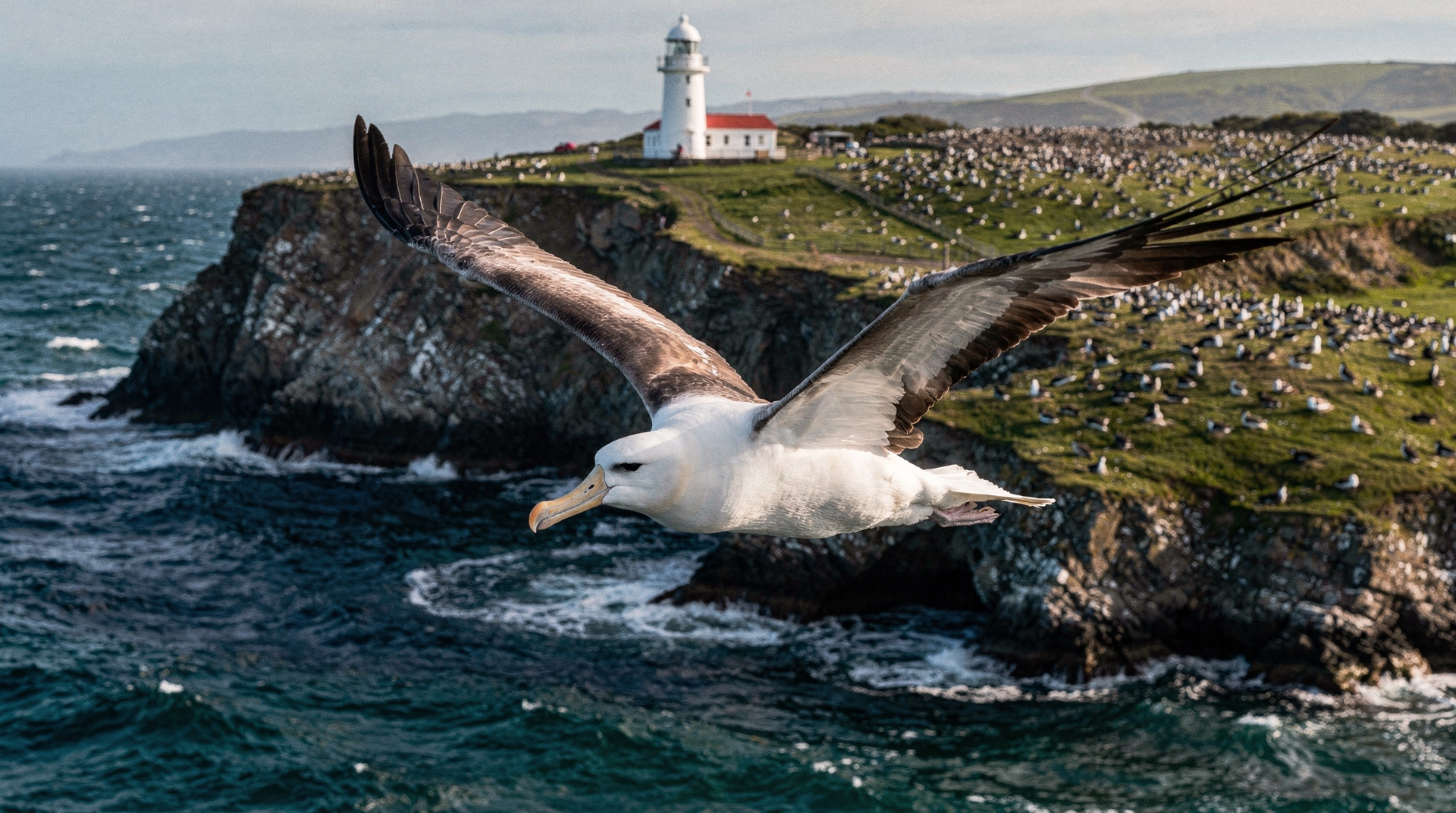
Royal albatross colony at Taiaroa Head
Taiaroa Head on Otago Peninsula hosts the world's only mainland royal albatross colony. Tours, prices (NZD/USD/EUR), best months, and what to expect.
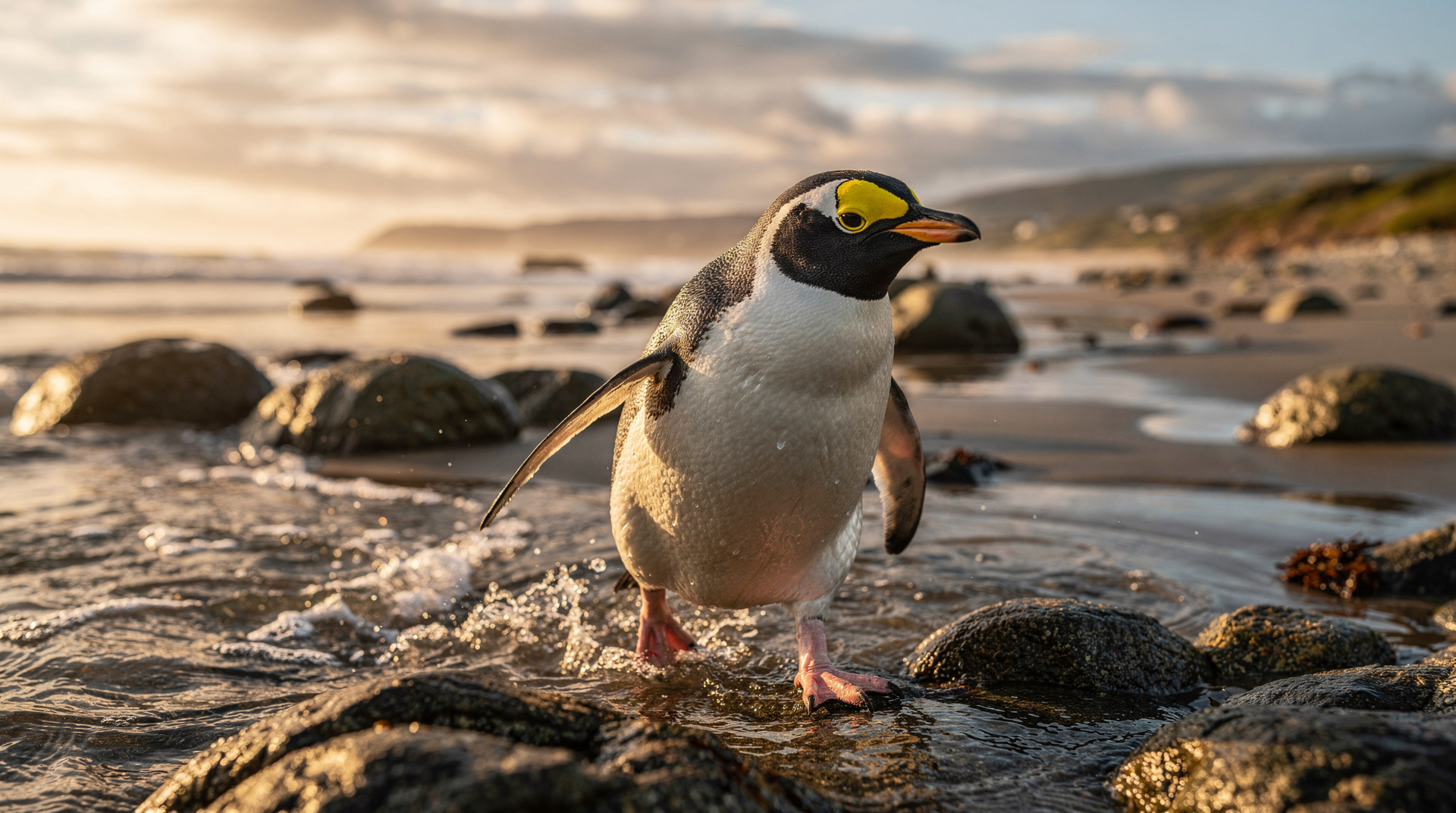
Yellow-eyed penguins on the Otago Peninsula
Hoiho (yellow-eyed penguin) are the world's rarest penguin. Where to see them wild on Otago Peninsula, ethical viewing hides, prices, and best timing.
Related guides
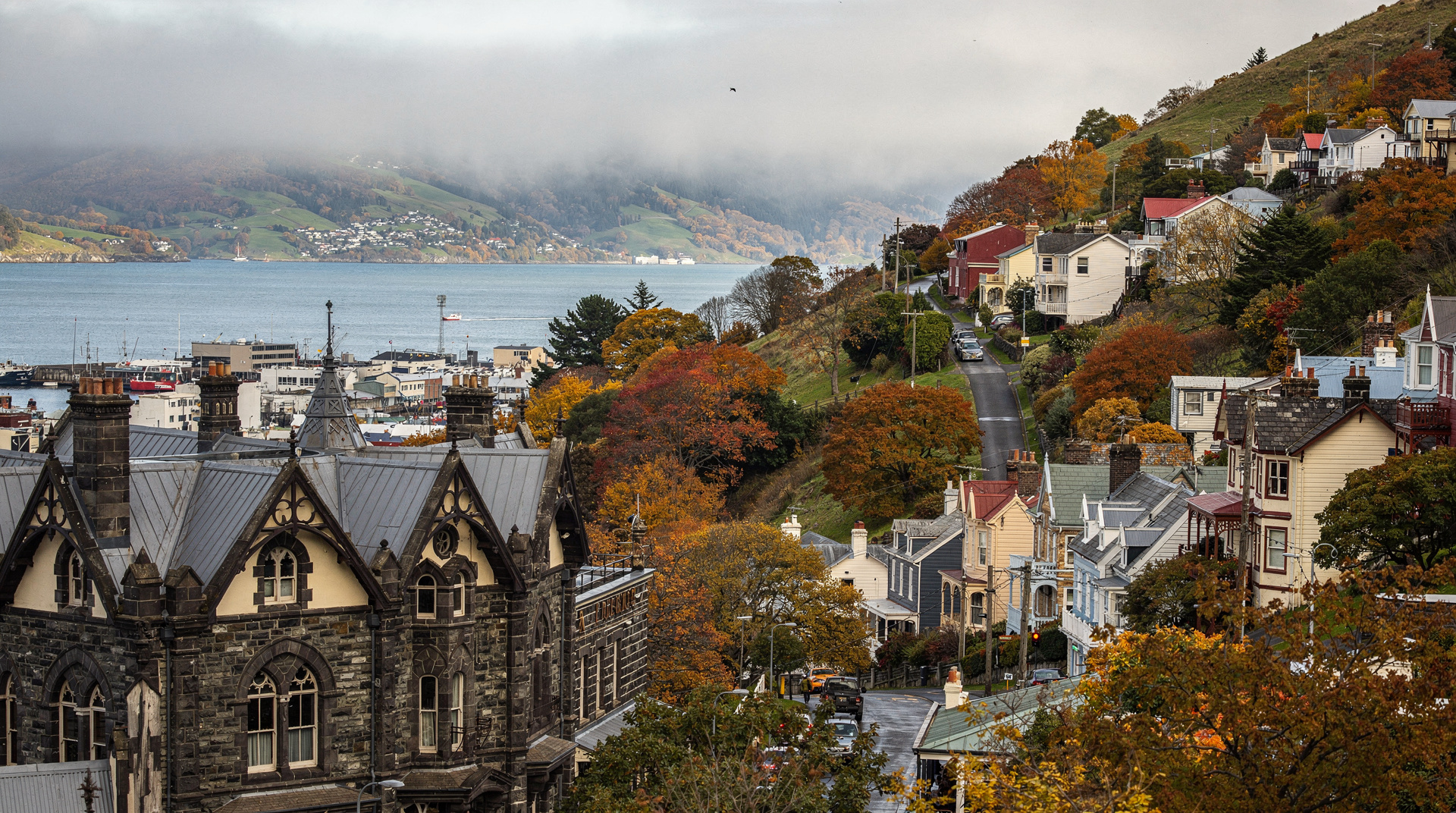
Dunedin
Honest Dunedin guide: Otago Peninsula wildlife, Larnach Castle, Baldwin Street — real NZD/USD/EUR prices and 2 days done right in NZ's Edinburgh.
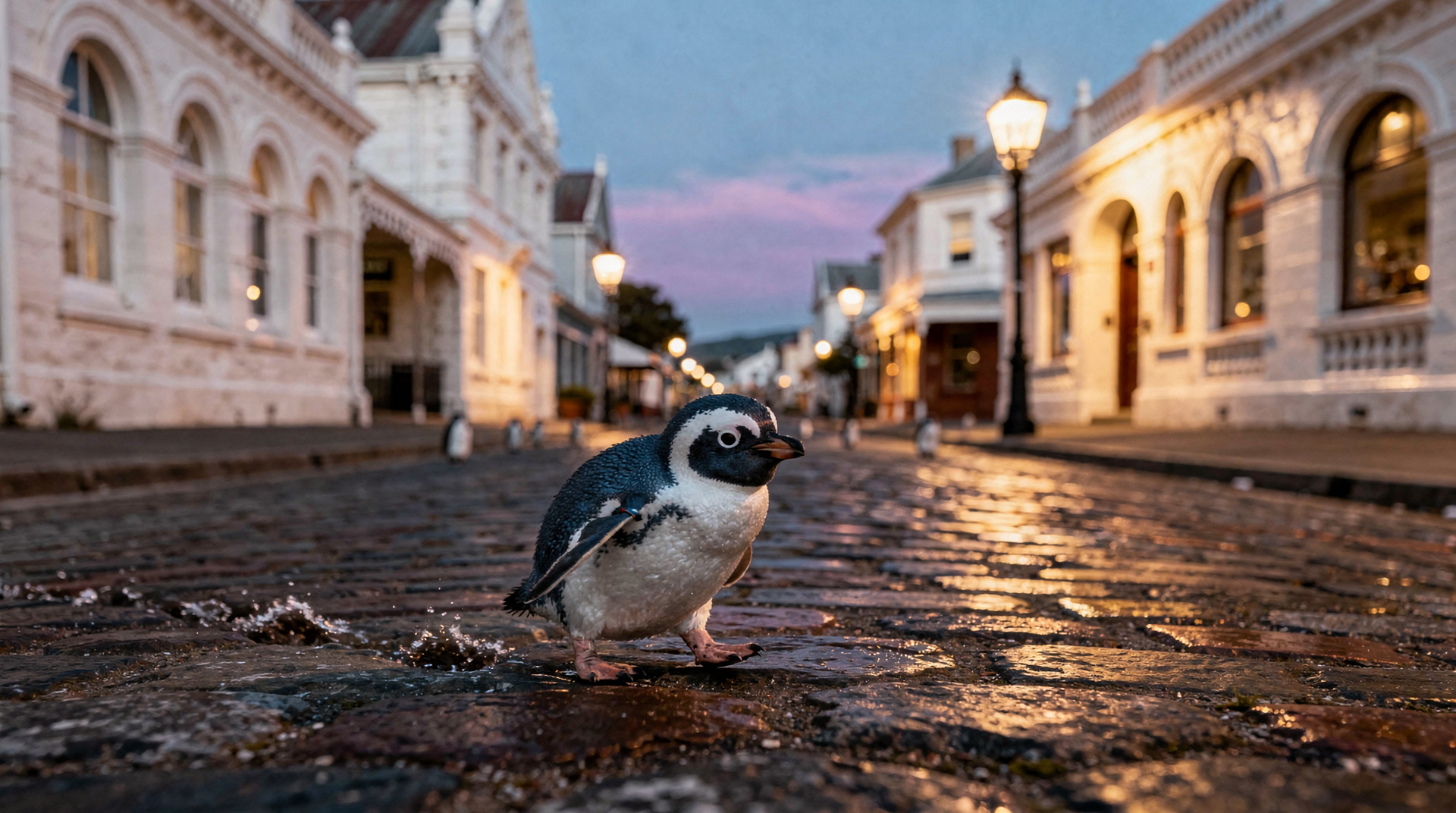
Oamaru
Oamaru: the world's most accessible little blue penguin colony, a Steampunk capital, and Victorian limestone architecture. Honest guide with NZD/USD/EUR costs.
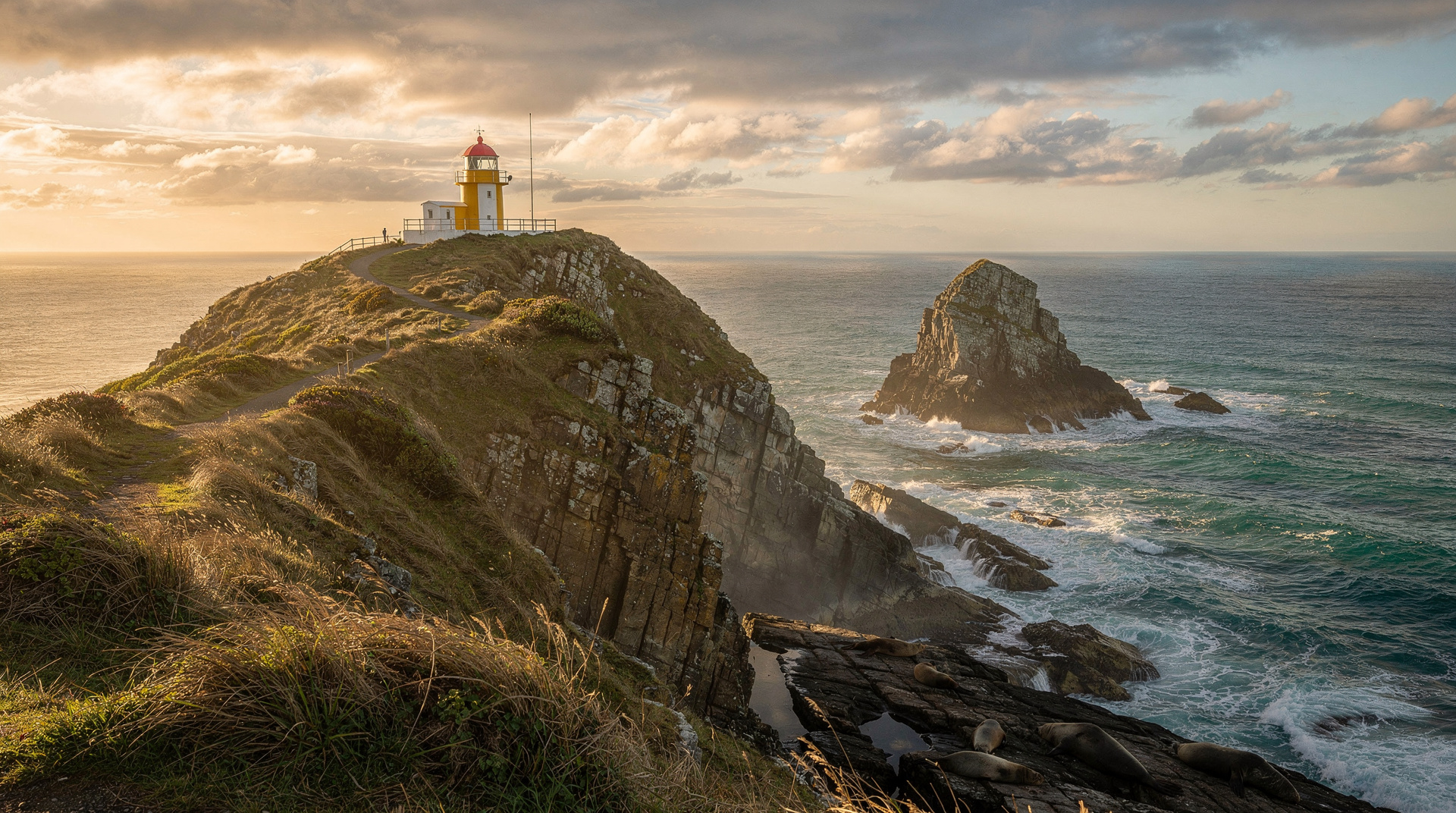
The Catlins
The Catlins: yellow-eyed penguins, Hooker's sea lions, the Curio Bay petrified Jurassic forest, and Nugget Point lighthouse. Honest guide NZD/USD/EUR.
Royal albatross colony at Taiaroa Head
Taiaroa Head on Otago Peninsula hosts the world's only mainland royal albatross colony. Tours, prices (NZD/USD/EUR), best months, and what to expect.
Yellow-eyed penguins on the Otago Peninsula
Hoiho (yellow-eyed penguin) are the world's rarest penguin. Where to see them wild on Otago Peninsula, ethical viewing hides, prices, and best timing.
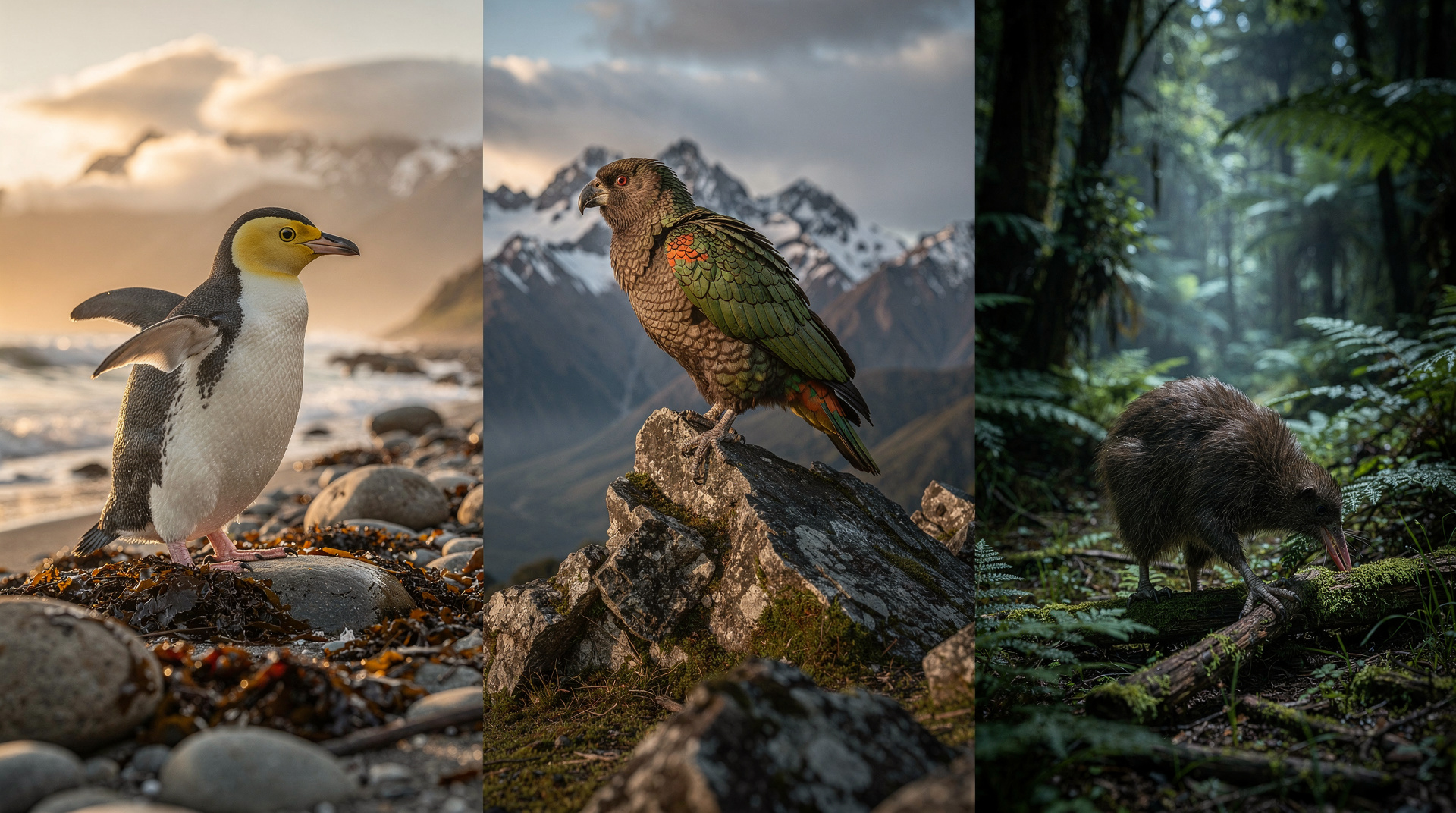
Wildlife in New Zealand — kiwi, penguins, whales, and more
Where to see NZ wildlife honestly: kiwi nights, yellow-eyed penguins, sperm whales at Kaikōura, royal albatross, fur seals. Best locations, real costs.
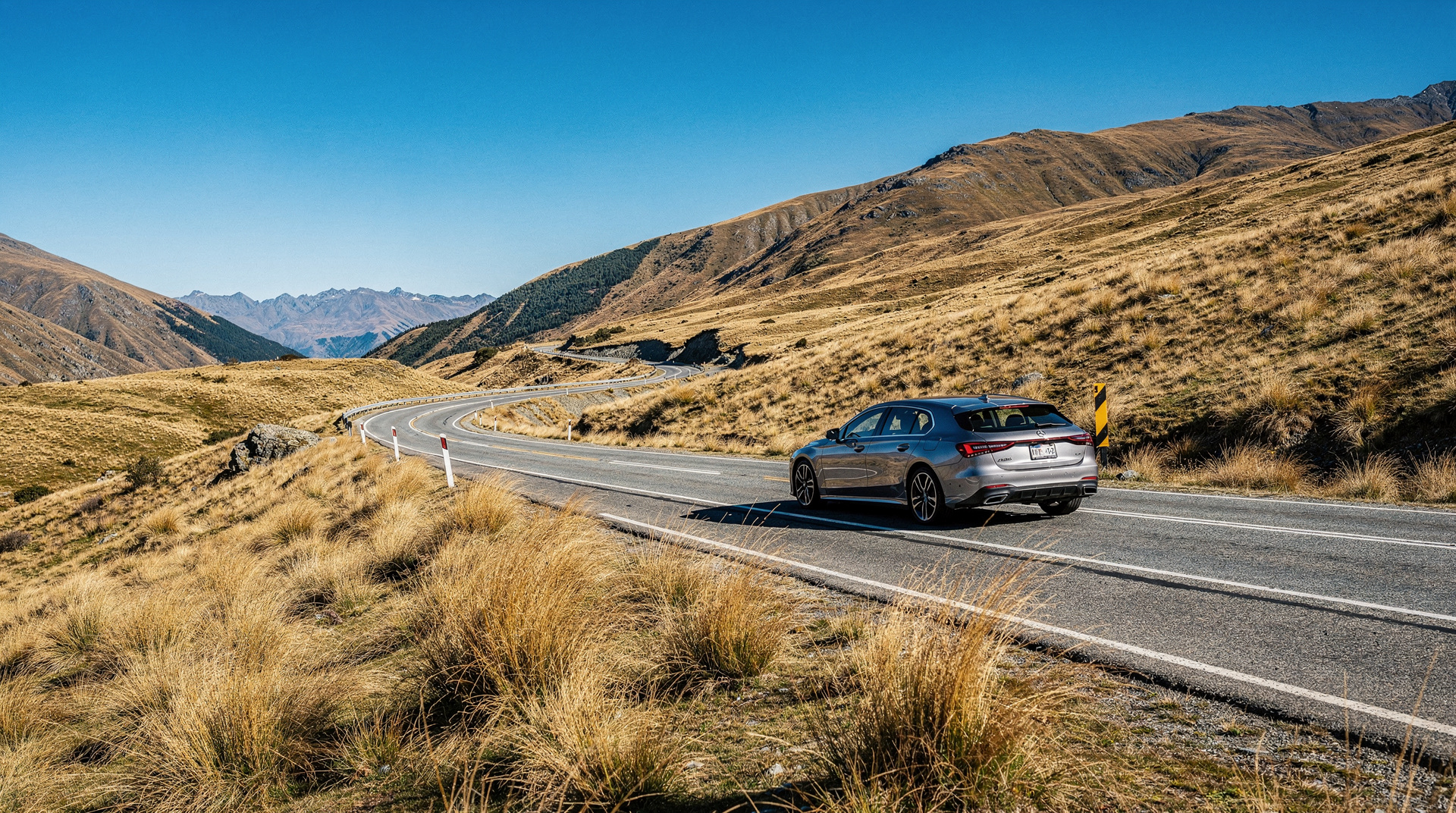
New Zealand self-drive itinerary — 14 days, car and motel
The classic 14-day NZ self-drive road trip by rental car and motels: both islands, ferry crossing, honest road times and costs in NZD, USD, and EUR.
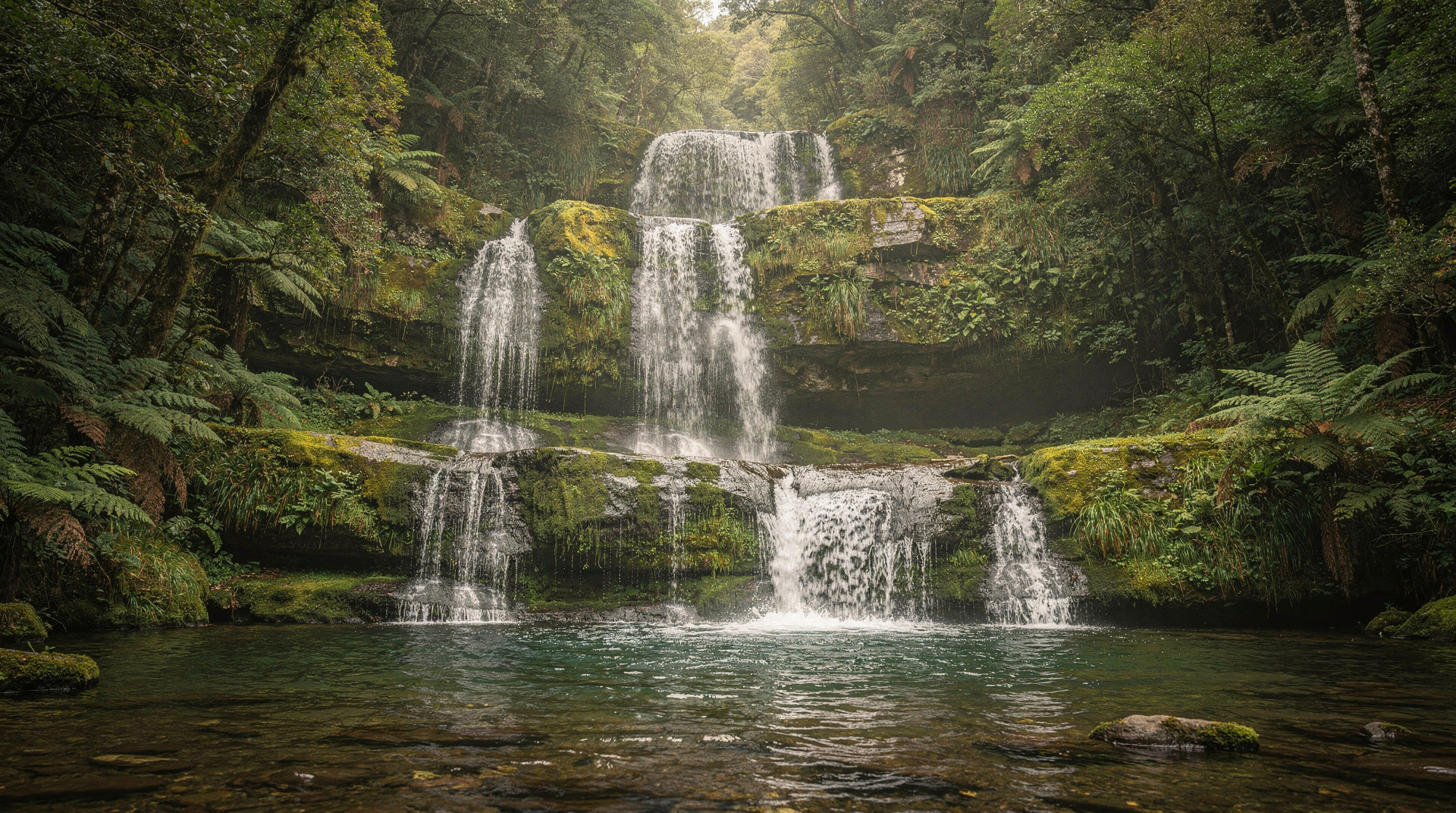
Hidden corners of the Catlins — New Zealand's least-visited southern coast
The Catlins coast between Invercargill and Dunedin is one of New Zealand's most undervisited regions. Sea lions, fossils, waterfalls, and almost no one else.
Last reviewed: