Dunedin
Honest Dunedin guide: Otago Peninsula wildlife, Larnach Castle, Baldwin Street — real NZD/USD/EUR prices and 2 days done right in NZ's Edinburgh.
Quick facts
- Reputation
- Scotland of the South — NZ's most Scottish city, home to the country's oldest university
- Airport
- Dunedin Airport (DUD) — direct flights from Auckland, Wellington, Christchurch, Queenstown
- Drive from Queenstown
- 3 hours (200 km, SH6 and SH8 via Cromwell)
- Currency
- NZD — 1 NZD ≈ USD 0.60 / EUR 0.55
- Student city
- University of Otago has 19,000 students — affects character, prices, and nightlife significantly
Dunedin — the South Island city that most visitors underestimate
Popular experiences here
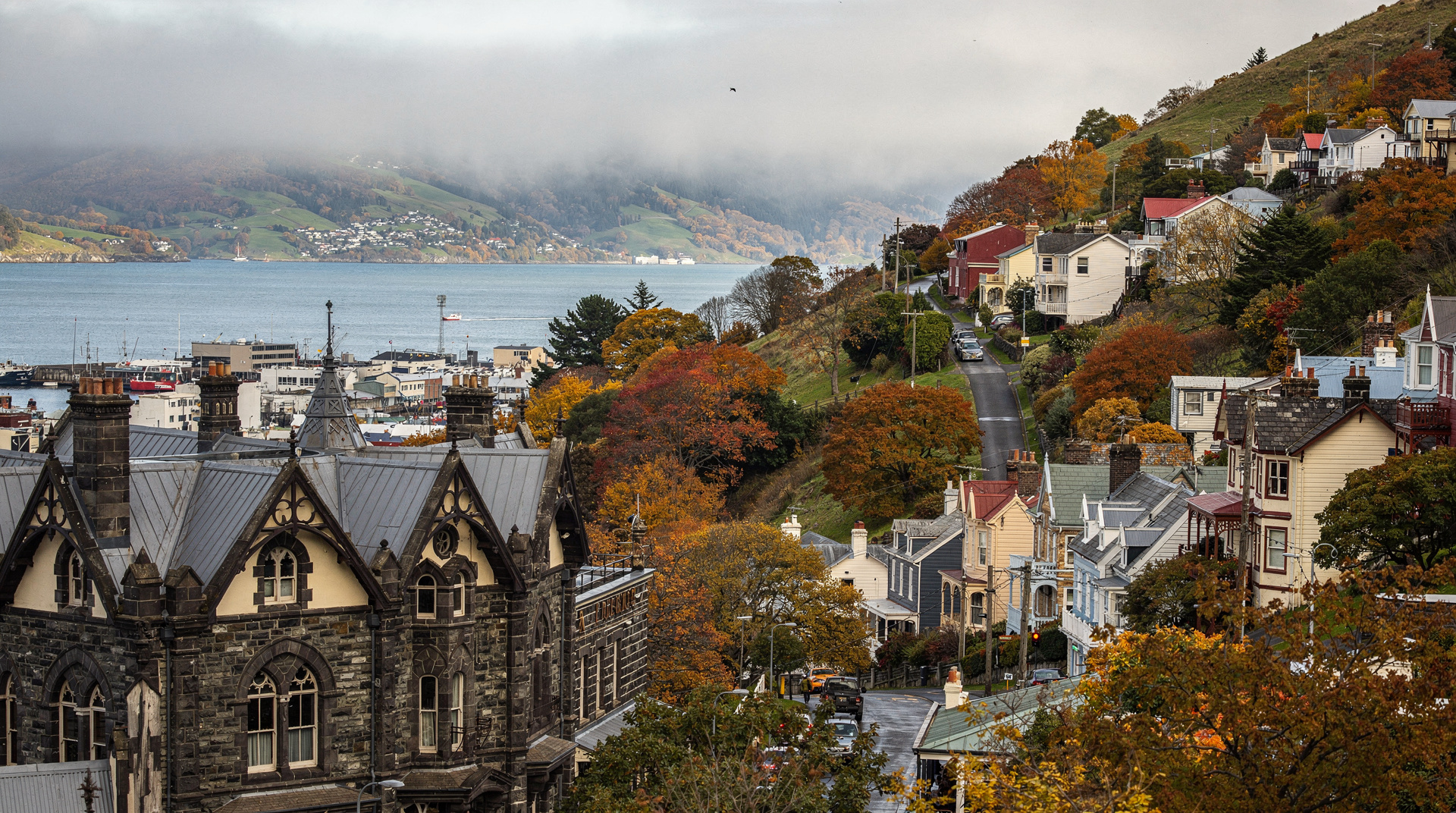
Dunedin is a city, not a resort. That distinction is worth making upfront, because some visitors arrive from Queenstown expecting a more relaxed adventure hub and find something quite different: a compact Victorian city of 130,000 people, a functioning university town (the University of Otago is New Zealand’s oldest), a serious café and craft beer culture, and the Otago Peninsula immediately to the east with some of the best accessible wildlife on the South Island.
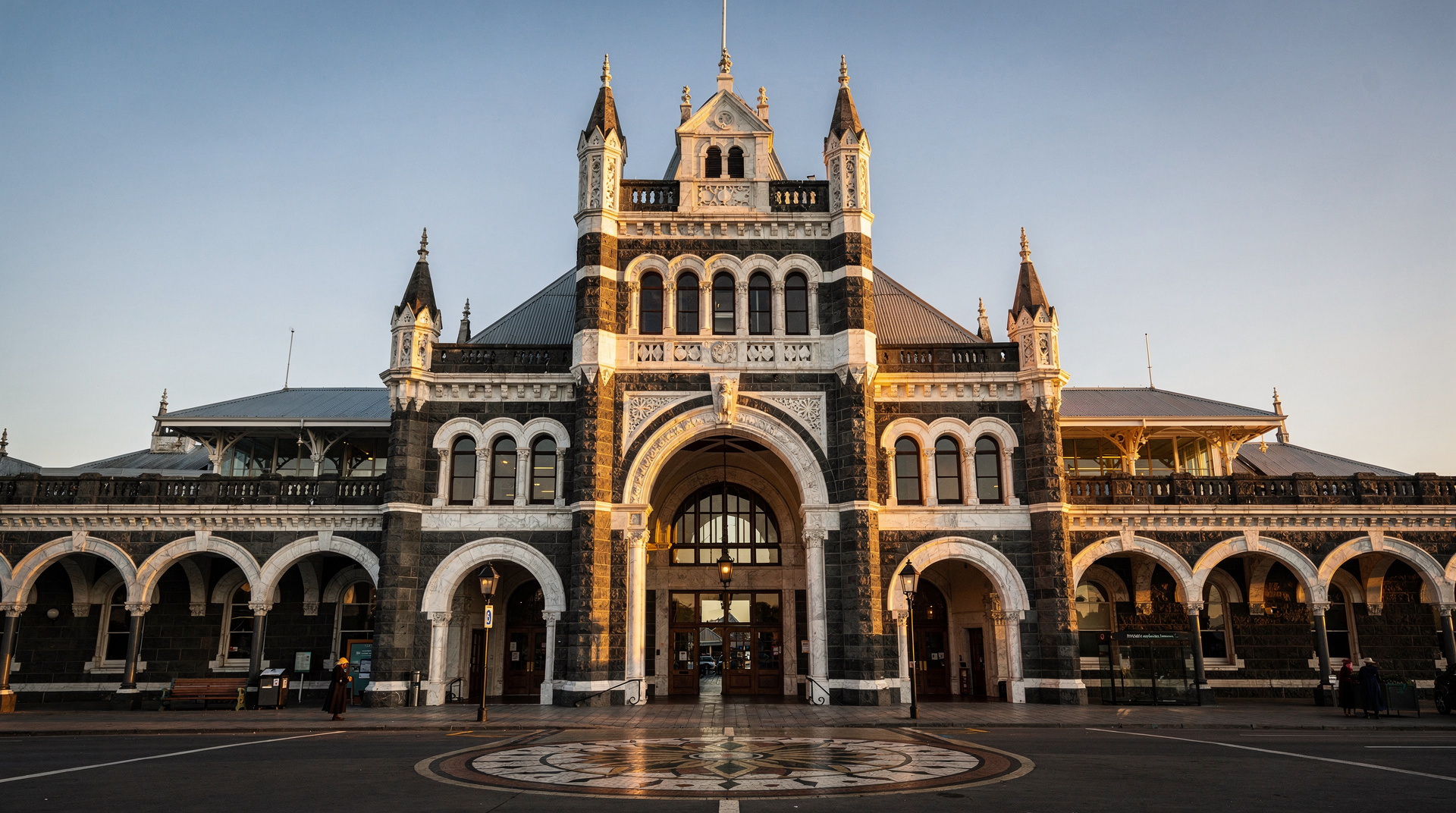
The name Dunedin comes from “Dùn Èideann” — the Gaelic name for Edinburgh. The city was founded in 1848 by Scottish Free Church settlers who replicated Edinburgh’s octagonal street layout at the centre. The Victorian and Edwardian architecture is the most intact of any New Zealand city — the First Church of Otago, the Dunedin Railway Station (one of the most photographed buildings in NZ), and the Otago University campus quadrangle are all genuinely impressive.
If you’re choosing between Dunedin and Queenstown for accommodation on an Otago leg: Queenstown for adventure and nightlife, Dunedin for wildlife, architecture, and a more grounded experience of New Zealand as it actually is outside the tourism infrastructure.
| Where | Otago, South Island’s fourth-largest city |
| Cost | Around NZD 165–285/night mid-range; peninsula day NZD 175–225 |
| Time needed | 2 days minimum; 3 with the Catlins or Oamaru |
| Getting there | Dunedin Airport (DUD), or 3 hours from Queenstown by road |
| Best time | September to November for albatross/penguin breeding; October–April for weather |
What to do in Dunedin
Dunedin Railway Station — don’t just photograph it from outside. The station (1906, Fleming Fleming architecture, ornate Flemish Renaissance style) houses the New Zealand Sports Hall of Fame and the Toitu Otago Settlers Museum next door. Free to enter the station; the museum has a small admission charge. The Taieri Gorge Railway departs from here — see below.
The Octagon — Dunedin’s central plaza, framed by the Town Hall, the Municipal Chambers, and the First Church of Otago. Well-maintained and genuinely lively in summer. Robert Burns statue (the city’s Scottish heritage is not subtle).
Baldwin Street — the steepest residential street in the world (Guinness World Records, 35-degree gradient at maximum). It takes 3 minutes to walk up. The street is interesting for precisely 10 minutes and is worth ticking off on a walk from the Botanic Gardens. Don’t make a special trip.
Larnach Castle — 20 minutes from the city centre on the Otago Peninsula, New Zealand’s only castle (1871, built by banker/politician William Larnach). The grounds (10 hectares of formal and informal gardens) are as impressive as the building. The ballroom ceiling is extraordinary. The Larnach Castle admission covers the castle and grounds; NZD 42–52 / USD 25–31 / EUR 23–29.
If you prefer to combine the castle with a guided tour of the city in a single day, the Dunedin city highlights and Larnach Castle tour picks up from central Dunedin, covers the main heritage landmarks (railway station, Octagon, University quarter), and includes the castle and gardens in one itinerary — efficient for visitors with a single day.
For those who simply want admission without a guide, the Larnach Castle and Gardens admission ticket is a straightforward self-guided entry option at the same NZD 42–52 price point. Overnight accommodation is available in the castle and adjacent stables for NZD 245–580 / USD 147–348 / EUR 135–319 — one of the more unusual stays in the South Island.
Taieri Gorge Railway — a half-day or full-day train journey (4–6 hours return) from Dunedin Railway Station through the dramatic Taieri Gorge, with 12 viaducts and switchback sections rarely seen in modern rail.
Dunedin: Scenic Railway Tour Through the Taieri Gorge
Heritage rail journey through the dramatic Taieri Gorge — 12 viaducts, switchbacks, and spectacular scenery. Departs Dunedin Railway Station.
From NZD 89–115 / USD 53–69 / EUR 49–63
Otago University precinct — the Victorian Gothic clock tower and quadrangle are open to the public. The attached Otago Museum has a free general collection and a good Pacific and Maori taonga section.
Otago Peninsula — a full day of wildlife
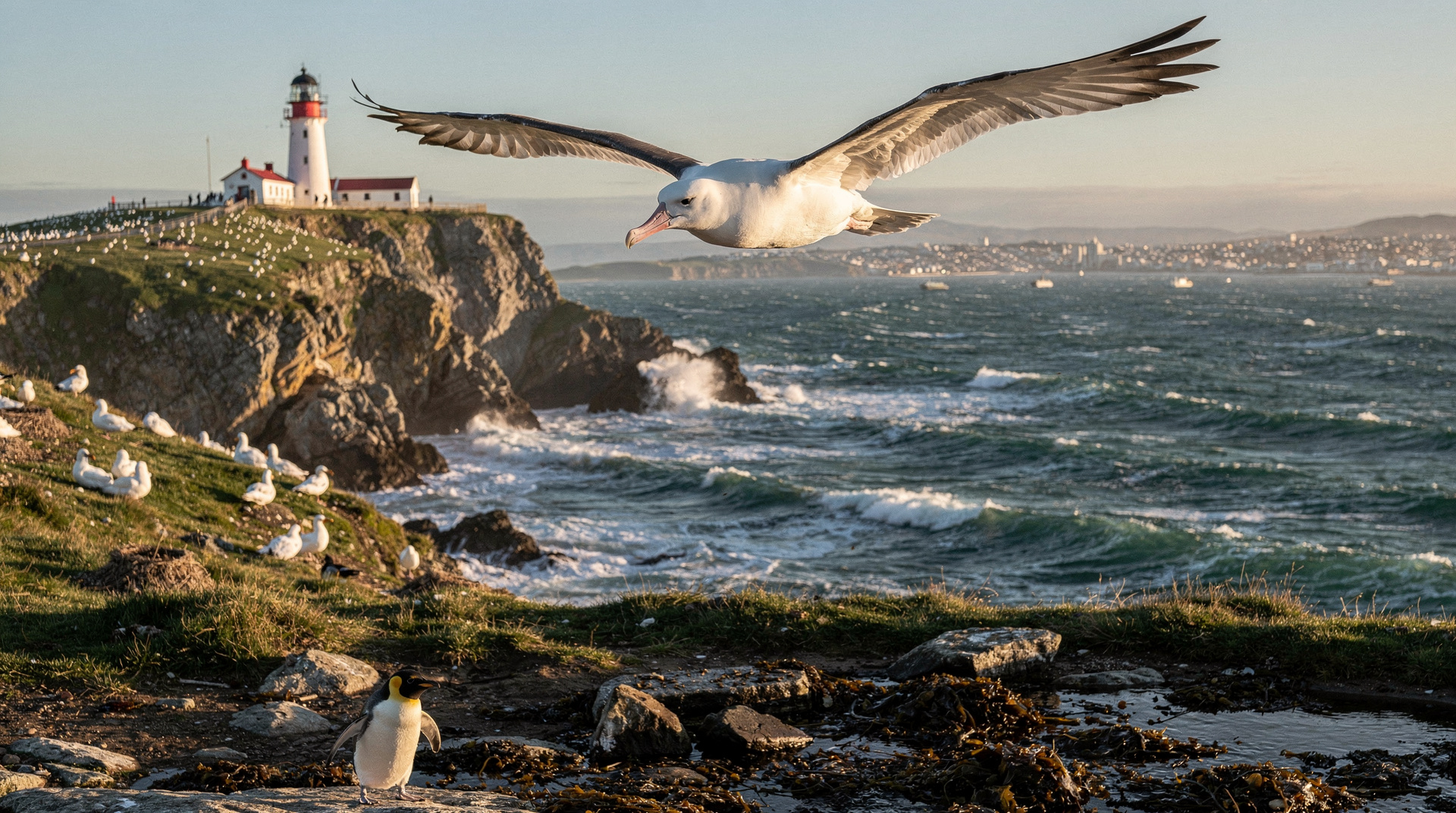
The Otago Peninsula is a 30 km long peninsula east of Dunedin, accessible on two roads (the high road and the low road along the Otago Harbour). It is home to the only mainland royal albatross colony in the world at Taiaroa Head, yellow-eyed penguins (mohua, one of the world’s rarest penguins), little blue penguins (at several points along the peninsula), and a large New Zealand fur seal colony.
From Dunedin: City, Otago Peninsula & Albatross Guided Tour
Full-day Otago Peninsula tour: royal albatross colony at Taiaroa Head plus Blue Penguin evening parade. The only mainland albatross colony in the world.
From NZD 175–225 / USD 105–135 / EUR 97–124
The albatross colony visit alone (Royal Albatross Centre, Taiaroa Head, DOC-managed) costs NZD 59–75 / USD 35–45 / EUR 32–41 and includes a 45-minute guided tour where you watch albatrosses launching and landing — wingspans of 2.5–3m at close range.
The Otago Peninsula wildlife cruise approaches the peninsula from the water — the Otago Harbour is home to various species and the harbour mouth at Taiaroa Head gives you a different perspective on the albatross colony. NZD 85–115 / USD 51–69 / EUR 47–63. Good combination with a land visit the same day.
The yellow-eyed penguin tour visits a private land management area where yellow-eyed penguins nest. These are not at the albatross centre — they’re separate conservation areas where you wait in hides for penguins to return from the sea in the late afternoon. NZD 55–75 / USD 33–45 / EUR 30–41. The penguins are wild; sightings are typical but not guaranteed.
The complete Otago Peninsula day: morning visit to Larnach Castle, afternoon at the albatross colony, late afternoon yellow-eyed penguin tour, evening little blue penguin parade. This is a 10-hour day and requires a car or a full-day tour. See the Otago Peninsula guide for more detail.
City highlights tour
For those who prefer a guided orientation: the Dunedin city highlights and Otago Peninsula scenery tour covers the main city landmarks and the peninsula drive in a half-day. NZD 95–125 / USD 57–75 / EUR 52–69. Good for those with limited time who want an overview before exploring independently.
Where to stay
Budget: Hogwartz Hostel (NZD 36–52 / USD 22–31 / EUR 20–29 per dorm; quirky historic building, central); Stafford Gables YHA (NZD 40–62 / USD 24–37 / EUR 22–34; heritage villa, central); On Top Backpackers (NZD 38–55 / USD 23–33 / EUR 21–30).
Mid-range: Scenic Hotel Southern Cross (heritage hotel in the central city, NZD 175–285 / USD 105–171 / EUR 97–157); Quality Hotel Elms (NZD 165–255 / USD 99–153 / EUR 91–140); Brothers Boutique Hotel (former monastery, NZD 195–320 / USD 117–192 / EUR 108–176).
Splurge: Larnach Castle (staying in New Zealand’s only castle, NZD 245–580 / USD 147–348 / EUR 135–319 including breakfast and castle access after-hours); The Dunedin Town Hall Hotel (5-star heritage property, NZD 385–680 / USD 231–408 / EUR 212–374).
What to eat and drink
Dunedin has a genuinely good food scene partly sustained by the student population. Coffee culture here is strong — arguably better than Queenstown.
Plato Restaurant — the best restaurant in Dunedin, excellent seafood and South Island produce, waterfront location, mains NZD 34–58 / USD 20–35 / EUR 18–32. Book ahead.
Bracken — fine dining, modern NZ cuisine, matched wine list, mains NZD 38–62 / USD 23–37 / EUR 21–34. One of the better tasting menus in the South Island.
The Good Oil — best breakfast in the city, excellent coffee, mains NZD 18–28 / USD 11–17 / EUR 10–15.
Emerson’s Brewery — on Anzac Avenue, Dunedin’s iconic craft brewery (founded 1992, among NZ’s earliest craft brewers). The taproom serves the full Emerson’s range. Brewery tours available. A Dunedin institution.
Vogel St Kitchen — artisan food market on Saturdays in the waterfront precinct, local producers, excellent coffee.
Skip / Worth it / Splurge
Baldwin Street unless you genuinely have 15 minutes to spare and are nearby. The surrounding suburb (North East Valley) is pleasant but Baldwin Street is a two-minute stop, not an activity.
Royal Albatross Centre (the only mainland albatross colony in the world — genuinely remarkable). Emerson’s Brewery taproom. The Taieri Gorge Railway if heritage rail is your thing.
Staying at Larnach Castle — the experience of wandering the grounds at dusk after the day visitors leave and having the Victorian rooms to yourself is worth the premium over standard Dunedin accommodation.
Cost breakdown
Dunedin activity and attraction costs
| Item | NZD | USD | EUR | Verdict |
|---|---|---|---|---|
| Royal Albatross Centre + Otago Peninsula tour Only mainland albatross colony in the world | 175–225 | 105–135 | 97–124 | |
| Albatross colony visit only 45-min guided tour, wingspans 2.5–3m | 59–75 | 35–45 | 32–41 | |
| Taieri Gorge Railway (return) Book ahead in summer | 89–115 | 53–69 | 49–63 | |
| Larnach Castle admission Castle + gardens | 42–52 | 25–31 | 23–29 | |
| Yellow-eyed penguin tour Wild sightings; afternoon timing | 55–75 | 33–45 | 30–41 | |
| Larnach Castle overnight stay Includes breakfast + after-hours access | 245–580 | 147–348 | 135–319 |
How Dunedin fits into your itinerary
Dunedin sits naturally on a southbound route from Christchurch: Christchurch → Kaikoura → Oamaru → Dunedin → Otago Peninsula → the Catlins → Invercargill/Te Anau. This is the scenic coastal South Island route.
On a 14-day New Zealand itinerary, Dunedin gets 1–2 nights. On a 21-day itinerary, 2 nights with full Otago Peninsula coverage is ideal.
Dunedin is also the end point of the Otago Central Rail Trail — a 150 km cycling trail along a former railway from Clyde to Middlemarch (then bus to Dunedin). If cycling is a priority, see the Otago Rail Trail guide.
Frequently asked questions about Dunedin
How long should you spend in Dunedin?
Two days: one for the city (railway station, Octagon, university quarter, Emerson’s), one full day on the Otago Peninsula (albatross, penguins). One day is enough to see the highlights if you’re short on time. Three days lets you add the Taieri Gorge Railway and the Catlins day trip south.
Is Dunedin worth visiting if you’ve been to Edinburgh?
Yes — the comparison is more atmospheric than architectural. The Victorian streetscape is genuine, not a reproduction. The Otago Peninsula wildlife is completely unique and has nothing to do with Scotland. Most visitors from the UK find Dunedin interesting precisely because it’s both familiar (the street names, the university, the stone buildings) and completely different (the wildlife, the end-of-the-world remoteness, the Pacific light).
Is Otago Peninsula accessible by public transport?
Partially. The Orbus Dunedin bus route 15 runs along the peninsula’s low road. For wildlife tours (albatross, penguins), the timing is tight by bus and most people either self-drive or join a guided tour. If you don’t have a car, joining a guided Otago Peninsula tour is the practical option.
What time do the penguins come ashore at Otago Peninsula?
Yellow-eyed penguins come ashore in the late afternoon (3–6pm depending on season). Little blue penguins (at Taiaroa Head and Bushy Beach) come ashore at or after dark. The timing of the penguin parade at Oamaru (50 km north, also excellent) is more precisely scheduled; see the Oamaru guide for comparison.
How does Dunedin compare to Christchurch for a South Island trip?
Christchurch is larger, has better flight connections, and works as the practical gateway for most South Island itineraries. Dunedin is smaller, more compact, and offers wildlife (albatross, penguins, seals) that Christchurch simply doesn’t have nearby. Most well-planned South Island trips include both — Christchurch as an entry/exit point, Dunedin as a dedicated 2-day stop on the coastal southbound route.
Is Dunedin worth visiting without a car?
Partially. The city centre (railway station, Octagon, university, Baldwin Street) is entirely walkable. The Otago Peninsula wildlife tours, however, are much easier with a car or a guided tour — the Orbus route 15 runs but with limited frequency and poor alignment to wildlife viewing times. Most visitors without a car join a guided peninsula tour rather than attempting public transport.
Is Dunedin suitable for families?
Reasonably. The Otago Museum and interactive science exhibits are good for children. The Otago Peninsula wildlife (penguins and albatross) is excellent for families with children over 8. The Baldwin Street walk is entertaining for kids. The city is compact and walkable. Accommodation is cheaper than Queenstown, which helps family budgets.
Dunedin’s Scottish heritage and university culture
The name Dunedin derives from “Dùn Èideann” — the Scottish Gaelic name for Edinburgh. The city was founded in 1848 by the New Zealand Company’s Otago Settlement, organised by the Free Church of Scotland, and the street grid (The Octagon at centre, with named streets radiating outward) was deliberately designed as a southern Edinburgh. The city’s first minister, Thomas Burns (nephew of the poet Robert Burns), arrived on the first ship and shaped the early settlement’s strict Calvinist character.
The gold rush of the 1860s transformed Dunedin from a small Presbyterian settlement into New Zealand’s most prosperous city. The Otago goldfields brought thousands of miners and entrepreneurs, and the wealth is visible today in the extraordinary Victorian and Edwardian architecture that survived New Zealand’s 20th-century habit of demolishing heritage buildings. The Dunedin Railway Station, the Municipal Chambers, the First Church, and the University of Otago’s iconic stone clocktower are all products of this gilded period.
The University of Otago (founded 1869, New Zealand’s first university) currently has approximately 19,000 students, making it a significant proportion of Dunedin’s 130,000 population. The student presence gives the city a different energy from other South Island centres — café culture is strong, live music venues exist and are good (The Cook, Dive, Forum North), and the inner-city suburb of North Dunedin (the “student quarter”) is lively in term time. It also means Dunedin has a higher number of good-value restaurants per capita than comparable NZ cities.
The famous Dunedin Sound — an indie rock genre produced by Flying Nun Records from the 1980s onward (The Clean, The Chills, Straightjacket Fits) — is a legitimate part of the city’s cultural identity and still referenced in the music scene today. The Dunedin Public Art Gallery (free, central) has a good collection that includes significant New Zealand modernism.
Day trips from Dunedin
The Catlins — 80 km south of Dunedin, the Catlins coastal region has waterfalls (McLean Falls, Purakaunui Falls), fossilised forest (Curio Bay), Hector’s dolphins (the world’s smallest dolphin), yellow-eyed penguin and sea lion populations, and the atmospheric Nugget Point lighthouse. It’s worth a full day as a Dunedin day trip; see the day trips from Dunedin guide.
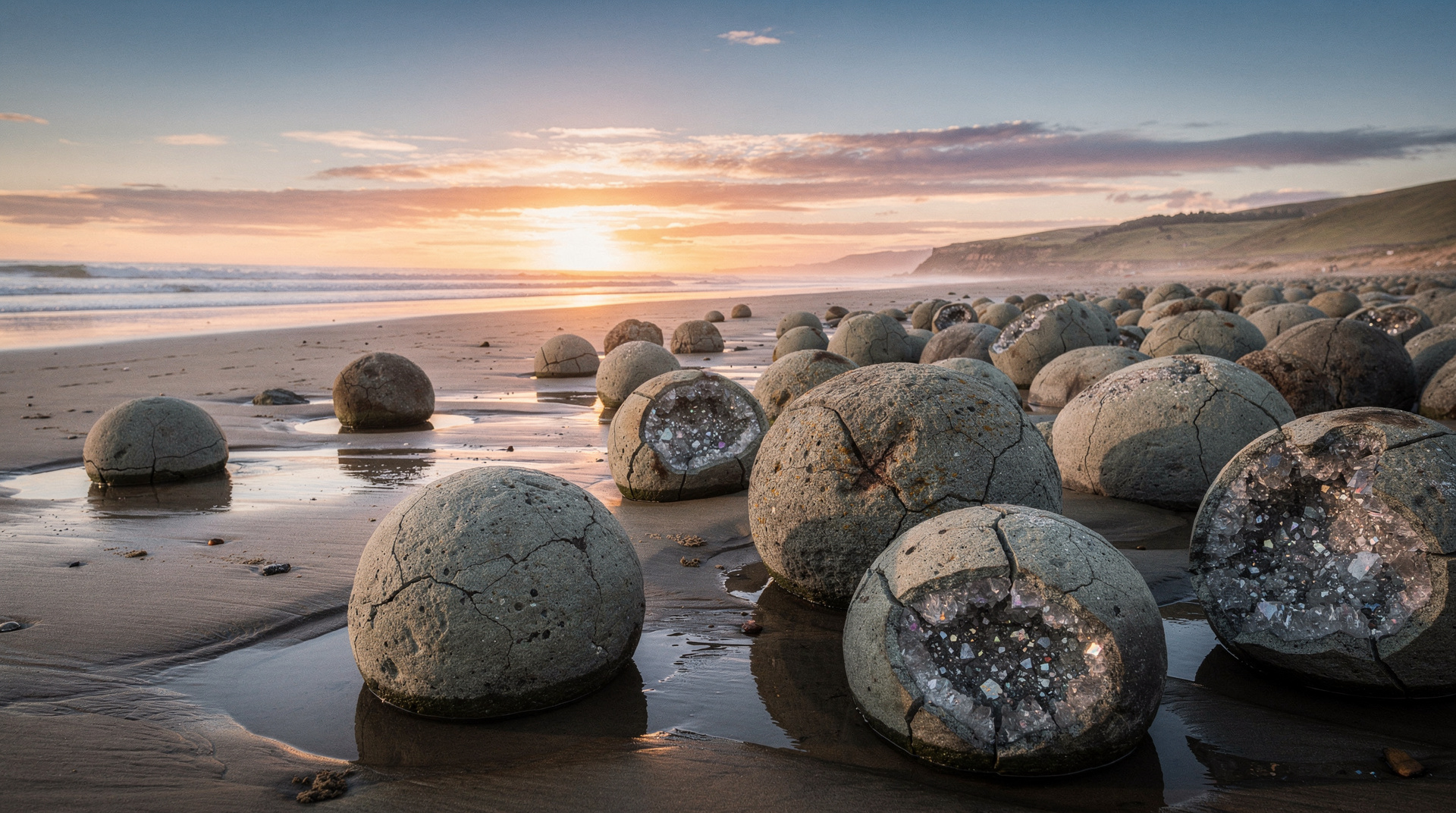
Oamaru — 80 km north of Dunedin, Oamaru is worth a 2-hour stop en route to Christchurch: the Victorian precinct (intact whitestone heritage buildings), the famous blue penguin colony (evening penguin parade), and the steampunk sculpture garden. A self-drive on a Dunedin–Christchurch day covers Moeraki Boulders (70 km north) and Oamaru naturally.
Central Otago wine region — Cromwell and the Gibbston Valley are 2.5 hours from Dunedin via the Maniototo. Not a typical Dunedin day trip but worthwhile on a dedicated wine route between Dunedin and Queenstown via the central route.
Dunedin’s café and craft beer scene in more detail
Dunedin’s coffee culture runs deep — the student population and the city’s genuine (rather than performed) heritage character have sustained a strong independent café scene for decades. Beyond The Good Oil, Strictly Coffee on Bath Street and Mou Very near the Octagon are consistent local favourites, both roasting or sourcing beans with real care rather than chasing trend cycles. Expect a flat white for NZD 5–6 / USD 3–3.60 / EUR 2.75–3.30 almost anywhere in the city.
On the beer side, Emerson’s isn’t the only story — Green Man Brewery and a handful of smaller producers have added depth to the scene since the 2010s, and several central-city bars run rotating local taps alongside the Emerson’s staples. If you’re building a Dunedin evening around beer rather than fine dining, a self-guided crawl between two or three central bars (all within a 10-minute walk of the Octagon) is an easy, inexpensive way to spend an evening without a car.
Getting around Dunedin
City bus: Orbus Dunedin covers most of the city centre, the university, South Dunedin (for those heading toward the coast), and the Otago Peninsula harbour road (route 15). Frequency is reasonable on weekdays; reduced on weekends.
Self-driving: recommended for the Otago Peninsula (the high road is scenic but narrow) and for day trips to the Catlins and Oamaru. Dunedin has several parking buildings near the Octagon (NZD 3–5 / USD 1.80–3 / EUR 1.65–2.75 per hour). The drive from the CBD to the start of the Otago Peninsula high road takes about 10 minutes.
Cycling: Dunedin is not especially cycle-friendly due to the hilly terrain, but the harbour flat (from the CBD to Portobello) is a pleasant flat ride and the Otago Central Rail Trail starts 60 km northwest in Clyde.
Walking: The central city — railway station, Octagon, university precinct, and the start of Baldwin Street — is compact enough to cover on foot in a single morning, with most attractions within a 15–20 minute walk of each other. Steep sections exist (this is a city built on hills), so allow extra time if mobility is a factor, and wear proper shoes rather than sandals for the Baldwin Street detour.
Airport: Dunedin Airport is 28 km south of the city (not adjacent like Queenstown’s airport). Airport shuttle services operate to the city; cost approximately NZD 35–50 / USD 21–30 / EUR 19–28. Budget taxis and rideshare services are available. The airport handles direct flights from Auckland (1h45m), Wellington (1h10m), Christchurch (45m), and Queenstown (35m). Factor the 30–40 minute transfer into your arrival and departure planning, since it’s easy to underestimate compared with cities where the airport sits closer to the centre.
A practical two-day Dunedin itinerary
Day 1 (city): Morning at the Dunedin Railway Station and Toitu Otago Settlers Museum, then the Octagon and First Church. Lunch near the Octagon. Afternoon at the University of Otago clocktower and quadrangle, followed by the Otago Museum’s Pacific and Maori collection. Late afternoon: Baldwin Street (10 minutes, don’t linger) and the Botanic Gardens if time allows. Evening: Emerson’s Brewery taproom, then dinner at Plato or Bracken if you booked ahead.
Day 2 (Otago Peninsula): Full day. Morning Larnach Castle and gardens. Midday drive the low road to Taiaroa Head for the Royal Albatross Centre guided tour. Late afternoon: yellow-eyed penguin hide visit (timed to the birds’ return from the sea). Evening: little blue penguin parade if your schedule allows a full 10-hour day. This is genuinely a long day — start early and don’t rush the albatross tour, which is the highlight.
With a third day, add the Taieri Gorge Railway (a relaxing, scenic alternative to more driving) or push south to the Catlins for waterfalls, fossilised forest, and more wildlife.
Dunedin’s wildlife alongside the urban fabric
Dunedin is one of the few cities in New Zealand where significant wildlife is immediately adjacent to the urban area. Yellow-eyed penguins nest at Sandfly Bay (accessible by a 20-minute drive and 20-minute walk from the city centre). Little blue penguins nest under buildings in the city’s port area — the port authority runs a managed colony near the waterfront. The Otago Harbour has resident spotted shags and black-backed gulls, and orca are occasionally sighted in the harbour mouth. This wildlife proximity is unusual and is worth mentioning to visitors who think of Dunedin only as a heritage city — it functions as both simultaneously.
The private Dunedin city and Otago Peninsula tour gives a fully customised day covering both the city heritage sites and the peninsula wildlife at your own pace. NZD 395–595 / USD 237–357 / EUR 217–327 per group (not per person). Worth the premium for families or groups who want the flexibility.
Top experiences: Dunedin New Zealand
See all →Guides for Dunedin
Day trips from Dunedin — the best excursions and how long each takes
Best day trips from Dunedin: Otago Peninsula, Moeraki Boulders, Oamaru steampunk and penguins, Tunnel Beach, Aramoana. Times, costs, self-drive vs guided.
Dunedin Scottish heritage — a guide to the Edinburgh of the South
Dunedin's Scottish settler heritage shapes its architecture, whisky distilling, and university culture. What to see, where to eat, and why it matters.
Related guides
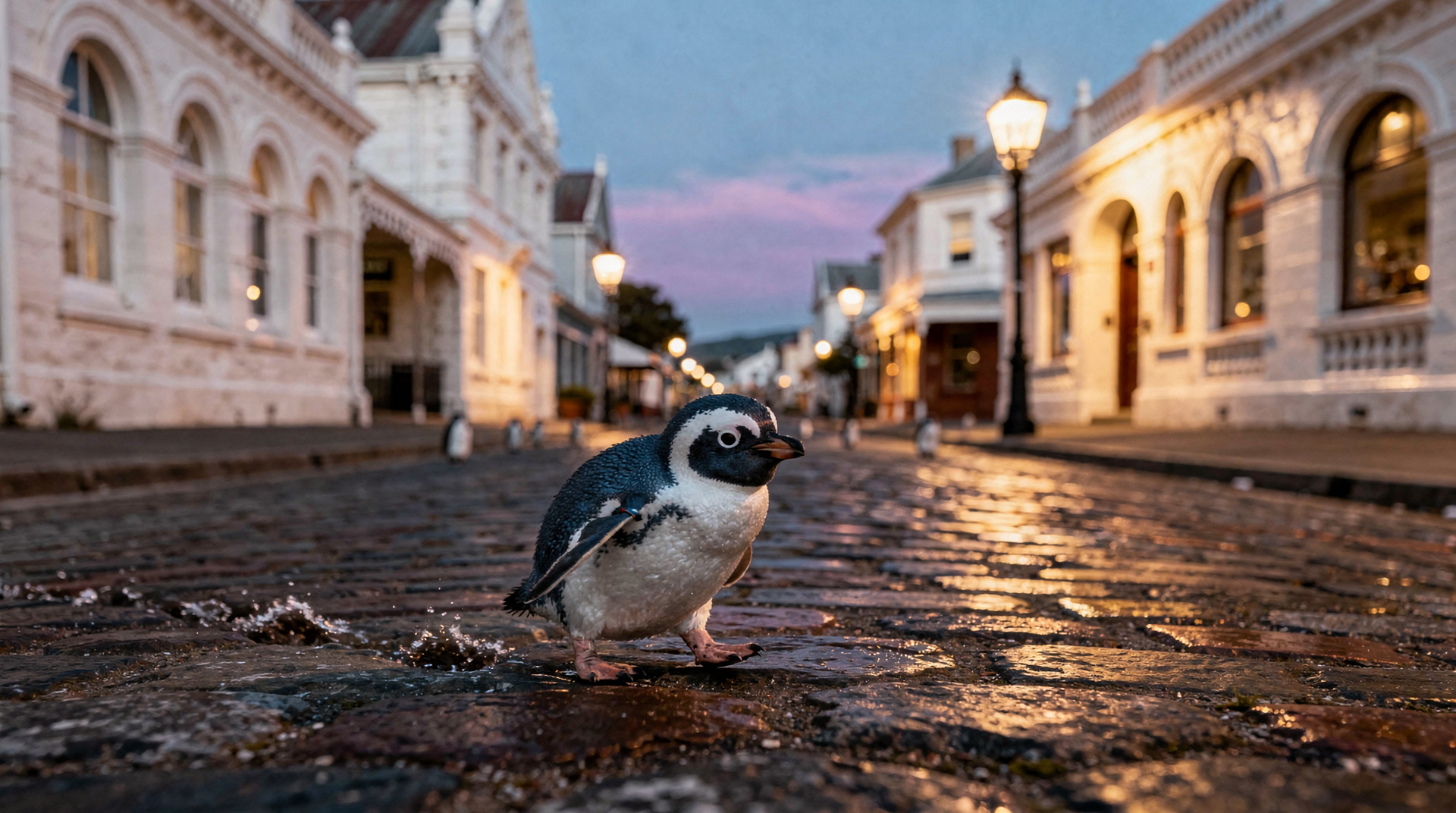
Otago Peninsula
Honest Otago Peninsula guide: albatross colony, yellow-eyed penguins, Larnach Castle — real NZD/USD/EUR prices and the best wildlife timing advice.
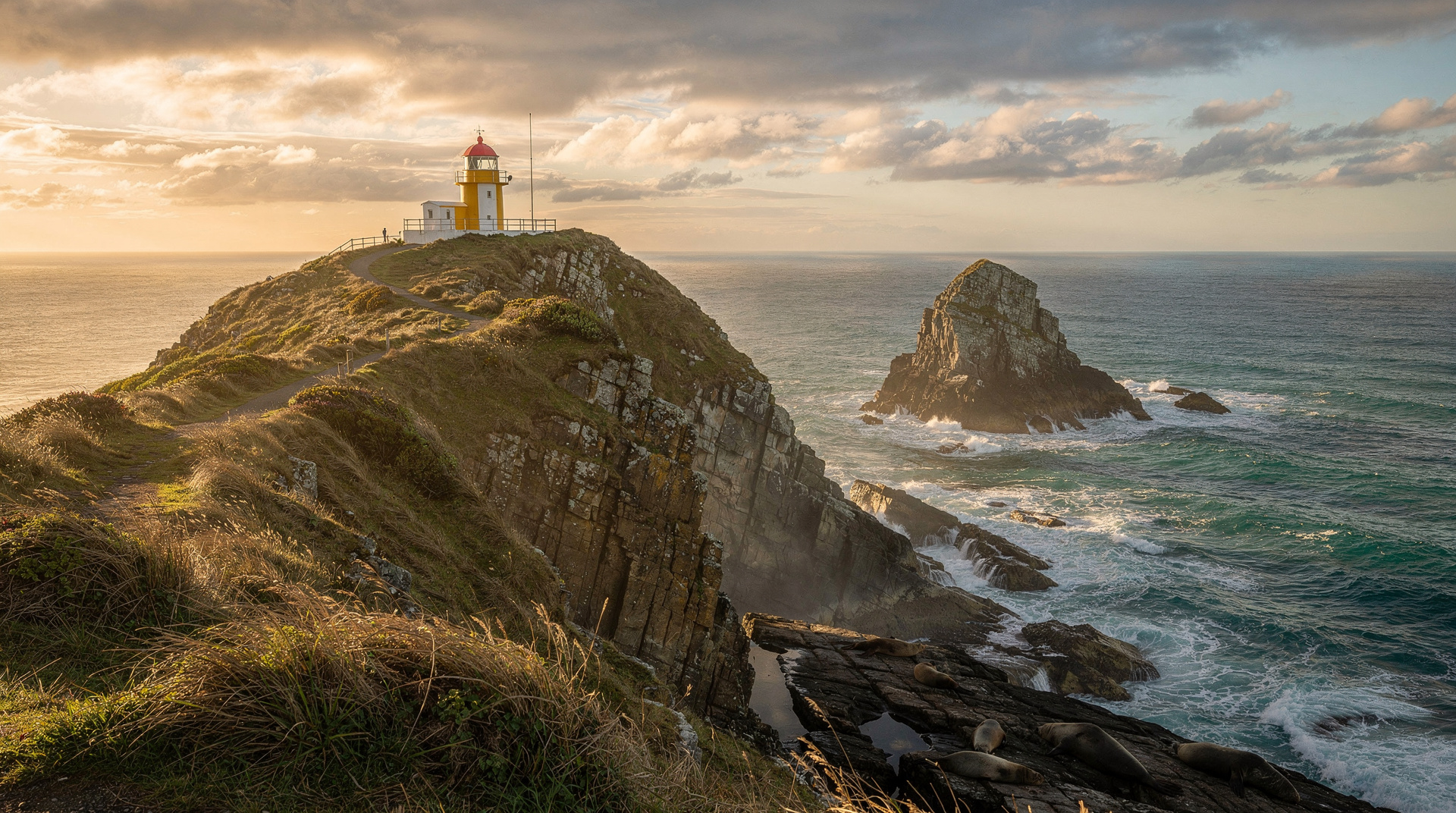
Oamaru
Oamaru: the world's most accessible little blue penguin colony, a Steampunk capital, and Victorian limestone architecture. Honest guide with NZD/USD/EUR costs.
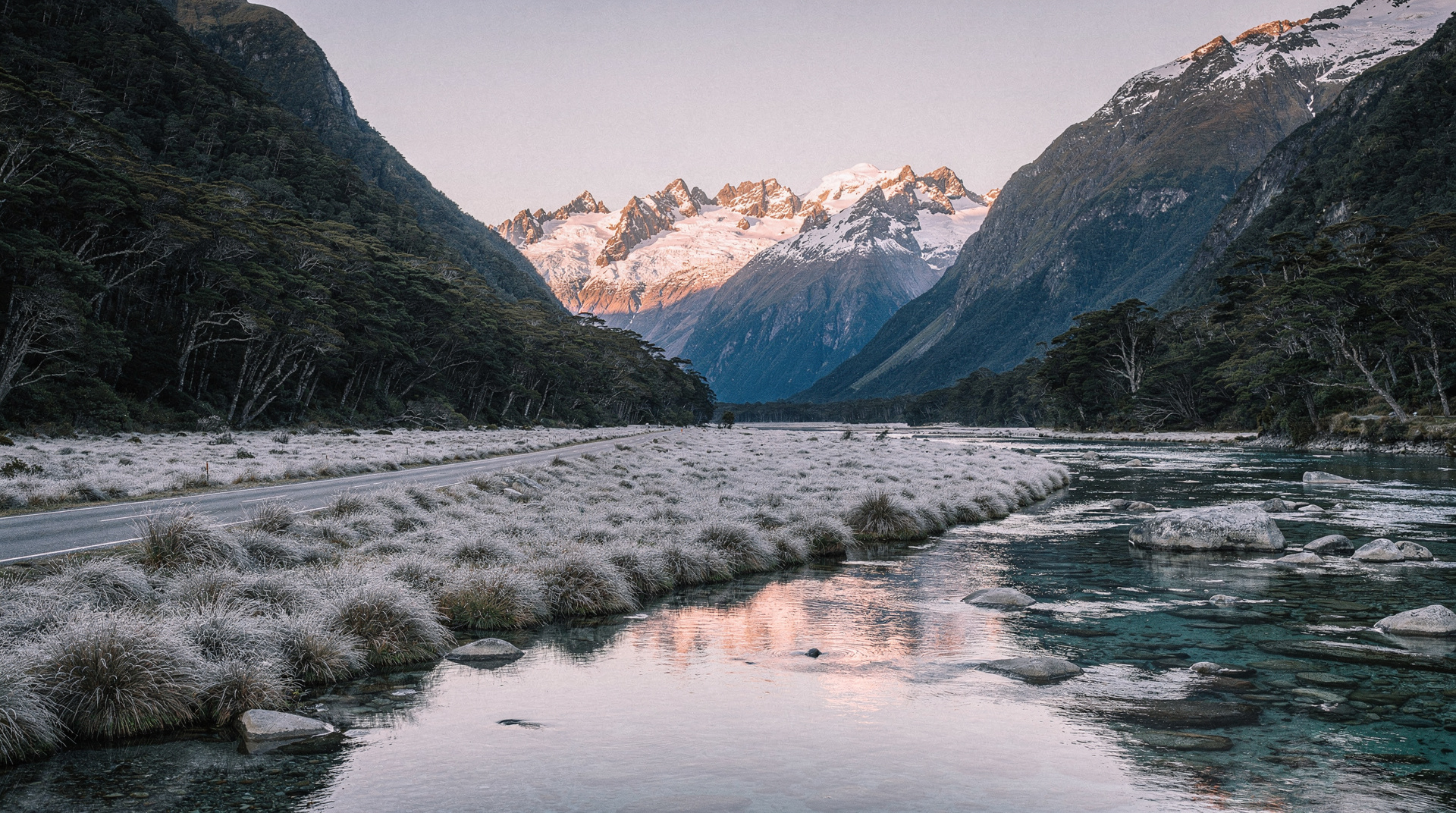
The Catlins
The Catlins: yellow-eyed penguins, Hooker's sea lions, the Curio Bay petrified Jurassic forest, and Nugget Point lighthouse. Honest guide NZD/USD/EUR.
Southland
Honest Southland guide: Invercargill, The Catlins wildlife coast, Bluff oysters, gateway to Stewart Island/Rakiura. NZD/USD/EUR costs and practical logistics.
Dunedin Scottish heritage — a guide to the Edinburgh of the South
Dunedin's Scottish settler heritage shapes its architecture, whisky distilling, and university culture. What to see, where to eat, and why it matters.
Day trips from Dunedin — the best excursions and how long each takes
Best day trips from Dunedin: Otago Peninsula, Moeraki Boulders, Oamaru steampunk and penguins, Tunnel Beach, Aramoana. Times, costs, self-drive vs guided.
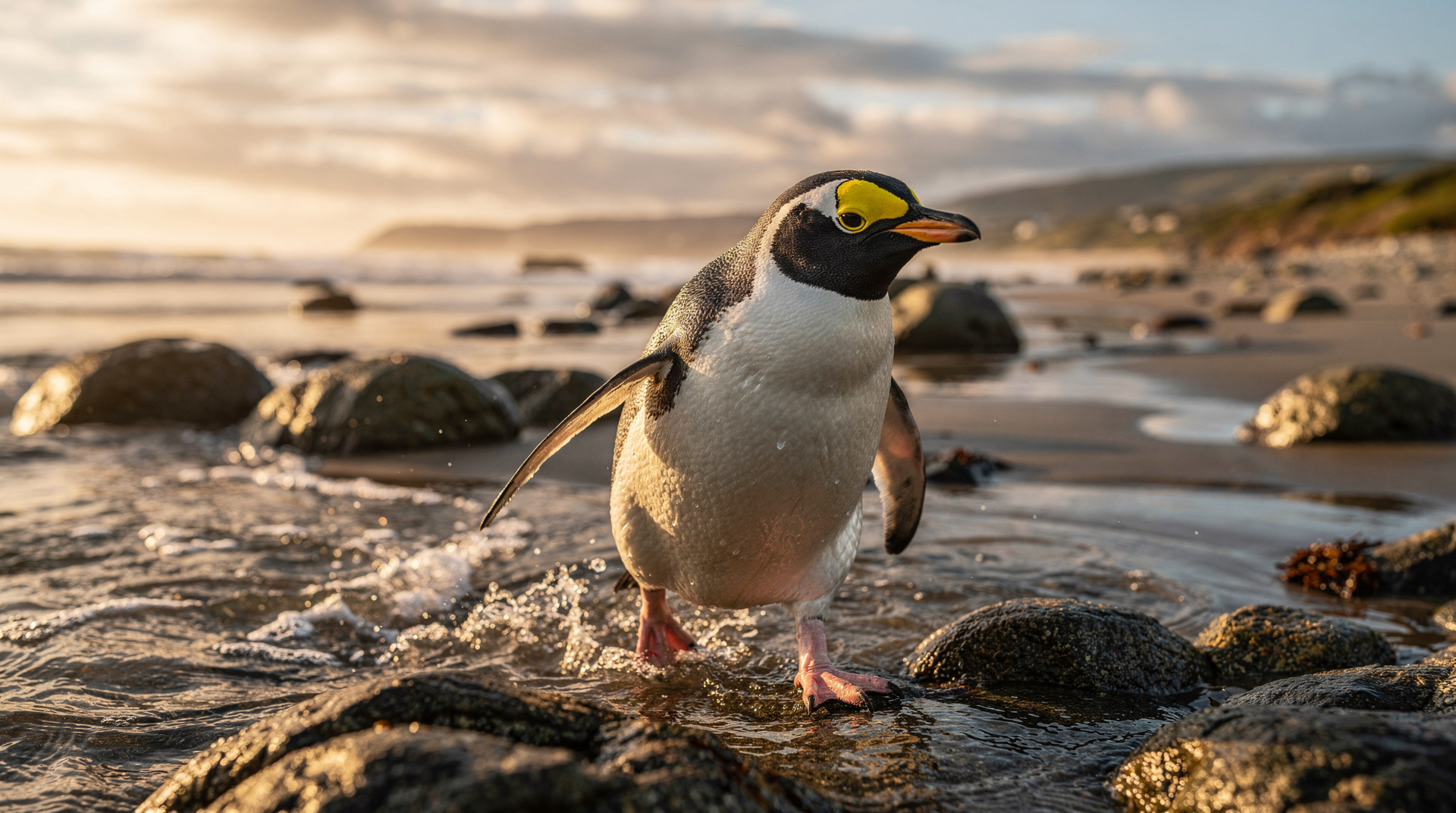
Yellow-eyed penguins on the Otago Peninsula
Hoiho (yellow-eyed penguin) are the world's rarest penguin. Where to see them wild on Otago Peninsula, ethical viewing hides, prices, and best timing.
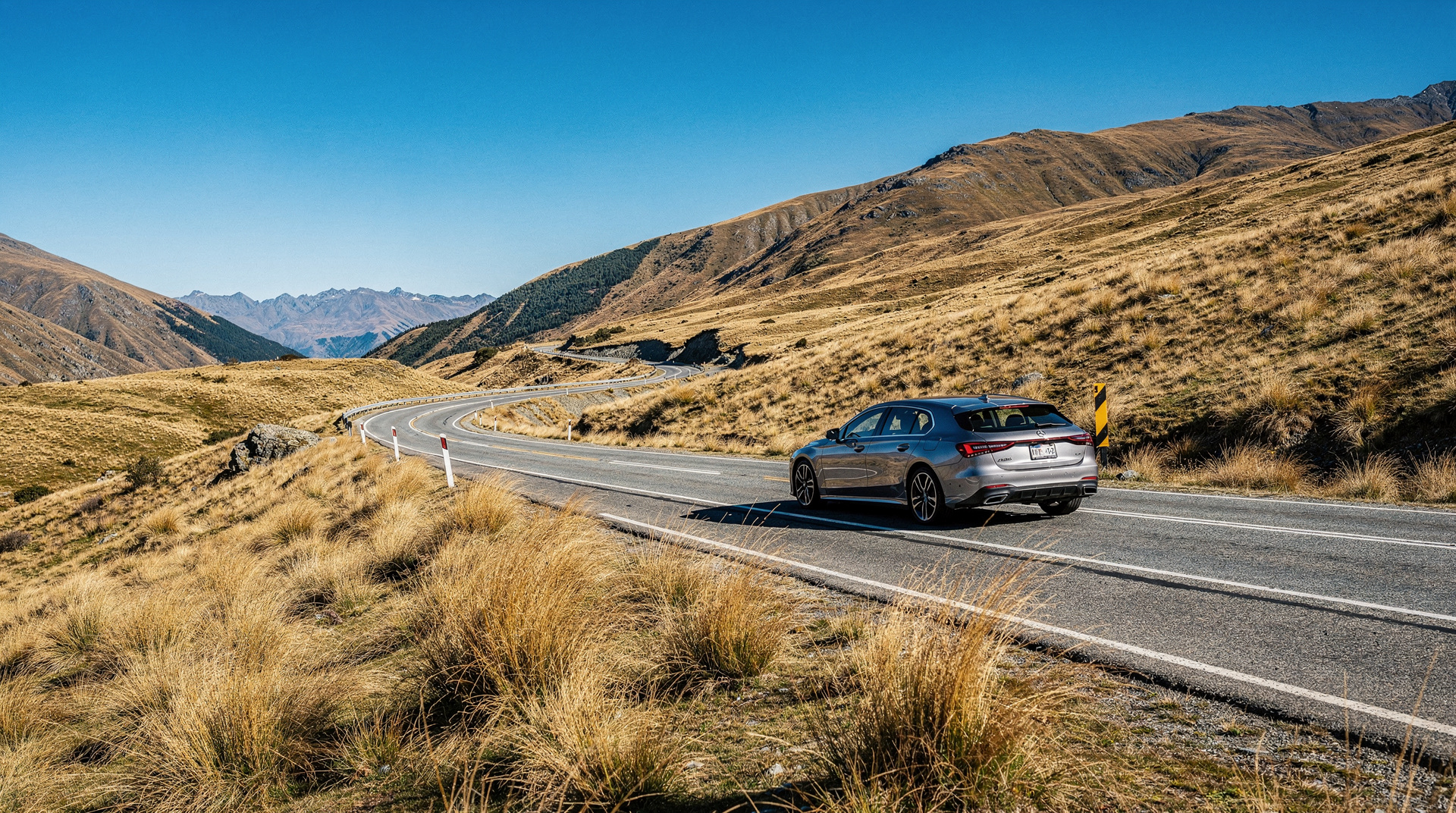
New Zealand self-drive itinerary — 14 days, car and motel
The classic 14-day NZ self-drive road trip by rental car and motels: both islands, ferry crossing, honest road times and costs in NZD, USD, and EUR.
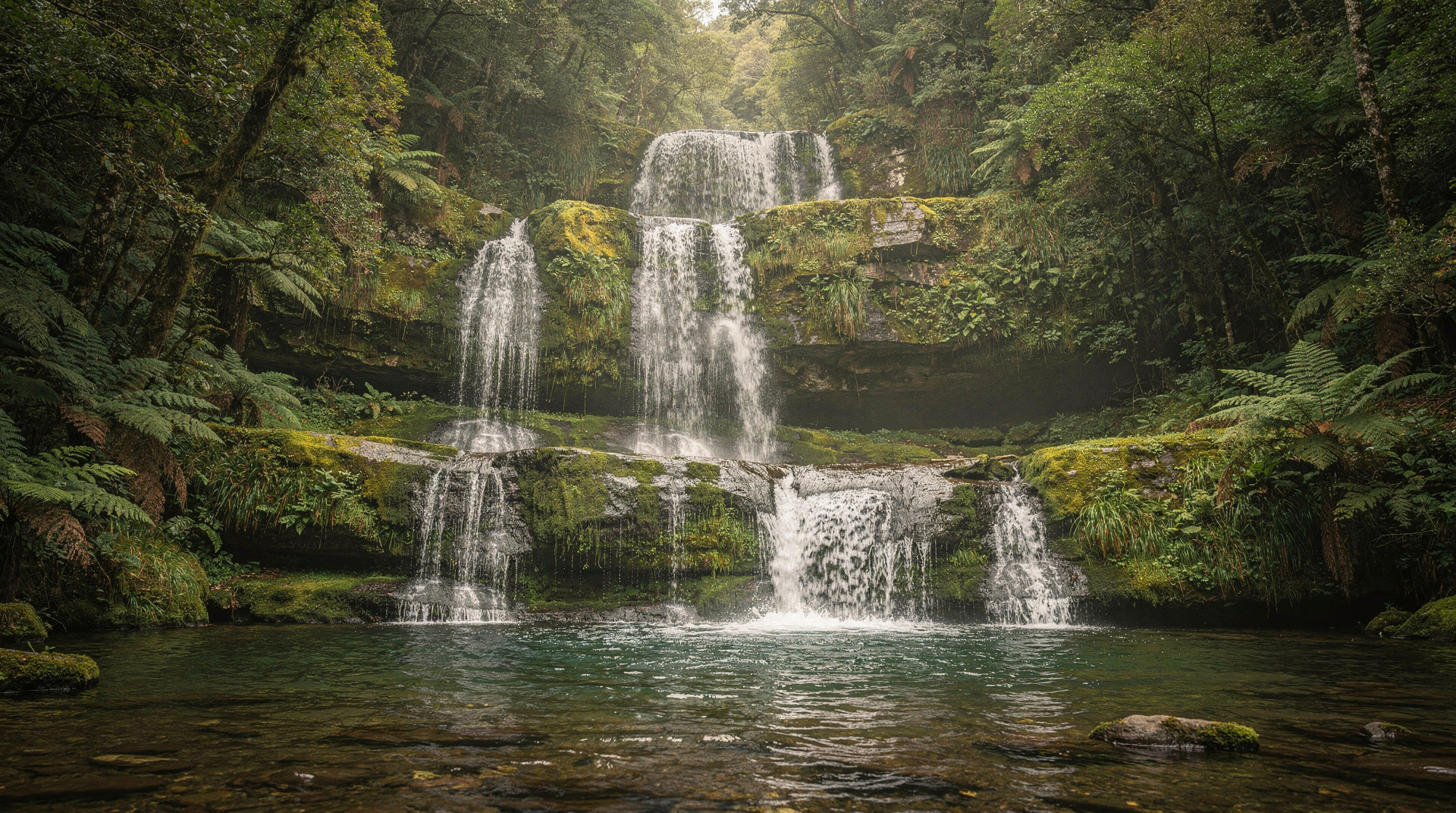
Hidden corners of the Catlins — New Zealand's least-visited southern coast
The Catlins coast between Invercargill and Dunedin is one of New Zealand's most undervisited regions. Sea lions, fossils, waterfalls, and almost no one else.
Last reviewed: