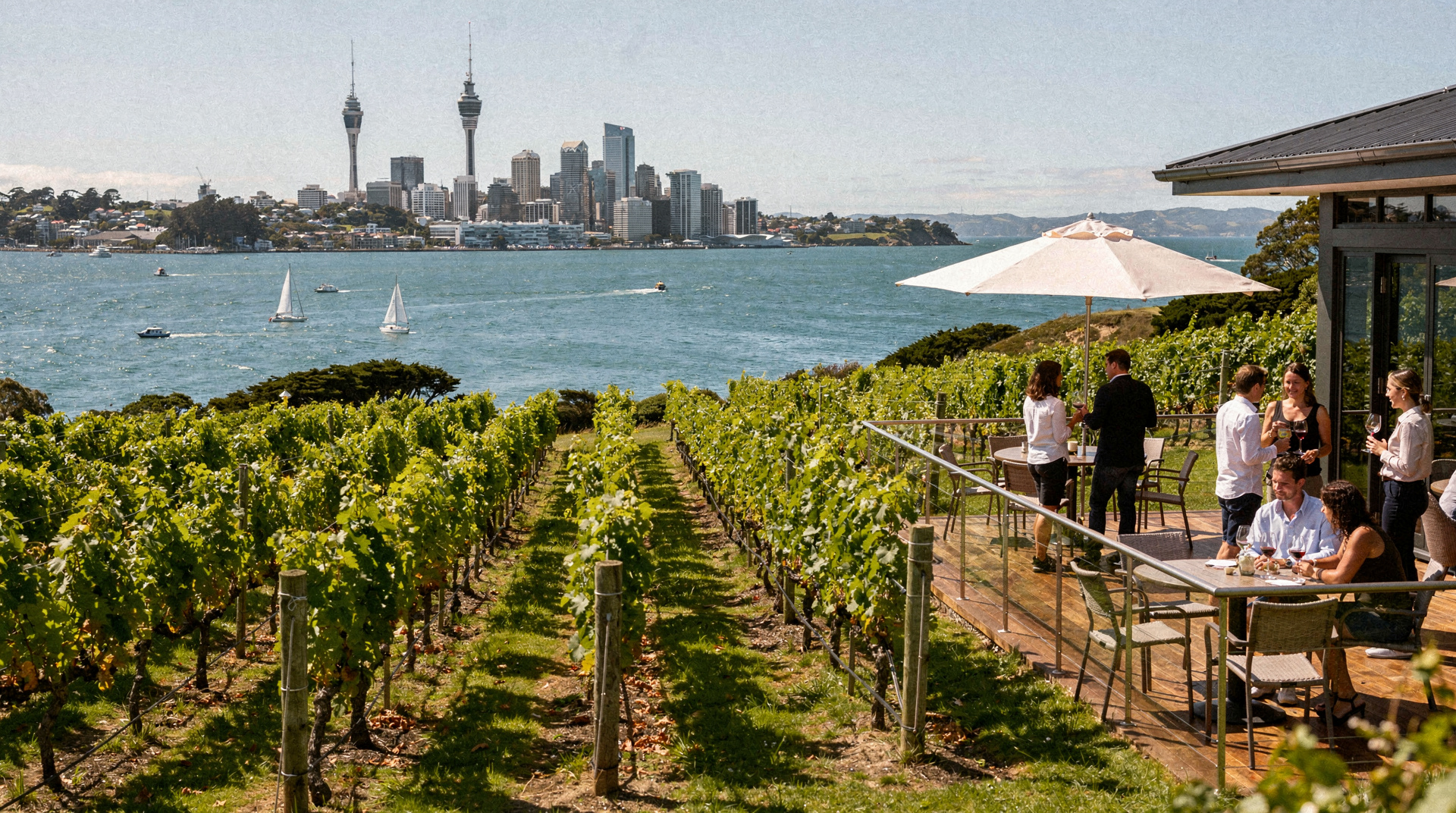
Waiheke Island
Waiheke Island honest guide: best wineries, beaches, ferry logistics, real costs NZD/USD/EUR, and how to spend one perfect day from Auckland.
Quick facts
- Access
- Fullers360 ferry from Auckland CBD — 35 minutes, approx NZD 48 / USD 29 / EUR 26 return
- Currency
- NZ$ — USD ~$0.60 / EUR ~€0.55
- Best for
- Wine tasting, beaches, escape from Auckland, Maori cultural experiences
- Skip if
- You have only one full day in Auckland and haven't seen the museum yet
- Season note
- Some wineries reduce hours May–October; confirm before booking
Waiheke in one sentence
Thirty-five minutes from downtown Auckland by ferry, Waiheke is an island of vineyards, bays, and a genuinely unhurried pace that feels entirely at odds with the city you just left.
What makes Waiheke worth the ferry fare
Waiheke Island is one of those places that surprises you. The ferry from Auckland’s downtown wharves takes 35 minutes, and by the time you dock at Matiatia, the noise of the city has been replaced by pohutukawa-lined coves, olive groves, and vineyards climbing toward ridge-line views over the Hauraki Gulf.
The island stretches 24 kilometres east to west and is home to around 10,000 permanent residents — an eclectic mix of artists, wine-industry professionals, and people who made the deliberate decision to live somewhere beautiful. The visitor infrastructure is excellent: good restaurants, reliable bus connections between Matiatia and Oneroa, and more than 30 boutique wineries.
The wine is genuinely excellent. Waiheke’s warm, dry micro-climate produces outstanding Bordeaux-style reds (Cabernet Sauvignon, Merlot, Cabernet Franc), Syrah, and some crisp Rosé. Wineries like Stonyridge Vineyard, Mudbrick, Cable Bay, and Man O’ War are internationally recognised. Most have restaurant seating and welcome walk-ins for tastings, though booking ahead for lunch in summer is essential.
For a day trip, Waiheke is almost ideal. For two nights, it becomes something richer — you can explore the quieter eastern beaches like Onetangi and Enclosure Bay, walk the coastal Headland Sculpture on the Gulf trail, and have mornings and evenings without ferry time-pressure. The catch is cost: accommodation on Waiheke is expensive, and Airbnb dominates the market.
| Where | Hauraki Gulf, 35 minutes by ferry from downtown Auckland |
| Getting there | Fullers360 ferry from the Auckland Ferry Building |
| Time needed | Day trip works well; 2 nights for the quieter eastern beaches |
| Cost | Around NZD 48 ferry return, plus NZD 20-120 per winery visit |
| Best time | November-April; February-March for harvest events |
Getting to and around Waiheke
Ferry: Fullers360 operates the main service from Auckland’s Ferry Building on Quay Street. Services run approximately every 30–60 minutes during the day, with reduced frequency in evenings. The 35-minute crossing is pleasant in calm weather. Buy your HOP card or book online; walk-on is usually fine except peak summer weekends (December–February). Return fare approximately NZD 48 / USD 29 / EUR 26 adult.
The most convenient way to combine ferry access with island exploration is the Waiheke Island ferry and hop-on hop-off explorer bus , which includes the ferry crossing and unlimited bus rides around the island’s main visitor circuit for one day.
Island bus (AT Connector): Waiheke’s public buses connect Matiatia ferry terminal to Oneroa, Palm Beach, Onetangi, and Ostend. Services are reliable but infrequent — download the AT Mobile app to track real times. A day pass is inexpensive at around NZD 5 / USD 3 / EUR 2.75.
Cycling: Waiheke’s hills are steep and roads are narrow. E-bikes are available from operators at the wharf. If you’re fit and the weather is good, cycling the coastal roads is spectacular. Otherwise, the combination of ferry, bus, and walking between wineries is easier. Note that summer weekend traffic between Matiatia and Oneroa can be genuinely heavy, with rental cars, tour vans, and cyclists sharing narrow shoulders — if cycling in peak season, stick to early morning departures when the roads are quieter.
Taxi and rideshare: A small number of local taxi operators service the island, useful for late-evening returns from a winery dinner when the bus schedule has thinned out. Book ahead rather than expecting a taxi to be waiting at the wharf outside peak arrival times.
Car: A small car hire is available on the island from around NZD 90 / USD 54 / EUR 50 per day and makes exploring the eastern end (Onetangi, Man O’ War) much easier. Not necessary for a single-day winery circuit.
Wineries worth your time
Waiheke has over 30 wineries but not all are equal for visitors. Here is an honest shortlist:
Stonyridge Vineyard — consistently produces one of New Zealand’s most acclaimed Bordeaux-style reds (Larose). The terrace restaurant is lovely; arrive for lunch. Expect NZD 35–55 / USD 21–33 / EUR 19–30 for a tasting flight.
Mudbrick Vineyard — the most architecturally striking, with panoramic gulf views and a well-regarded restaurant. Book lunch in advance. Tasting from NZD 20 / USD 12 / EUR 11.
Cable Bay Vineyards — modern, architecturally bold, excellent for groups. Combined lunch and tasting NZD 75–120 / USD 45–72 / EUR 41–66.
Man O’ War — located on the remote eastern end of the island; requires a car. The distance puts many visitors off, which means you’ll often have the terrace largely to yourself. Their Valhalla Chardonnay is outstanding.
For a guided introduction, the Waiheke Island scenic wine tour visiting three vineyards is a structured half-day that covers the main wine corridor with transport included. For those who want a smaller group rather than a full coach, the Waiheke Island premium small-group wine tour (max 11 guests) caps numbers for a more personal pace between cellar doors; NZD 165–210 / USD 99–126 / EUR 91–116.
The Waiheke Island wineries tour from Auckland is another well-regarded option for visitors booking from the mainland — ferry-inclusive and covering the island’s principal producers in a single guided day. Alternatively, the Waiheke Island gourmet food and wine tour with lunch is an excellent full-day option combining tastings with a platter lunch, particularly well-suited to visitors who want context alongside the wine.
For Maori cultural immersion alongside the wine experience, the Waiheke Island Maori cultural tour with lunch and wine weaves in te reo Maori, whakapapa (genealogy), and tikanga (customs) at a local marae — a genuinely distinctive way to understand the island beyond the Pakeha wine-scene narrative.
Beaches
Oneroa — closest to the ferry terminal, good cafes and shops, small beach suitable for swimming in summer.
Palm Beach — popular with families, more sheltered, reliable for swimming from November to March.
Onetangi — the longest beach on the island, open to the east, good for walking and swimming when conditions allow.
Enclosure Bay and Owhanake Bay — quieter, more secluded, worth seeking out if you have a second day or are exploring by car.
Where to stay on Waiheke
Accommodation options are limited and prices are high. Plan to book at least 6–8 weeks ahead in summer.
Casita Miro — intimate boutique vineyard accommodation, genuinely lovely, NZD 450–650 / USD 270–390 / EUR 248–358 per night. Meals can be arranged.
Airbnb — dominates the island market. Expect NZD 200–400 / USD 120–240 / EUR 110–220 for a private room or studio with good water views. Full houses scale to NZD 600+ / USD 360+ / EUR 330+.
Palm Beach Lodge — simpler, more affordable at NZD 150–220 / USD 90–132 / EUR 83–121, close to the beach.
Honest assessment: if budget is a constraint, do Waiheke as a day trip from Auckland. An overnight stay is wonderful but the premium is real.
Skip / worth it / splurge
- Skip: Buying wine at the ferry terminal or supermarket before you visit — buy directly from the vineyard to support producers and get better selection
- Skip: Waiheke on a weekday in mid-winter if you want multiple wineries open (confirm hours in advance)
- Worth it: Hop-on hop-off ferry and bus combo for a first visit — removes logistics stress entirely
- Worth it: Lunch at Mudbrick or Cable Bay — the setting elevates the experience beyond the wine itself
- Splurge: The overnight stay at a vineyard accommodation, especially with dinner included
How to combine Waiheke with the rest of your itinerary
Waiheke fits naturally into an Auckland base itinerary as a day two or three activity. It also works well as a final-day treat before an afternoon or evening international flight from Auckland Airport — the ferry schedule allows for a morning on the island, back by early afternoon.
For wine enthusiasts visiting New Zealand primarily for the wine regions, Waiheke should be considered alongside Hawke’s Bay, Martinborough (linked from Wellington), and Marlborough — Waiheke’s strength is Bordeaux-style reds and Syrah rather than the Sauvignon Blanc and Pinot Noir that define the South Island regions.
Our Waiheke wine tour guide goes deeper on cellar-door specifics, and the Waiheke day trip from Auckland guide has hour-by-hour logistics for a single-day visit. For visitors weighing Waiheke against Coromandel as an Auckland-region escape, our Waiheke vs Great Barrier Island guide also compares it to the Gulf’s other island options.
Maori heritage on Waiheke
Waiheke — known in te reo Maori as Te Motu-arai-roa, meaning “the long sheltering island” — has significant Maori history. The island was settled by Maori well before European arrival, and several pa (fortified settlements) once occupied the promontories above the current harbours. Ngati Paoa is the principal iwi (tribe) associated with Waiheke, and their mana whenua (territorial authority) over the island is recognised in local governance.
The Waiheke Island Maori cultural tour with lunch and wine incorporates te reo Maori language, whakapapa (genealogy), and cultural practices at a local marae. This is distinctively different from the purely wine-focused tours and offers a dimension of the island that most visitors never access. The combination of cultural immersion with a Waiheke wine experience in one tour is genuinely unique.
For visitors who want to understand the relationship between Maori land tenure, colonial history, and the modern wine economy that now defines the island’s identity, this tour provides important context that deepens every other element of a Waiheke visit.
Archaeological evidence on Waiheke, including shell middens and terraced pa sites, indicates Maori occupation stretching back several centuries before European contact — the island’s sheltered bays and fertile volcanic soils made it a favourable settlement location long before it became a wine destination.
Following the 1840 Treaty of Waitangi and subsequent land transactions through the mid-to-late 19th century, much of Waiheke passed into European ownership, a pattern echoed across the wider Hauraki Gulf. Ngati Paoa’s contemporary mana whenua status was reaffirmed through Treaty of Waitangi settlement processes, and the iwi remains actively involved in resource management decisions affecting the island today, including coastal and marine planning around the Hauraki Gulf.
What Waiheke looks like across the seasons
Summer (December–February): Peak season, highest ferry frequency, warmest water, most wineries at full capacity. Prices are highest, and popular restaurants need advance booking. The island can feel crowded on long summer weekends; consider mid-week visits in January for a better experience.
Autumn (March–May): The best season for wine visitors. Harvest happens in March–April, and many vineyards run special harvest events. The weather is still warm enough for beaches, and crowds thin noticeably from mid-February. This is the locals’ favourite time on the island.
Winter (June–August): Quiet, with some wineries closed or on reduced hours. The island has a different character in winter — walking tracks, fewer visitors, lower accommodation prices. Bring waterproofs; the hills are green and lush. A good time for a romantic retreat or independent exploration if the wine season is not the priority.
Spring (September–November): The island wakes up. Vines begin to bud, migratory birds return, and the ferry runs increased services from Labour Weekend (late October) as Aucklanders head back to their island holiday houses.
Art, sculpture, and the cultural scene
Waiheke has a disproportionately strong arts scene for its size. The island has attracted artists, sculptors, and crafts people for decades, drawn by the landscape, the light, and the relatively affordable (by Auckland standards) studio space.
Connells Bay Sculpture Park is one of New Zealand’s finest outdoor sculpture collections. Located on a farm property on the eastern side of the island, it contains permanent works by significant New Zealand and international artists installed across 16 hectares of hillside and bush. Entry by guided tour only; book ahead at NZD 35–45 / USD 21–27 / EUR 19–25. Closed in winter.
Artworks Complex in Oneroa is the island’s arts hub — a theatre, cinema, gallery, and gallery shop under one roof. The programme includes year-round exhibitions by local and visiting artists. Free gallery entry.
The island also hosts the Waiheke Island International Jazz Festival in late March/early April, which draws New Zealand and international performers to vineyard and beach venues for a long weekend. Accommodation books out 2–3 months ahead for festival weekend.
Olive oil and more than just wine
Waiheke’s microclimate produces more than grapes. The island has a significant olive oil production industry — several vineyards also press olives, and the oil quality is high (warm, dry summers; well-drained hillside soils). Mudbrick Vineyard and Stonyridge both produce olive oil alongside their wine. Tastings are typically available alongside wine flights.
Artisan food production on the island also extends to cheeses, honey, and fresh seasonal produce. The Onetangi markets (Sunday mornings, summer) provide a good snapshot of the local food economy. Pick up a jar of local honey — Waiheke’s pohutukawa honey is exceptional.
The Ostend Market (Saturday mornings, year-round, at the Ostend Community Hall) is the island’s longer-running market and a better bet outside summer, when Onetangi’s Sunday market slows down. Expect local produce stalls, baked goods, and a genuine cross-section of the island’s permanent community rather than a purely tourist-facing event — a good option if you want to see Waiheke beyond the wine trail on a Saturday morning before the wineries open.
Whakanewha Regional Park and the quieter side of Waiheke
For visitors who want a break from wine and want to see the island’s natural side, Whakanewha Regional Park on the southern coast is the best option. A 235-hectare reserve of native bush, wetland, and a sheltered beach on Rocky Bay, it has an easy 2-3 hour loop walk through regenerating forest, a DOC-style campground for those with their own gear, and a genuinely tranquil beach that rarely appears in Waiheke marketing photos precisely because it isn’t near the wine corridor. Free entry, no bookings required for day visits. A rental car or e-bike is the practical way to reach it from Matiatia (about 20 minutes’ drive).
Man O’ War Bay, at the island’s remote eastern tip near the winery of the same name, has a similarly undeveloped character — the beach there is one of the better swimming spots on the island for those willing to make the drive, and is usually much quieter than Oneroa or Palm Beach even in peak summer.
Practical notes for the ferry crossing
The Fullers360 ferry from Auckland’s Downtown Ferry Building takes 35 minutes. A few practical notes:
Weekday vs weekend: Weekday ferries carry more commuters and fewer tourists, which means they feel less like a leisure excursion but run on very reliable 30-minute intervals. Weekend ferries are more likely to be crowded in summer; booking ahead is wise for Saturday late morning services.
Weather: The Waitemata Harbour is generally sheltered, but the Hauraki Gulf can have short, steep chop in northerly weather. If you’re prone to motion sickness, take a seat in the forward cabin rather than standing on deck.
Luggage: Standard ferry passengers are on foot. There’s no issue bringing a day pack or a small bag. Bringing a bicycle costs extra and requires advance notice; check current Fullers360 bike policy.
Return timing: The last Fullers360 ferry from Waiheke to Auckland operates late evening (around 10–11pm on weekdays, later on weekends in summer). Check exact timetables before you plan an evening on the island.
Frequently asked questions about Waiheke Island
How long does the ferry to Waiheke take?
The Fullers360 passenger ferry from Auckland’s Ferry Building takes approximately 35 minutes to Matiatia Wharf on Waiheke. Car ferries take longer and are a separate service — most day visitors come as foot passengers.
Do I need to book the ferry in advance?
For most of the year, walk-on is fine. In peak summer (December to February) and on holiday weekends, booking online saves queueing. The hop-on hop-off combo that includes ferry access is best booked at least a few days ahead to ensure availability.
What is the best Waiheke wine tour for a first-time visitor?
For a first visit, the Waiheke Island scenic wine tour visiting three vineyards is the ideal combination of structure and value. It covers the main wine corridor, includes guide interpretation of the island’s wine identity, and handles transport between properties — removing the logistics of managing inter-winery travel on unfamiliar island roads. If you want more food with your wine, the gourmet food and wine tour with lunch is a step up.
How many wineries can I visit in one day?
Realistically, two or three wineries with lunch at one of them makes for a comfortable day without rushing or overindulging. A guided wine tour will plan the pacing for you, which is especially useful if your party wants to avoid worrying about driving.
Is Waiheke suitable for children?
Yes — the beaches are child-friendly, and several wineries have outdoor spaces where children can run around. The hop-on hop-off bus is fun for kids. However, the primary appeal of the island is adult-oriented (wine, food, relaxed pace), so manage expectations if visiting with young children.
Can I cycle around Waiheke Island?
You can, but the hills are genuinely steep. E-bikes are the recommended option for casual cyclists. Standard bikes suit athletic cyclists comfortable with extended climbing. The roads are narrow and busy on summer weekends, so take care.
Is the Waiheke twilight wine and dine tour worth the price?
The Waiheke Island Twilight Wine and Dine Tour with ferry runs in the early evening and includes two winery visits, a sunset tasting session, and ferry transport. NZD 175–210 / USD 105–126 / EUR 96–116. It’s genuinely good value for couples seeking a special evening without the full commitment of an overnight stay. The ferry return after dark gives the whole experience a satisfying arc. Recommended particularly in February and March when the evenings are long and warm.
What is the Headland Sculpture on the Gulf?
The Headland Sculpture on the Gulf is a biennial outdoor sculpture exhibition (held in odd years) featuring significant New Zealand and international artists’ works installed along a coastal walking trail at Matiatia. Entry by donation. The exhibition runs for three weeks in late January/February and draws substantial Auckland audiences. Between exhibitions, the walking trail itself is open year-round and passes through regenerating coastal bush with excellent sea views — worth doing regardless of whether an exhibition is running.
How much should I budget for a day on Waiheke?
A comfortable mid-range day on Waiheke: ferry return NZD 48 / USD 29 / EUR 26 + hop-on hop-off bus NZD 25 / USD 15 / EUR 14 + two winery visits with tastings (NZD 30–50 / USD 18–30 / EUR 16–28) + lunch at a winery restaurant (NZD 35–65 / USD 21–39 / EUR 19–36) + coffee and ice cream = approximately NZD 150–200 / USD 90–120 / EUR 83–110 per person for a relaxed day. Add a guided wine tour and the figure rises to NZD 200–280 / USD 120–168 / EUR 110–154. The island is expensive by New Zealand standards — budget for it accordingly.
Is there anything to do on Waiheke besides wine?
Yes. Whakanewha Regional Park has genuinely good bush walking and a quiet beach away from the wine corridor, the eastern beaches (Onetangi, Man O’ War Bay) are excellent for swimming, Connells Bay Sculpture Park is one of New Zealand’s best outdoor art collections, and the Maori cultural tour offers a dimension of the island most visitors miss entirely. Waiheke rewards those who allocate at least half a non-wine day if staying overnight.
Top experiences: waiheke island New Zealand
See all →Guides for Waiheke Island
Related guides
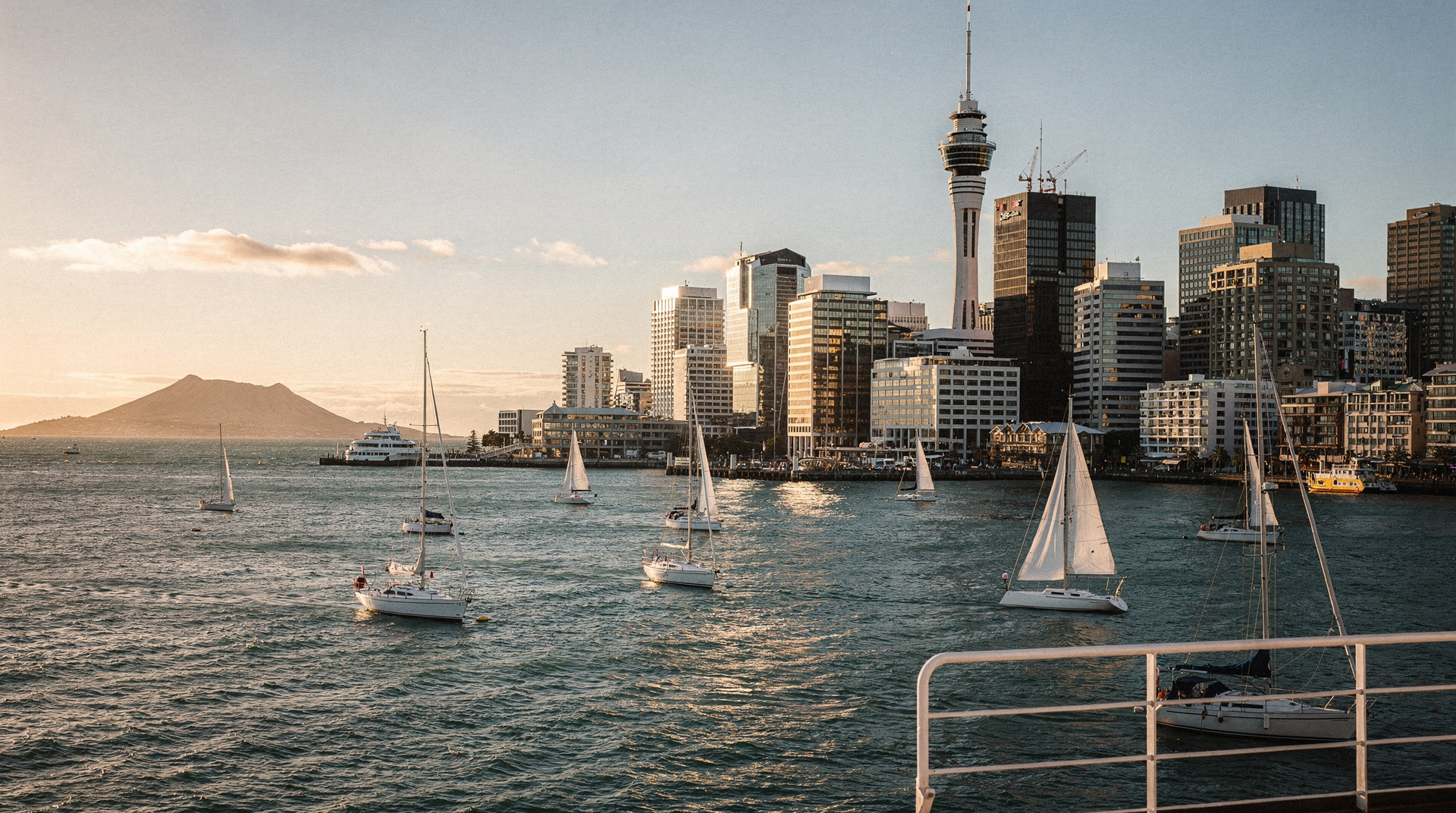
Auckland
Honest Auckland planner: harbour, Sky Tower, Waiheke wineries, day-trips to Hobbiton, real prices NZD/USD/EUR, and what's actually worth your time.
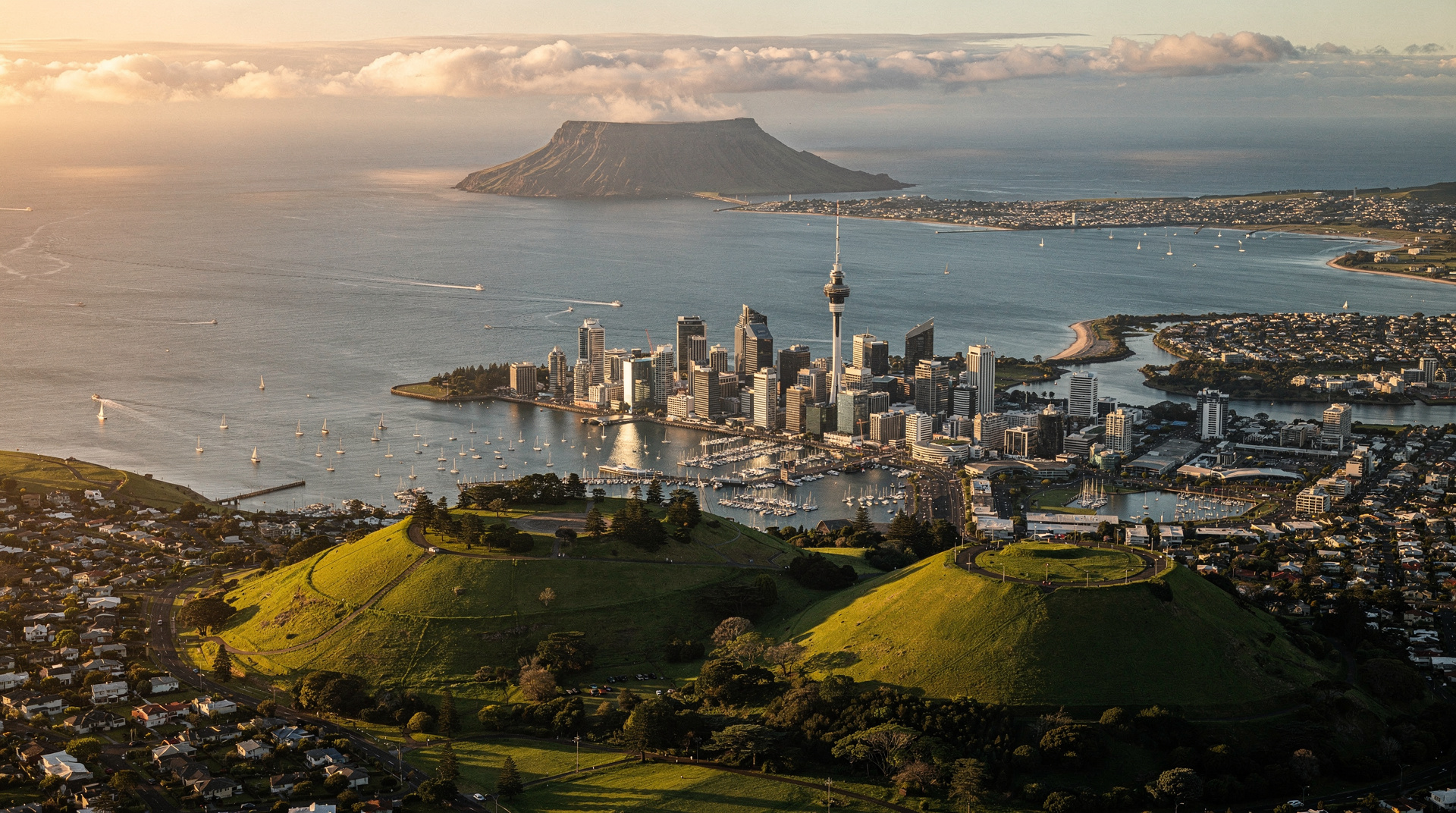
Auckland region
Auckland region beyond the city: Waiheke wine island, Piha surf, Tiritiri Matangi wildlife. NZD/USD/EUR prices, day trips, and what's truly worth your time.
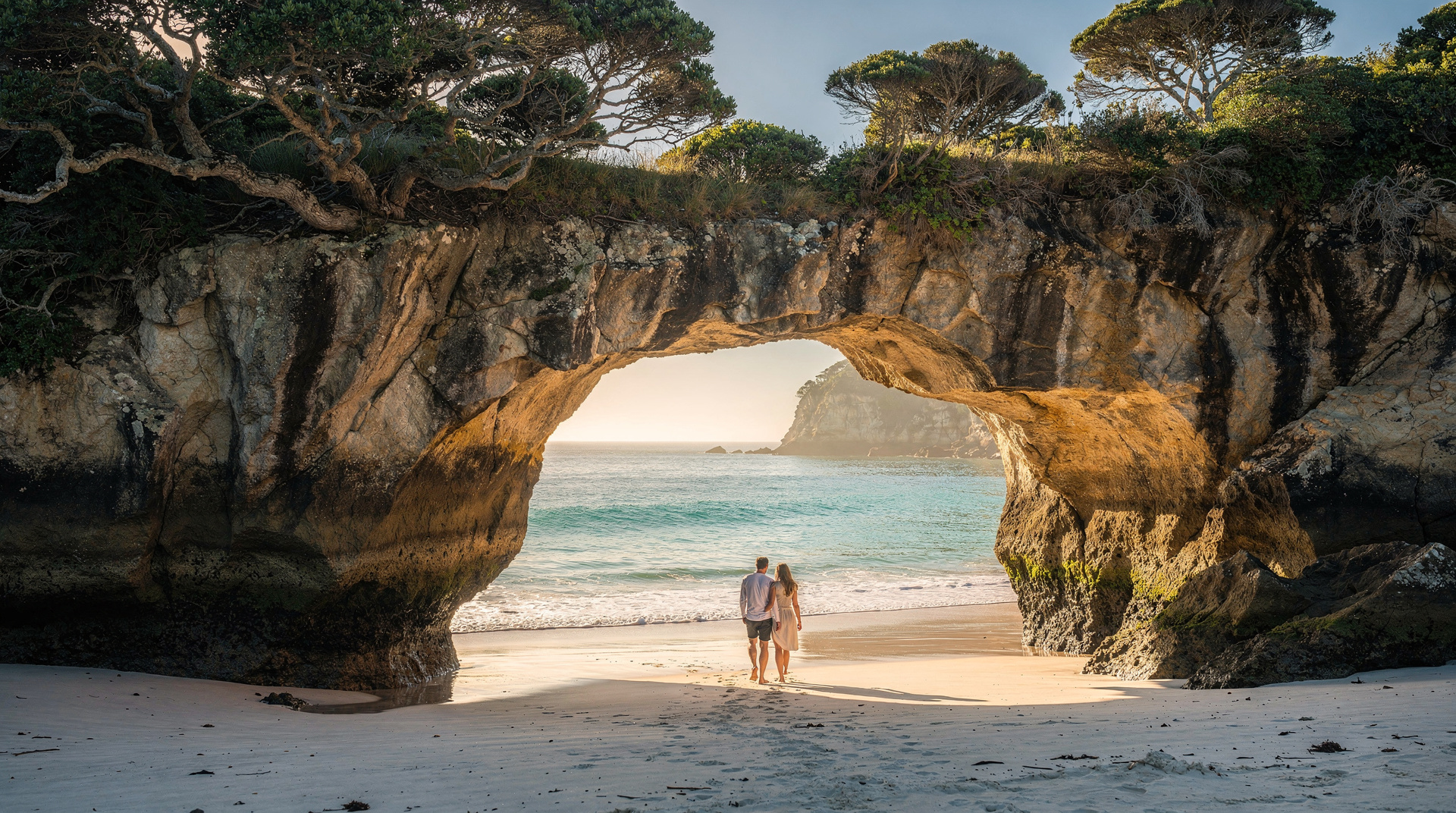
Coromandel Peninsula
Honest Coromandel guide: Cathedral Cove, Hot Water Beach, Whitianga, Coromandel Town. NZD/USD/EUR prices, seasonal tips, day trip vs overnight verdict.
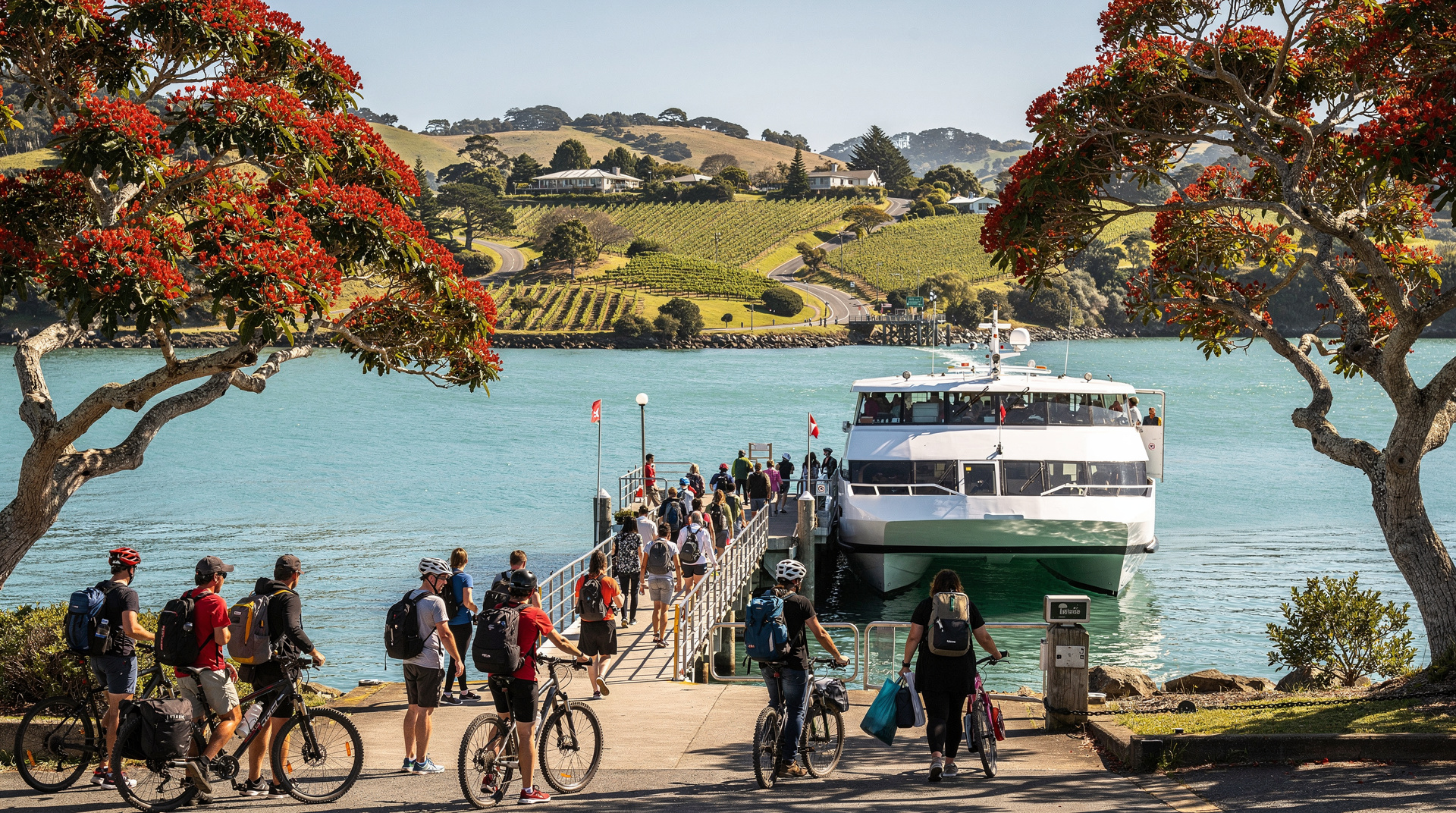
Waiheke Island day trip from Auckland
How to do a Waiheke Island day trip from Auckland: ferry times, best wineries, self-bike option, cost in NZD/USD/EUR, and what to skip.
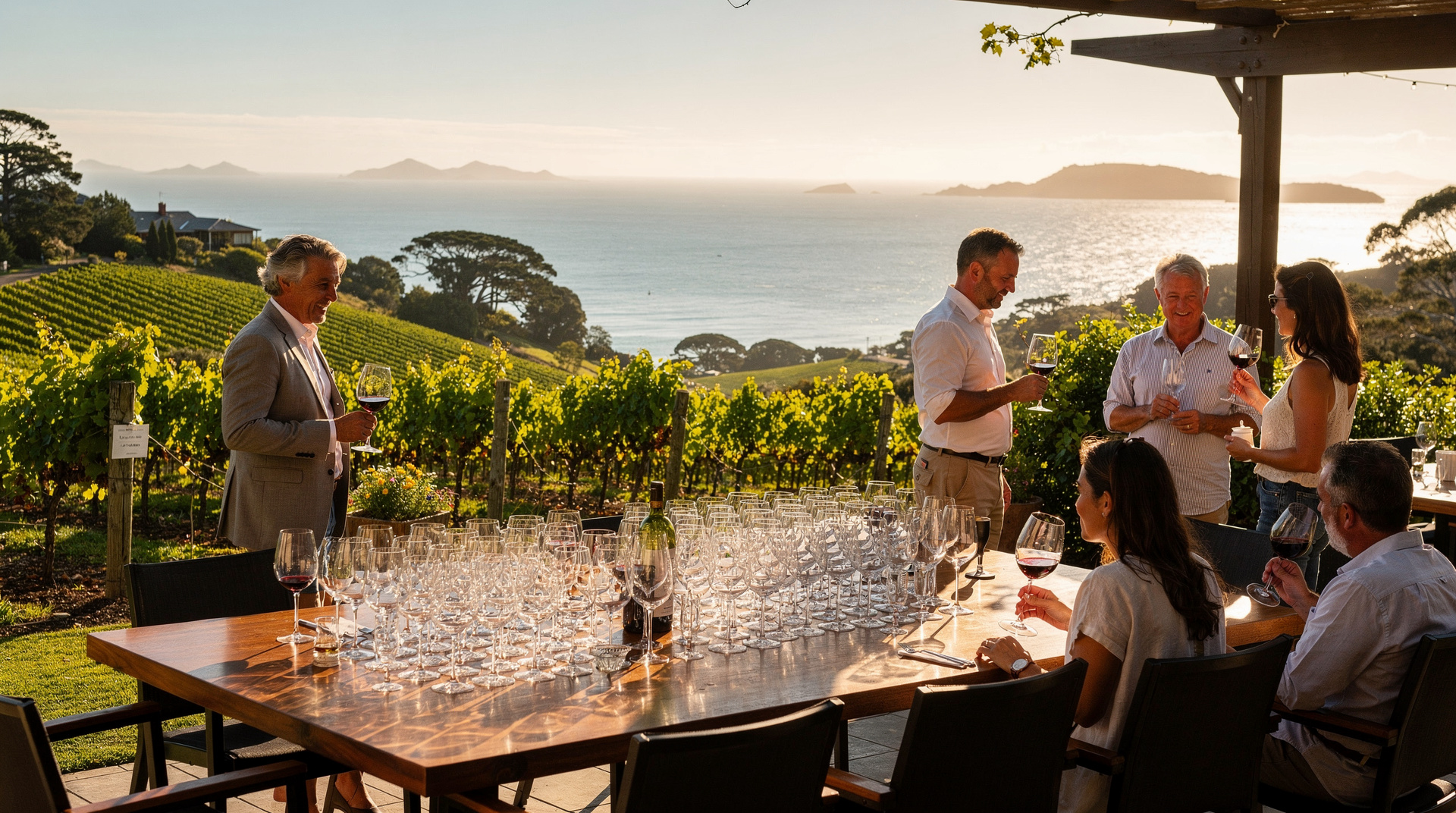
Waiheke Island wine tour
Waiheke has 30+ boutique wineries 35 min from Auckland. Full-day tours, self-guided cycling, ferry access — prices NZD/USD/EUR and top cellar doors.
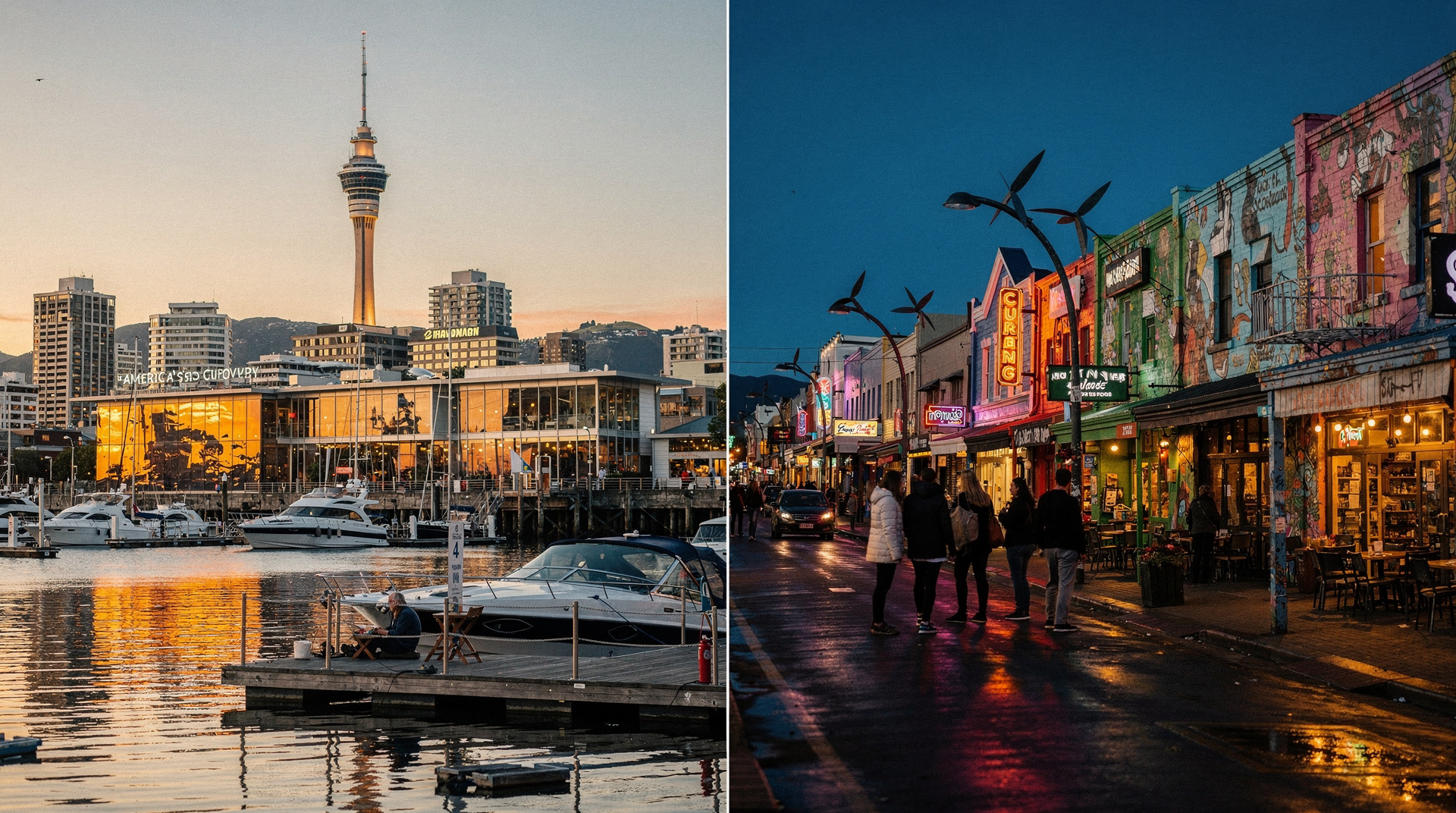
Auckland vs Wellington
Auckland vs Wellington honest comparison: food, culture, cost, day trips and vibe. Clear verdict for first-timers and repeat visitors. NZD/USD/EUR prices.
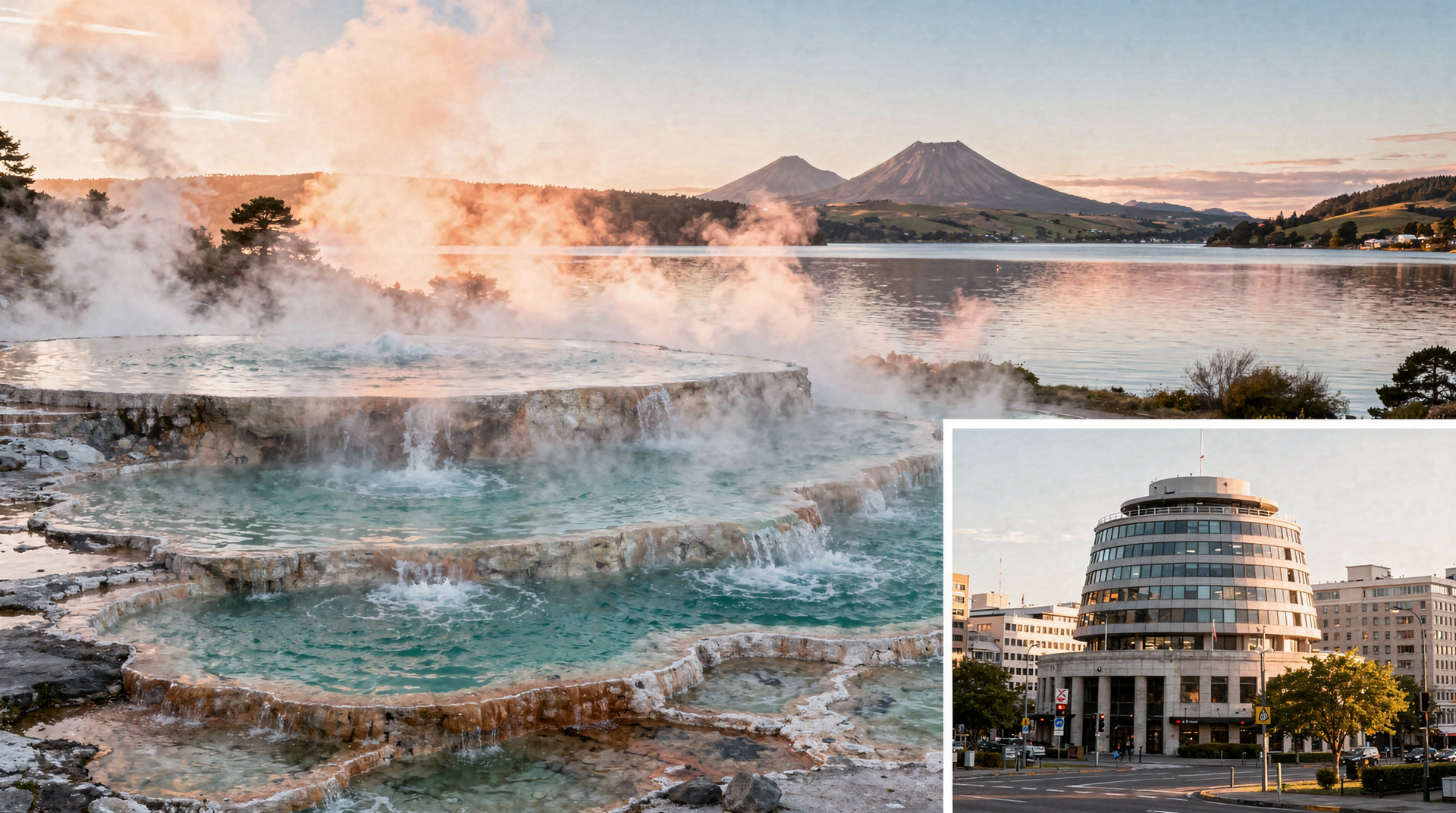
7-day North Island itinerary — the essential highlights
Auckland → Bay of Islands → Hobbiton → Waitomo → Rotorua → Taupo → Tongariro → Wellington. 7 days, both car and costs covered honestly.
The best shoulder season itinerary for New Zealand — 14 days in autumn
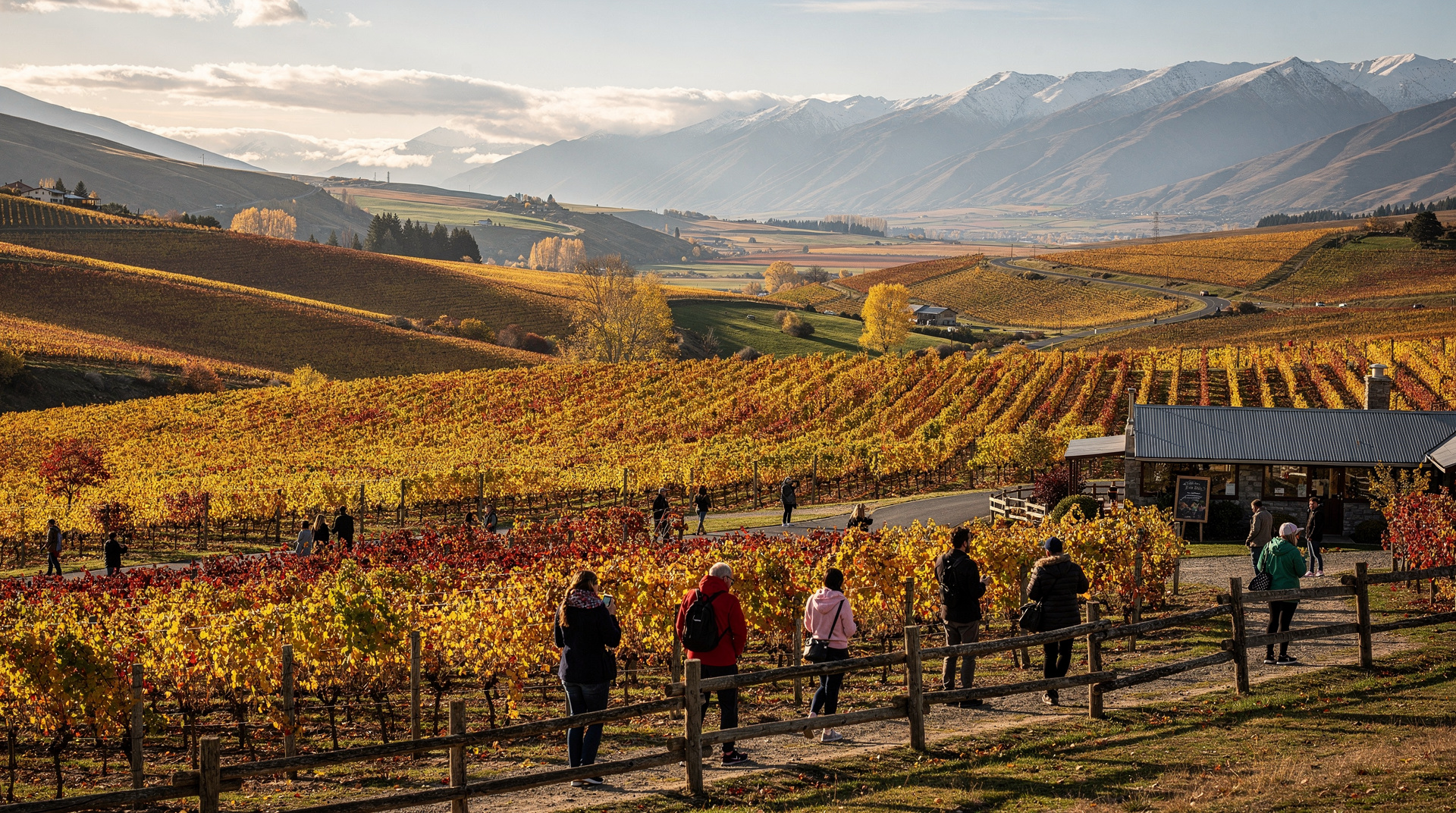
A 14-day New Zealand itinerary designed for March and April: fewer crowds, better light, lower prices, and the same landscapes everyone comes for.
Last reviewed: