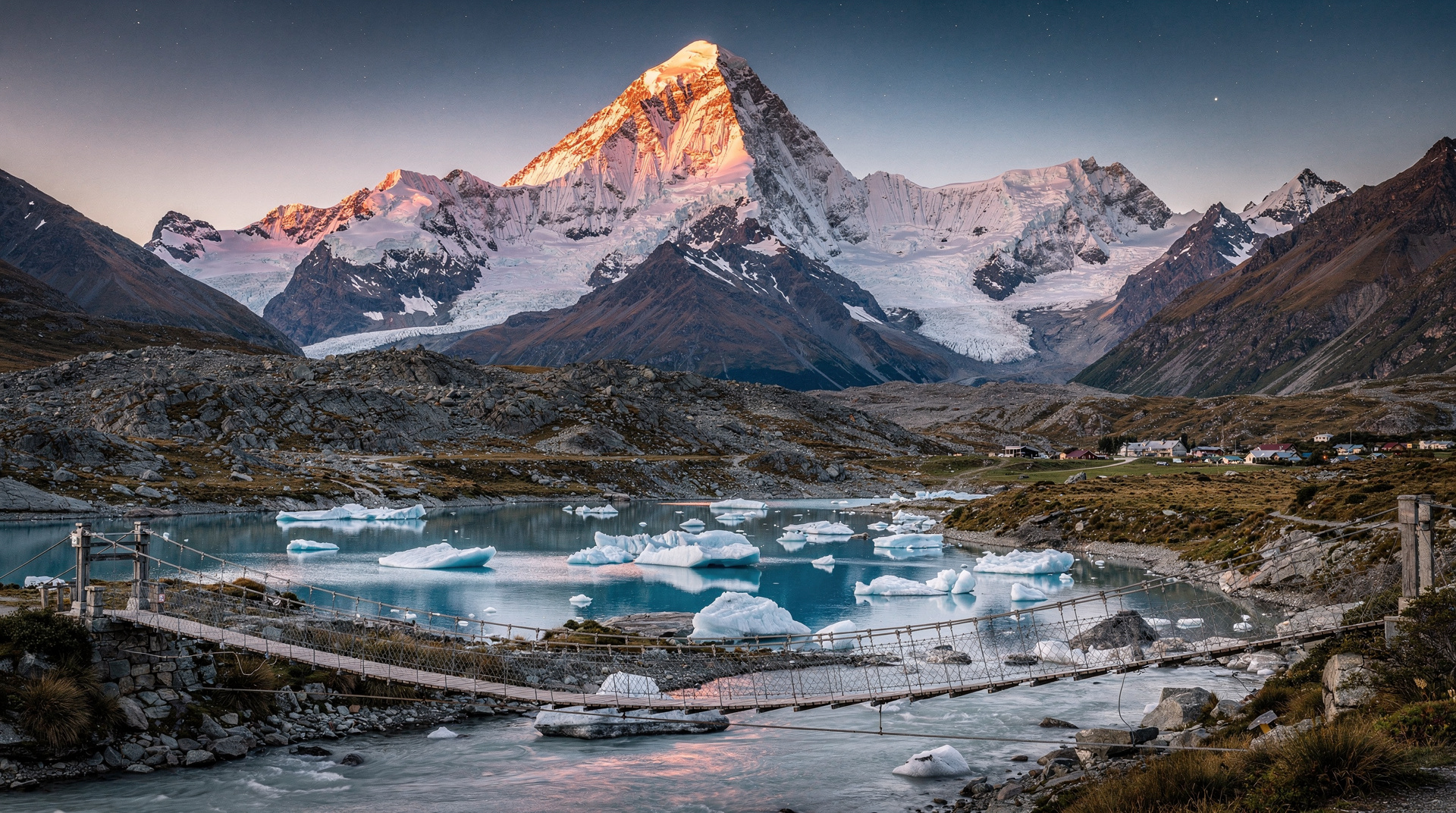
Aoraki/Mt Cook scenic flight review — helicopters, glacier landings, honest verdict
Is a scenic flight over Aoraki/Mt Cook worth the price?
Yes — especially the glacier-landing options. You cannot see the Tasman Glacier or the ice face of Aoraki from the ground. A 50-minute helicopter with alpine landing costs NZD 395 and puts you on ancient ice at 2,000 metres. Worth every dollar if the weather cooperates.
Above the highest peak in New Zealand — ✓ Worth it
| Where | Aoraki/Mt Cook Village or Glentanner Park helipads |
| Cost | Around NZD 295-620 depending on landing type |
| Time needed | 35-60 minutes in the air; allow a full weather buffer day |
| Getting there | 3-3.5hrs from Christchurch or Queenstown; stay overnight |
| Best time | December-February for the best weather odds |
The ground-level views of Aoraki/Mt Cook are excellent. The Hooker Valley Track delivers glacier lake reflections, suspension bridges, and the ice face of Aoraki at the end. But you’re looking up. The mountain is 3,724 metres; you’re at roughly 760 metres. The Tasman Glacier — the longest in New Zealand and the Southern Hemisphere outside of sub-Antarctic territories — is a 45-minute walk from the road, partially visible, but much of its 27-kilometre length is inaccessible on foot.
A scenic flight changes the equation entirely. From a helicopter at 2,500 metres above the Tasman, looking down at its fractured blue surface, the scale of Aoraki becomes something you can actually process. On the ground, the mountain is big. From the air, you understand that the Tasman Glacier is the size of a city.
Mount Cook: Scenic Helicopter Flight with Alpine Landing
50-minute scenic helicopter flight with alpine glacier landing at Aoraki/Mt Cook.
From NZD 395 / USD 237 / EUR 217
This review covers helicopter options, the ski-plane alternative, what an alpine landing actually involves, and which operators run which tours. For the full ground-based itinerary — walks, where to stay, and how the flights fit in — see the complete Aoraki/Mt Cook guide.
What you actually get
The helicopter-only options (no landing)
The entry point: a 35-minute helicopter over the Tasman Glacier with no landing. You see the glacier, the peaks, the moraine lakes. It’s genuinely spectacular — the Tasman’s surface from above shows crevasses, blue ice cliffs, and debris from recent rockfall. You return to the helipad without touching the glacier.
This is the budget option and it’s still worthwhile. The photography from the helicopter cabin is excellent if you’re on the correct side (ask for a window seat when booking, specify you’d like glacier views — operators manage seating well but appreciate the heads-up).
However: spending another NZD 100–150 for the alpine landing changes the experience category. The landing alone — stepping out of a helicopter onto glacier ice at altitude — is something most people describe as the most memorable 10 minutes of their NZ trip.
The alpine glacier landing
The helicopter descends onto a flat section of glacier — typically the upper Tasman or a snow field near the main divide. The pilot shuts down the rotor. You get out.
The environment at a glacier landing is unlike anything at lower altitude. Silence is total except for occasional distant ice movement. The air is cold and thin (nothing debilitating — you’re not at elevation for long enough to feel altitude effects). The snow surface is firm and compact where the helicopter lands; you won’t sink. The surrounding terrain — ice walls, crevassed zones, the peaks above — is visible in every direction.
The guide or pilot typically gives you 10–15 minutes on the glacier. This is short. It’s enough to photograph, to walk a few steps on ancient ice, to understand why people climb to the summit. It is not a glacier hike; it’s a moment of access to a place most people will never otherwise reach.
The ski-plane option
Fixed-wing ski-planes (typically Cessna 185s fitted with retractable skis) offer an alternative to the helicopter. The ski-plane lands on the Tasman Glacier on its skis — a longer, smoother landing than the helicopter’s pinpoint precision, and access to a different, flatter section of the glacier. The takeoff on skis from a glacier is one of the more extraordinary things a passenger can experience: a slow acceleration across white ice until the plane lifts clear.
The ski-plane-and-helicopter combo — where you ascend by one and descend by the other — gives you both perspectives and is arguably the premium choice if budget allows.
Mount Cook: Ski Plane and Helicopter Glacier Combo Flight
The Mt Cook ultimate combo: ski-plane glacier landing + helicopter descent with alpine views.
From NZD 620 / USD 372 / EUR 341
Duration and what’s included
| Tour | Duration | Landing | Price |
|---|---|---|---|
| 50-min helicopter, alpine landing | ~50 min | Yes (glacier) | NZD 395 |
| 35-min helicopter, Tasman only | ~35 min | No | NZD 295 |
| Ski-plane + helicopter combo | ~60 min | Yes (ski-plane on glacier) | NZD 620 |
All tours depart from the Glentanner Park or Aoraki/Mt Cook Village helipads. No equipment beyond warm layers required — boots, gloves, and a jacket are sufficient. The operators provide headsets for communication with the pilot during flight.
What it costs and what’s not included
Cost breakdown
Prices approximate 2026. Exchange rate: 1 NZD ≈ 0.60 USD ≈ 0.55 EUR.
| Item | NZD | USD | EUR | Verdict |
|---|---|---|---|---|
| 50-min scenic helicopter, alpine glacier landing The most popular option — correct choice for most visitors | NZD 395 | USD 237 | EUR 217 | ✓ Worth it |
| 35-min Tasman Glacier helicopter (no landing) | NZD 295 | USD 177 | EUR 162 | ✓ Worth it |
| Ski-plane + helicopter glacier combo For people who want the definitive Aoraki experience | NZD 620 | USD 372 | EUR 341 | ★ Splurge |
| Fuel surcharge (varies by operator) Check at booking — some operators include in headline price | NZD 0–35 | USD 0–21 | EUR 0–19 | |
| Accommodation at Mt Cook Village (Hermitage Hotel) Staying overnight means better chance of clear flight window | NZD 350–600 | USD 210–360 | EUR 193–330 | ★ Splurge |
What’s not included: Accommodation, meals, transport to Mt Cook Village (200 km from Christchurch, 100 km from Tekapo). Weather hold costs (if your tour is delayed due to cloud, the rebooking is typically free but you may need to extend your stay).
Cloud over Aoraki/Mt Cook can push your flight to another day, so avoid a tight onward connection straight after the tour. A changeable fare, or a spare day before you leave New Zealand, absorbs a weather hold far better than a rigid ticket, and you can compare changeable fares on Aviasales before settling your departure date.
Who should book ✓ Worth it
- You’re spending more than one night at Mt Cook Village — weather windows are unpredictable, and having flexibility to wait for a clear morning is the difference between a transcendent experience and a cancelled tour
- You want to see the Tasman Glacier at scale — the full 27 km of it is only visible from altitude
- You’re a photographer — the light on ice from a helicopter at 2,500 metres is exceptional, and the perspectives are unavailable any other way
- You’ve done Queenstown’s helicopter tours and want a different, quieter scale
- This is your only visit to NZ and you want the view of Aoraki that the mountain deserves
Who should skip ✕ Skip
- You’re on a day trip from Christchurch with a fixed return time — the 4-hour drive each way plus weather uncertainty makes this high-risk
- You’re significantly affected by motion sickness — helicopters have less predictable movement than fixed-wing aircraft; disclose this when booking
- You’re expecting to be on the glacier for more than 15 minutes — the alpine landing is brief by design, not an ice trek
- Budget is genuinely constrained — the ground-level Hooker Valley Track (free, 3 hours return) gives exceptional views of Aoraki’s ice face without the expense
When to splurge ★ Splurge
The ski-plane and helicopter combo is the correct answer for people who will not return to New Zealand. You get two modes of flight, two types of glacier access, and a more extended time in the alpine environment. At NZD 620 per person it is not cheap. It is also not the kind of experience that feels extravagant once you’re on the glacier looking at Aoraki from 3,000 metres.
If you want the heli-hike version — spending genuine time walking on the glacier with crampons and a guide rather than the brief landing — the Tasman Glacier heli-hike is a separate option:
Mount Cook: 3 Hour Heli Hike to the Tasman Glacier
3-hour heli-hike on the Tasman Glacier with crampons and a glacier guide.
From NZD 495 / USD 297 / EUR 272
How to actually get there
Aoraki/Mt Cook Village sits at the end of SH-80, 104 km from Lake Tekapo and approximately 220 km from Christchurch (2.5–3 hours direct, but the last 55 km from Twizel are winding and longer than GPS suggests — allow 3 hours total).
From Queenstown: 260 km via SH-8 through Twizel, approximately 3.5 hours. The Queenstown–Mt Cook journey crosses the Mackenzie Basin, which is remarkable in its own right — open tussock, turquoise lakes (Pukaki, Tekapo), and the Southern Alps rising at the horizon for the last hour.
Guided day trips: If you’re not self-driving, guided day tours from Christchurch ( Christchurch to Mt Cook and Lake Tekapo day tour ) include transport and can be coordinated with scenic flights. Note that these day trips run long (12+ hours) and give limited time at Mt Cook Village itself.
Flights do not run in poor visibility or high winds. The most weather-stable period at Mt Cook is December–February. But the mountain creates its own weather systems regardless of season — forecasts are unreliable more than 24 hours out. This is the primary practical argument for staying overnight rather than day-tripping.
Choosing where to base yourself and what else to fly
Because the weather decides everything here, where you sleep matters almost as much as which flight you pick. The Mt Cook Village vs Lake Tekapo vs Twizel comparison lays out the trade-offs: the village puts you closest to the helipads, while the other bases are easier on the budget but add a drive on the morning you hope to fly. The Aoraki/Mt Cook destination page gives the wider picture of the area.
If you are still weighing operators and routes, the Mt Cook scenic flights overview sets the options side by side. Travellers who want the shorter, cheaper version of the glacier view can look at a shorter helicopter flight over the Tasman Glacier without a landing , which keeps you in the air above the ice rather than on it.
Those travelling up the West Coast before or after Mt Cook may prefer to compare this review with a helicopter flight that links Fox Glacier and Aoraki/Mt Cook . For the glaciers on the other side of the divide, see the Fox Glacier helicopter tours guide and the Franz Josef helicopter tours guide.
Flights are also a way of reading the whole range. The Southern Alps overview and the glaciers in New Zealand guide explain what you are looking at from the cabin, and the heli-hikes comparison helps if you decide that time on the ice matters more than time in the air. If you are already based in Queenstown, the Queenstown scenic flights guide shows what flying from there involves. Planning the drive in? The Christchurch to Queenstown drive passes through the same Mackenzie country.
Honest red flags
Weather cancellations are common. Mt Cook’s location at the junction of the Southern Alps and prevailing westerlies means cloud and wind are the norm, not the exception. Roughly 40% of visitors who arrive on a day trip leave without a flight. If you’re booked for a single day, you have a real chance of not flying. Operators will reschedule, but if you’re on a fixed itinerary, this is a significant risk. Stay two nights if this activity is important to you.
The brief landing can feel anti-climactic if you’re not prepared. Ten to fifteen minutes on a glacier is genuinely extraordinary if you arrive in the right mindset. If you’re expecting a 2-hour ice experience, you will be disappointed. The heli-hike product (above) is the correct choice if duration matters more.
Price differences between operators. Two main operators at Mt Cook are Glacier Southern Lakes Helicopters (GSLH) and Air Zermatt. Both are experienced and safety-certified. Price differences exist, as do differences in the exact landing zones used. GYG lists the verified options; do not book operators not listed on GYG or the official Mt Cook operator pages without checking their DOC permit status.
The helicopter cabin is small. Standard helicopters hold 3–5 passengers. If you’re broad-shouldered or have long legs, the cabin may feel tight. The ski-plane is significantly more spacious. If comfort is a concern, ask about aircraft dimensions when booking.
Alternatives if you don’t book
Hooker Valley Track (free): The best free experience in the Mt Cook area — see the dedicated Hooker Valley Track guide. A 3-hour return walk through glacial moraines, past two suspension bridges, to Hooker Lake at the foot of Aoraki’s ice face. Terminal ice, occasional iceberg drift, and the clearest views of the peak from ground level. Do this regardless of whether you fly.
Mueller Hut Track: A more demanding 4-hour climb (each way) to the DOC hut at 1,800 metres above the valley floor. The views from Mueller Hut are similar in quality to what you’d see from a helicopter’s lower altitude. Requires fitness, proper footwear, and good weather, but is free and gives genuine high-altitude perspective.
Tasman Glacier on foot: The Tasman Glacier guide covers the Blue Lakes and Tasman Glacier viewpoint walks — a partial ground-level look at the glacier this review’s flights show you from above.
Lake Tekapo stargazing: If you’re at Mt Cook overnight, the Mackenzie Basin is one of NZ’s two International Dark Sky Reserves. See the Lake Tekapo guide and the Lake Pukaki guide for the two towns most visitors base themselves in. The Tekapo Springs stargazing tour is excellent on clear nights.
Frequently asked questions about Aoraki/Mt Cook scenic flight review — helicopters, glacier landings, honest verdict
What’s the best time of year for a scenic flight at Mt Cook?
December to February gives the best statistical chance of good weather — the Southern Alps are more stable in summer than winter. March and November are reasonable shoulder months. Winter (June–August) has excellent visibility on clear days (the low sun angle creates spectacular light on the ice) but more frequent storms. No season is guaranteed; two nights minimum is the correct buffer regardless of when you visit.
Do I need any experience to do a glacier landing?
None. The glacier landing is a passive experience — the pilot manages the approach and landing, and you step out and stand on the glacier for the allocated time. You are not climbing, roping up, or hiking. The surface where landings occur is selected for stability and flatness.
Is there a minimum age for scenic flights?
Most operators have no minimum age for helicopter flights; children pay full adult price. Infants (lap children) may not be permitted due to the harness and communication system. Confirm with the specific operator at booking.
What should I wear?
Warm layers are essential regardless of season — the glacier is cold even in January. A windproof jacket (not just a fleece), gloves, and wool or synthetic socks are the minimum. The operator will not lend cold-weather gear. Sunglasses are important — glacier glare is intense and the helicopter cockpit windows provide no UV filtering.
Can I see Mt Cook on a day trip from Queenstown or Christchurch?
Technically yes, but the weather odds argue against it. The 3.5-hour drive from Queenstown plus a flight attempt leaves very little buffer for weather delays. If you drive 3.5 hours, arrive to cloud cover, wait 2 hours, the cloud doesn’t lift, and you drive home: you’ve spent 9+ hours in a car for nothing. Stay overnight. The Hermitage Hotel is expensive but unique; Aoraki/Mt Cook Alpine Lodge and White Horse Hill Campground are significantly cheaper alternatives.
Is the Tasman Glacier heli-hike better than the scenic flight?
Different experiences. The scenic flight (with alpine landing) gives you altitude, perspective, and 10–15 minutes on ice. The heli-hike gives you 2+ hours on the glacier with crampons and a guided walk through a crevassed zone — a far more immersive ice experience, but ground-level rather than aerial. The flight’s visual spectacle of the full mountain and glacier system from above is something the hike doesn’t replicate.
Related guides
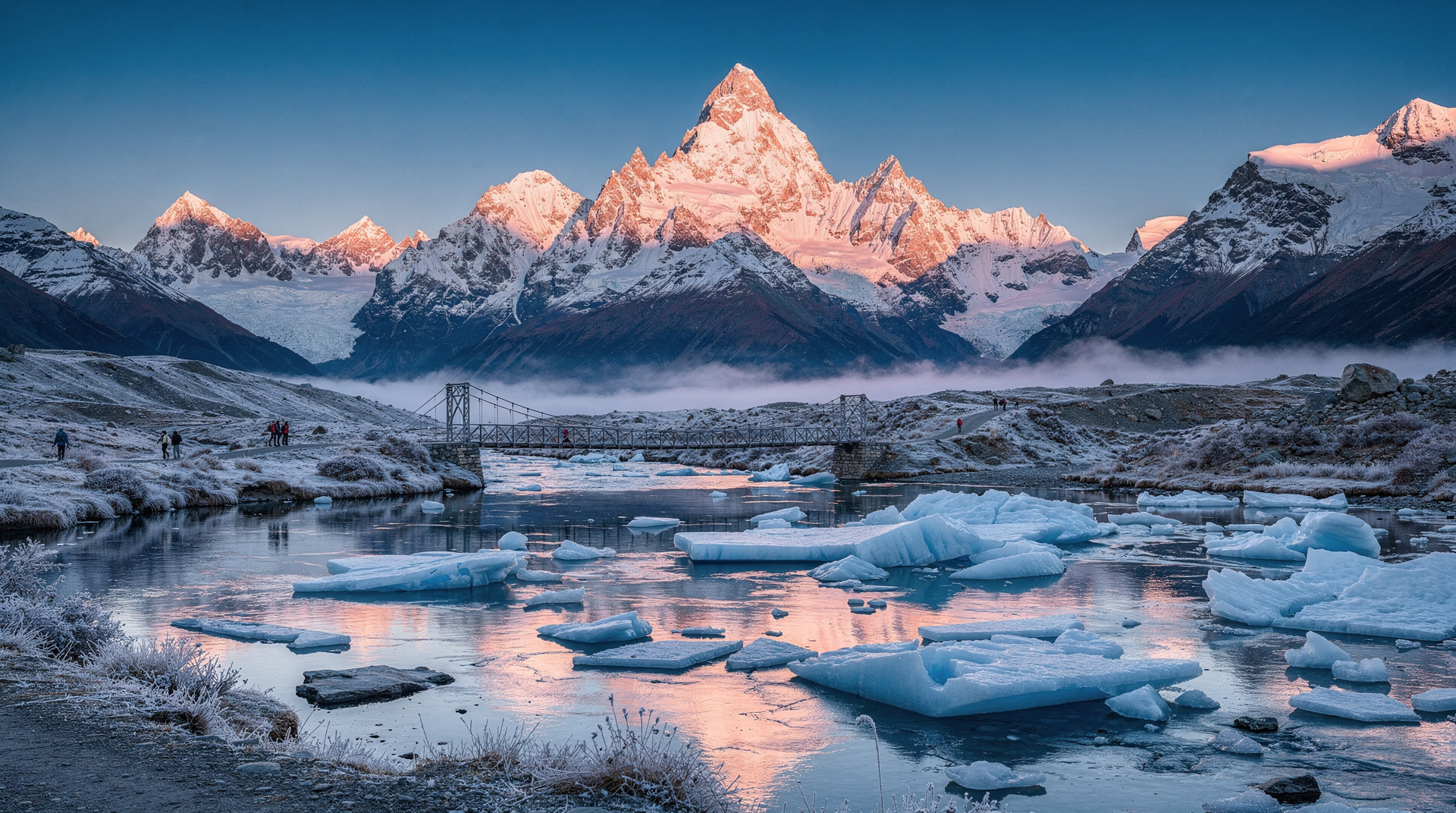
Aoraki / Mount Cook
Honest Aoraki / Mount Cook guide: Hooker Valley Track, Tasman Glacier, scenic flights — real NZD/USD/EUR prices and what to expect in all seasons.
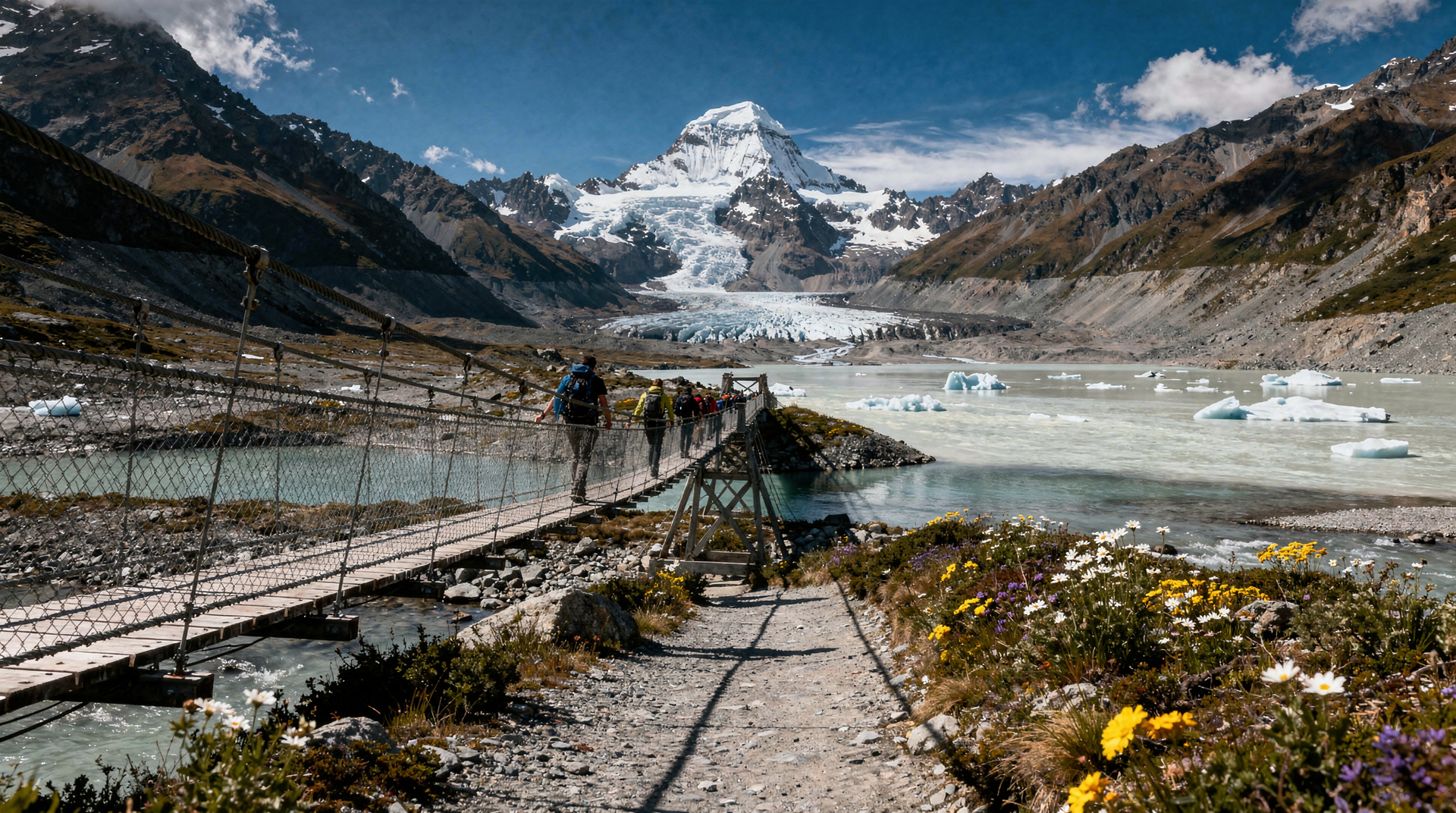
Hooker Valley Track — Aoraki/Mt Cook day walk
Hooker Valley Track: 10km return, easy-moderate, three swing bridges, glacial lake, Aoraki/Mt Cook views. Honest guide with logistics and safety.
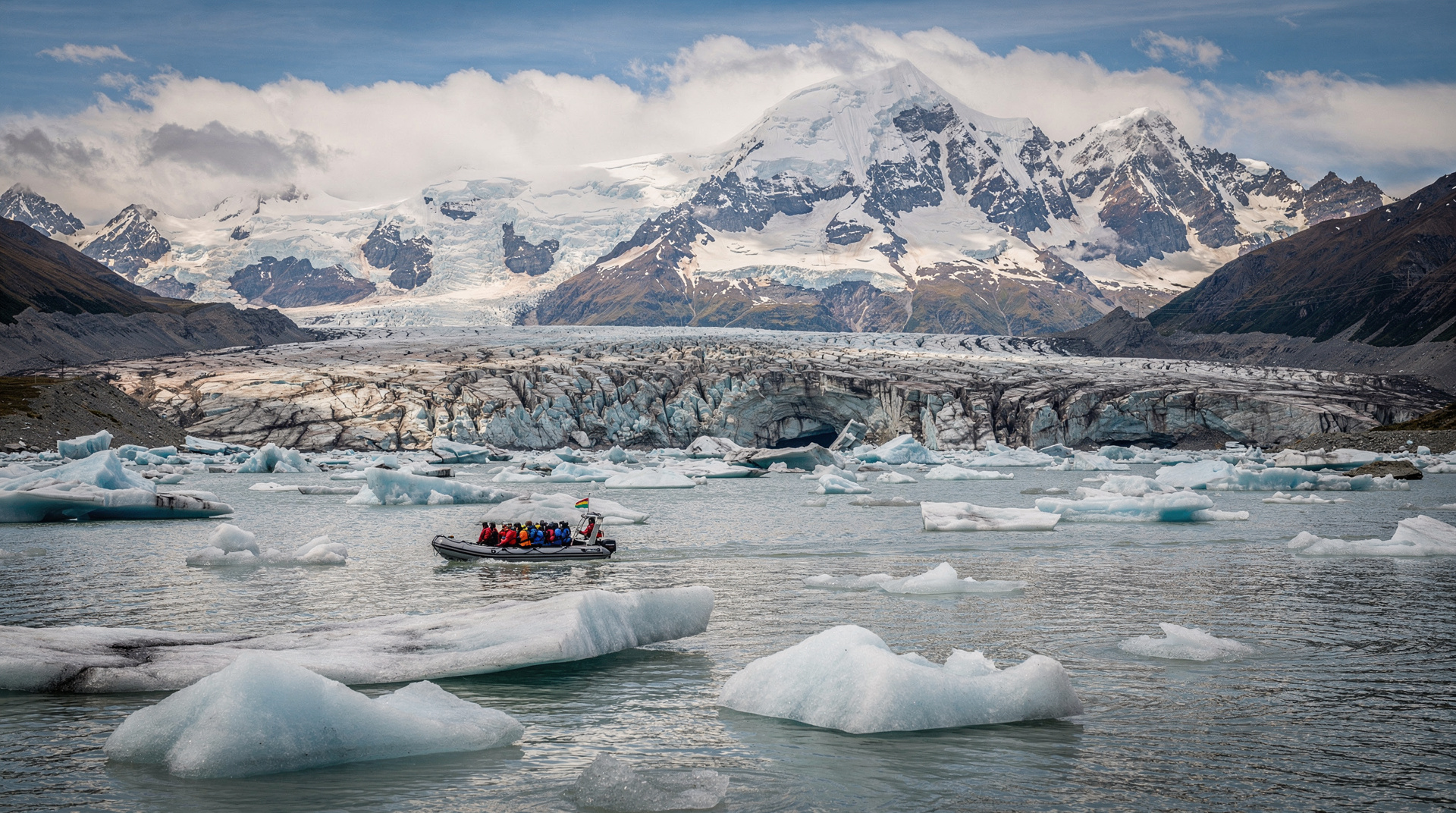
Tasman Glacier — New Zealand's longest glacier by helicopter or boat
Tasman Glacier guide: NZ's longest glacier, accessible by heli-hike or glacier lake boat tour among icebergs. Prices NZD/USD/EUR and retreat context.
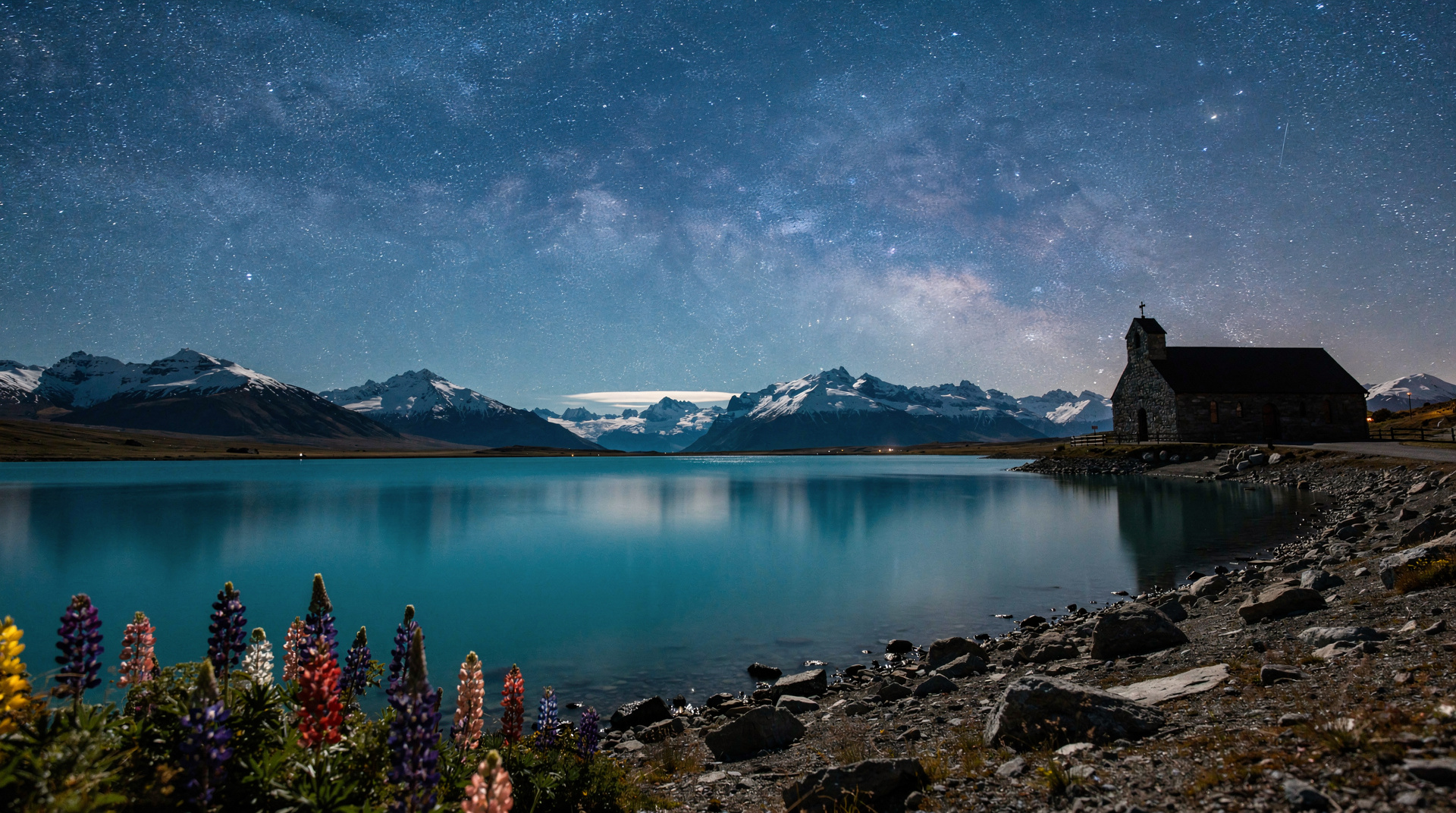
Lake Tekapo — turquoise lake and stargazing guide
Lake Tekapo complete guide: the turquoise glacial lake, International Dark Sky Reserve stargazing, Church of Good Shepherd, hot springs, Mt Cook day trip.
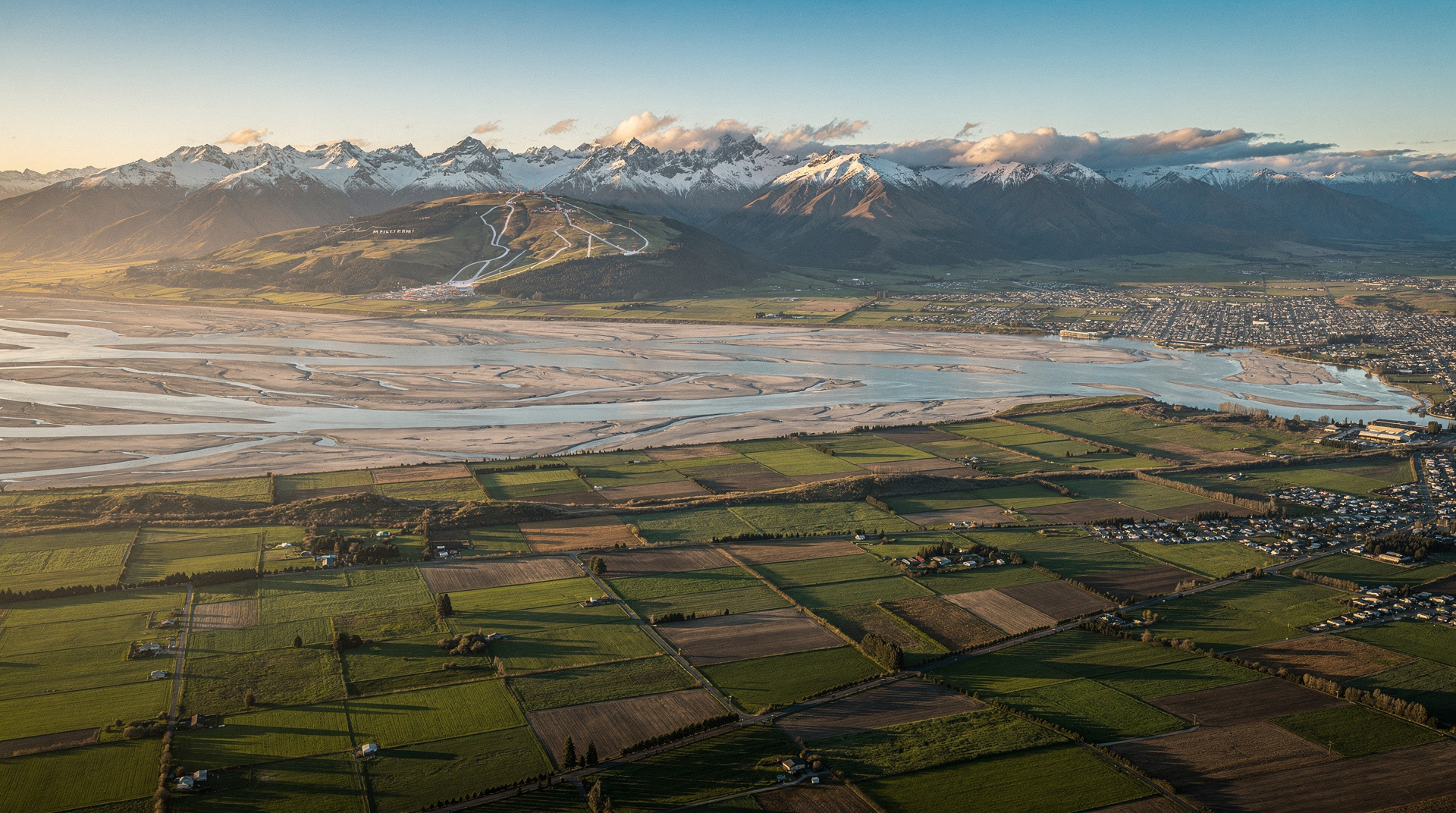
Canterbury
Honest Canterbury guide: Christchurch, Akaroa, Lake Tekapo stargazing, Aoraki/Mt Cook.