Canterbury
Honest Canterbury guide: Christchurch, Akaroa, Lake Tekapo stargazing, Aoraki/Mt Cook. Real NZD/USD/EUR costs, scenic train, ski, and practical itineraries.
Quick facts
- Region
- Central South Island, stretching from the Alps to the Pacific
- Major hubs
- Christchurch, Akaroa, Hanmer Springs, Lake Tekapo, Aoraki/Mt Cook Village
- Currency
- NZD — 1 NZD ≈ USD 0.60 / EUR 0.55
- Best for
- International gateway city, alpine scenery, world-class stargazing, penguins
- Skip if
- Rushed — Canterbury is too large a region to sample meaningfully in 2 days
Canterbury in one minute
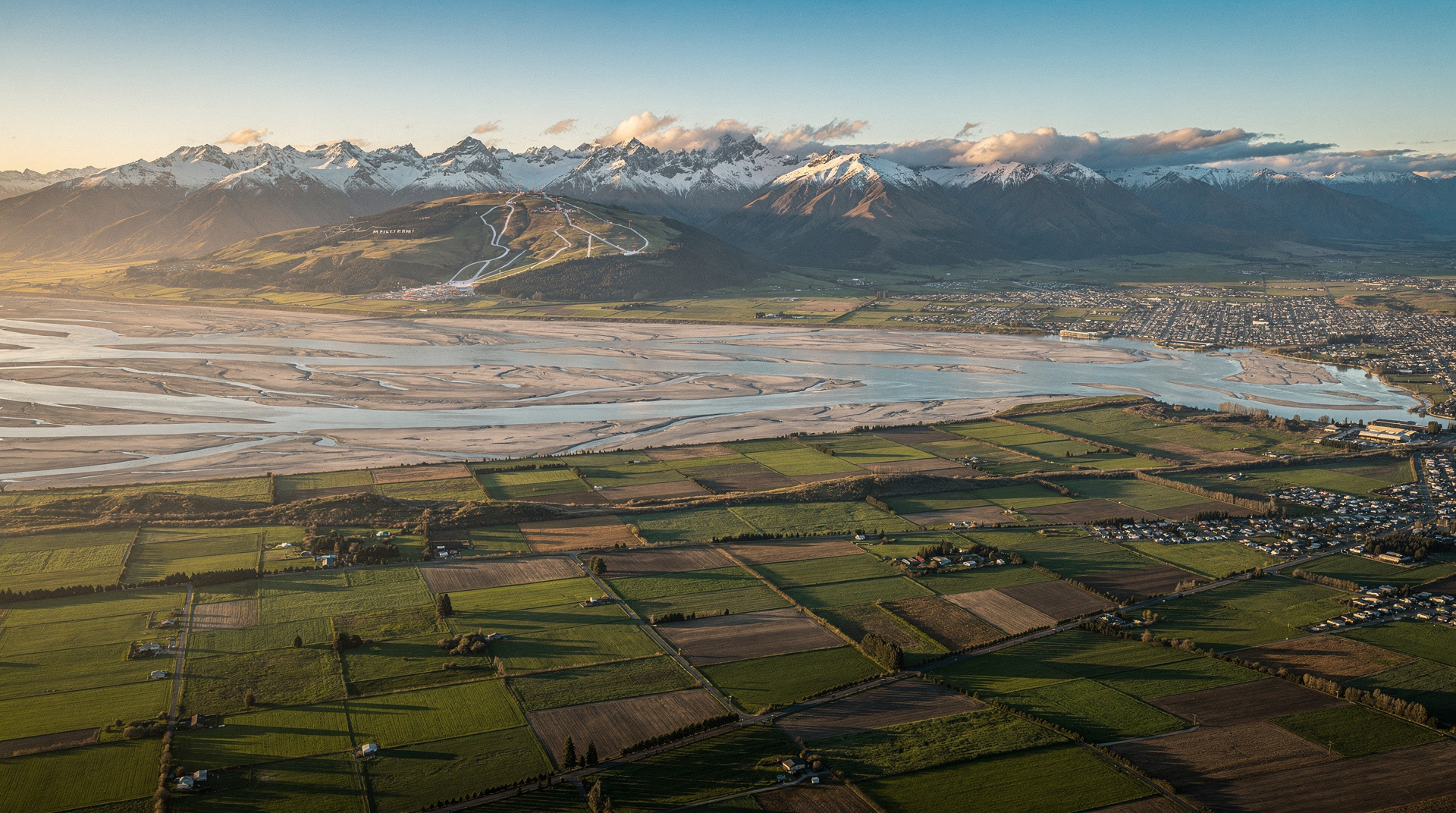
Canterbury is the largest region in New Zealand by area — stretching from the Southern Alps to the Pacific Ocean across the Canterbury Plains, the flattest and most productive agricultural land in the country. It is also the most diverse: from Christchurch, the most European-feeling city in the country (at least before the 2011 earthquake accelerated a remarkable creative rebuild), through the French-tinged harbour village of Akaroa, to the high-altitude world of Lake Tekapo (dark sky reserve, unparalleled stargazing) and the alpine village at the foot of Aoraki/Mt Cook — New Zealand’s highest mountain.
For most international travellers, Canterbury is the South Island starting point: Christchurch International Airport receives direct flights from Singapore, Dubai, Hong Kong, Los Angeles, and throughout Australia and New Zealand. From Christchurch, you can reach every corner of the South Island without backtracking — it sits at the geographic centre of everything.
| Where | Central South Island, from the Southern Alps to the Pacific |
| Getting there | Christchurch Airport (CHC), the main South Island gateway |
| Time needed | 5-8 days to cover Christchurch, Tekapo, Aoraki and Akaroa |
| Cost | Around NZD 75-195 for a headline experience (dolphins, stargazing, TranzAlpine) |
| Best time | Year-round; May-September for stargazing, June-September for skiing |
The honest case for Canterbury
Canterbury is not dramatic in the Fiordland or West Coast sense. The Canterbury Plains are flat and agricultural; Christchurch is a mid-sized city still in the middle of a rebuild; even Aoraki/Mt Cook requires a 5-hour drive to reach. But the region consistently delivers some of the best specific experiences in New Zealand: Tekapo stargazing is extraordinary in a way that no photograph prepares you for; Aoraki is the most beautiful mountain in the country; the Banks Peninsula around Akaroa is some of the most dramatic coastal scenery on the South Island.
Worth it without question: The Tekapo stargazing at the Church of the Good Shepherd. The Hooker Valley Track at Aoraki/Mt Cook. Akaroa’s dolphin cruise. The TranzAlpine train through Arthur’s Pass.
Honest skip: Central Christchurch CBD — interesting for the rebuild story but not visually striking in 2026. Hanmer Springs is a pleasant weekend escape for Cantabrians but not worth a major detour for international visitors.
Where to base yourself
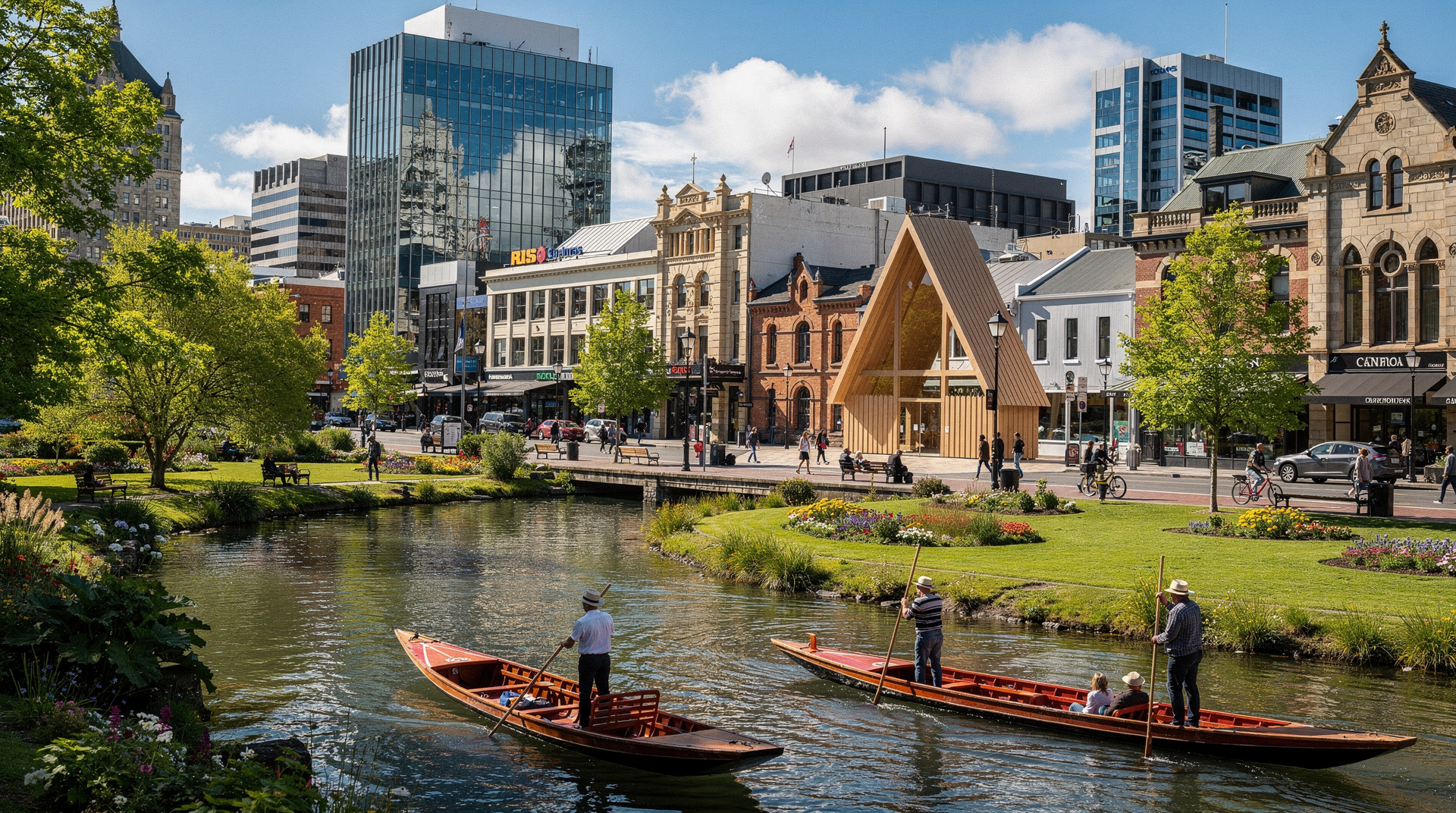
Christchurch is the practical hub. International flights, all rental car agencies, most accommodation categories, direct buses and shuttles to every other part of the region. The city has genuinely improved post-earthquake — the Riverside Market, the Arts Centre, the Cathedral precinct rebuild, and the new Hospitality quarter on Oxford Terrace are all worth time. Stay 2 nights minimum.
Lake Tekapo is 3 hours south-west of Christchurch — the most important overnight stop in Canterbury for the stargazing experience. A beautiful lake with milky glacier-blue water, the Church of the Good Shepherd on the shore, and the clearest skies in New Zealand most nights. Very limited accommodation — book months ahead in summer.
Aoraki/Mt Cook Village is 5 hours from Christchurch (or 1.5 hours from Tekapo). There are no services outside the village; the area is administered by DOC. Only 3 accommodation options. Surrounded by the highest peaks in New Zealand and extraordinary alpine landscape. Minimum 2 nights to do it justice.
Akaroa is 90 minutes from Christchurch on Banks Peninsula. A French-flavoured harbour village with excellent food, dolphin cruises, and the most beautiful setting in the region. A 2-night stay beats any day trip.
Hanmer Springs is 1.5 hours north of Christchurch. The thermal pools are the main draw. Decent for families; less interesting if you’ve been to Rotorua’s Polynesian Spa.
Top experiences in Canterbury
Aoraki/Mt Cook and the Hooker Valley Track
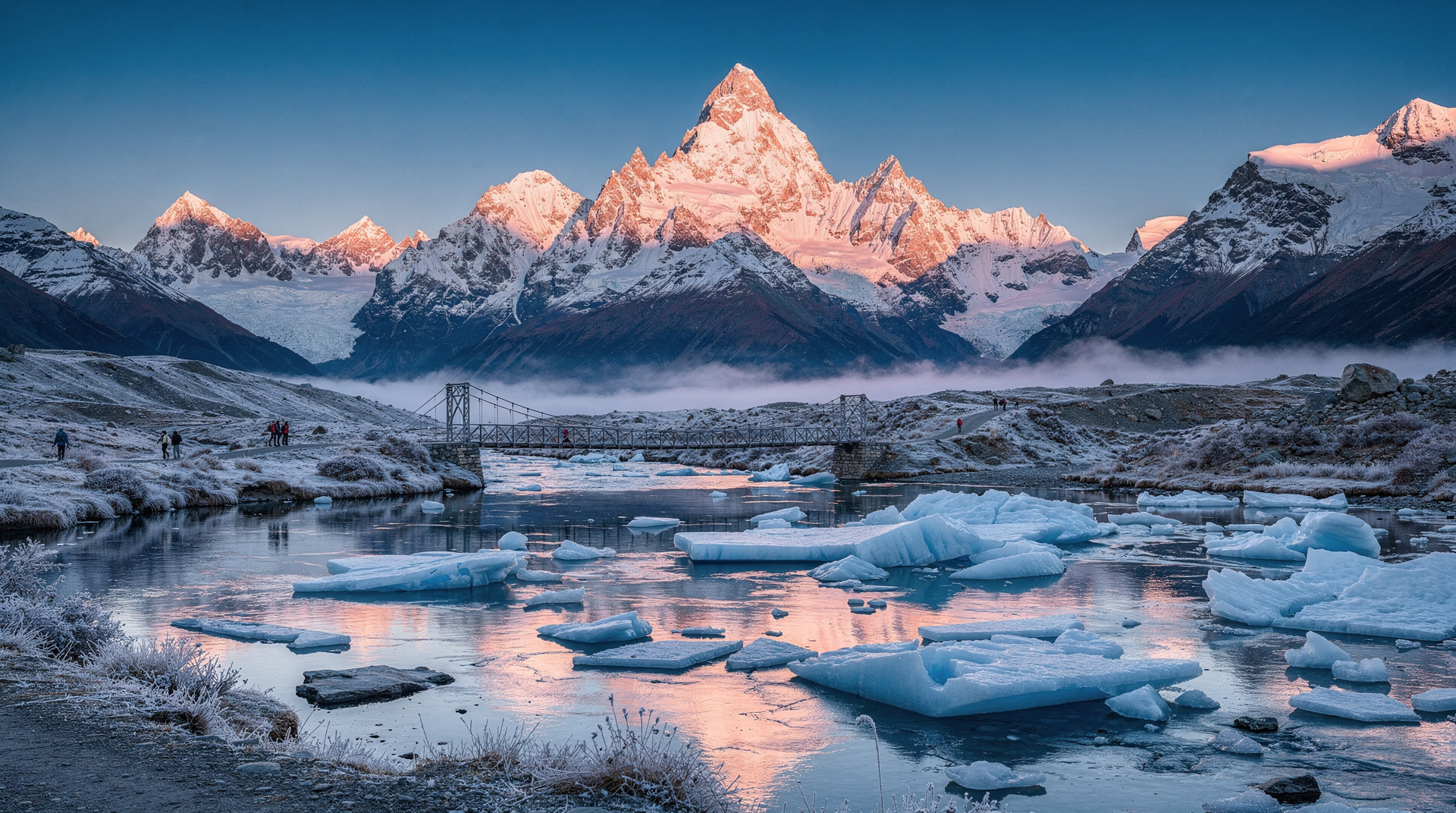
Aoraki/Mt Cook (3,724m) is the highest mountain in New Zealand and one of the most beautiful peaks in the Southern Hemisphere — a massive wedge of rock and ice that dominates the view from the valley floor. The Hooker Valley Track (3 hours return, 10km, almost entirely flat) walks up the valley below the mountain through three swing bridges, past glacial lakes, to the Hooker Lake lookout — where Aoraki fills the entire sky. On clear days it’s one of the finest mountain walks in the world. On cloudy days it’s still worth it for the glacier and lake.
The walks around the village are all excellent and free. The summit and advanced routes are for mountaineers only. See Aoraki/Mt Cook guide and Hooker Valley Track guide.
For the view from the air: Mount Cook: 50-minute Aoraki scenic helicopter flight — NZD 550-620 / USD 330-372 / EUR 303-341. The flight circles Aoraki’s summit and lands on the Tasman Glacier — extraordinary. See Mt Cook scenic flights guide.
Lake Tekapo stargazing
Lake Tekapo sits in the Mackenzie Basin — a high-altitude tussock plateau that receives more than 300 clear nights per year, far less humidity than the coast, and almost zero light pollution (the entire Mackenzie Basin is a UNESCO Dark Sky Reserve). The result is arguably the best casual stargazing accessible by road anywhere in New Zealand.
The Church of the Good Shepherd at sunset and the Milky Way above it at midnight are the signature experience. The observatory on Mt John (1,031m, 20-minute drive from the village) runs guided stargazing tours through astronomical telescopes.
Lake Tekapo: mountaintop stargazing at Mount John summit — NZD 145 / USD 87 / EUR 80. 2-hour guided tour with telescopes and commentary; the best introduction to the skies.
Lake Tekapo: Maori cultural astronomy experience — NZD 85 / USD 51 / EUR 47. Excellent alternative that combines star knowledge with Maori sky traditions. No telescope required.
The best stargazing conditions: May to August (winter, longest nights, lowest humidity). The cold is manageable with layers — temperatures can drop to -5°C at 2am. See Lake Tekapo guide.
Akaroa and Hector’s dolphins
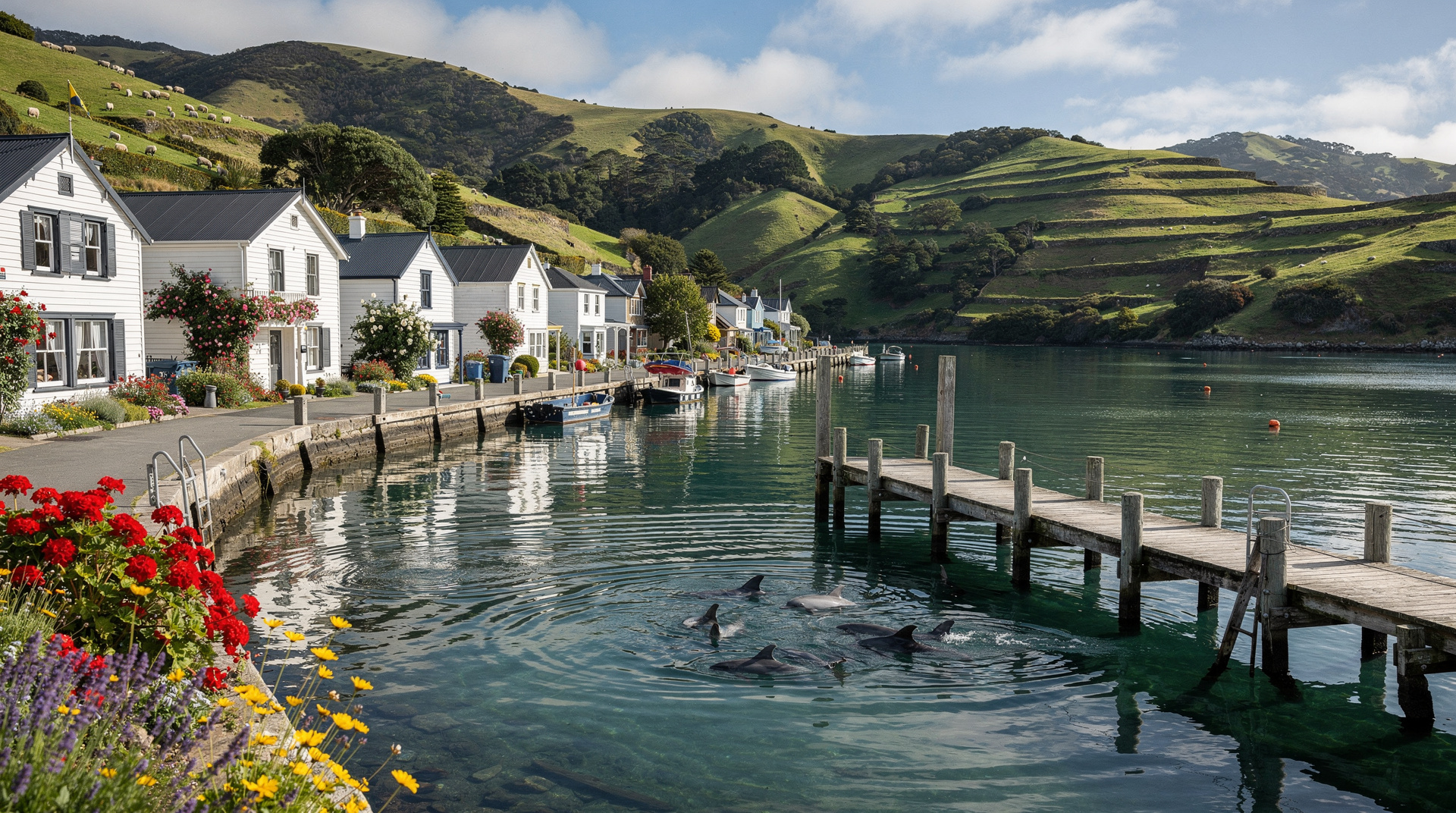
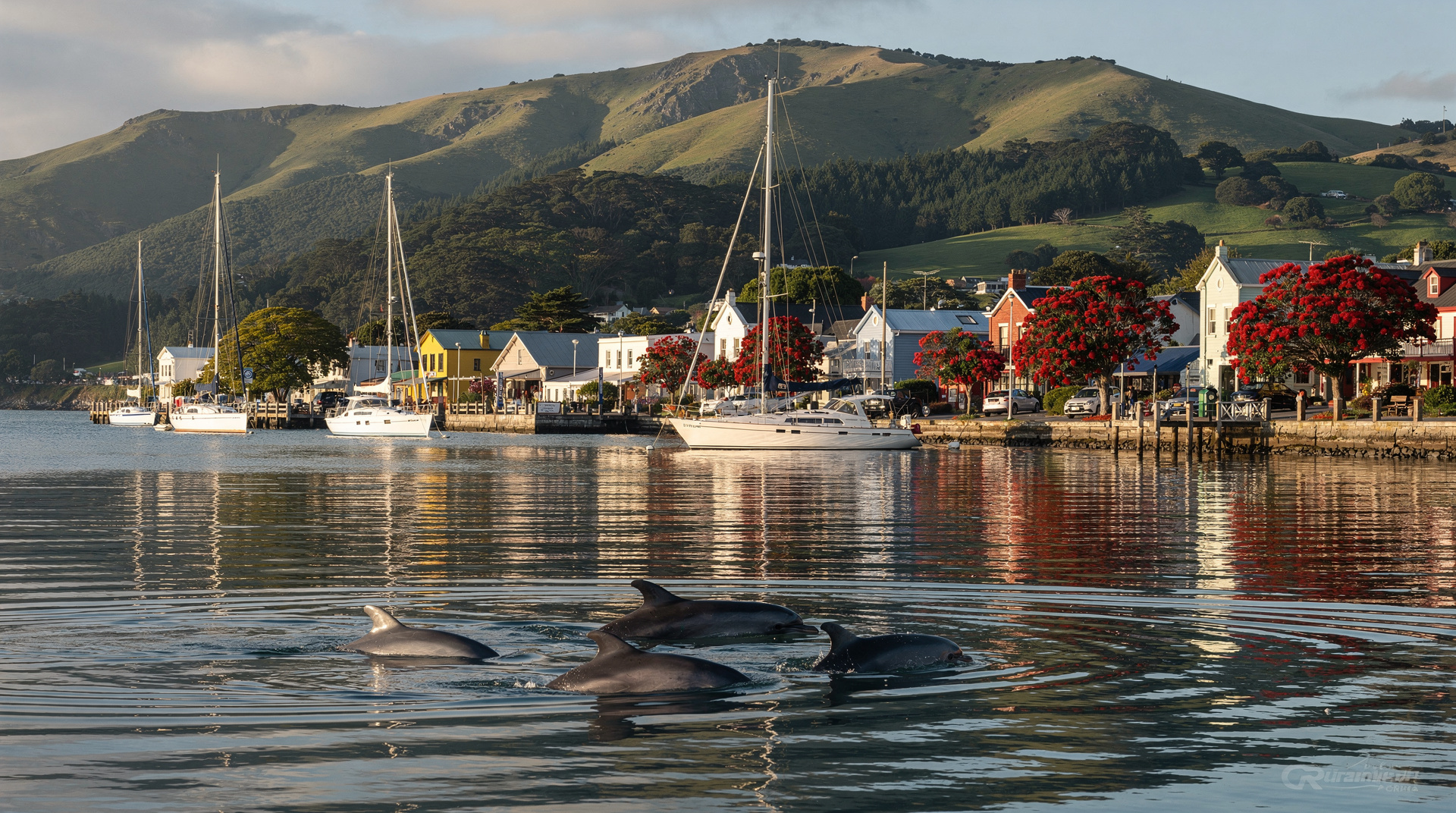
Akaroa is 90 minutes from Christchurch on a road that crosses the rim of an ancient volcanic crater. The harbour inside the crater is one of the most sheltered and beautiful in New Zealand — and home to the largest concentration of Hector’s dolphins anywhere in the world (Hector’s dolphins are the rarest and smallest marine dolphins, endemic to New Zealand coastal waters).
The dolphin cruise from Akaroa (Black Cat Cruises, 2 hours, NZD 75-85 / USD 45-51 / EUR 41-47) almost always encounters dolphins, and in summer swim-with-dolphins experiences are available (requires booking weeks ahead). The town itself — French colonial architecture, seafood restaurants, a proper boulangerie — is charming and genuine, not a theme park.
Christchurch: Akaroa and Banks Peninsula wild penguin eco-tour — NZD 195 / USD 117 / EUR 107, combining the Banks Peninsula drive with a guided penguin viewing. See Akaroa day trip from Christchurch.
Christchurch city — the rebuild story
Christchurch was devastated by a 7.1-magnitude earthquake on 4 September 2010 and a 6.3-magnitude aftershock on 22 February 2011 that killed 185 people. The earthquake sequence destroyed or damaged an estimated 100,000 buildings. In 2026, the rebuild is well advanced but still ongoing — the city is a fascinating case study in urban resilience and reinvention.
What’s genuinely good: The Riverside Market (produce, artisan food, excellent coffee); the Arts Centre in the restored Gothic Revival buildings; the Botanic Gardens (free, 30 hectares, one of the best in the country); Hagley Park; the tram (vintage, hop-on hop-off, good for orientation); the Canterbury Museum (free, excellent natural history and earthquake history exhibits).
Christchurch hop-on hop-off tour by vintage tram — NZD 35 / USD 21 / EUR 19.25. Covers 17 stops including the Arts Centre, Botanic Gardens, and Cathedral Square. See Christchurch rebuild guide.
Arthur’s Pass and the TranzAlpine
Arthur’s Pass National Park is 150km west of Christchurch — a subalpine valley at 920m that catches the weather coming off the West Coast. The village of Arthur’s Pass has basic accommodation and excellent hiking including the Devil’s Punchbowl waterfall (1.5 hours return) and the Avalanche Peak summit (7 hours return, serious alpine conditions).
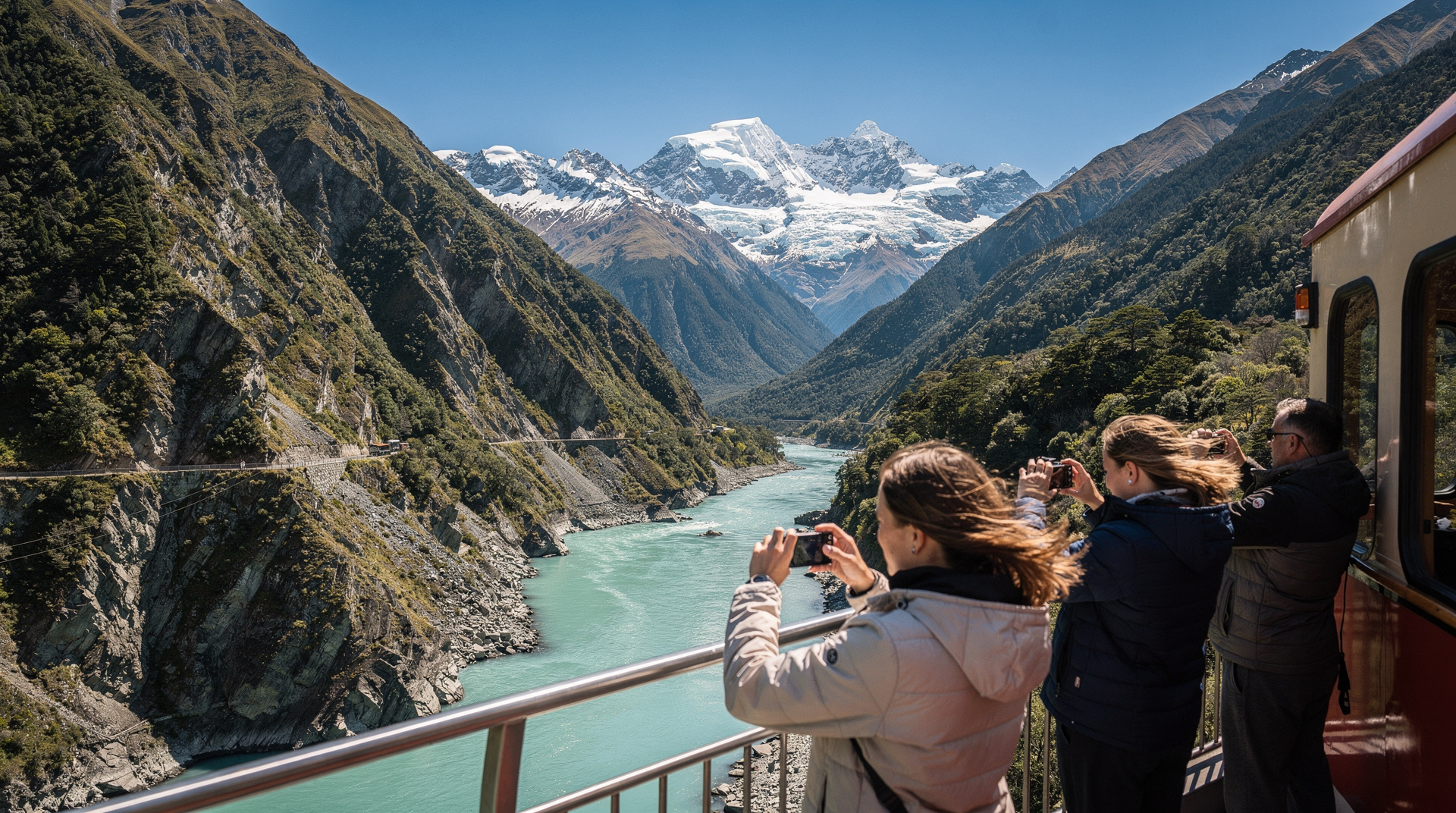
The TranzAlpine train from Christchurch to Arthur’s Pass (2 hours one-way) is the best way to see the landscape — the open carriage, the viaducts over the Waimakariri River, and the tunnel through the main divide are spectacular. See TranzAlpine train guide.
Christchurch: Arthur’s Pass and TranzAlpine scenic train with lunch — NZD 195 / USD 117 / EUR 107. A guided day tour combining the train with a bus return via Castle Hill (spectacular limestone formations). See also Arthur’s Pass day trip from Christchurch.
Kaikoura whale watching
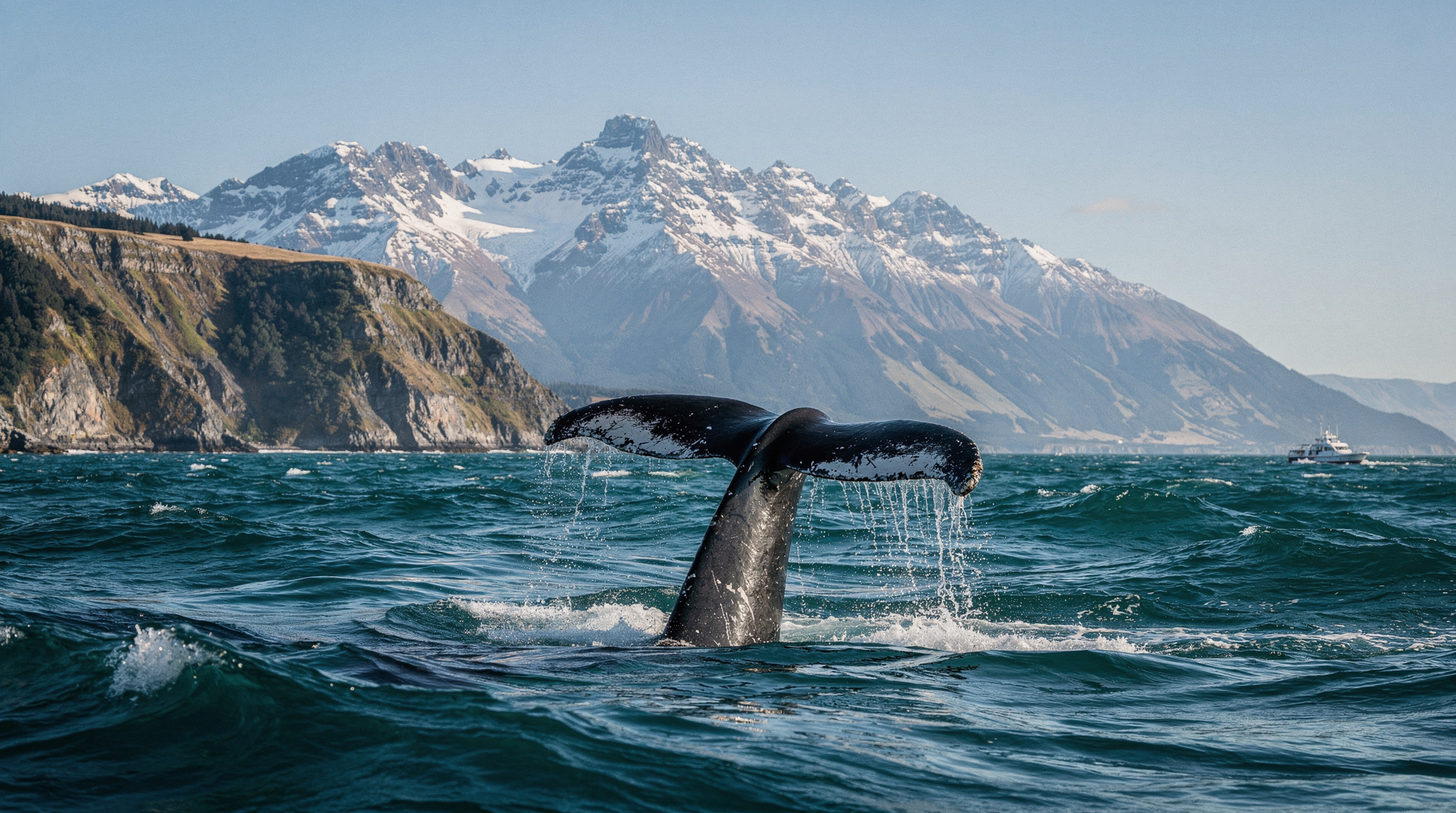
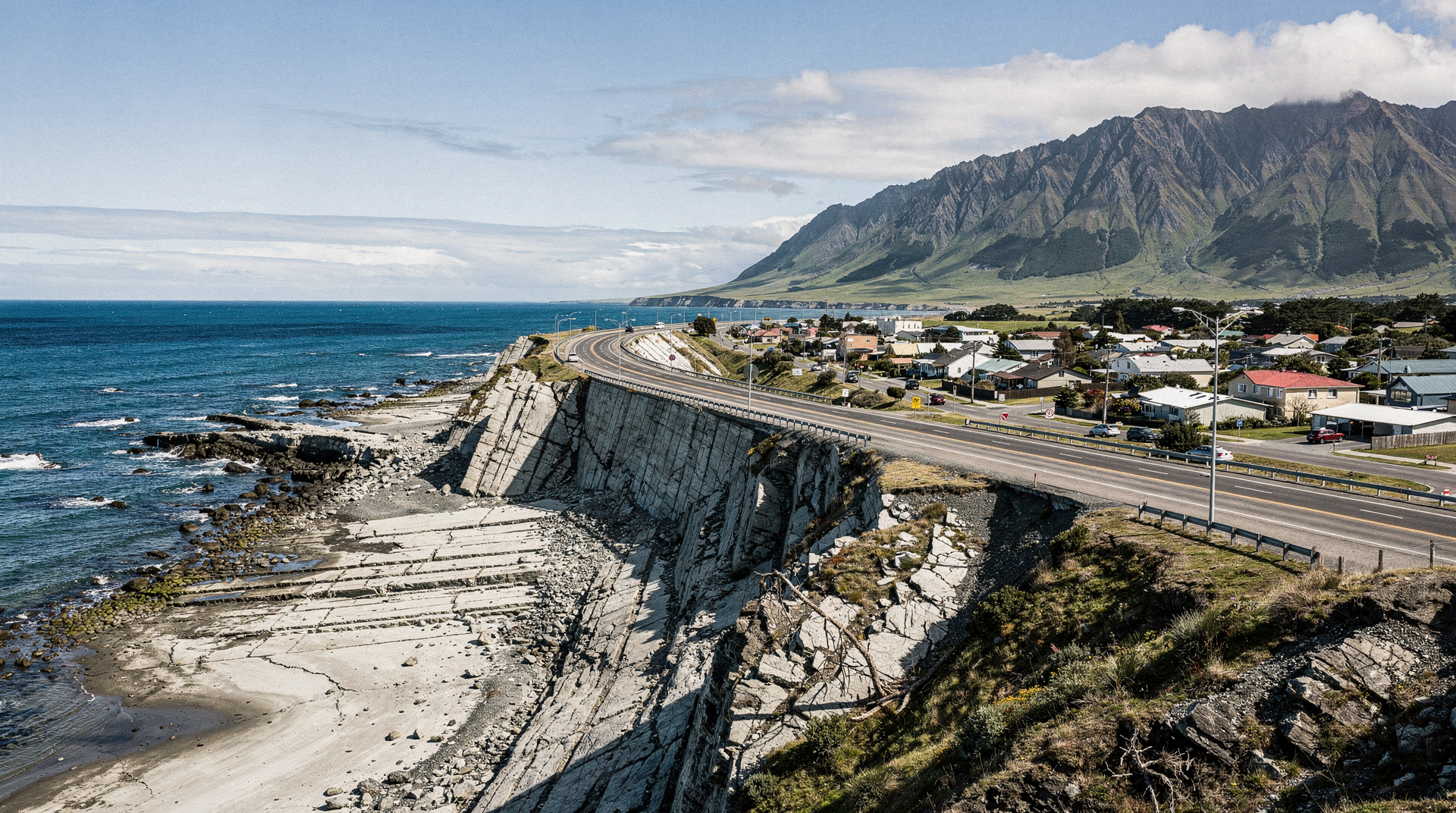
Kaikoura is 2.5 hours north of Christchurch on one of New Zealand’s most scenic coastal drives. An underwater canyon just offshore causes a permanent upwelling that concentrates sperm whales, fur seals, dusky dolphins, and (in season) humpback and blue whales in numbers unmatched anywhere else on the New Zealand coast.
The 2-hour sperm whale watching cruise from Kaikoura has a 95%+ sighting success rate. Kaikoura: whale watching cruise (2 hours) — NZD 165 / USD 99 / EUR 91.
See Kaikoura whale watching guide and Kaikoura day trip from Christchurch.
Getting there and getting around
To Christchurch: International flights arrive at Christchurch Airport (CHC) from Singapore (10 hours), Dubai (17 hours), Hong Kong (10 hours), and Los Angeles (12 hours). Domestic flights from Auckland (1 hour), Wellington (45 min), and Queenstown (45 min) are frequent.
Christchurch to key destinations:
- Akaroa: 90 minutes (75km via Summit Road)
- Hanmer Springs: 1.5 hours (130km via SH7)
- Kaikoura: 2.5 hours (180km via SH1 coastal)
- Lake Tekapo: 3 hours (220km via SH1, Geraldine, SH8)
- Aoraki/Mt Cook: 5 hours (330km via SH1 and SH80)
- Arthur’s Pass: 1.5 hours by car (150km); 2 hours by TranzAlpine
Within Canterbury: A rental car is essential for everything outside Christchurch city. Daily shuttle buses serve Tekapo, Aoraki/Mt Cook, and Kaikoura — check Intercity and Mount Cook Transport. The TranzAlpine and Coastal Pacific trains serve specific routes.
Where to stay
Budget (NZD 35-100 / night)
YHA Christchurch — large, well-run city hostel near the Arts Centre. Dorm NZD 38; private NZD 100-120.
Tasman Holiday Park (Christchurch) — reliable budget option with cabins and powered sites at the edge of Hagley Park. NZD 50-110.
Lake Tekapo YHA — small hostel with outstanding lake views. Book far ahead. Dorm NZD 42; private NZD 105.
Mid-range (NZD 140-320 / night)
The George (Christchurch) — the most consistently excellent mid-range hotel in the city, on Hagley Park edge, very good restaurant. NZD 280-400.
Lake Tekapo Lodge — boutique guesthouse with lake views, good breakfast. NZD 230-350. Books out 3-4 months ahead in summer.
The Hermitage Hotel (Aoraki/Mt Cook Village) — the only full-service hotel in the village, with Aoraki views from many rooms. NZD 280-450.
Luxury (NZD 400+)
Treetops Lodge Christchurch — boutique luxury in the Cashmere Hills with a city and Southern Alps panorama. NZD 450-650.
Mount Cook Lakeside Retreat (Lake Pukaki, 50km from Mt Cook) — private chalets on Lake Pukaki with Aoraki views from the hot tub. NZD 500-900.
Best time to visit
May to August for stargazing (Tekapo). The longest, clearest nights; lowest humidity. Cold at altitude but the skies are extraordinary.
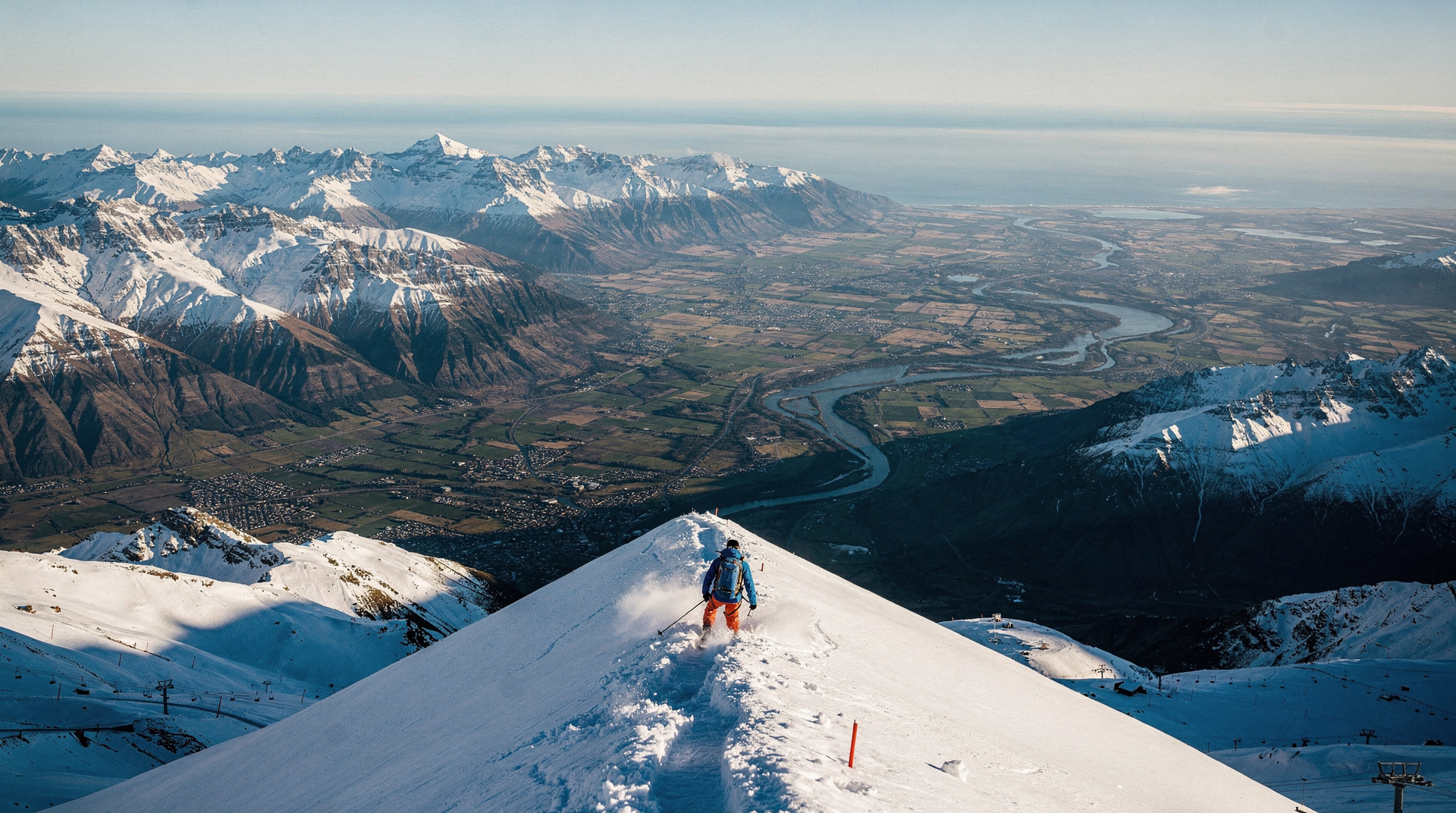
June to September for skiing — Mt Hutt ski field (1.5 hours from Christchurch) is one of the highest in NZ with consistent snow. Mt Hutt ski guide.
October to April for Aoraki/Mt Cook. The Hooker Valley Track is open year-round; helicopter flights require clear skies, which are more common in summer. Winter has the advantage of snow-covered peaks but the disadvantage of shorter days and stronger winds.
Year-round for Christchurch — the museums, Botanic Gardens, and tram operate all year. Akaroa’s dolphins are present year-round (best in November-March for swimming); the Banks Peninsula scenic drive is beautiful in any season.
Common mistakes
Spending only 1 night in Christchurch and seeing it as transit. The city rewards 2 nights; the third night should be elsewhere in Canterbury.
Driving to Aoraki/Mt Cook and back in a day from Christchurch. 10+ hours driving for 2 hours at the mountain. Overnight in Tekapo (night 1) and Aoraki (night 2) transforms the experience.
Tekapo without stargazing. People arrive for the lake photos and leave without experiencing why it’s actually famous. The evening/night experience is the point.
Skipping Kaikoura. Many travellers drive past on the way to Blenheim. Kaikoura is 2.5 hours from Christchurch and has the best whale watching in the country. Build in a half-day.
Going to Hanmer Springs instead of Aoraki. Hanmer is a thermal pool resort — pleasant but not unique. Aoraki is utterly unique. If you have to choose, choose Aoraki.
Sample itineraries
3-day Canterbury highlights
Day 1: Arrive Christchurch. Afternoon tram and Arts Centre. Botanic Gardens walk. Riverside Market dinner.
Day 2: Drive to Tekapo (3 hours). Afternoon: Church of the Good Shepherd, Tekapo town, Lake walk. Evening: Mt John stargazing tour.
Day 3: Morning: drive Tekapo to Aoraki/Mt Cook (1.5 hours). Hooker Valley Track (3 hours return). Return to Christchurch via Lake Pukaki (scenic viewpoint). Arrive Christchurch ~7pm.
5-day full Canterbury sweep
Days 1-2: Christchurch — museum, tram, Botanic Gardens, Akaroa day trip (or overnight).
Day 3: Kaikoura whale watching (day trip 5 hours total).
Day 4: Drive to Tekapo. Afternoon and stargazing evening.
Day 5: Tekapo to Aoraki/Mt Cook. Hooker Valley Track. Return or continue to Queenstown via Twizel.
Connect south to Queenstown via the Lindis Pass (another 2.5 hours from Twizel) or north to Christchurch for flights. See 7-day South Island itinerary for the full circuit.
FAQ
Is Christchurch worth visiting after the earthquake rebuild?
Yes — the rebuild is genuinely interesting and the city has developed a creative energy it lacked before 2011. The temporary transitional arts spaces, street art, container malls (now partly gone), and the reimagined riverside are all worth seeing. The Cathedral remains partially demolished with plans for restoration ongoing.
What is the best way to see Aoraki/Mt Cook?
The Hooker Valley Track (free, 3 hours return) gives the best ground-level view. The helicopter scenic flight is the most dramatic aerial experience in New Zealand. Both together if budget allows. The Tasman Glacier boat tour (on the glacier melt lake) is excellent for understanding glacial retreat.
Is the Tekapo stargazing worth the price?
Yes. The Mt John Observatory tour is genuinely different from anything you can do at night in Auckland or Christchurch — the dark sky is extraordinary, the telescopes bring nebulae and star clusters into detail, and the guided commentary explains what you’re seeing. The cheaper option (Cowan’s Observatory, NZD 60-75) is also excellent.
Can you ski from Christchurch?
Yes — Mt Hutt ski field is 1.5 hours from the city (the access road from Methven is steep). Open June-September depending on snow. NZD 140-175 / USD 84-105 / EUR 77-96 for a day lift pass. Reliable snow coverage; good mix of beginner and advanced terrain.
Is Akaroa worth visiting for non-dolphin reasons?
Yes. The harbour village has good restaurants (the Harbour 71 wine bar and the French Farm Winery restaurant are both excellent), beautiful historic buildings, and the Banks Peninsula scenic drive is one of the best on the South Island. The Hector’s dolphin cruise is a bonus, not the only reason to go.
Top experiences: canterbury New Zealand
See all →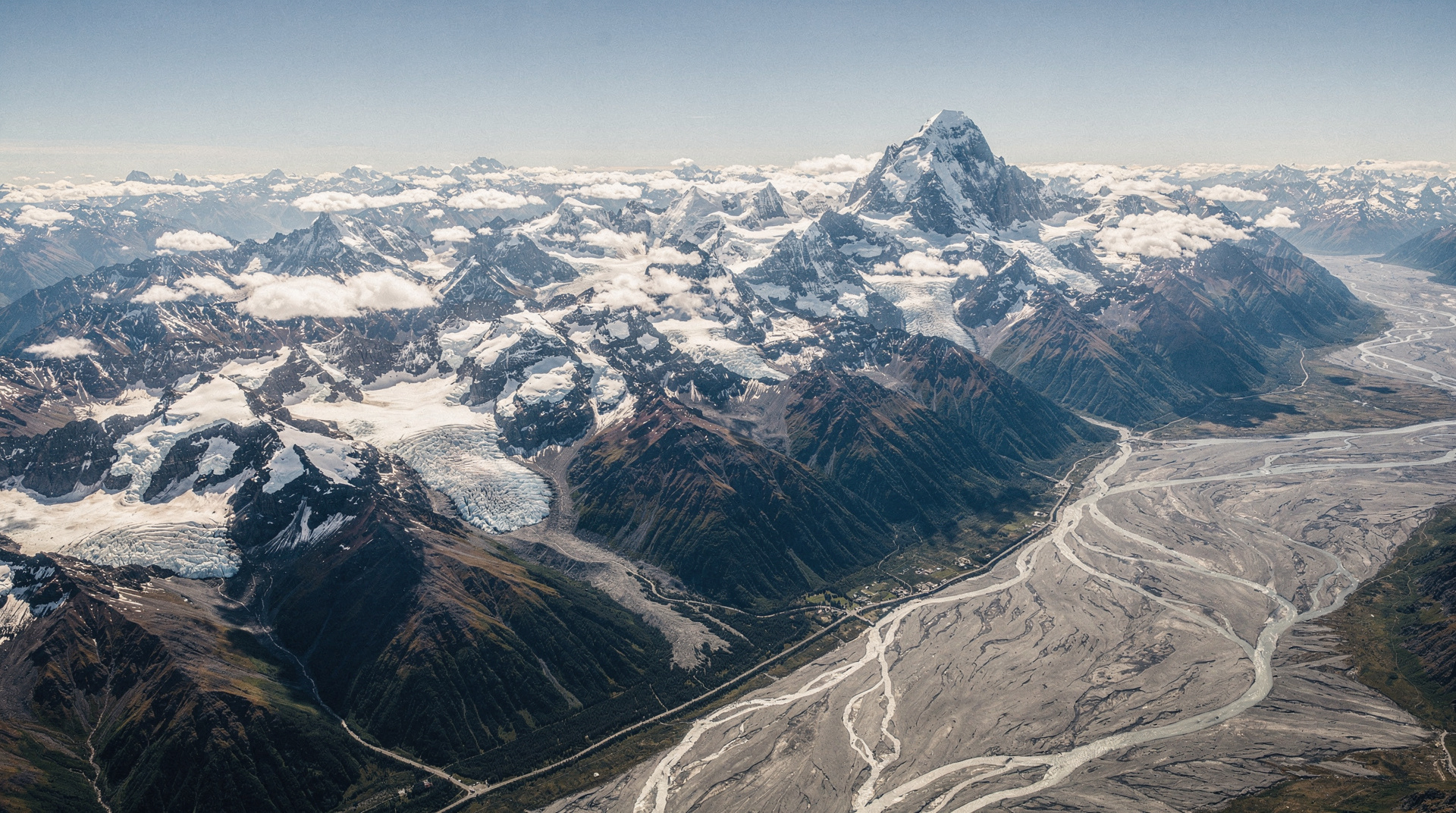
Related guides
Christchurch
Honest Christchurch guide: the post-earthquake rebuild, best activities, Akaroa day trip — real NZD/USD/EUR prices and what's worth your time.
Akaroa
Akaroa: New Zealand's only French-founded town, Hector's dolphins, sea kayaking on Banks Peninsula. Day trip from Christchurch. Real costs NZD/USD/EUR.
Kaikoura
Honest Kaikoura guide: sperm whale tours, wildlife kayaking, crayfish — real prices and the best time to visit after the 2016 earthquake rebuild.
Aoraki / Mount Cook
Honest Aoraki / Mount Cook guide: Hooker Valley Track, Tasman Glacier, scenic flights — real NZD/USD/EUR prices and what to expect in all seasons.
TranzAlpine train — the complete guide to New Zealand's most scenic rail journey
TranzAlpine guide: the 4h20 Christchurch to Greymouth route, what you see, ticket prices NZD/USD/EUR, booking tips, and honest verdict on NZ's finest train.
Skiing Mt Hutt — Canterbury's best-kept ski secret
Mt Hutt ski guide: 90 minutes from Christchurch, 672m vertical, NZ's longest season. Day pass prices NZD/USD/EUR and comparison with Queenstown fields.
Best day trips from Christchurch
Best day trips from Christchurch: Akaroa dolphins (1h), Kaikoura whales (1.5h), Hanmer Springs pools, Arthur's Pass hikes, and the TranzAlpine scenic train.
14-day New Zealand itinerary — both islands, grand tour
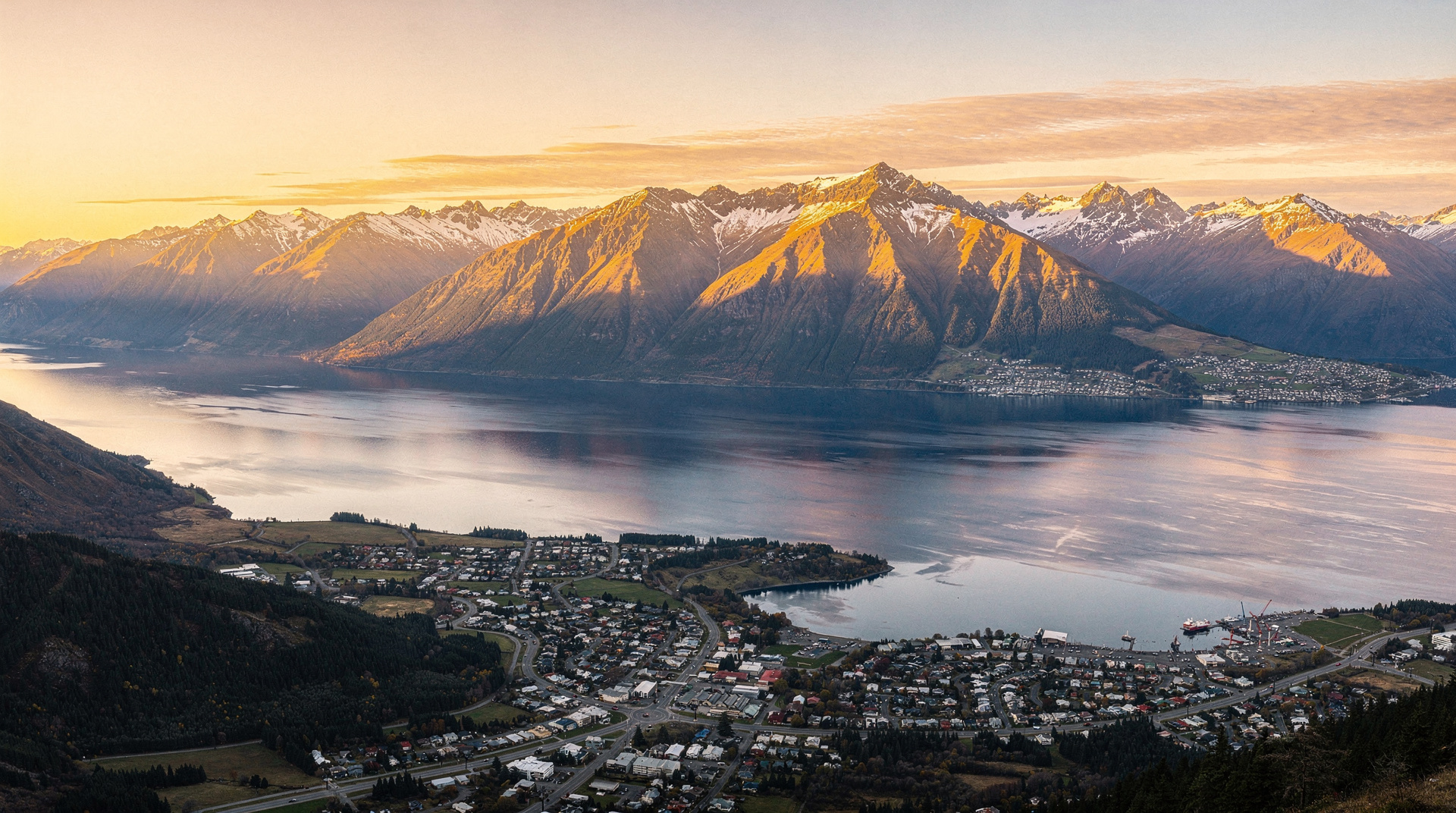
Honest 14-day NZ grand tour: Auckland, Bay of Islands, Hobbiton, Rotorua, Wellington, ferry, Kaikoura, Christchurch, Queenstown, Milford.
Kaikoura after the 2016 earthquake — what's changed
Three years after the 7.8 earthquake, Kaikoura is open for business — and in some ways more interesting than before the disaster.
Last reviewed: