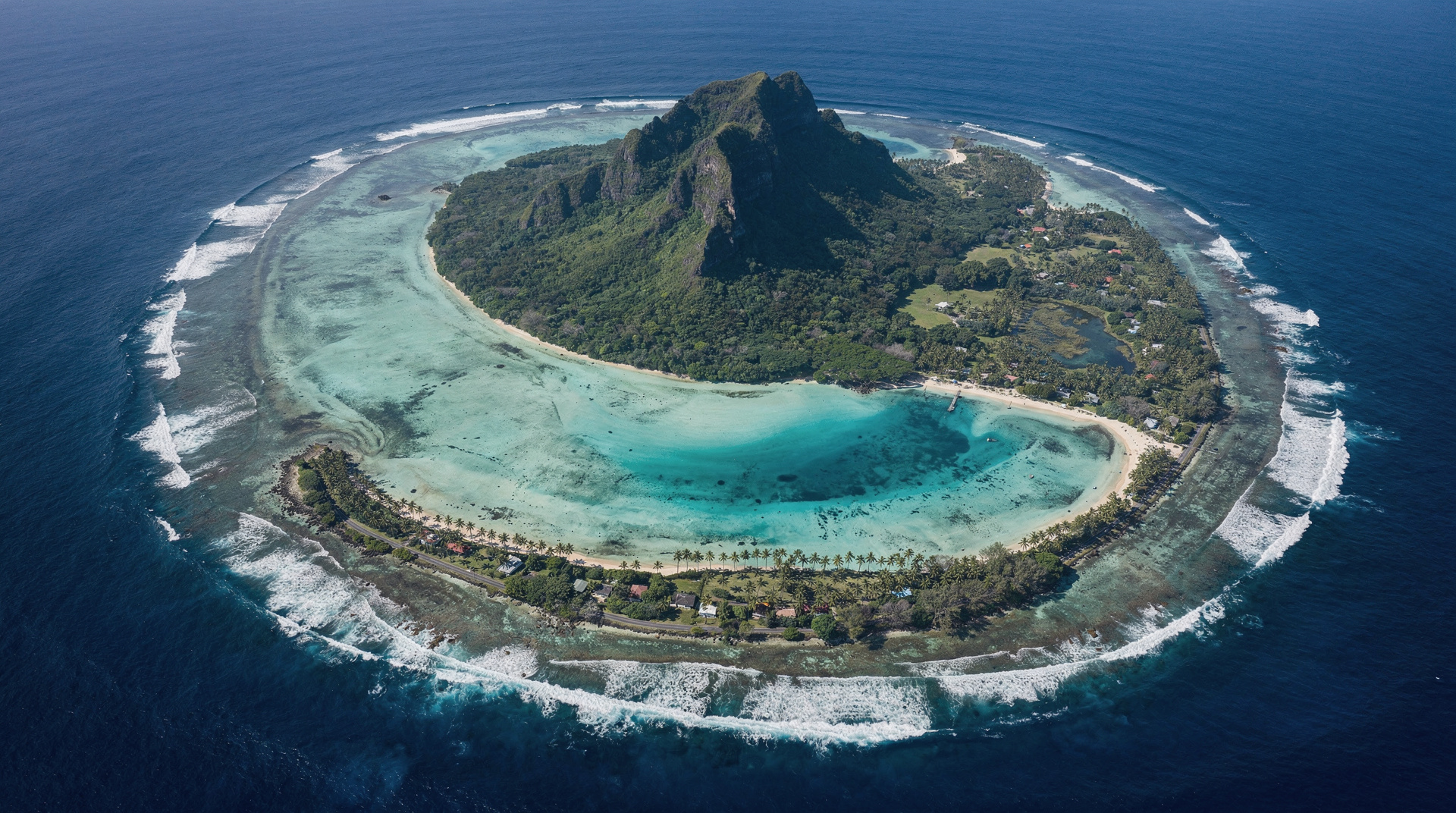
Cook Islands travel guide — Rarotonga, Aitutaki, and the outer islands
Are the Cook Islands worth visiting for travellers already going to New Zealand?
Yes, particularly if you're already spending NZD 3,000+ on NZ airfare — adding a Cook Islands leg is often cheaper than expected, visa-free for most nationalities, and gives you something NZ cannot: a genuine tropical lagoon. Rarotonga is the gateway; Aitutaki is the lagoon that wins most shortlists. Budget 5-10 extra days.
| Where | 3,000 km NE of Auckland, South Pacific |
| Visa | Not required for stays up to 31 days, most nationalities |
| Currency | NZD (Cook Islands dollars circulate at parity) |
| Getting there | Air New Zealand direct from Auckland, around 4 hours |
| Best paired with | 3-4 nights Rarotonga + 3-4 nights Aitutaki |
Cook Islands in two minutes
The Cook Islands are a self-governing nation in free association with New Zealand — which means Cook Islanders hold NZ citizenship, NZD is the official currency (local “Cook Islands dollars” also circulate at parity), and there is no visa required for the vast majority of nationalities visiting for under 31 days.
Politically and culturally they’re deeply connected to New Zealand, yet geographically they sit 3,000 km north-east of Auckland in the South Pacific, at roughly the same latitude as Samoa and Tonga. The result is a rare combination: a true tropical lagoon destination with NZ infrastructure sensibilities and, in most places, NZ prices.
The country consists of 15 islands spread over 2 million km² of ocean. You will realistically visit 1-3 of them on a single trip. The two that almost every visitor chooses between are Rarotonga (the main island, with the airport and most services) and Aitutaki (the lagoon, widely considered one of the world’s best).
Why Cook Islands matters for NZ-bound travellers
The honest case goes like this: if you’re flying from Europe or North America to New Zealand, you’re already crossing a large portion of the Pacific. Air New Zealand and other carriers often route through or near the Cook Islands. Aitutaki sits on the same longitude as New Zealand and on a common flight path between Auckland and Los Angeles or London.
Adding a Cook Islands leg to your NZ trip:
- Costs NZD 400-900 (USD 240-540 / EUR 220-495) more in airfare (Auckland-Rarotonga-Auckland), depending on season and timing.
- Requires no additional visa administration.
- Uses the same currency (NZD).
- Gives you a tropical experience that no part of mainland NZ can replicate.
The one honest caveat: the Cook Islands are expensive relative to other Pacific destinations. Rarotonga accommodation and dining is priced more like Fiji than Samoa, and Aitutaki is more expensive still.
Rarotonga vs Aitutaki — the central comparison
Rarotonga
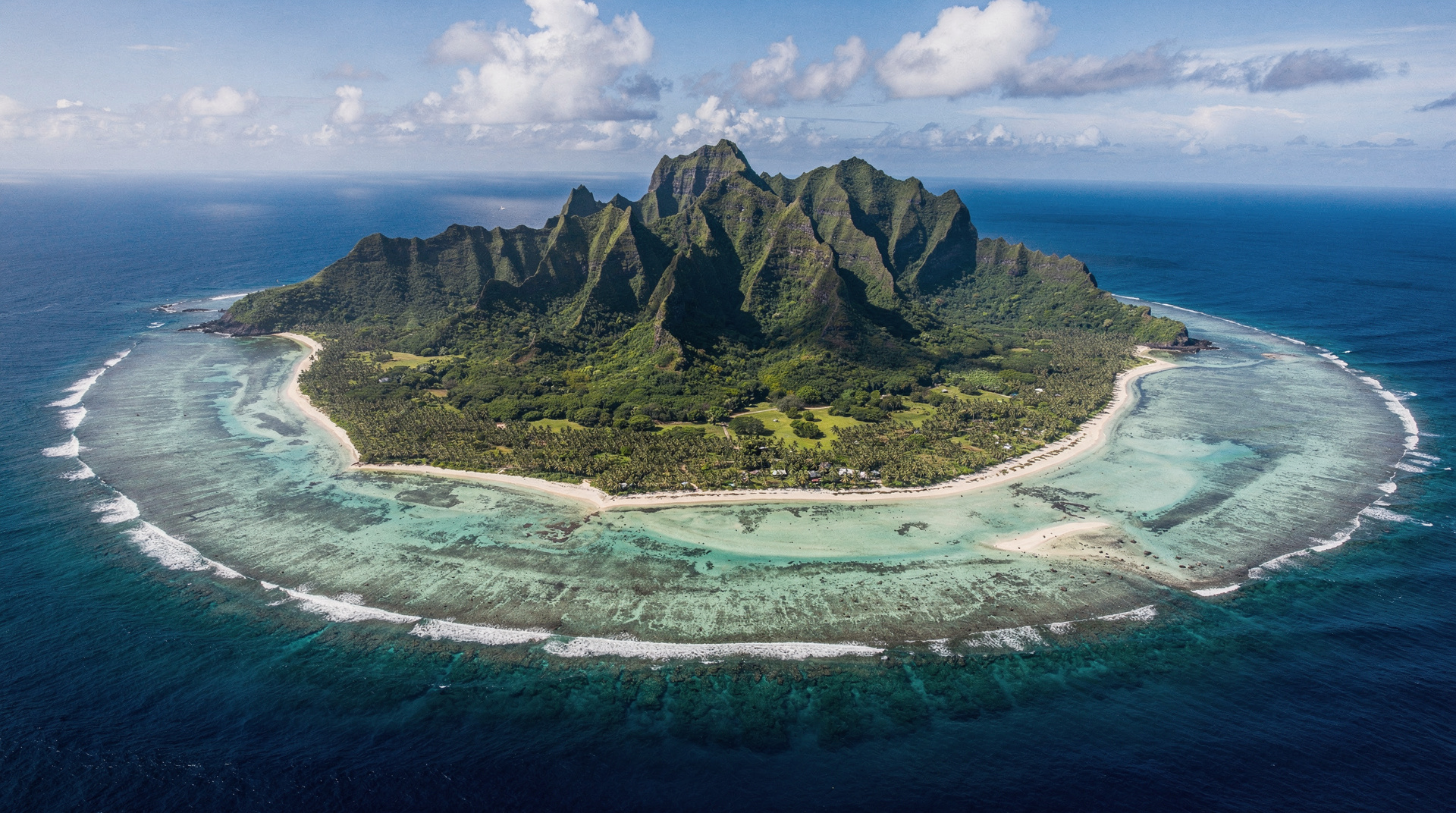
Rarotonga is a single volcanic island: a dramatic interior of jungle-covered peaks (Te Manga, 653 m) ringed by a coral reef and a coastal road. The island is 32 km in circumference — you can drive the entire circuit in under an hour. The main village, Avarua, has the airport, banks, government offices, and the main market. The accommodation and dining strip runs along the southern Muri Beach area.
What’s genuinely good about Rarotonga:
- Muri Lagoon on the south-east coast is calm, clear, shallow, and studded with small motus (islets). Kayak hire from the beach, snorkelling in the lagoon. This is a real tropical lagoon, not marketing.
- The mountainous interior is crossed by several challenging hiking tracks. The Cross-Island Track (3-4 hours return) goes through cloud forest and is genuinely wild — hire a local guide, the track is not well marked.
- Food and nightlife are better than on most Pacific islands. The Thursday night Punanga Nui Market in Avarua is worth going for.
- You can be anywhere on the island within 20 minutes by scooter — the only real transport option if you want flexibility.
What’s honest about Rarotonga:
- The main beach at Muri is not the Caribbean beach-calendar image some expect — it’s tidal, shallow, and rocky in parts. The best lagoon views are at dawn. By mid-morning the sand is dry and the exposed reef visible.
- Traffic around the single ring road can build in the evening. Scooter accidents are common among tourists; wearing a helmet is compulsory and avoiding night riding is sensible.
- Resort prices are high. A decent mid-range room at Muri runs NZD 250-450 (USD 150-270 / EUR 138-248) per night. Budget backpacker options exist but are fewer than in SE Asia.
Rarotonga lagoon cruise with snorkelling and fresh fish BBQ is the most popular activity — a half-day on the lagoon with snorkelling stops and a beachside cook-up. Cost around NZD 130-160 (USD 78-96 / EUR 72-88) per person.
Aitutaki
Aitutaki is 45 minutes by Air Rarotonga from Rarotonga (or 2.5 hours by boat — the boat is not recommended unless you’re a sea traveller). The island itself is not the main attraction; the Aitutaki Lagoon is one of the largest and most sheltered in Polynesia. It’s ringed by small motus, the water colour runs from turquoise to deep blue, and the snorkelling is exceptional.
What makes Aitutaki unique:
- The lagoon is roughly 50 km² and is shallow enough throughout for small boats and kayaks. The water visibility regularly exceeds 20 metres.
- One Foot Island (Tapuaetai) at the southern tip of the lagoon is a 10-minute boat ride and has appeared on numerous “best beaches” lists. It’s a small coral motu with soft white sand, a snorkelling spot, and a post office that will stamp your passport.
- There are fewer than 2,000 residents. The tourism infrastructure is deliberately limited — no large chain hotels, no nightlife, almost no traffic.
What’s honest about Aitutaki:
- It is more expensive than Rarotonga. Accommodation is genuinely limited: the main choices are the Aitutaki Lagoon Resort (the luxury option, from NZD 650/USD 390/EUR 360 per night) and a handful of smaller guesthouses. Demand exceeds supply in the July-August high season.
- The island has one main road. There is almost nothing to do except the lagoon. If you’re not drawn to water activities, reef walks, or total digital disconnection, three days will feel like enough.
- Return flights cost NZD 350-500 (USD 210-300 / EUR 194-275) per person from Rarotonga; availability is limited to 1-2 flights per day.
Verdict: If your trip allows it, see both. 3-4 nights Rarotonga, 3-4 nights Aitutaki, is a realistic Cook Islands leg to attach to a New Zealand trip.
The outer islands — Atiu, Mangaia, Mitiaro, and others
The outer group (sometimes called the Southern Group) includes islands that receive very few tourists relative to their size and character. They’re accessible by Air Rarotonga from Rarotonga (30-90 minutes, from NZD 250 return).
Atiu (Enuamanu) is the most visited outer island — a raised coral island covered in bush, caves (Te Ana Cove, Rima Rau Burial Cave with burial limestone pillars), and the black rubber fig. The birding is exceptional — several species found nowhere else, including the Atiu swiftlet.
Mangaia is the oldest geological feature in the Pacific — an ancient volcanic island almost entirely surrounded by a raised coral shelf called makatea. The caves (Lake Tiriara, Teu Cave) contain freshwater eels and cave fish. This is not a tourist destination in any conventional sense; it’s for serious travellers who want absolute remoteness.
Mitiaro, Mauke, and Palmerston each have their charms (Palmerston’s entire population is descended from one English trader who arrived in 1862), but visitor facilities are minimal to non-existent.
Honest advice on outer islands: Unless you have strong specific reasons (birdwatching, caving, family connections), skip the outer islands on a first visit. The logistics are complex, the accommodation basic, and the time spent in transit is considerable. Rarotonga + Aitutaki gives the full range of Cook Islands experience for most travellers.
Visa and entry
- No visa required for stays up to 31 days for nationals of most countries including France, Germany, Italy, Spain, Portugal, UK, USA, Canada, Australia, and NZ. Proof of onward travel required at entry.
- New Zealand citizens and residents: You can enter the Cook Islands on your NZ passport; no separate documentation required.
- Biosecurity: The Cook Islands enforce strict biosecurity. No fresh produce, plants, soil, or live animals may be brought in. Inspections are thorough.
Getting there
From Auckland: Air New Zealand operates direct flights Auckland-Rarotonga (4 hours). Frequency varies by season — daily flights in high season (June-September), 4-5 per week in shoulder season. Book at least 8-12 weeks ahead for July-August travel.
From other Pacific cities: Jetstar has operated seasonal service from Sydney. Pacific specific regional carriers (Polynesian Airlines, Air Tahiti Nui) sometimes code-share or connect through their hubs.
Aitutaki from Rarotonga: Air Rarotonga, the local carrier, operates 1-2 flights per day. The flight takes 45 minutes. Booking months ahead is essential in July-September.
Real costs
The Cook Islands costs are broadly comparable to New Zealand, not to SE Asia or other Pacific competitors.
| Category | Per person per day |
|---|---|
| Budget (backpacker guesthouse + self-catering) | NZD 90-130 / USD 54-78 / EUR 50-72 |
| Mid-range (B&B or self-contained unit, eating out some meals) | NZD 200-350 / USD 120-210 / EUR 110-193 |
| Luxury (resort, meals included) | NZD 500+ / USD 300+ / EUR 275+ |
Specific costs:
- Rarotonga accommodation (mid-range, per night): NZD 180-350 (USD 108-210 / EUR 99-193)
- Aitutaki accommodation (per night): NZD 200-650 (USD 120-390 / EUR 110-358)
- Lagoon cruise (Rarotonga): NZD 130-160 (USD 78-96 / EUR 72-88)
- Aitutaki lagoon day tour: NZD 150-200 (USD 90-120 / EUR 83-110)
- Scooter hire Rarotonga (per day): NZD 30-45 (USD 18-27 / EUR 17-25)
- Auckland-Rarotonga return airfare: NZD 500-1,200 (USD 300-720 / EUR 275-660)
When to go
May to October is the dry season and most popular time. July-September is peak (school holidays in NZ and Australia, European summer travel). Temperatures are cooler (24-27°C), humidity lower, and the lagoon is calmer.
November to April is the wet season: temperatures are higher (28-32°C), humidity rises significantly, and cyclone risk is real (cyclone season runs November-April). Accommodation prices drop 20-40%. If you want fewer tourists and lower prices, November or April are shoulder sweet spots with acceptable risk.
Alternatives if Cook Islands doesn’t fit your itinerary
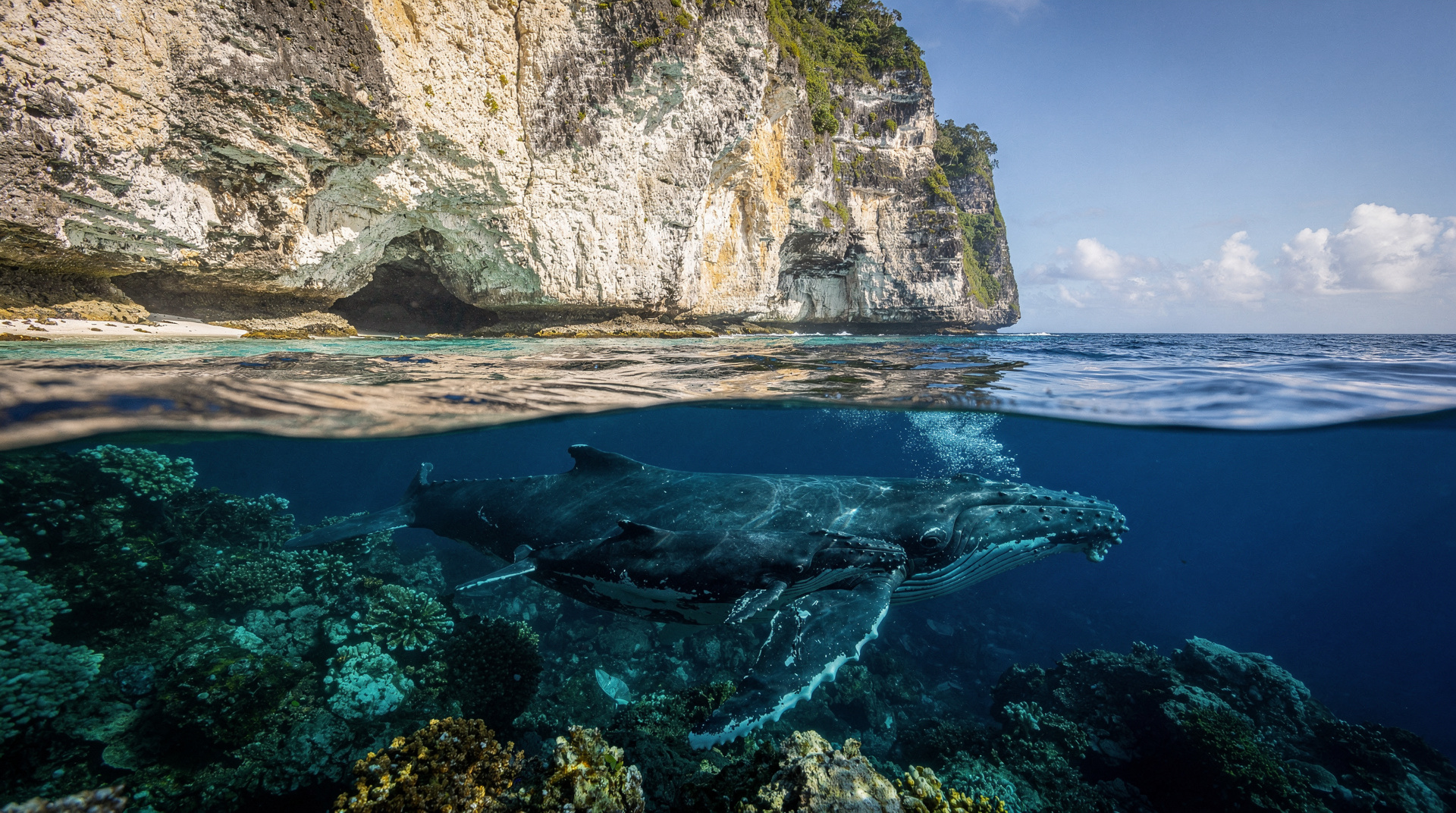
Niue is 580 km east of Tonga and accessible from Auckland (direct Air New Zealand flight, ~4 hours). It’s the world’s smallest island nation with its own distinct character — limestone cliffs, world-class diving, whale-swimming (July-October humpback migration). No GYG coverage; all tours booked directly. See the Niue destination page for context.
Samoa is larger, more affordable, and culturally distinct. It’s 4 hours from Auckland by air and gives a contrasting Polynesian experience with more emphasis on traditional fa’a Samoa (the Samoan way).
Tonga offers a cultural festival calendar (Heilala Festival in July) and excellent whale-swimming similar to Niue.
For a direct read on the two headline islands from someone who has done both, the Aitutaki vs Rarotonga blog post is a useful second opinion alongside this overview. If you’re curious how the Cook Islands ended up with a quarantine-free, passport-light relationship with New Zealand, the history of the corridor explains it in more depth than the visa section above.
Connectivity, food, and daily life
Wifi is patchy by design rather than accident — most accommodation offers it in common areas but not always in rooms, and it slows noticeably in the evening when everyone is online at once. A local SIM (Vodafone Cook Islands or Bluesky) with a data plan is worth buying at the airport if you need to stay reachable; expect to pay around NZD 30-50 for a tourist data package.
Food is genuinely good by Pacific-island standards. Rarotonga’s Punanga Nui Market (Saturday mornings, plus the smaller Thursday night market) is the best single food experience on the island — fresh tropical fruit, ika mata (raw fish marinated in coconut cream and lime), and grilled seafood stalls. Restaurants along Muri Beach range from casual beach shacks to genuinely good fine dining, priced closer to Auckland than to Fiji. Aitutaki’s dining options are far more limited — a handful of resort restaurants and a few independent cafes — so factor that into how many nights you actually need there.
Tap water is generally safe on Rarotonga; check locally on the outer islands and Aitutaki, where bottled or filtered water is the safer default. Power runs on NZ-style plugs and 230V, so UK, Australian, and NZ travellers need no adapter.
A realistic 10-day Cook Islands + New Zealand combination
Travellers weighing whether to add the Cook Islands to an NZ trip often want to see how the days actually stack up:
| Days | Where | Focus |
|---|---|---|
| 1-4 | Rarotonga | Lagoon cruise, Cross-Island Track, Punanga Nui Market, scooter loop of the island |
| 5-7 | Aitutaki | Lagoon day tour, One Foot Island, snorkelling, doing very little |
| 8 | Fly Rarotonga to Auckland | Travel day, arrive NZ in the evening |
| 9-10+ | Auckland region | Ease into the New Zealand leg of the trip — see the day trips from Auckland guide for options |
This sequencing works better than the reverse (NZ first, Cook Islands last) for most travellers, since arriving into a slower, warmer pace after a long-haul flight is easier than trying to switch back into sightseeing mode after ten relaxed lagoon days.
FAQ
Do I need NZ dollars or Cook Islands dollars?
Both circulate at parity. Use NZD — it’s accepted everywhere on Rarotonga and Aitutaki, and Cook Islands dollar coins cannot be used outside the Cook Islands. ATMs in Avarua dispense NZD. Card acceptance is reasonable in Rarotonga (less so on outer islands) but carry cash for markets, small guesthouses, and beach vendors.
Is the Cook Islands good for snorkelling as a non-diver?
Rarotonga’s Muri Lagoon and Aitutaki’s lagoon are excellent for snorkelling without certification. The water is warm (26-29°C year-round), clear, and shallow in most lagoon areas. Coral health has declined from bleaching events in recent years — the inner reef at Rarotonga is impacted — but the outer reef and Aitutaki’s lagoon maintain good coral coverage.
How different is Rarotonga from Aitutaki?
Significantly. Rarotonga is the main island with everything you’d expect from a tourist hub: restaurants, bars, a market, multiple activity options, a mountain interior, and 10,000+ residents. Aitutaki is a lagoon destination with minimal services and 2,000 people. Rarotonga is the “do things” island; Aitutaki is the “lie in the lagoon” island.
Is the Cook Islands safe?
Yes — crime rates are very low. The main risks are the road (scooter accidents are common), the sun (UV in the tropics is intense; reef shoes are essential for coral walking), and the sea (some outer beaches have strong currents). Rarotonga’s ring road has stretches without footpaths; walk facing traffic.
What is the connection between New Zealand and the Cook Islands?
The Cook Islands became a self-governing territory in free association with New Zealand in 1965. Cook Islanders hold NZ citizenship. New Zealand manages the Cook Islands’ foreign affairs and defence. The cultural connection is deep — Cook Islanders make up a significant portion of Auckland’s Polynesian population, and many families have members in both places.
Can I extend beyond 31 days?
Yes. A free 31-day extension is available from Cook Islands Immigration in Avarua, bringing you to 62 days. Further extensions are possible but require more documentation and justification. Long-term stays on a tourist visa are possible for extended periods, unlike many Pacific nations.
How many days should I spend in the Cook Islands?
For most travellers, 6-8 days total works well: 3-4 nights on Rarotonga and 3-4 nights on Aitutaki. Fewer than 5 days total means rushing one island or skipping Aitutaki entirely, which most visitors regret given it’s the standout lagoon.
Is the Cook Islands good for a honeymoon?
Yes — Aitutaki in particular is a genuine honeymoon destination, with overwater-adjacent bungalows, quiet motus, and a slower pace than Rarotonga. Book accommodation well ahead, since the best honeymoon-oriented resorts have limited rooms and fill early in peak season.
Related guides
Cook Islands
Complete honest guide to the Cook Islands: 15 islands in the Pacific, NZD currency, flights from Auckland, real prices and what each island is actually like.
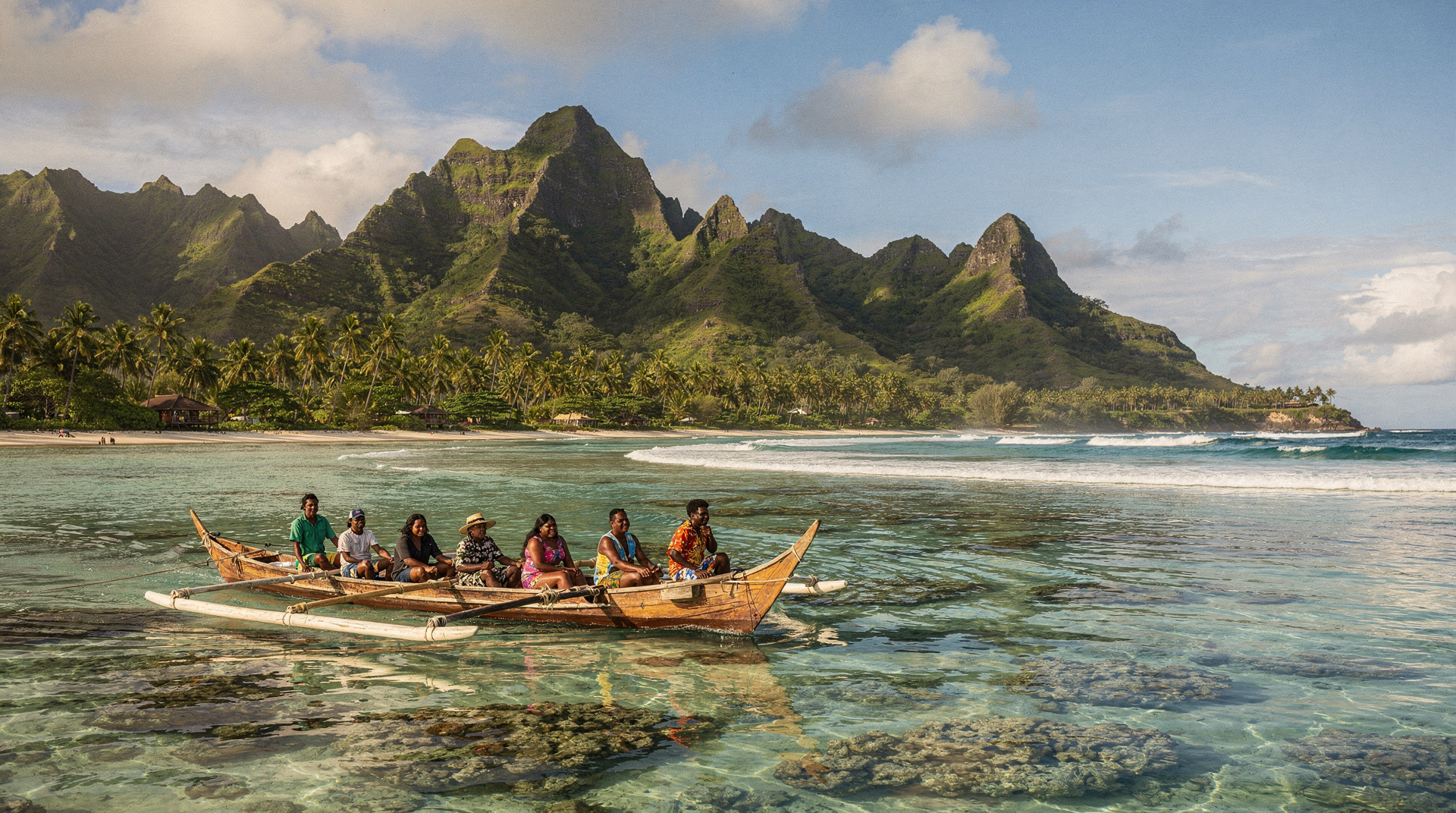
Rarotonga
Honest Rarotonga guide: Muri lagoon cruise, Cross Island Track, Te Vara Nui, best beaches, where to stay. Real prices NZD/USD/EUR.
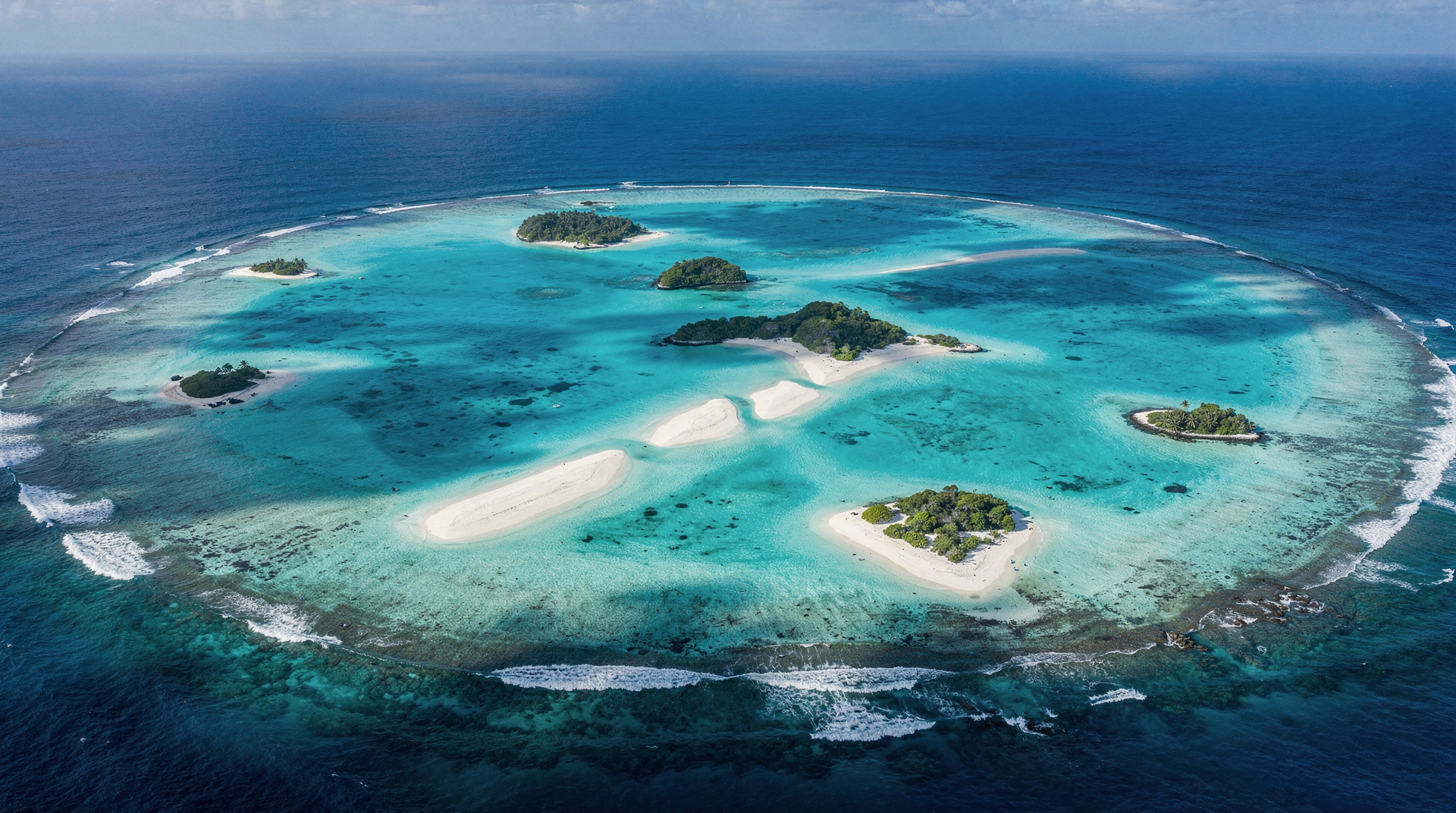
Aitutaki
Honest guide to Aitutaki: the stunning Cook Islands lagoon, One Foot Island, best resorts for direct booking, real prices NZD/USD/EUR. No GYG — all direct.
Niue
Honest guide to Niue: humpback whale swimming, Talava Arches, Matapa Chasm, sea snakes, direct booking only. Real costs NZD/USD/EUR for this remote Pacific gem.
Tokelau
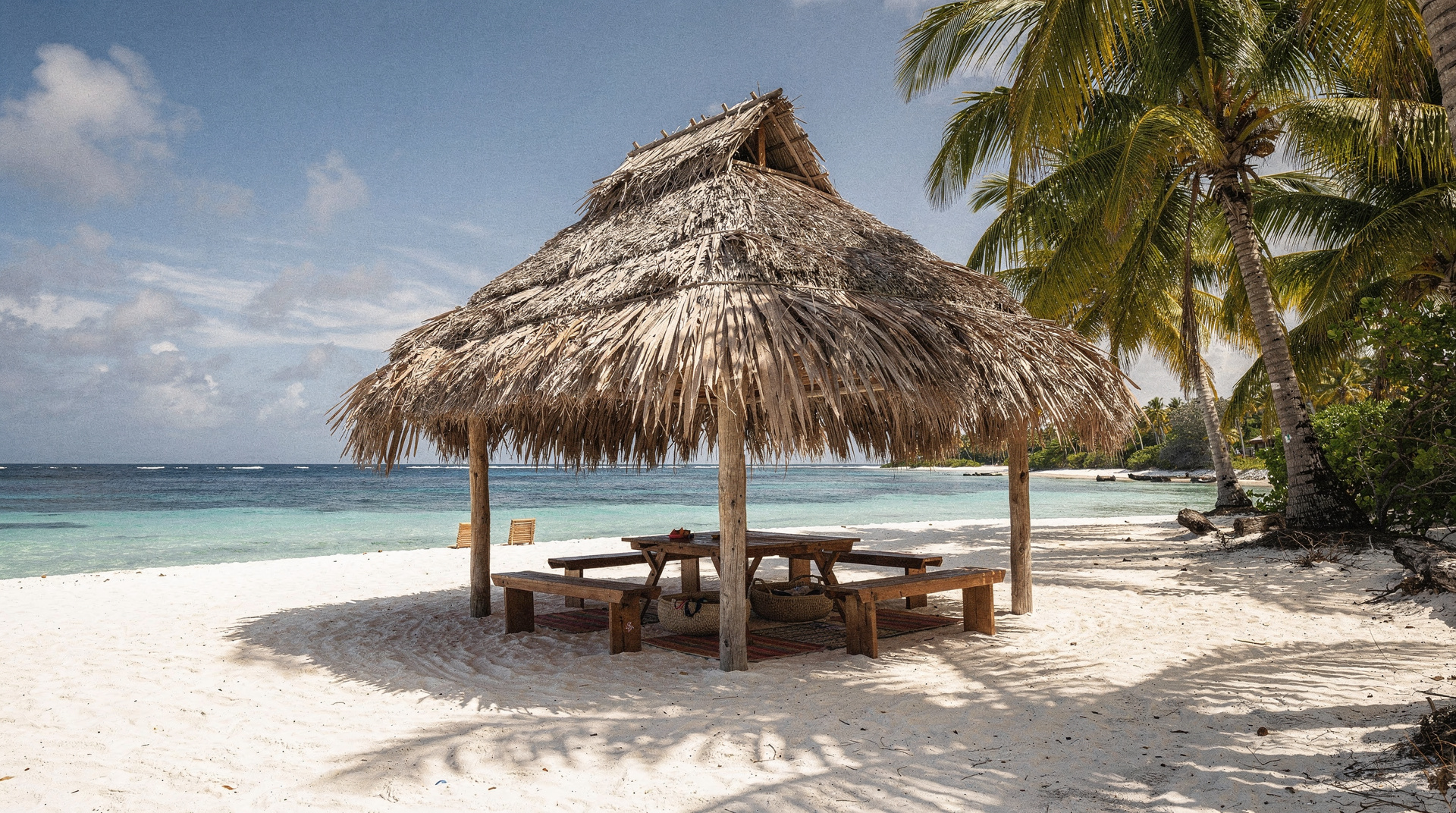
Honest guide to Tokelau: the world's most remote inhabited territory. Cargo ship from Samoa, permits, what to expect on Atafu, Nukunonu, and Fakaofo atolls.
Last reviewed: