Niue
Honest guide to Niue: humpback whale swimming, Talava Arches, Matapa Chasm, sea snakes, direct booking only. Real costs NZD/USD/EUR for this remote Pacific gem.
Quick facts
- Population
- ~1,600 residents — one of the world's least populous countries
- Currency
- NZD — USD ~$0.60 / EUR ~€0.55
- Access
- Air New Zealand from Auckland — approximately 3.5 hours, one weekly flight
- Self-governing
- Free association with New Zealand — Niueans are NZ citizens
- Unique to Niue
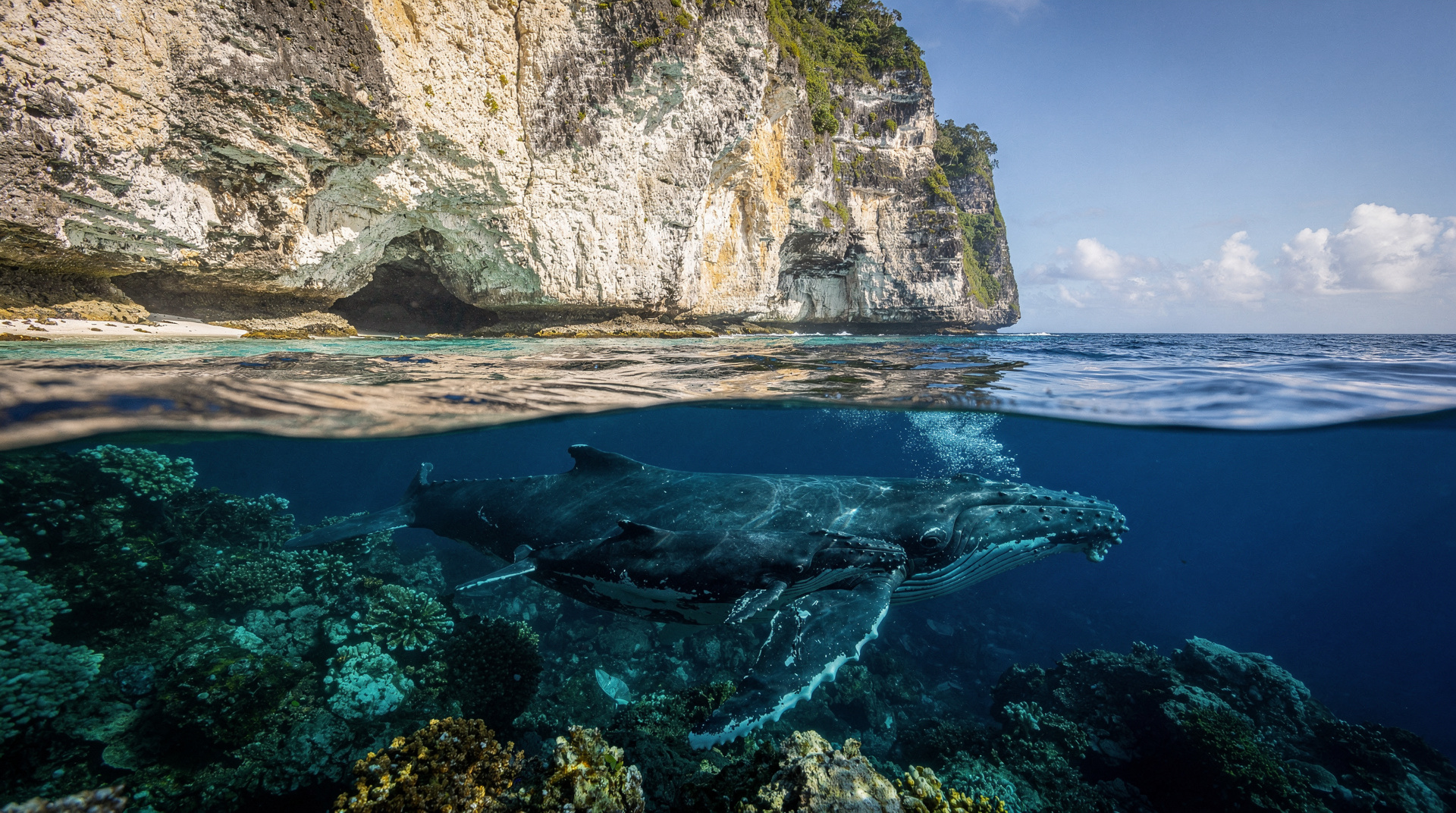
- Swimming with wild humpback whales (one of very few places in the world)
- Nickname
- 'The Rock' — the island is a raised coral platform with no lagoon, only sea caves
Niue in one minute
| Where | South Pacific, ~2,400 km north-east of Auckland |
| Time needed | 4–5 days minimum (set by the weekly flight schedule) |
| Cost | Around NZD 90–500 / USD 54–300 / EUR 50–275 per activity |
| Getting there | One weekly Air New Zealand flight from Auckland (~3.5 hrs) |
| Best time | July to October for whale swimming; May to November generally drier |
Niue (pronounced “new-ay”) is a single raised coral island in the South Pacific — a limestone plateau, effectively, with dramatic coastal cliffs and caves rather than the barrier reef lagoons of neighbouring island groups. It has approximately 1,600 permanent residents and receives perhaps 7,000–10,000 visitors per year. It is the world’s smallest self-governing state in free association with another country (New Zealand), and its population is outnumbered by the Niueans living in New Zealand — by a factor of roughly ten to one.
What Niue offers is genuinely unusual: one of the world’s few places to swim legally and ethically with wild humpback whales; a cave and chasm system that is among the most dramatic limestone geology in the Pacific; diving in extraordinarily clear water (Niue has no rivers, no silt runoff, and visibility regularly exceeds 60 metres); and the particular quality of remoteness that comes from a place that exists completely for its own reasons, not for tourism.
There are no GetYourGuide tours in Niue. Everything here is direct booking with local operators. This is not a gap; it is a reflection of Niue’s scale and character.
Getting to Niue
Air New Zealand operates the only regular service to Niue — one return flight per week from Auckland, typically Friday departure from Auckland and Tuesday or Wednesday return. The flight takes approximately 3.5 hours. Fares range from NZD 600–1,400 / USD 360–840 / EUR 330–770 return depending on season and how far ahead you book. Because there is only one weekly flight, flexibility in your return date is nearly impossible — plan your trip length around the departure day.
Bookings at airnewzealand.com. The Air New Zealand check-in at Auckland Airport handles Niue passengers the same as any international flight; the aircraft is typically a widebody configured for the route.
On arrival at Hanan International Airport (IUE), outside Alofi (the capital), you will need to have pre-arranged ground transport. Most accommodation properties arrange pick-up on request. There is no public bus service, and taxis are limited. Hire a vehicle as soon as possible after arrival.
Vehicle hire on Niue: Niue Rentals and several smaller operators offer 4WD vehicles (the roads are mostly sealed but some tracks require clearance) from approximately NZD 90–130 / USD 54–78 / EUR 50–72 per day. A vehicle is essential for exploring the island independently.
Swimming with humpback whales
This is the headline and the main reason most visitors come to Niue outside the diving community. Between approximately July and October each year, humpback whales pass through Niue’s waters on their annual southern migration, and the island is one of the very few places in the world where operators offer in-water encounters with these animals.
Why Niue is suitable: The water is extremely clear (60+ metres visibility), the depth around the island drops quickly (allowing whales to surface close to shore), and the whale numbers are consistent enough to support a regulated encounter programme.
The encounter: A typical whale-swimming excursion involves a small boat (4–8 participants plus crew) positioning carefully near resting or nursing whales. Snorkellers enter the water — no scuba — and observe from approximately 5–30 metres. The whales are wild and unrestrained; encounters are passive (you watch, not interact). Sessions of 20–60 minutes in the water are typical depending on whale behaviour. Not every trip results in an encounter, but success rates during peak season (August–September) are generally high.
Cost: Approximately NZD 300–500 / USD 180–300 / EUR 165–275 per person for a half-day whale encounter trip. Book as far in advance as possible — permits are issued by the Niue government and there is a limit on the number of in-water encounters per whale per day.
Operators:
- Niue Blue (niueblue.com): The most established and well-reviewed whale encounter and diving operator on the island. Direct booking; book months ahead for July–October.
- Magical Niue Sea Adventures (magicalniue.com): Smaller operator, good reviews for whale encounters and cave snorkelling.
Both operators also run dive trips, cave snorkelling, and general ocean activities outside whale season.
Important: Swimming with wild whales is an emotionally significant experience that some people find overwhelming in the best possible way. The whales are large — females can exceed 15 metres. Hearing the calls underwater while a 30-tonne animal adjusts its position 10 metres away is one of the most extraordinary things you can experience in the Pacific. It is also genuinely humbling in a way that no “experience” product at a theme park or managed wildlife park replicates.
Sea caves, chasms, and coastal geology
Niue’s limestone geology has produced a coastal landscape unlike anything else in the South Pacific. The island’s perimeter is a series of sea caves, chasms, arches, and tide pools carved by millions of years of wave action into the raised coral platform. Many are accessible by short walks from the main coastal road.
Talava Arches: Natural limestone arches on the island’s northwest coast, accessible via a 15-minute walk from the car park. The final section involves some scrambling. Best at low tide and in calm weather. No entry fee; part of the Huvalu Forest Conservation Area.
Matapa Chasm: A narrow sea chasm in the northwest — the walls are sheer limestone dropping 10–15 metres, the water below extraordinarily clear and deep. Swimming in the chasm is the traditional Niuean swimming spot of royalty. Accessible, swimming possible in calm conditions. One of the island’s most photogenic locations.
Avaiki Cave: An extensive sea cave complex in the northwest, accessible at low tide. Inside: stalactites, crystal-clear salt water, and a cathedral-like quality to the light filtering through. Best explored with a local guide — Niue Blue offers guided cave snorkelling trips that combine Avaiki with several other cave systems.
Limu Pools and Palaha Cave: On the east coast. The Limu Pools are rock pool formations accessible at low tide; Palaha Cave has good snorkelling on calm days.
Togo Chasm: On the south coast — a chasm requiring a 30-minute walk across the makatea (raised coral) to reach. The coral underfoot is rough and uneven; solid footwear is essential. Inside the chasm: a pocket of jungle, palms, and a completely enclosed world of extraordinary beauty.
Entry to all these sites is via the Niue Tourism Office permit system — approximately NZD 10–15 / USD 6–9 / EUR 6–8 for a week-long pass covering all natural sites. Mandatory; the revenue supports conservation.
Diving and snorkelling
Niue’s water clarity is the reason serious divers make the journey. With no rivers or streams (the island absorbs all rainfall into its limestone and it emerges as freshwater springs on the reef), there is no silt in the water, and visibility of 40–80 metres is routine. The sea floor around the island drops quickly from 5 metres to well over 100 metres in places — a dramatic wall dive environment.
Dive sites: The Dome (a dramatic coral formation at 16–22 metres), Bubble Cave (a sea cave with an air pocket where you can surface inside), Chinatown Wall (vertical wall dive), and several others. Best for: experienced wall and cave divers, though several sites suit advanced beginners.
Snorkelling: Available from the shore at several points, though the lack of a lagoon means ocean conditions can make shore snorkelling challenging in swell. The cave snorkelling trips with Niue Blue are the better option for most snorkellers.
Sea snakes: Niue’s waters host banded sea kraits (laticauda colubrina) — highly venomous but extremely docile. Encounters are common while diving and snorkelling. They are curious rather than aggressive, and bites are vanishingly rare (the snake would have to be actively provoked and would need to bite a thin membrane of skin — their mouths are small). They will approach you; simply hold still and don’t grab them. If you have strong herpetophobia, be aware that Niue has significant sea snake presence.
Where to stay
Accommodation on Niue is limited to approximately 15–20 properties, almost all requiring direct booking.
Scenic Matavai Resort: The island’s main resort, operated by Niue’s government and community. Comfortable rooms and villas overlooking the Pacific on the west coast cliffs. Pool, restaurant, and all the island’s basic resort amenities. NZD 280–450 / USD 168–270 / EUR 154–248 per night. Book at matavai.nu.
Namukulu Cottages and Spa: Self-contained cottages in a garden setting. Good for independent travellers who want more space. NZD 200–320 / USD 120–192 / EUR 110–176 per night. Direct booking.
Peleni’s Guest House: Small, locally owned, friendly management, good location in Alofi. Basic but clean. NZD 120–180 / USD 72–108 / EUR 66–99 per night.
Dive Niue Hostel: Specifically set up for the diving and backpacker community. Dorm beds available (NZD 45–60 / USD 27–36 / EUR 25–33) and private rooms (NZD 130–180 / USD 78–108 / EUR 72–99). Run in association with a dive operator.
All bookings are direct (phone or email). Niue does not have robust representation on major booking platforms; contact the Niue Tourism Office (niueisland.com) for a current accommodation directory.
What to eat and drink
Niue’s restaurant scene is genuinely limited.
Kai Ika (Alofi): The best restaurant on the island for fresh fish. Locally caught, simply prepared, excellent value. NZD 25–40 / USD 15–24 / EUR 14–22.
Matavai Resort Restaurant: Open to non-guests. Reliable food at resort prices. The Sunday lunch buffet (NZD 45 / USD 27 / EUR 25 per person) is a local institution and a good opportunity to eat alongside the island’s small community.
Tomasi’s (near Alofi): Simple local food, reliable. NZD 15–25 / USD 9–15 / EUR 8–14.
Alofi market (Saturday mornings): Fresh local produce, homemade food, crafts. This is the social event of the Niuean week. Arrive early.
Niue grows its own tropical fruit (bananas, papaya, coconuts) and imports most other food by ship from New Zealand. The supply chain is real — some products are consistently unavailable, and prices for imported goods are higher than in New Zealand. If you have specific dietary needs, bring supplies from Auckland.
Taro (cooked various ways) and oka (raw fish in coconut cream — similar to Cook Islands ika mata) are the traditional foods most readily encountered.
Packing and practical preparation
Because Niue’s supply chain runs by ship from New Zealand and its retail options are minimal, packing thoroughly before you leave Auckland matters more here than almost anywhere else covered on this site. Bring reef-safe sunscreen (limited stock on-island and expensive when available), a good snorkel mask if you have one, sturdy closed-toe shoes for the coastal walks over sharp makatea limestone, and any specific medications or dietary items you rely on.
Cash matters more than usual: while some accommodation and larger operators accept cards, many smaller businesses, market stalls, and local eateries are cash-only. Withdraw NZD before or immediately after arrival — there are limited ATMs on the island. Mobile data is available but can be slow; download maps and any documents you need offline before arriving.
Skip / worth it / splurge
- Skip: Coming to Niue without checking the whale season dates (July–October) if whales are your primary reason — outside this window you can still dive and cave-explore, but the signature experience is seasonal
- Skip: Arriving without a vehicle reservation — the island is 12 km north to south with limited public transport; a hired 4WD is near-essential
- Worth it: A cave snorkelling trip with Niue Blue (approximately NZD 120–150 / USD 72–90 / EUR 66–83) — the Niue cave system is genuinely world-class and the water clarity is like nothing in the tropics
- Worth it: The Togo Chasm walk, despite the rough terrain — the payoff is a completely enclosed natural amphitheatre that feels entirely untouched; budget 2–3 hours return
- Splurge: A dedicated whale encounter trip (NZD 300–500 / USD 180–300 / EUR 165–275) — this is one of the world’s great wildlife experiences and the cost reflects the organisation, permits, and logistics required. Worth every dollar for those who connect with marine mammals
Cultural notes
Niueans are Polynesian — the language is related to Tongan and Cook Islands Maori, and Niuean culture shares the broader Pacific Polynesian emphasis on community, reciprocity, and the particular social role of the church. Most Niueans are members of one of the Protestant Christian denominations, and Sunday is observed as a day of rest: most businesses close, and you should plan not to expect services on that day.
The island’s small population means that social interactions carry real weight. The Niuean word fakaalofa (the conventional greeting, meaning affection/kindness) is the right register for your approach to the island — come with genuine interest and openness rather than consumer expectations.
Niue has been affected by climate and demographic pressures for decades. Cyclone Heta in 2004 caused catastrophic damage, and the population has declined from several thousand to around 1,600 largely through emigration to New Zealand. The government and community are actively working to build sustainable tourism as an economic pillar — your visit directly contributes to this.
Buying locally produced goods (handwoven mats, traditional handicrafts available from the Niue Arts and Crafts centre in Alofi) supports the community directly. Ask what is made locally before buying anything imported.
Connecting your trip
Niue fits naturally as part of a Pacific itinerary combining New Zealand with the Realm territories. Auckland is the only realistic connection point. The weekly Air New Zealand flight limits flexibility, so plan your Niue dates early and build the rest of the trip around them.
For context on the broader Realm of New Zealand, read our pages on Cook Islands, Rarotonga, Aitutaki, and Tokelau. Niue’s character — small-scale, self-contained, genuinely remote — sits between the relatively accessible Cook Islands and the completely inaccessible Tokelau. It is the middle ground between a Pacific island holiday and an expedition.
For those doing the South Island of New Zealand before flying home via Auckland, adding Niue at the end of the trip is logistically straightforward. See our 14-day New Zealand itinerary and 21-day New Zealand itinerary for South Island routing that positions you well for an Auckland departure to Niue.
Niue vs the Cook Islands
Travellers deciding between Niue and Rarotonga or Aitutaki in the Cook Islands are choosing between fundamentally different Pacific experiences. Rarotonga and Aitutaki have lagoons, resort infrastructure, more frequent flights, and a well-established tourism industry — the classic Pacific island holiday.
Niue has no lagoon, one flight a week, direct-booking-only accommodation, and a signature activity — swimming with wild humpback whales — that neither Cook Island offers. Choose the Cook Islands for a relaxed resort holiday with reliable logistics; choose Niue for a genuinely unusual, slightly more demanding trip built around whales, caves, and remoteness. Read the Cook Islands overview for the fuller comparison.
Whale season month by month
| Months | Whale presence | What it means for you |
|---|---|---|
| Jul | Whales arriving, numbers building | Encounters possible but less consistent than peak |
| Aug–Sep | Peak season, highest success rates | Book months ahead — permits and boat spots are limited |
| Oct | Whales departing, later window still active | Good chance of encounters, thinning crowds |
| Nov–Jun | No whales | Diving and cave snorkelling remain excellent year-round |
Frequently asked questions about Niue
Is Niue safe?
Very safe. Crime is essentially non-existent — the island has no prison and rarely needs one. The main safety considerations are ocean-related: do not enter the caves or swim in the chasms without checking the swell forecast, as rogue waves can occur. Always have a buddy for ocean activities.
Is whale swimming ethical?
Niue’s whale encounter programme is among the most carefully regulated in the world. Permits are required, group sizes are strictly limited, and operators follow DOC (New Zealand Department of Conservation)-aligned guidelines for passive whale watching. The whales are wild and unhabituated — they are not attracted by food or trained to approach. In-water encounters proceed only when the whale shows no signs of disturbance. The programme is widely regarded as a model for sustainable whale tourism. We are comfortable recommending it.
What is the one-flight-per-week situation in practice?
It means your trip length is set by the flight schedule. If the flight leaves Auckland on Friday, you arrive Saturday morning. The return flight to Auckland leaves Niue on Tuesday or Wednesday (schedule varies by season). This gives you a 4–5 day visit if returning the following week, or 11–12 days if waiting for the following week’s flight. Most visitors choose the 4–5 day option; those with specific whale encounter or diving goals may choose 11–12 days. There is no other regular air service; if you miss your return flight, the next opportunity is one week away.
Do I need to book the whale encounter in advance?
Yes. Permits are limited by the government, operators can only take a set number of participants per trip, and peak season (August–September) fills months ahead. Contact Niue Blue or Magical Niue Sea Adventures as soon as your travel dates are confirmed.
What happens if there are no whales during my visit?
Weather windows, whale presence, and sea conditions are all variable. Most reputable operators offer a partial refund or a substitute activity (cave snorkelling, diving) if conditions prevent a whale encounter. Discuss the policy before booking. The whale season runs July–October, with highest concentration typically August–September. Early July and late October offer a smaller window of whale presence.
Is Niue suitable for families with children?
Potentially, but it requires thought. The whale encounter is suitable for confident swimmers aged 8 and above (check individual operator age restrictions). The caves and chasms are suitable for active families comfortable with scrambling over rough terrain. There is no beach in the traditional sense (no lagoon), no resort entertainment, and no children’s facilities at most accommodation. Families who are comfortable with outdoor self-directed exploration, ocean swimming, and simple island life will do well. Those expecting structured resort entertainment should look at Rarotonga instead.
Should I choose Niue or Rarotonga for a Pacific island trip?
Choose Niue if swimming with wild whales, cave exploration, and genuine remoteness are the priority, and you’re comfortable with limited flights and direct-only bookings. Choose Rarotonga or Aitutaki for a more conventional resort holiday with a lagoon, more frequent flights, and easier logistics. Some travellers combine both on a longer Pacific trip via Auckland.
Can I dive in Niue if I’m not going during whale season?
Yes, and it’s one of the better reasons to visit outside July–October. Niue’s diving is excellent year-round thanks to the exceptional water clarity (40–80 metres visibility), and without the whale-season crowds, dive operators have more flexibility. Cave snorkelling and the coastal chasms are also unaffected by whale timing.
Top experiences: niue New Zealand
See all →Related guides
Cook Islands
Complete honest guide to the Cook Islands: 15 islands in the Pacific, NZD currency, flights from Auckland, real prices and what each island is actually like.
Rarotonga
Honest Rarotonga guide: Muri lagoon cruise, Cross Island Track, Te Vara Nui, best beaches, where to stay. Real prices NZD/USD/EUR.
Tokelau
Honest guide to Tokelau: the world's most remote inhabited territory. Cargo ship from Samoa, permits, what to expect on Atafu, Nukunonu, and Fakaofo atolls.
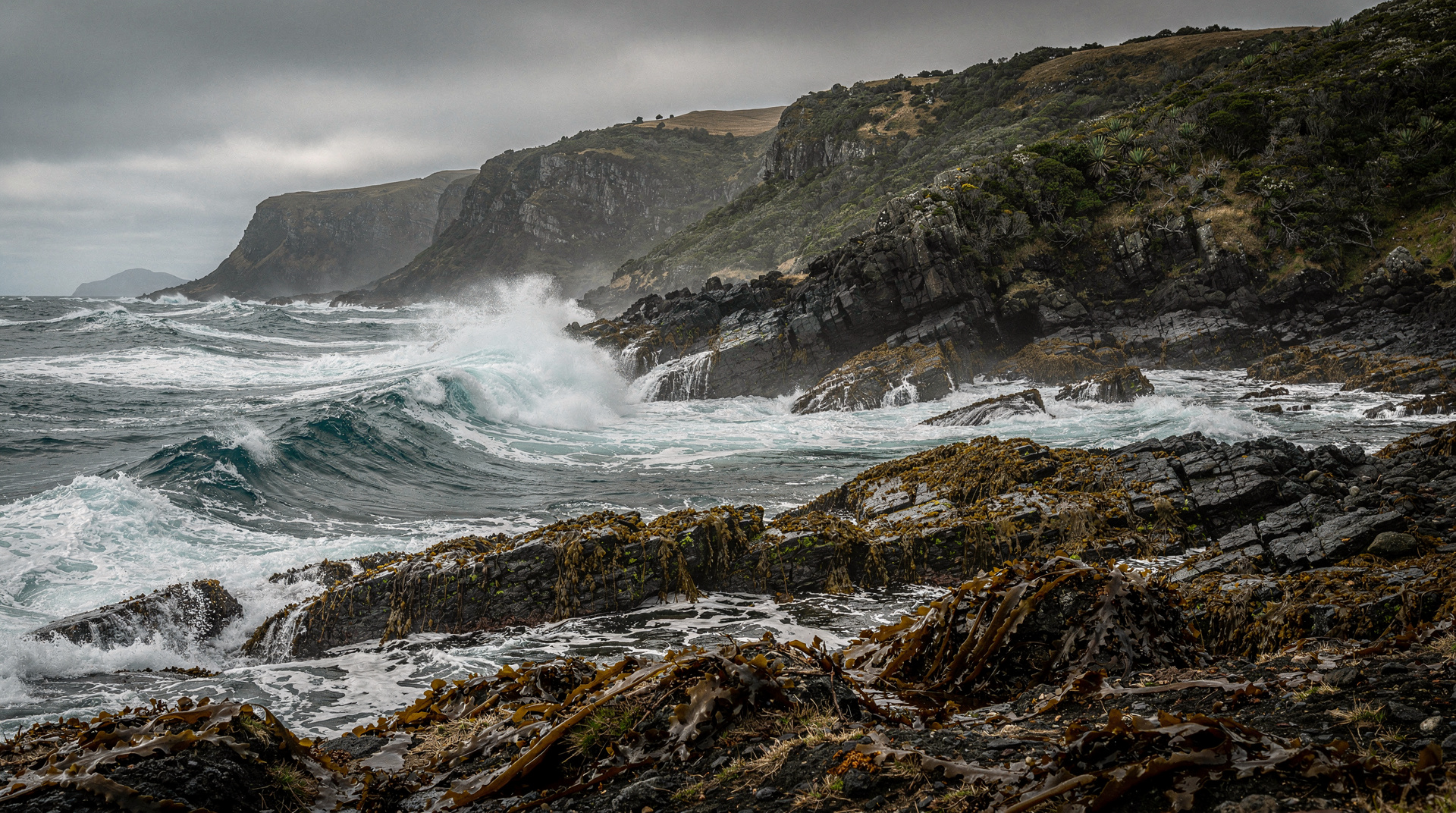
Chatham Islands
Honest guide to New Zealand's remote Chatham Islands: Moriori history, endemic birds, Air Chathams flights, real costs, and who this destination is truly for.
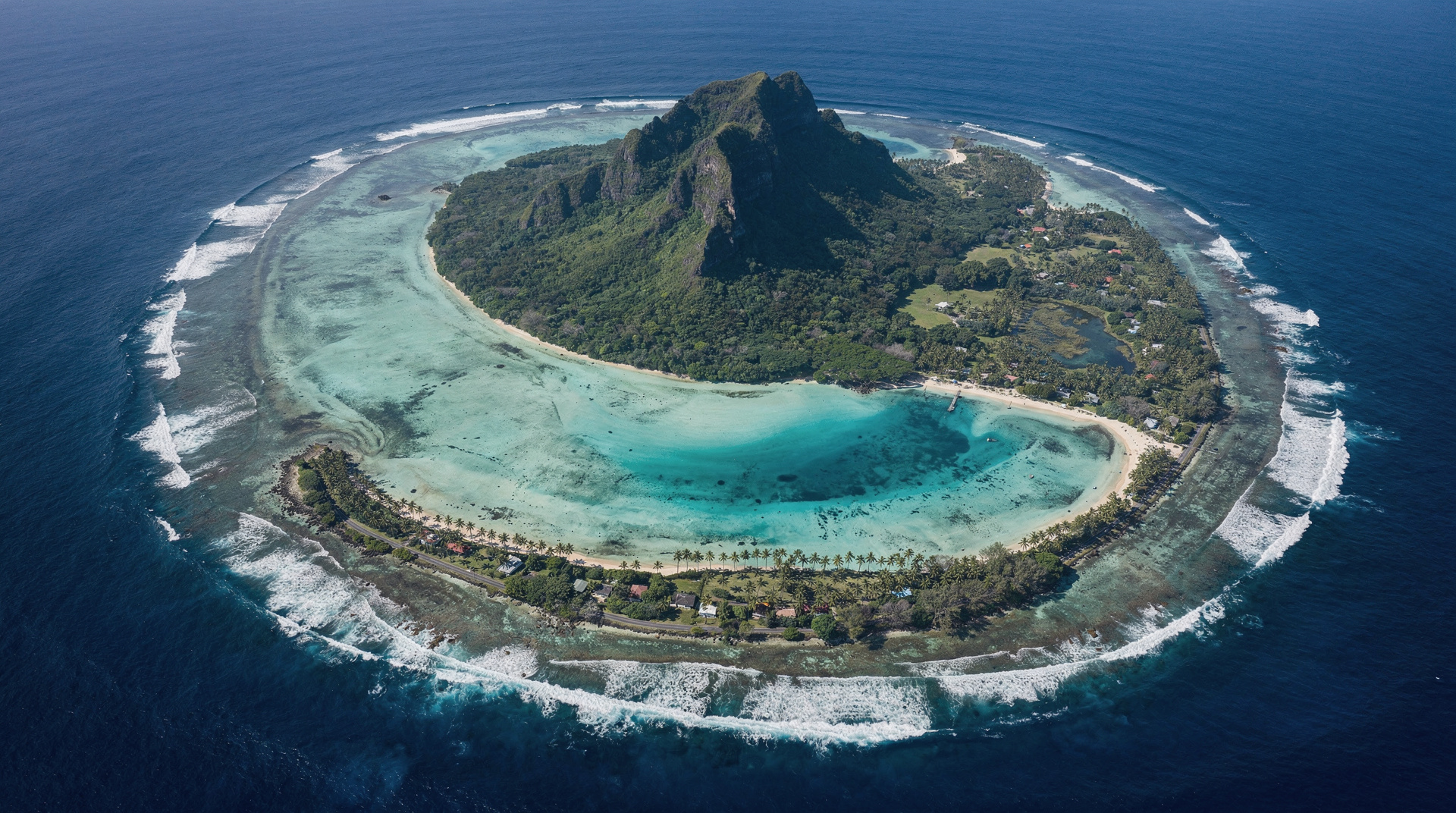
Cook Islands travel guide — Rarotonga, Aitutaki, and the outer islands
Cook Islands honest overview: Rarotonga vs Aitutaki vs outer islands, visa-free entry, real costs NZD/USD/EUR, why NZ-bound travellers should consider it.
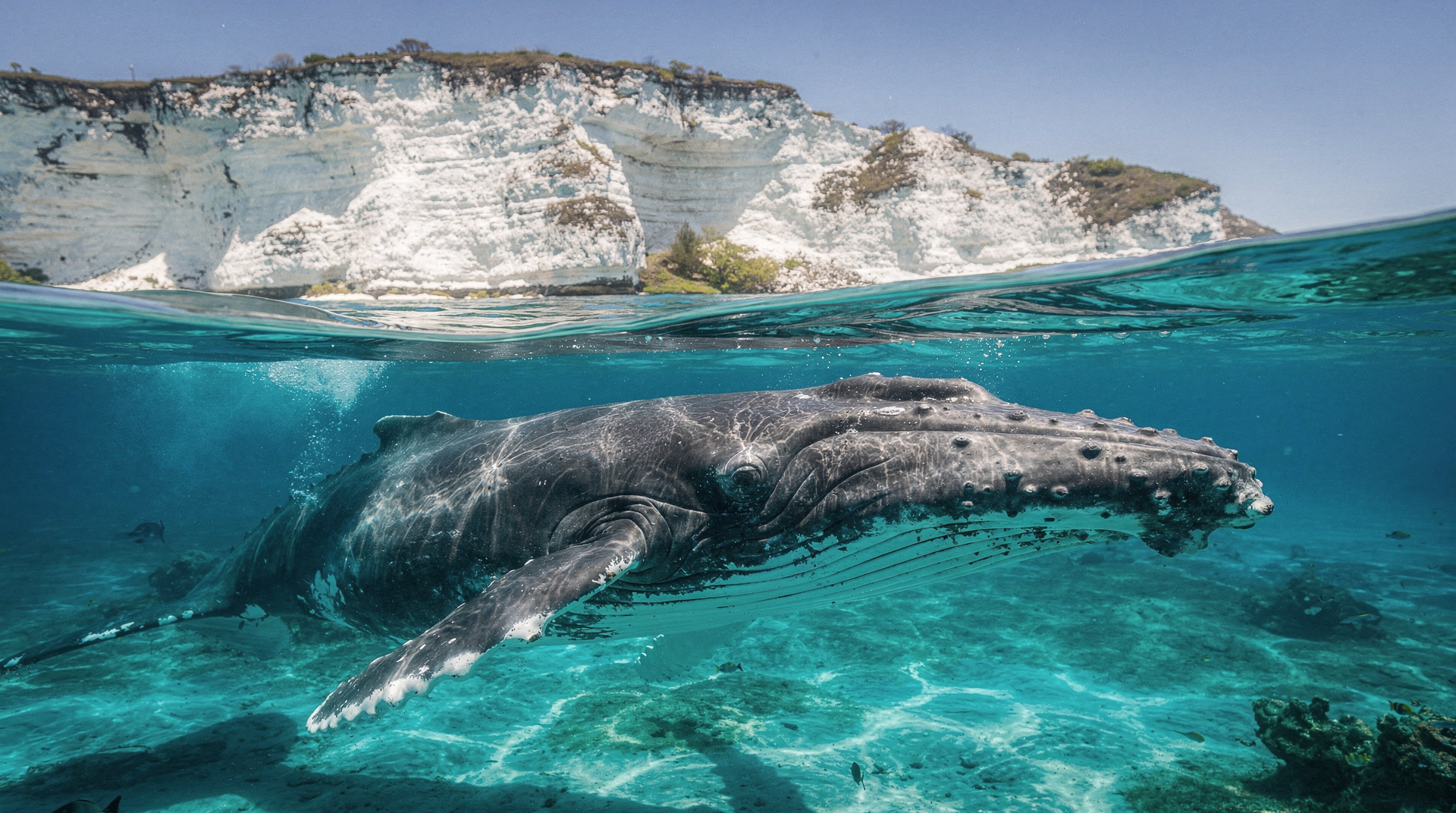
Niue in 2026 — the world's smallest self-governing nation's quiet tourism revival
Niue: 1,600 people, one airport, one road, and some of the clearest water in the Pacific. A look at what's drawing travellers to the Rock of Polynesia in 2026.
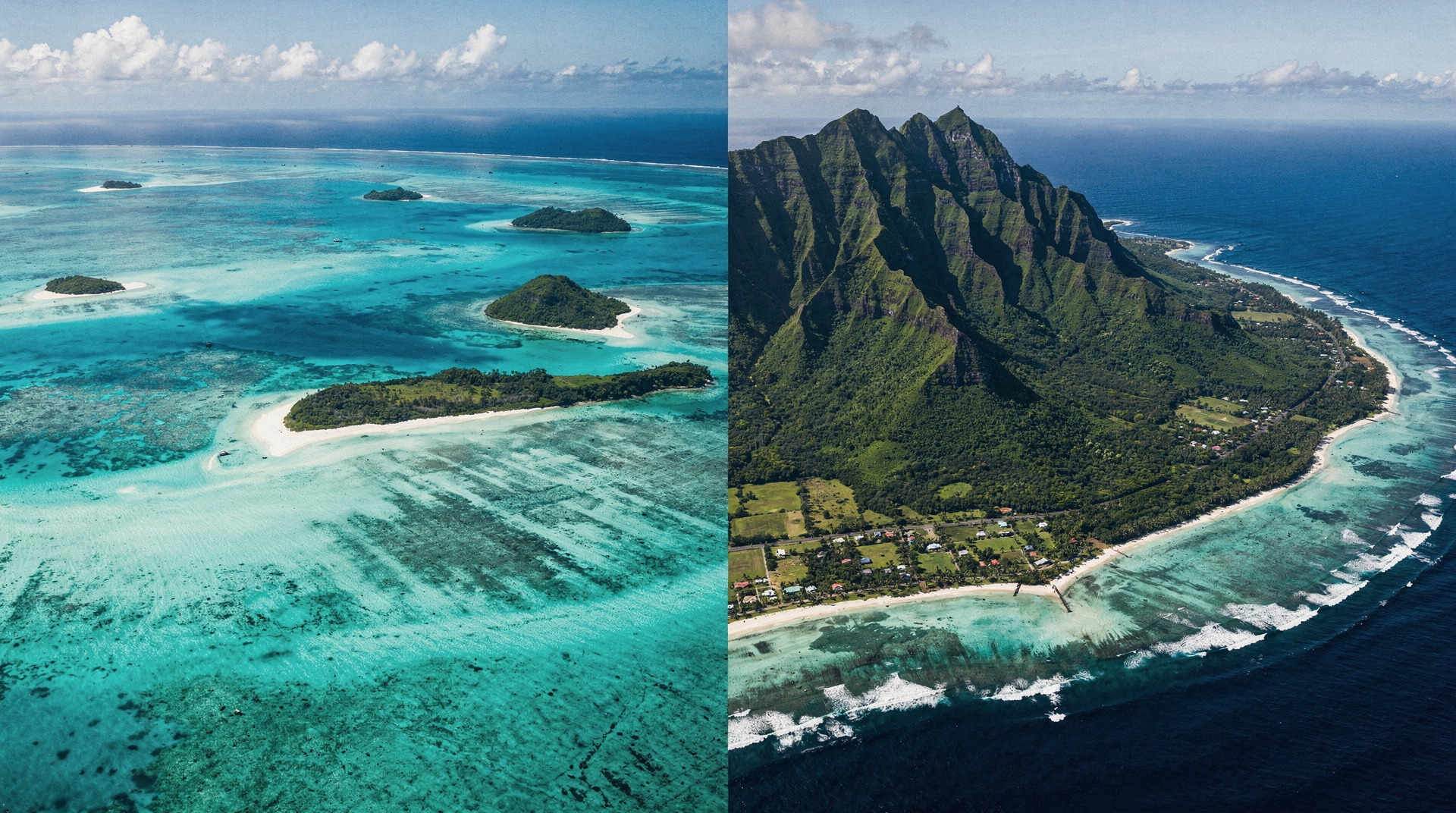
Aitutaki vs Rarotonga — which Cook Island should you choose?
Rarotonga has the infrastructure. Aitutaki has the lagoon. A genuine comparison of both Cook Islands: cost, access, and what you actually get.

New Zealand honeymoon itinerary — 14 days of premium romance
14-day NZ honeymoon: luxury lodges, Milford Sound fly-cruise, scenic flights over Aoraki, private wine tours, and slow mornings. Real costs included.
Last reviewed: