Matariki festival guide — New Zealand's Maori New Year
What is Matariki and when is it celebrated in 2026?
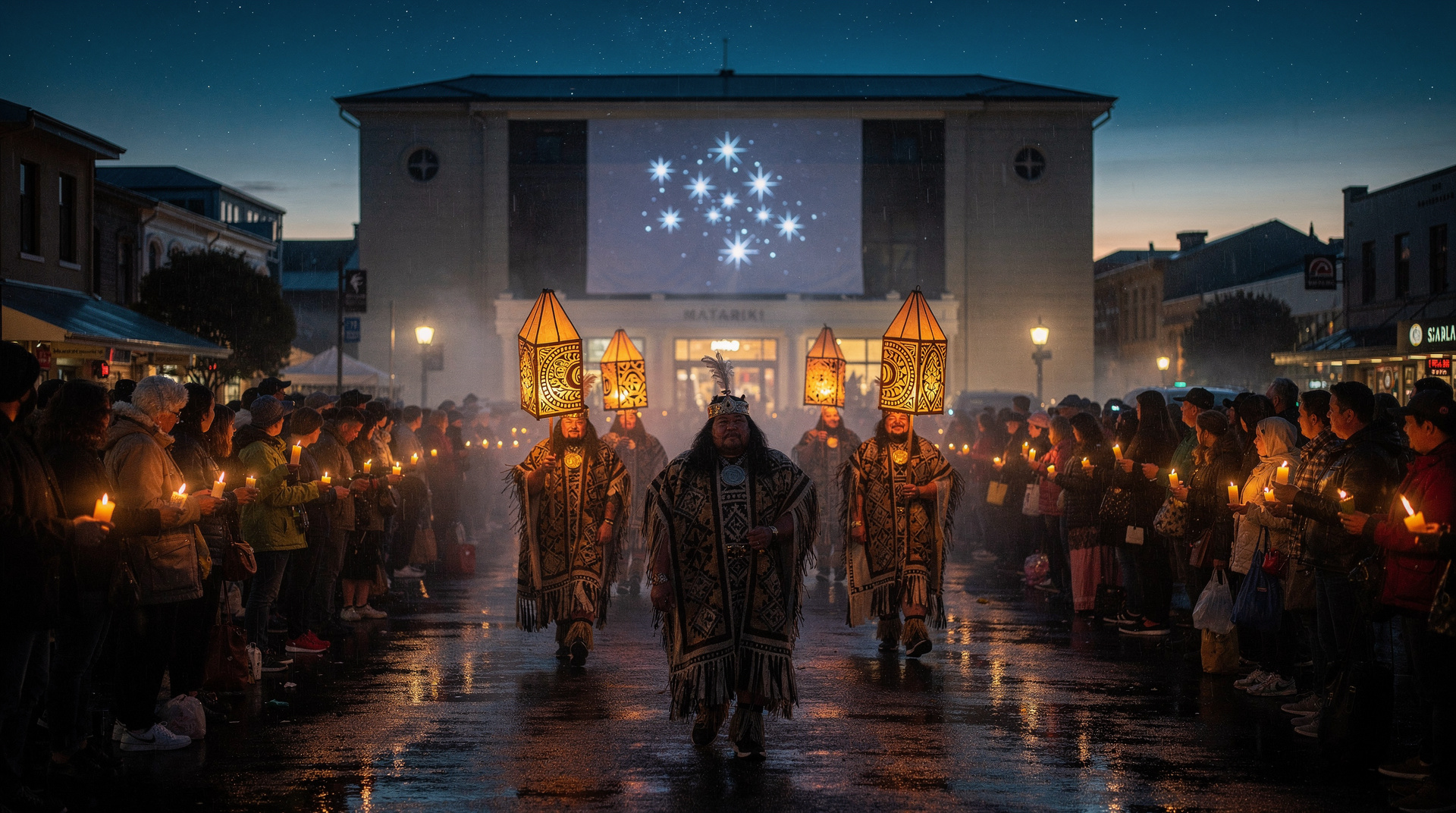
Matariki is the Maori New Year, marked by the rising of the Matariki star cluster (the Pleiades) in the winter sky. It became a national public holiday in 2022 — the first new public holiday in New Zealand in 40 years. In 2026, Matariki falls on Friday 10 July. It is a time of remembrance, celebration, and renewal — one of the most meaningful cultural experiences available to visitors in winter New Zealand.
| When | Friday 10 July 2026 (public holiday; date shifts yearly) |
| Where | Nationwide — Auckland, Wellington, Rotorua and marae events |
| Cost | Most public events free; guided cultural tours from ~NZD 60–120 |
| Good to know | Winter off-season — 20–40% cheaper accommodation outside Queenstown |
| Best for stargazing | Lake Tekapo / Aoraki Mackenzie Dark Sky Reserve |
What is Matariki
Matariki is the Maori name for the Pleiades star cluster — the group of seven to nine stars visible in the winter sky over New Zealand that signals, in Maori tradition, the beginning of the new year. The rising of Matariki (specifically, the first predawn appearance of the cluster in the northeastern sky, typically between mid-June and mid-July) has been observed by Maori for centuries as a time of transition: from the old year to the new, from winter darkness toward returning light, from grief to renewal.
The word Matariki itself comes from “Mata Ariki” (eyes of the chief) or “Mata Riki” (small eyes), referring to the cluster’s appearance. The Pleiades are a prominent feature of navigation, seasonal agriculture, and celestial storytelling across many Polynesian cultures; the Maori tradition of Matariki is distinctive in its specific ceremonial and community content.
In 2022, New Zealand became the first country in the world to create a public holiday based on an indigenous celestial calendar event. Matariki public holiday replaces no existing holiday — it is additional to New Zealand’s existing 11 public holidays. This decision was the result of years of advocacy by Maori communities and represents formal recognition of the depth of Maori contribution to New Zealand national identity.
The nine stars of Matariki
In recent decades, Maori astronomy scholars and elders have worked to articulate the specific identity and significance of each star within the Matariki cluster. The full framework recognises nine stars, each associated with a domain of the natural world:
- Matariki — the central star, associated with the environment, wellbeing, and the connection between the heavens and the earth
- Pōhutukawa — the sea and those who have died; ancestor star for the dead
- Tupuānuku — food that grows in the earth (planted crops, kumara)
- Tupuārangi — food that grows in the trees (fruits, berries, birds)
- Waitī — freshwater environments and the food within them
- Waitā — saltwater environments and the food within them
- Waipuna-ā-Rangi — rain, water cycle
- Ururangi — winds
- Hiwa-i-te-rangi — aspirations and goals for the new year
This framework is not uniformly distributed across all iwi traditions — different tribes have different versions of the Matariki star narrative, and the nine-star framework is a relatively recent synthesis developed for broader public use. Some iwi observe different star counts and different associations. This diversity is itself part of living Maori culture: the tradition is not frozen.
The three purposes of Matariki
In Maori tradition, Matariki has three interconnected purposes that frame how the season is understood:
1. Remembrance: Matariki is a time to remember those who have died since the previous Matariki. In tikanga Maori, when a person dies, their spirit is held in the world until Matariki, when the karakia (prayer/incantation) and acknowledgement of the community releases them to join the stars. The star Pōhutukawa is specifically associated with ancestors and the dead. This dimension of Matariki gives the season a solemnity and depth that distinguishes it from purely celebratory events.
2. Celebration of the present: Following the remembrance of the dead, Matariki is a time of gathering, feasting, and joy in the company of the living. Hangi, music, kapa haka, storytelling — the social and cultural life of the community. This is the dimension most visible in public festivals.
3. Aspiration for the future: The star Hiwa-i-te-rangi is associated with wishes and goals. Planting intentions for the new year, reciting aspirations toward the star — the New Year element. Children and young people are particularly associated with this dimension: Matariki is a time to articulate what you hope to achieve.
The integration of these three — grief, joy, and hope — within a single seasonal observance gives Matariki a emotional completeness that few calendar events achieve.
When is Matariki? (2026 date)
The Matariki public holiday date is set annually by a government panel of Maori astronomers and cultural experts, who observe the actual first predawn rising of the star cluster and calculate the appropriate date.
2026: Friday 10 July. This means a long weekend (Saturday 11, Sunday 12 July) follows the public holiday. Plan accommodation and transport accordingly — the Matariki weekend is increasingly busy at major destinations.
The date shifts each year (between late June and mid-July) because it is calculated from an astronomical event (the heliacal rising of the Pleiades) rather than fixed to a calendar date. Future dates: 2027 will be announced in advance by the government panel.
How Matariki is celebrated across New Zealand
Matariki has evolved rapidly since becoming a public holiday. In 2022, the first year, many organisations scrambled to create observances. By 2026, the festival has matured into a nationally significant event with hundreds of local, regional, and national events.
Auckland: Auckland’s Tūpuna Maunga (volcanic cones) are significant sites for Matariki. Maungawhau/Mt Eden and Mangere Mountain host predawn ceremonies. The Auckland Museum (Tamaki Paenga Hira) runs Matariki events including stargazing, kapa haka, and Maori astronomical education. The Auckland waterfront hosts public festivals with performances, markets, and light installations.
Wellington: Matariki in Wellington is a major civic event — the museum Te Papa runs Matariki programming; the waterfront and Cuba Quarter host public activities. The Matariki Pō Whakanui (celebratory night) is typically staged near the waterfront.
Rotorua: Already the national centre for Maori cultural experiences, Rotorua has Matariki events including haka celebrations, hangi for the community, and evening ceremonies at Te Puia and the Whakarewarewa Thermal Village. The geothermal landscape at night, during Matariki, is extraordinary. Visitors wanting a fuller cultural evening beyond the festival period can read the Te Puia cultural evening review or the general hangi feast guide for what a hangi involves year-round.
Bay of Islands / Waitangi: The Waitangi Treaty Grounds hold Matariki programming with strong historical and cultural weight, given the site’s significance to Maori-Crown relations — a good pairing for visitors already planning a Bay of Islands trip around July.
Rural marae: The most meaningful Matariki observances take place at marae across the country — predawn gatherings, karakia, hangi, and community reconnection. These are generally community events not open to general visitors, but some marae host public Matariki events. Check regional event listings.
Nationwide: Predawn star-viewing gatherings on beaches, hilltops, and open spaces are a grassroots Matariki tradition — not formal ceremonies but community gatherings of people looking at the sky at the right moment. Dark-sky sites (Tekapo, the Catlins, Hawke’s Bay hills) attract significant Matariki stargazing groups.
Rotorua Maori culture afternoon at Te Puia — includes Matariki seasonal contentMatariki and stargazing
The astronomical dimension of Matariki — the predawn rising of the Pleiades — connects naturally to New Zealand’s exceptional dark-sky environments. New Zealand has several internationally recognised dark-sky reserves:
Lake Tekapo / Aoraki Mackenzie Dark Sky Reserve: The largest dark-sky reserve in the Southern Hemisphere, centred on Lake Tekapo. The Mt John University Observatory runs evening and Matariki star tours of exceptional quality. The combination of high altitude, dry air, and distance from light pollution makes Tekapo the finest stargazing site in New Zealand accessible without specialised equipment.
Great Barrier Island / Aotea: New Zealand’s first International Dark Sky Sanctuary, in the Hauraki Gulf. The Pleiades are visible from here without optical aid as a distinct hazy star group, even to urban-adapted eyes.
Rakiura/Stewart Island: The far south of the country has exceptional dark skies and the additional advantage of the Aurora Australis (Southern Lights) appearing on active solar nights.
For visitors specifically coming to New Zealand for Matariki stargazing, the week around 10 July 2026 at Lake Tekapo is the optimal combination: the festival, the astronomy, and one of the most beautiful landscapes in the country. See the Lake Tekapo guide for logistics on getting there and where to stay for a night of dark-sky viewing around the holiday weekend.
Lake Tekapo Mt John Observatory stargazing tour Lake Tekapo Maori cultural astronomy experienceDeepening the cultural context before you go
Matariki makes far more sense with a little grounding beforehand. The Maori culture overview is the best single starting point — it covers tikanga, marae protocol, and the broader cultural framework that Matariki sits within. If you expect to attend any marae-based event, even as an invited guest, read marae etiquette first; the basics (removing shoes, following the pōwhiri process, not sitting on tables) matter and are easy to get wrong without preparation. A handful of te reo Maori basics — kia ora, ka pai, tēnā koe — go further than most visitors expect in signalling respect.
Participating respectfully as a visitor
Matariki is a living cultural event, not a tourist spectacle designed for external consumption. Visitors are welcome at public Matariki events — they are intended to be inclusive — but a few considerations apply:
On attending predawn ceremonies: Predawn gatherings at marae or tūpuna maunga (ancestral volcanic cones) may be community events where visitors are guests. Follow the lead of community members. Arrive quietly, dressed warmly, and without expectations about photography or participation.
On the remembrance dimension: The aspect of Matariki that honours the dead is solemn. If you attend an event that includes karakia (prayer) and the naming of those who have died since last Matariki, receive this with the respect due to any community’s grief.
On language: Matariki events are likely to include te reo Maori — greetings, karakia, waiata (songs). Having done some basic preparation (see te reo Maori basics) will help you follow what is happening.
On the celebration: The festive dimension of Matariki — the hangi, the kapa haka, the music, the light displays — is joyful and inclusive. Enjoy it fully. Eating together is a core expression of the season’s manaakitanga.
Matariki and New Zealand’s winter
A practical note: Matariki falls in New Zealand’s winter — June/July — which is the off-season for most outdoor activities and the slowest period for tourism. This creates an opportunity for visitors:
Lower costs: Accommodation, tours, and domestic flights are typically 20-40% cheaper in July than in January. Queenstown is a notable exception (ski season drives July prices up), but most other destinations offer genuine value.
Fewer crowds: The major cultural sites (Waitangi, Te Puia, Auckland Museum) are significantly less busy in winter. Cultural experiences in Rotorua have shorter waits and more intimate group sizes.
Winter landscape: The South Island in winter — snow on the Remarkables and Kaikoura Ranges, clear winter light on the Canterbury Plains, frosty mornings in Central Otago — is strikingly beautiful in a way the summer landscape is not.
Matariki events: Every major city holds public Matariki events in 2026 (10 July and the surrounding days). The Auckland waterfront, Wellington Te Papa, Rotorua Te Puia, and regional marae all run programmes worth checking. For a broader sense of what a July trip to New Zealand looks like beyond Matariki itself, see the New Zealand in July guide — it covers weather, ski season pricing in Queenstown, and general winter trip planning.
Te reo Maori terms for Matariki
- Matariki — the star cluster (Pleiades); the season; the festival
- Hiwa-i-te-rangi — the wishing star; star of aspirations
- Pōhutukawa — the ancestor star; star of the dead
- Karakia — prayer/incantation; ritual speech that opens and closes ceremonies
- Waiata — song; especially traditional songs sung at gatherings
- Poipoi — star-gazing; watching the stars
- Kōrero tūpuna — ancestral stories; oral narratives
- Hī ika — fishing; traditionally the first fishing of the new year occurs at Matariki
- Māra — garden; planting of new crops is associated with the season
- Tatai arorangi — Maori astronomy; the knowledge system for reading the celestial calendar
Frequently asked questions
Is Matariki a public holiday for everyone in New Zealand?
Yes. The Matariki public holiday (enacted by the Te Kāhui o Matariki Public Holiday Act 2022) applies to all New Zealanders. It is not a Maori-only holiday — it is a national public holiday that happens to be grounded in Maori cultural tradition.
Can tourists participate in Matariki events?
Most public Matariki events welcome visitors. Community marae events may be invitation-based — follow local guidance. The large public festivals in Auckland, Wellington, and Christchurch are explicitly open to all.
Why does the Matariki date change each year?
The date is set by actual astronomical observation of the heliacal rising of the Pleiades (first predawn appearance above the horizon after a period of invisibility). This event shifts by a few days each year within the late June to mid-July window. The government-appointed Matariki advisory panel confirms the date annually.
Is the Pleiades (Matariki) visible with the naked eye?
Yes — clearly so from New Zealand’s dark-sky areas, and faintly even from suburbs. The cluster appears as a small, slightly hazy group of stars in the northeastern sky before dawn in late June/July. Most people can see 5-7 stars without optical aid under dark skies; the full cluster has over 1,000 stars.
What is the best single Matariki event for a visitor to attend?
For cultural depth: a predawn ceremony at a marae in the Rotorua or Bay of Islands region (if accessible through a tour operator or local connection). For public accessibility: the Auckland waterfront Matariki festival (major light and performance event). For pure stargazing: Lake Tekapo’s Matariki programme at the Mt John Observatory.
Do I need to know te reo Maori to attend a Matariki event?
No, but a little preparation helps you follow what’s happening and shows respect. Public festivals are conducted with visitors in mind, and MCs or programmes typically explain karakia and waiata as they occur. See te reo Maori basics for a handful of greetings and phrases worth learning before any Matariki event, especially if it includes a marae component.
Related guides
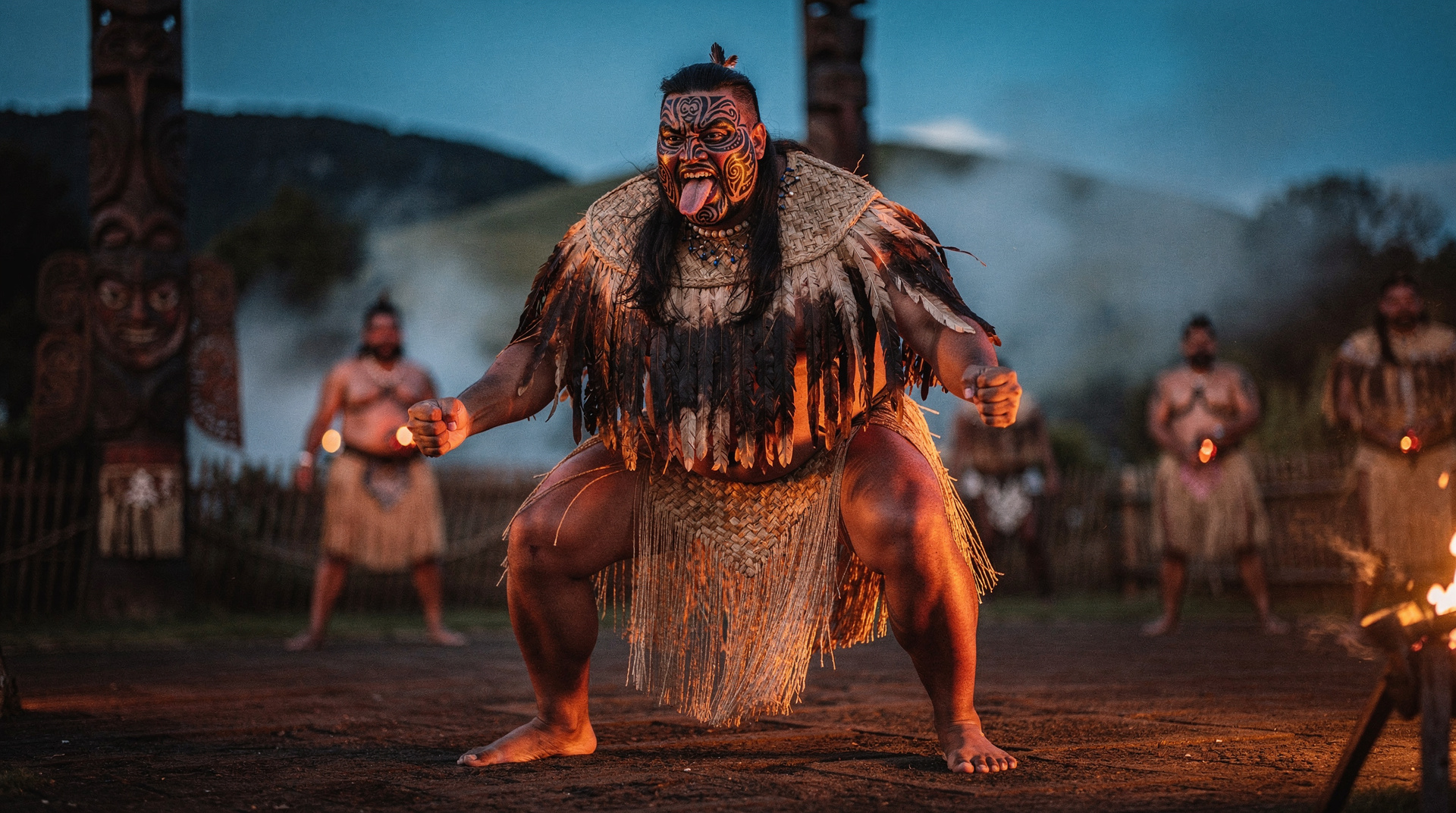
Maori culture overview — what every visitor should know
Respectful introduction to Maori culture for visitors: tangata whenua, Te Tiriti, tikanga basics, language, cultural experiences, and how to engage honestly.
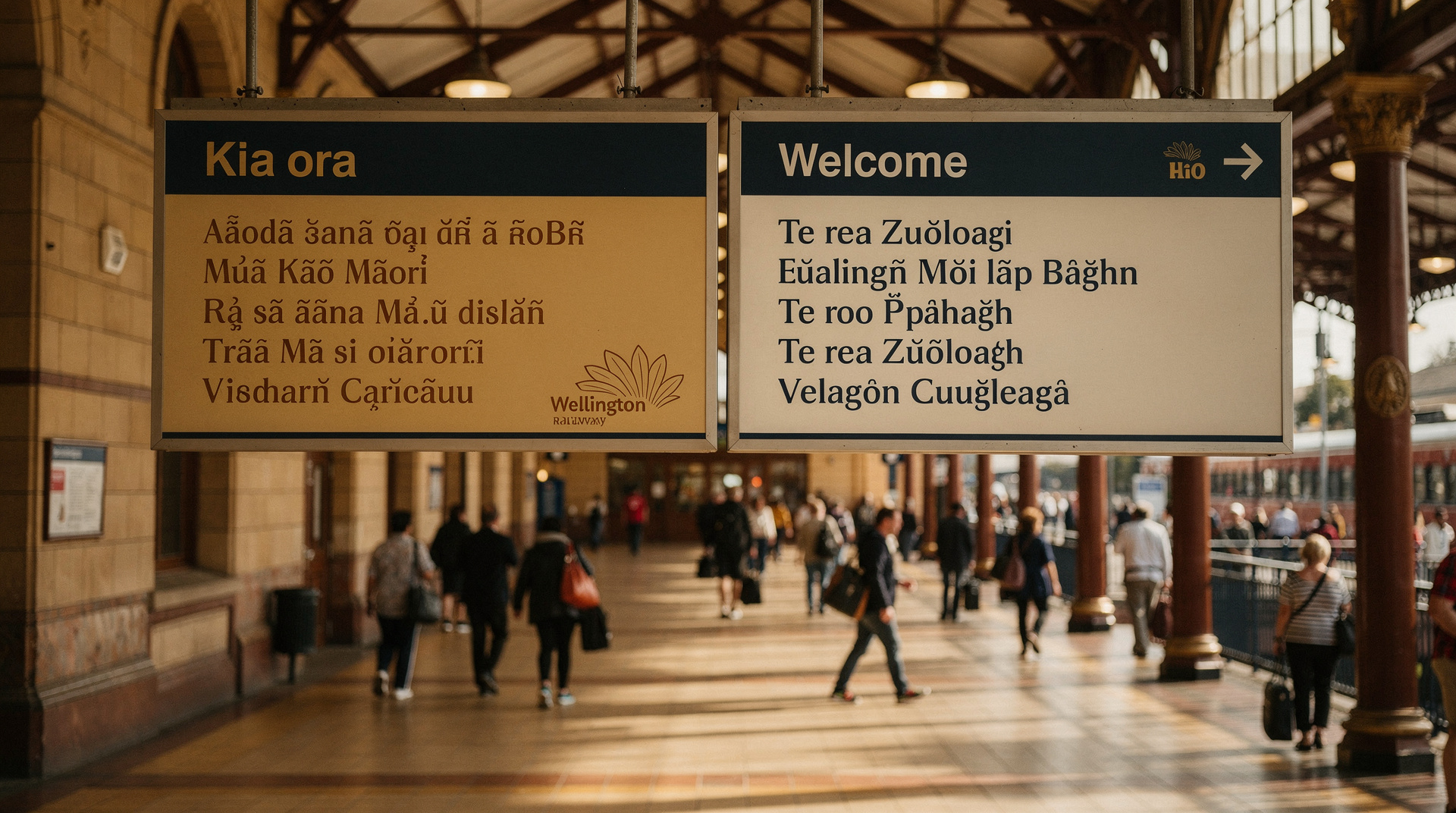
Te reo Maori basics for travelers
Practical te reo Maori guide: vowel pronunciation, 40+ essential phrases, place name meanings, and everyday Maori words woven into New Zealand English.
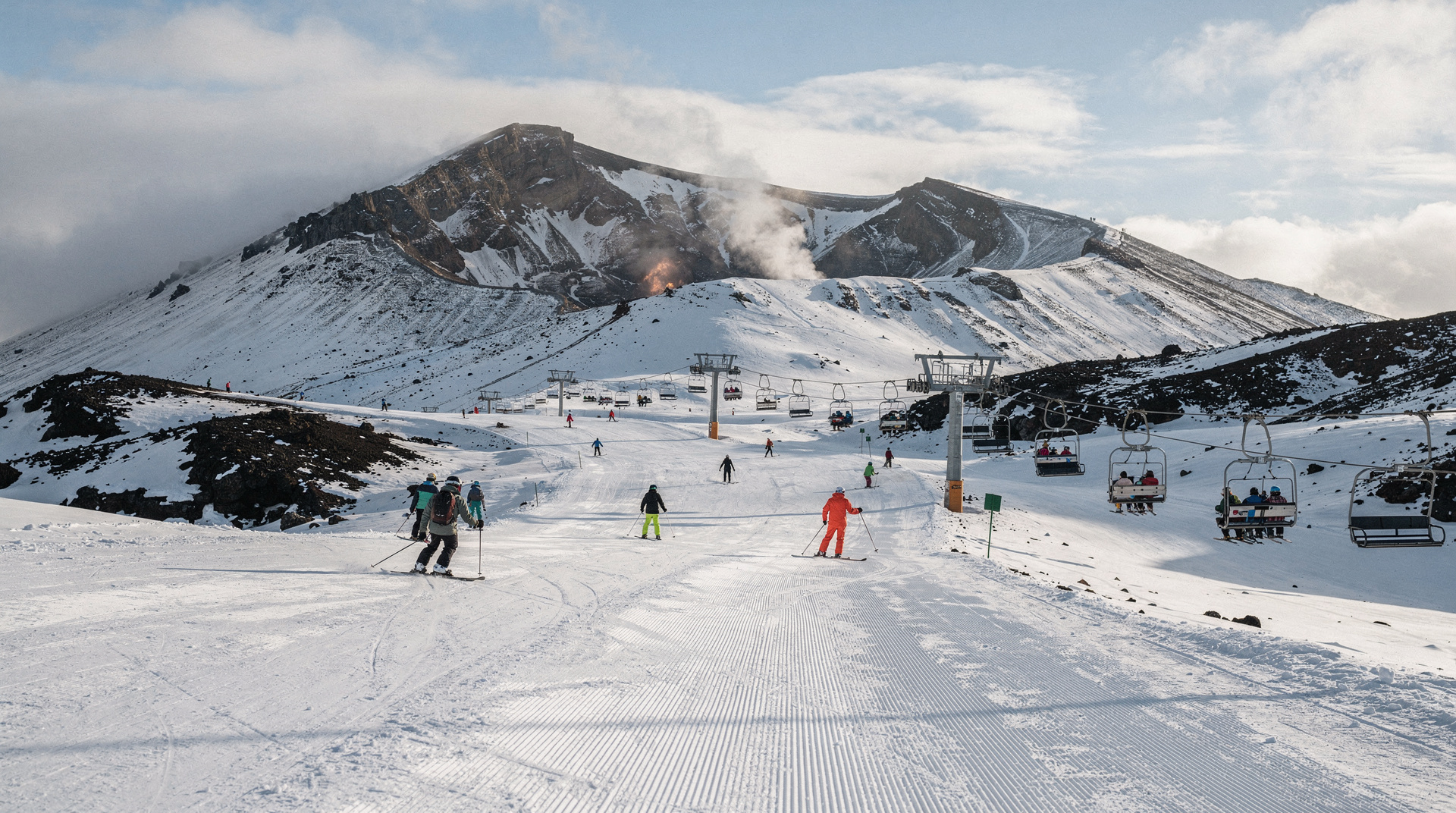
New Zealand in July
July is peak ski season at Queenstown and Wanaka. Matariki public holiday, Australian school holidays drive prices up. Real NZD/USD/EUR pricing.
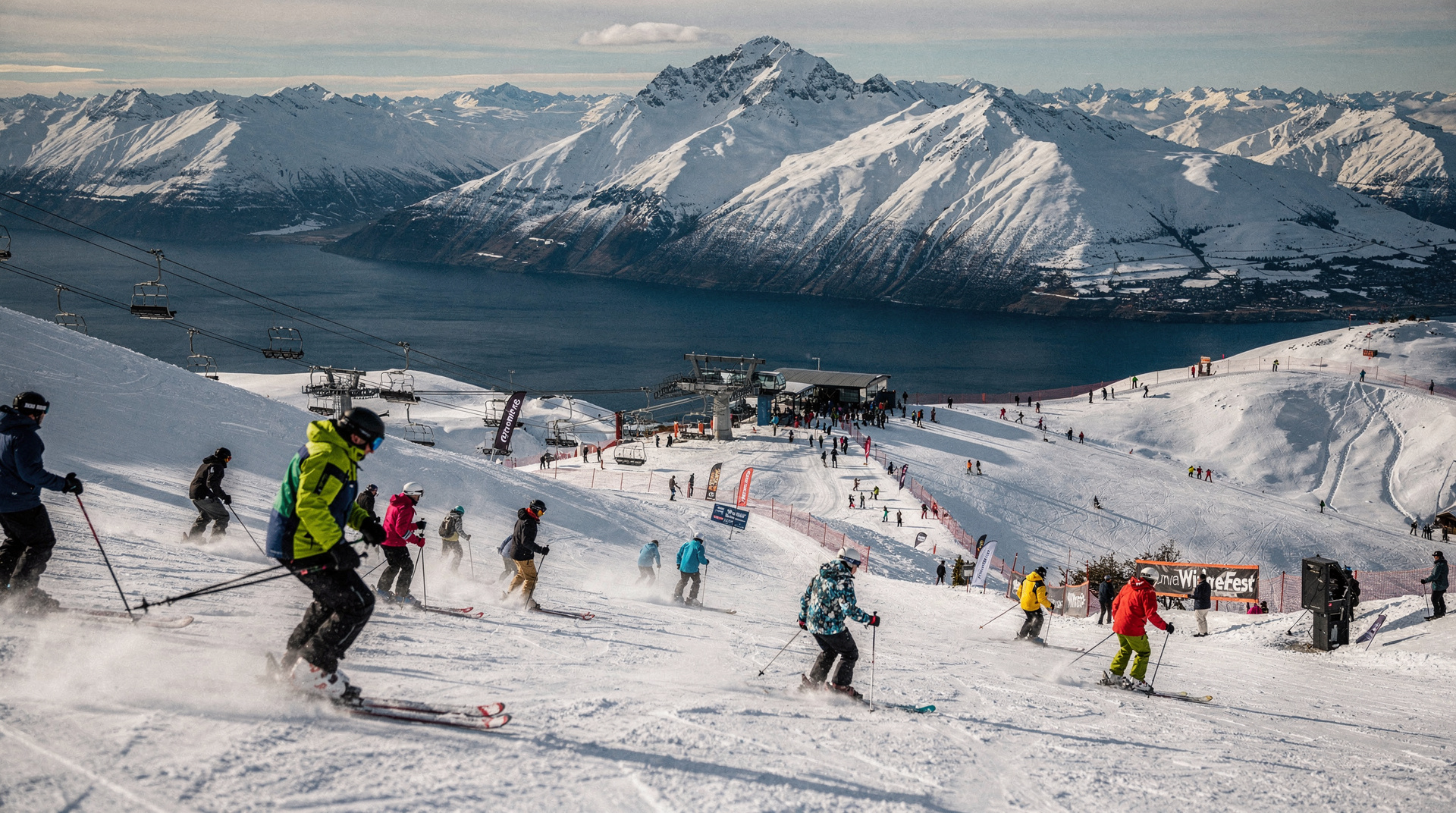
New Zealand in June
Ski opens in June, Matariki (Maori New Year) is a public holiday, and prices drop sharply. NZD/USD/EUR prices and what still works in winter.
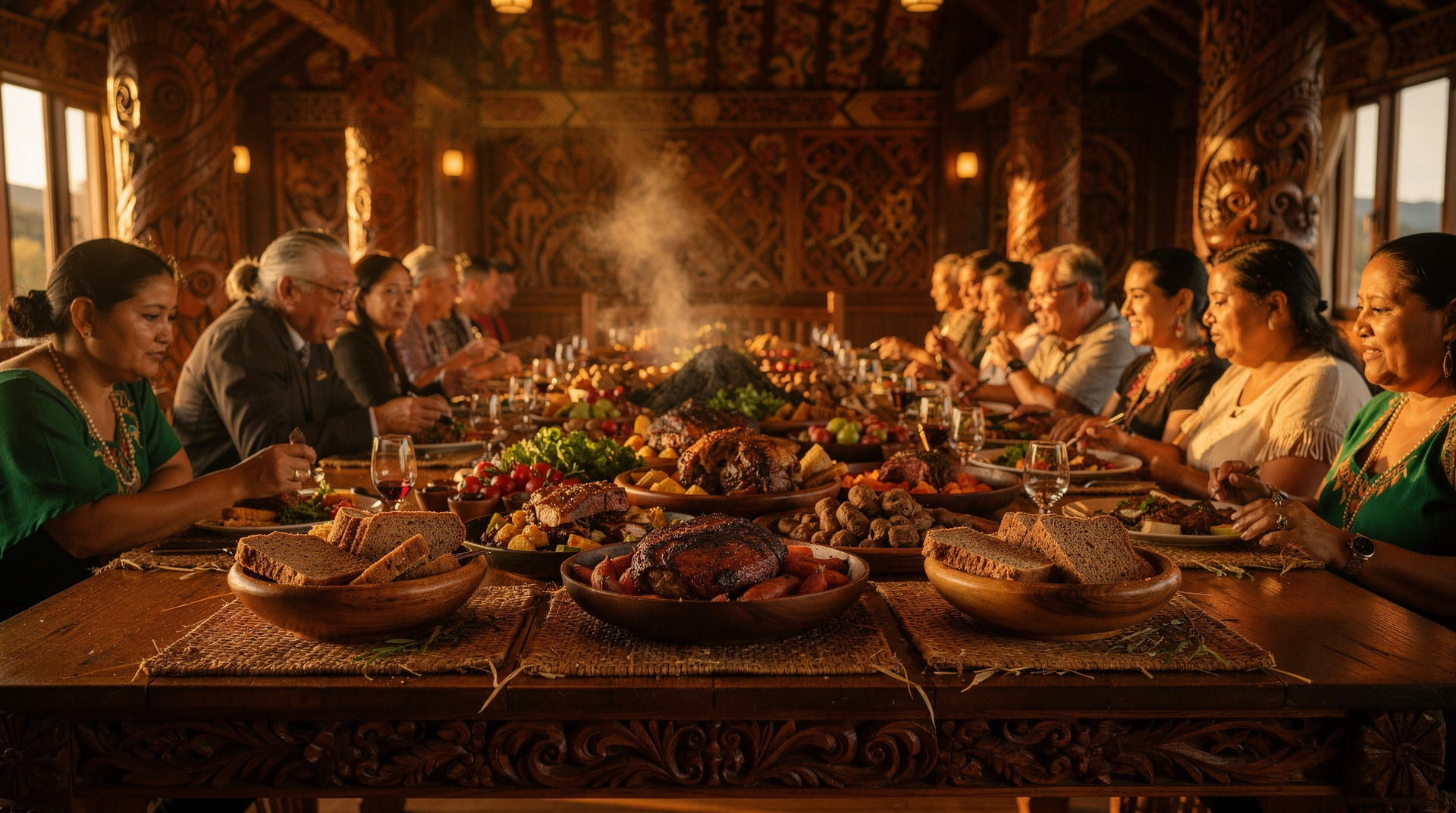
Hangi feast guide — New Zealand's earth oven cooking explained
What is a hangi? Earth oven cooking explained, cultural meaning, best places to try authentic hangi in NZ (Rotorua, Waitangi), and costs in NZD/USD/EUR.
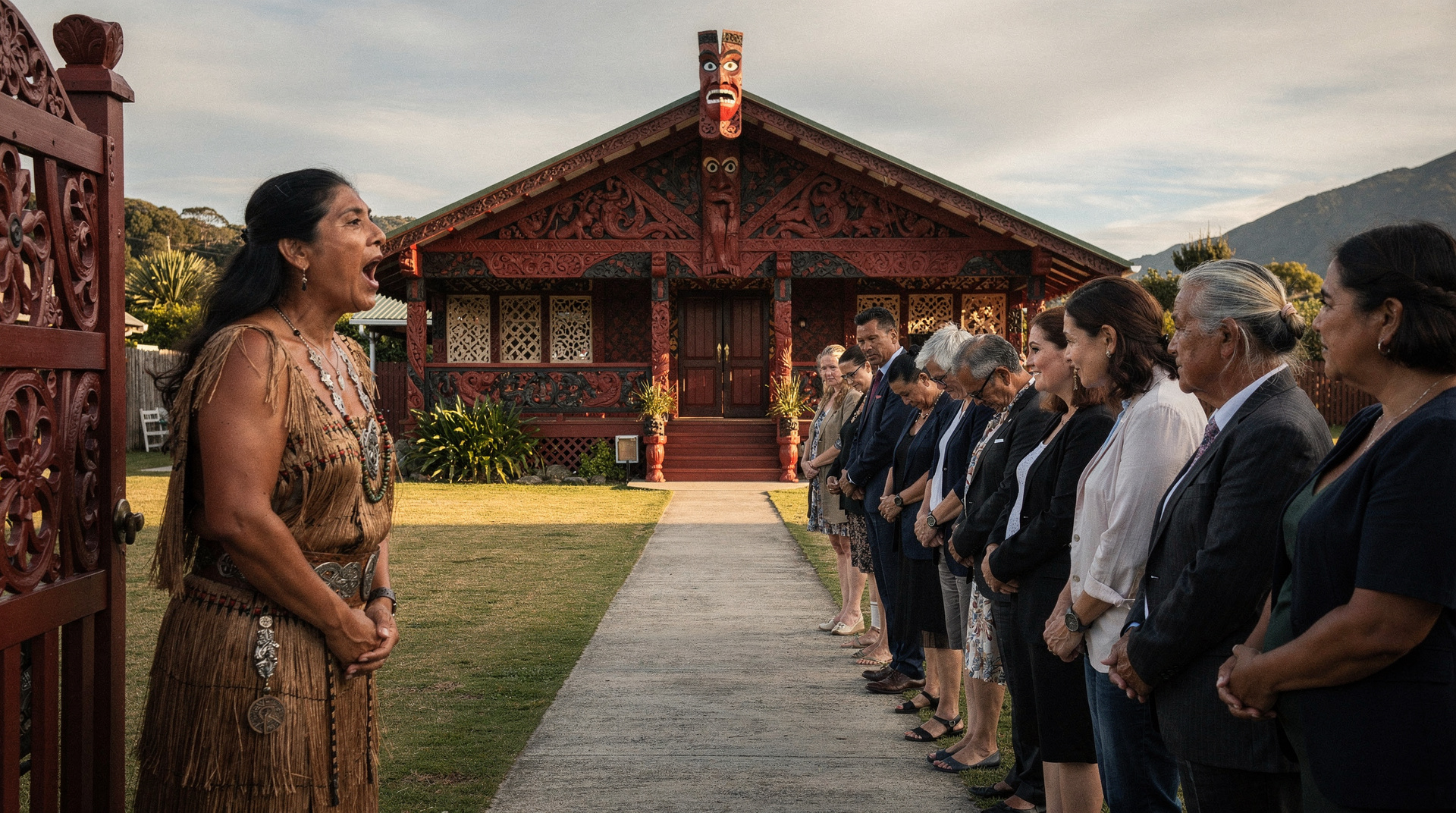
Marae etiquette for visitors
Marae etiquette: powhiri protocol, hongi greeting, shoes off, what not to do, and how to be a respectful guest at a Maori meeting place.
Last reviewed: