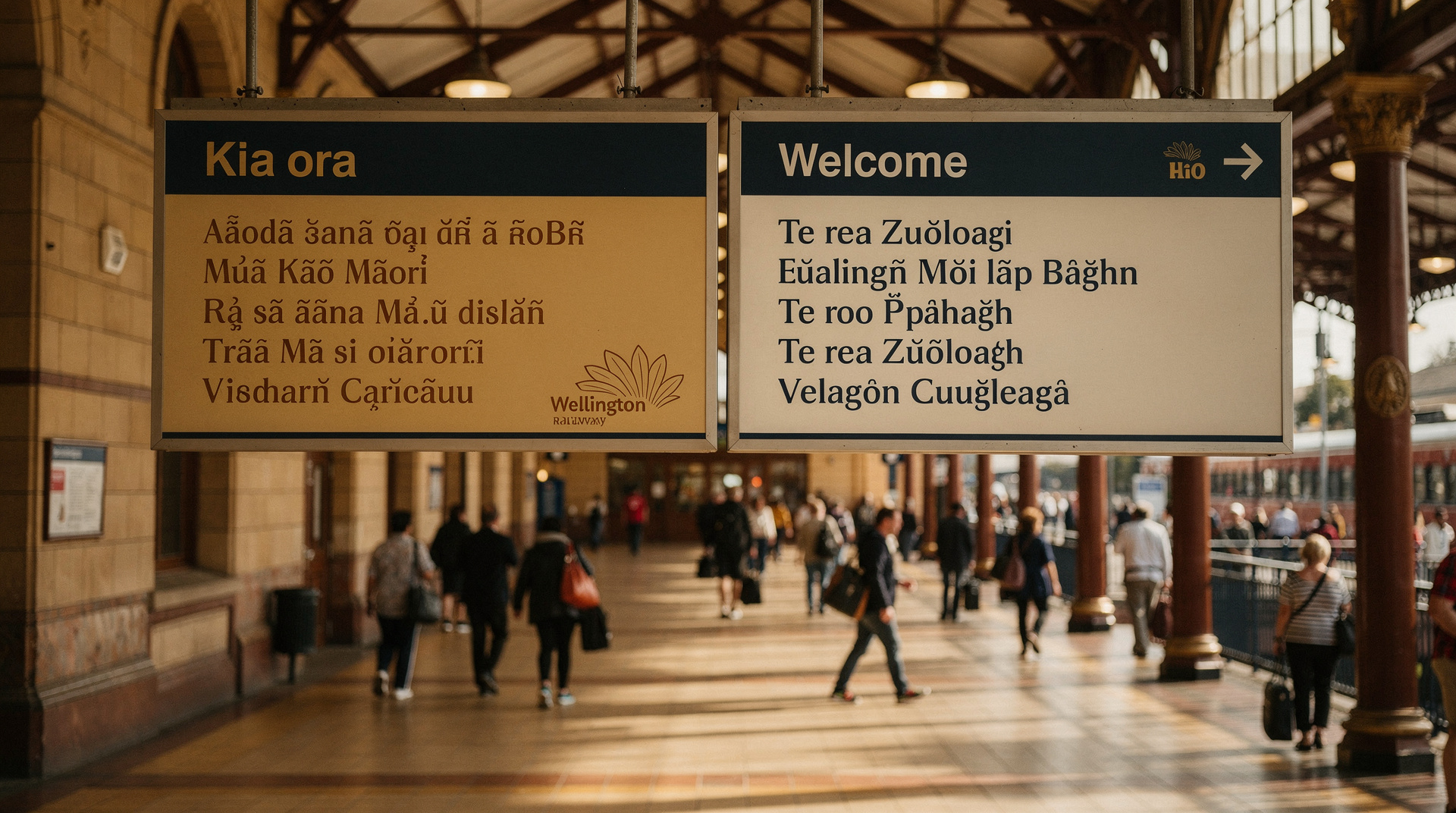
Te reo Maori basics for travelers
How do I pronounce Maori words correctly?
Maori vowels are consistent: a as in 'father', e as in 'bed', i as in 'feet', o as in 'caught', u as in 'boot'. Every syllable ends in a vowel; vowels are never silent. 'Wh' is pronounced like 'f' in most dialects (Whanganui = 'Fanganui'). 'Ng' is like the ng in 'sing', and can appear at the start of a word (Ngati = 'Ngati', not 'Nati').
| What it covers | Vowel pronunciation, 40+ phrases, place names, everyday words |
| Time needed | 20–30 minutes to read; a lifetime to master |
| Cost | Free — this guide plus practice is enough for travel purposes |
| Where to hear it live | Marae visits, pōwhiri, kapa haka performances, Waitangi |
| Best time to start | Before you arrive — pronunciation of place names comes up on day one |
Why learning a little te reo matters
Te reo Maori is an official language of New Zealand alongside English and New Zealand Sign Language. It is woven into everyday life in ways visitors often do not expect: place names, street names, government department names, news broadcasts, signage, and casual conversation all incorporate te reo.
More importantly: making an effort with the language is one of the most direct signals of respect a visitor can offer. New Zealand places profound value on this — not as a performance, but as genuine acknowledgement that you recognise the country you are in has a living indigenous language worth learning.
You do not need to be fluent. Correct pronunciation of the names of the places you are visiting is both achievable and meaningful. Knowing “kia ora” and meaning it when you say it is enough to shift a simple exchange.
This guide gives you the tools to do this well.
Pronunciation: the foundation
Te reo Maori pronunciation is highly consistent — once you learn the rules, there are almost no exceptions.
Vowels
Te reo Maori has five vowels. Every vowel is pronounced clearly and consistently, never swallowed or reduced to a schwa (unlike English, where “about” has a reduced ‘a’ and ‘ou’).
| Vowel | Sound | Example word | Approximate English |
|---|---|---|---|
| a | ”ah” | tapu | as in “father” |
| e | ”eh” | te | as in “bed” |
| i | ”ee” | kiwi | as in “feet” |
| o | ”aw” | roto | as in “caught” |
| u | ”oo” | kumara | as in “boot” |
Macrons (tohutō): A line over a vowel (ā, ē, ī, ō, ū) indicates a long vowel — hold it for twice the duration. Aotearoa (the Maori name for New Zealand) has a long ‘a’ at the start: “Ah-oh-teh-ah-roh-ah”.
Consonants and special combinations
Most consonants are similar to English. The special ones:
Wh: Pronounced as “f” in most New Zealand dialects. Whanganui = “Fanganui”. Whanau = “Fanau”. Whakatane = “Fakatane”. (Some South Island dialects pronounce wh as a “w” sound — both are correct regionally.)
Ng: The “ng” sound as in the English word “sing” — but in te reo Maori, it can appear at the start of a word. Ngati: pronounce the “ng” first, then “ati”. Practice saying “singing” and then drop the “si” — you’re left with “nging” — that’s the sound.
Wh + vowel clusters: When “wh” appears before a vowel, it is still “f”: Whakaari = “Fakaari”.
R: Te reo Maori ‘r’ is a light, rolled or tapped ‘r’ — similar to Spanish, not the heavy English ‘r’. Closer to a ‘d’ sound in quick speech.
Syllable structure
Every syllable in te reo Maori ends in a vowel. There are no consonant clusters at the end of syllables. Break words into syllable groups, each ending in a vowel:
- Aotearoa = A-o-te-a-ro-a (six syllables)
- Maori = Ma-o-ri (three syllables, not “Mow-ree”)
- Rotorua = Ro-to-ru-a (four syllables)
- Whanganui = Wha-nga-nu-i (four syllables = “Fa-nga-nu-ee”)
Vowel combinations
When two vowels appear together, each is pronounced as a separate syllable (no diphthongs creating new sounds):
- ai = “ah-ee” (fast)
- ao = “ah-aw”
- ae = “ah-eh”
- au = “ah-oo”
Essential phrases for visitors
Greetings and farewells
| Te reo Maori | Pronunciation | Meaning |
|---|---|---|
| Kia ora | Kee-ah oh-rah | Hello / Thank you / Good health |
| Tena koe | Teh-nah kaw-eh | Hello (to one person, formal) |
| Tena korua | Teh-nah kaw-roo-ah | Hello (to two people) |
| Tena koutou | Teh-nah kaw-toh | Hello (to three or more) |
| Haere mai | Hah-reh my | Welcome / Come here |
| Nau mai, haere mai | Nau my, hah-reh my | Welcome (formal) |
| Ka kite | Kah kee-teh | See you later |
| Ka kite ano | Kah kee-teh ah-naw | See you again |
| E noho ra | Eh naw-ho rah | Goodbye (said to person staying) |
| Haere ra | Hah-reh rah | Goodbye (said to person leaving) |
| Kia kaha | Kee-ah kah-hah | Stay strong |
| Kia ora koe | Kee-ah oh-rah kaw-eh | Thank you (to one person) |
At cultural experiences
| Te reo Maori | Pronunciation | Meaning |
|---|---|---|
| He aha te ingoa? | Heh ah-hah teh ee-ngaw-ah | What is the name? |
| Ko wai tou ingoa? | Kaw why toh ee-ngaw-ah | What is your name? |
| Ko … toku ingoa | Kaw … taw-koo ee-ngaw-ah | My name is … |
| He pai | Heh pie | It is good |
| Miharo | Mee-hah-roh | Wonderful / amazing |
| Mauri ora | Mah-oo-ree oh-rah | (Life force be well) — used as a greeting or affirmation |
| Ae | Ah-eh | Yes |
| Kao | Kah-aw | No |
| Kia pai to ra | Kee-ah pie taw rah | Have a good day |
| Aroha nui | Ah-roh-hah noo-ee | Much love |
Food and daily life
| Te reo Maori | Pronunciation | Meaning |
|---|---|---|
| Kai | Ky | Food / to eat |
| Wai | Why | Water |
| Hangi | Hah-ngee | Earth oven feast |
| Kumara | Koo-mah-rah | Sweet potato |
| Hoiho | Hoy-ho | Penguin |
| Kiwi | Kee-wee | The bird (and New Zealanders) |
Everyday Maori words in New Zealand English
Many te reo Maori words are used regularly by all New Zealanders, regardless of ethnicity:
| Word | Meaning | Used in context |
|---|---|---|
| Kia ora | Hello / thanks | Used universally |
| Whanau | Family (extended) | “My whanau is coming” |
| Mana | Prestige / authority | ”That shows real mana” |
| Tapu | Sacred / forbidden | ”This area is tapu” |
| Noa | Free from restriction | (contextual) |
| Marae | Traditional meeting ground | ”We met at the marae” |
| Pakeha | New Zealander of European descent | Used respectfully |
| Iwi | Tribe | ”Which iwi are you from?” |
| Koha | Gift / donation | ”Please leave a koha” |
| Tane | Man | Tane Mahuta (Lord of the Forest) |
| Wahine | Woman | ”Wahine warriors” |
| Tangata | Person / people | Tangata whenua (people of the land) |
| Whenua | Land | (often in compound words) |
| Atua | Spirit / god | Tane atua (forest deity) |
| Aroha | Love / compassion | ”Aroha nui” |
| Mahi | Work | ”Good mahi” |
Place names: meanings and pronunciation
Understanding place name meanings deepens your experience of the landscape. Maori place names were functional — they described geography, events, or spiritual associations.
| Place name | Pronunciation | Meaning |
|---|---|---|
| Aotearoa | Ah-oh-teh-ah-roh-ah | Land of the long white cloud |
| Aoraki | Ah-oh-rah-kee | Cloud piercer (Mt Cook) |
| Waitangi | Why-tah-ngee | Weeping waters / waters of lamentation |
| Waikato | Why-kah-toh | Flowing water |
| Rotorua | Roh-toh-roo-ah | Second lake (roto = lake; rua = second) |
| Taupo | Tah-oo-poh | Cloak of Tia (named after an ancestor) |
| Whanganui | Fah-ngah-noo-ee | Great harbour / great river |
| Taranaki | Tah-rah-nah-kee | Gliding across the water |
| Tongariro | Tong-ah-ree-roh | Carried south by the south wind |
| Wellington | (English name) | Te Whanganui-a-Tara = “the great harbour of Tara” |
| Christchurch | (English) | Otautahi = “place of Tautahi’s people” |
| Queenstown | (English) | Tāhuna = “shallow bay” |
| Kaikōura | Ky-kaw-rah | Meal of crayfish (kai = food; kōura = crayfish) |
| Whakaari | Fah-kah-ree | White Island — “to make visible” |
| Rakiura | Rah-kee-oo-rah | Stewart Island — “the land of glowing skies” |
| Hokianga | Hoh-kee-ah-ngah | Return to this harbour |
| Wairarapa | Why-rah-rah-pah | Glistening waters |
The macron in proper names
New Zealand’s official usage now consistently uses macrons in te reo Maori proper names: Māori (not Maori), Aotearoa (not Aotearoa without the macron), Tāmaki Makaurau (the Maori name for Auckland), Ōtautahi (Christchurch). This site and current New Zealand media use macrons in te reo contexts. When handwriting or typing, a macron on ‘a’ changes the length: Maori (short a) vs. Māori (long a, “Maah-ori”).
Karakia: prayer and ritual incantation
Karakia are ritual incantations or prayers used to begin and conclude activities, sanctify food, or mark important moments. You may encounter karakia at the start of a meeting, before a hangi meal, at a cultural performance, or at the beginning of the day in schools.
When a karakia is recited, stand still, do not eat or drink, and bow your head slightly as a mark of respect — even if you do not understand the words. Karakia are not invitations for audience participation unless specifically invited.
A simple and widely used karakia for food (sometimes translated as grace):
Nau mai, e ngā hua o Papatūānuku, ko koe te timatanga, ko koe te mutunga. Āe rā. (Welcome, the fruits of Papatūānuku / you are the beginning, you are the end / Yes indeed.)
Where you’ll actually hear te reo spoken
Reading a pronunciation guide is one thing; hearing the rhythm of real speech is what makes it stick. Pōwhiri (formal welcome ceremonies) at any marae visit are the clearest example — the speeches (whaikōrero) and responses follow set patterns you’ll start to recognise after a couple of visits.
Kapa haka performances, like those at Te Puia’s evening programme or Mitai Maori Village, combine chanted and sung te reo with visible physical meaning, which helps a lot with retention — you connect a word to a gesture rather than to a dictionary definition. The Waitangi Treaty Grounds area has some of the country’s most concentrated everyday te reo, since it sits at the historical and political centre of the language’s revival.
Waitangi Treaty Grounds cultural performance and hangiHow much te reo you actually need
Most visitors overthink this. You do not need vocabulary lists memorised — you need the vowel sounds solid enough that you can read an unfamiliar place name and have a reasonable go at it, plus kia ora, tēnā koe and ka kite in active use. That covers the vast majority of visitor interactions. The deeper vocabulary in the tables above is there for visitors who want to go further, particularly anyone attending a pōwhiri or spending time at a marae, where a few more words of active use (aroha, whānau, kai) genuinely change how the day feels. If a formal welcome is on your itinerary, pairing this guide with the marae etiquette guide covers both the language and the protocol side of the same event.
Frequently asked questions about te reo Maori
Is it disrespectful to attempt Maori pronunciation and get it wrong?
No — making the attempt with genuine respect is what matters. New Zealanders appreciate visitors who try. A gentle correction from a Maori person is a gift of knowledge, not a rebuke.
Should I say “Maori” or “Māori”?
Both appear in published material. The technically correct current form uses the macron: Māori. In this guide we use Maori (without macron) for consistency with broader international publishing norms, but in New Zealand-specific writing, Māori is preferred.
Can visitors use the hongi greeting?
Yes, when invited. The hongi (pressing foreheads and noses together) is a formal greeting meaning “the sharing of breath.” At powhiri (welcoming ceremonies) and marae visits, it is standard. In casual social settings, New Zealanders shake hands or hug — a hongi in an unexpected context can feel presumptuous. Follow the lead of your hosts.
Why do some places have two names?
New Zealand increasingly uses double names for geographic features and cities, reflecting the parallel significance of both the English name and the Maori name: Aoraki/Mt Cook, Whakaari/White Island, Rakiura/Stewart Island, Tāmaki Makaurau/Auckland. Using either name is correct; using both is most respectful.
Do I need to learn te reo before a Maori cultural evening like Te Puia or Mitai?
No, but it helps. Guides at cultural evenings explain the key terms as the programme unfolds, so no prior knowledge is required to follow along and participate appropriately. Arriving already comfortable with kia ora, the vowel sounds, and the meaning of a handful of words (whānau, aroha, mana) means you spend less mental effort decoding language and more attention on the ceremony and performance itself.
Related guides and itineraries
- Maori culture overview — context for language
- Marae etiquette for visitors — ceremony protocol
- Rotorua guide — where to experience te reo in cultural context
- Bay of Islands guide — Waitangi cultural experiences
- First time in New Zealand — cultural orientation
- Auckland guide — Auckland Museum Maori collections
Related guides
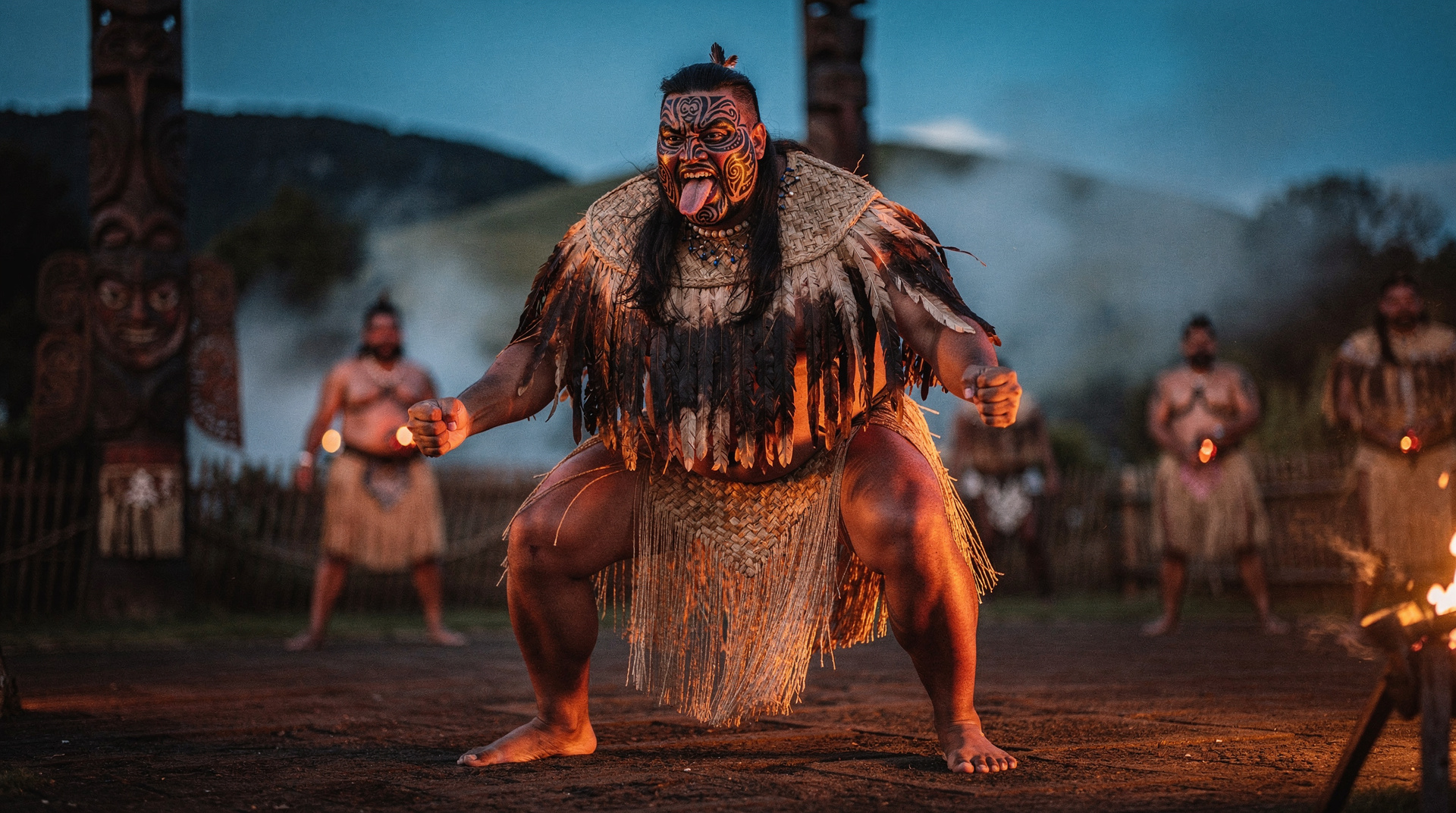
Maori culture overview — what every visitor should know
Respectful introduction to Maori culture for visitors: tangata whenua, Te Tiriti, tikanga basics, language, cultural experiences, and how to engage honestly.
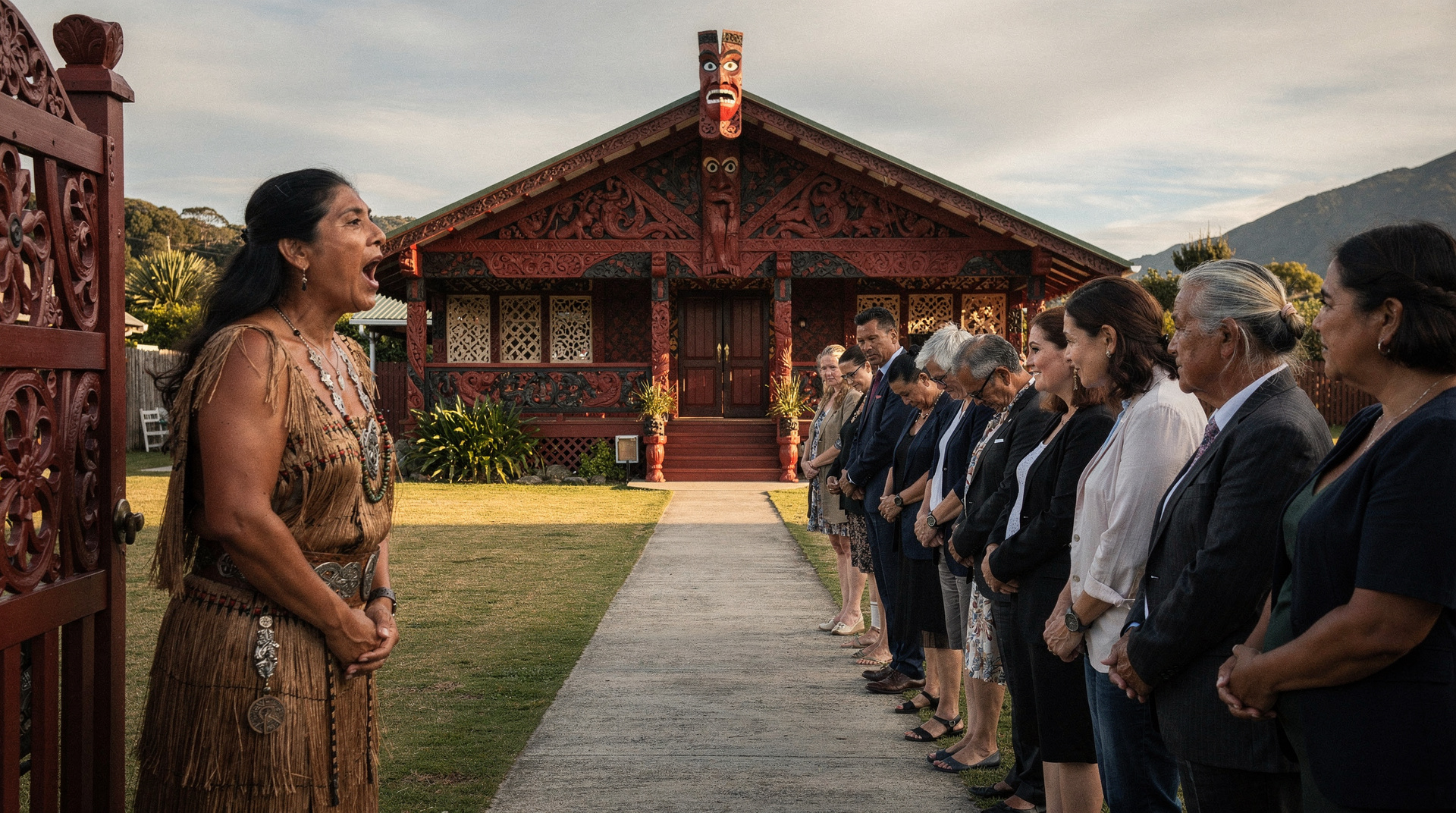
Marae etiquette for visitors
Marae etiquette: powhiri protocol, hongi greeting, shoes off, what not to do, and how to be a respectful guest at a Maori meeting place.
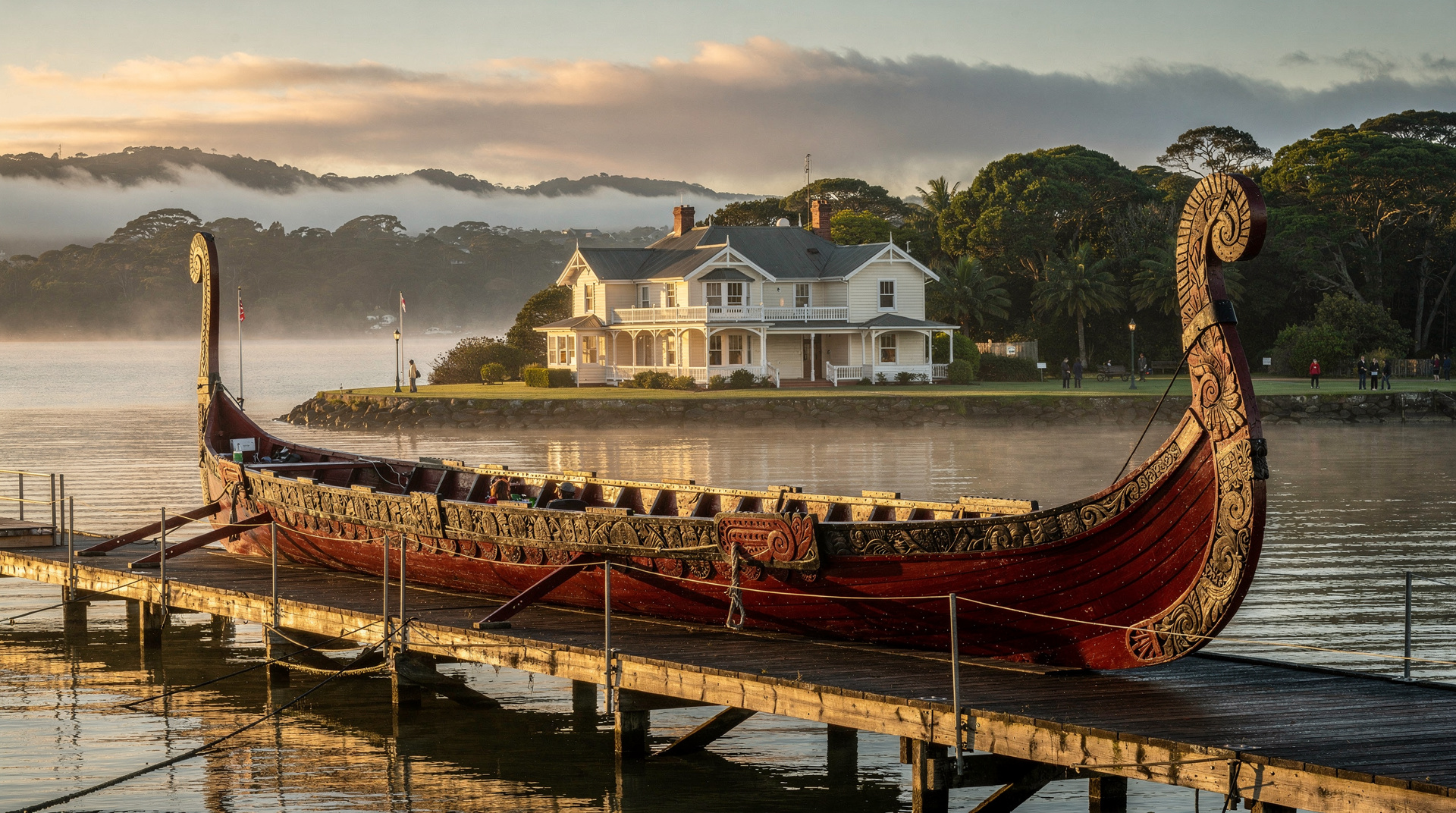
Waitangi Treaty Grounds — guide to New Zealand's most important site
Waitangi Treaty Grounds visitor guide: Treaty of Waitangi signed here 1840. Tickets, guided tours, hangi evenings, and essential NZ historical context.
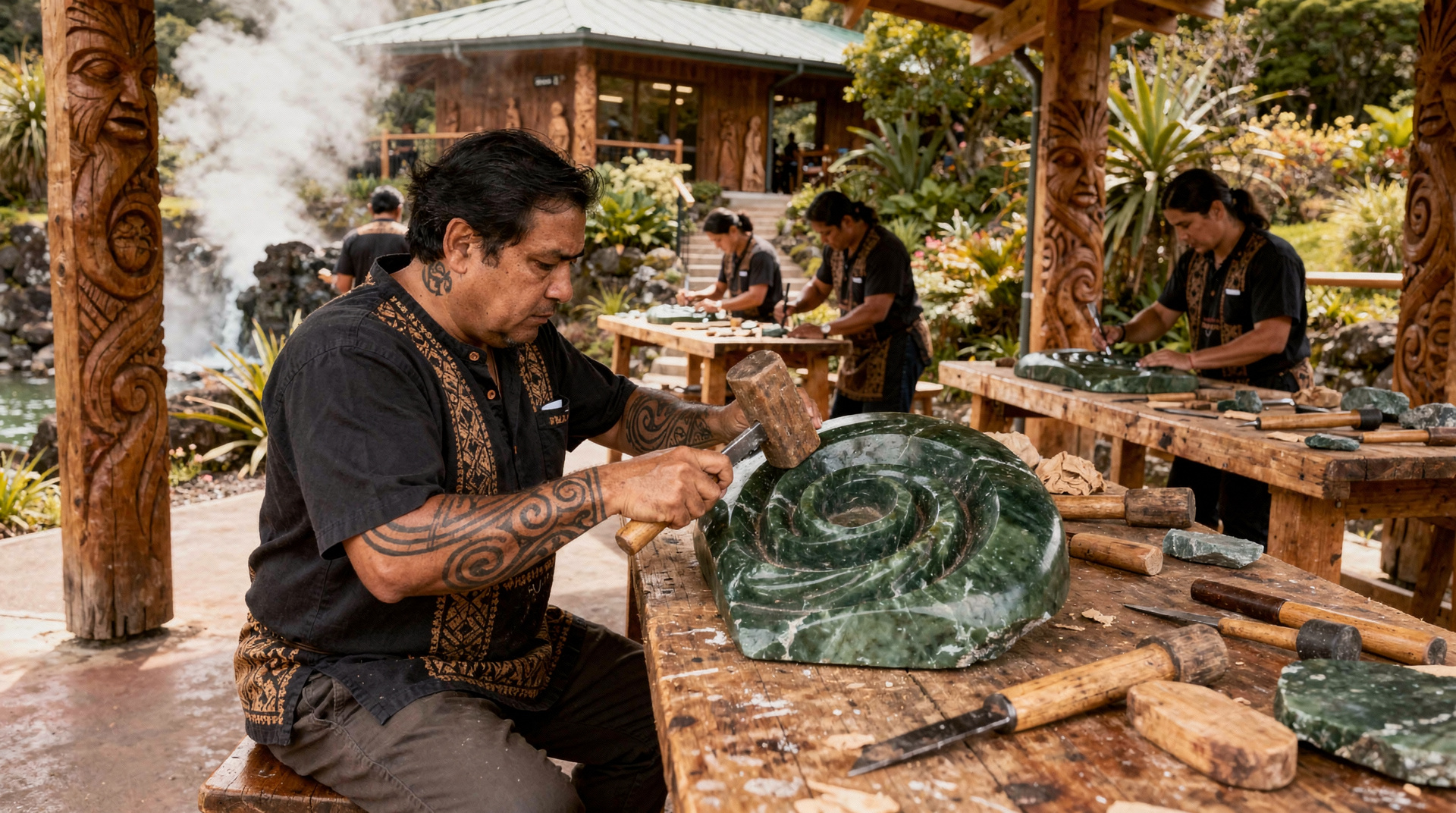
Te Puia Rotorua — the complete iwi-led cultural experience guide
Te Puia: Rotorua's iwi-led Maori cultural centre. Pohutu Geyser, living carving school, kapa haka, and hangi. Tickets, times, and honest verdict from NZD 60.
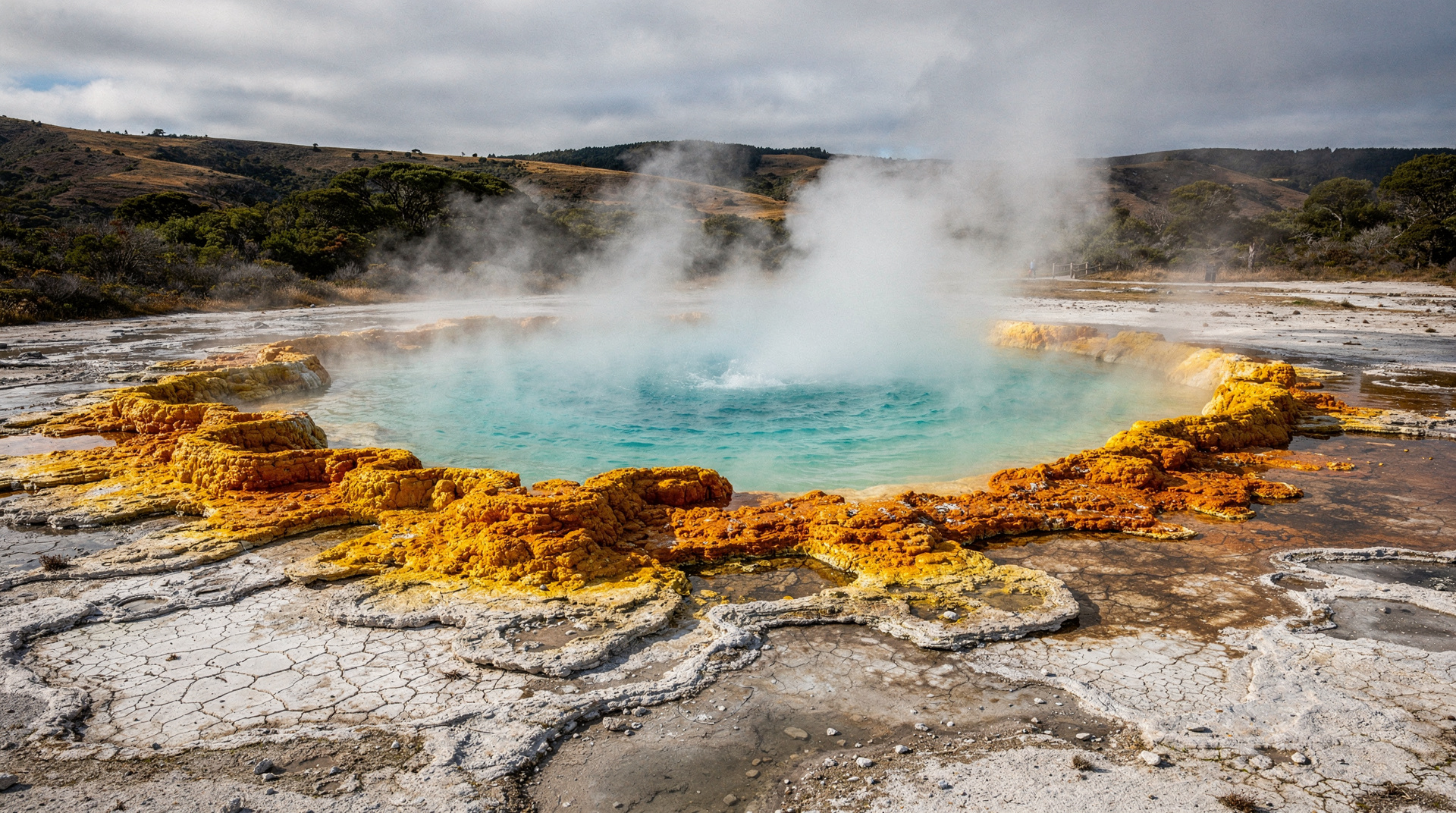
Rotorua
Honest Rotorua guide: Te Puia, Wai-O-Tapu, Polynesian Spa, Maori hangi, real prices NZD/USD/EUR, tourist traps to avoid, and best 2 days.
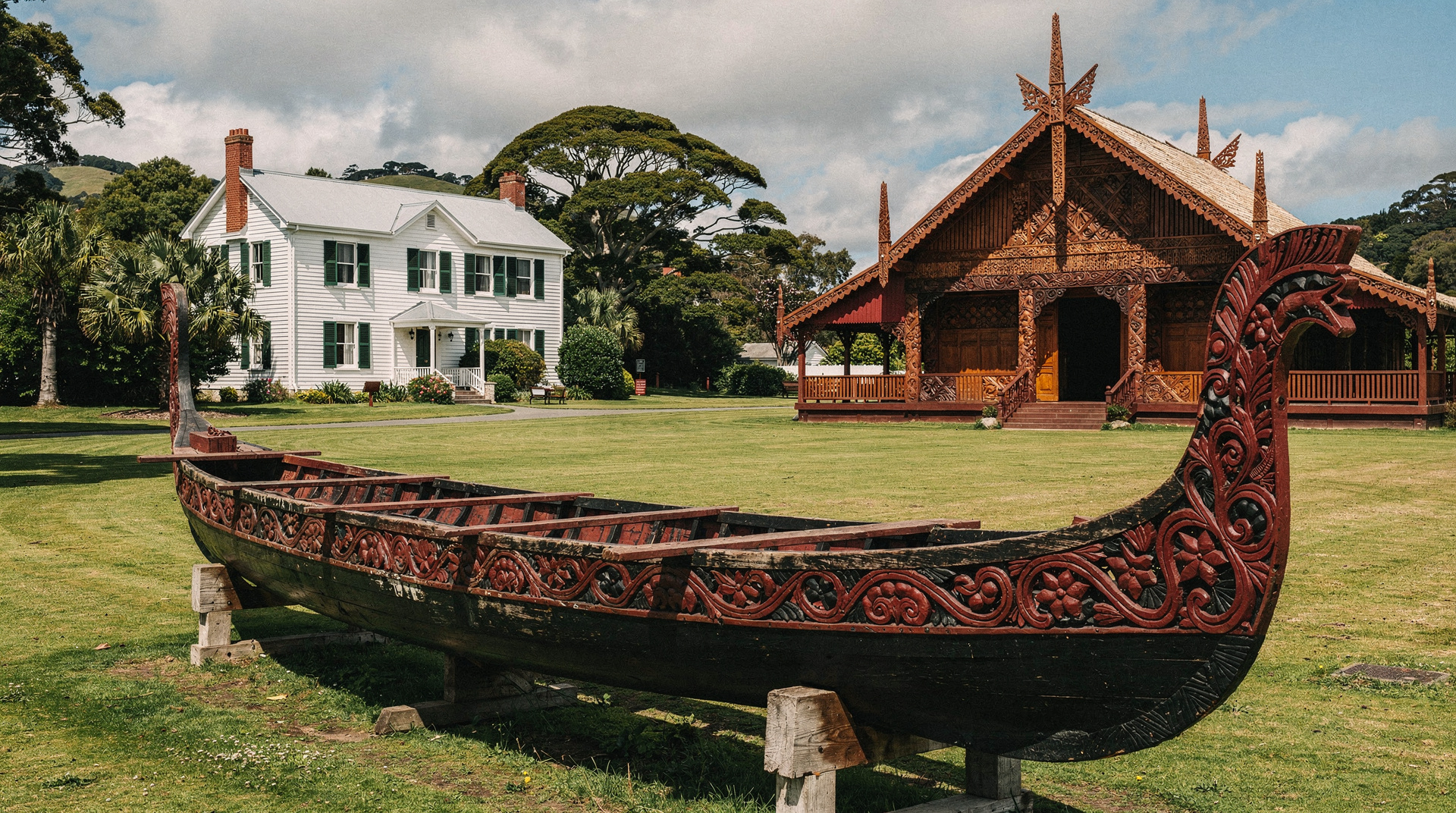
Waitangi
Waitangi Treaty Grounds: where the Treaty of Waitangi was signed in 1840. Maori cultural performances, waka taua, and the waitangi museum. NZD/USD/EUR.
Last reviewed: