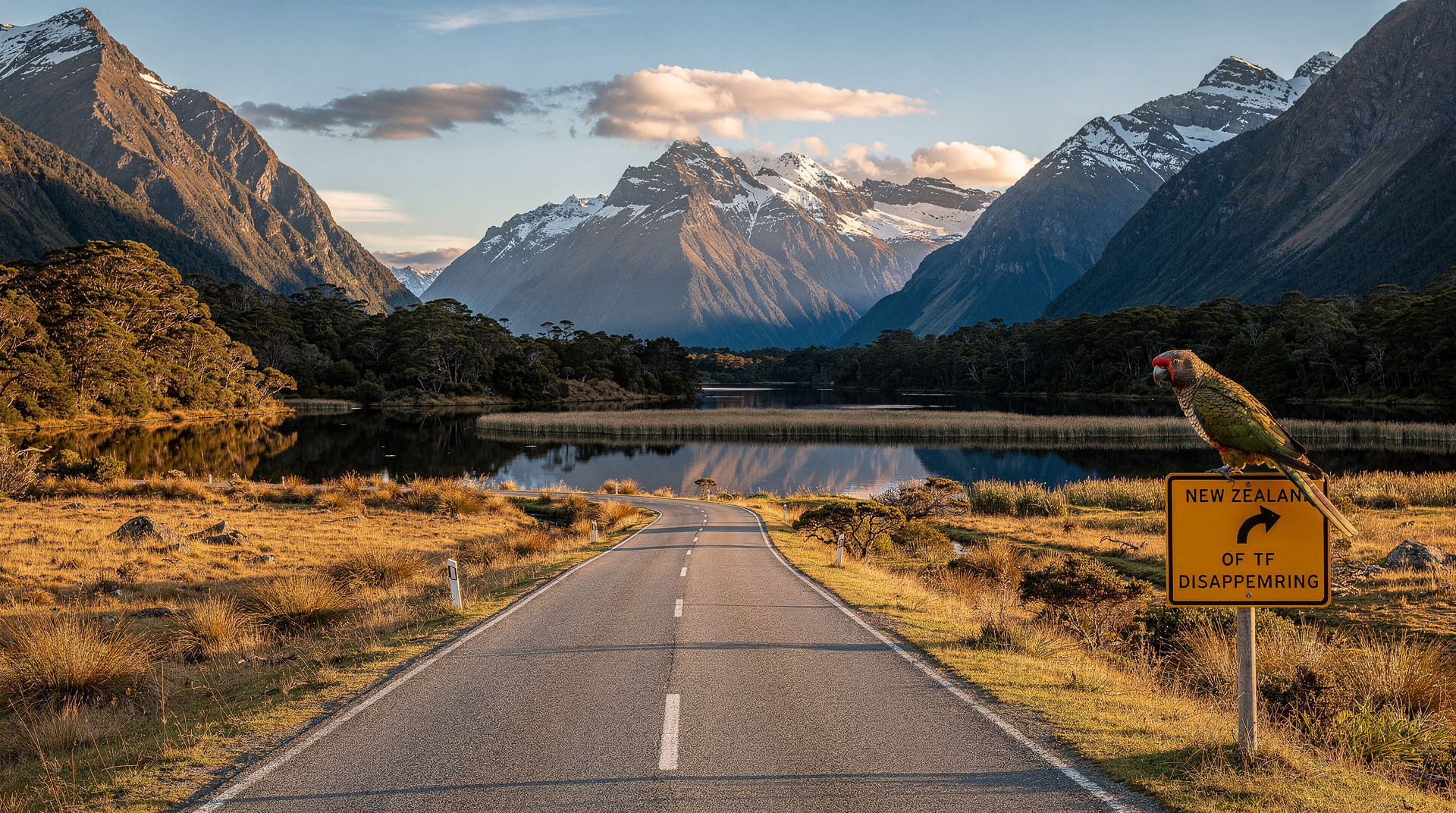
Milford Sound day trip from Te Anau
How long is the drive from Te Anau to Milford Sound?
Te Anau to Milford Sound is 120 km and takes 1 hour 45 minutes to 2 hours via SH94 and the Homer Tunnel — one of New Zealand's most spectacular mountain road drives. Allow 2 hours in summer including Homer Tunnel wait time (up to 30 minutes in peak season). The drive is itself a significant part of the Milford experience.
| Where | Milford Sound, 120 km / 1.75–2 hrs from Te Anau via SH94 |
| Cost | Nature cruise NZD 85–145; fuel NZD 25–35 return |
| Time needed | 9.5 hrs door to door, ~4 hrs at the fiord |
| Getting there | Self-drive (Homer Tunnel) or coach from Te Anau |
| Best time | Depart before 8am for shortest tunnel waits and best light |
Milford Sound from Te Anau: the right way to do it
If you’re considering a Milford Sound day trip from Queenstown by bus (290 km, 4.5 hours each way, 13 hours total), there is a better option: stay one or two nights in Te Anau and do Milford from there. The drive from Te Anau is 120 km and 1.45-2 hours — an enormous difference that turns a gruelling bus marathon into a genuinely excellent driving day with time to stop and absorb the landscape.
This guide covers everything about doing Milford Sound from Te Anau — the drive, the stops, the cruise options, and how to structure the day for maximum impact.
The drive: Te Anau to Milford Sound
The road from Te Anau to Milford Sound (SH94, locally known as the Milford Road) is one of the great mountain drives in New Zealand. The 120 km route includes:
Te Anau Downs (40 km from Te Anau): The lake narrows and the mountains begin closing in. This is where the Milford Track Great Walk boats depart — the first indication of the remote fiord landscape ahead.
Mirror Lakes (80 km): A flat, reflective tarn on the valley floor where the Earl Mountains appear in perfect reflection on calm mornings. A classic photograph. The boardwalk is 15 minutes from the car park; the mirrors effect works best before 10am when the surface is undisturbed.
The Avenue of the Disappearing Mountain (82 km): A straight section of road where the symmetry of the valley creates a visual effect of a mountain appearing to recede as you drive toward it — simple but effective, with an explanatory DOC sign.
Cascade Creek and Lake Gunn (88 km): Lake Gunn Nature Walk — a 45-minute flat loop through ancient beech forest and lake margins. Excellent birdwatching (rifleman, kaka, brown creeper). One of Fiordland’s best free short walks.
The Divide (88 km): The lowest point in the Southern Alps accessible by road. The Routeburn and Greenstone Tracks begin here.
Homer Tunnel (106 km): A 1.2 km single-lane tunnel bored through solid granite at the portal of the Homer Cirque. The tunnel was built by Depression-era workers in the 1930s and 1940s. No lining; rough-cut granite walls; steep gradient (1:10). The tunnel is priority-controlled with set alternating directions — wait times of 15-30 minutes are common in peak summer. Kea parrots congregate at the portal; do not leave anything unattended (rubber seals, windscreen wipers, and sandwich wrappers are all vulnerable).
Post-tunnel descent (106-120 km): From the Homer Tunnel, the road descends steeply through the hanging valley of Cleddau with waterfalls on every cliff face. The first view of the fiord is sudden and dramatic.
The cruise options
Multiple operators run daily cruises from the Milford Sound wharf, departing from approximately 9am through to afternoon.
Nature cruise (1.5-2 hours): The standard format. Covers the full length of the fiord from the wharf to the Tasman Sea, with stops near Stirling Falls, Lady Bowen Falls, the seal colony, and Mitre Peak. Multiple operators; boats ranging from large (200+ passengers) to small (12-40 passengers). Larger boats are more stable in rough conditions; smaller boats get closer to waterfalls and have a more intimate experience.
The Milford Sound nature cruise on a catamaran is a mid-size format (50-100 passengers) giving good stability and waterspray access at Stirling Falls.
The Milford Sound 2-hour small boat nature cruise uses a smaller vessel — more intimate, slower-paced, and able to get within closer range of the cliff faces and seal rocks.
Underwater Observatory cruise: The Real NZ observatory cruise stops at the fiord’s fixed underwater observatory, where you descend 10 metres to see black coral (ordinarily found below 40m) and the fiord’s marine life through floor-to-ceiling windows. The freshwater layer above the salt water reduces light penetration, creating deep-ocean conditions near the surface. This is the most distinctive Milford experience available — the underwater world of the fiord is extraordinarily different from what surface views suggest.
The Milford Sound cruise with underwater observatory and lunch combines the observatory stop with a lunch onboard — a good structure for those who want more than the standard cruise.
Kayaking: Sea kayaking in Milford Sound is available as an alternative or supplement to the boat cruise. The Milford Sound kayak tour gives a low-perspective view of the fiord walls that is fundamentally different from the boat experience — closer to the cliffs, more physical, and quieter. 2-3 hours on the water. Weather-dependent.
Overnight cruise: The Milford Sound overnight cruise with water activities allows you to experience Milford at dawn (before the day-trip boats arrive) and dusk — the times when the fiord is at its most atmospheric and wildlife is most active. Strongly recommended for those who can accommodate the cost and schedule.
Milford Sound in rain — the honest assessment
Milford Sound receives an average of 7 metres (700 cm) of rain per year — the wettest permanently inhabited place in New Zealand. It rains more often than it doesn’t. The common concern (“what if it rains when I visit Milford?”) deserves a genuine answer: rain at Milford is different from rain anywhere else.
In heavy rain, the waterfalls multiply from a dozen to hundreds. Every cliff face becomes a cascade; the scale of the rainfall emphasises the extreme nature of the environment; and the cloud and mist descending over the 1200m walls creates an atmosphere that photographs rarely capture. Many visitors who visit in heavy rain say it’s more impressive than sunny-day photographs suggest.
The one weather condition that genuinely reduces the Milford experience: low visibility fog that obscures the fiord walls. This is different from rain clouds — it’s ground-level fog that prevents seeing the walls at all. Rare, but it happens. You cannot predict or prevent this. If it occurs: the cruise still goes (fog lifts and descends in layers) but the photographic experience is limited.
A Te Anau to Milford Sound day structure
7:30am — Depart Te Anau. The Homer Tunnel wait is shortest before 10am.
8:15am — Mirror Lakes stop (15-20 min). Best surface conditions for reflections.
8:45am — Lake Gunn Nature Walk optional (45 min).
10:00am — Homer Tunnel. 15-30 minute wait possible.
10:30am — Arrive Milford Sound wharf. Check in for pre-booked cruise.
11:00am — Cruise departs. 1.5-2 hours on the water.
1:00pm — Post-cruise lunch at Milford Sound Lodge café or the Blue Duck Café at the terminal.
2:00pm — Optional: Milford Track walk from the road end (45 minutes to Giant Gate Falls, flat, good views back to the fiord).
3:00pm — Depart Milford Sound for Te Anau.
5:00pm — Arrive Te Anau.
This is a well-paced 9.5-hour day with approximately 4 hours total at the sound and 3.5 hours total driving.
If you’d rather fly, or come from Queenstown instead
Not everyone is routing through Te Anau. If you’re based in Queenstown, the Milford Sound day trip from Queenstown guide sets out the trade-offs of the longer bus day versus flying. The Milford scenic flights guide covers Te Anau-based flight options too — shorter and cheaper than flying from Queenstown, and worth considering if the Homer Tunnel queues put you off self-driving. For the fuller picture on cruise operators and the overnight product, see the Milford Sound cruise guide.
Extending the day: kayaking and an evening in Te Anau
If a single cruise doesn’t feel like enough time on the water, kayaking Milford Sound gives a slower, closer perspective on the fiord walls that the boat cruise can’t match — worth building into the day if you’re not on a tight return schedule. Back in Te Anau that evening, the Te Anau glowworm caves make a good way to close out the day without much extra driving, since the boat departs from the town itself.
Cost breakdown (NZD + USD + EUR)
| Item | NZD | USD | EUR |
|---|---|---|---|
| Nature cruise (standard) | NZD 85-145 | USD 51-87 | EUR 47-80 |
| Small boat cruise | NZD 115-165 | USD 69-99 | EUR 63-91 |
| Observatory cruise + lunch | NZD 165-215 | USD 99-129 | EUR 91-118 |
| Kayak tour | NZD 125-175 | USD 75-105 | EUR 69-96 |
| Overnight cruise | NZD 295-450 | USD 177-270 | EUR 162-248 |
| Fuel (Te Anau return) | NZD 25-35 | USD 15-21 | EUR 14-19 |
Frequently asked questions
Is it better to cruise in the morning or afternoon at Milford Sound?
Morning cruises (before 11am) see fewer large tour buses (which arrive in coordinated convoys from Queenstown, peaking at 11:30am-2pm). Morning also provides better light for photography on clear days. If avoiding crowds is a priority, the first cruise of the day is the best option.
Should I book the cruise in advance?
Yes — particularly in summer (December-February) and NZ school holidays. The most popular departures (10:30-11:30am) sell out weeks ahead. Book directly with the operator or through a platform at least 1-2 weeks ahead in peak season.
What is the best cruise operator at Milford Sound?
The main operators: Real NZ/Real Journeys (largest, most facilities, only operator with the underwater observatory), Southern Discoveries (good mid-range fleet, smaller boats available), and Juicy Cruise (smallest boats, most intimate, best for small groups). All provide good nature commentary. The choice depends on whether you want the observatory (Real NZ only) or an intimate small-boat experience (Juicy Cruise).
Can I walk the Milford Track as a day visitor?
The Milford Track (four-day Great Walk) is accessible only to those with DOC hut bookings (very competitive, open 6 months ahead for the guided season, October-April). However, the Milford Track’s first section from the road-end at Milford Sound is accessible as a free day walk — the Giant Gate Falls (45 minutes return from the road end) gives a taste of the famous track without the Great Walk booking.
What is the Homer Tunnel wait time?
The Homer Tunnel is single-lane and priority-controlled — approximately 20 minutes in each direction. In peak summer with convoy arrivals, waits of 30-40 minutes are possible. Early morning (before 10am) and late afternoon (after 3pm) have the shortest waits from the Te Anau side.
Is Te Anau really better than Queenstown as a Milford base?
For most visitors, yes — the drive is roughly half the length, which turns a 13-hour bus marathon from Queenstown into a manageable 9.5-hour day with time to actually enjoy the stops. See the Milford Sound day trip from Queenstown guide for the comparison if your itinerary makes Queenstown the more convenient base regardless.
Related reading
Related guides
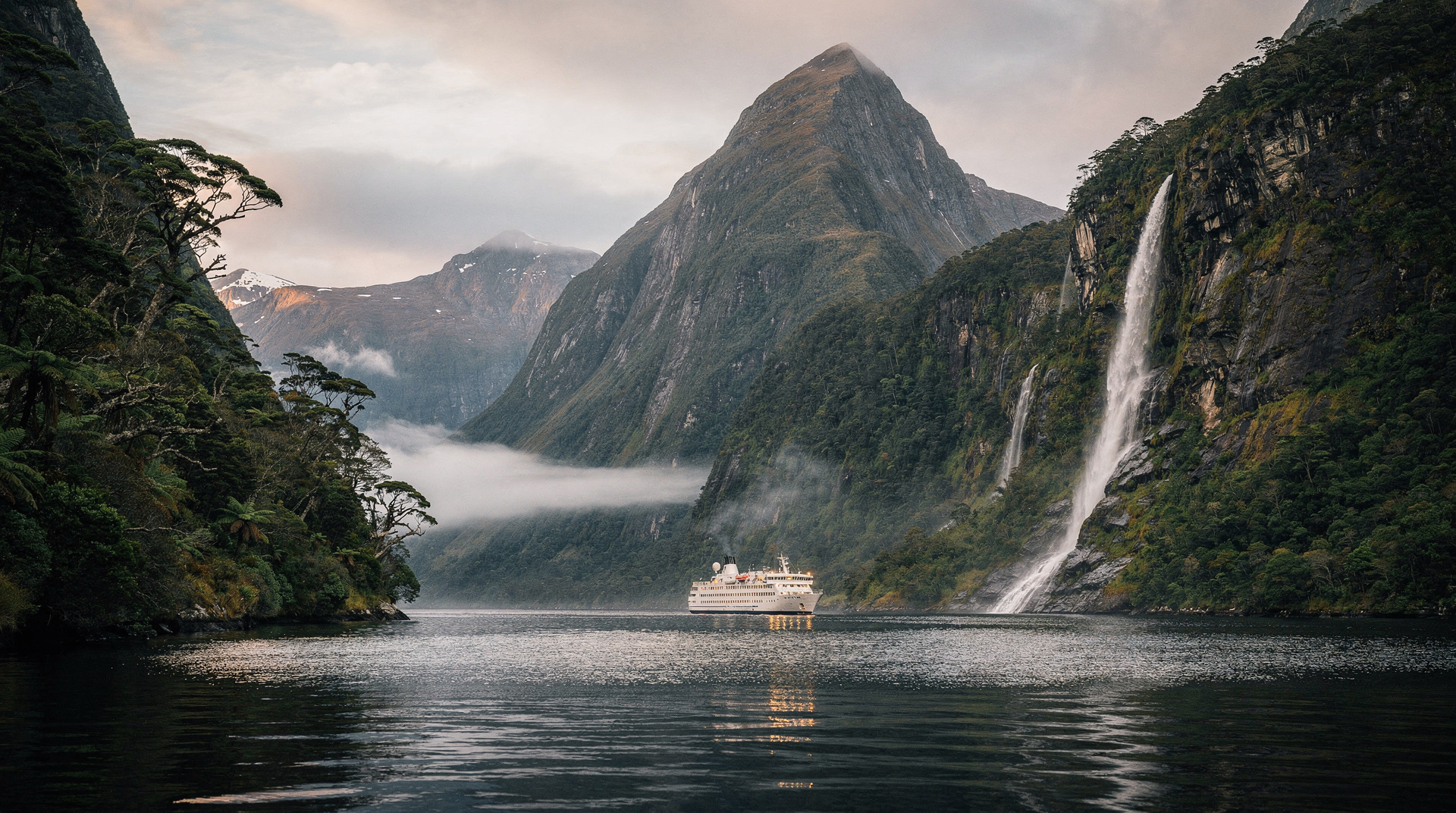
Milford Sound
Everything honest about Milford Sound: best cruises, scenic flights, real NZD/USD/EUR prices, and why you should stay in Te Anau first.
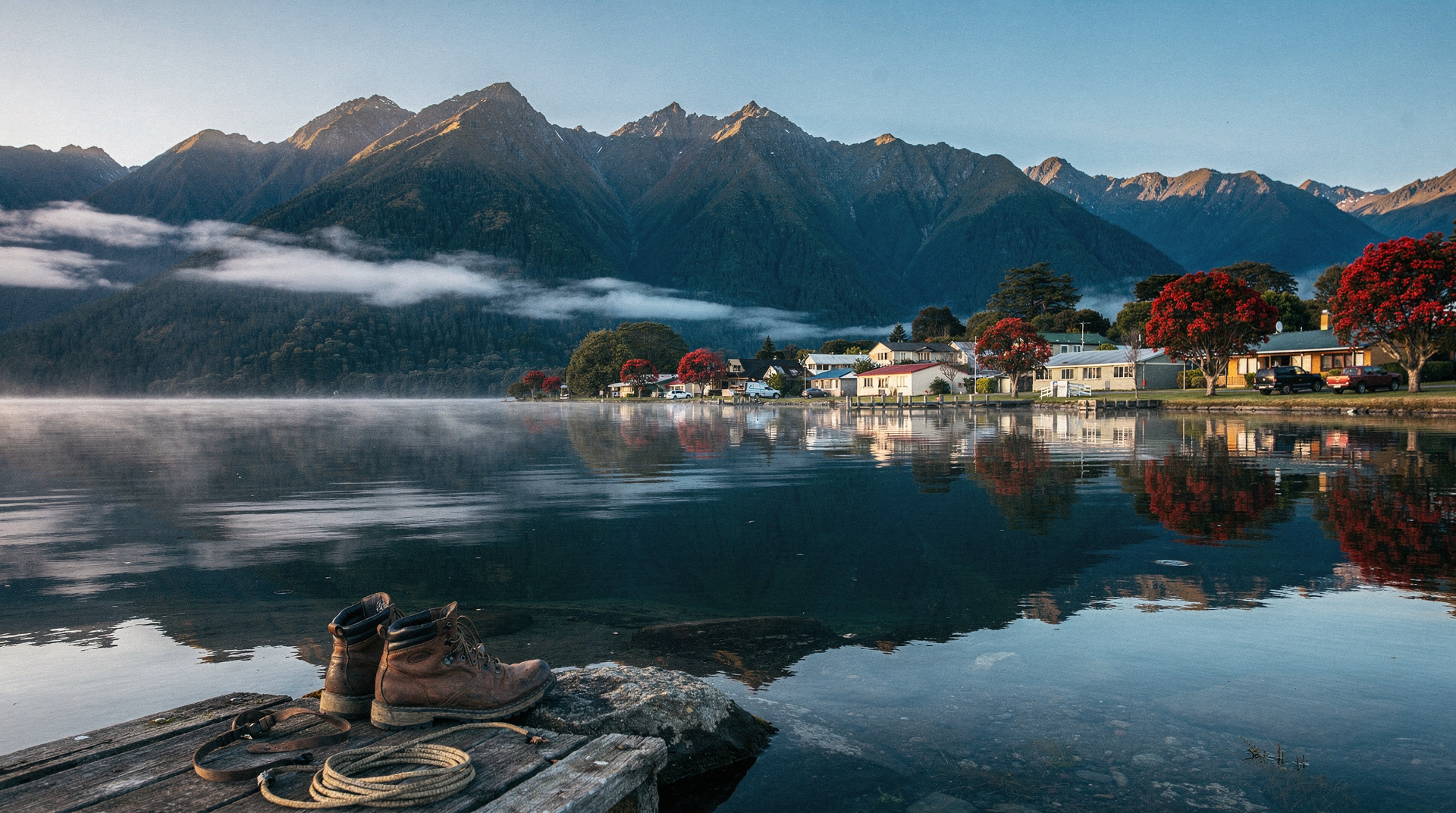
Te Anau
Everything you need to plan Te Anau: glowworm caves, Milford and Doubtful day trips, hiking, real NZD/USD/EUR prices, and where to stay.
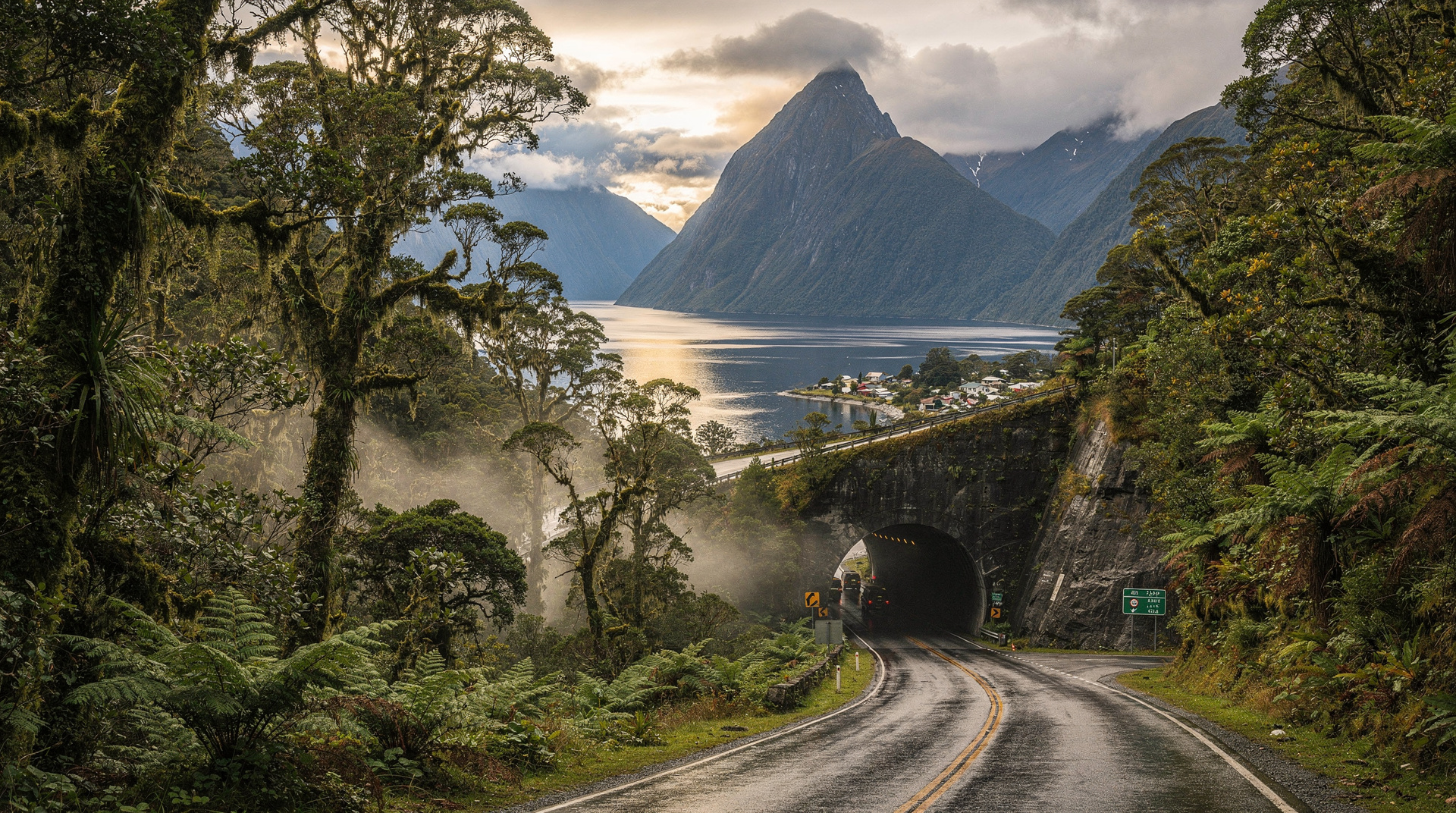
Best day trips from Te Anau
Best day trips from Te Anau: Milford Sound (1h45min), Doubtful Sound via Manapouri, and Kepler Track walks. The ideal Fiordland base. Costs in NZD/USD/EUR.
Milford Sound vs Doubtful Sound
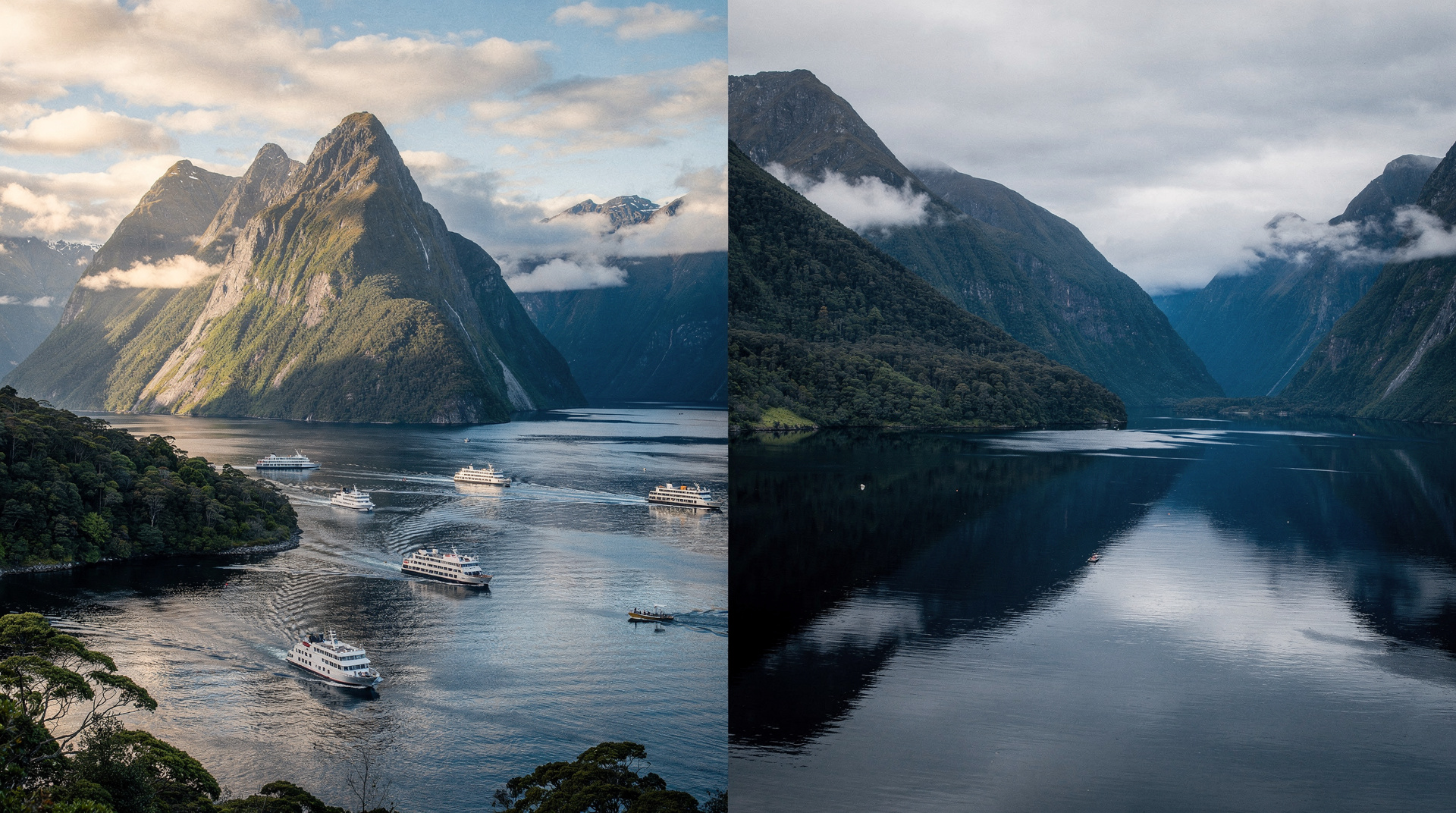
Milford Sound vs Doubtful Sound: honest comparison of access, crowds, scenery and cruises. Clear verdict with prices in NZD/USD/EUR.
Milford Sound day trip from Queenstown — the honest guide
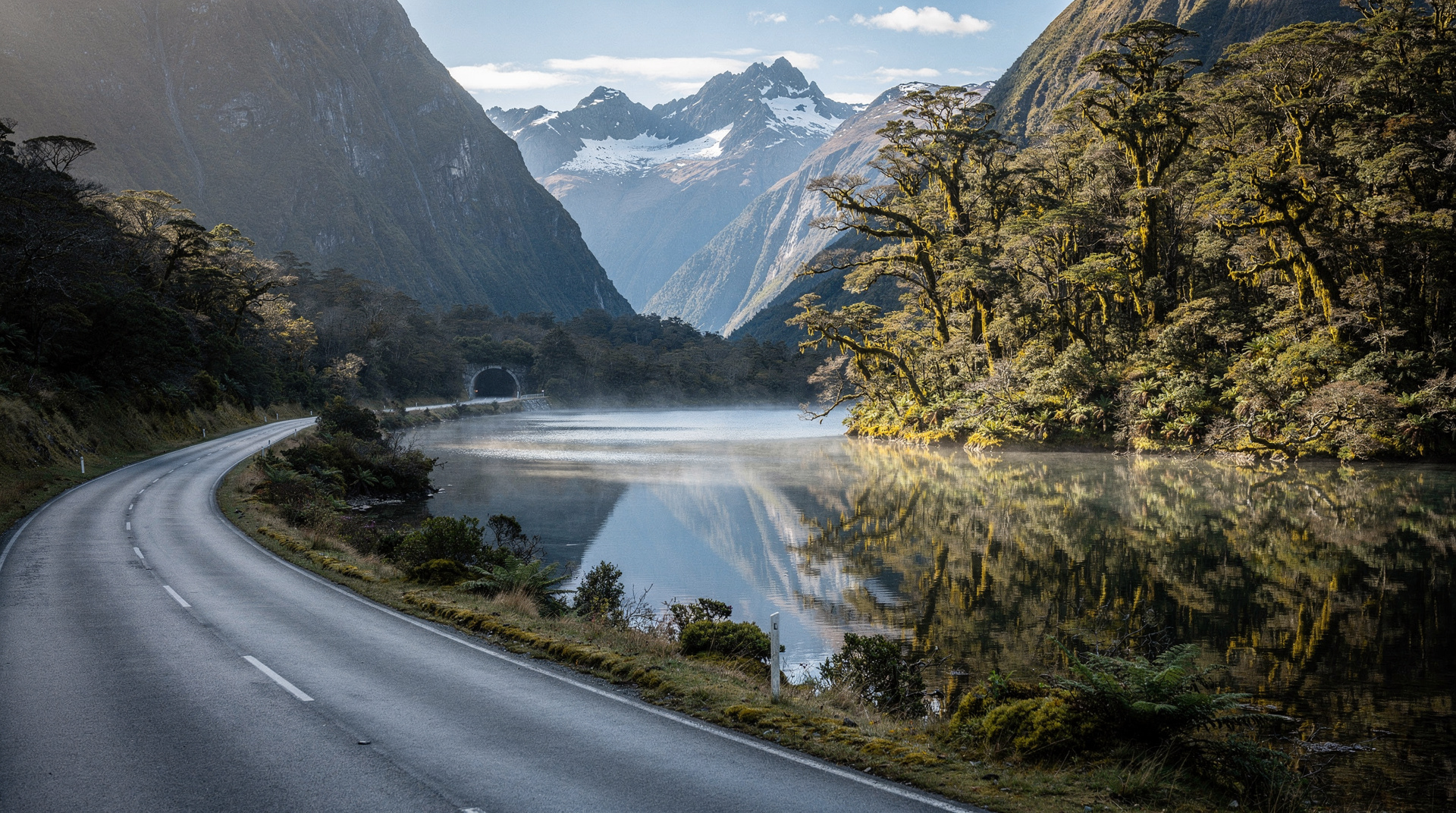
Milford Sound from Queenstown: 13-hour bus round trip vs fly-cruise-fly, real costs in NZD/USD/EUR, and why Te Anau is the better base. Honest guide.
Last reviewed: