Te Anau
Everything you need to plan Te Anau: glowworm caves, Milford and Doubtful day trips, hiking, real NZD/USD/EUR prices, and where to stay.
Quick facts
- Role
- Gateway town and base for Fiordland — the only real service hub near the fiords
- Lake
- Lake Te Anau — NZ's second-largest lake, largest in the South Island
- Drive from Queenstown
- 2 hours (170 km, SH6 south)
- Drive to Milford Sound
- 2 hours (120 km, allow 2.5–3 hours with stops)
- Currency
- NZD — 1 NZD ≈ USD 0.60 / EUR 0.55
Te Anau — the town that makes Fiordland possible
Without Te Anau, visiting Milford Sound or Doubtful Sound would require either an exhausting same-day return from Queenstown or an overnight stay in facilities that barely exist. Te Anau solves that problem: it’s a proper town (about 2,000 permanent residents) with supermarkets, petrol stations, a wide range of accommodation and restaurants, and a DOC visitor centre that can brief you on road conditions, track bookings, and wildlife. It sits 2 hours from Queenstown and 2 hours from Milford Sound — the ideal midpoint.
| Where | Fiordland, South Island — 2 hours south of Queenstown |
| Getting there | SH6 and SH94 by car, or shuttle/coach from Queenstown |
| Time needed | 1 night minimum; 2-4 nights for Great Walk trampers |
| Cost | Around NZD 95-450 depending on activity |
| Best time | October-April for full Milford Road and Great Walk access |
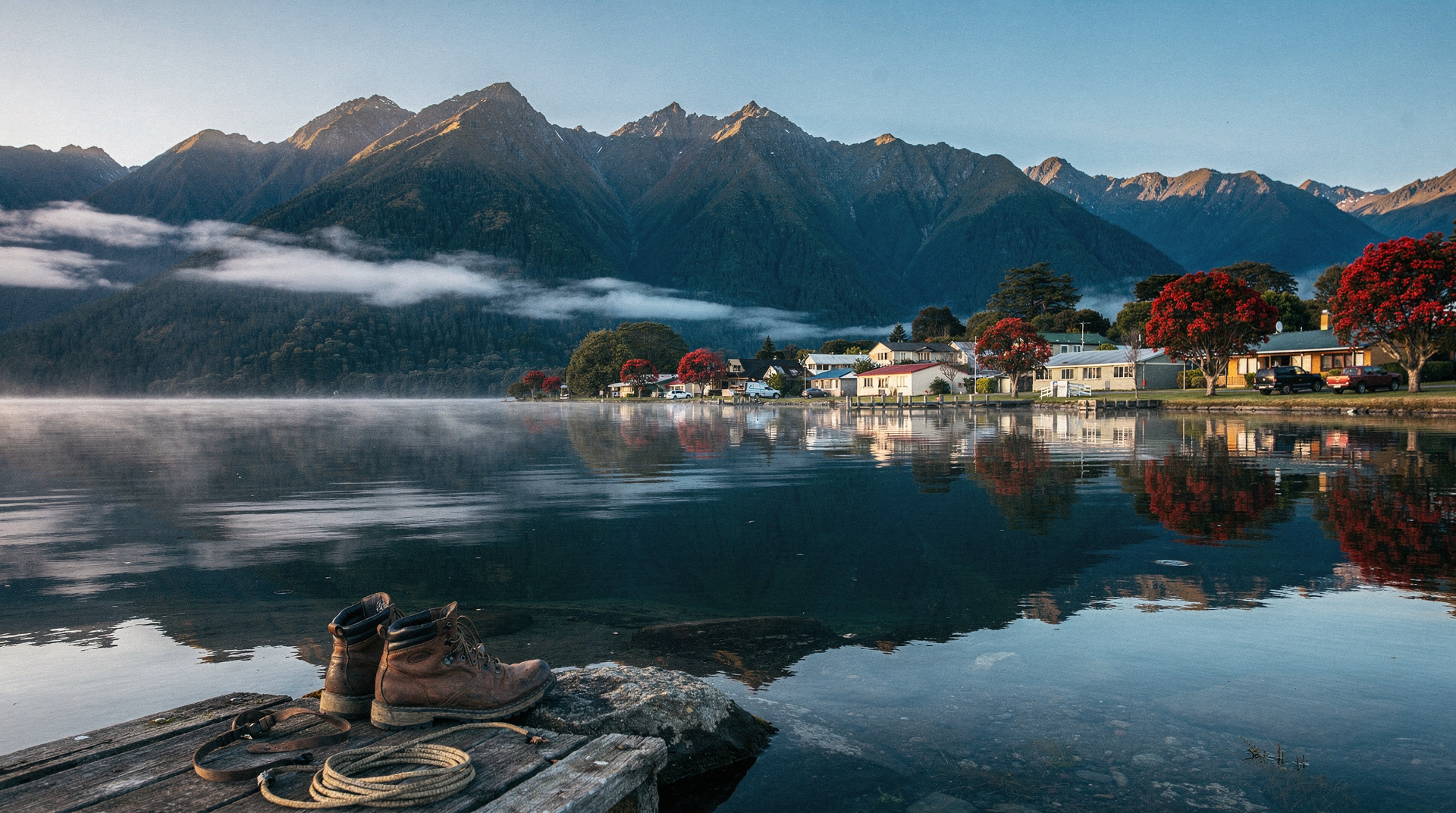
Lake Te Anau, on whose shore the town sits, is New Zealand’s second-largest lake (the largest in the South Island) at 344 km2. The lake stretches 60 km north–south with several fingers extending into the Fiordland ranges to the west. On clear days the reflections of the peaks in the lake are remarkable. This is not a lake you pass through; it’s a presence you orient your Fiordland stay around.
Te Anau is also the start and finish point for two Great Walks — the Milford Track (the most booked multi-day hike in New Zealand) and the Kepler Track — making it a serious destination for trampers, not just a service town for fiord day-trippers.
The Te Anau glowworm caves
The glowworm caves at Te Anau are geologically and ecologically distinct from the famous Waitomo Caves in the North Island. They were only rediscovered in 1948 (local Maori had knowledge of them for generations) and remain accessible only by boat across the lake — there is no road to the cave entrance.
The Te Anau glowworm cave tour involves a short cruise across Lake Te Anau to the cave mouth, then a guided walk through illuminated limestone chambers, and a silent boat ride through the glowworm grotto — similar to the Waitomo blackwater boat experience but smaller, more intimate, and less commercial. Duration: approximately 2.5 hours including the lake crossing. Price: NZD 95–115 / USD 57–69 / EUR 52–63. Departs from the Te Anau wharf multiple times daily. Book in advance in summer — popular and limited capacity.
The cave ecosystem is different from Waitomo: wetter, younger limestone, and more recently discovered. If you’ve done Waitomo and want to compare, the Te Anau caves are quieter and arguably more atmospheric. If you haven’t done Waitomo, these caves are an excellent introduction to the glowworm (Arachnocampa luminosa) — a species endemic to New Zealand and Australia that is not actually a worm but a bioluminescent fungus gnat larva.
Hiking from Te Anau
Kepler Track — one of New Zealand’s 11 Great Walks, and unusually, it’s a circular track that starts and finishes in Te Anau township. The full Kepler is 60 km over 3–4 days, climbing above the bushline to mountain ridge terrain with extraordinary views over Lake Te Anau and the Fiordland peaks. Huts are well-maintained by DOC and must be booked in advance (November–April Great Walk season). The first hut (Luxmore) is reachable in a single day-hike (16 km return from Te Anau) without needing a multi-day booking. DOC charges NZD 46 / USD 28 / EUR 25 per night per person for Great Walk huts (2025 rates).
For those who want the ridge experience without the logistics: the Kepler Track helicopter hike flies you to the Mt Luxmore summit and walks a section of the ridge before returning. You get the panorama without 3 days of pack-carrying. NZD 395–450 / USD 237–270 / EUR 217–248.
Also available as a private option: Kepler heli-hike private tour , NZD 750+ per group. A cheaper way to sample the track without committing to the full multi-day walk is the Te Anau jet boat and Kepler Track short hike combo , which pairs a Waiau River jet boat run with a guided section of track; NZD 165–195 / USD 99–117 / EUR 91–107.
Milford Track — the most famous track in New Zealand starts at Glade Wharf on Lake Te Anau (accessed by boat from Te Anau Downs). It’s a 53.5 km, 4-day guided or independent walk through Fiordland to Milford Sound. Fully booked months in advance for the October–April season. Hut bookings via DOC book typically 6 months ahead. This is not a last-minute activity. See the Milford Track guide for booking strategy.
Routeburn Track — the Routeburn’s Te Anau end begins 80 km north at the Divide car park (on SH94, the Milford Road). It’s technically accessed from Queenstown or Glenorchy on the other end, but Te Anau trampers sometimes start here. 32 km over 2–3 days, outstanding mountain scenery. DOC huts book rapidly for the October–April season.
Short local walks: the Te Anau lakefront walk is 6 km each way (flat, easy, excellent lake views). The Rainbow Reach swing bridge on the Kepler Track (6 km from town) is a good 2-hour option for anyone wanting to see the Waiau River without committing to a full track.
Day trips from Te Anau
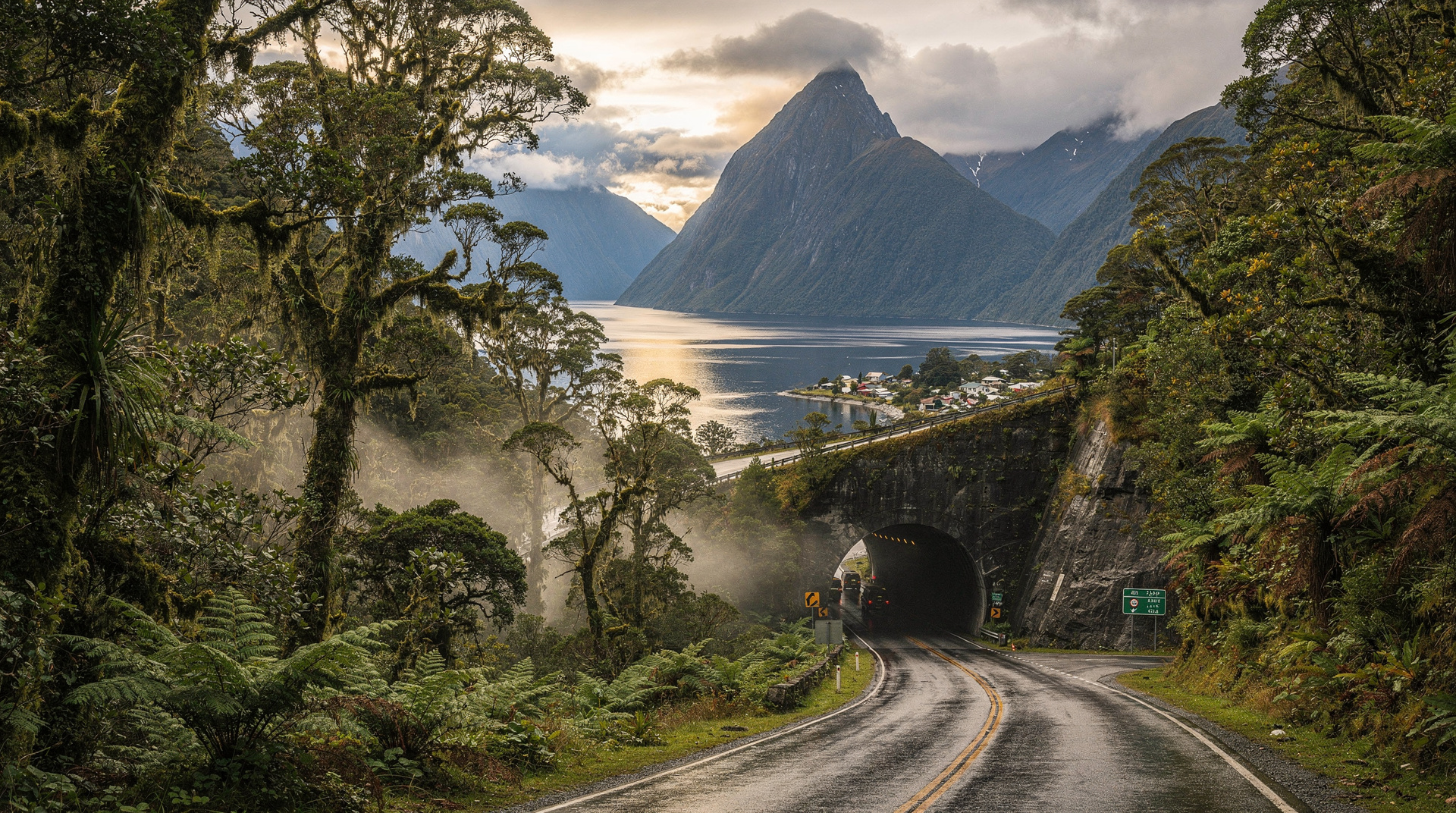
Milford Sound — the primary day trip and the reason most people choose Te Anau over Queenstown as a base. 120 km each way on the Milford Road (SH94), allow 2.5–3 hours with stops. The road from Te Anau gives you time to explore the Homer Tunnel, Mirror Lakes, and Cascade Creek. Return by 5–6pm for dinner in Te Anau. See the full Milford Sound guide.
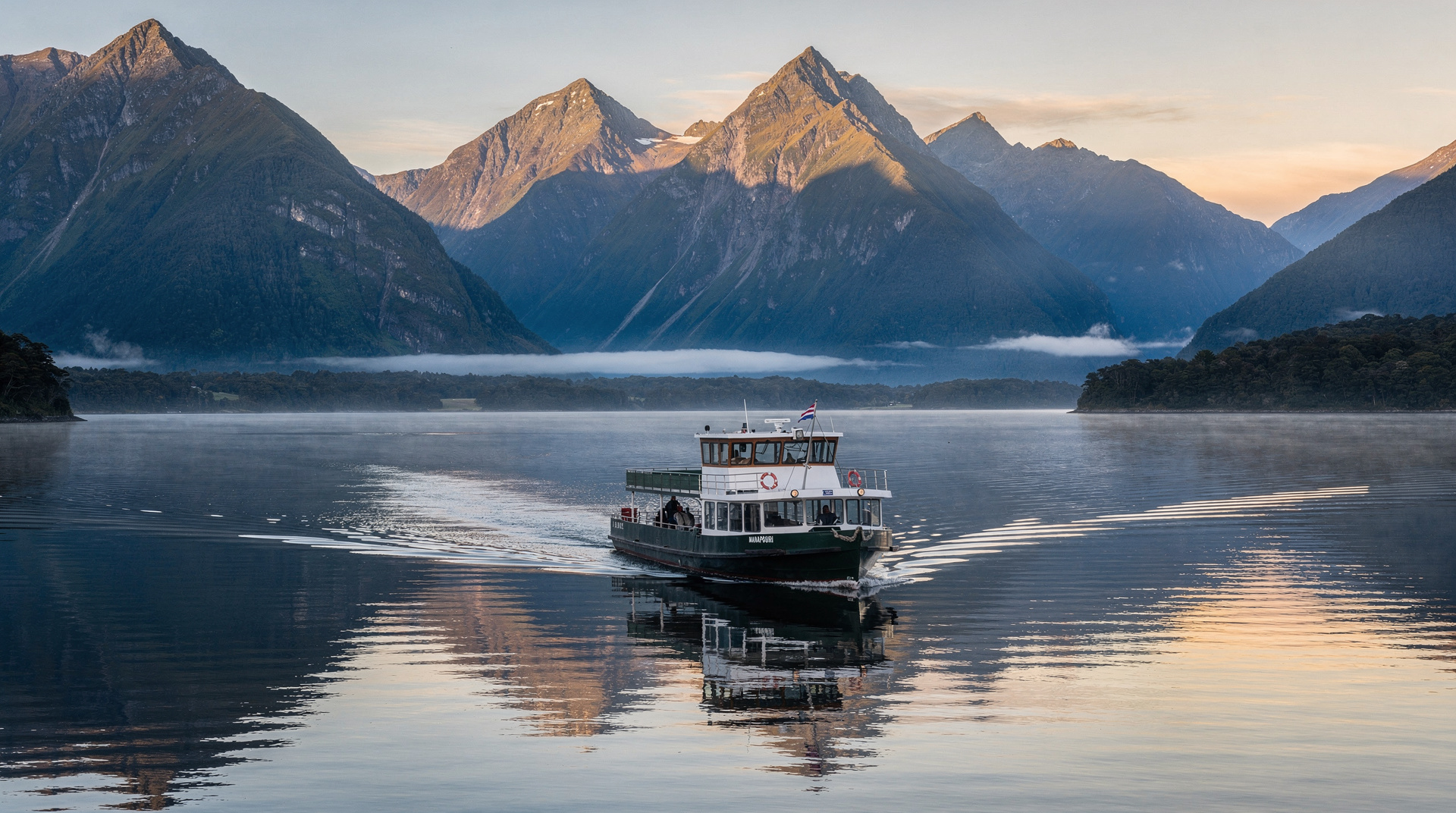
Doubtful Sound — departs from Manapouri, 22 km south of Te Anau. Full day (9 hours) covering Lake Manapouri crossing, Wilmot Pass, and Doubtful Sound cruise. See the Doubtful Sound guide. The Te Anau to Doubtful Sound coach and cruise day tour is the standard way to do it without a rental car — coach to Manapouri, boat across the lake, coach over the Wilmot Pass, then the fiord cruise itself. NZD 265–310 / USD 159–186 / EUR 146–171.
Scenic flight over both fiords — the scenic flight covering both Doubtful and Milford from Te Anau gives you an aerial overview of both fiords in 1.5–2 hours. NZD 350–440 / USD 210–264 / EUR 193–242. Ideal on a clear weather day before or after a ground-level cruise. The 30-minute Fiordland scenic flight from Te Anau is a shorter and cheaper introduction at NZD 195–235 / USD 117–141 / EUR 108–129.
Where to stay in Te Anau
Te Anau has good range at all price points. Book well ahead for summer (December–March) and for the weeks around Great Walk opening bookings.
Budget: Te Anau Lakefront Backpackers (NZD 38–55 / USD 23–33 / EUR 21–30 dorm); YHA Te Anau (NZD 40–60 / USD 24–36 / EUR 22–33 dorm; very good facilities and central); Barnyard Backpackers (out of town, 15 minutes, farm setting, NZD 35–48 / USD 21–29 / EUR 19–26).
Mid-range: Kingsgate Hotel Te Anau (lakefront, good value, NZD 175–265 / USD 105–159 / EUR 96–146); Distinction Te Anau Hotel and Villas (self-contained villas and hotel rooms, NZD 195–320 / USD 117–192 / EUR 108–176); Te Anau Lodge (former convent, boutique heritage accommodation, NZD 195–280 / USD 117–168 / EUR 108–154).
Splurge: Fiordland Lodge (5 km north of town on the lakefront, 10 rooms and chalets, dramatic mountain views, NZD 595–1,200 / USD 357–720 / EUR 327–660); Henry’s House B+B (4 rooms, personalised, NZD 285–385 / USD 171–231 / EUR 157–212).
What to eat and drink
The Fat Duck — the best restaurant in Te Anau, consistently recommended, local fish and venison, mains NZD 34–52 / USD 20–31 / EUR 18–29. Book ahead in summer.
Miles Better Pies — exactly what it sounds like. Venison, lamb, and standard pies from NZD 8–12 / USD 5–7 / EUR 4–7. The best quick lunch in Fiordland.
Sandfly Café — the morning coffee stop for most visitors and locals, good breakfast options, NZD 18–26 / USD 11–16 / EUR 10–14 for a full breakfast.
Fiordland Bakery — pies, sandwiches, and filled rolls from NZD 7–10 / USD 4–6 / EUR 4–5. The correct choice for packing a Milford Road picnic.
Stock up at the FreshChoice supermarket in town before heading to Milford — Milford has no supermarket, and prices at the small café there are high.
Practical tips for Fiordland visitors
Petrol: fill up in Te Anau before driving to Milford Sound. There is no petrol available at Milford Sound. The Milford Road is 120 km one-way; most rental cars will need a fill before and after.
Milford Road winter: the road can close from June–August after heavy snow and avalanche risk. Check NZTA road conditions at journeys.nzta.govt.nz before departing. Even in spring, chains may be required for the Homer Tunnel section.
Sandflies: Fiordland has some of the worst sandfly (biting midge) concentrations in New Zealand. The lake edge and any area near the fiords is heavily infested. DEET-based insect repellent is not optional — it’s essential equipment. Apply before you step outside.
Booking Great Walk huts: Milford Track huts open for booking in late October for the following season. Kepler huts are slightly easier to book. Both fill within hours of opening for peak season dates. Use the DOC booking system at bookings.doc.govt.nz.
The Te Anau Bird Sanctuary and the takahe story
A short walk from the town centre along the lakefront, the DOC-run Te Anau Bird Sanctuary is easy to miss and worth seeking out. It holds a small breeding population of takahe — a large, flightless, brilliantly blue-green native bird once thought extinct until a remnant population was rediscovered in the Murchison Mountains west of Lake Te Anau in 1948. The species had been reduced to roughly 200 birds by the mid-20th century; through captive breeding and intensive predator control on offshore and mainland sanctuary sites, the population now exceeds 500. Free entry, open daily, and one of the few places in New Zealand where you can reliably see a takahe up close rather than hoping for a wild sighting.
The sanctuary also holds kea (the world’s only alpine parrot, mischievous and highly intelligent) and other native species in aviary settings. Allow 30-45 minutes. It’s a good option for a wet-weather morning or a between-activities stop, and pairs naturally with the lakefront walk described below.
Fiordland weather: what “wettest place in New Zealand” actually means
Fiordland receives some of the highest rainfall in New Zealand — Milford Sound alone averages around 6,000-7,000mm a year, among the wettest inhabited places on Earth. Te Anau itself, in the rain shadow of the Fiordland ranges, is considerably drier (closer to 1,100mm annually, similar to much of the rest of the South Island), which is part of why the town developed as the practical service base rather than a settlement at Milford itself.
The practical implication: don’t let a wet forecast in Te Anau put you off a Milford Road day trip — conditions at the fiord can be completely different, and in fact many locals argue Milford Sound is at its most dramatic in the rain, when dozens of temporary waterfalls appear on the sheer rock faces that are simply bare stone in dry weather. Conversely, don’t assume a sunny day in Te Anau means clear conditions at Milford — check the NZTA road camera and the Milford weather forecast specifically before you commit to the 2-hour drive.
How Te Anau fits into your itinerary
On a 7-day South Island itinerary, Te Anau typically appears as night 5 or 6 after Queenstown. One night in Te Anau for the glowworm caves in the evening, then Milford Sound the next day before returning to Queenstown or flying out.
On a 14-day New Zealand itinerary, two nights in Te Anau is comfortable: one day for Milford Sound, one for Doubtful Sound or the Kepler day-hike to Mt Luxmore. For Great Walk trampers, Te Anau is a 3–4 night stop (overnight gear, hut booking, pre-walk logistics).
The Queenstown–Te Anau–Milford Sound circuit is the most common South Island route. For travelers coming from the south (Dunedin, Invercargill), Te Anau is a natural final Fiordland stop before heading back to Christchurch via the inland route.
Frequently asked questions about Te Anau
Is Te Anau better than Queenstown as a base for Milford Sound?
For a single-night base, yes. Te Anau is 2 hours from Milford Sound; Queenstown is 4 hours. From Te Anau you can do a relaxed morning drive, cruise, and return without an exhausting day. Queenstown has better restaurants and more to do in the evening, but if Milford Sound is your priority, Te Anau wins on logistics.
Are the Te Anau glowworm caves as good as Waitomo?
They’re different. Waitomo is larger, more developed, has more cave options (blackwater rafting, abseil options), and is better for families with young children. Te Anau caves are more intimate, quieter, and less touristic. If you’ve done Waitomo, Te Anau is worth doing for the different atmosphere. If you haven’t done either, Waitomo is the bigger experience; Te Anau is the more personal one.
What’s the best time to do the Kepler Track?
November–April for the guided Great Walk season with huts. The peak crowd months are December–February. November and April are ideal — huts are open, crowds are thinner, weather is often excellent. Outside season (May–October), the track is open but huts are unstaffed and weather is severe. Only experienced trampers with proper winter gear and navigation skills should attempt the Kepler out of season.
Can you do Te Anau in a single day from Queenstown?
Technically yes, but you’d arrive late morning (2-hour drive), have limited time in town, miss the glowworm cave timing (late afternoon/evening tours), and drive back in the dark. A single night in Te Anau adds significantly more value. If it’s truly a day trip, drive the Milford Road from Te Anau to Homer Tunnel and back instead.
What should you do if the Milford Road is closed?
Check conditions the night before on the NZTA website. If the road closes on your scheduled day, most cruise operators will rebook you or offer refunds. Some travelers choose to do the Doubtful Sound day trip instead — it requires no road access beyond Manapouri. Alternatively, take the glowworm cave tour and explore Lake Te Anau by kayak.
Can I see a takahe in Te Anau?
Yes, reliably, at the free DOC-run Te Anau Bird Sanctuary on the lakefront a short walk from town. It holds a small breeding population of this large, flightless native bird, which was thought extinct until being rediscovered nearby in the Murchison Mountains in 1948. It’s a good wet-weather activity and takes 30-45 minutes.
The natural history of Lake Te Anau
Lake Te Anau is geologically young — formed approximately 12,000 years ago as the last glaciation retreated and the glacier-carved valley filled with meltwater. At 344 km2 and up to 417m deep, it’s New Zealand’s second-largest lake. The western arms of the lake extend deep into the Fiordland ranges and are accessible only by boat. There are no roads on the western shoreline.
The lake drains east into the Waiau River, which flows through the Manapouri basin to Manapouri Lake. This drainage system is the same watershed that powers the Manapouri Power Station — Lake Te Anau is hydrologically connected to the hydroelectric system.
The native fish of Te Anau include galaxiid species (tiny native fish, many of which are found nowhere else) and landlocked brown and rainbow trout introduced in the late 19th century. The trout fishing in Te Anau is world-class by fly-fishing standards — the Waiau River and the lake tributaries hold large fish in clear water. Several Te Anau guides offer guided fly-fishing day trips (NZD 450–650 / USD 270–390 / EUR 248–358 per person, guide included) targeting these fish in wild settings that are genuinely exceptional.
The DOC visitors centre in Te Anau has excellent natural history interpretive displays covering Fiordland geology, native wildlife (including kiwi and takehe, a large flightless bird recovered from near-extinction and reintroduced to the Murchison Mountains immediately west of the lake), and the Great Walk systems. The takehe is one of New Zealand’s most remarkable conservation success stories — reduced to 200 birds in 1948, the population now exceeds 500 after intensive mainland sanctuary management. Sightings from the lake are rare but not impossible.
Te Anau and Maori history
The Fiordland area (Murihiku — “the tail end of land” in te reo Maori) has a history of Maori use for resources, particularly pounamu (greenstone/jade) sourced from the west coast rivers, and seasonal hunting of moa (now extinct) and weka. Ngati Mamoe and later Ngai Tahu iwi used the fiords as travel routes and gathering areas, but the area was too remote for permanent settlements. The glowworm caves at Te Anau were known to local Maori as “te ana-au” — a phrase sometimes translated as “the cave of swirling water” or “the cave with a current” — and the town’s name derives from this.
Ngai Tahu, the principal iwi of the South Island, are the tangata whenua of Fiordland. The iwi’s ownership of commercial tourism operations at Milford Sound (Whale Watch Kaikoura is also iwi-owned) is part of a Treaty of Waitangi settlement process that began in the 1990s and has provided significant economic redress for historical land confiscations.
Top experiences: te anau New Zealand
See all →Guides for Te Anau
Best day trips from Te Anau
Best day trips from Te Anau: Milford Sound (1h45min), Doubtful Sound via Manapouri, and Kepler Track walks. The ideal Fiordland base. Costs in NZD/USD/EUR.
Doubtful Sound cruise guide — New Zealand's other fiord
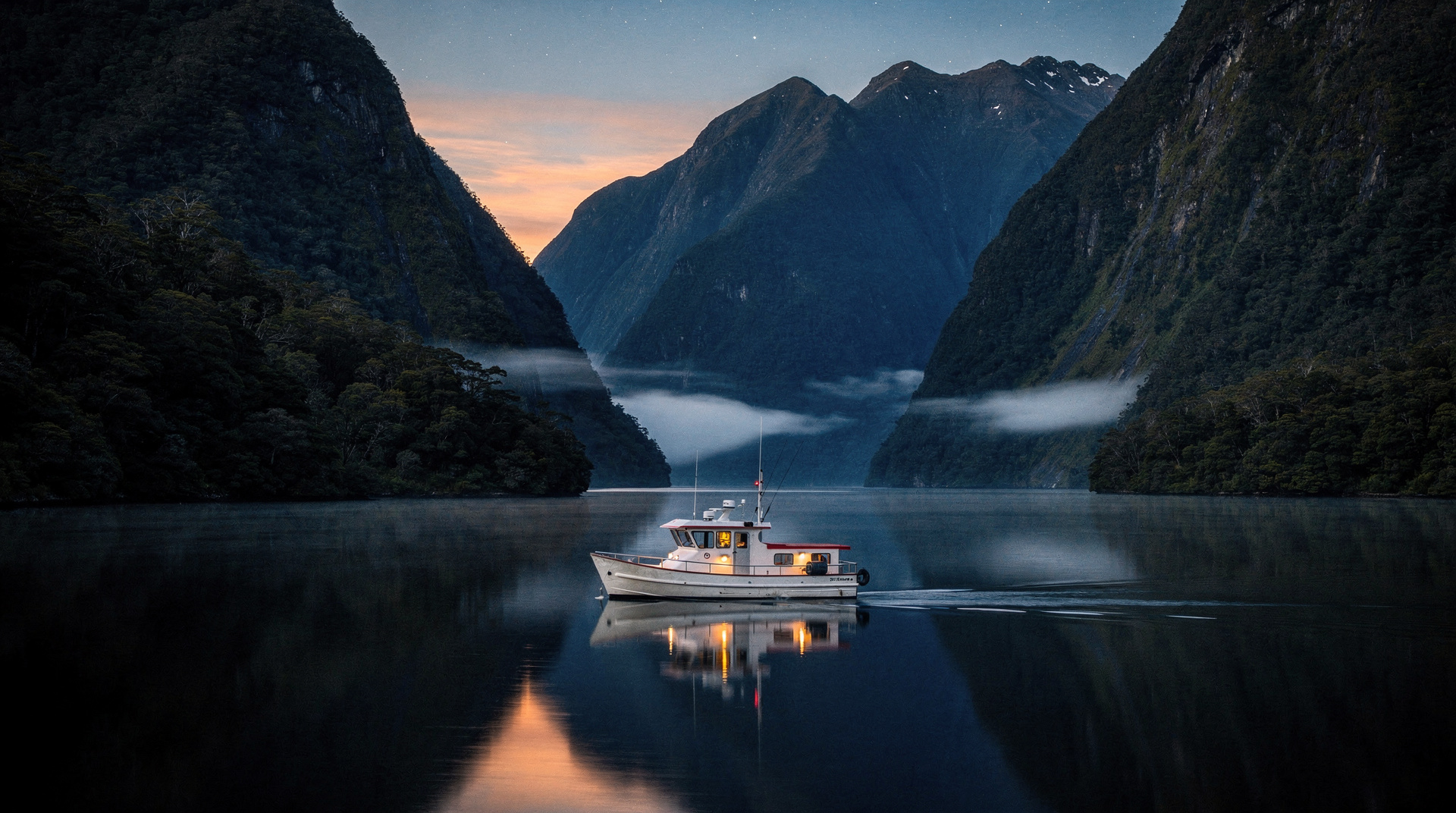
Doubtful Sound cruise guide: Lake Manapouri boat access, day cruise vs overnight, wildlife, costs NZD/USD/EUR, and honest comparison with Milford Sound.
Doubtful Sound day trip from Te Anau
Doubtful Sound day trip from Te Anau: 25-min drive to Manapouri, lake crossing, Wilmot Pass bus, wilderness cruise. Quieter than Milford. Costs in NZD/USD/EUR.
Doubtful Sound overnight cruise — honest review
Real Journeys Fiordland Navigator overnight cruise on Doubtful Sound — quieter alternative to Milford. Honest review, costs, and who should book it.
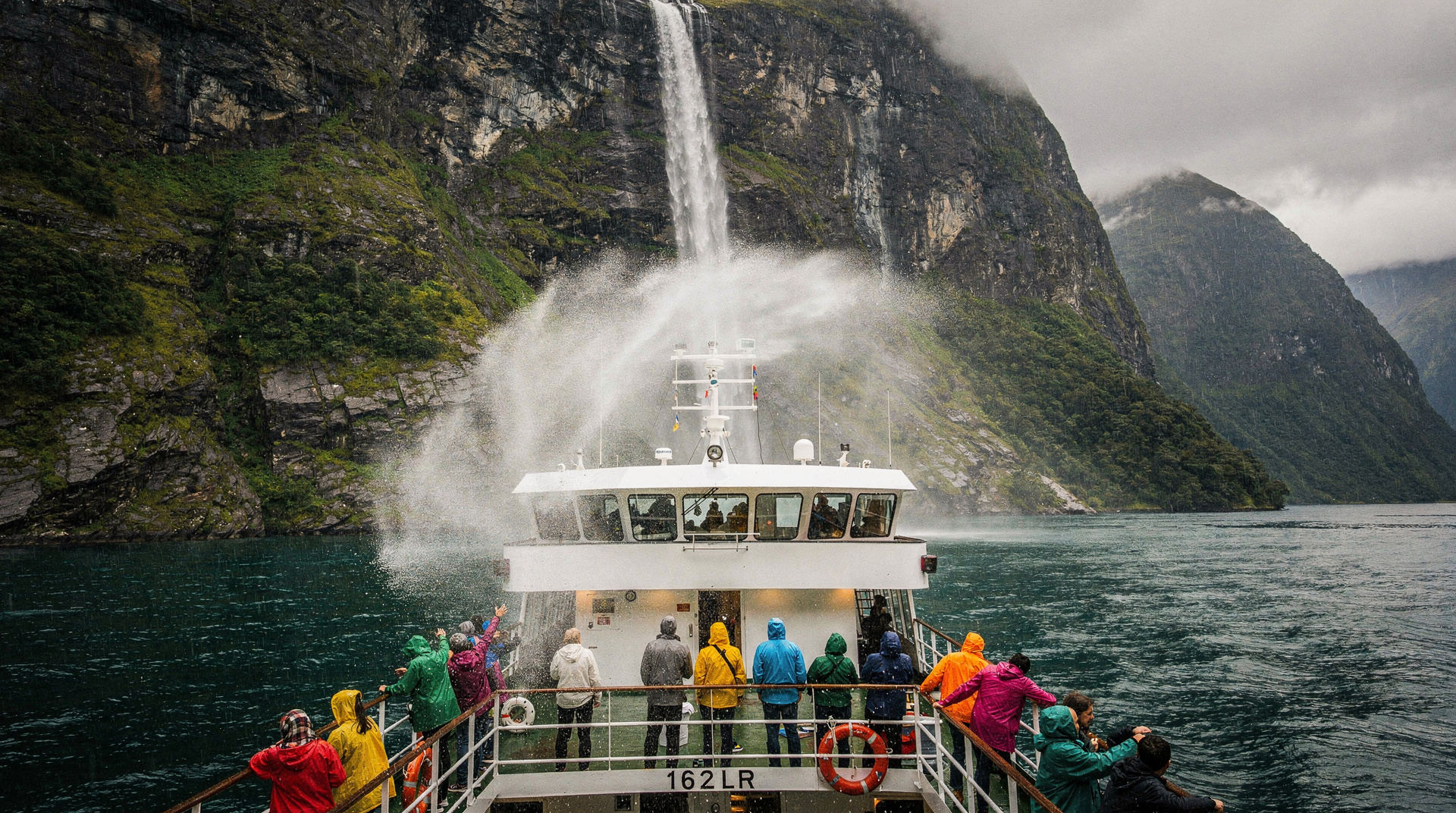
Milford Sound cruise guide — how to get the most out of Piopiotahi
Milford Sound cruise guide: best operators, day vs overnight, getting there from Queenstown or Te Anau, prices NZD/USD/EUR, and honest tips for Piopiotahi.
Milford Sound day trip from Te Anau
Milford Sound day trip from Te Anau: 1.5-2 hour drive, Mirror Lakes, Homer Tunnel, cruise options, and costs in NZD/USD/EUR. The right Milford base.
Related guides
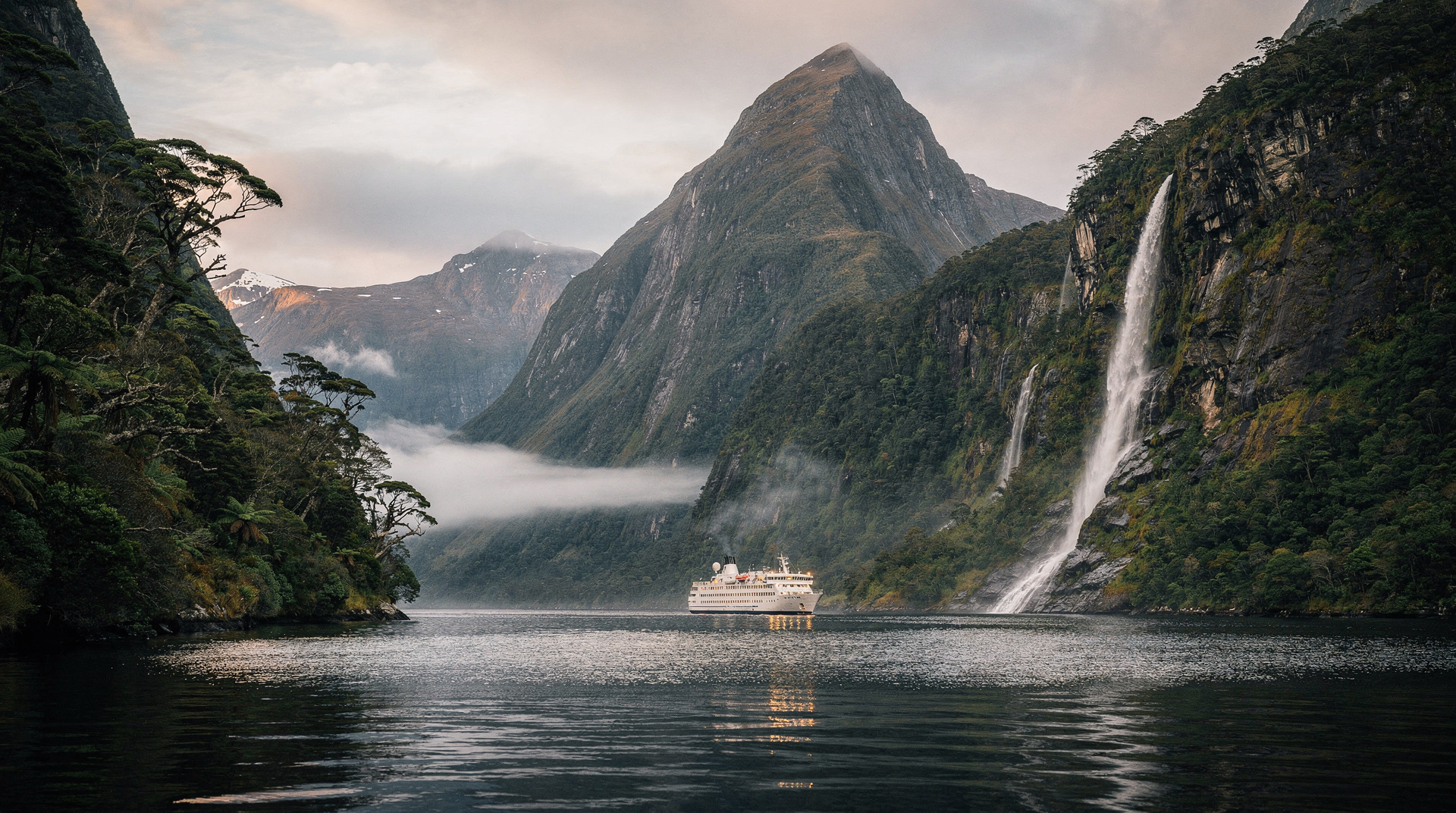
Milford Sound
Everything honest about Milford Sound: best cruises, scenic flights, real NZD/USD/EUR prices, and why you should stay in Te Anau first.
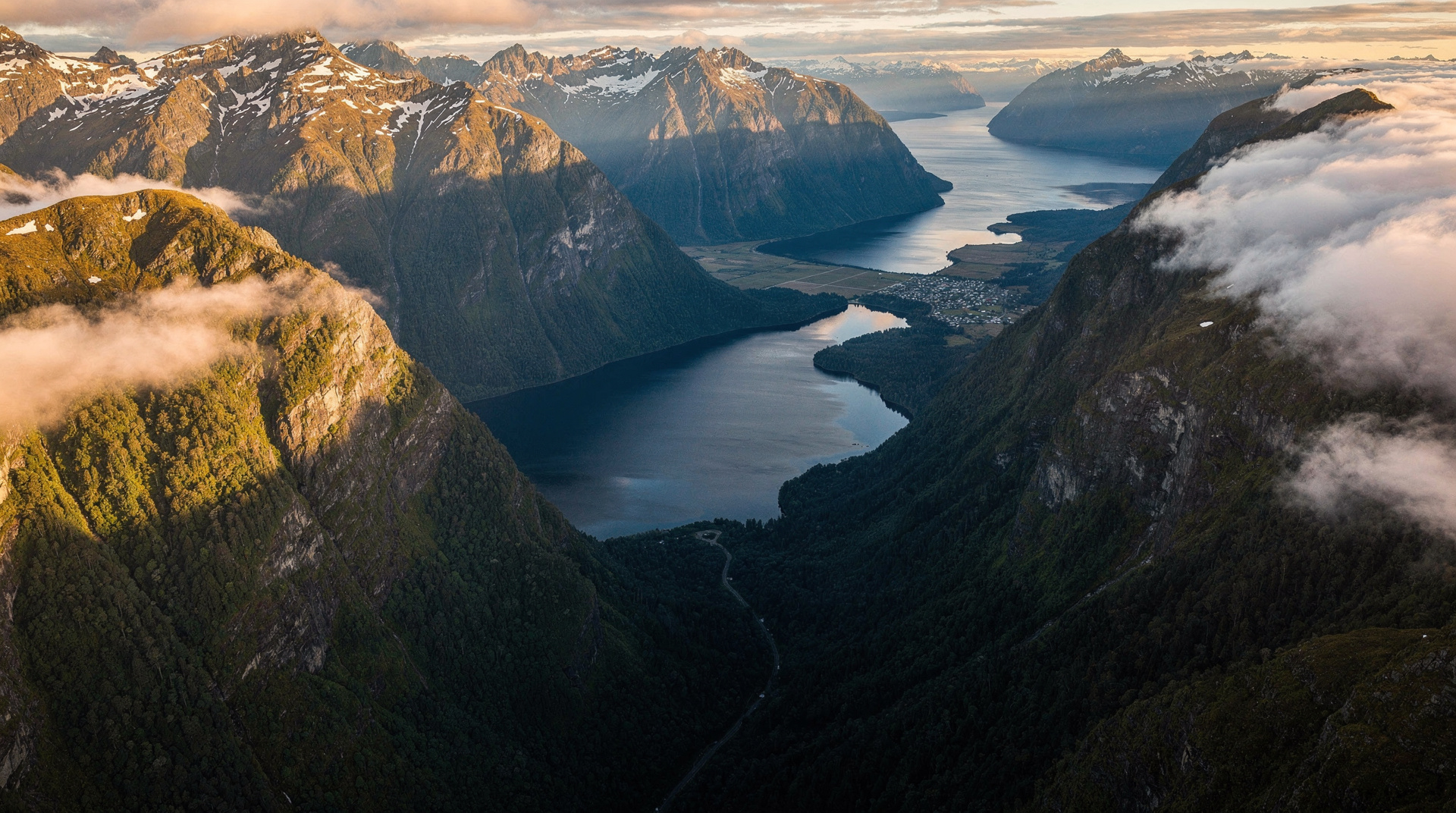
Fiordland
Honest Fiordland planner: Milford Sound vs Doubtful Sound, Te Anau base, Milford Track booking, real NZD/USD/EUR costs and what most guides won't tell you.
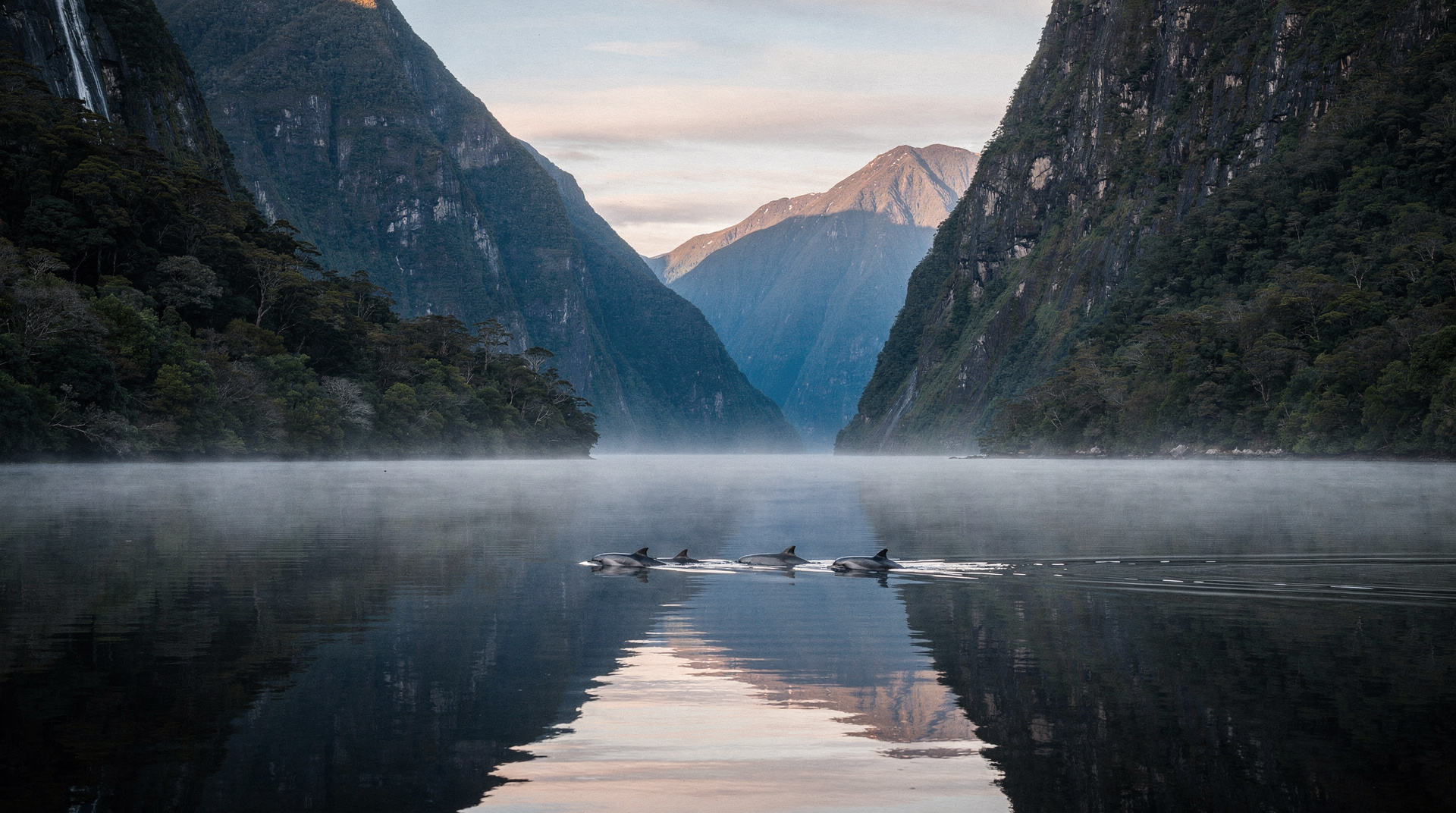
Doubtful Sound
Honest Doubtful Sound guide: how to get there, best cruises, overnight options — real NZD/USD/EUR costs and the honest Milford comparison.
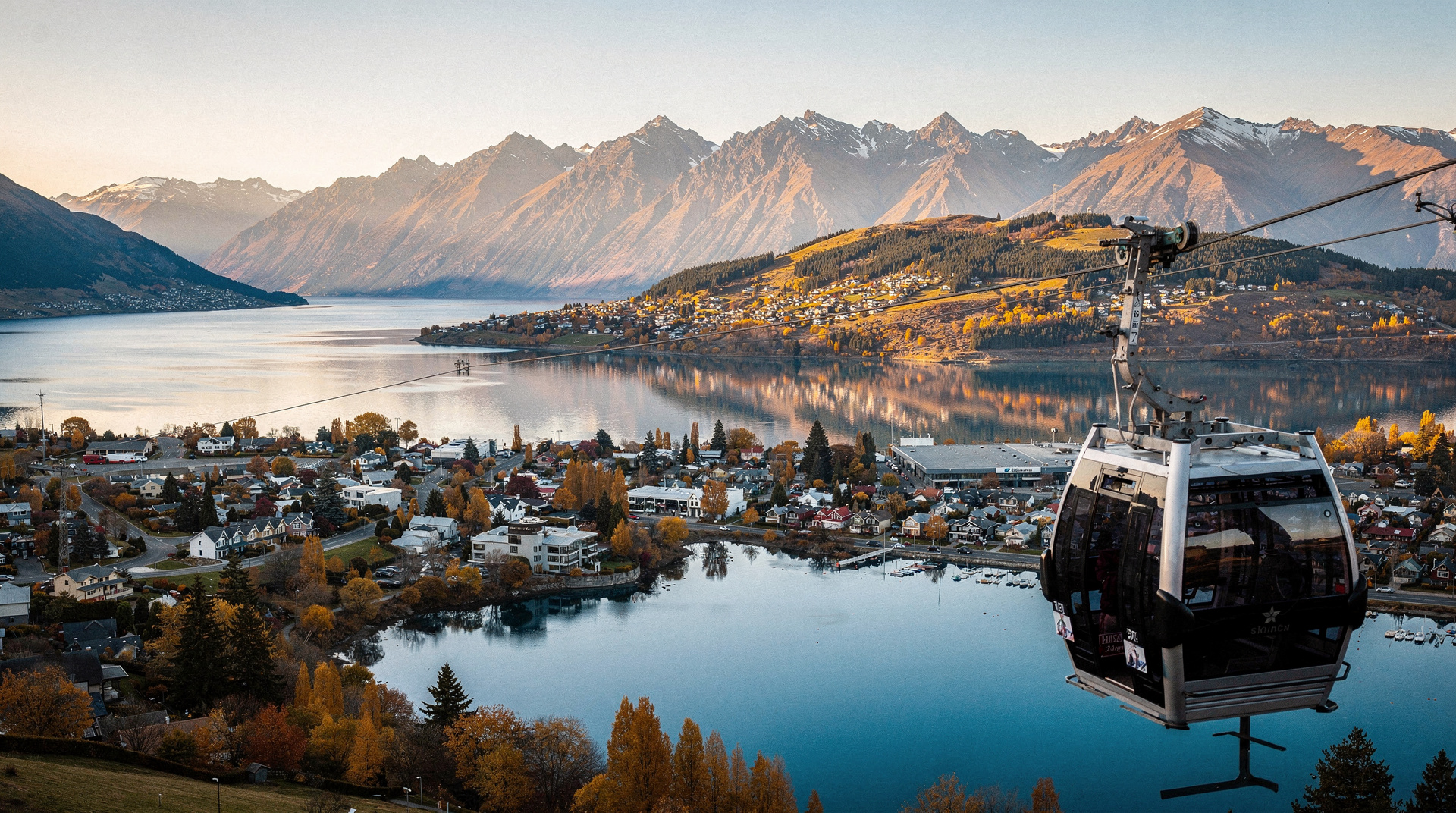
Queenstown
The honest Queenstown planner: bungy, jet boat, ski, scenic flights — real prices in NZD/USD/EUR, what to skip and what's worth your money.
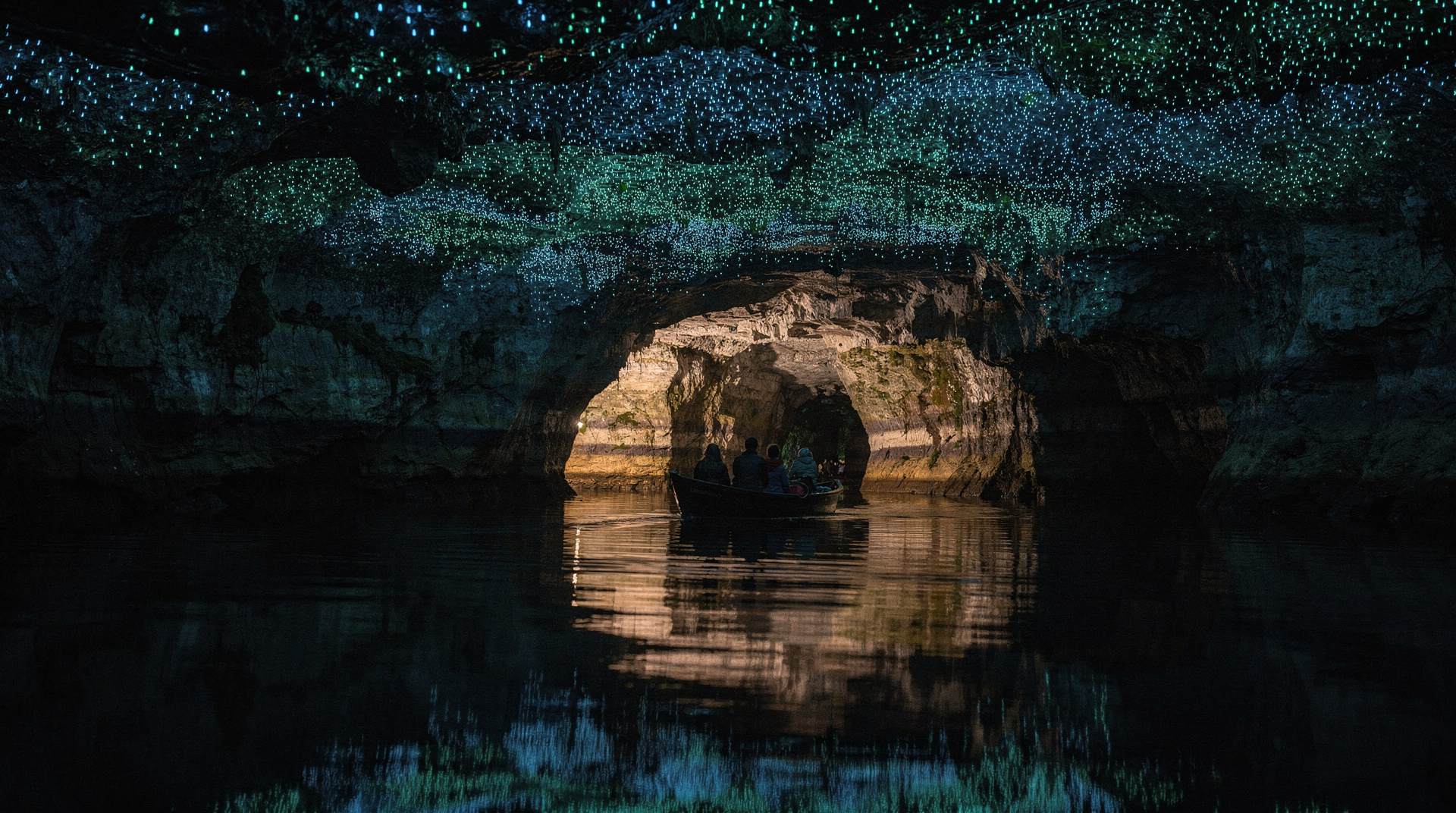
Te Anau Glowworm Caves — Fiordland underground guide
Te Anau Glowworm Caves: evening boat cruise across lake, guided cave walk, glowworm grotto. NZD 115 adult. Only accessible by boat. Book through RealNZ or GYG.
Milford Sound day trip from Te Anau
Milford Sound day trip from Te Anau: 1.5-2 hour drive, Mirror Lakes, Homer Tunnel, cruise options, and costs in NZD/USD/EUR. The right Milford base.
Best day trips from Te Anau
Best day trips from Te Anau: Milford Sound (1h45min), Doubtful Sound via Manapouri, and Kepler Track walks. The ideal Fiordland base. Costs in NZD/USD/EUR.
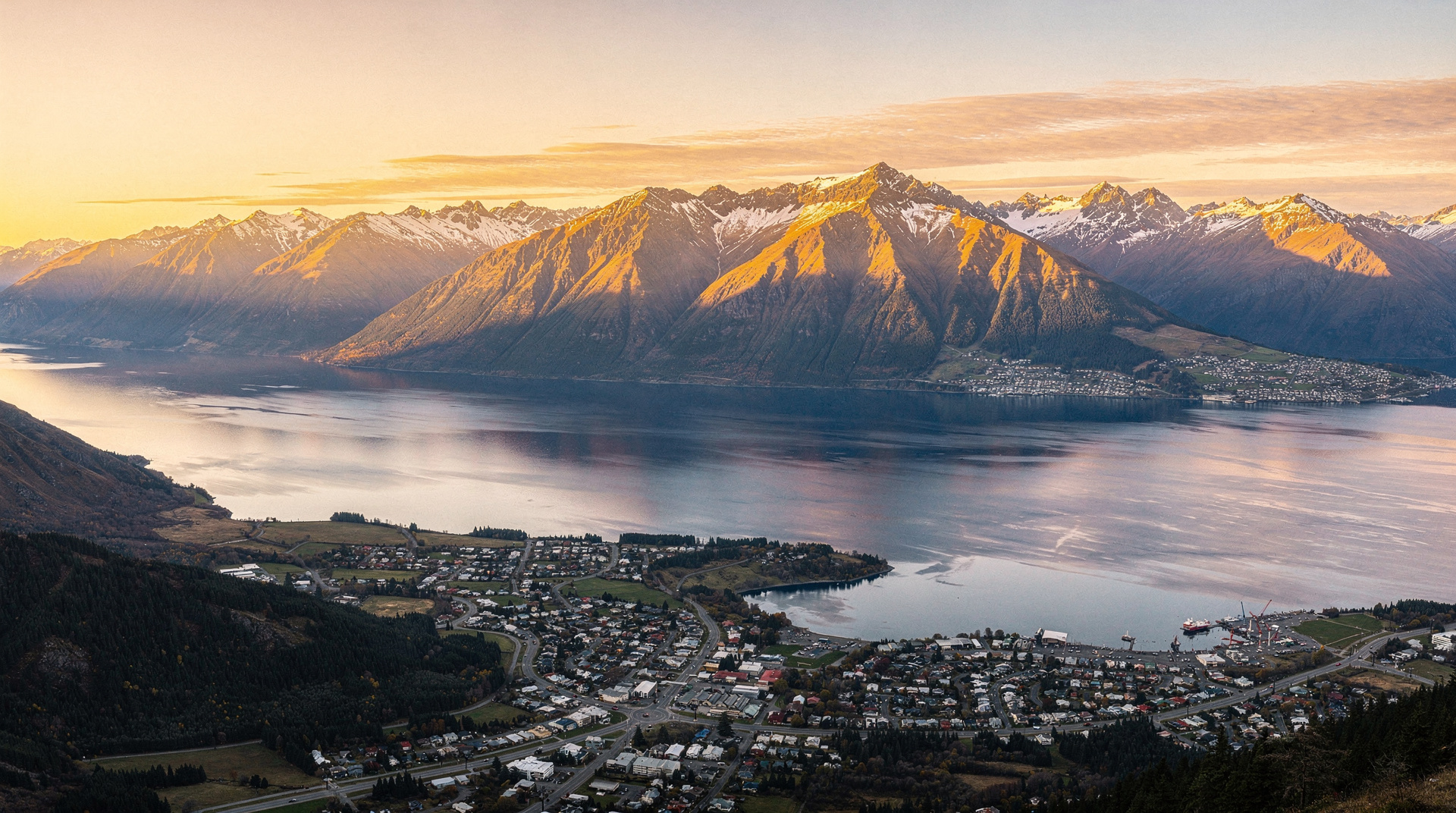
14-day New Zealand itinerary — both islands, grand tour
Honest 14-day NZ grand tour: Auckland, Bay of Islands, Hobbiton, Rotorua, Wellington, ferry, Kaikoura, Christchurch, Queenstown, Milford.
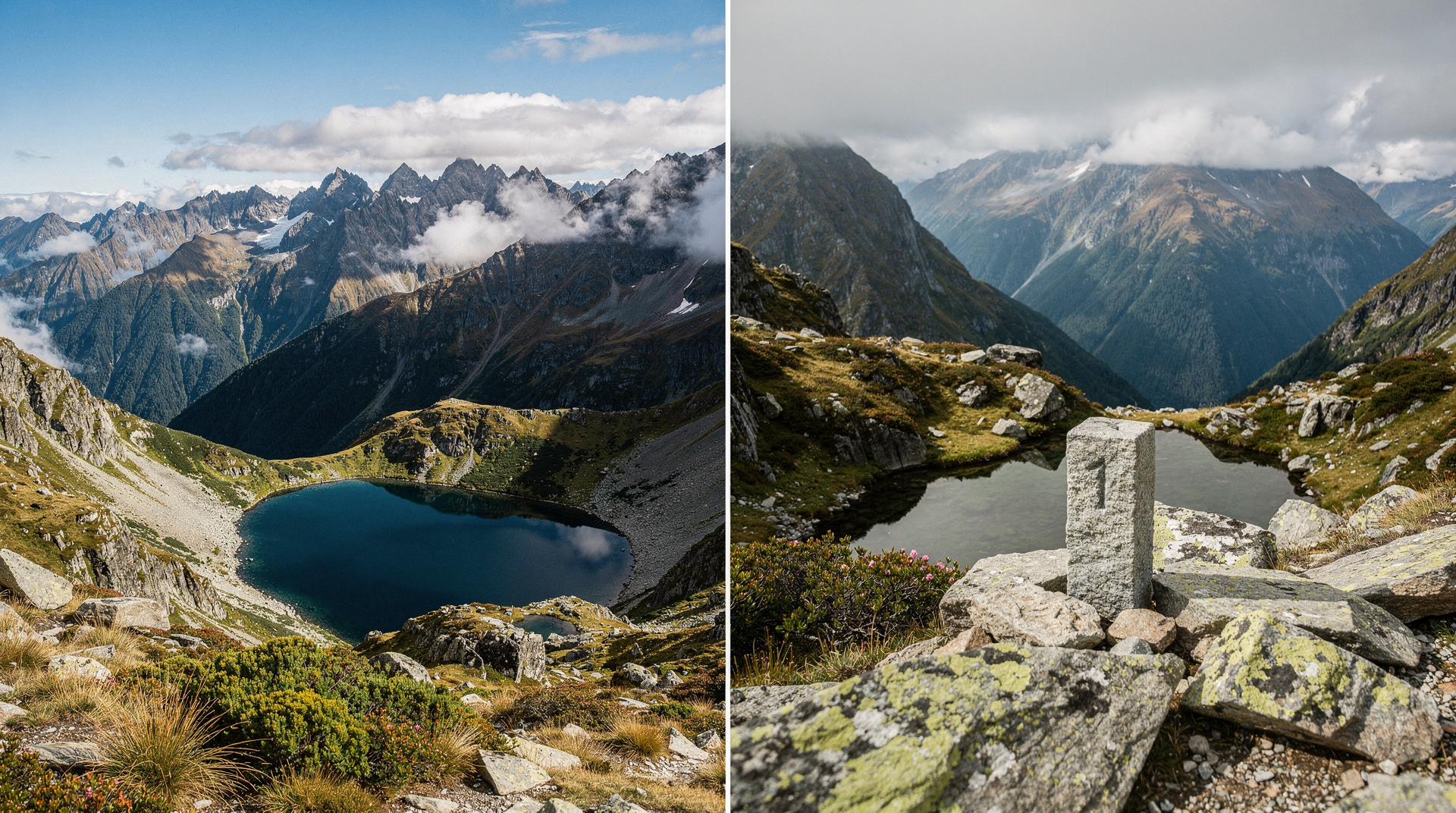
The Routeburn vs the Milford Track — an honest comparison
Both are iconic New Zealand Great Walks in Fiordland. But they're very different experiences. Here's a direct comparison to help you choose, or plan to do both.
Last reviewed: