Mitai Maori Village Rotorua — honest review and visitor guide
What is Mitai Maori Village and is it worth visiting?
Mitai is a family-run Maori cultural experience in Rotorua: warriors arrive by waka (canoe), kapa haka performance, guided glowworm walk, and a hangi feast. It is smaller and more intimate than Te Puia. Adults pay approximately NZD 145–165 (USD 87–99, EUR 80–91) for the full evening. For visitors who want personal cultural engagement over institutional scale, Mitai is often the better choice.
The Mitai difference: family-run and personal
In Rotorua’s crowded commercial Maori cultural experience market, Mitai Maori Village occupies a specific and honest position: it is a private, family-run operation with deep roots in the local Maori community, offering a more intimate experience than the larger-scale attractions.
Mitai has been operated by the Searancke family and their hapu connections for several generations. This is not the same as being operated by an iwi (as Te Puia is by Te Arawa) — but it is also not a corporation managing cultural experiences as product. The Mitai family brings genuine cultural depth and personal investment to the presentation of tikanga Maori, and the experience has evolved over decades of feedback and refinement.
The site is on the Fairy Springs Road, adjacent to native bush, and the combination of natural setting and cultural content is handled more naturally here than in Rotorua’s larger venues. You are not in a carpark. You are in a clearing by a stream, surrounded by ancient podocarp forest, watching people who genuinely care about what they are sharing.
If Maori protocol is unfamiliar territory, our marae etiquette guide covers the basics — how to respond to a karanga, when to remove your shoes, what hongi involves — before you arrive. For the broader cultural context behind everything Mitai presents, the Maori culture overview is a useful companion read.
At a glance
| Format | Waka arrival, powhiri, kapa haka, glowworm walk, hangi feast |
| Duration | Approximately 3 hours (arrival 6pm, finish ~9–9:30pm) |
| Cost (adult) | around NZD 145–165 (USD 87–99 / EUR 80–91) |
| Location | 196 Fairy Springs Road, ~4km from central Rotorua |
| Booking lead time | 2-3 days minimum; 1 week+ in Jan–Feb and school holidays |
| Best for | Couples and families wanting a personal, intimate evening |
What the experience includes
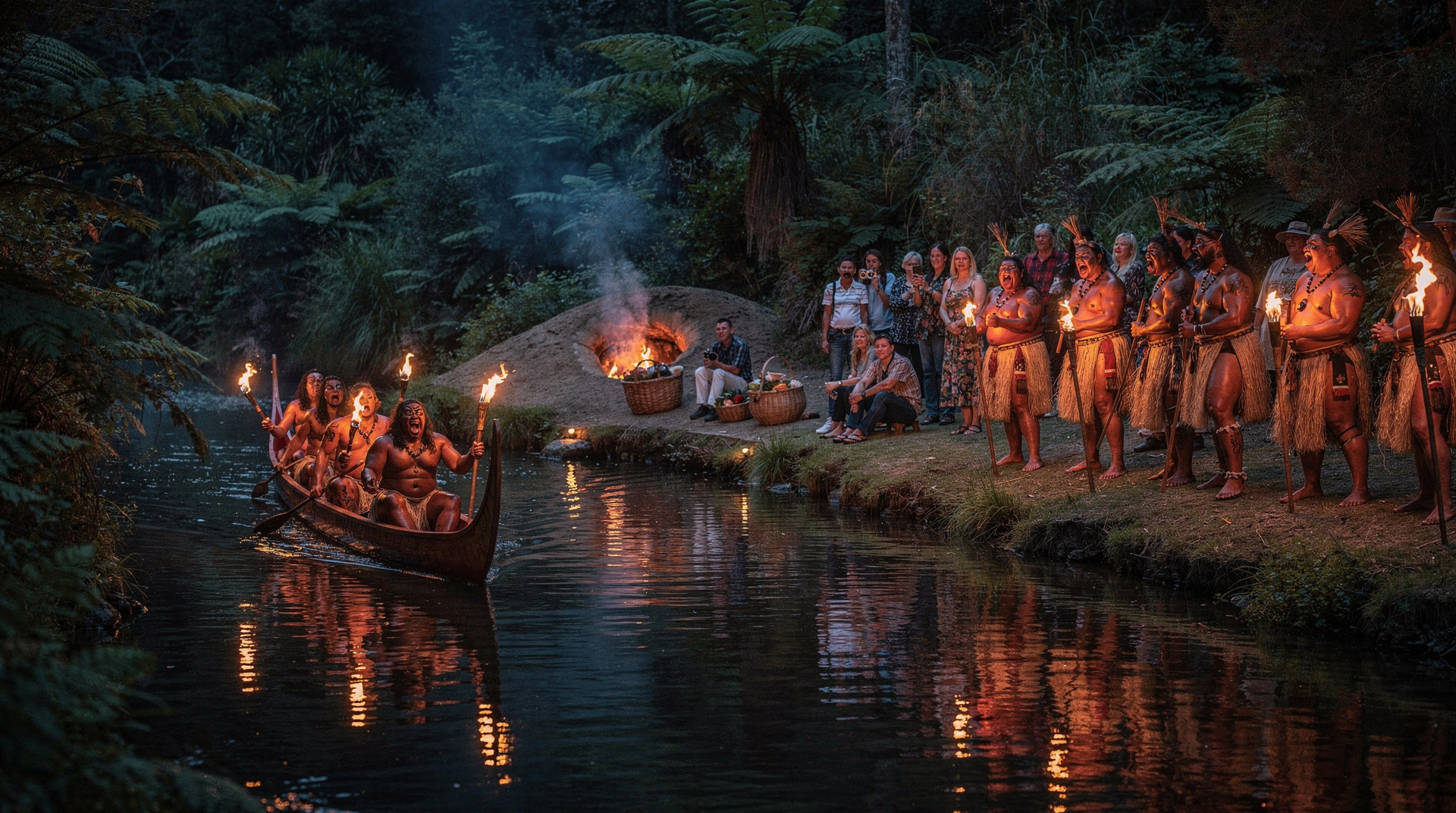
Waka arrival: The evening begins with warriors arriving by waka (traditional canoe) along the stream, performing a challenge (wero) that must be correctly answered by the group’s leader before the ceremonial welcome proceeds. This is not symbolic pageant — the wero is a genuine protocol element that tests intention: are you coming in peace? The physical precision and vocal intensity of the waka arrival sets the tone for the evening.
Powhiri (welcome ceremony): Following the waka arrival, a formal welcome on the marae — the formal space — with a karanga (the women’s call of welcome) and response. This element of the experience is consistently reported by visitors as the most moving — the karanga in particular, a high-pitched sustained call with specific textual content, is an immediately affecting sound that carries across the bush.
Kapa haka performance: The central performance includes: poi (graceful spinning cord work, typically performed by women — the rotational mechanics develop wrist strength and rhythm), action songs, and multiple forms of haka. The Mitai performance group is consistently of high quality. The performers are dressed in traditional garments — flax kilt (piupiu), feather headdress (huia feathers are now protected; replicas used in performance), and in some cases, detailed ta moko facial designs that identify tribal affiliation.
Glowworm walk: After the performance, a short walk through adjacent native bush to a stream bank where Arachnocampa luminosa (New Zealand glowworms — technically fungus gnats in larval stage, not true worms) illuminate the canopy. The effect — thousands of blue-green bioluminescent points of light reflected in still water — is best described as seeing an inland night sky. This is a Mitai-exclusive element among Rotorua’s main cultural experiences and is a significant differentiator.
Hangi feast: A traditional meal ground-cooked in an earth oven (for information on what hangi actually is and how it works, see the hangi feast guide). Mitai’s hangi buffet includes lamb, chicken, pork, potato, kumara, pumpkin, and rewena (Maori sourdough) bread. Quality is consistently good; the serving style is more personal than Te Puia’s larger operation.
Mitai Maori Village evening cultural experience and dinner buffetCosts and practical information
| Item | NZD | USD | EUR |
|---|---|---|---|
| Adult (evening, all-inclusive) | 145–165 | 87–99 | 80–91 |
| Child 5-15 (evening) | 73–83 | 44–50 | 40–46 |
| Family pass (2 adults + 2 children) | 380–420 | 228–252 | 209–231 |
What is included: Waka arrival, powhiri, kapa haka performance, glowworm walk, hangi feast, and return bus transfers from central Rotorua (check when booking — transfer inclusion varies by booking type).
Duration: Approximately 3 hours total (arrival 6pm, finish approximately 9-9:30pm).
Location: 196 Fairy Springs Road, Rotorua — approximately 4km from the city centre. Transport from the CBD is included in most bookings; if arranging your own, Uber and taxis are both available.
Booking: Advance booking essential — Mitai operates with limited capacity by design (intimacy is part of the product). In January-February and school holidays, book at least 1 week ahead. Year-round, 2-3 days is the minimum sensible lead time.
Dietary requirements: Mitai accommodates vegetarian, vegan, gluten-free, and other requirements with notice — communicate at booking time.
Mitai vs Te Puia: the honest comparison
This is the most common question from Rotorua visitors. Here is the direct analysis (the full Te Puia Rotorua guide covers Te Puia’s geothermal park and carving school in detail if you want the complete picture before deciding):
Scale: Te Puia handles hundreds of visitors per session; Mitai is deliberately smaller. If you prefer not to experience your cultural evening surrounded by large coach groups, Mitai wins.
Cultural authenticity: Te Puia is iwi-operated (Te Arawa) with a living carving school and community residents on site. Mitai is family-run with strong community connections but not iwi-operated in the same structural sense. Both are genuinely rooted in Maori cultural practice — this is not a meaningful distinction for most visitors.
Geothermal content: Te Puia has the Pohutu Geyser and the spectacular thermal landscape; Mitai has neither. If geothermal scenery is a priority, Te Puia.
Glowworms: Mitai’s glowworm walk is a genuine addition that Te Puia does not offer.
Price: Both are similar. Mitai is occasionally slightly cheaper for the evening experience; Te Puia has more tiered options (day entry, lunch separately).
Best for: Mitai is often better for couples, families who want personal engagement, and visitors who want to avoid the feeling of being processed through a tourism product. Te Puia is often better for first-time visitors who want the geothermal landscape alongside the culture, or those specifically interested in the carving school.
Recommendation: If you can only do one Rotorua cultural experience, Te Puia’s combination of geothermal landscape and living carving school is unique. If you have already visited or are not particularly interested in geothermal scenery, Mitai offers a more personal and arguably more memorable evening.
| Mitai | Te Puia | |
|---|---|---|
| Scale | Small, intimate groups | Larger, coach-group scale |
| Glowworms | Yes | No |
| Geothermal park | No | Yes — Pohutu Geyser |
| Carving school | No | Yes — living traditional arts school |
| Adult price | around NZD 145–165 | around NZD 170 |
Families travelling with children will also want the kid-friendly Rotorua activities guide, which places Mitai’s evening alongside daytime options for a balanced itinerary in Rotorua.
Maori cultural concepts at Mitai
The Mitai experience is structured around real cultural protocols that are worth understanding:
Wero (challenge): The initial challenge by warriors approaching with a weapon (taiaha or patu) is not theatrical — it is the traditional method of establishing the intention of arriving strangers. The correct response (picking up a branch or token placed on the ground) signals peaceful intent. This protocol was life-or-death in pre-European Maori society; its inclusion in the Mitai welcome maintains its cultural logic while adapting it for the visitor context.
Karanga: The high call of welcome performed by women to receive visitors is one of the most powerful sounds in Maori ceremony. The karanga is not an announcement — it is a conversation between the living and the dead, the guests and the hosts, the present and the past. A skilled kaikaranga (caller) is a specialist role in the community.
Poi: The spinning of poi (traditionally weighted with dried flax seed heads) develops the wrist flexibility and rotational strength used in other aspects of kapa haka. The aesthetic of poi in performance — the rhythmic geometry of the spinning patterns — is a specifically Maori visual language.
Piupiu: The flax fibre kilt worn in performance. The making of a piupiu — stripping, drying, treating, and plaiting harakeke (New Zealand flax) into the characteristic rustling kilt — is skilled handwork. Hearing and seeing the piupiu in motion is one of the sensory signatures of kapa haka.
Manaakitanga: The hangi feast at the end of the evening is an expression of manaakitanga — the cultural obligation of generous hospitality. Food offered with this intention carries relational meaning beyond nutrition.
The glowworm walk: what to expect
New Zealand glowworms (Arachnocampa luminosa) are the larval stage of a fungus gnat found only in New Zealand and parts of Australia. They bioluminesce to attract small insects into their sticky threads — the blue-green glow is a predatory lure, not a friendly gesture, though the effect on humans is purely magical.
Mitai’s glowworm site is a streamside bank in native bush adjacent to the cultural village. The walk takes approximately 20-25 minutes. Points to know:
- Do not use torches, phone screens, or flash photography in the glowworm area — light disrupts the larvae’s hunting behaviour and dims their glow
- Silence in the glowworm area is encouraged — the guide will explain why
- The best viewing is when eyes have adjusted to darkness (5-10 minutes)
- Glowworm density varies by season — numbers are typically highest in late summer (February-March)
The Waitomo Glowworm Caves (a 2.5-hour drive north of Rotorua, in the Waikato region) offer a more spectacular glowworm experience in a limestone cave setting, but Mitai’s bush stream is an accessible and beautiful alternative for visitors without time for Waitomo.
What visitors who felt disappointed said
Reading negative reviews of Mitai provides useful calibration:
“It felt commercialised”: Fair observation — any ticketed tourist experience has commercial framing. What the reviews that say this miss is that every cultural experience for tourists involves some degree of commercial translation. The question is whether the underlying cultural content is genuine, not whether the pricing is tourist-facing.
“The hangi food was average”: Ground-cooked food is hearty rather than refined. If you are expecting restaurant cuisine, recalibrate. If you are expecting honest kai (food) with genuine cooking method — you will be satisfied.
“The glowworms were fewer than expected”: Seasonal variation is real. This is not within Mitai’s control. The glowworm walk is a bonus, not the main event.
Frequently asked questions
Can I visit Mitai without the dinner?
The standard booking is the full evening experience including hangi. Mitai does not typically offer a performance-only option — the manaakitanga (hospitality) of the feast is integral to the experience. Check with Mitai directly if dietary restrictions make the hangi unworkable; they are usually able to accommodate.
Is Mitai suitable for visitors with mobility limitations?
The main performance area is accessible. The glowworm walk involves a short walk on an uneven bush path — this may be challenging for some mobility limitations. Contact Mitai in advance; they are experienced at adapting the experience for guests with specific needs.
How does Mitai handle the cultural content for non-English speakers?
The performance includes explanation in English. For non-English speaking visitors, guided tour operators sometimes provide translated briefings in advance of the visit.
Is the waka arrival dramatic enough for children?
Generally excellent for children — the warriors arriving by canoe on the water at dusk, the loud challenge call, and the haka are all immediately engaging. Most children above 4-5 find the waka arrival and performance the highlight. The hangi is also usually popular.
What should I wear to Mitai?
Comfortable, casual clothing suitable for outdoor evening temperatures in Rotorua (can be cool year-round; layer up). Closed-toe shoes for the glowworm walk (uneven ground). You will be seated for the performance and the dinner, so dress for moderate outdoor temperature.
How far ahead should I book Mitai?
Book at least 2-3 days ahead year-round, and a week or more for January-February or New Zealand school holidays, when Mitai’s limited capacity sells out fastest. If you have a specific evening in mind during peak season, book as soon as your Rotorua dates are confirmed rather than waiting until you arrive.
Can Mitai be combined with a daytime Rotorua activity on the same day?
Yes, comfortably — the evening starts at 5:30-6pm, leaving a full day for geothermal parks, the Skyline Gondola, or a Redwoods forest walk beforehand. Most visitors treat Mitai as the evening capstone to a full day of Rotorua sightseeing rather than a standalone half-day commitment.
Other Rotorua evening options worth considering
If you arrive in Rotorua without an evening cultural experience booked — or want a second evening activity — the Skyline Gondola on Mt Ngongotaha adds a completely different dimension. The Skyline Rotorua gondola with dinner at Stratosfare Restaurant pairs the cable car ride with views over Lake Rotorua and a full meal at the summit restaurant — not a Maori cultural experience, but a genuinely atmospheric setting for a special dinner.
For wine enthusiasts, the Skyline Gondola and Volcanic Hills wine tasting combines the gondola ascent with a curated session at the Volcanic Hills winery, which produces wines from local volcanic-soil vineyards. Both are sensible alternatives on a second evening in Rotorua or as the primary evening choice for visitors who have already done a Maori cultural experience elsewhere.
Related guides
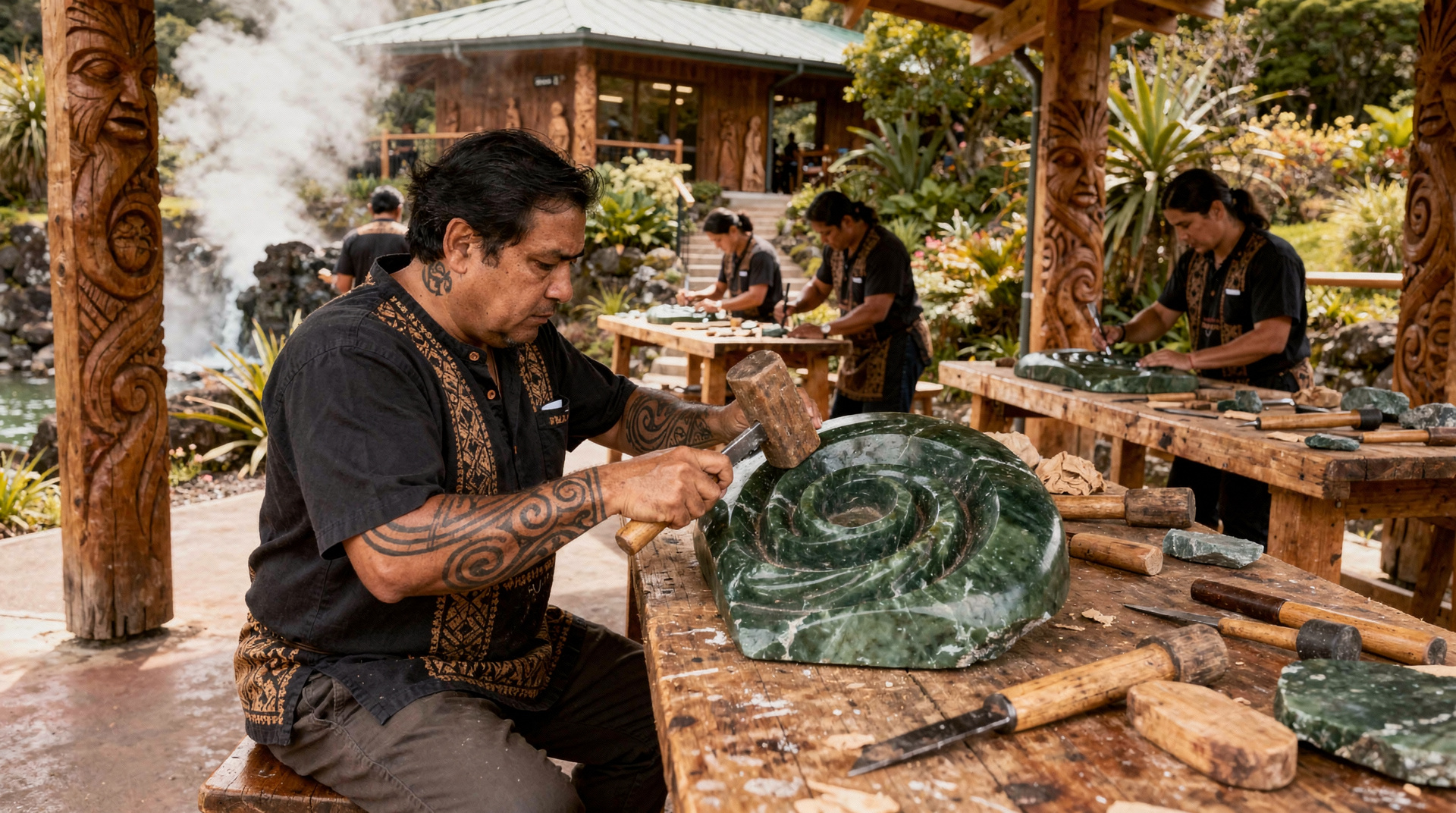
Te Puia Rotorua — the complete iwi-led cultural experience guide
Te Puia: Rotorua's iwi-led Maori cultural centre. Pohutu Geyser, living carving school, kapa haka, and hangi. Tickets, times, and honest verdict from NZD 60.
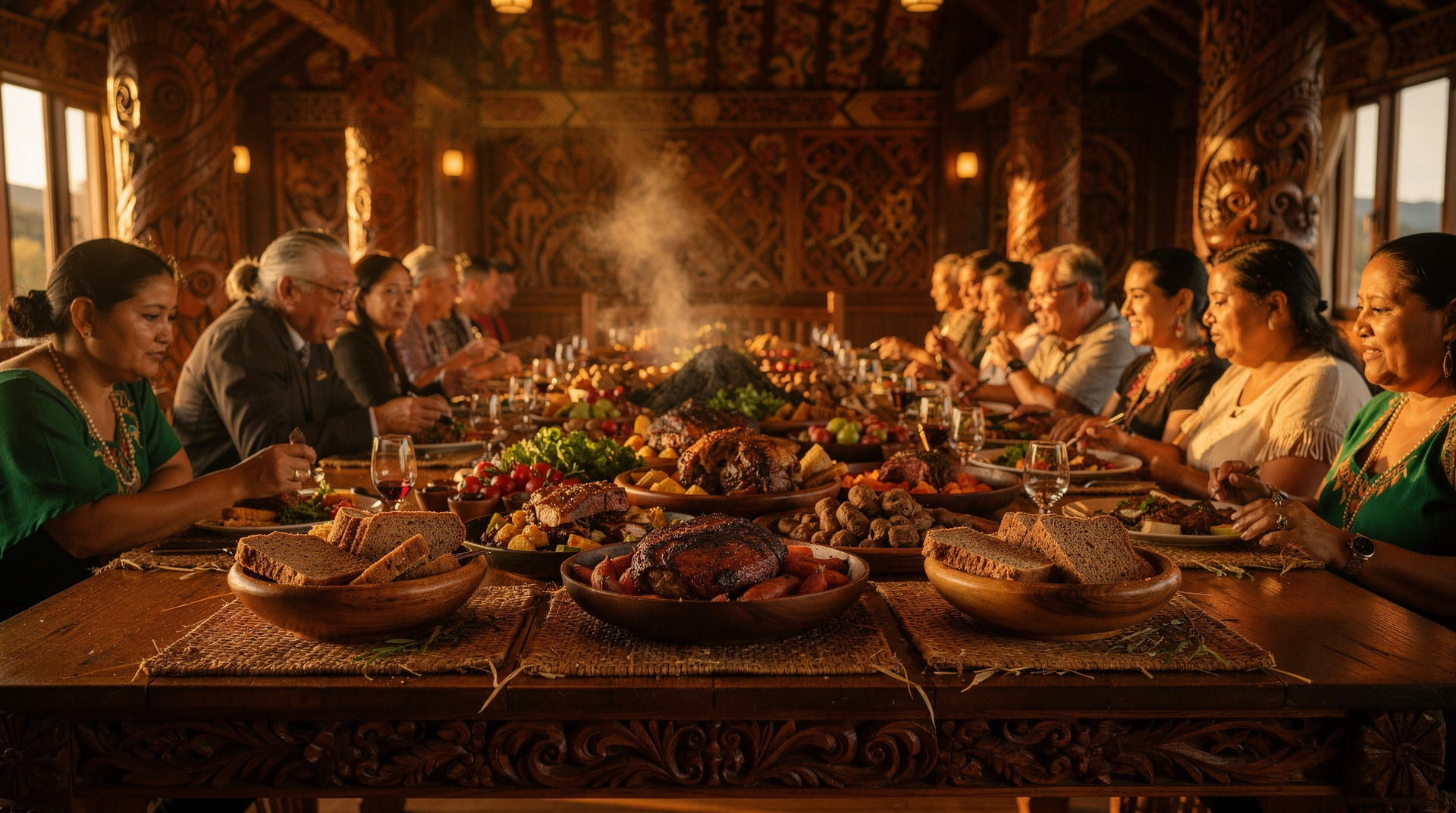
Hangi feast guide — New Zealand's earth oven cooking explained
What is a hangi? Earth oven cooking explained, cultural meaning, best places to try authentic hangi in NZ (Rotorua, Waitangi), and costs in NZD/USD/EUR.
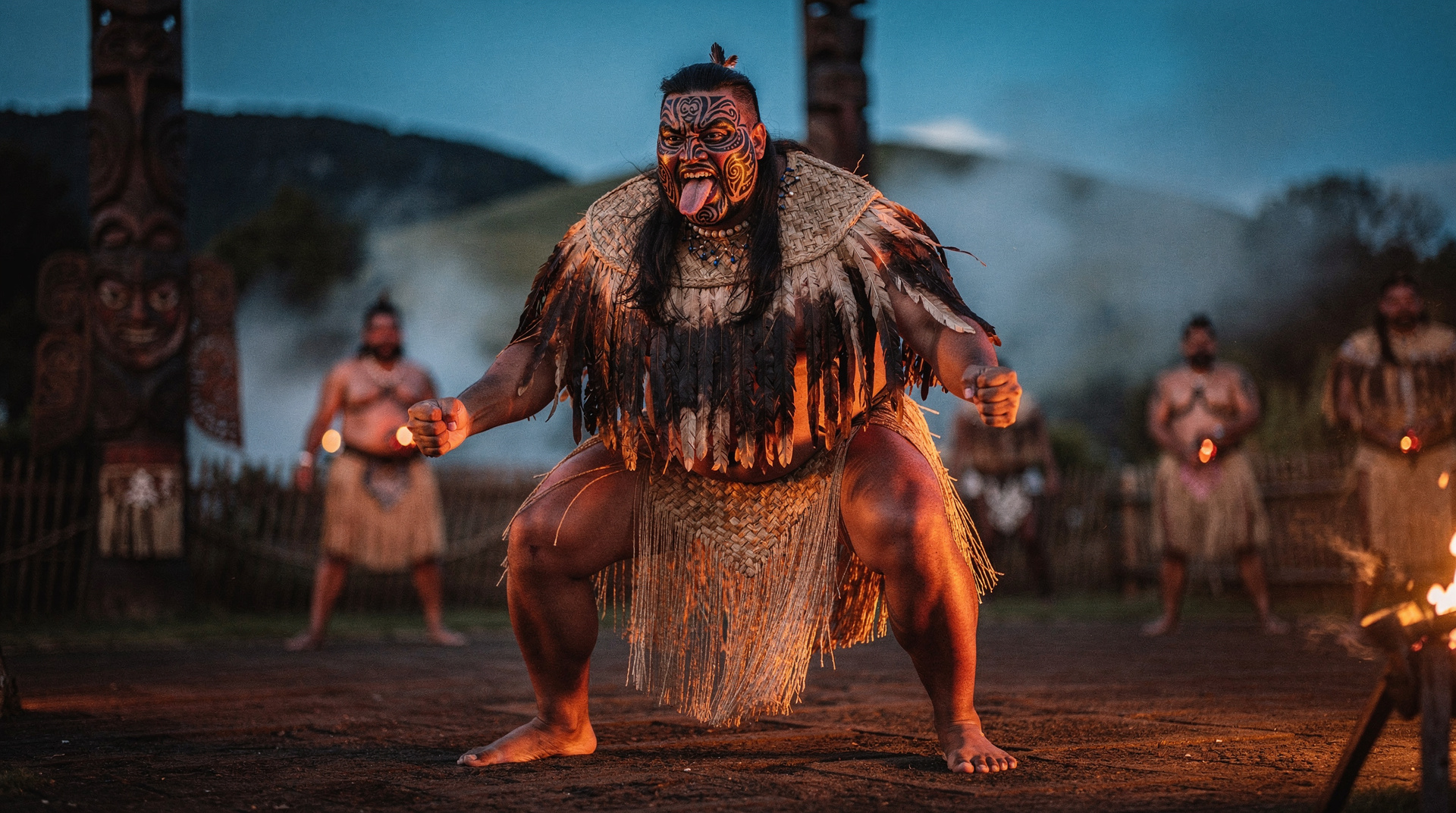
Maori culture overview — what every visitor should know
Respectful introduction to Maori culture for visitors: tangata whenua, Te Tiriti, tikanga basics, language, cultural experiences, and how to engage honestly.
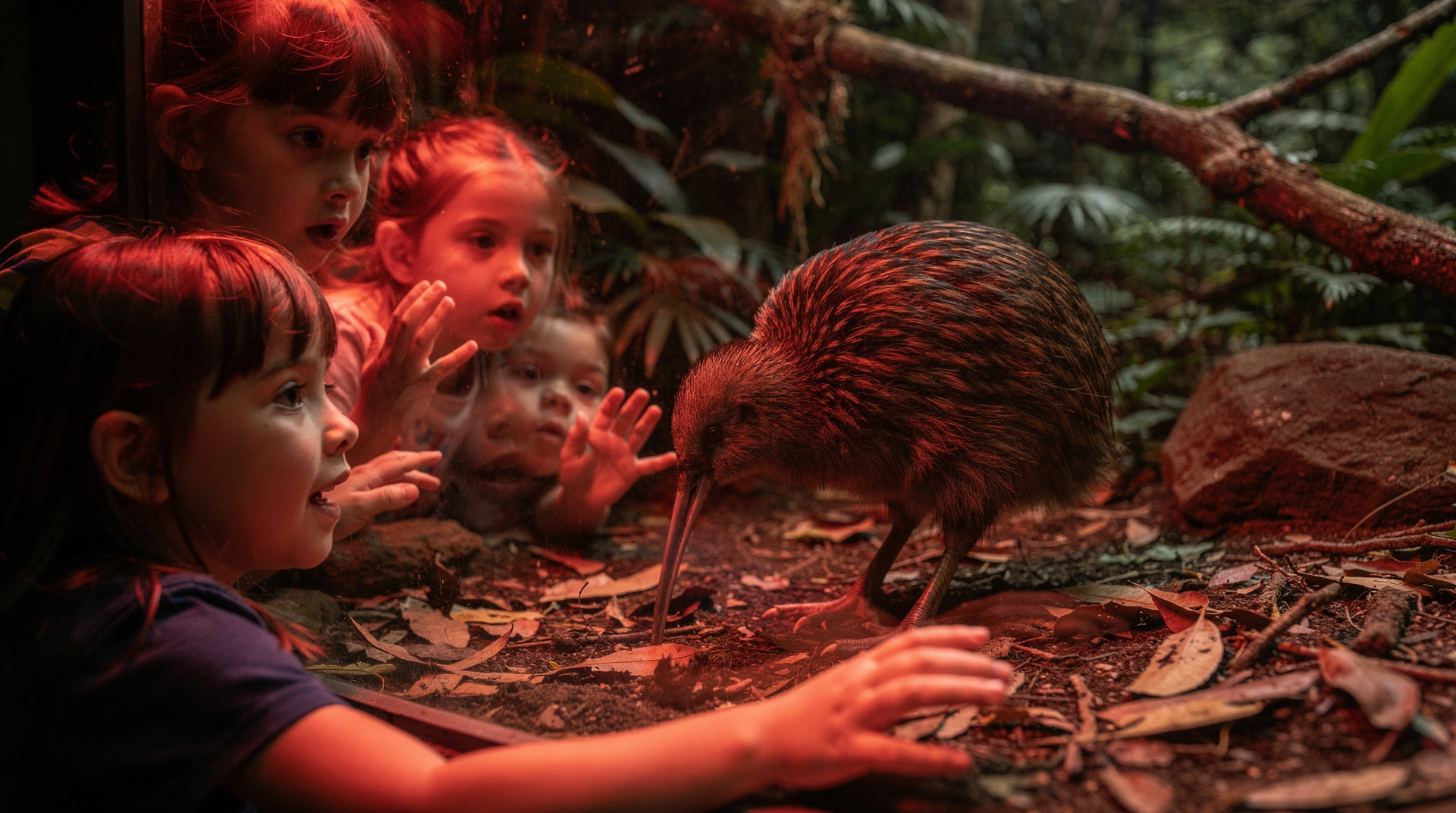
Kid-friendly activities in Rotorua — best things to do with children
Best kid-friendly activities in Rotorua: Te Puia geysers, zorbing, Agrodome, Rainbow Springs, gondola luge, and Polynesian Spa family pools. NZD/USD/EUR prices.
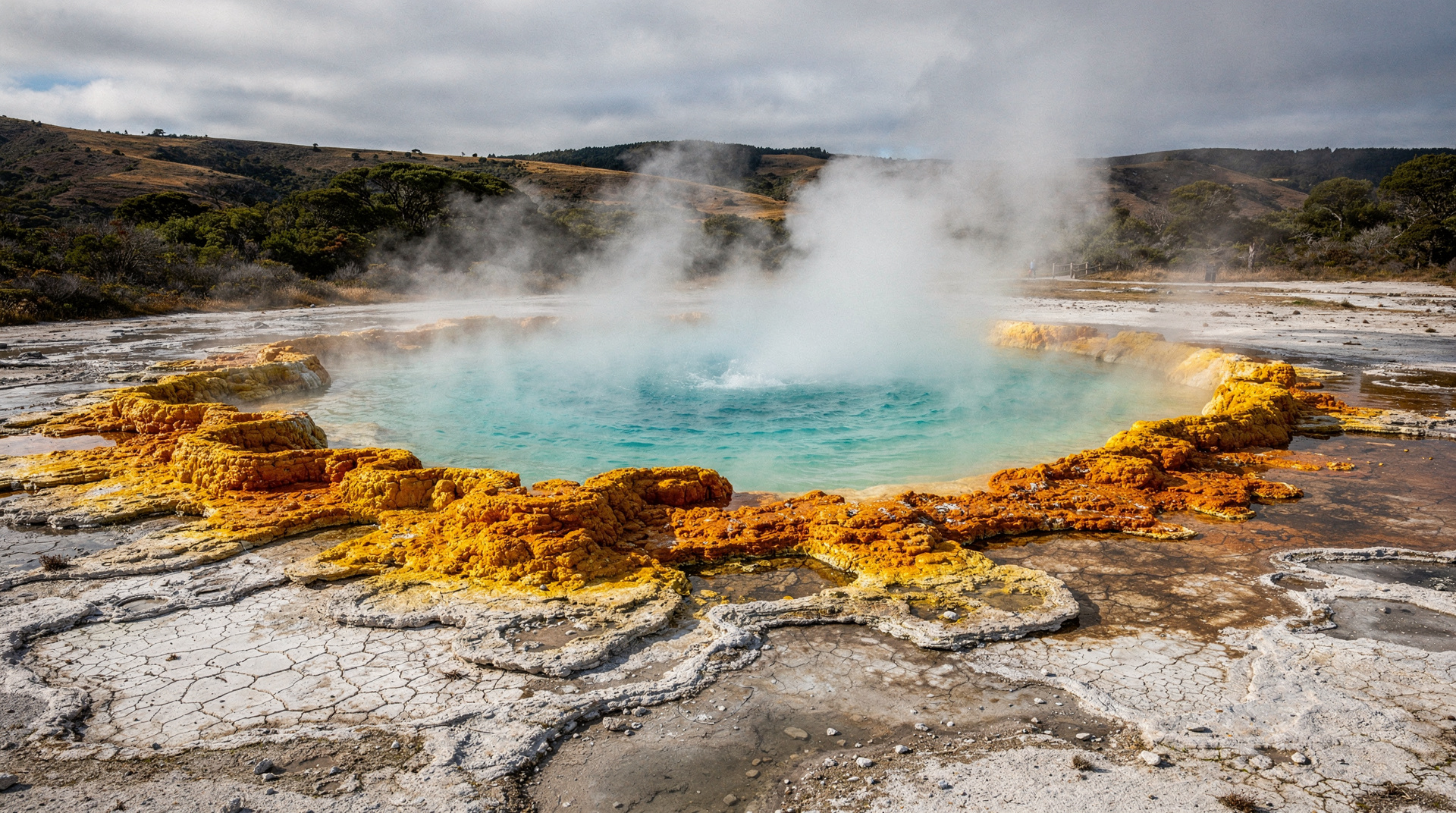
Rotorua
Honest Rotorua guide: Te Puia, Wai-O-Tapu, Polynesian Spa, Maori hangi, real prices NZD/USD/EUR, tourist traps to avoid, and best 2 days.
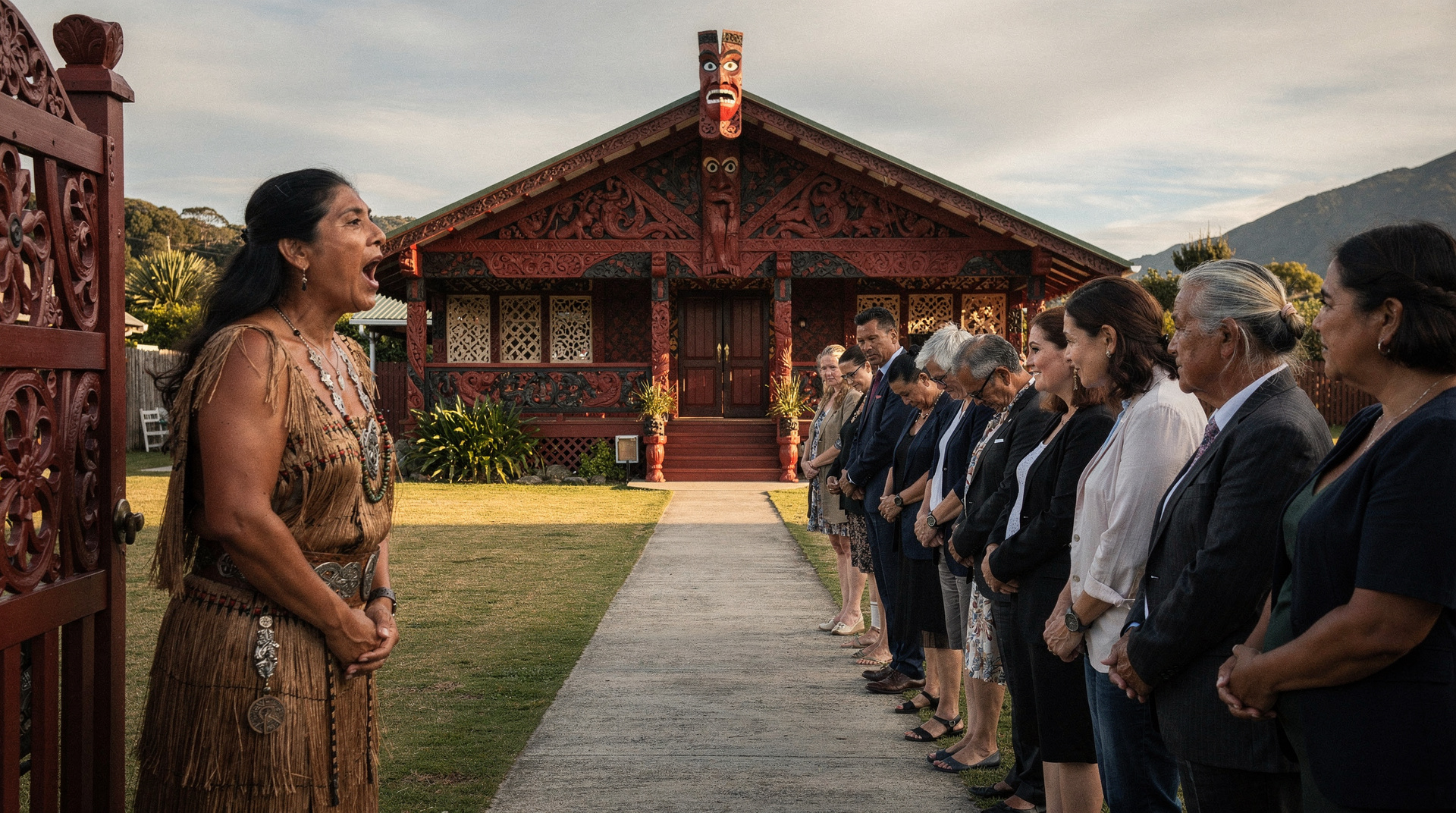
Marae etiquette for visitors
Marae etiquette: powhiri protocol, hongi greeting, shoes off, what not to do, and how to be a respectful guest at a Maori meeting place.
Last reviewed: