
Nevis Swing — Queenstown's biggest canyon swing
How much does the Nevis Swing cost and is it worth it?
NZD 325 / USD 195 / EUR 179 standalone. The Nevis Swing is a 300m arc swing above the Nevis Canyon — not a bungee drop but a pendulum at 160 km/h. It's intense, different from bungy jumping, and worth it if you want the biggest swing experience in New Zealand.
The Nevis Swing is Queenstown’s biggest canyon swing — a 300m horizontal arc launched from the same remote gorge complex as the Nevis Bungy. It’s run by AJ Hackett from a purpose-built platform reached by 4WD and cable car, and it’s a genuinely different sensation from anything else on this page.
| Where | Nevis Canyon, around 45 min by 4WD + cable car from Queenstown |
| Cost | around NZD 325 standalone (USD 195 / EUR 179) |
| Time needed | 3–4 hours total including transfers |
| Getting there | AJ Hackett shuttle pickup from central Queenstown |
| Best time | Year-round; book early-morning summer transfers to beat the heat |
300 metres of arc above the Nevis Canyon
The Nevis Swing operates from the same canyon complex as the Nevis Bungy — 134m above the Nevis River, accessed by 4WD from Queenstown and then cable car to the canyon platform. But the swing is a categorically different experience from the bungy drop.
Where the bungy drops you vertically and rebounds, the swing launches you forward in an enormous arc — 300 metres across the canyon at peak speed of approximately 160 km/h. The sensation is of flying horizontally rather than falling vertically. Your brain processes this differently: the horizon stays visible, the canyon walls rush past your peripheral vision, and the pendulum effect at the arc’s base produces a sensation of weightlessness distinct from freefall.
Both experiences share the same remote canyon setting and the same premium price tier. If you’ve done a bungy before and want something genuinely different, the Nevis Swing is the correct next step.
Pricing
| Option | NZD | USD | EUR |
|---|---|---|---|
| Nevis Swing standalone | 325 | 195 | 179 |
| Nevis Bungy + Swing combo | 620 | 372 | 341 |
| Nevis Thrillogy (bungy + swing + catapult) | 805 | 483 | 443 |
The standalone swing is significantly cheaper than the standalone bungy (NZD 365). If budget is a constraint and you want the Nevis experience, the swing is the better value entry point. If budget isn’t the primary concern and you want the most intense option, do both.
Queenstown: Nevis Canyon Swing - 70m Free-FallNevis Swing vs Shotover Canyon Swing — the key difference
Queenstown has two major canyon swing operations, and they’re quite different:
| Feature | Nevis Swing | Shotover Canyon Swing |
|---|---|---|
| Arc length | 300m | 200m |
| Peak speed | ~160 km/h | ~150 km/h |
| Location | Nevis Canyon (remote) | Shotover Canyon (near town) |
| Access | 4WD + cable car | 15 min from Queenstown |
| Setting | Isolated, dramatic | Dramatic but more accessible |
| Price | NZD 325 | See the official site |
| Jump positions | Multiple options | Multiple options |
The Nevis Swing wins on arc length and remoteness. The Shotover Canyon Swing wins on accessibility and the option to combine with other Shotover activities in a half-day. If you’re spending a full day at the Nevis complex anyway (for the bungy or catapult), add the swing — the incremental cost is justified by the shared transport. If you’re not doing the Nevis bungy, the Shotover Canyon Swing is easier to incorporate into a Queenstown day.
What the swing experience involves
Preparation: At the Nevis platform, you’re fitted into a full-body harness and attached to the swing cable. Unlike bungy jumping where you stand on a platform and step off, the swing involves being suspended in a sitting or lying position and released.
Launch positions: AJ Hackett offers multiple launch configurations — seated facing forward, lying back, or facing down (the most intense). First-timers typically choose seated forward. The facing-down launch produces the most dramatic view of the canyon floor on release.
The arc: At release, the swing drops briefly before the cable pulls you into the horizontal arc. At peak speed (approximately 160 km/h), the ride feels like being launched from a catapult. The arc then completes, you slow, and the pendulum continues for several additional swings at decreasing speed before you’re lowered to the recovery platform.
Duration: The main swing arc is approximately 30 seconds. Total experience at the Nevis complex (from platform to return cable car) is about 3–4 hours including transport from Queenstown.
Queenstown: Nevis Bungy & Swing ComboThe Nevis Catapult — the third Nevis element
The Nevis Catapult launches you forward (rather than dropping you down as in bungy, or releasing you as in swing). It’s essentially a human slingshot that fires you across the canyon. The Catapult is the least publicised of the three Nevis activities but unique in New Zealand — there’s no direct comparison elsewhere.
Queenstown: Nevis Swing & Catapult ComboThe Swing + Catapult combo is a strong option if you’ve already done the bungy elsewhere and want two distinct Nevis experiences.
Making the most of the Nevis complex
The remoteness of the Nevis Canyon is both its strength and a logistical consideration. The 4WD transfer from Queenstown takes approximately 45 minutes (the road through the Nevis Valley is unsealed and requires 4WD). The round trip plus activities means a minimum half-day commitment, and a full day is more comfortable.
Recommendations:
- Do the bungy and swing together if budget allows — the incremental swing cost (NZD 225 when added to the bungy) is reasonable for a second distinct canyon experience
- Book early morning in summer (first transfer leaves approximately 7:30am) to avoid heat in the canyon in afternoon
- Lunch: The Nevis complex doesn’t have on-site catering. Pack food if doing multiple activities. The Thrillogy package sometimes includes a lunch component — check at booking.
Age, weight, and fitness requirements
- Minimum age: 10 years (parental consent required under 18)
- Minimum weight: 35 kg
- Maximum weight: 230 kg
- Medical exclusions: Same as bungy — heart conditions, recent surgery, back or neck injuries, pregnancy
- Fitness: No specific fitness requirement, but the walk to the cable car and the canyon platform involves some steps
Who the Nevis Swing suits best
The swing rewards a particular kind of traveller. If you have never jumped off anything and want a first taste of Queenstown adrenaline, the seated forward position is a gentle way in: you are strapped in, you can see everything, and nothing about the launch asks you to step into empty air. If you have already done a bungy and the drop no longer frightens you, the swing offers something your body has not felt before. Couples and friends often book together and compare notes on the ride back, which is half the fun.
It is less suited to anyone who dislikes remote, bumpy transfers or who has a tight schedule on the day. The Nevis trip is a half-day commitment at minimum, so it does not slot neatly between a morning flight and an afternoon check-in. Travellers who want a quick hit of adrenaline between other plans will usually do better with the closer options in bungy in Queenstown or the Shotover Canyon Swing.
How the swing fits into a Queenstown stay
Queenstown packs a lot of activity into a small area, and the Nevis trip works best when you plan the rest of the day around it. Because the transfer is long and the canyon is exposed, most people treat the swing as the main event of the day and keep the evening light: a relaxed dinner in town, perhaps a wander along the lakefront, rather than another big booking.
Spreading your adventures across several days also helps. A day on the water, such as the Shotover Jet, pairs well with a calmer day exploring Arrowtown or the Queenstown day trips. Save the canyon for a day when you are rested and have eaten properly. The New Zealand adventure activities overview shows how the swing compares with other thrills around the country, and the Queenstown destination guide covers where to stay and eat between bookings.
If you are building a longer trip around adventure, the NZ adventure itinerary shows how Queenstown can anchor a few days of activities without exhausting you, and the 7-day South Island itinerary places it in a broader route with scenery and slower days.
Weather, light and what to wear
Conditions at the canyon can differ from conditions in town, so dress for the gorge rather than for the lakefront. Layers are sensible: the morning transfer can feel cool, the platform is exposed to sun and wind, and you will be waiting between activities. Closed shoes are the safest choice for the walk to the platform and the steps involved. Secure loose items, sunglasses and phones before you are harnessed, because nothing that is not attached to you should go out over the canyon with you.
Wind and rain affect the operation more than temperature does. If the day looks marginal, treat the booking as flexible and keep a spare day in your plan. This matters most in winter and in shoulder season, when a changed forecast can delay a transfer. Our guide to the best time to visit New Zealand explains how the seasons behave across the country, and the Queenstown versus Wanaka comparison helps if you are deciding where to base yourself for outdoor days.
Photos, video and bringing friends
Most operators offer photo and video packages for sale at the platform, and it is worth deciding in advance whether you want one. The ride is over quickly, and many people find that they remember the feeling far better than the details, so footage is a pleasant keepsake. Friends who do not want to jump can often come along to watch from the viewing area, although they should check the current arrangements when booking, since spectator access can change.
If you are travelling with a mixed group, with some keen and some nervous, the Nevis complex is a good place to stay together for the day. The nervous can watch, cheer and still enjoy the canyon scenery, while the keen ones jump. For families with older children, the kid-friendly Queenstown guide lists gentler options for those who do not want to swing, so everyone has something to do afterwards.
Pairing the swing with a calmer experience
After a loud, fast morning, many people want something slow. Queenstown has plenty of that. A cruise on Lake Wakatipu on the historic steamer is a classic way to wind down, and you can read more in the TSS Earnslaw guide and the Lake Wakatipu guide. If you would rather have a table and a view, the Queenstown food tour is a relaxed way to spend an afternoon.
Frequently asked questions about Nevis Swing — Queenstown’s biggest canyon swing
Is the Nevis Swing scarier than the Nevis Bungy?
Different rather than scarier. Bungy is defined by the vertical drop and rebound — your brain processes the rapid approach of the ground. The swing is a horizontal trajectory at high speed — the sensation is more like being launched. Most people describe the swing as slightly less psychologically confronting than the 134m bungy drop, but physically more intense during the actual arc. If you have to choose one: the bungy is the more historically significant experience; the swing is the more physically unusual one.
Can you do both the swing and bungy in the same visit?
Yes — this is the standard combo. The Nevis complex is set up to run both activities from the same platform. The Bungy + Swing combo (NZD 620) saves money compared to booking separately and is the most popular option for visitors determined to maximise the Nevis experience.
How does the Nevis Swing compare to the Kawarau Canyon Swing?
The Kawarau (operated separately from AJ Hackett, by Awesome Adventures) is located at the Kawarau Bridge — much easier to access but a different setting. The Nevis Swing is larger, more remote, and more expensive. The Kawarau swing is a good option for those who want a canyon swing without the Nevis transport commitment.
Is the 4WD access road to the Nevis accessible in all weather?
The Nevis Valley road is unsealed and can become impassable in severe rain or snow. AJ Hackett monitors road conditions and will delay or cancel transfers if conditions are unsafe. This is more common in winter (June–August). Check weather forecasts and have a flexible schedule if visiting in the shoulder or winter season.
Related adventures in Queenstown
Related guides
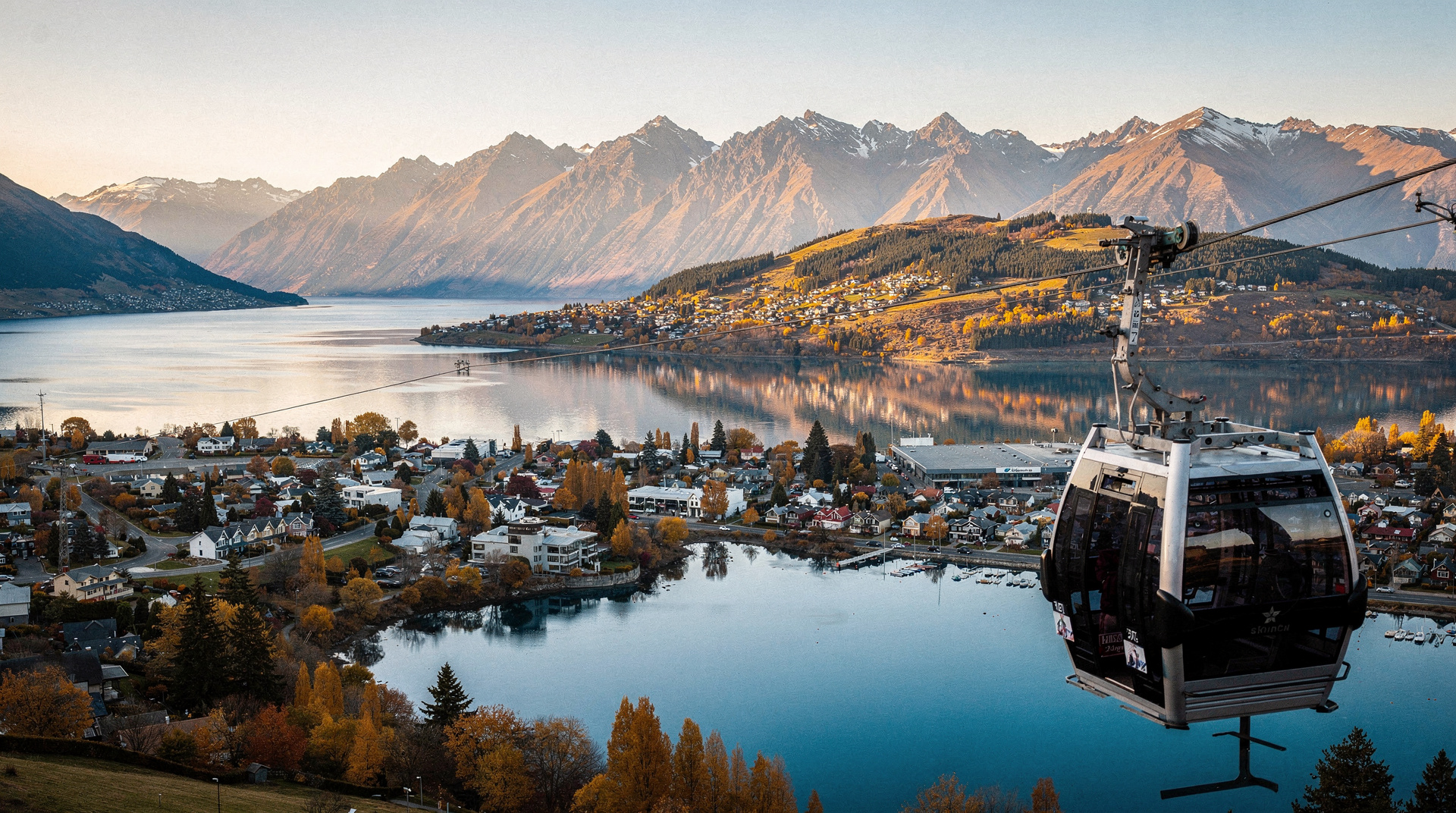
Queenstown
The honest Queenstown planner: bungy, jet boat, ski, scenic flights — real prices in NZD/USD/EUR, what to skip and what's worth your money.
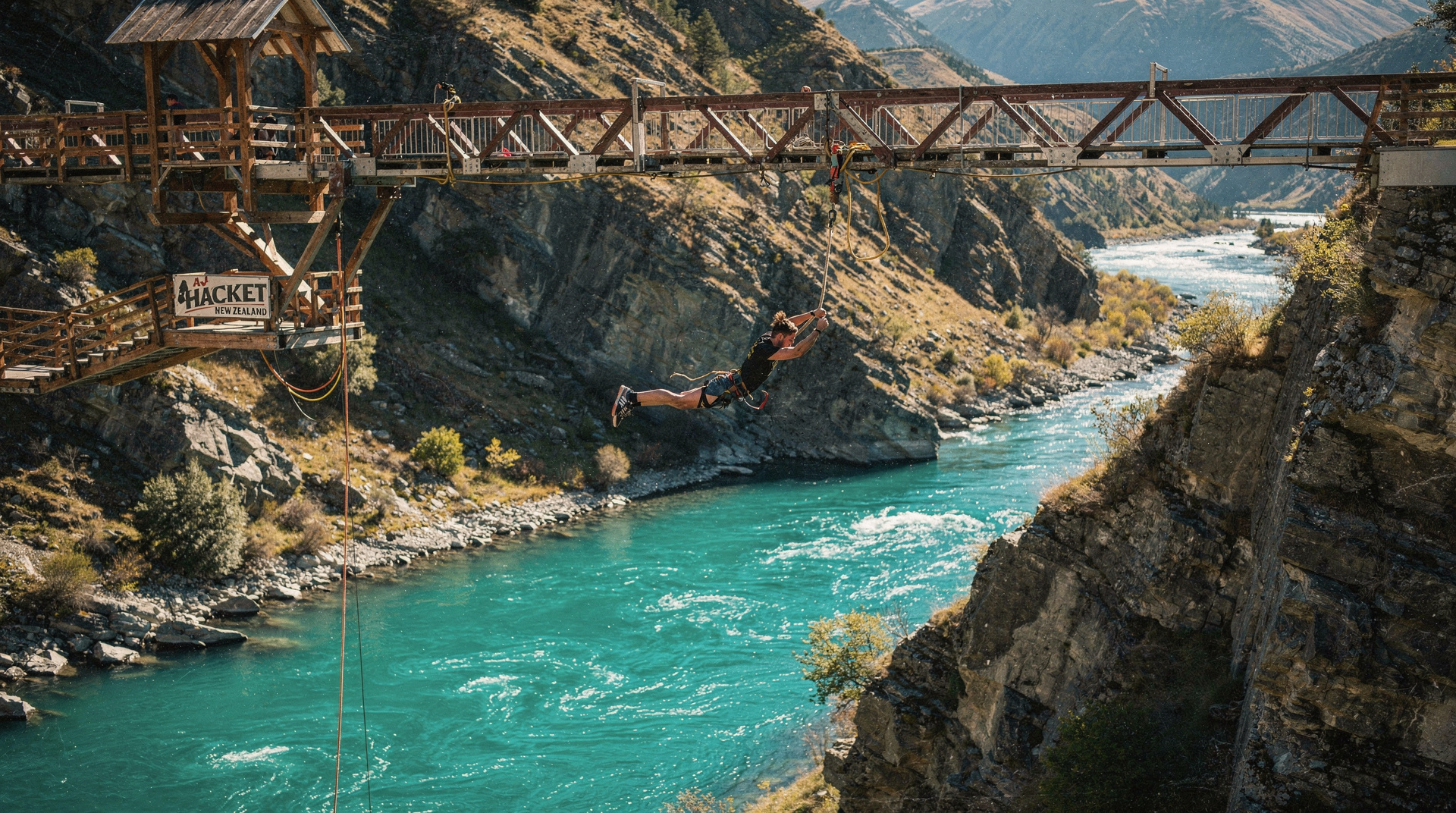
Bungy in Queenstown
Honest Queenstown bungy guide: Kawarau Bridge (the original 1988), the Nevis (134m), the Ledge — costs, age limits, and which is right for you.
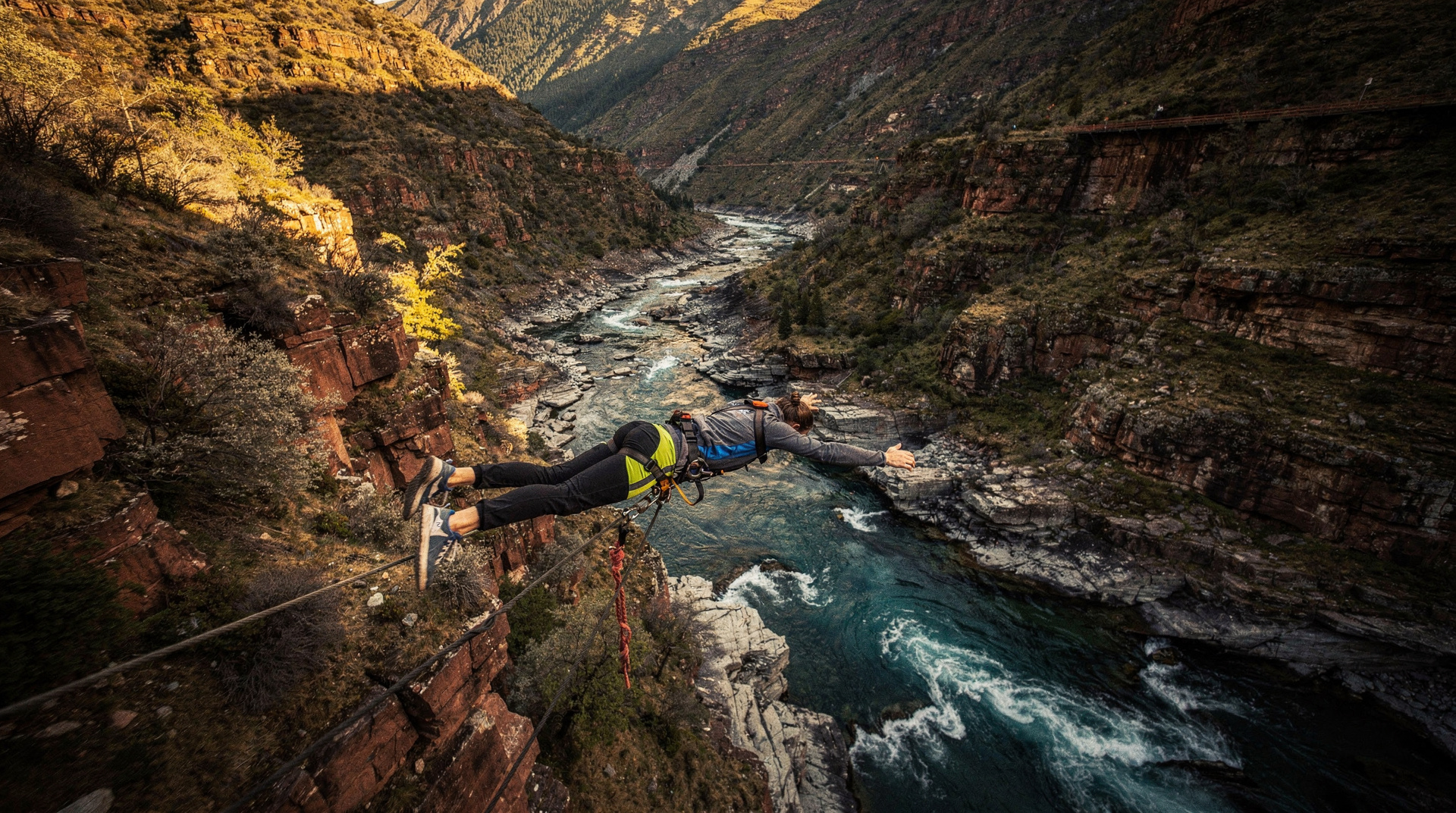
Canyon Swing at Shotover — Queenstown's underrated thrill
The Shotover Canyon Swing: 200m arc, 60m freefall, 150 km/h peak speed. Prices NZD/USD/EUR, launch positions, and how it compares to the Nevis Swing.
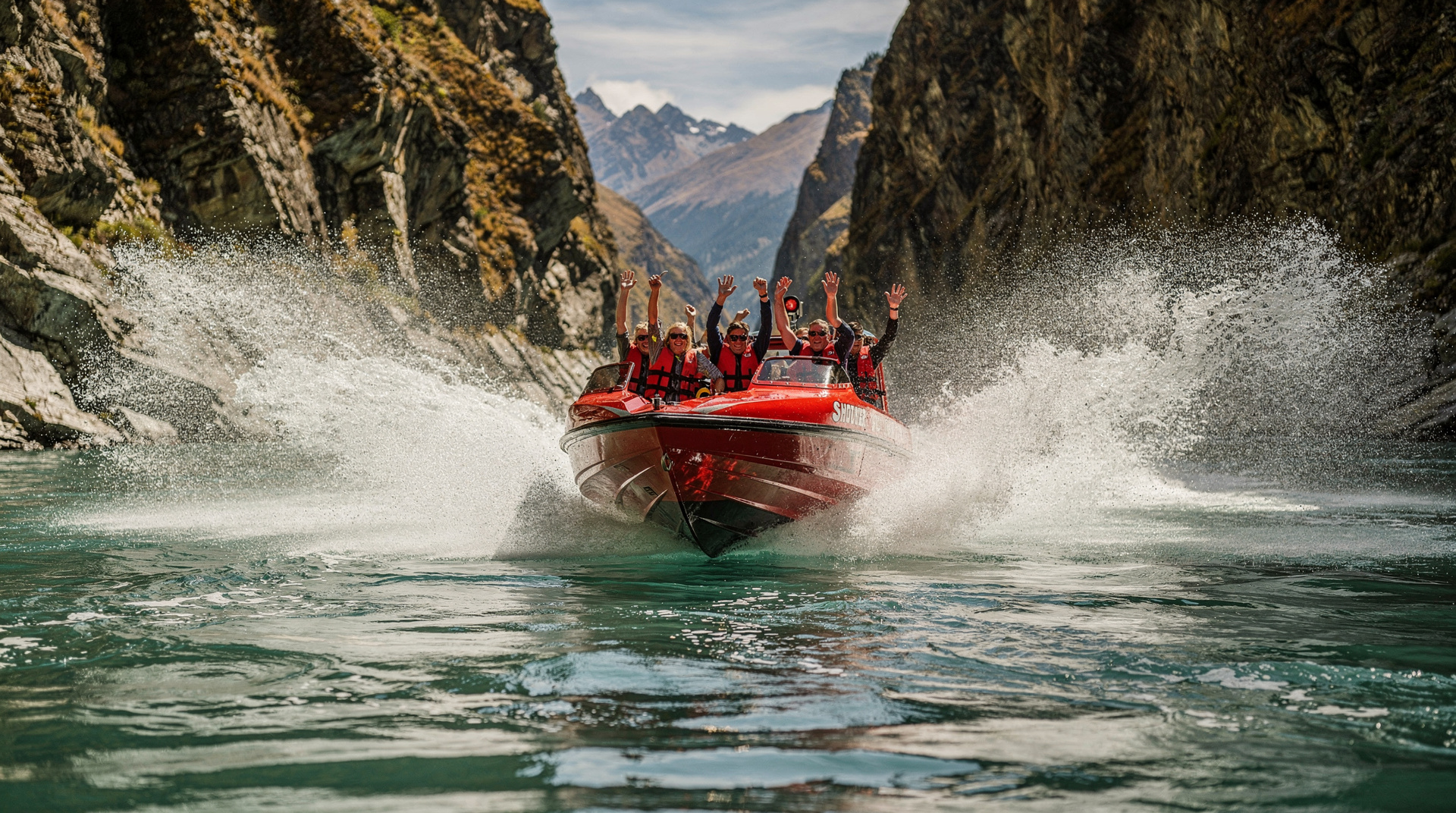
Shotover Jet — Queenstown's canyon jet boat ride
Everything about the Shotover Jet: prices, duration, canyon experience, age limits, and whether it lives up to the hype. Real costs NZD + USD + EUR.
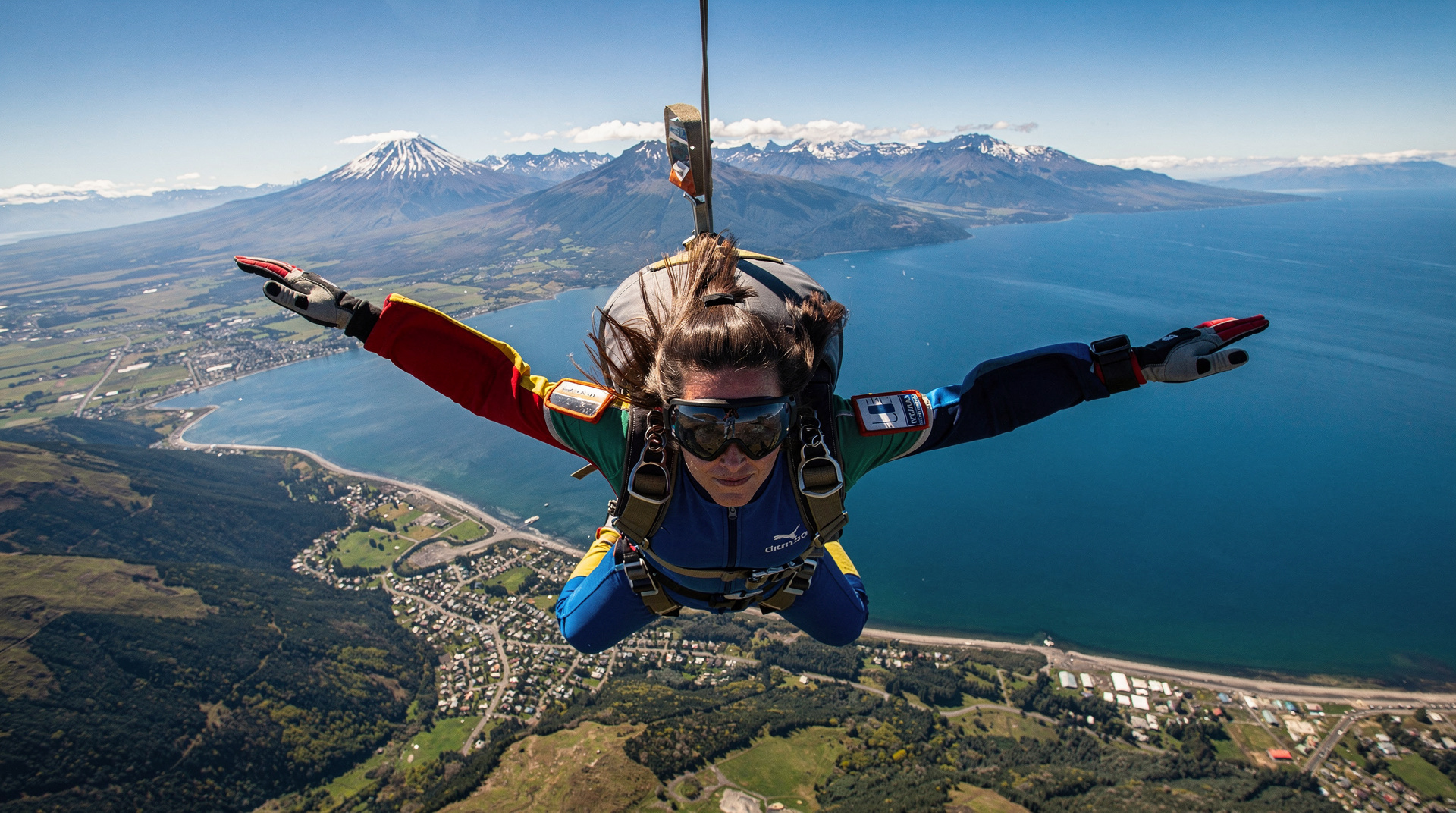
Skydiving in Taupo — New Zealand's highest tandem jump
Taupo skydiving guide: NZ's highest tandem at 15,000 ft over Lake Taupo. Prices NZD/USD/EUR, operator comparison, age limits, and best booking tips.