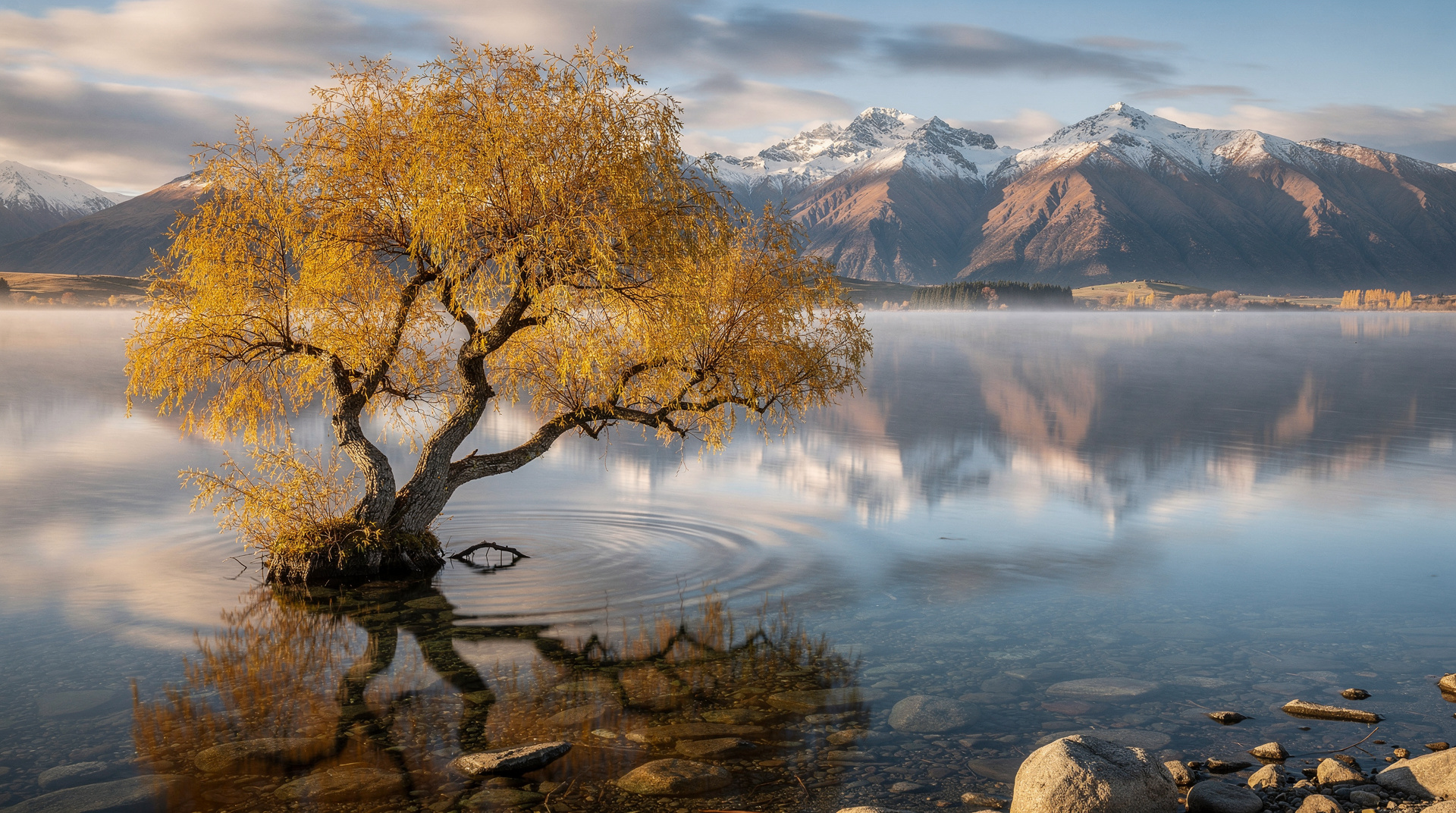
Wanaka
Honest Wanaka guide: Roy's Peak, Cardrona ski, lake kayaking — real NZD/USD/EUR costs and the honest Queenstown vs Wanaka verdict.
Quick facts
- Reputation
- Quieter, more local alternative to Queenstown — 1 hour away
- Best known for
- Roy's Peak hike, Lake Wanaka, Cardrona and Treble Cone ski areas
- Currency
- NZD — 1 NZD ≈ USD 0.60 / EUR 0.55
- Best for
- Hikers, skiers, photographers, travelers wanting less tourist infrastructure
- Skip if
- You want maximum activity variety and nightlife — go to Queenstown
Wanaka in honest comparison with Queenstown
Popular experiences here
Wanaka sits at the northern end of Lake Wanaka, 1 hour from Queenstown via the Crown Range or 1.5 hours via Cromwell. The two towns are often presented as interchangeable. They’re not. Queenstown is a fully-formed adventure tourism machine with 80+ operators, a packed high street, and prices to match. Wanaka is a small town (about 12,000 permanent residents) that happens to have two world-class ski areas, excellent hiking, and a lake that rivals anything in the South Island.
If you’ve already done Queenstown, or if the Queenstown energy doesn’t appeal to you, Wanaka is the better choice. If you want maximum activity concentration and don’t mind paying for it, Queenstown wins. Many travelers do both: 3 nights in Queenstown, 2 nights in Wanaka, then continue north toward the West Coast or Mt Cook.
| Where | Northern end of Lake Wanaka, 1 hr from Queenstown |
| Time needed | 2–3 days minimum for a hike and a lake activity |
| Cost | Around NZD 0–75 for hikes and paddling; NZD 145+ for ski passes |
| Getting there | Self-drive via the Crown Range or Cromwell; no direct bus from Queenstown airport |
| Best time | March–May for autumn colour; June–September for skiing |
What makes Wanaka worth the detour
The landscape is the starting argument. Lake Wanaka (at 45 km long, the fourth-largest lake in New Zealand) fills the valley floor with intensely blue-green water surrounded by mountains that turn gold and red in autumn. The famous lone willow tree on the lake’s edge has been photographed so many times that it appears in every travel feature about New Zealand — and it actually looks exactly like the photos suggest.
The town itself is small enough to feel genuine. The café culture is excellent without being performatively hip. Roy’s Peak is one of the finest day hikes in the South Island. And skiing here — particularly at Treble Cone, 17 km from town — is better than most people expect: longer runs, fewer people than Coronet Peak, and terrain that serious skiers will genuinely prefer.
Wanaka’s other advantage: it’s a logical waypoint on the road between Queenstown and the West Coast (via Haast Pass), or between Queenstown and Christchurch via Lake Tekapo. You don’t need to double back.
Hiking: Roy’s Peak and beyond
Roy’s Peak is the iconic Wanaka hike. The track starts 6 km from town on the Mount Aspiring Road and climbs 1,280m over 8 km (one way) to a ridge with a 360-degree view of Lake Wanaka and the surrounding peaks. The famous viewpoint photo is taken from a marked saddle about 800m below the true summit. Total: 16 km return, 5–6 hours, grade 4 (demanding). The lower section is exposed and very steep — start early and carry water. The hike is closed seasonally from October to mid-November for lambing; check the DOC website before you go.
For something shorter: the Mount Iron Circuit (4.5 km, 1.5 hours, grade 3) starts from the middle of town and gives good views over the lake without committing to a full day. Diamond Lake and the Rocky Mountain lookout (7 km return, 2.5 hours) is particularly good in autumn.
Longer multiday options: the Gillespie Pass circuit (3 days, remote, highly recommended for experienced trampers with DOC hut bookings), and the Rob Roy Valley Track (10 km return, a day trip from Wanaka into the Mt Aspiring National Park with a stunning valley glacier view). The Rob Roy track needs no booking and is one of the best half-day hikes in the South Island.
Ski and snowboard
Wanaka’s two ski areas are different from each other and from the Queenstown fields.
Cardrona Alpine Resort (45 km from Wanaka, 1 hour) is the most accessible and family-friendly, with excellent terrain parks, reliable snowmaking, and intermediate-focused groomed runs. Day pass NZD 149–175 / USD 89–105 / EUR 82–96. Cardrona also works easily as a day trip from Queenstown — it sits on the Crown Range between the two towns.
Treble Cone (17 km from Wanaka, 30 minutes) is the largest and most challenging ski area in the South Island, with 550+ hectares and a vertical drop of 700m. Crowd levels are noticeably lower than Coronet Peak or The Remarkables. Expert skiers consistently rate it above the Queenstown fields. Day pass NZD 145–175 / USD 87–105 / EUR 80–96. The access road is steep and sometimes icy — rental cars should have snow chains in winter.
Ski season: June to September; peak July–August. Book accommodation well ahead during NZ school holidays (late June–early July and mid-July).
Water activities on Lake Wanaka
The lake is cold (12–14°C even in summer) but absolutely swimmable on a warm day. Roys Bay near the town centre has a small beach that fills with locals in January and February.
For organised activities:
Wanaka: Full-Day or Half-Day Guided Kayak Tour
Tiki Tour kayak — guided paddle along Lake Wanaka's foreshore with mountain views.
From NZD 75 / USD 45 / EUR 41
The Mou Waho Island boat trip visits the island in the middle of Lake Wanaka — a short walk on the island leads to a crater lake within the island, a genuinely unusual sight. Trip runs about 3 hours, NZD 85 / USD 51 / EUR 47.
The packrafting trip with lunch takes you down a local river on an inflatable raft — good for families or anyone who doesn’t want to commit to canyon rafting. NZD 195 / USD 117 / EUR 108.
Other activities worth knowing about
Hot air balloon — the sunrise balloon flight over the Central Otago landscape is spectacular and genuinely different from the helicopter and jet boat culture of Queenstown.
Wanaka: Scenic Hot Air Balloon Flight
Hot air balloon flight over Central Otago at sunrise — 1-hour flight, weather-dependent (bookings roll to next clear morning).
From NZD 445 / USD 267 / EUR 245
Puzzling World — a large maze-and-illusions attraction just outside town. It’s a tourist attraction and it knows it, but it’s genuinely entertaining for 2–3 hours, especially with kids. NZD 22–28 / USD 13–17 / EUR 12–15.
Cinema Paradiso — an independent cinema in a converted town hall with intermission home baking and the most comfortable seats in New Zealand. Not an activity exactly, but if it’s raining or you want a relaxed evening, this is the correct choice.
Warbirds Over Wanaka — an international airshow held every other year in late March/early April at Wanaka Airport. If it’s on during your visit, it’s worth attending. The warbird collection and aerobatics are excellent. Accommodation books out across the whole town during the show weekend, so confirm your dates against the airshow calendar well ahead if you’re travelling in late March or April in an even-numbered year, or book somewhere in Cromwell or Queenstown as a fallback.
Day trips from Wanaka
Queenstown — 1 hour via Crown Range (steep, gravel stretches, not recommended in winter or rain without experience) or 1.5 hours via Cromwell. Worth a day if you want to compare, but if you’re already based in Queenstown and adding Wanaka, self-drive is easy.
Haast Pass and the West Coast — heading northwest from Wanaka on SH6, the Haast Pass road is one of the most spectacular drives in New Zealand. Mount Aspiring National Park flanks the road; waterfalls appear around every bend. Franz Josef Glacier is 3.5 hours from Wanaka — feasible as an overnight trip.
For travelers heading to the West Coast without a car — or who want a guided transition with stops — the Wanaka to Franz Josef guided one-way tour with lunch covers the full Haast Pass route with a guide, stopping at key viewpoints (Thunder Creek Falls, the Gates of Haast) and including a proper lunch stop. A practical option for those repositioning from Wanaka to the glacier towns before continuing north.
Cromwell and the Clyde Gorge — 45 minutes east. The Cromwell Gorge (flooded by Lake Dunstan) is scenic, and Cromwell’s stone fruit orchards are excellent in summer. The Clyde Dam overlook is worth a stop.
Mt Aspiring National Park — the Rob Roy Valley Track (mentioned above) is the best short introduction. For serious trampers, the Matukituki Valley and West Matukituki lead toward the base of Mt Aspiring/Tititea (3,033m, the highest peak outside the Aoraki/Mt Cook massif). These require experience and good weather windows; check conditions with DOC.
Mountain biking around Wanaka
Wanaka has quietly become one of the better mountain biking bases in the South Island, and it’s an activity that rarely makes the highlight-reel alongside Roy’s Peak and skiing. The Sticky Forest, a network of pine-forest trails a 10-minute pedal from town, has a wide spread of grades from flowing beginner loops to technical black runs, and it’s free and unmarshalled — just turn up. Bike hire in town (roughly NZD 60–90 / USD 36–54 / EUR 33–49 per day for a hardtail, more for full-suspension e-bikes) makes this an easy half-day add-on that doesn’t need advance booking.
For a bigger day, the Deans Bank and Millennium Track loop follows the Clutha River out of town on mostly flat, well-formed gravel — a good option for families or anyone wanting scenery without technical singletrack. Serious riders base themselves in Wanaka specifically for access to the Cardrona and Snow Farm high-country trails, which open up alpine tussock terrain not reachable on foot in a day. As with hiking, check conditions and any seasonal closures before heading into the high country, and carry more water than you think you’ll need — the exposed sections get hot fast in summer.
Where to stay
Budget: Wanaka Bakpaka (NZD 38–55 / USD 23–33 / EUR 21–30 per dorm; central, social); YHA Wanaka (NZD 40–58 / USD 24–35 / EUR 22–32; well-maintained, lake views); Wanaka Homestead Lodge (NZD 42–62 / USD 25–37 / EUR 23–34).
Mid-range: Edgewater Resort (lake edge, excellent position, NZD 220–380 / USD 132–228 / EUR 121–209); Lakeside Apartments Wanaka (fully self-contained, NZD 195–310 / USD 117–186 / EUR 108–171); Archway Motels (central, reliable, NZD 155–210 / USD 93–126 / EUR 85–116).
Splurge: Mahu Whenua (private 17,000-acre high-country station, helicopter access, guided fishing and hiking, NZD 3,500–5,500 / USD 2,100–3,300 / EUR 1,925–3,025 per night); Minaret Station (remote lodge accessed only by helicopter or boat, extraordinary scenery, NZD 2,500–4,000 / USD 1,500–2,400 / EUR 1,375–2,200). Both properties are genuinely exceptional and genuinely expensive.
What to eat and drink
Francesca’s Italian Kitchen — the best restaurant in Wanaka, consistently packed, excellent pasta and pizza, mains NZD 28–42 / USD 17–25 / EUR 15–23. Book ahead.
Kai Whakapai Cafe and Bar — reliable, central, good breakfast and lunch, mains NZD 22–35 / USD 13–21 / EUR 12–19.
Burrito Bar — queued out the door most evenings in summer. Solid, cheap (NZD 14–18 / USD 8–11 / EUR 7–10), exactly what it says.
Ritual Espresso — the best coffee in town by local consensus. Tiny, get there early.
Criffel Peak View — wine bar with excellent Central Otago Pinot selection and small plates. Go here if you want to compare Wanaka’s wine scene to the Queenstown wine tours.
Wanaka has a New World supermarket at the edge of town — the best option for picnic supplies before hikes or ski days. It’s also worth stocking up here before continuing toward Haast, since grocery options thin out considerably along the West Coast route.
Skip / Worth it / Splurge
⚠ Tourist trap : The Wanaka Tree Instagram detour if you’ve already seen the photos — it’s a willow tree on the lake edge and it does look like the photos, but the “experience” is walking to a tree and walking back. Worth 15 minutes, not 2 hours.
✓ Worth it : Rob Roy Valley Track (free, no booking required, one of the best free half-days in the South Island). Roy’s Peak if you’re fit and have a full day. Cinema Paradiso on a rest day.
★ Splurge : Treble Cone ski day (best skiing in the South Island for intermediate and advanced skiers, lower crowds than the Queenstown fields). Hot air balloon at sunrise if your budget allows it.
Cost breakdown
Wanaka activity costs at a glance
| Item | NZD | USD | EUR | Verdict |
|---|---|---|---|---|
| Roy's Peak hike (DOC track) Free, best day hike near Wanaka | 0 | 0 | 0 | ✓ Worth it |
| Rob Roy Valley Track Free half-day glacier valley walk | 0 | 0 | 0 | ◆ Hidden gem |
| Tiki Tour kayak (2 hrs) Best gentle lake activity | 75 | 45 | 41 | ✓ Worth it |
| Mou Waho Island boat trip (3 hrs) Island with a lake inside — unique | 85 | 51 | 47 | ◆ Hidden gem |
| Packrafting with lunch Good family adventure, no experience needed | 195 | 117 | 108 | ✓ Worth it |
| E-bike wine and lunch tour Best way to do Central Otago wine without driving | 185–225 | 111–135 | 102–124 | ✓ Worth it |
| Hot air balloon at sunrise (1 hr) Weather-dependent — extraordinary when it runs | 445 | 267 | 245 | ★ Splurge |
| Cardrona ski day pass Best for families and intermediates | 149–175 | 89–105 | 82–96 | ✓ Worth it |
| Treble Cone ski day pass Best for advanced skiers — lower crowds | 145–175 | 87–105 | 80–96 | ★ Splurge |
How Wanaka fits into South Island routes
Wanaka is a natural one- or two-night stop on several classic South Island routes. On the 7-day South Island itinerary, it pairs with Queenstown as a 1-night detour. On a 14-day circuit, 2 nights in Wanaka gives you Roy’s Peak and a ski or lake day. On the West Coast route, Wanaka is the logical last stop before Haast Pass — fill up on petrol and food here as the Haast township has limited services.
For the Queenstown vs Wanaka comparison guide, the short answer is: Queenstown for a first South Island trip or adventure-heavy itinerary; Wanaka for repeat visitors, hikers, skiers who want less commercial atmosphere, or travelers adding a natural extension to their Queenstown base.
Wanaka vs Queenstown, side by side
The comparison question comes up constantly enough that it’s worth laying out plainly rather than repeating the same paragraph of caveats.
| Wanaka | Queenstown | |
|---|---|---|
| Atmosphere | Small, local, low-key | Full-on adventure tourism town |
| Best for | Hiking, skiing (Treble Cone), photography | Activity variety, nightlife, first-timers |
| Ski field crowds | Noticeably lower | Busier, especially Coronet Peak |
| Dining/nightlife | Good but limited | Extensive |
| Typical stay | 2–3 nights | 3–5 nights |
| Accommodation cost | Slightly lower on average | Higher, especially in peak season |
Neither town is objectively “better” — they suit different trip styles, and the honest recommendation for most first-time South Island visitors is Queenstown as the base with Wanaka as a 2-night detour, flipping the ratio only on a second trip.
Frequently asked questions about Wanaka
How many days should you spend in Wanaka?
Two nights is the minimum — one full day for Roy’s Peak (or a ski day at Cardrona/Treble Cone), one half-day on the lake. Three nights lets you add the Rob Roy Valley Track and a relaxed day exploring the town.
Is Wanaka or Queenstown better?
It depends entirely on what you want. Queenstown wins on activity variety, nightlife, and infrastructure. Wanaka wins on atmosphere, scenery, fewer crowds, and slightly lower prices. Most travelers who’ve been to both prefer Wanaka in retrospect — though Queenstown usually wins on the first trip. The honest answer: do both if you have 5+ days in the Otago region.
Can you do Wanaka as a day trip from Queenstown?
Yes, but it’s a long day — allow 2 hours total driving. The Crown Range road is the more scenic option (55 minutes) but steeper and not recommended in ice or wet conditions. A day trip to Wanaka works for Roy’s Peak (start very early) or a casual lake day. It’s not enough for skiing.
When is the best time to visit Wanaka?
Autumn (March–May) is the hidden gem. Crowds drop sharply after Easter, the poplar trees along the Clutha River turn gold and red, and accommodation prices fall 20–30%. Summer (December–February) is beautiful but crowded. Ski season (July–August) is excellent but expensive and busy. Spring (October–November) has the Roy’s Peak closure for lambing but offers shoulder pricing and clear weather windows.
Do you need a car in Wanaka?
For activities within town and on the lake, no. For Roy’s Peak (6 km from the start point), Treble Cone, Cardrona, and the Rob Roy Valley Track, yes — public transport to these areas is limited. Rental cars from Queenstown can be dropped at Wanaka for a one-way trip if you’re continuing to the West Coast.
Is Wanaka a good base for the West Coast glaciers?
Yes — Wanaka is the logical last stop before the Haast Pass, and the drive to Franz Josef Glacier or the West Coast more broadly takes about 3.5–4 hours. Fill the car with petrol and pick up any supplies in Wanaka, since services along Haast Pass itself are minimal. Many travelers break the drive with a stop at the Blue Pools, a short walk off the highway.
How does Wanaka compare to Rotorua as a stop?
They’re not really comparable — Rotorua is a North Island geothermal and Maori-culture hub, while Wanaka is a South Island lake and mountain town. Both are worth including on a full New Zealand itinerary; neither substitutes for the other. See the Queenstown vs Rotorua comparison for how the two islands’ signature bases stack up if you’re deciding where to spend limited time.
Wanaka’s Central Otago setting — wine and landscape
Wanaka sits at the northern end of the Central Otago wine region, one of the world’s southernmost commercial wine-producing areas and home to some of New Zealand’s finest Pinot Noir. The town itself has limited winery infrastructure (most cellar doors are in the Cromwell basin and Gibbston Valley, closer to Queenstown), but the landscape — dry, dramatic, high-altitude — is what produces the wine quality. Even non-wine-drinkers notice the landscape shift on the Cromwell–Wanaka highway: the lush green of Queenstown is replaced by golden tussock and schist rock outcrops that characterise the Central Otago basin.
The Wanaka e-bike wine and lunch tour covers local and nearby producers with the advantage of electric-assisted cycling through the Clutha River valley. NZD 185–225 / USD 111–135 / EUR 102–124. Good for those who want to combine gentle exercise with wine tasting without committing to a full driving wine tour.
Rippon Vineyard is the most scenic winery in the region — directly on the lake’s edge with terraced vines and Wanaka itself as the backdrop. Open for tastings November–April; no booking required for small groups. Tasting fee approximately NZD 10 / USD 6 / EUR 5.
Artisan markets: Wanaka’s farmers’ market (Saturday mornings in summer) is one of the better South Island markets for local produce, cheeses, and crafts. The Wanaka Blossom Festival in September draws visitors for the cherry blossom trees in the township, a photogenic annual event.
Mt Aspiring National Park and the wilderness context
Wanaka is the gateway to Mt Aspiring/Tititea National Park (the second-largest national park in New Zealand after Fiordland), a 3,555 km2 World Heritage area encompassing some of the most remote and challenging terrain in the South Island. The park’s boundary begins about 10 km from the town centre.
For non-technical visitors, the park is accessible via the Matukituki Valley (the access road runs 60 km west from Wanaka) to the Rob Roy Valley Track base (one of the finest free day hikes in the South Island, detailed earlier) and the Aspiring Hut area (a DOC hut 19 km along the valley floor, reachable in a full day). For technically-capable trampers, the Gillespie Pass circuit (3 days, difficult, rewarding) and longer backcountry routes provide genuine wilderness at a level of isolation not possible in the more popular Queenstown areas. Always register intentions with DOC and check conditions before entering.
The park also provides much of Wanaka’s visual backdrop — the peaks visible from Roy’s Peak summit are all within or adjacent to the park boundary. Understanding the scale (this is a bigger national park than many European countries) adds depth to what otherwise feels like a scenic but approachable set of hills.
Top experiences: Wanaka
See all →Guides for Wanaka
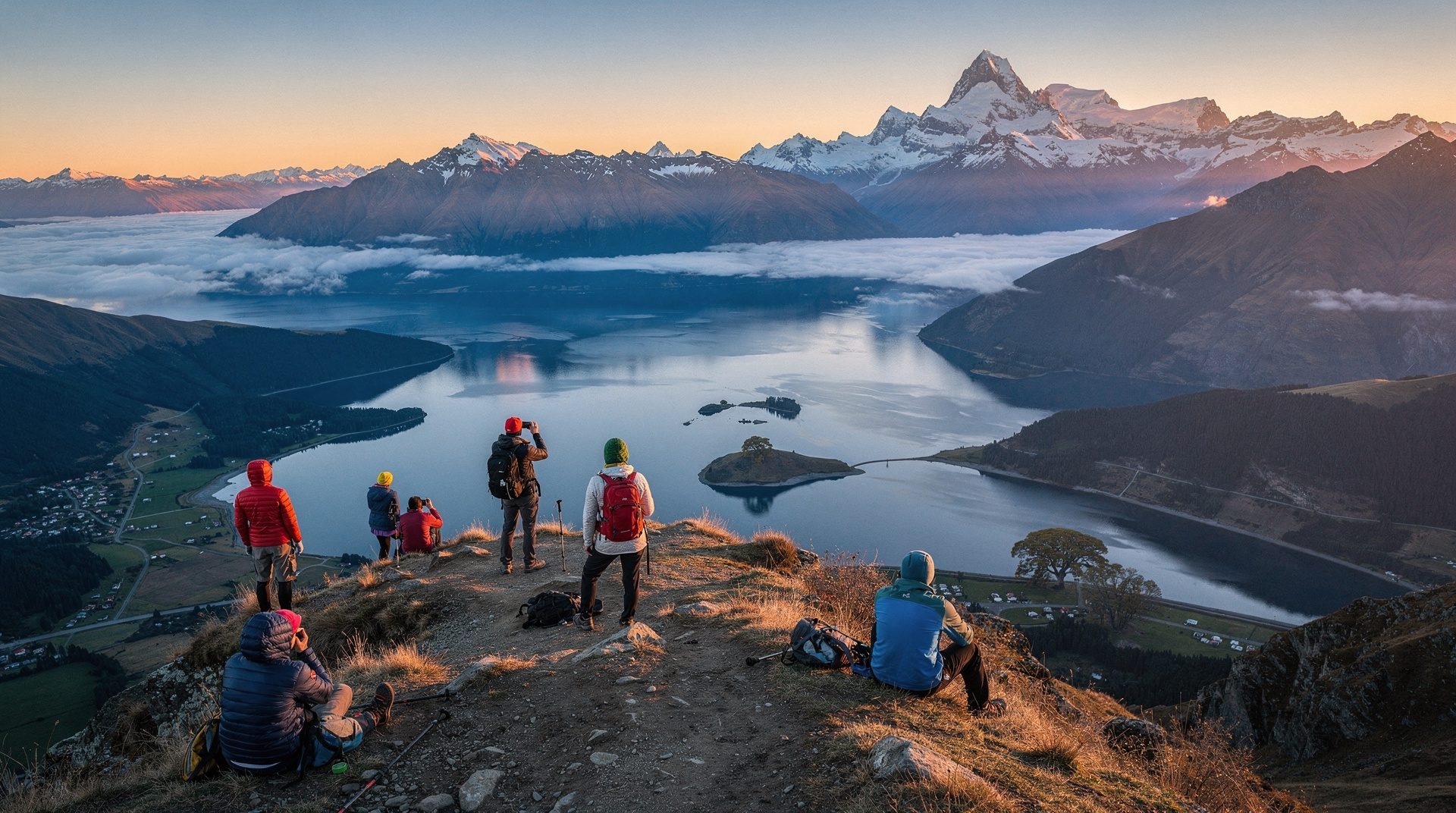
Day hikes around Wanaka — five best options
Five best day hikes near Wanaka: Roy's Peak (closed Oct-Nov), Diamond Lake, Isthmus Peak, Mt Iron, Roys Peak alternatives. Distances, times, difficulty ratings.
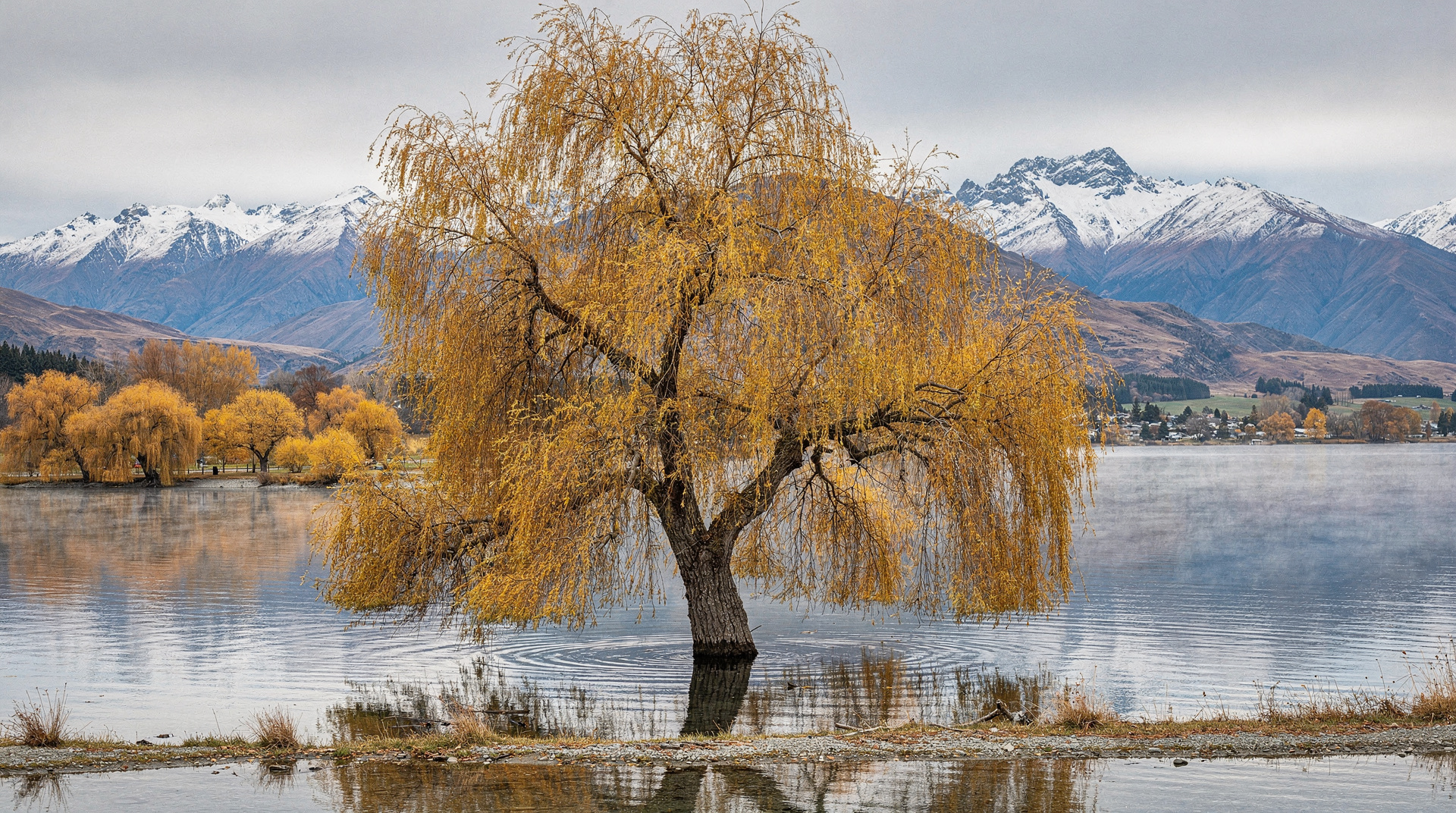
Lake Wanaka — guide to Queenstown's quieter rival
Lake Wanaka guide: 192 sq km glacial lake, the famous willow tree, kayak, paddleboard, hiking, cruises. Wanaka town, Mou Waho Island, water activities guide.
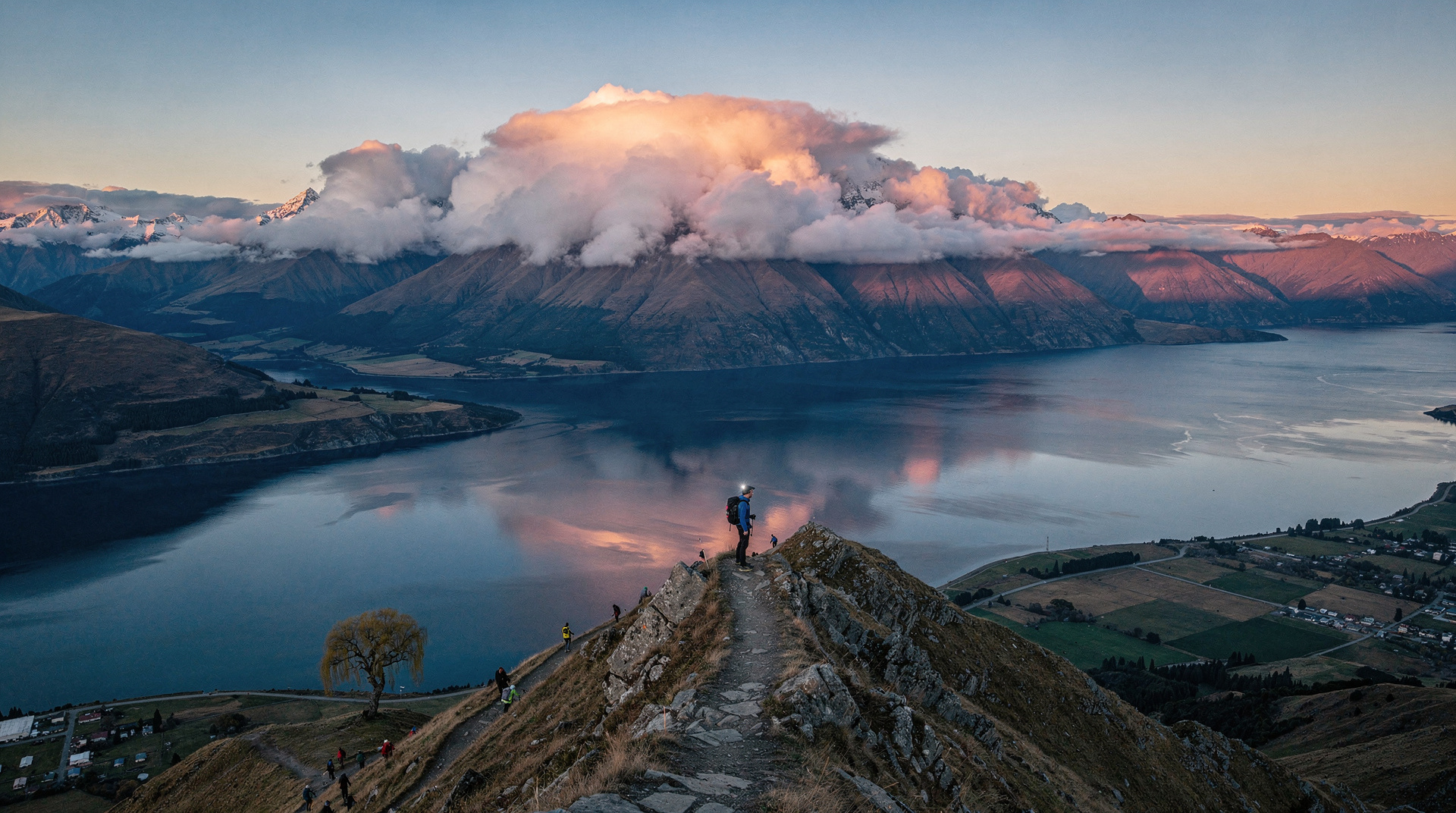
Roy's Peak — Wanaka's iconic ridgeline hike
Roy's Peak: 16km return, 1250m climb, 5-7 hours. The most photographed view in Wanaka — and one of the most crowded. Honest guide with tips to beat queues.
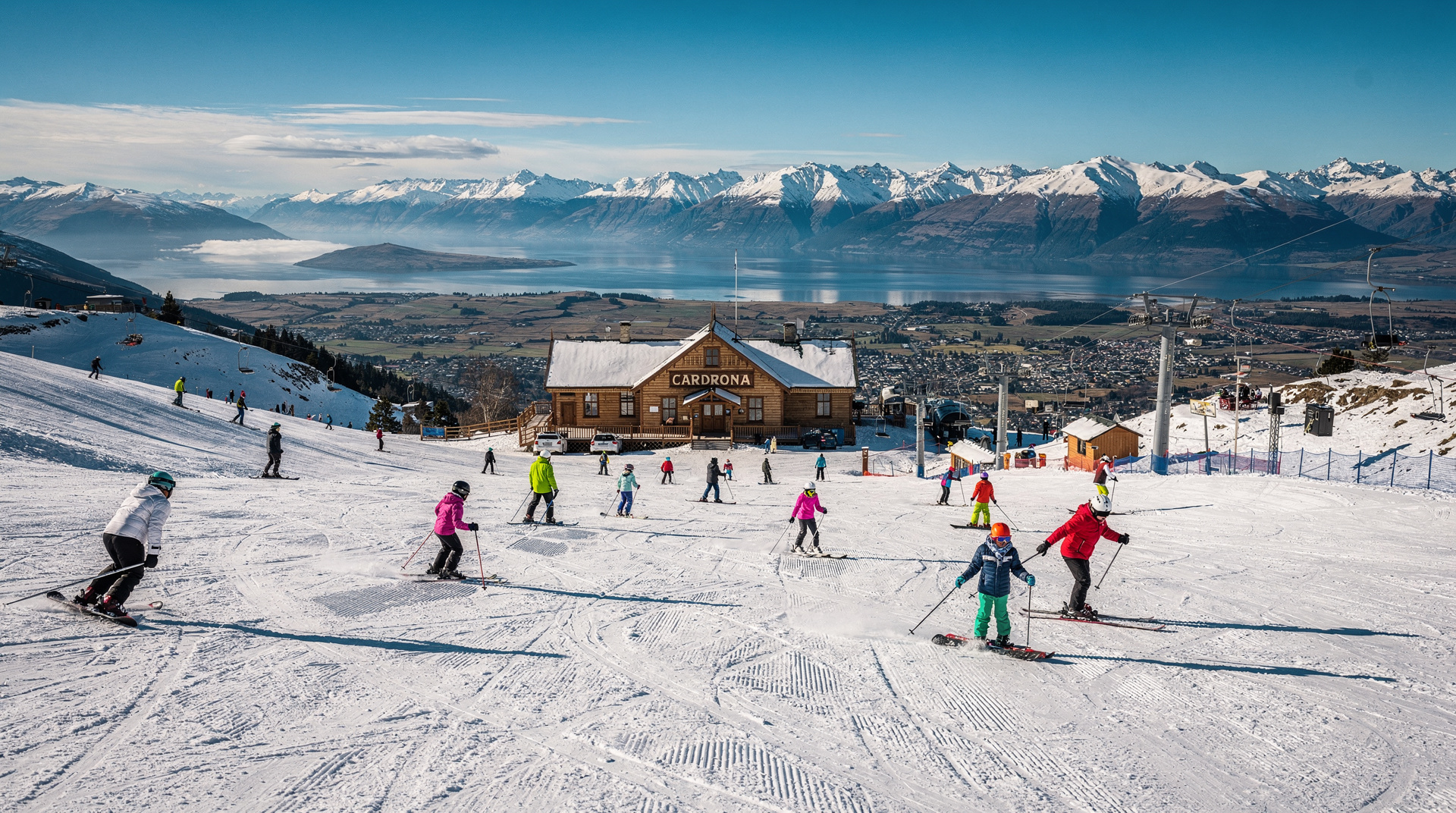
Skiing Cardrona — the best family ski field near Wanaka
Cardrona ski guide: 600m vertical, excellent beginner terrain, reliable snow near Wanaka. Day pass prices NZD/USD/EUR and comparison with Coronet Peak.
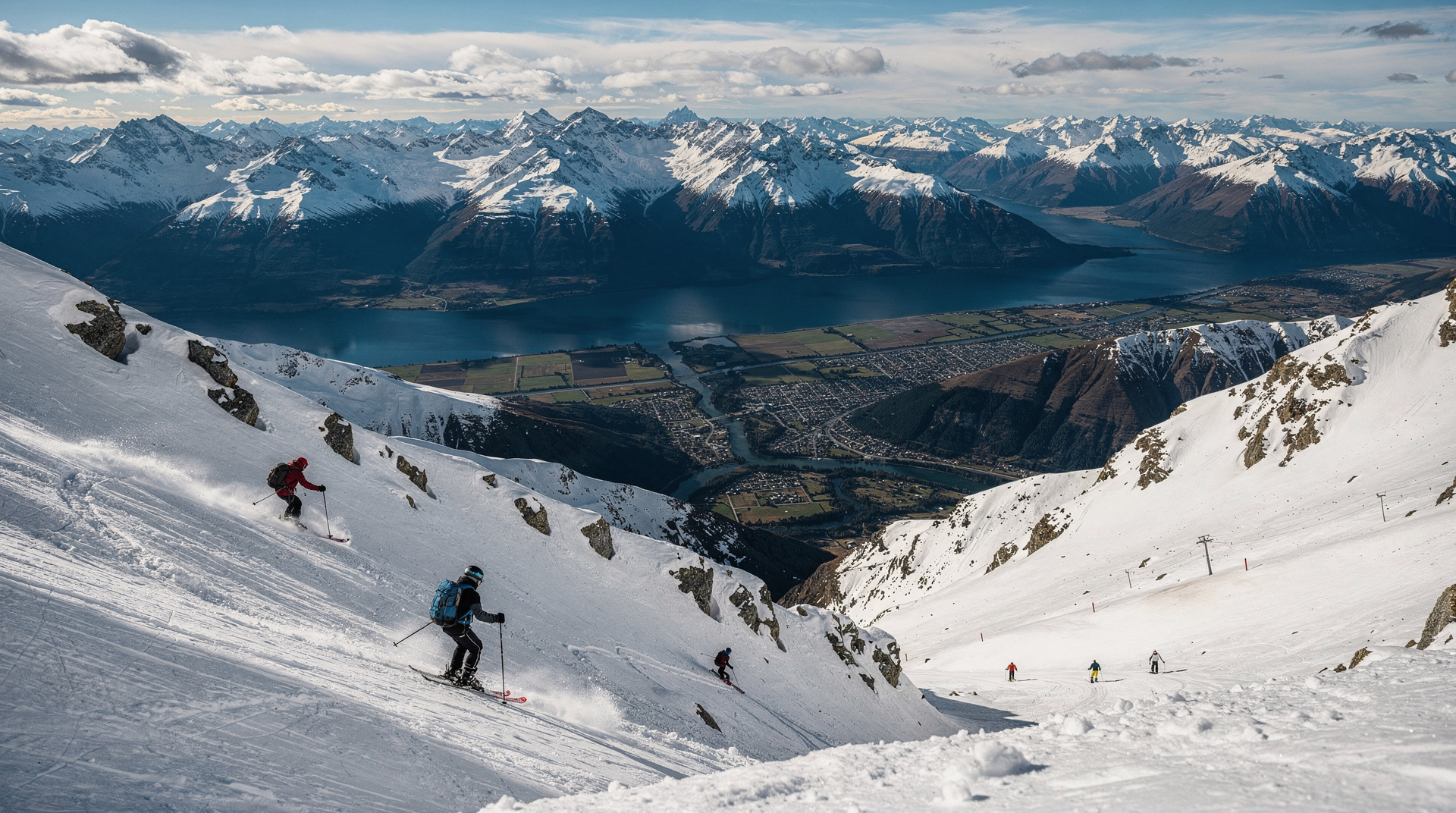
Skiing Treble Cone — New Zealand's best advanced ski field
Treble Cone ski guide: 700m vertical, South Island's largest ski area for advanced terrain, Lake Wanaka views. Prices NZD/USD/EUR and why it's worth the drive.
Related guides
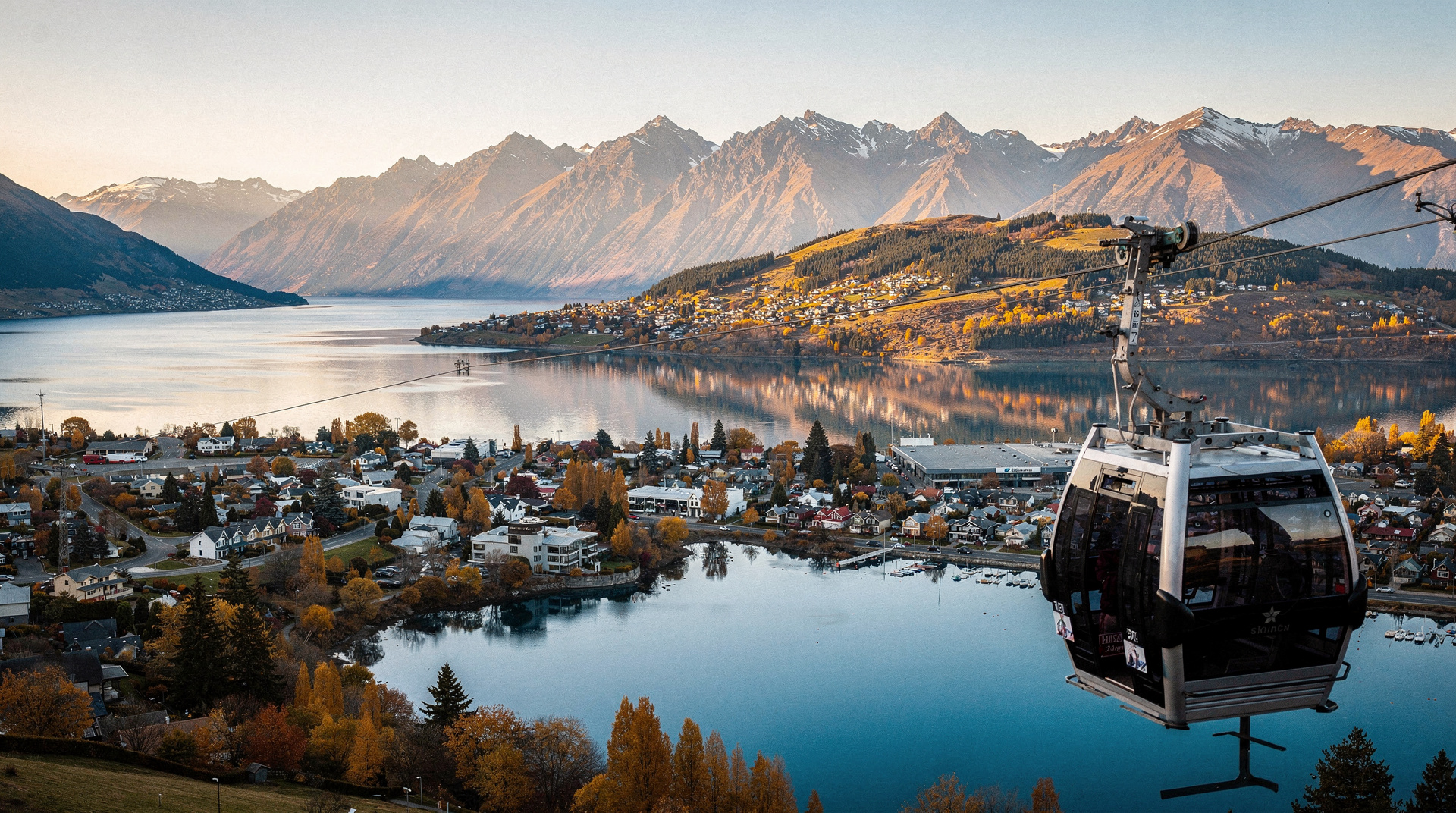
Queenstown
The honest Queenstown planner: bungy, jet boat, ski, scenic flights — real prices in NZD/USD/EUR, what to skip and what's worth your money.
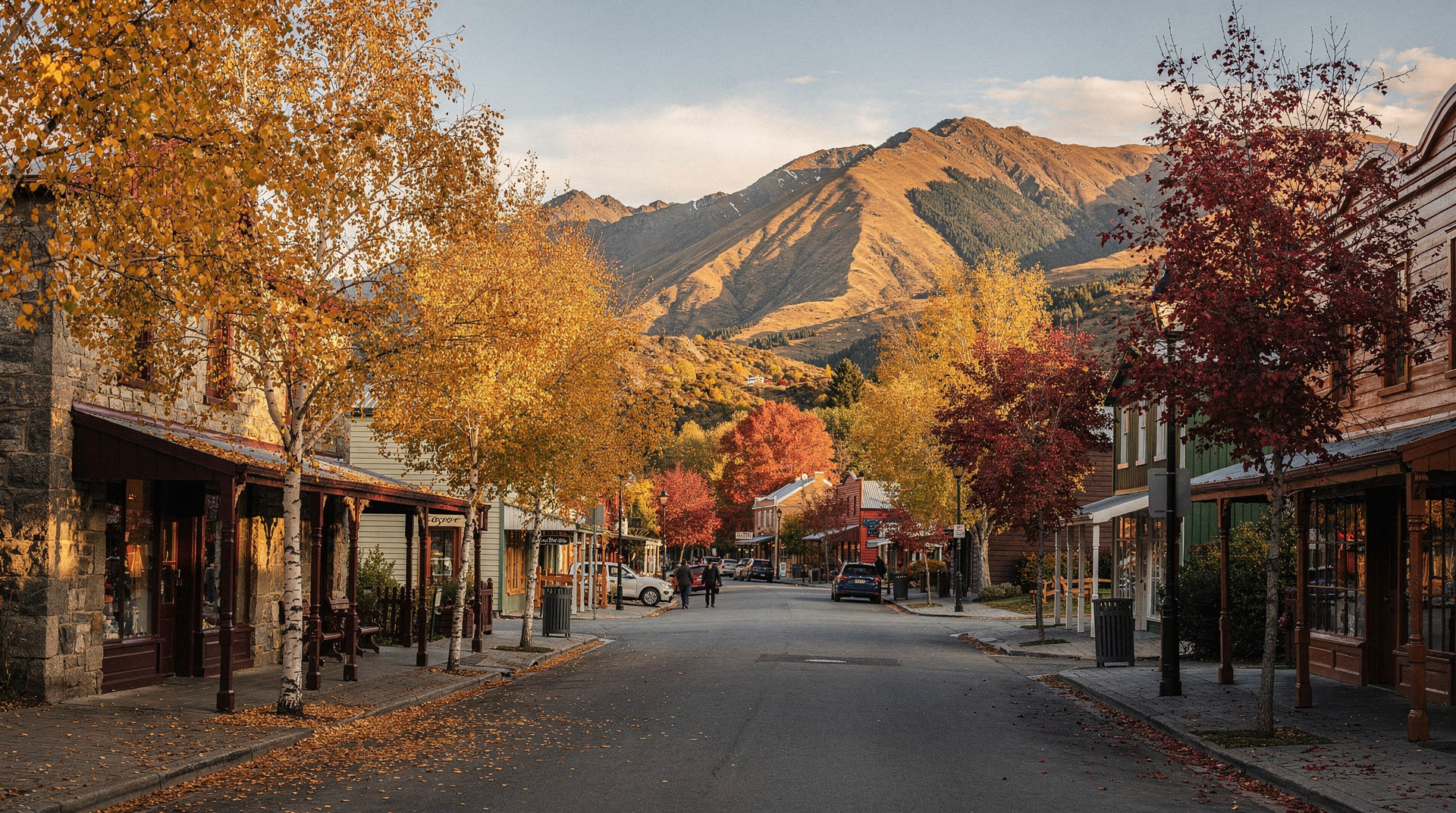
Arrowtown
Arrowtown: the best-preserved gold rush town in New Zealand, extraordinary autumn foliage, and Central Otago Pinot Noir. Half-day from Queenstown. NZD/USD/EUR.
Glenorchy
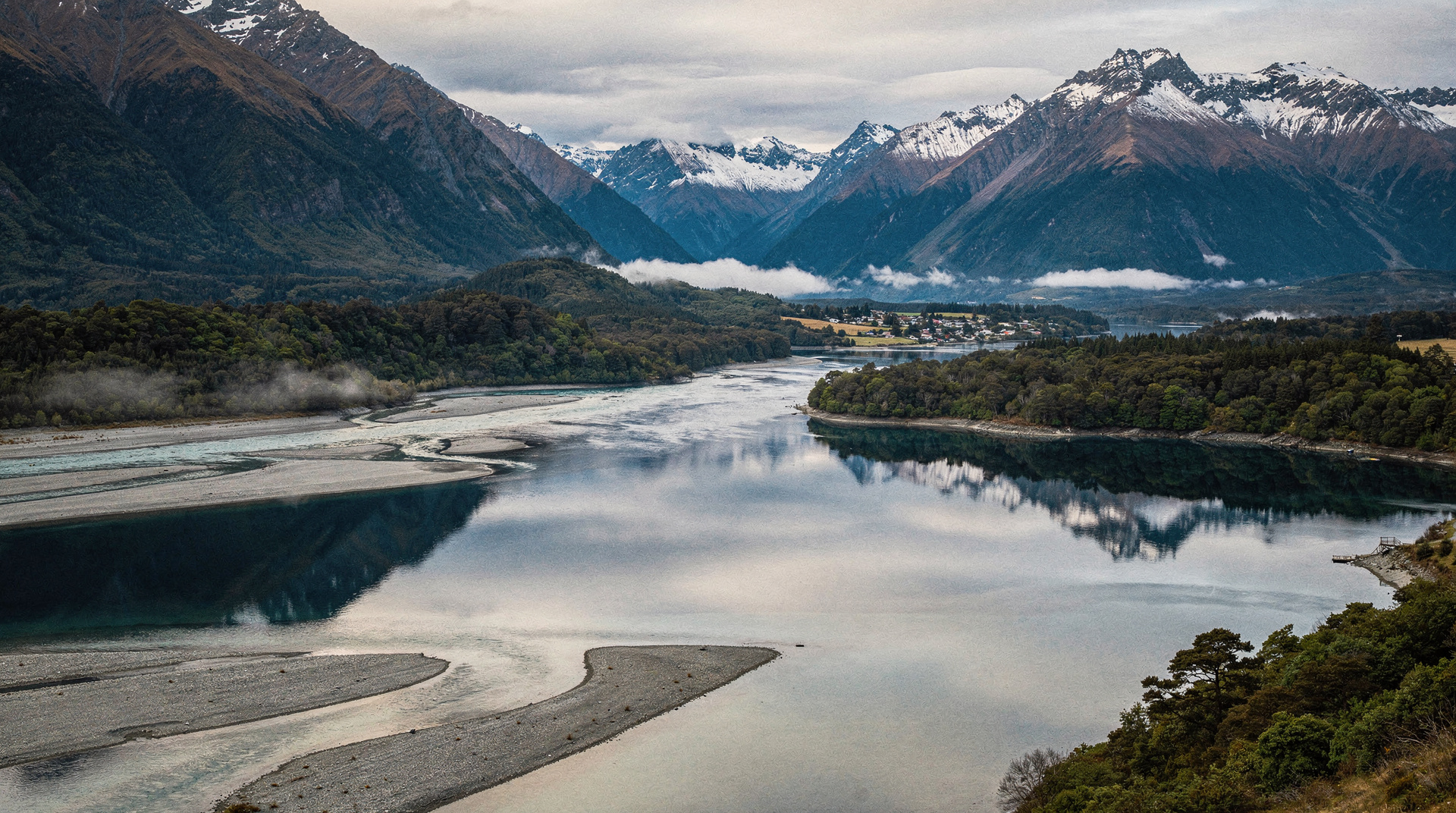
Glenorchy: Isengard and Lothlórien filming country, Routeburn trailhead, Dart River jet boats, the quiet end of Lake Wakatipu. Real prices.
Aoraki / Mount Cook
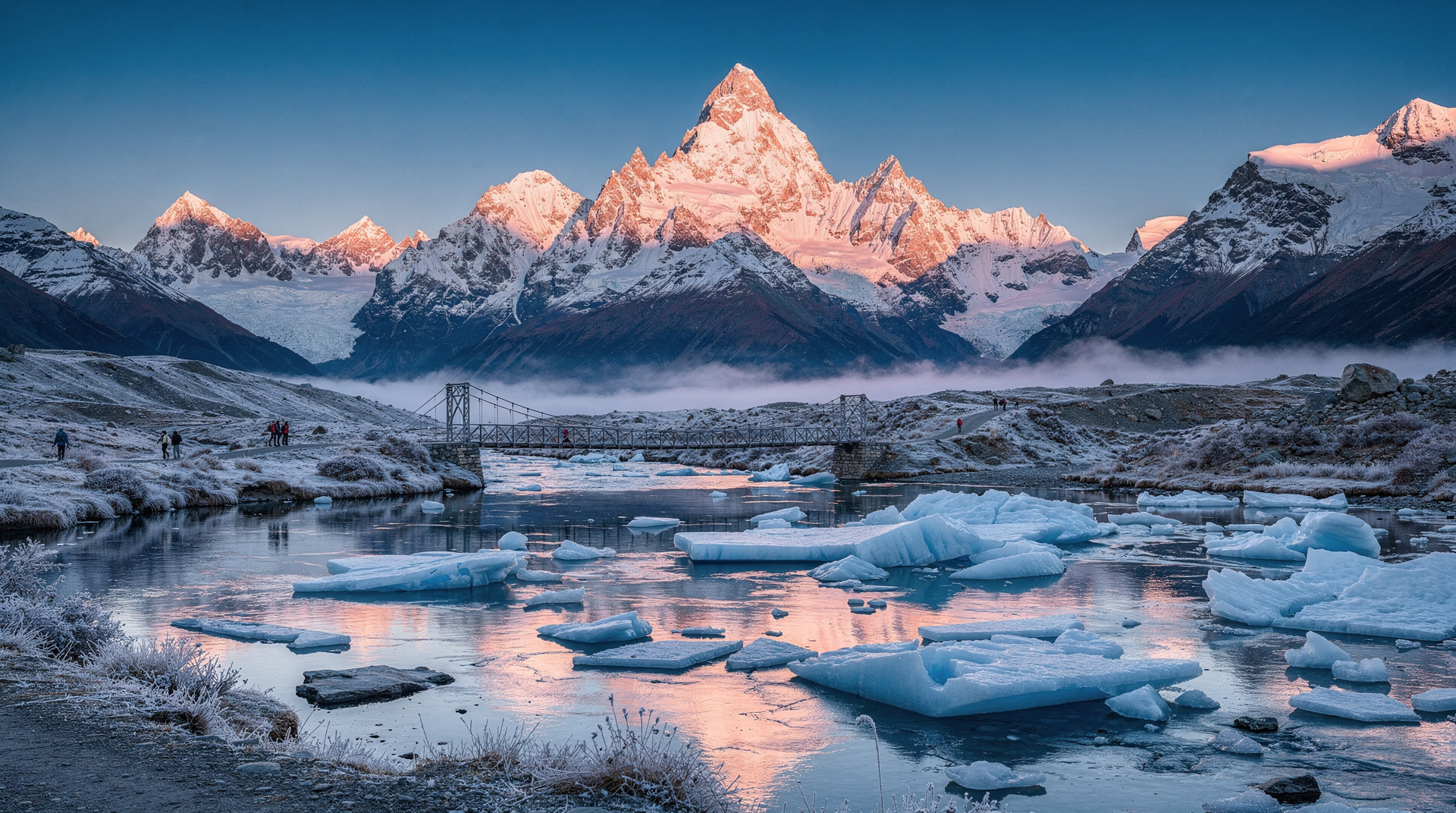
Honest Aoraki / Mount Cook guide: Hooker Valley Track, Tasman Glacier, scenic flights — real NZD/USD/EUR prices and what to expect in all seasons.
Roy's Peak — Wanaka's iconic ridgeline hike
Roy's Peak: 16km return, 1250m climb, 5-7 hours. The most photographed view in Wanaka — and one of the most crowded. Honest guide with tips to beat queues.
Day hikes around Wanaka — five best options
Five best day hikes near Wanaka: Roy's Peak (closed Oct-Nov), Diamond Lake, Isthmus Peak, Mt Iron, Roys Peak alternatives. Distances, times, difficulty ratings.
Queenstown vs Wanaka
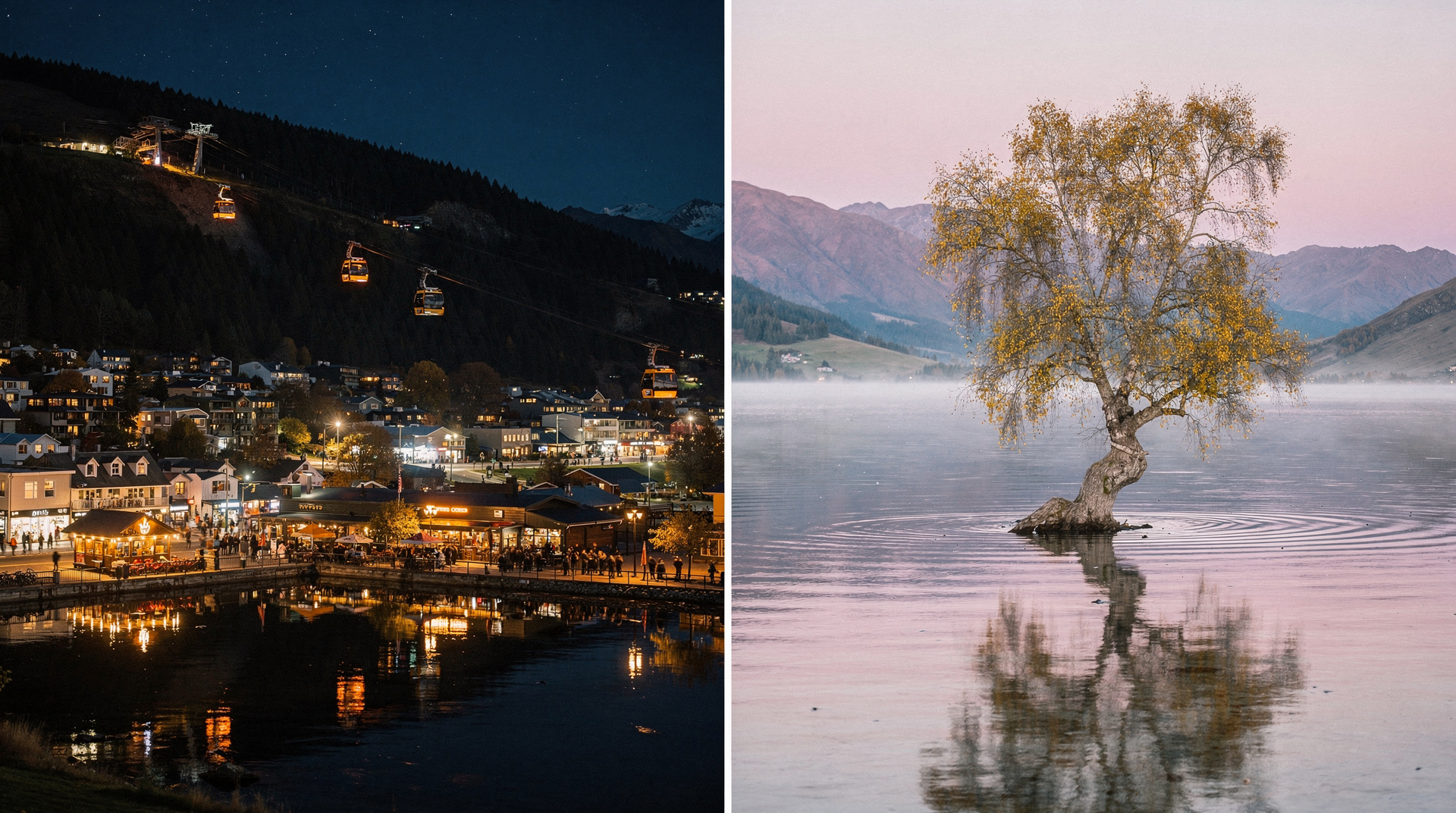
The honest Queenstown vs Wanaka comparison: prices, crowds, ski, hikes, vibe — with a clear verdict for adventure, families, couples and budget travelers.
New Zealand adventure itinerary — 14 days for thrill-seekers
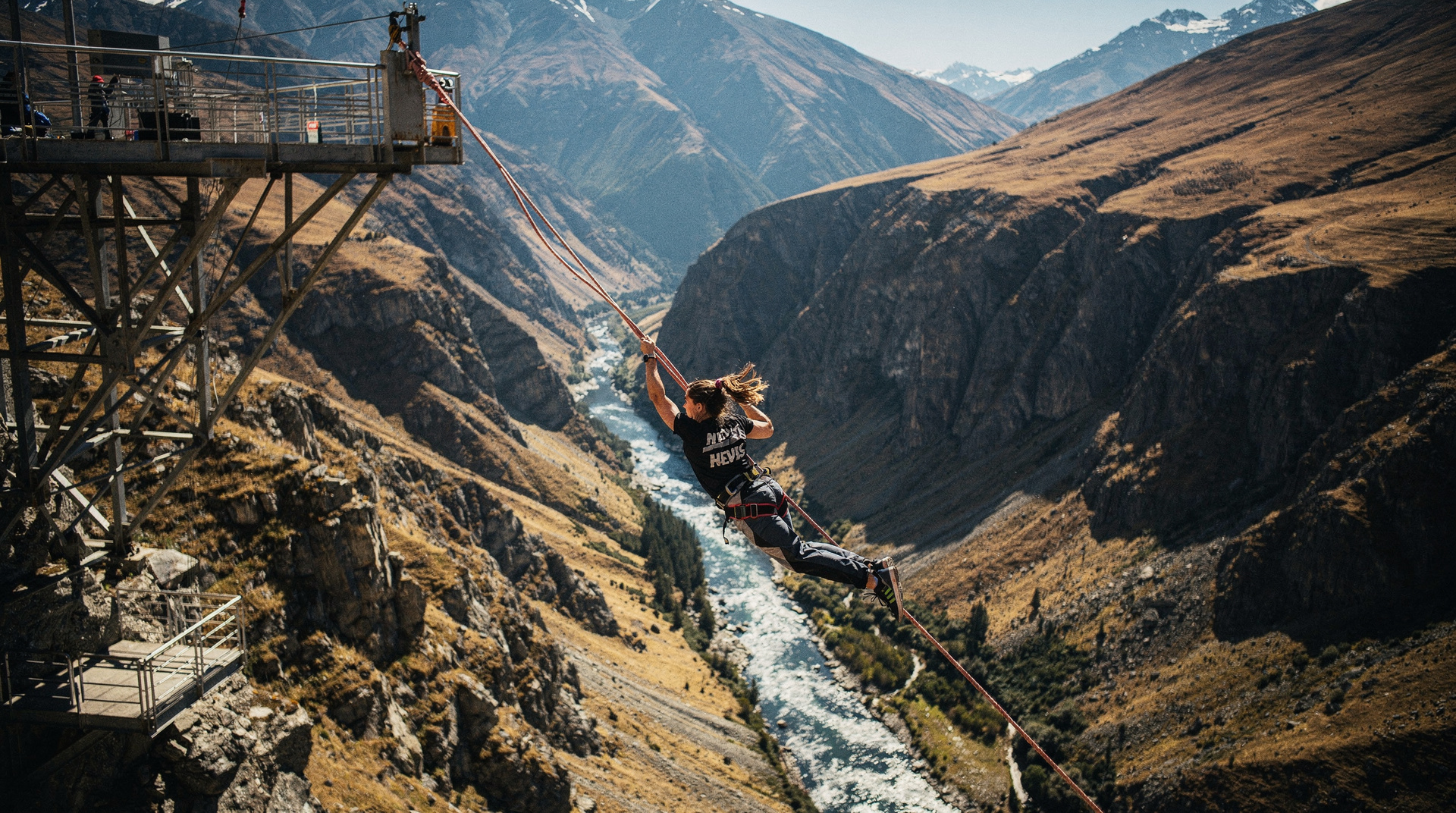
14-day NZ adventure itinerary for 20–40 year olds: bungy, Tongariro Crossing, Abel Tasman kayaking, Shotover Jet, skydiving, and Milford Sound. Real costs.
Is Queenstown overcrowded? A real answer
Queenstown gets accused of being over-touristed. Here's an honest answer: when it's genuinely crowded, when it's fine, and what to do instead.
Last reviewed: