New Zealand in August
Is August a good time to visit New Zealand?
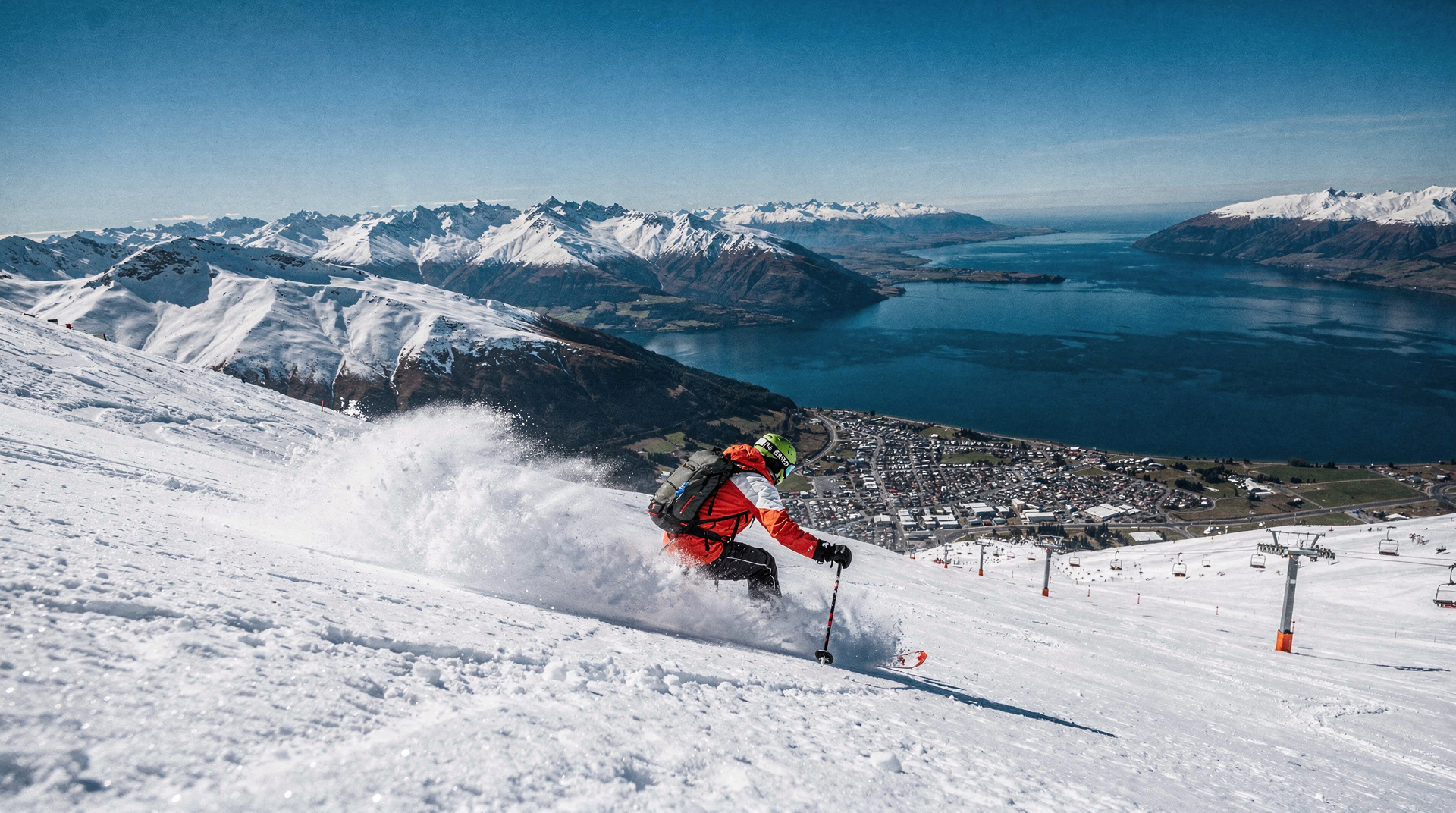
August is an underrated month. Ski fields are still fully operational (often with better snow than June), Kaikoura's sperm whale watching hits its annual peak, prices drop as Australian school holidays end, and the first signs of spring appear by the end of the month. Milford, Routeburn, and Kepler tracks are still closed. North Island is cold but accessible. August offers good value if you're comfortable with winter temperatures and short days.
Late winter, first hints of spring
August sits at the tail of the New Zealand winter and is one of the most undervalued months for visitors who aren’t chasing summer. The ski season is still fully operational — often with accumulated snowpack that makes August technically better than June for skiing. Australian school holidays have mostly ended, dropping Queenstown accommodation prices by 20–30% from the July peak. And at Kaikoura, on the northeast coast of the South Island, August is one of the peak months for sperm whale sightings.
By the last week of August, something shifts. Daffodils appear on roadsides. Lambs are suddenly everywhere in the high country paddocks. The light is noticeably longer than in June. Spring is not here yet, but it’s coming, and the South Island in late August has a quality of anticipation that’s genuinely beautiful.
The ski fields typically operate through September and occasionally into October. An August ski trip captures the deep-winter snowpack with lower prices and fewer crowds than July — arguably the best ski timing in New Zealand for value-conscious visitors.
| Best for | late-season skiing, peak whale watching at Kaikoura, low prices |
| Weather | -1 to 10°C in Queenstown/Otago; 10–16°C in the North Island |
| Crowd level | low outside ski-field weekends |
| Great Walks | Milford, Routeburn, Kepler still closed |
| Booking lead time | 1–2 weeks for whale watching; 2–4 weeks for Queenstown |
Weather: real numbers, not the brochure
Auckland and Northland: 14–16°C days, 9–11°C nights. Gradually lengthening days — around 10.5 hours of daylight by late August. Still too cold for beach swimming, but Auckland’s harbour and Waitemata are active with sailing clubs and weekend races.
Rotorua and Central North Island: 10–14°C days, 4–7°C nights. The geothermal parks are fully operational. Mt Ruapehu (Whakapapa and Turoa) typically has its deepest snowpack of the season in late July and August.
Kaikoura (northeast South Island): 10–13°C days, 5–8°C nights. This coastal town is at the intersection of warm and cold ocean currents, which creates the nutrient upwelling that concentrates sperm whales near the shore. August is one of the most reliable whale-watching months.
Queenstown and Central Otago: 5–10°C days, -1 to 3°C overnight. Ski conditions at Coronet Peak and the Remarkables are generally at their best in late July and August — consolidated snowpack, typically good coverage across all runs. By the last week of August, the first spring sunshine begins to melt snow on lower runs.
Nelson and Marlborough: 11–15°C, drier than the West Coast. The Marlborough Sounds are accessible and quiet in August — good for kayaking (with a wetsuit) and walking tracks. No crowds.
Fiordland: Cold and very wet. Milford Road avalanche risk remains elevated. Milford Sound cruise still operates. The Te Anau Glowworm Caves are open year-round and particularly atmospheric in winter.
Best things to do in August
Kaikoura whale watching — this is the month. Sperm whales are resident year-round at Kaikoura but August and September see the highest concentration as male sperm whales aggregate in the deep submarine canyon that runs close to shore. The Kaikoura whale-watching cruise (2 hours) operates on a guaranteed sighting or repeat trip policy — if no whale is spotted you get 80% back.
Book ahead; there are typically 2–3 morning departures and the 8am departure gives the best light. The Kaikoura whale-watching helicopter flight (1 hour) is the premium option — you see the whale from above, which shows the full 15–18 metre body in a way boat viewing cannot. Both are outstanding; the boat is the classic experience, the helicopter the most dramatic view.
Late-season skiing at Coronet Peak or Cardrona — August skiing in Queenstown is often the best value and technically finest skiing of the season. The snowpack is at maximum depth, lift queues are shorter than July, and prices have dropped from the Australian school holiday peak. Day passes remain NZD 145–175 / USD 87–105 / EUR 80–96 but accommodation runs 20–30% cheaper than July. Cardrona, in particular, has excellent August conditions — its south-facing terrain retains snow well into late season.
Milford Sound winter cruise — the most powerful waterfalls of the year fall in August when winter precipitation combines with the snowmelt starting on the upper slopes. A Milford Sound overnight cruise with water activities allows you to experience the fiord at dawn, when the light and silence are extraordinary. The overnight cruise also eliminates the problematic Milford Road timing issue — you’re already there.
Te Anau Glowworm Caves — the Te Anau Glowworm Cave tour is a year-round attraction but August gives it a particular atmosphere: the cave is warm relative to the outside, the boat across the underground lake is atmospheric, and the glowworm chamber ceiling genuinely delivers. A 90-minute trip from the Te Anau township and one of the best-value DOC-licensed experiences in Fiordland.
Rotorua Maori culture — Rotorua’s cultural programme operates year-round. In August, the Te Puia geothermal park and its kapa haka performances are best combined with the Polynesian Spa for a full day. The evening hangi dinner at Mitai Maori Village includes a canoe procession, haka performance, and hangi feast — a well-executed cultural evening that gives honest representation of Maori cultural traditions. Mitai is more commercially oriented than Te Puia (which is iwi-led), but well done.
Mt Cook and Aoraki in winter — Aoraki/Mt Cook at 3,724m is magnificent in August with full winter snow. The Hooker Valley Track (easy, 3 hours return) remains accessible in August and gives views of Mt Cook from the valley floor. A helicopter flight with snow landing from Mt Cook Airport is the most dramatic experience in the Mackenzie Basin. The Mt Cook heli-hike on the Tasman Glacier puts you on New Zealand’s longest glacier with a guide — an extraordinary August morning.
What to avoid in August
Night driving in the Mackenzie Basin or Central Otago. August temperatures drop to -5°C or below in the Mackenzie Basin at night. Black ice forms on SH8 (the main road through Tekapo and Twizel) and on the Crown Range. Rental cars are rarely equipped with proper winter tyres. Drive during daylight only.
The Tongariro Alpine Crossing without crampons and an ice axe. The crossing in August involves snow, ice, and potentially whiteout conditions. The crossing is technically possible for experienced alpine hikers with the right gear, but it is not the casual day walk of summer. Several deaths on this crossing have occurred in winter. The guided version in these months is the only responsible approach.
Fiordland without flexibility. Milford Road avalanche closures are still a risk in August. Plan Milford Sound with a backup day and book refundable or changeable cruise tickets.
Crowds and prices in August
August is consistently cheaper than July in the ski towns:
- Mid-range hotel (Queenstown, August): NZD 190–280 / USD 114–168 / EUR 105–154
- Mid-range hotel (Christchurch, Kaikoura area): NZD 130–175 / USD 78–105 / EUR 72–96
- Hostel dorm (Queenstown): NZD 38–55 / USD 23–33 / EUR 21–30
- Coronet Peak / Cardrona day pass: NZD 139–175 / USD 83–105 / EUR 76–96
- Kaikoura whale watching cruise: NZD 165–185 / USD 99–111 / EUR 91–102
- Kaikoura whale helicopter (1 hour): NZD 295–325 / USD 177–195 / EUR 162–179
- Te Anau Glowworm Caves: NZD 92–115 / USD 55–69 / EUR 51–63
Booking lead time for August: Kaikoura whale watching — 1–2 weeks for most August dates. Queenstown accommodation — 2–4 weeks. Mt Cook helicopter — 1 week typically (weather-flexible).
Best regions in August
Kaikoura is the August highlight for wildlife. The whale watching, the drive along SH1 between Christchurch and Kaikoura (one of the most beautiful coastal drives in the country), and the crayfish — Kaikoura’s other famous product — make it a 2-day stopover that punches well above its size. The town is small (population 2,000), accommodation is limited, and mid-August can be busy with whale-watching visitors. Book ahead. The full Kaikoura whale watching guide covers boat vs helicopter and the sighting-guarantee policy in detail.
Queenstown ski region — August midweek is the best-value ski week in New Zealand. Coronet Peak and Cardrona have the deepest snow of the season, lift queues are manageable, and accommodation is 20–30% cheaper than the July peak. A 5-day ski week in August is genuinely excellent value compared to European or North American alternatives.
Aoraki/Mt Cook region — winter is spectacular here. The Hooker Valley walk is accessible to fit walkers even in snow (check conditions), the overnight walk to Mueller Hut requires alpine gear. The evening sky at Tekapo (1.5 hours away) is at its darkest sky reserve best in the long winter nights.
Rotorua and Taupo — reliable year-round and cheap in August. Rotorua accommodation in August runs 30–40% cheaper than the January peak. Taupo’s Huka Falls, the bungy, and jet boating all operate year-round. The geothermal parks are at their most atmospheric.
August weather hacks
For skiing: pack for cold but expect to strip layers midday when the sun appears. The alpine sun in August is deceptively strong even in cold weather — sunscreen is still needed on the slopes. For non-ski activities: a proper warm jacket, waterproof outer layer, and warm boots cover almost everything August demands. Start driving early — best light is in the morning and the days are still short (10 hours in Queenstown). Plan for early afternoon endings on mountain drives.
Frequently asked questions about visiting in August
Is August too cold for non-ski travel in New Zealand?
Not if you know what to expect. Auckland and Northland are mild — 14–16°C is cool but comfortable for sightseeing. Rotorua, Wellington, and Christchurch all function normally. The cold is most acute in Queenstown, Wanaka, and the Mackenzie Basin. For non-skiers who want the South Island, focus on Kaikoura, Christchurch, Akaroa, and Dunedin — all accessible and interesting in August.
Why is Kaikoura so good for whale watching?
The Kaikoura Trench — a submarine canyon that drops to 2,000m depth just 1–2km offshore — creates an upwelling of cold, nutrient-rich water. This supports a food chain that ends with sperm whales, which dive to 1,000m+ to hunt giant squid. The whales are resident year-round, but August and September see higher aggregation of adult males. The sighting rate for the boat tour is typically 95–98%.
Do the ski fields close in August?
No. All four major Queenstown-area fields (Coronet Peak, Remarkables, Cardrona, Treble Cone) typically operate through August and into September. The season end date depends on snowpack — some years fields extend to early October. Mt Hutt also operates through August. Ruapehu (North Island) continues through August and September.
Can I do the Tongariro Alpine Crossing in August?
With the right gear and experience, yes — but this is not a walk for casual visitors. Snow and ice cover the track from roughly May to October. Crampons, ice axe, and the ability to self-arrest are required. The crossing has seen winter fatalities. A guided winter crossing with an accredited operator is the only responsible recommendation. Contact the DOC Tongariro visitor centre for current conditions.
How much should I budget per day in August?
Budget traveler (without ski): NZD 90–130 / USD 54–78 / EUR 50–72 per person. Mid-range couple (without ski): NZD 360–540 / USD 216–324 / EUR 198–297 per day. With skiing add NZD 145–175 / USD 87–105 / EUR 80–96 per person per ski day plus NZD 40–80 for rental.
Is whale watching in Kaikoura guaranteed?
The Whale Watch Kaikoura operation has a sighting guarantee — if no whale is seen, you receive an 80% refund. In practice, cancellations due to sea conditions (rough water) are more common than whale-free trips. The helicopter option cancels only for visibility issues (clouds or fog) rather than sea state. Historically, the August sea condition cancellation rate is higher than summer. Book a flexible rate and allow an extra day in Kaikoura if possible.
How to combine August travel with the rest of New Zealand
August suits a mixed itinerary: fly into Christchurch, drive to Kaikoura for 2 nights (whale watching), continue to Blenheim and Marlborough for a day, take the ferry to Wellington for 2 nights, then fly to Queenstown for 5 days of skiing. This gives you the whale watching, North–South crossing, capital city culture, and the ski season in one logical route.
The 14-day New Zealand itinerary can be adapted for this winter routing. Check the September guide if your trip extends — spring arrives rapidly and changes the outdoor activity picture significantly. For the full picture of NZ’s ski season, see the ski New Zealand overview.
Related guides
Best time to visit New Zealand
When to visit New Zealand: honest breakdown by season, region, and activity type. Summer is not always best. Spring and autumn often outperform the peak season.
New Zealand in July
July is peak ski season at Queenstown and Wanaka. Matariki public holiday, Australian school holidays drive prices up. Real NZD/USD/EUR pricing.
New Zealand in September
September brings lambs, daffodils, and the first walkable spring days. Ski is winding down. Tongariro Crossing reopens mid-month. NZD/USD/EUR pricing.
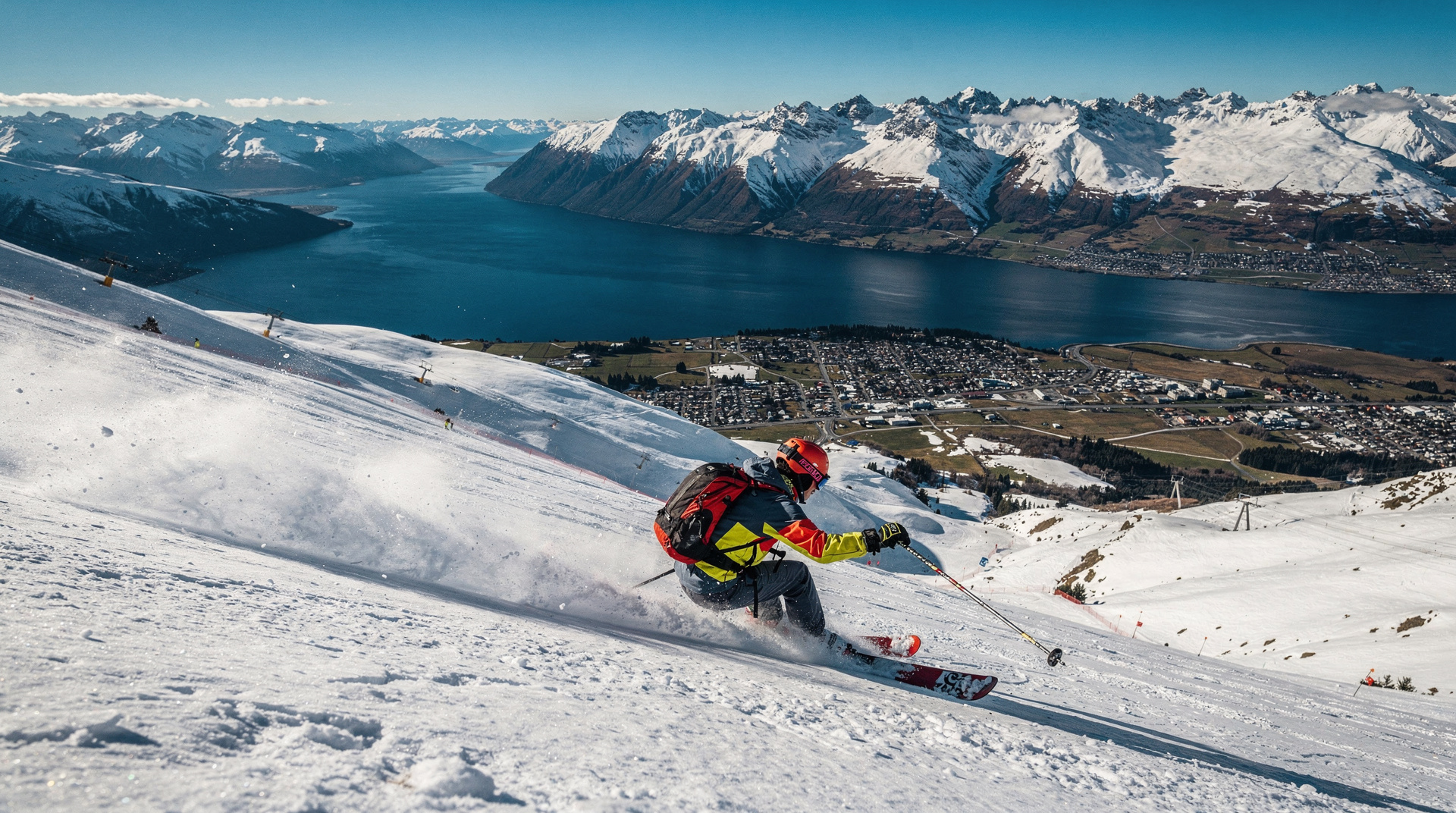
Skiing in New Zealand — complete resort guide 2026
Complete NZ ski guide: Coronet Peak, Remarkables, Cardrona, Treble Cone, Mt Hutt, Ruapehu. Season, lift passes, real costs NZD/USD/EUR.
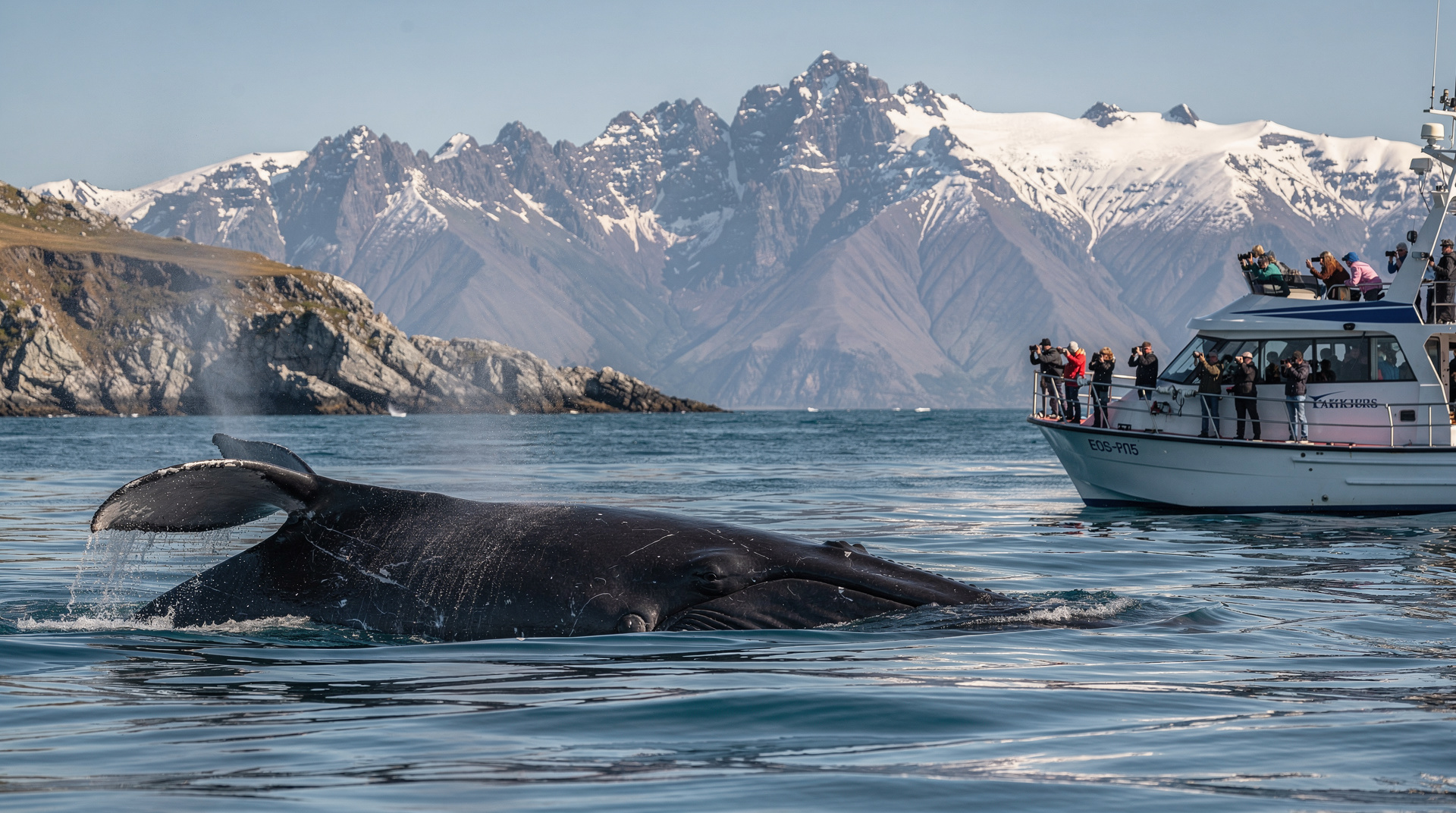
Kaikoura whale watching
Sperm whales off Kaikoura year-round: boat, flight, or kayak? Real prices (NZD/USD/EUR), sighting rates, and which operator to book.
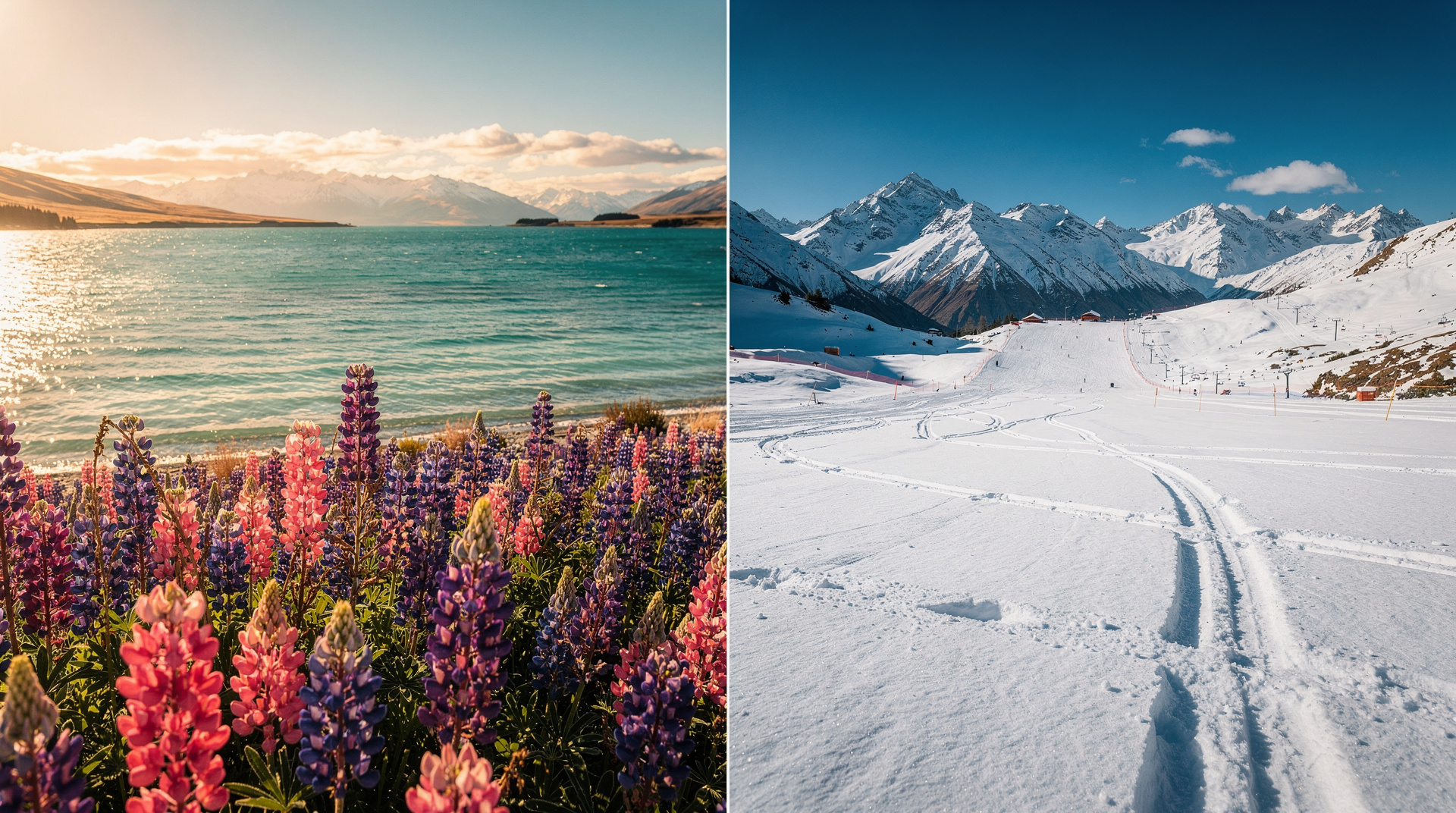
Summer vs winter in New Zealand
Summer vs winter in New Zealand: weather, crowds, costs and the honest verdict on which season suits your trip. NZD/USD/EUR prices throughout.
Last reviewed: