New Zealand in June
Is June a good time to visit New Zealand?
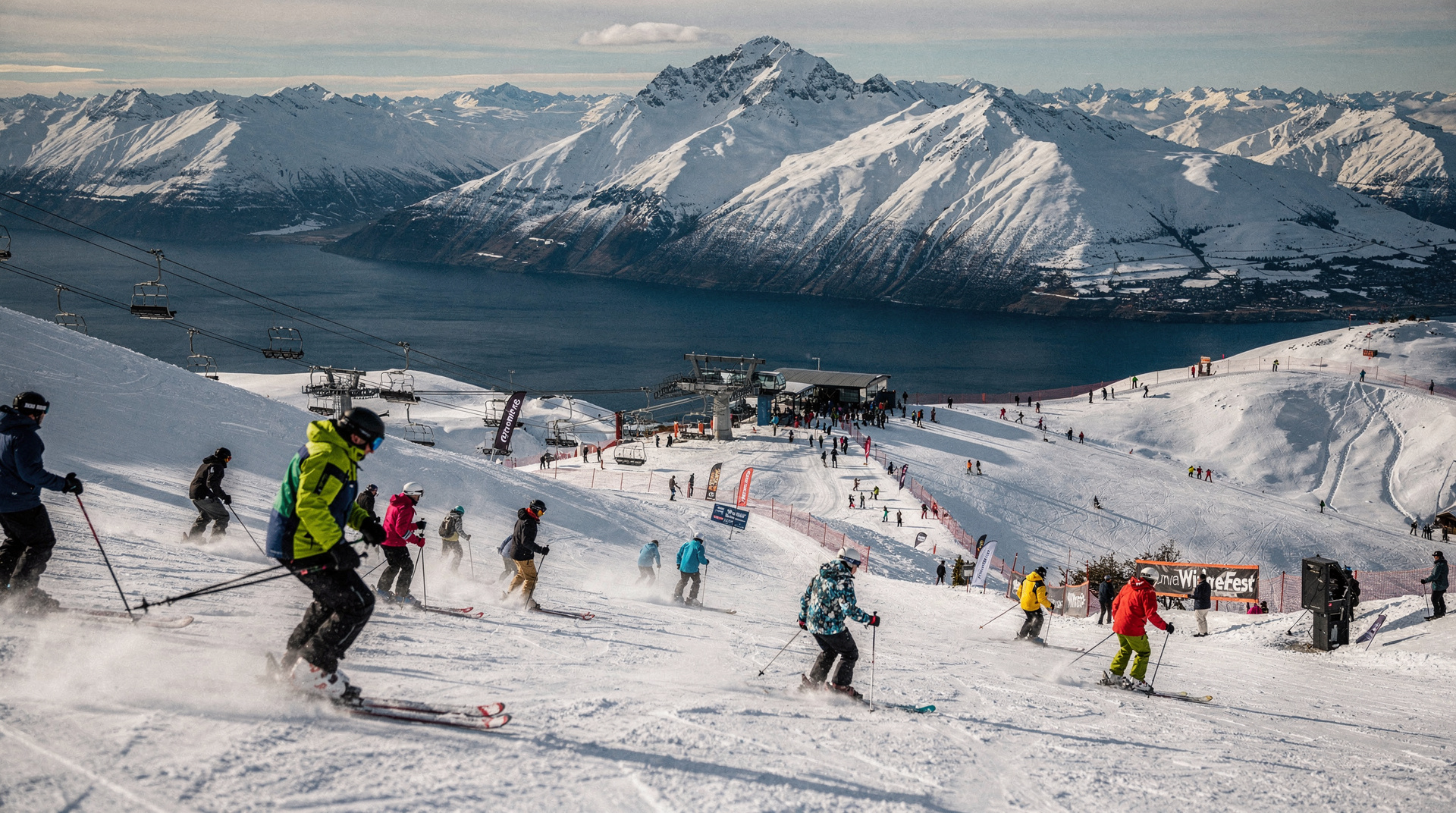
June is a low-season gem for the right traveler. Ski season opens at Coronet Peak and the Remarkables (usually mid-to-late June), prices are at annual lows, and Matariki — the Maori New Year — is a public holiday with meaningful cultural events nationwide. Most Great Walks close their staffed huts (Milford, Routeburn, Kepler). The North Island stays green and accessible. Not the month for beaches, but excellent for skiing, culture, and off-peak value.
Winter arrives — and that’s actually the point
June marks the beginning of the New Zealand winter, and for a certain kind of traveler, it’s one of the most rewarding months. The tourist infrastructure has shed its peak-season stress. Accommodation prices in Christchurch, Dunedin, Wellington, and the North Island are at their lowest of the year. The ski mountains — Coronet Peak, The Remarkables, Cardrona, Mt Hutt, and both Ruapehu fields — are opening their lifts progressively through June, and the first powder days draw skiers from across the southern hemisphere.
The most culturally significant date in June is Matariki — the Maori New Year, marked by the rising of the Pleiades star cluster (Matariki) in the predawn sky. Since 2022, Matariki has been an official New Zealand public holiday (the date shifts each year based on the lunar calendar; in 2026 it falls on Friday, 10 July — though June hosts a wave of Matariki events in the weeks before). The holiday is observed nationwide with lantern festivals, hangi feasts, art exhibitions, and star-gazing events. Rotorua and Wellington host the largest events, but every city participates.
| Best for | early-season skiing, Matariki lead-up events, lowest prices |
| Weather | -2 to 10°C in Queenstown/Otago, 10–16°C in the North Island |
| Crowd level | low, cheapest month of the year in most regions |
| Great Walks | Milford, Routeburn, Kepler staffed huts closed |
| Booking lead time | 1–2 weeks midweek; 4–6 weeks for the King’s Birthday long weekend |
Weather: real numbers, not the brochure
Auckland and Northland: June days average 14–16°C, nights 8–10°C. Rain is more frequent but rarely dramatic. Daylight hours: approximately 9.5 hours. Northland and the Bay of Islands remain milder than the rest of the country — often 16–18°C on sunny days. Not beach weather, but comfortable for hiking and sightseeing.
Rotorua and Central North Island: 10–14°C, nights near 5°C. The geothermal parks are operational and atmospheric in the cold — steam rising over Wai-O-Tapu, the geyser at Te Puia performing hourly. Mt Ruapehu’s Whakapapa and Turoa ski fields open in June when snowfall permits.
Wellington: 11–14°C, blustery. The city’s café culture really shines in winter — warm interiors, great coffee, and half the tourist volume of summer. The waterfront is scenic in grey light; Te Papa visits are now without queuing.
Queenstown and Otago: Days range from 5–10°C, overnight lows -2 to 0°C. Frost on the ground most mornings. The Remarkables and Coronet Peak typically open in mid-to-late June, snow conditions permitting. When the sky is clear, Queenstown in June is breathtakingly beautiful — crisp air, snow-capped peaks reflected in Lake Wakatipu, and a fraction of summer crowds. Off-ski-season midweek prices are genuinely low.
Fiordland: Cold, wet, and spectacular. Milford Sound receives more rainfall in winter but the waterfalls are at maximum volume. Mitre Peak can disappear into cloud for days at a time. Helicopter access to Milford from Te Anau is weather-dependent. The Milford Sound cruise still operates in June — it’s a different experience from summer, quieter and wilder.
Canterbury and Mt Hutt: Mt Hutt (above Methven, 1.5 hours from Christchurch) often opens before Queenstown-area fields — as early as late May. Canterbury at altitude is a proper alpine environment in June: -5 to 0°C on the mountain, 8–12°C in Christchurch.
Best things to do in June
Skiing and snowboarding at Coronet Peak or The Remarkables — the main reason most winter visitors come to Queenstown. Coronet Peak is the closest field to town (30 minutes) with 61 runs and New Zealand’s only night skiing. The Remarkables is 45 minutes away with a dramatic basin setting and strong beginner terrain. Day passes: NZD 145–175 / USD 87–105 / EUR 80–96. June offers early-season conditions — fresh snow, few lift queues, and opening discounts. The Cardrona–Treble Cone multi-day ski pass covers both Wanaka-area mountains at a combined rate — good value if you’re staying 3+ days in the region.
Matariki events and star-gazing — the lead-up to Matariki (public holiday in 2026: 10 July) includes events from late June. Tekapo is the best location for Matariki star-gazing specifically: it sits within the Aoraki Mackenzie International Dark Sky Reserve and the nights in June are among the clearest of the year. The Mount John Observatory stargazing tour from Tekapo is the structured experience; book ahead as tours book out during Matariki season. Rotorua’s Matariki Festival is the most comprehensive cultural celebration — hangi, waka lighting, and community events across the city.
Milford Sound in winter — genuinely spectacular for those willing to accept cold and rain. The waterfalls (Stirling, Bowen, and Lady Bowen) are at their most powerful. A Milford Sound nature cruise by catamaran in June offers a profoundly different experience from the summer version: fewer boats, more dramatic skies, and wildlife (dolphins, fur seals, penguins) that doesn’t retreat to the shade. The cruise operates year-round.
Geothermal Rotorua — Rotorua is a winter destination in disguise. The hot pools, geysers, and hangi are all warm by definition. A deluxe lake spa session at Polynesian Spa in Rotorua in June, with the lake steaming around you in the cold air, is one of the most memorable things you can do in New Zealand. Te Puia geothermal park operates through winter without change to its programme.
Queen’s Birthday long weekend — the first Monday of June is the King’s Birthday public holiday (a long weekend), triggering modest domestic travel. Book accommodation in Queenstown or Rotorua for this weekend 4–6 weeks ahead if you want to be there.
Wellington winter arts — June kicks off Wellington’s winter cultural calendar. The New Zealand Symphony Orchestra’s main season runs from May to October. Circa Theatre and Bats Theatre operate year-round. The Te Papa museum has free general admission and its Gallipoli exhibition remains one of the best museum experiences in the southern hemisphere.
What to avoid in June
Attempting the Milford, Routeburn, or Kepler tracks unsupported. Staffed huts on these Great Walks close for winter (Milford and Routeburn typically close in late April or early May). The tracks remain physically open but huts become emergency shelter only, with no staff, no heating, and no food. Winter conditions on these tracks — ice, snow, avalanche risk — are serious. Experienced alpine walkers only, with proper gear and emergency registration.
Driving the Crown Range at night after rain. The Crown Range road (SH89) between Queenstown and Wanaka is spectacular but becomes icy overnight in June. Gritters operate but timing is imperfect. Add snow chains if you see a “chains required” sign — rental cars can have chains fitted, but confirm before setting out.
Fiordland in June without flexibility. Milford Road can close due to avalanche risk or heavy snow above the Homer Tunnel. The road closure rate is highest in July but begins in June. Build at least one extra day into Milford Sound plans to allow for a weather or road delay.
Crowds and prices in June
June is among the cheapest months to visit New Zealand:
- Mid-range hotel (Queenstown, ski season starts): NZD 160–250 / USD 96–150 / EUR 88–138
- Mid-range hotel (Auckland, Wellington, Christchurch): NZD 130–190 / USD 78–114 / EUR 72–105
- Hostel dorm: NZD 32–50 / USD 19–30 / EUR 18–28
- Coronet Peak day ski pass: NZD 145–175 / USD 87–105 / EUR 80–96
- Milford Sound cruise: NZD 70–95 / USD 42–57 / EUR 39–52
- Polynesian Spa Rotorua (deluxe lake): NZD 45–65 / USD 27–39 / EUR 25–36
June midweek accommodation in Queenstown is significantly cheaper than the July peak when Australian school holidays drive ski demand. Book ski week accommodation (especially July) well ahead, but June midweek can often be booked 1–2 weeks out.
Best regions in June
Queenstown and Wanaka — the ski season is the reason to be in the south in June. Queenstown has the après-ski infrastructure; Wanaka is quieter with Cardrona and Treble Cone nearby. If you’re not skiing, both remain beautiful and accessible, with accommodation 30–40% cheaper than summer.
Rotorua — the geothermal city is genuinely at its most atmospheric in winter. Steam rising over the town in cold air, the Maori cultural performances indoors at Te Puia and Mitai, and the Polynesian Spa heated by natural geothermal water. The Rotorua destination guide has full detail.
Tekapo and Mackenzie Basin — the dark sky reserve and the Church of the Good Shepherd against snow-capped mountains make Tekapo a winter photography pilgrimage. The Lupins are gone (they bloom in November) but the winter landscape has a stark grandeur. Stargazing in June is excellent.
Wellington — the capital is a winter-friendly city in a way that outdoor-focused destinations are not. The waterfront is scenic, the restaurants are excellent, and the museums, galleries, and theatres are all operational. Base here for 2–3 days and day-trip to the Wairarapa wine country.
June weather hacks
Layer up properly. New Zealand alpine environments in June require: base layer, mid-layer fleece, waterproof outer shell, warm gloves, and a hat. Even on the ski slopes, these are non-negotiable. In Queenstown town itself, a mid-weight jacket is fine for daytime — but nights drop to near-freezing. Daylight is short (9.5 hours in Queenstown, 10 hours in Auckland), so plan early starts for hiking or sightseeing. Fiordland waterproof gear is as essential in June as in any other month.
Frequently asked questions about visiting in June
When exactly does the ski season open?
Coronet Peak typically opens mid-to-late June, dependent on snowfall. Cardrona usually follows within a week. The Remarkables often opens slightly later (late June to early July). Mt Hutt above Methven can open as early as late May. Ruapehu (North Island) opening dates vary widely — sometimes June, sometimes July. Check each mountain’s website for current-season opening dates.
What is Matariki and how is it celebrated?
Matariki is the Maori New Year, marked by the rising of the star cluster Pleiades (called Matariki in te reo Maori). It became a public holiday in 2022 — the only public holiday in the world based on a Maori concept. Celebrations include star-gazing, hangi, lantern festivals, art shows, and community gatherings. The date changes each year: in 2026 it is Friday 10 July. June hosts the lead-up events; the holiday itself may fall in early July.
Are the Great Walks worth doing in June?
The Abel Tasman Coast Track, Rakiura Track (Stewart Island), Lake Waikaremoana, Heaphy Track, Paparoa Track, and Whanganui Journey all remain open year-round. The Milford, Routeburn, Kepler, and Tongariro Northern Circuit close their staffed huts in April/May and reopen in October. Day walks from Te Anau, Glenorchy, and the Tongariro park are still viable in June for experienced walkers with appropriate gear.
Is it worth visiting New Zealand for skiing?
Yes, for southern hemisphere snow-seekers. The Queenstown-area fields are world-class — not as large as Verbier or Whistler but technically diverse and scenically spectacular. July and August are peak snow months; June offers early-season excitement at lower prices. A ski holiday combining Coronet Peak, Cardrona, and a day at Treble Cone is a genuinely excellent week.
How much should I budget per day in June?
Budget traveler: NZD 90–120 / USD 54–72 / EUR 50–66 per person (excluding ski passes). Mid-range couple: NZD 350–550 / USD 210–330 / EUR 193–303 per day. Ski pass adds NZD 145–175 / USD 87–105 / EUR 80–96 per person per day (or multi-day passes for better value). Skiing in New Zealand costs considerably less than European or North American resorts.
How to combine June travel with the rest of New Zealand
June suits a South Island ski focus combined with North Island geothermal and cultural experiences. Fly into Auckland, spend 2–3 days in Rotorua for geothermal and Maori culture, then fly south to Queenstown for 5–7 days of skiing and mountain activities. The 7-day South Island itinerary can be adapted for winter with ski days replacing walking-oriented activities. For the Matariki public holiday, check the July guide if your dates overlap — July is peak ski season and culturally the most significant winter month.
Related guides
Best time to visit New Zealand
When to visit New Zealand: honest breakdown by season, region, and activity type. Summer is not always best. Spring and autumn often outperform the peak season.
New Zealand in May
May is New Zealand's quietest month: lowest prices of the year, late autumn charm in Central Otago, North Island mild. Real NZD/USD/EUR pricing inside.
New Zealand in July
July is peak ski season at Queenstown and Wanaka. Matariki public holiday, Australian school holidays drive prices up. Real NZD/USD/EUR pricing.
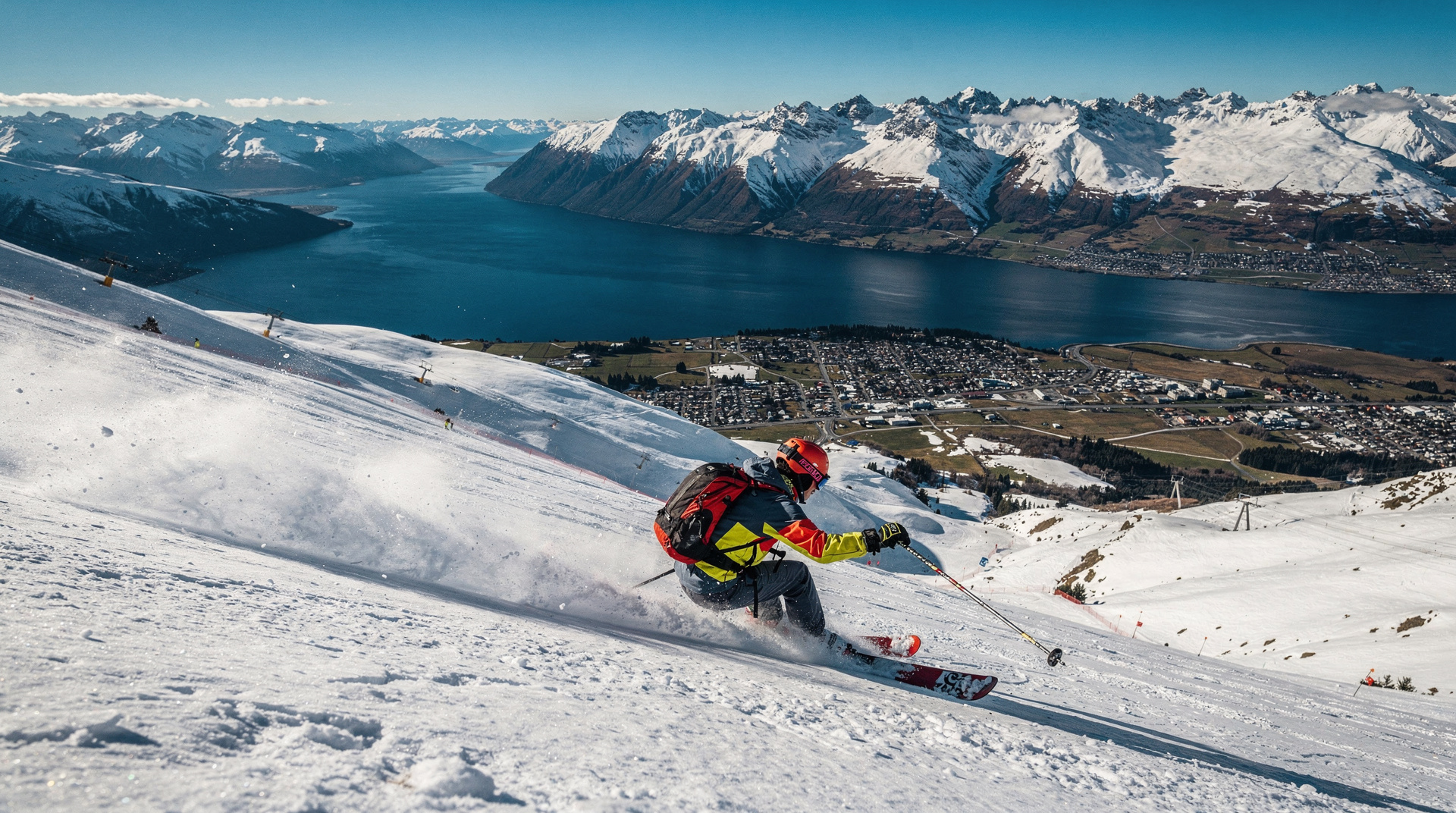
Skiing in New Zealand — complete resort guide 2026
Complete NZ ski guide: Coronet Peak, Remarkables, Cardrona, Treble Cone, Mt Hutt, Ruapehu. Season, lift passes, real costs NZD/USD/EUR.
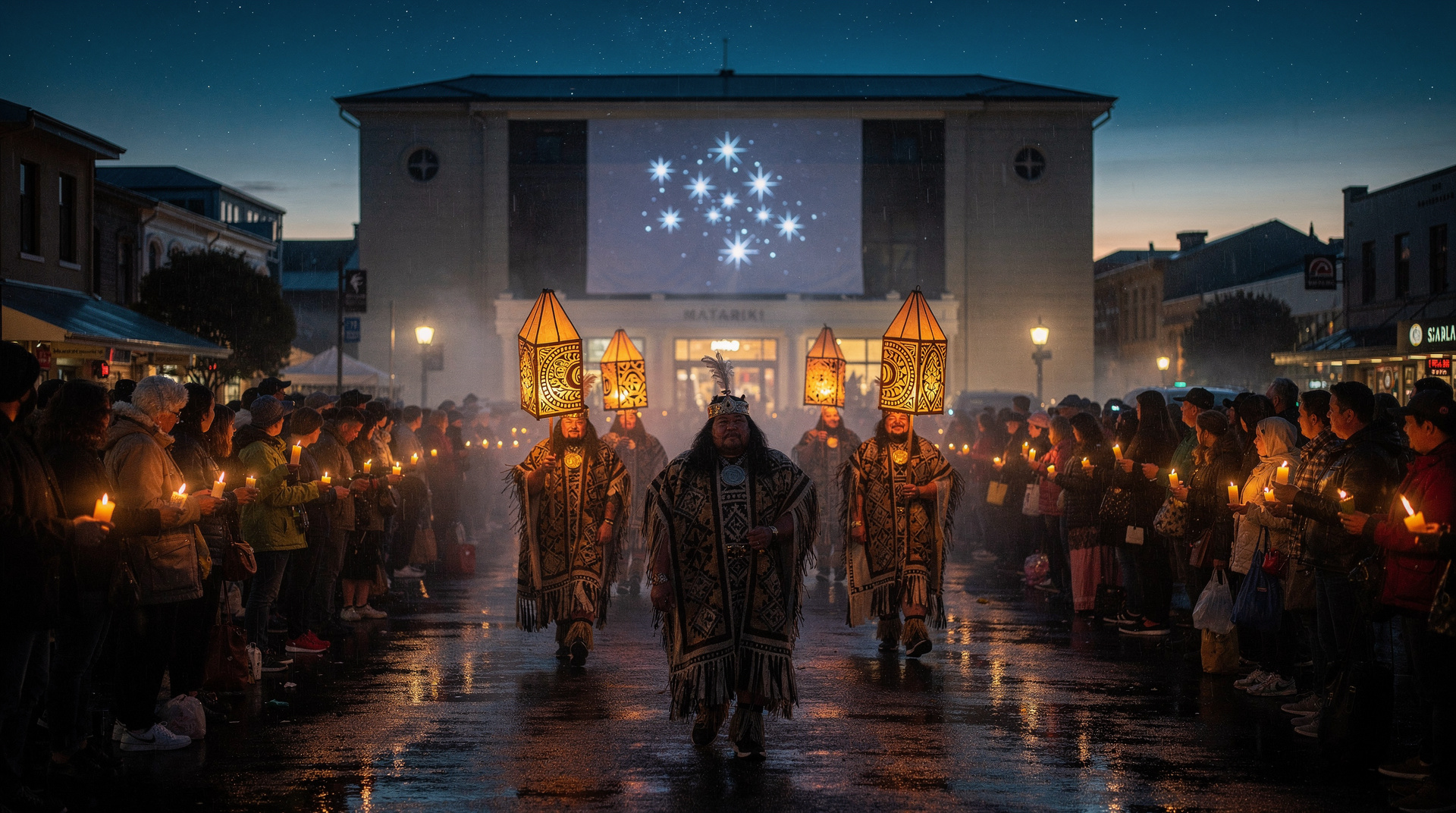
Matariki festival guide — New Zealand's Maori New Year
Matariki is the Maori New Year and New Zealand's newest public holiday. Guide to the star cluster, 2026 dates (10 July), events across NZ, and cultural meaning.
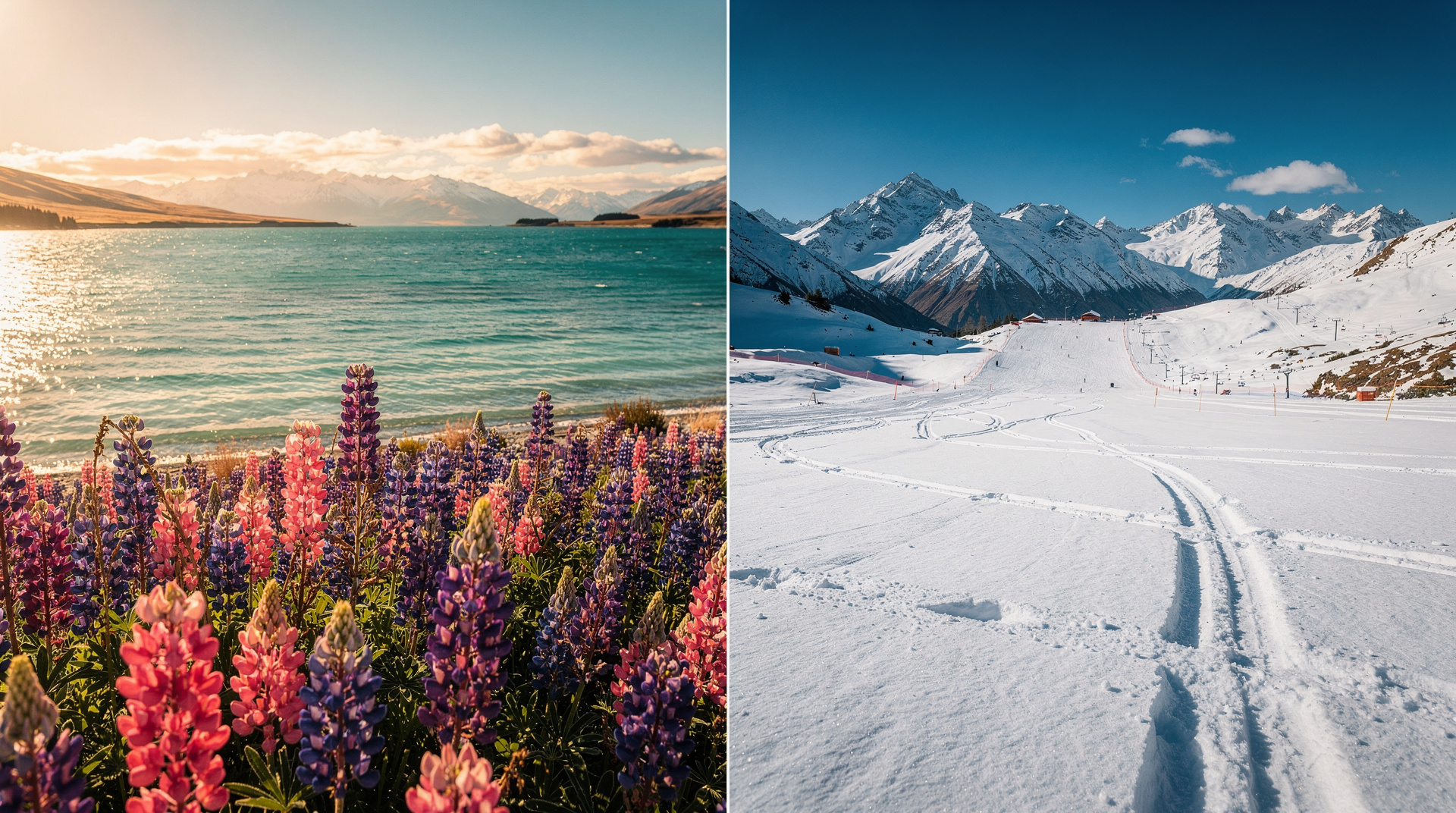
Summer vs winter in New Zealand
Summer vs winter in New Zealand: weather, crowds, costs and the honest verdict on which season suits your trip. NZD/USD/EUR prices throughout.
Last reviewed: