New Zealand in July
Is July a good time to visit New Zealand?
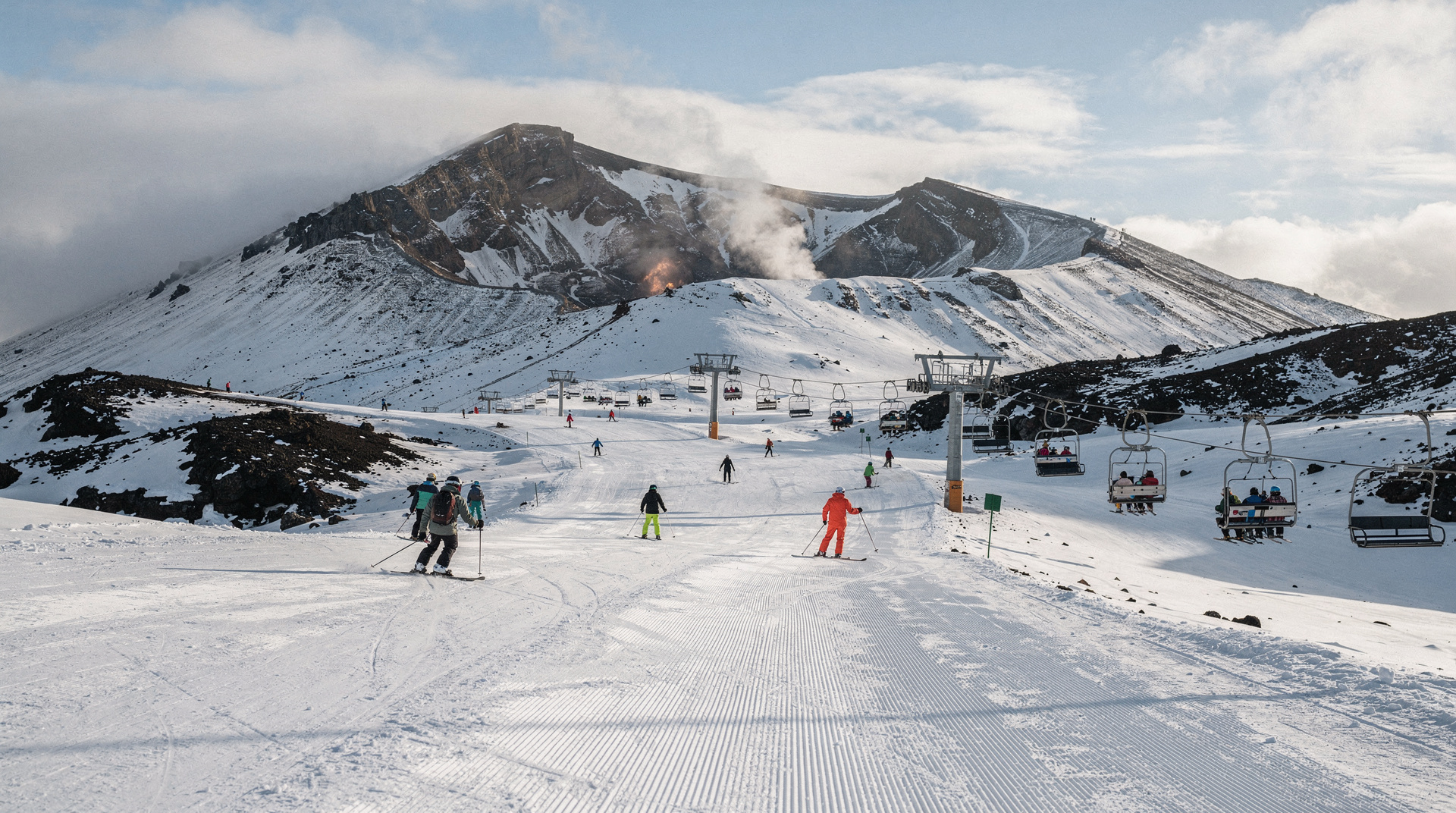
July is the best month for skiing — all four Queenstown-area mountains are fully operational, and Ruapehu on the North Island is at peak snow. Matariki (Maori New Year public holiday) falls in early-to-mid July. Australian school holidays run through July, so Queenstown and Wanaka book out and prices spike. Book ski accommodation 3–4 months ahead. Non-skiers find July challenging in the South Island but the North Island (Rotorua, Auckland, Bay of Islands) stays accessible and significantly cheaper.
Peak powder, Matariki, and the winter sports rush
July is the highest-demand winter month in New Zealand, driven by two overlapping factors: it is statistically the best month for snow on the South Island ski fields, and Australian school holidays (typically 2–3 weeks in July) bring tens of thousands of ski-focused visitors across the Tasman. Queenstown and Wanaka in July feel like a different place from the shoulder season — busy, expensive, and genuinely buzzing with ski energy.
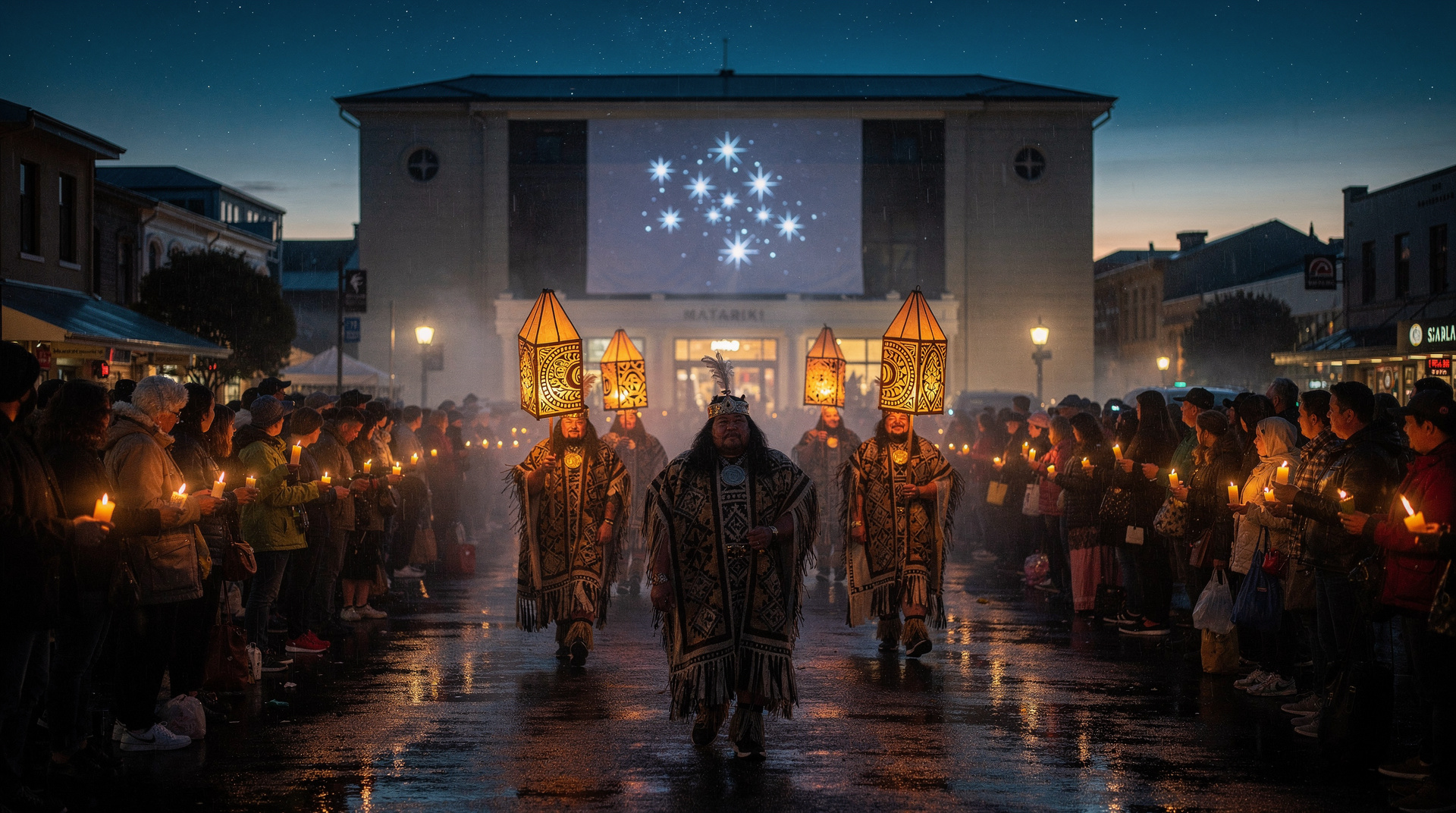
Matariki — New Zealand’s Maori New Year public holiday — falls in 2026 on Friday, 10 July. The events have been building since late June: lantern festivals, hangi gatherings, kapa haka performances, and star-gazing. On the holiday itself, Rotorua hosts the most concentrated programme of events; Wellington’s Matariki lantern festival on the waterfront is particularly atmospheric.
For non-skiers, July’s cold temperatures and reduced daylight (8.5–9 hours in Queenstown) make it a harder sell in the South Island. The North Island — Rotorua’s geothermal parks, Auckland’s museums and food scene, Bay of Islands sailing — remains entirely viable and significantly cheaper.
| Best for | peak South Island skiing, Matariki cultural events |
| Weather | -2 to 8°C in Queenstown/Otago, 9–15°C in the North Island |
| Crowd level | peak in ski towns, quiet elsewhere |
| Great Walks | Milford and Routeburn closed to independent walkers |
| Booking lead time | 3–4 months for Queenstown peak ski week |
Weather: real numbers, not the brochure
Auckland and Northland: 13–15°C days, 7–9°C nights. Rain is frequent but mild. Sea temperature around 17–18°C — too cold for most swimmers but fine for wetsuits. Daylight: 10 hours. Auckland in July is grey but not unpleasant.
Rotorua and Central North Island: 9–13°C days, 2–5°C nights. Frost is common. The geothermal environment actually looks its best in cold weather — steam rising more visibly, geysers more dramatic against cold skies. Mt Ruapehu (Whakapapa and Turoa ski fields) is fully operational in July, typically with the season’s best snow coverage.
Wellington: 10–12°C, often windy. The café culture and museum scene shine in winter. Te Papa is at its best when the crowds are gone.
Queenstown and Otago: 3–8°C days, -2 to 2°C overnight. Snow on the mountains, frost in the valleys, and Coronet Peak in full operation. The Remarkables basin holds snow exceptionally well and offers some of the most spectacular ski-in views in the southern hemisphere. Days are short but clear days are sharp and beautiful.
Cardrona and Wanaka area: Similar temperatures to Queenstown. Cardrona (45 minutes over the Crown Range) has the best terrain parks in New Zealand — excellent half-pipes and a dedicated beginner area. Treble Cone, nearby, has the most challenging off-piste terrain.
Canterbury and Mt Hutt: Mt Hutt at 2,086m is often the highest base elevation in New Zealand, which means more reliable snow. Methven, the base town, is quiet and charming — a genuine ski village without Queenstown’s prices. Day pass at Mt Hutt: NZD 145–175 / USD 87–105 / EUR 80–96. Christchurch is 1.5 hours away.
Fiordland: Cold and very wet. Milford Road can close due to avalanche conditions — July has the highest closure rate of any month. Build flexibility into any Fiordland plans.
Best things to do in July
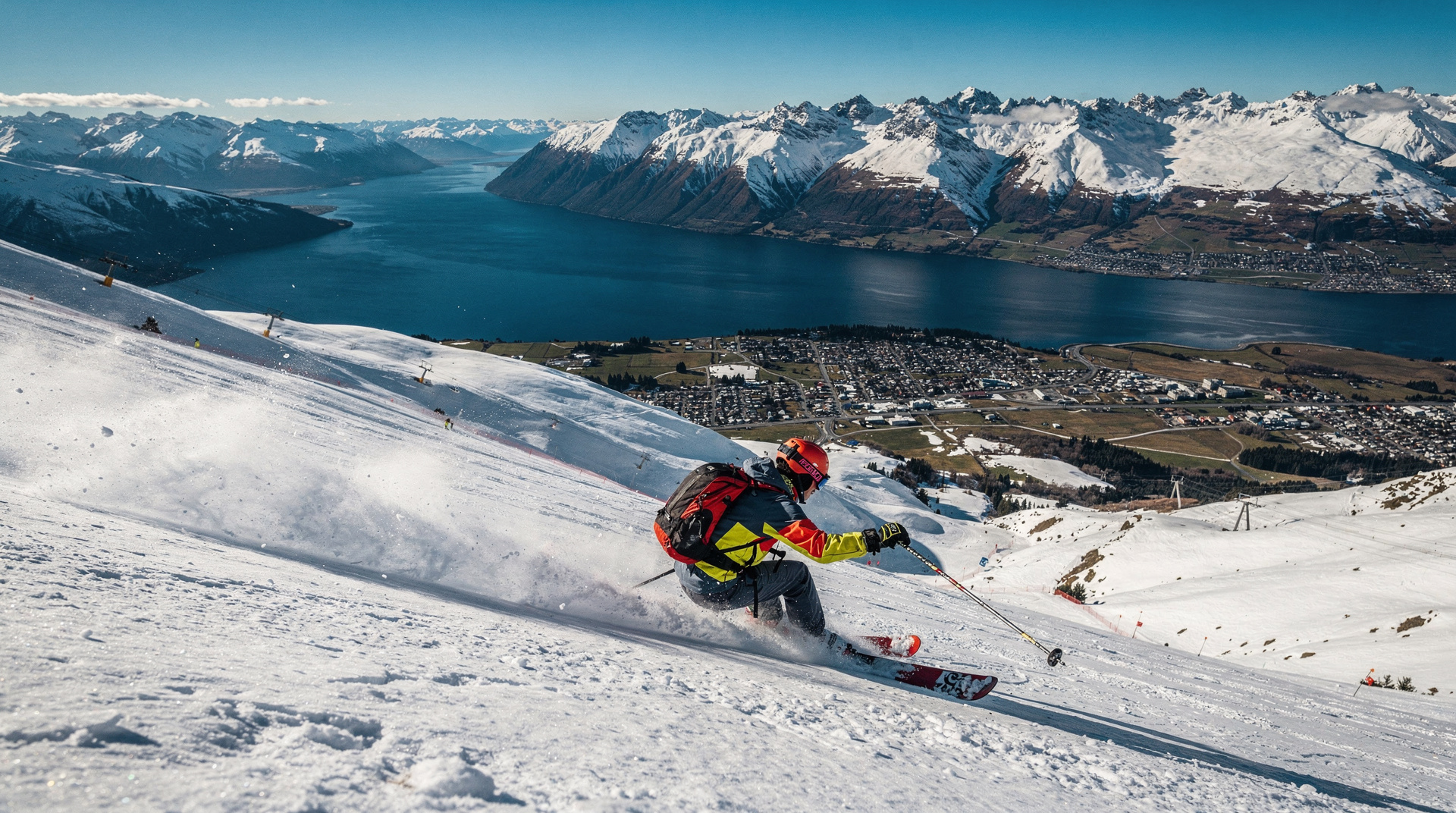
Skiing at Coronet Peak — the closest and most popular Queenstown ski mountain. 61 runs, night skiing on Fridays and Saturdays, and a well-developed lift network. Beginners through experts well catered for. July powder days at Coronet are exceptional, though not guaranteed every week. The tandem paraglide from Coronet Peak in winter is a July-specific experience — you launch from the top of the ski area and fly over snow-covered Queenstown with views of Lake Wakatipu and the Remarkables.
Cardrona and Treble Cone skiing (Wanaka) — the Cardrona–Treble Cone multi-day ski pass covers both mountains and is the best-value option for skiers spending 3+ days in the Wanaka area. Cardrona has the best terrain parks and snowmaking in New Zealand; Treble Cone has the most challenging expert terrain with wide-open bowls. July is when both mountains are fully built out.
Matariki celebrations — Rotorua’s Matariki festival is the most comprehensive in New Zealand, running through the holiday weekend. Events include outdoor hangi (earth oven feast), waka lighting ceremonies on the lake, kapa haka performances at Te Puia, and star-gazing from the geothermal fields. The Te Pa Tu cultural dinner and show in Rotorua combines a traditional hangi feast with outdoor performances — a powerful experience during Matariki season.
Tekapo star-gazing — Matariki is, at its core, an astronomical event: the Maori New Year begins when Matariki (Pleiades) appears in the predawn sky. Tekapo’s International Dark Sky Reserve is the best place in New Zealand to observe this. The Tekapo Maori cultural astronomy evening connects the star-gazing with te reo Maori star lore — a unique experience at any time of year, and especially meaningful during Matariki.
Milford Sound winter cruise — despite the road risk, Milford Sound in July has its most dramatic face. Waterfalls are at maximum volume, occasionally a light snow dusts Mitre Peak, and the relative absence of tourist crowds makes a Milford Sound nature cruise feel genuinely special. Stay a night in Te Anau and drive to Milford early (the Homer Tunnel opens at dawn) for the best conditions.
Wellington Matariki lantern festival — Wellington’s waterfront Matariki lantern festival is a spectacular free public event drawing 20,000+ people. The harbour is illuminated with lantern installations created by New Zealand artists, Maori weavers, and community groups. Check Wellington City Council events calendar for exact 2026 dates.
What to avoid in July
Queenstown without a ski booking. If you’re in Queenstown in July and not skiing, you’ll pay peak accommodation prices (ski season premium) for an experience that isn’t at its best for non-skiers: cold, short days, and most outdoor activities either closed or less enjoyable than summer versions. The April, October, or November shoulder seasons are better value for non-ski South Island visitors.
Milford Track or Routeburn Track. Both tracks are closed to guided walkers (huts staffed only by professional guides in guided walk mode — independent huts are emergency shelter only). Attempting these in unsupported winter conditions is dangerous and several deaths occur on New Zealand backcountry tracks in winter each year. The Te Anau–Milford Road glowworm cave walk and the Kepler Track day walk remain accessible.
Australian school holiday week in Queenstown. The week with the highest Queenstown accommodation prices of the entire year typically falls in mid-July when NSW and Victoria school holidays peak. Book 3–4 months ahead or expect NZD 300–500 / USD 180–300 / EUR 166–275 for a mid-range hotel room. The last week of July drops significantly as Australian schools return.
Crowds and prices in July
July is split — ski towns are at peak; everywhere else is quiet:
- Mid-range hotel (Queenstown, peak ski week): NZD 280–450 / USD 168–270 / EUR 154–248
- Mid-range hotel (Queenstown, mid-July midweek): NZD 200–300 / USD 120–180 / EUR 110–165
- Mid-range hotel (Auckland, Rotorua, Wellington): NZD 130–190 / USD 78–114 / EUR 72–105
- Hostel dorm (Queenstown): NZD 45–70 / USD 27–42 / EUR 25–39
- Coronet Peak / Remarkables day ski pass: NZD 145–175 / USD 87–105 / EUR 80–96
- Cardrona day pass: NZD 139–165 / USD 83–99 / EUR 76–91
Booking lead time for July: Queenstown peak-week hotels — 3–4 months. Ski passes online in advance — 10–15% cheaper than walk-up. Rotorua accommodation — 2–3 weeks usually sufficient.
Best regions in July
Queenstown and Wanaka ski region is the obvious July destination for skiers. Queenstown for après-ski culture and access to Coronet Peak and the Remarkables; Wanaka for a quieter base with Cardrona and Treble Cone. The comparison guide (Queenstown vs Wanaka) has the detail.
Mt Hutt (Methven/Christchurch) is the best-value ski destination in New Zealand in July. Methven’s budget accommodation runs NZD 100–160 / USD 60–96 / EUR 55–88 for a decent room — dramatically cheaper than Queenstown. Mt Hutt’s snow record is excellent and the mountain has challenging terrain for intermediate and advanced skiers.
Rotorua — the geothermal capital is a natural July base for non-skiers. Combine Te Puia geothermal park, the Polynesian Spa, a Maori cultural show, and the Matariki events for a 3-day programme that works regardless of the weather outside.
Tekapo — two hours from Queenstown and a world apart in terms of price and atmosphere. July clear nights are exceptional for star-gazing, the Church of the Good Shepherd against winter mountains is stunning, and the Lake Tekapo hot pools (spring-fed) are open year-round. An easy add-on to a Queenstown–Christchurch route.
July weather hacks
Ski layers are the priority for the South Island: thermal base layer, fleece mid-layer, waterproof ski jacket and pants, helmet, goggles. Off the mountain, a warm down jacket, waterproof boots, and gloves for walking around Queenstown town centre are essential. Days are very short — plan your sightseeing before 4pm when the light fades. For driving on mountain roads, check NZTA alerts before departure and carry snow chains if heading to Milford or over the Crown Range.
Frequently asked questions about visiting in July
What is the best ski field in New Zealand?
It depends on what you prioritize. Coronet Peak is the most convenient (30 minutes from Queenstown centre) with the widest range of services including night skiing. The Remarkables has the most dramatic scenery. Cardrona has the best terrain parks and snowmaking backup. Treble Cone has the most challenging terrain and the least crowds. Mt Hutt has the highest elevation and best snow reliability per dollar. Most ski visitors in July can justify multi-day passes covering 2–3 mountains.
When exactly is Matariki in 2026?
Matariki falls on Friday 10 July 2026. The long weekend is Friday–Sunday 10–12 July. Cultural events in Rotorua, Wellington, Auckland, and other cities run throughout the week before and after the public holiday.
Can I visit New Zealand in July without skiing?
Yes, but the South Island is more challenging. The North Island (Auckland, Rotorua, Bay of Islands) remains very accessible with comfortable activities and prices at low-season rates. In the South Island, Queenstown town centre activities still operate (gondola, Shotover Jet, wine tours), Milford Sound cruises run daily, and the Tekapo/Mackenzie landscape is arguably more beautiful in winter than summer. But the short daylight and cold make extended outdoor activity less comfortable.
Are domestic flights or buses better value in July?
July airfares within New Zealand are moderate — not peak-summer pricing, but elevated by ski-season demand. Auckland to Queenstown: NZD 120–200 / USD 72–120 / EUR 66–110 if booked 4–6 weeks ahead. The InterIslander or Bluebridge ferry (Wellington to Picton) is reliable in July weather-wise — the Cook Strait is rough in winter but sailings rarely cancel.
How much should I budget per day in July?
Without skiing: NZD 100–140 / USD 60–84 / EUR 55–77 per person (budget) or NZD 380–580 / USD 228–348 / EUR 209–319 per couple (mid-range). With skiing: add NZD 145–175 / USD 87–105 / EUR 80–96 per person per day for lift passes plus NZD 40–80 / USD 24–48 / EUR 22–44 for ski rental.
How to combine July travel with the rest of New Zealand
July works best structured around 5–7 days in the South Island ski region (Queenstown/Wanaka) combined with 3–4 days in Rotorua for Matariki and geothermal experiences. The North Island in July is distinctly non-winter in feel — Auckland, Bay of Islands, and Rotorua are mild compared to the South Island. The 7-day South Island itinerary can be adapted for a ski focus. If Matariki is the primary interest, plan around the 10 July 2026 date and anchor in Rotorua or Wellington. Cross-reference the June guide for the pre-Matariki events build-up and the August guide for late winter options including whale watching at Kaikoura.
Related guides
Best time to visit New Zealand
When to visit New Zealand: honest breakdown by season, region, and activity type. Summer is not always best. Spring and autumn often outperform the peak season.
New Zealand in June
Ski opens in June, Matariki (Maori New Year) is a public holiday, and prices drop sharply. NZD/USD/EUR prices and what still works in winter.
New Zealand in August
August combines late ski season at Queenstown with peak whale watching at Kaikoura. Lower prices than July. Real NZD/USD/EUR costs and what to book.
Skiing in New Zealand — complete resort guide 2026
Complete NZ ski guide: Coronet Peak, Remarkables, Cardrona, Treble Cone, Mt Hutt, Ruapehu. Season, lift passes, real costs NZD/USD/EUR.
Summer vs winter in New Zealand
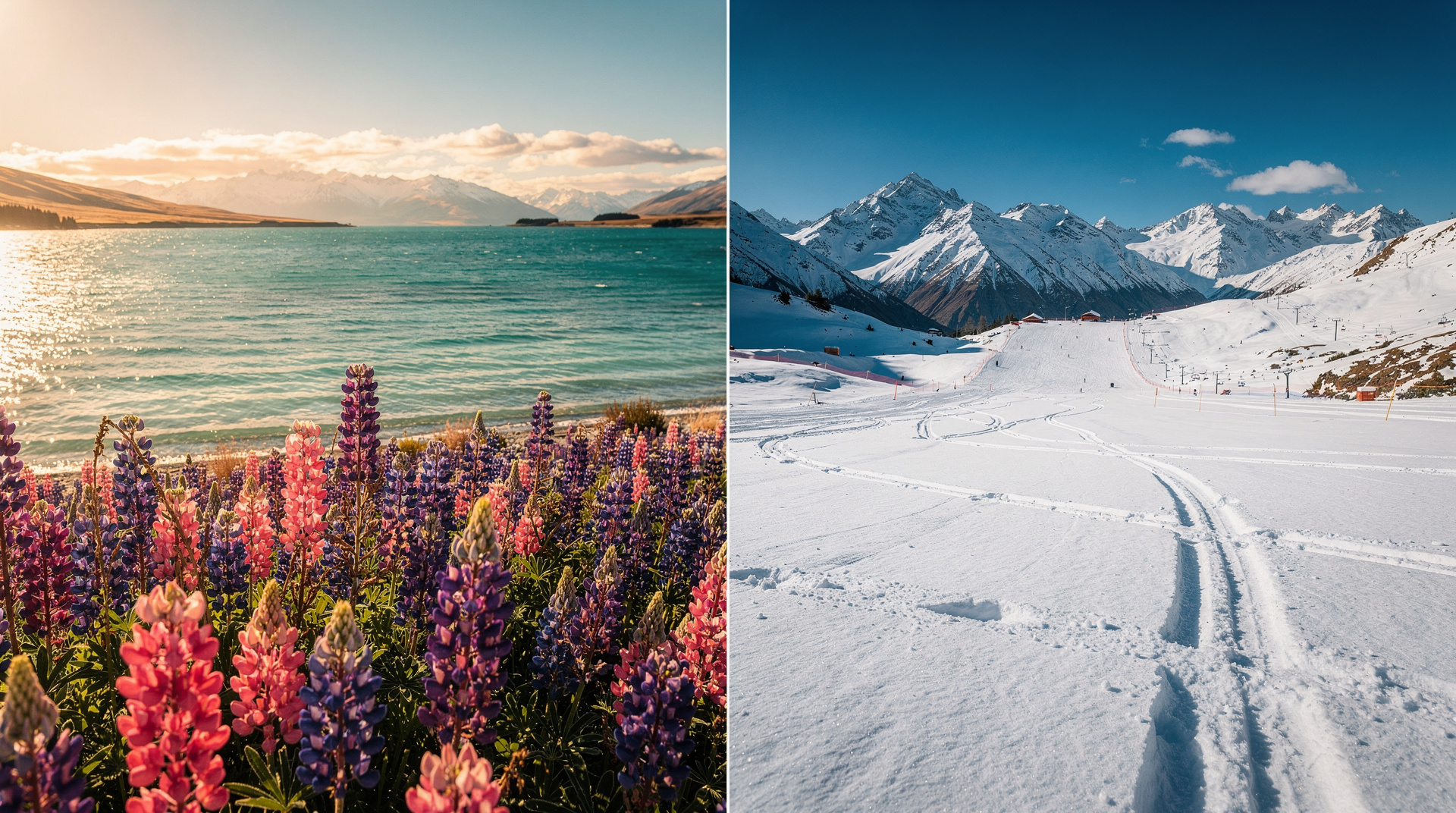
Summer vs winter in New Zealand: weather, crowds, costs and the honest verdict on which season suits your trip. NZD/USD/EUR prices throughout.
Matariki festival guide — New Zealand's Maori New Year
Matariki is the Maori New Year and New Zealand's newest public holiday. Guide to the star cluster, 2026 dates (10 July), events across NZ, and cultural meaning.
Last reviewed: