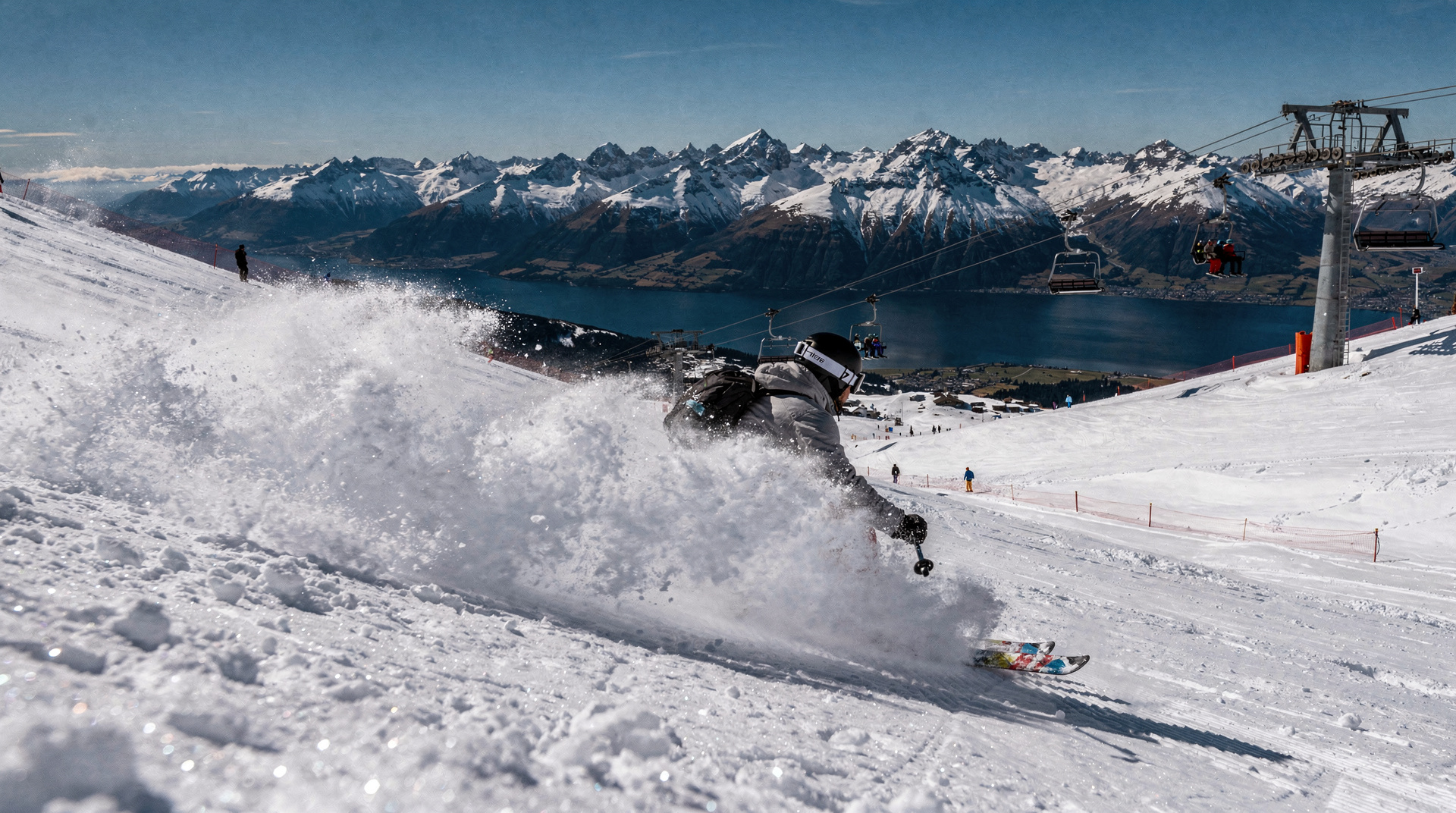
Skiing Coronet Peak — Queenstown's closest ski field
Is Coronet Peak the best ski field near Queenstown?
Coronet Peak is 23 km from Queenstown with good groomed runs, night skiing on Fridays and Saturdays, and consistent snow-making. The Remarkables has better beginner terrain and more dramatic scenery. Coronet Peak suits intermediate-to-advanced skiers who want proximity to Queenstown's nightlife.
Coronet Peak is the ski field most Queenstown visitors default to simply because it’s the closest — but proximity isn’t the only reason it works. Reliable snowmaking, well-groomed intermediate runs, and New Zealand’s only regular night skiing make it a genuinely strong choice, not just a convenient one. Here’s the practical breakdown.
| Where | 23 km / 25–30 min from Queenstown |
| Cost | Day pass around NZD 149–175 (direct purchase — no GYG affiliate) |
| Time needed | Full day, or an evening night-skiing session (4pm–9pm Fri/Sat) |
| Getting there | Shuttle from Queenstown waterfront or self-drive on the sealed access road |
| Best for | Intermediate-to-advanced skiers wanting proximity and night skiing |
The original Queenstown ski field — and still the closest
Coronet Peak opened in 1947 and is the oldest operating ski field in New Zealand. It sits 23 km northeast of Queenstown, with a sealed access road and regular shuttle service. The summit reaches 1,649m; the base is at 1,168m, giving 481m of vertical. Total skiable area: 280 hectares across 25 marked runs.
The mountain faces north, which in the Southern Hemisphere means maximum sun exposure — this is both an advantage (clear views of the Wakatipu Basin, warm sunny days in August) and a limitation (snow quality degrades faster on sunny slopes in spring). Coronet Peak’s extensive snowmaking capacity compensates: approximately 75% of the skiable area can be covered artificially.
The key selling point: Proximity to Queenstown. The 23 km sealed road takes 25–30 minutes, and multiple daily shuttles depart from the Queenstown waterfront. You can be at the top of the mountain within an hour of leaving your hotel.
Note: The ski company (NZSki) that operates Coronet Peak does not sell through GetYourGuide for day passes. Tickets must be purchased directly through the NZSki website or at the mountain. We can’t link an affiliate for the day pass itself — but the information below is complete.
Pricing (NZD, USD, EUR)
Day pass prices are set by NZSki and updated annually. Approximate 2026 prices:
| Category | NZD | USD | EUR |
|---|---|---|---|
| Adult (16–64) | 149–175 | 89–105 | 82–96 |
| Youth (8–15) | 110–130 | 66–78 | 60–72 |
| Senior (65+) | 120–145 | 72–87 | 66–80 |
| Children under 8 | 10–15 | 6–9 | 5.5–8 |
Multi-day passes and the Cardrona+Coronet or NZSki Superpass (covering Coronet, The Remarkables, and Mt Hutt) offer significant savings — 6-day passes reduce the per-day cost by approximately 35%.
Equipment hire on the mountain: approximately NZD 60–90 / USD 36–54 / EUR 33–50 per day for full ski or snowboard package (skis/board, boots, poles, helmet). Renting in Queenstown town is typically cheaper — multiple hire shops on Camp Street offer competitive rates, and getting kitted out in town before the shuttle is the standard approach.
The terrain at Coronet Peak
Coronet Peak suits intermediate and advanced skiers more than beginners:
Beginner runs: The Far East area at the base has gentler terrain. The learning area is functional but limited — beginners who want confidence-building terrain should consider The Remarkables instead.
Intermediate runs: The main face has well-groomed blue and red runs with good length and consistent pitch. The Greengates and Gremmies runs are the classic intermediate descents.
Advanced terrain: The Summit run from the top of the T-bar gives the mountain’s most sustained fall-line skiing. The Expert Bowl to the skier’s left of the main face has genuine black diamond terrain with mogul fields.
Off-piste: Limited by the mountain’s size. The southern aspects hold snow better but require guide knowledge or local expertise.
Night skiing
Coronet Peak is the only ski field in New Zealand that runs regular night skiing — Friday and Saturday evenings, and sometimes Thursday in peak season (July). Night sessions typically run 4pm–9pm. The illuminated runs create a different visual experience, and the reduced crowds compared to daytime make for freer skiing.
Night skiing prices: NZD 79–99 / USD 47–59 / EUR 43–54.
If you’re combining a full day’s skiing with an evening at one of Queenstown’s restaurants, the night session is an efficient use of a ski day — ski mornings, take a midday break in town for food, return for the night session.
Getting to Coronet Peak
By shuttle: Multiple daily services from Queenstown waterfront and some accommodation. Round trip approximately NZD 40–50 / USD 24–30 / EUR 22–28. Shuttle booking recommended in advance during peak July–August.
By car: Sealed road from Queenstown (follow SH6 toward Arrowtown, then Coronet Peak Road). Parking at the mountain: approximately NZD 20–30 / USD 12–18 / EUR 11–17. Snow chains may be required; most hire companies include chains with vehicle hire during winter.
Key timing: First lifts typically open 8:45–9:00am. Arrive by 8:30am to beat queues on high-season weekends. The morning (8:30–11am) consistently offers the best snow quality before afternoon sun softens the surface.
Season
Coronet Peak typically opens mid-June and closes late September or mid-October depending on snowfall. Official season: June–October. The July–August period is peak season with guaranteed good conditions; June and October can be variable (early and late season conditions).
School holidays: New Zealand’s school holidays (two weeks in July) create the busiest two weeks of the ski season. Lift queues, accommodation prices, and resort energy all peak during this period. If flexibility allows, ski in late June or late August for lower prices and fewer queues.
Combining Coronet Peak with a Queenstown non-ski day
Queenstown’s adventure activities don’t stop when the lifts do. If a weather day or a rest day interrupts your ski trip, Queenstown’s day hikes (Ben Lomond, Queenstown Hill) are viable in winter on clear days, and the town itself has enough restaurants and bars to fill an evening without a car. Families or mixed groups who want one adrenaline activity beyond skiing often add the Shotover Jet or a bungy jump on a non-ski day — both run through winter regardless of snow conditions.
Rest days and weather days beyond the lifts
Every ski trip eventually meets a wind-hold, a whiteout or simply tired legs, and Queenstown is one of the better places to be stuck. Plan one flexible day into any stay of more than a couple of days rather than cramming every day onto the slopes. Your knees will thank you, and the weather will make the choice for you anyway.
For something that keeps the mountain theme going without a lift ticket, a tandem paraglide from the Coronet Peak side in winter gives you the view of the Wakatipu Basin that skiers only glimpse between turns. It depends on conditions, so keep it flexible and book it for a day when the forecast looks settled rather than as a fixed part of your itinerary.
If the weather is poor and you would rather stay low, a steamship cruise across the lake with a barbecue dinner at Walter Peak is a warm, unhurried way to spend an evening. It suits mixed groups especially well, since non-skiers can join without feeling they missed out. The vintage steamer itself has its own write-up in our TSS Earnslaw guide, and Lake Wakatipu is worth reading about if you want to understand the water you are crossing.
Making the most of a Coronet Peak day
A few habits separate a smooth ski day from a frustrating one. None of them cost anything, and all of them are about sequencing rather than spending.
- Ski the best snow first. The mountain faces north, so the surface is firmest and most predictable early. Save the long cruisy runs for the morning and let the afternoon be about lunch, photos and gentler terrain.
- Eat off-peak. The base cafeteria fills up in the middle of the day. Eating a little early or a little late keeps you out of the queue and gives you more time on snow.
- Layer sensibly. Sunny, sheltered days can feel warm at the base and bitter on the summit chair. Carry a thin extra layer, goggles for flat light, and sun protection, because alpine UV is strong even in winter.
- Know your group’s limits. Mixed-ability groups do best when they agree on a meeting point and a time before splitting up. Coronet Peak’s main face funnels everyone back toward the base, which makes regrouping easier than on some larger mountains.
- Take a lesson if it is your first time. Coronet Peak is not the gentlest place to learn, but a good instructor changes the day. If the group is mostly beginners, compare it honestly with Skiing The Remarkables before committing.
Combining skiing with the wider Queenstown region
Coronet Peak’s position above the Wakatipu Basin means the rest of the region is close. Arrowtown, on the road toward the mountain, is a natural stop on the way back down for a coffee or an early dinner, and our Arrowtown destination guide covers what to see there. Visitors with a few extra days often fold in a day trip from Queenstown once the skiing is done, or look at the Queenstown vs Wanaka comparison to decide where to base the second half of the trip.
If you are weighing winter against summer for this part of the country, the summer vs winter guide lays out the trade-offs, and the July in New Zealand and August in New Zealand pages show what the core ski months feel like across the whole country. For the bigger picture of where Coronet Peak sits among New Zealand’s fields, the ski New Zealand overview is the place to start.
Where to stay for a Coronet Peak ski trip
Most visitors base themselves in Queenstown itself, which puts you within the 25–30 minute shuttle catchment for Coronet Peak and within reach of The Remarkables too. If you’re planning to ski multiple South Island fields on the same trip, basing in Queenstown for Coronet Peak and The Remarkables, then relocating to Wanaka for Cardrona and Treble Cone, is the standard multi-field itinerary — see the full ski New Zealand guide for how the fields fit together.
Queenstown ski area overview
Queenstown has four ski areas within 75 km:
| Field | Distance from QT | Vertical | Best for |
|---|---|---|---|
| Coronet Peak | 23 km | 481m | Intermediates, night skiing, proximity |
| The Remarkables | 26 km | 357m | Beginners, families, scenery |
| Cardrona | 56 km (via Wanaka) | 600m | All abilities, reliable snow, facilities |
| Treble Cone | 76 km (via Wanaka) | 700m | Advanced, uncrowded, longest vertical |
A multi-field pass covering all four provides the most flexibility and significantly better value than purchasing day passes separately.
Frequently asked questions about Skiing Coronet Peak — Queenstown’s closest ski field
Is Coronet Peak or The Remarkables better for intermediates?
Coronet Peak has more sustained vertical on its intermediate runs. The Remarkables has more varied terrain with distinct basins. Both are appropriate for intermediates. The Remarkables wins on scenery; Coronet Peak wins on proximity to Queenstown and the night skiing option.
What’s the snowmaking capacity like?
Coronet Peak has the most extensive snowmaking in New Zealand — 75% of skiable area can be covered. This means the mountain opens reliably even in poor natural snowfall years. A low-snow winter significantly affects Cardrona and Treble Cone more than Coronet Peak.
Can I do Coronet Peak as a day trip from Queenstown without renting a car?
Yes — the shuttle service from Queenstown is reliable and frequent. Shuttle + day pass + equipment hire is a complete package available entirely from Queenstown. No car required.
Is the Queenstown ski season long enough to justify a dedicated ski trip?
The season runs June–October, with the core quality period of July–September providing 12 weeks of reliable skiing. This is shorter than European or North American resort seasons, but with less crowd pressure (except the July school holidays) and excellent infrastructure. A dedicated ski trip to Queenstown works well for 3–7 days focused on skiing across multiple fields.
Should I do Coronet Peak’s night session instead of a full day?
If you’re short on time or budget, yes — the night session (NZD 79–99) is significantly cheaper than a full day pass and gives you a genuinely different experience: fewer skiers, illuminated groomed runs, and Queenstown’s lights below. It works particularly well paired with dinner in town beforehand, turning a half-empty evening into a full ski day equivalent without the early start.
Related ski and winter activities
Related guides
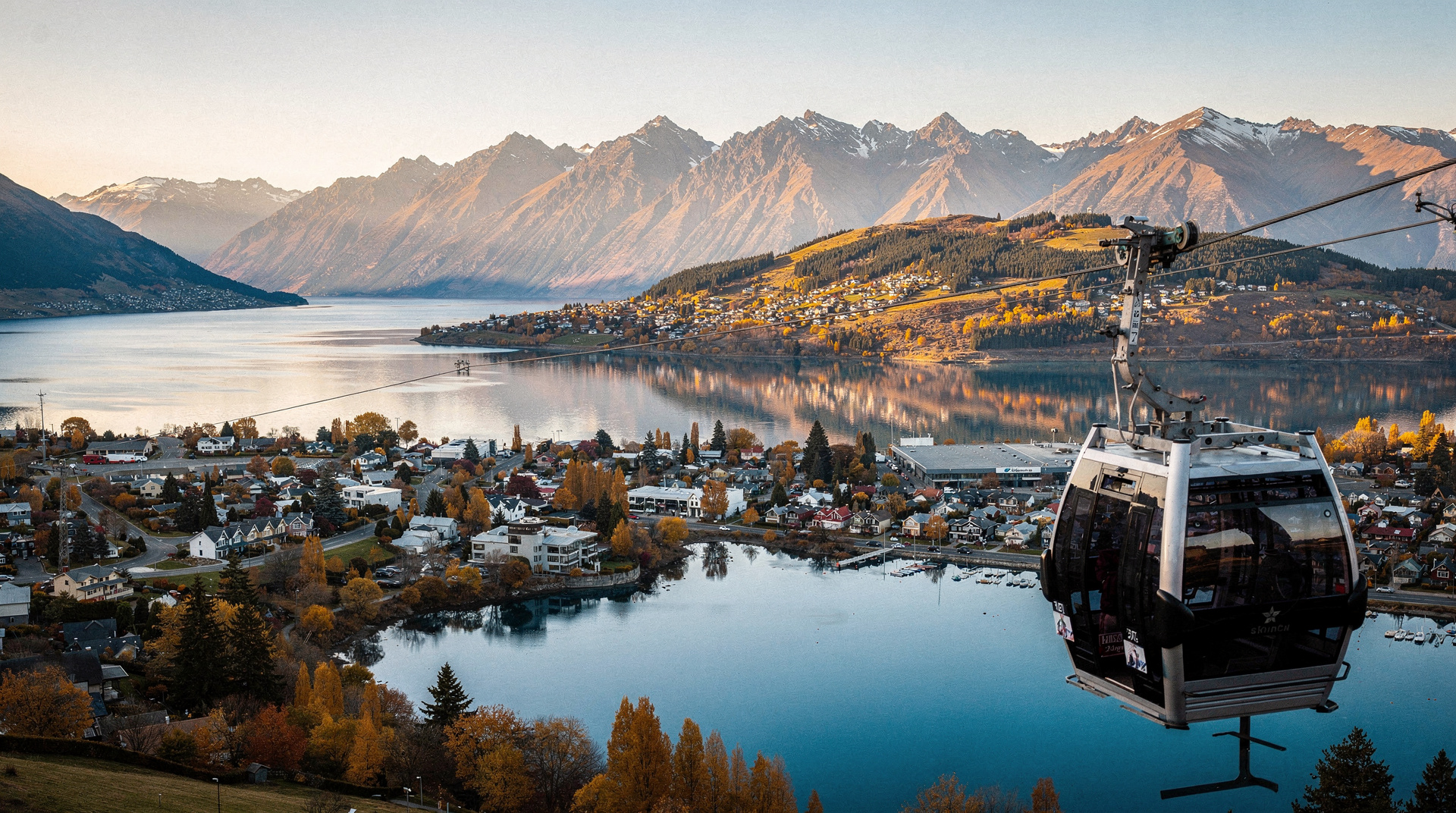
Queenstown
The honest Queenstown planner: bungy, jet boat, ski, scenic flights — real prices in NZD/USD/EUR, what to skip and what's worth your money.
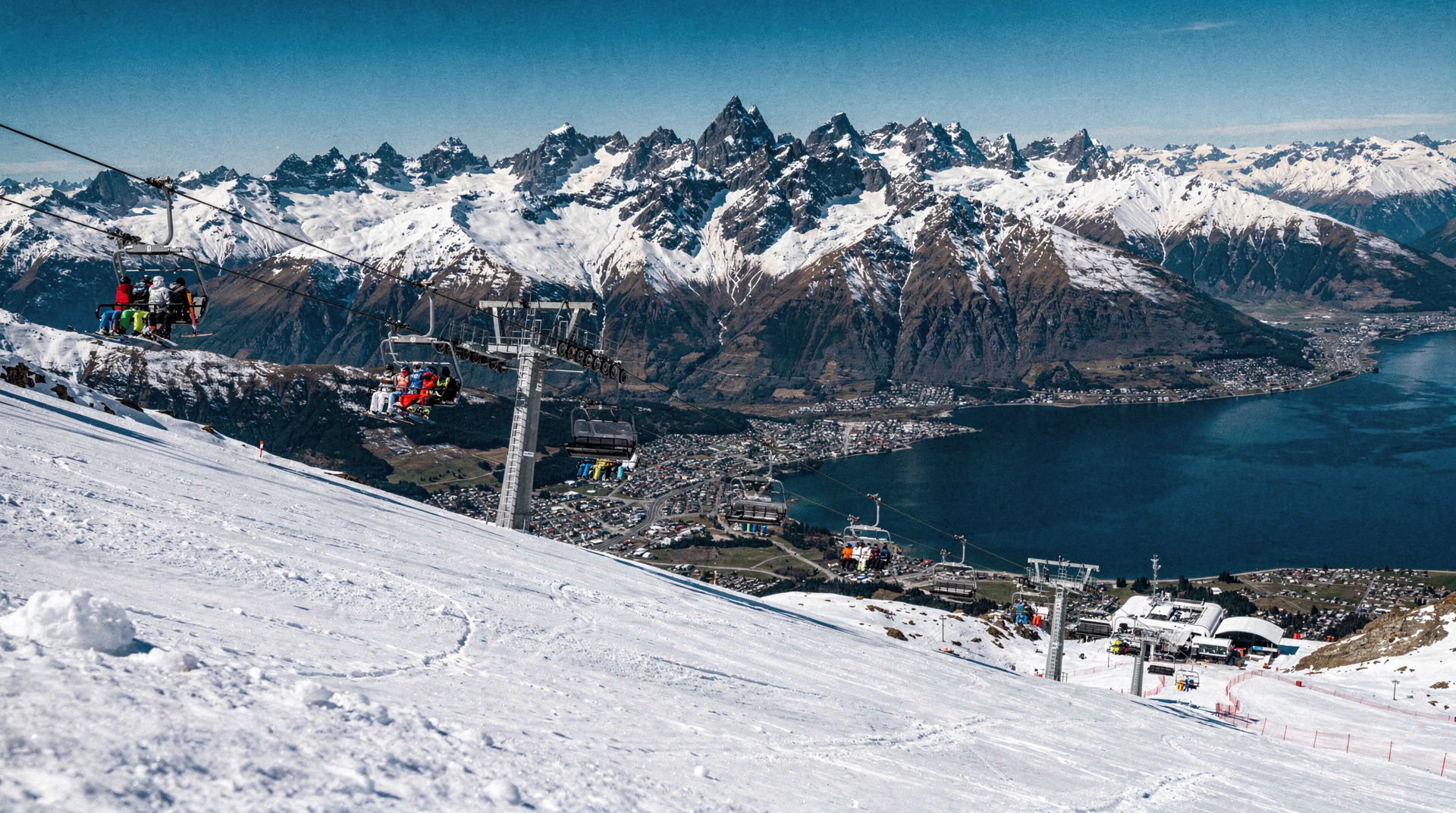
Skiing The Remarkables — Queenstown's scenic ski field
The Remarkables ski guide: 26 km from Queenstown, lake and mountain views, good beginner terrain.
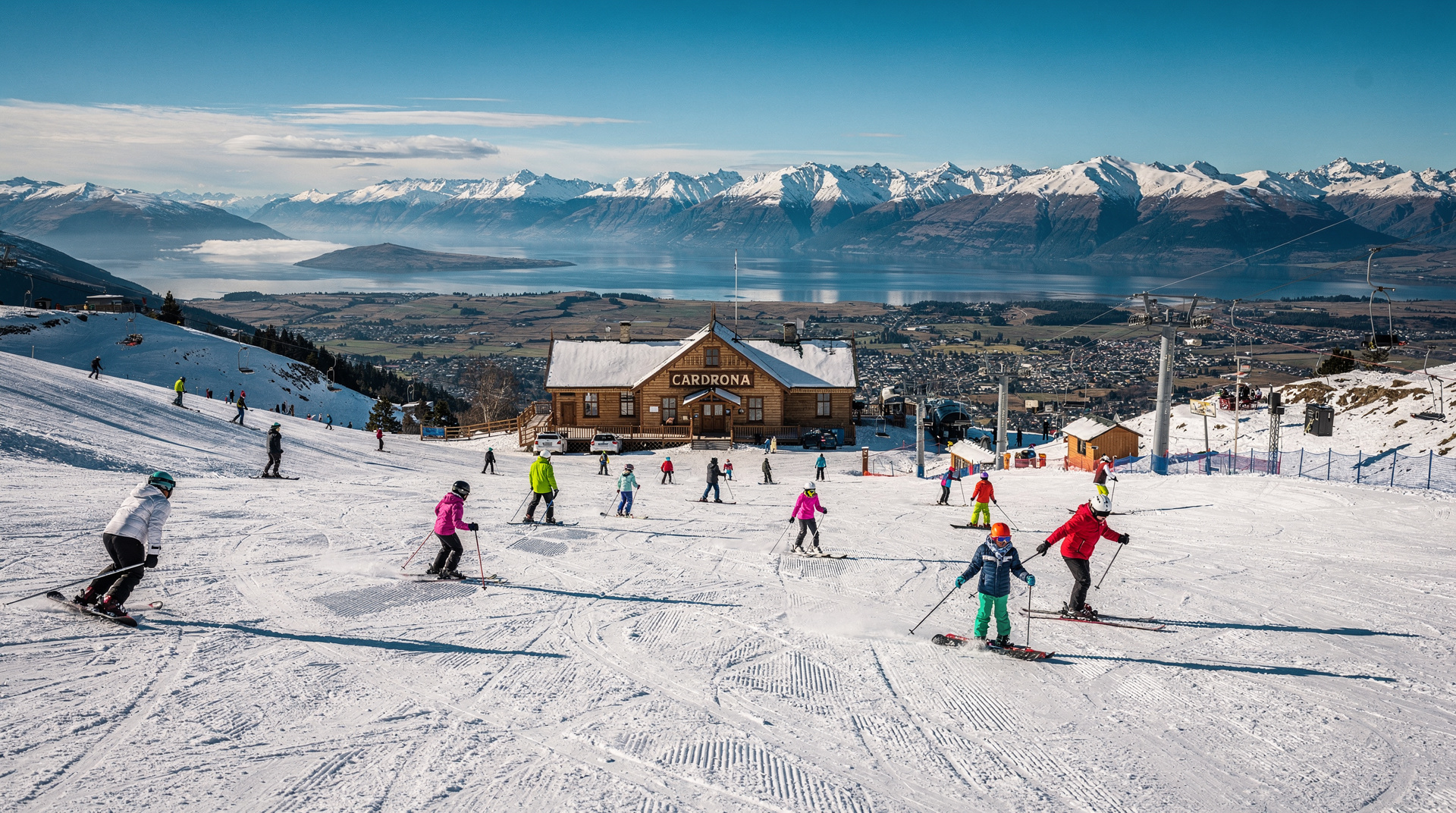
Skiing Cardrona — the best family ski field near Wanaka
Cardrona ski guide: 600m vertical, excellent beginner terrain, reliable snow near Wanaka. Day pass prices NZD/USD/EUR and comparison with Coronet Peak.
Skiing Treble Cone — New Zealand's best advanced ski field
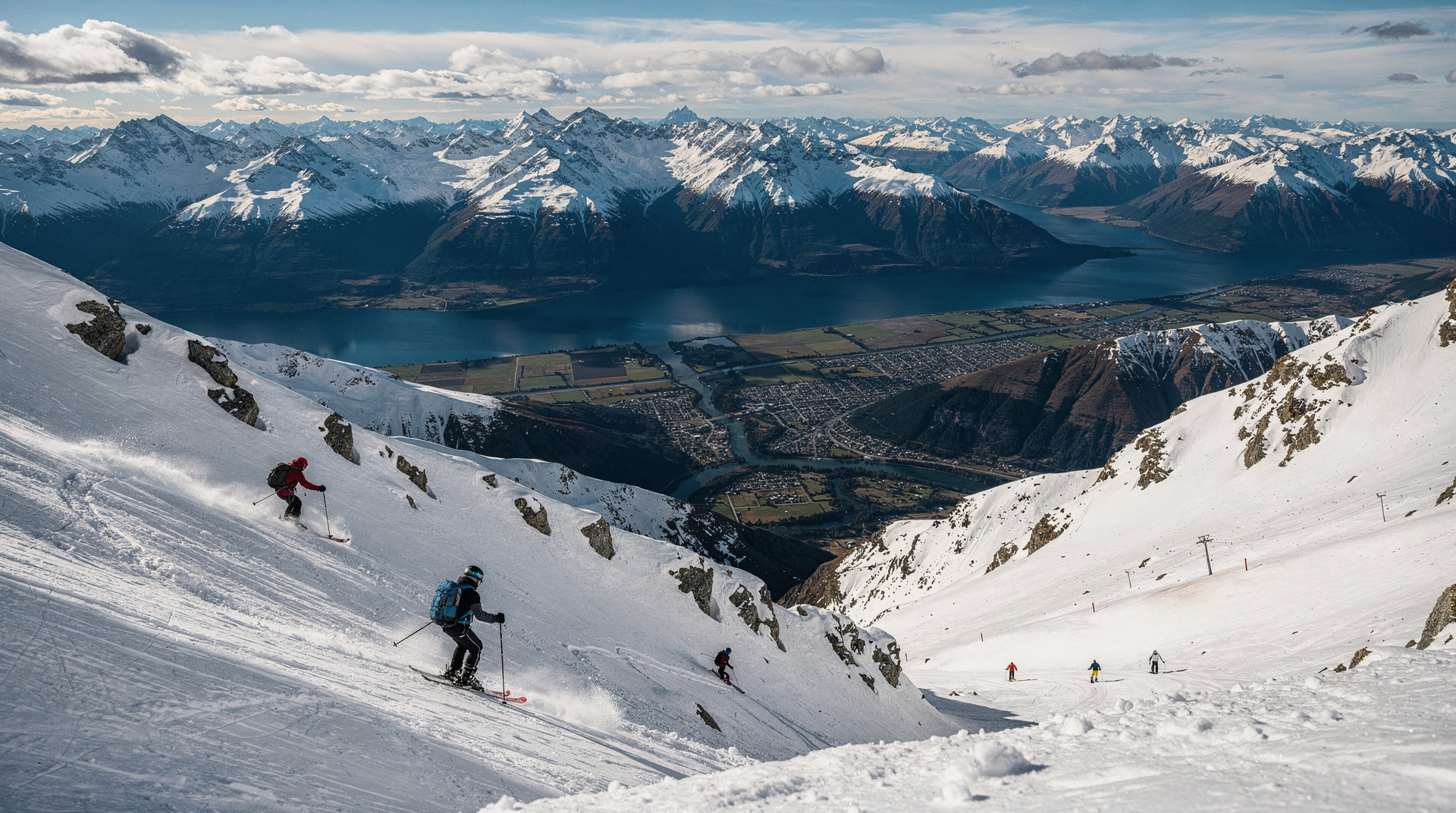
Treble Cone ski guide: 700m vertical, South Island's largest ski area for advanced terrain, Lake Wanaka views.
Wanaka
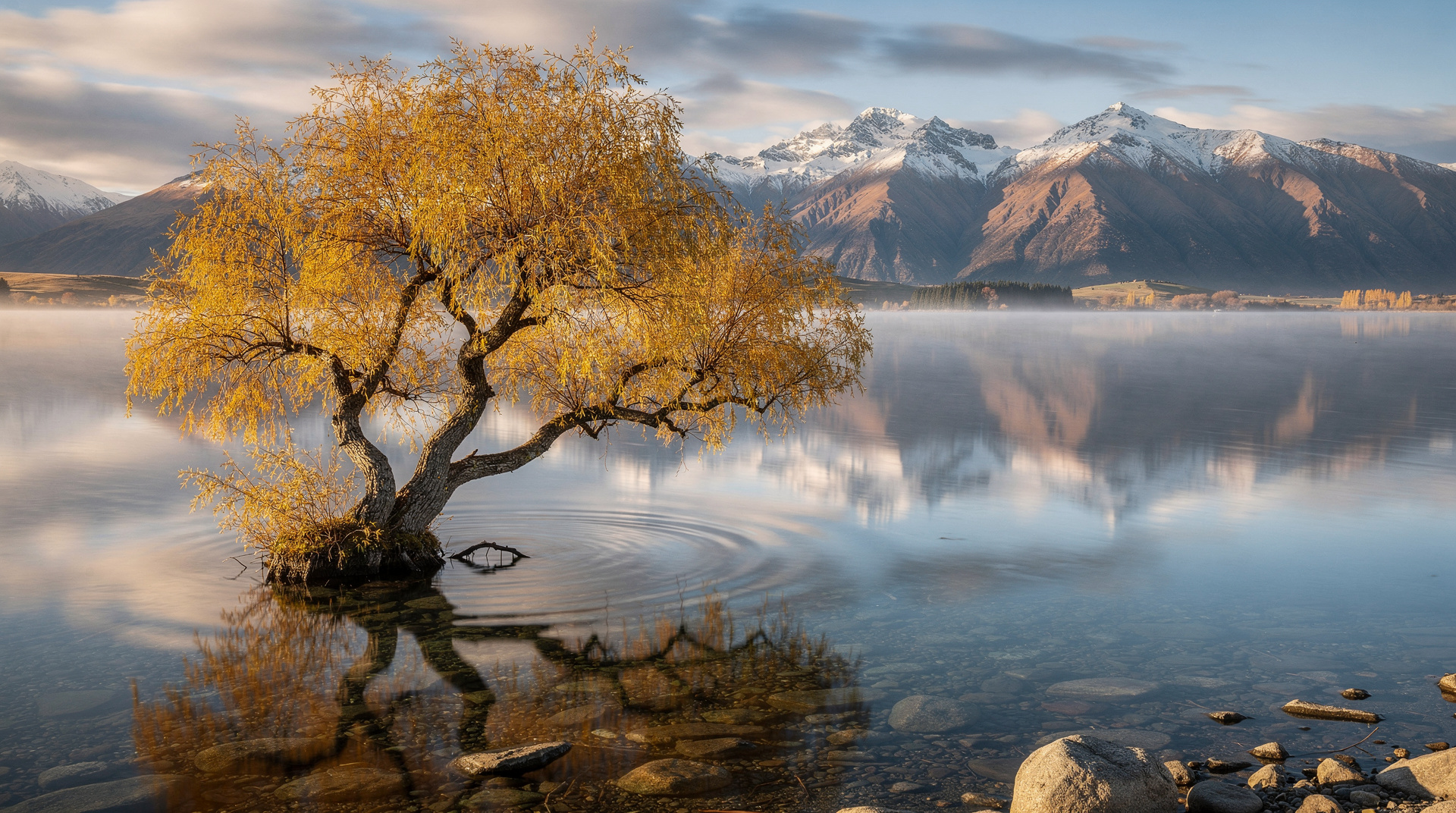
Honest Wanaka guide: Roy's Peak, Cardrona ski, lake kayaking — real NZD/USD/EUR costs and the honest Queenstown vs Wanaka verdict.