The best shoulder season itinerary for New Zealand — 14 days in autumn
Why shoulder season changes everything
The New Zealand summer (December–February) is when the country is at its most crowded and most expensive. The Great Walk huts book out six months in advance. Queenstown accommodation doubles in price. The Tongariro Alpine Crossing has a queue at the Red Crater. None of these things are fatal problems, but they represent a version of New Zealand that the landscape itself doesn’t require.
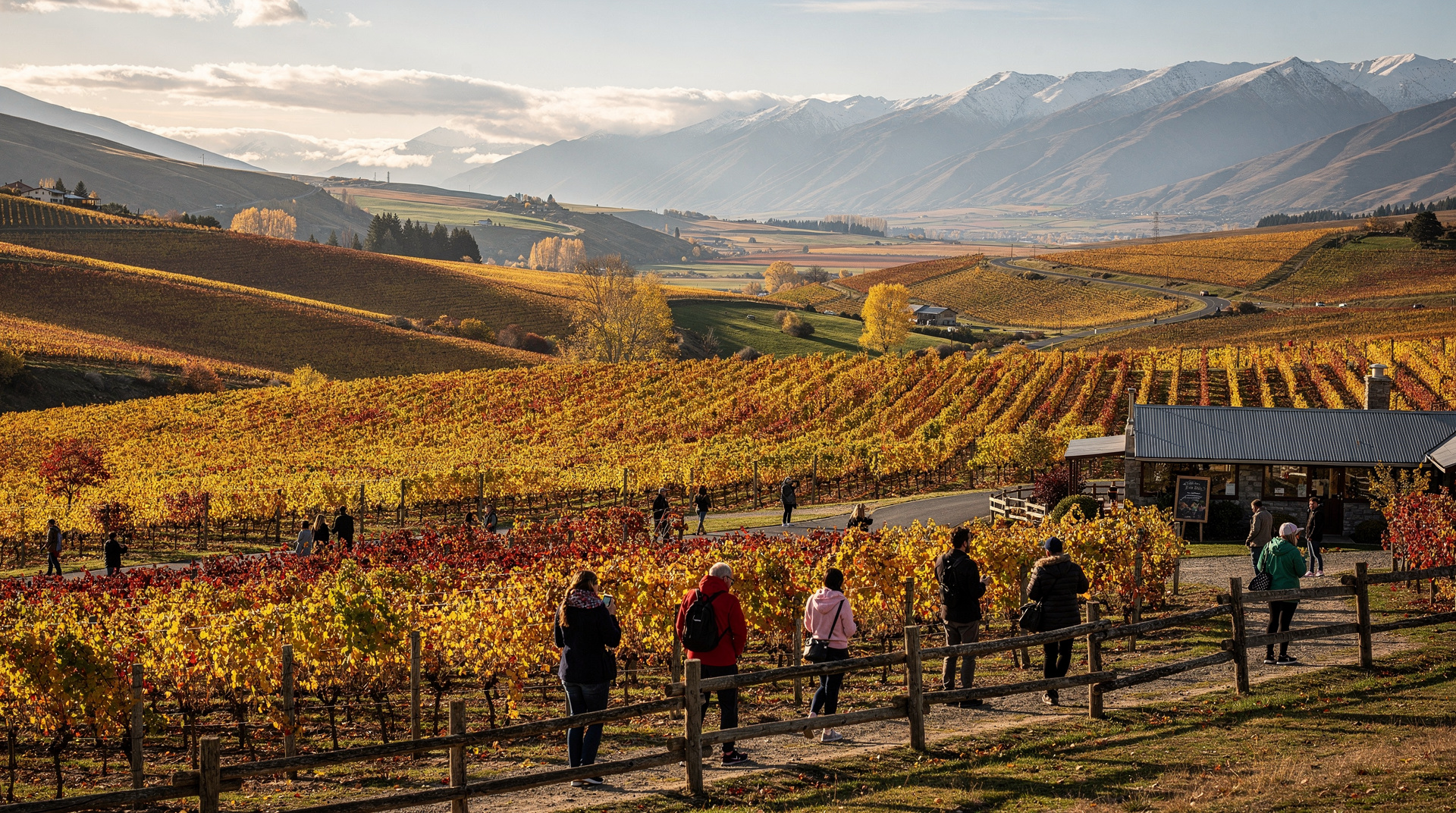
March and April — what the southern hemisphere calls autumn — rebalance almost all of these variables. Flight prices from Europe or North America drop. Accommodation has room. The landscape goes golden in Central Otago. The light changes. And critically, the weather isn’t dramatically worse than summer — for most of the South Island, April is one of the more settled months.
This is a 14-day itinerary I’ve done in March and recommend without reservation. It covers both islands, uses a combination of driving and one domestic flight, and is structured to give you depth in the places that repay it.
| Window | Late March to late April |
| Savings vs summer | Around 15-20% on accommodation, 20-30% on domestic flights |
| Trade-off | Higher alpine weather variability — build in flex days |
| Route | Auckland → Northland → Waikato → Rotorua/Taupo → Wellington → South Island |
Day-by-day summary
| Days | Region | Focus |
|---|---|---|
| 1-3 | Auckland & Northland | City, Waiheke or Coromandel, Bay of Islands |
| 4-5 | Waikato | Hobbiton, Waitomo Caves |
| 6-7 | Rotorua & Taupo | Geothermal sights, Maori culture, Lake Taupo |
| 8-9 | Tongariro & Wellington | Alpine Crossing (weather-dependent), capital city |
| 10 | Cook Strait crossing | Ferry to Picton, drive to Kaikoura |
| 11-12 | Kaikoura & Christchurch | Whale watching, seals, rebuilt city |
| 13-14 | Queenstown or the Catlins | Autumn colour or off-the-trail wildlife coast |
Days 1-3: Auckland and Northland
Fly into Auckland and take at least one full day in the city before moving on. The waterfront, Waiheke Island on a day trip, and the Waitematā Harbour are not to be rushed. If you have two days in Auckland, the second is best spent on a day trip: the Coromandel (Cathedral Cove, Hot Water Beach) if the weather is cooperating, or Waiheke for a slower wine-focused day.
On day three, drive north toward the Bay of Islands — about three hours on SH1. Paihia is the base for Bay of Islands activities: the Hole in the Rock cruise, the Waitangi Treaty Grounds, Cape Reinga day trips. The Waitangi Treaty Grounds are obligatory if you want to understand New Zealand’s founding document and the ongoing complexity of its relationship with Maori sovereignty. The grounds are illuminating rather than dry.
In March, the Bay of Islands is warm and the water is still swimmable. The crowds are thinner than January. Accommodation prices are meaningfully lower.
Days 4-5: Waikato — Hobbiton and Waitomo
Drive south from Paihia via Auckland (SH1) to the Waikato region. Hobbiton is outside Matamata; Waitomo is about an hour further west. These are two of the most visited attractions in New Zealand and both justify their reputations.
The Hobbiton Movie Set guided tour takes two hours and costs NZD 99 / USD 71 / EUR 63 per adult. Book ahead — even in shoulder season, the popular tour times fill. The evening Banquet experience I’d skip; the standard tour is the complete experience.
Waitomo Caves: the Glowworm Cave is the one everyone does and with reason. The Black Labyrinth (black water rafting through caves with glowworms) is the one serious adventure-seekers should add. Stay in Waitomo village or nearby for easy morning access.
Days 6-7: Rotorua and Taupo
Drive south from Waitomo to Rotorua — two hours on SH3 and SH1. Rotorua is New Zealand’s geothermal capital and the centre of Maori cultural tourism. The volume of attractions means choosing carefully:
- Wai-O-Tapu Thermal Wonderland: the most varied geothermal landscape in the region, 30 minutes south of Rotorua. Go early for the Lady Knox Geyser eruption (10:15am daily). Full logistics in our Wai-O-Tapu guide.
- Te Puia: the best iwi-led Maori cultural experience in Rotorua. The daytime visits include the geysers and carving/weaving schools; the evening hangi and concert is a well-done cultural programme without being a caricature. See our Te Puia guide for which package suits a one-day stop.
- The Redwoods treewalk is a night-time illuminated experience that is genuinely beautiful in April’s cool air.
From Rotorua, drive 80 minutes south to Taupo for night seven. Lake Taupo is one of the world’s largest volcanic craters, filled with water. The lake views from Taupo township at sunset are among the more memorable in New Zealand. The Maori rock carvings on the lake foreshore — accessible by boat — are worth the short trip.
Days 8-9: Tongariro and Wellington
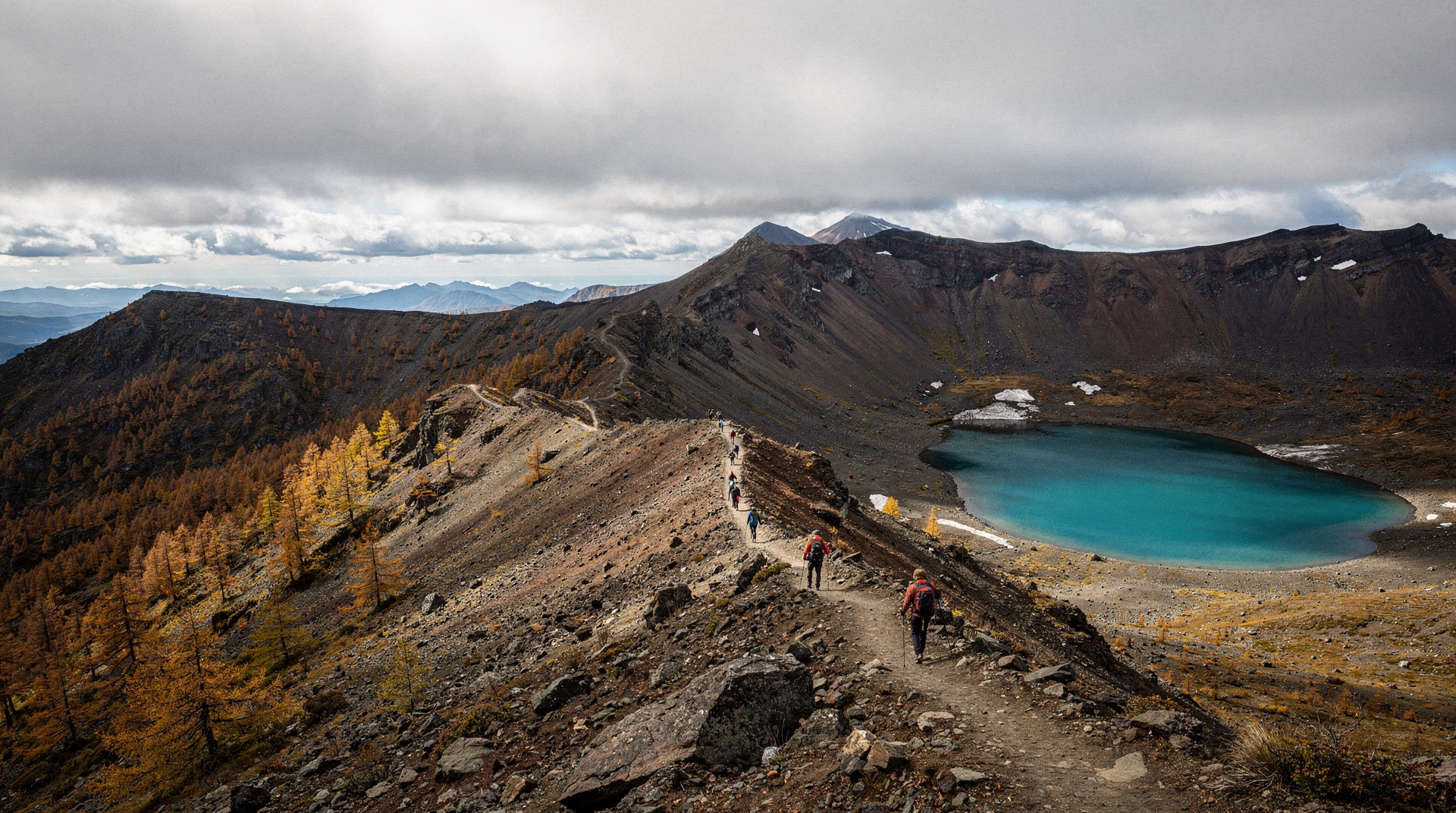
Day eight: drive from Taupo to Tongariro National Park (one hour). If your weather window is good — and April is the shoulder season roll of the dice — do the Tongariro Alpine Crossing today. Build in a weather flexibility day if your schedule allows. Read the full logistics here.
Day nine: drive from Tongariro to Wellington via SH1 (about 3.5 hours). Wellington is one of the more pleasant capital cities in the world at a useful scale — compact, walkable, with a serious restaurant and coffee culture. The Cuba Street corridor, the waterfront, and Te Papa (the national museum) cover a full day without rushing.
The Wellington craft beer brewery tour is a good evening option if you’re interested in the city’s well-developed brewing scene. Wellington has more craft breweries per capita than almost any city its size.
Day 10: Crossing to the South Island
Take the Interislander or Bluebridge ferry from Wellington to Picton — 3.5 hours through the Marlborough Sounds. In my view this is one of the more underrated short journeys in New Zealand: the exit from Wellington Harbour into Cook Strait, then the entrance into the Sounds through increasingly sheltered waters, is beautiful in good weather and dramatic in rough.
From Picton, drive south through Marlborough wine country. Nelson and the Abel Tasman are a worthwhile detour for those with time; for a 14-day itinerary, drive directly south to Kaikoura (2 hours from Picton). Overnight Kaikoura.
Days 11-12: Kaikoura and Christchurch
Kaikoura: whale watching in the morning (book in advance, it fills). The sperm whales are year-round. The seal colony at the Ohau Stream waterfall is free and spectacular. The seafood — particularly crayfish, rock lobster — is the culinary signature of the town. Our Kaikoura whale watching guide covers boat vs helicopter options and what to expect if the sea is rough.
Drive south to Christchurch (2.5 hours) in the afternoon. Day 12 in Christchurch: the city rebuilt substantially after the 2010-2011 earthquakes and is interesting precisely because of the rebuild — the street art, the container architecture of the Re:START mall (now evolved further), the new central library. The botanic gardens and the Avon River punting are calmer pleasures.
Days 13-14: Queenstown or the Catlins
Option A — Queenstown: fly from Christchurch to Queenstown (50 minutes, NZD 100-200 / USD 72-144 / EUR 66-132 one-way). Queenstown in April is genuinely excellent — the ski season hasn’t started, the summer crowds have thinned, and the surrounding landscape is in autumn colour. The Arrowtown Chinese Settlement and the Gibbston Valley wine route add cultural and gastronomic depth to an area that can feel adventure-activity dominated. Or drive the Christchurch to Queenstown route directly instead of flying, if you have an extra day and want the Mackenzie Country and Lindis Pass scenery.
Option B — the Catlins: drive south from Christchurch toward Invercargill and the Catlins coast. This is the less-visited southern option: waterfalls, sea lion colonies, Cathedral Caves, the Curio Bay fossil forest and rare Hector’s dolphin sightings. It is remote, mostly unpaved in places, and exactly what “off the tourist trail” actually looks like. Our Catlins self-drive guide has the full stop-by-stop route and driving-time realities.
Either option requires flying out of Queenstown or Invercargill for the international departure. Plan your return to Auckland accordingly.
The shoulder season verdict
March and April deliver essentially everything summer New Zealand offers at 15-20 percent lower accommodation cost, 20-30 percent lower domestic flight cost, and without the pressure of sold-out huts and overloaded trailheads. The trade-off is weather variability, particularly in the alpine environments.
The practical solution: build one or two flex days into the itinerary for weather-dependent activities (Tongariro Crossing, glacier experiences). Everything else — the culture, the coast, the drives, the food — is weather-independent. If your dates are flexible, our best time to visit New Zealand guide compares shoulder season against the other options in more detail, and how many days you need is worth checking if 14 days feels tight for your own priorities.
Related reading
Related guides
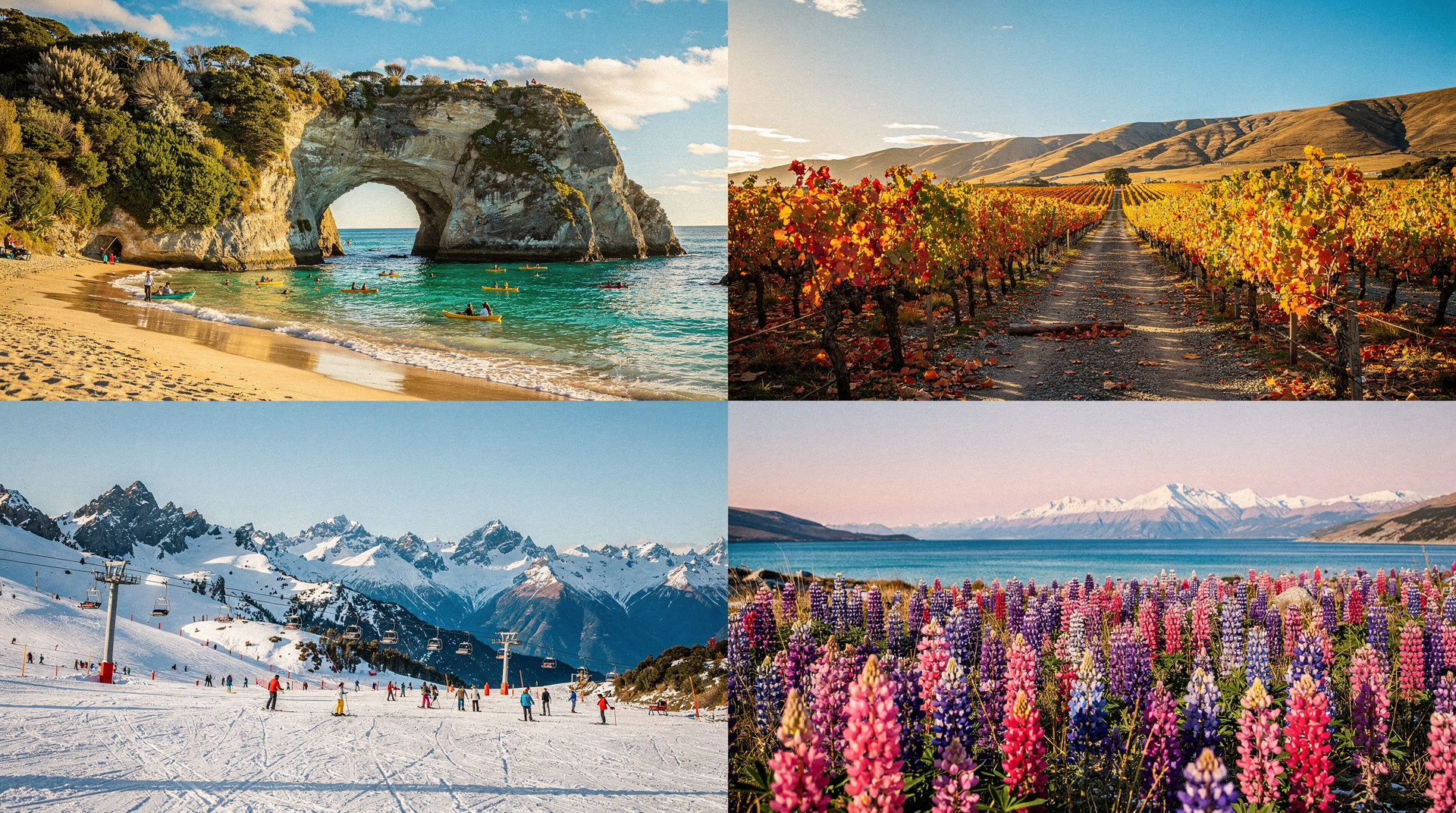
Best time to visit New Zealand
When to visit New Zealand: honest breakdown by season, region, and activity type. Summer is not always best. Spring and autumn often outperform the peak season.
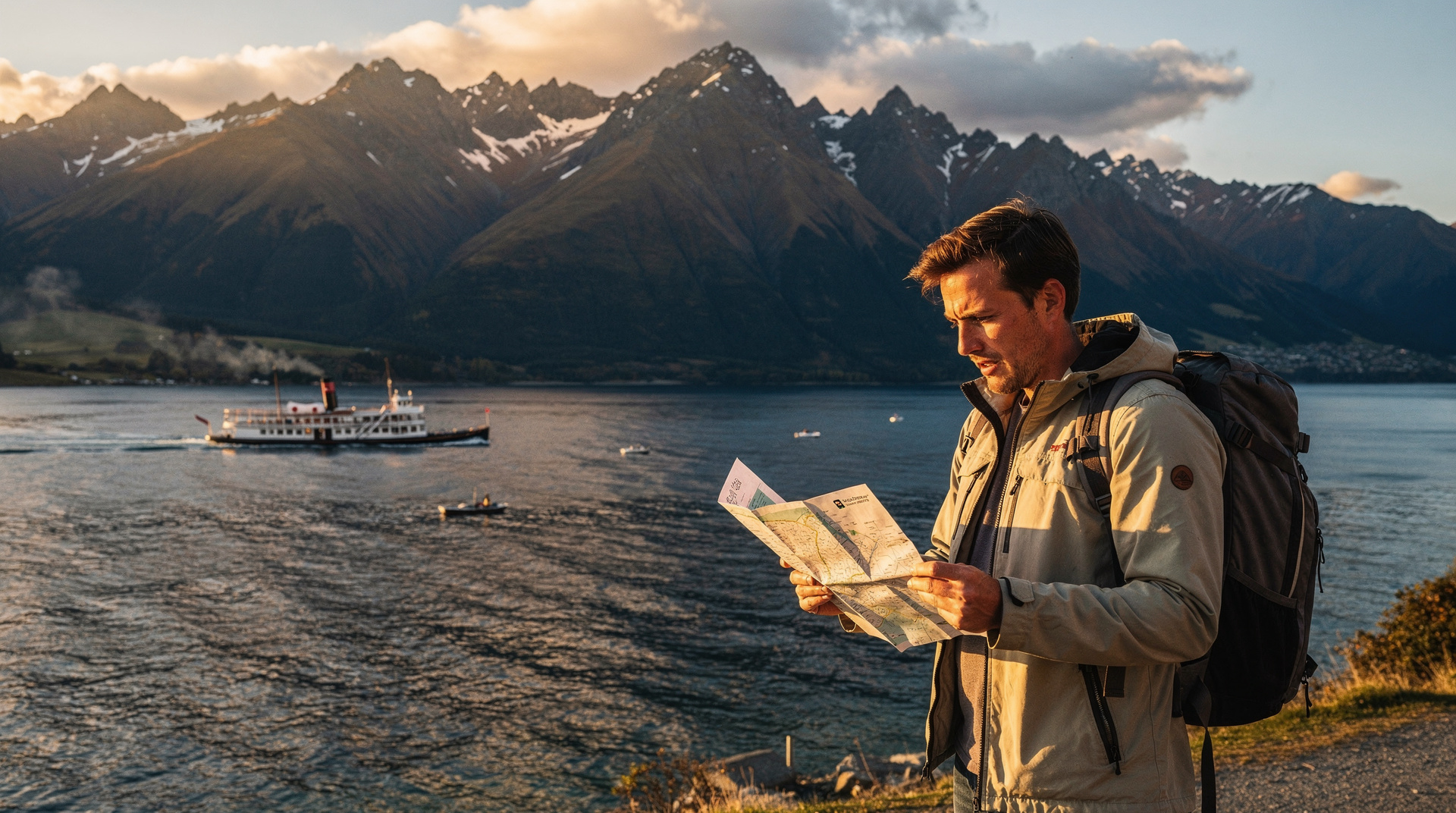
How many days do you need in New Zealand
7 days, 14 days, or 3 weeks? Honest guide to how much time you need for New Zealand, island by island, with sample day-counts by priority and travel style.
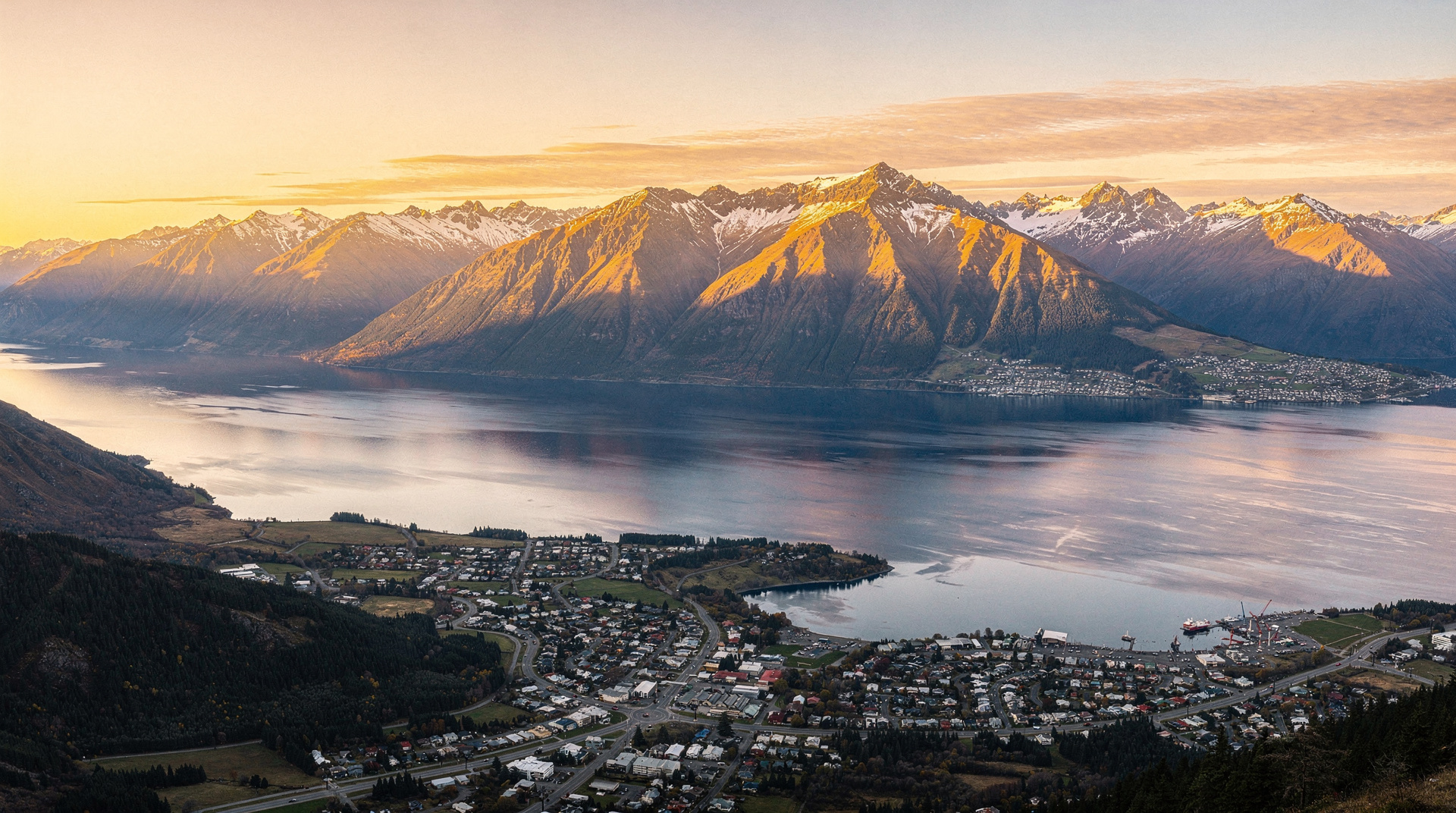
14-day New Zealand itinerary — both islands, grand tour
Honest 14-day NZ grand tour: Auckland, Bay of Islands, Hobbiton, Rotorua, Wellington, ferry, Kaikoura, Christchurch, Queenstown, Milford.
The Tongariro Crossing in shoulder season — a hard-won lesson
Doing the Tongariro Alpine Crossing in April: what the weather actually does, what the shuttle logistics look like, and what I got wrong.
Published: