Aitutaki
Honest guide to Aitutaki: the stunning Cook Islands lagoon, One Foot Island, best resorts for direct booking, real prices NZD/USD/EUR. No GYG — all direct.
Quick facts
- Location
- 45-minute flight north of Rarotonga
- Population
- ~2,000 residents
- Currency
- NZD — USD ~$0.60 / EUR ~€0.55
- Famous for
- Repeatedly named one of the world's most beautiful lagoons by Lonely Planet and Travel+Leisure
- Accommodation
- 10–15 properties only — limited and books out early in peak season
- Booking
- Direct booking only — no GYG coverage
Aitutaki in one minute
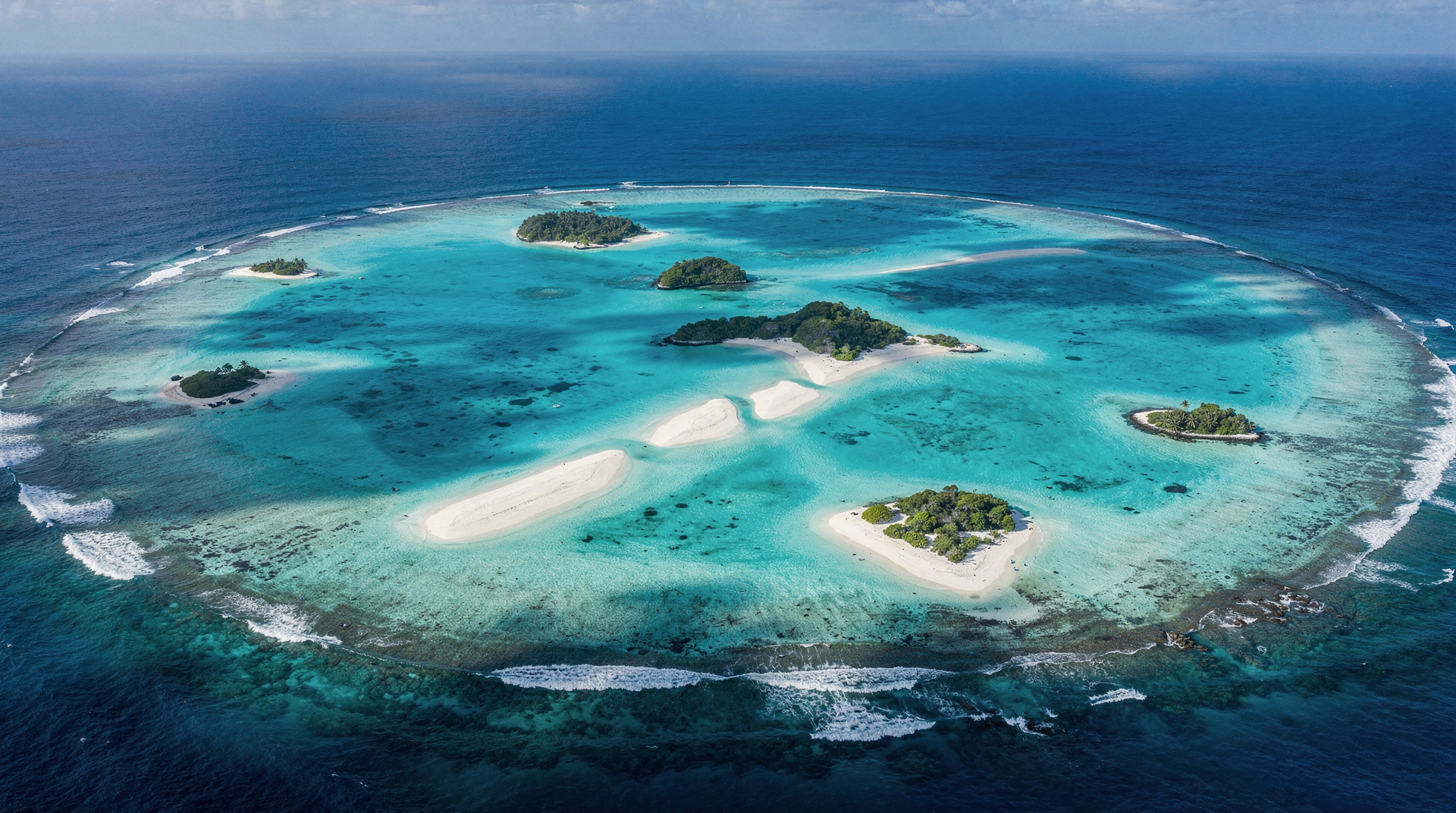
Aitutaki is a triangular volcanic island surrounded by a massive coral atoll — together forming a lagoon approximately 15 km wide and famous for the quality of its blue and turquoise water. Lonely Planet and Travel+Leisure have both listed it among the world’s most beautiful lagoons. This is not standard travel magazine hyperbole: the combination of shallow coral shelves (giving the water an extraordinary range of blues), motus (small islets) scattered around the lagoon, and the low-key pace of a community of 2,000 people genuinely earns the reputation.
Aitutaki sits 45 minutes north of Rarotonga by Air Rarotonga. It has no international airport, and accommodation is deliberately limited to a small number of properties — roughly 10–15 in total. There are no GYG tours available for Aitutaki. Everything here is direct booking, which is both a challenge and, honestly, a feature: it keeps the island selective and relatively uncrowded.
The honest caveat: Aitutaki is an exceptional place to be still. If you need a schedule of activities and stimulation, it will not provide that. If you need two or three days of genuinely beautiful surroundings, snorkelling, a boat, and a hammock, it is one of the best places on earth for the purpose.
| Where | Cook Islands, 45-minute flight north of Rarotonga |
| Getting there | Air Rarotonga only, around NZD 350-500 return |
| Time needed | 2-3 nights minimum; day trips are possible but not recommended |
| Cost | Around NZD 130-160 per person for the lagoon cruise |
| Best time | April-November dry season; July-September for the clearest water |
Getting to Aitutaki
By air (only realistic option): Air Rarotonga operates several return flights daily from Rarotonga to Aitutaki (RAR to AIT, 45 minutes). Return fares range from approximately NZD 350–500 / USD 210–300 / EUR 193–275 depending on season and how far ahead you book. Book directly at airrarotonga.com — seats are limited, and in peak season (July–September, December–January) they fill well in advance.
Air Rarotonga also operates day tours from Rarotonga that include the flight and the lagoon cruise. These are approximately NZD 700–900 / USD 420–540 / EUR 385–495 per person all-in and constitute a genuinely long day. A better option if budget allows is to stay overnight — two nights minimum is our recommendation.
There is no ferry. Aitutaki is approximately 220 km from Rarotonga — a realistic sea crossing for a cargo vessel but not for a scheduled passenger service.
On arrival: Aitutaki’s airport is small. Ground transport to your accommodation is typically arranged in advance by the accommodation itself. Scooter hire is available on the island (approximately NZD 30–40 / USD 18–24 / EUR 17–22 per day) and is the standard way to explore.
The lagoon cruise — the defining experience
Almost every visitor to Aitutaki does the lagoon cruise, and with good reason. The full-day boat trip around the lagoon visits multiple snorkelling spots over the coral reef and ends on One Foot Island (Tapuaetai) — a tiny motu at the southeastern edge of the lagoon. One Foot Island is uninhabited (the island’s name comes from a legendary footprint or, in some versions, from its shape), and it has a post office — possibly the smallest and most remotely situated post office in the world — that will stamp your passport or postcard as proof of visit. It is both a genuine delight and a slightly absurd tourist ritual, which makes it perfect.
Book the lagoon cruise directly on the island. The main operators are:
- Aitutaki Lagoon Cruises (Bishop’s Cruises): Long-established, reliable, good guides. Full-day approximately NZD 130–160 / USD 78–96 / EUR 72–88 per person including lunch.
- Vaka Cruise: Catamaran-based, slightly different route, good snorkelling emphasis. Similar pricing.
- Titi Aitutaki: Smaller group, more personable, slightly higher cost. Good for those who prefer a quieter experience.
All operators run similar routes. The difference is mainly group size and the quality of the on-board food. Ask your accommodation for a current recommendation when you arrive.
There are no GYG listings for Aitutaki lagoon tours — everything is direct booking. This means no online booking with instant confirmation; you book by calling or emailing the operator, or arranging through your accommodation. Allow time for this step in your planning.
What else to do
Beyond the lagoon cruise, Aitutaki’s activity list is short by design.
Snorkelling independently: The lagoon is accessible from the beach in front of most accommodation. Visibility varies — clearest May–October. Reef fish, sea turtles (frequently), and coral gardens are the main attraction. Equipment hire from most accommodation or from the main village.
Exploring by scooter: The main island (Aitutaki atoll) is small enough to explore in a morning. The circular road passes through village communities (Arutanga is the main village), passes the airport, and provides access to several beaches on different sides of the island. Each has a different character: the west-facing beaches catch the sunset; the east-facing beaches are usually quieter.
Fishing: Bone fishing in the shallow lagoon flats is a legitimate activity that attracts specialist visitors. A guided half-day bone fishing session costs approximately NZD 350–500 / USD 210–300 / EUR 193–275 per person (self-booking). Ask at the Aitutaki Lodge or Pacific Resort for current guide contacts.
Doing very little: Not a glib recommendation. Aitutaki rewards the traveller who accepts that beautiful emptiness is an experience in itself. If you are conditioned to a full schedule of activities, the island will feel insufficient. If you can accept it, it is one of the few places in the world where being present is genuinely the activity.
Where to stay
Aitutaki has approximately 10–15 accommodation properties ranging from barefoot-style guesthouses to the most expensive resort in the Cook Islands. Unlike Rarotonga, there are no hostels or true budget options — the remoteness and limited supply push prices up at every category.
Pacific Resort Aitutaki: The island’s premier luxury resort. Private beach bungalows over the water, excellent food and service, infinity pool overlooking the lagoon. This is genuinely among the best resorts in the Pacific — comparable in quality to Bora Bora overwater bungalows at 40-50% lower cost. NZD 1,800–4,000 / USD 1,080–2,400 / EUR 990–2,200 per night for premium bungalows. Book directly at pacificresort.com/aitutaki — book months ahead for peak dates.
Aitutaki Lagoon Private Island Resort: Set on its own small motu (islet) within the lagoon, accessible by boat from the main island. The most secluded option — no road access, no daily visitors. Excellent if privacy is the priority. NZD 2,000–3,500 / USD 1,200–2,100 / EUR 1,100–1,925 per night. Book directly at aitutakilagoon.com.
Tamanu Beach Resort: More affordable boutique option on the main island’s west coast. Well-regarded for service and for its beachfront location. NZD 600–1,200 / USD 360–720 / EUR 330–660 per night. Book directly at tamanubeach.com.
Aitutaki Lodge: Mid-range option with good location and an excellent reputation for arranging activities. NZD 350–550 / USD 210–330 / EUR 193–303 per night. Friendly management, good for solo travellers and independent adventurers. Direct booking via aitutakilodge.com.
Budget options and homestays: A small number of guesthouses (Josie’s Lodge, Paradise Cove) offer basic accommodation from NZD 150–250 / USD 90–150 / EUR 83–138 per night. These are fine but spartan — expect shared bathrooms and limited facilities.
All bookings are direct (phone, email, or through the property’s own website). No major booking platform covers Aitutaki comprehensively, though some properties may be listed on Booking.com.
What to eat and drink
Options are limited. Most visitors eat primarily at their resort or lodge. The main village of Arutanga has a handful of small restaurants and a supermarket (small, limited stock — don’t rely on it for specialty items).
Aro’a Beach Restaurant (at Tamanu Beach): Open to non-guests, good fresh seafood, pleasant atmosphere. NZD 35–55 / USD 21–33 / EUR 19–30 for mains.
Teking Restaurant (main village): Simple local cooking, good fish dishes, very affordable. NZD 15–25 / USD 9–15 / EUR 8–14. Best for an authentic local meal.
The lagoon cruise lunch: Most full-day lagoon tours include a fresh fish and salad lunch served on the motu. This is usually one of the better meals you’ll eat on the island — locally caught, simply prepared.
Coconut water is abundant. Cooks Lager is the local beer. Fresh fruit from the market or roadside vendors — papaya, banana, pineapple — is excellent and very cheap. Bring any dietary specialty items from Rarotonga.
Skip / worth it / splurge
- Skip: Rushing — Aitutaki is one of the most misused if visited for fewer than two nights. The day tour from Rarotonga exists and is fine, but one night changes the entire experience
- Skip: Expecting a varied restaurant scene or nightlife — there is none. This is the wrong destination if your evenings need options
- Worth it: The full-day lagoon cruise (NZD 130–160 per person) — genuinely one of the world’s great half-days of tropical snorkelling; the One Foot Island stop is charming rather than kitsch
- Worth it: The extra flight cost to stay overnight rather than day-trip — approximately NZD 350–500 return, but it buys you the lagoon at dawn before the day-trippers arrive, and the island at sunset when they’ve gone
- Splurge: Pacific Resort Aitutaki overwater bungalow for a honeymoon or significant occasion — this is one of the Pacific’s genuine showpieces, comparable in impact to Bora Bora at considerably less cost
No GYG coverage — direct booking guide
This page carries no GetYourGuide affiliate links because there are no legitimate GYG listings for Aitutaki. We are explicit about this because it is editorially relevant: the absence of commercial tour operators on a major booking platform is itself a signal about the island’s character. Aitutaki remains one of the Pacific’s genuinely selective destinations — not because of artificial limitation, but because its accommodation capacity is small, its logistics are self-contained, and its community has not sought the infrastructure that mass tourism requires.
Direct booking contacts:
- Air Rarotonga: airrarotonga.com
- Pacific Resort Aitutaki: pacificresort.com/aitutaki
- Aitutaki Lagoon Private Island Resort: aitutakilagoon.com
- Tamanu Beach Resort: tamanubeach.com
- Aitutaki Lodge: aitutakilodge.com
For lagoon cruise operators, book on arrival or contact through your accommodation on booking.
Cultural notes
Aitutaki’s community is a tight-knit Cook Islands Polynesian society. Sunday is observed as a day of rest; church services in the morning feature the remarkable four-part Cook Islands harmonics that are among the most distinctive sacred music in the Pacific. Attending a service (respectfully dressed, covered shoulders) is one of the quiet highlights of the island.
The Cook Islands pearl farming tradition — strongest on the northern atolls, but present in Aitutaki — produces locally made pearl jewellery. Several small vendors in Arutanga sell directly. Prices are considerably lower than retail elsewhere for comparable quality.
Ask permission before photographing people or entering private property. The island’s small scale means that social norms are more visible and more consequential than in a large resort destination. Be a guest, not a consumer.
Connecting your trip
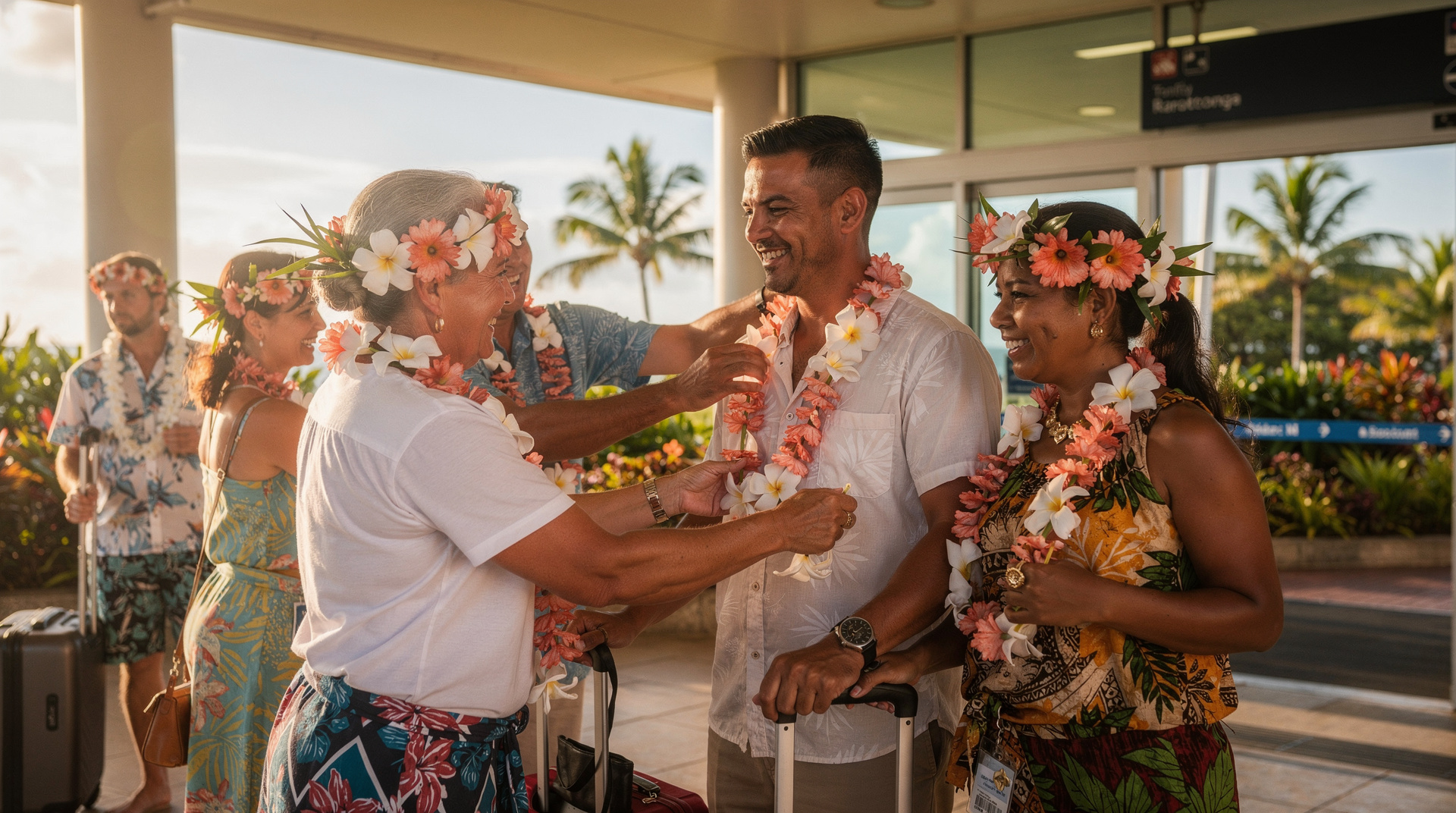
Aitutaki is almost always visited in combination with Rarotonga as part of a longer Cook Islands trip. The standard itinerary: 4–5 nights Rarotonga, 2–3 nights Aitutaki, return to Rarotonga for the international flight home.
For those connecting from New Zealand, see Auckland as the primary departure hub. For context on the broader Realm of New Zealand, the Cook Islands hub page covers the full chain. Our Cook Islands overview guide is a useful starting point if you’re planning the whole trip, and the Aitutaki vs Rarotonga comparison helps decide how to split your time if you’re short on days.
Frequently asked questions about Aitutaki
Is Aitutaki really as beautiful as the magazines say?
Yes, honestly. The Aitutaki lagoon genuinely earns its reputation as one of the world’s most beautiful. The colour of the water — ranging from palest aquamarine over the shallow coral shelves to deep blue in the lagoon channels — is remarkable and photographs accurately. This is one of the rare cases where the marketing and the reality align closely.
Can I visit Aitutaki without staying overnight?
Technically yes — Air Rarotonga operates day tours. But we recommend against it. The day-trip version gets you to One Foot Island and a lagoon cruise, which is good. Staying overnight lets you experience the lagoon at dawn (before the day-trip boats arrive from Rarotonga), at sunset, and in the quiet of evening. The island changes character dramatically when the day-trippers leave.
How far in advance should I book?
For peak season (July–September and December–January), book accommodation at least 3–6 months ahead. The better resorts (Pacific Resort, Tamanu Beach) fill up even further in advance for peak dates. Flights with Air Rarotonga should be booked as soon as your dates are confirmed.
Is Aitutaki appropriate for children?
Yes and no. The lagoon is calm and safe for children who can swim, and the laid-back pace suits families who are happy to be on a beach. But the activity range is very limited beyond the lagoon, and children who need entertainment and stimulation will find the island small. Families with children who love snorkelling and boat trips will do well; those with land-based, activity-focused children may find Rarotonga a better base.
What is the internet connectivity like?
Better than you might expect but still limited by New Zealand standards. Most resorts offer wifi that is adequate for communication and light browsing. Streaming and large uploads are typically slow. If you need reliable fast internet for work, Aitutaki is not the right base.
How much does a week in Aitutaki cost?
For a mid-range couple (Tamanu Beach or similar, restaurant meals, lagoon cruise): approximately NZD 4,000–6,000 / USD 2,400–3,600 / EUR 2,200–3,300 per couple for a week all-in, including return flights from Rarotonga. For a luxury couple (Pacific Resort Aitutaki): approximately NZD 15,000–25,000 / USD 9,000–15,000 / EUR 8,250–13,750 for the same duration. This is considerably less than Bora Bora for comparable quality.
Top experiences: aitutaki New Zealand
See all →Related guides
Rarotonga
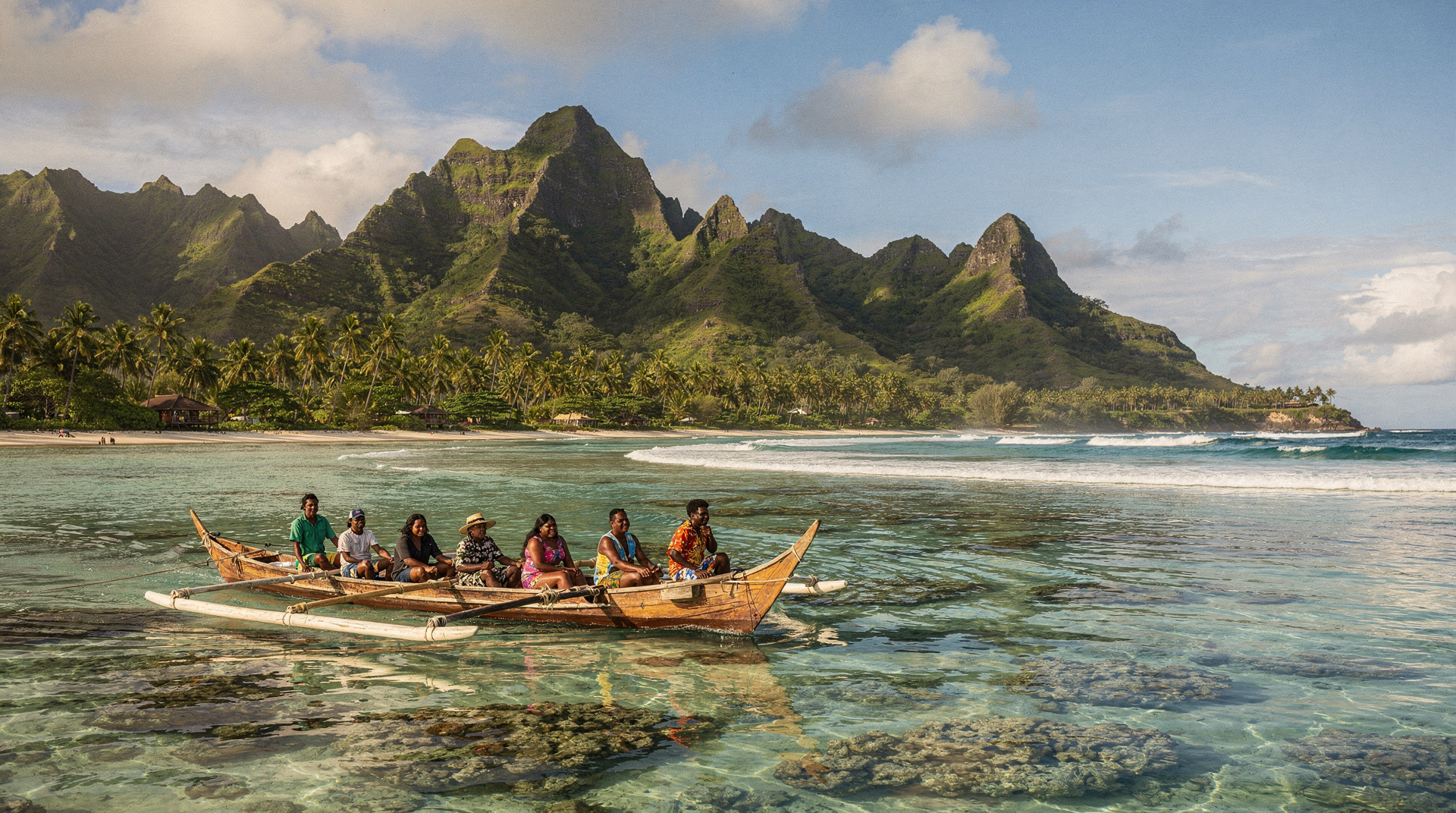
Honest Rarotonga guide: Muri lagoon cruise, Cross Island Track, Te Vara Nui, best beaches, where to stay. Real prices NZD/USD/EUR.
Cook Islands
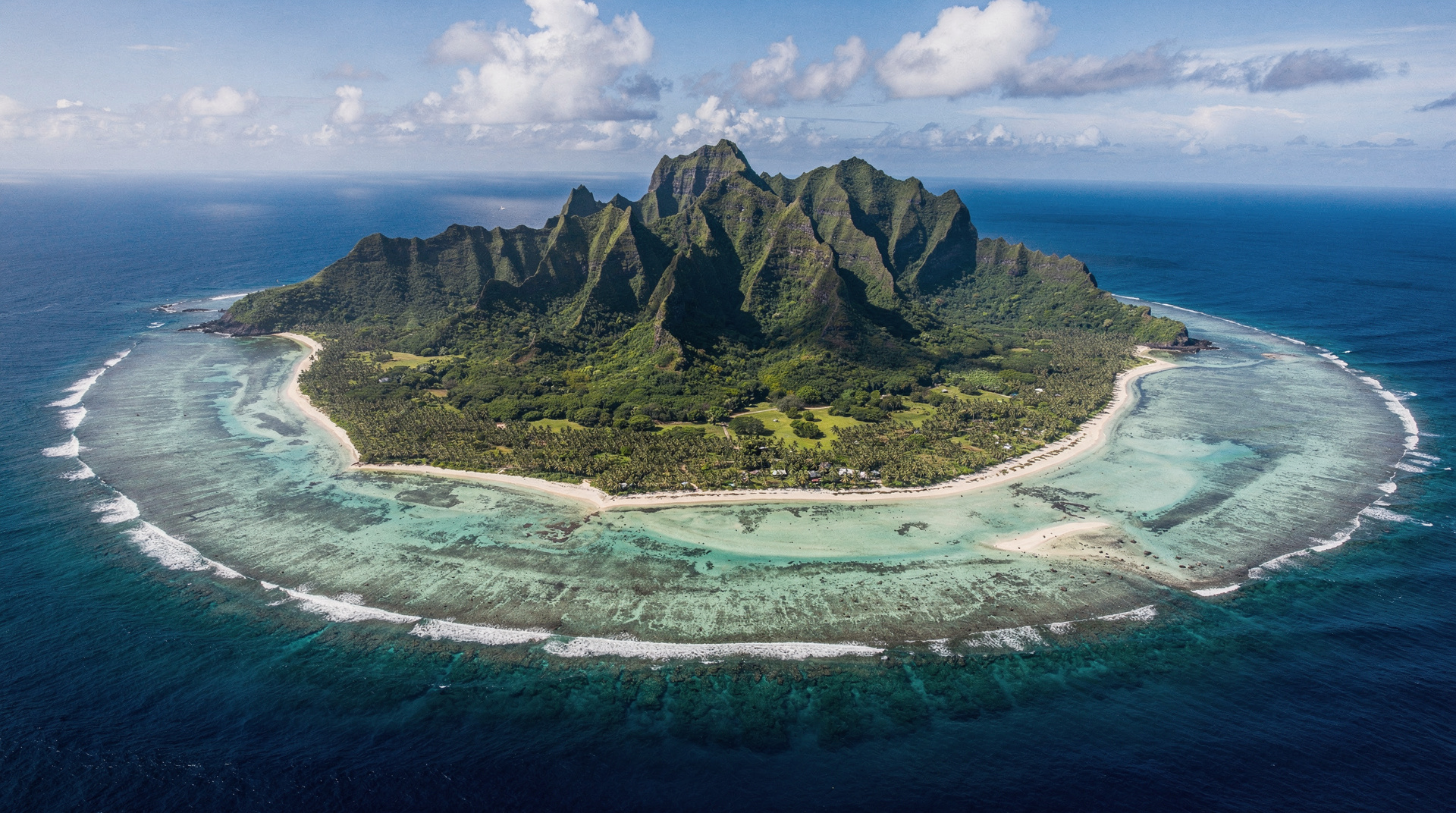
Complete honest guide to the Cook Islands: 15 islands in the Pacific, NZD currency, flights from Auckland, real prices and what each island is actually like.
Niue
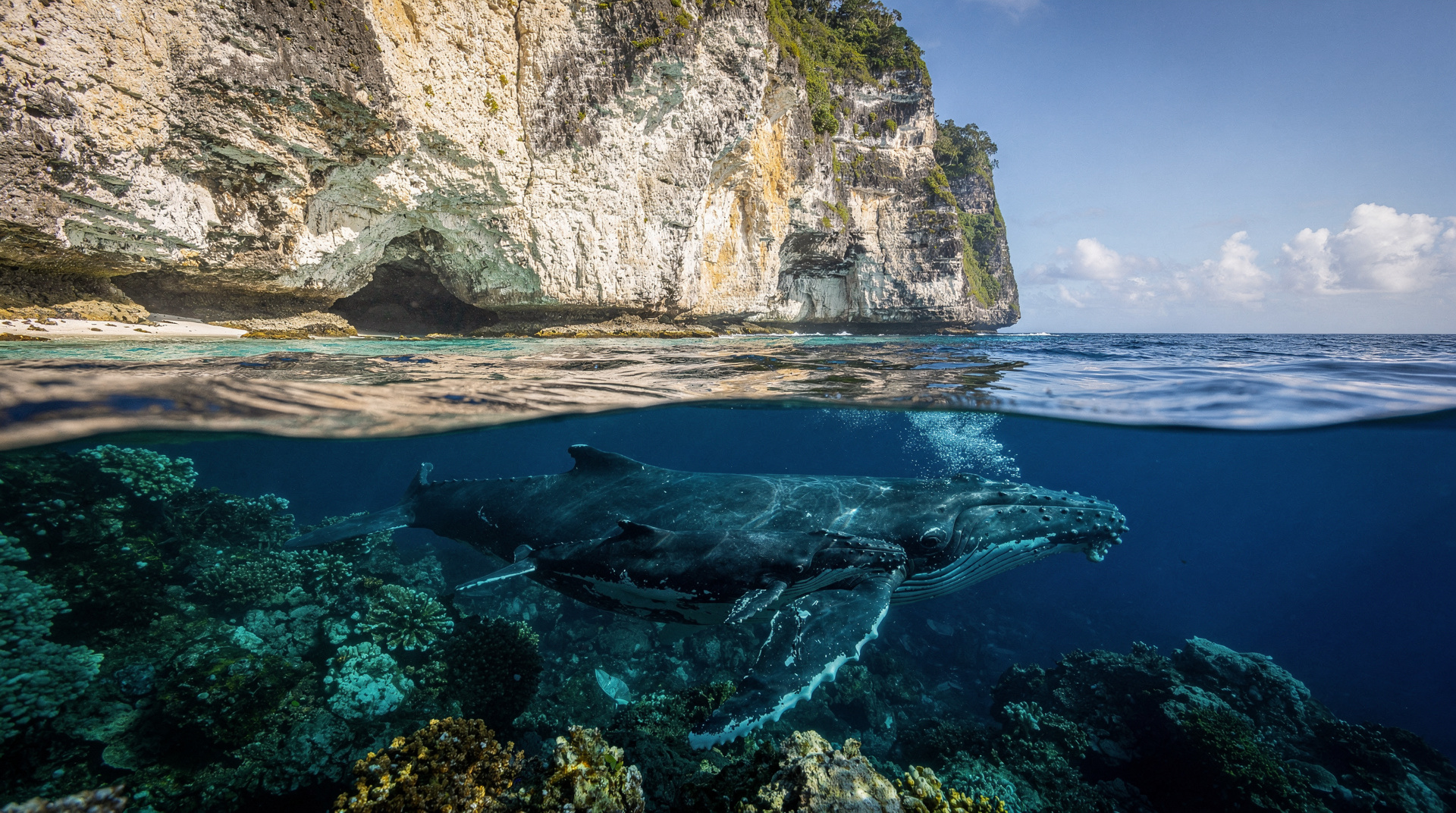
Honest guide to Niue: humpback whale swimming, Talava Arches, Matapa Chasm, sea snakes, direct booking only. Real costs NZD/USD/EUR for this remote Pacific gem.
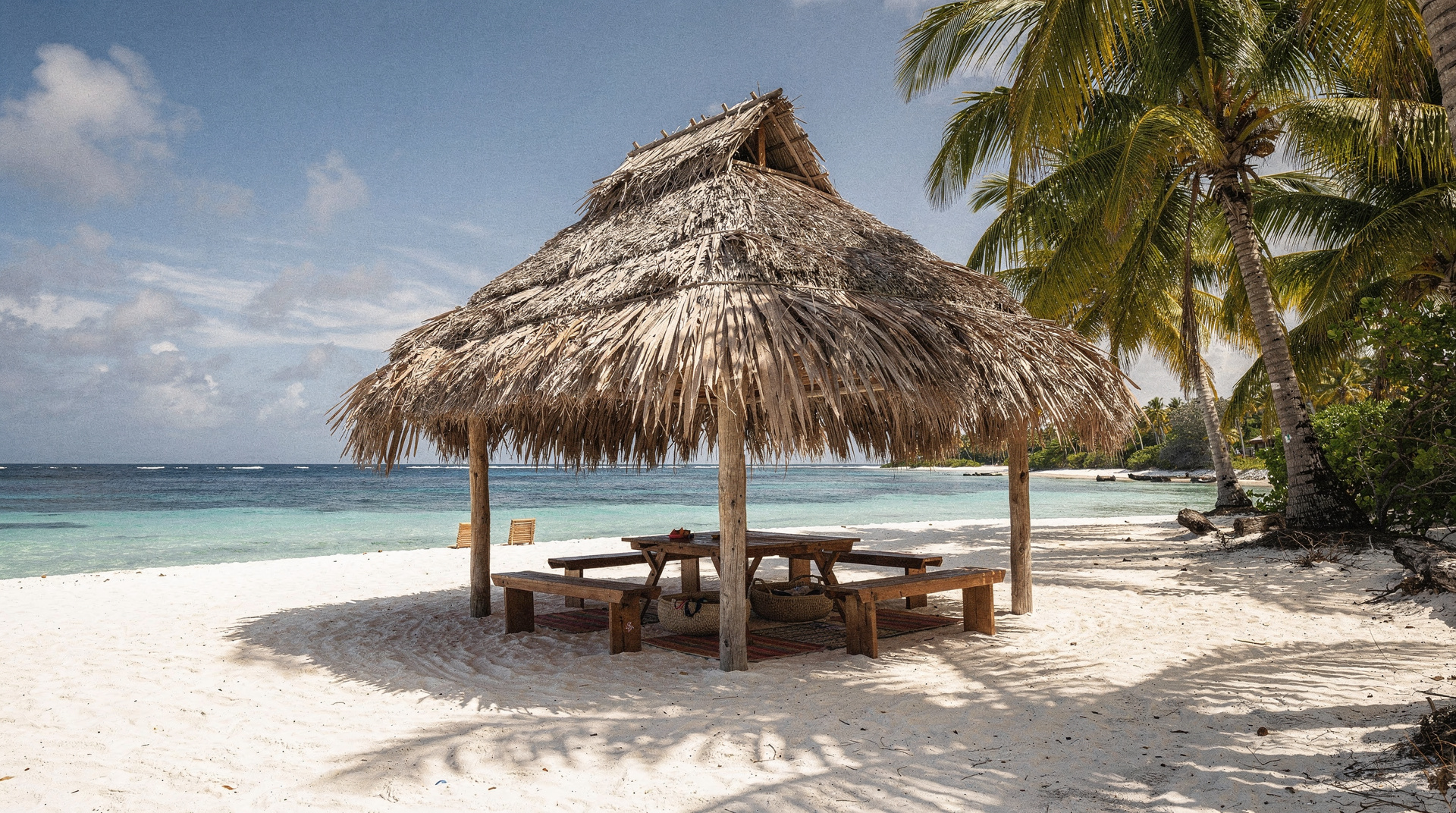
Tokelau
Honest guide to Tokelau: the world's most remote inhabited territory. Cargo ship from Samoa, permits, what to expect on Atafu, Nukunonu, and Fakaofo atolls.
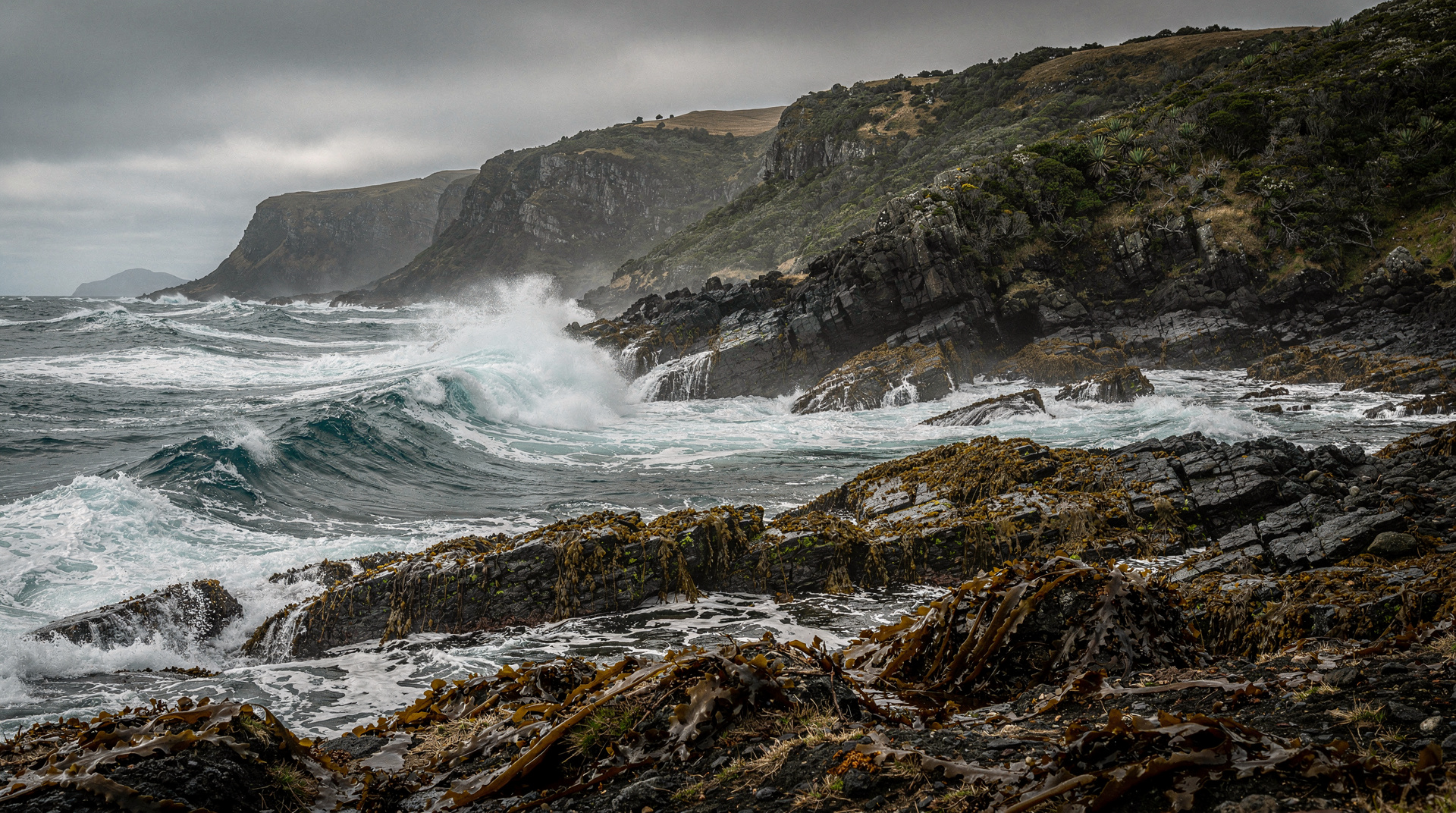
Chatham Islands
Honest guide to New Zealand's remote Chatham Islands: Moriori history, endemic birds, Air Chathams flights, real costs, and who this destination is truly for.
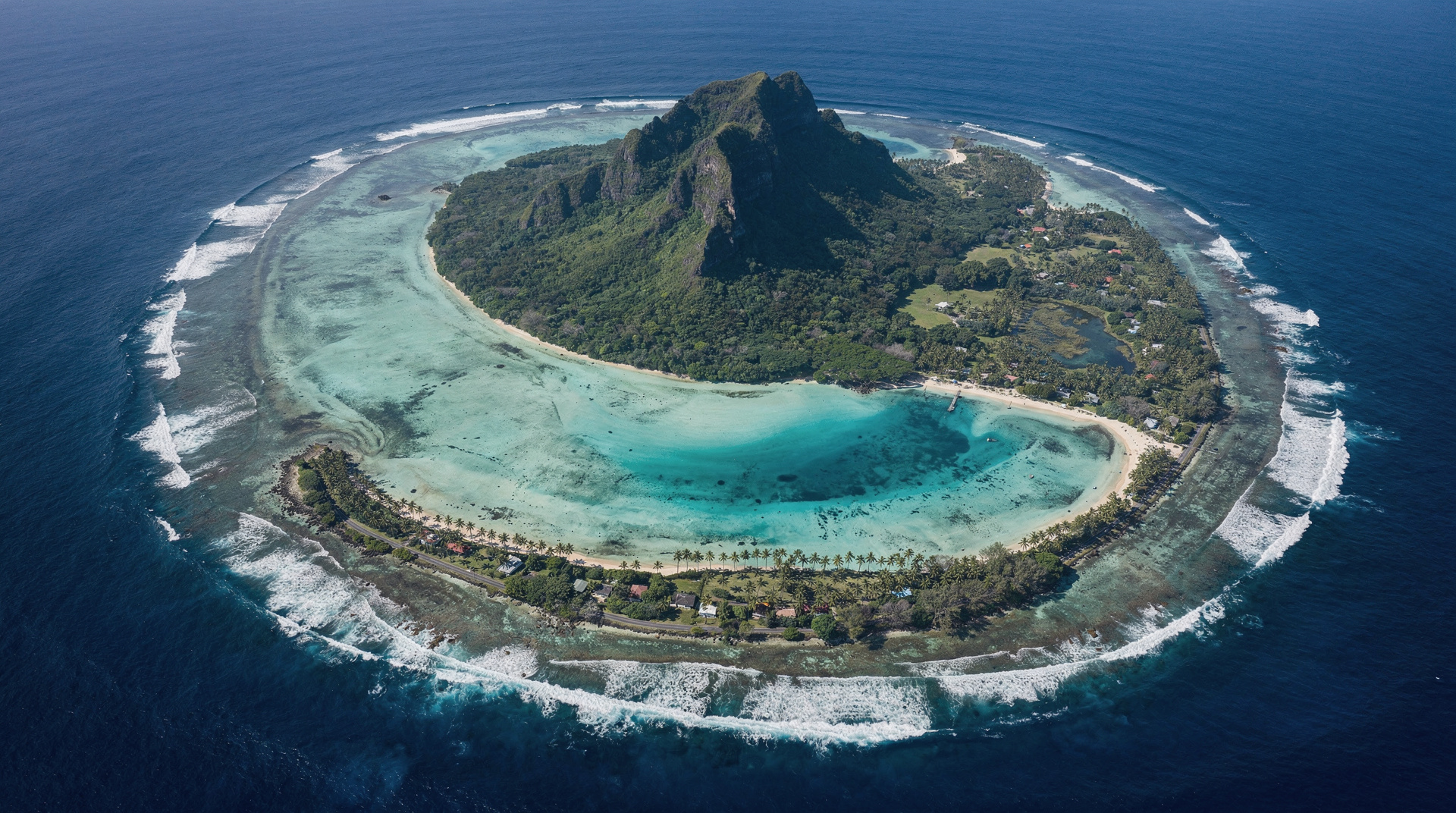
Cook Islands travel guide — Rarotonga, Aitutaki, and the outer islands
Cook Islands honest overview: Rarotonga vs Aitutaki vs outer islands, visa-free entry, real costs NZD/USD/EUR, why NZ-bound travellers should consider it.
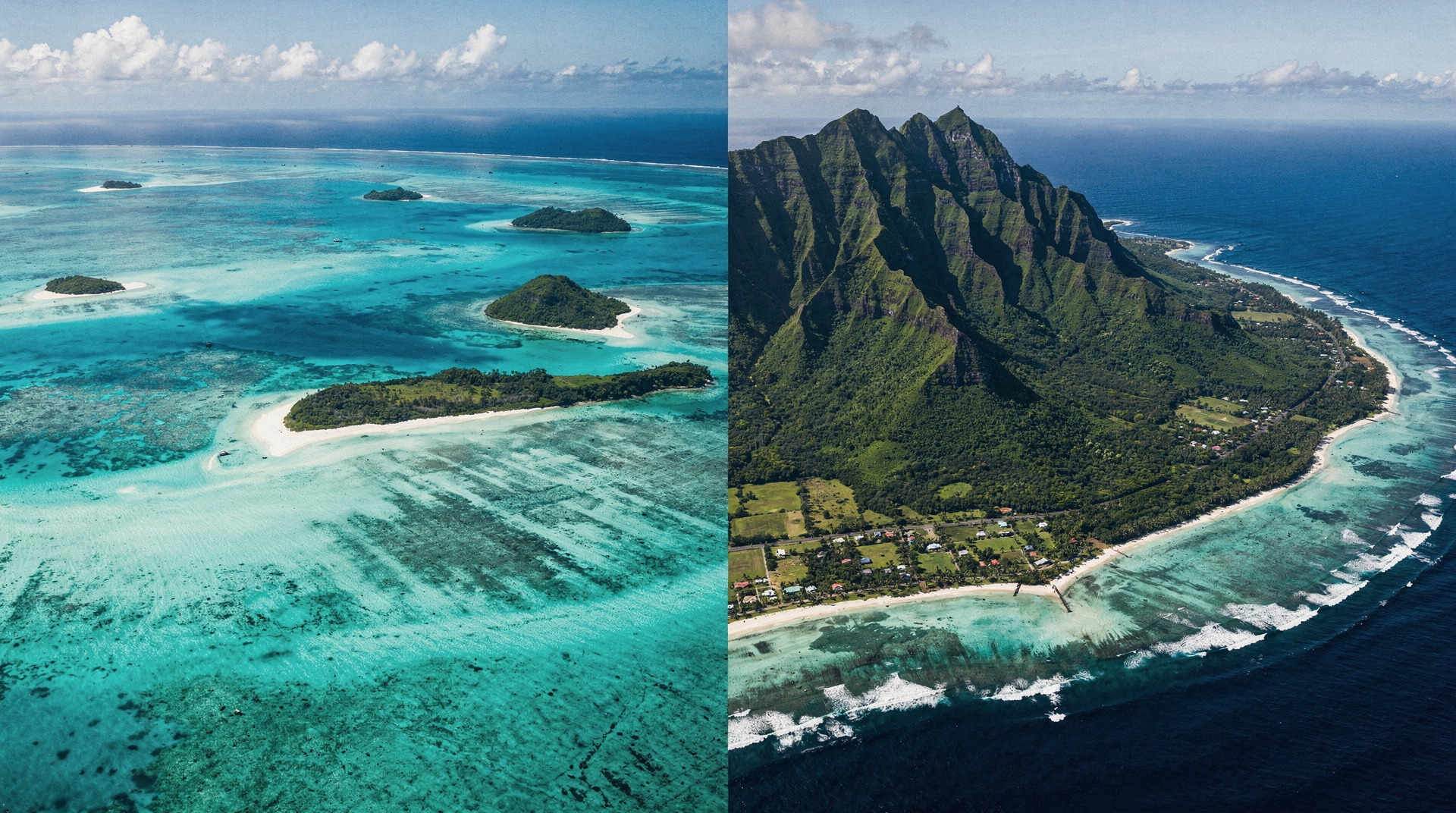
Aitutaki vs Rarotonga — which Cook Island should you choose?
Rarotonga has the infrastructure. Aitutaki has the lagoon. A genuine comparison of both Cook Islands: cost, access, and what you actually get.
The Cook Islands travel bubble — what happened when New Zealand opened its borders in 2021
In May 2021 NZ opened a quarantine-free travel bubble with the Cook Islands. Three months later, Delta closed it. A look at what worked and what it revealed.
Last reviewed: