Cook Islands
Complete honest guide to the Cook Islands: 15 islands in the Pacific, NZD currency, flights from Auckland, real prices and what each island is actually like.
Quick facts
- Islands
- 15 islands across two groups — Northern (low atolls) and Southern (volcanic)
- Population
- ~17,000 residents; ~70,000 Cook Islanders living in New Zealand
- Currency
- NZD (Cook Islands also prints its own coins, but NZD is used for all practical purposes)
- Access
- Direct flights Auckland–Rarotonga (Air NZ, Jetstar); ~3.5 hours
- Realm status
- Self-governing in free association with New Zealand — Cook Islanders are NZ citizens
- Language
- Cook Islands Maori and English — English is universal
The Cook Islands in one minute
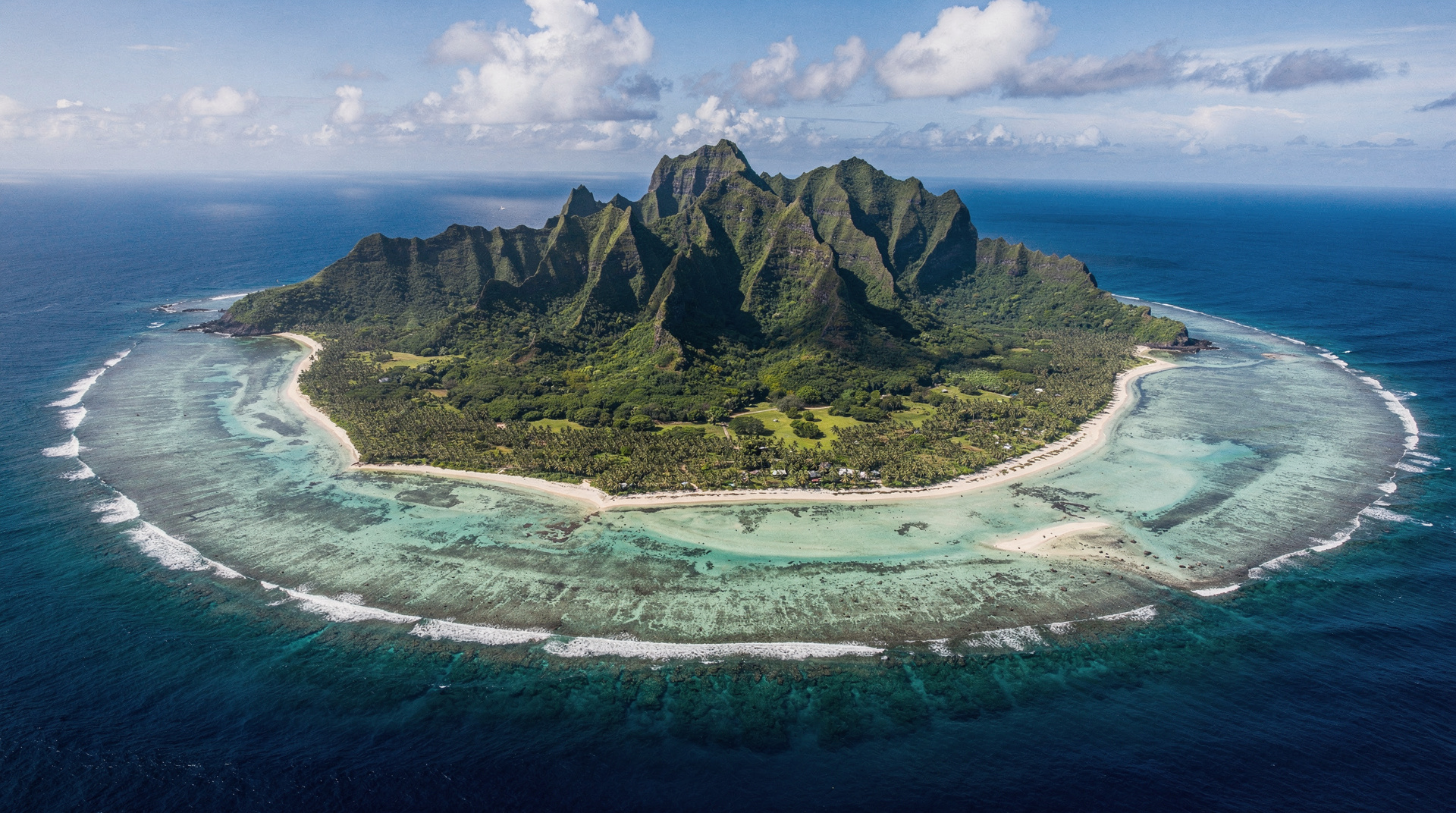
The Cook Islands are 15 islands scattered across 2 million square kilometres of South Pacific Ocean, roughly halfway between New Zealand and Tahiti. They are part of the Realm of New Zealand — meaning Cook Islanders hold New Zealand citizenship, the currency is the New Zealand dollar, and relations between the two countries are close — but the Cook Islands are self-governing, with their own parliament, their own foreign policy, and a distinct Pacific Polynesian culture.
For travellers arriving from New Zealand (or from anywhere looking for a tropical Pacific island without the French Polynesia price tag), the Cook Islands offer something remarkable: genuine beauty, warm water, excellent snorkelling, and a level of English-language accessibility that makes logistics easy, all at prices considerably lower than Bora Bora or the Marquesas. The trade-off is that Rarotonga, the main island, is genuinely small (you can drive around it in 90 minutes) and has a limited range of resort options. For those looking for extended luxury, the outer islands — especially Aitutaki — fill that gap extraordinarily well.
The Cook Islands are not a stopover destination. They require at least five days to justify the flights, and a week or more is appropriate if you want to combine Rarotonga with one of the outer islands. Think of this page as the hub for planning the whole chain.
| Where | South Pacific, ~3.5 hrs flight from Auckland |
| Cost | NZD 250–400/night mid-range; NZD 80–120/day budget |
| Time needed | 5–7 days minimum; a week if combining Rarotonga and Aitutaki |
| Getting there | Air NZ or Jetstar direct from Auckland to Rarotonga |
| Best time | May to October dry season; avoid November–April cyclone risk |
The two groups: southern and northern islands
The Cook Islands divide into two distinct island groups, with entirely different characters.
The Southern Group consists of seven volcanic high islands, with Rarotonga as the largest and most populated. These islands are mountainous, forested, and surrounded by barrier reefs with blue lagoons. Also in the southern group: Aitutaki (the lagoon), Mangaia (the most ancient geologically), Atiu (bird caves, coffee, kokiri caving), Mitiaro (small, freshwater caves, limited visitors), Mauke (lush interior), and Manuae (uninhabited atoll).
The Northern Group consists of eight low coral atolls: Nassau, Pukapuka, Manihiki (black pearls), Rakahanga, Penrhyn (largest atoll), Palmerston (most English-named, fascinating history), Suwarrow (uninhabited national park), and Nassau. These atolls are genuinely remote — access is by cargo ship or charter flight, and there is almost no tourism infrastructure. This is not the Cook Islands for most visitors; it is a separate chapter that requires specific planning.
For the purposes of this guide, “visiting the Cook Islands” means the southern group. Most visitors go to Rarotonga, and many add Aitutaki on a 45-minute connecting flight.
The honest pitch: Pacific paradise without Tahiti prices
Tahiti and French Polynesia are widely marketed as the ultimate Pacific island destination, and the scenery justifies the reputation. But the prices are eye-watering: NZD 2,000–4,000 / USD 1,200–2,400 / EUR 1,100–2,200 per person per week for mid-range accommodation, before activities. The Cook Islands, by contrast, offer genuinely beautiful tropical scenery — clear turquoise lagoons, volcanic peaks, white sand motos — at perhaps 40–60% of that cost for mid-range, and a fraction of the cost for budget accommodation.
The difference is that French Polynesia has been heavily invested in as a luxury product (largely via Air Tahiti Nui and French government infrastructure) while the Cook Islands have developed more organically. This means Rarotonga has character and community that resort-island destinations sometimes lack. It also means infrastructure is genuinely limited: one airport runway (so short that Air NZ pilots consider it one of their most demanding approaches), limited medical facilities, and a road network that is functional rather than scenic.
For most New Zealand-based travellers looking for a Pacific beach holiday, the Cook Islands is the obvious first answer. For international travellers with no particular reason to fly via Auckland, the comparison is more complex — direct routes to Fiji or Bali may make geographic sense. But the Cook Islands offer something neither Fiji nor Bali quite matches: a genuine Realm of New Zealand connection, English as a first language, NZD currency, and a safety and familiarity that families and first-time Pacific island visitors appreciate.
Getting here
From Auckland (Air NZ, Jetstar): The most common access route. Flights take approximately 3.5 hours. Rarotonga International Airport (RAR) is the only international airport in the Cook Islands. Air New Zealand operates regular services; Jetstar typically offers competitive fares (book well ahead for NZD 250–500 / USD 150–300 / EUR 138–275 return). Avoid booking cheap seats in the main tourist season (July–September) without securing your accommodation first — the island fills up.
From Australia: Air NZ and occasional charter flights from Sydney and Brisbane. Less frequent than the Auckland route.
From the US or Europe: Connections via Auckland or via Los Angeles (Air New Zealand operates the Auckland–Rarotonga route from LAX connections). There is no direct service from Europe or the UK.
On arrival: The airport is in Avarua, the main town on Rarotonga’s north coast. Getting around the island is simple: scooter hire (NZD 25–35 / USD 15–21 / EUR 14–19 per day) is the most fun option; the two buses (clockwise and anti-clockwise around the island’s one ring road) run frequently and cost NZD 4–5 per trip; taxis are available but expensive for the distances involved.
Rarotonga: the hub island
Rarotonga is where almost all flights arrive and where most visitors base themselves. The island is 67 km in circumference with a single coastal ring road. The interior is rugged volcanic jungle — the Cross Island Track crosses from the north coast to the south coast in about 3 hours and is one of the best walks in the Pacific. Muri Beach on the southeast coast is the classic lagoon view with the highest concentration of tourist accommodation and restaurants.
The island works best for stays of 3–5 days. The main activities are snorkelling the lagoon (outstanding, particularly in the Muri Lagoon area), cultural performances at Te Vara Nui Village (an excellent iwi-led show with hangi feast), the Cross Island Track, and a lagoon cruise. See the full Rarotonga guide for details.
For the lagoon cruise, the Rarotonga Lagoon Cruise with Snorkelling and Fresh Fish BBQ is the one GYG-listed tour we recommend for the Cook Islands — a half-day glass-bottom boat cruise through the Muri Lagoon with snorkelling stops and a fresh-caught fish barbecue on a motu (small island). One of the most enjoyable half-days in the South Pacific.
Aitutaki: the lagoon island
Aitutaki has been repeatedly cited by Lonely Planet and Travel+Leisure as one of the world’s most beautiful lagoons. This is not marketing exaggeration — the lagoon genuinely earns the description. The island sits 45 minutes north of Rarotonga by Air Rarotonga (NZD 300–500 / USD 180–300 / EUR 165–275 return), and is smaller, quieter, and more expensive.
Accommodation on Aitutaki is limited to perhaps 10–15 properties, ranging from high-end resorts to budget guesthouses. Crucially, there are no GYG tours available — everything is direct booking. See the full Aitutaki guide for operators and pricing.
The day cruise from Aitutaki town to the outer motu — including One Foot Island (Tapuaetai) where the only post office on an uninhabited motu stamps your passport — is the defining Aitutaki experience.
The outer islands: for adventurers only
Beyond Rarotonga and Aitutaki, the outer southern islands are significantly harder to reach and have minimal tourism infrastructure.
Atiu: A raised coral island (makatea) with spectacular cave systems inhabited by swiftlets (kopeka). Coffee is grown here — the only commercial coffee in the Pacific. Air Rarotonga flies here. Limited but characterful accommodation.
Mangaia: The oldest island in the Cook chain geologically, with dramatic limestone cliffs and ancient marae (Polynesian sacred sites). Very limited visitors.
Mauke and Mitiaro: Small, quiet, freshwater cave swimming. For those wanting a genuine off-grid Pacific experience.
The northern group atolls (Manihiki, Penrhyn, Pukapuka) are only accessible by cargo ship. We do not recommend these as tourist destinations unless you have a specific research or cultural reason to go and are prepared for an expedition.
Where to stay (by island type)
Rarotonga — budget: Backpacker hostels in Avarua and along the ring road. Dorm beds NZD 35–55 / USD 21–33 / EUR 19–30.
Rarotonga — mid-range: The Edgewater Resort (consistent, reliable, on the west coast), Muri Beach Club Hotel (excellent lagoon access), Crown Beach Resort. NZD 300–600 / USD 180–360 / EUR 165–330 per night.
Rarotonga — luxury: Pacific Resort Rarotonga (boutique, excellent), Rumours Luxury Villas. NZD 700–1,500 / USD 420–900 / EUR 385–825 per night.
Aitutaki: See the Aitutaki guide — accommodation here requires advance booking and is in a different price tier.
Currency and costs
The Cook Islands use the New Zealand dollar (NZD) for all commercial transactions. They also mint Cook Islands coins (which are legal tender in New Zealand as well), including the famous triangular and fish-shaped denominations — worth collecting.
Approximate daily costs per person:
- Budget (hostel, self-cater, scooter): NZD 80–120 / USD 48–72 / EUR 44–66
- Mid-range (hotel, restaurant dinners): NZD 250–400 / USD 150–240 / EUR 138–220
- Luxury resort (all-inclusive meals, activities): NZD 600–1,500+ / USD 360–900+ / EUR 330–825+
Tipping is not customary in the Cook Islands, which reflects both Polynesian cultural values and the Realm of New Zealand connection. Do not tip unless explicitly requested.
Cook Islands Maori culture
Cook Islanders are Polynesian — culturally related to New Zealand Maori but distinct. The Cook Islands Maori language is closely related to te reo Maori but different enough that a speaker of one cannot automatically understand the other. Cultural expressions — dance, music, food preparation — show both the shared Polynesian heritage and the island group’s specific traditions.
The traditional Polynesian performance at Te Vara Nui Village on Rarotonga is one of the best cultural experiences in the Pacific. It is genuine iwi-led (not a commercial facsimile) and includes a hangi feast with traditional entertainment. Bookings through the venue directly; budget NZD 120–150 / USD 72–90 / EUR 66–83 per person for dinner and show. This is one of the best NZD spent in the Cook Islands.
The eis (floral headbands), the traditional tivaevae (quilting), the unique ura dance performed by women (different from the Samoan siva or the Tahitian ori) — these cultural expressions are alive and well-supported by Cook Islands communities. Ask, observe, and respect.
Skip / worth it / splurge
- Skip: Trying to fit multiple outer islands into a one-week trip — the transport logistics eat days, and each island requires time to appreciate
- Skip: A 3-day trip to Rarotonga — you’ll spend it in transit and barely scratch the surface; minimum 5 days
- Worth it: A one-week combination of 4 nights Rarotonga plus 3 nights Aitutaki — the classic Cook Islands itinerary, and it earns its reputation
- Worth it: Hiring a scooter for the ring road on Rarotonga (NZD 25–35 / USD 15–21 / EUR 14–19 per day) — driving around the island in 90 minutes at dawn is genuinely joyful
- Splurge: Private motu picnic on Aitutaki — most high-end resorts can arrange a private island for a day; prices from NZD 600 / USD 360 / EUR 330 per couple
Snorkelling and diving in the lagoon
The Muri Lagoon on Rarotonga’s southeast coast is the most accessible snorkelling in the Cook Islands — shallow, warm, and calm behind the barrier reef, with good coral coverage and reliable fish life around the small motu (islets) offshore. You can wade or swim out directly from Muri Beach, or join the lagoon cruise for a guided version with equipment included. Aitutaki’s lagoon is even more celebrated — the water clarity and colour gradient from turquoise shallows to deep blue channel are the reason the island appears on so many “world’s best lagoon” lists, and snorkelling around One Foot Island is a highlight of any Aitutaki day cruise.
For certified divers, Rarotonga’s outer reef offers wall dives, swim-throughs, and reliable visibility (15–30m), with a handful of dive operators running two-tank trips from around NZD 180–240 / USD 108–144 / EUR 99–132. This is a genuinely underrated diving destination by South Pacific standards — quieter than Fiji, with fewer divers competing for the same sites.
Food and dining in the Cook Islands
Cook Islands cuisine blends Polynesian staples (taro, breadfruit, coconut) with fresh seafood and a strong Pacific Rim influence from decades of New Zealand connection. Ika mata — raw fish marinated in coconut cream and lime, similar to Tahitian poisson cru — is the dish to try, available at most restaurants and at the Punanga Nui Market in Avarua on Saturday mornings. The market itself is worth timing your visit around: fresh produce, local crafts, and food stalls make it one of the best cultural experiences on Rarotonga that costs almost nothing.
Restaurant dining runs from casual beachfront cafés (NZD 15–25 / USD 9–15 / EUR 8–14 for a main) to resort fine dining (NZD 45–75 / USD 27–45 / EUR 25–41). Self-catering is straightforward if you’re staying somewhere with a kitchen — the supermarkets in Avarua are reasonably well-stocked, though imported items carry a premium given the shipping distance.
Connecting your trip
The Cook Islands work naturally as either a standalone Pacific holiday or as an add-on to a New Zealand trip. Auckland is the natural gateway in both directions.
For planning a New Zealand trip first, see our North Island destinations, particularly Auckland and Wellington. For the broader Realm context, read our pages on Niue and Tokelau — the Cook Islands are the most accessible and most visited Realm territory, but they sit in a Pacific arc that is genuinely worth understanding as a whole.
Frequently asked questions about the Cook Islands
Do I need a visa for the Cook Islands?
No visa is required for most nationalities for stays up to 31 days. On arrival, you will need a return or onward ticket and evidence of accommodation. Standard New Zealand entry requirements for the NZeTA do not apply to the Cook Islands as a separate destination — check with Air New Zealand’s check-in requirements if transiting through Auckland.
Is the Cook Islands safe?
Yes, the Cook Islands is among the safest Pacific destinations. Petty theft is occasionally reported in Rarotonga’s Avarua area, particularly from parked scooters. Violent crime against tourists is very rare. Swimming safety: the lagoon is calm but some ocean-facing beaches have strong currents — always ask locals before swimming in unfamiliar spots.
Can I use Australian dollars in the Cook Islands?
NZD is the currency; AUD is not accepted. There are ATMs in Avarua and at the airport, and most hotels and larger restaurants accept Visa/Mastercard. Carry some NZD cash for smaller vendors, scooter hire, and market purchases.
What is the cyclone season?
Cyclone season officially runs November to April, with the highest risk in January and February. The Cook Islands have been struck by serious cyclones (Cyclone Pat in 2010 affected Aitutaki significantly). Travel insurance covering cyclone disruption is strongly recommended if booking in this window.
How do I get to Aitutaki?
Air Rarotonga operates several flights daily from Rarotonga to Aitutaki (45 min). Book directly with airrarotonga.com. Return fares approximately NZD 350–500 / USD 210–300 / EUR 193–275. Seats are limited — book well in advance in peak season.
Is Wi-Fi and mobile coverage reliable in the Cook Islands?
Reasonably, on Rarotonga — most hotels and resorts offer Wi-Fi, and Vodafone Cook Islands provides mobile coverage around the ring road. Speeds are noticeably slower than New Zealand or Australia, and coverage thins out on Aitutaki and drops almost entirely on the outer islands. Treat connectivity as a nice-to-have rather than a given, particularly if you’re island-hopping.
Should I book Rarotonga and Aitutaki as a package or separately?
Either works, but booking Air Rarotonga’s Aitutaki connection early (especially in July–September peak season) matters more than the accommodation booking method. Many mid-range and luxury hotels on both islands can be booked directly or through standard travel platforms; there’s no meaningful price advantage to bundling unless a specific package deal is offered.
Is the Cook Islands worth the cost?
Compared to French Polynesia, unquestionably yes. Compared to Bali or Thailand, the Cook Islands is more expensive for similar beach quality. The value proposition is specific: English language, NZD currency, safe and familiar environment (for NZ/AU travellers), and a genuine Polynesian Pacific culture that is well-preserved without being packaged. For the right traveller, the Cook Islands delivers remarkable value; for the purely cost-driven traveller, Southeast Asia offers more activity per dollar.
Top experiences: cook islands New Zealand
See all →Related guides
Rarotonga
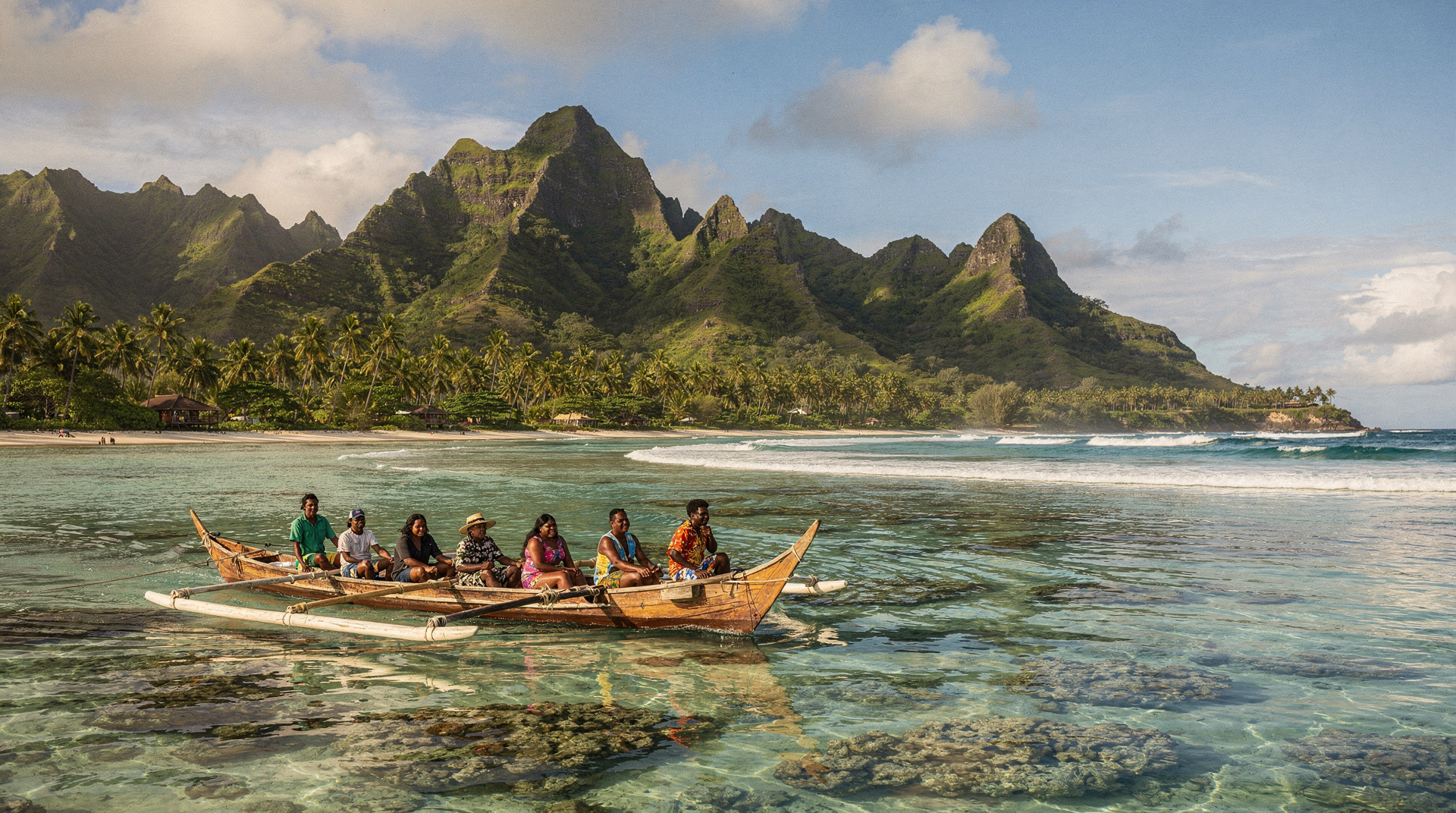
Honest Rarotonga guide: Muri lagoon cruise, Cross Island Track, Te Vara Nui, best beaches, where to stay. Real prices NZD/USD/EUR.
Aitutaki
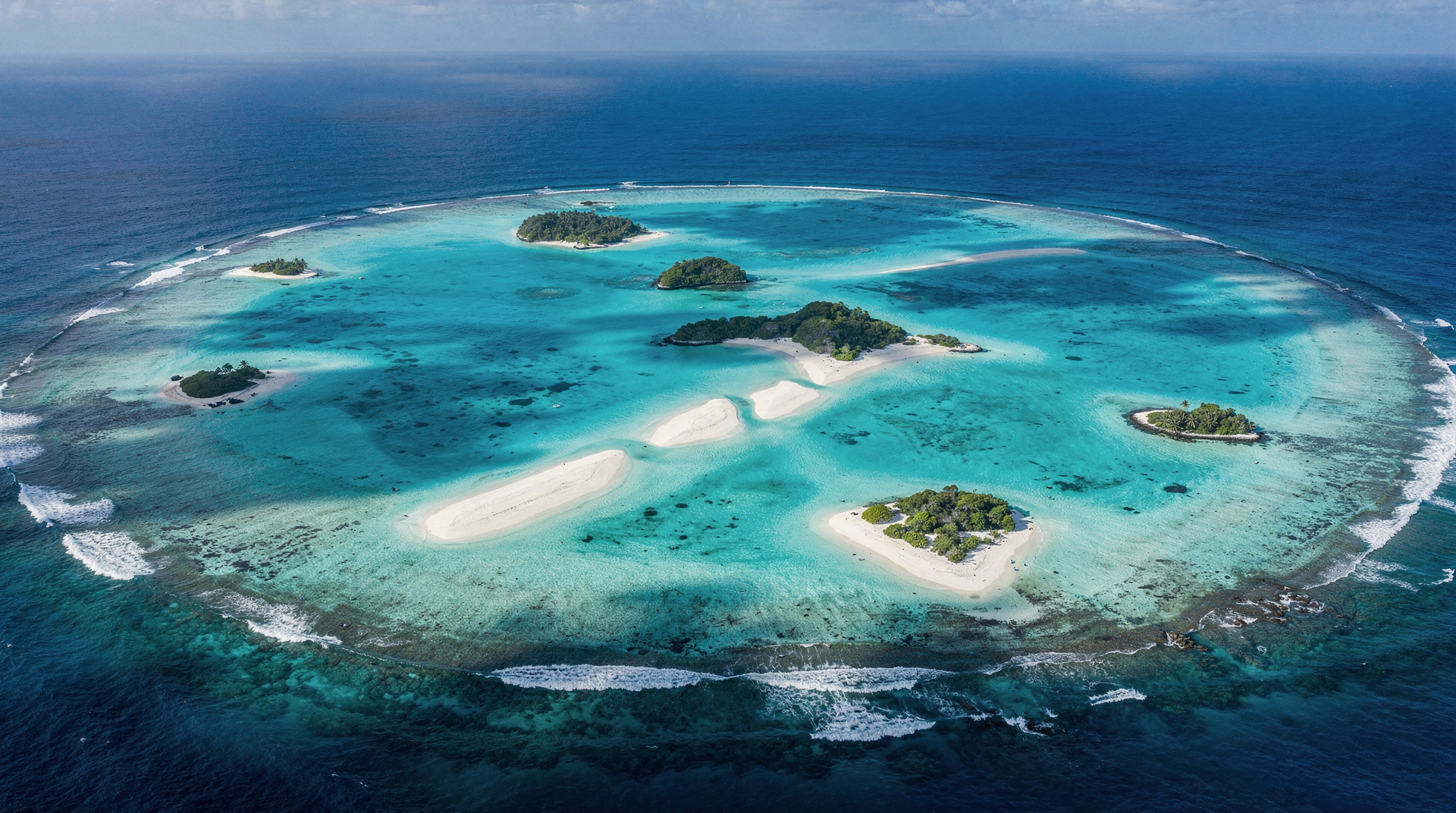
Honest guide to Aitutaki: the stunning Cook Islands lagoon, One Foot Island, best resorts for direct booking, real prices NZD/USD/EUR. No GYG — all direct.
Niue
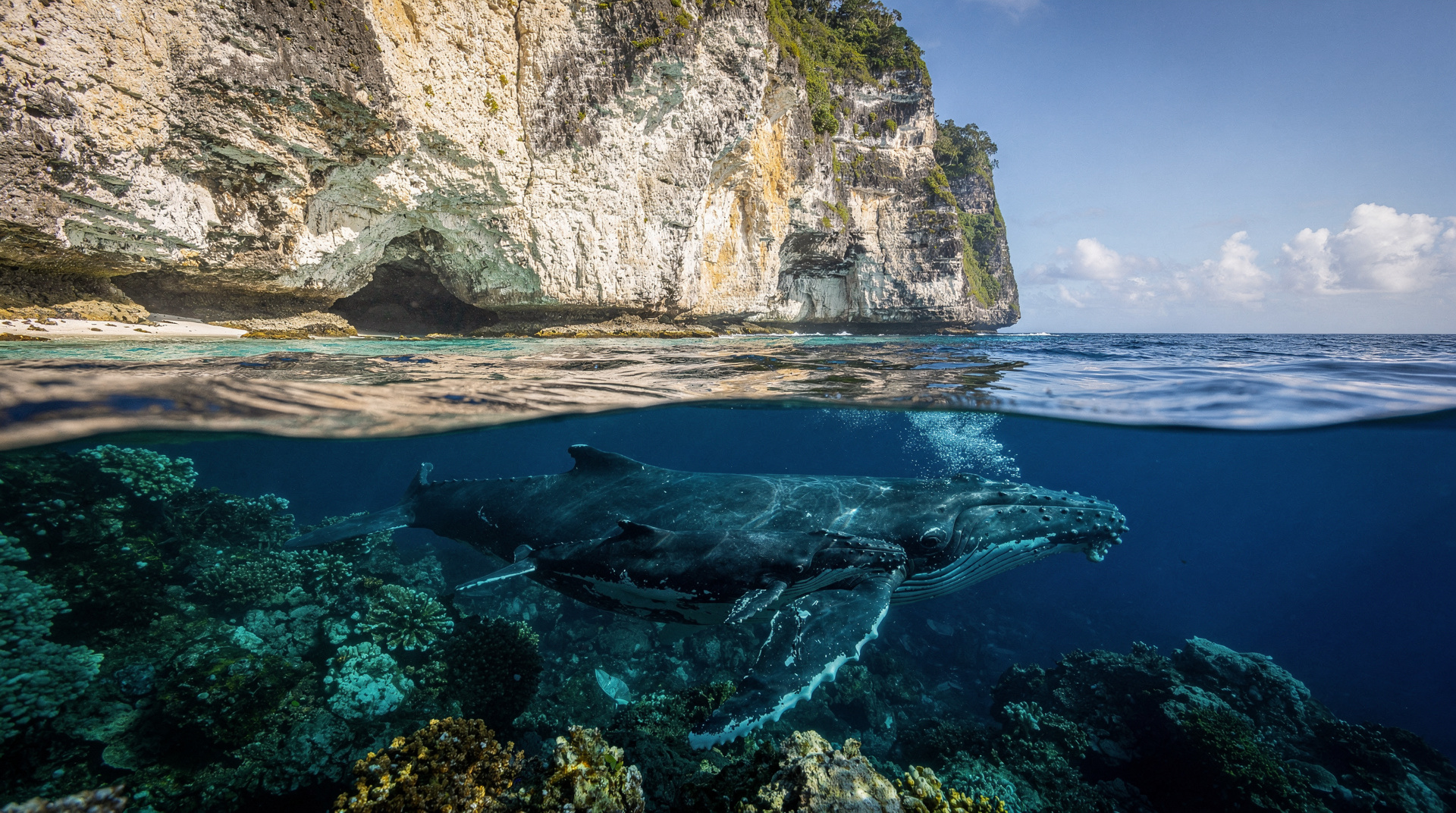
Honest guide to Niue: humpback whale swimming, Talava Arches, Matapa Chasm, sea snakes, direct booking only. Real costs NZD/USD/EUR for this remote Pacific gem.
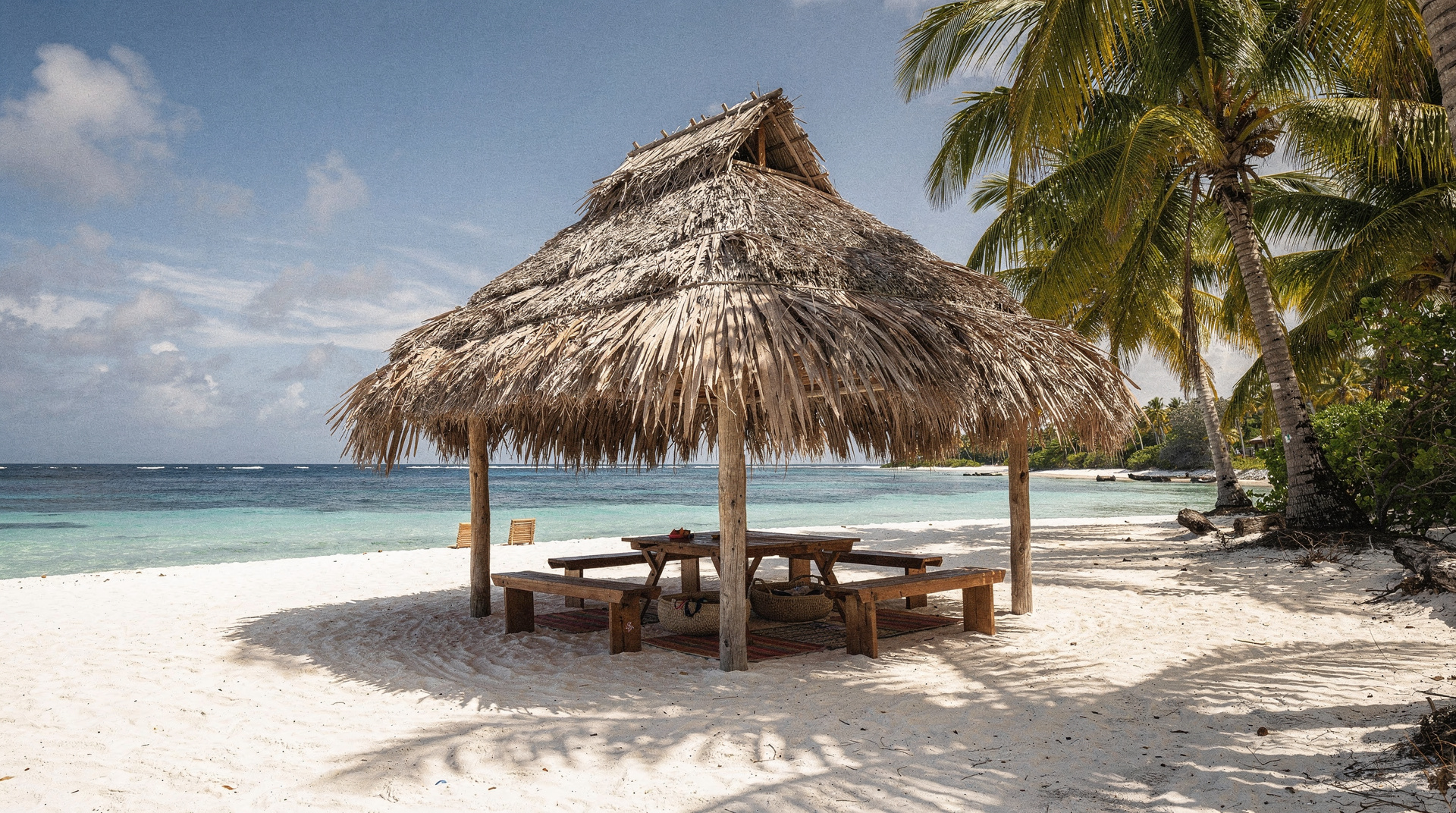
Tokelau
Honest guide to Tokelau: the world's most remote inhabited territory. Cargo ship from Samoa, permits, what to expect on Atafu, Nukunonu, and Fakaofo atolls.
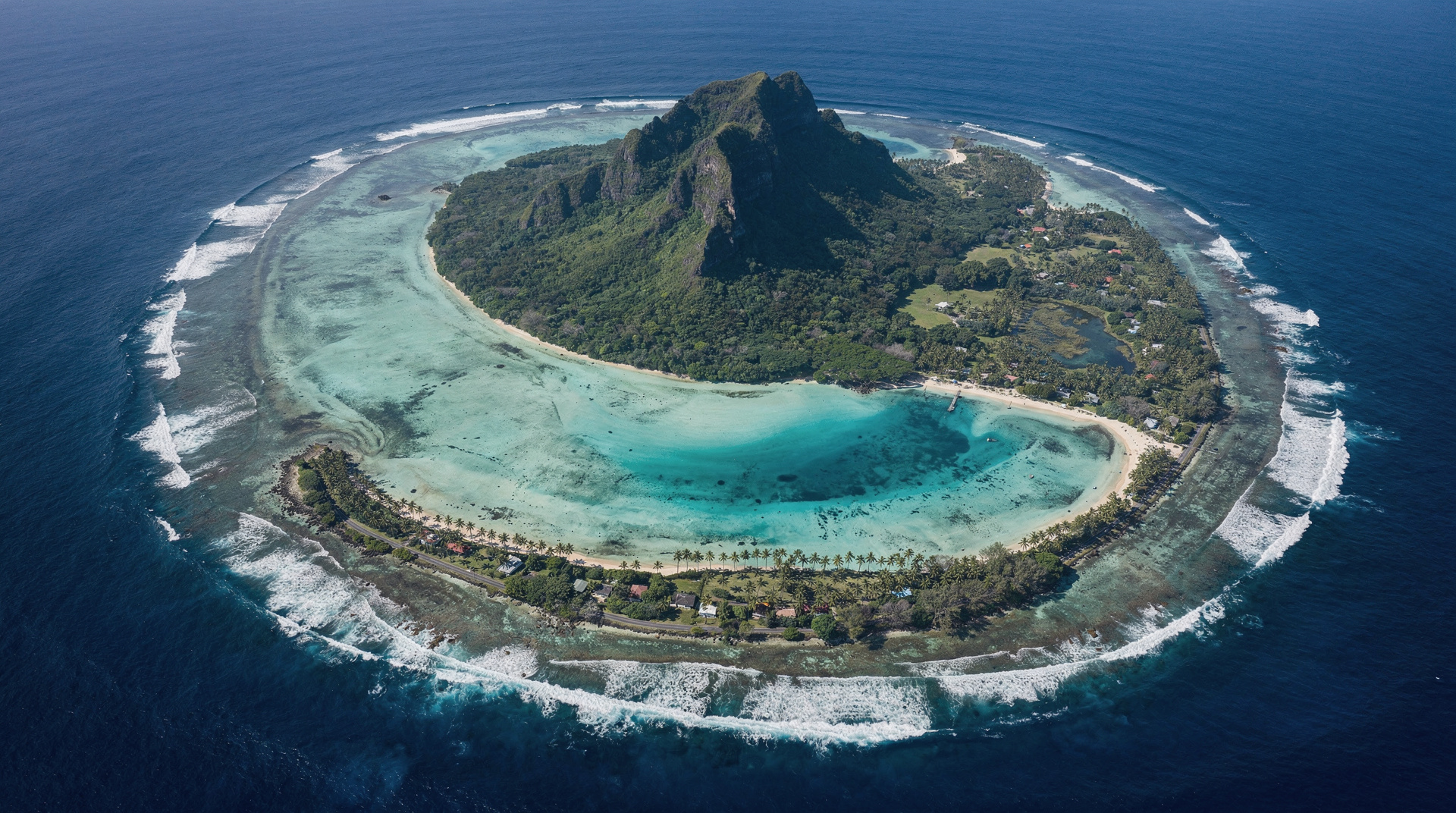
Cook Islands travel guide — Rarotonga, Aitutaki, and the outer islands
Cook Islands honest overview: Rarotonga vs Aitutaki vs outer islands, visa-free entry, real costs NZD/USD/EUR, why NZ-bound travellers should consider it.
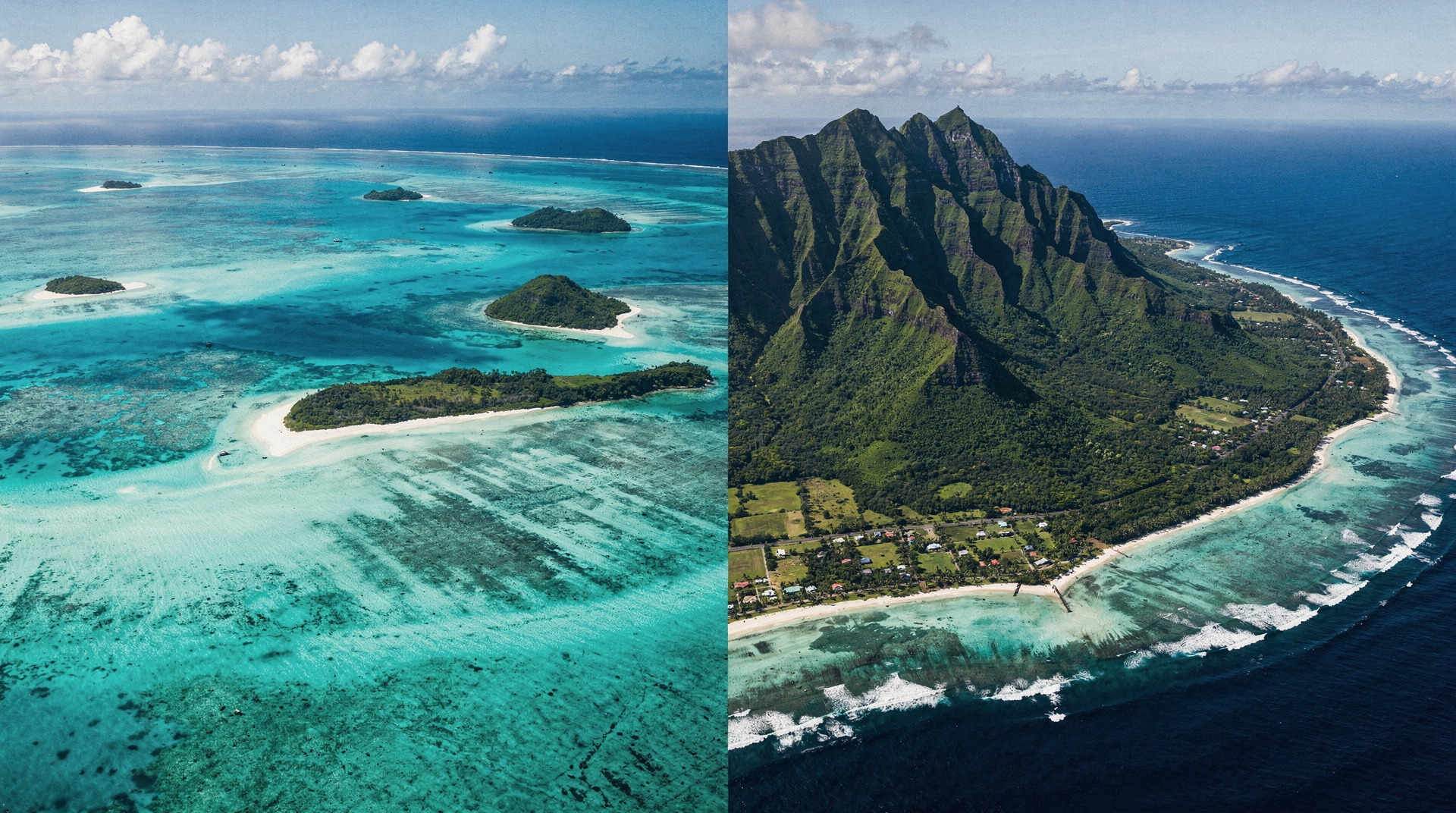
Aitutaki vs Rarotonga — which Cook Island should you choose?
Rarotonga has the infrastructure. Aitutaki has the lagoon. A genuine comparison of both Cook Islands: cost, access, and what you actually get.
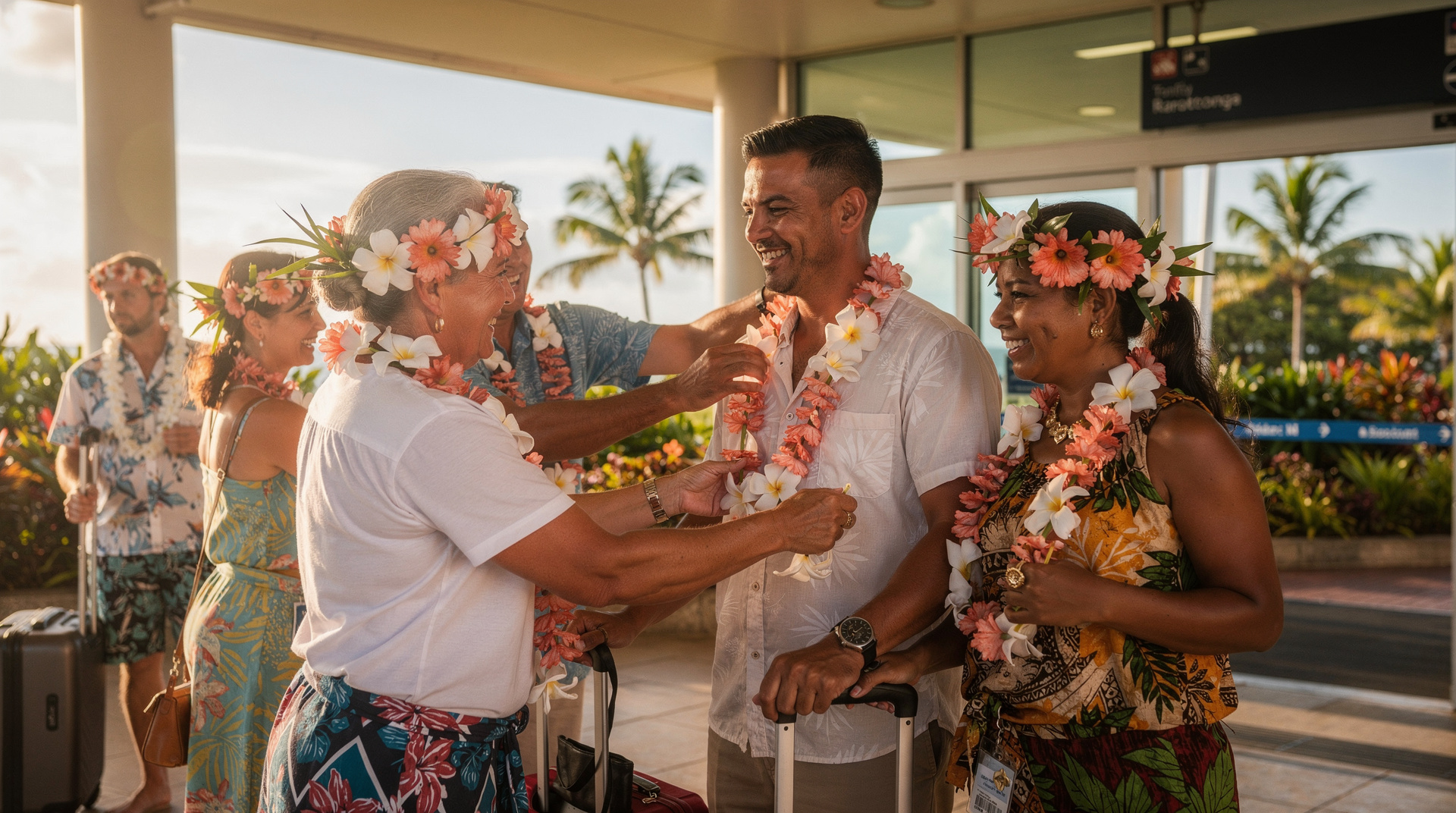
The Cook Islands travel bubble — what happened when New Zealand opened its borders in 2021
In May 2021 NZ opened a quarantine-free travel bubble with the Cook Islands. Three months later, Delta closed it. A look at what worked and what it revealed.
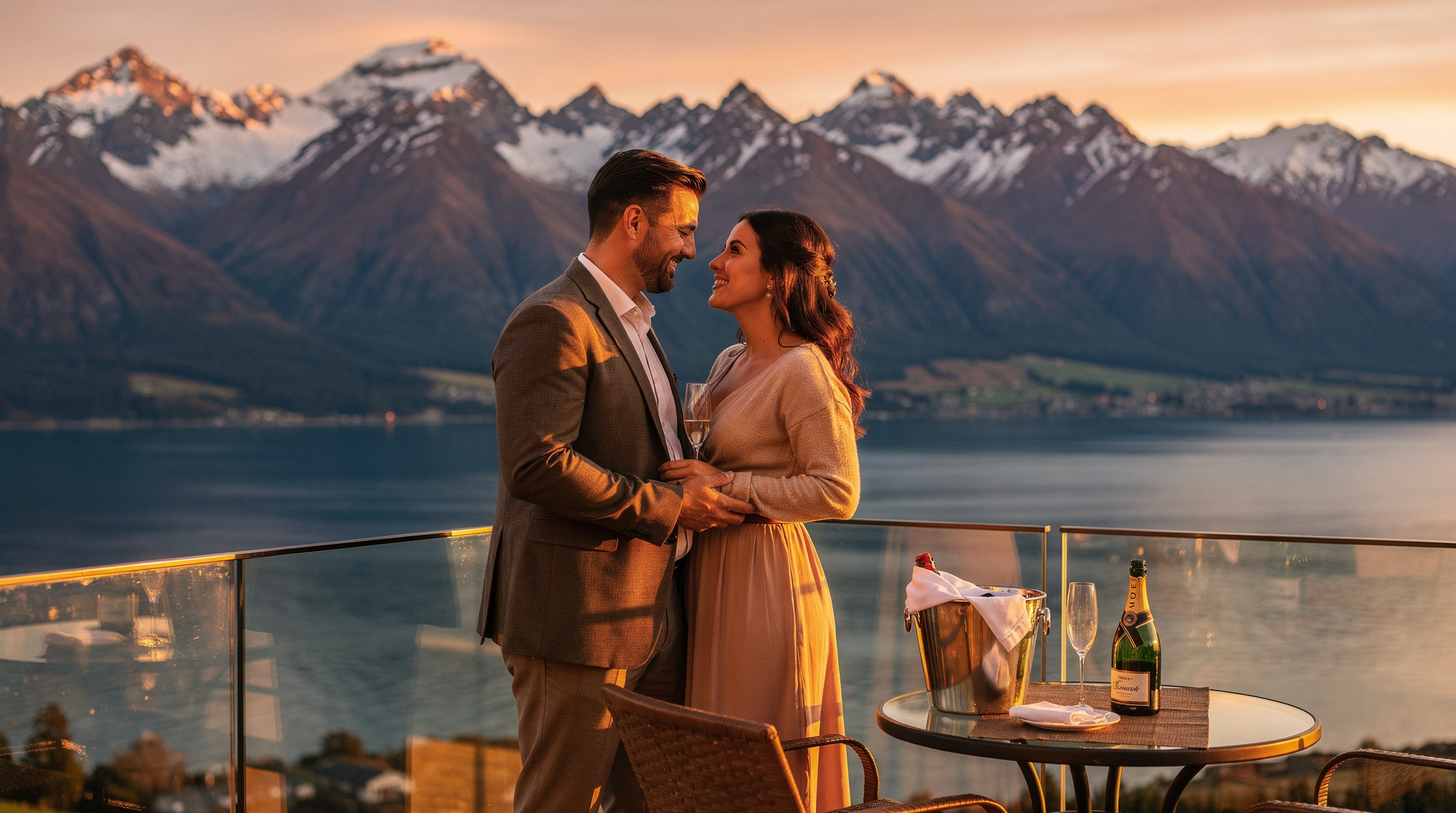
New Zealand honeymoon itinerary — 14 days of premium romance
14-day NZ honeymoon: luxury lodges, Milford Sound fly-cruise, scenic flights over Aoraki, private wine tours, and slow mornings. Real costs included.
Last reviewed: