Rarotonga
Honest Rarotonga guide: Muri lagoon cruise, Cross Island Track, Te Vara Nui, best beaches, where to stay. Real prices NZD/USD/EUR.
Quick facts
- Circumference
- 67 km — driveable in 90 minutes on the ring road
- Airport
- Rarotonga International (RAR) — one of the world's shortest commercial runways
- Currency
- NZD — USD ~$0.60 / EUR ~€0.55
- Best beach
- Muri Beach — calm lagoon, snorkelling, motu access
- Must-do walk
- Cross Island Track — 3 hours coast to coast through volcanic jungle
- Language
- Cook Islands Maori and English — English is universal
Rarotonga in one minute
Popular experiences here
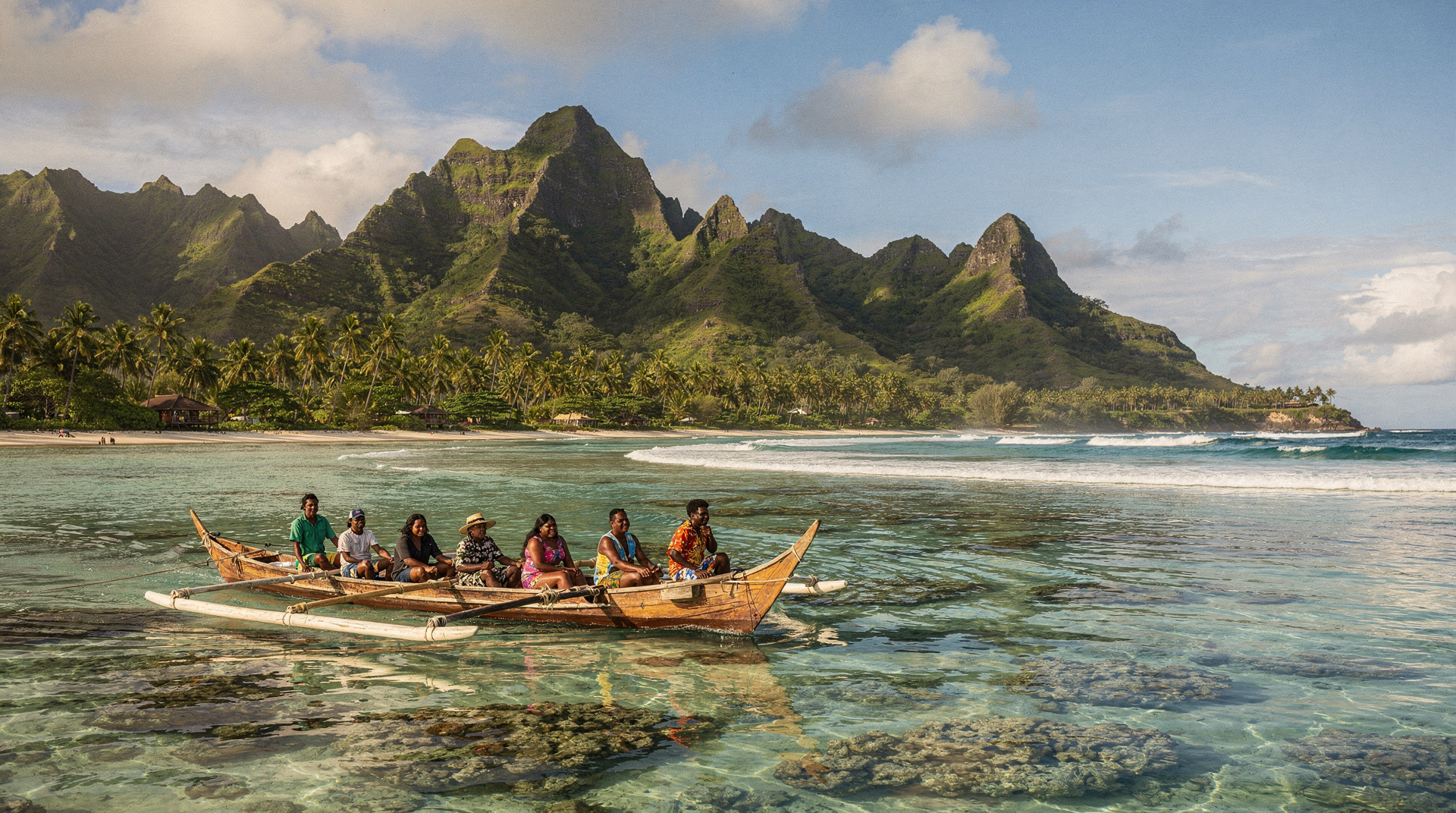
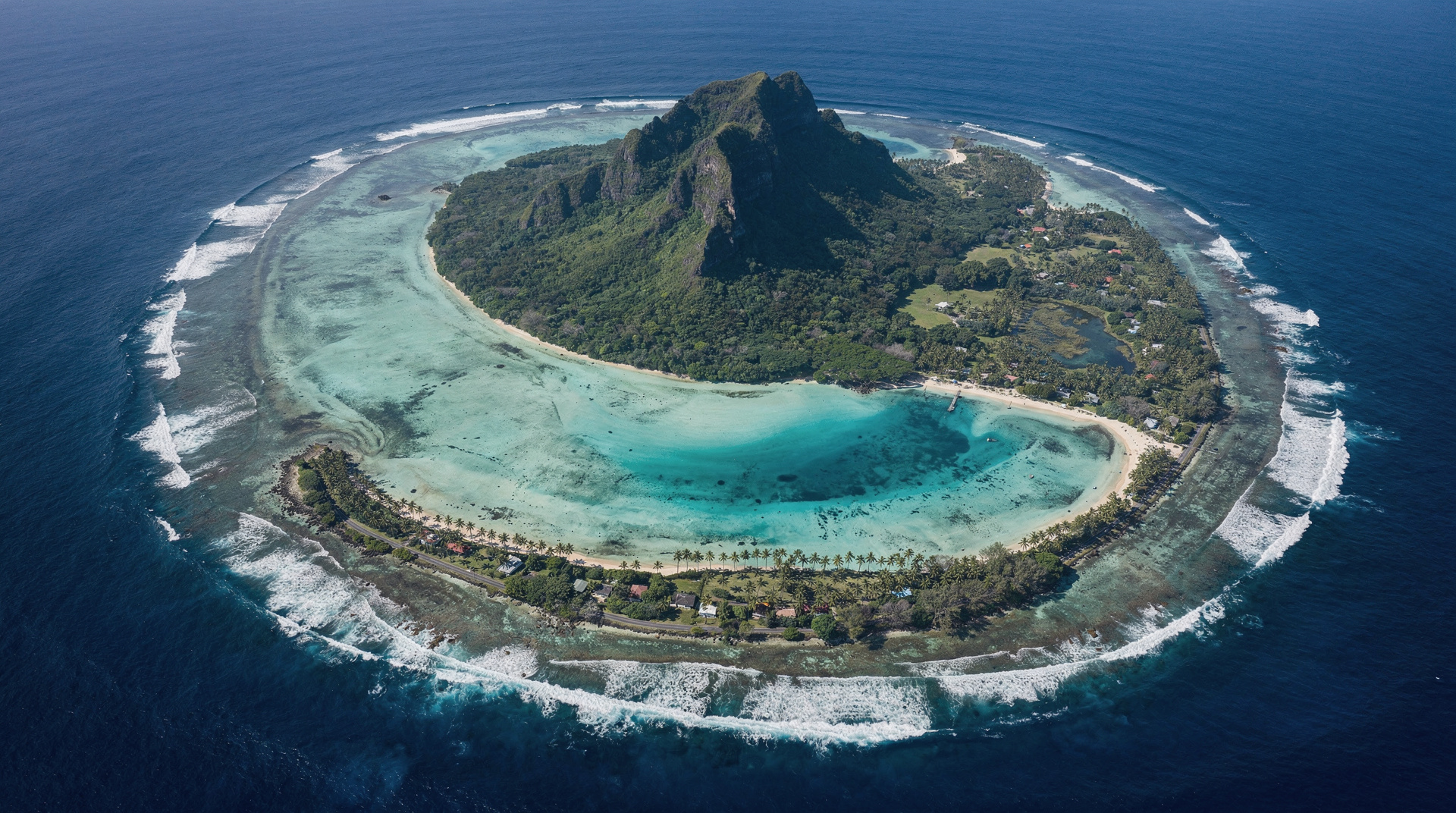
Rarotonga is the main island of the Cook Islands — a roughly circular volcanic island 67 km around, covered in dense jungle interior, ringed by a coastal road, and surrounded by a barrier reef enclosing one of the most consistently beautiful lagoons in the Pacific. Almost all visitors to the Cook Islands pass through Rarotonga, either as their sole destination or as the gateway to Aitutaki and the outer islands.
The island is genuinely small. A scooter can cover the entire ring road in under two hours. The interior jungle rises to volcanic peaks — the highest, Te Manga, at 653 metres. The two sides of the island have distinct personalities: the north coast (Avarua, the main town) is the commercial and transport hub; the south coast (Muri Beach and surrounding bays) is the tourist and resort concentration. Most visitors split their time between the two.
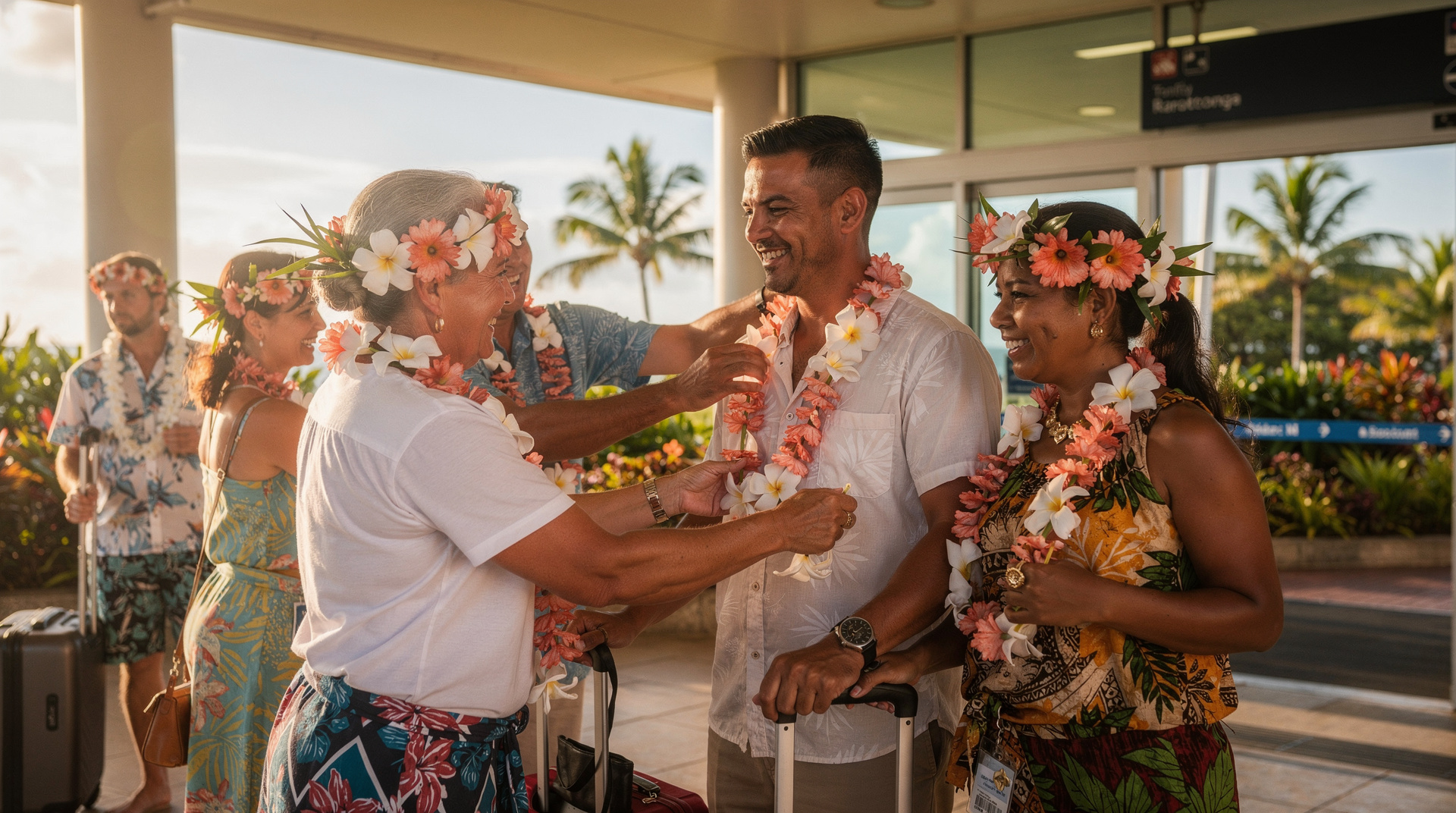
Arriving at Rarotonga International Airport is one of the memorable moments of the trip: the runway is genuinely short — among the shortest commercial international runways in the world, requiring specific pilot approvals — and aircraft approach over the reef and beach with little margin. Air New Zealand’s pilots earn the landing. The arrivals building is small and immediate: you step out into warm Pacific air within minutes.
| Where | Main island of the Cook Islands, 3.5 hours from Auckland |
| Cost | Around NZD 250–400/person/day mid-range |
| Time needed | 3 nights minimum; 5 nights ideal |
| Getting there | Direct flights from Auckland; Air Rarotonga on to Aitutaki |
| Best time | May–October (dry season, best lagoon visibility) |
What to do
The Muri Lagoon and snorkelling
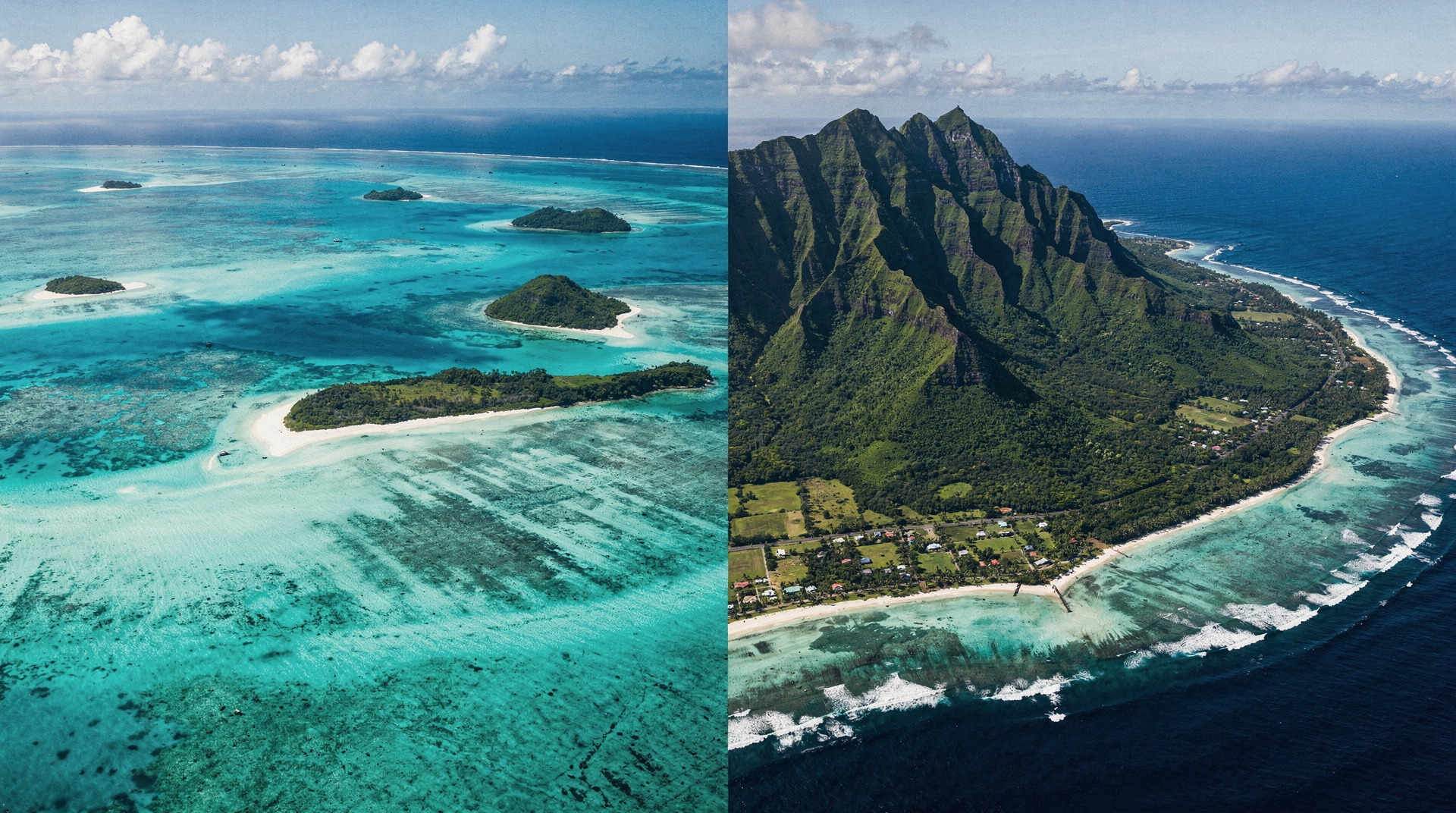
Muri Beach is the island’s defining landscape — a clear turquoise lagoon enclosed by four small motu (islets: Taakoka, Oneroa, Koromiri, and Motutapu), with shallow reef flats perfect for snorkelling and swimming. The water is warm year-round, though visibility is best in the dry season (May–October). The lagoon is calm even when the ocean beyond the reef is rough.
Snorkel gear is available from most accommodation and at dedicated rental points at Muri (NZD 15–20 / USD 9–12 / EUR 8–11 per day). You can wade or paddle to the motu — it is genuinely accessible without any tour. But for the best lagoon experience,
Rarotonga: Lagoon Cruise with Snorkelling & Fresh Fish BBQ
Glass-bottom boat lagoon cruise with guided snorkelling over the reef and a fresh-caught fish BBQ on a motu. Best-value organised activity on the island.
From NZD 100–120 / USD 60–72 / EUR 55–66
The reef itself holds a wide range of marine life: blue-striped snapper, parrotfish, triggerfish, moray eels, giant clams, and occasional reef sharks (harmless, typically blacktip). Turtles visit the lagoon regularly.
Cross Island Track
The Cross Island Track connects the north coast near Avarua to the south coast at Papua village, traversing the island’s volcanic interior. The walk takes approximately 3 hours one-way (return by bus or pre-arranged vehicle if doing it one-way). The terrain is genuine jungle: steep in places, muddy after rain, and involving a short rope section. The reward is a view of the Te Rua Manga (Needle) — a dramatic rock spire rising from the jungle — and a genuine sense of the island’s interior character that the beach never quite gives you.
Go early morning to avoid the heat. Wear solid shoes (not sandals — the trail gets muddy). Cost: free; no permit required.
Te Vara Nui village and cultural performance
Te Vara Nui is one of the most genuine Maori-Polynesian cultural performance venues in the Pacific. The evening show includes traditional Cook Islands urai dance, fire performance, storytelling, and a hangi-style feast. It is iwi-led — meaning it is a community production by Cook Islanders for cultural expression first and tourism second, rather than a commercial show dressed up in cultural clothing.
Cost: NZD 125–150 / USD 75–90 / EUR 69–83 per adult including dinner. This is worth the price. Book directly with Te Vara Nui (tevaranui.co.ck) or via your accommodation.
COOK Island Maori culture museum
The Cook Islands Library and Museum in Avarua is small but informative, covering the island’s pre-European and early contact history, traditional artefacts, and genealogical records. Free admission (koha welcome). Worth 45–60 minutes on a cloudy afternoon.
Tumunu island tour
A guided morning or afternoon island tour covering the ring road with stops at Black Rock (swimming, sunset views), Muri Beach viewpoint, and key historical sites. Various operators; approximately NZD 45–65 / USD 27–39 / EUR 25–36 per person for a 3-hour shared tour. Good for orientation on arrival day.
The night market (Muri Night Market)
Every Wednesday, Friday, and Sunday evening at Muri, the night market sets up with local food stalls, craft vendors, and live music. This is where you eat: $8–12 NZD plates of fresh ika mata (Cook Islands ceviche — raw fish marinated in coconut cream), chow mein noodles, barbecued fish, fruit smoothies. The Cook Islands’ best meal for the price, and a genuinely communal evening. Do not miss it if your timing aligns.
Diving
The outer reef and adjacent sites offer good diving: coral walls, reef fish, occasional pelagics. The visibility and warmth of the water (24–28°C year-round) make it accessible for beginners. Cook Islands Divers and Pacific Divers both operate from Muri. A two-dive day trip costs approximately NZD 220–280 / USD 132–168 / EUR 121–154. Book directly with the operators.
Whale watching (July–October)
Humpback whales migrate through Cook Islands waters between July and October, and Rarotonga is one of the more accessible places in the South Pacific to see them, sometimes even from shore at elevated points on the ring road. Dedicated whale-watching boat trips run seasonally from operators at Avarua and Muri; sightings are not guaranteed but are common in a good season. This is a genuine bonus for anyone visiting in the shoulder-to-dry season window, and pairs naturally with the same May–October period that gives the best lagoon visibility.
Where to stay
Budget: The Backpacker spots around the ring road (Aroa Beach and Arorangi areas) offer basic but adequate dorm accommodation from NZD 35–50 / USD 21–30 / EUR 19–28 per night.
Mid-range: The Edgewater Resort and Spa (north-west coast, opposite Black Rock) is the island’s most established resort — reliable, well-located, with a big swimming pool and direct beach access. NZD 350–550 / USD 210–330 / EUR 193–303 per night. The Muri Beach Club Hotel (south coast, direct Muri lagoon frontage) is excellent value for mid-range and ideally positioned for the lagoon and night market. NZD 300–480 / USD 180–288 / EUR 165–264 per night.
Luxury: Pacific Resort Rarotonga at Muri Beach is the island’s finest boutique resort — beautifully designed bungalows, attentive service, excellent food. NZD 700–1,200 / USD 420–720 / EUR 385–660 per night. Rumours Luxury Villas (west coast) offers villa-style accommodation with private pools. NZD 600–1,000 / USD 360–600 / EUR 330–550 per night.
What to eat and drink
Muri Night Market (Wed/Fri/Sun): Already mentioned above but deserves emphasis — the best eating on the island, full stop. NZD 8–15 / USD 5–9 / EUR 5–8 per dish.
The Barefoot Bar (Muri Beach): Lively beach bar with good fish and chips, burgers, and cold Cooks Lager. The Thursday evening live music nights are reliably enjoyable. NZD 20–35 / USD 12–21 / EUR 11–19 for a meal.
Tamarind House (Avarua, north coast): The island’s best sit-down restaurant — a colonial-era building with excellent contemporary Pacific cuisine. Reef fish, local produce, good wine list. NZD 45–75 / USD 27–45 / EUR 25–41 for mains. Book ahead.
Sails Restaurant (at The Crown Beach Resort): Good waterfront dining, reliable seafood. NZD 40–65 / USD 24–39 / EUR 22–36 for mains.
The Punanga Nui Market (Saturday morning, Avarua): The Saturday market is Rarotonga’s main weekly social event — local produce, handmade crafts, fresh fruit, street food, and live music. A wonderful way to spend a Saturday morning.
Cooks Lager is the local beer. It is perfectly acceptable. Mango and passionfruit smoothies, fresh coconut water, and local coffee (from Atiu, the outer island) complete the drinking picture.
Note: tipping is not customary in the Cook Islands. This is a genuine cultural point, not just a guidebook formula. Cook Islanders value the relationship between host and guest as reciprocal and dignified; tipping can sometimes feel awkward or off-register. If you want to express appreciation, tell the person directly — it is received with more warmth.
Getting around Rarotonga
Scooter: The most fun option. Hire from numerous operators around the island (NZD 25–35 / USD 15–21 / EUR 14–19 per day for a 50cc automatic). You need a valid driver’s licence and a local traffic licence from the police station in Avarua (NZD 15 / USD 9 / EUR 8, take 10 minutes). The ring road is well-sealed and well-signed.
Bus: The island’s two buses (the blue clockwise bus and the blue anti-clockwise bus) run approximately every 30–60 minutes on the ring road from around 7am to 10pm. Fare NZD 4–5 one-way. Reliable enough for most sightseeing.
Car hire: Several operators at the airport and in Avarua. Small cars from NZD 70–90 / USD 42–54 / EUR 39–50 per day. Useful if you have luggage or don’t want a scooter.
Taxi: Available but expensive for the distances involved. From the airport to Muri Beach approximately NZD 20–30 / USD 12–18 / EUR 11–17. Fine for airport transfers.
Walking: The lagoon beach strip at Muri is very walkable. The rest of the ring road has some narrow sections without footpaths — manageable but not entirely comfortable for long distances.
Skip / worth it / splurge
- ATV jungle tours — fun in concept but the interior tracks are not particularly safe and the guiding quality varies; the Cross Island Track on foot is more rewarding
- Staying on the north coast (Avarua area) if you’re primarily here for the beach and lagoon — the best lagoon access is Muri on the south coast
- Hiring a scooter for one full day and doing the ring road at dawn before the tourist buses start — NZD 25–35, one of the best mornings in the South Pacific
- The lagoon cruise (NZD 100–120 per person, the GYG option covers this well) — the glass-bottom boat component makes it accessible to non-swimmers and the fresh fish BBQ is genuine
- The Te Vara Nui evening cultural show (NZD 125–150 per person) — one of the best culture-plus-food evenings in the Pacific
- Pacific Resort Rarotonga for a honeymoon stay (NZD 700–1,200 per night) — the design, service, and lagoon frontage justify the premium
Cost breakdown
Rarotonga activity and daily costs
| Item | NZD | USD | EUR | Verdict |
|---|---|---|---|---|
| Lagoon cruise + snorkelling + fish BBQ Glass-bottom boat accessible to non-swimmers | 100–120 | 60–72 | 55–66 | |
| Te Vara Nui cultural evening + dinner Iwi-led; book directly or via accommodation | 125–150 | 75–90 | 69–83 | |
| Scooter hire (per day) Requires local traffic licence (NZD 15) | 25–35 | 15–21 | 14–19 | |
| Muri Night Market meal Best value eating on the island | 8–15 | 5–9 | 5–8 | |
| Two-dive day trip Book directly with Cook Islands Divers | 220–280 | 132–168 | 121–154 | |
| Pacific Resort Rarotonga (per night) Island's finest boutique resort at Muri Beach | 700–1200 | 420–720 | 385–660 |
Cultural notes
Cook Islands Maori culture is distinct from New Zealand Maori culture — related in ancestry and many language roots, but developed separately over centuries of Pacific island life. The ura dance (performed by women at cultural events), the tivaevae quilting tradition, and the communal Sunday to’o (feast) after church are distinctly Cook Islands practices.
Sunday is still observed as a rest day by many Cook Island families. Some businesses close; the island quietens noticeably. A church choir service at the Cook Islands Christian Church (CICC) on Sunday morning — most visibly in Avarua — is one of the most beautiful sound experiences available here. The four-part Polynesian harmonics are extraordinary. No admission, but dress respectfully (covered shoulders, no shorts).
Connecting your trip
Rarotonga is the natural entry point for any Cook Islands visit, and for most travellers it serves as the base before flying to Aitutaki (45 min, Air Rarotonga). The full Cook Islands guide covers the broader chain and logistics for the outer islands.
For those coming from New Zealand, Auckland is the natural departure city — flights are approximately 3.5 hours and are among the better-value Pacific island routes from NZ. A two-week trip combining South Island highlights (Queenstown, Fiordland, Milford Sound) with a week in the Cook Islands is a genuinely excellent itinerary for couples.
Frequently asked questions about Rarotonga
How many days do I need in Rarotonga?
Three nights is the absolute minimum to get a feel for the island (lagoon, one walk, one cultural experience). Five nights is ideal for relaxed beach time plus Cross Island Track plus a cultural evening. Beyond five nights, the island’s small size becomes apparent and some visitors feel they’ve exhausted the main experiences — though those who simply want to swim, read, and eat well can comfortably extend to a week.
Is the lagoon safe for swimming?
Yes, the Muri Lagoon is very safe — shallow, calm, no significant currents inside the reef. Some ocean-side beaches (particularly on the east coast) can have dangerous shore break and rip currents. Always ask locally before swimming at unfamiliar beaches.
What is the runway situation at Rarotonga airport?
Rarotonga International Airport has one of the shortest commercial international runways in the world — approximately 2,316 metres. Air New Zealand and Jetstar both operate regular services and pilots are specifically trained and approved for this approach. It is technically demanding (approaching over the reef) but operationally safe — there has never been a serious runway incident at RAR due to runway length. The approach over the lagoon is actually quite beautiful.
Is the Cook Islands expensive?
Relative to Tahiti and French Polynesia, no. Relative to Bali or Southeast Asia, yes. For New Zealand and Australian travellers, the Cook Islands is roughly comparable to domestic resort pricing — expect to spend NZD 250–400 / USD 150–240 / EUR 138–220 per person per day mid-range including accommodation, food, and one activity.
Do I need to bring cash?
ATMs are available at the airport and in Avarua, and most mid-range and above establishments accept cards. The Muri Night Market and smaller vendors may be cash-only. Bring NZD 200–300 in cash as a practical working amount.
Can I visit outer islands from Rarotonga as a day trip?
Aitutaki is the only one worth the day trip (though we recommend staying overnight). Other outer islands are too far for a comfortable same-day return. Air Rarotonga operates day tours to Aitutaki that include the lagoon cruise — a long but completely manageable day.
Should I stay on the north coast or the south coast?
The south coast, specifically Muri, for almost everyone — it has the calm lagoon, the night market, and the best snorkelling right off the beach. The north coast (Avarua) is more practical for banking, the hospital, and the airport, but has poorer swimming beaches. Some visitors split a stay between the two, but a single Muri base with a scooter to explore the rest of the island works well for most trip lengths.
Is Rarotonga or Aitutaki the better choice if I only have one week?
If it’s your only Cook Islands trip, spend most of the week on Rarotonga (Cross Island Track, Muri lagoon, cultural show, night market) and add 2–3 nights on Aitutaki if your budget and dates allow — its lagoon is even more dramatic. If a full week is tight, Rarotonga alone is a complete and satisfying trip on its own.
Top experiences: Rarotonga Cook Islands
See all →Related guides
Cook Islands
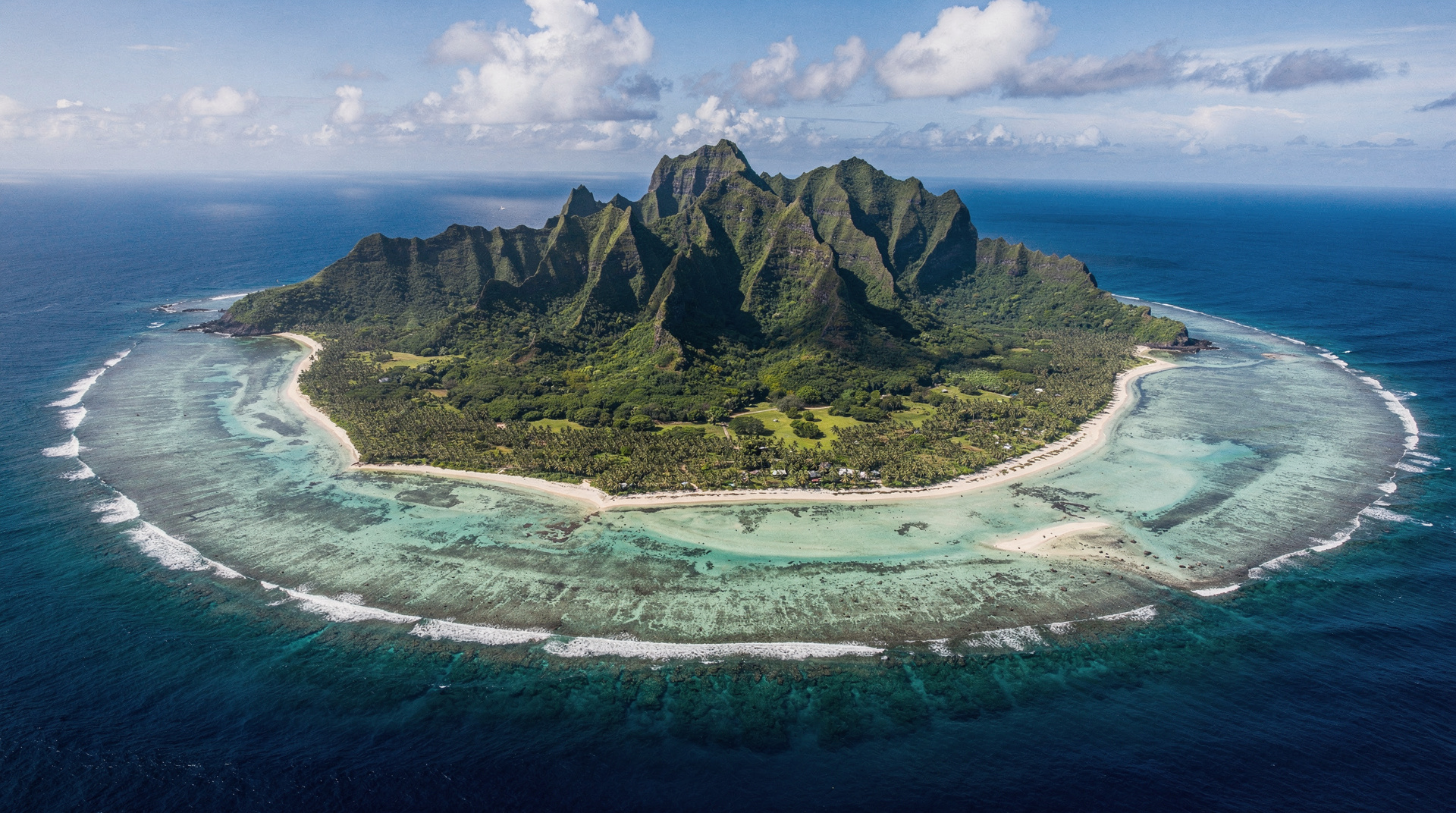
Complete honest guide to the Cook Islands: 15 islands in the Pacific, NZD currency, flights from Auckland, real prices and what each island is actually like.
Aitutaki
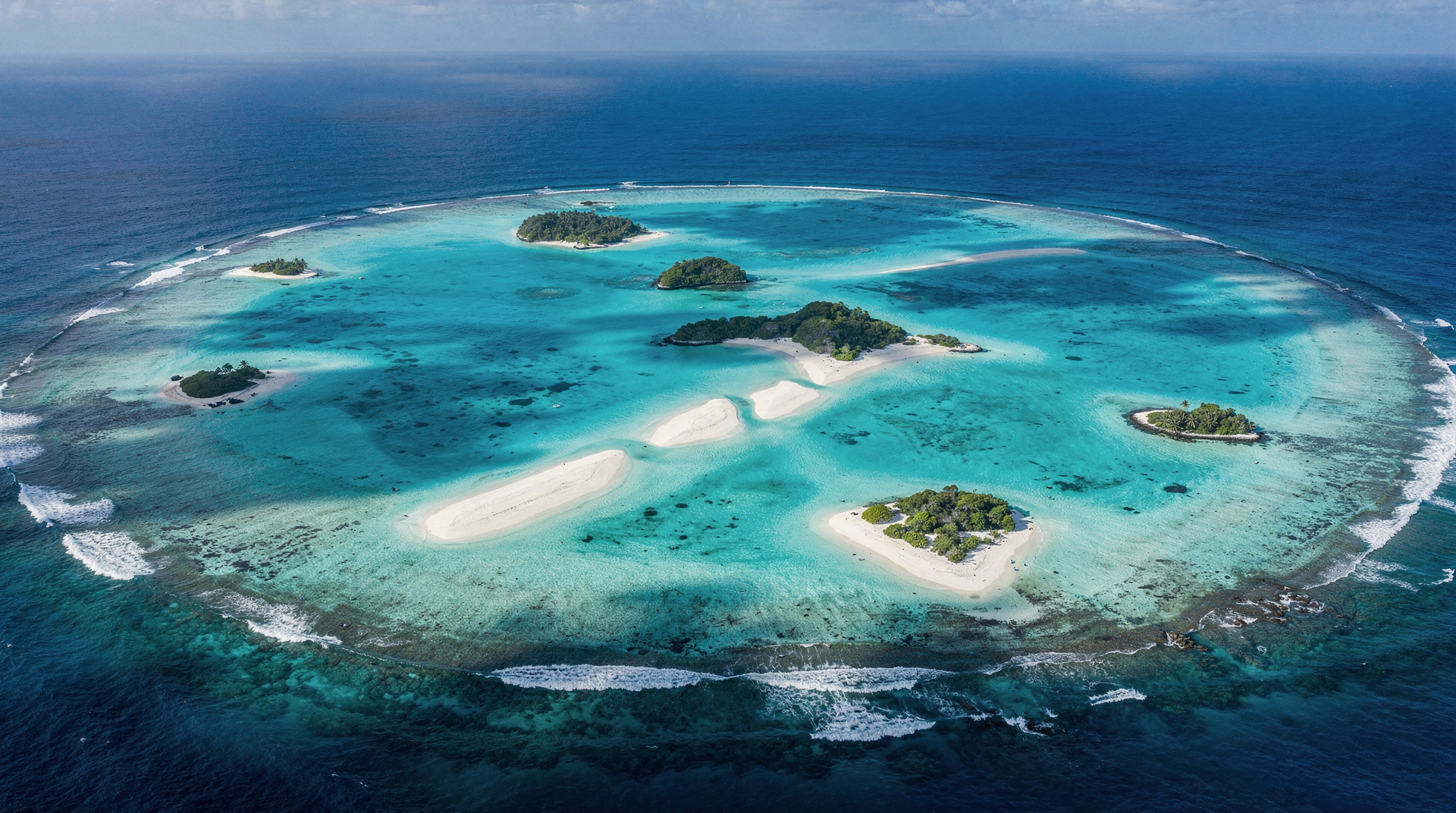
Honest guide to Aitutaki: the stunning Cook Islands lagoon, One Foot Island, best resorts for direct booking, real prices NZD/USD/EUR. No GYG — all direct.
Niue
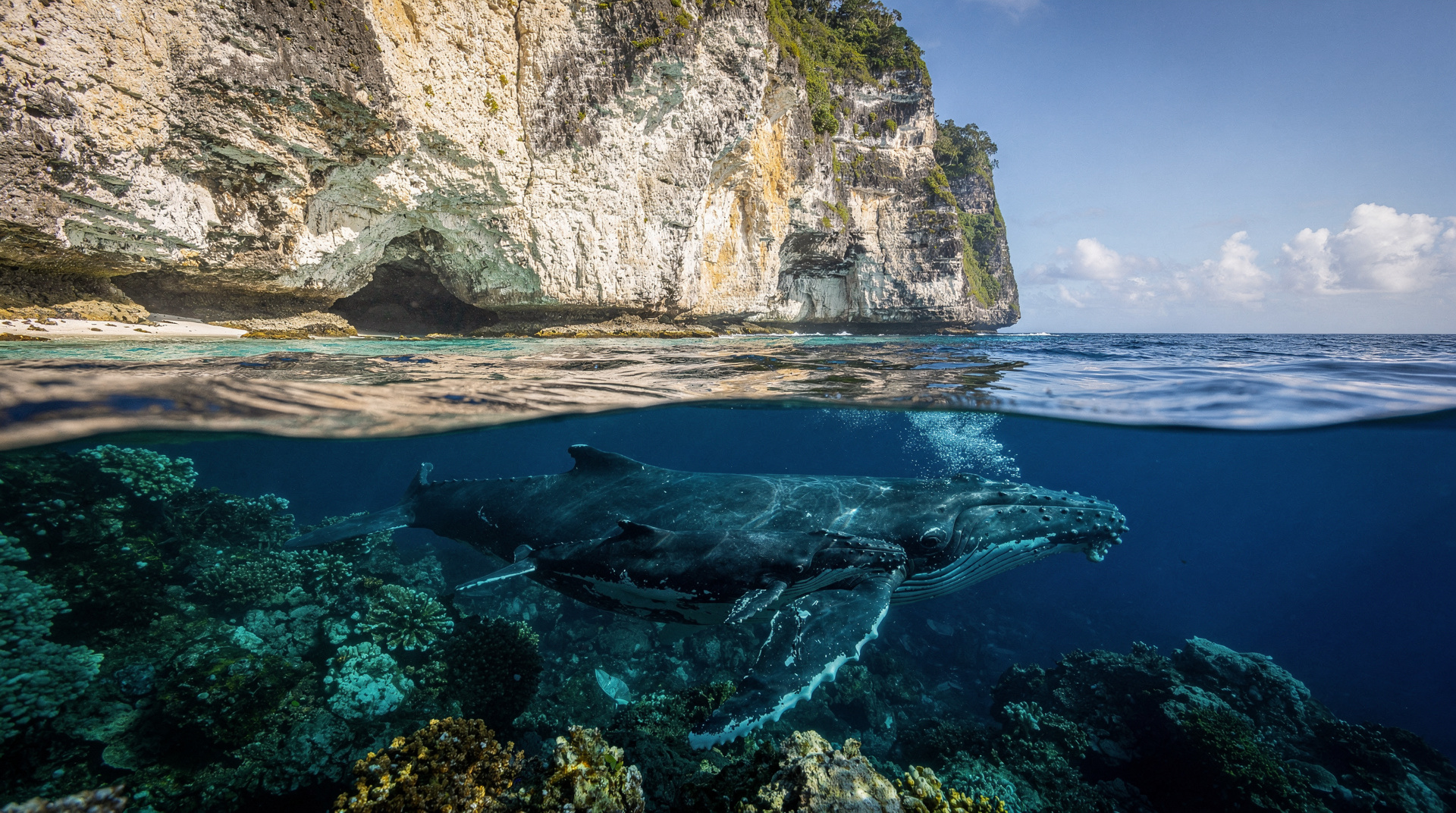
Honest guide to Niue: humpback whale swimming, Talava Arches, Matapa Chasm, sea snakes, direct booking only. Real costs NZD/USD/EUR for this remote Pacific gem.
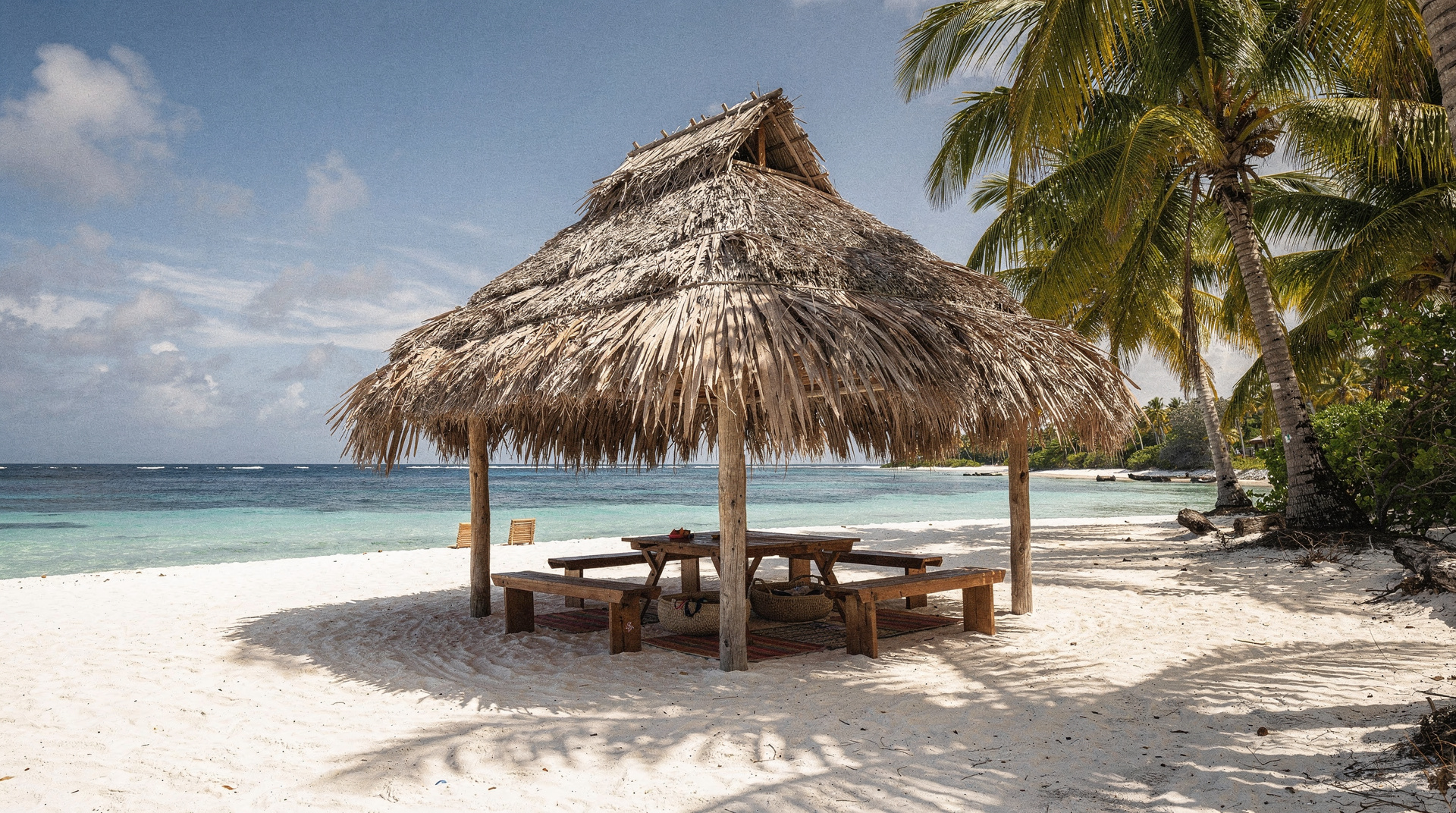
Tokelau
Honest guide to Tokelau: the world's most remote inhabited territory. Cargo ship from Samoa, permits, what to expect on Atafu, Nukunonu, and Fakaofo atolls.
Cook Islands travel guide — Rarotonga, Aitutaki, and the outer islands
Cook Islands honest overview: Rarotonga vs Aitutaki vs outer islands, visa-free entry, real costs NZD/USD/EUR, why NZ-bound travellers should consider it.
Aitutaki vs Rarotonga — which Cook Island should you choose?
Rarotonga has the infrastructure. Aitutaki has the lagoon. A genuine comparison of both Cook Islands: cost, access, and what you actually get.
The Cook Islands travel bubble — what happened when New Zealand opened its borders in 2021
In May 2021 NZ opened a quarantine-free travel bubble with the Cook Islands. Three months later, Delta closed it. A look at what worked and what it revealed.
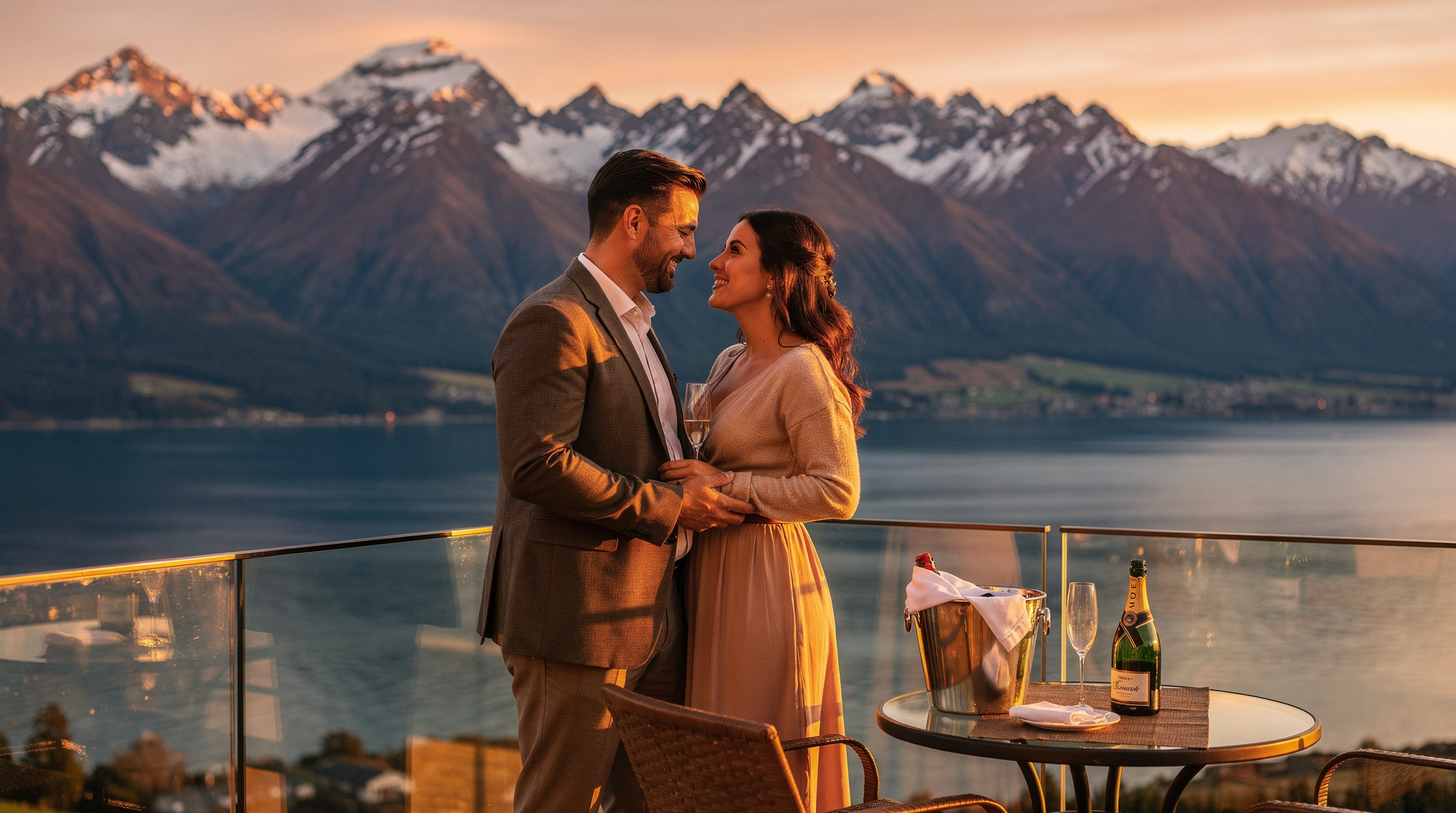
New Zealand honeymoon itinerary — 14 days of premium romance
14-day NZ honeymoon: luxury lodges, Milford Sound fly-cruise, scenic flights over Aoraki, private wine tours, and slow mornings. Real costs included.
Last reviewed: