Auckland region
Auckland region beyond the city: Waiheke wine island, Piha surf, Tiritiri Matangi wildlife. NZD/USD/EUR prices, day trips, and what's truly worth your time.
Quick facts
- Region
- Greater Auckland, Hauraki Gulf islands, West Coast beaches
- Major hubs
- Waiheke Island, Piha, Tiritiri Matangi Island, Clevedon, Muriwai
- Currency
- NZD — 1 NZD ≈ USD 0.60 / EUR 0.55
- Best for
- Waiheke wine, Piha surf, Tiritiri Matangi wildlife, ferry island hopping
- Skip if
- You are heading immediately to Northland or Coromandel — those cover similar ground more dramatically
Auckland region in one minute
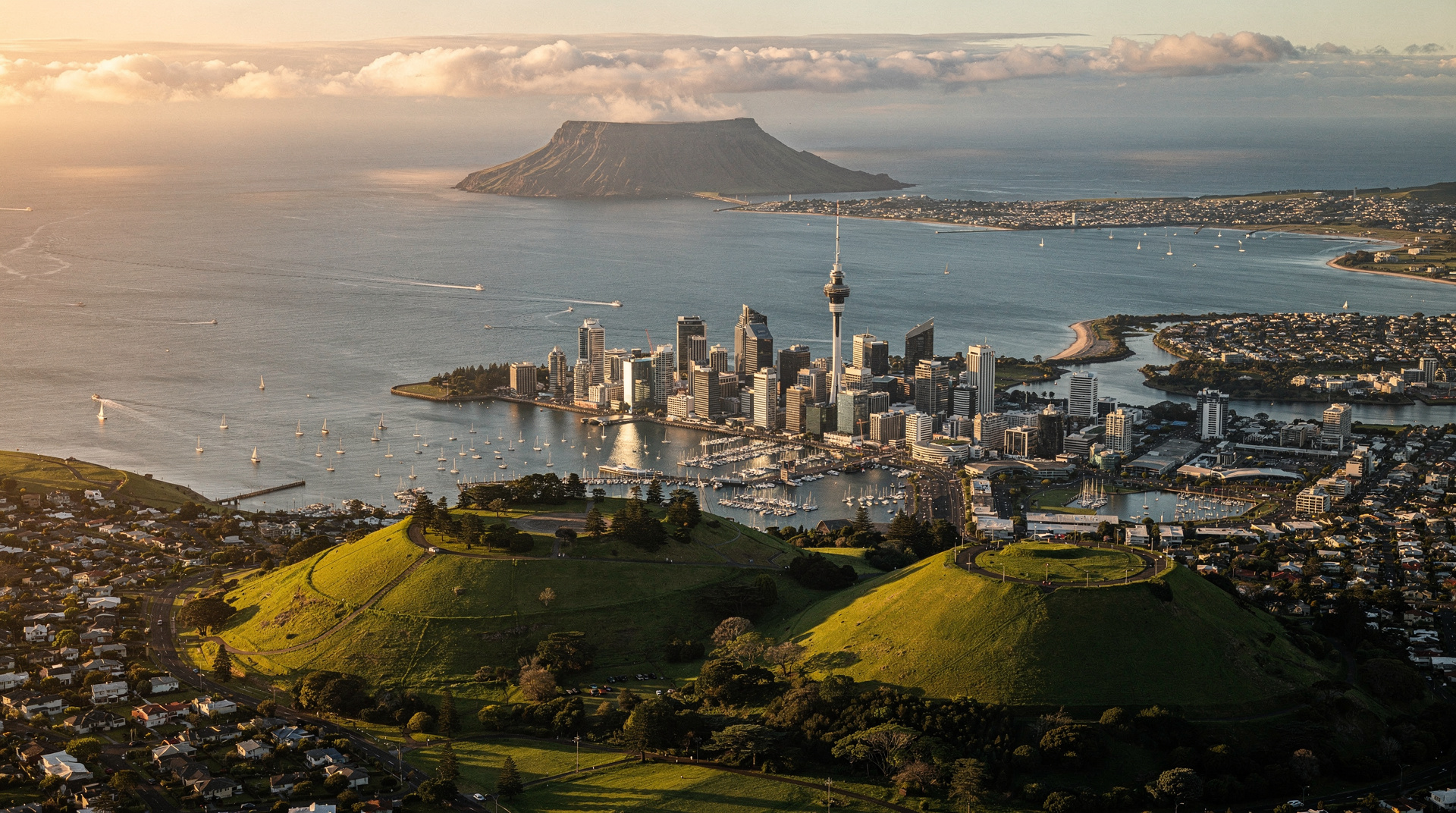
Auckland city is a page to itself. This page covers the wider region — the Hauraki Gulf islands, the black-sand surf beaches on the West Coast, and the rural hinterland that most visitors fly through without stopping.
The Auckland region is one of the world’s most unusual urban areas: a city of 1.7 million people built across a volcanic field of 53 cones, bordered to the east by a gulf containing 50 islands, and to the west by the Tasman Sea’s surf beaches. The combination means that serious wine tasting (Waiheke Island), swimming with rare endemic birds (Tiritiri Matangi), and 10-minute-drive surf breaks (Piha, Muriwai) are all available within 1-2 hours of the CBD.
Most people staying in Auckland treat the city as a transit stop. Adding 2-3 days for the region transforms the visit into something genuinely memorable — particularly Waiheke Island, which is genuinely different in character and geography from the mainland.
| Where | Hauraki Gulf islands and West Coast beaches, 30-75 minutes from Auckland CBD |
| Getting there | Ferry (Waiheke, Tiritiri Matangi) or self-drive/shuttle (Piha, Muriwai) |
| Time needed | 2-4 days in addition to Auckland city time |
| Cost | Around NZD 40-45 return ferry to Waiheke; NZD 95-120 for Tiritiri Matangi day trip |
| Best time | November-April for beaches and wine; year-round for Tiritiri Matangi wildlife |
The honest case for exploring the Auckland region
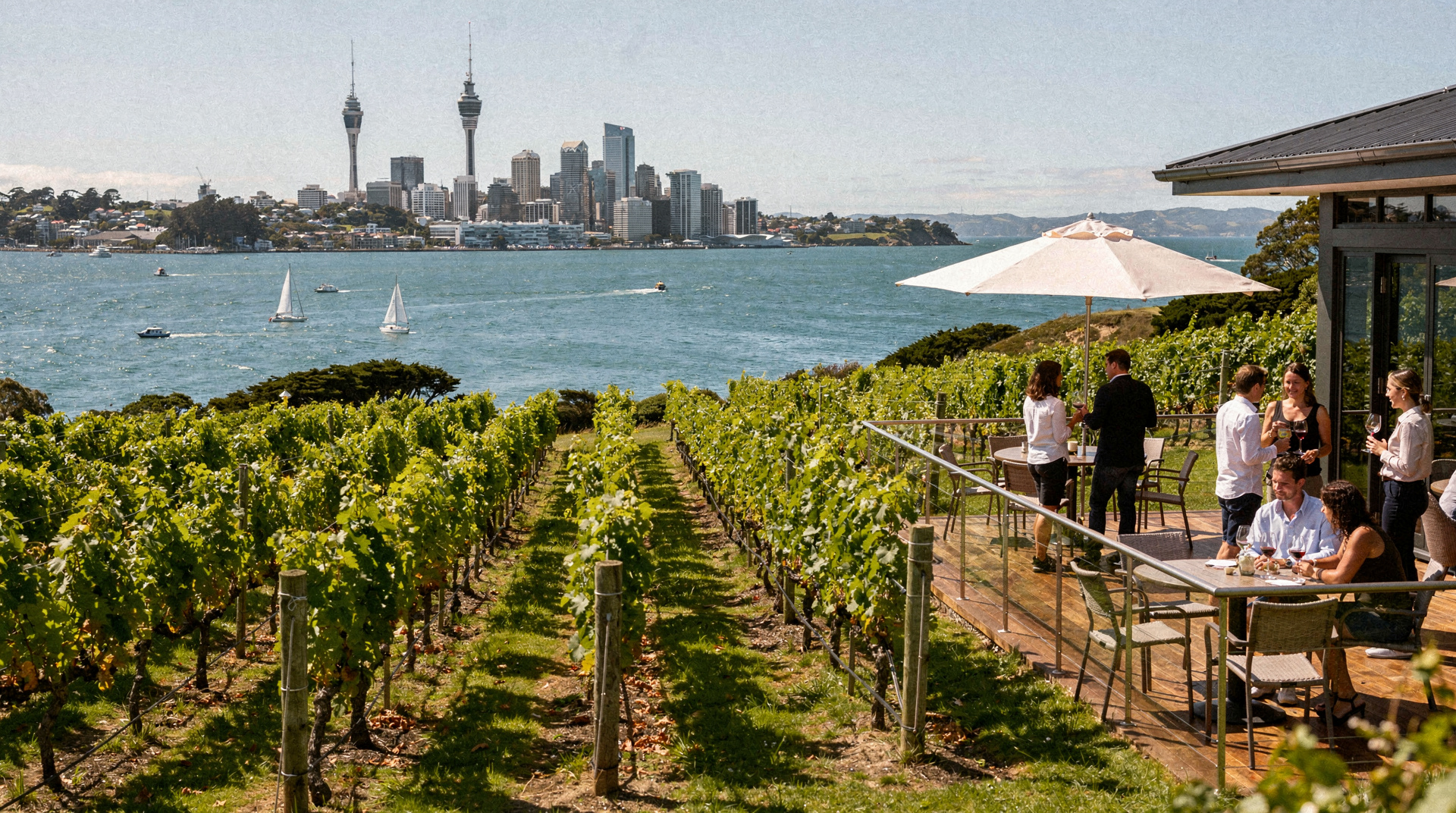
Waiheke Island is the non-negotiable. Forty-five minutes by ferry from the CBD, it sits in the Hauraki Gulf with a warm microclimate, olive groves, and 30+ wineries producing excellent Bordeaux-variety reds and olive oil. It’s one of the finest wine-island experiences in the world — comparable to Waiheke’s equivalents in the Aegean or the French Côte d’Azur but with a distinctly New Zealand lack of pretension.
Tiritiri Matangi is worth it for any wildlife-oriented traveller. A 2-hour ferry from the CBD, this predator-free island has been replanted with native bush and restocked with species extinct on the mainland for a century — hihi (stitchbird), kokako (blue-wattled crow), little spotted kiwi, saddleback, and dozens of other endemic birds. It doesn’t look like the New Zealand of tourist brochures; it sounds like what New Zealand was before humans arrived.
Piha and Muriwai are worth it for surfers and black-sand beach lovers. The half-hour drive from Auckland feels further — the Waitakere Ranges create a psychological boundary and Piha genuinely feels remote. The surf is real (Piha is one of NZ’s most dangerous beaches for swimming — rip currents, strong swells — patrolled by surf lifesavers) and the black ironsand beach has a dramatic, wild character unlike anything on the east coast.
Honest skip: Devonport (charming North Shore suburb, but the ferry is the attraction not the destination); Orewa and the Hibiscus Coast (nice beaches but not distinctive enough to prioritise over Coromandel or Northland).
Where to base yourself
Auckland CBD is the right base for exploring the region. Every ferry, shuttle, and tour departs from here. Waiheke ferry from the Fullers terminal at downtown ferry building; Tiritiri Matangi from Viaduct Harbour. Piha is 45 minutes by car or shuttle.
Waiheke Island deserves its own overnight if budget allows. Staying on the island gives you access to winery cellar doors at opening time, a quiet evening without day-trippers, and the extraordinary light over the Hauraki Gulf at dawn and dusk. The island’s accommodation ranges from surf camps to luxury villas.
Top experiences in the Auckland region
Waiheke Island wine and beaches
Waiheke is Auckland’s island escape — 35km²of warm, hilly terrain in the Hauraki Gulf with a Mediterranean-like microclimate that produces the best Bordeaux-style red wines in the North Island (and arguably the country). Stonyridge, Mudbrick, Cable Bay, and Wild on Waiheke are the four most well-known producers; the best undiscovered winery is Te Motu, small-production and consistently excellent.
The ferry crossing takes 35-45 minutes from downtown Auckland (NZD 40-45 / USD 24-27 / EUR 22-25 return). The hop-on hop-off bus connects the ferry terminal to the vineyards and beaches.
Waiheke Island: the Essence of Waiheke wine tour — includes 3 wineries with tastings, a scenic drive around the island, and the ferry crossing. NZD 150 / USD 90 / EUR 82.50.
Waiheke Island gourmet food and wine tour with lunch — a full-day tour combining olive oil tasting, 3 cellar doors, and a platter lunch. NZD 220 / USD 132 / EUR 121.
The island also has genuinely excellent beaches. Onetangi is the longest (1.5km) and best for swimming. Oneroa near the ferry wharf is the commercial hub. Palm Beach has a more local feel.
See Waiheke day trip from Auckland guide and Waiheke wine tour guide.
Tiritiri Matangi Island wildlife sanctuary
Tiritiri Matangi is a 220-hectare open wildlife sanctuary 30km north of Auckland — “open” meaning visitors are allowed without a special permit, unlike the more restricted Kapiti Island near Wellington. The restoration project began in 1984 with volunteer tree planting and predator eradication; today the island supports populations of endemic birds that have been extinct on the mainland for over a century.
What you’ll see: hihi (stitchbird, endemic to NZ, extinct on mainland except for reintroduced populations), tuke (saddleback, an endemic wattlebird), kokako (blue-wattled crow, rare and beautiful), little spotted kiwi (don’t expect to see these without a night tour — nocturnal), bellbirds, whitehead, and various waders. The bird density and variety is extraordinary. You can stand in one spot for 5 minutes and hear 20 species.
Tiritiri Matangi Island day trip from Auckland — includes the Fullers ferry, a guided walk with a DOC ranger, and free time to explore. NZD 95-120 / USD 57-72 / EUR 52-66. Runs Thursday to Monday; book at least 1 week ahead in summer.
Auckland: Tiritiri Matangi Island ferry — the ferry-only option if you prefer to explore independently. NZD 55-65 / USD 33-39 / EUR 30-36 return.
Piha and West Coast surf beaches
The west coast beaches between Muriwai in the north and Whatipu in the south are unlike anything on Auckland’s east side — black ironsand (volcanic, warm in summer), heavy surf, dramatic headlands, and a wildness that feels genuinely remote. Piha is the most famous: a long beach dominated by Lion Rock, a 101m basalt dome in the middle of the surf zone.
Swimming warning: Piha is one of New Zealand’s most dangerous surf beaches. Strong rip currents are constant; the surf can reach 3m+. Always swim between the flags and follow surf lifeguard instructions. Non-swimmers should stay out of the water.
For surfers: Piha is one of Auckland’s best surf breaks, consistent in autumn and winter. Muriwai Beach 30km north has a slightly more beginner-friendly break at the northern end. Surf lessons available at Muriwai from NZD 80-110 / USD 48-66 / EUR 44-60.
Auckland: Piha Beach, rainforest and Mt Eden private tour — a private vehicle tour combining Piha surf beach, the Waitakere Ranges rainforest, and a city viewpoint. NZD 400-500 / USD 240-300 / EUR 220-275 for a group.
Piha Beach shuttle transfer from Auckland — the public shuttle for travellers without a car. NZD 35-45 / USD 21-27 / EUR 19-25 return.
Whale and dolphin eco-cruises from Auckland
The Hauraki Gulf is a marine environment of exceptional diversity — bottle-nose dolphins, common dolphins (year-round), orca (most commonly seen October-March), and migrating whales. Auckland’s urban wildlife cruises are genuinely productive.
Auckland: whale and dolphin watching half-day eco cruise — a 4-hour cruise on the Hauraki Gulf with marine biologist commentary. NZD 120-145 / USD 72-87 / EUR 66-80.
Auckland: Tikapa Moana whales, dolphins and islands cruise — a longer version with island stops and guaranteed dolphin sightings. NZD 145-175 / USD 87-105 / EUR 80-96.
Auckland Harbour sailing
Sailing in the Waitemata Harbour is one of Auckland’s signature pleasures — the city is genuinely one of the world’s great sailing cities (more boats per capita than anywhere). The 1.5-hour harbour cruise and the dinner sailing options both work well.
Auckland harbour 1.5-hour sailing cruise — NZD 75-95 / USD 45-57 / EUR 41-52.
Getting there and getting around
Waiheke Island: Fullers360 ferry from the Auckland Downtown Ferry Building. 35-45 minutes. NZD 40-45 / USD 24-27 / EUR 22-25 return. Ferries run every 15-30 minutes in summer, hourly in winter. Hire a car on the island (several rental agencies near the ferry terminal) or use the hop-on hop-off bus.
Tiritiri Matangi: Ferry from Viaduct Harbour (downtown Auckland). 75 minutes. Operates Thursday-Monday in summer; reduced in winter. Book in advance.
Piha: Self-drive 45 minutes via SH16 and Piha Road (no direct public bus). Piha Beach Shuttle runs from Auckland city in summer — check schedule online. 360Discovery also runs scheduled services.
West Coast loop: SH16 connects Westgate, Huia, Piha, and Muriwai in a satisfying half-day circuit. Add the Arataki Visitor Centre (free, good Waitakere Ranges interpretation and a carved wharenui) on the way.
Where to stay
Budget (NZD 35-95 / night)
Piha Beach Accommodation — a cluster of self-contained units near the surf beach. NZD 85-120 per night.
Waiheke Backpackers (Oneroa, Waiheke) — hostel-style accommodation near the ferry terminal. Dorm NZD 40; private NZD 95.
Mid-range (NZD 150-350 / night)
Waiheke Island Resort (Palm Beach) — boutique villas on a private headland. NZD 250-450 per villa. Private beach access.
Oneroa Village Motel — the best mid-range near the ferry terminal, well-maintained. NZD 160-220.
Piha Surf House — comfortable self-contained units right on the beach. NZD 180-250.
Luxury (NZD 450+)
The Boatshed (Waiheke, Oneroa) — the island’s best boutique hotel. Clifftop location, harbour views, outstanding restaurant. NZD 450-800.
Man O’ War (Waiheke, east side) — working vineyard with a handful of luxury accommodation units. NZD 550-900.
Best time to visit
November to April for Waiheke and west coast beaches. The island’s microclimate is reliably warm; winery harvest happens February-April when the vineyards are at their most dramatic.
Year-round for Tiritiri Matangi. The birds are present in all seasons. Spring (September-November) brings more breeding activity (easier to spot birds in territories). Summer means longer days and a calmer Hauraki Gulf crossing.
Autumn (March-May) for Piha surf. The most consistent swells arrive in late autumn; the crowds thin from January-February peak. Winter surf can be heavy and requires an experienced surfer.
Common mistakes
Combining Waiheke with Coromandel in the same day. They’re both “island/coastal day trips from Auckland” but in opposite directions and 4+ hours apart. Do one per day, and seriously consider overnighting on Waiheke.
Going to Piha without checking the surf forecast. Piha in a 3m-plus swell is spectacular to watch but very dangerous to enter. Check Surf Life Saving NZ’s beach hazard status before going. Non-swimmers should not enter the water at Piha in any conditions outside of flat days.
Treating Waiheke as just a beach day. The beaches are good but not better than Coromandel. Waiheke’s unique value is the wine, olive oil, and the combination of excellent food and quiet gulf lifestyle. Come for the winery lunch, not just the sand.
Missing Tiritiri Matangi. It receives a fraction of Waiheke’s visitors and contains wildlife encounters — including endemic species not visible anywhere else — that are extraordinary by any standard. Book it before it sells out.
Sample itineraries
1-day Waiheke escape
8am ferry from Auckland. 9am arrive Oneroa — coffee at The Oyster Inn. 10am first winery (Stonyridge, by appointment only — book ahead). 12:30pm lunch at Mudbrick Vineyard restaurant. 2:30pm walk to Onetangi Beach. 4pm final cellar door visit. 5:30pm ferry back to Auckland.
2-day islands combination
Day 1: Tiritiri Matangi (Thursday-Monday ferry, 8am departure). 3 hours on the island. Ferry back to Auckland by 4pm. Evening harbour cruise.
Day 2: Waiheke Island. Wine tour, lunch on the island, Onetangi Beach afternoon. Return by 6pm ferry.
Half-day West Coast loop
Morning: drive via SH16 to Piha (45 min). Lion Rock lookout. Beach walk (no swimming in heavy surf). Arataki Visitor Centre on the way back. Lunch at the Piha Store. Return to Auckland by noon. This can be combined with an Auckland city afternoon.
For full Auckland city guide, see Auckland destination page. For day trips from Auckland including Northland, Coromandel, and Rotorua, see day trips from Auckland guide.
FAQ
Is Waiheke Island worth it without a wine interest?
The beaches are good (Onetangi is one of the finest in the Auckland region), the scenery is beautiful, and the craft food scene beyond wine — olive oil, cheese, artisan bread — is genuinely impressive. Non-wine-drinkers often find the island a pleasant and uncrowded escape. Worth it? Probably yes for a half-day; definitely yes for an overnight.
What’s the difference between Waiheke and Tiritiri Matangi as day trips?
Completely different experiences. Waiheke is wine, food, beaches, and a relaxed lifestyle island. Tiritiri Matangi is a native bird sanctuary with no services, no restaurants, and no wine — just extraordinary endemic wildlife. Choose based on interest. Many visitors do both across 2 days.
Is Piha beach safe for swimming?
It depends entirely on conditions and your swimming ability. Piha has permanent rip currents and the surf can be powerful even in calm-looking conditions. Between the flags (when surf lifeguards are present, October-April most days) is significantly safer. Outside those hours or in heavy surf: do not enter the water unless you are an experienced open-water swimmer. The black sand is beautiful; the beach walk is always safe.
Can you visit Waiheke Island without booking a wine tour?
Yes — walk-in cellar doors operate at most Waiheke wineries (usually 11am-5pm in summer). The most popular (Stonyridge, Batch Winery) require advance booking for tastings. The hop-on hop-off bus makes independent wine touring easy. Allow NZD 15-25 / USD 9-15 / EUR 8-14 per tasting, often waived on purchase of a bottle.
How is the ferry crossing to Waiheke?
The Hauraki Gulf is sheltered inside Rangitoto Island, making the Waiheke crossing almost always calm and pleasant. Rough conditions are rare. The 45-minute crossing has good views of Rangitoto (Auckland’s youngest volcano), the CBD skyline, and the Gulf islands. Sit outside on the upper deck in good weather.
Can you do Waiheke, Tiritiri Matangi and Piha all in one trip?
Yes, but not in one day — each deserves its own half-day or full day, and Tiritiri Matangi only operates Thursday to Monday. A realistic plan is 3 days: Waiheke (wine and beaches), Tiritiri Matangi (wildlife, book a week ahead in summer), and a half-day West Coast loop taking in Piha. Combining any two of them into a single rushed day undersells all three.
Top experiences: auckland region New Zealand
See all →Guides for Auckland region
Related guides
Auckland
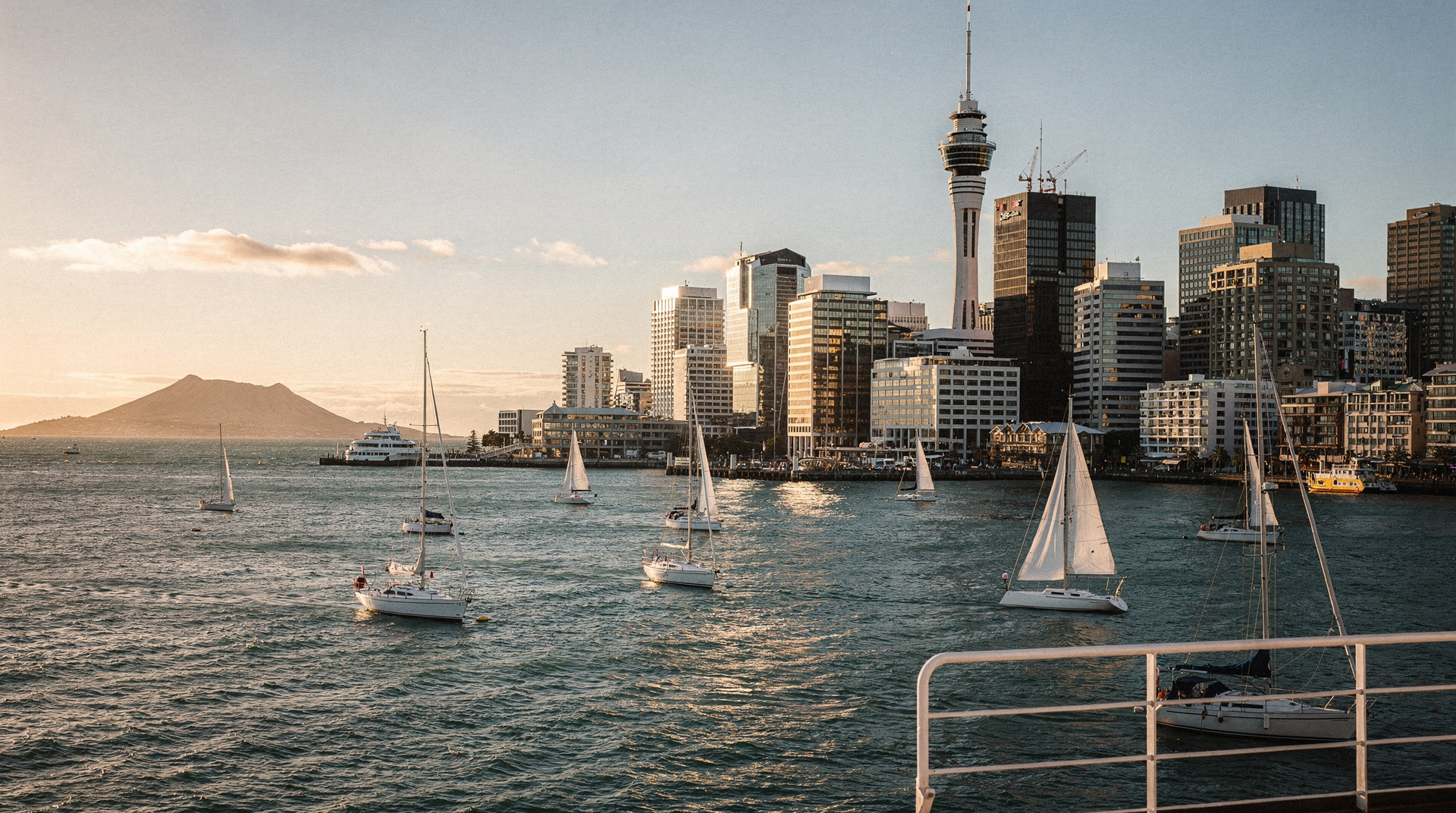
Honest Auckland planner: harbour, Sky Tower, Waiheke wineries, day-trips to Hobbiton, real prices NZD/USD/EUR, and what's actually worth your time.
Waiheke Island
Waiheke Island honest guide: best wineries, beaches, ferry logistics, real costs NZD/USD/EUR, and how to spend one perfect day from Auckland.
Northland
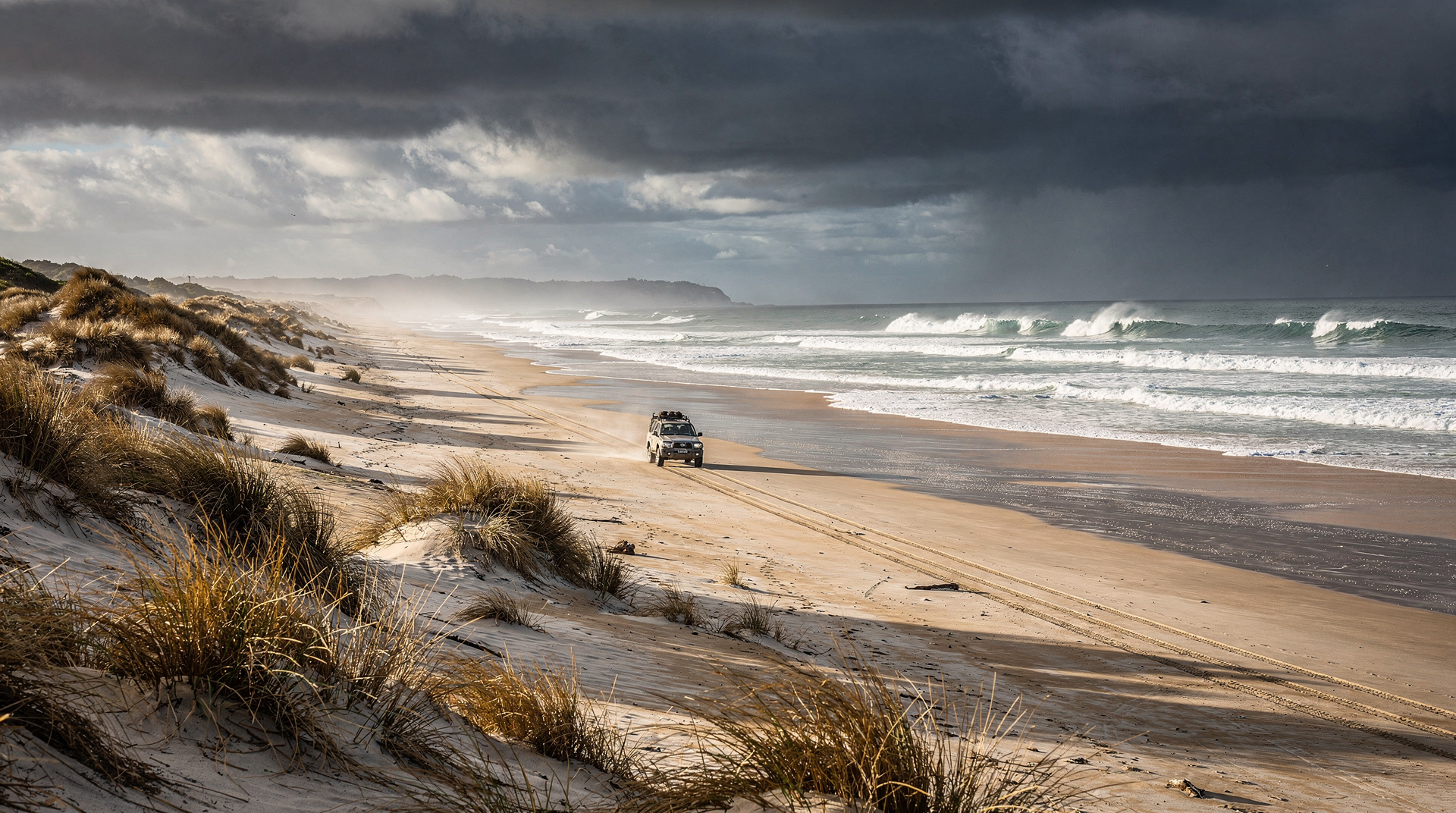
Honest Northland planner: Bay of Islands, Cape Reinga, 90 Mile Beach, Paihia, Russell, Whangarei. Real NZD/USD/EUR costs, what's worth your time.
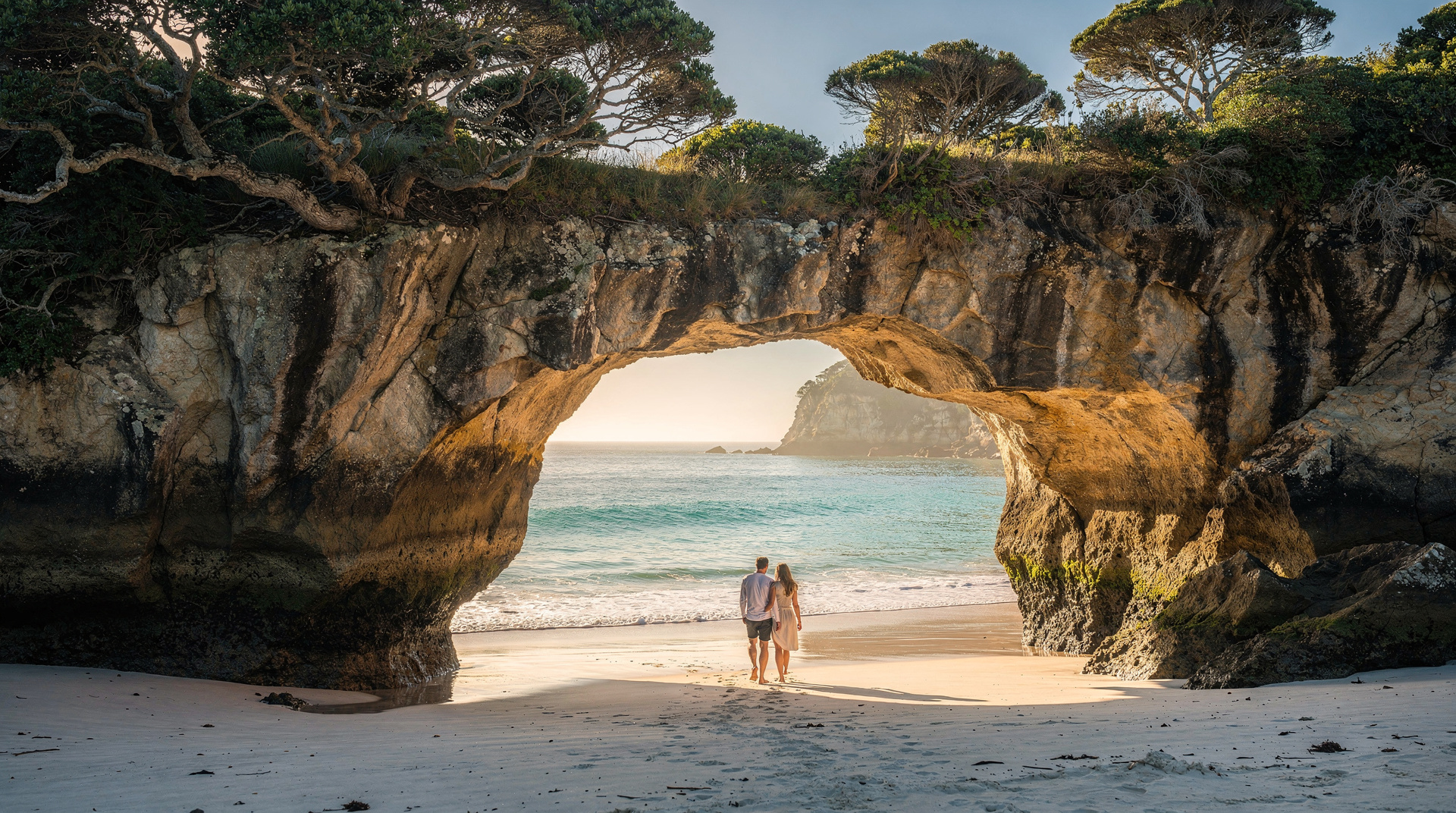
Coromandel Peninsula
Honest Coromandel guide: Cathedral Cove, Hot Water Beach, Whitianga, Coromandel Town. NZD/USD/EUR prices, seasonal tips, day trip vs overnight verdict.
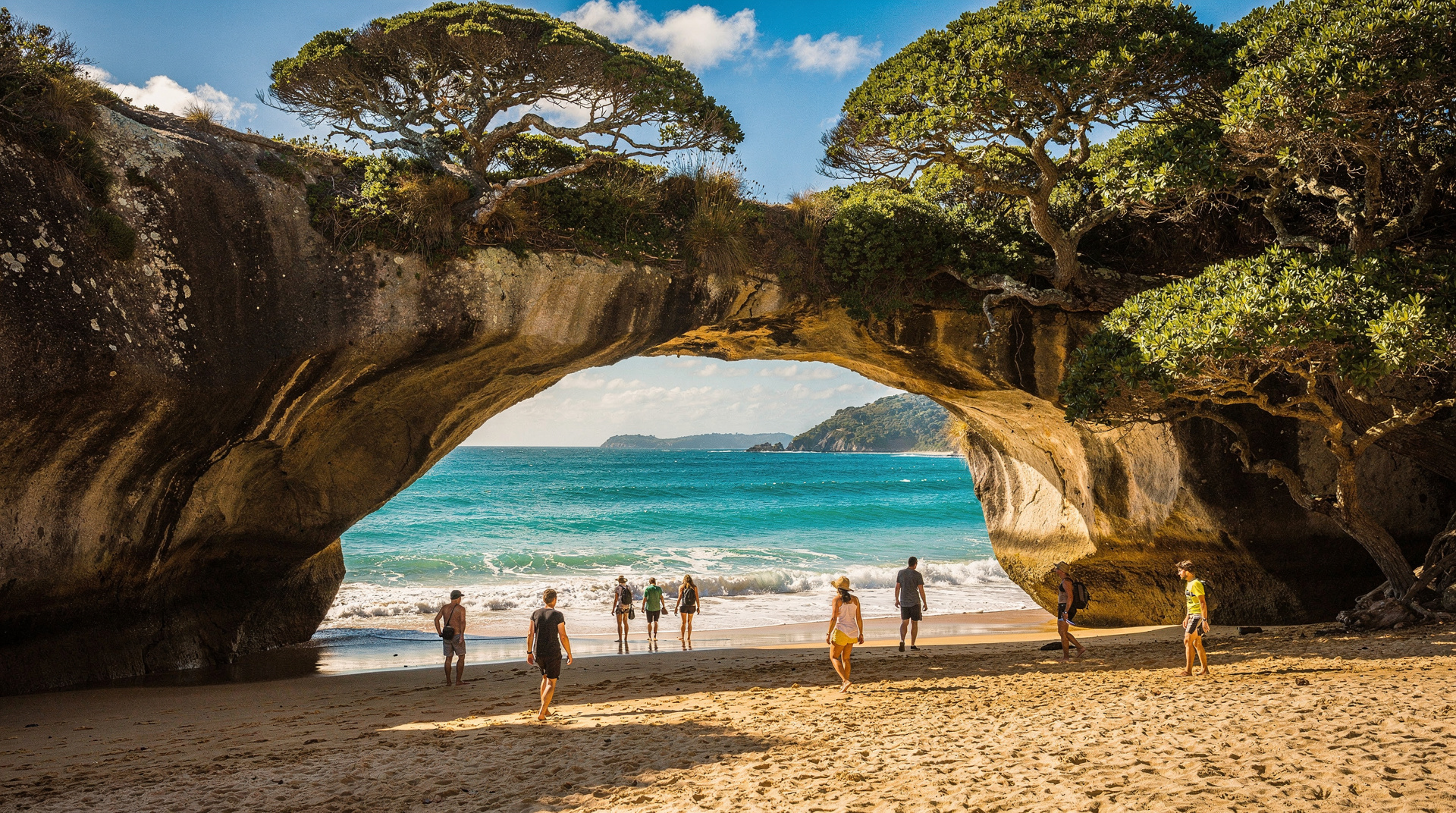
Best day trips from Auckland
Six great day trips from Auckland: Waiheke, Hobbiton, Waitomo, Coromandel, Rotorua and more — with drive times, GYG tours, and honest advice.
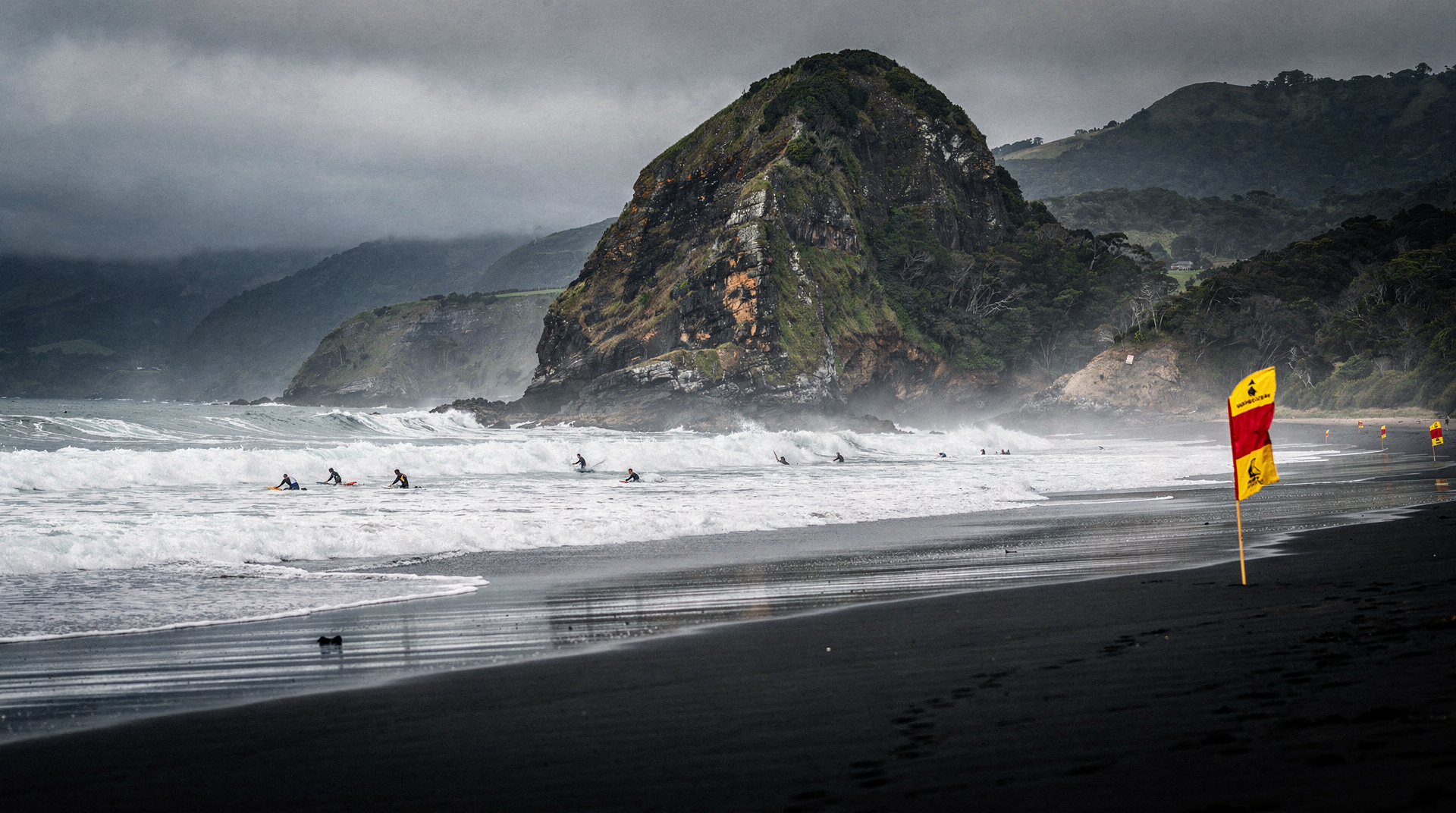
Piha beach — Auckland's wild black-sand coast
Piha is Auckland's most famous black-sand surf beach. Getting there, rip current safety, Lion Rock climb, and shuttle options — prices and practical tips.
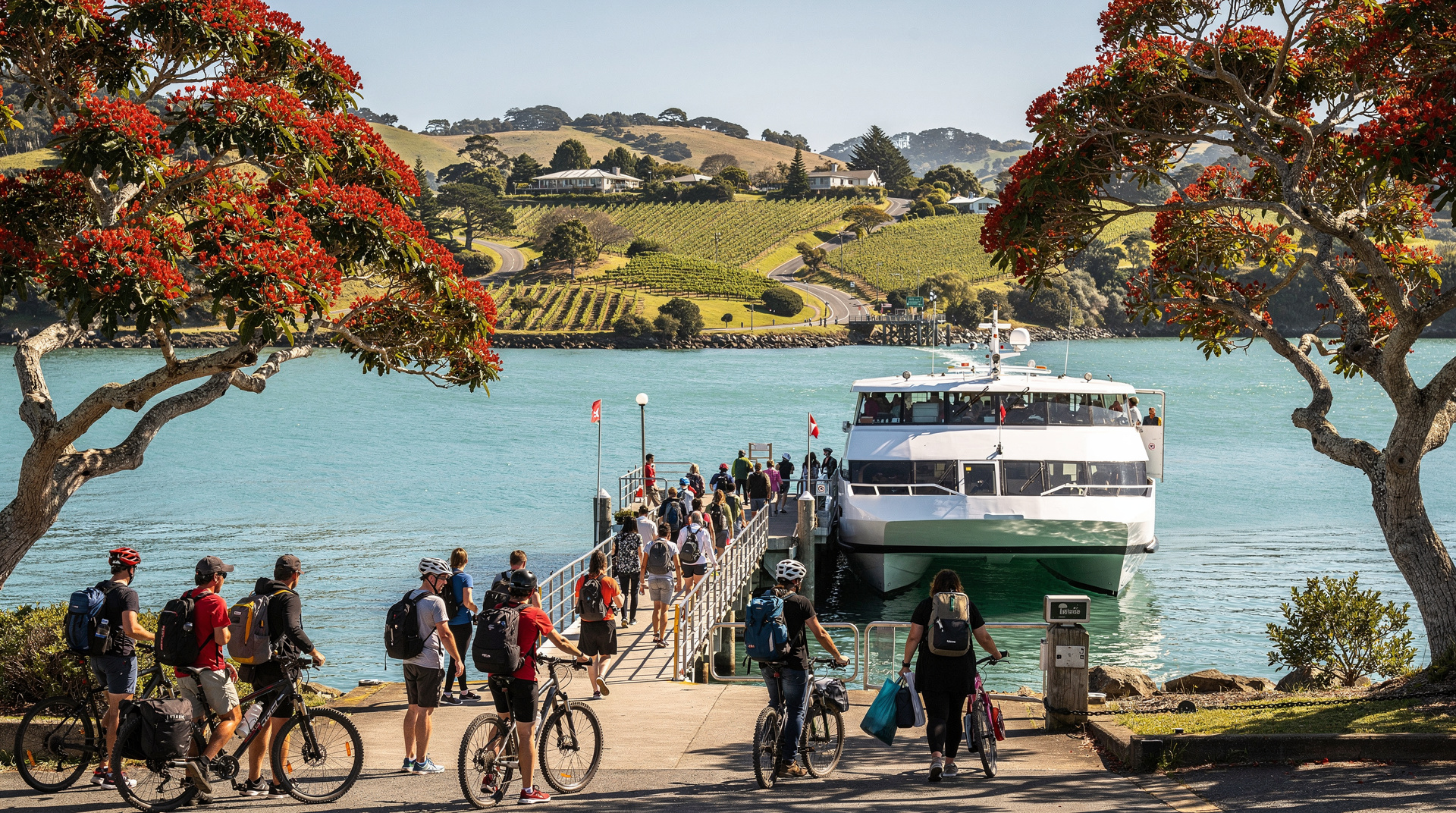
Waiheke Island day trip from Auckland
How to do a Waiheke Island day trip from Auckland: ferry times, best wineries, self-bike option, cost in NZD/USD/EUR, and what to skip.
7-day North Island itinerary — the essential highlights
Auckland → Bay of Islands → Hobbiton → Waitomo → Rotorua → Taupo → Tongariro → Wellington. 7 days, both car and costs covered honestly.
Why New Zealand is worth the flight
After three trips to New Zealand from Europe, here's the honest cost-benefit: when 24 hours in transit pays off, and when it doesn't.
Last reviewed: