Bay of Islands
Honest Bay of Islands guide: Hole in the Rock cruise, dolphin swimming, Waitangi Treaty Grounds, Cape Reinga, real costs NZD/USD/EUR.
Quick facts
- Distance from Auckland
- Approx 240 km — allow 3.5–4 hours driving (GPS optimistic)
- Base town
- Paihia — main visitor hub for ferries and tours
- Currency
- NZ$ — USD ~$0.60 / EUR ~€0.55
- Best for
- Sailing, dolphins, Waitangi history, Maori culture, Cape Reinga day trips
- Skip if
- You're rushing North Island highlights in under 5 days — prioritise Rotorua instead
Bay of Islands in one minute
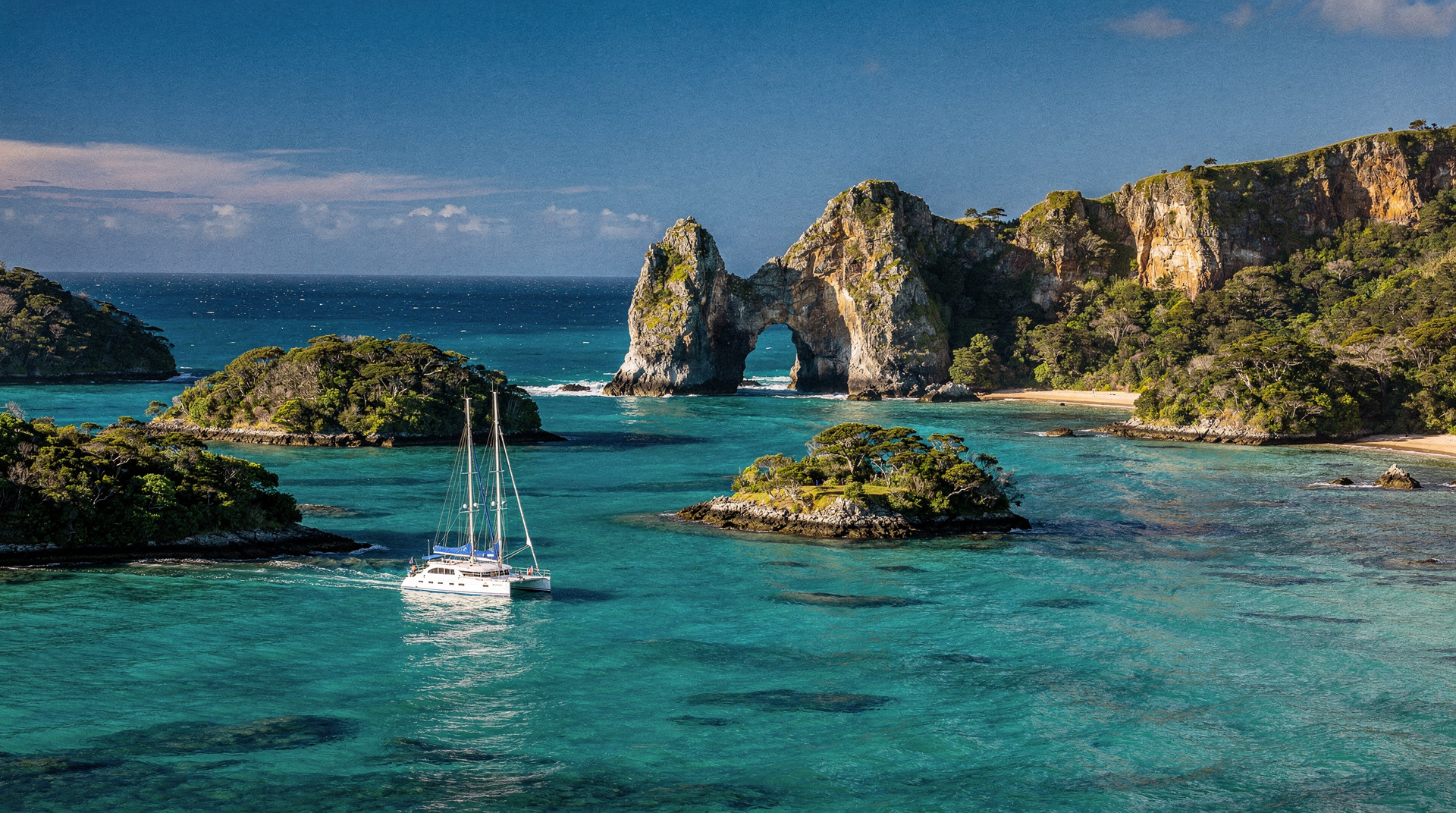
The Bay of Islands is a subtropical inlet scattered with 144 islands, sheltered anchorages, and some of the most historically significant land in New Zealand. This is where Aotearoa’s founding document — Te Tiriti o Waitangi — was signed in 1840. It’s also where you find excellent dolphin encounters, world-class game fishing, and the most satisfying sailing of the North Island. The downside: it’s four hours from Auckland by road, and peak season (December to February) brings crowds and prices that don’t always match the landscape.
| Where | Northland, around 240 km / 3.5-4 hours north of Auckland |
| Base town | Paihia, the main hub for ferries and tours |
| Time needed | 2-3 nights, more with a Cape Reinga day trip |
| Cost | Around NZD 85-125 for a half- or full-day cruise |
| Best time | November-April; December-February for the warmest water |
Popular experiences here
Why the Bay of Islands earns its place on the itinerary
The Bay of Islands rewards visitors who linger. The water is the defining feature — a protected, warm-ish body of water (around 22°C / 72°F in February) that makes sailing, kayaking, and dolphin swimming genuinely enjoyable rather than bracing. On a clear day, the view from the deck of a sailing boat looking over the 144 islands toward Cape Brett is legitimately spectacular.
The historical weight of the place is also real. Paihia and Russell sit on the same ground where the first sustained European contact with Maori occurred. The Waitangi Treaty Grounds, where Te Tiriti o Waitangi was signed, is a thought-provoking and well-presented site — arguably the most important historical destination in the entire country. The guided tours here are genuinely engaging, not dry historical recitation.
Russell, reached by a 15-minute passenger ferry from Paihia, is one of New Zealand’s oldest European settlements. It’s genuinely pretty in a faded colonial way — wooden churches, a small museum, a handful of excellent restaurants — and worth an afternoon.
Paihia itself is the visitor hub: not beautiful, but functional, with a compact waterfront of tour operators, cafes, and accommodation. Most visitors use Paihia as a base for day tours.
The bay’s subtropical microclimate means pohutukawa trees (New Zealand’s Christmas tree, flowering crimson in December) line every headland. Kauaeranga kauri forests are accessible to the northwest. The pace of life in Northland is distinctly slower than Auckland or Wellington — this is either its great appeal or its limitation, depending on your temperament.
What to do in the Bay of Islands
The Hole in the Rock cruise is the classic Bay of Islands experience and, for most visitors, worth doing. The catamaran run to Piercy Island (Motukokako) at the tip of the Cape Brett peninsula passes through 144 islands and, conditions allowing, the rock stack with its sea-level arch. Dolphins frequently join the boat. The Hole in the Rock tour and Bay of Islands cruise is the most popular option, running approximately 5 hours and including island stops.
Hole in the Rock Tour & Bay of Islands Cruise
Full-day Bay of Islands cruise through 144 islands to Piercy Island — includes dolphin watching and island stops
From NZD 105–125 / USD 63–75 / EUR 58–69
For a more intimate experience, the Bay of Islands small group cruise and island tour from Paihia limits passenger numbers for better dolphin and wildlife encounters.
Another strong day-on-the-water option is the 4.5-hour Bay of Islands day cruise and island getaway tour , which includes a beach stop on one of the bay’s 144 islands — a more relaxed format than the Hole in the Rock run, better suited to visitors who want time on an island rather than a fast cruise circuit.
Dolphin swimming is one of the Bay of Islands’ signature activities. Common dolphins and bottlenose dolphins are resident year-round; operators have a good-faith (not guaranteed) swimming encounter policy that means you get a full refund or credit if dolphin encounters don’t occur. The Paihia Bay of Islands dolphin eco cruise and island stopover is well-reviewed and has a high encounter rate.
Waitangi Treaty Grounds should be on every visitor’s list. The grounds include the meeting house (Te Whare Runanga), the treaty house (Busby House), a spectacular 35-metre war canoe (waka taua), and a museum detailing the history of the treaty and its contested legacy. Allow 2–3 hours. The Waitangi Treaty Grounds 2-day pass allows return visits, useful if you want to attend both a daytime tour and the evening hangi-and-concert experience.
Waitangi Treaty Grounds: 2-Day Pass
2-day pass to New Zealand's most significant historical site — includes cultural performance, waka taua, and museum
From NZD 60 / USD 36 / EUR 33
Cape Reinga day trip from Paihia is a highlight for many visitors — 90-Mile Beach, the spiritual northernmost point of New Zealand, and the swirling confluence of the Tasman Sea and Pacific Ocean. It’s a long day (departing early, returning early evening) but manageable. See the dedicated Cape Reinga guide for full details. The Cape Reinga and 90-Mile Beach tour from Paihia is the most popular structured option.
The Rock Adventure Cruise is a distinctive Bay of Islands experience — an overnight cruise on a large adventure vessel that includes kayaking, fishing, and snorkelling among the islands. The Rock Adventure overnight cruise from Paihia suits travellers who want an immersive water-based experience rather than a land-based hotel stay.
From Paihia: The Rock Adventure Overnight Cruise
Overnight adventure cruise through Bay of Islands — kayaking, fishing, snorkelling on a 43-metre vessel
From NZD 185–240 / USD 111–144 / EUR 102–132
Scenic helicopter tour over the bay’s 144 islands and Cape Brett peninsula: the Bay of Islands 30-minute scenic helicopter tour is a splurge but genuinely shows the scale and beauty of the inlet from above. NZD 295–350 / USD 177–210 / EUR 162–193.
Russell warrants a half-day walk and lunch. Take the passenger ferry from Paihia (NZD 14 / USD 8.40 / EUR 7.70 return) and explore on foot. Christ Church (1836, New Zealand’s oldest surviving church) is riddled with bullet holes from an 1845 battle — nobody repairs them.
Trike riding is one of the Bay of Islands’ more unusual experiences: Harley-style open trikes covering the coastal scenery around Paihia and the bay headlands. The Bay of Islands trike riding experience from Paihia is a good option for motorcycling enthusiasts or anyone who wants a different perspective on the bay’s coastal roads — less strenuous than cycling, more engaging than a standard van tour.
Day trips from Paihia
Cape Reinga and 90-Mile Beach — the definitive Northland day trip. See the Cape Reinga guide.
Kerikeri (30 minutes driving) — the Bay of Islands’ main town, with New Zealand’s oldest stone building and some of the North Island’s best subtropical fruit orchards. The historic mission precinct is worth an hour. Excellent café culture around the river. For cruise passengers or those with limited time, the shore excursion to historic Kerikeri including lunch covers the Stone Store, the historic mission, and orchard scenery with lunch included — a well-structured half-day from Paihia.
Poor Knights Islands — for snorkellers and divers, the Poor Knights are world-class, rated one of the top 10 dive sites globally by Jacques Cousteau. Located 24 km offshore from Tutukaka (90 min drive from Paihia); half-day and full-day dive and snorkel trips depart from there.
Where to stay
Paihia offers the most accommodation choice: holiday parks, motels, and mid-range hotels along the waterfront. The Paihia Beach Resort and Spa runs NZD 280–420 / USD 168–252 / EUR 154–231 and has an enviable position on the esplanade. Budget motels cluster on Williams Road and Marsden Road at NZD 120–180 / USD 72–108 / EUR 66–99.
Russell has more character but fewer options. The Duke of Marlborough Hotel (New Zealand’s first licensed hotel, est. 1840) is a genuine piece of history and good value at NZD 180–320 / USD 108–192 / EUR 99–176. The Omata Estate (5 km from Russell) is the splurge option: private cottages with vineyard views at NZD 600–900 / USD 360–540 / EUR 330–495.
Kerikeri suits self-drive visitors and has a good mix of B&Bs and holiday parks at NZD 100–200 / USD 60–120 / EUR 55–110.
What to eat and drink
The Bay of Islands food scene is modest but has some genuinely good options. Russell punches above its size: the Duke of Marlborough dining room is dependable; Gables Restaurant on the waterfront is the better-regarded option for fresh seafood.
Paihia waterfront restaurants are variable — focus on places with direct water sourcing. Local crayfish (rock lobster) is exceptional when in season. Green-lipped mussels from the Marlborough Sounds arrive fresh in every supermarket.
For wine, a detour to the Bay of Islands Wine Trail (centred on Kerikeri) is worthwhile. The Bay of Islands wine tour from Paihia or Kerikeri covers the main producers in the region, including Ake Ake Vineyard.
Skip / worth it / splurge
- ✕ Skip : Jet boat tours (NZD 95 / USD 57 / EUR 52 for 30 minutes — the Queenstown jet boat experience on the Shotover River is significantly more thrilling at a similar price)
- ✓ Worth it : Waitangi Treaty Grounds — don’t skip this. It’s the most historically significant site in New Zealand and genuinely well-presented
- ✓ Worth it : Hole in the Rock day cruise — the classic Bay of Islands experience, and the dolphin encounters make it
- ★ Splurge : Overnight Rock Adventure Cruise — a unique way to experience the bay at your own pace
Cost breakdown
Bay of Islands activity costs at a glance
| Item | NZD | USD | EUR | Verdict |
|---|---|---|---|---|
| Hole in the Rock cruise (5 hrs) Classic experience, includes island stops | 105–125 | 63–75 | 58–69 | ✓ Worth it |
| Dolphin eco cruise High encounter rate, refund if no dolphins | 85–110 | 51–66 | 47–60 | ✓ Worth it |
| Waitangi Treaty Grounds (2-day pass) Most important historical site in NZ | ~60 | ~36 | ~33 | ✓ Worth it |
| Cape Reinga day trip Long day but highly recommended | 115–145 | 69–87 | 63–80 | ✓ Worth it |
| Rock Adventure overnight cruise Best way to experience the bay in depth | 185–240 | 111–144 | 102–132 | ★ Splurge |
| Bay of Islands helicopter tour (30 min) Shows the full scale of the 144 islands | 295–350 | 177–210 | 162–193 | ★ Splurge |
| Jet boat tours (30 min) Better value at Queenstown Shotover River | ~95 | ~57 | ~52 | ✕ Skip |
| Paihia–Russell passenger ferry Return; pleasant crossing, no car needed | 14 | 8.40 | 7.70 | ✓ Worth it |
How to fit the Bay of Islands in your itinerary
The Bay of Islands works best as a 2-night extension at the northern end of a 7-day North Island itinerary. A typical pattern: Auckland (2 nights) → Bay of Islands (2 nights, including the Hole in the Rock cruise and Waitangi Treaty Grounds, plus optional Cape Reinga day trip) → drive south to Rotorua or Hobbiton.
On a 14-day New Zealand itinerary, the Bay of Islands sits naturally as nights 3–4 from Auckland. If you’re pressed for time and have to choose between Bay of Islands and Northland coast, the Bay of Islands wins on activities and infrastructure; Cape Reinga can be visited as a long day trip from Paihia without sleeping in the far north.
The history and Maori significance of the Bay of Islands
The Bay of Islands is the cradle of New Zealand’s European history and among the most significant places in the country for Maori-Pakeha relations. Understanding this history deepens every aspect of a visit.
European first contact: The first sustained European presence in the Bay of Islands began in the late 1700s, with missionaries, traders, and whalers establishing a presence at Kororareka (now Russell) in the early 1800s. By the 1830s, Kororareka was the most cosmopolitan settlement in New Zealand — a rough, internationally connected port with English, American, French, and Maori populations interacting in an extraordinary colonial frontier context.
Waitangi Treaty (1840): On 6 February 1840, at the Waitangi Treaty Grounds, most of the senior Maori chiefs of the North Island signed Te Tiriti o Waitangi (the Treaty of Waitangi) with representatives of the British Crown. The treaty has two official versions — an English version and a Maori translation — that differ significantly in meaning, particularly around the question of sovereignty (tino rangatiratanga in Maori vs “sovereignty” in English). This discrepancy has been the source of ongoing legal and political contestation in New Zealand for 185 years and remains central to contemporary New Zealand society. The Waitangi Tribunal, established in 1975, adjudicates claims from Maori regarding Crown breaches of treaty principles.
Heke’s War (1845–1846): Just five years after the treaty was signed, Ngapuhi chief Hone Heke cut down the British flagpole at Kororareka four times as a statement of resistance against Crown sovereignty. The subsequent conflict (called the Northern War or Flagstaff War) was fought primarily in the Bay of Islands and resulted in no decisive outcome. The bullet holes in Christ Church Russell date from this period.
Visiting Waitangi with this background transforms what could be a routine museum visit into a genuine encounter with New Zealand’s unresolved founding questions.
Sea kayaking and independent water activities
Beyond the organised boat tours, the Bay of Islands is exceptional for independent paddlers. The sheltered inlets and island passages are ideal for sea kayaking — conditions are calm in settled weather, distances between islands are manageable, and there are DOC campsites on several islands accessible only by water.
Paihia and Russell both have kayak hire operators. The crossing from Paihia to Russell by kayak (2 km across the harbour entrance) is a popular moderate paddle. The Urupukapuka Island circuit is a longer half-day paddle with a DOC campsite if you want to stay overnight.
Independent paddlers should check tidal and wind forecasts before heading out. The outer islands (Cape Brett, Piercy Island) involve ocean passages not suitable for casual paddlers — reserve those for experienced kayakers or join an organised tour.
Fishing in the Bay of Islands
The Bay of Islands has been one of the world’s premier sportfishing destinations since the 1920s — Zane Grey (the American western novelist and angling writer) fished here extensively in 1926 and wrote about it in his book “Tales of the Angler’s Eldorado.” Marlin, kingfish, tuna, and snapper are all caught in the bay and offshore. Charter boat operators in Paihia and Russell run half-day and full-day fishing trips; prices from NZD 200–400 / USD 120–240 / EUR 110–220 per person depending on vessel type and duration.
For non-fishing visitors, snorkelling and diving around the bay’s cleaner outer islands is also popular. The Poor Knights Islands (2 hours north by boat from Tutukaka, or accessible as a day trip from Paihia) are world-class.
Getting around between Paihia and Russell
The passenger ferry between Paihia and Russell (15 minutes, NZD 14 / USD 8.40 / EUR 7.70 return, running frequently during the day) is the most pleasant way to travel between the two towns. The crossing gives you a view of the bay and avoids the 1-hour road drive around the harbour that the car ferry requires.
The car ferry from Opua (30 minutes south of Paihia) to Okiato crosses in 10 minutes and runs every 10 minutes during daylight hours — useful if you’re driving a full circuit or have a campervan.
Frequently asked questions about the Bay of Islands
Is the Bay of Islands worth the drive from Auckland?
Yes, for visitors with at least 7 days in the North Island. The 3.5–4 hour drive (not the 3 hours Google suggests — add the usual 30% for NZ road speeds and rest stops) is long but scenic. If you’re pressed for time and have only 5 days in the North Island, prioritise Rotorua and Taupo instead.
What is the best time of year to visit?
December through February offers the warmest water and most reliable conditions for sailing and dolphin swimming. March and April are still good, less crowded, and slightly cheaper. The bay is pleasant year-round but winter (June–August) can see tour cancellations due to rough seas.
Can I swim with dolphins in the Bay of Islands?
Yes — common and bottlenose dolphins are resident year-round, and most half-day eco-cruise operators offer swimming encounters as part of their tour. No encounter is guaranteed, but operators have high success rates in summer. Operators follow strict DOC (Department of Conservation) guidelines limiting the time in the water with any pod.
How far is Cape Reinga from Paihia?
Approximately 200 km (3.5 hours driving). Most visitors do Cape Reinga as a guided day tour from Paihia rather than self-driving, which allows you to drive 90-Mile Beach with a local guide who knows the tides. See the Cape Reinga guide for details.
Is Waitangi Treaty Grounds suitable for children?
Yes — the grounds have open spaces, a spectacular waka (war canoe), and engaging interpretive displays. Children 12 and under are free. The cultural performance is appropriate for all ages and gives excellent context for understanding New Zealand’s bicultural identity.
What is the ferry to Russell like?
The passenger ferry from Paihia runs approximately every 20–30 minutes during the day and takes 15 minutes. There’s also a car ferry (slower, from Opua, about 30 minutes drive from Paihia) if you need to take your vehicle. For most visitors, the passenger ferry is sufficient.
Is the Bay of Islands better in summer or autumn?
Summer (December to March) gives the warmest water and most reliable weather for sailing and dolphin swimming. The bay is busiest in January — some accommodation requires 3-night minimum stays over New Year. Autumn (March to May) is an excellent alternative: water is still warm (around 19–20°C in March), crowds have thinned substantially, and prices drop 20–30%. The Bay of Islands is also genuinely pleasant in spring (September to November) with wildflowers and baby animals on the farms; the water is cooler but tours operate at full capacity.
What is the Rock Adventure Cruise?
The Rock is a large adventure vessel (ex-car ferry, 43 metres) that operates both day cruises and overnight cruises around the Bay of Islands. Daytime cruises (8 hours) include snorkelling, kayaking, fishing, and anchoring at remote bays inaccessible by land. The Rock Adventure day cruise from Paihia costs NZD 130–160 / USD 78–96 / EUR 72–88. The overnight version is for those who want to wake up anchored in a remote bay with no other boats in sight — a genuinely different experience of the bay. Recommended for groups and social travellers rather than couples seeking romance.
Top experiences: Bay of Islands New Zealand
See all →Guides for Bay of Islands
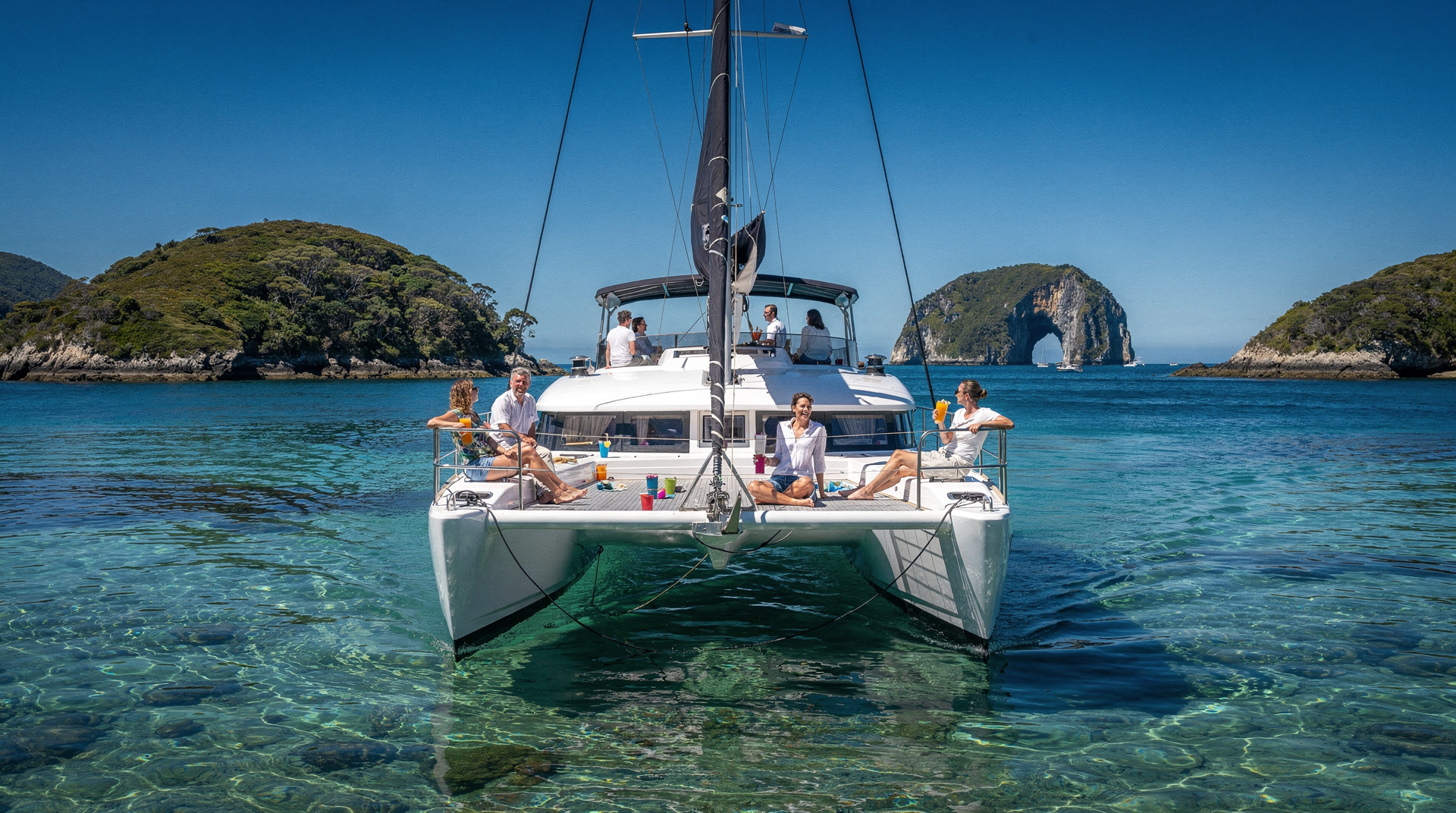
Bay of Islands cruise guide — Hole in the Rock and beyond
Bay of Islands cruise guide: Hole in the Rock fast boat, full-day sailing, dolphin encounters, island exploring. Costs NZD/USD/EUR from Paihia or Russell.
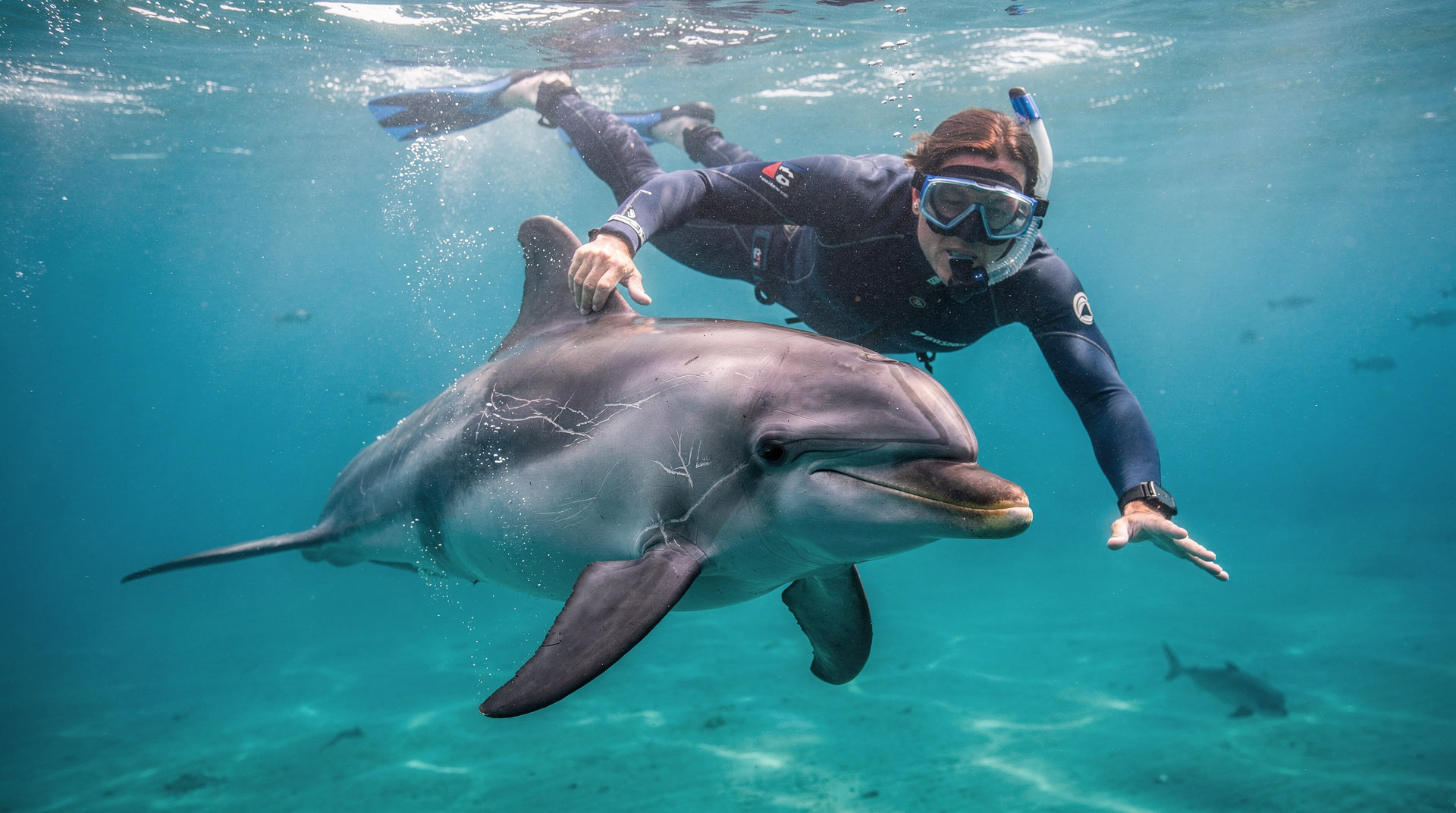
Dolphin swim in the Bay of Islands
Swimming with bottlenose dolphins in the Bay of Islands: DOC-permitted operators, best months, ethical restrictions, and prices (NZD/USD/EUR).
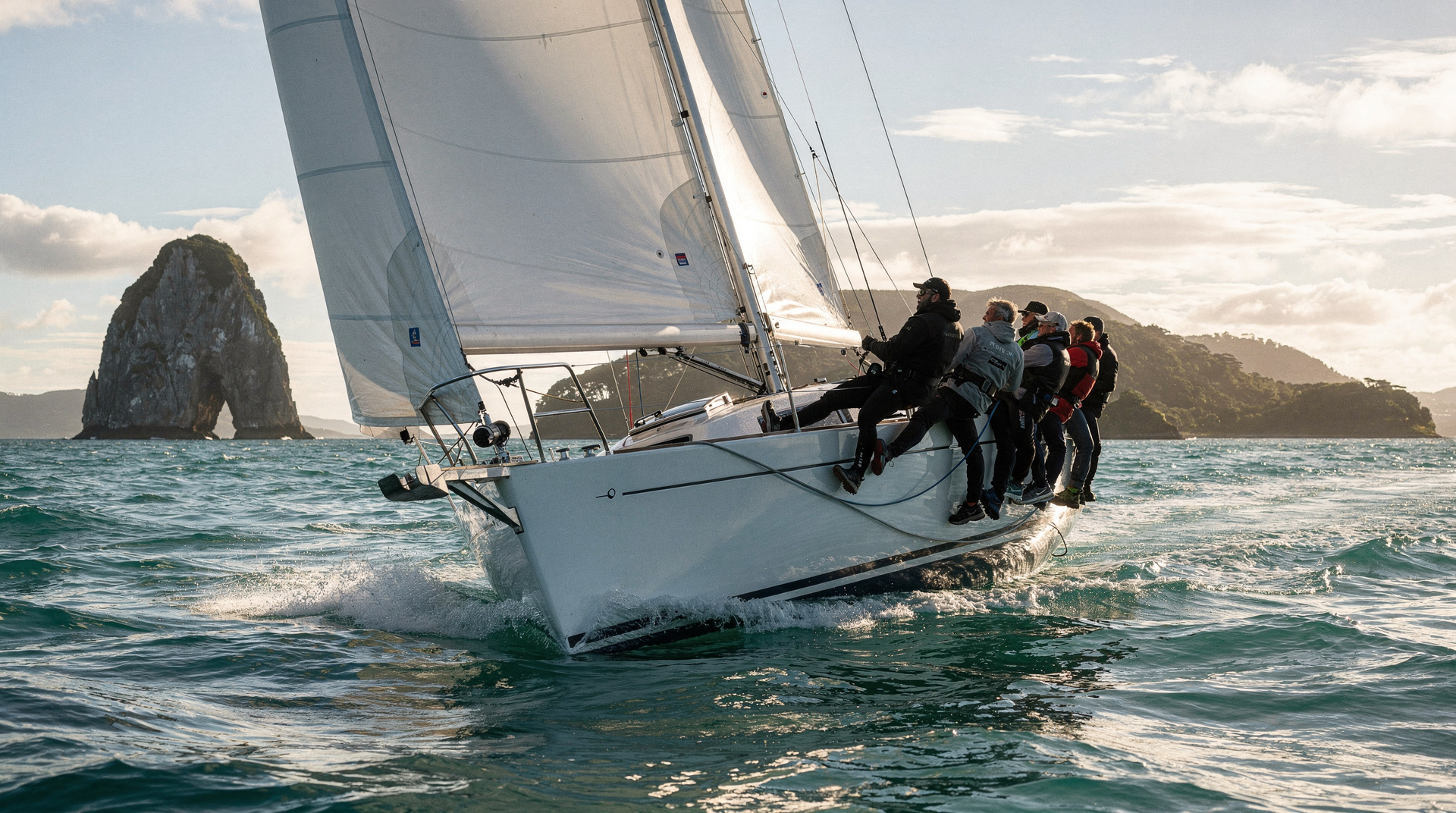
Sailing in Bay of Islands — cruises, catamarans, and overnight charters
Bay of Islands sailing guide: day cruises, dolphin watching, Hole in the Rock, and overnight charters. Prices NZD/USD/EUR and honest operator comparison.
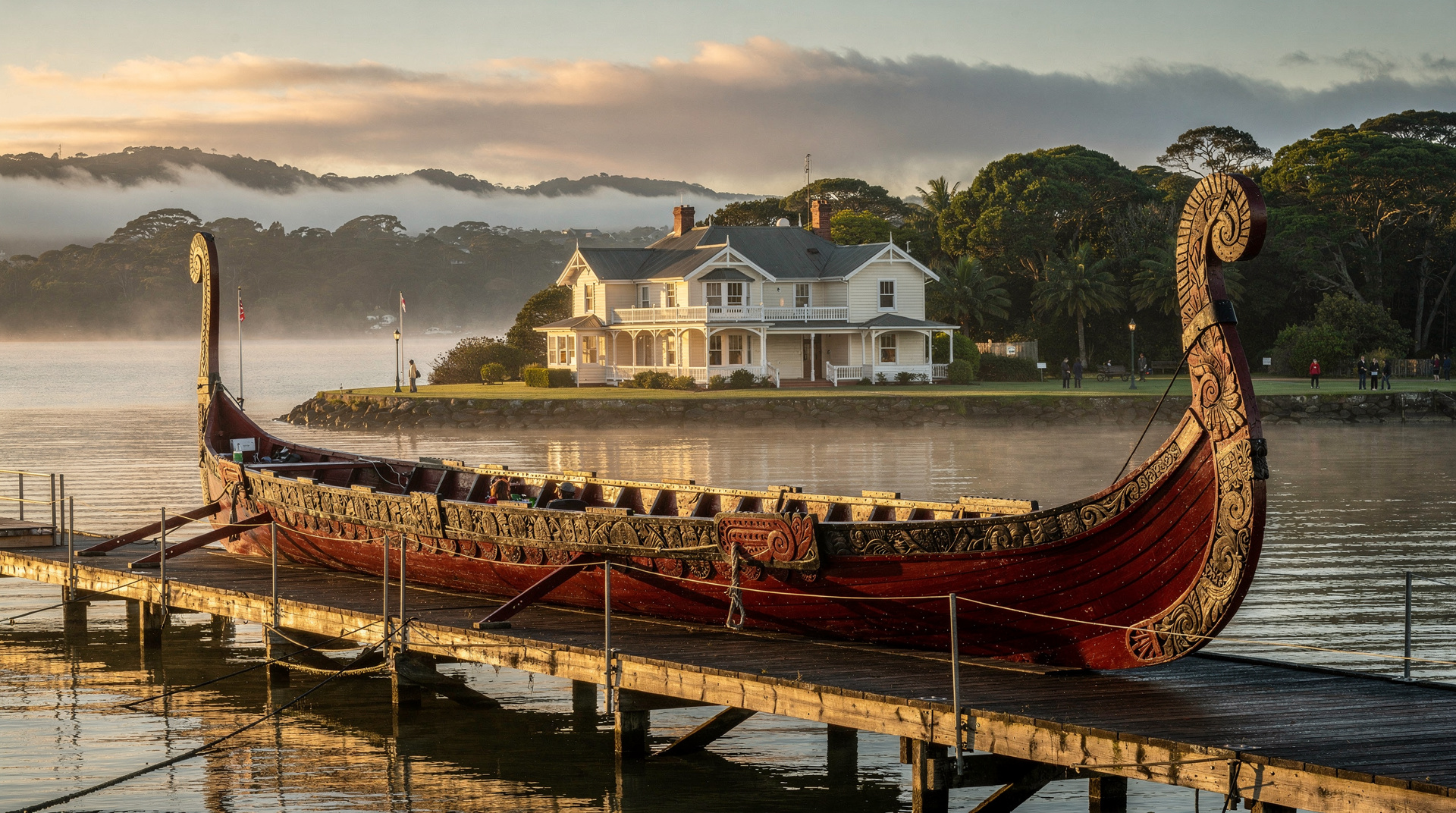
Waitangi Treaty Grounds — guide to New Zealand's most important site
Waitangi Treaty Grounds visitor guide: Treaty of Waitangi signed here 1840. Tickets, guided tours, hangi evenings, and essential NZ historical context.
Related guides
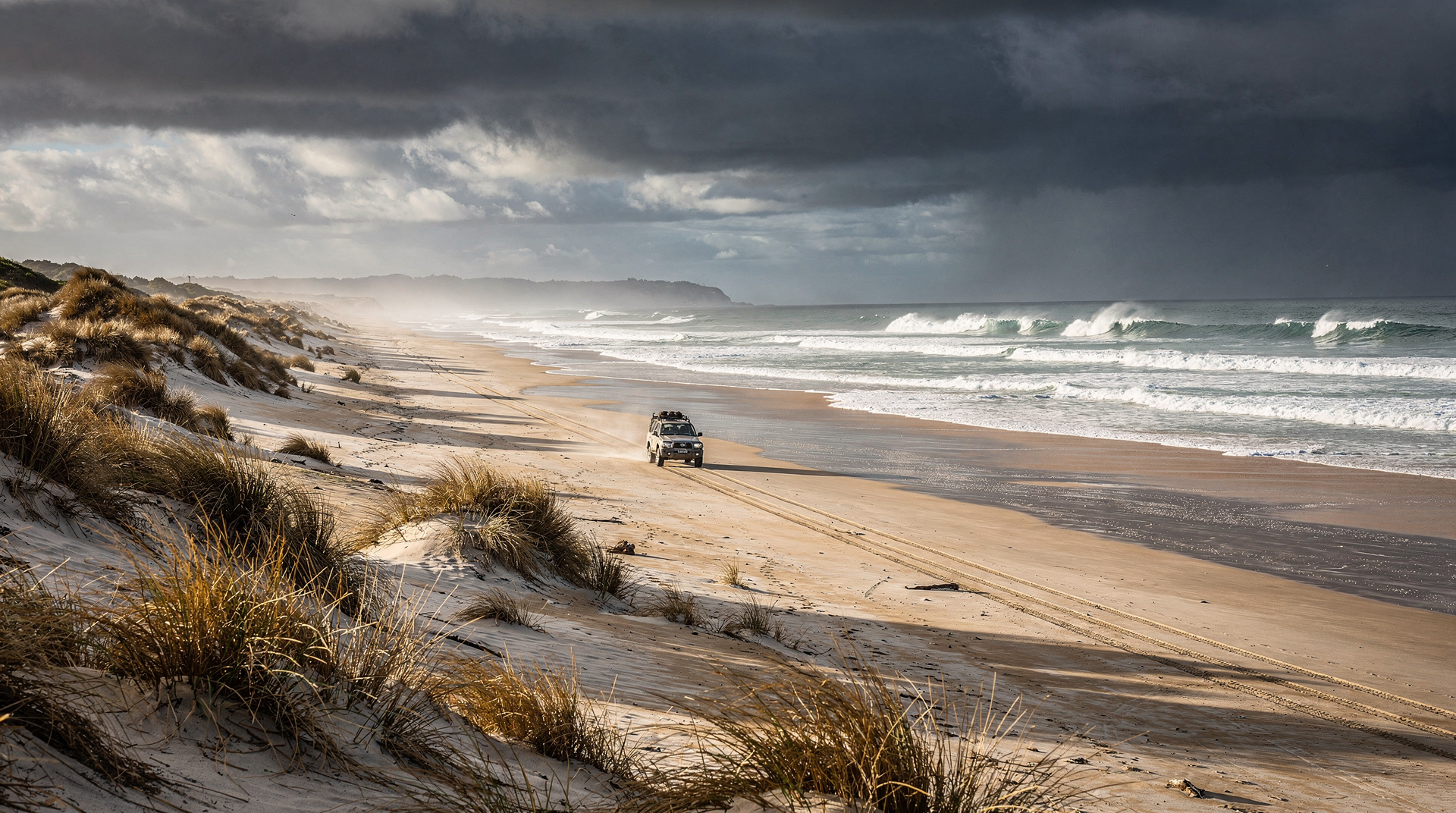
Northland
Honest Northland planner: Bay of Islands, Cape Reinga, 90 Mile Beach, Paihia, Russell, Whangarei. Real NZD/USD/EUR costs, what's worth your time.
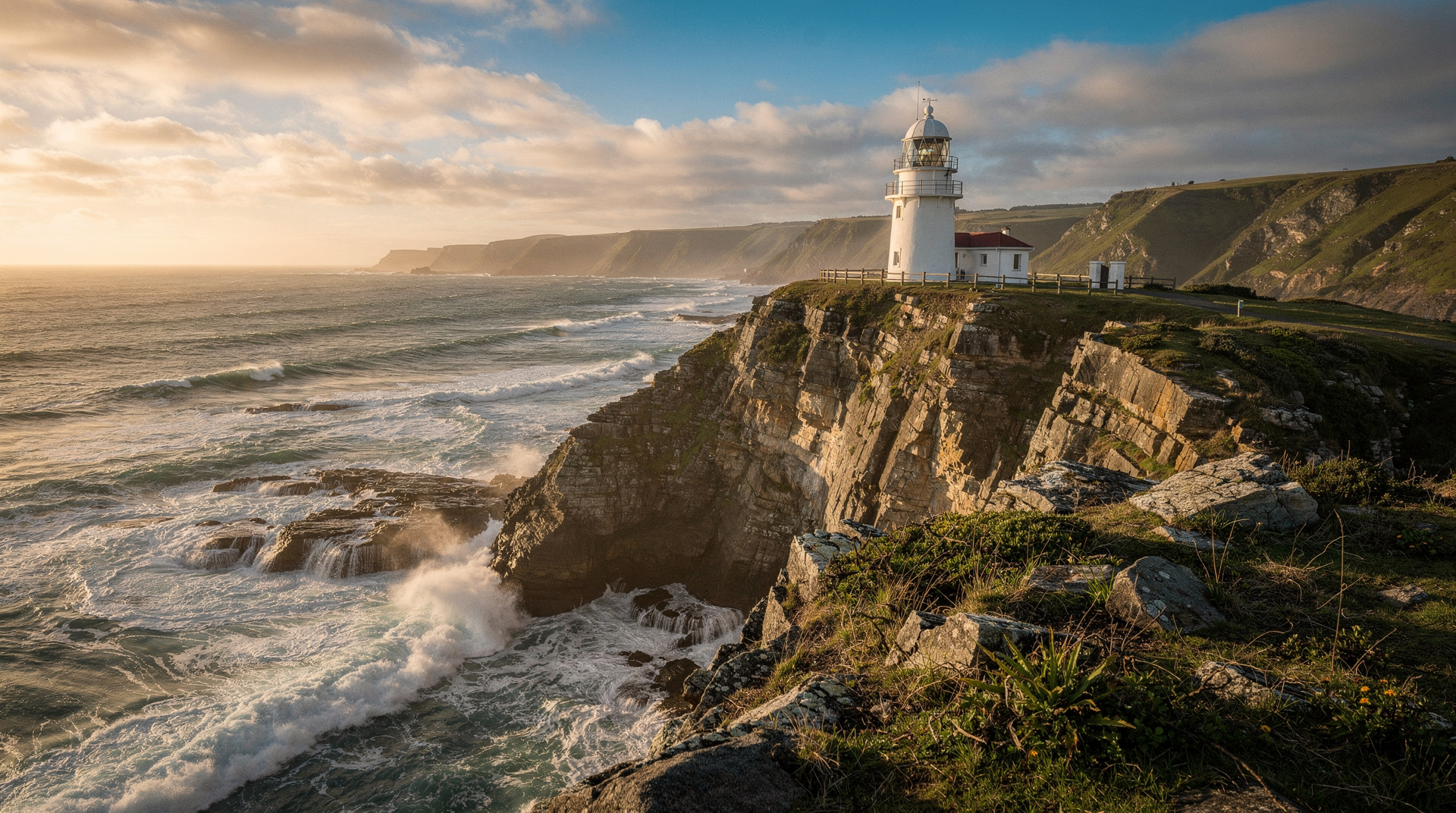
Cape Reinga
Cape Reinga honest guide: Te Rerenga Wairua spiritual significance, 90-Mile Beach, sandboarding, self-drive vs tour, real costs NZD/USD/EUR.
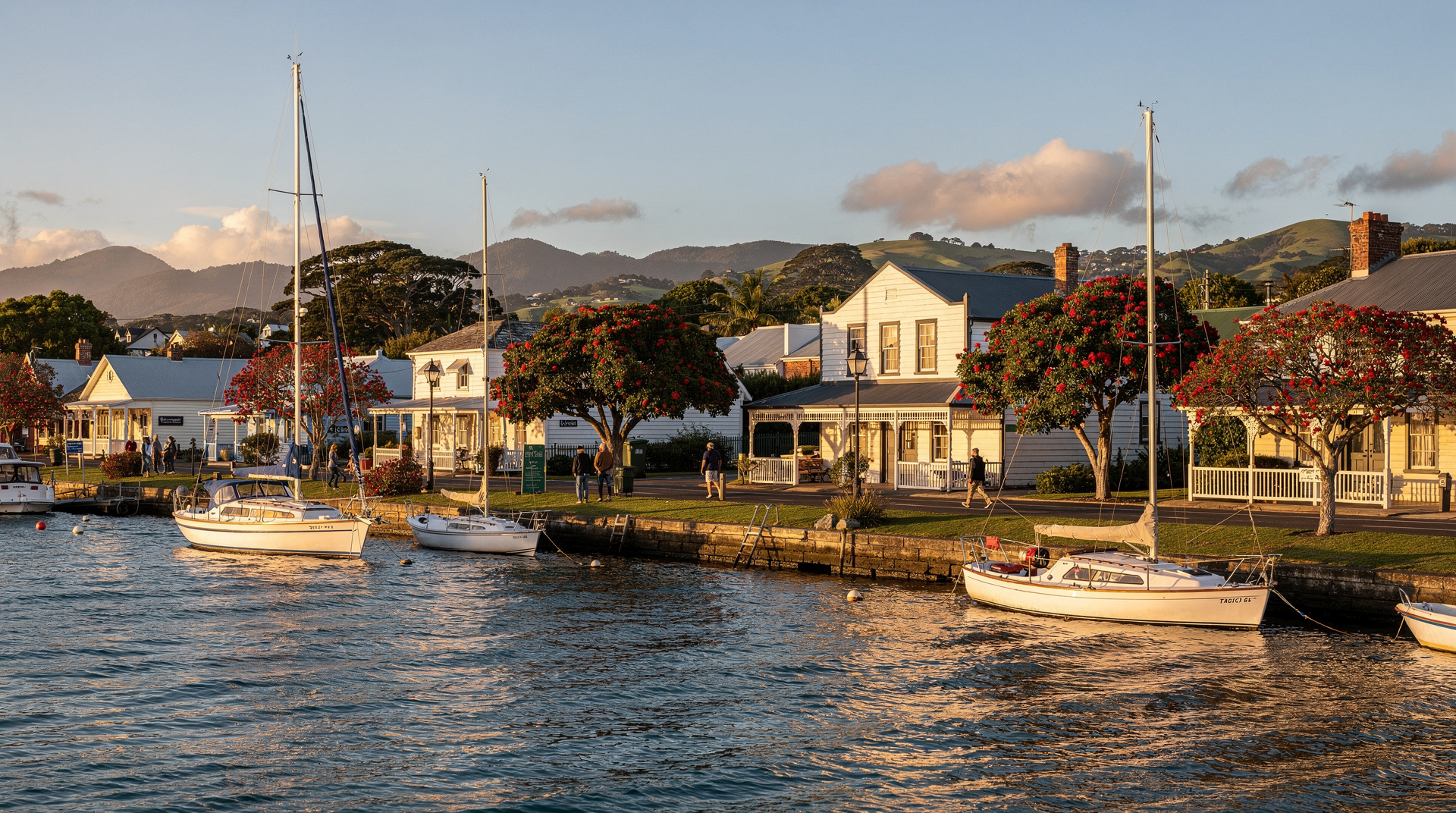
Russell
Russell: New Zealand's first capital, once called the 'hell hole of the Pacific', now a charming waterfront village in the Bay of Islands. NZD/USD/EUR costs.
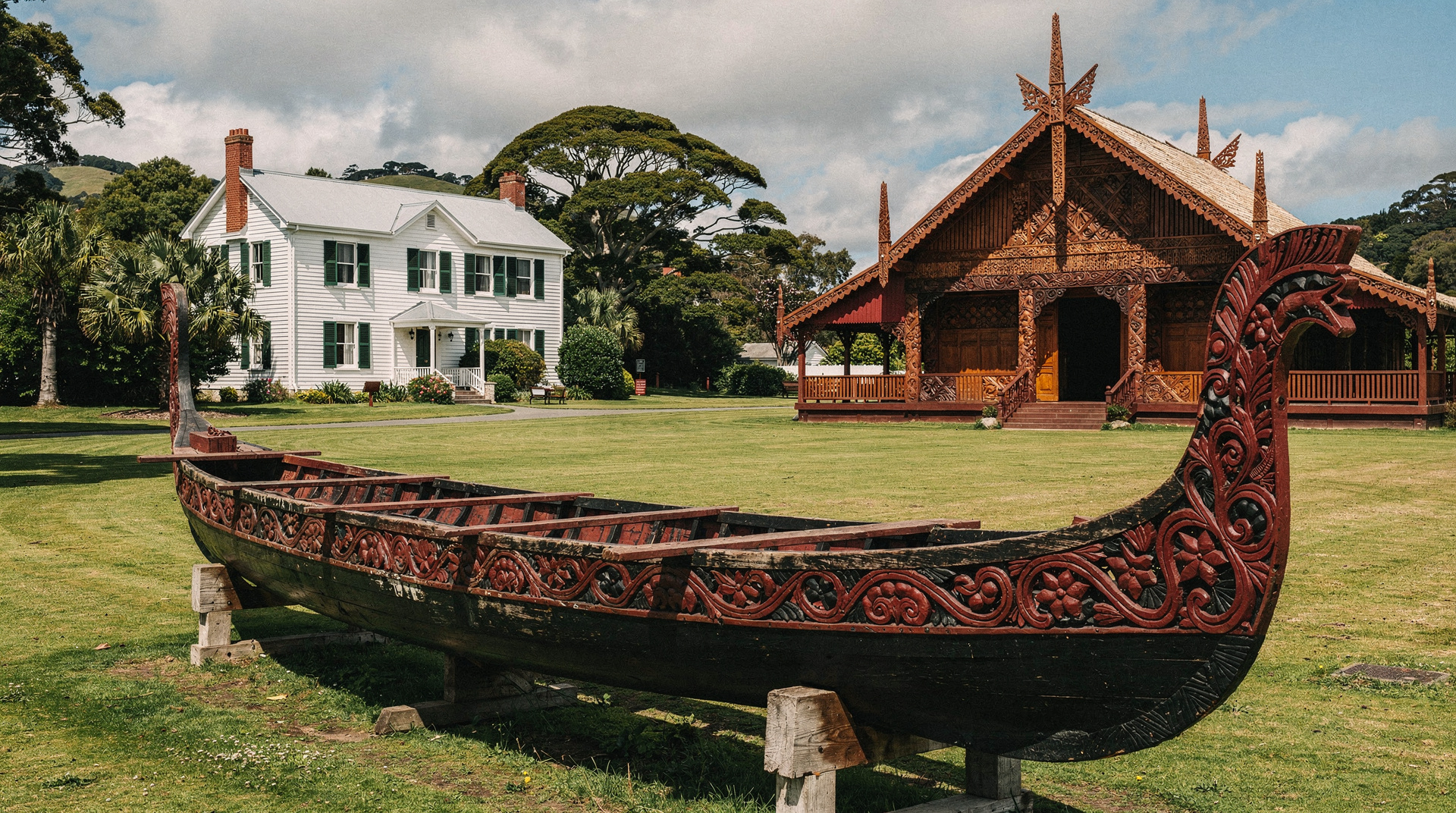
Waitangi
Waitangi Treaty Grounds: where the Treaty of Waitangi was signed in 1840. Maori cultural performances, waka taua, and the waitangi museum. NZD/USD/EUR.
Bay of Islands cruise guide — Hole in the Rock and beyond
Bay of Islands cruise guide: Hole in the Rock fast boat, full-day sailing, dolphin encounters, island exploring. Costs NZD/USD/EUR from Paihia or Russell.
Dolphin swim in the Bay of Islands
Swimming with bottlenose dolphins in the Bay of Islands: DOC-permitted operators, best months, ethical restrictions, and prices (NZD/USD/EUR).
Sailing in Bay of Islands — cruises, catamarans, and overnight charters
Bay of Islands sailing guide: day cruises, dolphin watching, Hole in the Rock, and overnight charters. Prices NZD/USD/EUR and honest operator comparison.
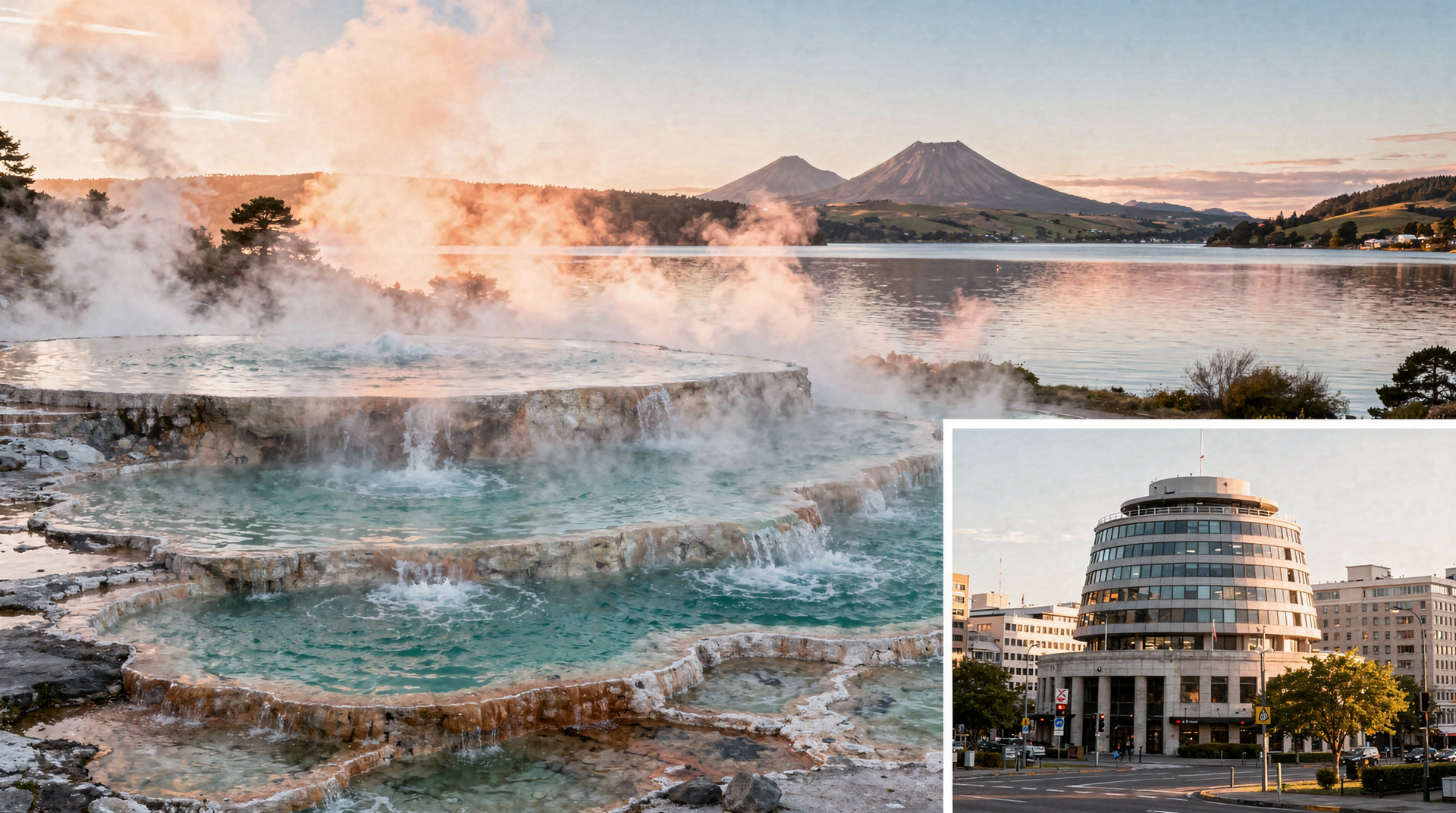
7-day North Island itinerary — the essential highlights
Auckland → Bay of Islands → Hobbiton → Waitomo → Rotorua → Taupo → Tongariro → Wellington. 7 days, both car and costs covered honestly.
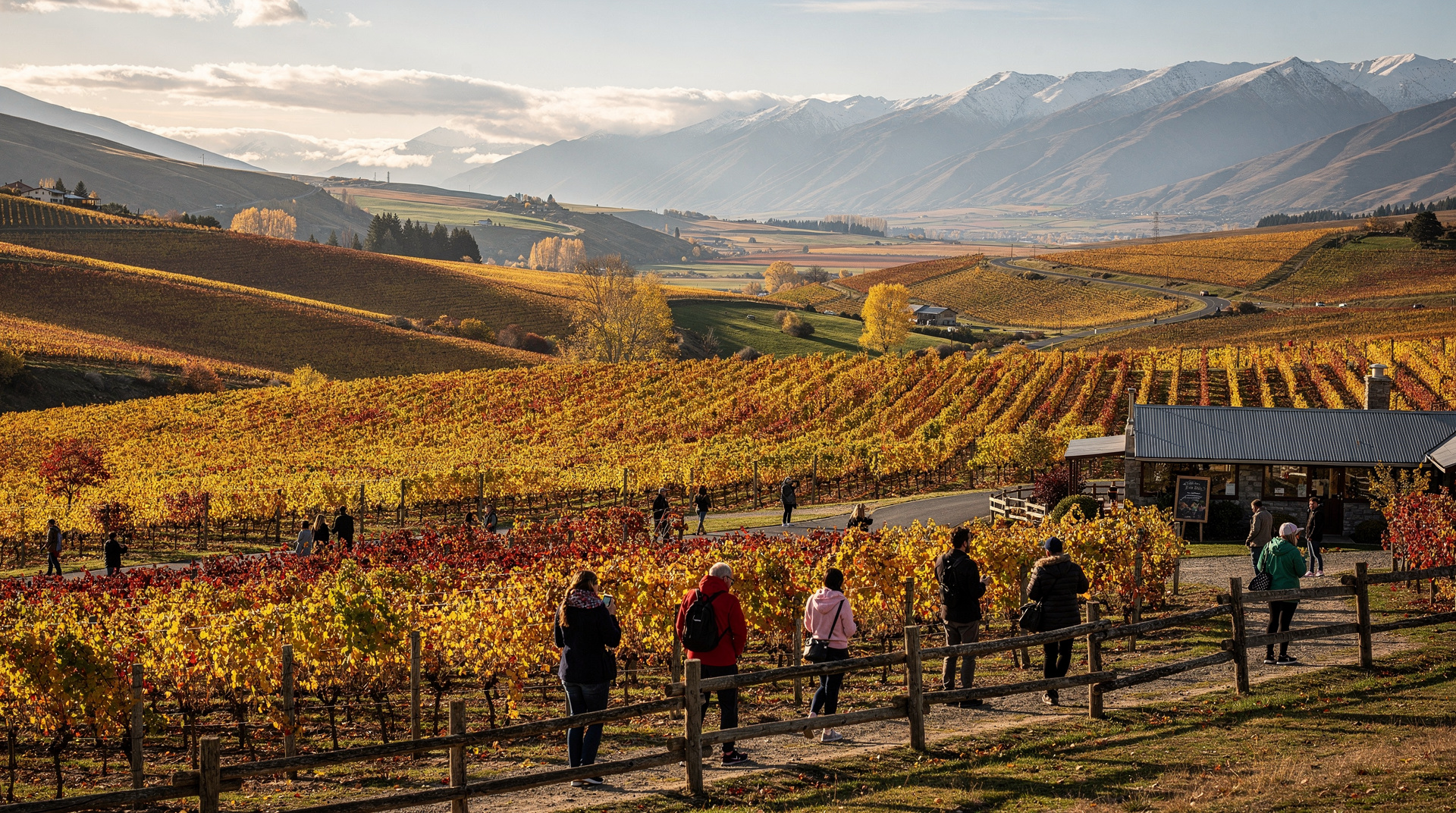
The best shoulder season itinerary for New Zealand — 14 days in autumn
A 14-day New Zealand itinerary designed for March and April: fewer crowds, better light, lower prices, and the same landscapes everyone comes for.
Last reviewed: