Coromandel Peninsula
Honest Coromandel guide: Cathedral Cove, Hot Water Beach, Whitianga, Coromandel Town. NZD/USD/EUR prices, seasonal tips, day trip vs overnight verdict.
Quick facts
- Region
- Eastern Waikato, 2-3 hours from Auckland
- Major hubs
- Whitianga, Hahei, Hot Water Beach, Coromandel Town
- Currency
- NZD — 1 NZD ≈ USD 0.60 / EUR 0.55
- Best for
- Cathedral Cove, Hot Water Beach, kayaking, bush walks
- Skip if
- Your trip is under 7 days — the North Island has denser priorities
Coromandel Peninsula in one minute
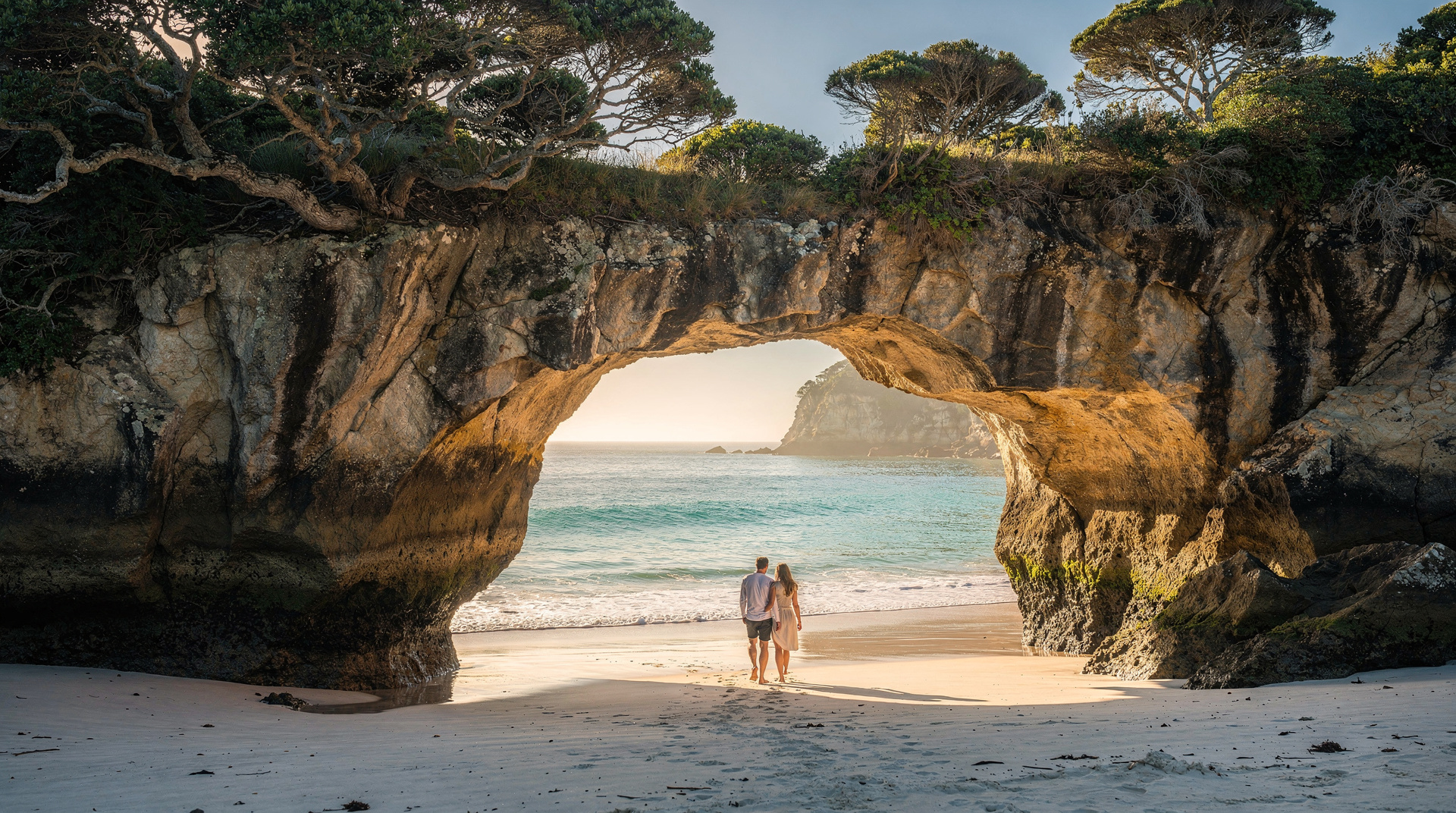
The Coromandel Peninsula is a thumb of land jutting north between Auckland and the Bay of Plenty. Its west coast faces the Firth of Thames; its east coast opens onto the Pacific with a succession of coves, headlands, and pohutukawa-lined beaches. Cathedral Cove — two sea stacks framing an arch large enough to walk through — is one of the most photographed landscapes in New Zealand. Hot Water Beach, 10 minutes south, has geothermal springs that bubble up through the sand at low tide, allowing you to dig your own hot pool.
The peninsula is popular with Aucklanders as a summer retreat and feels noticeably more genuinely “Kiwi holiday” than the slicker resort towns further south — think weatherboard baches, dairies selling ice cream, and family-run motels rather than branded resort chains. Whitianga is the main service town; Hahei is the village closest to Cathedral Cove; Coromandel Town in the north is older and quieter. The interior is forested, steep, and largely unpopulated — gold was mined here in the 1870s and the kauri forests were logged almost to extinction, but second-growth bush has reclaimed most of the hills.
| Where | Eastern Waikato, 2–3 hrs from Auckland |
| Cost | Around NZD 35–90/night budget, NZD 130–280 mid-range |
| Time needed | 2–3 days; day trip possible but rushed |
| Getting there | Self-drive from Auckland via SH25 or Kopu-Hikuai Road |
| Best time | December to March for beach and warm water; November/April for fewer crowds |
The honest verdict on the Coromandel
Day trip or overnight? The day trip from Auckland works logistically — 2 hours each way, a walk to Cathedral Cove, a dig at Hot Water Beach, and dinner on the road home. But the Coromandel is better at 2-3 nights. The crowds at both key sights peak between 11am and 3pm; staying overnight lets you walk to Cathedral Cove at 8am before the tour buses arrive. Hot Water Beach is twice as magical at low tide in the early evening with a beer in hand.
Worth it: Cathedral Cove walk (free, 45 min each way), Hot Water Beach (free, hire a spade from the surf shop), kayaking the coastline, the scenic Coromandel Coastal Walkway.
Not worth it: The tourist town of Thames as a destination (use it as a fuel stop). The Driving Creek Railway — cute but overpriced for what it is unless you have children with you.
What locals don’t tell you
Cathedral Cove requires walking from Hahei Car Park (45 minutes each way) or taking a water taxi from Hahei Beach. In summer (December-February) the car park at Hahei fills by 8:30am. Drive out by 7:30am or catch the first water taxi. The walk is non-negotiable at peak periods — no road vehicles access the cove.
Hot Water Beach is only rewarding at low tide (±2 hours). Check the tidal chart before you go. High tide means no thermal water visible. Many visitors arrive at the wrong time and are disappointed.
Where to base yourself
Hahei is the ideal base for Cathedral Cove and Hot Water Beach. It’s a tiny village (maybe 200 permanent residents) that swells enormously in summer. Accommodation is limited — book months ahead for December and January.
Whitianga is the largest town on the east coast and has the most accommodation options, a ferry terminal (to Ferry Landing), supermarkets, and a good range of restaurants. 15 minutes from Hahei by car. Good choice if Hahei accommodation is full.
Coromandel Town (north of the peninsula) is quieter and more authentically historic than Whitianga. Good for travellers who want a slow holiday — the surrounding bush walks, mussel farms, and the drive up to Port Jackson (end of the sealed road) are the attractions.
Thames at the base of the peninsula is the entry/exit point. Reasonably large town with serviceable accommodation. Most visitors just fuel up and drive through.
Choosing your base: Hahei vs Whitianga vs Coromandel Town
| Base | Best for | Trade-off |
|---|---|---|
| Hahei | Cathedral Cove and Hot Water Beach access | Tiny, books out fast, limited dining |
| Whitianga | More accommodation, restaurants, ferry to Ferry Landing | 15 minutes from Hahei by car |
| Coromandel Town | Quiet, historic, mussel farms, north-peninsula walks | 1 hour from Cathedral Cove and Hot Water Beach |
For most first-time visitors focused on Cathedral Cove and Hot Water Beach, Hahei or Whitianga make more sense than Coromandel Town. If your priority is a slower, more authentic small-town New Zealand feel and you don’t mind the drive to the headline sights, Coromandel Town is genuinely worthwhile.
Top experiences
Cathedral Cove
A 45-minute coastal walk from Hahei through pohutukawa forest opens onto Stingray Bay, then continues to Cathedral Cove — a white-sand beach bisected by a basalt sea arch. The arch is large enough to walk through at low tide (at high tide you’ll need to wade). Beyond the arch, a second beach and a sea cave add depth. The views back through the arch are the classic Coromandel photograph.
The walk itself is excellent — well-graded, good views of the mercury islands, and particularly beautiful in early morning light. If you’d rather arrive by water, kayak tours from Hahei paddle directly to the cove. See Cathedral Cove guide for the full access logistics.
Honest note: In peak season (Christmas-New Year), Cathedral Cove can be uncomfortably crowded at midday. The landscape doesn’t shrink under pressure but the sense of discovery does. Go early.
Hot Water Beach thermal springs
At low tide, thermal springs percolate up through the sand at two specific points on Hot Water Beach. Visitors dig shallow pools in the sand — the surf shop (Kaimis) rents spades for NZD 5 / USD 3 / EUR 2.75 — and mix hot spring water with cooler seawater for a personal hot pool. It’s delightfully absurd and genuinely fun.
The water can reach 64°C at the source — genuinely scalding. Mix carefully and work the cooler sand from deeper down into your pool. Children should be supervised closely near the source vents.
What you need: arrive 1-1.5 hours before low tide. Check the Whitianga tidal chart. The surf shop on Hot Water Beach has the times posted daily.
See Hot Water Beach guide for detailed instructions.
Kayaking the Coromandel coast
The east coast between Hahei and Cathedral Cove is New Zealand’s best coastal kayaking outside Abel Tasman. Calm seas in summer, clear water, fur seals on the rocks, and the sea arch itself — the paddle into Cathedral Cove from the water is a better approach than the walking track (you arrive when the walkers are still 30 minutes away).
Tour operators in Hahei offer half-day guided kayaks (NZD 120-140 / USD 72-84 / EUR 66-77) and full-day options including a stop at Cooks Beach and the Te Whanganui-A-Hei Marine Reserve. Independent kayak rental is also available for confident paddlers (NZD 50-70 / USD 30-42 / EUR 27-38 for a half-day).
The Coromandel Coastal Walkway
The 10km Coromandel Coastal Walkway between Fletcher Bay and Stony Bay at the northern tip of the peninsula is one of the best half-day coastal hikes in the North Island. The walk takes 3-4 hours one-way; a shuttle can be arranged back from Stony Bay. The views of the Colville Channel and the offshore islands are outstanding. Few tourists make it this far north — the road becomes gravel after Coromandel Town — which means the walk feels genuinely remote.
From Auckland as a day trip
The Coromandel is Auckland’s closest “proper” beach destination and the most popular Auckland day trip in summer. Organised tours cover Cathedral Cove, Hot Water Beach, and often a lunch stop in Whitianga.
Auckland: Coromandel, Cathedral Cove and Hot Water Beach day tour — a full-day guided trip from Auckland covering both sites, with lunch included. NZD 185 / USD 111 / EUR 102. A good option if you don’t have a car or don’t want to drive 4 hours total. See also Coromandel day trip from Auckland.
Cathedral Cove and Hot Water Beach tour from Auckland — a shorter, more focused version. NZD 160 / USD 96 / EUR 88.
Getting there and getting around
From Auckland: The fastest route is via Pokeno and Kopu-Hikuai Road on the east coast — about 2 hours to Hahei (around 150km). The west coast road via Thames adds 30 minutes. Google Maps will suggest the Kopu-Hikuai crossing in many configurations — this is a steep winding mountain road that can be unsealed after rain. Check conditions before committing.
The Whitianga ferry: A 3-minute passenger ferry from Whitianga to Ferry Landing saves 40km of driving when going from Whitianga to Hahei and Hot Water Beach. Ferry runs every 10-15 minutes; NZD 5 / USD 3 / EUR 2.75 return.
Within the peninsula: A car is essential for anything beyond the Hahei-Whitianga corridor. No useful public transport. Roads are sealed between Thames, Whitianga, and Hahei; north of Coromandel Town they become gravel and require a higher clearance vehicle (or careful driving).
Driving warning: The Coromandel road network is narrow, winding, and shared with logging trucks in the interior. Do not use GPS estimates as reliable travel times — add 30-40% for any route off the main coastal road.
Where to stay
Budget (NZD 35-90 / night)
Hahei Holiday Resort offers powered campervan sites (NZD 55) and basic cabins (NZD 95-120) in a grassy beachfront setting. The early morning access to Hahei Beach before the day-trippers arrive is worth a lot.
Tatahi Lodge (Hahei) is a long-running backpacker hostel with private rooms and dorms in a garden setting. Clean, relaxed, social. Dorm NZD 38; private double NZD 95.
Mid-range (NZD 130-280 / night)
Church Road Boutique Accommodation (Hahei) — converted church building with a handful of rooms, beautifully done, NZD 200-250.
On the Beach B&B (Whitianga) — absolute beachfront, lovely breakfast, NZD 180-220 for a double.
Luxury (NZD 300+)
The Boatshed Luxury Cottages (Whitianga) — private cottages on the harbour, NZD 380-550. Excellent for couples who want total privacy.
Best time to visit
December to February is peak season. The beaches are warm, Cathedral Cove walk is open (it’s occasionally closed in bad weather), and all tour operators are running. Also: the most crowded, most expensive, and most likely to have accommodation sold out.
November and March-April are the sweet spots. Warm enough to swim, quieter crowds, accommodation available without booking 6 months ahead. April brings autumn colour in the pohutukawa-lined bays that is genuinely beautiful.
May to October: cooler and quieter. Cathedral Cove is less crowded; some accommodation operators close or reduce to weekends-only. Hot Water Beach works year-round but feels less festive alone on a cold July afternoon. Good for hiking and the coastal walkway in the north.
December 26 - January 10 is the single most crowded period. Hahei fills with Aucklanders on Christmas holidays; Cathedral Cove can have queues for the car park by 8am; Hot Water Beach at low tide looks like a music festival. If you can avoid these two weeks, the Coromandel is significantly better.
Common mistakes
Arriving at Hot Water Beach at the wrong tide. The number one disappointment in visitor reviews. Check the tidal table. Arrive 1 hour before low tide. High tide = no springs visible.
Parking at Cathedral Cove late morning. The Hahei Car Park fills by 9am in summer and there’s no overflow. Either take the shuttle from the overflow car park 2km back, walk an extra 30 minutes, or arrive before 8am.
Not building in time for Coromandel Town. Most visitors head straight for Hahei and Hot Water Beach, which is correct — but Coromandel Town is 1 hour north and genuinely charming. The waterfront, the craft studios, and the Coromandel Mussel Kitchen (one of New Zealand’s best seafood experiences, NZD 30-45 / USD 18-27 / EUR 16-25 for a pot of mussels) are worth an afternoon.
Rushing through on a day trip. The Coromandel rewards slowing down. The beaches are better at sunrise and sunset. The walk to Cathedral Cove is most beautiful when you’re not racing a departure time.
Beaches beyond Cathedral Cove
Cathedral Cove gets the photographs, but the Coromandel’s coastline has several other beaches worth building into a longer stay. New Chums Beach (Wainuiototo Bay), reachable only by a 40-minute walk from Whangapoua (across a tidal river crossing, so time it around low tide), is regularly rated one of New Zealand’s best beaches and sees a fraction of Cathedral Cove’s crowds precisely because of the access effort. Onemana and Whangamata, on the peninsula’s southeast coast, are popular with surfers and families and have a more local, less tourist-oriented feel than Hahei in peak season. Opito Bay, north of Whitianga, is a quiet holiday-home beach with excellent swimming and almost no facilities — bring your own supplies.
If you have a fourth day, a loop that adds Whangamata or New Chums to the standard Hahei/Hot Water Beach/Coromandel Town circuit gives a genuinely different, quieter side of the peninsula.
Sample itineraries
1-day express from Auckland
7am depart Auckland. Arrive Hahei by 9am. Park and walk to Cathedral Cove (45 min each way). Back to Hahei for lunch at the Church restaurant. Drive 10 minutes to Hot Water Beach — arrive 1.5 hours before low tide (check tides in advance). Dig your hot pool. Drive back to Auckland via Thames. Arrive ~7:30pm. This works but leaves no room for delays.
2-night classic
Day 1: Auckland to Whitianga (2 hours). Afternoon ferry to Ferry Landing, swim at Cook’s Beach or Flaxmill Bay. Dinner at Salt Restaurant, Whitianga — good local seafood.
Day 2: Early start to Cathedral Cove (7:30am walk from Hahei — take the road less travelled via Grange Road). Back to Hahei by 10am before the crowds. Afternoon: Hot Water Beach at low tide. Kayaking in the afternoon if conditions allow.
Day 3: Morning at leisure. Drive north to Coromandel Town for lunch and the Mussel Kitchen. Return to Auckland via the west coast road through Thames (longer but more scenic).
3-night with the northern tip
Add Day 4: Drive to Fletcher Bay (50km north of Coromandel Town, 1.5 hours on gravel). Walk the Coromandel Coastal Walkway to Stony Bay (4 hours). Shuttle back. Return to Whitianga.
For context within a larger North Island trip, see day trips from Auckland and bay of islands vs Coromandel comparison.
FAQ
Is the water warm enough to swim at Cathedral Cove?
December to March: water temperature 20-22°C — warm and comfortable for swimming. April to November: 14-18°C — comfortable with a wetsuit, cold without. The cove has no lifeguards; check surf conditions before swimming.
Can you drive to Cathedral Cove?
No. The road is closed to private vehicles from the Hahei Car Park. You must walk (45 min each way), take the water taxi from Hahei Beach (NZD 20 / USD 12 / EUR 11 return), or kayak. The walk is well-graded and suitable for reasonably fit walkers.
What are the best restaurants in Whitianga?
Salt Restaurant (waterfront, good fish and chips and local seafood, moderate prices), Café Nina (breakfast, excellent flat whites), and Colenso Country Store (deli and cheese platters) are the consistent recommendations. Dining standards in Whitianga have improved markedly in the last 5 years.
Is it possible to visit the Coromandel without a car?
Not really. There’s no useful public transport network on the peninsula beyond the short Whitianga–Ferry Landing ferry, and Cathedral Cove, Hot Water Beach, and the coastal walkway all require independent transport to reach the trailheads. Organised day tours from Auckland cover the two headline sights without a car, but staying overnight and exploring at your own pace requires a rental vehicle.
Is the Coromandel Peninsula good for families?
Yes, strongly. Hot Water Beach is an inherently child-friendly activity. Cathedral Cove walk is manageable for children 8+ (it’s uphill in places but nothing strenuous). The calm bays are safe for swimming. Hahei Holiday Resort has good family cabin accommodation.
Is New Chums Beach worth the walk?
Yes, for travellers who value quiet over convenience. The 40-minute walk from Whangapoua (including a tidal river crossing best done around low tide) filters out most casual visitors, and the beach itself — a long, undeveloped curve of sand backed by pohutukawa forest — regularly ranks among New Zealand’s best. It’s a genuinely different experience from the more accessible Cathedral Cove.
How far is Coromandel from Rotorua?
Whitianga to Rotorua is approximately 200km via Paeroa and SH27 — about 2.5 hours. This makes a Coromandel-Rotorua loop very workable: Coromandel 2 nights, then Rotorua 2 nights, then south or back to Auckland.
Top experiences: coromandel New Zealand
See all →Related guides
Auckland
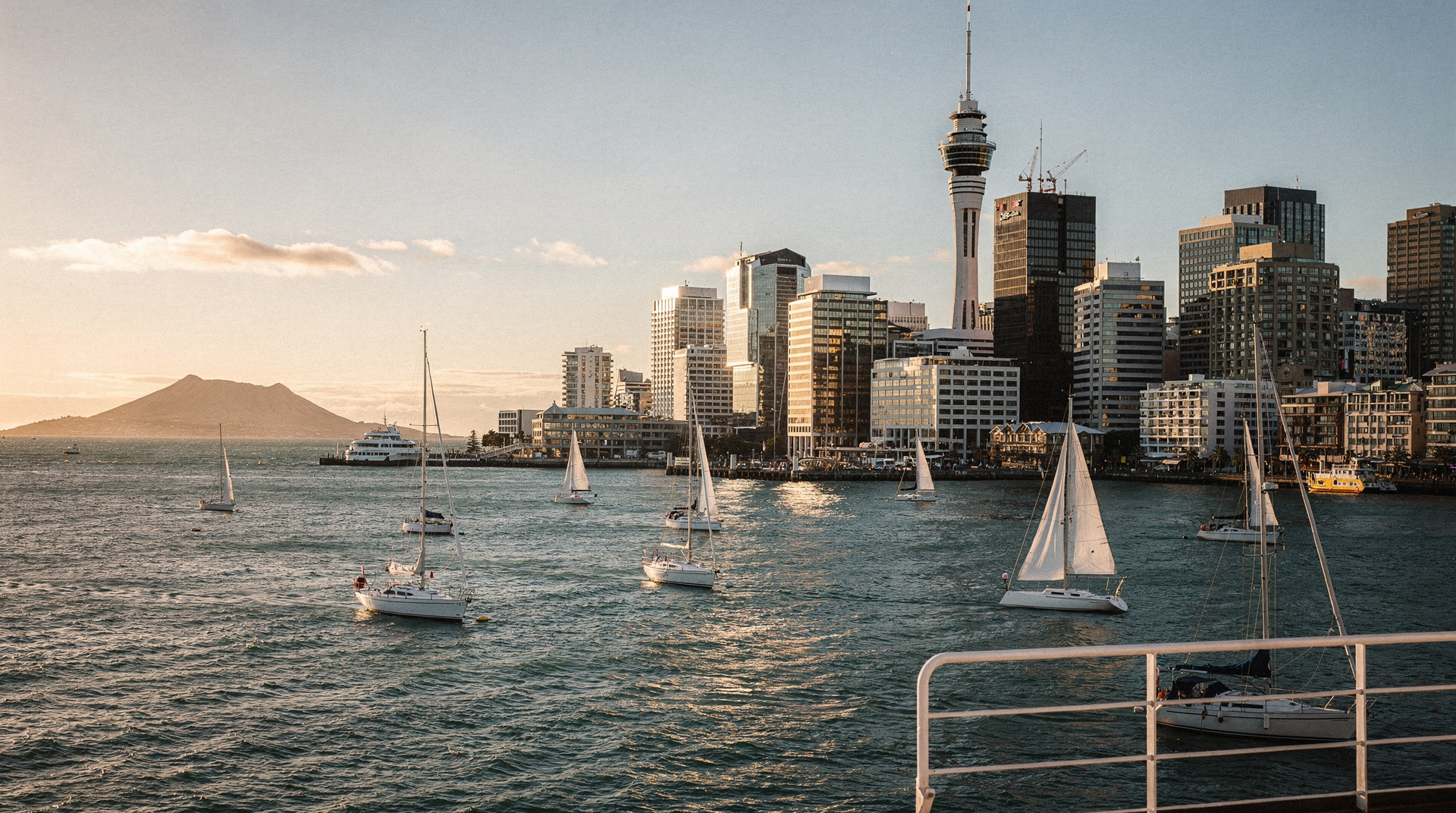
Honest Auckland planner: harbour, Sky Tower, Waiheke wineries, day-trips to Hobbiton, real prices NZD/USD/EUR, and what's actually worth your time.
Waikato
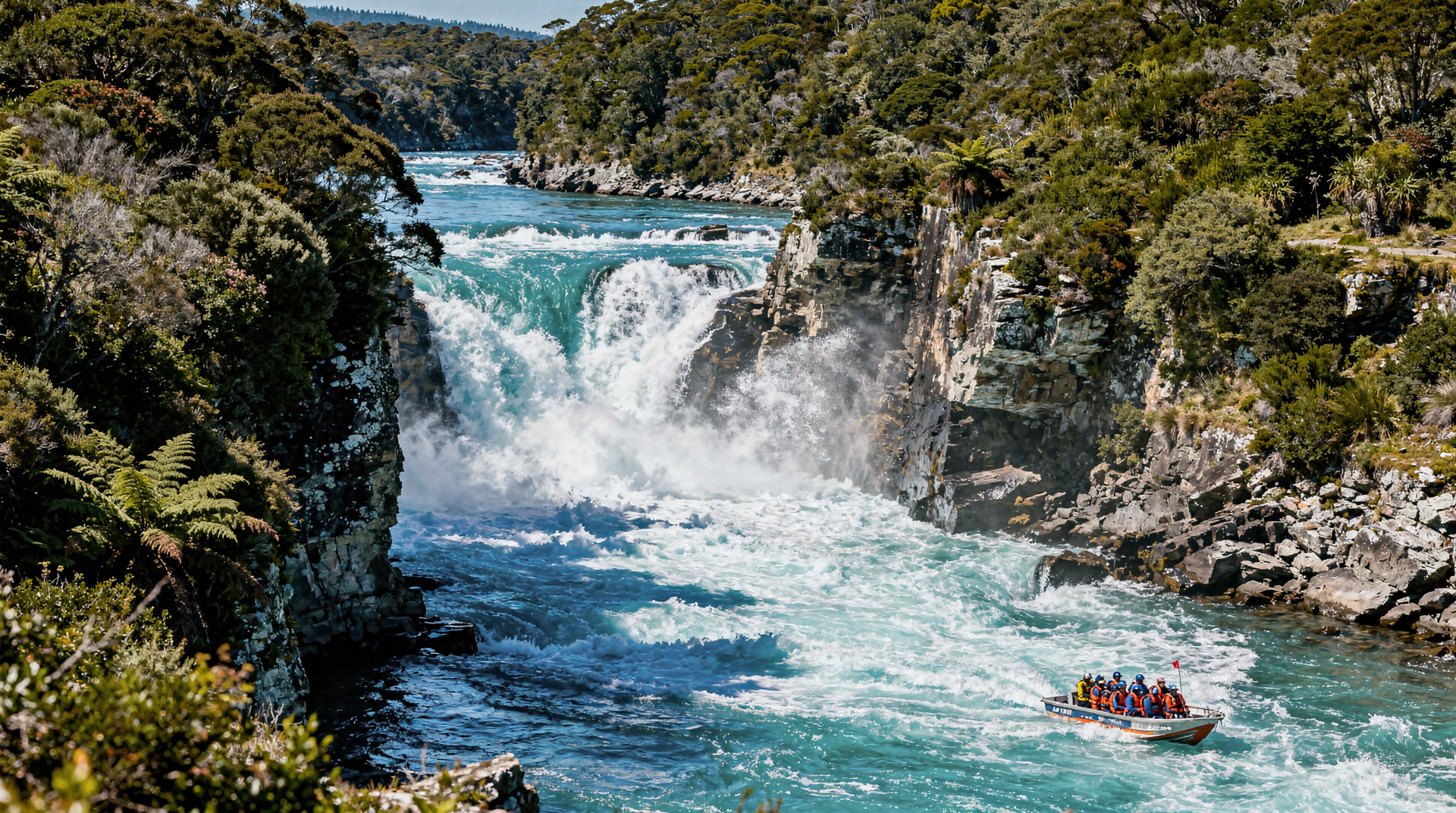
Honest Waikato guide: Hobbiton Movie Set, Waitomo glowworm caves, Hamilton Gardens, Raglan surf. Real NZD/USD/EUR prices, what's worth your time.
Bay of Plenty
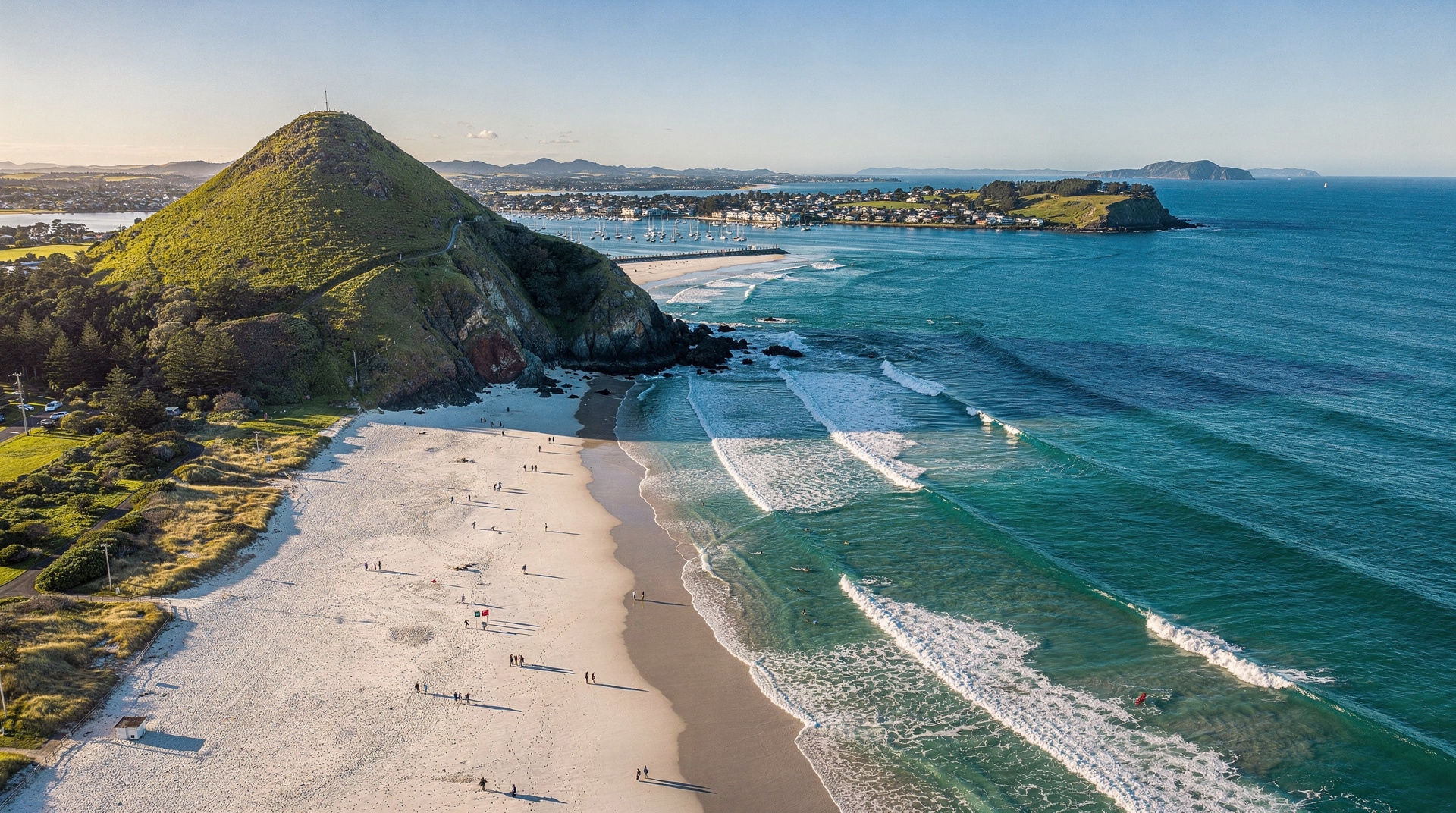
Bay of Plenty region guide: Tauranga, Mount Maunganui surf, Whakatane, Whakaari/White Island eruption facts. Real NZD/USD/EUR costs, honest verdicts.
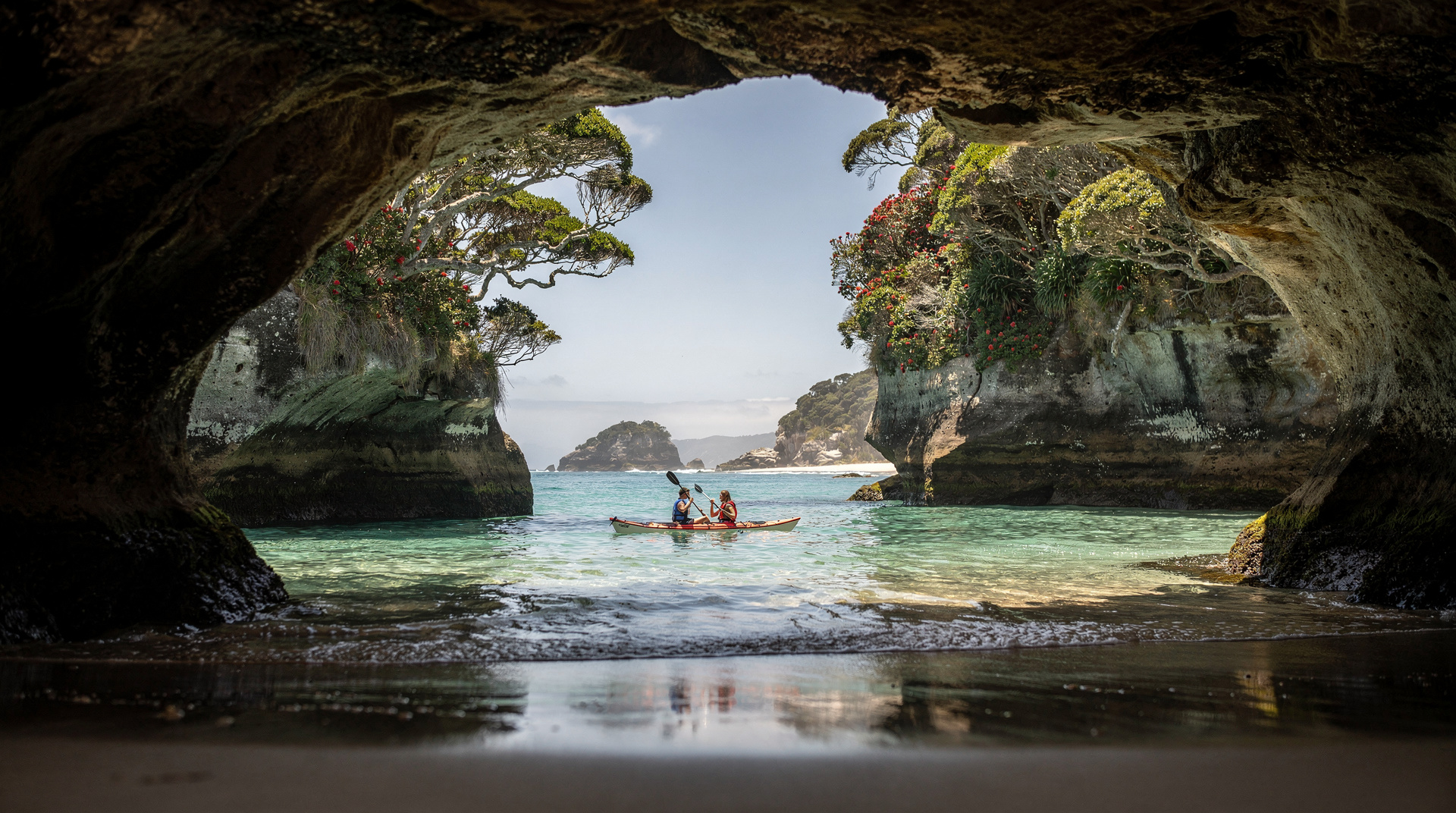
Cathedral Cove, Coromandel
Cathedral Cove is Coromandel's most iconic beach. Track access after Cyclone Gabrielle, kayak tours, combining with Hot Water Beach — costs NZD/USD/EUR.
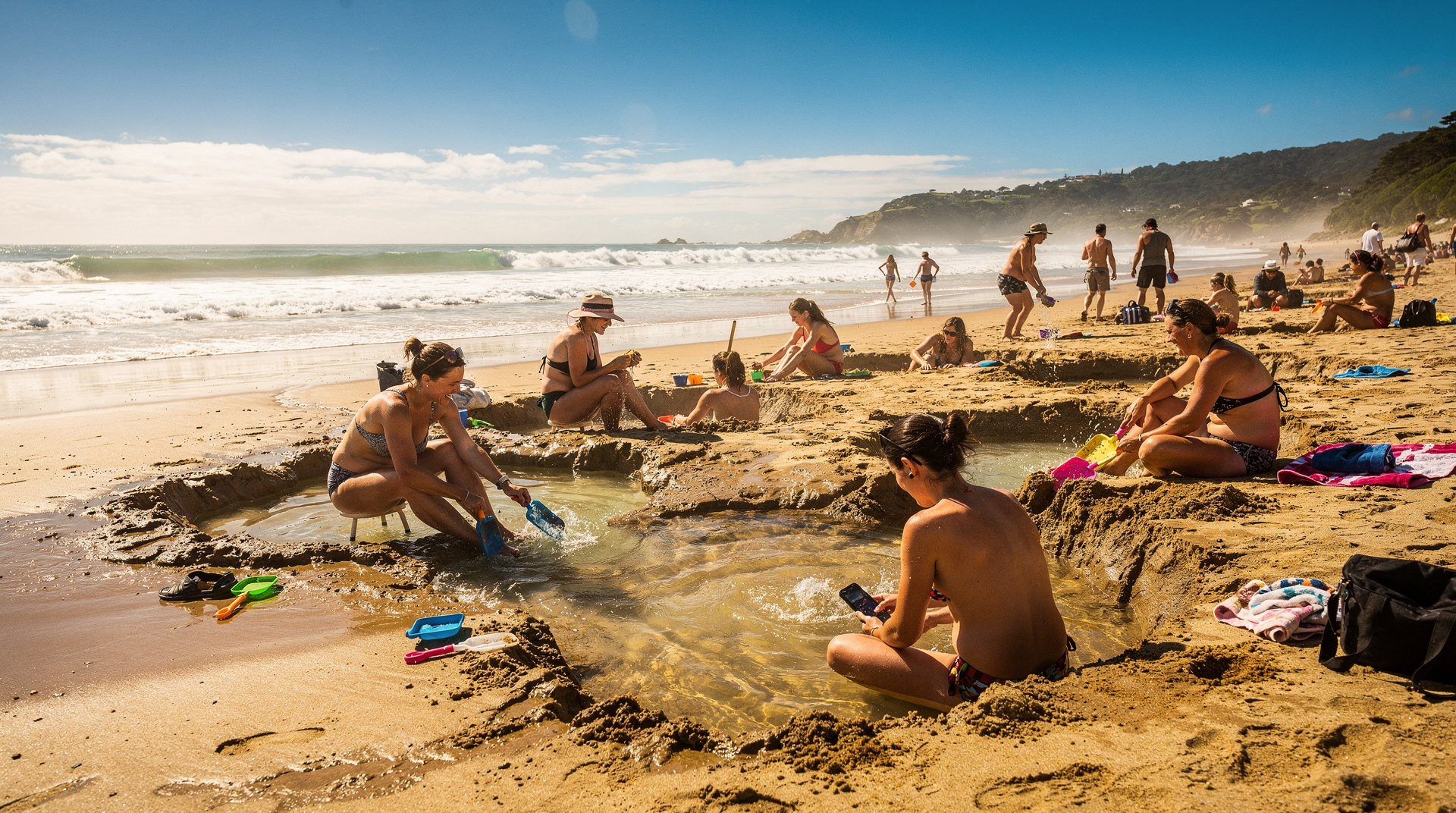
Coromandel day trip from Auckland
How to do a Coromandel day trip from Auckland: Cathedral Cove, Hot Water Beach, tide timing, drive times, and cost in NZD/USD/EUR.
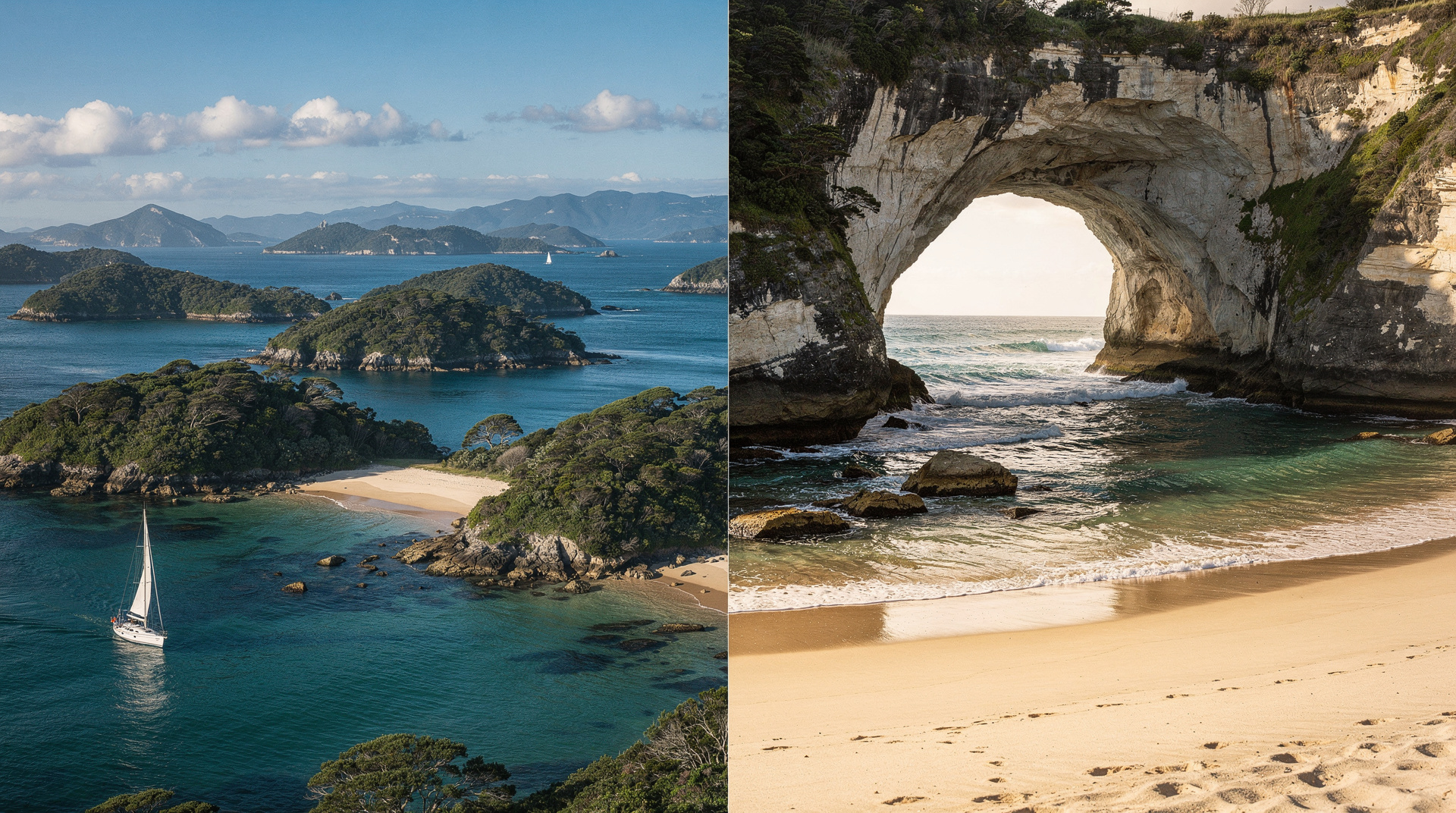
Bay of Islands vs Coromandel
Honest Bay of Islands vs Coromandel comparison: beaches, activities, access and costs. Clear verdict for beach lovers and first-time visitors. NZD/USD/EUR.
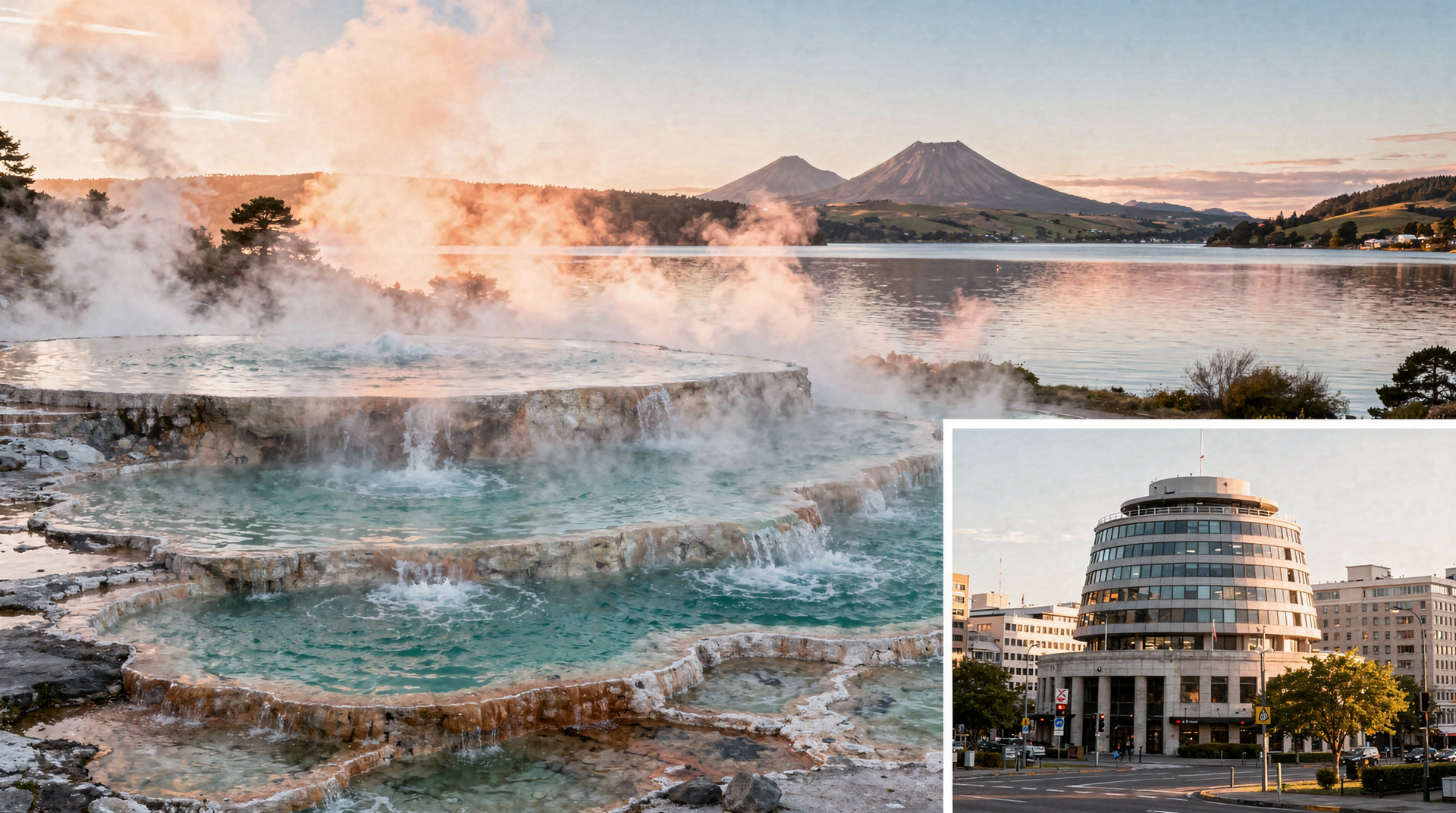
7-day North Island itinerary — the essential highlights
Auckland → Bay of Islands → Hobbiton → Waitomo → Rotorua → Taupo → Tongariro → Wellington. 7 days, both car and costs covered honestly.
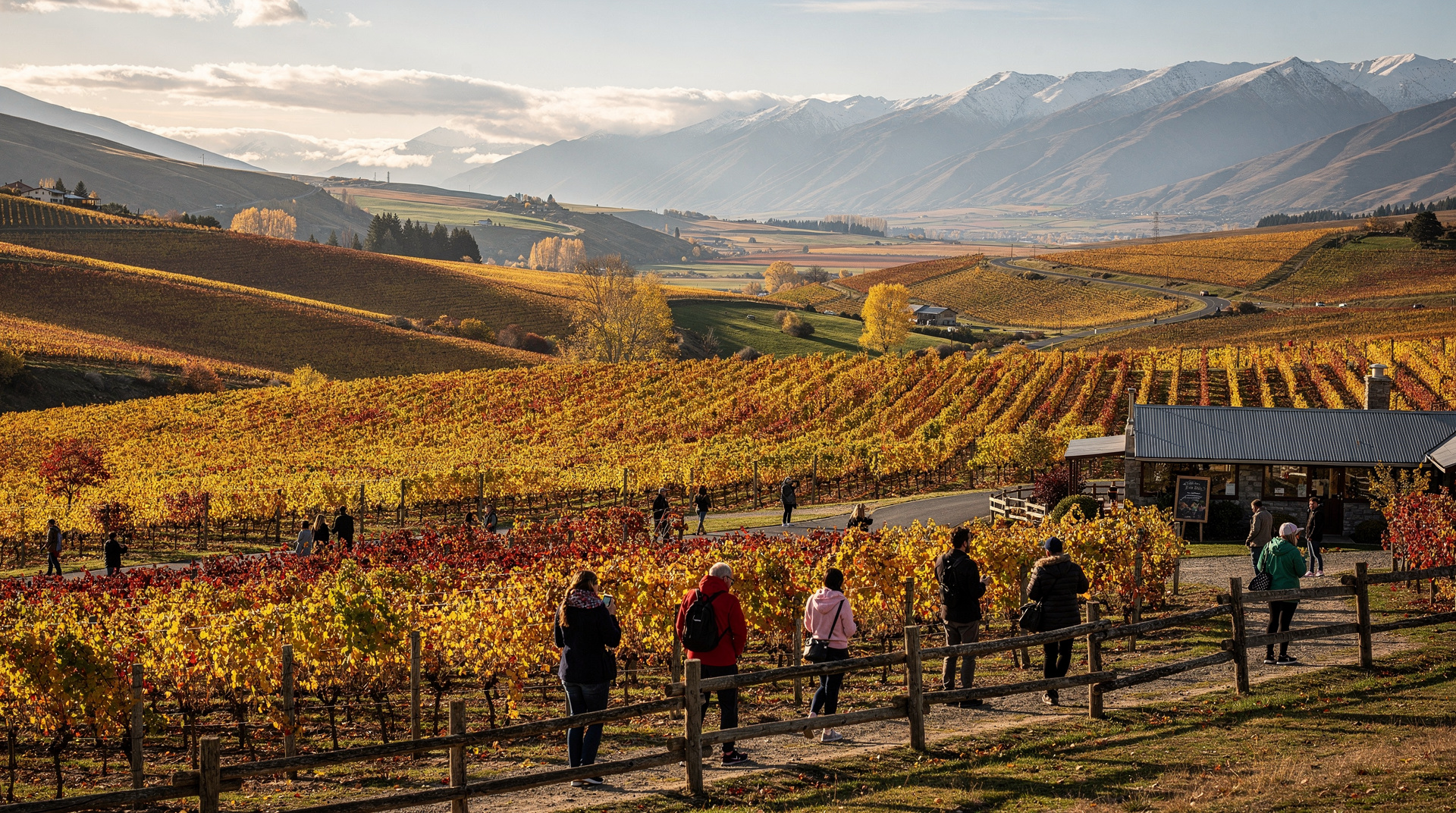
The best shoulder season itinerary for New Zealand — 14 days in autumn
A 14-day New Zealand itinerary designed for March and April: fewer crowds, better light, lower prices, and the same landscapes everyone comes for.
Last reviewed: