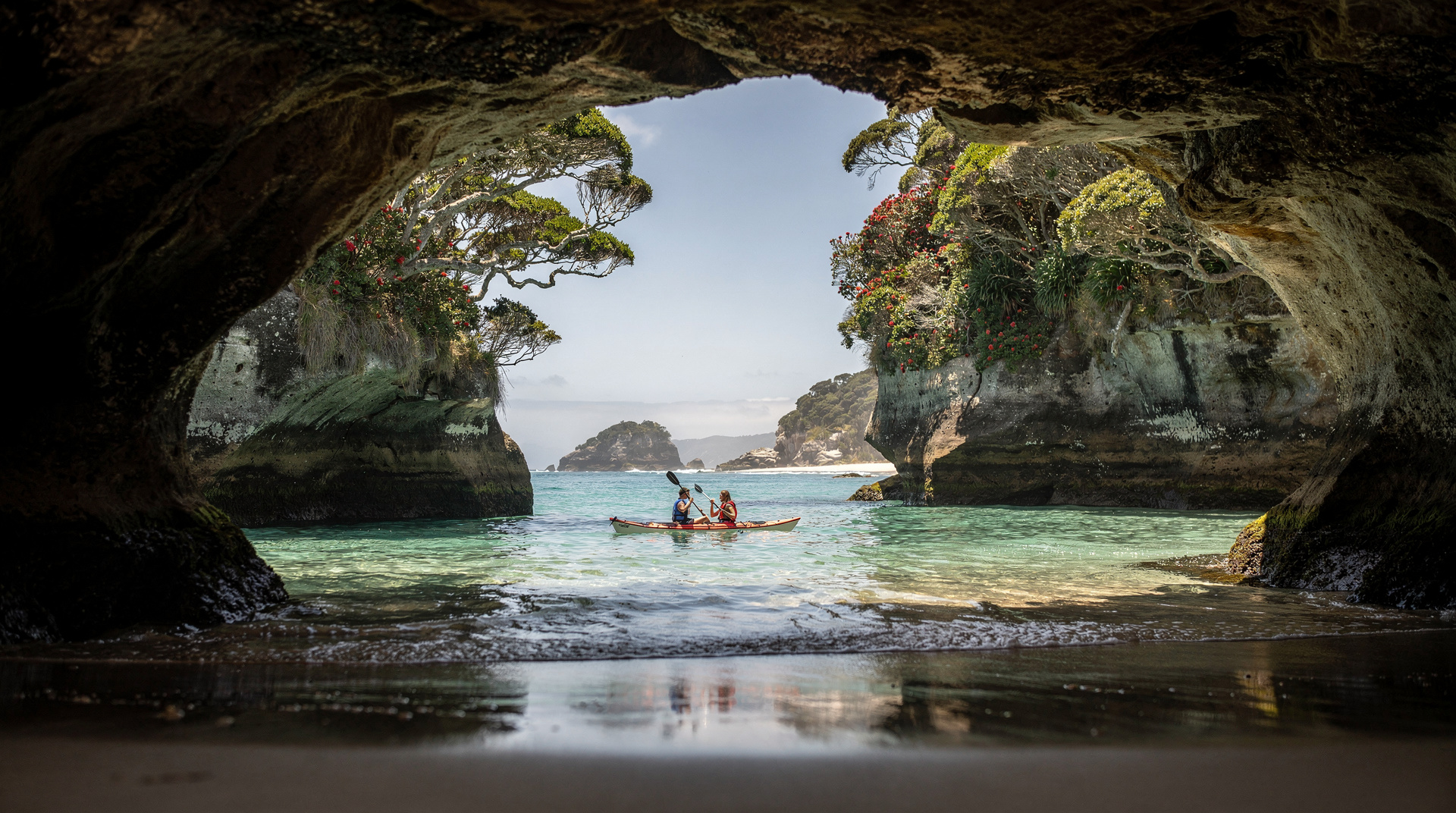
Cathedral Cove, Coromandel
Is Cathedral Cove accessible in 2026?
Cathedral Cove's walking track was significantly damaged by Cyclone Gabrielle (February 2023). The track has been reopened with trail work but check DOC's website for current conditions before visiting — seasonal closures and capacity limits may apply. Kayak access from Hahei is also an option.
Cathedral Cove — and the recovery from Cyclone Gabrielle
Cathedral Cove (Te Whanganui-A-Hei) is New Zealand’s most photographed beach — the arched rock formation connecting two white sand beaches, with pohutukawa trees above and startlingly blue-green water below. The image is global; it appeared in the Chronicles of Narnia films; it exists on thousands of Instagram feeds from every country.
The cove is reached via a walking track from the Hahei car park — 2.5 km each way through coastal scrub with views over the Mercury Islands and Aldermen Islands. In February 2023, Cyclone Gabrielle caused significant landslides across the Coromandel Peninsula; the Cathedral Cove track sustained major damage and was closed for an extended period while DOC undertook emergency stabilisation work.
Current status (as of April 2026): DOC has progressively reopened sections of the Cathedral Cove track. The track is operational but check DOC’s website (doc.govt.nz) for current conditions before visiting — seasonal closures, reduced capacity, and shuttle requirements have been implemented at various points during the restoration period and may still apply. This is not a routine “check conditions” disclaimer; the track situation has been genuinely fluid since 2023 and conditions can change with weather events.
Kayak access: Even when the track is closed or restricted, kayak access to Cathedral Cove from Hahei beach is often possible — the restrictions apply to the walking track, not the water. See kayak tour section below.
| Where | Hahei, Coromandel Peninsula, around 2.5hrs from Auckland |
| Cost | Free to walk; around NZD 5-10 car park charge; NZD 70-110 for a kayak tour |
| Time needed | 1.5-2 hours for the walk and beach; half day with Hot Water Beach |
| Getting there | Self-drive or a guided day tour from Auckland |
| Best time | Early morning or late afternoon, outside December-January midday crowds |
The walking track
When fully open, the Cathedral Cove walking track from the Hahei car park is 2.5 km each way — approximately 45 minutes one way. The track is rated easy to moderate; the path is wide, well-maintained, and partly shaded. Key stops:
Gemstone Bay: A small bay 1 km from the car park with clear water visible over a sandy bottom. Snorkelling is good here on calm days; the water has excellent visibility for a near-shore site.
Stingray Bay: The penultimate bay before Cathedral Cove, with views back along the coast and out to the Mercury Islands.
Cathedral Cove beach: The arch itself is dramatic from the beach — walk through it to reach the second beach (Hareaunga / Cathedral Cove North) where a rock stack and sea caves extend the exploration.
Seasonal restrictions: During peak summer (December–February), the car park was being managed by a shuttle system (pre-Cyclone) to reduce vehicle numbers. This system may be reinstated or modified; again, check DOC’s current status.
Kayak tours — often the best access option
The Auckland to Cathedral Cove and Hot Water Beach day tour includes transport from Auckland (3 hours each way) plus time at both Coromandel highlights. This is the most convenient option for Auckland-based visitors who don’t want to self-drive.
Sea kayaking around Cathedral Cove is the most rewarding way to see the cove when walking track restrictions are in place. From Hahei beach, kayaks round the headland to the cove in 20–30 minutes on calm days. You can paddle through the arch, explore the sea caves at the base of the rock, and snorkel the cove from water level.
The Cathedral Cove and Hot Water Beach full day from Auckland includes both highlights in a single long day — bus from Auckland, time at the cove (walking or kayaking depending on track status), Hot Water Beach timing around low tide, and return. Around 14 hours total from Auckland — long but efficient.
Kayak tour prices: NZD 70–110 / USD 42–66 / EUR 39–61 for a guided sea kayak tour from Hahei to Cathedral Cove.
The cove at different states
Early morning: The arch is in shadow from the east; the light is soft and the beach is empty. Best for photography. Walk requires a 7–8 am start from Hahei.
Midday (December–February): Extremely busy. The beach fills with day-trippers; photography through the arch is difficult to stage without people. Water is warm but the cove is crowded.
Late afternoon: The light turns golden and the crowds thin as day-trippers return. Good for swimming if the tide is right.
High tide vs low tide: At high tide, some of the sea caves at the north end of the cove are inaccessible. The beach is narrower. Low tide opens the caves and extends the exploration area; the colour of the water is most vivid in morning light at mid-tide.
Combining Cathedral Cove with Hot Water Beach
Hot Water Beach (see Hot Water Beach guide) is 8 km south of Cathedral Cove. The two are almost always visited on the same Coromandel day:
Timing logic: Hot Water Beach is only interesting within 2 hours either side of low tide (you need to dig in the sand for the geothermal water to appear above the tide line). Cathedral Cove has no tide constraint but track capacity constraints. The optimal sequence depends on low tide time:
- If low tide is mid-morning: Hot Water Beach first (8–11 am), then Cathedral Cove for midday-afternoon
- If low tide is mid-afternoon: Cathedral Cove first (morning), then Hot Water Beach (2–5 pm)
Most guided tours from Auckland manage this timing automatically.
Getting to Hahei from Auckland
Hahei is 180 km from Auckland — approximately 2.5 hours by car. The route (SH1 south to Thames, then SH25 through Kopu and Tairua to Hahei) is mostly good quality highway with the last section narrow and winding. GPS is accurate; allow 3 hours if unfamiliar with the route.
Public transport: There is no direct bus service to Hahei. The Go Coromandel bus reaches Mercury Bay (Whitianga) 15 km away; a local shuttle connects to Hahei in summer. Hiring a car or joining a day tour from Auckland is the realistic option for most visitors.
The cultural and geological story
Cathedral Cove’s Māori name, Te Whanganui-A-Hei, refers to Hei, an ancestor of Ngāti Hei who is said to have named several features of this stretch of coast. The area sits within a marine reserve — Te Whanganui-A-Hei Marine Reserve — established in 1992, which is a large part of why the water clarity and marine life around the cove remain so good: no fishing or shellfish gathering is permitted within the reserve boundary, and the fish life directly under and around the arch is noticeably denser than at unprotected Coromandel beaches nearby.
The arch itself is a sea cave that has been carved fully through a headland of the same soft volcanic rock (ignimbrite) that shapes much of the Coromandel’s coastline — a rock type that erodes relatively quickly by geological standards, which is also why the cliffs above the track are prone to the kind of slips that Cyclone Gabrielle triggered. DOC’s ongoing stabilisation work reflects an active, still-eroding landscape rather than a one-off repair job.
Photography tips
The arch faces roughly east, so morning light passes through it toward the second beach, producing the golden, backlit look in most professional photographs of the cove. Midday sun is flatter and less flattering, and the beach is also at its most crowded then. A wide-angle lens captures the full arch from the first beach; a kayak or the second beach gives you the reverse angle looking back through the arch, which is less commonly photographed and often more striking. Drones are not permitted within the marine reserve without a DOC concession — check current rules before flying, as this is actively enforced.
Costs summary (NZD / USD / EUR)
| Activity | NZD | USD | EUR |
|---|---|---|---|
| Auckland to Cathedral Cove day tour | 130–180 | 78–108 | 72–99 |
| Cathedral Cove + Hot Water Beach from Auckland | 145–195 | 87–117 | 80–107 |
| Sea kayak tour from Hahei | 70–110 | 42–66 | 39–61 |
| Walking track (self-guided) | 0 | 0 | 0 |
| Hahei car park (check current charges) | 5–10 | 3–6 | 3–6 |
Exchange rate: 1 NZD ≈ 0.60 USD ≈ 0.55 EUR.
Honest verdict
Worth it — Cathedral Cove is as beautiful as its reputation suggests. The arch formation, the beach colour, and the setting are genuinely photogenic in person rather than only on camera. The Cyclone Gabrielle aftermath has added operational complexity; check DOC’s current track status before planning. Kayak access as a backup is an excellent alternative and in some ways a better experience than the walking track (sea level view of the arch, cave access, no crowds).
Frequently asked questions
Is Cathedral Cove open after Cyclone Gabrielle?
As of April 2026, the track has been progressively reopened following DOC restoration work. Check doc.govt.nz for current operational status, any shuttle requirements, and seasonal capacity restrictions before visiting. Kayak access from Hahei typically remains available even when the walking track is restricted.
Can you swim at Cathedral Cove?
Yes — the cove is sheltered from the prevailing swell by the headland and is generally calm enough for swimming. The water clarity is excellent; snorkelling over the rocky areas at the base of the arch reveals good marine life. There is no lifeguard patrol.
How long is the walk to Cathedral Cove?
The walking track is 2.5 km each way from the Hahei car park — approximately 45 minutes one way at a moderate pace. Returning gives 5 km and 90 minutes total walking. Suitable for most fitness levels; partly shaded and well-maintained when fully open.
Is Cathedral Cove in a marine reserve, and does that affect what I can do there?
Yes — it sits within the Te Whanganui-A-Hei Marine Reserve, established in 1992. Fishing and shellfish gathering are prohibited throughout the reserve, which is part of why the water and marine life around the cove are noticeably better than at nearby unprotected beaches. Snorkelling and swimming are unaffected; just don’t fish or collect anything from the rocks.
Related reading
Related guides
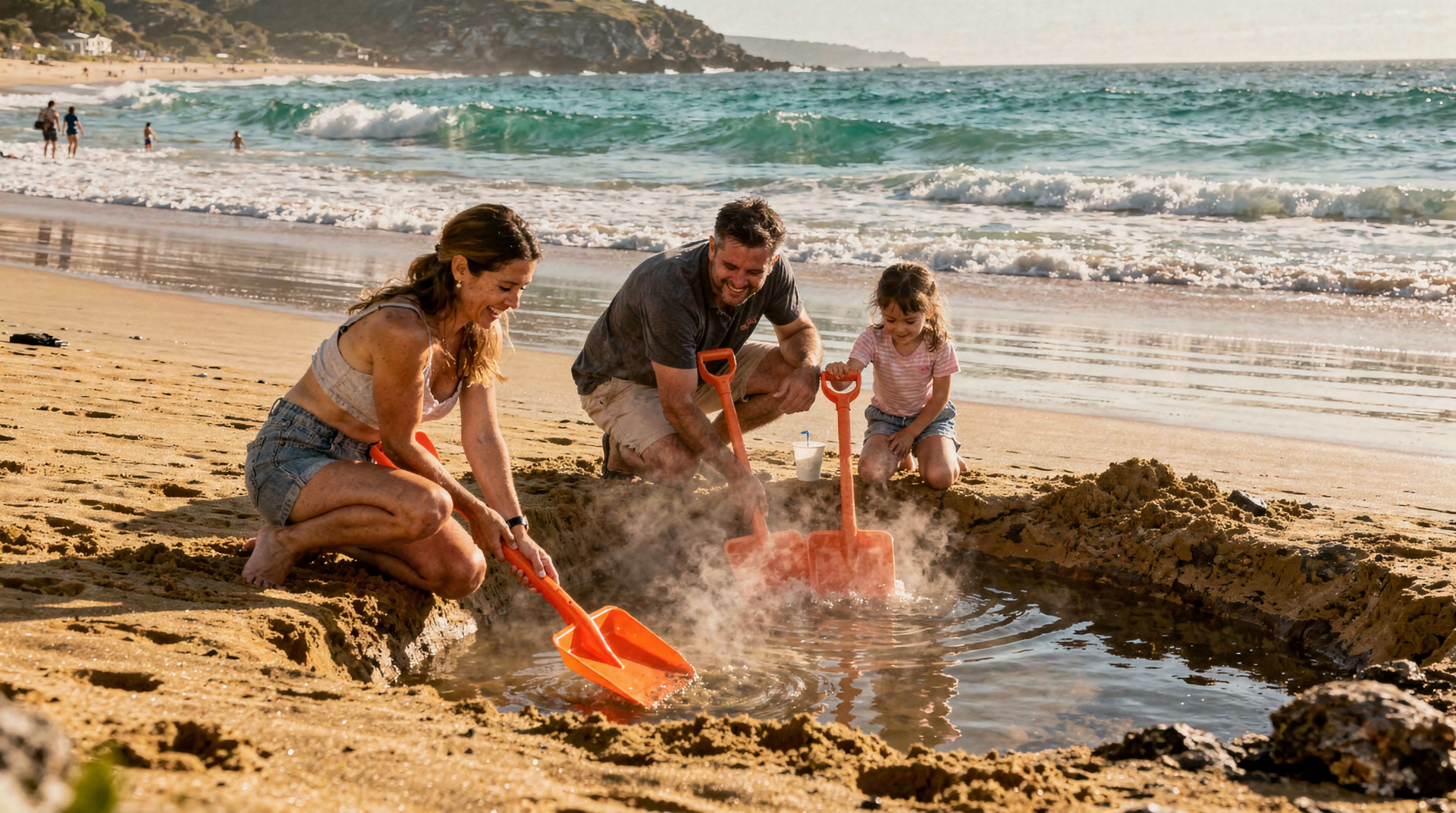
Hot Water Beach, Coromandel
Hot Water Beach: dig into the sand at low tide and geothermal water wells up. Timing the tide window, spade hire, access from Auckland — costs NZD/USD/EUR.
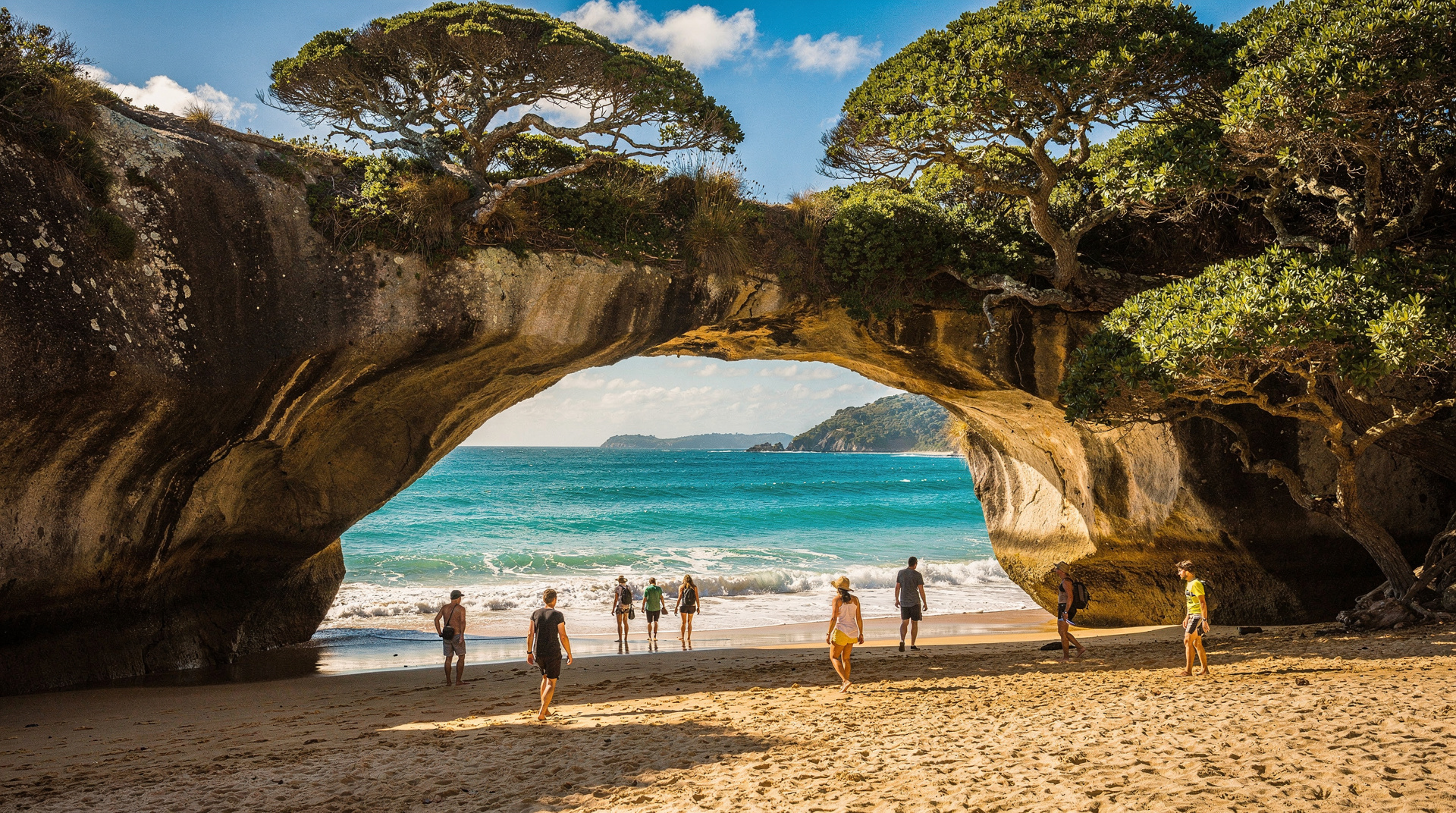
Best day trips from Auckland
Six great day trips from Auckland: Waiheke, Hobbiton, Waitomo, Coromandel, Rotorua and more — with drive times, GYG tours, and honest advice.
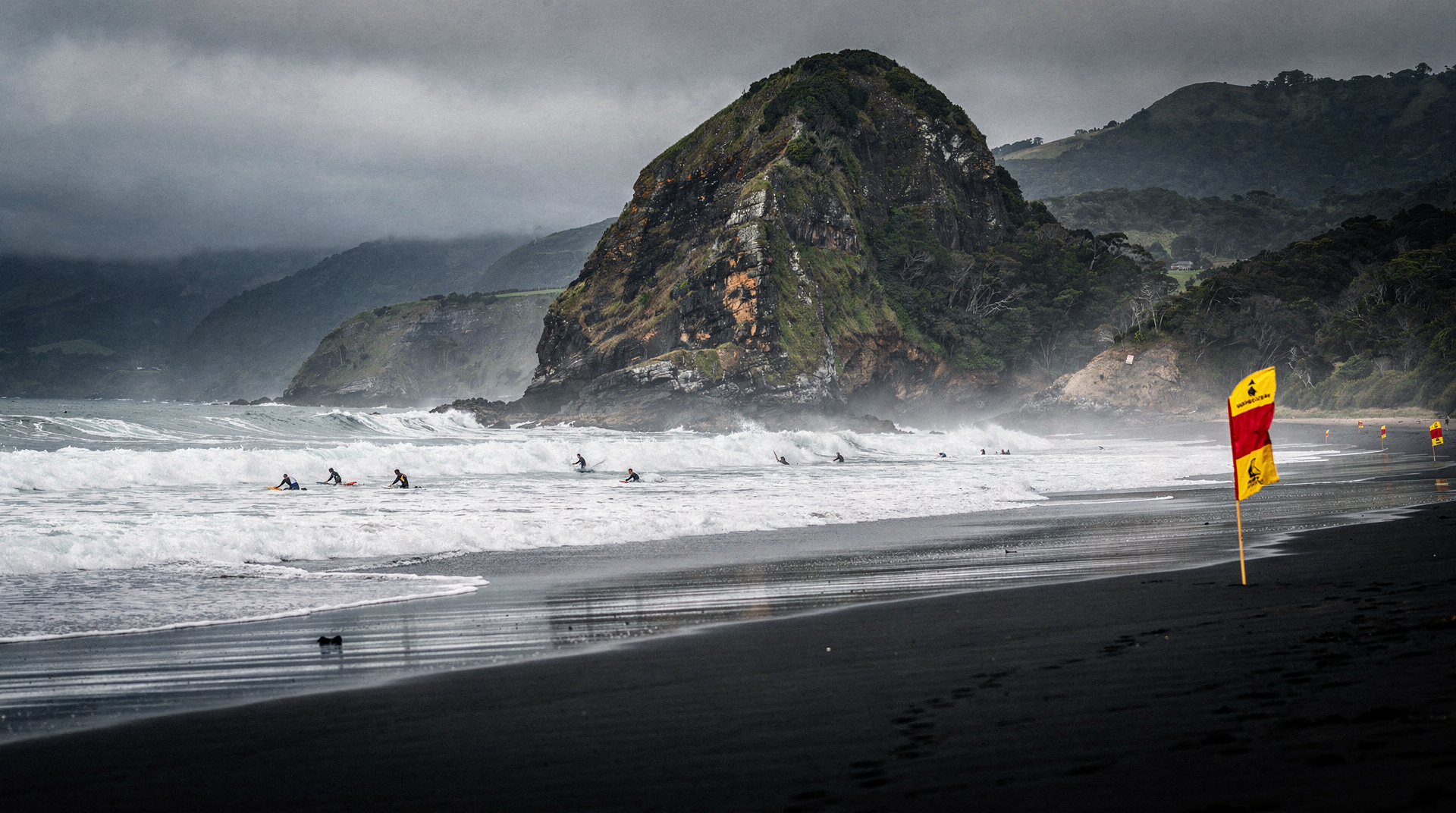
Piha beach — Auckland's wild black-sand coast
Piha is Auckland's most famous black-sand surf beach. Getting there, rip current safety, Lion Rock climb, and shuttle options — prices and practical tips.
Waikato
Honest Waikato guide: Hobbiton Movie Set, Waitomo glowworm caves, Hamilton Gardens, Raglan surf. Real NZD/USD/EUR prices, what's worth your time.
90 Mile Beach — Cape Reinga and Northland's wild coast
90 Mile Beach is 88 km of wild Northland surf coast. Why rental cars can't drive it, tour access, sand dune boarding, and Cape Reinga — prices NZD/USD/EUR.
Last reviewed: