Manawatu-Whanganui
Manawatu-Whanganui: the Whanganui River Journey Great Walk by canoe, Palmerston North, and the Forgotten World Highway. Real costs NZD/USD/EUR.
Quick facts
- Main city
- Palmerston North — 90,000 people, university city, NZAF base
- Key experience
- Whanganui River Journey — one of NZ's 11 Great Walks, by canoe
- Currency
- NZ$ — USD ~$0.60 / EUR ~$0.55
- Whanganui city
- River city on the Whanganui River, strong arts and heritage scene
- DOC
- Whanganui National Park — the river is the primary wilderness asset
The river that is a person
In 2017, the Whanganui River became the first river in the world to be granted legal personhood. Under the Te Awa Tupua Act, the river — from its source on the slopes of Mt Tongariro to the sea — was recognised as a legal entity with the same rights as a person. The legislation emerged from 140 years of Maori legal advocacy, based on the traditional understanding of the Whanganui iwi that the river is an ancestor: Ko au te awa, ko te awa ko au — “I am the river, the river is me.”
This is the most useful fact to understand before visiting the region. The Whanganui is not merely a scenic waterway; it is a living ancestor of the Whanganui people and is now a legal entity. The experience of canoeing it — particularly the multi-day river journey — is shaped by this relationship whether you know it or not.
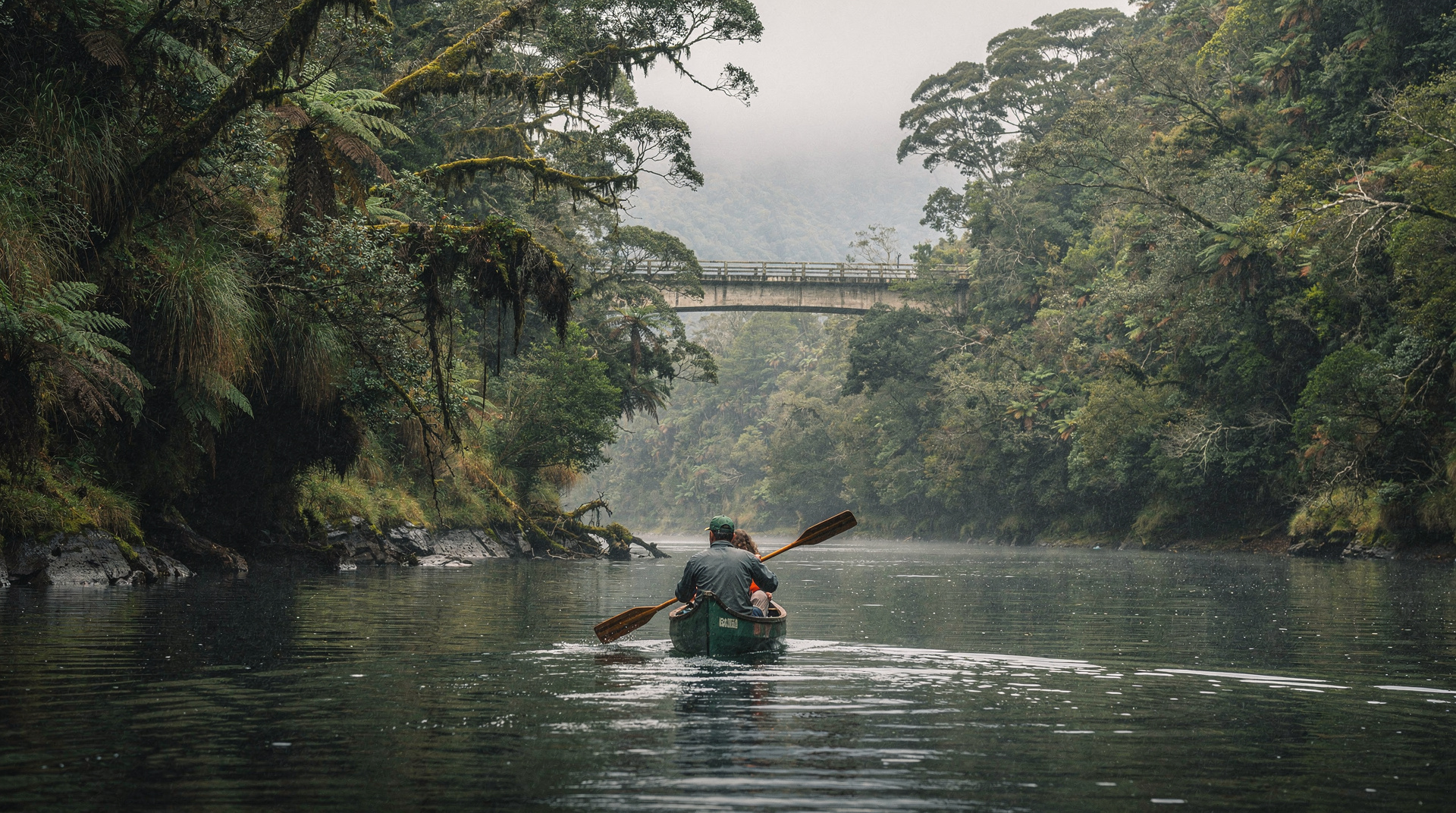
The Whanganui River Journey is one of New Zealand’s 11 Great Walks (technically a Great Paddle), running approximately 145 km from Taumarunui or Whakahoro to Pipiriki, typically in 3–5 days depending on put-in point. It is the only Great Walk completed entirely by canoe rather than on foot.
| Where | Central-lower North Island, between Wellington and Tongariro |
| Time needed | 1–2 days for the region; 3–5 days if paddling the full river journey |
| Getting there | Self-drive; Whanganui is 2.5 hrs from Wellington |
| Cost | Full river journey around NZD 550–750pp; short canoe experience from NZD 55 |
| Best time | October–April for the river journey; year-round for Palmerston North and Whanganui city |
What to do in the Manawatu-Whanganui region
Whanganui River Journey — 3 to 5 days by canoe: The full river journey from Taumarunui is 145 km; from Whakahoro (more commonly used) it is 87 km to Pipiriki. The river section runs through the Whanganui National Park gorge — the longest unbroken stretch of forest in the lower North Island — with DOC huts at regular intervals. The river is grade 2 at most points; suitable for beginners with a basic canoe briefing, though there are several grade 2–3 rapids requiring basic paddling competence.
The Whanganui River Journey: 3-5 Day All Inclusive Canoe Tours from Ohakune is the easiest way to arrange the multi-day journey — equipment, DOC hut bookings, food, and safety briefing included. NZD 550–750 / USD 330–450 / EUR 303–413 per person for 3 days. Book well ahead; the river is popular October to April.
Whanganui 2.5-hour canoe experience: For those with limited time, a shorter river experience is available near Whanganui city. The Whanganui: 2.5-Hour River Canoe Experience gives a taste of the river without the multi-day commitment; NZD 55–75 / USD 33–45 / EUR 30–41.
Tongariro Alpine Crossing shuttle: Ohakune, at the southern edge of Tongariro National Park, is within the Manawatu-Whanganui region. The Tongariro Alpine Crossing Round-Trip Shuttle Service operates from Manawatu-Whanganui locations; NZD 35–50 / USD 21–30 / EUR 19–28 per person. See the Tongariro National Park guide for the full crossing context.
Whanganui city arts scene: Whanganui is the most arts-active city of its size (population ~48,000) in New Zealand. The Sarjeant Gallery Te Whare o Rehua (currently being rebuilt, partially open) holds significant New Zealand and international works. The River Traders Market (Saturdays) and the Whanganui Arts and Culture hub on Taupo Quay are worth several hours. The Royal Wanganui Opera House (1899) still operates as a performing arts venue.
Bridge to Nowhere, Whanganui National Park: One of the most poignant landmarks in the North Island. A concrete bridge built in 1936 for a farming settlement that was abandoned after WWII — the settlers left, the roads were never completed, the bush reclaimed the farmland, and the bridge sits in the middle of the Mangapurua valley connecting nothing to nothing. Accessible by jetboat from Pipiriki (book with Whanganui River Adventures) or on a multi-day hike through the Mangapurua Track. Jetboat day trip from Whanganui approximately NZD 120–160 / USD 72–96 / EUR 66–88.
Palmerston North: The Manawatu’s main city — a university town (Massey University) with good coffee, good restaurants, a lively student culture, and the Te Manawa museum covering Manawatu and Maori heritage. Not a destination in itself but a comfortable overnight stop. The Manawatu Gorge (currently closed for track rehabilitation; check DOC for current status) is a remarkable carved gorge accessible near Woodville.
Rangitikei River: The Rangitikei, north of Palmerston North, provides some of the North Island’s best white-water kayaking and rafting. Gravity Canyon near Taihape offers white-water rafting and the world’s highest water-touch bungy (71 metres). Book direct with Gravity Canyon.
Forgotten World Highway rail carts (Taumarunui): The Forgotten World Highway (SH43) between Taumarunui and Stratford is one of New Zealand’s most dramatic and least-visited drives — a winding 155 km road through remote hill country with no towns and one pub. The same landscape is traversable by motorised rail cart on a disused branch railway line that once served the scattered farming settlements of the King Country interior.
The Taumarunui Forgotten World rail cart tour with lunch covers the most scenic sections with a guide and a country lunch included. For a more self-paced format, the Republic rail cart adventure from Taumarunui is a longer excursion through the same abandoned rail corridors. Both are atmospheric and unusual — strongly recommended for anyone who appreciates NZ’s rural history alongside dramatic landscape. Taumarunui is 2.5 hours south of Hamilton via SH4, or 1 hour north of Ohakune.
The Bridge to Nowhere and the failed settlements
The Manawatu-Whanganui interior is dotted with evidence of failed settlement attempts. The Bridge to Nowhere is the most dramatic, but the broader landscape of the Whanganui River catchment is full of abandoned homesteads, overgrown farmland, and DOC-managed former farms. The government settled returned WWII soldiers in the upper Whanganui Valley in the 1930s and 1940s; the isolation, steep terrain, and poor soils defeated most of the farms within a generation.
This failed landscape is now Whanganui National Park, and its inaccessibility — the reason farms couldn’t function — is the reason the forest is now largely intact.
Where to stay
Whanganui city:
- Siena Motor Lodge: Central, reliable mid-range. NZD 130–190 / USD 78–114 / EUR 72–105.
- Tamara Backpackers: Good budget option in the city centre. Dorms NZD 28–40 / USD 17–24 / EUR 15–22.
Palmerston North:
- Distinction Palmerston North Hotel: The best hotel option in the city. NZD 160–240 / USD 96–144 / EUR 88–132.
- Scenic Hotel: Good mid-range. NZD 130–190 / USD 78–114 / EUR 72–105.
On the river:
- Flying Fox: An extraordinary accommodation option accessible only by a flying fox (aerial ropeway) over the Whanganui River at Mangapapa, downstream of Pipiriki. Garden and bush setting; genuinely remote. NZD 150–200 / USD 90–120 / EUR 83–110 per night, includes breakfast. Book well ahead.
What to eat and drink
Whanganui:
- Yellow House Cafe: The best cafe in Whanganui — good coffee, excellent seasonal food. Open from 7am. NZD 14–24 / USD 8–14 / EUR 7.50–13.
- Stellar Restaurant: Good evening dining on Guyton Street. Mains NZD 26–40 / USD 16–24 / EUR 14–22.
Palmerston North:
- Zest Food and Espresso: The most-recommended cafe in the city. NZD 14–22 / USD 8–13 / EUR 7.50–12.
- The Hangar: Good craft beer and food near the central city. NZD 18–28 / USD 11–17 / EUR 10–15.
Skip / worth it / splurge
- Skip: Palmerston North for its own sake — it is a decent city but not a reason to visit the region
- Worth it: 2.5-hour Whanganui river canoe (NZD 55–75 / USD 33–45 / EUR 30–41) if the full journey is too long
- Worth it: Bridge to Nowhere jetboat day trip (NZD 120–160 / USD 72–96 / EUR 66–88) — one of the more atmospheric single days in the North Island
- Splurge: Full Whanganui River Journey, 3-5 days (NZD 550–750 / USD 330–450 / EUR 303–413 all-inclusive) — New Zealand’s only Great Walk by water; genuinely extraordinary
How to fit Manawatu-Whanganui into your itinerary
The region sits between Wellington (2 hours from Palmerston North) and Taupo/Tongariro (2 hours north). The most logical itinerary structure that includes the Whanganui River Journey: Wellington → Whanganui (1 night) → river journey (3–5 days, Ohakune or Whakahoro put-in) → Pipiriki pick-up → Tongariro National Park or Taupo.
For those not doing the river journey, Whanganui city is a viable overnight stop between Wellington and Auckland on the main SH1 highway corridor.
On a 21-day New Zealand itinerary that includes the Whanganui River Journey, the river takes days 12–16 of a North Island circuit, providing a pace change from the standard drive-based itinerary.
Combining with Wellington and Taranaki
Manawatu-Whanganui sits naturally between two other North Island regions worth pairing it with. From Wellington, it’s a straightforward 2-hour drive north, and travellers with less time can substitute a shorter Wairarapa day trip from Wellington for a similar rural change of pace without committing to the full Whanganui detour. West toward the coast, Taranaki and Mt Taranaki (see the Mt Taranaki guide) make a scenic loop extension via the Forgotten World Highway, which already passes through this region’s eastern edge at Taumarunui.
Frequently asked questions about Manawatu-Whanganui
Do I need canoe experience for the Whanganui River Journey?
Basic canoe competence is sufficient for most of the river. The operators who run the all-inclusive tours provide a paddling briefing before departure. Grade 2 rapids — the most challenging on the standard route — can be portaged by less confident paddlers. Solo canoes and tandems are both available. The biggest practical challenge is the physical endurance of paddling for 4–6 hours per day across multiple days.
What is the best section of the Whanganui River Journey for a shorter experience?
The Whakahoro to Pipiriki section (87 km, 3 days) is the most popular and includes the main gorge scenery and the Bridge to Nowhere access. The full Taumarunui to Pipiriki section (145 km, 5 days) includes more remote upper river terrain. For a single day introduction, the 2.5-hour canoe experience from Whanganui city gives the river character without the logistics.
When is the Whanganui River at its best?
October to April is the main season, when the DOC huts are staffed and water levels are typically manageable. The river runs year-round but winter (June-August) brings colder water, higher flood risk, and unstaffed huts. The autumn shoulder season (March-April) offers warm days, fewer other paddlers, and good river conditions.
Is Manawatu-Whanganui worth visiting without doing the river journey?
Yes, though more modestly. Whanganui city’s arts scene, the Bridge to Nowhere jetboat day trip, and the Forgotten World Highway rail carts are all worthwhile without the multi-day canoe commitment. Palmerston North is a comfortable overnight stop but not a destination in its own right — treat it as a convenient base rather than a highlight.
Top experiences: manawatu whanganui New Zealand
See all →Related guides
Wellington
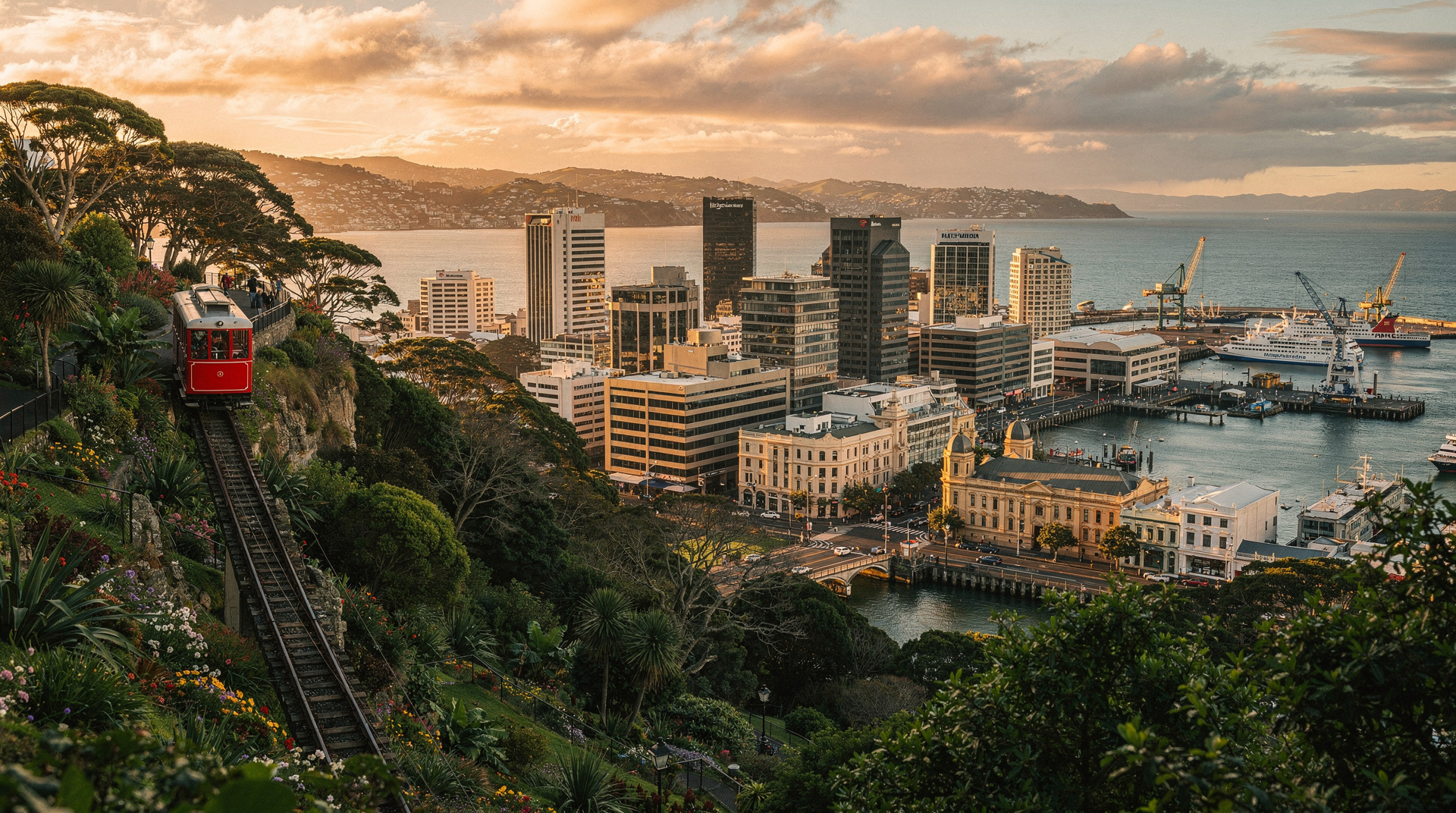
Honest Wellington guide: Te Papa museum, Weta Workshop LOTR tours, Zealandia, Cuba Street, ferry to South Island, real prices NZD/USD/EUR.
Taranaki
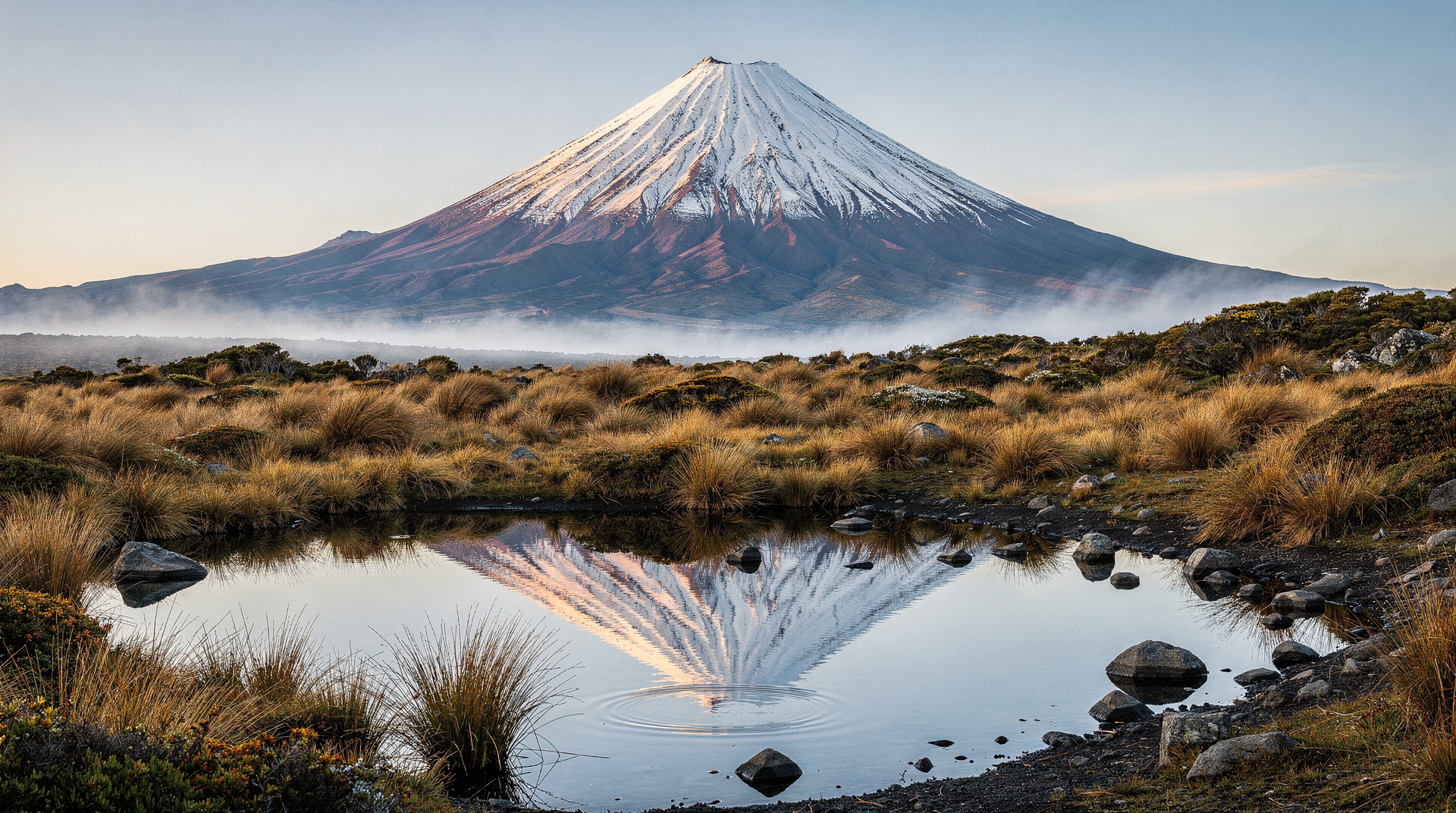
Taranaki: the perfect cone of Mt Taranaki, New Plymouth arts, the Forgotten World Highway. Zero GYG tours, book direct. Real prices NZD/USD/EUR.
Waikato
Honest Waikato guide: Hobbiton Movie Set, Waitomo glowworm caves, Hamilton Gardens, Raglan surf. Real NZD/USD/EUR prices, what's worth your time.
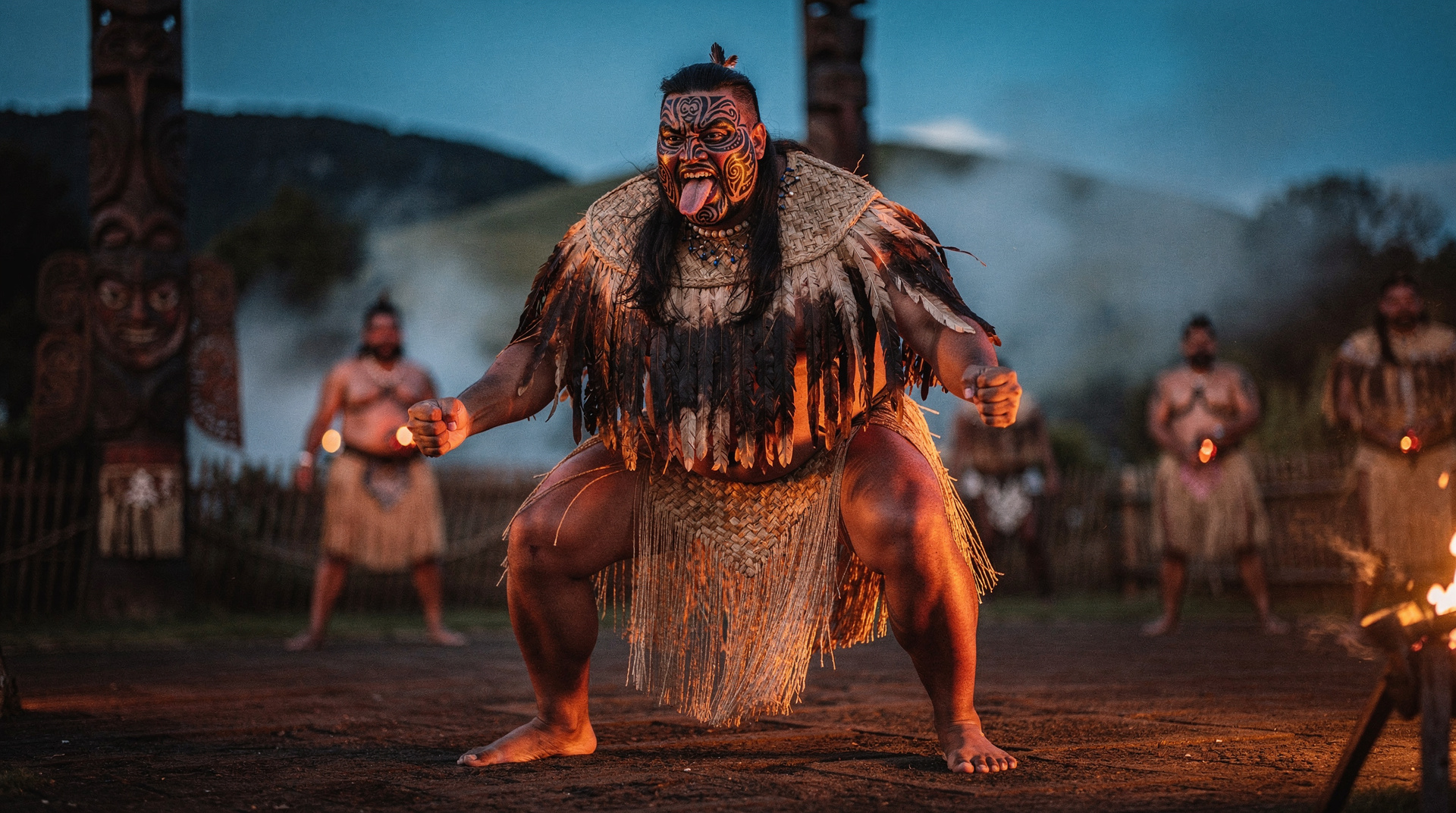
Maori culture overview — what every visitor should know
Respectful introduction to Maori culture for visitors: tangata whenua, Te Tiriti, tikanga basics, language, cultural experiences, and how to engage honestly.
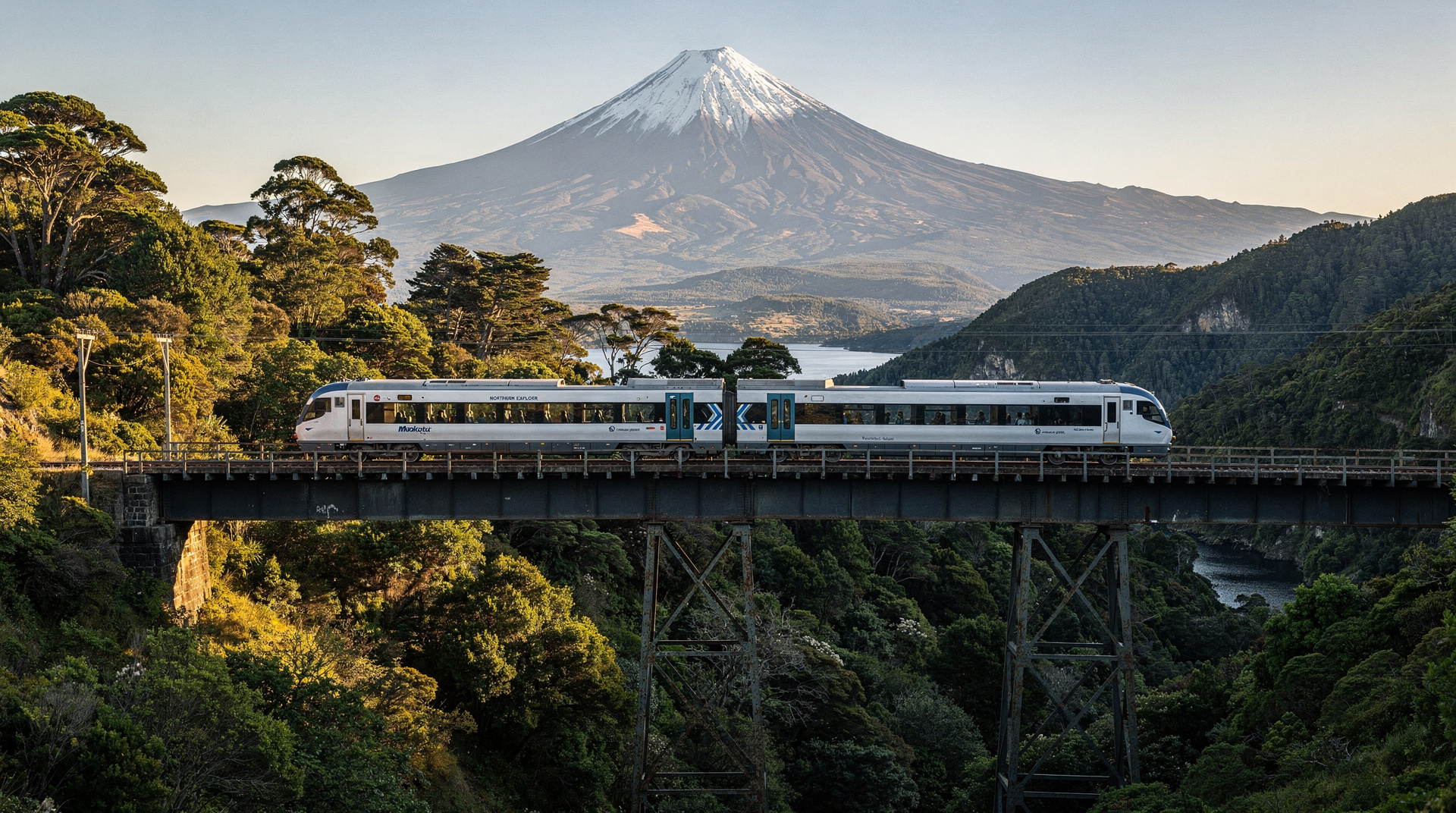
Northern Explorer train — Auckland to Wellington by scenic rail
Northern Explorer train guide: the 12-hour Auckland-Wellington journey, what you see, when it runs, ticket prices NZD/USD/EUR, and honest verdict versus flying.

First time in New Zealand
Complete first-timer's guide to NZ: costs, logistics, Maori culture, what to book early, and how to structure 7–21 days.
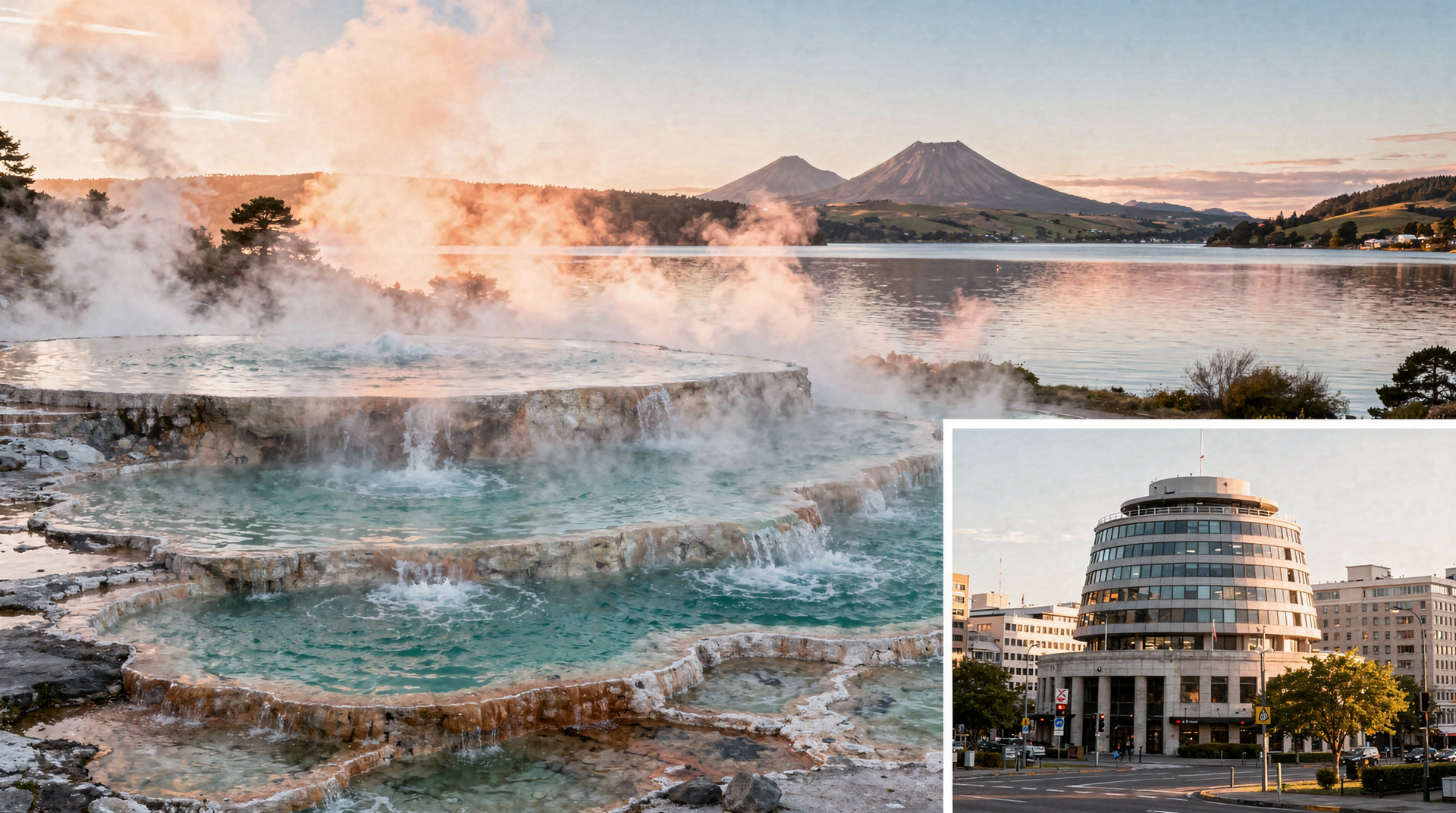
7-day North Island itinerary — the essential highlights
Auckland → Bay of Islands → Hobbiton → Waitomo → Rotorua → Taupo → Tongariro → Wellington. 7 days, both car and costs covered honestly.
Why New Zealand is worth the flight
After three trips to New Zealand from Europe, here's the honest cost-benefit: when 24 hours in transit pays off, and when it doesn't.
Last reviewed: