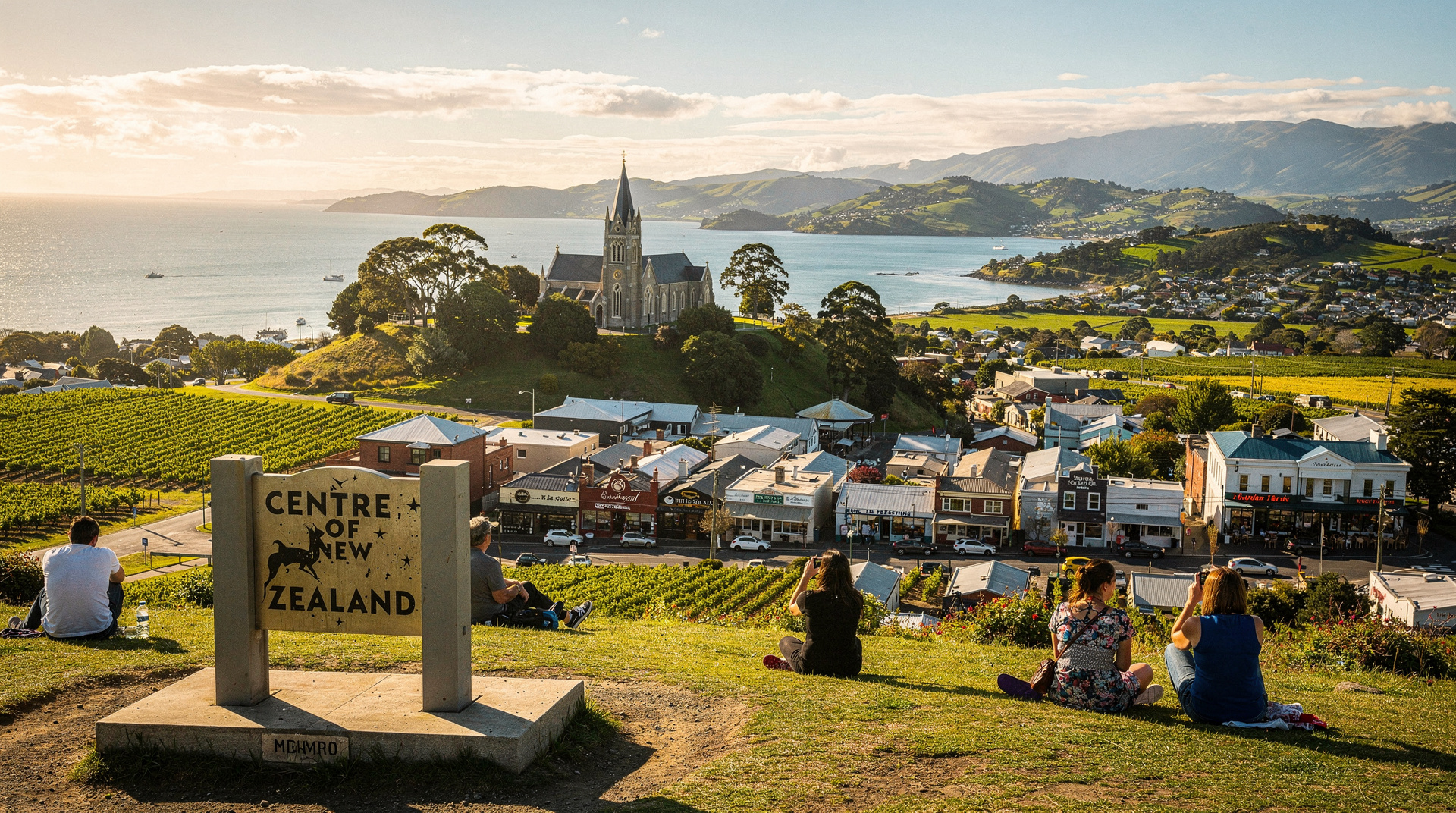
Nelson
Nelson: New Zealand's sunniest city, gateway to Abel Tasman, with a strong arts scene, wine and craft beer, and real costs NZD/USD/EUR.
Quick facts
- Sunshine
- 2,405+ hours per year — consistently New Zealand's sunniest region
- Population
- ~54,000
- Gateway to
- Abel Tasman National Park (1 hr), Golden Bay (1.5 hrs), Kaikoura (2.5 hrs)
- Currency
- NZ$ — USD ~$0.60 / EUR ~$0.55
- Airport
- Nelson Airport (NSN) — direct flights from Auckland and Wellington
New Zealand’s sunniest city
| Where | North-western tip of the South Island |
| Time needed | 1–2 days as a base or standalone stop |
| Cost | Around NZD 75–240 / USD 45–144 / EUR 41–132 per activity |
| Getting there | Direct flights from Auckland/Wellington; 2 hrs by road from Picton |
| Best time | November to March for warmest weather; March–April for shoulder season |
Nelson sits at the north-western tip of the South Island in a region that consistently records more sunshine hours than anywhere else in New Zealand. More than 2,400 hours per year — that is more than Queenstown, more than Blenheim, more than Auckland. The light quality in summer, with the bay to the north and the forested hills behind, is distinctive: bright without being glaring, warm without humidity.
The city itself has built a culture around that light. Nelson has the highest density of working artists and galleries per capita of any New Zealand city — ceramics, glass, jewellery, woodwork, textiles. The Saturday morning Nelson Market on Montgomery Square is one of the better weekly markets in the South Island. The surrounding region produces Sauvignon Blanc, Chardonnay, and increasingly interesting craft beer.
For most travellers, Nelson functions as a base for Abel Tasman National Park — the most accessible of New Zealand’s Great Walk parks — and as a comfortable night or two between the Marlborough ferry route and the West Coast or the Golden Bay. But the city rewards a half-day of wandering in its own right: the arts precinct, the cathedral, the inner harbour with its restaurants, and the South Street Gallery Quarter.
Why Nelson is worth a proper stop
Most visitors use Nelson purely instrumentally — a hotel before an Abel Tasman kayak departure, a meal between drives. This is understandable but misses what makes the city genuinely pleasant: its completeness at a small scale.
The central city is entirely walkable. Christ Church Cathedral sits on a hill with a view over Trafalgar Street and across to the bay. The Arts Quarter along Bridge and Halifax Streets has working studios where you can watch potters, jewellers, and woodworkers during business hours. Jens Hansen’s studio on Trafalgar Street is where the original One Ring was made for Peter Jackson’s Lord of the Rings — a fact that draws LOTR pilgrims but is handled with appropriate understatement.
The regional food scene relies heavily on the surrounding horticulture. The Nelson-Tasman region produces hops for New Zealand’s booming craft beer industry; the Moutere Valley, 15 km west of the city, has boutique wineries making whites and Pinot Noir at a quality level that consistently surprises visitors expecting only Sauvignon Blanc.
What to do in Nelson
Abel Tasman National Park is the main event. Water taxis, sea kayaks, the Coastal Track — all accessible from Marahau, 60 km from Nelson. The full Abel Tasman guide covers this in depth. For a single day from Nelson, the Abel Tasman National Park Day Trip with 1.5-Hour Cruise is the standard efficient option. Full day from Nelson; NZD 110–145 / USD 66–87 / EUR 61–80.
Sea kayaking at Abel Tasman: The full-day sea kayak experience covers golden-sand bays, seal colonies at Tonga Island, and optional water taxi return. Abel Tasman Full-Day Kayak, Seals and Cruise Experience is the best-value single day option for active travellers. NZD 155–185 / USD 93–111 / EUR 85–102.
Nelson Saturday Market: Montgomery Square, Saturday mornings 8am–1pm. Local produce, ceramics, fresh bread, street food, and a very high proportion of locally made goods rather than cheap imports. One of the few South Island markets that merits the term artisan without embarrassment.
Jens Hansen studio: 320 Trafalgar Street. The goldsmith who made the original One Ring props for all six Hobbit and LOTR films. The studio still makes rings and jewellery; worth a 20-minute visit regardless of your level of LOTR interest. Free entry.
Nelson Provincial Museum: Covers the cultural and natural history of the Nelson region with a focus on Maori heritage of the Te Tau Ihu (top of the South) region. The taonga (treasures) collection is modest but well-presented. NZD 10 / USD 6 / EUR 5.50.
Wine tour — Moutere Hills: The Moutere Valley wineries (15–25 km west) are boutique, family-operated, and producing wines that consistently outperform their price point. Nelson Wine Tour with Tastings and Lunch covers three to four wineries including the Moutere Valley and Waimea Plains. Half-day; NZD 120–165 / USD 72–99 / EUR 66–91.
For a shorter dedicated wine experience — useful if you have only an afternoon or are combining wine with an Abel Tasman day — the Nelson wine region half-day winery tour focuses on two or three Waimea Plains producers with guided commentary on the Nelson wine identity. NZD 75–100 / USD 45–60 / EUR 41–55.
Great Taste Trail cycling: The Great Taste Trail is a 175 km cycling network connecting Nelson’s city, beaches, and wine regions. The most popular section links Nelson to Mapua via the Ruby Bay coast — sealed paths, mostly flat, with cafes and wineries accessible by bike. Tasman’s Great Taste Trail: Spooner’s Tunnel to Tahunanui provides bike and logistics for the best section.
Half-day; suitable for most fitness levels. For those who prefer a self-guided full day on this route with more flexibility to stop at Mapua’s cafes and galleries, the Nelson to Mapua full-day self-guided cycling adventure provides the bike and a mapped route without a fixed group itinerary — a good option if you want to linger at the Ruby Coast estuary or detour to a winery along the trail.
Day trips from Nelson
Abel Tasman National Park: The main day trip. 60 km, 1 hour to Marahau. Full details in the Abel Tasman guide.
Golden Bay: 1.5 hours over the Takaka Hill. Farewell Spit, Wharariki Beach, and the Pupu Springs. Full details in the Golden Bay guide.
Kaikoura: 2.5 hours via SH6 and the Rai Valley. Feasible as a long day-trip for whale watching, though an overnight makes more sense.
Marlborough wine region: 1.5 hours to Blenheim. A morning drive, afternoon of wine tasting, and return to Nelson makes a feasible day-trip. The Marlborough Sounds guide covers the wine region context.
Where to stay in Nelson
Trailways Hotel: Best mid-range option in the city, close to the arts quarter. NZD 180–280 / USD 108–168 / EUR 99–154.
The Honest Lawyer: Near Nelson Airport, good value if arriving late by air. NZD 150–220 / USD 90–132 / EUR 83–121.
Palace Motor Lodge: Reliable mid-range motel on the Tahunanui Beach Road. NZD 130–190 / USD 78–114 / EUR 72–105.
Tasman Backpackers: Central budget option, well-maintained. Dorms NZD 32–45 / USD 19–27 / EUR 17–25; privates NZD 90–130 / USD 54–78 / EUR 50–72.
Tahunanui Beach: The beachfront suburb 3 km from the city centre has holiday accommodation including several motor camps. Good for families and campervan travellers. Power sites NZD 40–60 / USD 24–36 / EUR 22–33.
What to eat and drink
Nelson’s food scene punches well above the city’s size, driven by the local produce — hops, horticulture, seafood from the Tasman Bay.
Ford’s Restaurant: The best restaurant in Nelson for locally sourced ingredients and Nelson Tasman region wines. Mains NZD 34–48 / USD 20–29 / EUR 18–26.
Harry’s Bar: The liveliest bar in the city; good craft beer selection featuring local Mussel Inn, Sprig and Fern, and other regional breweries. NZD 10–14 / USD 6–8 / EUR 5.50–7.70 per pint.
The Boat Shed Cafe: Over the water at the inner harbour on Wakefield Quay. Good for seafood with a view; NZD 28–44 / USD 17–26 / EUR 15–24.
Lambretta’s Cafe Bar: Excellent for brunch and lunch in the Trafalgar Street arts quarter. NZD 18–28 / USD 11–17 / EUR 10–15.
Sprig and Fern Brewery: The Nelson-based craft beer company with several city outlets. The harvest ale (using fresh local hops) in autumn is outstanding. Beers from NZD 8 / USD 4.80 / EUR 4.40.
Skip / worth it / splurge
- Skip: The Centre of New Zealand walk (30-minute climb to the geographical centre marker) unless you specifically need the views — the centre point is in fact a historical surveying reference, not the actual geographic centre
- Worth it: Saturday market (free entry, NZD 20–40 / USD 12–24 / EUR 11–22 for provisions)
- Worth it: One full day at Abel Tasman including a water taxi segment (NZD 110–145 / USD 66–87 / EUR 61–80)
- Splurge: Full-day sailing Abel Tasman with lunch (NZD 185–240 / USD 111–144 / EUR 102–132)
How to fit Nelson into your itinerary
On a South Island loop starting with the Cook Strait ferry, Nelson typically appears as day three or four: Picton (night 1) → Blenheim/Marlborough wines (day 2) → Nelson (night 2–3) → Abel Tasman or Golden Bay (day 3–4) → West Coast.
If flying directly to Nelson (direct flights from Auckland and Wellington make this possible), the city works as a South Island starting point. Nelson to Queenstown by road is 8–9 hours; most people break this journey with a night on the West Coast.
On a 14-day New Zealand itinerary, Nelson appears briefly as a comfortable overnight after the ferry crossing, with Abel Tasman taking the main day before the West Coast drive south.
Nelson vs Motueka as an Abel Tasman base
Nelson competes with the smaller town of Motueka, 50 km closer to the Abel Tasman entrance at Marahau, for the role of park base. The honest comparison: Nelson wins on city infrastructure — better restaurants, a wider choice of accommodation, an airport, and things to do on a rest day. Motueka wins on convenience if Abel Tasman is your sole reason for visiting the region — it shaves 45–60 minutes off each day-trip to the park and puts you closer to Golden Bay too. Most first-time visitors do better staying in Nelson and accepting the extra drive time, since the city itself is worth the half-day it deserves. See the Nelson-Tasman regional guide for the full comparison across the whole area.
Nelson by season
| Months | Conditions | What it means for you |
|---|---|---|
| Nov–Feb | Warmest, sunniest, busiest | Peak season for Abel Tasman day trips; book ahead |
| Mar–Apr | Still warm, harvest season for wine and hops | Best value shoulder window |
| May–Aug | Cooler but rarely harsh — Nelson stays sunnier than most of the South Island | Arts quarter and markets continue; kayaking needs a wetsuit |
| Sep–Oct | Warming up, fewer visitors | Good value before the summer rush |
Frequently asked questions about Nelson
Is Nelson the best base for Abel Tasman National Park?
Nelson and Motueka are both viable bases. Motueka (30 km closer to the park entrance at Marahau) is the better base if Abel Tasman is your sole purpose; Nelson is better if you want the city infrastructure alongside park access.
Does Nelson have good beaches?
Tahunanui Beach is Nelson’s main beach — 2 km of sand, shallow and safe for children, with a playground and holiday park. It is good but not extraordinary by New Zealand standards. The beaches inside Abel Tasman are significantly better and deserve the extra 60 km of driving.
What is the best month to visit Nelson?
January and February are peak summer: warmest water, maximum sunshine, and the most activities available. March is arguably the best value month — still warm and sunny, significantly fewer tourists, and the harvest season for the wine and hop regions. April is getting cooler but still pleasant.
How many days should I spend in Nelson city itself?
One full day covers the arts quarter, the Saturday market (if timing allows), Christ Church Cathedral, and a proper meal or two. Most itineraries pair this with at least one additional day for an Abel Tasman day trip, making Nelson a 2-night stop in practice even though the city itself only needs a day.
Is Nelson worth visiting if I’m not going to Abel Tasman?
Yes, though less compellingly. Without Abel Tasman as a draw, Nelson still offers the arts quarter, wine tasting in the Moutere Valley, and a genuinely pleasant, sunny city atmosphere — but it competes for time against destinations with more dramatic scenery elsewhere on the South Island. Most visitors who skip Abel Tasman are better served giving that time to Marlborough or the West Coast instead.
Top experiences: nelson New Zealand
See all →Related guides
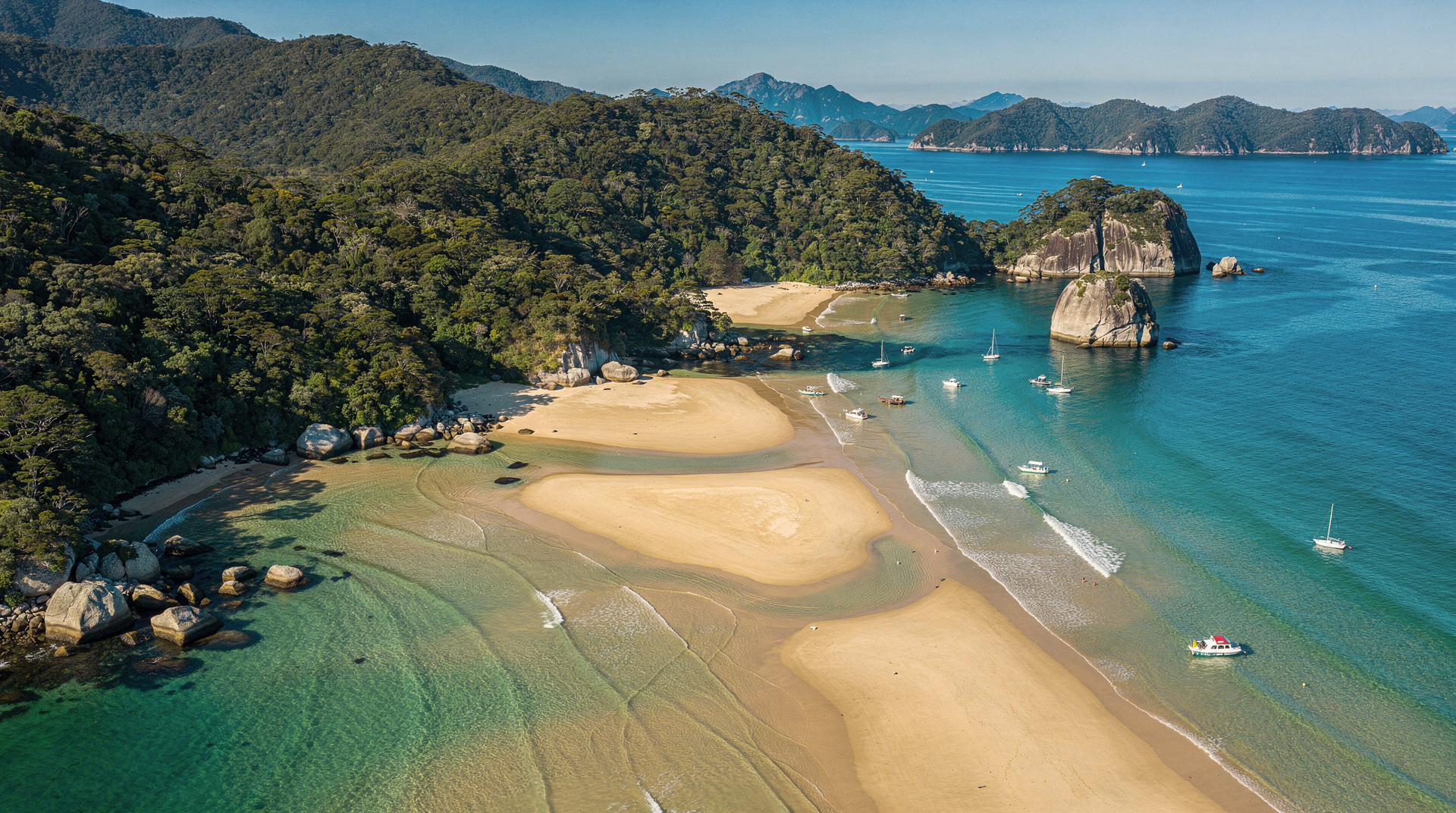
Nelson and Tasman
Honest Nelson-Tasman guide: Abel Tasman National Park, Golden Bay, Farewell Spit, Nelson wine. NZD/USD/EUR prices, kayak vs cruise, what to skip.
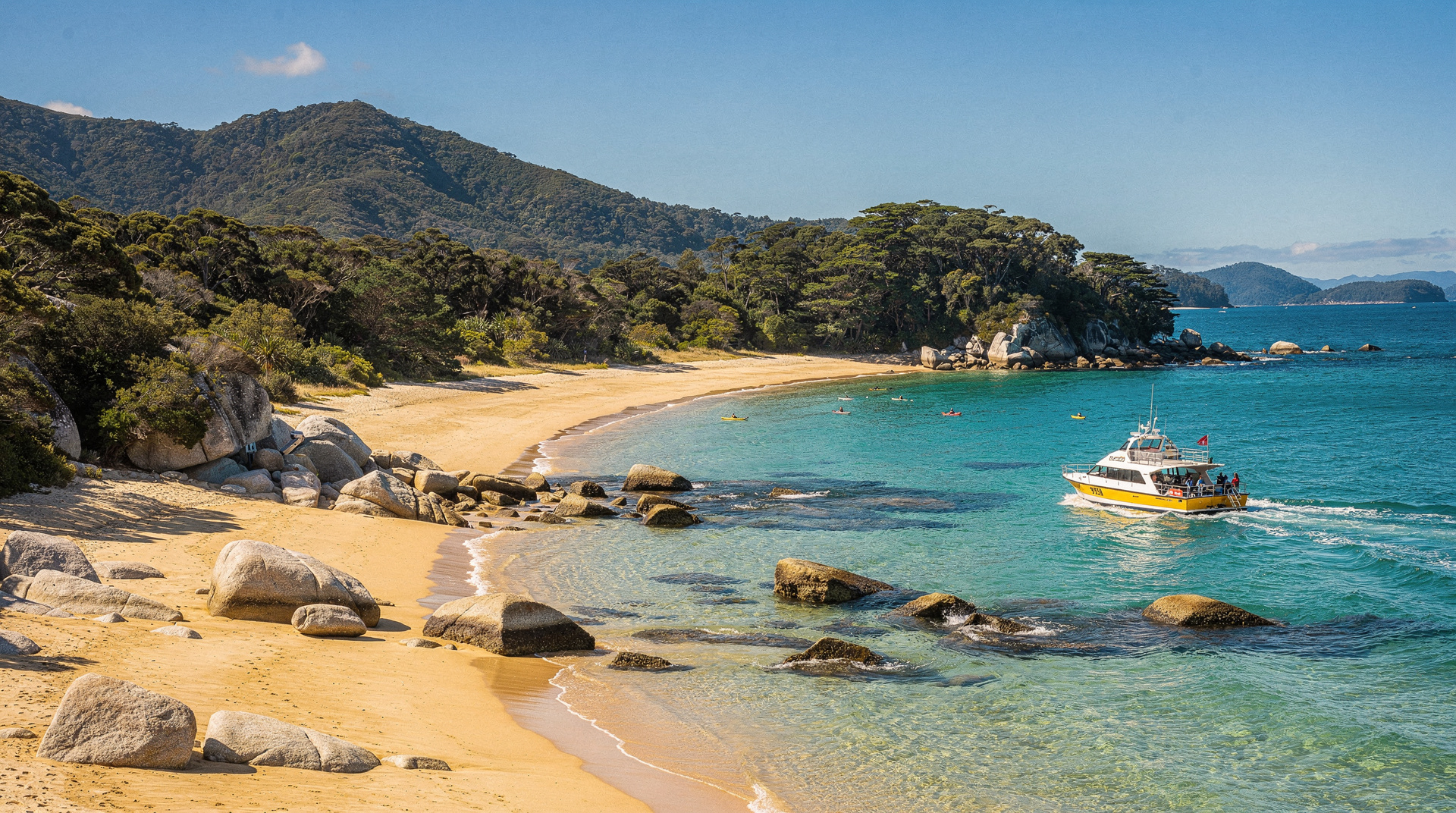
Abel Tasman National Park
Honest Abel Tasman guide: kayak vs coast track, water taxis, best bays — real NZD/USD/EUR prices and how long you actually need for this park.
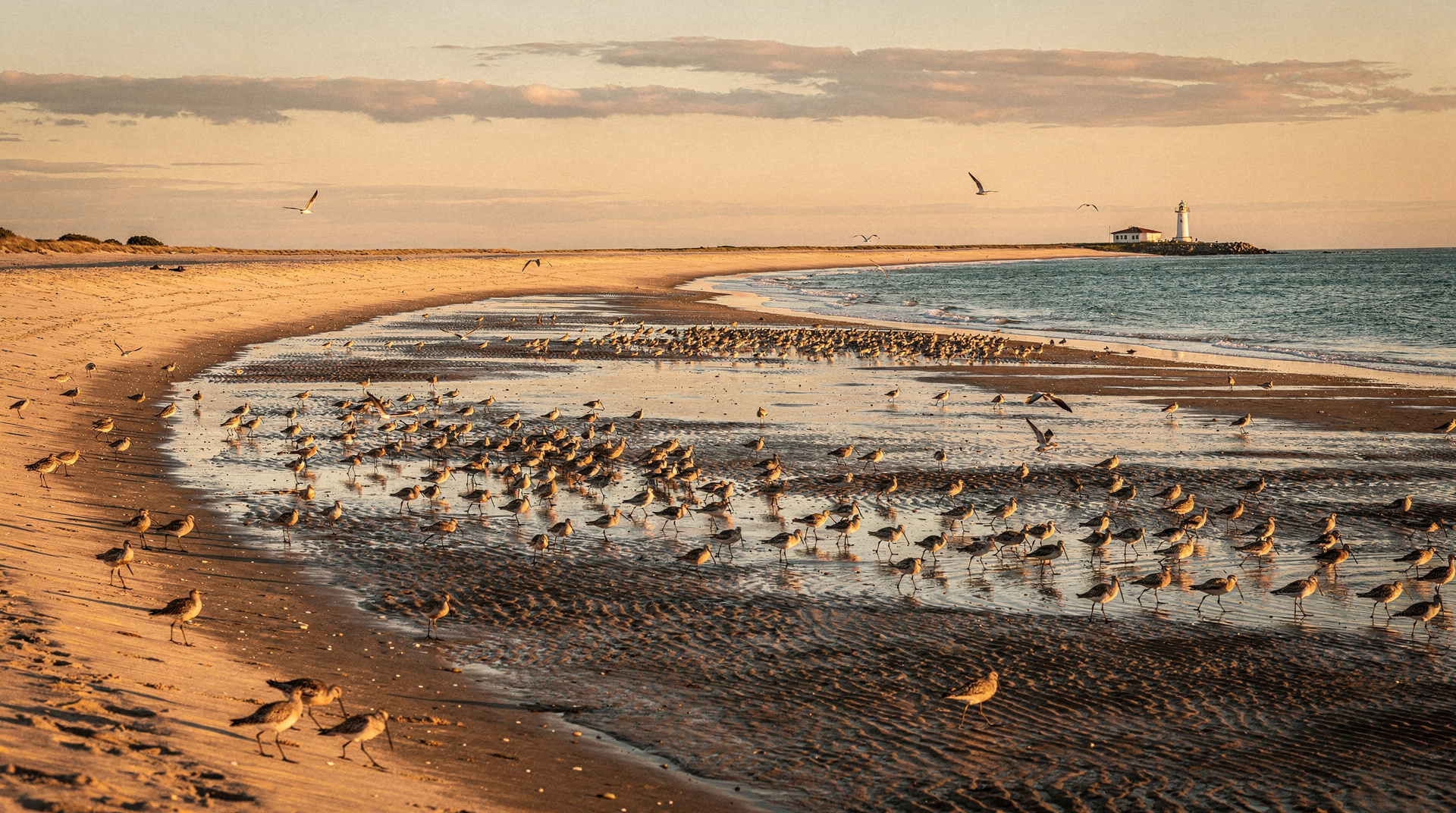
Golden Bay
Golden Bay: Farewell Spit, Wharariki Beach, freshwater Pupu Springs, and the alternative crowd. Honest guide with real costs NZD/USD/EUR.
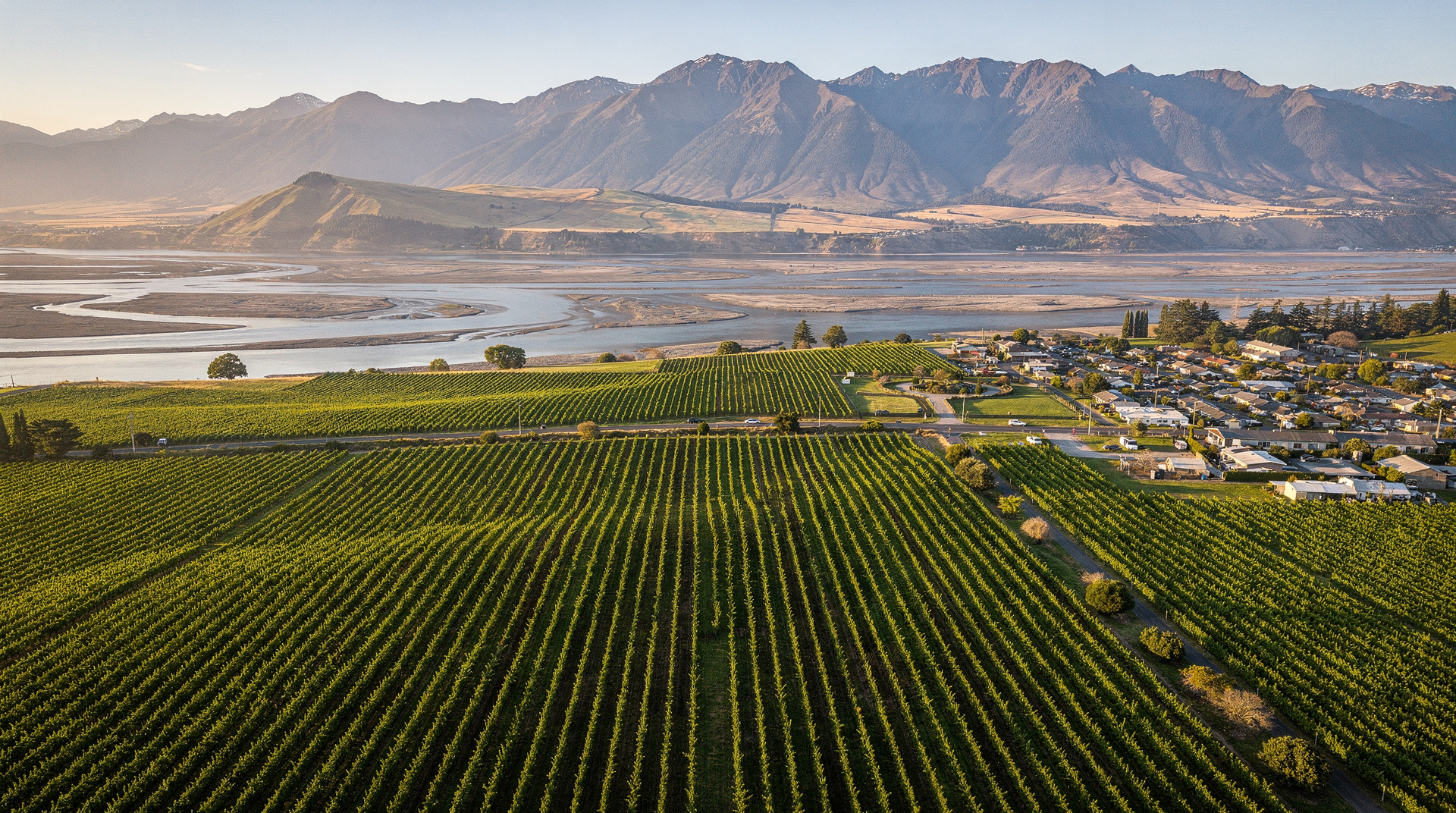
Marlborough
Honest Marlborough guide: Picton ferry gateway, Queen Charlotte Sound, Blenheim wineries, Havelock mussels. Real NZD/USD/EUR prices and practical logistics.
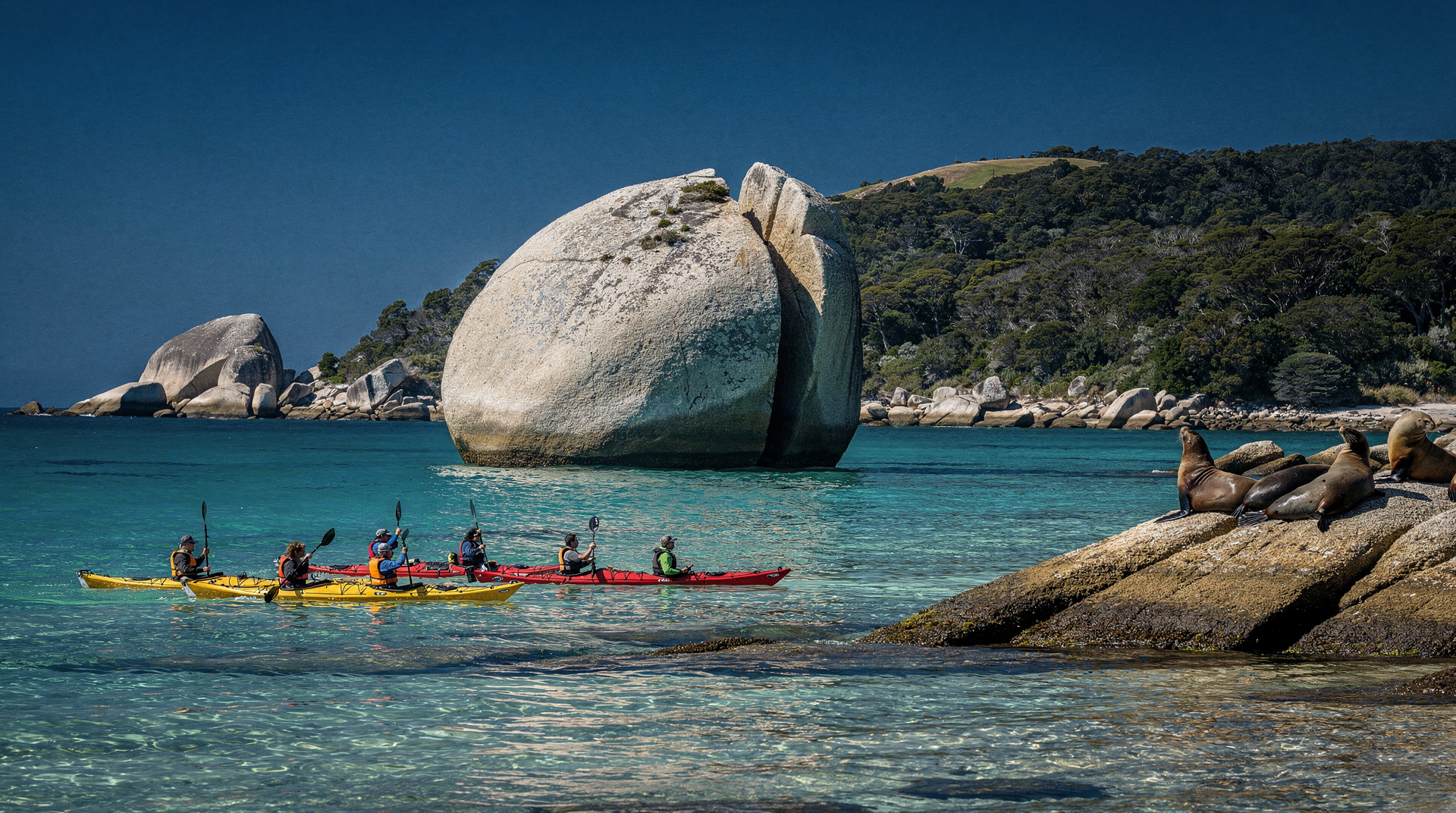
Sea kayaking in Abel Tasman National Park
Sea kayaking Abel Tasman NP: 1-day to 5-day itineraries, Marahau vs Kaiteriteri launch, water taxi options, real costs NZD/USD/EUR, honest operator comparison.
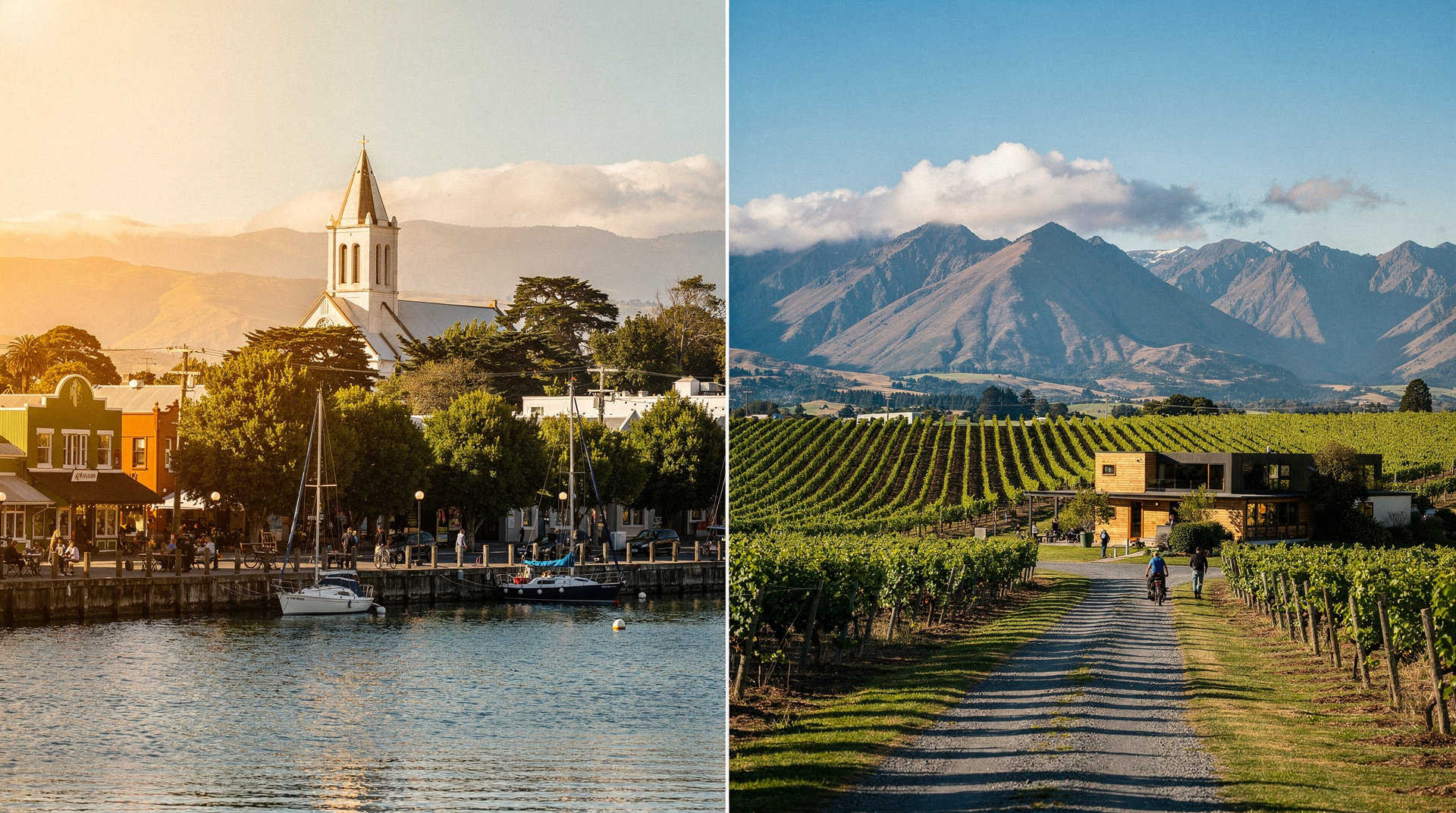
Nelson vs Marlborough
Nelson vs Marlborough honest comparison: wine, national parks, beaches, access and which region to prioritise. Clear verdict with prices in NZD/USD/EUR.
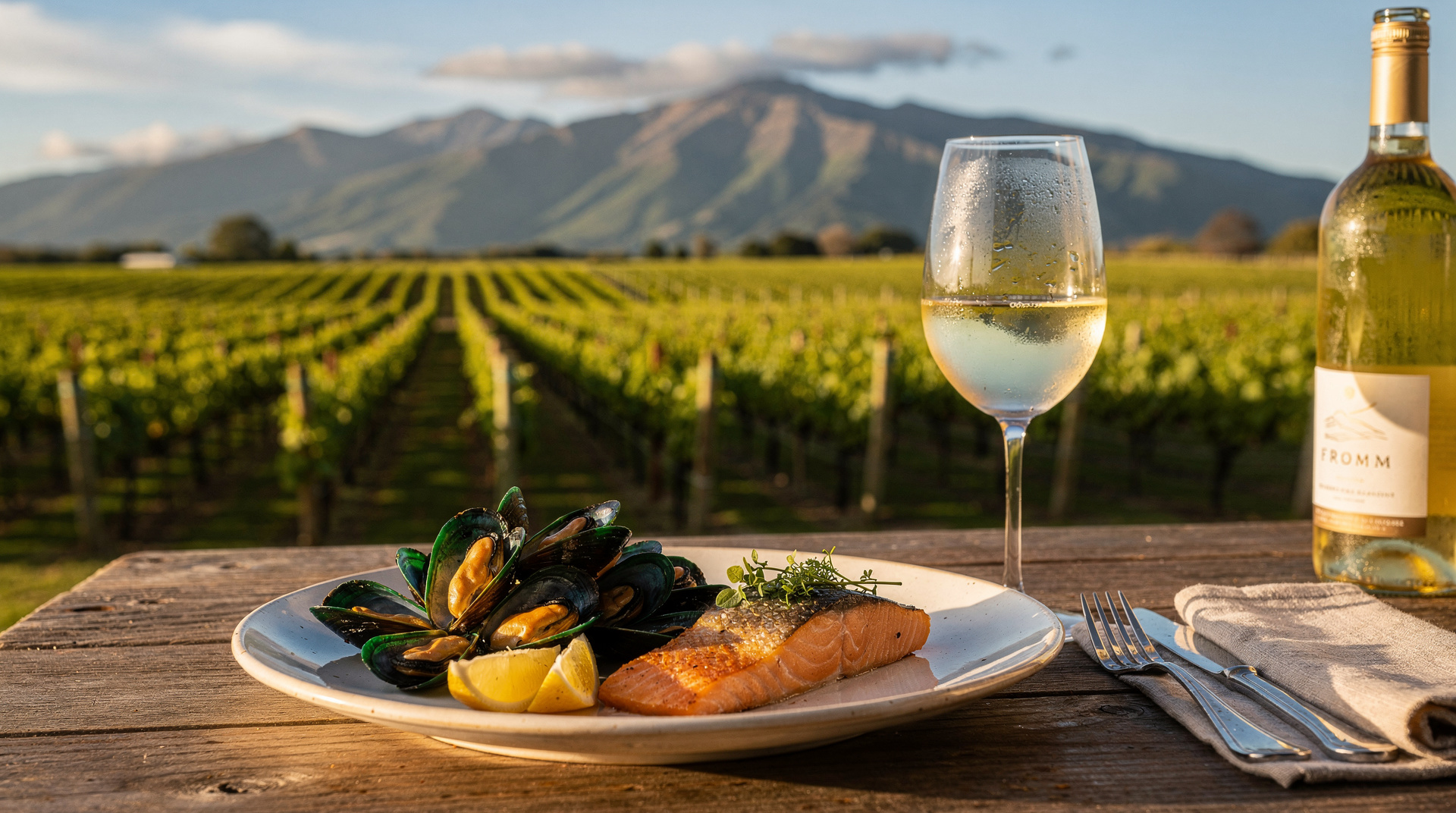
Marlborough wine and food — the honest guide
Marlborough wine explained: Cloudy Bay, Brancott, Saint Clair, Pinot Noir, Chardonnay. Food pairings, salmon farms, mussel cruises, real costs NZD/USD/EUR.
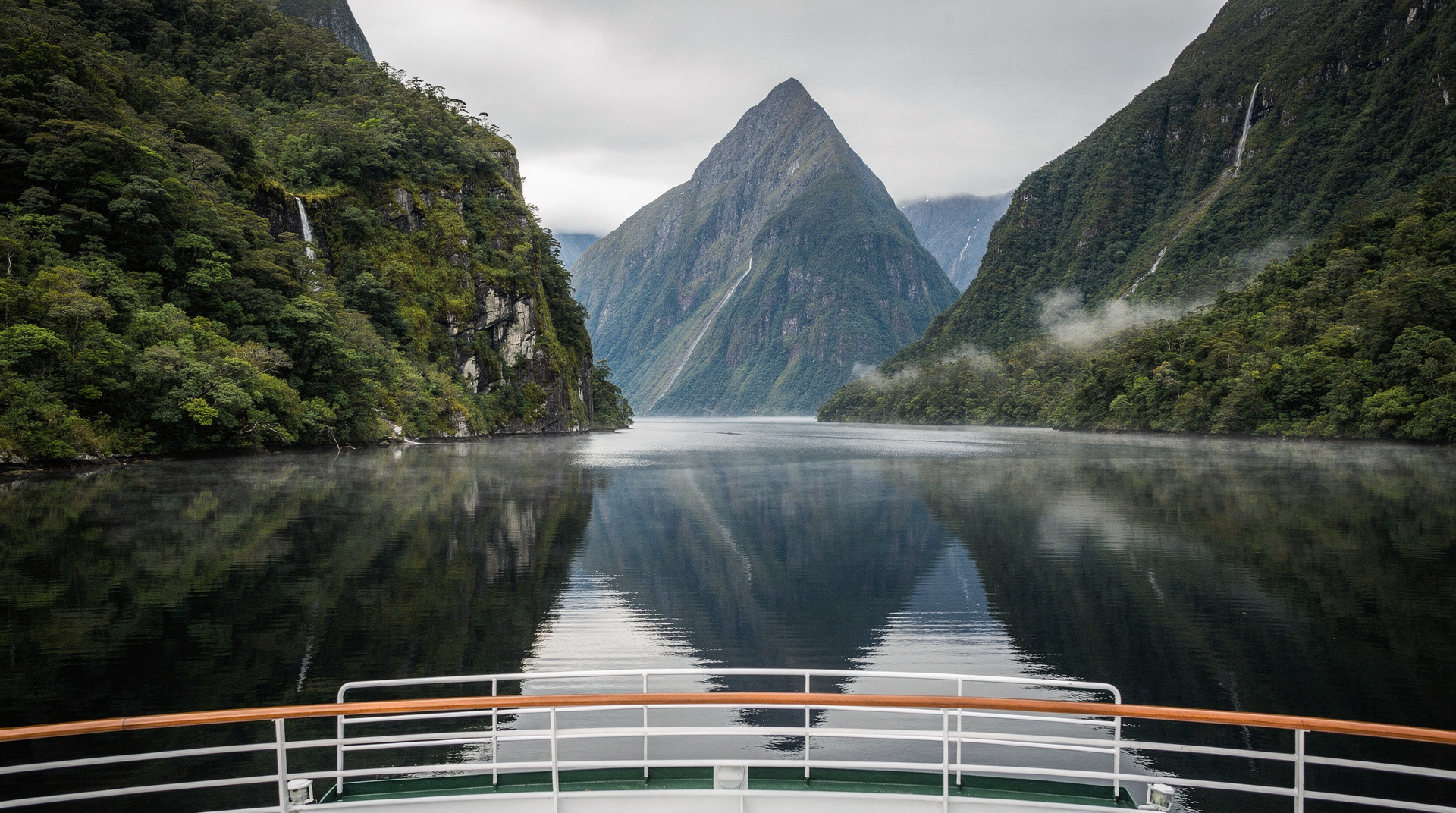
7-day South Island itinerary — the essential loop
Christchurch → Tekapo → Mt Cook → Queenstown → Milford → TranzAlpine return. The honest 7-day South Island loop with real costs and pacing.
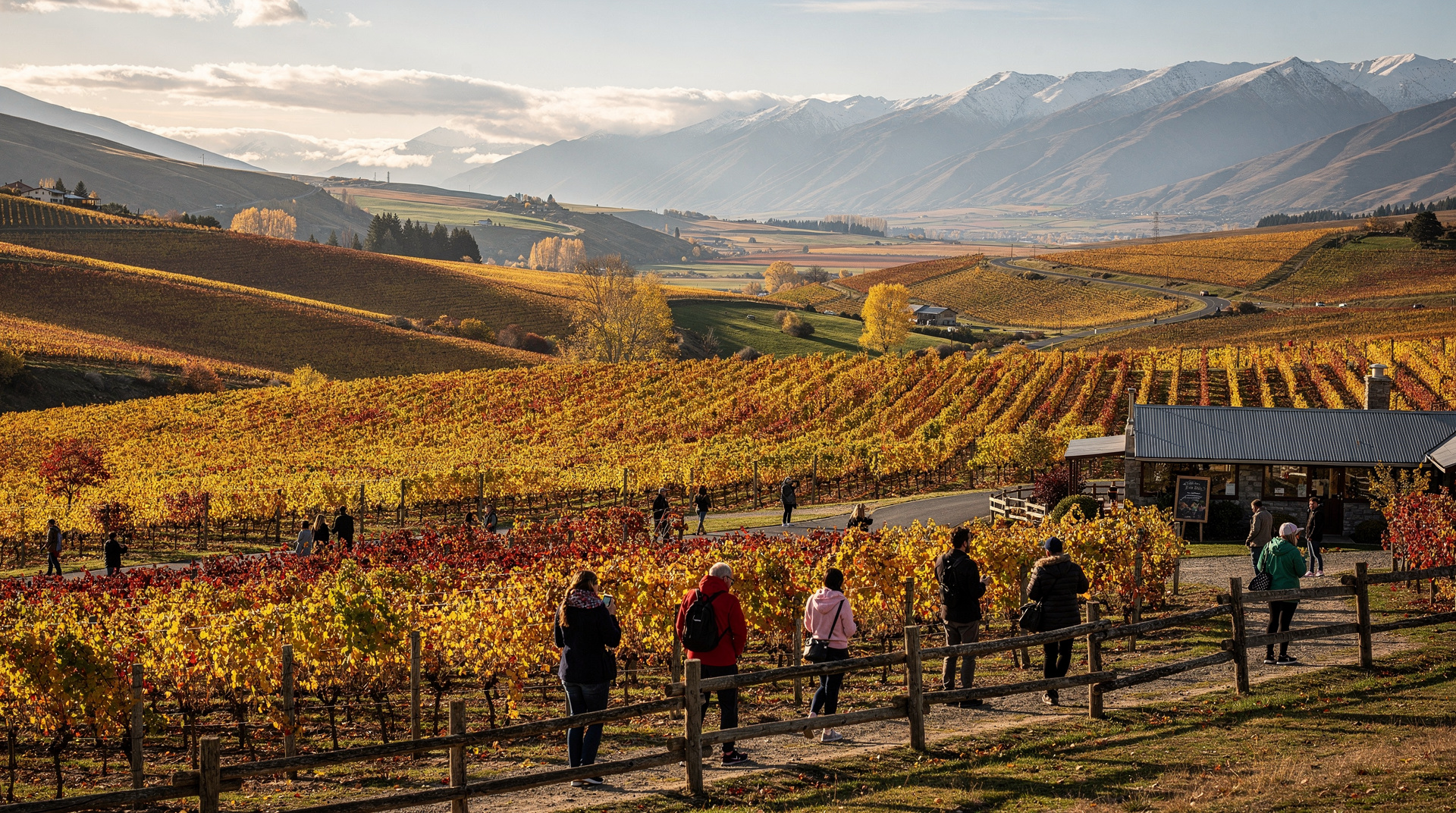
The best shoulder season itinerary for New Zealand — 14 days in autumn
A 14-day New Zealand itinerary designed for March and April: fewer crowds, better light, lower prices, and the same landscapes everyone comes for.
Last reviewed: