Abel Tasman National Park
Honest Abel Tasman guide: kayak vs coast track, water taxis, best bays — real NZD/USD/EUR prices and how long you actually need for this park.
Quick facts
- Park type
- Coastal national park — golden sand beaches, granite headlands, native forest
- Great Walk
- Abel Tasman Coast Track — 60 km, 3-5 days, open year-round (unique among NZ Great Walks)
- Drive from Nelson
- 1 hour (60 km, SH60 via Hope and Motueka)
- Drive from Picton
- 2 hours (130 km, SH6 via Blenheim and Nelson)
- Currency
- NZD — 1 NZD ≈ USD 0.60 / EUR 0.55
Abel Tasman National Park — New Zealand’s smallest and most accessible national park
Popular experiences here
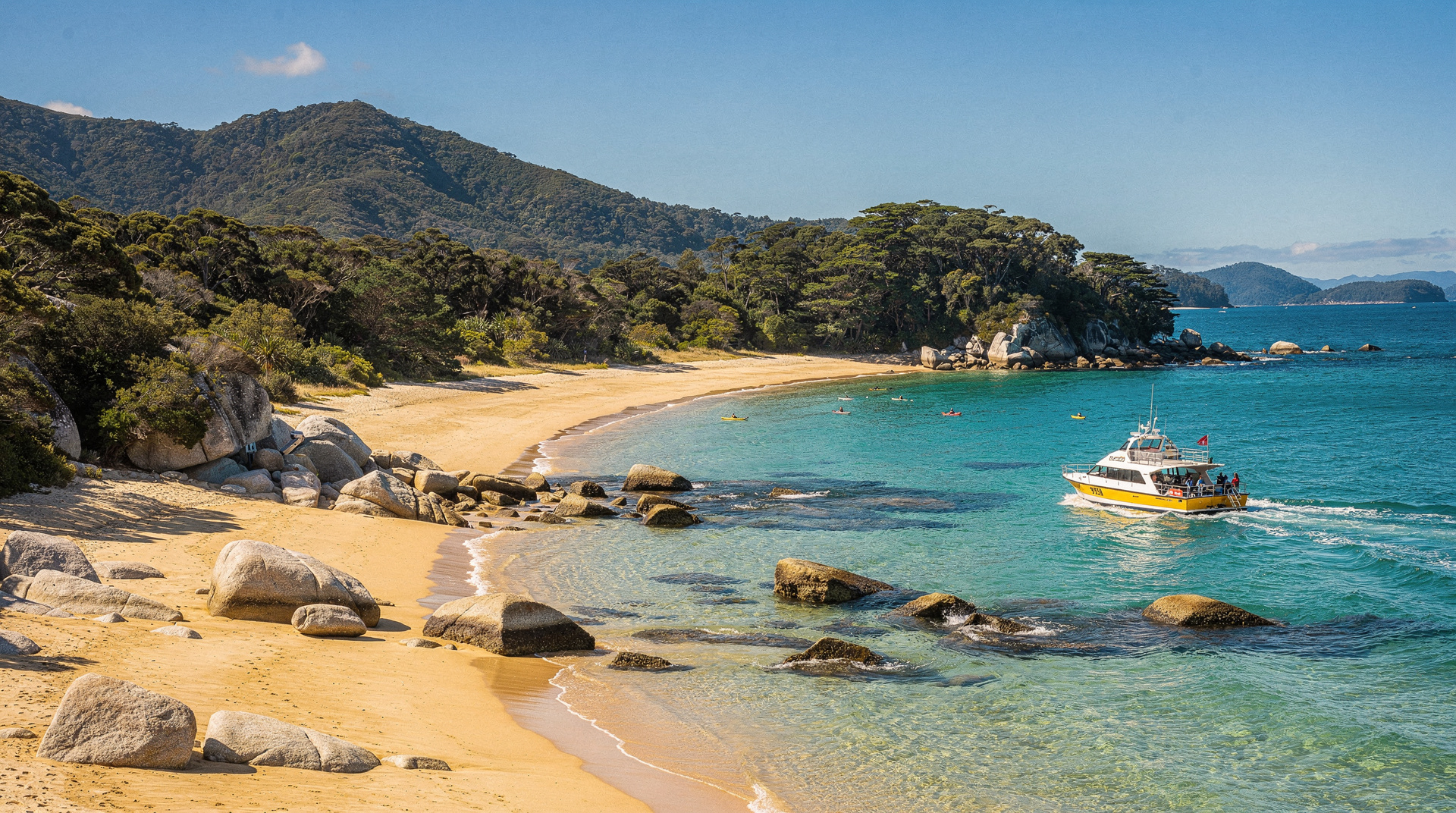
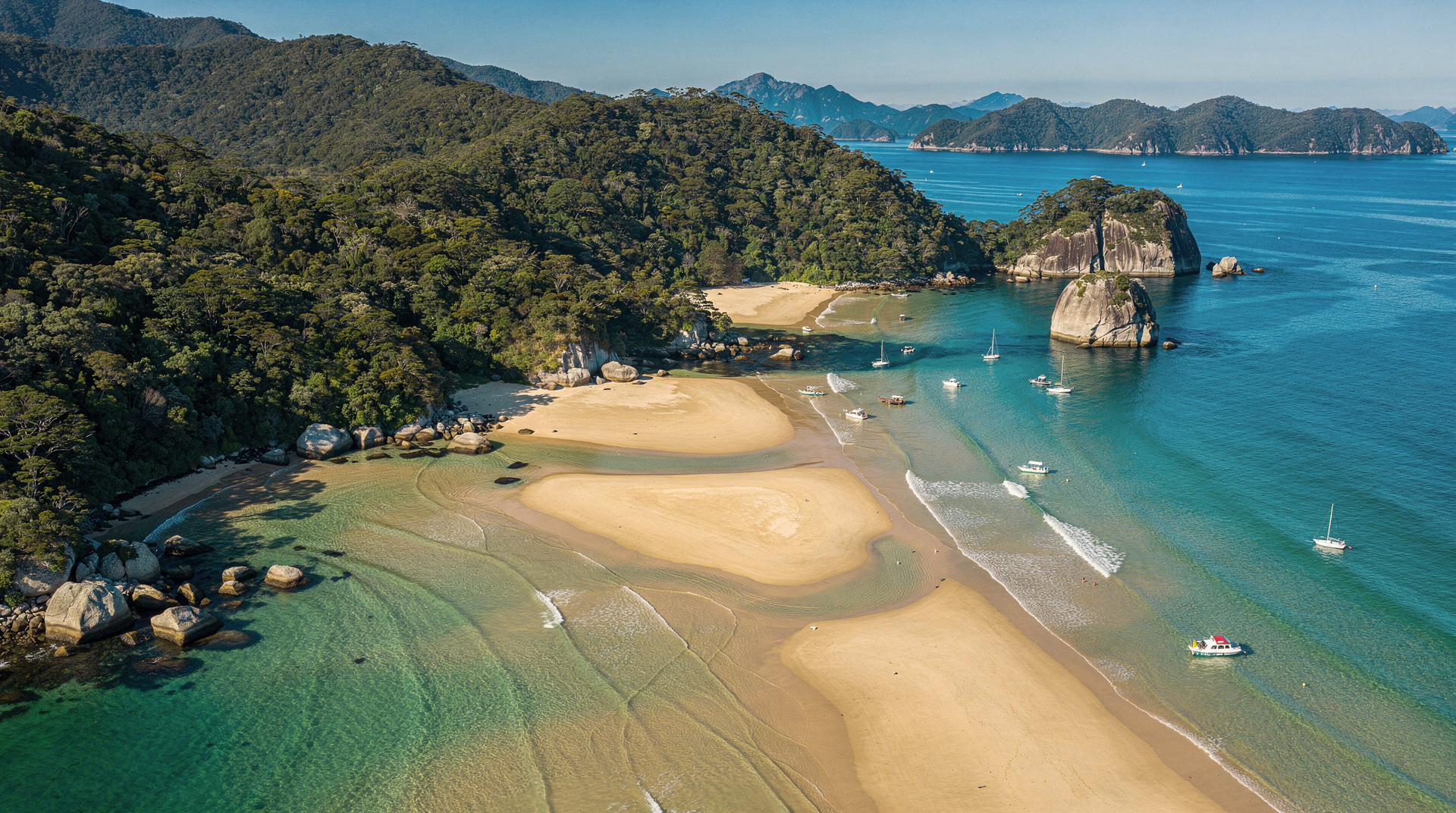
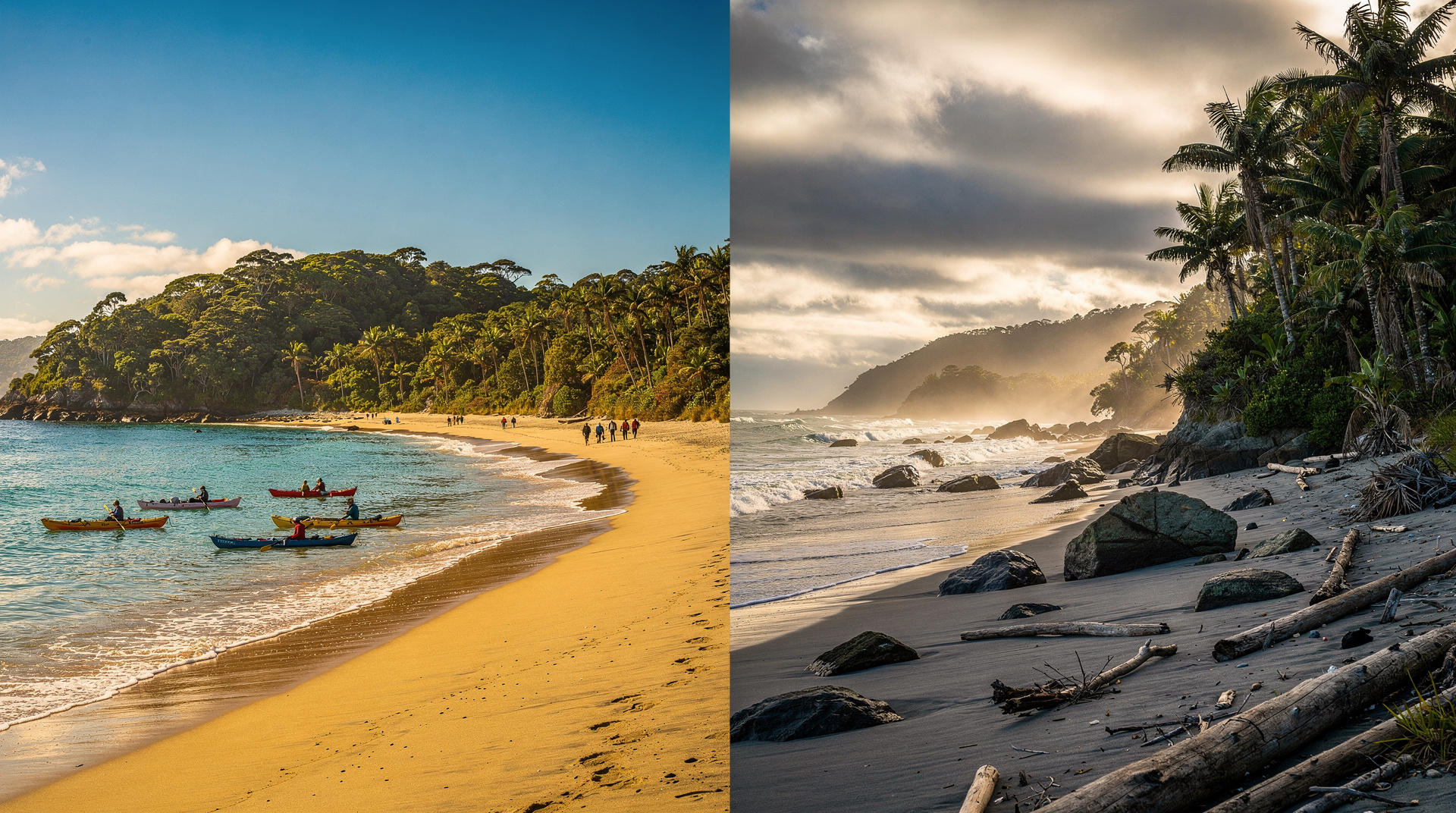
Abel Tasman is New Zealand’s smallest national park (225 km2) and consistently its most visited. The combination of golden sand beaches, clear warm water, native bush coming down to the shoreline, fur seals at the northern end, and a track that meanders in and out of the forest behind the coast has made it the most approachable of New Zealand’s great wilderness areas.
It is also, in peak season (December–February), the most crowded of New Zealand’s national parks. Water taxis queue at Marahau. The Coast Track huts fill months in advance. Kayak operators deal with dozens of boats on popular stretches. This is not a criticism — the park is genuinely worth the popularity — but it affects how you plan.
The park is also unusual in New Zealand terms: because it’s a coastal park at relatively low altitude, it can be accessed by water taxi, kayak, or on foot at any time of year. The Abel Tasman Coast Track is one of only two New Zealand Great Walks open year-round (the Rakiura Track on Stewart Island being the other). In November and March, when the other Great Walks’ huts are just opening or closing, Abel Tasman is in perfect shoulder-season condition.
| Where | Nelson-Tasman, top of the South Island |
| Getting there | Around 1 hour from Nelson, 2 hours from Picton (SH60/SH6) |
| Time needed | 2-3 days (kayak day plus a partial track day, minimum) |
| Cost | Around NZD 85-215 for a single day activity; more for multi-day trips |
| Best time | October to April; shoulder months (November, March) for the fewest crowds |
Getting in — water taxis, kayaks, and the track
You enter Abel Tasman from two main points: Marahau (southern entrance, most common) or Totaranui in the north. From Marahau, water taxis and kayak operators depart daily.
Water taxis are fast, flexible, and the practical choice for day visitors and those doing partial track sections. A one-way taxi from Marahau to Anchorage Bay (1 hour) costs NZD 38–48 / USD 23–29 / EUR 21–26. To Bark Bay (1.5 hours) NZD 52–68 / USD 31–41 / EUR 29–37. To Totaranui at the far end (2 hours) NZD 72–92 / USD 43–55 / EUR 40–51. You can book a drop-off, walk a section, and be picked up at a different bay — the most flexible way to experience the track without carrying a multi-day pack.
Guided kayaking is the premier experience and the best way to see the coastline, visit Split Apple Rock, and reach the fur seal colony at Tonga Island.
Abel Tasman: Full-Day Kayak, Seals and Cruise Experience
Full-day guided kayak from Nelson: 15–20 km of golden-sand coastline, Tonga Island fur seal colony, and guided lunch stop on the beach.
From NZD 165–195 / USD 99–117 / EUR 91–107
From Marahau, the 1-day freedom kayak is a self-guided day with a safety briefing, maps, and equipment provided — good for experienced kayakers who want autonomy. NZD 85–110 / USD 51–66 / EUR 47–60.
Abel Tasman Kayaks: 3 Day Kayak and Walk North (from Marahau)
3-day guided kayak and walk in the northern park — beach camping, paddling, and track walking combined. Best multi-day water and land experience in the park.
From NZD 645–795 / USD 387–477 / EUR 355–437
Day trip options from Nelson
Several operators run day cruises with kayaking from Nelson, which eliminates the need to drive to Marahau.
The full-day sailing with lunch from Nelson takes a catamaran into the park, includes a beach landing, snorkeling, and a guided kayak section. NZD 175–215 / USD 105–129 / EUR 97–118. This is an excellent full-day option for those based in Nelson who want water-based access without driving.
The cruise, walk, and kayak combination from Nelson or Marahau covers all three forms of transport in a single day — excellent for those who want variety. NZD 165–195 / USD 99–117 / EUR 91–107.
For a longer cruise: the full-park scenic cruise covers the entire coastline from one end to the other, good for those with limited mobility or who prefer an overview. NZD 115–145 / USD 69–87 / EUR 63–80. The commentary covers the park’s ecology, Maori history, and the European settlement at Golden Bay.
The fly-and-cruise combination arrives by scenic flight from Nelson and returns by boat — or vice versa. NZD 295–395 / USD 177–237 / EUR 162–217. The aerial view of the coastline and the golden bays from above is exceptional. Good for one full day when weather is clear.
The Abel Tasman Coast Track — walking the Great Walk
The Coast Track is 60 km from Marahau to Wainui (or Totaranui) over 3–5 days. It’s the most popular Great Walk in New Zealand for a reason: the difficulty is moderate (grade 3, some tidal crossings), the scenery is excellent throughout, and the combination of beaches, estuaries, and bush is unique among the Great Walks.
Hut bookings: Great Walk huts (Anchorage, Bark Bay, Awaroa, Whariwharangi) are DOC-managed and must be booked in advance. The huts open for booking in late October for the following season. Unlike the Milford Track (which fills in hours), Abel Tasman huts are bookable 6–8 weeks ahead with some planning. Off-season (May–September): huts are still accessible but in serviced self-catering mode; they’re cheaper (NZD 18 / USD 11 / EUR 10 per night versus NZD 46 / USD 28 / EUR 25 in season).
The tidal crossings: the Awaroa Inlet crossing (between Bark Bay and Awaroa) is tidal-dependent — you must cross within 2 hours either side of low tide, or take the inland alternative. The DOC website publishes tidal crossing times. This is the single most important logistical consideration for planning your track days.
Not doing the full track: many visitors do 1–2 days of the track using water taxi drop-offs and pick-ups, staying at beach campsites rather than walking the full length. This is excellent — pick any 2 bays, walk between them, and return by taxi. Anchorage Bay to Bark Bay (6 km, 2 hours) is the most popular single-day section. Totally valid and doesn’t require Great Walk hut bookings.
Best bays in the park
Anchorage Bay — the most popular overnight spot, golden sand, calm swimming, excellent sunsets. Water taxi hub.
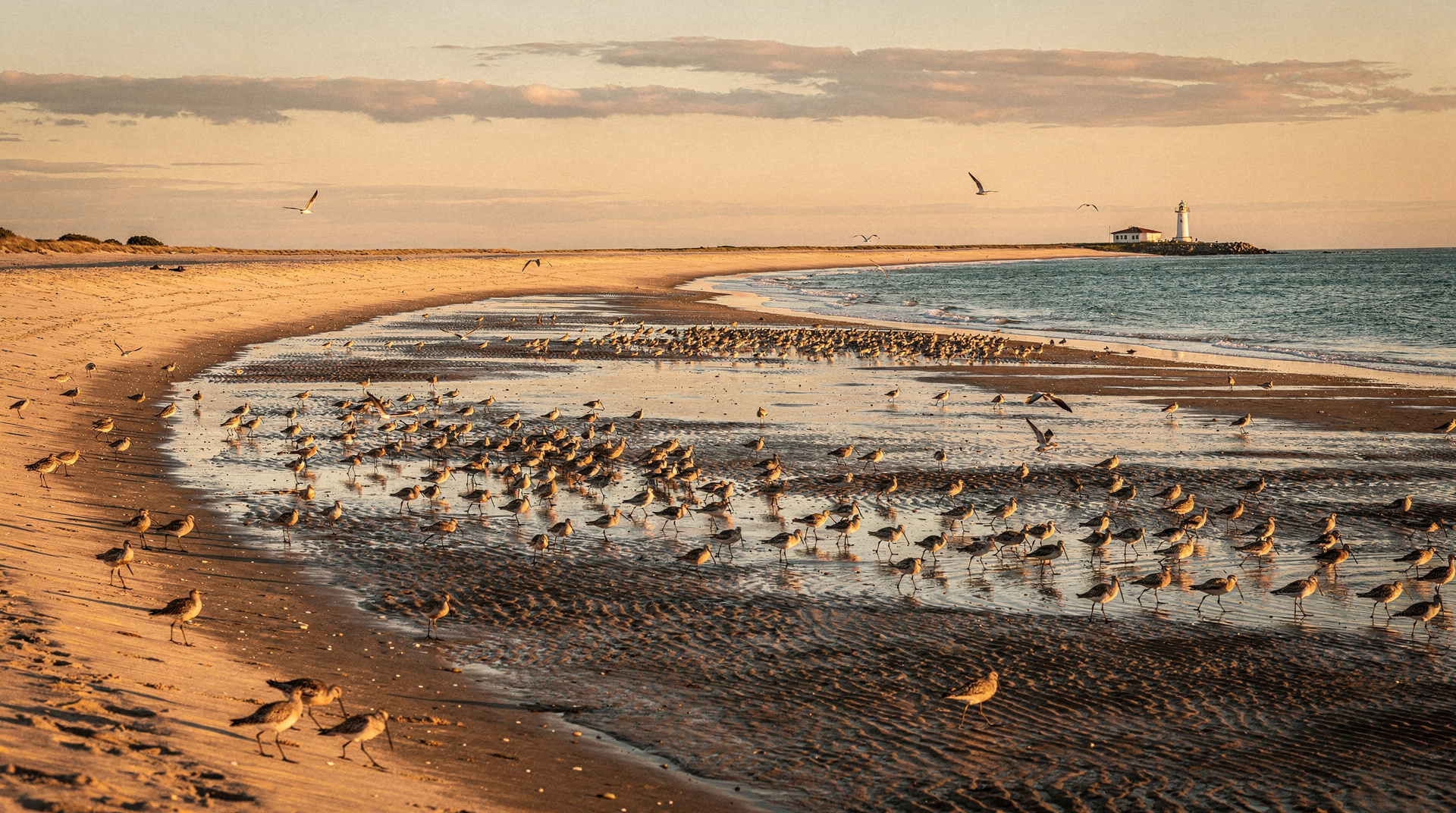
Torrent Bay — estuary, tidal lagoon, good birdlife (shags, pied stilts). Accessible at most tides by footbridge.
Bark Bay — protected bay, excellent swimming, mature coastal forest behind the beach.
Tonga Quarry — small beach, adjacent to the Tonga Island marine reserve (fur seal colony).
Awaroa Bay — the most remote of the popular bays, no road access at all (water taxi or walking only). The Awaroa Bay Lodge is the only accommodation accessible from here — a genuinely isolated stay.
Wainui (far north) — Gateway for the northern end. The golden beach at Totaranui (4 km south of Wainui) is one of the largest in the park.
Where to stay near Abel Tasman
In Marahau (southern gateway): Abel Tasman Centre (NZD 42–62 / USD 25–37 / EUR 23–34 per dorm; also has glamping units); Barnacles Seaside Inn (NZD 155–225 / USD 93–135 / EUR 85–124 per room); Shambhala Guesthouse (NZD 165–245 / USD 99–147 / EUR 91–135).
In Motueka (15 km south of Marahau): Better facilities and more restaurants. Motueka TOP 10 Holiday Park (NZD 40–75 / USD 24–45 / EUR 22–41 per site); Equestrian Lodge Motel (NZD 155–215 / USD 93–129 / EUR 85–118).
In Nelson (60 km south): The main service city. Best range of accommodation and restaurants for the region. Prices and options available across all budgets — see the Nelson guide.
Inside the park: Awaroa Bay Lodge (accessible by water taxi or on foot, 8 rooms, full board, NZD 395–680 / USD 237–408 / EUR 217–374 including meals — you’re paying for the location). Totoranui DOC campsite (basic, NZD 15–20 / USD 9–12 / EUR 8–11 per person, tent-only, very popular in summer).
What to eat
Marahau has limited dining. The The Park Café is the main food stop before embarking, good coffee and pies (NZD 12–22 / USD 7–13 / EUR 6–12). Motueka has better options including the Zest Café (excellent breakfast, NZD 18–28 / USD 11–17 / EUR 10–15) and a New World supermarket for picnic supplies — stock up here before water taxi departures.
Inside the park: no food available beyond what you carry. All guided kayak tours include lunch.
Skip / Worth it / Splurge
The Wilsons Abel Tasman guided 5-day walk if you’re not a dedicated multi-day tramper — the coast track is excellent without paying guide fees. Also skip driving past Marahau without stopping even if you’re “just transiting” to Golden Bay — the water is 15 minutes away and worth seeing.
Any half-day or full-day kayak — this is the defining activity. The water taxi drop-off for a single day section of the Coast Track (Anchorage to Bark Bay is 2 perfect hours). Split Apple Rock (a granite boulder split perfectly in half, visible from kayaks or water taxis).
Awaroa Bay Lodge for one night — the complete isolation, the estuary kayak at dawn, and waking to a beach with no road access is one of the most restorative experiences available in New Zealand. The fly-and-cruise combination for a clear-weather full day if you want the aerial perspective.
Cost breakdown
Abel Tasman activity costs
| Item | NZD | USD | EUR | Verdict |
|---|---|---|---|---|
| Full-day guided kayak + seals (from Nelson) Includes guided lunch stop | 165–195 | 99–117 | 91–107 | |
| 1-day freedom kayak (self-guided) For experienced kayakers | 85–110 | 51–66 | 47–60 | |
| 3-day kayak and walk combination Best multi-day park experience | 645–795 | 387–477 | 355–437 | |
| Full-day sailing with lunch (from Nelson) Beach landing + snorkelling included | 175–215 | 105–129 | 97–118 | |
| Water taxi one-way to Anchorage Bay Most flexible park access option | 38–48 | 23–29 | 21–26 | |
| DOC Great Walk hut (peak season) Book from late October for Dec–Feb | 46 | 28 | 25 |
How Abel Tasman fits into your itinerary
Abel Tasman is the logical anchor for the top-of-the-South Island route. The standard entry into the South Island via Picton ferry naturally leads through Marlborough to Nelson (2 hours from Picton) and then to Abel Tasman (1 hour from Nelson).
On a 7-day South Island itinerary, Abel Tasman appears as days 1–3 if you’re starting at the top. On a 14-day New Zealand itinerary combining both islands, 2 nights in the Nelson–Abel Tasman area is typical. The West Coast driving route continues south from Nelson via Westport, Punakaiki, Greymouth, and Franz Josef Glacier.
Abel Tasman to Queenstown (via the West Coast) is a 3–4 day minimum drive worth doing in that direction. The Golden Bay extension (Farewell Spit, Wharariki Beach) can add 1 night beyond the park if your schedule allows.
Frequently asked questions about Abel Tasman
How many days do you need for Abel Tasman National Park?
Two days minimum: one day kayaking, one day on the Coast Track (partial section by water taxi). Three days lets you do the full track at an unhurried pace, or combine kayaking and a full walk section. Five days is only warranted for the full Coast Track with all overnight hut stays.
Is Abel Tasman good for beginners to sea kayaking?
Yes. The park is one of the most beginner-friendly sea kayaking environments in New Zealand — the bays are sheltered, the distances are manageable, and all guided trips provide full safety briefing and equipment. The waters are calmer than open ocean. Only the guided multi-day trips cross exposed headlands (guides assess conditions).
When should you book Abel Tasman huts?
For peak season (December–February), book as soon as the DOC system opens in late October. For November and March, 4–6 weeks ahead is usually sufficient. For April–September (off-season), bookings are easier to get and much cheaper.
Can you swim in the park?
Yes — Abel Tasman has the warmest sea water in the South Island. Anchorage Bay, Bark Bay, and Totaranui all have excellent swimming in summer (December–February) when water temperature reaches 18–22°C. The water is very clear.
Is the Abel Tasman Coast Track suitable for children?
Yes, for children over 8 with reasonable fitness. The track is grade 3 (moderate) but has no highly technical terrain. The tidal crossing timing requires attention. A practical family approach: use water taxis to position yourselves at a bay, do 2–3 km of track, swim, have lunch on the beach, and taxi back. This avoids multi-day pack carrying entirely.
Do you need to book water taxis ahead of time?
In peak season (December–February) it’s worth booking at least a few days ahead, and further out around Christmas and New Year when Marahau’s morning departures fill early. In shoulder months (October, November, March, April) same-day or next-day bookings are usually fine, but it’s still sensible to lock in your return pick-up time before you head off, rather than hoping for a spare seat later in the day.
Abel Tasman by season
| Months | Conditions | Crowds |
|---|---|---|
| Dec–Feb | Warmest water (18–22°C), longest days | Very high — book huts and taxis well ahead |
| Nov, Mar | Warm, settled weather, track huts open | Moderate — the best value shoulder window |
| Apr–Sep | Cooler, some rain, huts in off-season mode | Low — cheaper huts, quieter bays and kayak trips |
Abel Tasman ecology and conservation context
The park’s native forest (predominantly beech and coastal broadleaf species) is managed for intensive pest control — possums, rats, and stoats are controlled through the park using DOC’s biodiversity management programs. The result is unusually high bird density: you’ll hear and see tui, bellbird, fantail, kaka, and New Zealand pigeon (kereru) in the forest sections of the track. The large kereru (native wood pigeon) is particularly common in the park — a bird so heavy it crashes through branches when it lands.
The park’s coastline is marine reserve: the Abel Tasman Marine Reserve (covering the inshore waters of the park) has been in place since 1994 and protects the intertidal reef system, fur seal habitat, and fish populations. Commercial fishing is prohibited within the reserve boundaries. This protection is why the fur seal colony at Tonga Island is large and accessible, and why snorkeling in park waters is excellent by New Zealand coastal standards.
The park also encompasses the Tonga Island marine reserve, protecting a rocky island and surrounding waters where approximately 100 fur seals (kekeno) haul out year-round. The seals are habituated to kayakers and water taxis — observing them from 10m on a kayak is a standard part of the guided experience.
The Nelson-Tasman region context
Abel Tasman sits within the Nelson-Tasman region, which consistently records the highest sunshine hours in New Zealand (average 2,400 hours annually, compared to Auckland’s 2,100). This is the primary reason summer crowds are so high — the park genuinely has the most reliably good beach weather of any NZ coastal area.
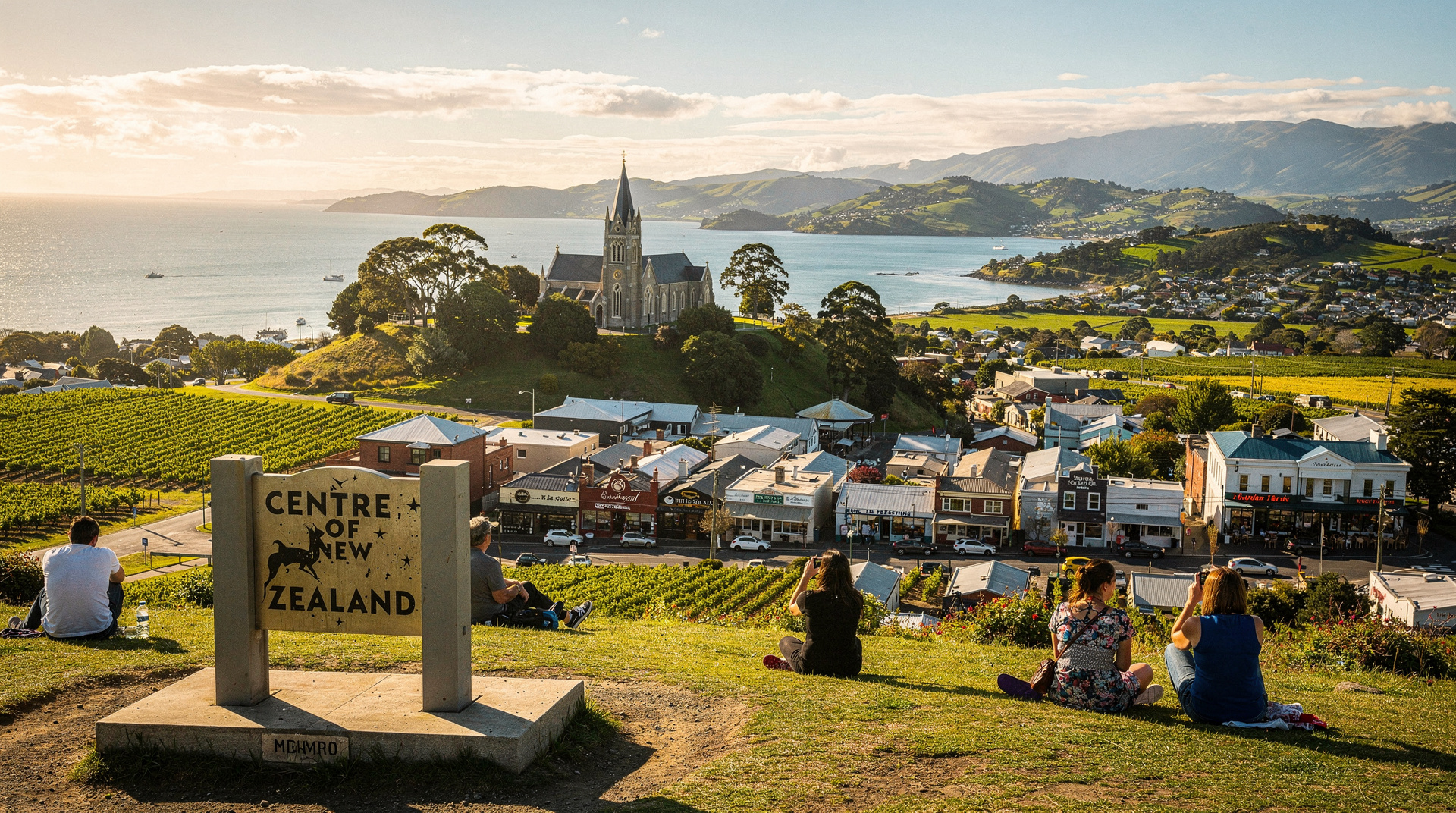
Nelson (60 km from Marahau) is the regional centre and a good base for the park. It has a strong arts and café culture, two good wineries on the hill behind the city (Neudorf Vineyards and Seifried Estate are the standouts), and the geographic centre of New Zealand (marked by a large marker in a park near the CBD). The Nelson to Abel Tasman full-day cruise (NZD 145–185 / USD 87–111 / EUR 80–102) is the most convenient park access from the Nelson city base, covering 15 km of coastline and including water taxi returns.
The Heaphy Track (one of NZ’s 11 Great Walks), 100 km west of Nelson, connects Kahurangi National Park to the West Coast. It’s accessible from Golden Bay (beyond Abel Tasman) and offers a 4-5 day wilderness walk that most Abel Tasman visitors don’t know exists. See the Heaphy Track guide if multiday walking is a priority. For a wider view of how Abel Tasman compares to New Zealand’s other multi-day tracks, the Great Walks guide and the Great Walks circuit itinerary are useful planning references, and the Nelson vs Marlborough comparison helps if you’re deciding which town to base yourself in.
Top experiences: Abel Tasman National Park
See all →Guides for Abel Tasman National Park
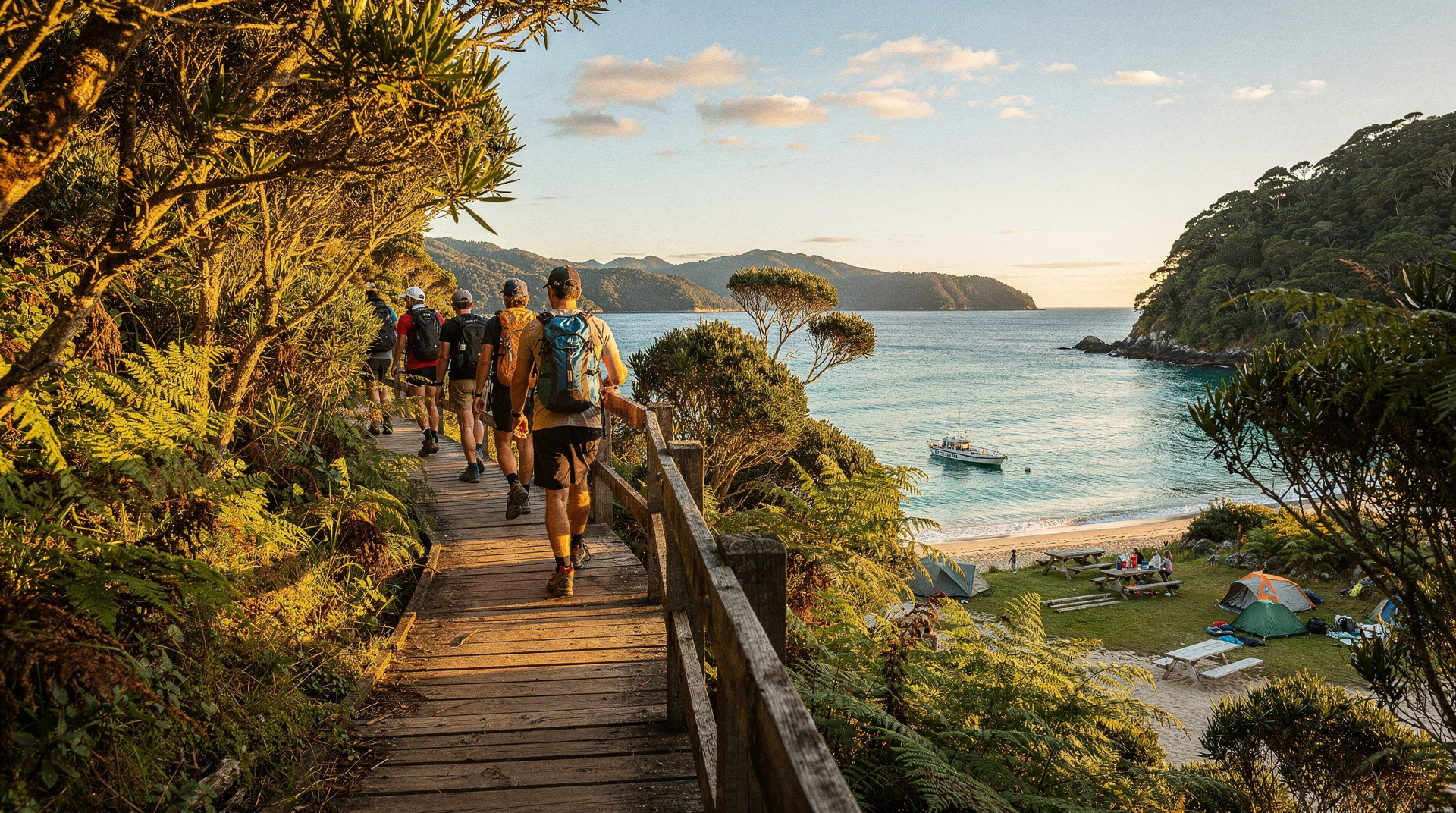
Abel Tasman Coast Track — Great Walk guide
Abel Tasman Coast Track: 60km, 3-5 days, NZD 102/night huts. NZ's most popular Great Walk — golden beaches, clear water, seals. Book months ahead.
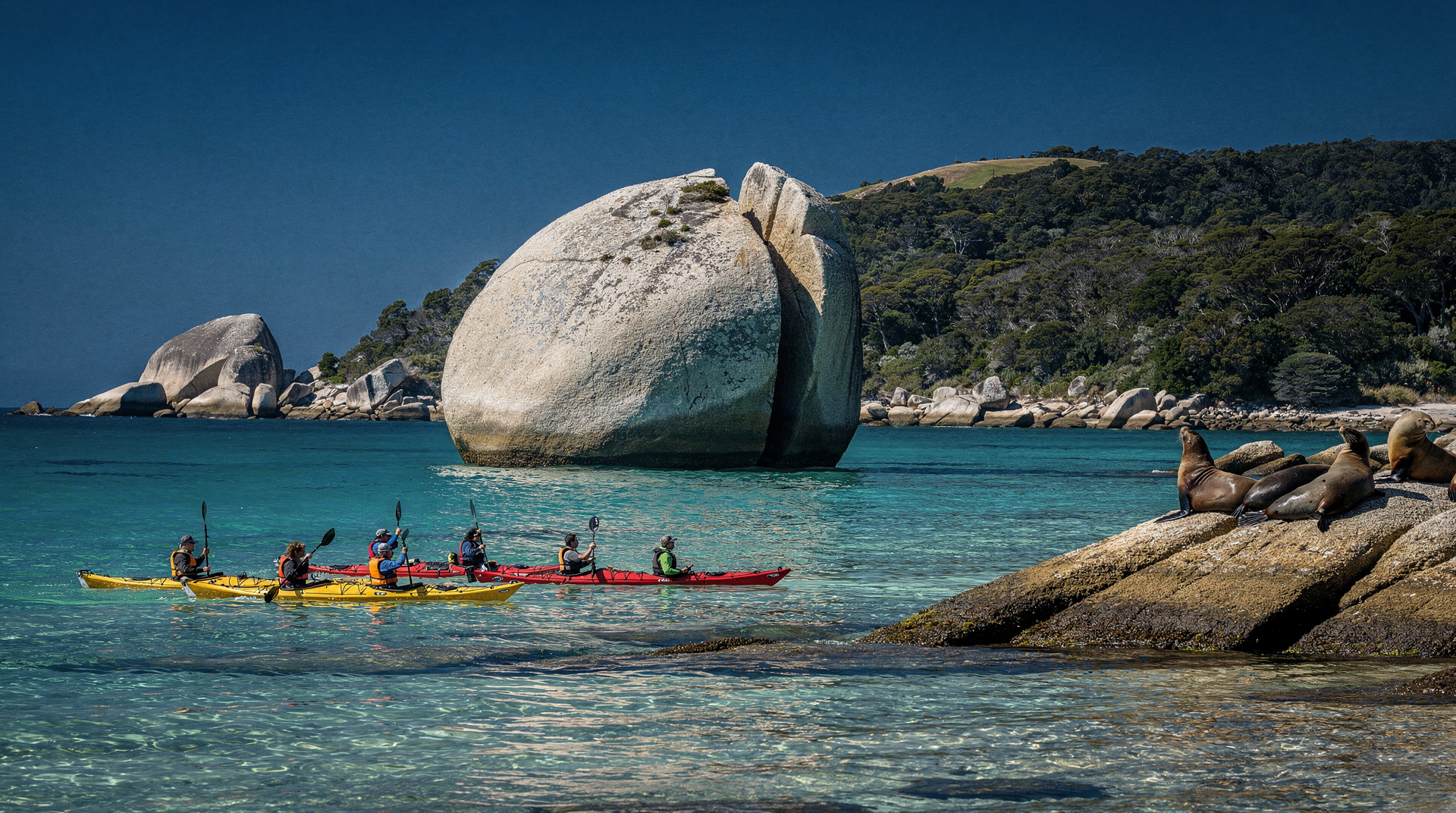
Sea kayaking in Abel Tasman National Park
Sea kayaking Abel Tasman NP: 1-day to 5-day itineraries, Marahau vs Kaiteriteri launch, water taxi options, real costs NZD/USD/EUR, honest operator comparison.
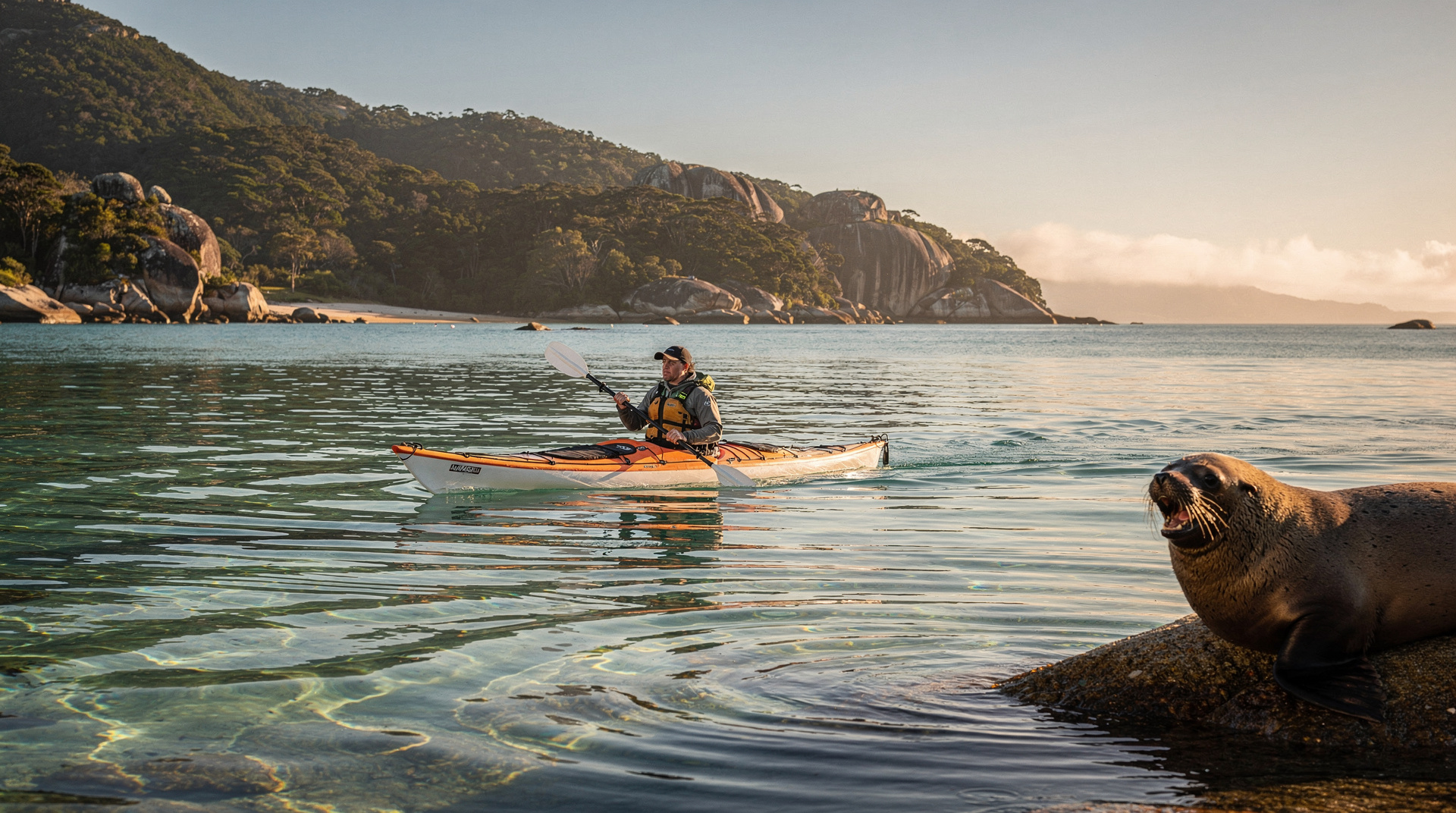
Kayaking in Abel Tasman National Park
Abel Tasman kayaking guide: guided day tours, multi-day freedom kayaking, water taxis, and seal colonies. Prices NZD/USD/EUR and honest operator comparison.
Related guides
Nelson and Tasman
Honest Nelson-Tasman guide: Abel Tasman National Park, Golden Bay, Farewell Spit, Nelson wine. NZD/USD/EUR prices, kayak vs cruise, what to skip.
Nelson
Nelson: New Zealand's sunniest city, gateway to Abel Tasman, with a strong arts scene, wine and craft beer, and real costs NZD/USD/EUR.
Golden Bay
Golden Bay: Farewell Spit, Wharariki Beach, freshwater Pupu Springs, and the alternative crowd. Honest guide with real costs NZD/USD/EUR.
Marlborough Sounds
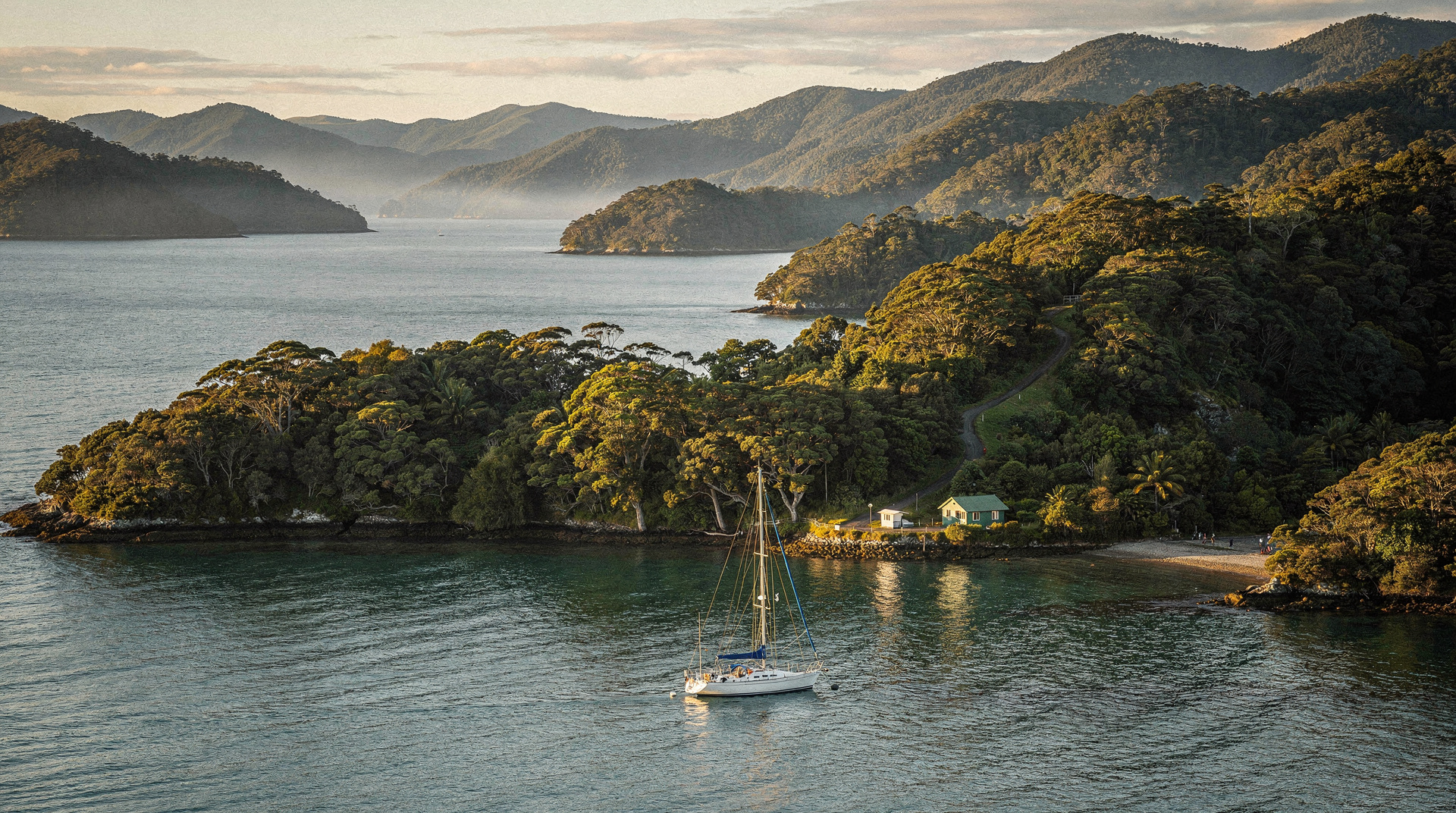
Marlborough Sounds: drowned valleys, green-lipped mussels, the Queen Charlotte Track, and mail boat cruises. Honest guide with real costs NZD/USD/EUR.
Abel Tasman Coast Track — Great Walk guide
Abel Tasman Coast Track: 60km, 3-5 days, NZD 102/night huts. NZ's most popular Great Walk — golden beaches, clear water, seals. Book months ahead.
Sea kayaking in Abel Tasman National Park
Sea kayaking Abel Tasman NP: 1-day to 5-day itineraries, Marahau vs Kaiteriteri launch, water taxi options, real costs NZD/USD/EUR, honest operator comparison.
Abel Tasman vs Kahurangi National Park
Abel Tasman vs Kahurangi honest comparison: beaches, tracks, caves, access and cost. Clear verdict for walkers, kayakers and Great Walk planners. NZD/USD/EUR.
7-day South Island itinerary — the essential loop
Christchurch → Tekapo → Mt Cook → Queenstown → Milford → TranzAlpine return. The honest 7-day South Island loop with real costs and pacing.
Last reviewed: