The Catlins
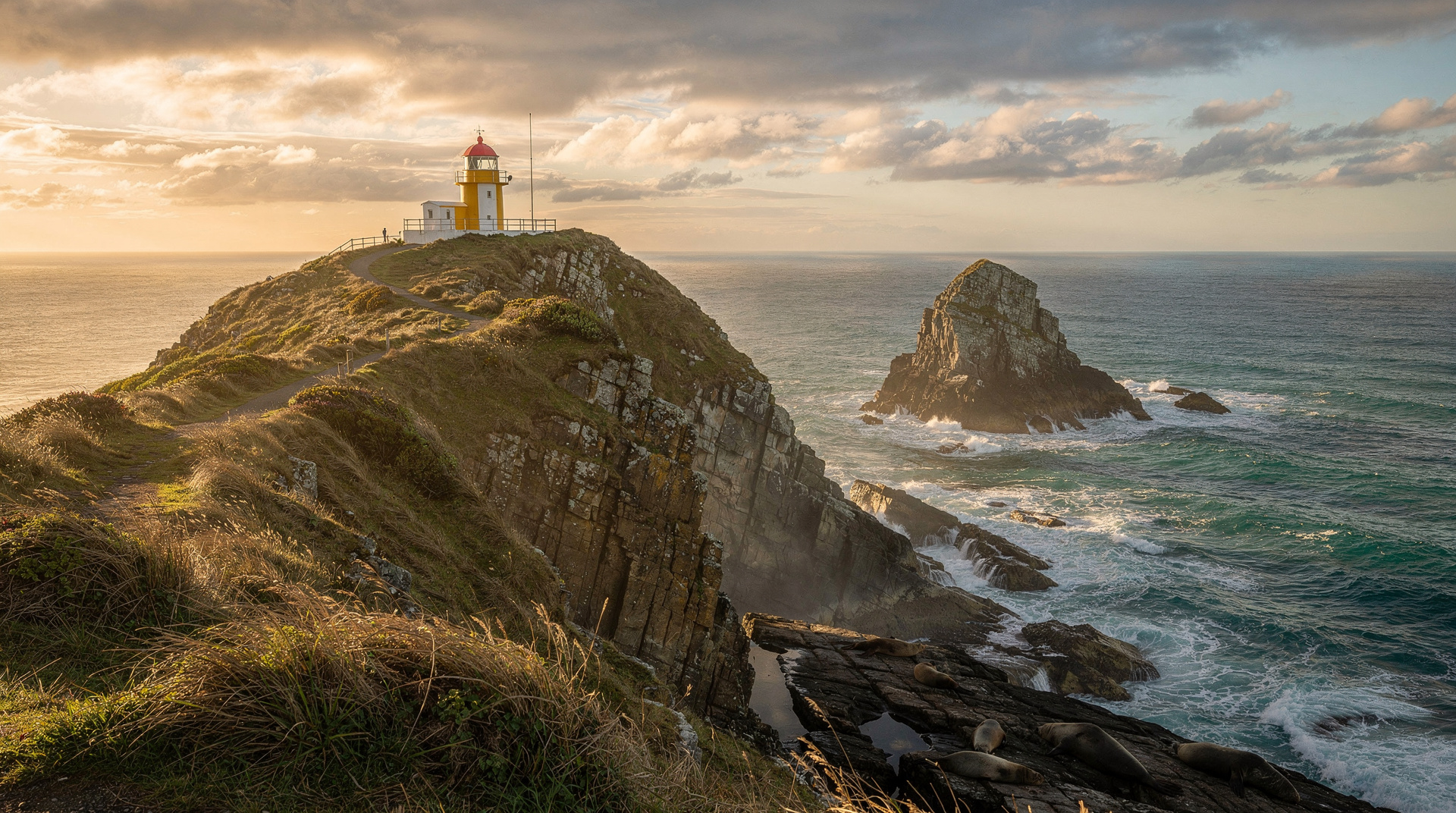
The Catlins: yellow-eyed penguins, Hooker's sea lions, the Curio Bay petrified Jurassic forest, and Nugget Point lighthouse. Honest guide NZD/USD/EUR.
Quick facts
- Location
- Southland's southeastern coast, between Invercargill and Dunedin
- Character
- Remote, undeveloped, genuine wilderness coast — very few tourists
- Currency
- NZ$ — USD ~$0.60 / EUR ~$0.55
- Key wildlife
- Yellow-eyed penguins, Hooker's sea lions, fur seals, elephant seals (Curio Bay)
- Key natural sites
- Curio Bay petrified Jurassic forest, Nugget Point, Cathedral Caves
The coast that tourism forgot (almost)
The Catlins occupies the bottom-right corner of the South Island — the rugged, windswept southeastern coastline between Invercargill and Dunedin. It sits off the main tourist routes, which is both its defining characteristic and its greatest virtue. The coastline is wild: deep podocarp and native hardwood forests run to the sea cliff edge; waterfalls drop from coastal bluffs; remote beaches are occupied by wildlife that has no idea it is supposed to be scared of humans.
The wildlife is the main event. Yellow-eyed penguins (hoiho) — the world’s rarest penguin, critically endangered, with a total population estimated at 4,000–5,000 — come ashore on Catlins beaches in the late afternoon. Hooker’s sea lions (the world’s rarest sea lion, endemic to New Zealand) haul out on beaches year-round; they are relaxed to within a few metres of visitors. New Zealand fur seals are ubiquitous. Elephant seals appear occasionally. Southern royal albatross pass offshore.
This is not a place with organised tour infrastructure. There are no visitor centres with glossy brochures, no gondola rides, no departure lounges. What there is — and it is considerable — is coast and forest and wildlife at a scale and density that is genuinely humbling.
| Where | Southeastern South Island, between Invercargill and Dunedin |
| Getting there | Self-drive on SH92, or a guided one-way tour between the two cities |
| Time needed | Full day for a drive-through; 2 days with an overnight for wildlife timing |
| Cost | Mostly free sites; guided one-way transfer around NZD 145-185 |
| Best time | November-March for wildlife; year-round for the petrified forest |
The key sites of the Catlins
Nugget Point (Tokata): The most photographed site in the Catlins — a lighthouse on a rocky promontory with a series of offshore stacks (the “nuggets”) rising from the sea below. The stacks support breeding populations of New Zealand fur seals, sea lions, spiny dogfish (visible from the lookout), and at certain times of year elephant seals. The walk from the car park to the lighthouse takes 20 minutes. Yellow-eyed penguins nest in the tussock below the point and return in the late afternoon. Free. The approach road is narrow gravel; go slowly.
Curio Bay — petrified Jurassic forest: The tidal platform at Curio Bay exposes the remains of a coniferous forest that grew 180 million years ago, during the Jurassic period. When the tide recedes, the fossilised stumps, logs, and root systems of ancient trees are visible in the rock — a petrified forest from a period when New Zealand was part of Gondwana and dinosaurs were the dominant land animals. DOC sign-posted from the car park; a 10-minute walk to the tidal platform. Time your visit to coincide with low tide; the DOC information board shows tide times. Free.
Curio Bay — yellow-eyed penguins: Immediately adjacent to the petrified forest site, yellow-eyed penguins come ashore at Curio Bay in the late afternoon from October to March (nesting season). The DOC viewing area has clear lines of sight; keep at least 10 metres from the penguins and do not make sudden movements. Evening arrivals are variable — typically from 5pm to 7pm in summer, checking the DOC site for timing. Free, no booking required.
Porpoise Bay: A horseshoe bay adjacent to Curio Bay, where Hector’s dolphins (the same species found at Akaroa) regularly feed in the surf. They are frequently visible from the beach in the mornings. The bay is also used by local swimmers and families.
Cathedral Caves: Sea caves with cathedral-scale caverns, accessible only at low tide via a 30-minute walk through coastal bush from the car park on Cave Road. Open November to April; the caves flood at high tide. Entry NZD 12 / USD 7 / EUR 6.50 (paid at the car park). Torch recommended.
Waipapa Point Lighthouse and sea lions: The southeastern tip of the South Island. New Zealand sea lions haul out on the beach below the historic lighthouse year-round. They are large (adult males up to 450 kg) and can move surprisingly quickly — maintain distance. Free; car park at the end of Waipapa Road.
Slope Point: The southernmost point of the South Island. A 20-minute walk across sheep paddocks from the car park. Windswept and bleak in the best possible way. Free.
Purakaunui Falls: Widely considered the most photogenic waterfall in New Zealand — a triple-tiered cascade through native bush, 20-minute walk from the car park. Best in morning light. Free.
Guided tour option
The Invercargill to Dunedin via the Catlins One-Way Tour covers the main Catlins sites as a one-way journey between the two cities; NZD 145–185 / USD 87–111 / EUR 80–102. For those not driving independently, this is the primary way to access the Catlins efficiently. The Dunedin to Invercargill via the Catlins one-way tour runs the reverse direction; NZD 145–185 / USD 87–111 / EUR 80–102.
For travellers continuing on to Te Anau and Fiordland rather than doubling back to Invercargill, the Invercargill to Te Anau via the Catlins and Dunedin one-way tour links all three legs into a single guided transfer; NZD 195–240 / USD 117–144 / EUR 108–132.
Maori and colonial history of the Catlins
The Catlins takes its European name from Captain Edward Cattlin, a whaler who purchased land at the mouth of the Catlins River from local Maori in 1840. Before that, the coast was used seasonally by Kai Tahu (Ngai Tahu) for mahinga kai — gathering food, particularly muttonbirds, fish, and shellfish — rather than permanent settlement, since the dense forest and exposed coastline made year-round occupation difficult. Several Catlins place names retain their Maori origins: Waikawa (“bitter water”), Tahakopa, and Papatowai among them.
European settlement from the 1860s onward centred on timber milling — the dense podocarp forest was heavily logged through the late 19th and early 20th centuries, and the remnants of the sawmilling era (old tramway routes, the occasional rusting boiler in the bush) can still be found by those who know where to look. The Catlins’ remoteness that protects its wildlife today is partly a legacy of the timber industry’s decline: once the accessible forest was milled out, the region’s economic reason to develop further tourism or agricultural infrastructure diminished, leaving the coast comparatively undeveloped.
Where to stay in the Catlins
Accommodation is limited and basic — this is the correct approach. The Catlins is not a luxury destination and would be a different, worse place if it became one.
Kaka Point Motor Camp: The closest base to Nugget Point; basic powered sites and cabins. Power sites NZD 35–50 / USD 21–30 / EUR 19–28; cabins NZD 75–100 / USD 45–60 / EUR 41–55.
Curio Bay Salthouse: The best accommodation at Curio Bay — self-contained cottages with views over the bay. NZD 160–220 / USD 96–132 / EUR 88–121.
Catlins Farmstay: Several farms in the Catlins offer farmstay accommodation; Headlands Farmstay and Woodlands Retreat are the most established. From NZD 120 / USD 72 / EUR 66.
Haka Lodge Owaka: The only hostel in Owaka (the Catlins’ main township); NZD 30–40 dorms / USD 18–24 / EUR 16.50–22.
Freedom camping: The Catlins has several DOC-approved freedom camping sites (self-contained vehicles only at some; tent camping at others). Check the Campermate or DOC app for current sites.
What to eat and drink
The Catlins has very limited food options. Self-catering is strongly recommended.
Owaka Bakery: The main food stop in the Catlins’ largest town (population ~400). Good pies and coffee. Open daily.
The Niagara Falls Cafe: Near the junction for Purakaunui Falls; the only cafe on this stretch. Open seasonally; irregular hours.
Curio Bay Holiday Park cafe: Basic but functional for coffee and snacks at the bay.
Stock up at a Dunedin or Invercargill supermarket before entering the Catlins; options within the region are minimal.
Skip / worth it / splurge
- Skip: The Catlins if you are on a strict timeline and have already done Otago Peninsula — some wildlife overlap (penguins, fur seals). The Catlins adds sea lions, the petrified forest, and the remoteness that the Peninsula does not have
- Worth it: Curio Bay petrified forest at low tide (free) — 180 million years of geological record, accessible at the edge of the car park
- Worth it: Evening yellow-eyed penguin viewing at Curio Bay or Nugget Point (free) — the rarest penguin you will likely see in your lifetime, without the managed experience of Oamaru
- Splurge: Two nights in the Catlins (total accommodation NZD 160–300 / USD 96–180 / EUR 88–165) to allow early mornings and late evenings at multiple wildlife sites
How to fit the Catlins into your itinerary
The Catlins works best as the scenic route between Dunedin and Invercargill (or vice versa). The distance (215 km via the coastal route, versus 185 km direct) is small, but the time required to stop at all the key sites is significant — allow a full day for a drive-through, or two days with overnight stays.
A typical Catlins structure: Dunedin → Nugget Point (lunch stop) → Owaka (overnight) → Curio Bay morning penguins → Cathedral Caves → Slope Point → Waipapa Point → Invercargill. This takes 1.5 to 2 days.
On a 21-day New Zealand itinerary, the Catlins is the natural southernmost extension of the Dunedin segment before the Milford Sound approach via Invercargill and Te Anau.
Frequently asked questions about the Catlins
Is a 4WD necessary in the Catlins?
No. All the main sites are accessible on sealed roads or short gravel access roads suitable for standard 2WD vehicles. A few access roads (Cathedral Caves, Waipapa Point) are gravel but in good condition. A campervan is manageable on most routes, though narrow roads require care.
Are the yellow-eyed penguin sightings guaranteed?
No. Yellow-eyed penguins are wild and unpredictable. Curio Bay has the highest consistency for sightings in the Catlins, particularly in the nesting season (October to March). The best strategy is to arrive at the viewing area by 4:30pm and wait quietly — sightings are probable (80–90% on calm, clear evenings in summer) but not guaranteed.
Are the Hooker’s sea lions dangerous?
Hooker’s sea lions (New Zealand sea lions) are large, fast, and can behave aggressively if they feel threatened. DOC guidelines recommend maintaining at least 20 metres of distance from sea lions and never positioning yourself between a sea lion and the sea (their escape route). They will typically ignore you if you are still and quiet; the danger is from sudden movement or getting too close.
Are there good hikes in the Catlins?
Several. Matai Falls and Horseshoe Falls (30–45 minutes return), Purakaunui Falls (20 minutes return), and the Catlins Coastal Walkway from Cannibal Bay to Tautuku Bay (2–3 hours) are the main options. None are technically demanding, but the coastal terrain requires care in wet conditions.
Why is yellow-eyed penguin conservation such a big deal here?
The yellow-eyed penguin (hoiho) is the world’s rarest penguin species, with a total population estimated at only 4,000–5,000 birds — smaller than many people expect for a species that still turns up reliably on New Zealand beaches. Predation by introduced stoats and ferrets, habitat loss, and fishing bycatch have all contributed to the decline.
The Catlins’ beaches, being remote and lightly visited compared with Otago Peninsula, function as an important lower-disturbance breeding habitat, which is part of why DOC and community trusts run active predator trapping programmes along this coast. Respecting viewing distances (at least 10 metres, no sudden movement) directly supports this conservation work — disturbed penguins can abandon nesting attempts.
Top experiences: the catlins New Zealand
See all →Related guides
Dunedin
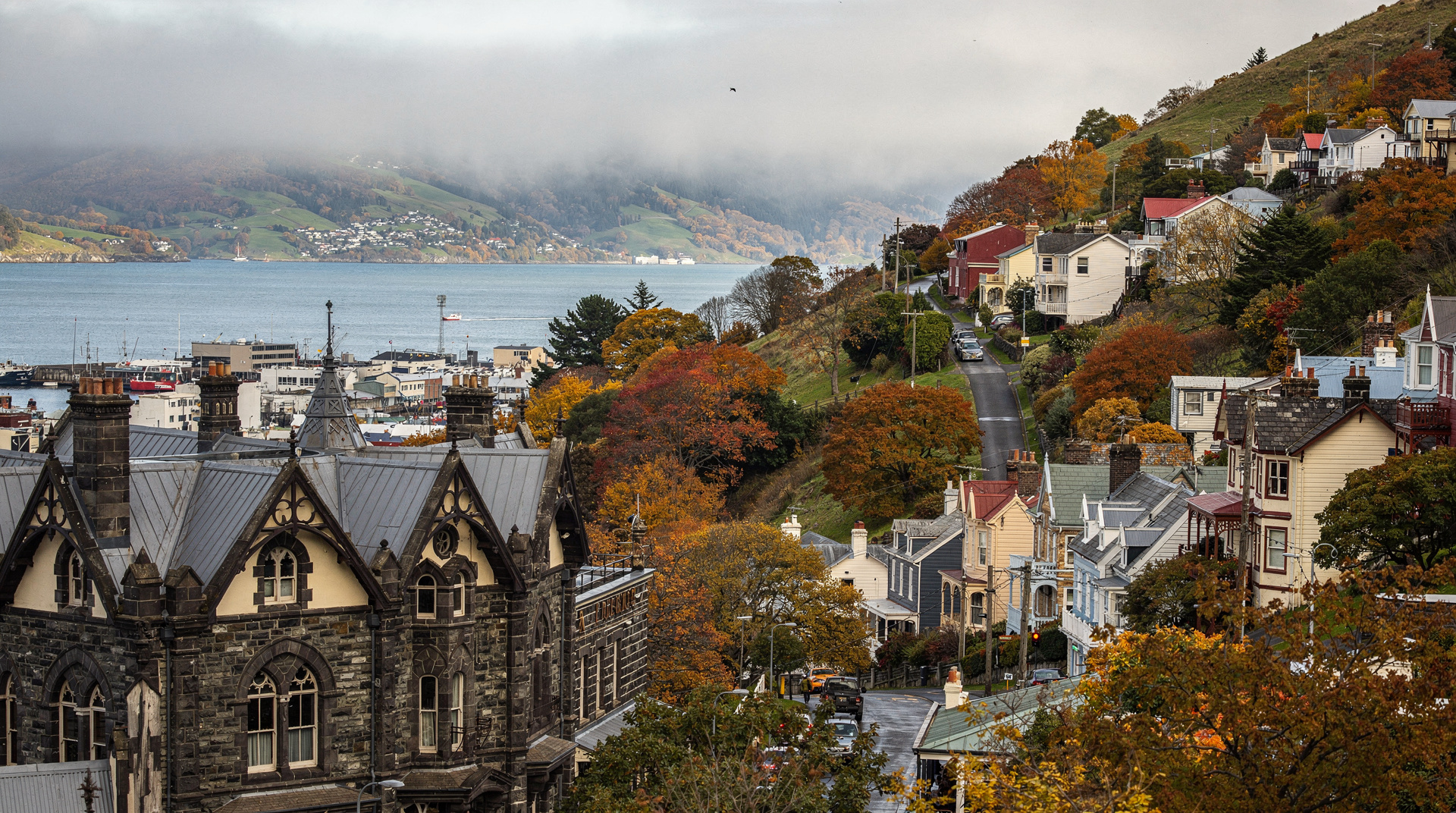
Honest Dunedin guide: Otago Peninsula wildlife, Larnach Castle, Baldwin Street — real NZD/USD/EUR prices and 2 days done right in NZ's Edinburgh.
Invercargill
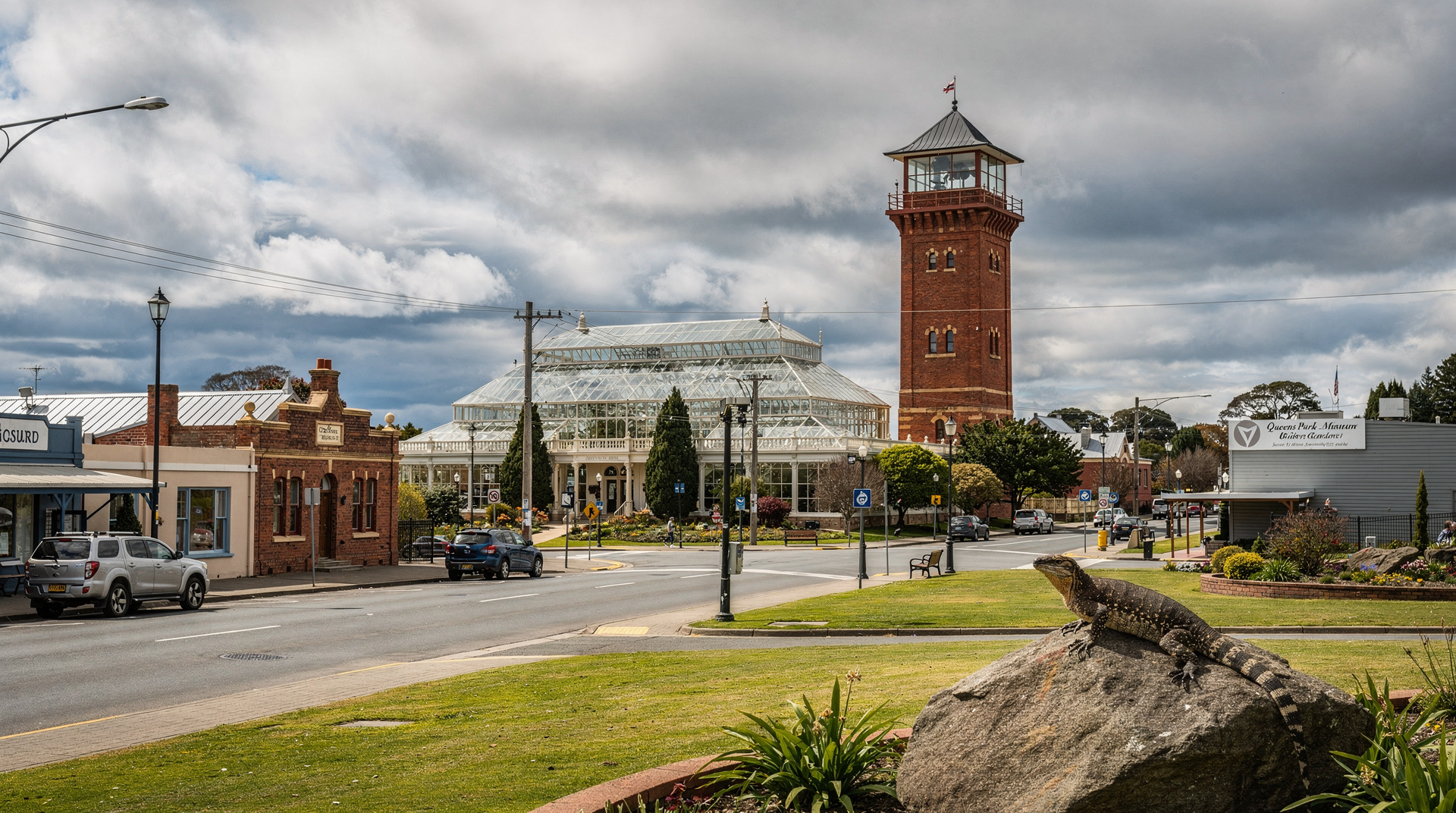
Invercargill: New Zealand's southernmost city, gateway to Stewart Island and the Catlins. Honest half-day guide with real costs NZD/USD/EUR.
Southland
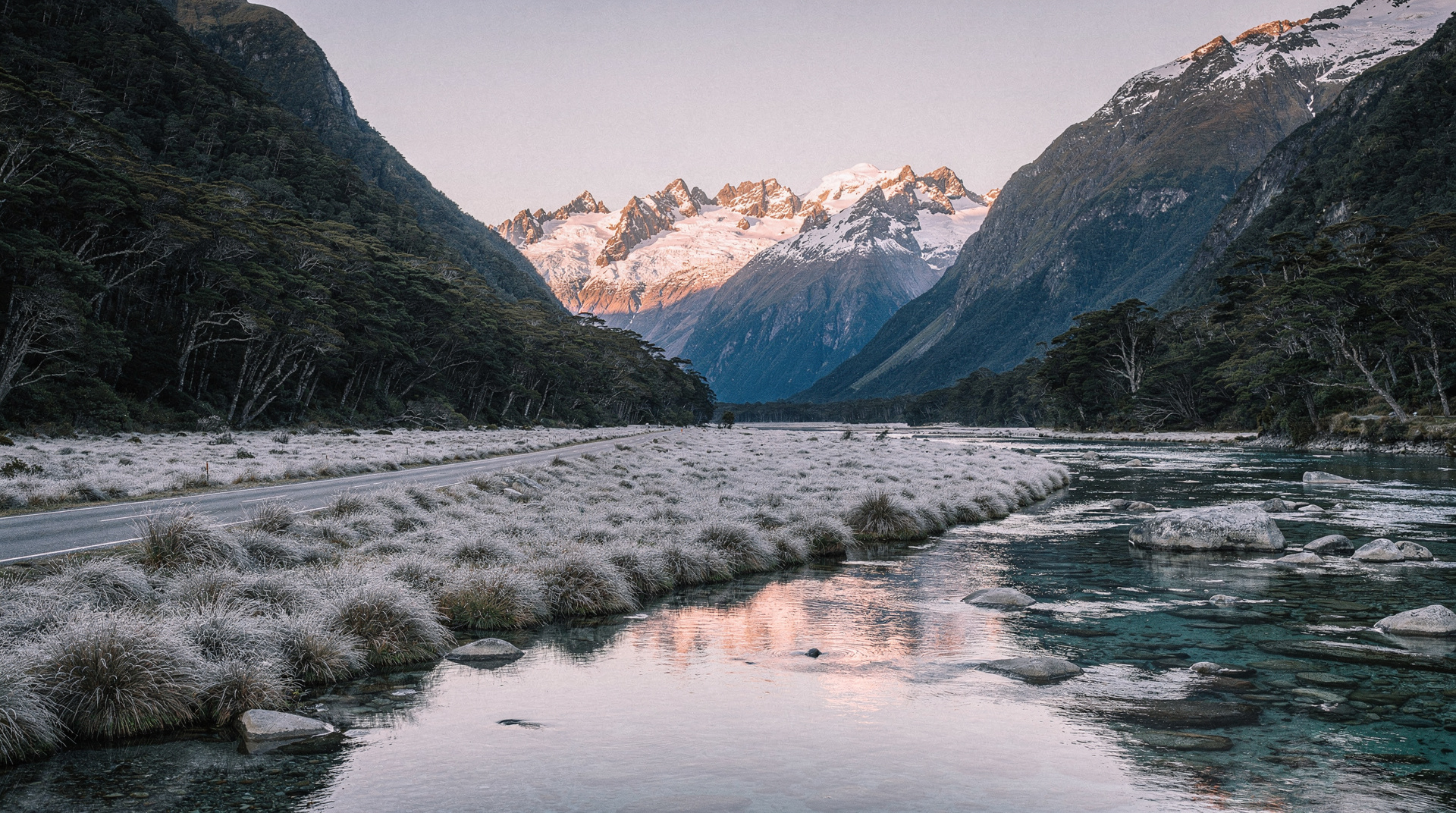
Honest Southland guide: Invercargill, The Catlins wildlife coast, Bluff oysters, gateway to Stewart Island/Rakiura. NZD/USD/EUR costs and practical logistics.
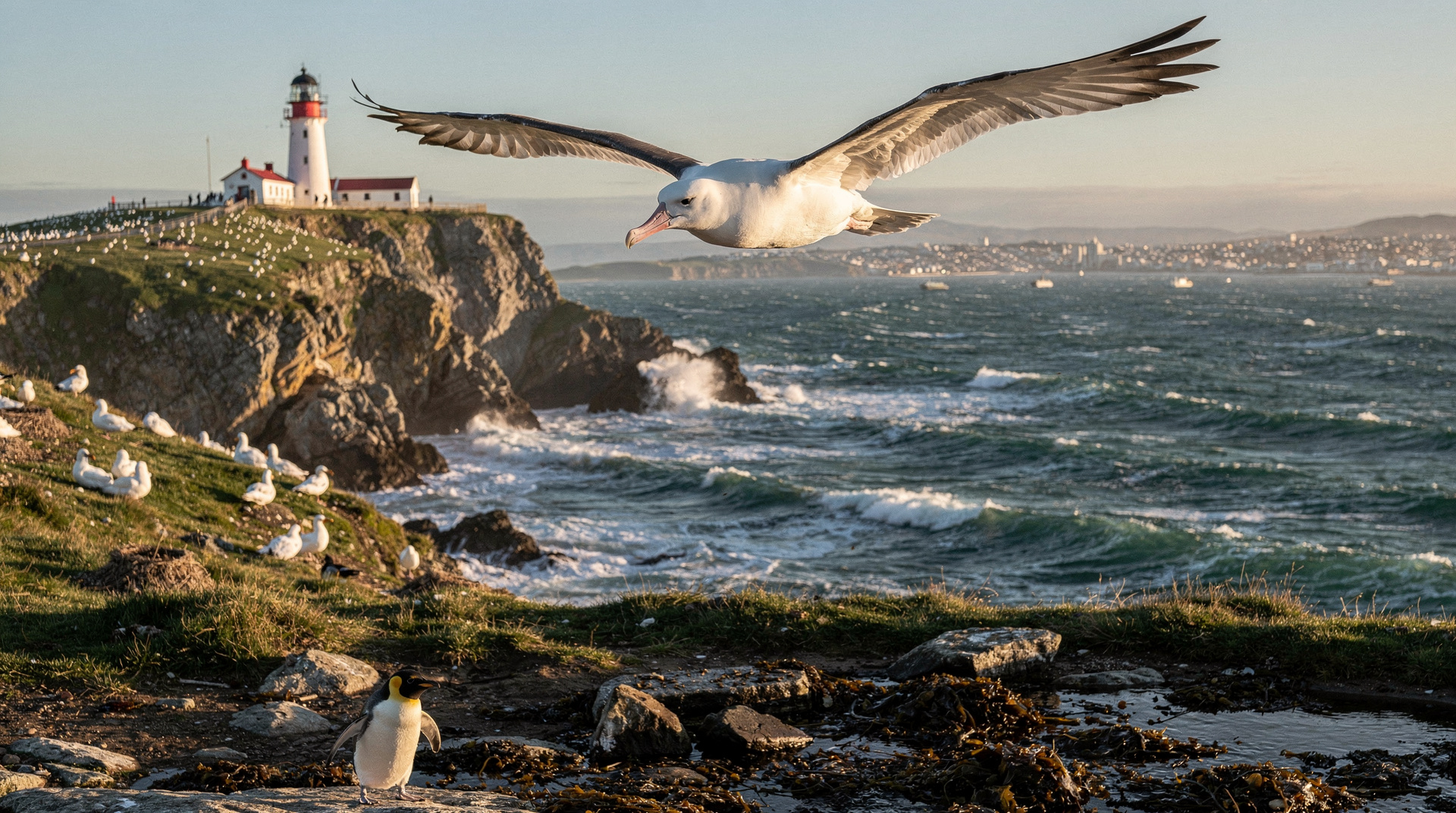
Otago Peninsula
Honest Otago Peninsula guide: albatross colony, yellow-eyed penguins, Larnach Castle — real NZD/USD/EUR prices and the best wildlife timing advice.
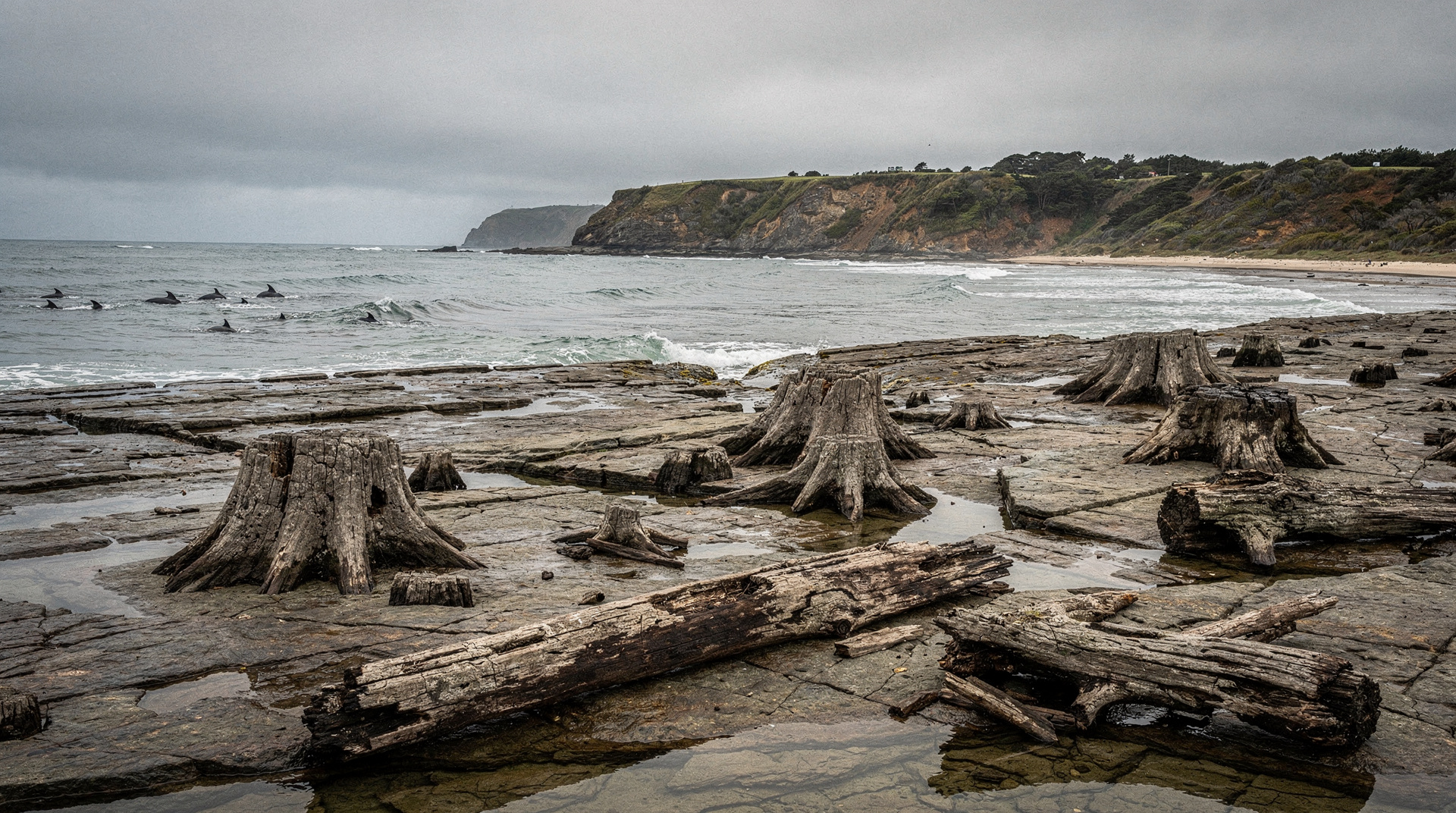
The Catlins self-drive guide — 2 to 3 days along New Zealand's forgotten coast
Drive The Catlins in 2-3 days: Nugget Point, Cathedral Caves, Curio Bay petrified forest, yellow-eyed penguins. Tide times, where to stay, real costs.
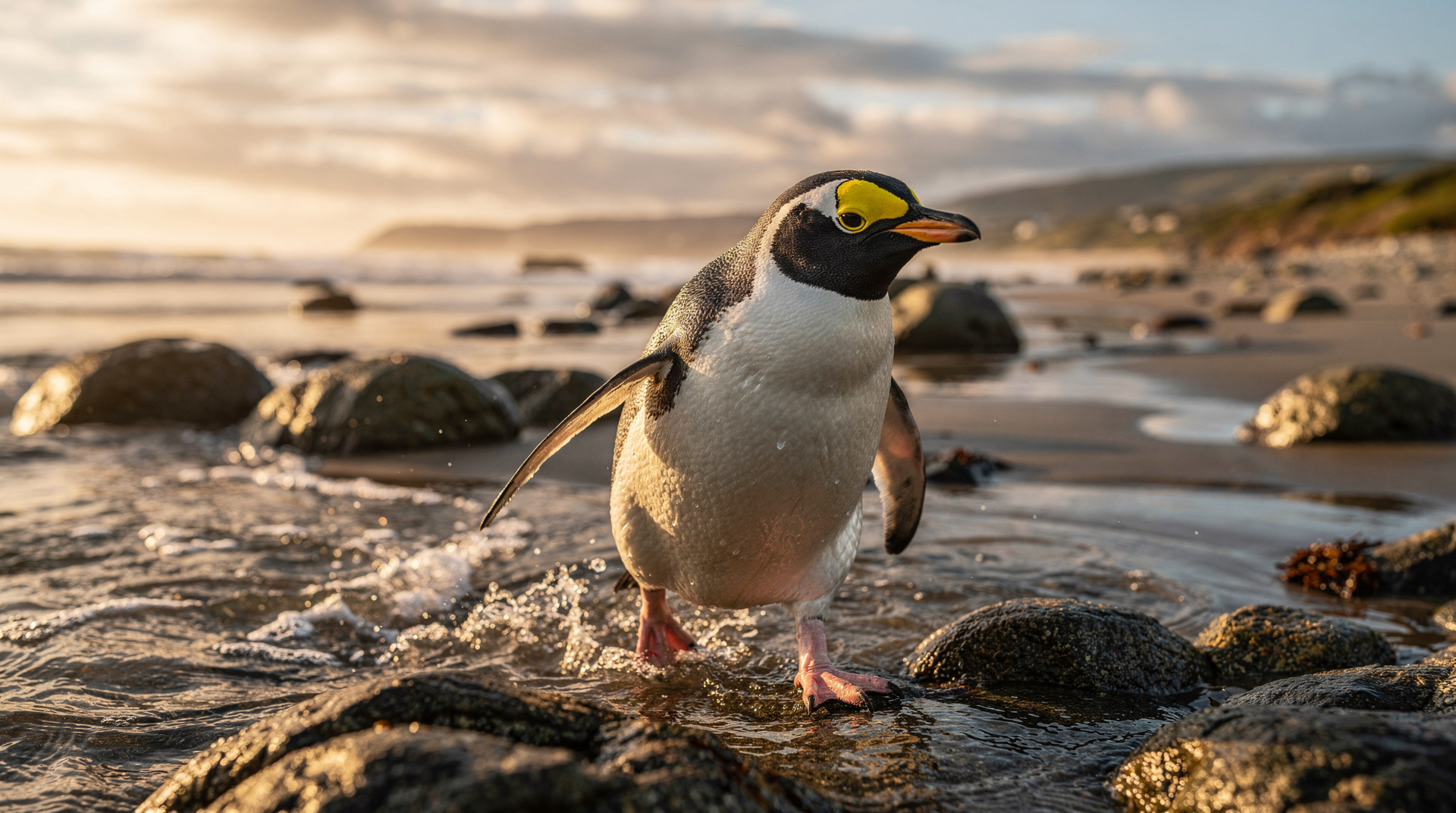
Yellow-eyed penguins on the Otago Peninsula
Hoiho (yellow-eyed penguin) are the world's rarest penguin. Where to see them wild on Otago Peninsula, ethical viewing hides, prices, and best timing.
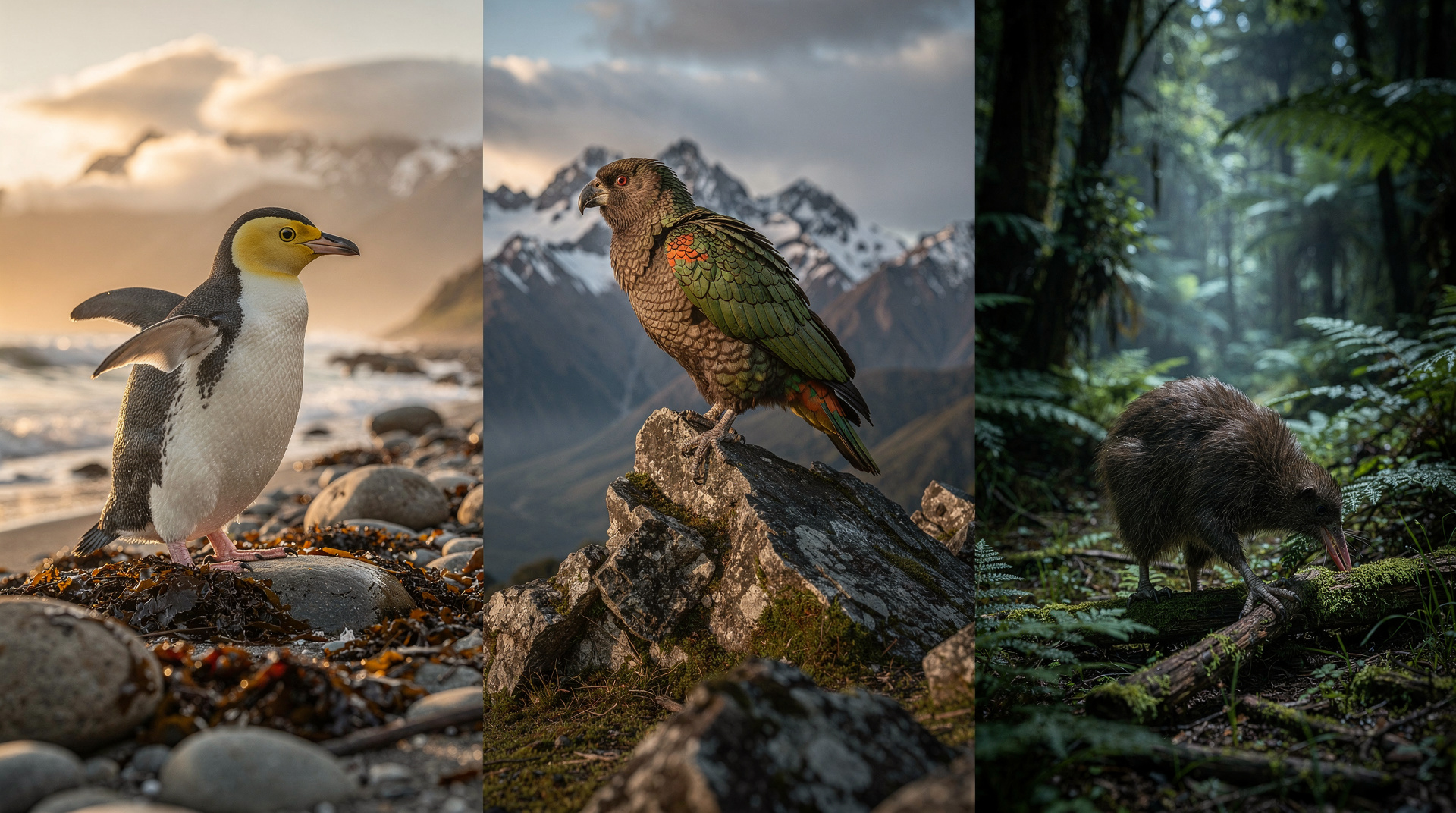
Wildlife in New Zealand — kiwi, penguins, whales, and more
Where to see NZ wildlife honestly: kiwi nights, yellow-eyed penguins, sperm whales at Kaikōura, royal albatross, fur seals. Best locations, real costs.
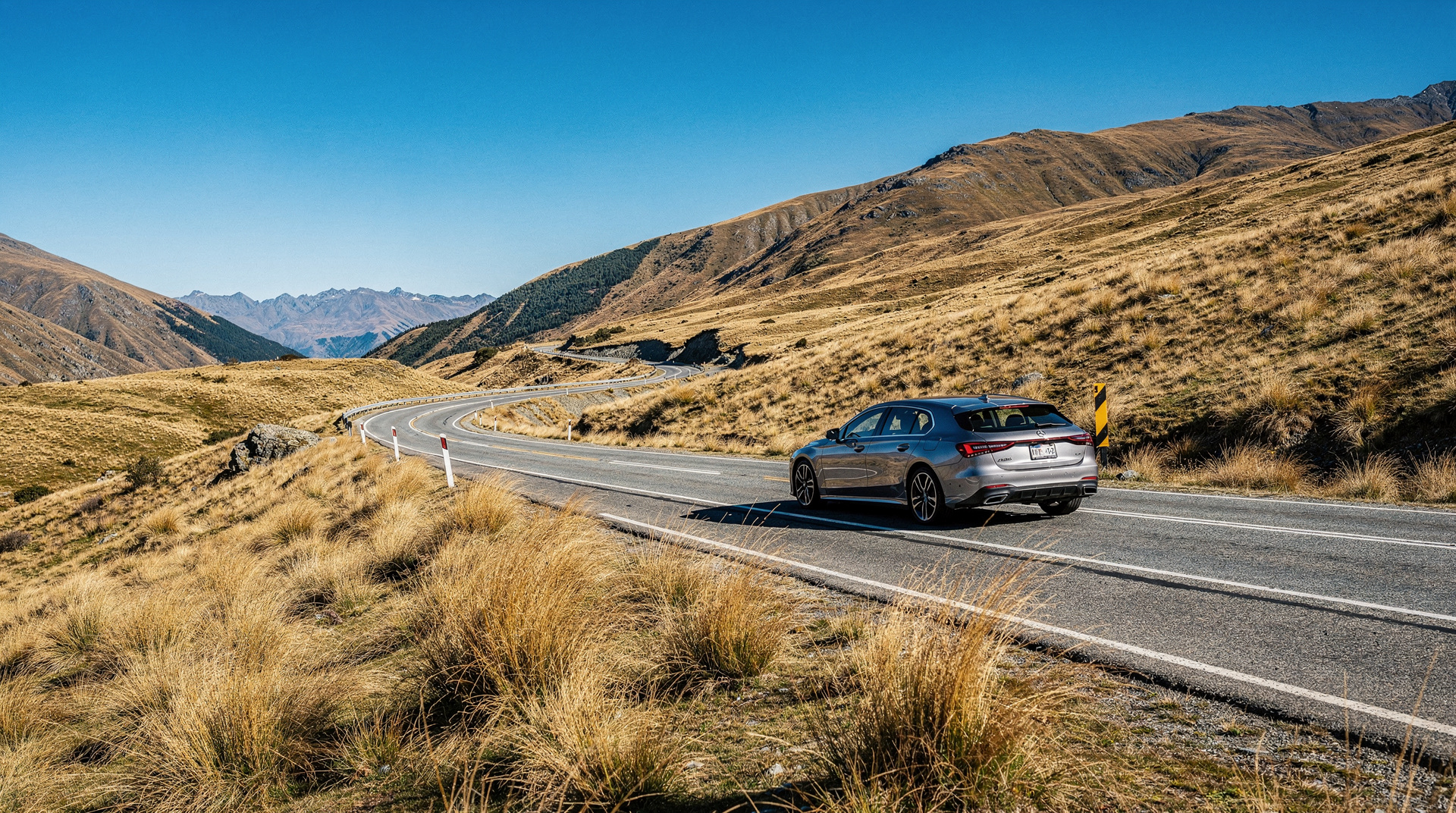
New Zealand self-drive itinerary — 14 days, car and motel
The classic 14-day NZ self-drive road trip by rental car and motels: both islands, ferry crossing, honest road times and costs in NZD, USD, and EUR.
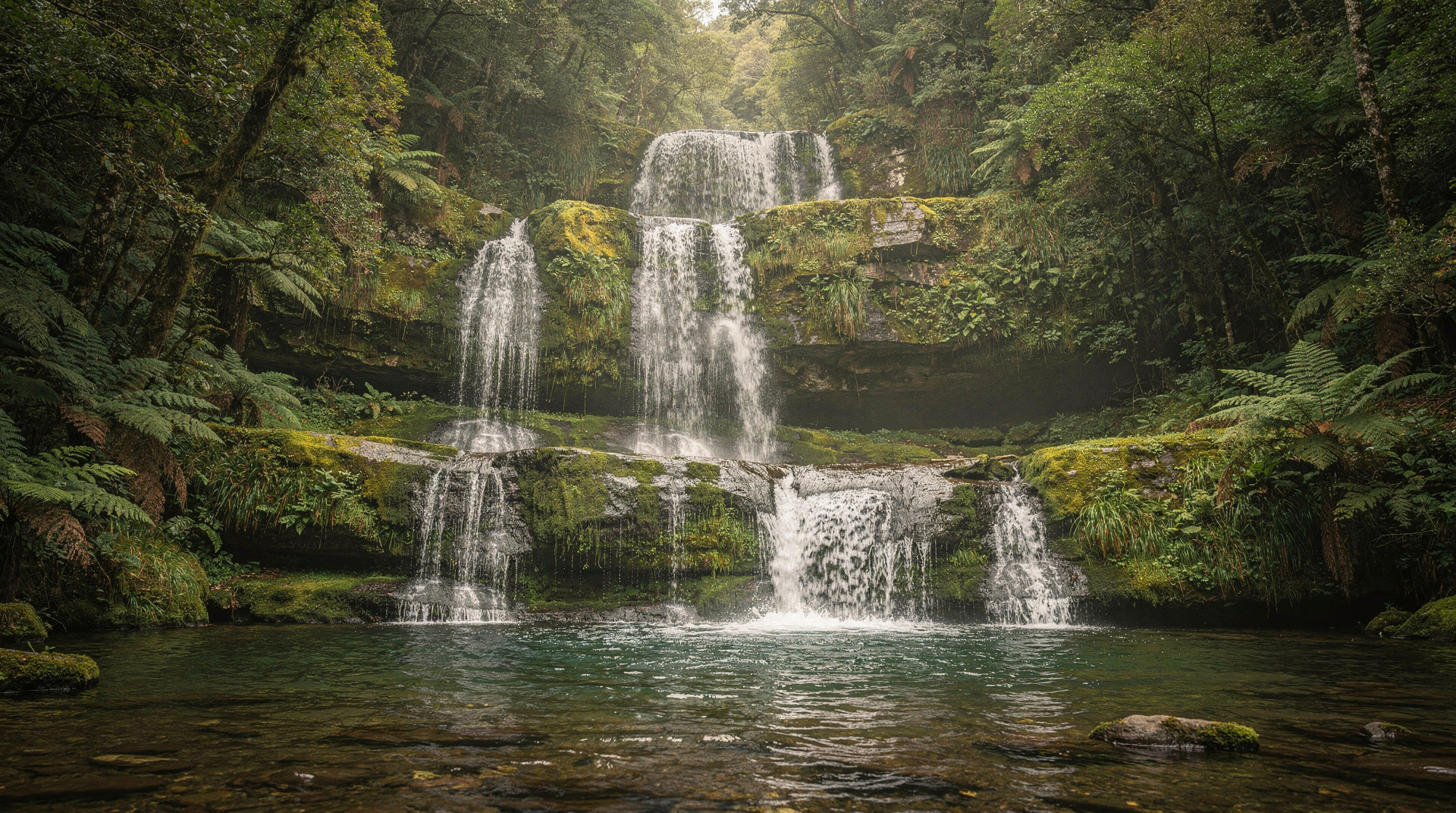
Hidden corners of the Catlins — New Zealand's least-visited southern coast
The Catlins coast between Invercargill and Dunedin is one of New Zealand's most undervisited regions. Sea lions, fossils, waterfalls, and almost no one else.
Last reviewed: