Invercargill
Invercargill: New Zealand's southernmost city, gateway to Stewart Island and the Catlins. Honest half-day guide with real costs NZD/USD/EUR.
Quick facts
- Population
- ~55,000 — Southland's largest city
- Distance to Bluff ferry terminal
- 27 km, 25 minutes south
- Distance to Te Anau
- 170 km, 2 hours
- Currency
- NZ$ — USD ~$0.60 / EUR ~$0.55
- Airport
- Invercargill Airport (IVC) — flights to Christchurch and Wellington
The south’s honest city
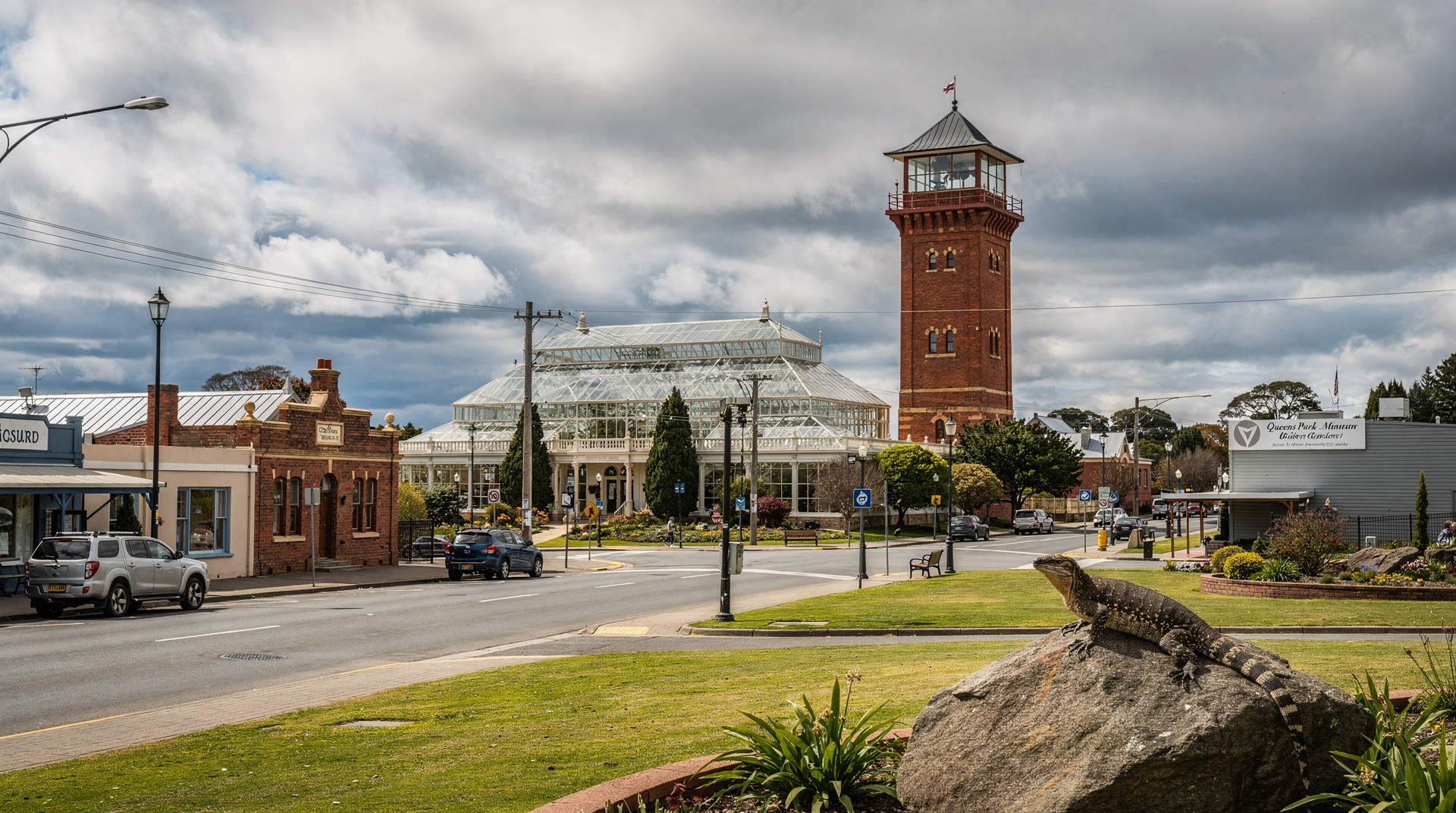
Invercargill is New Zealand’s southernmost city and one of its most frequently underestimated. It sits on flat Southland plains, built on a grid street pattern with wide Victorian streets and a collection of heritage buildings in Edwardian Gothic. The city is real — not a tourism construct, not a scenic gateway disguised as a settlement — and it has been comfortable with that reality for a long time.
| Where | Southland, southernmost city in New Zealand |
| Time needed | Half a day; useful mainly as a logistics stop |
| Getting there | Self-drive, InterCity bus, or flights to Invercargill Airport (IVC) |
| Cost | Most sights free; Stewart Island ferry around NZD 105 one-way |
| Best time | Year-round; May–August for Bluff oyster season |
Most travellers pass through Invercargill rather than staying. It is the functional gateway to Stewart Island/Rakiura (ferry terminal at Bluff, 27 km south) and the natural entry or exit point for the Catlins on the coast to the east. The airport has connections to Christchurch and Wellington, making it the practical end-point for South Island itineraries running the Milford-Queenstown-Catlins-Stewart Island circuit.
The city does have one piece of genuine heritage tourism: Burt Munro. Munro, the subject of Anthony Hopkins’ 2005 film The World’s Fastest Indian, spent most of his life in Invercargill modifying a 1920 Indian Scout motorcycle that he eventually rode to a land speed record at Bonneville Salt Flats in 1967. The E Hayes hardware store on Dee Street still has his original bikes on display.
What to do in Invercargill
E Hayes and Sons hardware store — Burt Munro exhibit: On Dee Street, the family hardware store that supported Burt Munro’s motorcycle obsession through the 1950s and 1960s displays his original 1920 Indian Scout (the world’s fastest Indian) and related memorabilia. Free entry; open during business hours. A 30-minute stop for any visitor with any interest in engineering or sporting obsession.
Southland Museum and Art Gallery: Currently closed for earthquake strengthening and rebuild (check status before visiting — reopening date was uncertain as of 2026). The tuatara enclosure, which has been operating since the 1940s and holds the world’s largest captive tuatara population, may be temporarily relocated during the rebuild period. Tuatara (a reptile species from the age of the dinosaurs, found only in New Zealand) are worth seeing wherever the museum’s temporary facility is located.
Queens Park: Invercargill’s central park — formal gardens, an aviary, a winter garden glasshouse, and enough green space for a pleasant walk. Free.
Bluff and the Stirling Point: Bluff, 27 km south, is the departure point for the Stewart Island ferry and contains the Stirling Point signpost — the symbolic end of State Highway 1, with distance markers to various world destinations. A 15-minute drive from Invercargill with car park access.
Stewart Island ferry: Stewart Island: Ferry Service Between Bluff and Oban departs from Bluff several times daily; the crossing takes approximately 1 hour. One-way approximately NZD 105 / USD 63 / EUR 58. Book ahead in summer. See the Stewart Island guide for full details.
From Invercargill: Catlins guided tour: Invercargill to Dunedin via the Catlins One-Way Tour departs Invercargill for a full-day guided traverse of the Catlins coast, arriving Dunedin. NZD 145–185 / USD 87–111 / EUR 80–102.
Where to stay in Invercargill
Ascot Park Hotel: The main hotel and conference centre; reliable mid-range. NZD 160–240 / USD 96–144 / EUR 88–132.
HQ Hotel: Modern city-centre hotel with good facilities. NZD 140–200 / USD 84–120 / EUR 77–110.
Southern Comfort Backpackers: The best backpacker option in the city. Dorms NZD 28–38 / USD 17–23 / EUR 15–21; privates NZD 75–110 / USD 45–66 / EUR 41–61.
Kelvin Hotel: Historic centrally located hotel; reliable. NZD 130–190 / USD 78–114 / EUR 72–105.
What to eat and drink
The Batch Cafe: Consistently the best cafe in Invercargill; excellent coffee and brunch. Open from 7am. NZD 16–26 / USD 10–16 / EUR 9–14.
Tuatara Bar and Grill: Good casual dining in the city centre. Mains NZD 22–34 / USD 13–20 / EUR 12–19.
Ziff’s Cafe: Good lunch options and a strong local reputation. Mains NZD 16–24 / USD 10–14 / EUR 9–13.
Louie’s: Pizza and casual dining; popular with locals. Pizzas NZD 18–28 / USD 11–17 / EUR 10–15.
Bluff oysters — Invercargill’s most famous culinary claim. The Bluff oyster season runs May to August; outside this window, Pacific oysters are available but Bluff oysters (a specific wild-harvested variety from Foveaux Strait) are not. If visiting in season, seek them at any reputable seafood retailer or restaurant.
Skip / worth it / splurge
- Skip: A full day in Invercargill — this is a half-day stop maximum; the city’s pleasures are real but not extensive
- Worth it: E Hayes and Sons hardware store (free) — one of New Zealand’s best pieces of non-touristy heritage
- Worth it: Bluff Stirling Point and ferry terminal scout (free drive) even if not continuing to Stewart Island
- Splurge: Bluff oysters in season (May–August) with a glass of Marlborough Riesling — NZD 30–45 / USD 18–27 / EUR 16.50–25 per dozen at a good retailer
How to fit Invercargill into your itinerary
Invercargill is most logically the endpoint of a Catlins traverse (arriving from Dunedin) and the staging point for Stewart Island. The common structure: Dunedin → Catlins (overnight) → Invercargill (overnight, early morning ferry to Stewart Island) → Stewart Island (2–3 nights) → return Bluff → connect to Te Anau/Queenstown.
Alternatively, Invercargill appears as a one-night stop between the Catlins and Te Anau, before the Fiordland approach.
On any 21-day New Zealand itinerary that includes both Stewart Island and the Catlins, Invercargill is the inevitable junction point.
A relaxed half-day, step by step
The simplest way to use the time is to treat Invercargill as a morning and an early afternoon rather than a destination. Start with a proper coffee at one of the cafes above, then walk or drive to Dee Street for the Burt Munro display at E Hayes. It is a small, unpolished room full of tools and machines, and that is exactly its charm: you leave with a real sense of how one stubborn person in a remote city built a legend with a workshop and a lot of patience.
From there, Queens Park makes a natural next stop. It is flat, easy and free, which makes it a good pause for anyone who has been in a car or on a bus for several hours. Families will appreciate the open space, and the glasshouse is a pleasant refuge if the southern weather turns grey, which it often does. If the Southland Museum has a temporary display open by the time you visit, add it to the loop, but do not build the day around it.
If you have a car and some daylight left, finish with the drive to Bluff and the Stirling Point signpost. Even travellers who are not crossing to Stewart Island tend to enjoy seeing the end of the highway, and it gives you a feel for the ferry terminal before you need it. Anyone travelling onward the next morning will find that scouting the route the afternoon before takes a lot of stress out of an early start.
Weather and what to wear
Invercargill sits far south and is open to the wind. Even in the warmer months, a windproof layer is worth keeping within reach, and the weather can change several times in one day. Winter feels properly cold, which suits the oyster season but makes outdoor sightseeing shorter. Our packing list for New Zealand covers layering for exactly this kind of southern conditions, and the best time to visit New Zealand guide explains how the seasons shape a South Island trip.
Because the weather can affect crossings to Stewart Island, build a little slack into your plan. A spare night in the south is cheap insurance compared with a missed connection or a rushed return to your onward flight.
Getting around without a car
Invercargill is compact enough to explore on foot once you are in the centre, and the main sights are close together. For longer legs, the InterCity bus guide explains how the national coach network works, and our New Zealand without a car itinerary shows how a southern loop can be pieced together on public transport. If you are flying in, the domestic flights guide is the place to compare options, and the airport transfers guide helps you plan the short hop into town.
Drivers should read the driving in New Zealand guide before heading out onto the rural roads. Distances look short on a map but the journeys feel longer than expected, particularly on the way to the coast, so leave more time than your navigation app suggests.
Pairing Invercargill with Stewart Island
Most travellers who stay a night here are really preparing for Rakiura. The island rewards the effort: it is quiet, wild and very different from the mainland. Our Stewart Island kiwi spotting guide and the Rakiura Track guide show what the island offers, and the slow travel on Stewart Island article makes the case for staying longer than a single day. If seeing a kiwi in the wild is a priority, a guided outing such as an evening search for wild kiwi on the island is worth considering once your ferry is booked.
Leave your heavy luggage organised before you cross, and keep your essentials for the island in a small bag. Having a clear plan for where the rest of your things will wait avoids a scramble at the terminal.
Pairing Invercargill with the Catlins
The other natural companion is the coast to the east. Read the Catlins self-drive guide for the stops worth making, the Catlins beaches guide for the shoreline, and the hidden corners of the Catlins piece for quieter detours. If you want to see yellow-eyed penguins, our yellow-eyed penguins guide explains what to expect and how to behave around them. The same wild coast is also covered in the wider Southland destination page.
Linking Invercargill to Fiordland
Heading west from the city, the road leads to the lakes and mountains that most visitors come to New Zealand for. The Te Anau destination guide and Fiordland overview are good starting points, and the Milford Sound vs Doubtful Sound comparison helps you choose between the two famous fiords. Because Invercargill shortens the trip toward Fiordland, it can work as a smart overnight when you are arriving late from the east.
Invercargill vs. Dunedin as a Southland base
Some travellers weigh basing themselves in Dunedin rather than Invercargill for a Catlins-Stewart Island loop. Dunedin has far more to see in its own right — Scottish heritage architecture (see our Dunedin Scottish heritage guide), better restaurants, and the Otago Peninsula wildlife. But it’s also 3.5 hours from the Stewart Island ferry at Bluff, making Invercargill the more practical overnight before an early crossing. The honest structure most itineraries land on: Dunedin for culture and wildlife, Invercargill purely as the last logistics stop before Bluff.
Frequently asked questions about Invercargill
Is Invercargill worth visiting for its own sake?
Honestly, not for more than half a day unless you have a specific interest in the Burt Munro heritage or the Southland museum. Invercargill is a functional, pleasant, real New Zealand city — but it competes for attention with Te Anau, Queenstown, and Stewart Island nearby, and cannot match any of them for pure visitor experience.
How far is Invercargill from Queenstown?
187 km and approximately 2.5 hours via SH6. The drive passes through Gore and the Southland plains. Alternatively, the scenic route via Mossburn and the Mavora Lakes adds 30 minutes but passes through excellent tussock country.
What is the best oyster in New Zealand?
By widespread agreement among New Zealand food professionals, the Bluff oyster (Ostrea chilensis) is the country’s finest oyster. It is harvested from the cold, clear waters of Foveaux Strait between the South Island and Stewart Island. The harvest quota is tightly controlled; the season runs May to August. Outside Invercargill and Bluff, Bluff oysters in season can be found at good Auckland, Wellington, and Christchurch fishmongers.
Should I stay overnight in Invercargill or push on the same day?
If you have an early Stewart Island ferry booked, staying overnight in Invercargill removes the risk of missing it — Bluff is only 25 minutes away, but weather and traffic on unfamiliar roads are not worth gambling against a fixed departure. If you’re heading to Te Anau or Queenstown instead, pushing on the same day is fine; there’s little reason to linger.
Top experiences: invercargill New Zealand
See all →Related guides
Southland
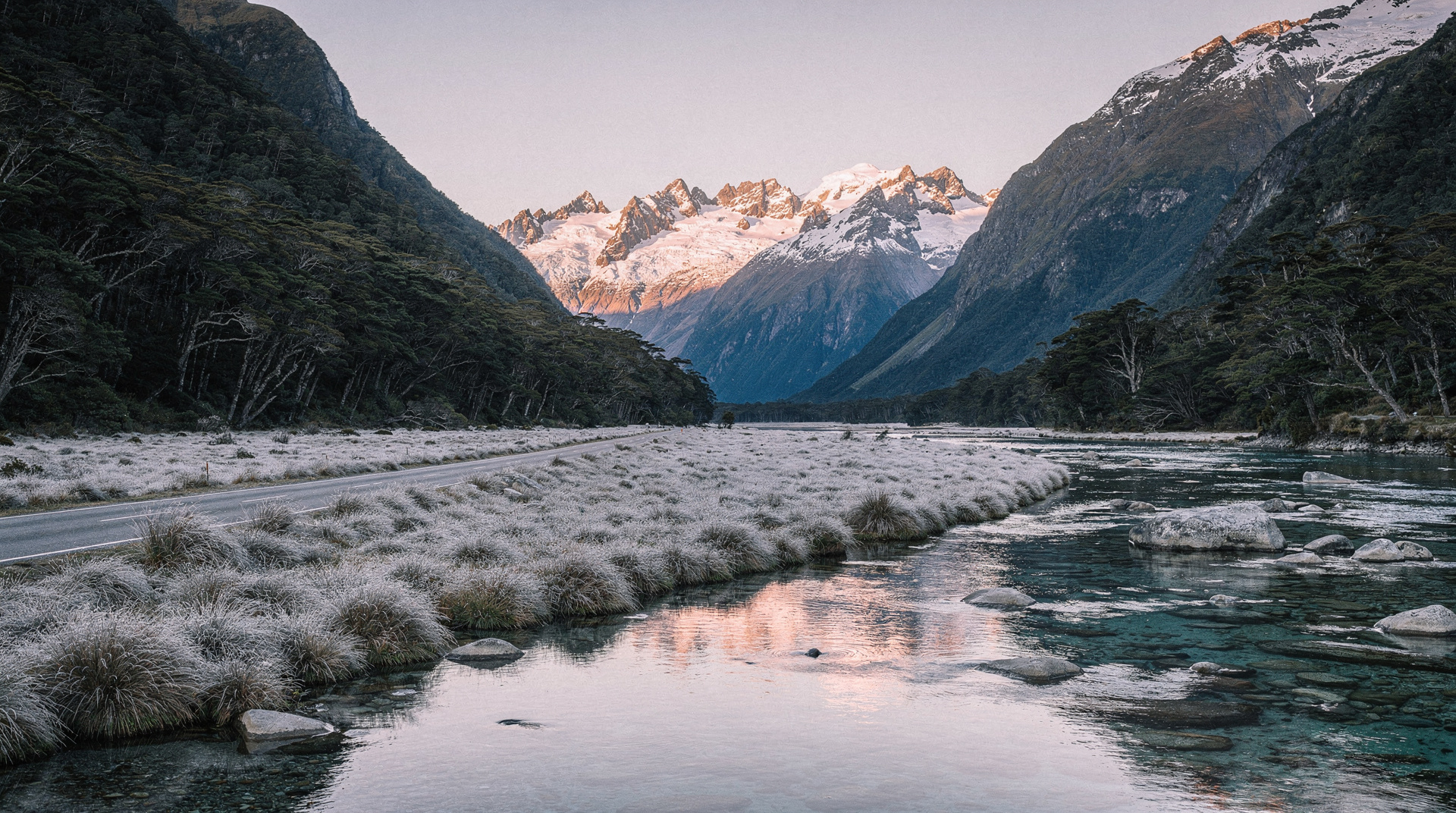
Honest Southland guide: Invercargill, The Catlins wildlife coast, Bluff oysters, gateway to Stewart Island/Rakiura.
Stewart Island / Rakiura
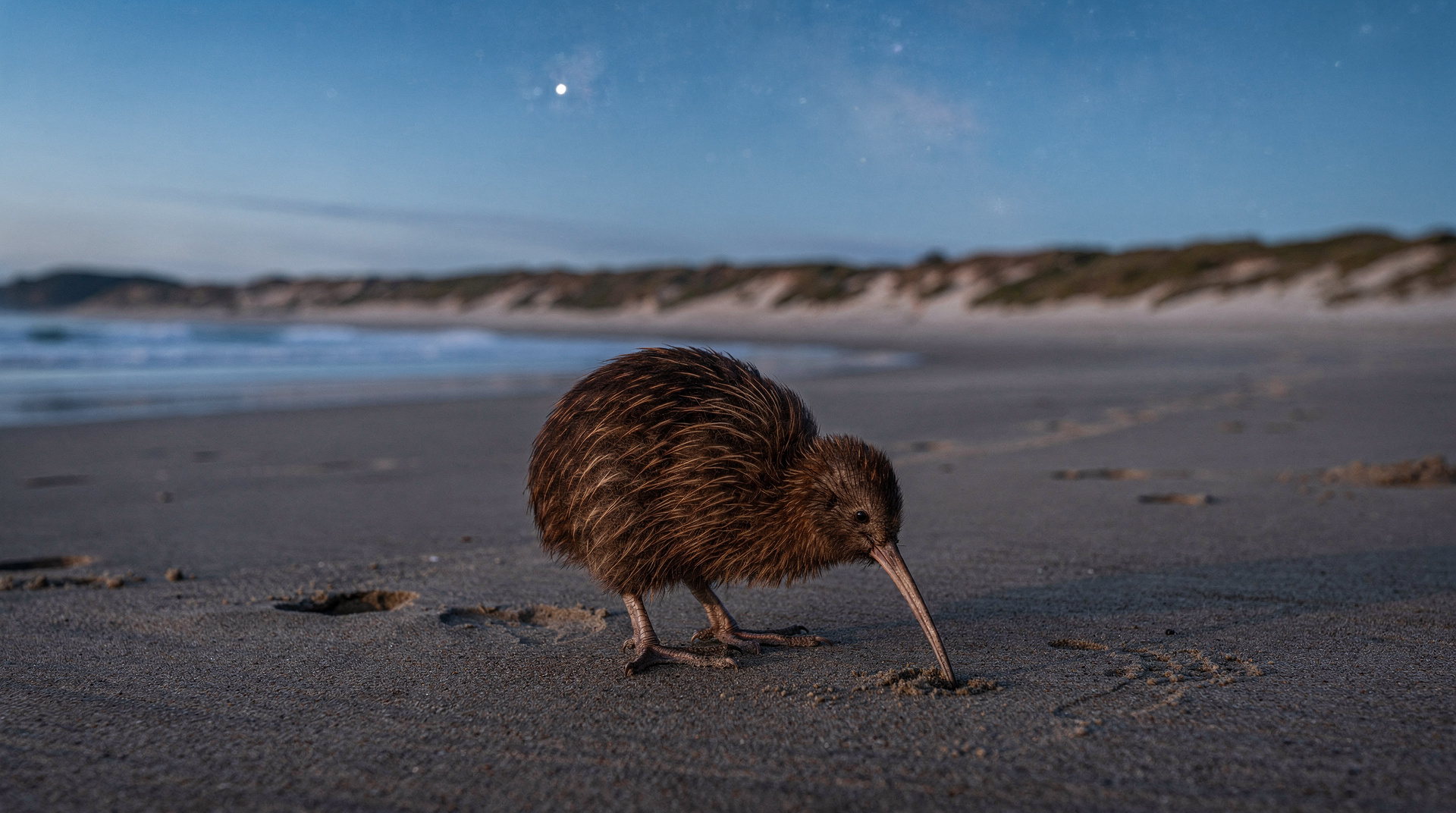
Honest guide to Stewart Island / Rakiura: wild kiwi at night, Ulva Island bird sanctuary, Rakiura Track, Foveaux Strait ferry, real prices NZD/USD/EUR.
The Catlins
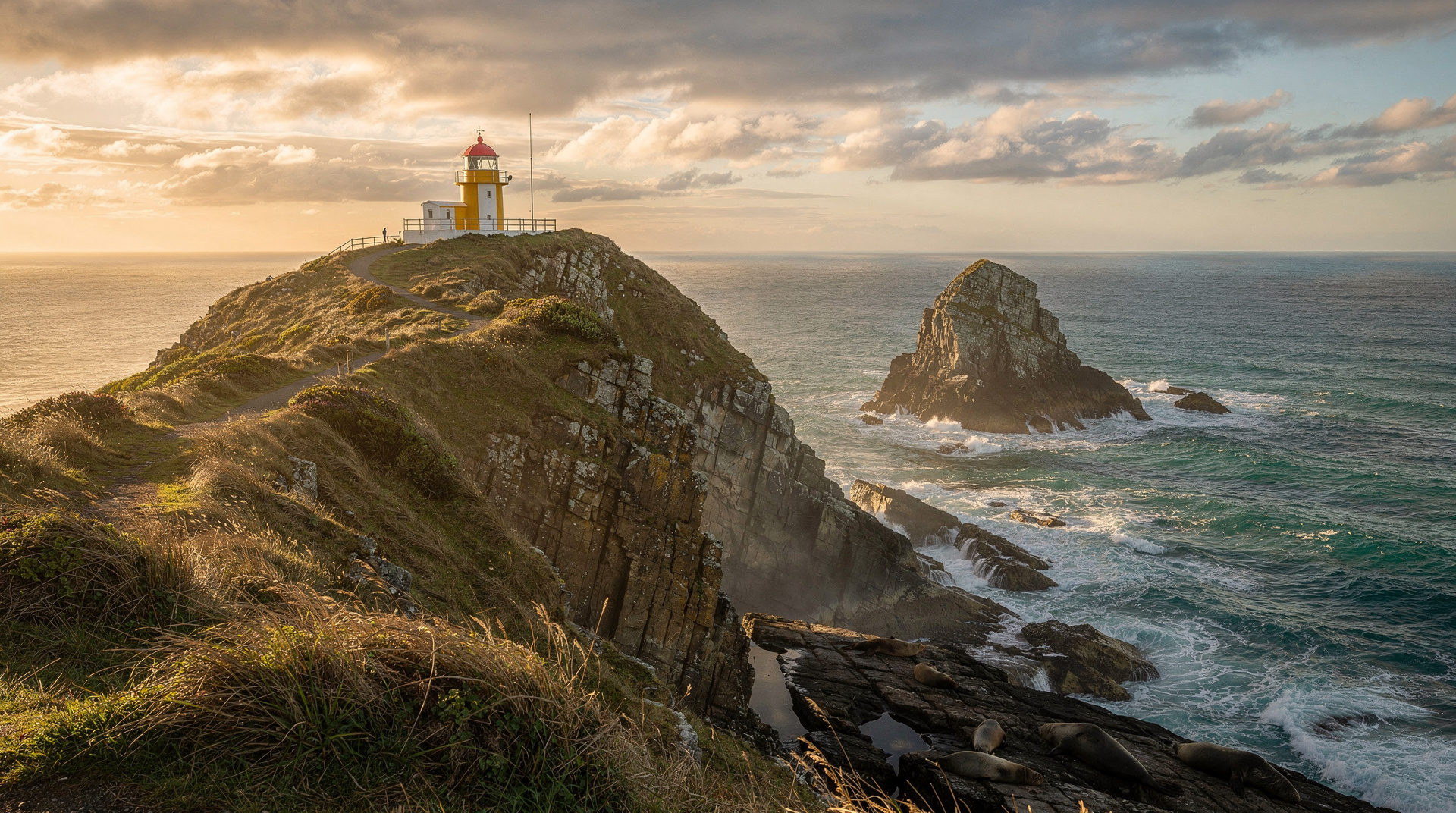
The Catlins: yellow-eyed penguins, Hooker's sea lions, the Curio Bay petrified Jurassic forest, and Nugget Point lighthouse. Honest guide NZD/USD/EUR.
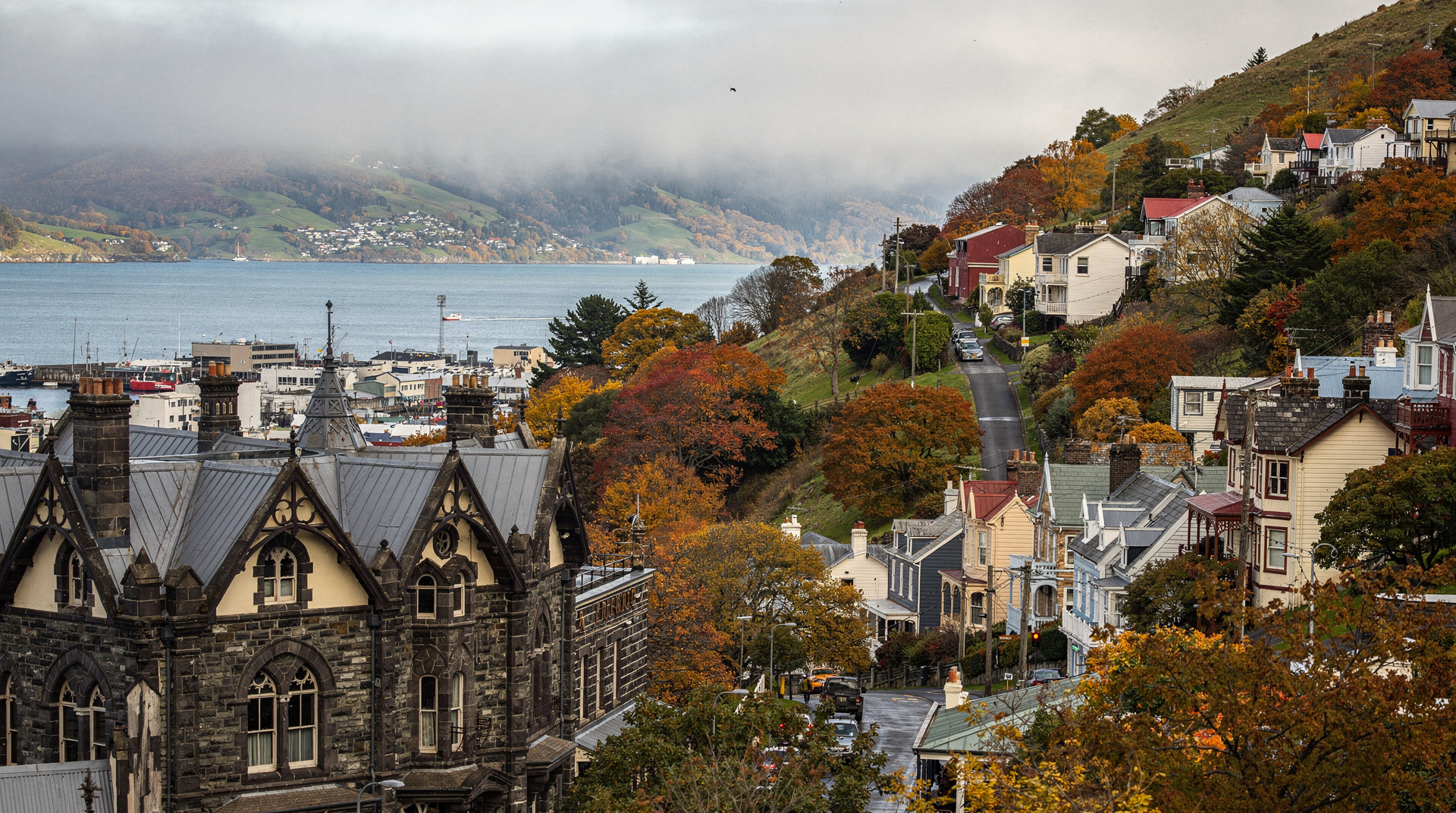
Dunedin
Honest Dunedin guide: Otago Peninsula wildlife, Larnach Castle, Baldwin Street — real NZD/USD/EUR prices and 2 days done right in NZ's Edinburgh.
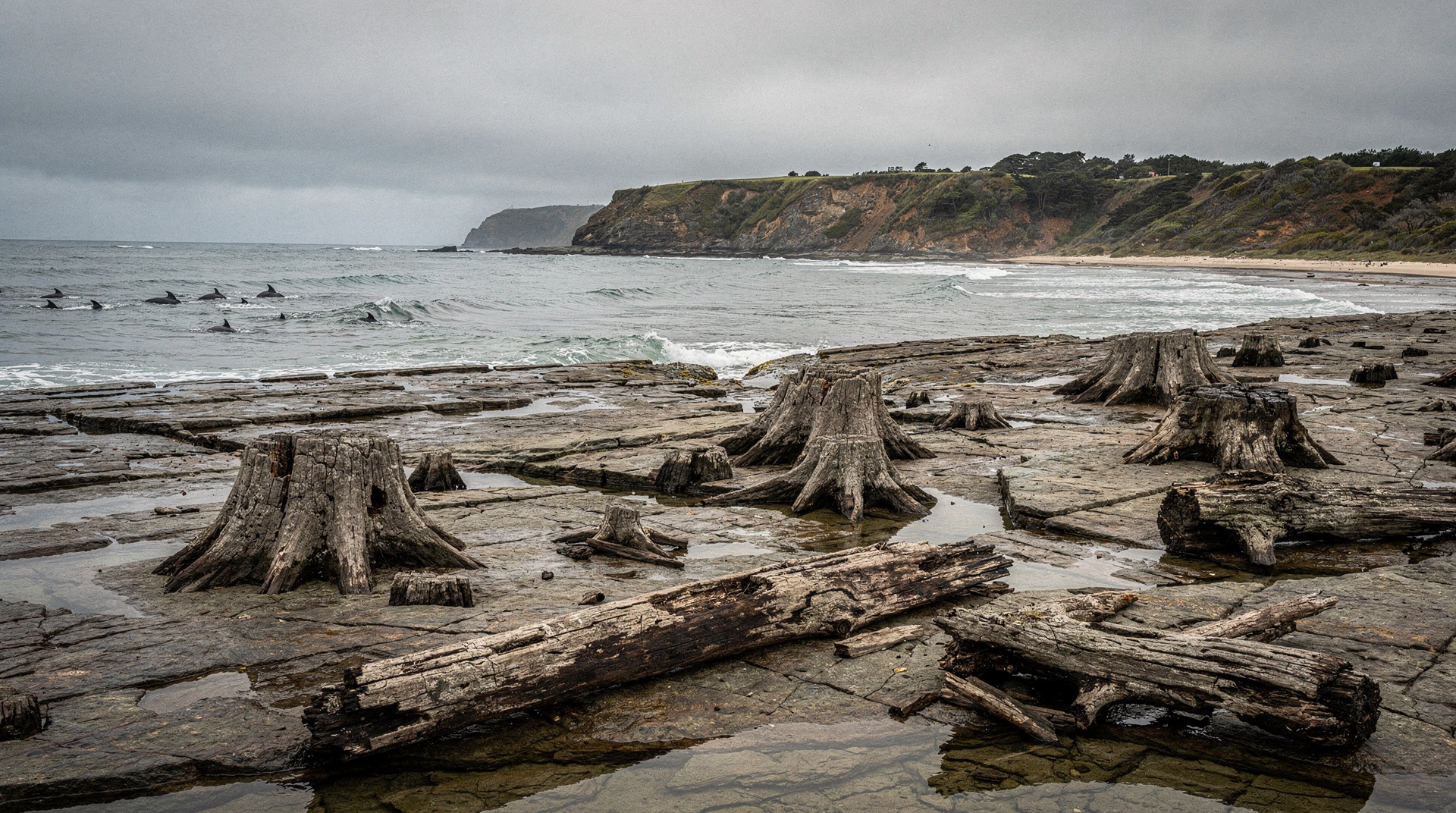
The Catlins self-drive guide — 2 to 3 days along New Zealand's forgotten coast
Drive The Catlins in 2-3 days: Nugget Point, Cathedral Caves, Curio Bay petrified forest, yellow-eyed penguins. Tide times, where to stay, real costs.
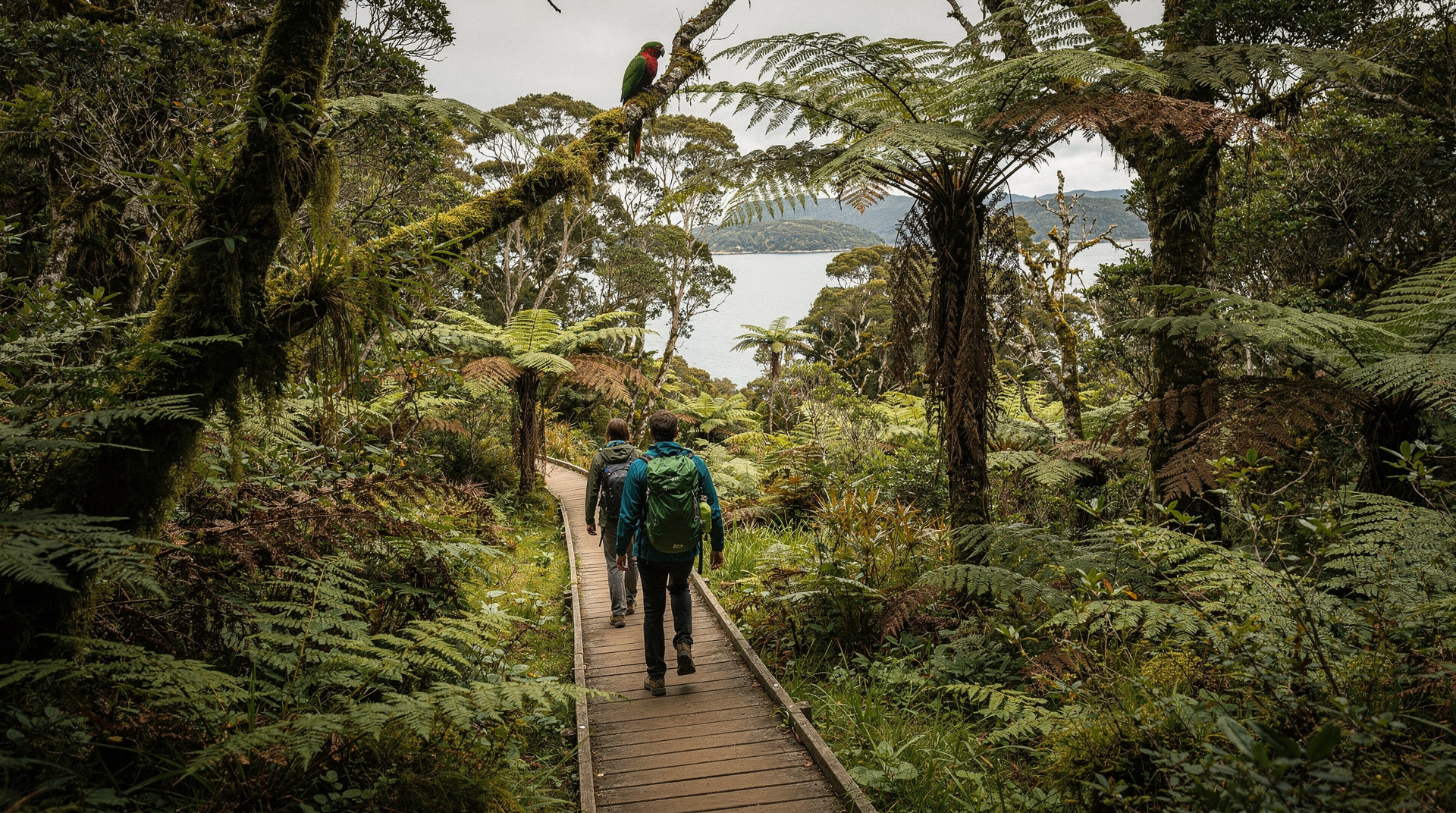
Rakiura Track — Great Walk on Stewart Island/Rakiura
Rakiura Track: 36km circuit, 3 days, open year-round. The kiwi Great Walk — real wild kiwi at night. Ferry from Bluff. Book DOC huts at doc.govt.nz.
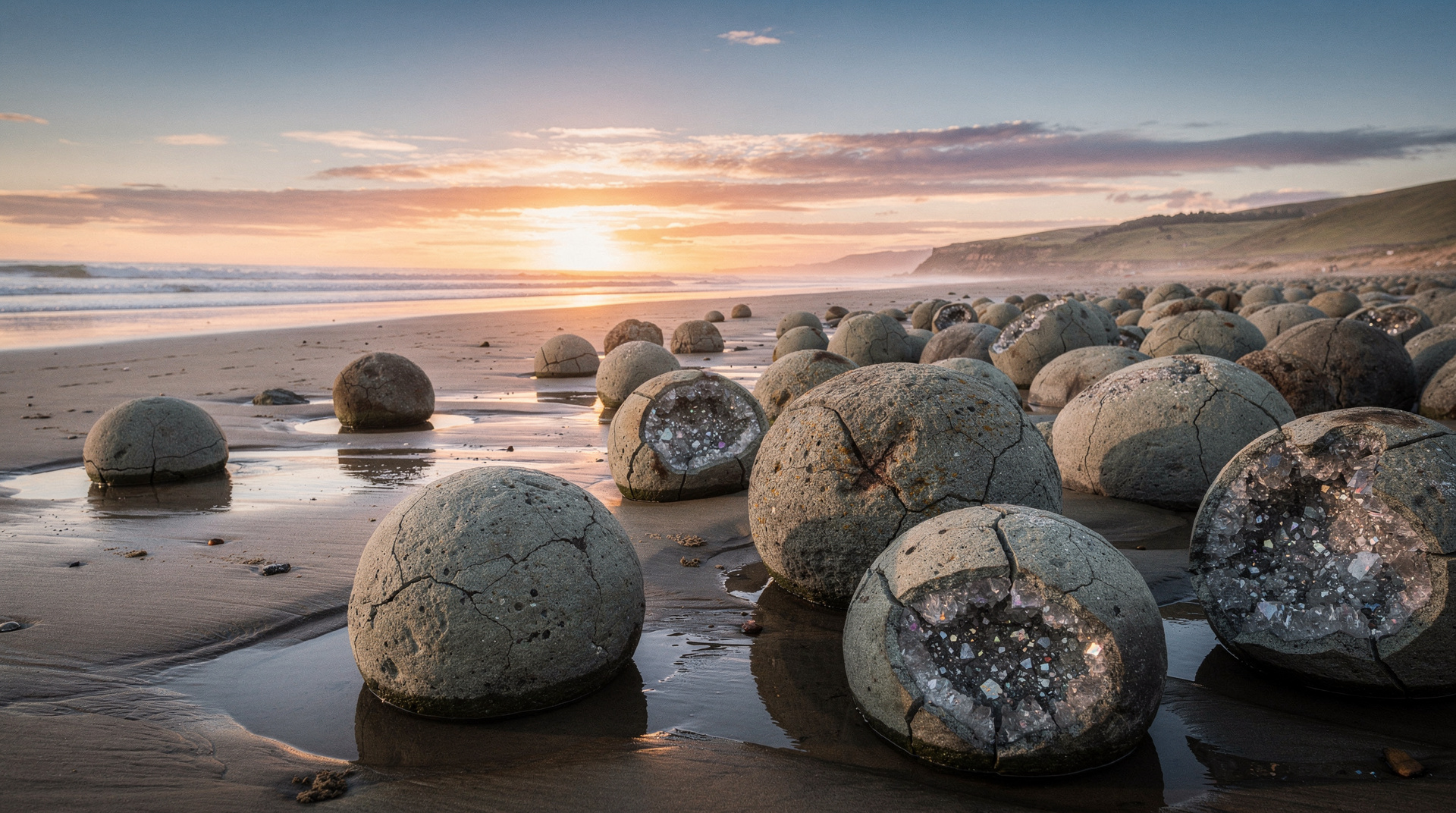
Day trips from Dunedin — the best excursions and how long each takes
Best day trips from Dunedin: Otago Peninsula, Moeraki Boulders, Oamaru steampunk and penguins, Tunnel Beach, Aramoana. Times, costs, self-drive vs guided.
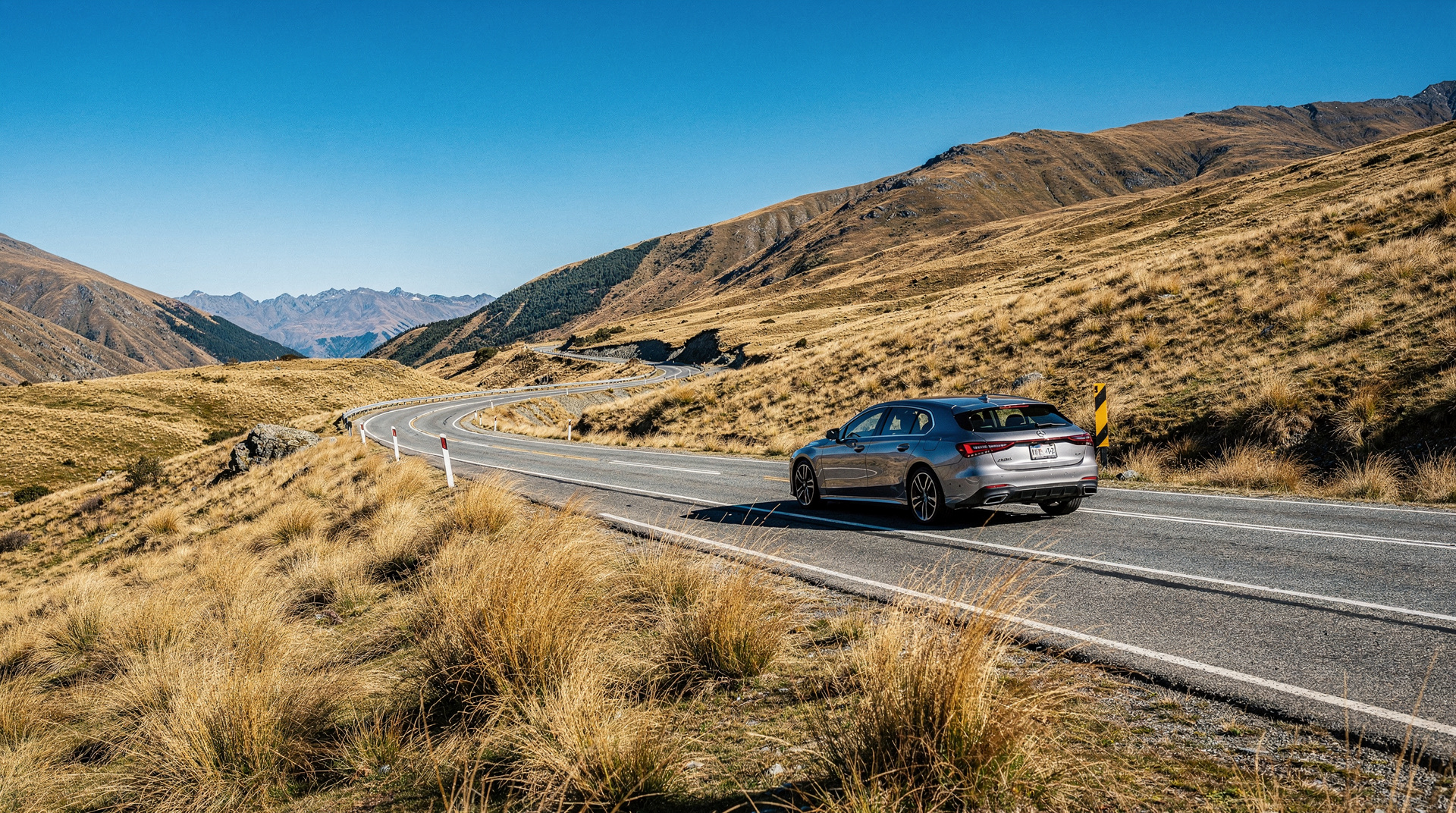
New Zealand self-drive itinerary — 14 days, car and motel
The classic 14-day NZ self-drive road trip by rental car and motels: both islands, ferry crossing, honest road times and costs in NZD, USD, and EUR.
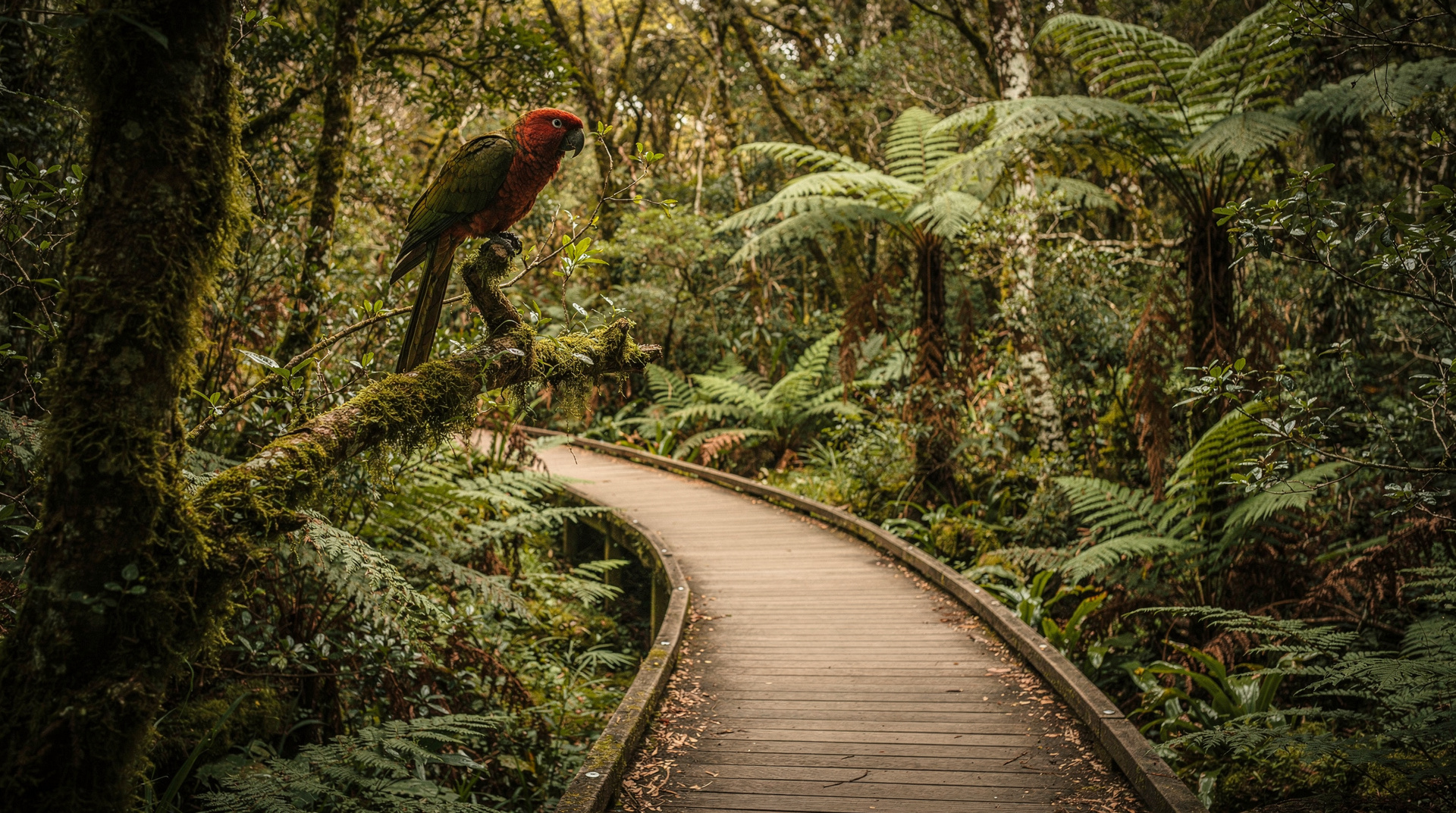
Slow travel on Stewart Island/Rakiura — three days in New Zealand's third island
Stewart Island/Rakiura in winter: no crowds, wild kiwi at dusk, and a ferry crossing that earns its reputation. A case for going further south.