Arthur's Pass day trip from Christchurch
Is Arthur's Pass worth visiting as a day trip from Christchurch?
Yes — especially for hikers, nature lovers, and those wanting alpine scenery without a long drive. 1.5 hours via SH73, stopping at Castle Hill (limestone outcrops used in The Chronicles of Narnia film), then into the alpine village at 737m altitude. The Devils Punchbowl waterfall walk (45 min return) is the easiest hike; longer alpine tracks are available for experienced walkers.
Arthur’s Pass: the alpine day trip
| Where | Arthur’s Pass National Park, 1.5hrs from Christchurch via SH73 |
| Cost | Free walks and Castle Hill; around NZD 30-40 fuel self-drive |
| Time needed | Full day, longer if combining with the TranzAlpine |
| Getting there | Self-drive via SH73, guided day tour, or the TranzAlpine train |
| Best time | Year-round; winter brings snow, summer the clearest alpine views |
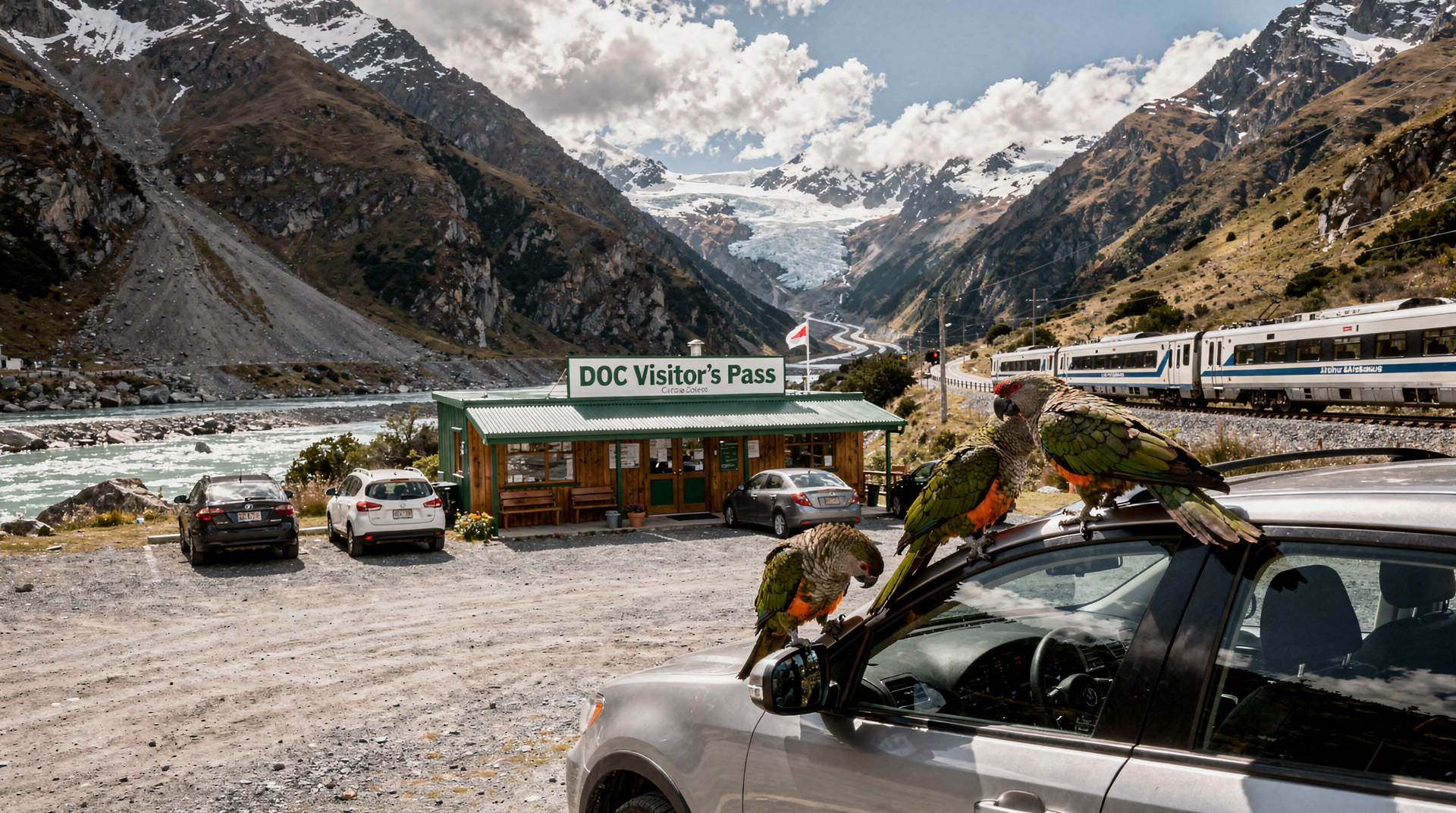
Arthur’s Pass National Park sits at the top of the Southern Alps — a high, exposed, and dramatically beautiful alpine environment that feels profoundly different from the Canterbury Plains below. At 737m altitude, the village of Arthur’s Pass (smaller than it sounds — a handful of buildings, a DOC visitor centre, a café, and the train station) is the starting point for multiple day walks, home to the kea alpine parrot, and the crossing point used by the TranzAlpine scenic train. For a coastal alternative on the same day-trip radius, the Akaroa day trip from Christchurch trades alpine peaks for a volcanic harbour and Hector’s dolphins.
For Christchurch visitors, the Arthur’s Pass day trip offers the most accessible alpine scenery available from the city — 1.5 hours of driving through increasingly dramatic landscape, with an optional stop at Castle Hill along the way. This is the day trip for those who want mountain air, DOC trails, and encounters with New Zealand’s most intelligent bird rather than thermal pools or whale watching.
The drive: Christchurch to Arthur’s Pass
Route: SH73 west from Christchurch through Springfield, then through the Waimakariri Gorge and into the Alps. The road passes through the pastoral plains, then the braided river channels of the Waimakariri, then climbs into alpine territory.
Google Maps shows: 1 hour 30 minutes from Christchurch to Arthur’s Pass village. Allow 1 hour 45 minutes in summer.
Castle Hill — the must-stop
Castle Hill (Kura Tāwhiti) is 100 km west of Christchurch and approximately 30 minutes before Arthur’s Pass village — a remarkable field of weathered limestone boulders on the valley floor surrounded by tussock grassland and the alpine backdrop of the Torlesse Range. The largest boulders reach 3-4 metres high, clustered in improbable formations that provided the filming location for The Chronicles of Narnia: The Lion, the Witch and the Wardrobe (2005).
The site is a DOC reserve — free to visit, with a flat 20-minute walk from the SH73 car park to the main boulder field. Allow 45-60 minutes to explore properly. Castle Hill is also one of New Zealand’s finest limestone climbing areas; on weekends you may see climbers on the boulders.
The historic and cultural significance: Kura Tāwhiti is a place of deep significance to the local Ngāi Tahu iwi — a place of learning and spiritual importance. The name means “treasure from a distant place.” DOC signage explains the site’s history from Maori and European perspectives.
Arthur’s Pass village
Arthur’s Pass village (population approximately 70 permanent residents) has:
- DOC Arthur’s Pass Visitor Centre: Opens daily. Excellent trail maps, conditions updates, weather forecasts, and a kea information display. Start here.
- Arthur’s Pass Store and Cafe: The only food option in the village. Reliable for coffee, pies, and basic meals.
- The train station: The TranzAlpine stops here daily, briefly — watching it pass is free and gives a sense of the train’s journey.
The main things to do beyond the village are DOC trails.
The walks
Devils Punchbowl Waterfall — the easiest
The Devils Punchbowl Waterfall (131m drop) is accessible by a well-maintained 45-minute return walk from the village car park. The walk follows Punchbowl Stream through mountain beech forest before the final climb to a viewing platform directly below the falls. Recommended for everyone, including families with children aged 5+.
Avalanche Peak — the serious hike
Avalanche Peak is the most popular full-day Arthur’s Pass summit — a 6-hour return hike gaining 1100m in altitude from the valley floor to the summit (1833m). The summit gives panoramic views of the Southern Alps on good days. This is a genuine alpine hike requiring navigation experience, appropriate gear, and a fine-weather window. Check DOC conditions before attempting.
Temple Basin — ski field and summer walking
Temple Basin ski field operates winter (June-August) and has summer walking above the snowline. Access by foot or the tow-assisted carrier (summer, not always operational). Good for those who want above-tree-line landscape without the Avalanche Peak commitment.
Waimakariri Valley — flat and accessible
A flat 2-hour return walk up the Waimakariri Valley riverbed — excellent for birdwatching and braided river scenery, minimal elevation gain. Suitable for all fitness levels.
Kea — the alpine parrot
The kea (Nestor notabilis) is the world’s only alpine parrot — highly intelligent, intensely curious, and renowned for a destructive curiosity that extends to rubber seals, windscreen wipers, and any unattended food. They are listed as Nationally Endangered and protected. Arthur’s Pass is one of the best places in New Zealand to observe wild kea at close range.
Kea regularly gather around the village car park and the DOC visitor centre. Do not feed them — it is illegal (the kea at popular sites have already been disrupted by illegal feeding) and the risk of habituation is a genuine conservation concern. Do watch them. They will watch you back and attempt to investigate your bags.
Combining with the TranzAlpine
The TranzAlpine train from Christchurch passes through Arthur’s Pass on its daily Christchurch-Greymouth run. A combined option: drive to Arthur’s Pass, hike for 3-4 hours, then board the TranzAlpine at Arthur’s Pass station for the descent to Greymouth (2 hours, spectacular). This requires pre-arranged transport from Greymouth back to Christchurch (or an overnight in Greymouth or Hokitika).
Alternatively, take the TranzAlpine from Christchurch in the morning, alight at Arthur’s Pass, hike, then board the returning train in the afternoon — check the TranzAlpine schedule, as timing depends on the return service’s Arthur’s Pass stop time.
The Christchurch and Arthur’s Pass TranzAlpine day with lunch combines the train journey with a guided Arthur’s Pass visit and lunch.
The Christchurch to Arthur’s Pass and Castle Hill guided day tour covers the main driving route with Castle Hill stop and Arthur’s Pass hiking, with transport from Christchurch.
What to bring
Layers: Arthur’s Pass is alpine — temperatures drop 10-15°C from the Canterbury Plains, and the weather changes rapidly. Even in summer, a wind jacket, fleece layer, and waterproof shell are advisable for anything beyond the Devils Punchbowl walk.
Good footwear: The village itself is flat and easily walked in trainers. For Avalanche Peak or longer trails: proper hiking boots with ankle support.
Water and food: The village café is the only option. Bring lunch and snacks, especially for full-day hiking.
Sunscreen: The UV at altitude in the Southern Alps is intense in summer, even on overcast days.
Cost breakdown (NZD + USD + EUR)
| Item | NZD | USD | EUR |
|---|---|---|---|
| DOC walks (all free) | Free | Free | Free |
| Castle Hill access | Free | Free | Free |
| Fuel (Christchurch return, self-drive) | NZD 30-40 | USD 18-24 | EUR 16-22 |
| Guided day tour with transport | NZD 149-175 | USD 89-105 | EUR 82-96 |
| TranzAlpine one-way (Arthur’s Pass stop) | NZD 79-99 | USD 47-59 | EUR 43-54 |
Frequently asked questions
Is Arthur’s Pass suitable for families with young children?
Yes, for the Devils Punchbowl walk and Castle Hill. Both are manageable for children aged 5+. The longer alpine hikes (Avalanche Peak, Temple Basin) are adult-only. The village itself and the kea encounters are universally appealing to children.
When is Arthur’s Pass accessible?
Year-round. SH73 remains open year-round, though snow chains may be required in winter on the section near the summit. The DOC website posts conditions. Winter (June-August) adds the possibility of snow in the village, which is visually dramatic.
Is Temple Basin ski field worth visiting in winter?
Temple Basin is a club ski field — cheaper than commercial operations, smaller, and accessed by 1.5-hour walk or the carry system. It suits experienced skiers and snowboarders who value character over grooming. Not for beginners.
Related reading
Related guides
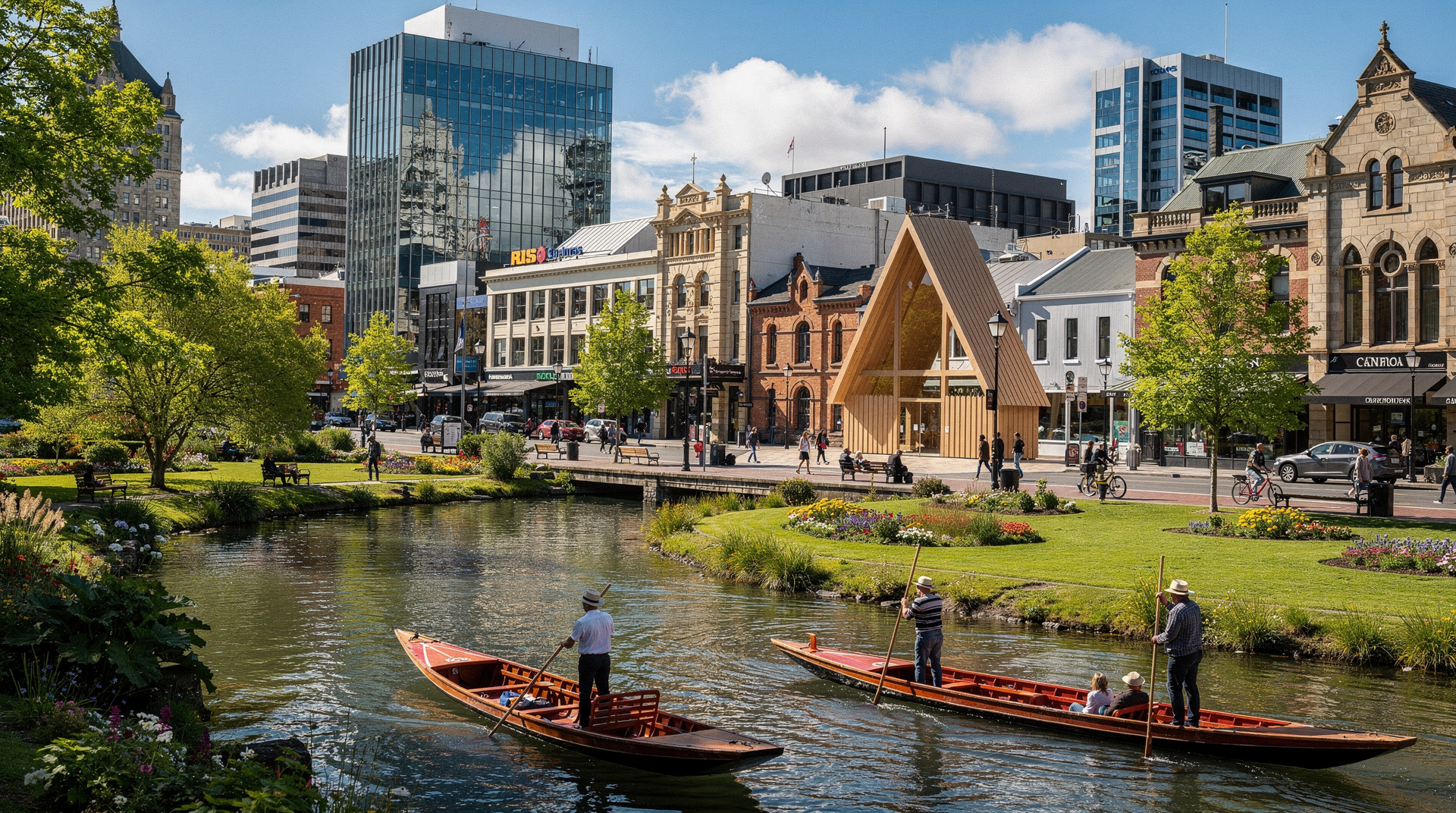
Christchurch
Honest Christchurch guide: the post-earthquake rebuild, best activities, Akaroa day trip — real NZD/USD/EUR prices and what's worth your time.
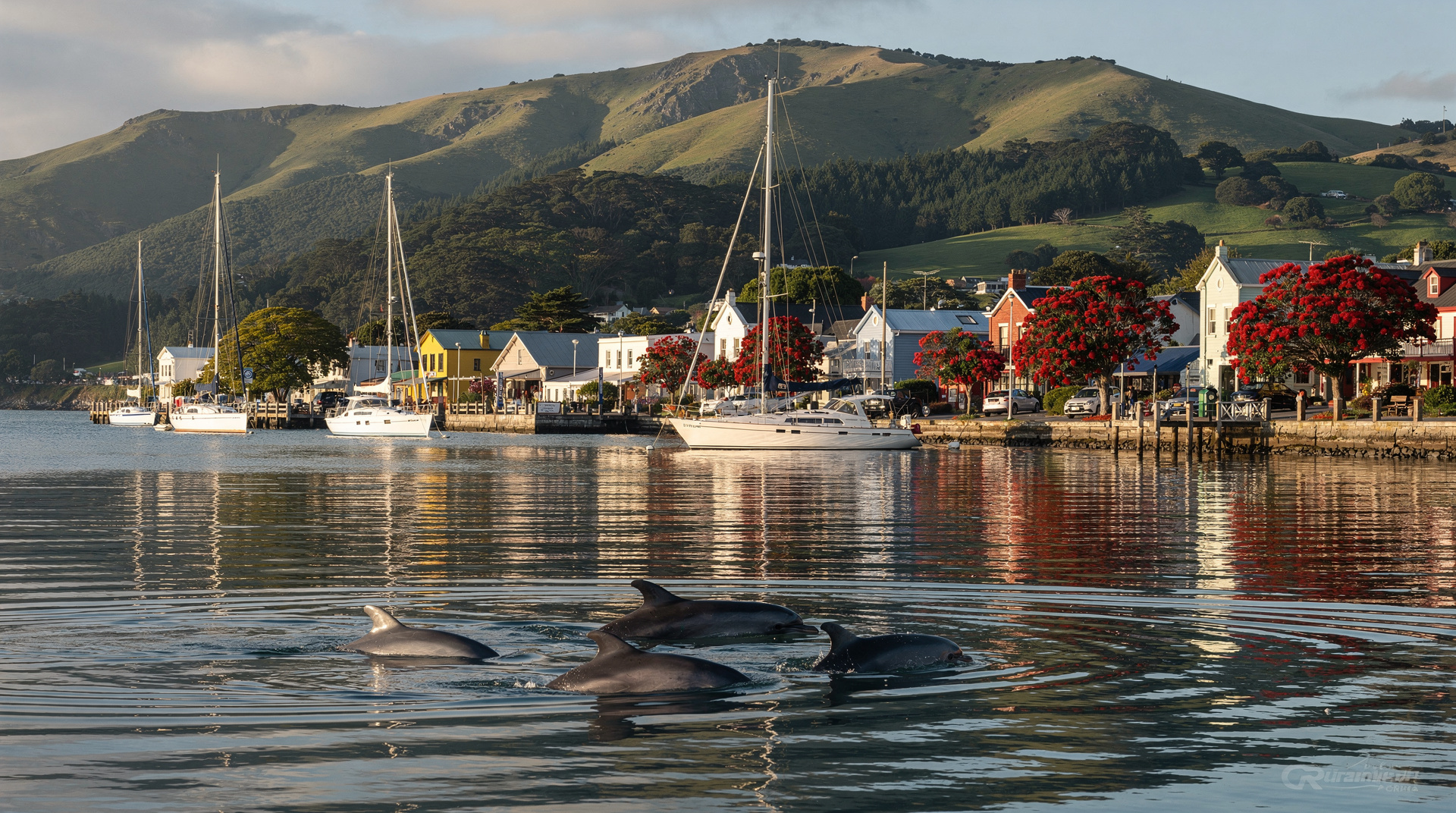
Best day trips from Christchurch
Best day trips from Christchurch: Akaroa dolphins (1h), Kaikoura whales (1.5h), Hanmer Springs pools, Arthur's Pass hikes, and the TranzAlpine scenic train.
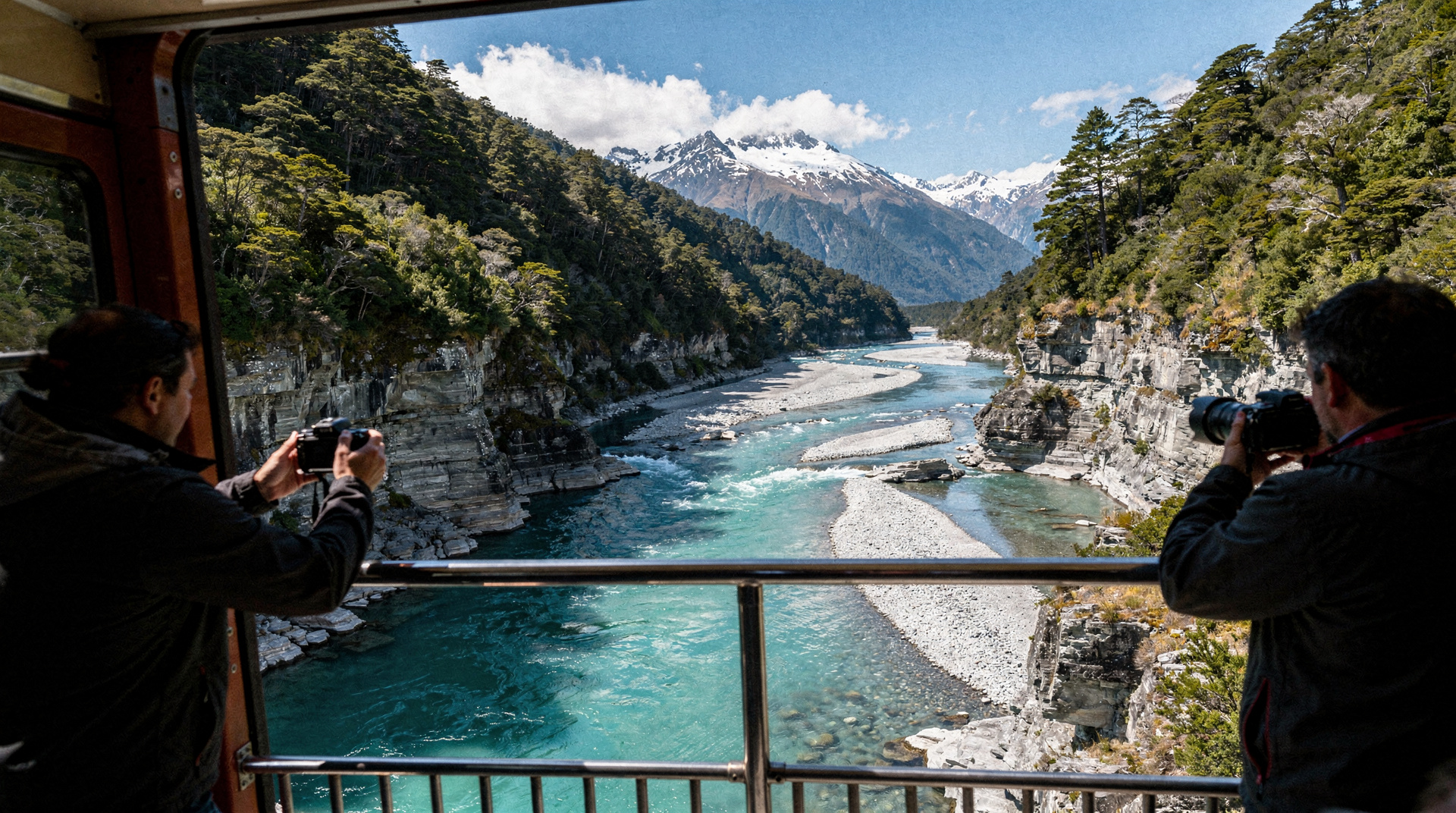
TranzAlpine day trip — Christchurch to Greymouth and back
TranzAlpine day trip guide: Christchurch to Greymouth round trip, Arthur's Pass, what to see from the train, day vs one-way, costs in NZD/USD/EUR.
Hanmer Springs day trip from Christchurch
How to do a Hanmer Springs day trip from Christchurch: 1.5-hour drive, thermal pools, sulphur pools, gorge rafting, costs in NZD/USD/EUR, and honest verdict.
Last reviewed: