Christchurch
Honest Christchurch guide: the post-earthquake rebuild, best activities, Akaroa day trip — real NZD/USD/EUR prices and what's worth your time.
Quick facts
- Role
- South Island's largest city — main arrival/departure point for the South Island
- Airport
- Christchurch International (CHC) — direct flights from Auckland, Queenstown, Sydney, Melbourne, Singapore
- Population
- Approx. 400,000 — largest city in the South Island
- Currency
- NZD — 1 NZD ≈ USD 0.60 / EUR 0.55
- Context
- Still rebuilding 15 years after the 2010/2011 earthquakes — visible but vibrant
Christchurch in 2026 — the city that rebuilt itself honestly
Popular experiences here
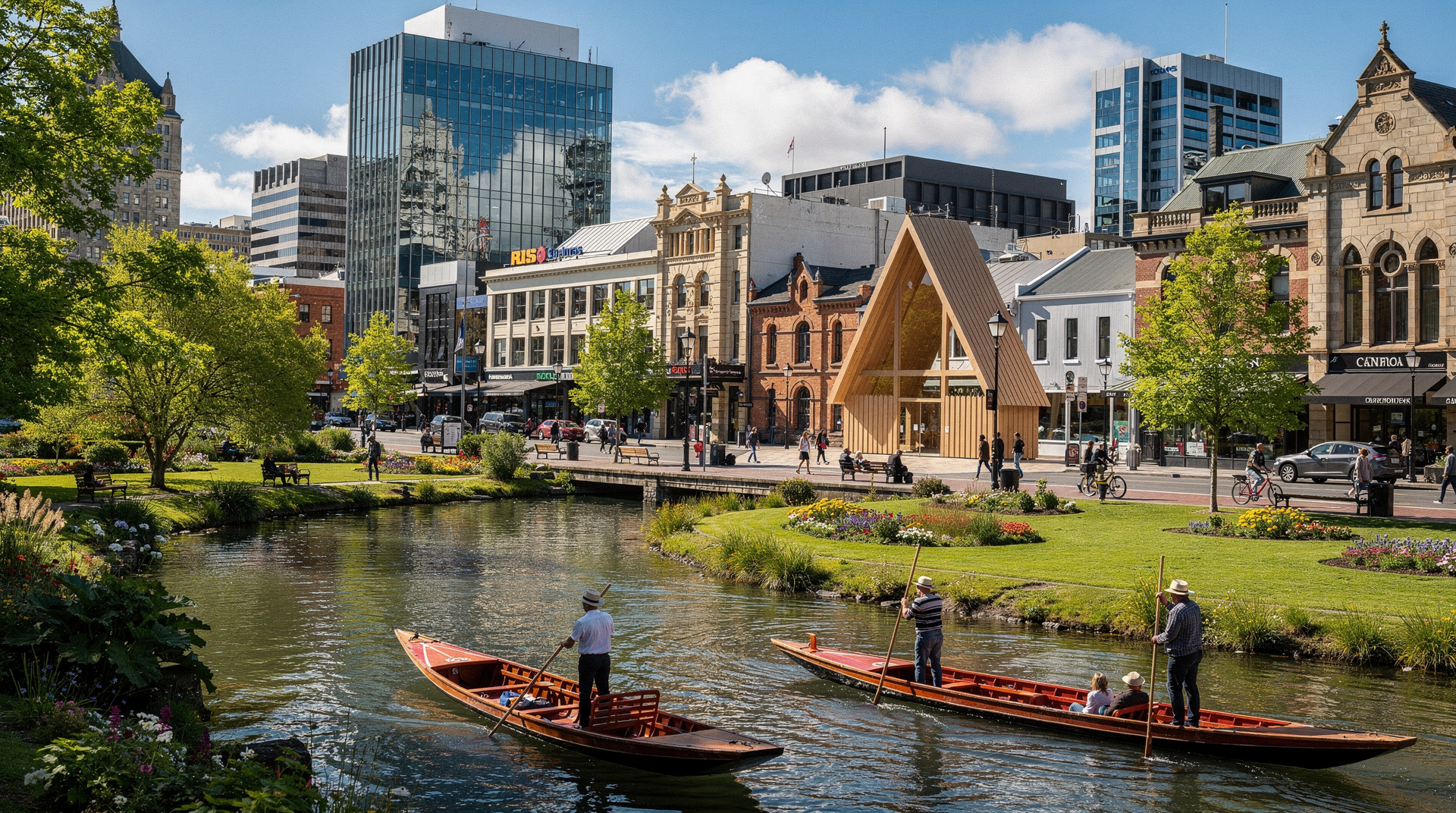
The 2010 and 2011 earthquakes killed 185 people, destroyed the historic city centre, and displaced nearly half the city’s population temporarily. In 2026, Christchurch is 15 years into a reconstruction that is both unfinished and impressive. The result is a city that looks unlike any other in New Zealand: modern architecture alongside vacant lots, shipping container pop-up bars alongside heritage stone buildings that survived, and a level of civic conversation about identity and public space that you don’t get in cities that were never broken.
For most international visitors, Christchurch is either the entry or exit point for a South Island trip. Two days in the city is enough to understand it properly — the tram, the Avon River, the Botanic Gardens, and Akaroa as a day trip. But Christchurch also rewards travelers who slow down and engage with the rebuild story rather than treating it as a transit stop.
Honest assessment: Christchurch is not Wellington or Auckland for nightlife, restaurant density, or cultural programming. It is a city in the process of figuring out what it wants to be, and that process is genuinely interesting to watch.
| Where | Canterbury Plains, South Island’s largest city |
| Cost | Around NZD 165–320/night mid-range; day trips NZD 125–275 |
| Time needed | 2 days for the city, 3 with a second day trip |
| Getting there | Christchurch International Airport (CHC), or the TranzAlpine/Coastal Pacific trains |
| Best time | October to April; March offers the best weather-to-crowd ratio |
What to do in Christchurch
The Christchurch Tram is both a transport network (covering the main central city loop, rebuilt after the earthquakes) and the single best way to get oriented. The historic electric trams run on 17.5 km of track through the central city, stopping at all the main attractions. An all-day pass allows unlimited hop-on/hop-off. The vintage tram city tour includes a narrated circuit with historical commentary on the pre-earthquake city and the rebuild. NZD 34–42 / USD 20–25 / EUR 18–23.
The tram and gondola combo covers the city tram plus the Gondola cable car to the Port Hills with views over the city and Banks Peninsula. NZD 65–80 / USD 39–48 / EUR 36–44. Good value if you’re doing both anyway.
For visitors wanting to cover more ground in a single ticket, Christchurch offers several bundled city pass options. The tram and punting combo pairs the city tram circuit with the Avon River punt — a good half-day combination for those short on time. The tram, punt, and gondola three-attraction combo adds the Port Hills gondola to that pairing.
For the most comprehensive package, the Christchurch Pass combining tram, gondola, punting, and gardens covers all four signature experiences in a single ticket — the best-value option if you’re spending a full day in the central city. Prices for these combos range approximately NZD 65–115 / USD 39–69 / EUR 36–63 depending on how many attractions are included.
The Avon River Punt is a punting experience on the Avon River through the Botanic Gardens. The Avon River punt through the gardens is a 30-minute guided tour with a punt pole and period costumes. NZD 35–45 / USD 21–27 / EUR 19–25. The 25-year-old tradition has been rebuilt since the earthquakes — the river section is beautiful and substantially more peaceful than the city streets around it.
The Botanic Gardens — free entry, 21 hectares, established 1863 alongside the Canterbury Provincial Council’s founding. One of the finest public gardens in New Zealand. The rose garden peaks in December–January; autumn foliage is excellent in April. Allow 1.5–2 hours for a leisurely circuit.
Canterbury Museum — free entry. New Zealand natural history, Antarctic exploration (Canterbury is the departure point for NZ’s Scott Base supply missions), and a significant Maori taonga collection. The construction around the museum (earthquake strengthening, ongoing) doesn’t affect the exhibits. 2–3 hours.
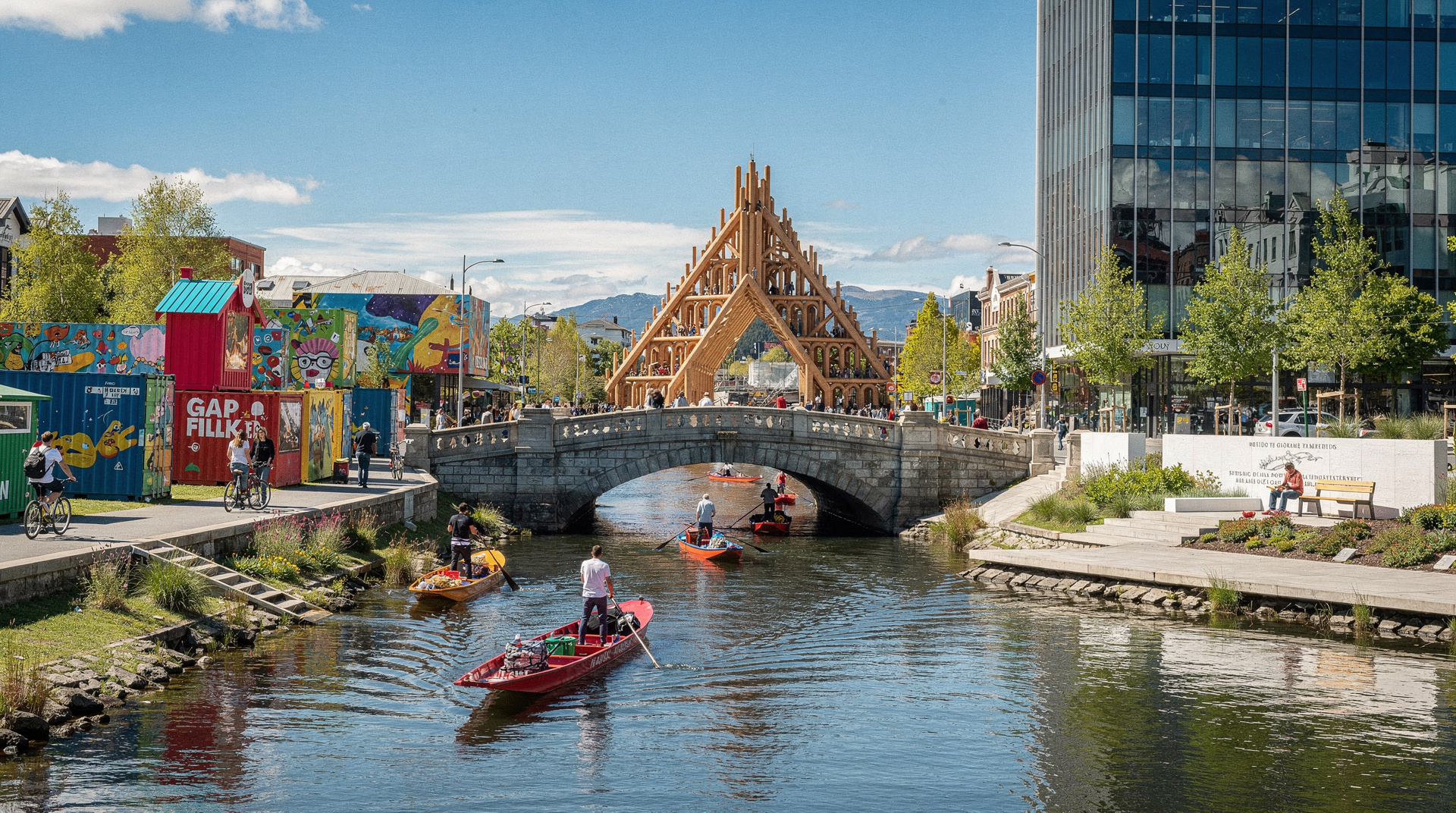
The Re:START Mall and the rebuild — the famous shipping container mall was dismantled in 2015 when permanent construction replaced it, but the spirit of pop-up, temporary, and adaptive design has continued in the city centre. The BNZ Centre, Te Pae Convention Centre, and the Town Hall restoration (completed 2024 after years of earthquake delay) show what the city is becoming. The Christchurch Art Gallery reopened fully in 2015 and is excellent.
International Antarctic Centre — purpose-built attraction adjacent to the airport covering New Zealand and US Antarctic operations (Christchurch is the staging city for McMurdo Sound research). Storm simulator, penguin sanctuary (Little Blue penguins), and the Hagglund vehicle ride. Genuinely interesting for older children and anyone curious about polar research. Entry NZD 65 / USD 39 / EUR 36. The Antarctic Centre admission includes all exhibits and experiences — worth it for families or Antarctic-curious travelers.
Ko Tane Maori cultural experience — a Ngati Wahiao-led cultural performance covering traditional Maori greeting, song, weaponry, and land connection, followed by a hangi-style dinner and a kiwi encounter. One of the better value Maori cultural experiences in the South Island — more intimate than the large Rotorua productions.
Ko Tane Maori Experience + Optional Hangi Dinner & Kiwi Tour
Ko Tane Maori experience with hangi dinner and kiwi viewing — Ngati Wahiao-led, includes cultural performance, weaponry demonstration, hangi feast, and a live kiwi encounter. More intimate than Rotorua.
From NZD 150-175 / USD 90-105 / EUR 83-96
Port Hills — the hills above Christchurch offer excellent hiking (Crater Rim Walkway, Summit Road) with panoramic views over the Canterbury Plains to the Alps and south to Banks Peninsula. Accessible by car (Summit Road from Cashmere) or the gondola. The hills took significant damage in both the earthquakes and subsequent landslides; some tracks remain modified.
Day trips from Christchurch
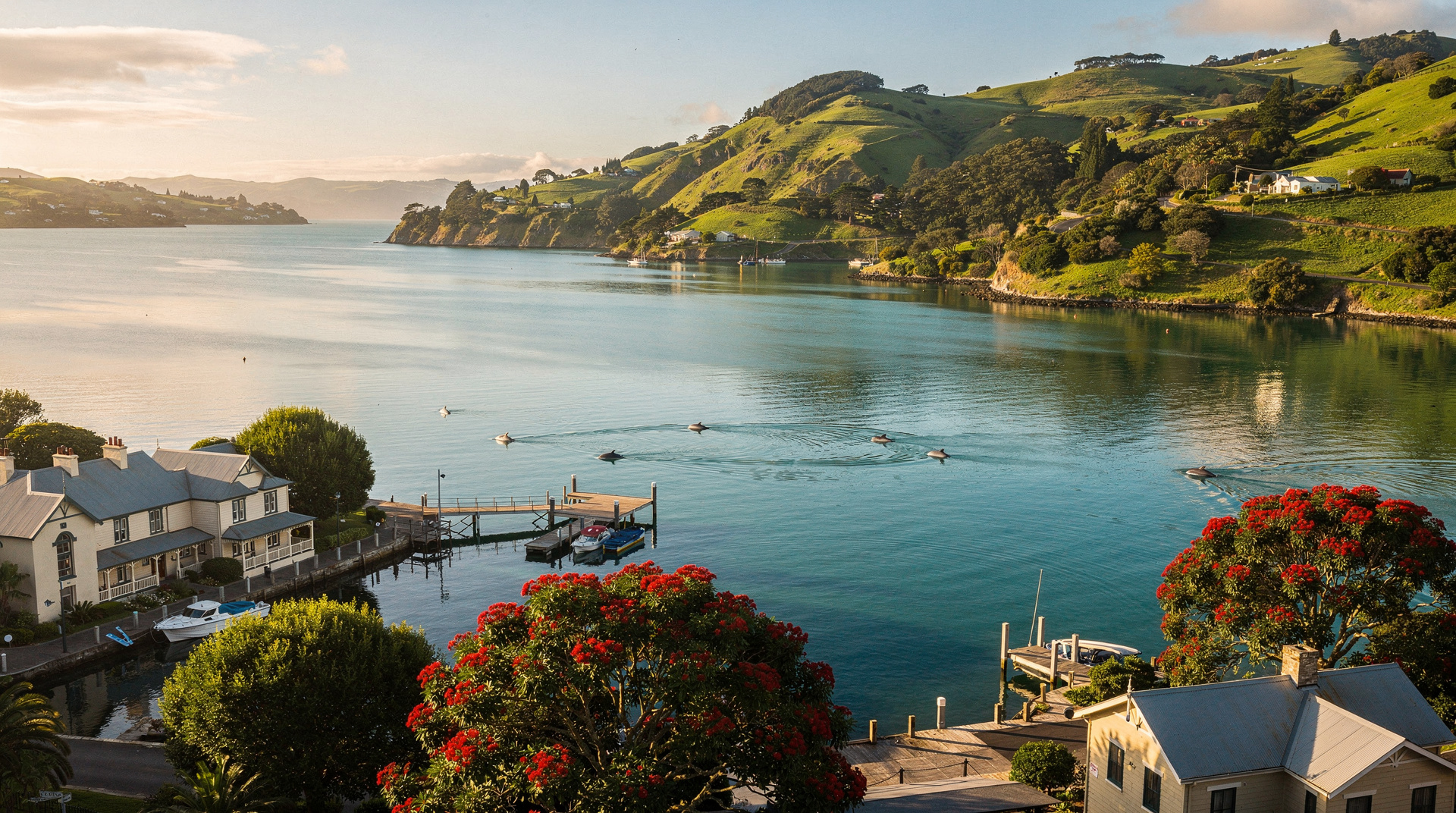
Akaroa — 85 km southeast on Banks Peninsula, a former French colonial settlement with excellent Hector’s dolphin swimming tours. Self-driving is also excellent — SH75 over the Summit Road is spectacular. Allow a full day.
Christchurch: Akaroa and Banks Peninsula Day Trip
Akaroa and Banks Peninsula full-day tour from Christchurch — covers the harbour, historic French colonial buildings, and an optional Hector's dolphin encounter. Summit Road views are exceptional.
From NZD 125-155 / USD 75-93 / EUR 69-85
See the Akaroa day trip guide for details.
Kaikoura — 185 km north, 2.5 hours. The whale watching is the headline (sperm whales year-round, NZD 165–195 / USD 99–117 / EUR 91–107) but the drive up the coast is itself remarkable. The Christchurch to Kaikoura day trip with whale watching covers transport and the cruise. NZD 215–275 / USD 129–165 / EUR 118–151.
If dolphins interest you more than sperm whales, the Kaikoura day tour with dolphin encounter focuses the marine wildlife activity on dusky dolphins — a different experience from the whale watching, and Kaikoura’s dolphin pods are among the most reliably encountered in New Zealand. Or self-drive — see the Kaikoura guide.
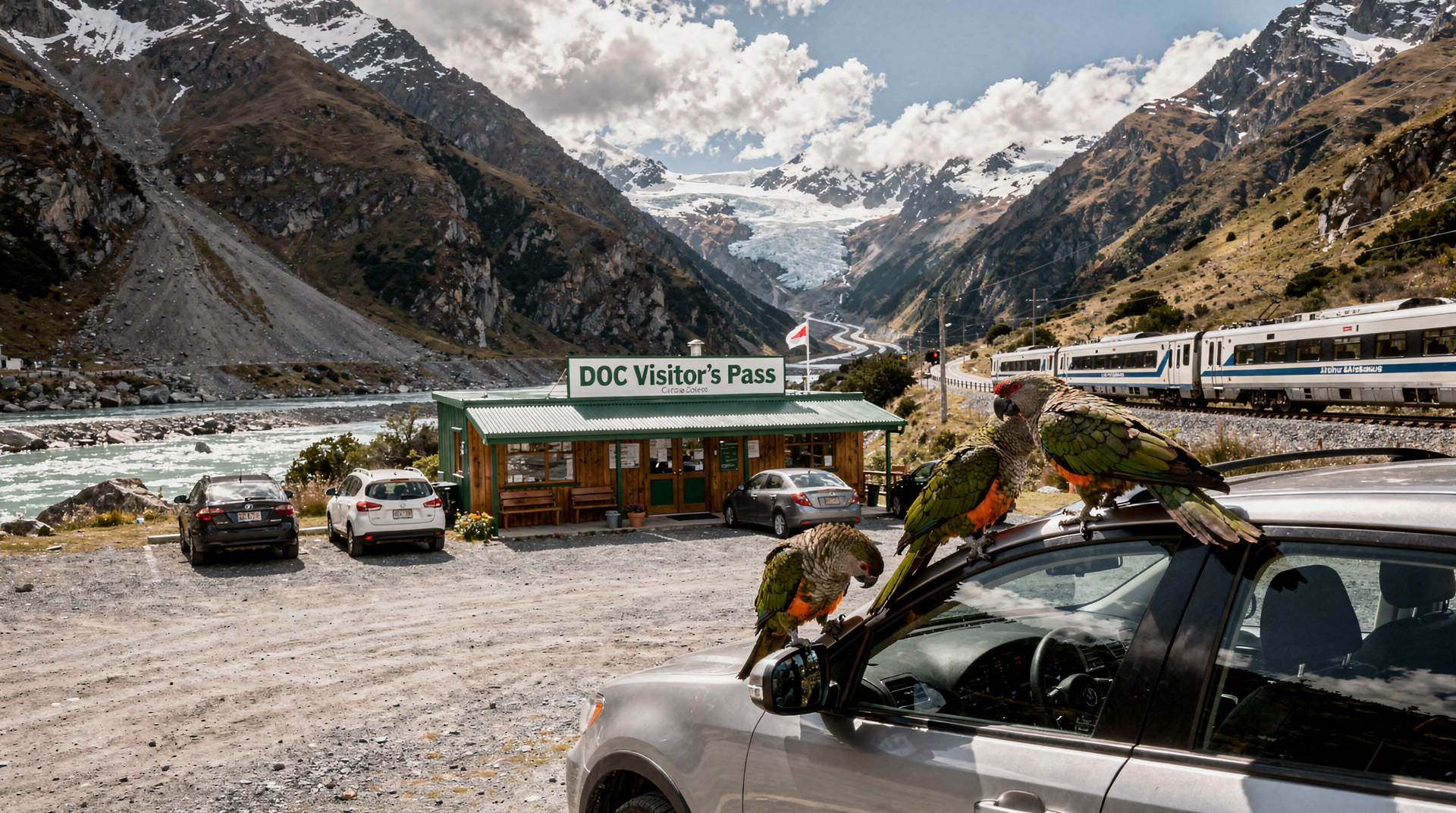
Arthur’s Pass — 155 km west, 2.5 hours, in the Southern Alps. The TranzAlpine scenic train from Christchurch to Arthur’s Pass (and back) is one of the finest scenic rail journeys in New Zealand. Return train NZD 145–175 / USD 87–105 / EUR 80–96. The Arthur’s Pass TranzAlpine day trip with lunch handles logistics. NZD 175–215 / USD 105–129 / EUR 97–118.
Lake Tekapo and Aoraki/Mt Cook — see the Mt Cook day trip guide and the Christchurch to Mt Cook and Tekapo day tour . NZD 195–245 / USD 117–147 / EUR 108–135. If you’d prefer a tour that includes a proper lunch break in the Mackenzie Basin, the Mt Cook and Lake Tekapo day tour with lunch builds in a seated restaurant meal — a meaningful advantage on what is otherwise a long full day of driving and sightseeing.
Christchurch: Lake Tekapo Stargazing & Mount Cook 2-Day Tour
2-day Tekapo stargazing and Mt Cook tour from Christchurch — Mackenzie Basin dark skies on night one, Aoraki/Mt Cook glacier walks on day two. Fully guided with accommodation included.
From NZD 345-425 / USD 207-255 / EUR 190-234
Cost breakdown
2-day Christchurch trip, per person, NZD / USD / EUR
| Item | NZD | USD | EUR | Verdict |
|---|---|---|---|---|
| Mid-range hotel (central) | 195-320/night | 117-192 | 108-176 | ✓ Worth it |
| Christchurch vintage tram (city tour) | 34-42 | 20-25 | 18-23 | ✓ Worth it |
| Avon River punt | 35-45 | 21-27 | 19-25 | ✓ Worth it |
| Ko Tane Maori experience + hangi + kiwi | 150-175 | 90-105 | 83-96 | ✓ Worth it |
| Akaroa full-day tour | 125-155 | 75-93 | 69-85 | ✓ Worth it |
| Kaikoura day trip + whale watching | 215-275 | 129-165 | 118-151 | ★ Splurge |
| 2-day Tekapo stargazing + Mt Cook | 345-425 | 207-255 | 190-234 | ★ Splurge |
| Cathedral Square at night Largely empty; better by day | 0 | 0 | 0 | ✕ Skip |
Where to stay in Christchurch
Budget: Base Backpackers Christchurch (central, social, NZD 35–55 / USD 21–33 / EUR 19–30 per dorm); Haka Lodge Christchurch (NZD 38–58 / USD 23–35 / EUR 21–32 per dorm; highly rated facilities); YHA Christchurch (NZD 42–65 / USD 25–39 / EUR 23–36; excellent kitchen and social space).
Mid-range: Ibis Christchurch (central, NZD 165–245 / USD 99–147 / EUR 91–135); Distinction Christchurch (NZD 195–320 / USD 117–192 / EUR 108–176); The George Hotel (NZD 295–480 / USD 177–288 / EUR 162–264; boutique, excellent service, Hagley Park frontage).
Splurge: Hotel Montreal (former Montreal Street historic building, luxury 5-star, NZD 450–850 / USD 270–510 / EUR 248–468); Otahuna Lodge (45 minutes from the city near Tai Tapu, NZ’s most-awarded heritage lodge, NZD 1,800–3,200 / USD 1,080–1,920 / EUR 990–1,760 per room including all meals).
What to eat and drink
Christchurch’s restaurant scene has diversified significantly post-earthquake. The new central city has concentrated good dining in the Oxford Terrace area (The Strip), Victoria Street, and around the Cathedral precinct rebuild.
Pegasus Bay Winery (45 minutes north in Waipara) is one of the best day trips from Christchurch for wine lovers — lunch at the winery restaurant is one of Canterbury’s finest dining experiences. Mains NZD 36–55 / USD 22–33 / EUR 20–30.
Twenty Seven Steps — longstanding Christchurch favourite on the riverside. Modern NZ cuisine, good cocktails, mains NZD 34–52 / USD 20–31 / EUR 18–29.
Hello Sunday (New Brighton, near the coast) — breakfast and brunch destination in a beachside suburb, worth the 20-minute drive. Coffee NZD 6 / USD 3.60 / EUR 3.30.
Fiddlesticks — wine bar and restaurant on the Avon, good lunch and evening options. Good by-the-glass Canterbury and Marlborough wine list.
Vbase Craft Beer Hall — warehouse brewery concept with 24 taps of NZ craft beer, good for an evening stop after exploring the new city centre.
Skip / Worth it / Splurge
✕ Skip : The Cathedral Square area at night — it’s largely empty and underlit, still waiting for the cathedral decision to fully restore. Better for daytime viewing of the rebuilt precinct.
✓ Worth it : The Avon River punt (peaceful and quintessentially Christchurch). Canterbury Museum (free, 2–3 hours). A morning in the Botanic Gardens. The Arthur’s Pass day trip by TranzAlpine if train travel appeals.
★ Splurge : Otahuna Lodge dinner (worth the drive even for a non-staying guest). The 2-day Tekapo and Mt Cook tour if you want a fully guided inland experience without the logistics of self-driving.
How Christchurch fits into your itinerary
Christchurch is the practical anchor for most South Island itineraries. Fly in, spend 1–2 nights, then drive south toward Lake Tekapo and Aoraki/Mt Cook, or north toward Kaikoura and the top of the South Island. The Cook Strait ferry connects Picton (3 hours north) to Wellington for travelers doing both islands.
For a 14-day New Zealand itinerary starting in Auckland, Christchurch is typically the end point (or where you pick up a rental car after flying from Wellington or Queenstown).
Frequently asked questions about Christchurch
Is Christchurch safe to visit?
Yes. The city centre has been substantially rebuilt and is safe and lively. The earthquake-vacant lots that exist are clearly fenced or landscaped. The east side of the city (hardest hit in 2011) has been transformed into Te Ana Hou / the residential red zone — a 600+ hectare park along the Avon River. This is now one of the city’s best walking areas.
How long should you spend in Christchurch?
Two days is comfortable for the main city sights plus one day trip (Akaroa or Arthur’s Pass). One day works if you’re only transiting. Three days allows you to add a second day trip and more restaurant exploration. Don’t allocate more than 3 days unless you’re specifically interested in the rebuild story or the Canterbury wine region.
Can you use Christchurch as a base for the whole South Island?
Christchurch has the best flight connections (direct to Auckland, Queenstown, Sydney, Melbourne, Singapore) and is a good starting base, but it’s not centrally located within the South Island. Queenstown or Te Anau are better operational bases for Fiordland; Mt Cook is 3.5 hours away. Most South Island road trips work better by moving your base as you go.
What’s the best day trip from Christchurch?
Akaroa for coastal scenery and dolphins. Arthur’s Pass for mountain landscapes and the TranzAlpine. Kaikoura for whale watching. It depends entirely on your priorities. A 2-day Tekapo/Mt Cook loop is technically a “day trip” done over two nights and is one of the most rewarding inland NZ drives you can do from a Christchurch base.
Do you need a car in Christchurch?
Not for the city itself — the tram loop and walking cover the central attractions well. For day trips (Akaroa, Kaikoura, Arthur’s Pass, Tekapo/Mt Cook), a car is close to essential unless you’re booking guided tours, since public transport to these destinations is limited or nonexistent. Most visitors pick up a rental at the airport on arrival.
Is Christchurch expensive compared to other South Island cities?
Christchurch is generally cheaper than Queenstown for accommodation and dining, and comparable to Dunedin. Mid-range hotels run NZD 165–320/night versus Queenstown’s NZD 250–450+ in peak season. Day trips (Akaroa, Kaikoura) are priced similarly across the South Island regardless of departure city.
What happened to the Christchurch Cathedral?
The ChristChurch Cathedral (Anglican, 1904) was severely damaged in the 2011 earthquake. After years of debate, the decision to partially restore the building was confirmed in 2017; restoration work has been ongoing since 2020 and is expected to complete in the late 2020s. The Cardboard Cathedral (Transitional Cathedral, designed by Shigeru Ban) served as the Anglican cathedral from 2013 and is worth visiting as an architectural landmark in itself.
Getting around Christchurch
The central city is genuinely walkable — the tram loop covers most attractions within a 15-minute radius, and the Botanic Gardens, Cathedral Square, and the Art Gallery are all within 10 minutes of each other on foot. Metro (Christchurch’s bus network) is reliable for reaching suburbs like New Brighton or Sumner, with fares around NZD 2–4 per trip using a Metrocard (cheaper than cash fares). For day trips — Akaroa, Kaikoura, Arthur’s Pass, Lake Tekapo — a rental car is close to essential unless you’re booking a guided tour; public transport to these destinations is limited or nonexistent. Christchurch Airport has all the major rental agencies, and picking up on arrival rather than in the city centre saves a return trip.
Cycling is increasingly good in Christchurch — the post-earthquake rebuild included substantial cycleway investment, and the flat Canterbury Plains terrain makes it one of the easier New Zealand cities to explore by bike. Bike hire is available near the Botanic Gardens and along the Avon River precinct.
A practical two-day Christchurch itinerary
Day 1: Morning tram loop with stops at the Canterbury Museum and Cathedral Square. Lunch on the Oxford Terrace strip. Afternoon Avon River punt through the Botanic Gardens, then the gondola up to the Port Hills for late-afternoon views over the Canterbury Plains. Evening dinner at Twenty Seven Steps or Fiddlesticks on the riverside.
Day 2: Full-day Akaroa trip — drive or join a tour, take the Summit Road for the views, spend 2–3 hours in the village with a Hector’s dolphin cruise if the weather is calm, and return via the same scenic route. Alternatively, swap Akaroa for the TranzAlpine day trip to Arthur’s Pass if mountain scenery matters more than coastal French-colonial charm.
With a third day, add either Kaikoura for whale watching or the Ko Tane Maori cultural evening, which works well as a low-effort, high-value final night before an early departure.
Canterbury and the wider region
Christchurch is the capital of the Canterbury region, which encompasses a much larger area than the city: the Canterbury Plains (one of New Zealand’s most productive agricultural areas, flat, wind-swept, and extensive), the foothills of the Southern Alps, and the inland Mackenzie Basin. Understanding this geography is useful for planning your time — Lake Tekapo is 2.5 hours away in the Mackenzie Basin, Aoraki/Mt Cook is 3.5 hours, and the ski field at Mt Hutt is 1.5 hours west near Methven.
The Canterbury Plains produce a significant portion of New Zealand’s dairy, sheep, and grain exports. The irrigated flatlands between Christchurch and the foothills are agricultural rather than scenic, but the contrast with the Alps beyond them is dramatic — the TranzAlpine train route from Christchurch to Greymouth crosses from the completely flat plains to the alpine Southern Alps in approximately 90 minutes, one of the most rapid landscape transitions available on any scenic train journey.
Waipara and North Canterbury wine: 50 km north of Christchurch, the Waipara Valley is one of New Zealand’s most underrated wine regions, producing excellent Riesling and Pinot Noir in a dry climate sheltered by the Teviotdale Hills. Pegasus Bay, Black Estate, and Muddy Water are among the standout producers with exceptional cellar door restaurants. If wine is a priority and you’re spending 2+ nights in Christchurch, a half-day at Waipara is one of the better South Island wine experiences outside Central Otago.
Banks Peninsula: directly south of Christchurch, Banks Peninsula (a former volcanic complex that became a peninsula as the Canterbury Plains built up around it) is the location of Akaroa, French-influenced harbour villages, and one of the few places in the world to see Hector’s dolphins (the world’s smallest marine dolphin, endemic to New Zealand coastal waters). The summit road over the crater rim of the volcanic caldera is an excellent scenic drive accessible by car in good weather.
The Christchurch craft and market scene
Beyond the restaurant strips, Christchurch has developed a genuinely good market and craft-producer culture since the rebuild. The Riverside Market in the central city (open daily) brings together food stalls, a butcher, fishmonger, and a rotating lineup of Canterbury producers under one roof — a good lunch stop between tram loops and worth 30–45 minutes even if you’re not buying. The Lyttelton Farmers Market (Saturday mornings, in the port town over the Port Hills) is smaller and more local, with excellent bread and produce; combine it with a coffee at one of Lyttelton’s cafés and the short drive back over the hills for harbour views.
Vbase Craft Beer Hall and a growing number of small breweries (Cassels & Sons among them) reflect a wider South Island craft beer scene that has expanded significantly since 2020. If beer interests you more than wine, an evening working through a Christchurch flight is a reasonable alternative to a Waipara wine day, and considerably cheaper.
Christchurch as an Antarctic gateway
Christchurch has been the primary southern gateway for Antarctic operations since the early 20th century. The Antarctic Centre (near the airport) covers this history. More relevant to visitors: the city’s airport handles the cargo and logistics for New Zealand’s Scott Base (DOC) and the US McMurdo Station, and the International Antarctic Centre is genuinely illuminating about what New Zealand’s Antarctic territory (the Ross Dependency) means in practice.
The connection is also visible in the city’s street names (a significant number reference Antarctic explorers), the Canterbury Museum’s Antarctic collection (one of the best in the world), and the city’s identity as a place from which people set out toward the most remote place on Earth. The explorers who left from Lyttelton Harbour (Christchurch’s port) in the early 20th century — including Shackleton’s Endurance and Scott’s Terra Nova expeditions — are part of the city’s self-understanding in a way that’s unusual and genuine.
Top experiences: Christchurch New Zealand
See all →Guides for Christchurch
Akaroa day trip from Christchurch
Akaroa day trip from Christchurch: 1-hour drive, Hector's dolphins, French village on Banks Peninsula, swim-with-dolphins options, costs in NZD/USD/EUR.
Arthur's Pass day trip from Christchurch
Arthur's Pass day trip from Christchurch: 1.5-hour drive, Castle Hill limestone boulders, kea parrots, alpine hikes, TranzAlpine option. Costs in NZD/USD/EUR.
Christchurch rebuild — the city reborn after the 2011 earthquake
The 2011 quake killed 185 and erased Christchurch's centre. The rebuilt city is creative, experimental and one of NZ's most interesting stops.
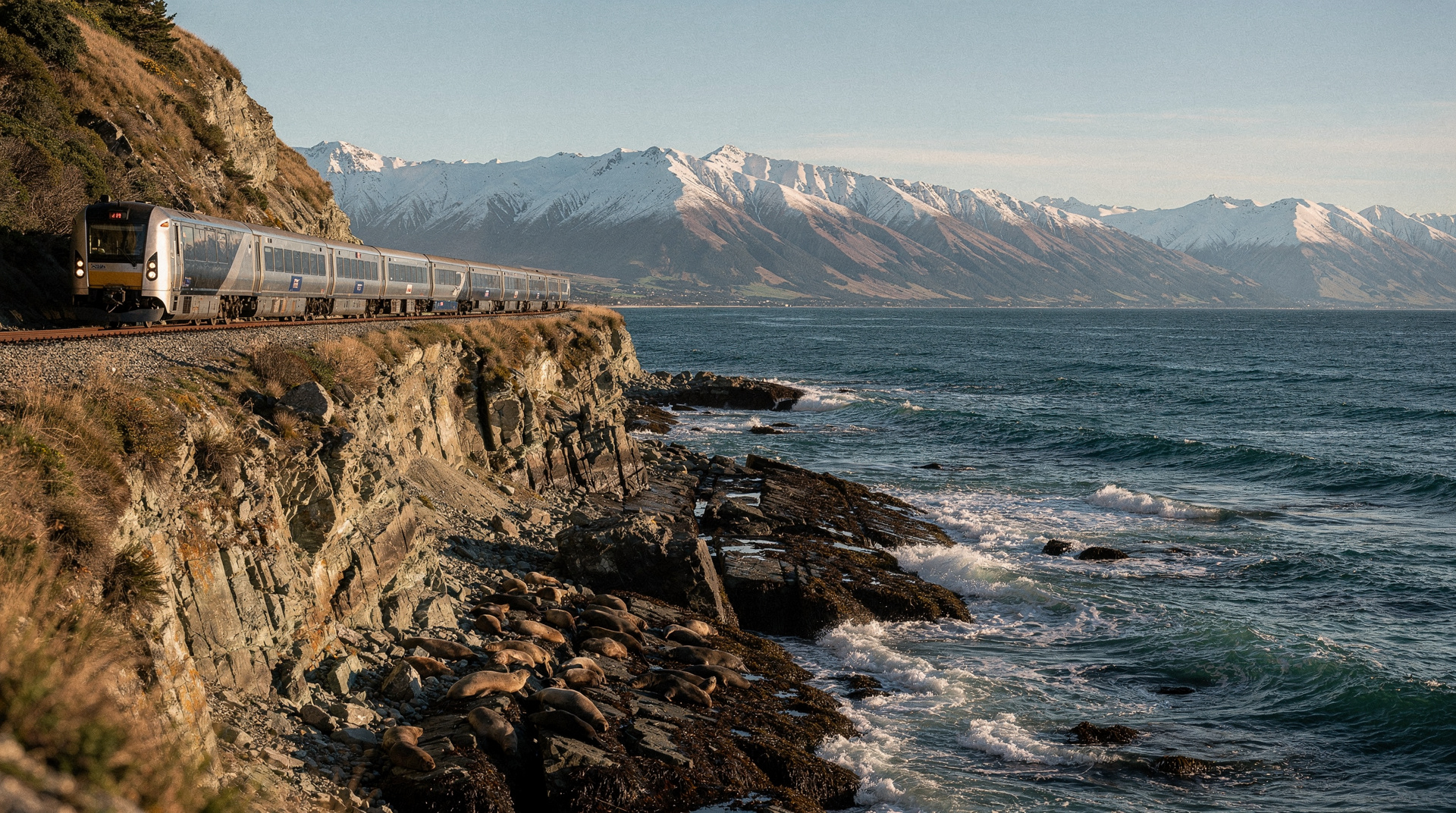
Coastal Pacific train — Christchurch to Picton along the Pacific coast
Coastal Pacific train guide: seasonal Christchurch-Picton route through Kaikoura, when it runs, ticket prices NZD/USD/EUR, and comparison with the TranzAlpine.
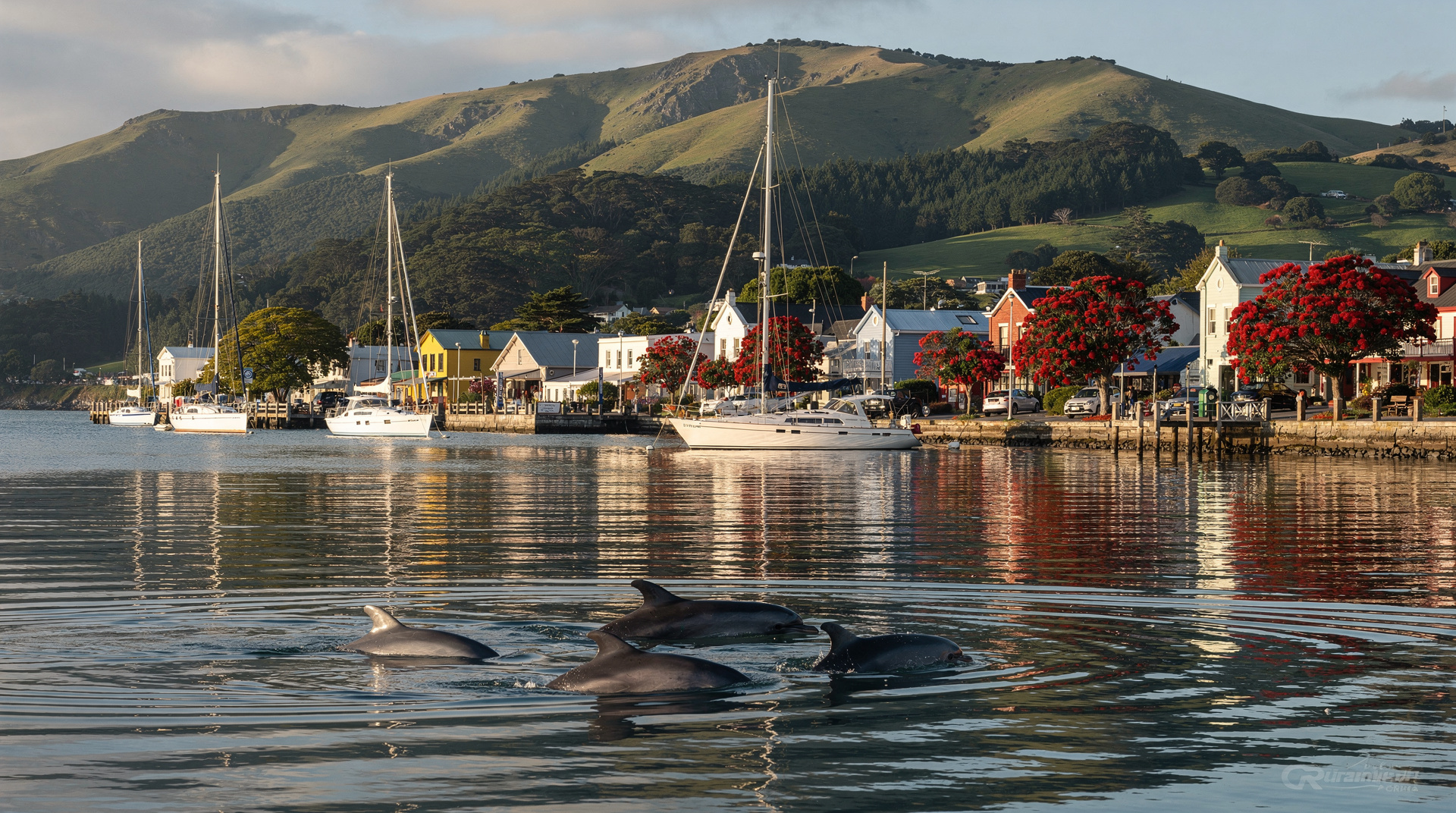
Best day trips from Christchurch
Best day trips from Christchurch: Akaroa dolphins (1h), Kaikoura whales (1.5h), Hanmer Springs pools, Arthur's Pass hikes, and the TranzAlpine scenic train.
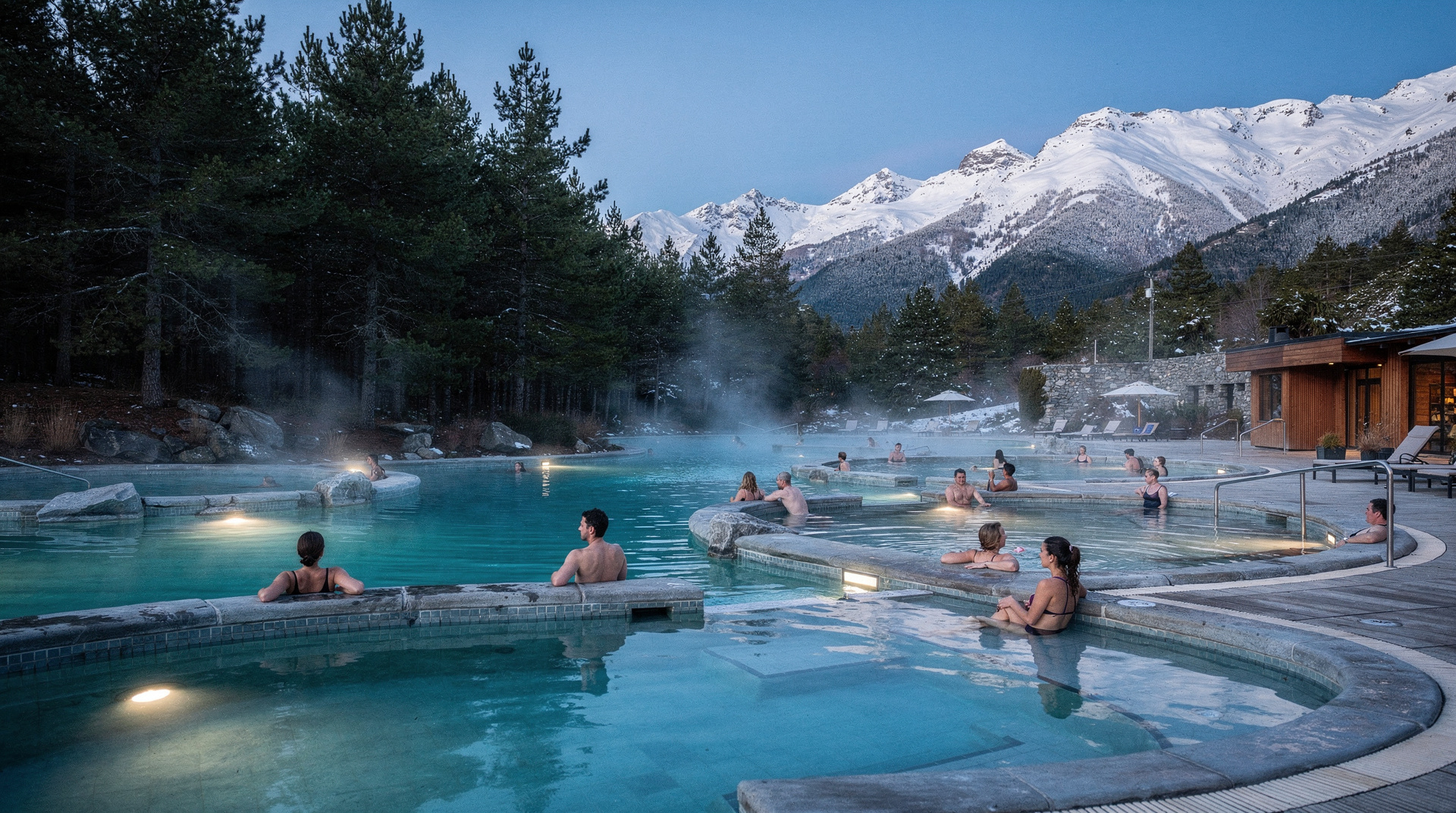
Hanmer Springs day trip from Christchurch
How to do a Hanmer Springs day trip from Christchurch: 1.5-hour drive, thermal pools, sulphur pools, gorge rafting, costs in NZD/USD/EUR, and honest verdict.
Related guides
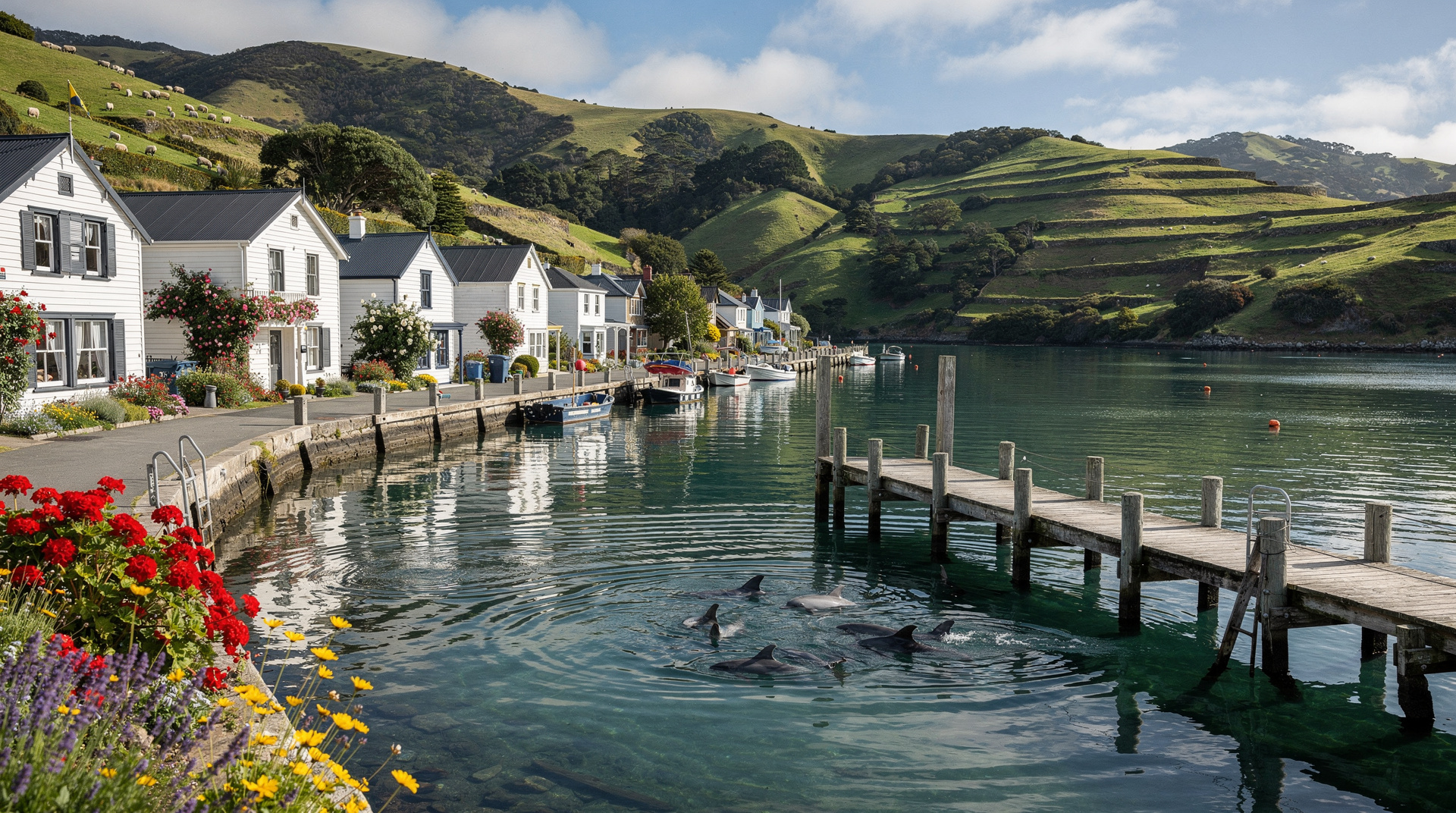
Akaroa
Akaroa: New Zealand's only French-founded town, Hector's dolphins, sea kayaking on Banks Peninsula. Day trip from Christchurch. Real costs NZD/USD/EUR.
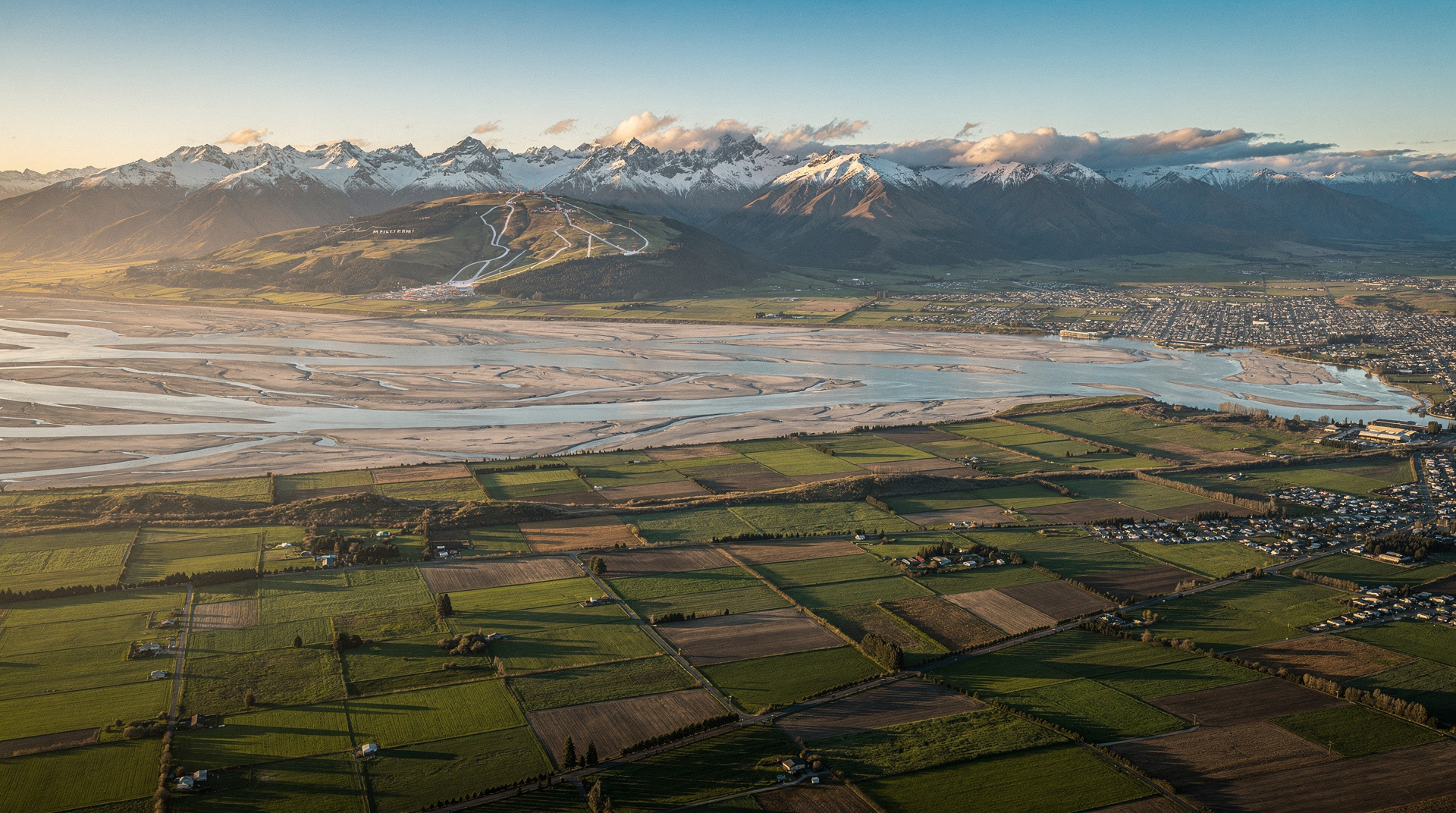
Canterbury
Honest Canterbury guide: Christchurch, Akaroa, Lake Tekapo stargazing, Aoraki/Mt Cook. Real NZD/USD/EUR costs, scenic train, ski, and practical itineraries.
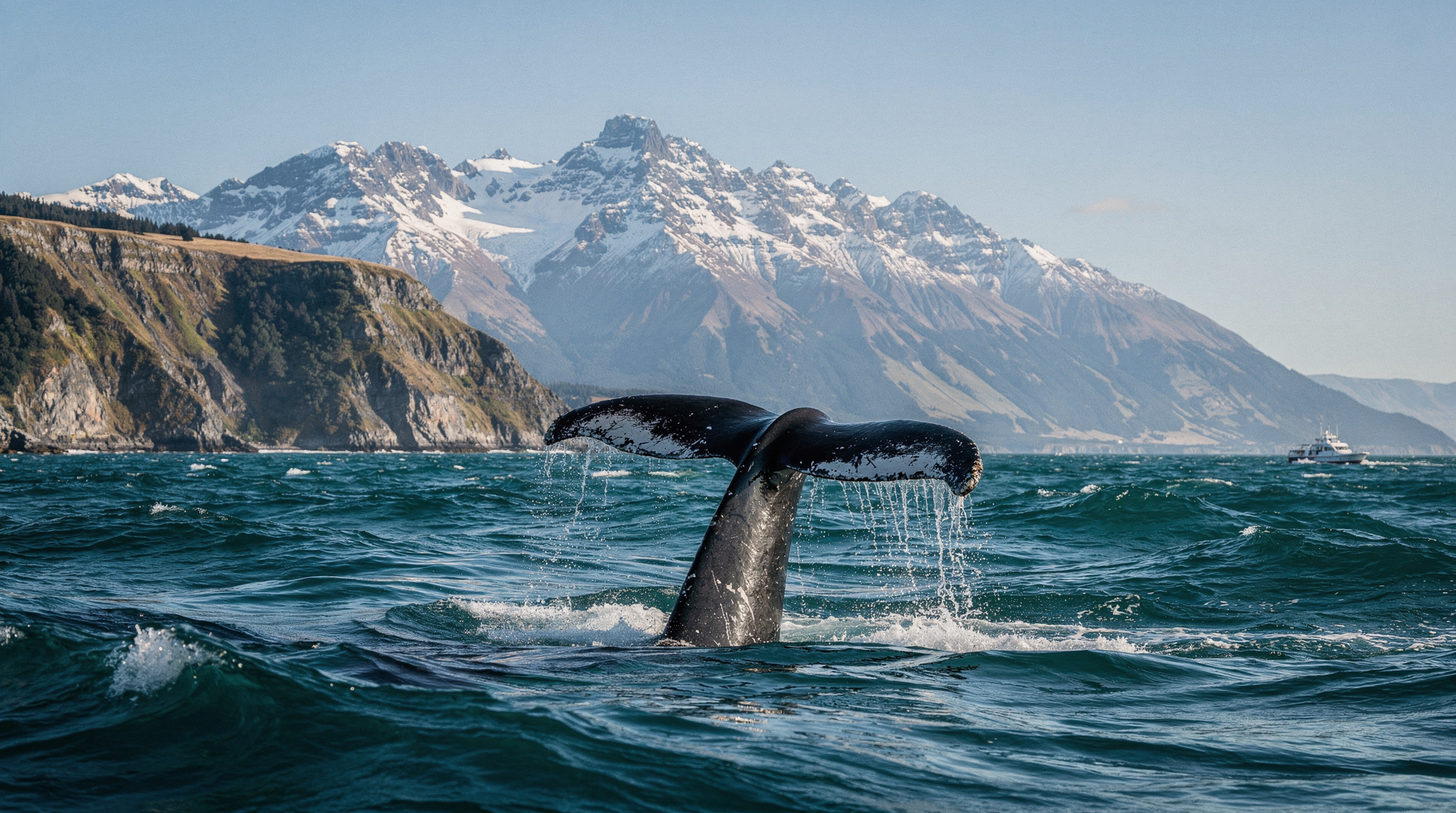
Kaikoura
Honest Kaikoura guide: sperm whale tours, wildlife kayaking, crayfish — real prices and the best time to visit after the 2016 earthquake rebuild.
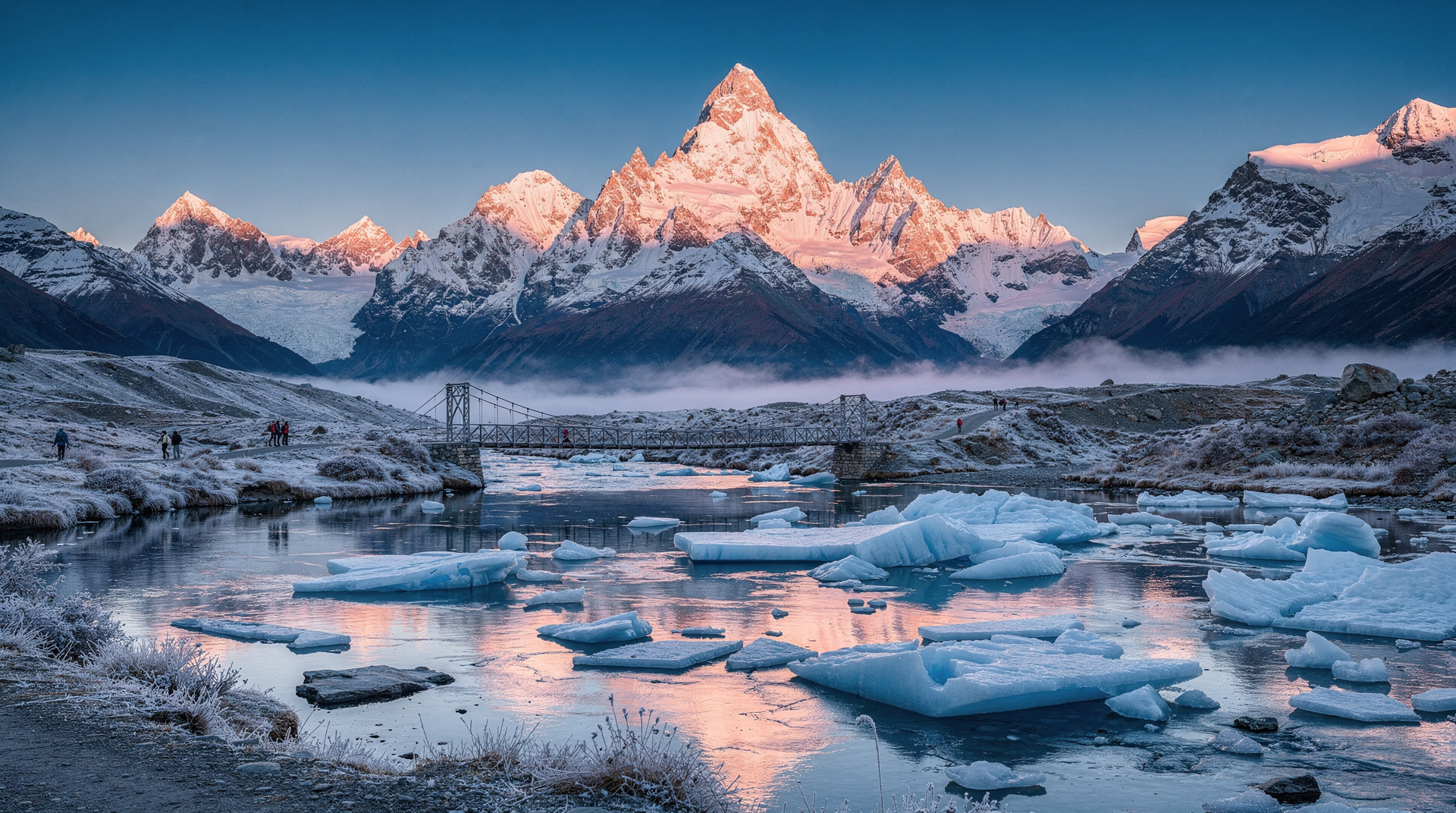
Aoraki / Mount Cook
Honest Aoraki / Mount Cook guide: Hooker Valley Track, Tasman Glacier, scenic flights — real NZD/USD/EUR prices and what to expect in all seasons.
Christchurch rebuild — the city reborn after the 2011 earthquake
The 2011 quake killed 185 and erased Christchurch's centre. The rebuilt city is creative, experimental and one of NZ's most interesting stops.
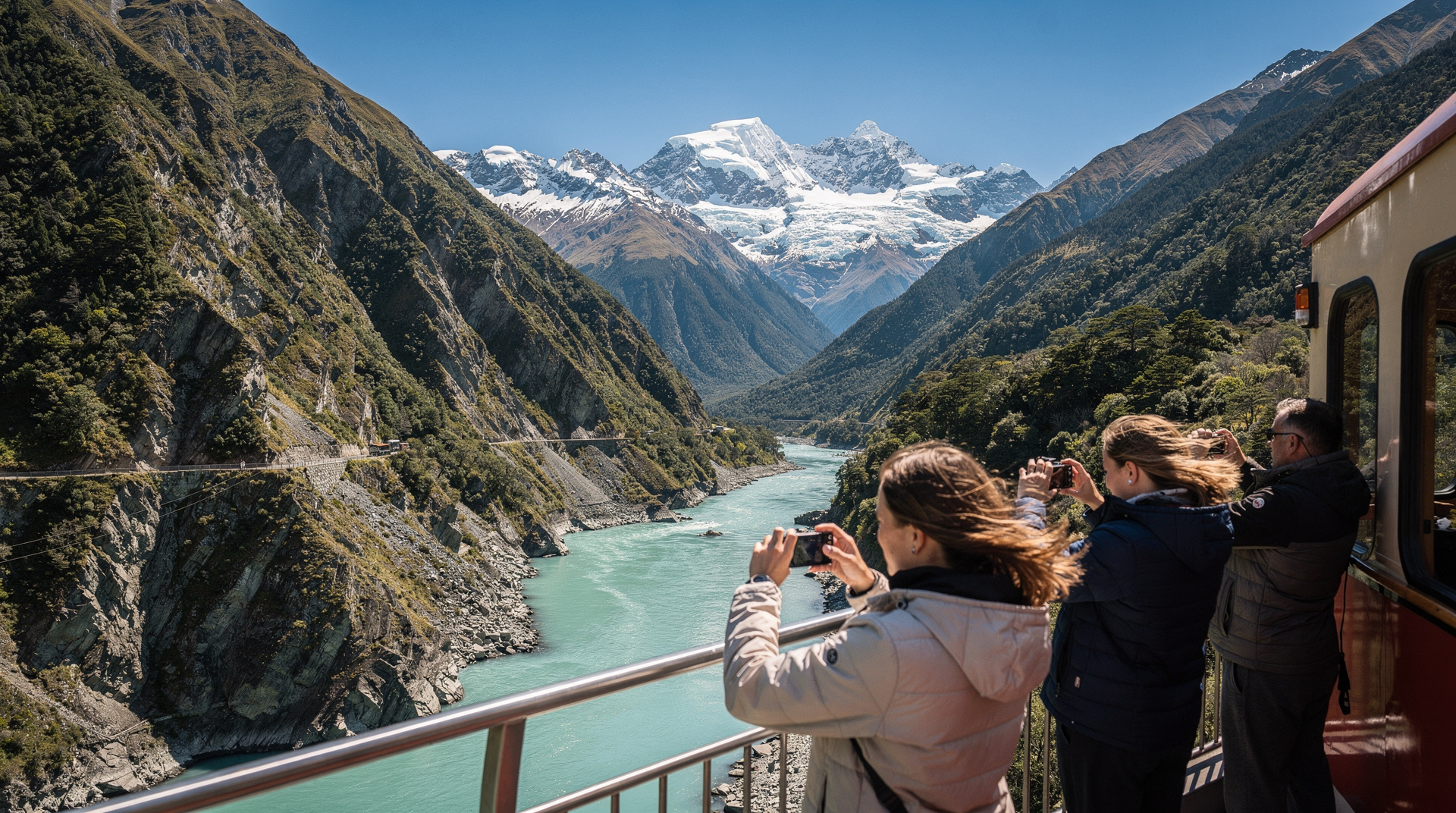
TranzAlpine train — the complete guide to New Zealand's most scenic rail journey
TranzAlpine guide: the 4h20 Christchurch to Greymouth route, what you see, ticket prices NZD/USD/EUR, booking tips, and honest verdict on NZ's finest train.
Akaroa day trip from Christchurch
Akaroa day trip from Christchurch: 1-hour drive, Hector's dolphins, French village on Banks Peninsula, swim-with-dolphins options, costs in NZD/USD/EUR.
14-day New Zealand itinerary — both islands, grand tour
Honest 14-day NZ grand tour: Auckland, Bay of Islands, Hobbiton, Rotorua, Wellington, ferry, Kaikoura, Christchurch, Queenstown, Milford.
Summer 2025-26 in New Zealand — what the season revealed
The New Zealand summer 2025-26 brought record visitors, infrastructure pressure, and a few surprises. A seasonal debrief for trip planners.
Last reviewed: