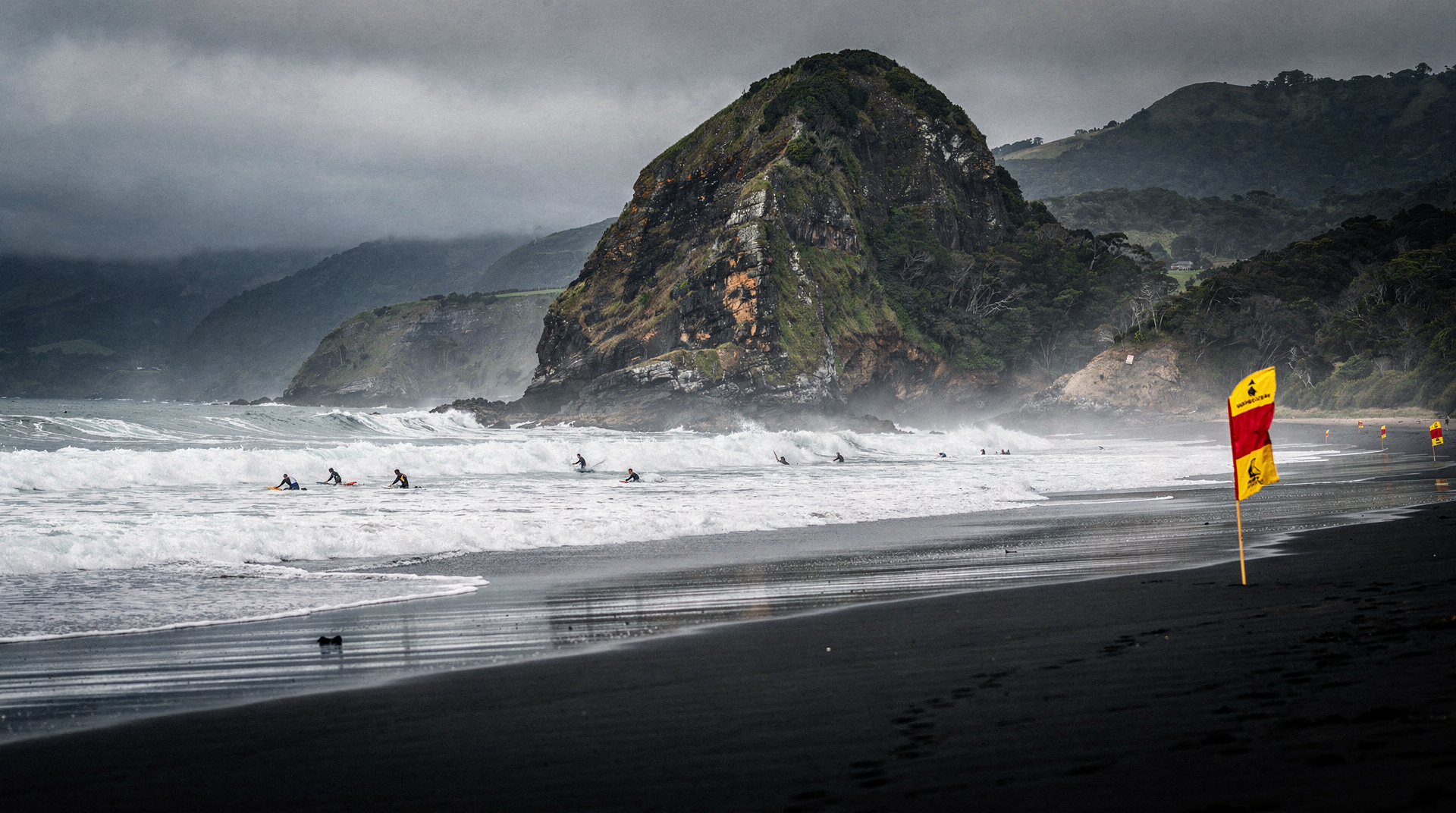
Piha beach — Auckland's wild black-sand coast
How do you get to Piha beach from Auckland?
Piha is 40 km west of Auckland in the Waitakere Ranges Regional Park. By car: 45–55 minutes via SH16 and Piha Road (narrow, winding). Shuttle services from Auckland: NZD 30–45 return. Swim only between the flags — Piha has strong rips and is patrolled by Surf Life Saving NZ in summer.
New Zealand’s most dramatic urban beach
Piha is unlike any other beach accessible within an hour of a major city. The black iron sand — volcanic in origin, heavier and coarser than standard quartz beach sand — absorbs heat and holds it, making walking barefoot on a summer afternoon uncomfortable. The surf is consistent, powerful, and unpredictable. Lion Rock, a 100-metre basalt outcrop at the beach’s centre, splits the beach into north and south sections and provides a reference point visible for kilometres offshore.
The Waitakere Ranges that back the beach are dense native bush — nikau palms, kauri, rimu, and treeiferns — that create a sense of wilderness despite being 40 km from New Zealand’s largest city. Piha is not a resort beach; there are no restaurants on the sand, no beach rental operations, no organised watersports. What it has is dramatic topography, excellent surf, and a setting that feels authentically wild.
| Where | 40 km west of Auckland, Waitakere Ranges Regional Park |
| Cost | Free beach access; shuttle around NZD 30–45 return |
| Time needed | Half day (8–9 hours including travel) |
| Getting there | Car (45–55 min via SH16 and Piha Road) or shuttle from central Auckland |
| Best time | October–April for lifeguard patrol; arrive before 9am in summer for parking |
Getting there
By car: From Auckland CBD, take SH16 (northwest motorway) to Kumeu, then Piha Road over the Waitakere Ranges — 40 km total, 45–55 minutes. The Piha Road section (the last 15 km) is narrow, winding, and passes through native bush. GPS is reliable but be prepared for the road width.
Parking: The beach car park fills completely on hot summer weekends (December–February). Arrive before 9 am or after 4 pm to avoid the worst of it. The Auckland Council has discussed (but not implemented) car park booking systems; check current status before visiting in peak season.
By shuttle: The Auckland Piha beach shuttle runs daily in summer, with connections from central Auckland. Return shuttle: NZD 30–45 / USD 18–27 / EUR 16–25. This eliminates parking stress and the parking lot scramble entirely.
Private tour options: The Auckland Piha and Karekare private tour covers both Piha and the adjacent Karekare beach (site of the 1993 film “The Piano”) in a private vehicle. This is the most flexible option for combining Piha with other west coast destinations.
**The Auckland west coast discovery tour adds the Waitakere Ranges native bush to the beach — including stops at waterfalls, kauri forest, and lookout points above the coast. This is the most comprehensive way to understand the Piha landscape.
Swimming safety — the most important information
Piha has a reputation as one of the most dangerous beaches in New Zealand for drowning incidents. The statistics are real: strong rip currents, variable sandbar positions, and powerful shore breaks create conditions that surprise swimmers who underestimate the surf.
Critical rules:
-
Swim between the flags only. The Surf Life Saving NZ flags mark the safest section of beach on that day, based on current rip and sandbar positions. The flags move as conditions change.
-
Ask a lifeguard if unsure. The Piha Surf Lifesaving Club is staffed from Labour Weekend (late October) through Easter (April). Outside this window, the beach is unpatrolled.
-
Never swim at North Piha alone. North Piha (left side of Lion Rock) is not always patrolled and has more variable rip conditions.
-
If caught in a rip: Float, don’t fight. Signal for help. Swim parallel to the beach (not toward it) until out of the rip, then angle back to shore.
-
Never turn your back on the ocean. Sneaker waves can occur without obvious warning.
The black sand is also significantly hotter than standard beach sand in summer. Wear sandals if walking across dry sand in the middle of the day.
Surfing at Piha
Piha is the most consistent surf beach in the Auckland region. The beach break (over sand) produces left and right-handers that work across a range of swell sizes. The wave quality is best at mid-tide; low tide produces more powerful, hollow waves but also more risk from the shallow sandbar.
Surf conditions: Check Windguru, Magic Seaweed, or Surf New Zealand for current forecasts. Best months: March–August (autumn to winter) for consistent south swells. Summer (December–February) is smaller and more variable.
Surf schools: Piha Surf School operates from the beach and offers lessons for beginners. The instructors enforce the “between the flags” rule and teach correct rip escape technique as part of standard lessons.
Lion Rock
Lion Rock is accessible by a short but steep scramble — the path starts at the south end of the main beach and climbs to the top platform in approximately 15 minutes. The summit view covers the entire beach from north to south, the Manukau Heads in the south, and clear-day sightings of the Waitakere Ranges. The rock is considered tapu (sacred) in Maori tradition — maintain respectful behaviour on the summit.
Note: Do not attempt the Lion Rock climb in wet conditions. The volcanic rock is extremely slippery when wet; falls have occurred.
Piha’s other walks and viewpoints
Beyond Lion Rock, the Waitakere Ranges above Piha have several shorter walks worth the detour if you have more than a beach-only half-day. The Tasman Lookout Track (30 minutes return from the south end of the beach) climbs to a headland with wide Tasman Sea views and is far less crowded than Lion Rock. The Kitekite Falls Track (40 minutes return, easy grade) leads inland through native bush to a three-tiered waterfall with a swimming hole at its base — a good cooldown after a hot beach walk and a genuinely worthwhile stop even for visitors not planning to swim at Piha itself. Both walks are well-formed and suitable for most fitness levels, unlike the steeper Lion Rock scramble.
Best time of day and season to visit
Piha rewards visiting outside the midday summer crush. Early morning (before 9am) gives calmer surf, softer light for photography, and easy parking; late afternoon (after 4pm) in summer has the same advantages plus a lower sun angle that makes the black sand’s texture and Lion Rock’s silhouette more dramatic. Outside the October–April lifeguard season, the beach is quieter still, but swimming is genuinely higher-risk without patrol — most visitors in the off-season come for the walk and the views rather than swimming. Winter (June–August) brings the biggest, most consistent surf for experienced surfers, but colder water and shorter days.
Karekare — Piha’s quieter neighbour
3 km south of Piha via a narrow road (or 45 minutes walk through native bush), Karekare is a smaller, more sheltered beach with a waterfall (Karekare Falls, 10 minutes walk from the car park) and the famously cinematic setting of “The Piano.” Less surfed, less visited, still powerful surf. Suitable for the same safety rules as Piha.
Combining with Piha
The Auckland Piha, rainforest, and Mt Eden private tour combines the west coast beach with the Waitakere Ranges native bush and the volcanic summit of Mt Eden (Maungawhau) for an overview of Auckland’s varied landscape — beach, bush, and volcanic city — in a single day.
A typical Piha day from Auckland: 8 am depart Auckland, arrive Piha 9 am, swim between the flags (late morning), Lion Rock climb, lunch at the Piha beach café (basic but adequate), north Piha walk, depart 3–4 pm, back in Auckland by 5 pm. Total: 8–9 hours.
Costs summary (NZD / USD / EUR)
| Activity | NZD | USD | EUR |
|---|---|---|---|
| Shuttle from Auckland return | 30–45 | 18–27 | 16–25 |
| Piha and Karekare private tour | 195–280 | 117–168 | 108–154 |
| West coast discovery tour | 120–180 | 72–108 | 66–99 |
| Surf lesson (2 hours) | 85–110 | 51–66 | 47–61 |
| Parking (free at Piha; check current status) | 0 | 0 | 0 |
Exchange rate: 1 NZD ≈ 0.60 USD ≈ 0.55 EUR.
Frequently asked questions
Is Piha beach safe for children?
The main beach between the flags is manageable for older children who are confident swimmers. For young children or non-swimmers, the rock pools at the south end of the beach (sheltered by a reef formation) provide calm water for paddling without surf exposure. Do not allow children near the water’s edge outside the flagged area.
What’s the black sand made of?
Piha’s black sand is composed primarily of iron oxide and magnetite minerals, eroded from the volcanic Waitakere Ranges over millions of years. The same volcanic sand occurs at most of Auckland’s west coast beaches (Muriwai, Bethells/Te Henga, Karekare). It’s slightly magnetic — a strong magnet will pick up the darker particles.
When is Piha beach open?
The beach is physically accessible year-round. Lifeguard patrol runs from Labour Weekend (late October) to Easter (approximately April). Outside this window, the beach is unpatrolled — swimming is at your own risk and strongly discouraged for all but experienced surfers.
How does Piha compare to Muriwai or Bethells Beach?
All three are Auckland west coast black-sand beaches with similar volcanic geology and surf character. Piha is the most developed and most visited, with the widest range of facilities and the Lion Rock landmark. Muriwai is known for its gannet colony and is slightly closer to Auckland’s northwest. Bethells (Te Henga) is the least developed and quietest of the three, popular with those seeking solitude. All three share the same rip current risks and the same “swim between the flags” rule when patrolled.
Can I camp or stay overnight near Piha?
There is limited accommodation directly at Piha — a handful of holiday homes and baches available to rent, but no major hotel or holiday park on the beach itself. Most visitors do Piha as a day trip from Auckland; those wanting to stay locally should book well ahead, as options are genuinely scarce, especially in summer.
Related reading
Related guides
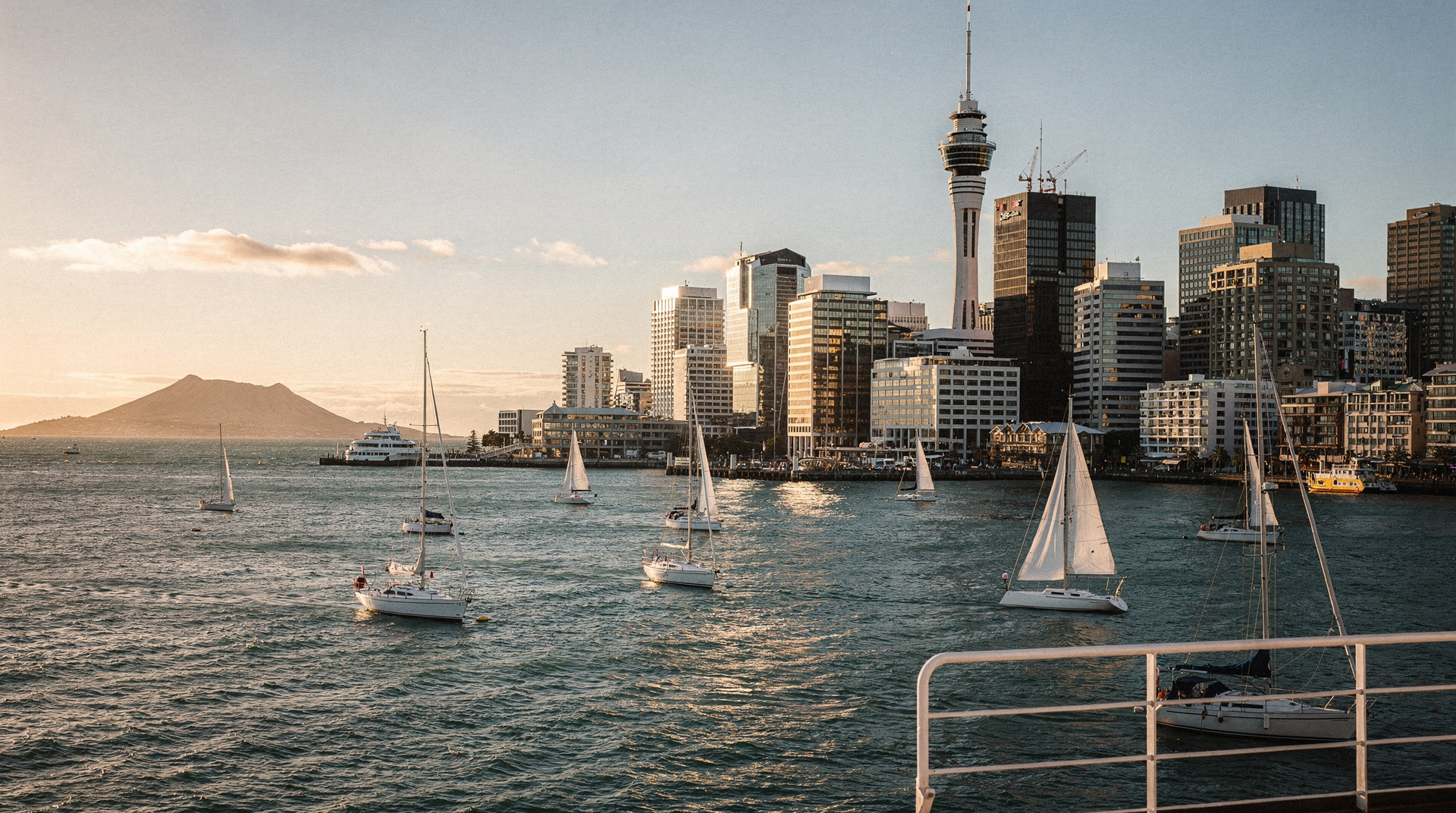
Auckland
Honest Auckland planner: harbour, Sky Tower, Waiheke wineries, day-trips to Hobbiton, real prices NZD/USD/EUR, and what's actually worth your time.
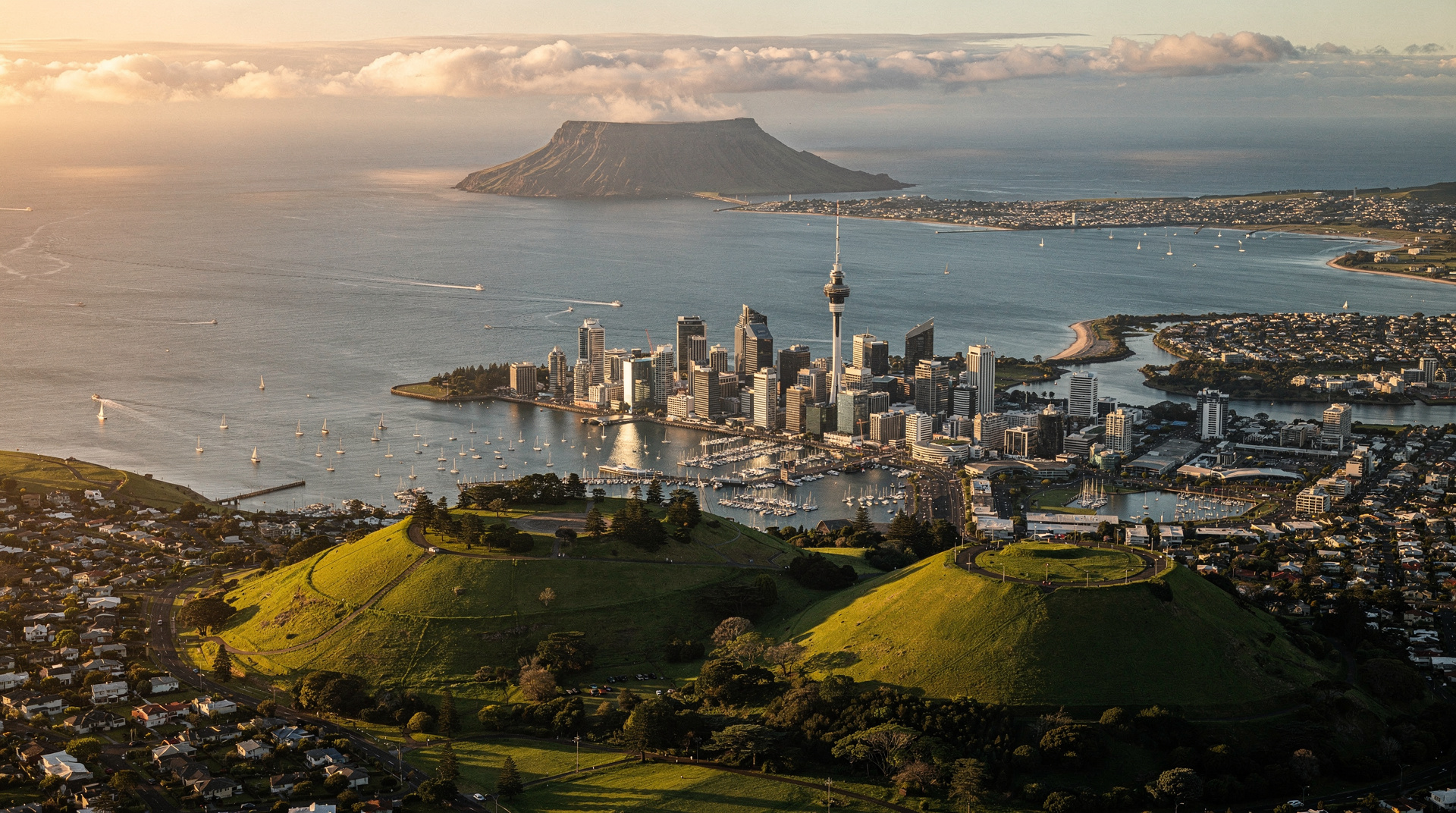
Auckland region
Auckland region beyond the city: Waiheke wine island, Piha surf, Tiritiri Matangi wildlife. NZD/USD/EUR prices, day trips, and what's truly worth your time.
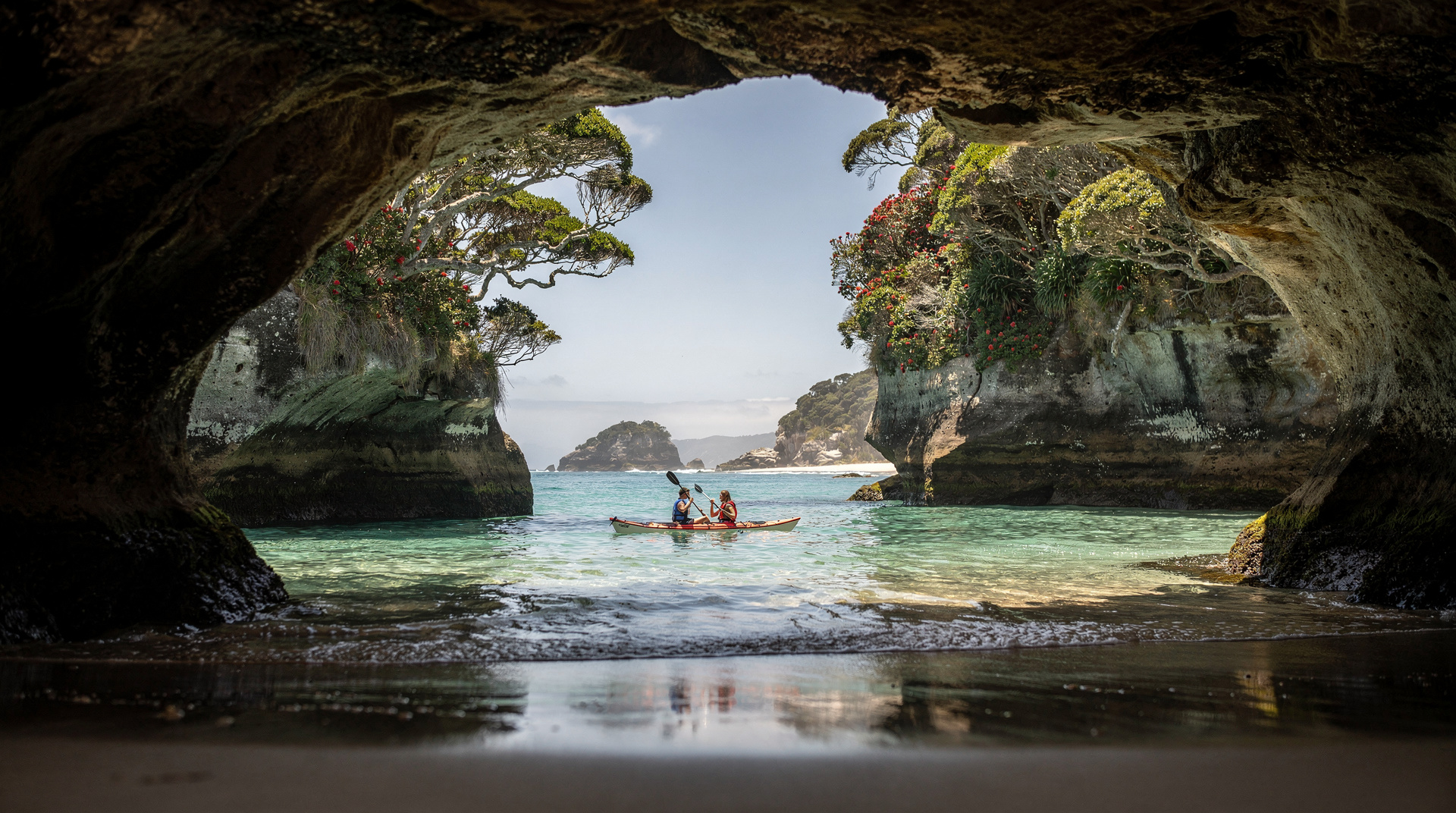
Cathedral Cove, Coromandel
Cathedral Cove is Coromandel's most iconic beach. Track access after Cyclone Gabrielle, kayak tours, combining with Hot Water Beach — costs NZD/USD/EUR.
Hot Water Beach, Coromandel
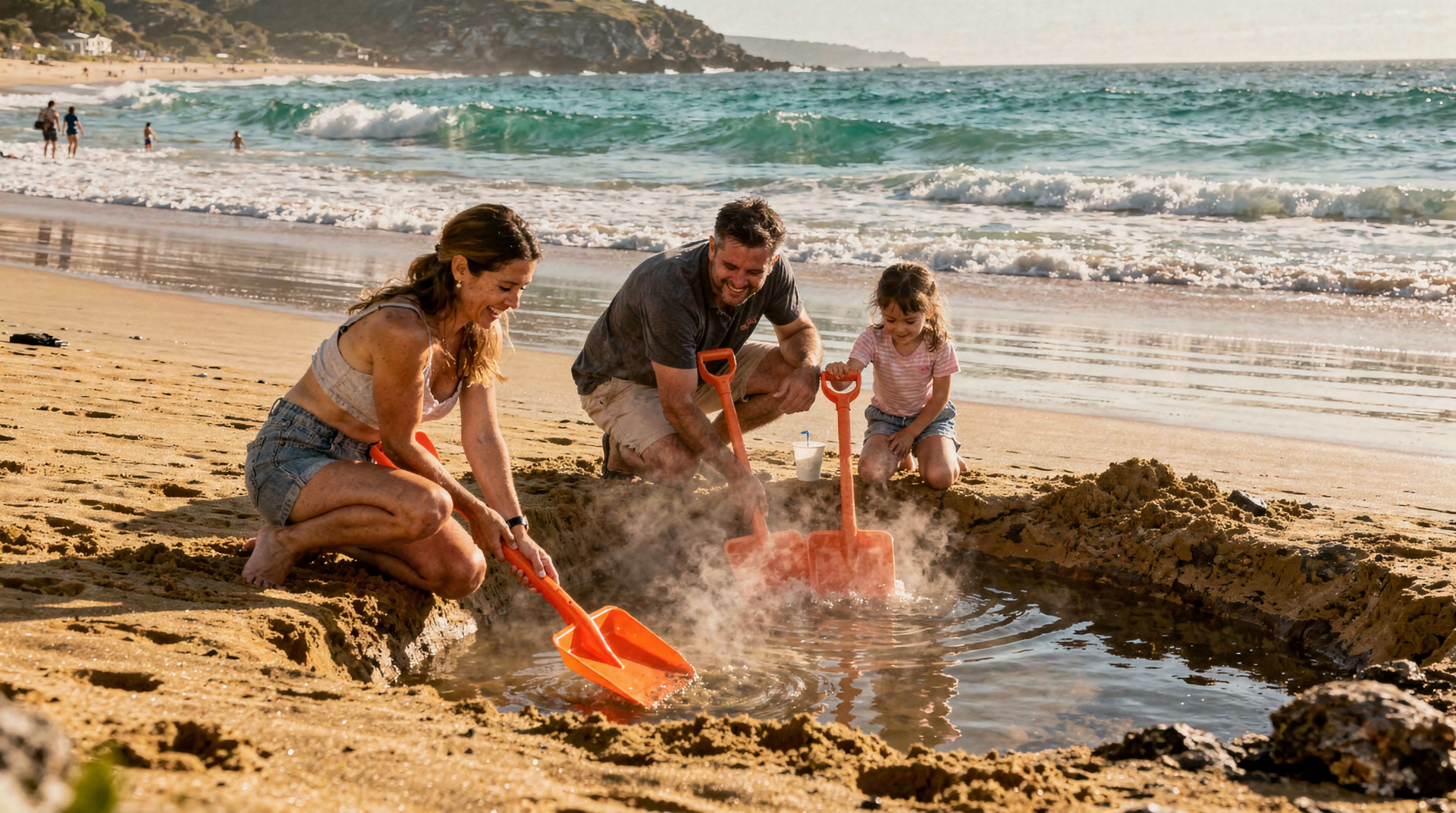
Hot Water Beach: dig into the sand at low tide and geothermal water wells up. Timing the tide window, spade hire, access from Auckland — costs NZD/USD/EUR.
Waiheke Island wine tour
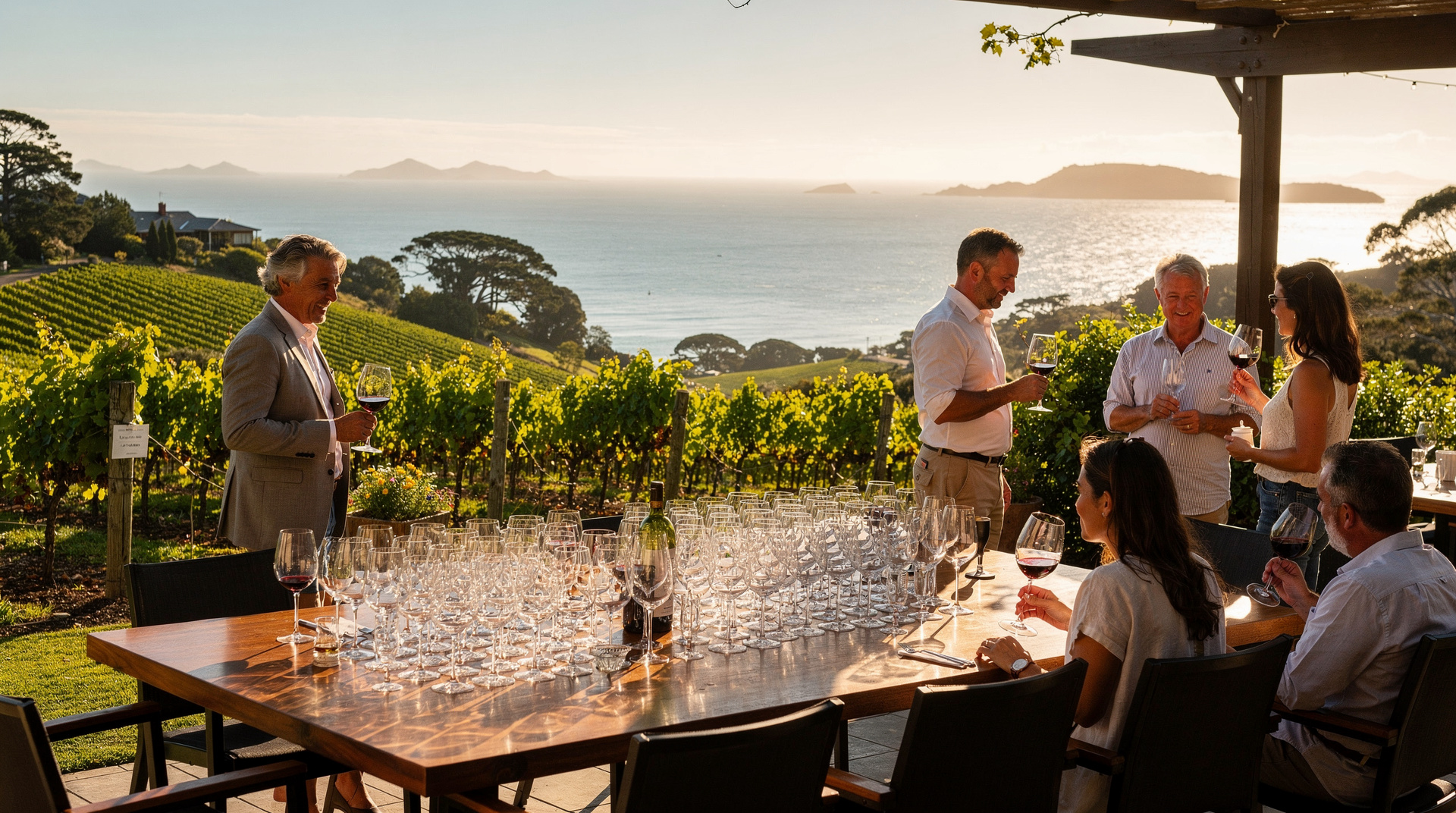
Waiheke has 30+ boutique wineries 35 min from Auckland. Full-day tours, self-guided cycling, ferry access — prices NZD/USD/EUR and top cellar doors.
Last reviewed: