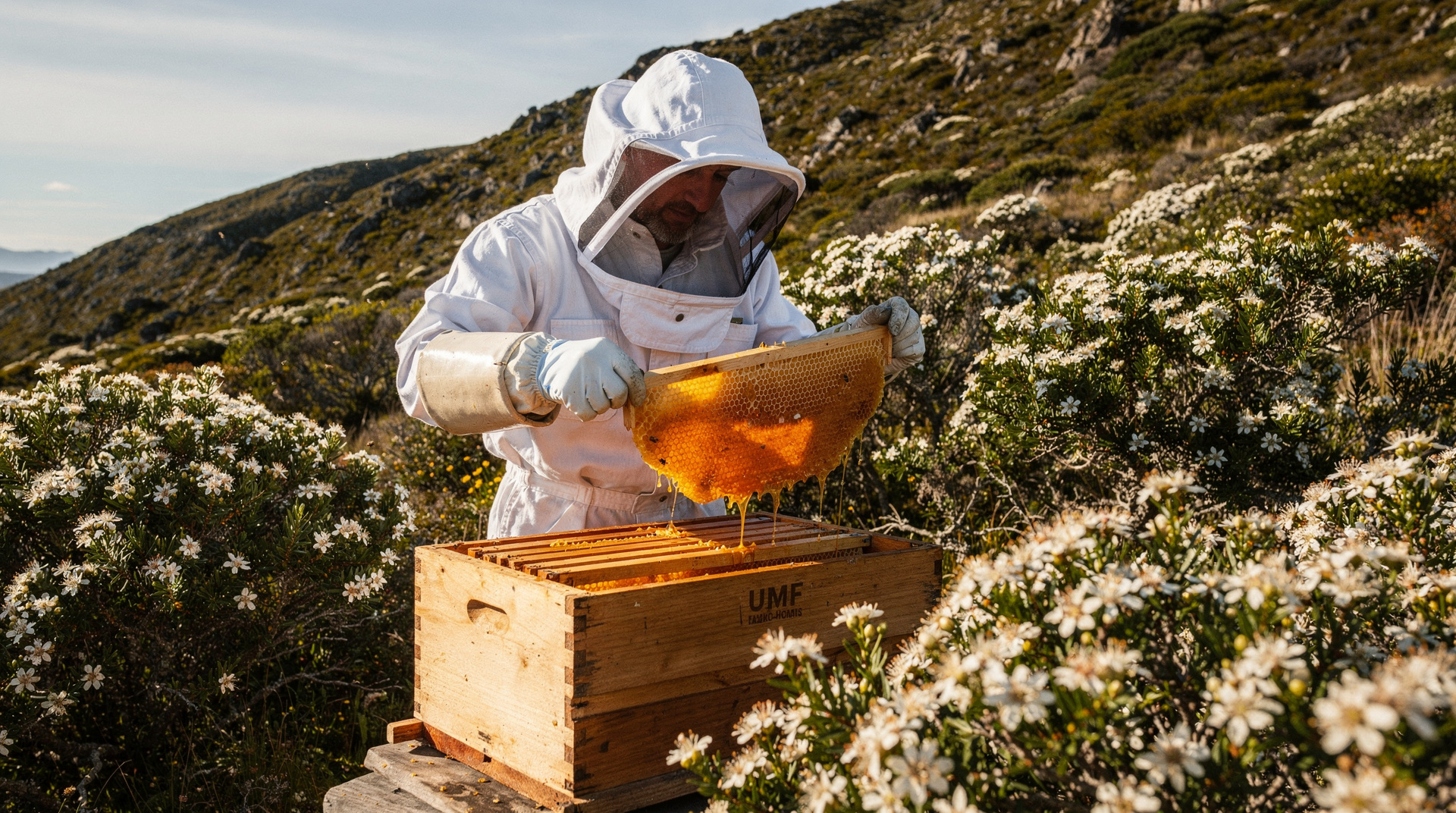
Manuka honey — New Zealand's liquid gold
What is manuka honey and why is New Zealand's famous?
Manuka honey is produced from the manuka bush (Leptospermum scoparium), native to New Zealand and Australia. NZ manuka is prized for its methylglyoxal (MGO) antibacterial content, graded by UMF (5+ to 20+ and above). Prices: NZD 25–200 / USD 15–120 / EUR 14–110 for 250g depending on UMF rating.
| What | Antibacterial honey from the native manuka bush |
| Cost | NZD 25-350+ for 250g depending on UMF rating |
| Where to buy | Supermarkets (cheapest), specialty stores, direct from producers |
| Best value | UMF 10-15 for genuine therapeutic quality without collector pricing |
| Watch for | UMF trademark + UMFHA number on the label, not just the word “manuka” |
What makes New Zealand manuka honey different
Manuka honey is produced by honeybees foraging on the manuka bush (Leptospermum scoparium), called mānuka in te reo Maori. The plant grows wild across New Zealand and parts of Australia; in New Zealand it’s a dominant species in regenerating scrubland throughout Northland, Waikato, Bay of Plenty, and the East Coast.
What distinguishes manuka honey chemically is a high concentration of methylglyoxal (MGO) — a compound derived from dihydroxyacetone in manuka nectar that is responsible for the honey’s documented antibacterial properties. Honey has been used medicinally throughout human history, but manuka’s MGO concentration is significantly higher than standard honeys; clinical studies have demonstrated efficacy against several bacterial strains including MRSA.
The UMF (Unique Manuka Factor) grading system, developed in New Zealand, quantifies this antibacterial activity. A UMF 5+ honey has measurable activity; UMF 10+ is considered therapeutic grade; UMF 15+ and above commands significant price premiums and is used in wound-care settings.
Understanding UMF and MGO ratings
Two main rating systems exist, which causes significant consumer confusion:
UMF (Unique Manuka Factor): The original and most recognised standard, developed by the UMF Honey Association (UMFHA). Tests for four markers: methylglyoxal (MGO), leptosperin (a plant-specific compound that verifies the honey’s manuka origin), dihydroxyacetone, and hydroxymethylfurfural. A UMF rating requires all four markers to be within defined ranges.
MGO (Methylglyoxal): Some producers label by MGO concentration directly. Approximate equivalences:
- UMF 5+ ≈ MGO 83
- UMF 10+ ≈ MGO 263
- UMF 15+ ≈ MGO 514
- UMF 20+ ≈ MGO 829
Which to trust: UMF-certified honey (look for the UMF trademark and UMFHA member logo on the label) is independently verified. MGO-only labelling is self-declared and harder to verify without independent testing.
Price by UMF rating (250g jar)
| UMF Rating | NZD | USD | EUR | Notes |
|---|---|---|---|---|
| UMF 5+ | 25–35 | 15–21 | 14–19 | Table honey quality; good for everyday use |
| UMF 10+ | 45–70 | 27–42 | 25–39 | Therapeutic threshold; reasonable premium |
| UMF 15+ | 80–120 | 48–72 | 44–66 | Medical-grade; worth paying for if health application is the goal |
| UMF 20+ | 130–200 | 78–120 | 72–110 | Premium tier; significant wound-care application |
| UMF 25+ | 200–350+ | 120–210+ | 110–193+ | Collector/medical grade; diminishing returns for food use |
Prices at in-country retail; export prices are significantly higher (NZ manuka is heavily marketed in Asia, Europe, and the US at 2–3× local prices).
Where to buy in New Zealand
Supermarkets: New World and Countdown supermarkets stock a range of UMF-rated manuka honey at reasonable prices. This is the most cost-efficient buying location for common grades.
Specialty stores: Manuka Health, Comvita, and Bee NZ are the largest producers with retail shops in tourist areas (Rotorua, Queenstown, Christchurch). Products are reliably certified; prices are retail rather than discounted.
Direct from producers: Some beekeepers in Northland, Bay of Plenty, and East Cape sell direct from the farm. This is the most authentically local experience and occasionally offers better value, but verify UMF certification before purchasing.
Airport duty-free: Available but priced at the higher end. Useful if you run out of time before departure.
Online (to buy before visiting or to ship home): Comvita, Manuka Health, and Steens all ship internationally. In-country prices are significantly lower than export market prices.
What to look for on a label
Legitimate UMF-certified manuka honey should show:
- The UMF trademark (not just “UMF” written in any font)
- UMFHA membership number
- Batch number and country of origin (New Zealand)
- Harvest region (optionally)
- MGO level (often listed alongside UMF)
Red flags:
- “Manuka-style” or “manuka blend” — not the real product
- UMF claims without the registered trademark
- Suspiciously low price for high UMF (UMF 15+ for under NZD 50 is unlikely to be genuine)
- No producer details or contact information
The global manuka honey market has significant counterfeiting problems — particularly in Asian export markets. Buying in New Zealand directly from certified producers or known retailers avoids most of this risk.
Manuka in food and cooking
Beyond therapeutic applications, manuka honey is excellent food:
With cheese: Drizzle over aged cheddar, blue cheese, or a strong gouda. The intensity of high-UMF manuka — slightly medicinal, complex, less sweet than standard honey — contrasts well with assertive cheeses.
In dressings: A teaspoon of manuka with apple cider vinegar, Dijon mustard, and olive oil makes an exceptional salad dressing.
On toast or porridge: Lower UMF (5+) is perfectly suited for everyday use; the cost premium of high UMF is wasted in culinary applications where the antibacterial properties are irrelevant.
In tea: A spoonful in hot (not boiling — heat destroys MGO above 40°C) tea is the most traditional use. Use water below 40°C to preserve the antibacterial compounds if that’s the purpose.
Cooking note: Heat destroys MGO. If the antibacterial properties are your reason for buying manuka, don’t cook with it — consume it at room temperature or below.
Manuka honey as a health product: what the evidence actually shows
The therapeutic reputation of manuka honey is genuine but frequently oversold in marketing. The strongest clinical evidence supports topical wound-care use — manuka honey dressings are used in hospital settings for burns and chronic wounds, where the MGO-driven antibacterial and anti-inflammatory action has measurable, published effect. This is not folk medicine; medical-grade manuka honey products (sold under names like Medihoney) are regulated wound-care devices in several countries.
For oral consumption — spooning it into tea, eating it on toast for “immune support” — the evidence is thinner. Honey generally has mild soothing properties for sore throats and coughs, and manuka’s higher MGO content may add marginal benefit, but the dramatic health claims sometimes made in retail marketing (cures, significant immune boosts from dietary quantities) outpace the actual clinical data. Treat manuka as an excellent, unusually complex honey with credible topical wound-care applications — not a medicine you eat your way to health with.
The East Cape and Northland growing regions
The best manuka honey comes from remote East Cape and Northland scrublands where the manuka grows in dense, undisturbed stands. East Cape honey is particularly prized for its high MGO content — the remoteness of the growing area (poor soil, high altitude, undisturbed bush) concentrates the plant’s dihydroxyacetone.
Visiting these areas as a tourist is tangential to the honey purchase, but if you’re travelling the East Cape circuit (Gisborne–East Cape–Opotiki) you’ll pass through the country where the best manuka grows. Some local operators sell raw honey direct from hives.
Comvita and the large producers
Comvita is the world’s largest manuka honey producer and the most recognised global brand. It’s a publicly listed company with vertically integrated production (owns hives, processes, and exports honey). Comvita products are reliably certified and consistent in quality; they also tend to be competitively priced in New Zealand relative to their international retail prices.
Smaller producers (Steens, Ora Honey, Manuka Health, WildCape) offer more artisanal products and some regional specificity. The quality ceiling at the top of the market is occupied by single-batch, high-UMF producers who harvest specific remote sites — these command significant premiums.
Costs summary (NZD / USD / EUR for 250g jar)
| Product | NZD | USD | EUR |
|---|---|---|---|
| Standard NZ honey (non-manuka) | 5–12 | 3–7 | 3–7 |
| Manuka UMF 5+ | 25–35 | 15–21 | 14–19 |
| Manuka UMF 10+ | 45–70 | 27–42 | 25–39 |
| Manuka UMF 15+ | 80–120 | 48–72 | 44–66 |
| Manuka UMF 20+ | 130–200 | 78–120 | 72–110 |
Exchange rate: 1 NZD ≈ 0.60 USD ≈ 0.55 EUR.
Honest verdict
Worth buying as a New Zealand food souvenir — genuine UMF-certified manuka is a world-class product that’s significantly cheaper to buy at source than in export markets. The therapeutic claims are partially supported by evidence for wound-care applications (the clinical data is most robust for topical use on wounds and burns); for general health maintenance, the evidence is more limited. As a food product, UMF 10–15 is genuinely excellent honey with complex flavour that stands apart from standard varieties.
Buy from certified retailers, look for the UMFHA trademark, and purchase in New Zealand for the best price. A 500g jar of UMF 15+ makes an exceptional and authentic gift from New Zealand.
Frequently asked questions
What UMF rating should I buy?
For culinary and general food use: UMF 5–10 is excellent and cost-effective. For wound-care or immune-support applications where the antibacterial properties are the goal: UMF 15+ is the appropriate minimum. For everyday eating, higher UMF ratings are not meaningfully better food — the extra cost is paying for antibacterial concentration that’s irrelevant if you’re just spreading it on toast.
Is Australian manuka honey the same as New Zealand’s?
The manuka plant (Leptospermum scoparium) grows in both countries. Australia and New Zealand have ongoing disputes about which country’s honey can legitimately carry certain “manuka” labels in export markets. New Zealand manuka is generally considered the benchmark for high-MGO production, though Australian manuka from specific regions can be high-grade. In New Zealand, buy New Zealand product; the UMF system is the verification mechanism.
Can I take manuka honey on a plane home?
Honey is permitted in carry-on liquids in containers under 100ml, or unrestricted quantities in checked luggage. Import regulations in your home country may apply — check before purchasing in quantity. Most countries permit personal-use quantities of honey as a food import.
Related reading
Related guides
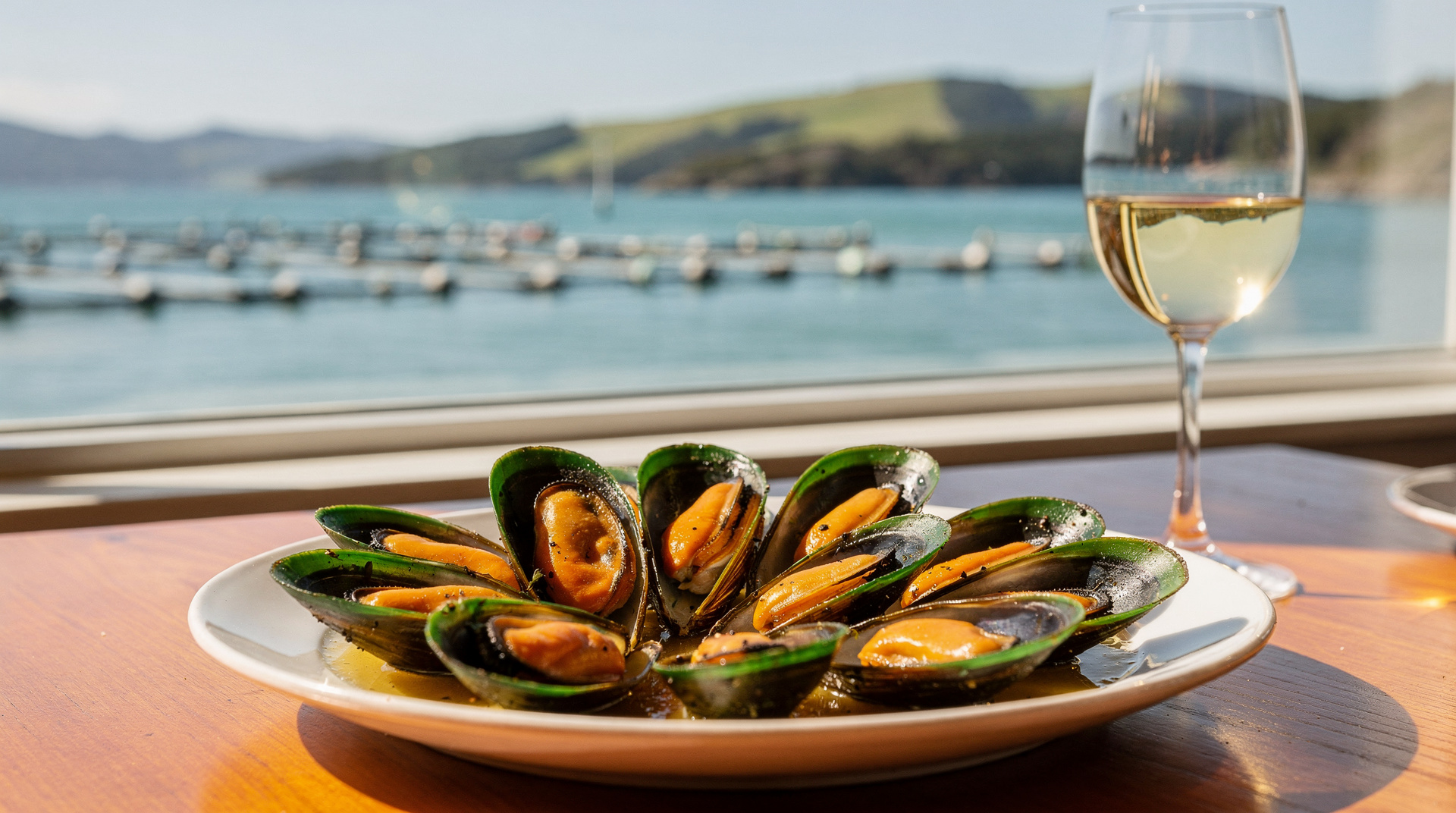
Green-lipped mussels of Marlborough
NZ green-lipped mussels are farmed in the Marlborough Sounds. Mussel cruises, best places to eat fresh, and why they're world-famous — prices NZD/USD/EUR.
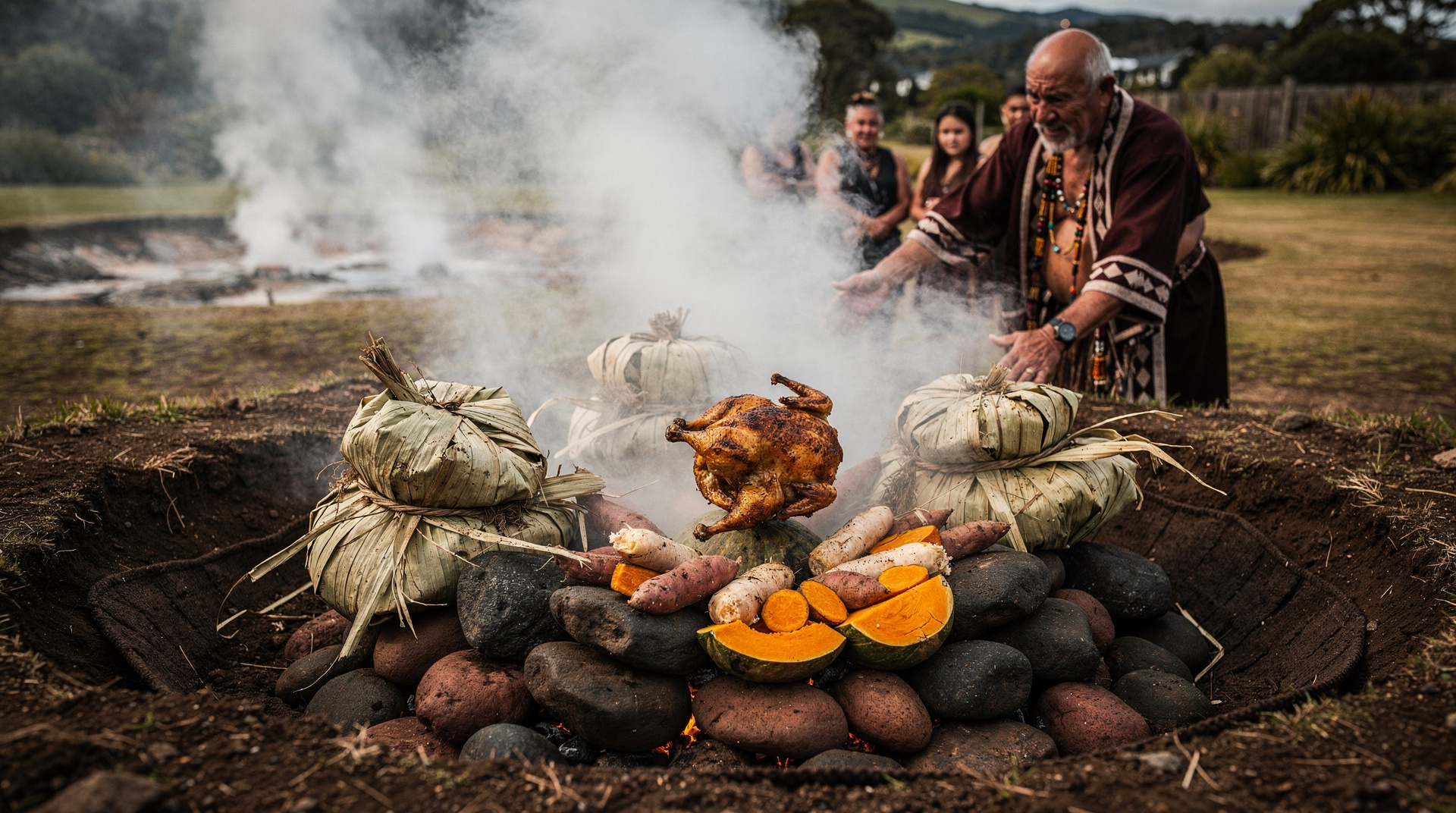
Hangi experience in New Zealand
A hangi is a traditional Maori feast cooked in an earth oven. Best operators in Rotorua, prices NZD/USD/EUR, cultural context, and te reo glossary.

New Zealand craft beer trail
New Zealand has a world-class craft beer scene led by Wellington. Brewery tours, best taprooms, NZ hops, and how to explore the trail — prices (NZD/USD/EUR).

Northland
Honest Northland planner: Bay of Islands, Cape Reinga, 90 Mile Beach, Paihia, Russell, Whangarei. Real NZD/USD/EUR costs, what's worth your time.
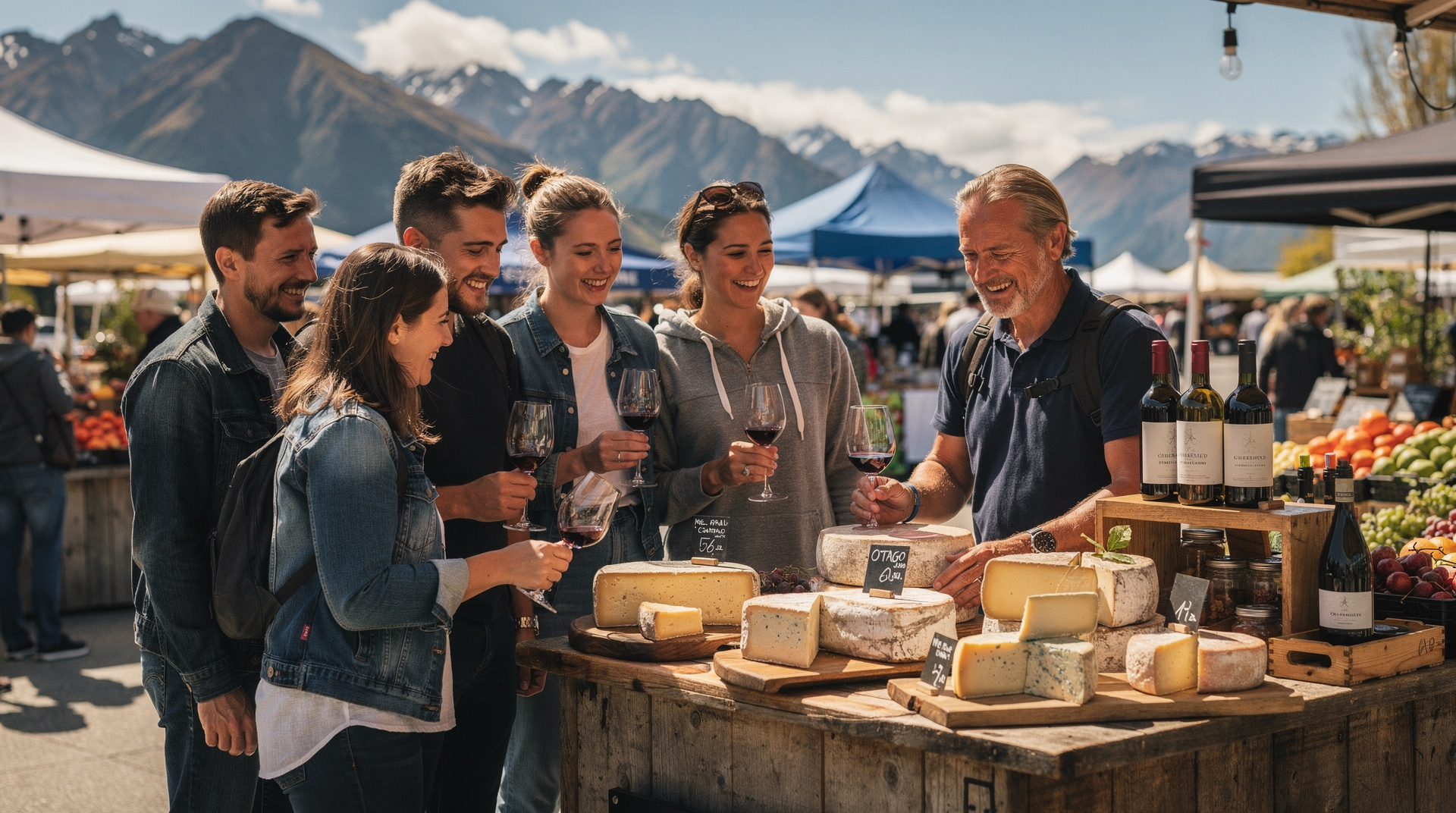
Queenstown food and drink guide
Queenstown has New Zealand's best adventure dining scene. Food tours, top restaurants, local wines, and honest picks for every budget — prices (NZD/USD/EUR).
Last reviewed: