Hangi experience in New Zealand
What is a hangi and where can I have one in New Zealand?
A hangi is a traditional Maori method of cooking food in an earth oven using heated stones. Rotorua is the best place to experience a hangi — combined with cultural performance at Mitai Maori Village or Te Puia. Hangi dinners with cultural show cost NZD 115–180 / USD 69–108 / EUR 63–99.
What is a hangi?
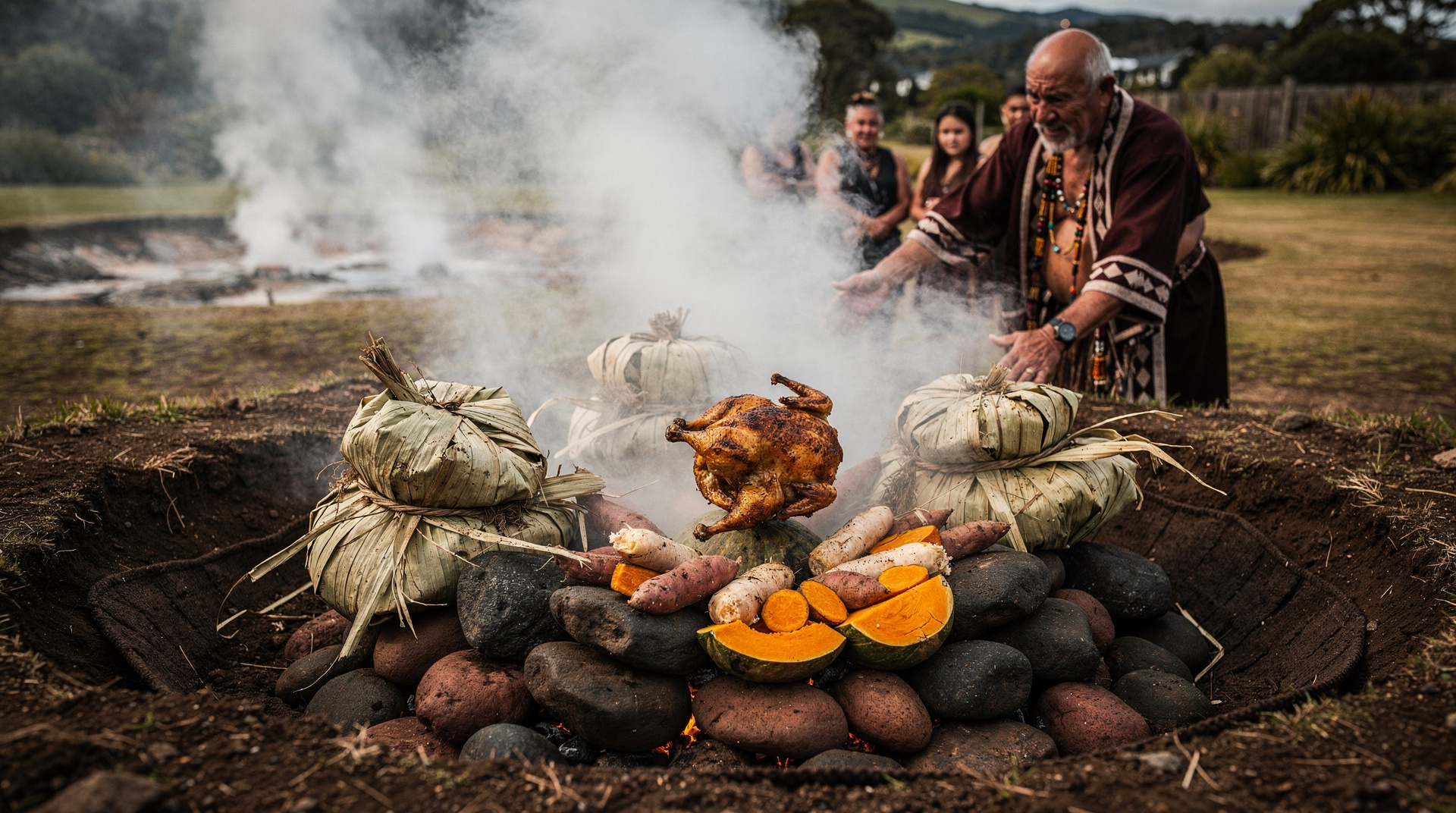
A hangi (pronounced “HUNG-ee”) is the traditional Maori method of cooking food in the earth using heated stones. The word is both a noun (the food) and the name of the cooking method. In te reo Maori, hangi also refers to the gathering itself — the food, the community, and the occasion are inseparable.
| Best base | Rotorua (widest choice, earth-pit cooking) |
| Typical cost | around NZD 115–195 per adult, dinner + cultural show |
| Duration | 2.5–4 hours (evening experience) |
| Booking | advance recommended, especially weekends and peak season |
| Also available | Waitangi (Bay of Islands), Christchurch, Auckland |
The process: stones are heated in a large fire for several hours until extremely hot. The fire is removed; the stones are placed in a pit dug in the earth. Food — typically pork, chicken, kumara (sweet potato), potatoes, stuffing, and pumpkin — is placed in baskets or wrapped in foil on the stones, then covered with wet cloths and earth to trap the steam. The food cooks by indirect steam heat for 3–4 hours. When the pit is opened, the food emerges with a distinctive smoky, earthy quality different from any other cooking method.
Te reo Maori glossary for this guide:
- hangi — earth oven feast and cooking method
- kai — food
- whenua — land, earth
- iwi — tribe, people
- marae — traditional gathering place
- manaakitanga — hospitality, generosity
- kia ora — greeting; hello
- haka — posture dance (often performed before a hangi feast)
- pōhiri — formal welcome ceremony
- tāonga — treasures, things of value
The hangi is an expression of manaakitanga — the Maori principle of generous hospitality. When you are fed at a hangi, you are being cared for in a specific cultural sense that goes beyond a commercial restaurant transaction.
Where to experience a genuine hangi
Rotorua — the best option
Rotorua is the cultural heartland of Maori tourism in New Zealand. The city has multiple iwi-owned operators who run hangi experiences of varying quality and authenticity. The honest ranking:
Mitai Maori Village: The Mitai Maori Village evening cultural experience includes a pōhiri welcome, a night walk through native bush to see warrior canoes on the river, cultural performances (haka, poi, waiata — song), and a hangi dinner. Mitai is consistently well-regarded for production quality — the performances are rehearsed and polished but genuinely educational. The hangi itself is cooked correctly; the food quality is above average for group catering.
Price: NZD 130–160 / USD 78–96 / EUR 72–88.
Te Pa Tu at Te Puia: The Te Pa Tu cultural dinner at Te Puia combines the geothermal park setting (Pohutu Geyser, thermal pools) with an evening cultural performance and hangi. Te Puia is owned by Te Arawa iwi and is widely considered the most educationally authentic of the Rotorua Maori tourism operations. The hangi at Te Puia is cooked in the earth rather than in commercial steam ovens — an important distinction.
Price: NZD 150–195 / USD 90–117 / EUR 83–107.
Tamaki Maori Village: The Tamaki Maori Village is the most theatrically produced and highest-capacity operation. The experience is staged and designed for large groups (buses from cruise ships, large tour groups). The hangi is produced at scale using conventional steam-oven methods rather than earth pit cooking. The cultural performance is polished. For most purposes, Mitai or Te Puia are better choices, but Tamaki handles very large groups more efficiently.
Price: NZD 115–145 / USD 69–87 / EUR 63–80.
Te Puia daytime with hangi lunch: The Te Puia hangi lunch is the daytime option — a lighter cultural programme combined with a hangi meal at lunch rather than an evening show. This fits better into a daytime Rotorua itinerary without the 3–4 hour evening commitment.
Price: NZD 95–120 / USD 57–72 / EUR 52–66.
Earth oven vs steam oven — the honest difference
Many “hangi experiences” in Rotorua now cook the food using commercial steam ovens that approximate the flavour of traditional earth-pit hangi. This is a pragmatic solution for consistent results with large groups but produces a slightly different outcome. The traditional earth pit method imparts a more distinctive smoky, mineral character; the steam oven version tastes more like very good steamed food.
If authenticity matters to you, ask operators explicitly whether the hangi is cooked in the ground or using steam equipment. Te Puia and Mitai both use earth pit cooking for their main productions; Te Puia’s consistency here is particularly clear.
Hangi at a marae
Some Maori communities offer hangi experiences on a working marae for small groups or by arrangement. These are less commercially structured and more dependent on community schedules, but they represent the most authentic form of participation — eating in a space that is genuinely tapu (sacred, restricted) with people for whom the hangi is not a performance but a practice.
Options for marae visits with hangi should be booked through regional tourism offices or through specific iwi who have indicated openness to visitor participation. Read the marae etiquette guide before visiting a working marae.
What a hangi meal includes
The typical hangi menu:
- Pork: Slow-cooked until falling-tender, with a slight smokiness
- Chicken: Similarly slow-cooked; sweeter than oven-roasted
- Kumara (sweet potato): The most distinctively New Zealand element; the earth cooking produces a caramelised sweetness
- Potatoes: Standard; reliably good from the steam
- Pumpkin / squash: Soft and sweet
- Stuffing: A bread-based dressing; standard across most operators
- Rewena bread: Traditional Maori potato-starter bread; not always offered but excellent when it is
- Dessert: Usually pavlova or variations thereof
The food is generous in quantity; this is manaakitanga in practice. Don’t eat a large meal before attending.
Hangi beyond Rotorua
Hangi experiences are available beyond Rotorua:
Waitangi, Bay of Islands: The Waitangi Treaty Grounds offer a hangi feast as part of the full cultural programme. See Waitangi guide. The Waitangi Treaty Grounds hangi and concert is a complete evening experience.
Christchurch: Ko Tane at Willowbank Wildlife Reserve offers a hangi dinner combined with kiwi viewing. The Ko Tane Maori hangi and kiwi experience is Christchurch’s best cultural dinner option.
Auckland: Less structured hangi tourism than Rotorua. The Auckland luxury Maori cultural tour includes cultural context and food elements in a private setting.
Costs summary (NZD / USD / EUR)
| Experience | NZD | USD | EUR |
|---|---|---|---|
| Mitai Maori Village (evening, hangi included) | 130–160 | 78–96 | 72–88 |
| Te Pa Tu at Te Puia (dinner show) | 150–195 | 90–117 | 83–107 |
| Tamaki Maori Village (evening show) | 115–145 | 69–87 | 63–80 |
| Te Puia hangi lunch | 95–120 | 57–72 | 52–66 |
| Waitangi Treaty Grounds hangi and concert | 120–150 | 72–90 | 66–83 |
| Ko Tane (Christchurch) | 110–140 | 66–84 | 61–77 |
Exchange rate: 1 NZD ≈ 0.60 USD ≈ 0.55 EUR.
Booking a hangi experience: practical tips
Book at least a few days ahead in shoulder season, and 1–2 weeks ahead in peak summer (December–February) or around major New Zealand events like Waitangi Day (6 February) and Matariki (June–July), when both visitor numbers and community demand for hangi caterers rise together. Evening experiences typically start with pickup or arrival between 5:30pm and 6:30pm and run 2.5–4 hours depending on the operator and whether a night walk or geothermal viewing is included.
Most Rotorua hangi evenings include hotel pickup and drop-off as standard — check this when booking, since self-driving after a full cultural evening (with wine or beer often included) is not ideal. Dietary requirements (vegetarian, gluten-free, allergies) should be flagged at time of booking rather than on arrival; operators used to international visitors handle this smoothly with advance notice.
What to wear and bring
Hangi evenings are outdoor-adjacent (a night walk, an open-air performance area, or a marae-style gathering space), so dress for the season: a warm layer even in summer, since Rotorua evenings cool quickly, and closed shoes for uneven ground. There is no formal dress code — smart-casual is standard and nobody will look out of place in travel clothes. Bring a light rain jacket outside the dry summer months, and a camera or phone for the performance (most operators welcome photography during the haka and poi, though some ask you to put phones away during the pōhiri welcome out of respect).
Honest verdict
Worth it — the hangi experience is one of the most culturally specific things you can do in New Zealand. This is not a fabricated tourist tradition; hangi has been the central community feast of Maori culture for centuries and remains so for significant community events (tangi/funerals, weddings, whanau gatherings) throughout New Zealand. Participating in a tourist version of this is respectful and appropriate when it’s run by iwi-owned operators — it supports Maori cultural tourism, which is a meaningful economic and cultural preservation mechanism.
Choose Mitai or Te Puia over Tamaki if possible; the earth-pit cooking and iwi ownership matter.
Frequently asked questions
Is a hangi experience for non-Maori visitors appropriate?
Yes — the commercial hangi operations exist specifically for visitor participation and are run by Maori communities who have chosen to share this aspect of their culture. Participation is respectful when done through proper operator channels with genuine engagement rather than passive observation. Read marae etiquette for guidance on appropriate behaviour.
What’s the difference between Mitai, Tamaki, and Te Puia?
Te Puia is the most educationally authoritative — iwi-owned (Te Arawa), earth-pit hangi, set in the significant geothermal landscape, with the best cultural context. Mitai has the most theatrical production including the night river canoe element. Tamaki is the highest-capacity and most commercially produced — appropriate for large groups but less intimate. All three are legitimate; the choice depends on your priorities.
Is the hangi food good?
Yes, when cooked in the earth. The slow steam-and-heat process produces genuinely tender meat and sweet root vegetables that are difficult to replicate by other methods. The flavour is distinct. The food quantity is always generous — this is part of the hospitality principle.
Can vegetarians eat a hangi?
Hangi traditionally centres on meat. Modern Rotorua operators accommodate vegetarians with pre-arranged vegetarian plates (kumara, pumpkin, and stuffing-based options). Notify operators when booking.
Related reading
Related guides
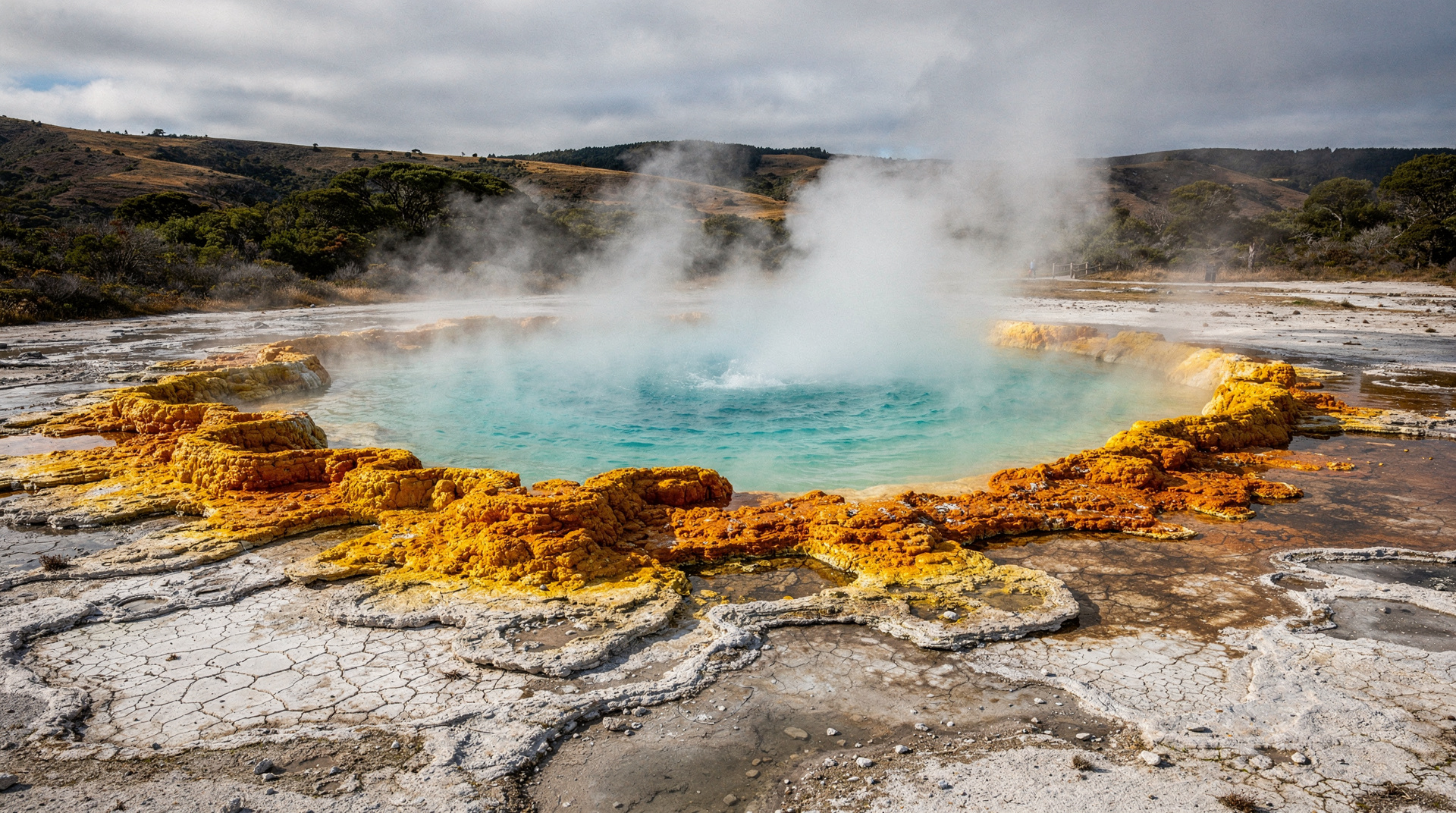
Rotorua
Honest Rotorua guide: Te Puia, Wai-O-Tapu, Polynesian Spa, Maori hangi, real prices NZD/USD/EUR, tourist traps to avoid, and best 2 days.
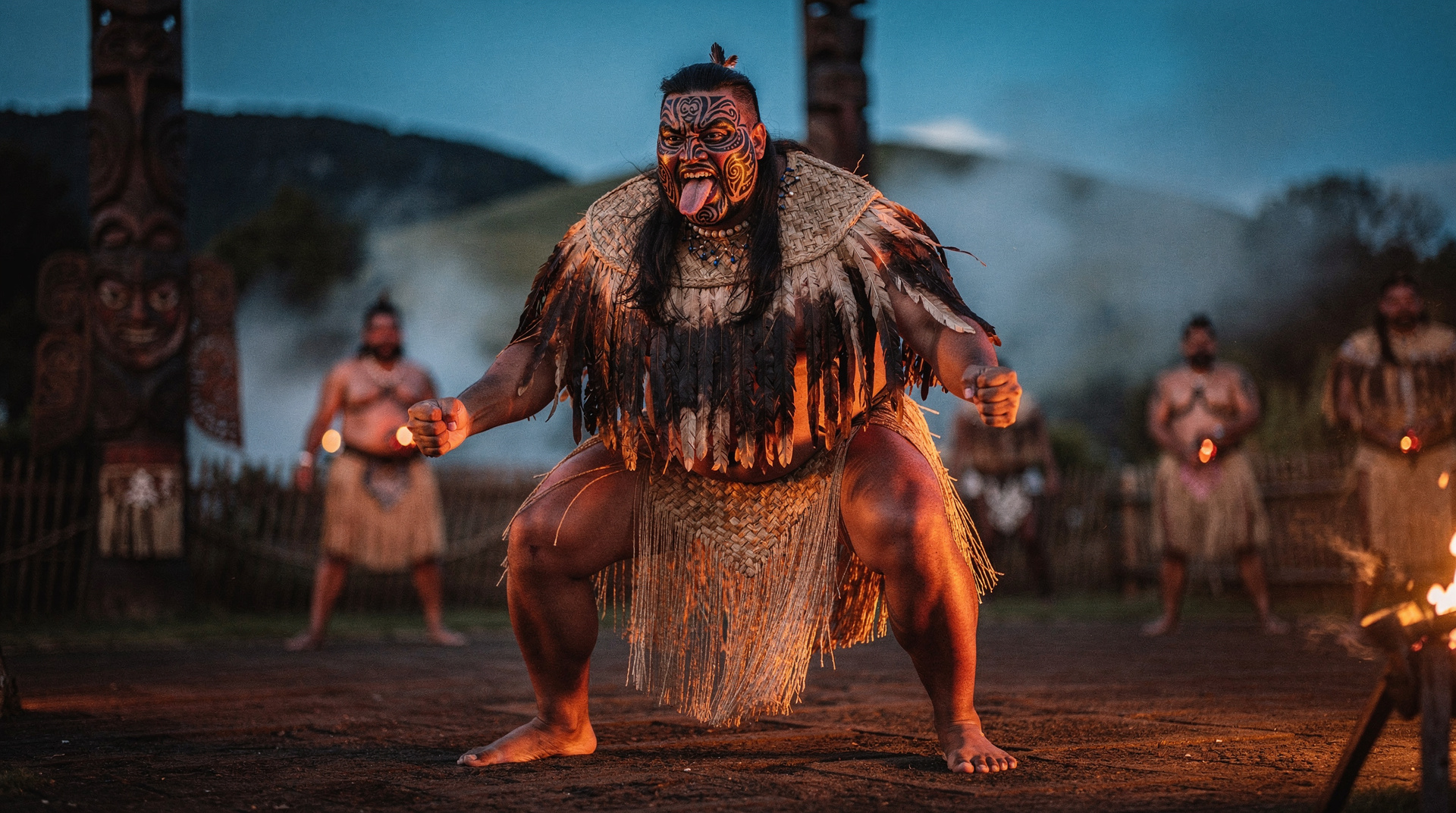
Maori culture overview — what every visitor should know
Respectful introduction to Maori culture for visitors: tangata whenua, Te Tiriti, tikanga basics, language, cultural experiences, and how to engage honestly.
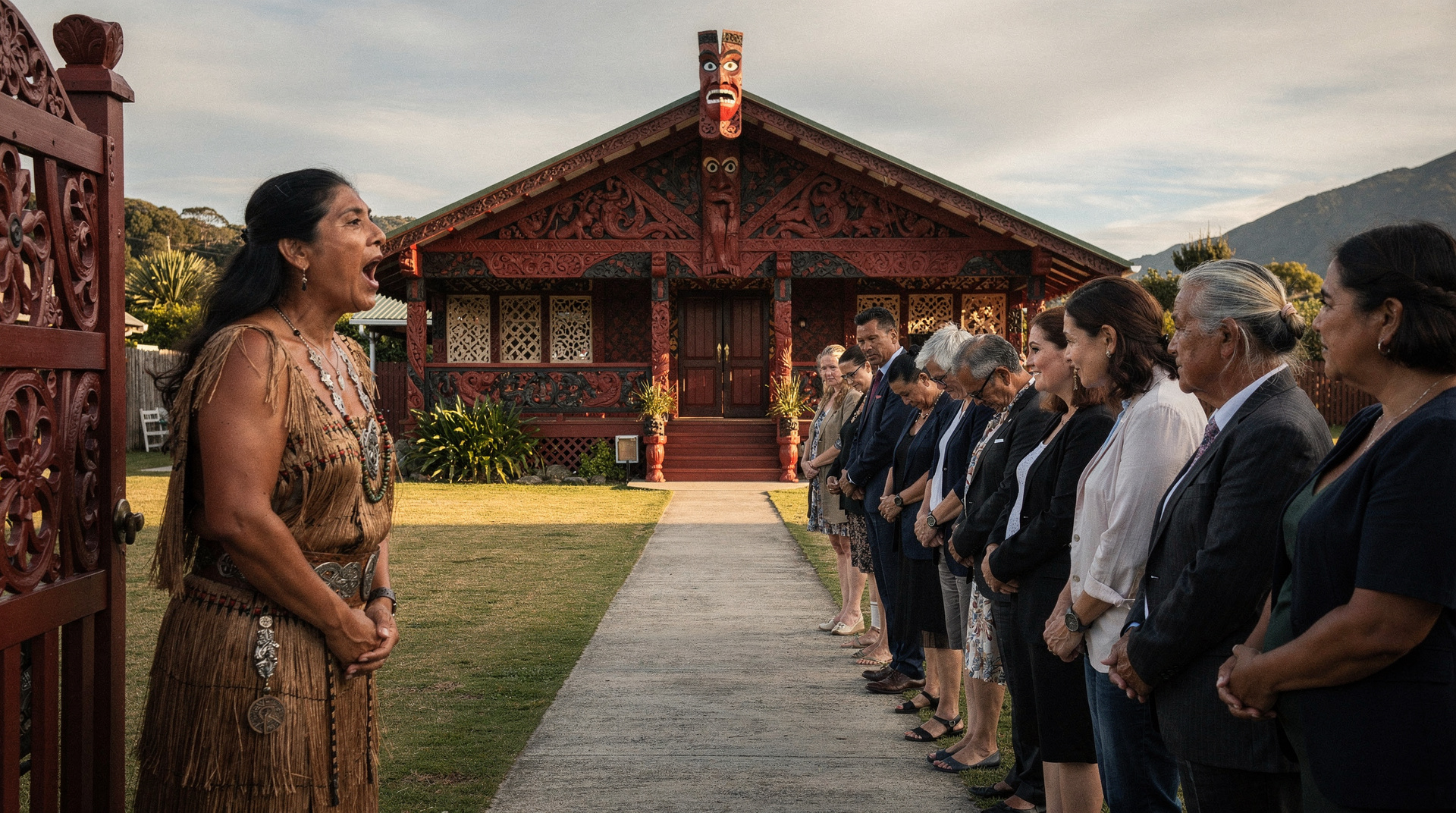
Marae etiquette for visitors
Marae etiquette: powhiri protocol, hongi greeting, shoes off, what not to do, and how to be a respectful guest at a Maori meeting place.
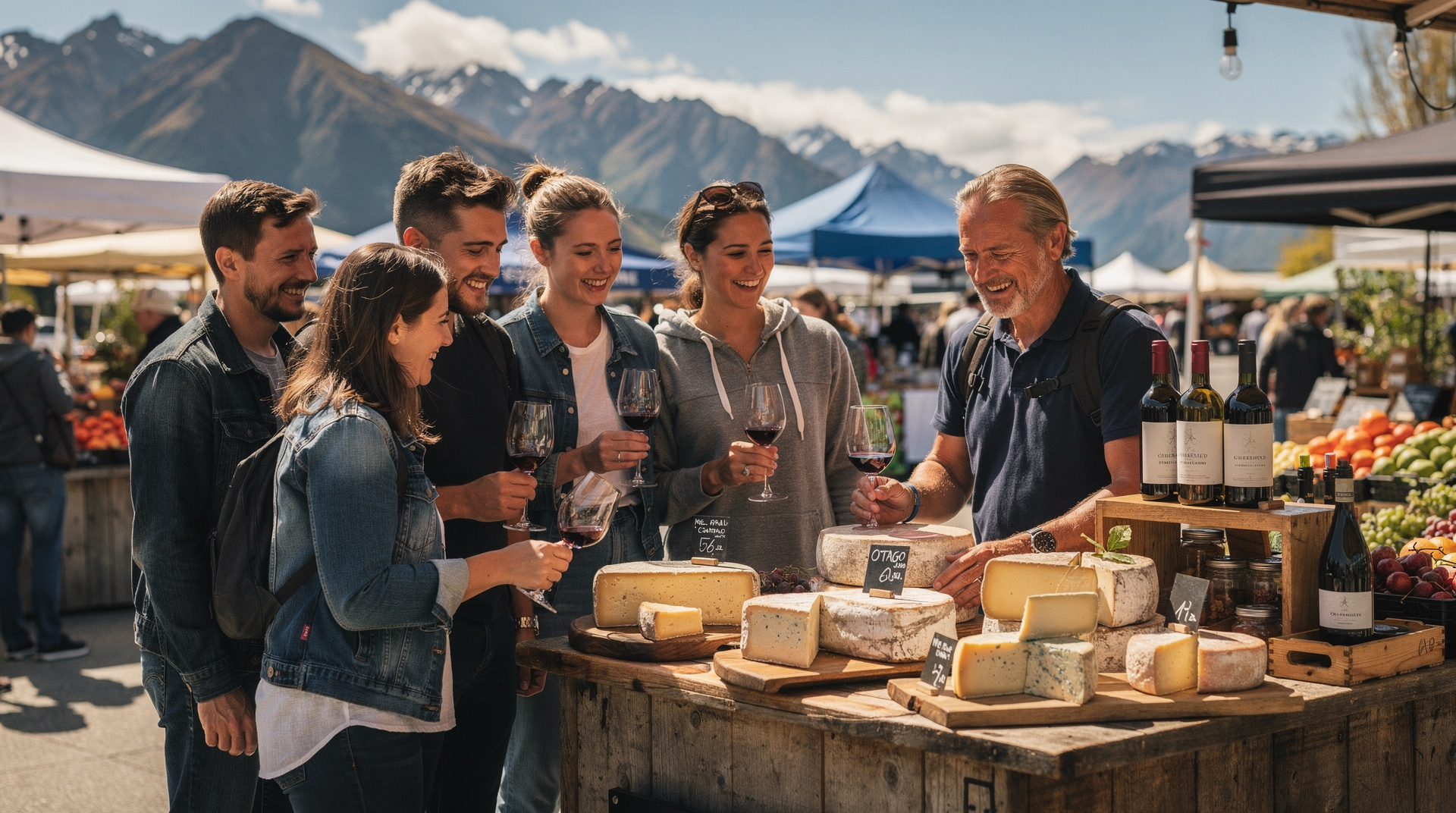
Queenstown food and drink guide
Queenstown has New Zealand's best adventure dining scene. Food tours, top restaurants, local wines, and honest picks for every budget — prices (NZD/USD/EUR).
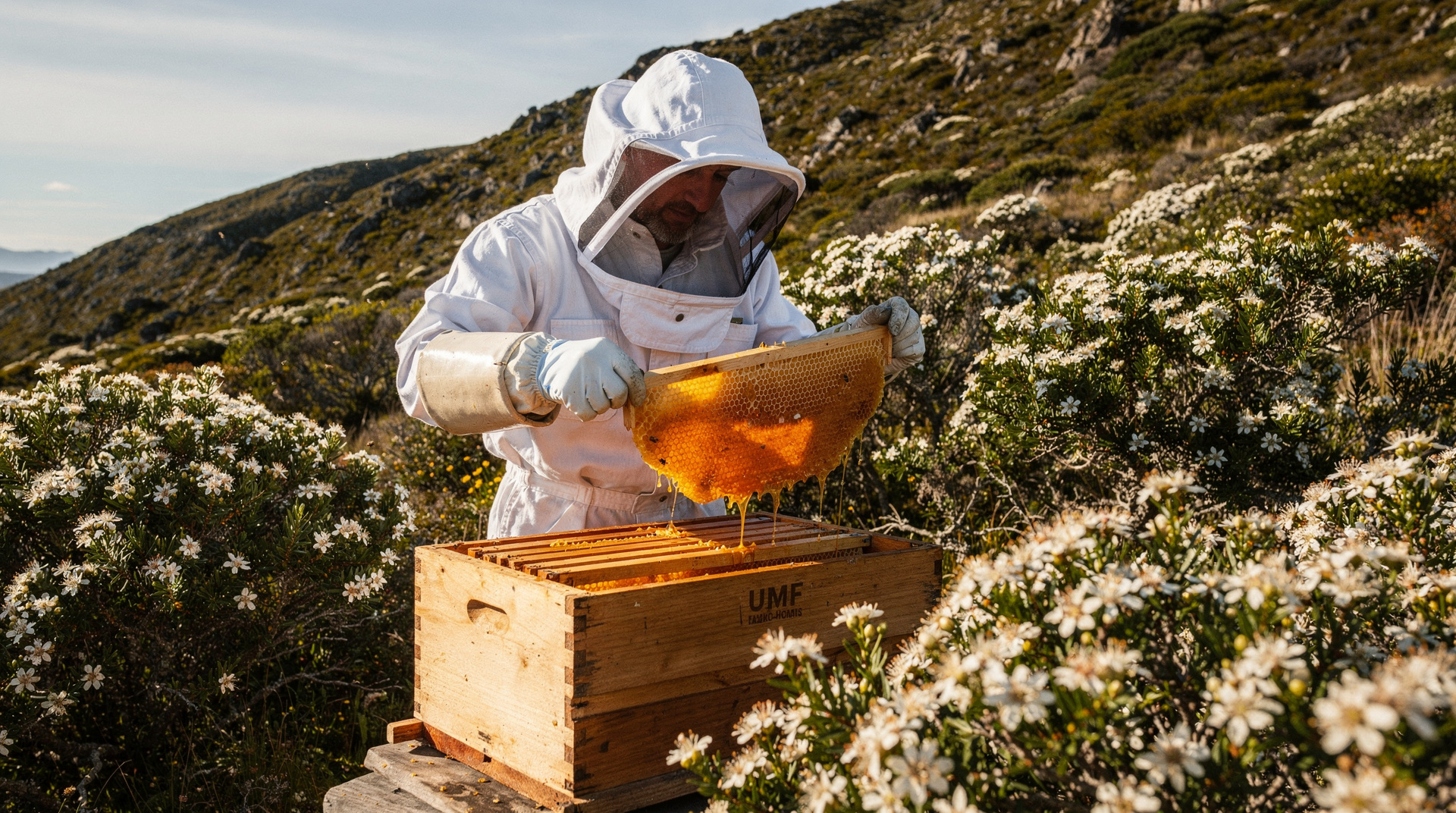
Manuka honey — New Zealand's liquid gold
NZ manuka honey is prized for its UMF antibacterial rating. UMF explained, buying guide, prices NZD/USD/EUR, and how to spot counterfeits.
Last reviewed: